



Substance P
Based on 36 publication(s) in Google Scholar
Substance P (Neurokinin P) is a CNS-penetrant neuropeptide, acting as a neurotransmitter and as a neuromodulator in the CNS. The endogenous receptor for substance P is neurokinin 1 receptor (NK1-receptor, NK1R).
For research use only. We do not sell to patients.
- Purity : 99.52%
- CAS No.: 33507-63-0
- Formula: C63H98N18O13S
- Molecular Weight:1347.63
-
Storage:
Sealed storage, away from moisture.
Powder -80°C, 2 years , -20°C, 1 year* In solvent : -80°C, 6 months; -20°C, 1 month (sealed storage, away from moisture)
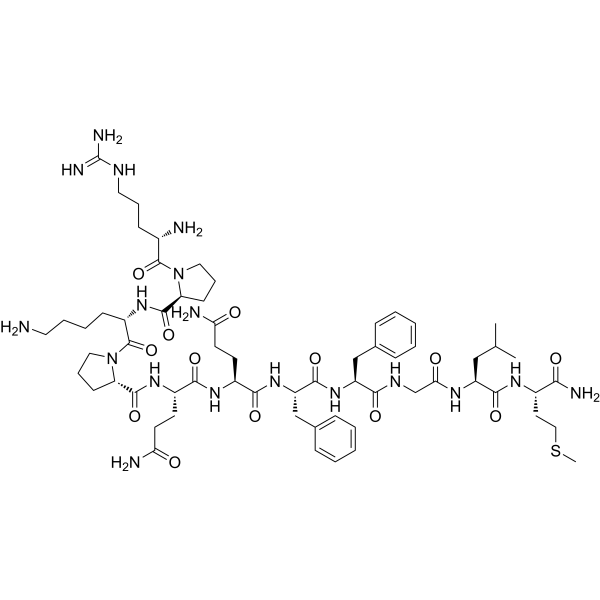

To place orders, for customer services and technical support, please contact: MedChemExpress USA
Tel: 609-228-6898 E-mail: [email protected] [email protected]


-
 Biological Activity
-
Chemical Information
-
Solvent & Solubility
- Purity & Documentation
- References
-
 Help & FAQs


-

HY-P0197
Neurokinin APeptide Neurotransmitter -
HY-10052
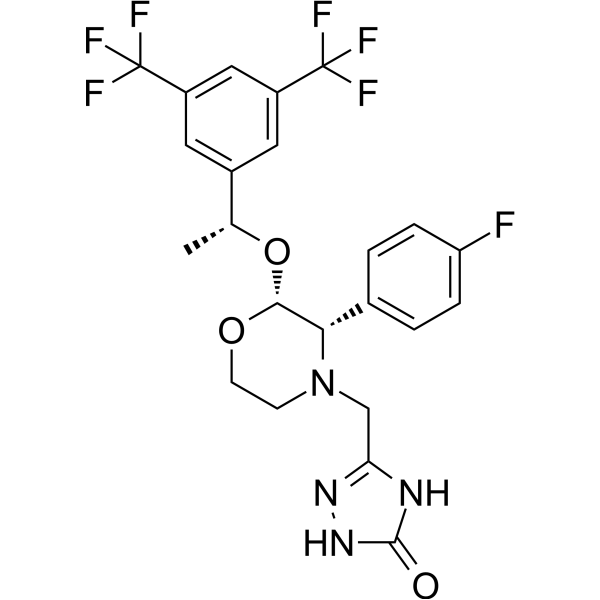
AprepitantNeurokinin 1 Receptor Antagonist -
HY-P1932
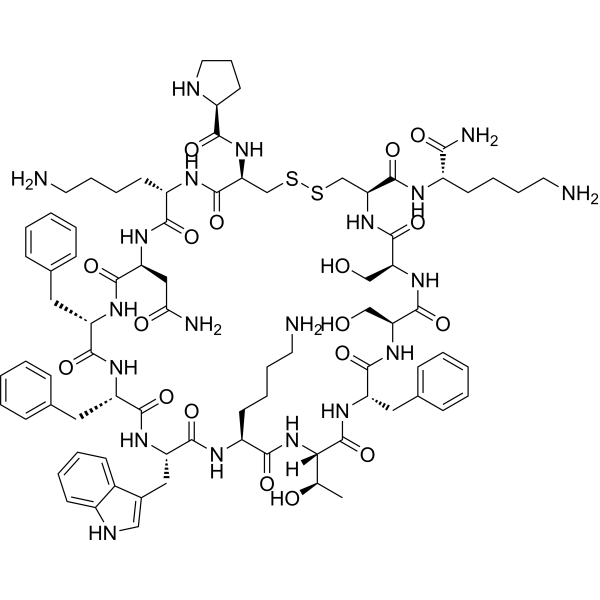
Cortistatin-14Somatostatin Receptor Inhibitor -
HY-13715
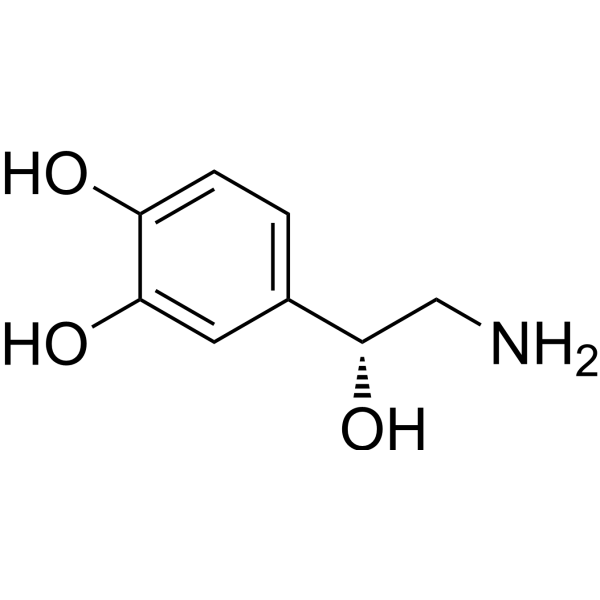
NorepinephrineAdrenergic Receptor Agonist -
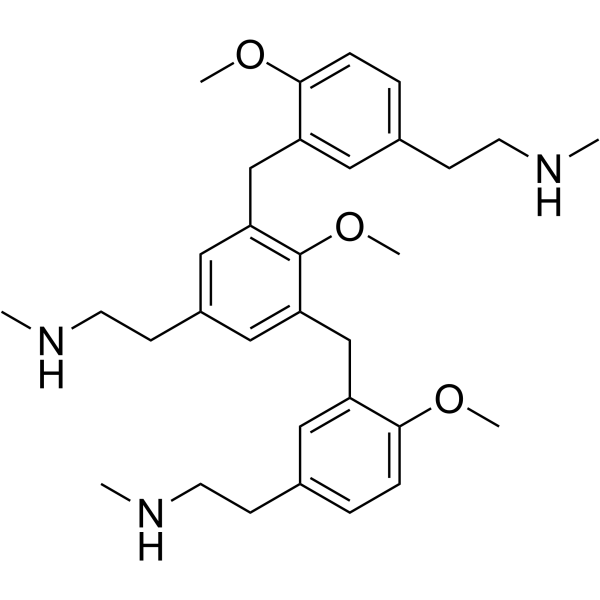
HY-115768
Compound 48/80Mast Cell Activator -
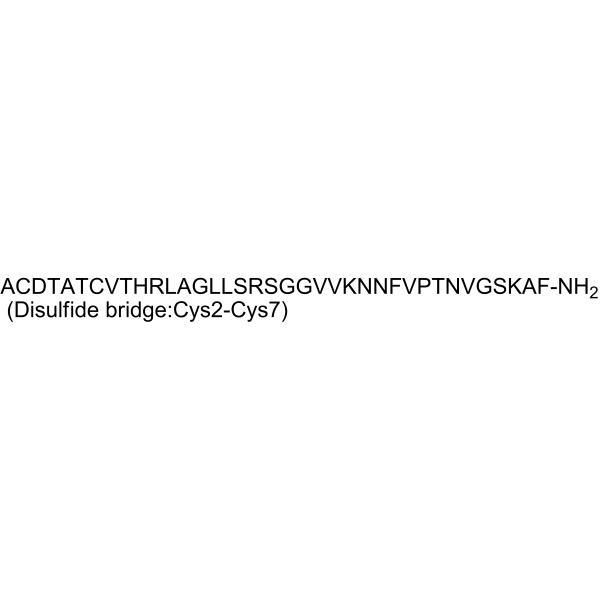
HY-P1071
α-CGRP (human)Vasodilator -
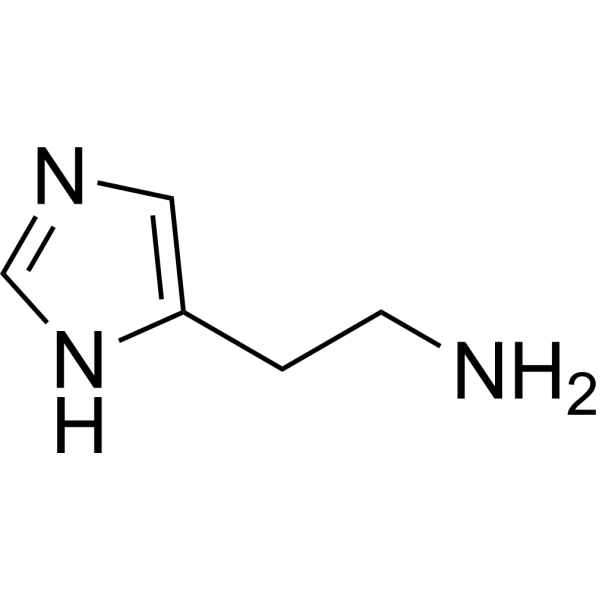
HY-B1204
HistamineNeurotransmitter -
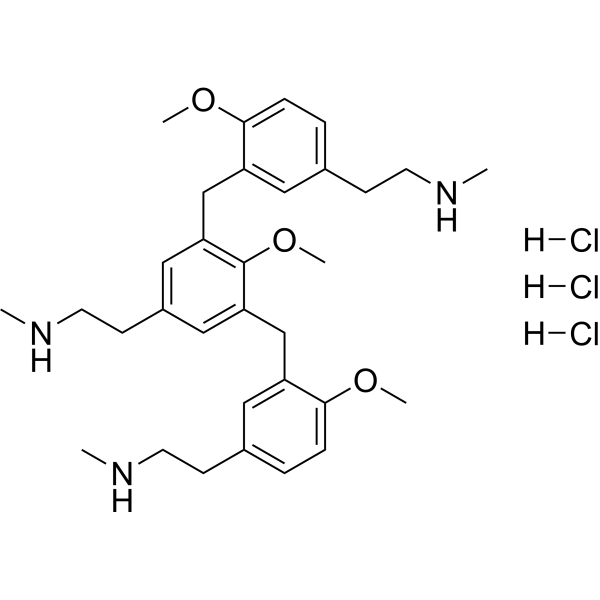
HY-130592
Compound 48/80 trihydrochlorideHistamine Releaser/Mast Cell Degranulator -
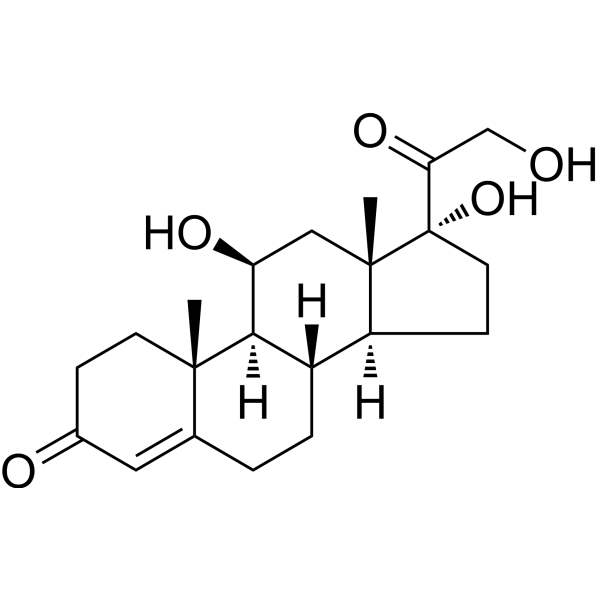
HY-N0583
HydrocortisoneGlucocorticoid Receptor Agonist -

HY-P0221
PACAP (1-38), human, ovine, ratPACAP Agonist -
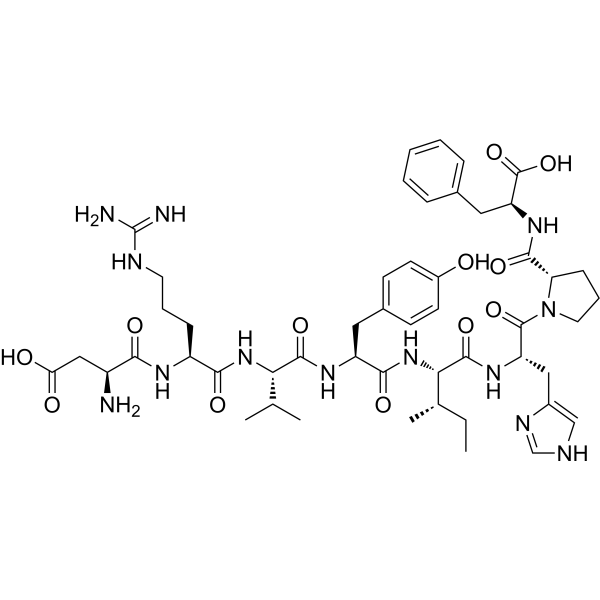
HY-13948
Angiotensin II humanVasoconstrictor -
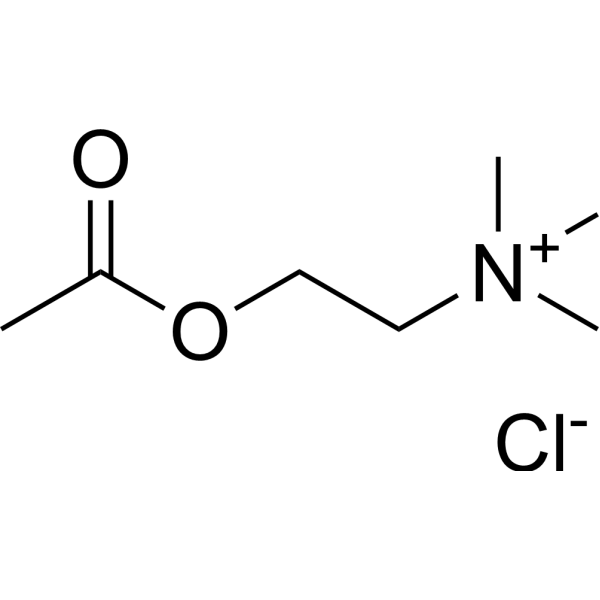
HY-B0282
Acetylcholine chlorideCholinergic Agonist
Publications Citing Use of MedChemExpress (MCE) Substance P
More- Bioact Mater. 2026 Feb 16:61:258-271. [Abstract]
- Cell Discov. 2023 Jun 30;9(1):66. [Abstract]
- Chem Eng J. 2026 Jul 30;546:180106.
- Int J Biol Sci. 2024 Apr 22;20(7):2507-2531. [Abstract]
- Acta Pharmacol Sin. 2026 Aug 4. [Abstract]
- J Transl Med. 2025 Dec 1;23(1):1367. [Abstract]
- J Headache Pain. 2024 Aug 28;25(1):141. [Abstract]
- Cell Mol Gastroenterol Hepatol. 2026;20(5):101741. [Abstract]
- Free Radic Biol Med. 2023 Oct 5;209(Pt 1):1-8. [Abstract]
- Cell Prolif. 2019 Jan;52(1):e12527. [Abstract]
- J Invest Dermatol. 2025 Nov 4:S0022-202X(25)03517-1. [Abstract]
- J Invest Dermatol. 2023 May;143(5):812-821.e3. [Abstract]
- Cells. 2026 Feb 3;15(3):287. [Abstract]
- Eur J Pharmacol. 2025 Sep 24:178189. [Abstract]
- Eur J Pharmacol. 2023 Sep 15:955:175902. [Abstract]
- Food Sci Nutr. 2025 Sep 1;13(9):e70877. [Abstract]
- Mol Med Rep. 2022 Feb;25(2):50. [Abstract]
- Sci Rep. 2026 Feb 9;16(1):7851. [Abstract]
- J Dermatol Sci. 2026 Aug;123(2):63-74.
- Prog Neurobiol. 2021 Jul:202:102041. [Abstract]
- iScience. 2023 Apr 18;26(5):106688. [Abstract]
- FASEB J. 2025 Jul 31;39(14):e70817. [Abstract]
- J Radiat Res Appl Sci. 2026 Apr 23;19(2):102400.
- Immunol Lett. 2024 Dec:270:106934. [Abstract]
- J Immunol Res. 2022 May 12;2022:5582811. [Abstract]
- Mol Biol Rep. 2022 Mar;49(3):2227-2236. [Abstract]
- Chin J Integr Med. 2025 Dec;31(12):1097-1104. [Abstract]
- J Am Soc Mass Spectrom. 2020 Jul 5. [Abstract]
- Reprod Sci. 2026 Mar 19. [Abstract]
- SSRN. 2026 Jun 16.
- SSRN. 2025 Feb 24.
- Authorea. 2023 Aug 14.
- Research Square Preprint. 2021 Dec.
- Research Square Preprint. 2021 Sep.
- Research Square Preprint. 2021 Jul.
- Chin J Comp Med. May 2018,Vol. 28. No. 5
 Customer Validation & Images

-
Histological Imaging/Staining
-
In Vivo Efficacy Study
-
In Vivo Efficacy Study
-
RT-PCR
-
Cell Imaging/Staining
All Endogenous Metabolite Isoforms
More

Biological Activity
Description
IC50 & Target
|
NK1R |
Human Endogenous Metabolite |
Cellular Effect
|
Cell Line

|
Type | Value | Description | References |
|---|---|---|---|---|
| CHO | EC50 |
0.6 nM
Compound: SP
|
SP-induced [Ca2+] mobilization in CHO cells expressing human Tachykinin receptor 1
SP-induced [Ca2+] mobilization in CHO cells expressing human Tachykinin receptor 1
|
[PMID: 10794691] |
| CHO | EC50 |
1 nM
Compound: table 1
|
Compound was evaluated for the inhibition of IPs hydrolysis on intact CHO cells expressing the human tachykinin NK-1 receptor
Compound was evaluated for the inhibition of IPs hydrolysis on intact CHO cells expressing the human tachykinin NK-1 receptor
|
[PMID: 9871768] |
| CHO | EC50 |
793 nM
Compound: Substance P
|
Compound was evaluated for concentration-dependent and oscillatory increase in [Ca2+], caused by activation of hNK3 receptors in CHO cells
Compound was evaluated for concentration-dependent and oscillatory increase in [Ca2+], caused by activation of hNK3 receptors in CHO cells
|
[PMID: 9871763] |
| CHO | EC50 |
8 nM
Compound: table 1
|
Compound was evaluated for the inhibition of cAMP formation on intact CHO cells expressing the human tachykinin NK-1 receptor
Compound was evaluated for the inhibition of cAMP formation on intact CHO cells expressing the human tachykinin NK-1 receptor
|
[PMID: 9871768] |
| CHO | IC50 |
1.4 nM
Compound: Substance P
|
Tested for binding affinity against human wild type NK1 receptor expressed in CHO cells, using [125]SP as radioligand.
Tested for binding affinity against human wild type NK1 receptor expressed in CHO cells, using [125]SP as radioligand.
|
[PMID: 11052787] |
| CHO | IC50 |
1.5 nM
Compound: SP
|
Displacement of [125I]BH-SP from human recombinant NK1 receptor expressed in CHO cells after 90 mins
Displacement of [125I]BH-SP from human recombinant NK1 receptor expressed in CHO cells after 90 mins
|
[PMID: 21421318] |
| CHO | IC50 |
1.5 nM
Compound: SP, substance P
|
Displacement of [125I]BH-SP to human recombinant NK1 receptor in CHO cells
Displacement of [125I]BH-SP to human recombinant NK1 receptor in CHO cells
|
[PMID: 18554914] |
| CHO | IC50 |
1.7 nM
Compound: Substance P
|
Tested for binding affinity against Q165A mutant NK1 receptor expressed in CHO cells, using [125]SP as radioligand
Tested for binding affinity against Q165A mutant NK1 receptor expressed in CHO cells, using [125]SP as radioligand
|
[PMID: 11052787] |
| CHO | IC50 |
125 nM
Compound: Substance P
|
Compound was evaluated for its ability to displace [3H]NKB binding in hNK3 receptors expressed in CHO cells
Compound was evaluated for its ability to displace [3H]NKB binding in hNK3 receptors expressed in CHO cells
|
[PMID: 9871763] |
| HEK293 | EC50 |
0.6 nM
Compound: SP
|
Agonist activity at wild type human NK1 receptor expressed in HEK293 cells assessed as increase in [3H]IP accumulation after 20 mins
Agonist activity at wild type human NK1 receptor expressed in HEK293 cells assessed as increase in [3H]IP accumulation after 20 mins
|
[PMID: 22574973] |
| IM-9 | IC50 |
0.26 nM
Compound: SP
|
Inhibitory activity against binding of [125I]Bolton-Hunter SP to tachykinin NK-1 receptor in human lymphoma IM9 cells.
Inhibitory activity against binding of [125I]Bolton-Hunter SP to tachykinin NK-1 receptor in human lymphoma IM9 cells.
|
10.1016/0960-894X(95)00582-E |
| IM-9 | IC50 |
0.61 nM
Compound: Substance P
|
Antagonist activity for Tachykinin receptor 1 as displacement of [3H]-Substance P in human IM-9 cells
Antagonist activity for Tachykinin receptor 1 as displacement of [3H]-Substance P in human IM-9 cells
|
[PMID: 9871670] |
| LAD2 | EC50 |
0.68 μM
Compound: Substance P
|
Effect on mast cell degranulation in human LAD2 cells assessed as CCL3 release measured after 2 hrs by Luminex bead based assay
Effect on mast cell degranulation in human LAD2 cells assessed as CCL3 release measured after 2 hrs by Luminex bead based assay
|
[PMID: 34266235] |
In Vitro
The neuropeptide substance P (SP) that are mediated by the neurokinin 1 receptor (NK1-R) desensitize and resensitize, which may be associated with NK1-R endocytosis and recycling. SP and the NK1-R are internalized into the same clathrin immunoreactive vesicles, and then sorted into different compartments. SP is intact at the cell surface and in early endosomes, but slowly degraded in perinuclear vesicles. SP induces clathrin-dependent internalization of the NK1-R. The SP/NK1-R complex dissociates in acidified endosomes. SP is degraded, whereas the NK1-R recycles to the cell surface. SP induces internalization of the NK1-R both in transfected epithelial cells[1].
MedChemExpress (MCE) has not independently confirmed the accuracy of these methods. They are for reference only.
Clinical Trial
| NCT Number | Sponsor | Condition | Start Date |
Phase
|
|---|---|---|---|---|
| NCT01329991 | Plexxikon| | 2011-05 | PHASE1 |


Chemical Information
-
CAS No. 33507-63-0
-
Appearance Solid
-
Molecular Weight 1347.63
-
Formula C63H98N18O13S
-
Color White to off-white
-
Synonyms
Neurokinin P
-
Sequence
Arg-Pro-Lys-Pro-Gln-Gln-Phe-Phe-Gly-Leu-Met-NH2
-
Sequence Shortening
RPKPQQFFGLM-NH2
-
Structure Classification
-
Initial Source
-
Shipping
Room temperature in continental US; may vary elsewhere.
-
Storage
Sealed storage, away from moisture
Powder -80°C 2 years -20°C 1 year * In solvent : -80°C, 6 months; -20°C, 1 month (sealed storage, away from moisture)


Publications (36)
-
Journal Impact Factor
-
Most Recent
-
Bioact Mater
Skin-mimetic bilayer hydrogel normalizes diabetic wound healing by orchestrating inflammatory cell dynamics: An early intervention strategy. [Abstract]2026 Feb 16:61:258-271. PMID: 41737639 -
Cell Discov
Structural insights into neurokinin 3 receptor activation by endogenous and analogue peptide agonists. [Abstract]2023 Jun 30;9(1):66. PMID: 37391393 -
-
Int J Biol Sci
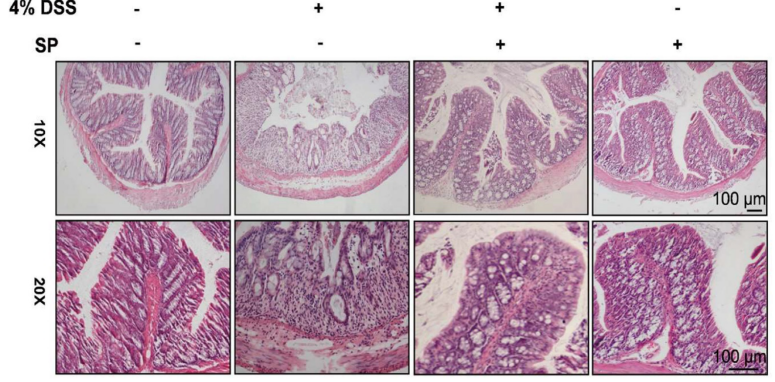
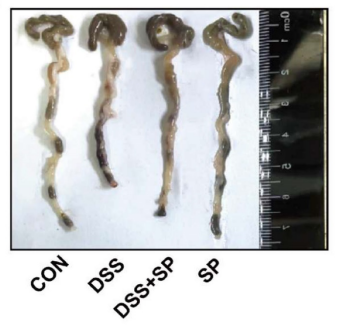
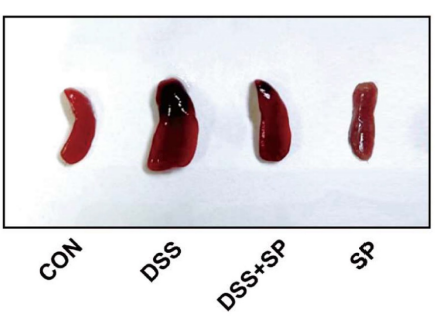
Neuropeptide substance P attenuates colitis by suppressing inflammation and ferroptosis via the cGAS-STING signaling pathway. [Abstract]2024 Apr 22;20(7):2507-2531. PMID: 38725846
Substance P purchased from MedChemExpress. Usage Cited in: Int J Biol Sci. 2024 Apr 22;20(7):2507-2531. [Abstract]
Substance P (SP, 5 nmol/kg; i.v.; once daily for 6 days) alleviates pathological indexes in DSS-induced colitis mice. Representative images of H&E sections and histological score. Scale bar = 100 μm.
Substance P purchased from MedChemExpress. Usage Cited in: Int J Biol Sci. 2024 Apr 22;20(7):2507-2531. [Abstract]
Substance P (SP, 5 nmol/kg; i.v.; once daily for 6 days) alleviates pathological indexes in DSS-induced colitis mice. Photographs of colon length.
Substance P purchased from MedChemExpress. Usage Cited in: Int J Biol Sci. 2024 Apr 22;20(7):2507-2531. [Abstract]
Substance P (SP, 5 nmol/kg; i.v.; once daily for 6 days) alleviates pathological indexes in DSS-induced colitis mice. (Images spleen)
Substance P purchased from MedChemExpress. Usage Cited in: Int J Biol Sci. 2024 Apr 22;20(7):2507-2531. [Abstract]
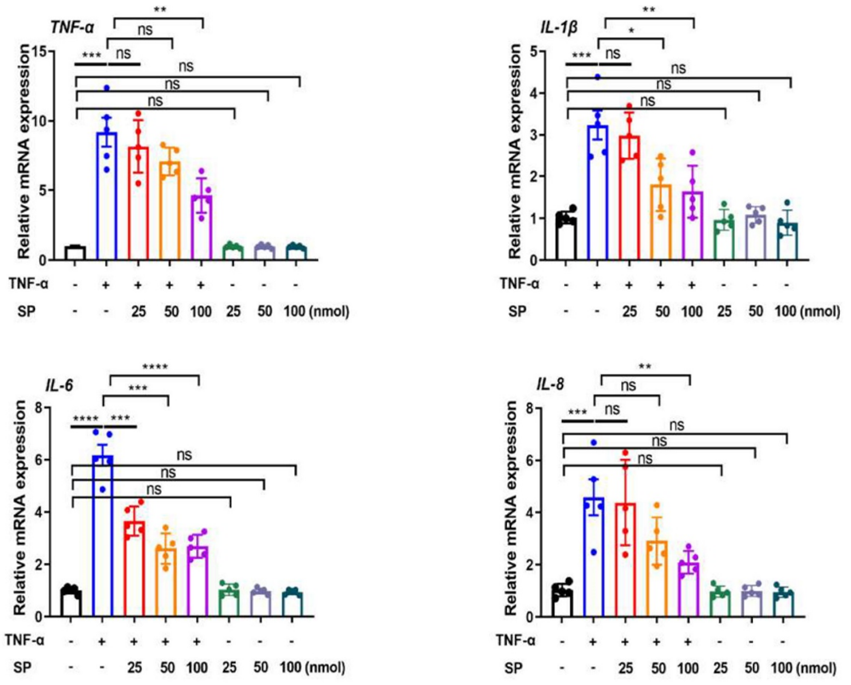
RT-qPCR assay of inflammatory cytokines (TNF-α, IL-1β, IL-6 and IL-8) in TNF-α-stimulated Caco-2 cells treated with/without Substance P (SP, 25, 50, and 100 nmol) for 24 h. Data are obtained from three independent experiments, and expressed as the mean ± SEM; n = 5-8.
Substance P purchased from MedChemExpress. Usage Cited in: Int J Biol Sci. 2024 Apr 22;20(7):2507-2531. [Abstract]
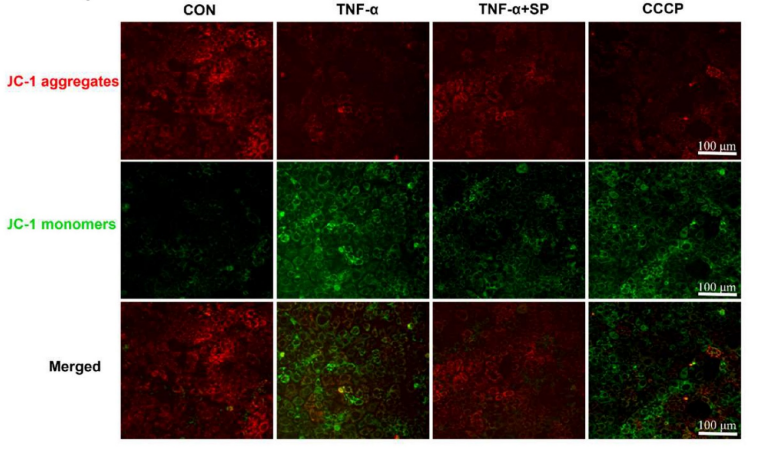
Representative picture of JC-1 staining in TNF-α-treated Caco-2 cells incubated with Substance P (SP, 100 nmol) for 24 h.
-
Acta Pharmacol Sin
Enhanced substance P-NK1R signaling in the parabrachial-parasubthalamic pathway promotes hyperalgesia and affective aversion in neuropathic pain. [Abstract]2026 Aug 4. PMID: 42552466 -
J Transl Med
The role of substance P in Th17/Treg imbalance and ocular surface damage in chronic allergic conjunctivitis. [Abstract]2025 Dec 1;23(1):1367. PMID: 41327447 -
J Headache Pain
Comparison of gepant effects at therapeutic plasma concentrations: connecting pharmacodynamics and pharmacokinetics. [Abstract]2024 Aug 28;25(1):141. PMID: 39198753 -
Cell Mol Gastroenterol Hepatol
Mast Cells Inhibit Stem Cell-driven Epithelial Repair in Inflammatory Bowel Disease via Suppressing Wnt/lrp6/β-Catenin Signaling Pathway. [Abstract]2026;20(5):101741. PMID: 41616821 -
Free Radic Biol Med
H2O2 enhances the spontaneous phasic contractions of isolated human-bladder strips via activation of TRPA1 channels on sensory nerves and the release of substance P and PGE2. [Abstract]2023 Oct 5;209(Pt 1):1-8. PMID: 37802373 -
Cell Prolif
MiR-34b/c-5p and the neurokinin-1 receptor regulate breast cancer cell proliferation and apoptosis. [Abstract]2019 Jan;52(1):e12527. PMID: 30334298 -
J Invest Dermatol
MRGPRX2-Mediated Mast Cell Activation Promotes Malignant Progression of Cutaneous Squamous Cell Carcinoma through IL-17A Release. [Abstract]2025 Nov 4:S0022-202X(25)03517-1. PMID: 41197765 -
J Invest Dermatol
The key role of CB1R in the sensory neurons to regulate psoriasiform skin inflammation and pruritus. [Abstract]2023 May;143(5):812-821.e3. PMID: 36410425 -
Cells
Identification of Natural Compounds Triggering MRGPRX2-Mediated Calcium Flux and Degranulation in RBL-2H3 Cells. [Abstract]2026 Feb 3;15(3):287. PMID: 41677650 -
Eur J Pharmacol
Salicylic acid inhibits Mas-related G protein-coupled receptor X2-mediated mast cell 2 activation and mitigates cutaneous pseudo-allergic reactions. [Abstract]2025 Sep 24:178189. PMID: 41005604 -
Eur J Pharmacol
Effects of 101BHG-D01, a novel M receptor antagonism, on allergic rhinitis in animal models and its mechanism. [Abstract]2023 Sep 15:955:175902. PMID: 37422119 -
Food Sci Nutr
Evaluation of the Effects of Chitin and Chitosan on Pseudo-Allergic Reaction by Inhibiting MRGPRX2 Activation. [Abstract]2025 Sep 1;13(9):e70877. PMID: 40901656 -
Mol Med Rep
Substance P prevents doxorubicin‑induced cardiomyocyte injury by regulating apoptosis and autophagy: In vitro and in vivo evidence. [Abstract]2022 Feb;25(2):50. PMID: 34913064 -
Sci Rep
2026 Feb 9;16(1):7851. PMID: 41663512 -
-
Prog Neurobiol
2021 Jul:202:102041. PMID: 33766679 -
iScience
Trigeminal nerve-derived substance P regulates limbal stem cells by the PI3K-AKT pathway. [Abstract]2023 Apr 18;26(5):106688. PMID: 37187698 -
FASEB J
Nitric Oxide Scavenging Alleviates Scar Pruritus by Inhibiting S-Nitrosylation of Transient Receptor Potential Channels and Limiting Calcium Influx. [Abstract]2025 Jul 31;39(14):e70817. PMID: 40637249 -
-
Immunol Lett
Ursolic acid attenuates pseudo-allergic reactions via reducing MRGPRX2-mediated mast cell degranulation. [Abstract]2024 Dec:270:106934. PMID: 39395727 -
J Immunol Res
A Substance P (SP)/Neurokinin-1 Receptor Axis Promotes Perineural Invasion of Pancreatic Cancer and Is Affected by lncRNA LOC389641. [Abstract]2022 May 12;2022:5582811. PMID: 35600049 -
Mol Biol Rep
Substance P modulates BMSCs migration for tissue repair through NK-1R/CXCR4/p-Akt signal activation. [Abstract]2022 Mar;49(3):2227-2236. PMID: 35034285 -
Chin J Integr Med
Inhibitory Effects of Nardostachys Jatamansi DC. Volatile Oil on Psychological Factors SP/CORT-Induced Hyperpigmentation. [Abstract]2025 Dec;31(12):1097-1104. PMID: 41342982 -
J Am Soc Mass Spectrom
Wire Desorption Combined with Electrospray Ionization Mass Spectrometry: Direct Analysis of Small Organic and Large Biological Compounds. [Abstract]2020 Jul 5. PMID: 32559077 -
Reprod Sci
Exposure to Green Light-emitting Diodes Alleviates Endometriosis-associated Pain in Mice with Induced Deep Endometriosis. [Abstract]2026 Mar 19. PMID: 41854839 -
-
-
-
-
-
-


Solvent & Solubility
In Vitro:
H2O : ≥ 20 mg/mL (14.84 mM)
* "≥" means soluble, but saturation unknown.
Please refer to the solubility information to select the appropriate solvent. Once prepared, please aliquot and store the solution to prevent product inactivation from repeated freeze-thaw cycles.
Storage method and period of stock solution: -80°C, 6 months; -20°C, 1 month (sealed storage, away from moisture). When stored at -80°C, please use it within 6 months. When stored at -20°C, please use it within 1 month.
* Note: If you choose water as the stock solution, please dilute it to the working solution, then filter and sterilize it with a 0.22 μm filter before use.
Please refer to the solubility information to select the appropriate solvent. Once prepared, please aliquot and store the solution to prevent product inactivation from repeated freeze-thaw cycles.
Storage method and period of stock solution: -80°C, 6 months; -20°C, 1 month (sealed storage, away from moisture). When stored at -80°C, please use it within 6 months. When stored at -20°C, please use it within 1 month.
* Note: If you choose water as the stock solution, please dilute it to the working solution, then filter and sterilize it with a 0.22 μm filter before use.
Concentration (start) × Volume (start) = Concentration (final) × Volume (final)
In Vivo:
Select the appropriate dissolution method based on your experimental animal and administration route.
- For the following dissolution methods, please ensure to first prepare a clear stock solution using an In Vitro approach and then sequentially add co-solvents:
- To ensure reliable experimental results, the clarified stock solution can be appropriately stored based on storage conditions. As for the working solution for In Vivo experiments, it is recommended to prepare freshly and use it on the same day.
- The percentages shown for the solvents indicate their volumetric ratio in the final prepared solution. If precipitation or phase separation occurs during preparation, heat and/or sonication can be used to aid dissolution.
Add each solvent one by one: 10% DMSO 40% PEG300 5% Tween-80 45% Saline
Solubility: ≥ 2.5 mg/mL (1.86 mM); Clear solution
This protocol yields a clear solution of ≥ 2.5 mg/mL (saturation unknown).
Taking 1 mL working solution as an example, add 100 μL DMSO stock solution (25.0 mg/mL) to 400 μL PEG300, and mix evenly; then add 50 μL Tween-80 and mix evenly; then add 450 μL Saline to adjust the volume to 1 mL.
Preparation of Saline: Dissolve 0.9 g sodium chloride in ddH₂O and dilute to 100 mL to obtain a clear Saline solution.
Add each solvent one by one: 10% DMSO 90% (20% SBE-β-CD in Saline)
Solubility: ≥ 2.5 mg/mL (1.86 mM); Clear solution
This protocol yields a clear solution of ≥ 2.5 mg/mL (saturation unknown).
Taking 1 mL working solution as an example, add 100 μL DMSO stock solution (25.0 mg/mL) to 900 μL 20% SBE-β-CD in Saline, and mix evenly.
Preparation of 20% SBE-β-CD in Saline (4°C, storage for one week): 2 g SBE-β-CD powder is dissolved in 10 mL Saline, completely dissolve until clear.
In Vivo Dissolution Calculator
Please enter the basic information of animal experiments:
-
-
-
-
Recommended: Prepare an additional quantity of animals to account for potential losses during experiments.
Working solution concentration: 0.22 mg/mL
This product has good water solubility, please refer to the measured solubility data in water/PBS/Saline for details.


Purity & Documentation
-
Data Sheet (277 KB)
-
SDS (393 KB)
- English - EN (393 KB)
- Français - FR (393 KB)
- Deutsch - DE (393 KB)
- Norwegian - NO (393 KB)
- Español - ES (393 KB)
- Swedish - SV (393 KB)
- Italian - IT (393 KB)
- Korean - KR (393 KB)
- Portuguese - PT (393 KB)
-
Handling Instructions (2659 KB)
References
[1]. Grady EF, et al. Delineation of the endocytic pathway of substance P and its seven-transmembrane domain NK1 receptor. Mol Biol Cell. 1995 May;6(5):509-24. [Content Brief]
[2]. Zhang L, et al. MiR-34b/c-5p and the neurokinin-1 receptor regulate breast cancer cell proliferation and apoptosis. Cell Prolif. 2018 Oct 17:e12527. [Content Brief]
[3]. Chappa AK, et al. Characteristics of substance P transport across the blood-brain barrier. Pharm Res. 2006 Jun;23(6):1201-8. [Content Brief]


Complete Stock Solution Preparation Table
Please refer to the solubility information to select the appropriate solvent. Once prepared, please aliquot and store the solution to prevent product inactivation from repeated freeze-thaw cycles.
Storage method and period of stock solution: -80°C, 6 months; -20°C, 1 month (sealed storage, away from moisture). When stored at -80°C, please use it within 6 months. When stored at -20°C, please use it within 1 month.
| Optional Solvent | Concentration Solvent Mass | 1 mg | 5 mg | 10 mg | 25 mg |
|---|---|---|---|---|---|
| H2O | 1 mM | 0.7420 mL | 3.7102 mL | 7.4204 mL | 18.5511 mL |
| 5 mM | 0.1484 mL | 0.7420 mL | 1.4841 mL | 3.7102 mL | |
| 10 mM | 0.0742 mL | 0.3710 mL | 0.7420 mL | 1.8551 mL |
* Note: If you choose water as the stock solution, please dilute it to the working solution, then filter and sterilize it with a 0.22 μm filter before use.


Substance P Related Classifications
HY-P0201 Related Classifications
 Powered by Bioz