



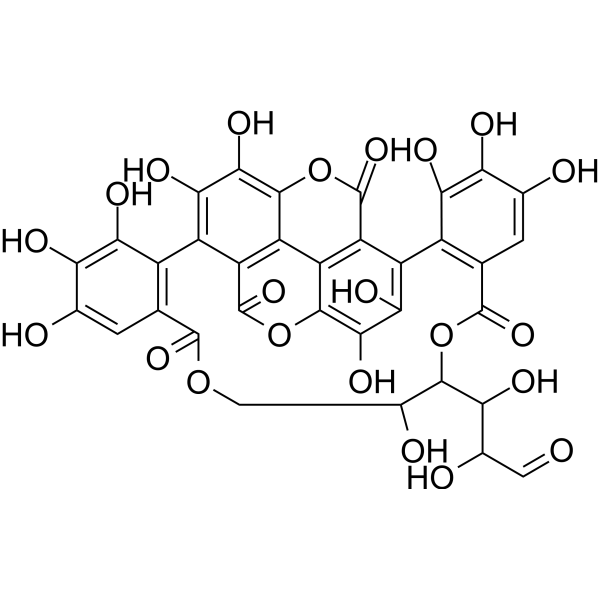
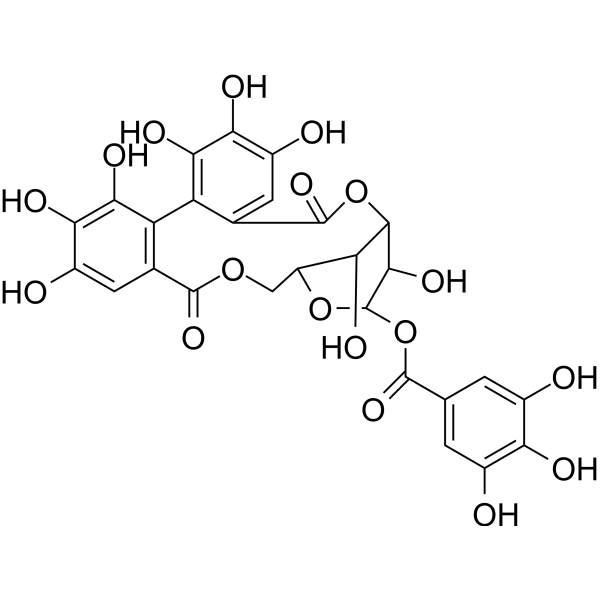
Punicalin
Based on 3 publication(s) in Google Scholar
Punicalin is a species that can be isolated from the leaves of Punica granatum. Punicalin is an active molecule against hepatitis b virus (HBV). Punicalin can induce pyroptosis. Punicalin is a Carbonic anhydrase inhibitor. Punicalin blocks the binding of S-glycoprotein and ACE2 receptors. Pnuicalin has anti-inflammatory, antioxidant and antiviral activity.
연구목적의 판매만을 진행합니다. 환자를 대상으로 한 판매는 하지 않습니다.
- Purity : 99.88%
- CAS No.: 65995-64-4
- 화학식: C34H22O22
- 분자량:782.53
-
보관:
4°C, stored under nitrogen
* In solvent : -80°C, 6 months; -20°C, 1 month (stored under nitrogen)

To place orders, for customer services and technical support, please contact: MedChemExpress USA
Tel: 609-228-6898 E-mail: [email protected] [email protected]


-
 Biological Activity
-
Chemical Information
-
용액&용해도
- Protocol
- 순도&문서
- References
-
 Help & FAQs


-
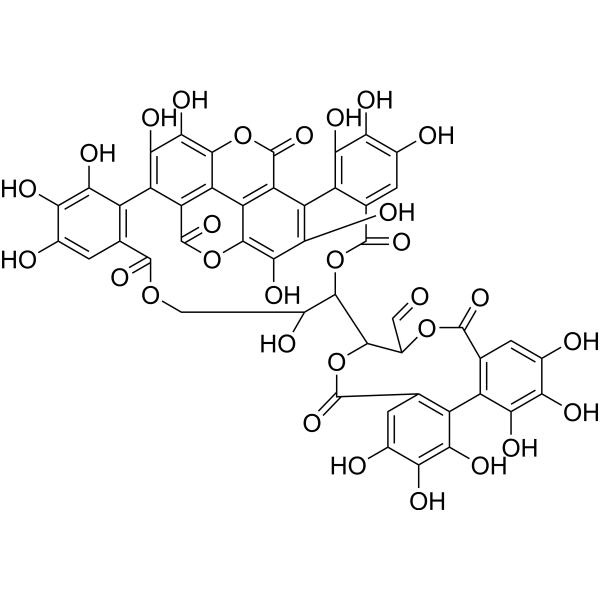
HY-N0063
Punicalagin3CLpro Inhibitor -
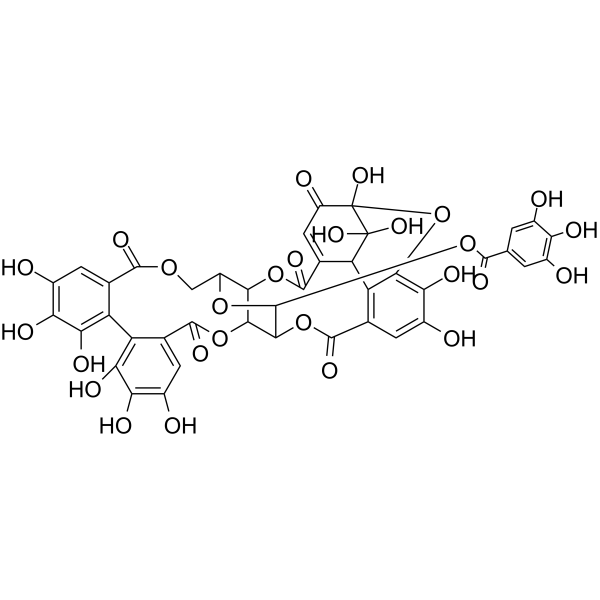
HY-N0472
GeraniinTNF Receptor Inhibitor -
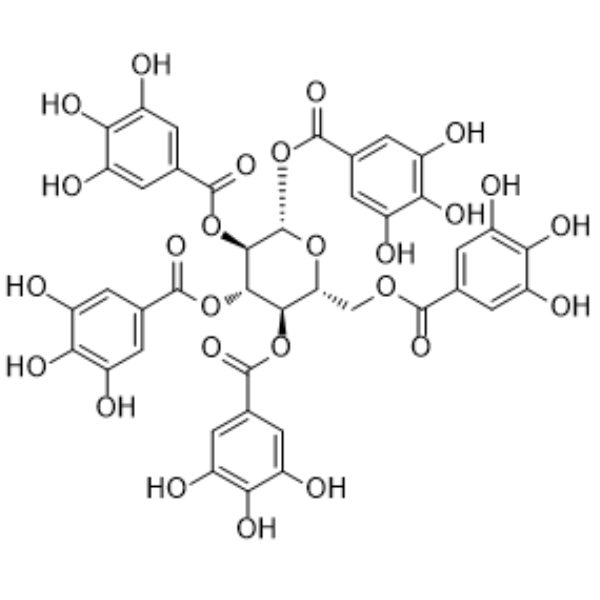
HY-N0527
PentagalloylglucoseAntioxidant -
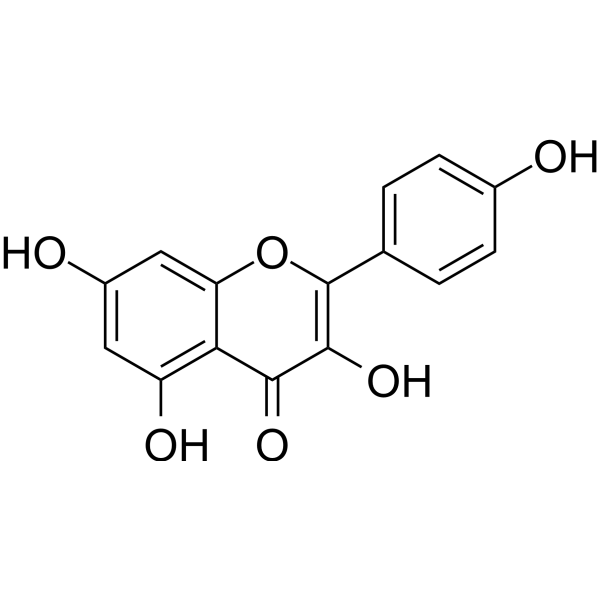
HY-14590
KaempferolEstrogen Receptor α Inhibitor -
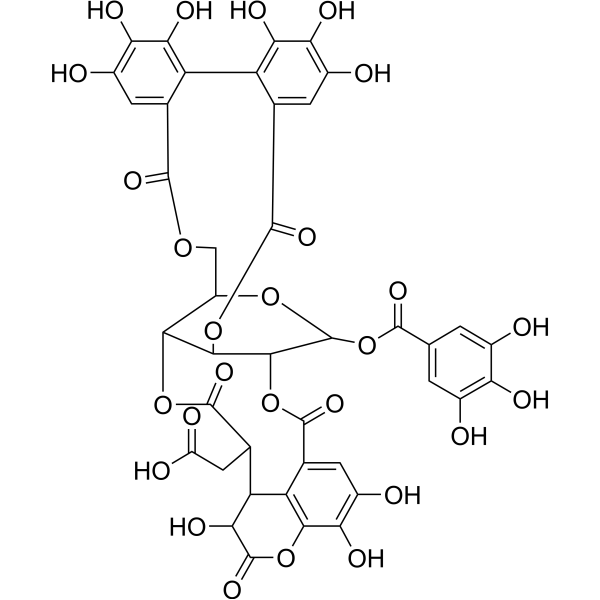
HY-N1996
Chebulagic acidCOX Inhibitor -
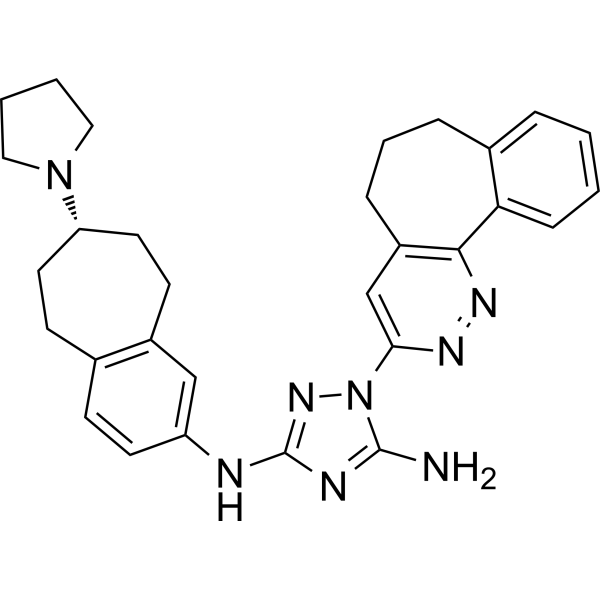
HY-15150
BemcentinibAXL Inhibitor -
HY-B0183
Ellagic acidSHP2 Inhibitor -
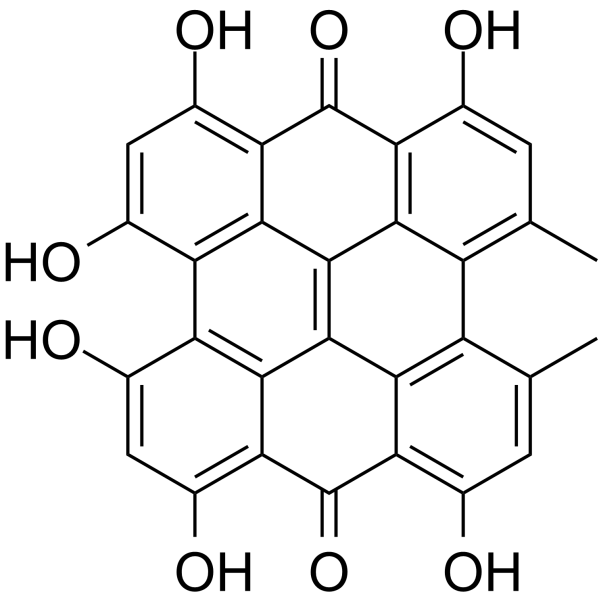
HY-N0453
HypericinPKC Inhibitor -
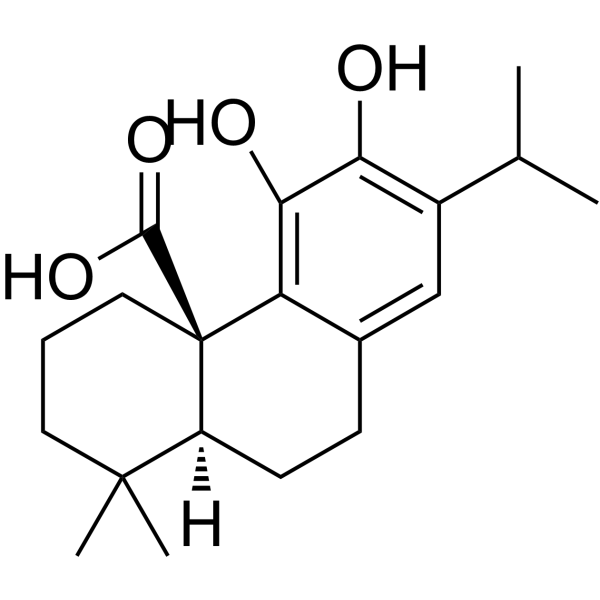
HY-N0644
Carnosic acidLipid Absorption Inhibitor -
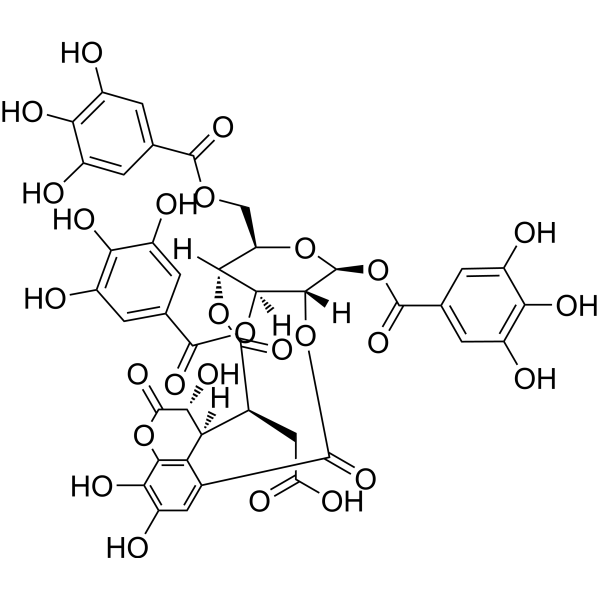
HY-N2033
Chebulinic acidDNA Gyrase Inhibitor -
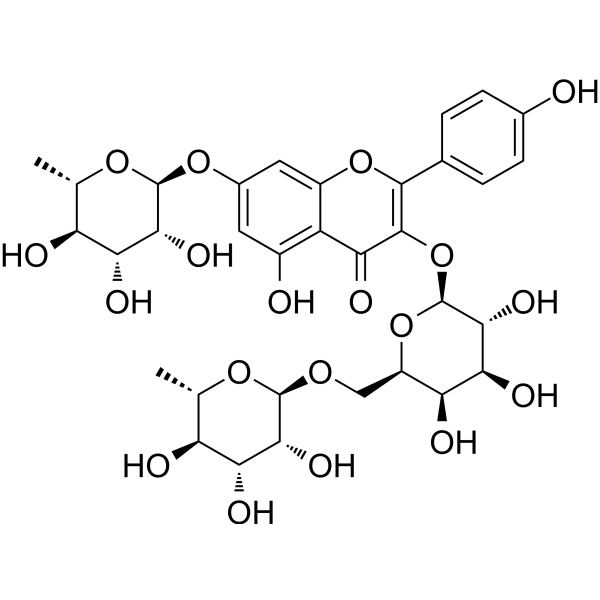
HY-N1346
RobininTLR2/4 Inhibitor -
HY-N0462
CorilaginAnti-tumor Agent
Publications Citing Use of MedChemExpress (MCE) Punicalin
More

Biological Activity
제품 설명
In Vitro
Punicalin (0-100 μM, 24 h) improves LPS/ ATP-induced pyroptosis in mouse mononuclear macrophage J774A by inhibiting ROS/NLRP3 pathway<[3].
Punicalin (10, 20 μM, 24 h) alleviates OGD/R-induced cell damage through TGF-β-mediated neuroblastoma SH-SY5Y oxidative stress and cell cycle[4].
MedChemExpress (MCE) has not independently confirmed the accuracy of these methods. They are for reference only. Further protocols information, click here.
-
Cell Line:J774A
-
Concentration:0, 25, 50, 100 μM
-
Incubation Time:The cells were pretreated with punicalin for one hour, followed by treated with Lipopolysaccharide (HY-D1056) for 5.5 h, ATP for half an hour, respectively.
-
Result:Reduced the increased protein expression of NLRP3, ASC, Caspase-1 and GSDMD-N.
-
Cell Line:SH-SY5Y
-
Concentration:10, 20 μM
-
Incubation Time:24-72 h
-
Result:Alleviated the rising of the G0/G1 phase ratio. Ameliorated OGD/R-mediated expression of cyclin B1, CDK1, p21 and phosphorylation of CDK1 at 20 μM.
-
Cell Line:J774A
-
Concentration:0, 25, 50, 100 μM
-
Incubation Time:24 h
-
Result:Promoted cell viability and decreased the release of pro-inflammatory cytokines.
In Vivo
Punicalin (10 mg/kg, intraperitoneal injection) alleviates LPS (HY-D1056)-induced acute lung injury in mice by inhibiting the production of inflammatory cytokines and MAPK/ NF-κB signaling[5].
MedChemExpress (MCE) has not independently confirmed the accuracy of these methods. They are for reference only.
-
Animal Model:Carrageenan (HY-125474)-induced Edema in rats[1]
-
Dosage:5 mg/kg
-
Administration:s.c.
-
Result:Showed significant anti-inflammatory effect against carrageenan induced paw edema at all time intervals, but decreased the effects.with larger dose.
-
Animal Model:LPS (HY-D1056)-induced acute lung injury mice[5]
-
Dosage:10 mg/kg
-
Administration:i.p.
-
Result:Reduced the mortality and attenuated the severity of lung pathological injury. Ameliorated LPS (HY-D1056)-induced lung edema and vascular leakage.


Chemical Information
-
CAS No. 65995-64-4
-
Appearance Solid
-
분자량 782.53
-
화학식 C34H22O22
-
Color Light yellow to green yellow
-
SMILES
O=C1C(C(C(C(O)=C(O)C(O)=C2)=C2C(OC(C3O)C(O)C(O)C=O)=O)=C(O)C(O)=C4OC5=O)=C4C6=C5C(C7=C(C(OC3)=O)C=C(O)C(O)=C7O)=C(O)C(O)=C6O1
-
Structure Classification
-
Initial Source
-
선적
Room temperature in continental US; may vary elsewhere.
-
보관
4°C, stored under nitrogen
* In solvent : -80°C, 6 months; -20°C, 1 month (stored under nitrogen)


Publications (3)
-
Journal Impact Factor
-
Most Recent
-
Exp Neurol
Ellagitannin component punicalin prevents cognitive impairment by inhibiting metabolic disorders, TLR4/NF-kB/NLRP3 inflammasome signaling, and mitochondrial dysfunction in high-fat diet-fed mice. [Abstract]2025 Sep 22:395:115479. PMID: 40992612 -
-
Vet Microbiol
The Chinese medicine monomer Schisandrin C inhibits PRRSV infection by regulating the OGT-PI3K/AKT/mTOR signaling pathway. [Abstract]2026 May:316:110992. PMID: 41865607


용액&용해도
In Vitro:
DMSO : 50 mg/mL (63.90 mM; Need ultrasonic; Hygroscopic DMSO has a significant impact on the solubility of product, please use newly opened DMSO)
H2O : 50 mg/mL (63.90 mM; Need ultrasonic)
Please refer to the solubility information to select the appropriate solvent. Once prepared, please aliquot and store the solution to prevent product inactivation from repeated freeze-thaw cycles.
Storage method and period of stock solution: -80°C, 6 months; -20°C, 1 month (stored under nitrogen). When stored at -80°C, please use it within 6 months. When stored at -20°C, please use it within 1 month.
* Note: If you choose water as the stock solution, please dilute it to the working solution, then filter and sterilize it with a 0.22 μm filter before use.
Please refer to the solubility information to select the appropriate solvent. Once prepared, please aliquot and store the solution to prevent product inactivation from repeated freeze-thaw cycles.
Storage method and period of stock solution: -80°C, 6 months; -20°C, 1 month (stored under nitrogen). When stored at -80°C, please use it within 6 months. When stored at -20°C, please use it within 1 month.
* Note: If you choose water as the stock solution, please dilute it to the working solution, then filter and sterilize it with a 0.22 μm filter before use.
Concentration (start) × Volume (start) = Concentration (final) × Volume (final)
In Vivo:
Select the appropriate dissolution method based on your experimental animal and administration route.
- For the following dissolution methods, please ensure to first prepare a clear stock solution using an In Vitro approach and then sequentially add co-solvents:
- To ensure reliable experimental results, the clarified stock solution can be appropriately stored based on storage conditions. As for the working solution for In Vivo experiments, it is recommended to prepare freshly and use it on the same day.
- The percentages shown for the solvents indicate their volumetric ratio in the final prepared solution. If precipitation or phase separation occurs during preparation, heat and/or sonication can be used to aid dissolution.
Add each solvent one by one: 10% DMSO 40% PEG300 5% Tween-80 45% Saline
Solubility: ≥ 2.5 mg/mL (3.19 mM); Clear solution
This protocol yields a clear solution of ≥ 2.5 mg/mL (saturation unknown).
Taking 1 mL working solution as an example, add 100 μL DMSO stock solution (25.0 mg/mL) to 400 μL PEG300, and mix evenly; then add 50 μL Tween-80 and mix evenly; then add 450 μL Saline to adjust the volume to 1 mL.
Preparation of Saline: Dissolve 0.9 g sodium chloride in ddH₂O and dilute to 100 mL to obtain a clear Saline solution.
Add each solvent one by one: 10% DMSO 90% (20% SBE-β-CD in Saline)
Solubility: ≥ 2.5 mg/mL (3.19 mM); Clear solution
This protocol yields a clear solution of ≥ 2.5 mg/mL (saturation unknown).
Taking 1 mL working solution as an example, add 100 μL DMSO stock solution (25.0 mg/mL) to 900 μL 20% SBE-β-CD in Saline, and mix evenly.
Preparation of 20% SBE-β-CD in Saline (4°C, storage for one week): 2 g SBE-β-CD powder is dissolved in 10 mL Saline, completely dissolve until clear.
For the following dissolution methods, please prepare the working solution directly:
It is recommended to prepare fresh solutions and use them promptly within a short period of time.
The percentages shown for the solvents indicate their volumetric ratio in the final prepared solution. If precipitation or phase separation occurs during preparation, heat and/or sonication can be used to aid dissolution.
Add each solvent one by one: PBS
Solubility: 50 mg/mL (63.90 mM); Clear solution; Need ultrasonic
In Vivo Dissolution Calculator
Please enter the basic information of animal experiments:
-
-
-
-
Recommended: Prepare an additional quantity of animals to account for potential losses during experiments.
Working solution concentration: 0.22 mg/mL
This product has good water solubility, please refer to the measured solubility data in water/PBS/Saline for details.

Protocol
-
Research Protocol for Infectious Diseases
Infectious-disease experiments test how pathogens interact with host barriers, innate immune receptors, inflammatory signaling, pathogen replication, and tissue injury; pattern-recognition receptors such as TLRs, RIG-I-like receptors, NOD-like receptors, and inflammasomes detect microbial molecules and activate NF-κB, interferon, and cytokine responses. The central hypothesis is that infection severity reflects the balance between pathogen burden and host response: protective inflammation restricts pathogen growth, whereas excessive or mislocalized inflammation contributes to tissue damage and disease phenotype. Unresolved questions include which host pathways are protective versus pathogenic, why some infection models fail to translate to human disease, and which combined readouts best predict clinically relevant infection outcomes.
-
Research Protocol for Inflammation-related Diseases
The NLRP3 inflammasome is a cytosolic innate immune signaling platform that integrates priming signals and danger-signal activation to promote caspase-1 activation, maturation of IL-1β and IL-18, and gasdermin D-mediated pyroptotic cell death. The core experimental logic is to determine whether inflammatory disease phenotypes are driven by increased NLRP3 expression, ASC-containing inflammasome assembly, caspase-1 cleavage, GSDMD cleavage, and extracellular release of IL-1β/IL-18 rather than by nonspecific cell injury alone. The pathway is strongly linked to inflammation-related disease phenotypes because monosodium urate crystals activate NALP3/NLRP3 inflammasome signaling in gout-like crystal inflammation, cholesterol crystals activate NLRP3 inflammasomes in atherogenesis models, and DSS-induced intestinal inflammation has been reported to involve NLRP3 inflammasome activity. However, experimental colitis studies also show context-dependent protective effects of NLRP3 inflammasome co
-
Pyroptosis Solutions
Pyroptosis is a lytic inflammatory cell-death pathway executed by gasdermin pores, most classically through inflammasome-mediated activation of caspase-1, cleavage of gasdermin D, membrane pore formation, LDH release, and secretion of IL-1β and IL-18. The canonical pathway is commonly modeled by priming cells with an inflammatory signal such as LPS to induce pro-IL-1β and inflammasome components, followed by an activation signal such as ATP or nigericin to activate NLRP3, ASC speck formation, caspase-1 cleavage, GSDMD cleavage, cytokine release, and pyroptotic membrane rupture. The non-canonical pathway is triggered when cytosolic LPS activates mouse caspase-11 or human caspase-4/5, leading to GSDMD cleavage and pyroptosis, and this can secondarily activate NLRP3-dependent IL-1β release. Pyroptosis is linked to inflammatory injury, infection, cancer, liver disease, ocular disease, placental inflammation, and other disease phenotypes, but unresolved questions include which gasdermin fam


순도&문서
-
Data Sheet (290 KB)
-
SDS (393 KB)
- English - EN (393 KB)
- Français - FR (393 KB)
- Deutsch - DE (393 KB)
- Norwegian - NO (393 KB)
- Español - ES (393 KB)
- Swedish - SV (393 KB)
- Italian - IT (393 KB)
- Korean - KR (393 KB)
- Portuguese - PT (393 KB)
-
Handling Instructions (2659 KB)
References
[1]. Lin CC, et al. Effects of punicalagin and punicalin on carrageenan-induced inflammation in rats. Am J Chin Med. 1999;27(3-4):371-6. [Content Brief]
[2]. Liu C, et al. Identification of hydrolyzable tannins (punicalagin, punicalin and geraniin) as novel inhibitors of hepatitis B virus covalently closed circular DNA. Antiviral Res. 2016 Oct;134:97-107. [Content Brief]
[3]. Shen R, et al. Punicalin Ameliorates Cell Pyroptosis Induced by LPS/ATP Through Suppression of ROS/NLRP3 Pathway. J Inflamm Res. 2021 Mar 5;14:711-718. [Content Brief]
[4]. ang T, et al. Punicalin Alleviates OGD/R-Triggered Cell Injury via TGF-β-Mediated Oxidative Stress and Cell Cycle in Neuroblastoma Cells SH-SY5Y. Evid Based Complement Alternat Med. 2021 Feb 12;2021:6671282. [Content Brief]
[5]. Ji W, et al. Punicalin attenuates LPS-induced acute lung injury by inhibiting inflammatory cytokine production and MAPK/NF-κB signaling in mice. Heliyon. 2023 Apr 10;9(4):e15434. [Content Brief]
[6]. Satomi H, et al. Carbonic anhydrase inhibitors from the pericarps of Punica granatum L. Biol Pharm Bull. 1993 Aug;16(8):787-90. [Content Brief]
[7]. Suručić R, et al. Pomegranate peel extract polyphenols attenuate the SARS-CoV-2 S-glycoprotein binding ability to ACE2 Receptor: In silico and in vitro studies. Bioorg Chem. 2021 Sep;114:105145. [Content Brief]


Complete Stock Solution Preparation Table
Please refer to the solubility information to select the appropriate solvent. Once prepared, please aliquot and store the solution to prevent product inactivation from repeated freeze-thaw cycles.
Storage method and period of stock solution: -80°C, 6 months; -20°C, 1 month (stored under nitrogen). When stored at -80°C, please use it within 6 months. When stored at -20°C, please use it within 1 month.
| Optional Solvent | Concentration Solvent Mass | 1 mg | 5 mg | 10 mg | 25 mg |
|---|---|---|---|---|---|
| DMSO / H2O | 1 mM | 1.2779 mL | 6.3895 mL | 12.7791 mL | 31.9477 mL |
| 5 mM | 0.2556 mL | 1.2779 mL | 2.5558 mL | 6.3895 mL | |
| 10 mM | 0.1278 mL | 0.6390 mL | 1.2779 mL | 3.1948 mL | |
| 15 mM | 0.0852 mL | 0.4260 mL | 0.8519 mL | 2.1298 mL | |
| 20 mM | 0.0639 mL | 0.3195 mL | 0.6390 mL | 1.5974 mL | |
| 25 mM | 0.0511 mL | 0.2556 mL | 0.5112 mL | 1.2779 mL | |
| 30 mM | 0.0426 mL | 0.2130 mL | 0.4260 mL | 1.0649 mL | |
| 40 mM | 0.0319 mL | 0.1597 mL | 0.3195 mL | 0.7987 mL | |
| 50 mM | 0.0256 mL | 0.1278 mL | 0.2556 mL | 0.6390 mL | |
| 60 mM | 0.0213 mL | 0.1065 mL | 0.2130 mL | 0.5325 mL |
* Note: If you choose water as the stock solution, please dilute it to the working solution, then filter and sterilize it with a 0.22 μm filter before use.


Punicalin Related Classifications
HY-N0639 Related Classifications
 Powered by Bioz