1. Search Result
Search Result
Results for "

ADP-ribose

" in MedChemExpress (MCE) Product Catalog:

131

Inhibitors & Agonists

1

Fluorescent Dye

1

Biochemical Assay Reagents

1

Peptides

1

Inhibitory Antibodies

24

Natural
Products

28

Recombinant Proteins

7

Isotope-Labeled Compounds

7

Antibodies

1

Click Chemistry

9

Oligonucleotides

Cat. No. Product Name Target Research Areas Chemical Structure
  • HY-F0001
    NADH disodium salt
    Maximum Cited Publications
    8 Publications Verification

    Disodium NADH

    Endogenous Metabolite Metabolic Disease
    NADH disodium salt (Disodium NADH) is an orally active reduced coenzyme. NADH disodium salt is a donor of ADP-ribose units in ADP-ribosylaton reactions and a precursor of cyclic ADP-ribose. NADH disodium salt plays a role as a regenerative electron donor in cellular energy metabolism, including glycolysis, β-oxidation and the tricarboxylic acid (TCA) cycle .
    NADH disodium salt
  • HY-108360
    PDD 00017273
    Maximum Cited Publications
    22 Publications Verification

    Poly(ADP-ribose) Glycohydrolase (PARG) Cancer
    PDD 00017273 is a potent inhibitor of Poly(ADP-ribose) Glycohydrolase (PARG), with an IC50 of 26 nM, and a KD of 1.45 nM .
    PDD 00017273
  • HY-100973A

    ADP ribose sodium

    TRP Channel Autophagy Metabolic Disease Endocrinology Cancer
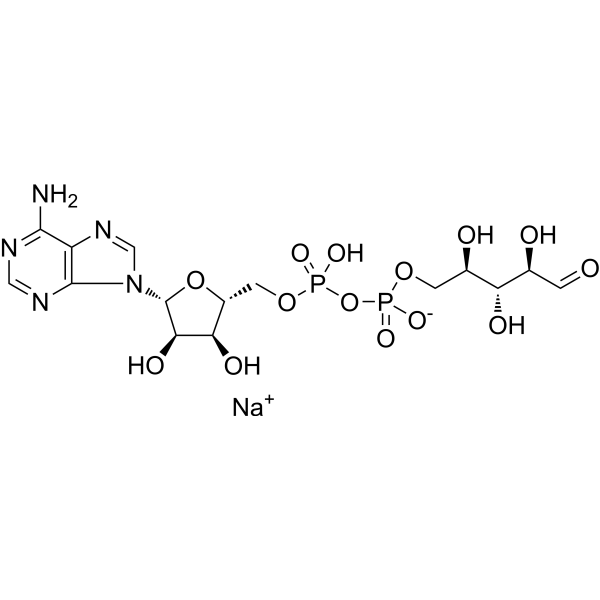
    Adenosine 5′-diphosphoribose sodium (ADP ribose sodium) is a nicotinamide adenine nucleotide (NAD +) metabolite. Adenosine 5′-diphosphoribose sodium is the most potent and primary intracellular Ca 2+-permeable cation TRPM2 channel activator. Adenosine 5′-diphosphoribose sodium also can enhance autophagy .
    Adenosine 5′-diphosphoribose sodium
  • HY-129522
    Sulfo-ara-F-NMN
    5+ Cited Publications

    CZ-48

    Toll-like Receptor (TLR) Neurological Disease
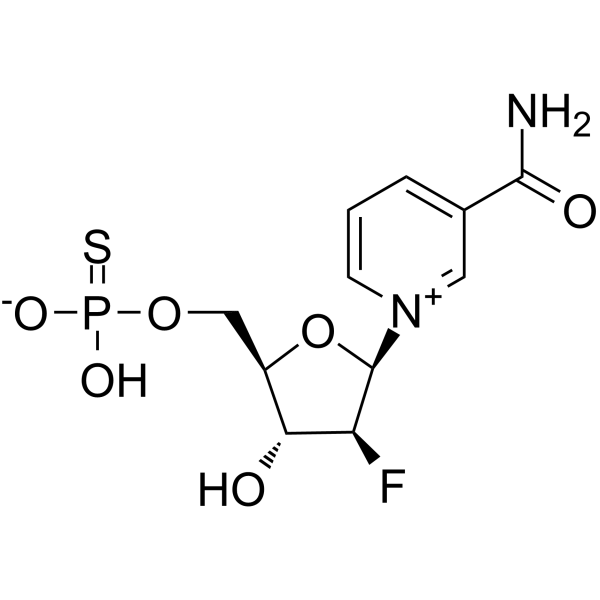
    Sulfo-ara-F-NMN (CZ-48) is a mimetic of nicotinamide mononucleotide (NMN). Sulfo-ara-F-NMN acts selectively, activating SARM1 but inhibiting CD38 (IC50 around 10 μM). Sulfo-ara-F-NMN induces intracellular cyclic ADP-ribose (cADPR) production .
    Sulfo-ara-F-NMN
  • HY-113432

    2PY

    Endogenous Metabolite PARP Metabolic Disease
    Nudifloramide (2PY) is one of the end products of nicotinamide-adenine dinucleotide (NAD) degradation. Nudifloramide significantly inhibits poly(ADP-ribose) polymerase (PARP-1) activity in vitro .
    Nudifloramide
  • HY-158799

    Poly(ADP-ribose) Glycohydrolase (PARG) Others
    Poly(ADP-ribose) Polymer/pADPr is a complex polymer of repeating ADP-ribose units, which is synthesized using poly(ADP-ribose) polymerase (PARP) in the presence of NAD +, cleaved from PARP, and subsequently purified .
    Poly(ADP-ribose) Polymer/pADPr
  • HY-N7395
    Cyclic ADP-​ribose
    1 Publications Verification

    cADPR

    Calcium Channel TRP Channel Endogenous Metabolite Infection Cardiovascular Disease Neurological Disease Inflammation/Immunology Endocrinology
    Cyclic ADP-ribose (cADPR) is a potent second messenger for calcium mobilization that is synthesized from NAD + by an ADP-ribosyl cyclase. Cyclic ADP-ribose increases cytosolic calcium mainly by Ryanodine receptor-mediated release from endoplasmic reticulum and also by extracellular influx through the opening of TRPM2 channels .
    Cyclic ADP-​ribose
  • HY-N7765

    HCV Bacterial Apoptosis Fungal Infection Inflammation/Immunology Cancer
    Oenothein B is a dimeric macrocyclic ellagitannin and has widely pharmacological activities, including antioxidant, anti-inflammatory, antifungal, anti-HCV, and antitumor properties. Oenothein B is a potent and specific inhibitor of poly(ADP-ribose) glycohydrolase .
    Oenothein B
  • HY-128760
    COH34
    1 Publications Verification

    Poly(ADP-ribose) Glycohydrolase (PARG) Cancer
    COH34 is a potent and specific poly(ADP-ribose) glycohydrolase (PARG) inhibitor with an IC50 of 0.37 nM. COH34 binds to the catalytic domain of PARG (Kd=0.547 μM), thereby prolonging PARylation at DNA lesions and trapping DNA repair factors .
    COH34
  • HY-100973
    Adenosine 5′-diphosphoribose
    5+ Cited Publications

    ADP ribose

    TRP Channel Autophagy Neurological Disease Metabolic Disease Cancer
    Adenosine 5′-diphosphoribose (ADP ribose) is a nicotinamide adenine nucleotide (NAD +) metabolite. Adenosine 5′-diphosphoribose is the most potent and primary intracellular Ca 2+-permeable cation TRPM2 channel activator. Adenosine 5′-diphosphoribose also can enhance autophagy .
    Adenosine 5′-diphosphoribose
  • HY-B0889
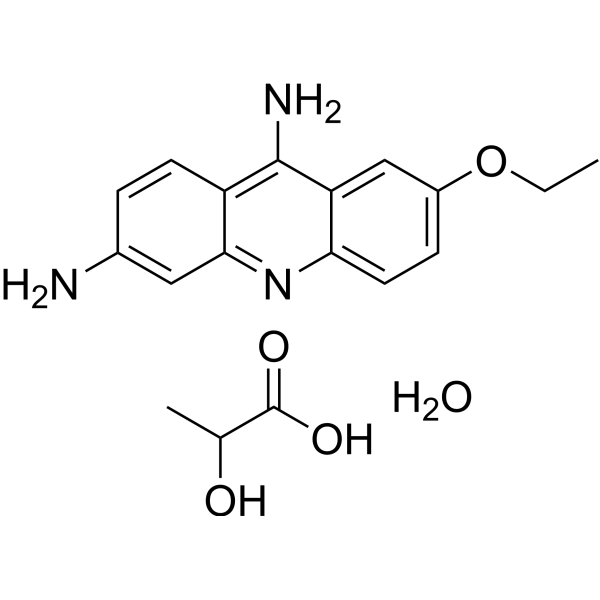
    Ethacridine lactate monohydrate
    2 Publications Verification

    Acrinol monohydrate

    Bacterial Infection
    Ethacridine lactate (Acrinol) monohydrate is a widely used antiseptic and abortifacient. Ethacridine lactate monohydrate is effective against Staphylococcus aureus and other gram-positive cocci. Ethacridine lactate monohydrate is also a poly(ADP-ribose) glycohydrolase (PARG) inhibitor .
    Ethacridine lactate monohydrate
  • HY-B2174
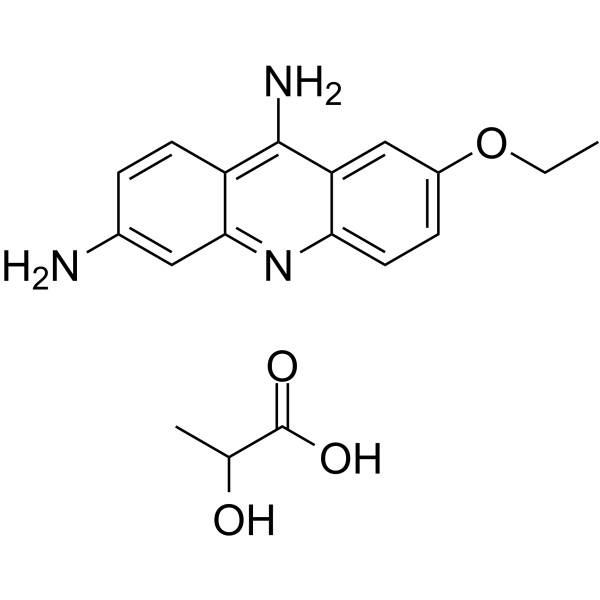
    Ethacridine lactate
    2 Publications Verification

    Acrinol

    Bacterial Infection
    Ethacridine lactate (Acrinol) is a widely used antiseptic and abortifacient. Ethacridine lactate is effective against Staphylococcus aureus and other gram-positive cocci. Ethacridine lactate is also a poly(ADP-ribose) glycohydrolase (PARG) inhibitor .
    Ethacridine lactate
  • HY-125209

    DNA/RNA Synthesis Cancer
    TH5427 is a promising, targeted inhibitor that can be used to further study NUDT5 activity and ADP-ribose metabolism. TH5427, blocks progestin-dependent, PAR-derived nuclear ATP synthesis and subsequent chromatin remodeling, gene regulation and proliferation in breast cancer cells. NUDT5 is recently identified as a rheostat of hormone-dependent gene regulation and proliferation in breast cancer cells .
    TH5427
  • HY-N6818
    5,​7,​4'-​Trimethoxyflavone
    2 Publications Verification

    TMF

    Apoptosis Caspase PARP Endogenous Metabolite CFTR Cancer
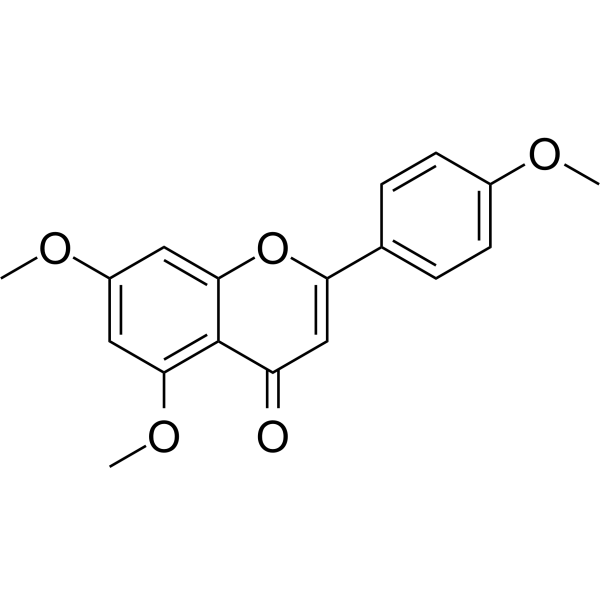
    5,7,4’-Trimethoxyflavone can be isolated from the medicinal plant Kaempferia parviflora (KP). 5,7,4’-Trimethoxyflavone is a CFTR activator and EC50 is 64 μM. 5,7,4’-Trimethoxyflavone induces apoptosis, increases proteolytic activation of caspase-3, and degradation of ADP-ribose polymerase (PARP) protein. 5,7,4’-Trimethoxyflavone has antitumor activity. 5,7,4’-Trimethoxyflavone can be used to prevent skin aging and oxidative stress .
    5,​7,​4'-​Trimethoxyflavone
  • HY-101020

    2-Picolinamide

    PARP Metabolic Disease
    Picolinamide (2-Picolinamide) is an inhibitor of Poly(ADP-ribose) synthetase of nuclei from rat pancreatic islet cells .
    Picolinamide
  • HY-120380

    MOFs PARP Neurological Disease
    FeTMPyP is an orally active poly (ADP-ribose) polymerase (PARP) inhibitor. FeTMPyP inhibits cell death, nitrotyrosine formation, and depolarization of mitochondrial transmembrane potential. FeTMPyP reduces homocysteine-induced nitrosative stress and partially restores TFEB protein and mRNA levels. FeTMPyP improves functional and behavioral deficits caused by chronic constriction injury in rats. FeTMPyP alleviates acute cerebral infarction in a rat model of middle cerebral artery occlusion with mild hyperglycemia. FeTMPyP can be used in studies related to neuropathic pain, renal aging, ischemic penumbra, and hyperglycemic stroke .
    FeTMPyP
  • HY-146248B

    Poly(ADP-ribose) Glycohydrolase (PARG) SARS-CoV Protease Activated Receptor (PAR) Metabolic Disease
    TFMU-ADPr diammonium is a selective reporter substrate of SARS-CoV-2 Macro1 (IC50=0.59 μM), with an excitation wavelength (λEx) of 385 nm, and an emission wavelength (λEm) of 502 nm (or 495 nm). TFMU-ADPr diammonium can also undergo enzymatic hydrolysis with Poly(ADP-ribose) Glycohydrolase (PARG) sourced from human, Tetrahymena thermophila and ADP-ribosylhydrolase 3 from human to release fluorophores, thereby directly reporting total poly (ADP-ribose) hydrolase activity. TFMU-ADPr diammonium binds to the ADPr-binding site of SARS-CoV-2 Macro1, and its TFMU moiety inserts into the narrow hydrophobic groove of this protein. TFMU-ADPr diammonium can thus be used to evaluate small-molecule inhibitors targeting PAR hydrolases under in vitro conditions, to investigate the regulatory mechanisms of ADP-ribosyl catabolic enzymes, or to detect PAR hydrolase activity in whole-cell lysate assays. TFMU-ADPr diammonium is also applicable to COVID-19-related research .
    TFMU-ADPr diammonium
  • HY-F0001R
    NADH disodium salt (Standard)
    1 Publications Verification

    Disodium NADH (Standard)

    Reference Standards Endogenous Metabolite Metabolic Disease
    NADH (disodium salt) (Standard) is the analytical standard of NADH (disodium salt). This product is intended for research and analytical applications. NADH disodium salt (Disodium NADH) is an orally active reduced coenzyme. NADH disodium salt is a donor of ADP-ribose units in ADP-ribosylaton reactions and a precursor of cyclic ADP-ribose. NADH disodium salt plays a role as a regenerative electron donor in cellular energy metabolism, including glycolysis, β-oxidation and the tricarboxylic acid (TCA) cycle .
    NADH disodium salt (Standard)
  • HY-15045
    INO-1001
    2 Publications Verification

    PARP Cancer
    INO-1001 is a potent and selective poly (ADP-ribose) polymerase (PARP) inhibitor. INO-1001 is a potent enhancer of radiation sensitivity and enhances radiation-induced cell killing by interfering with DNA repair mechanisms, resulting in necrotic cell death . INO-1001 has anti-tumor effects .
    INO-1001
  • HY-141867

    Z-Phe-Phe-FMK

    Cathepsin MEK Caspase DNA/RNA Synthesis Apoptosis Cardiovascular Disease Neurological Disease
    Z-FF-FMK (Z-Phe-Phe-FMK) is a cell-permeable, irreversible, and cysteine protease inhibitor targeting cathepsin-L. Z-FF-FMK inhibits angiotensin II-induced MEK activation in vascular walls, aortic medial remodeling, blood pressure elevation, and upregulation of cystatin C in aortic walls. Z-FF-FMK prevents β-amyloid-mediated caspase-3 activation, poly (ADP-ribose) polymerase cleavage, DNA fragmentation, and apoptosis of cortical neurons (apoptosis). Z-FF-FMK can be used in research related to hypertension and Alzheimer's disease .
    Z-FF-FMK
  • HY-N7395A
    Cyclic ADP-​ribose ammonium
    1 Publications Verification

    cADPR ammonium

    Calcium Channel TRP Channel Endogenous Metabolite Infection Cardiovascular Disease Neurological Disease Inflammation/Immunology Endocrinology
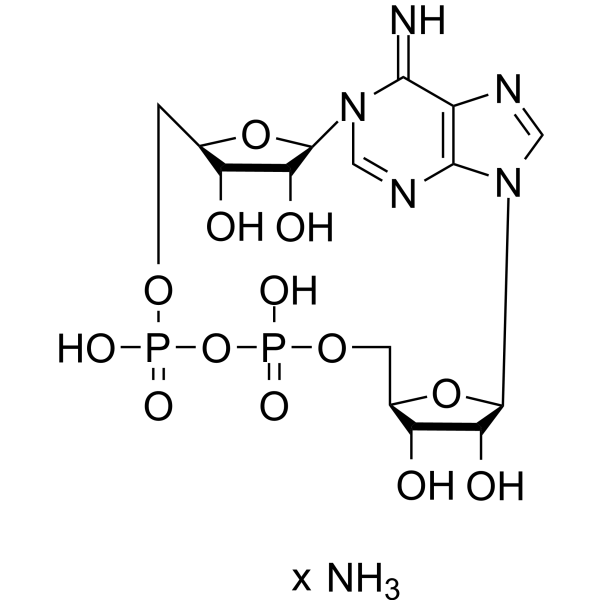
    Cyclic ADP-ribose ammonium (cADPR ammonium) is a potent second messenger for calcium mobilization that is synthesized from NAD + by an ADP-ribosyl cyclase. Cyclic ADP-ribose ammonium increases cytosolic calcium mainly by Ryanodine receptor-mediated release from endoplasmic reticulum and also by extracellular influx through the opening of TRPM2 channels .
    Cyclic ADP-​ribose ammonium
  • HY-N1910
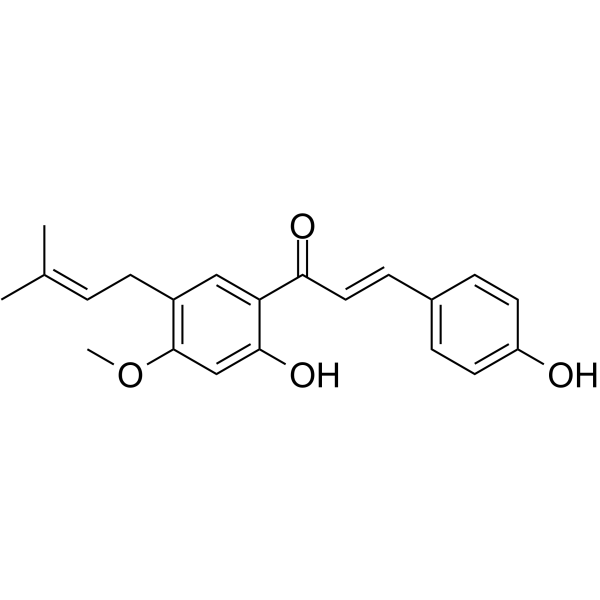
    4'-O-Methylbavachalcone
    4 Publications Verification

    SARS-CoV Virus Protease Succinate Receptor 1 ERK Infection Neurological Disease
    4'-O-Methylbavachalcone is an orally active prenylated flavonoid that inhibits the activity of SARS-CoV papain-like protease (PLpro), with an IC50 of 10.1 μM and a Ki of 4.6 μM. 4'-O-Methylbavachalcone inhibits poly (ADP-ribose) polymerase-mediated cell death (parthanatos), reduces cerebral infarct volume, binds to the orthosteric site of SUCNR1, blocks the interaction between succinate and SUCNR1, inhibits SUCNR1 activity, blocks the nuclear translocation of NFATc4, suppresses the activation of the ERK1/2 signaling pathway, inhibits cardiomyocyte hypertrophy and restores the expression of α-actinin. 4'-O-Methylbavachalcone can be used in studies related to ischemic stroke, SARS-CoV and cardiomyocyte hypertrophy .
    4'-O-Methylbavachalcone
  • HY-137924
    JA2131
    1 Publications Verification

    Poly(ADP-ribose) Glycohydrolase (PARG) Cancer
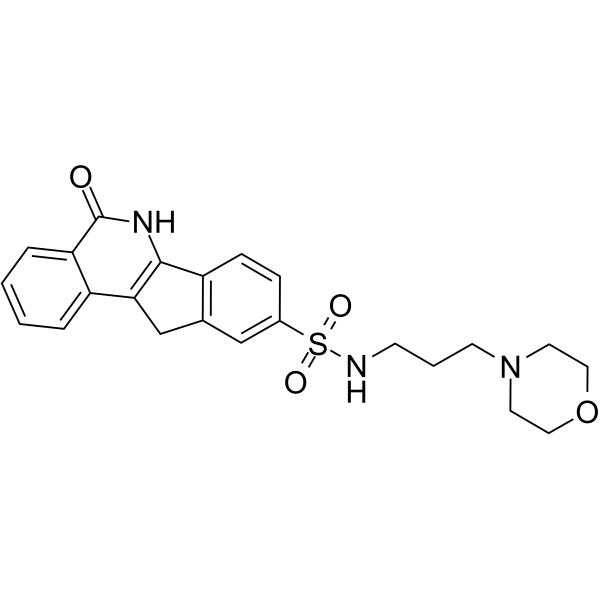
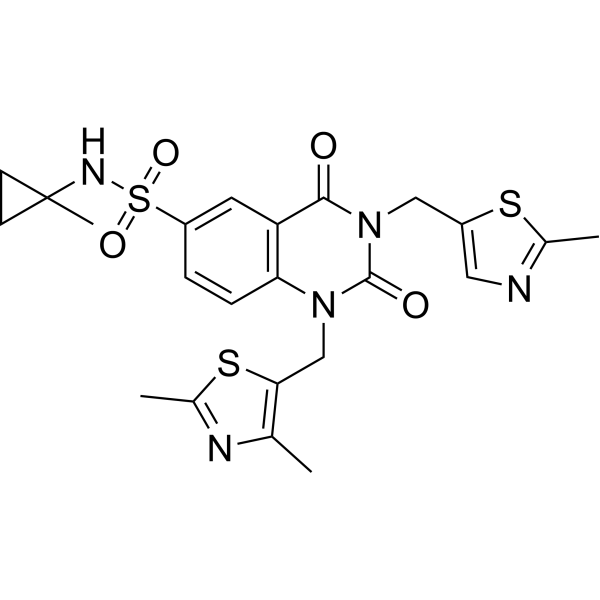
    JA2131 is a small molecular inhibitor of Poly(ADP-ribose) Glycohydrolase (PARG) (IC50=0.4 μM). JA2131 regulate DNA damage responses, causes replication fork stalling and cancer cell death .
    JA2131
  • HY-133531

    Poly(ADP-ribose) Glycohydrolase (PARG) Cancer
    PDD00017272 is an inhibitor of poly(ADP-ribose) glycohydrolase (PARG) (EC50=4.8 nM) and an activator of PARP1/2. PDD00017272 inhibits its activity of hydrolyzing poly(ADP-ribose) (pADPr), resulting in the accumulation of pADPr on chromatin, interfering with DNA damage repair and replication processes, and inducing PARP1/2-dependent cytotoxicity. PDD00017272 can be used in cancer models with DNA repair defects (such as BRCA mutations) or resistance to PARP inhibitors. PDD00017272 has a PARG expression level-correlated inhibitory potency with EC50 of 9.2 nM (PARG cells), the tumor cells with lower PARG expression are more sensitive .
    PDD00017272
  • HY-117804

    8-Bromo-Cyclic ADP-ribose

    TRP Channel Neurological Disease Metabolic Disease
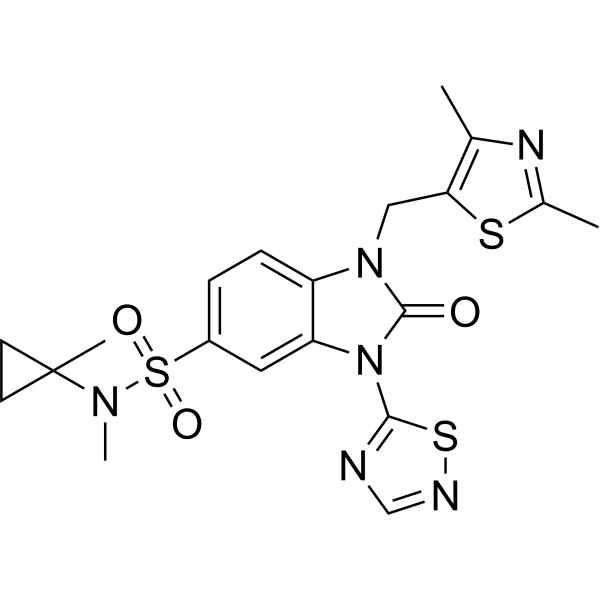
    8-Br-cADPR (8-Bromo-Cyclic ADP-Ribose), a cyclic adenosine diphosphate (ADP)-ribose (cADPR) antagonist, is a TRPM2 ion channel antagonist. 8-Br-cADPR reduces renal damage and the expression of caspase-3 and TRPM2 .
    8-Br-cADPR
  • HY-135782

    Poly(ADP-ribose) Glycohydrolase (PARG) Cancer
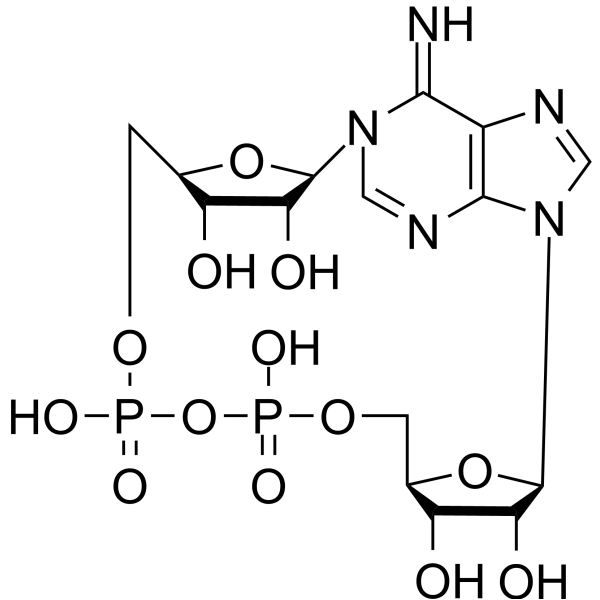
    iso-ADP ribose is the small-molecule ligand for protein nucleic acid modification, comprising parts of two consecutive ADP-ribosyl units within the PAR chain. iso-ADP ribose specifically binds WWE, FHA and OB-fold domains, enabling PAR-dependent functional responses like ubiquitylation and supporting DNA damage signaling and repair. iso-ADP ribose can be used for cancer research .
    iso-ADP ribose
  • HY-G0023

    Niraparib carboxylic acid metabolite M1; M1 metabolite of niraparib

    Drug Metabolite Others
    Niraparib metabolite M1 is a metabolite of niraparib, and the latter one acts as a novel poly(ADP-Ribose) polymerase (PARP) inhibitor.
    Niraparib metabolite M1
  • HY-178208

    Poly(ADP-ribose) Glycohydrolase (PARG) Cancer
    MDOLL-0286 is a selective Poly(ADP-ribose) Glycohydrolase (PARG) (ARH3) inhibitor with an IC50 of 2.3μM. MDOLL-0286 can inhibit ARH3’s poly-ADP-ribose hydrolytic activity on cellular substrates. MDOLL-0286 can inhibit DNA damage response. MDOLL-0286 can be used for the research of cancer .
    MDOLL-0286
  • HY-133530

    Poly(ADP-ribose) Glycohydrolase (PARG) Others
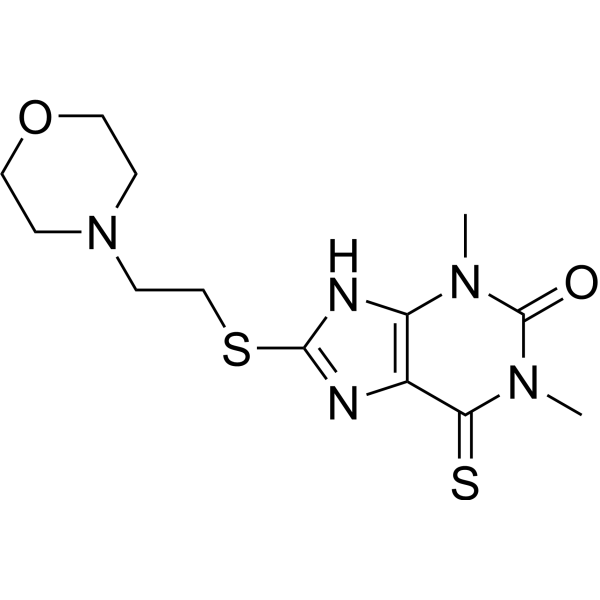
    PDD00017238 is a potent inhibitor of Poly(ADP-ribose) Glycohydrolase (PARG), with EC50 values of 40 nM and 55 nM in biochemical assay and cell POM, respectively .
    PDD00017238
  • HY-146248

    SARS-CoV Poly(ADP-ribose) Glycohydrolase (PARG) Protease Activated Receptor (PAR) Infection
    TFMU-ADPr is a selective reporter substrate of SARS-CoV-2 Macro1 (IC50=0.59 μM), with an excitation wavelength (λEx) of 385 nm, and an emission wavelength (λEm) of 502 nm (or 495 nm). TFMU-ADPr can also undergo enzymatic hydrolysis with Poly(ADP-ribose) Glycohydrolase (PARG) sourced from human, Tetrahymena thermophila and ADP-ribosylhydrolase 3 from human to release fluorophores, thereby directly reporting total poly (ADP-ribose) hydrolase activity. TFMU-ADPr binds to the ADPr-binding site of SARS-CoV-2 Macro1, and its TFMU moiety inserts into the narrow hydrophobic groove of this protein. TFMU-ADPr can thus be used to evaluate small-molecule inhibitors targeting PAR hydrolases under in vitro conditions, to investigate the regulatory mechanisms of ADP-ribosyl catabolic enzymes, or to detect PAR hydrolase activity in whole-cell lysate assays. TFMU-ADPr is also applicable to COVID-19-related research .
    TFMU-ADPr
  • HY-134354A

    ADP-ribose-pNP disodium

    Poly(ADP-ribose) Glycohydrolase (PARG) Others
    pNP-ADPr disodium is a colorimetric substrate that used for the first continuous Poly(ADP-ribose) glycohydrolase (PARG) and ADP-ribosyl hydrolase 3 (ARH3) activity assays. pNP-ADPr disodium can be used for the research of poly(ADP-ribose)polymerase (PARP) enzymes .
    pNP-ADPr disodium
  • HY-W051513
    2-Methylquinazolin-4-ol
    1 Publications Verification

    PARP Others
    2-Methylquinazolin-4-ol is a potent competitive poly(ADP-ribose) synthetase inhibitor, with a Ki of 1.1 μM. 2-Methylquinazolin-4-ol mammalian aspartate transcarbamylase (ATCase) inhibitor, with 0.20 mM .
    2-Methylquinazolin-4-ol
  • HY-135846
    PDD00031705
    1 Publications Verification

    Poly(ADP-ribose) Glycohydrolase (PARG) Cancer
    PDD00031705 is a benzimidazolone core cell-inactive inhibitor of Poly (ADP-ribose) glycohydrolase (PARG) .
    PDD00031705
  • HY-N8481
    3,6-Dihydroxyflavone
    1 Publications Verification

    3,6-DHF

    Apoptosis Cancer
    3,6-Dihydroxyflavone is an anti-cancer agent. 3,6-Dihydroxyflavone dose- and time-dependently decreases cell viability and induces apoptosis by activating caspase cascade, cleaving poly (ADP-ribose) polymerase (PARP). 3,6-Dihydroxyflavone increases intracellular oxidative stress and lipid peroxidation .
    3,6-Dihydroxyflavone
  • HY-E70556

    Biochemical Assay Reagents Metabolic Disease
    ADP-ribose pyrophosphatase is an ADP-ribose pyrophosphatase that catalyzes the hydrolysis of ADP-ribose to AMP and ribose 5-phosphate .
    ADP-ribose pyrophosphatase
  • HY-P2325

    Biochemical Assay Reagents ROCK Neurological Disease Metabolic Disease
    Exoenzyme C3, clostridium botulinum, is a mono-ADP-ribosylating enzyme. Exoenzyme C3, clostridium botulinum specifically modifies RhoA, B, and C by transferring ADP-ribose to them, thereby inactivating these GTPases. Exoenzyme C3, clostridium botulinum can induce neuronal axonal and dendritic growth, inhibit macrophage migration, and regulate cytoskeletal dynamics. Exoenzyme C3, clostridium botulinum can be used in the research of spinal cord injury and diabetic painful neuropathy .
    Exoenzyme C3, clostridium botulinum
  • HY-115666

    Poly(ADP-ribose) Glycohydrolase (PARG) Cancer
    COH34 analog 1, a metabolite, is an oxidized analog of COH34. COH34 is a potent poly(ADP-ribose) glycohydrolase (PARG) inhibitor .
    COH34 analog 1
  • HY-113432S

    Endogenous Metabolite PARP Metabolic Disease
    Nudifloramide-d3 (2PY-d3) is the deuterium labeled Nudifloramide. Nudifloramide (2PY) is one of the end products of nicotinamide-adenine dinucleotide (NAD) degradation. Nudifloramide significantly inhibits poly(ADP-ribose) polymerase (PARP-1) activity in vitro .
    Nudifloramide-d3
  • HY-100973AR

    ADP ribose sodium (Standard)

    Reference Standards TRP Channel Autophagy Metabolic Disease Endocrinology Cancer
    Adenosine 5′-diphosphoribose (sodium) (Standard) is the analytical standard of Adenosine 5′-diphosphoribose (sodium). This product is intended for research and analytical applications. Adenosine 5′-diphosphoribose sodium (ADP ribose sodium) is a nicotinamide adenine nucleotide (NAD+) metabolite. Adenosine 5′-diphosphoribose sodium is the most potent and primary intracellular Ca2+-permeable cation TRPM2 channel activator. Adenosine 5′-diphosphoribose sodium also can enhance autophagy .
    Adenosine 5′-diphosphoribose sodium (Standard)
  • HY-175081

    8-Bromo-Cyclic ADP-ribose sodium salt

    TRP Channel Metabolic Disease
    8-Br-cADPR (8-Bromo-Cyclic ADP-Ribose) sodium salt, a cyclic adenosine diphosphate (ADP)-ribose (cADPR) antagonist, is a TRPM2 ion channel antagonist. 8-Br-cADPR sodium salt reduces renal damage and the expression of caspase-3 and TRPM2 .
    8-Br-cADPR sodium salt
  • HY-P990037

    GEN3014

    CD38 Inflammation/Immunology Cancer
    Erzotabart is an IgG1-kappa, anti-CD38 (ADP-ribosyl cyclase 1, cyclic ADP-ribose hydrolase 1, cADPr hydrolase 1, cADPR1) Homo sapiens monoclonal antibody. Erzotabart shows antineoplastic activity .
    Erzotabart
  • HY-P2940

    NAMPT Inflammation/Immunology
    NADase is an ectoenzyme/membrane-bound enzyme targeting nicotinamide adenine dinucleotide (NAD +). NADase regulates intracellular NAD + homeostasis by hydrolyzing NAD + into nicotinamide mononucleotide (NMN) and ADP-ribose. NADase is promising for research of autoimmune diseases (e.g., systemic sclerosis, systemic lupus erythematosus) and aging-related disorders .
    NADase
  • HY-135782A

    Poly(ADP-ribose) Glycohydrolase (PARG) Cancer
    iso-ADP ribose TEA is the small-molecule ligand for protein nucleic acid modification, comprising parts of two consecutive ADP-ribosyl units within the PAR chain. iso-ADP ribose TEA specifically binds WWE, FHA and OB-fold domains, enabling PAR-dependent functional responses like ubiquitylation and supporting DNA damage signaling and repair. iso-ADP ribose TEA can be used for cancer research .
    iso-ADP ribose TEA
  • HY-134354

    ADP-ribose-pNP

    Poly(ADP-ribose) Glycohydrolase (PARG) Others
    pNP-ADPr is a colorimetric substrate that used for the first continuous Poly(ADP-ribose) glycohydrolase (PARG) and ADP-ribosyl hydrolase 3 (ARH3) activity assays. pNP-ADPr can be used for the research of poly(ADP-ribose)polymerase (PARP) enzymes .
    pNP-ADPr
  • HY-Z0283S

    Benzenecarboxamide-15N; Phenylamide-15N

    Endogenous Metabolite PARP Others
    Benzamide- 15N is a 15N-labeled Benzamide. Benzamide inhibits poly(ADP-ribose) polymerase (PARP) .
    Benzamide-15N
  • HY-D1107

    PARP Others
    NCT-TFP is PARP probe used to identifying Poly(ADP-ribose) polymerases (PARP) inhibitors (extracted from patent US20190331688A1) .
    NCT-TFP
  • HY-122041
    Ethacridine
    2 Publications Verification

    Apoptosis Poly(ADP-ribose) Glycohydrolase (PARG) Cancer
    Ethacridine is a poly(ADP-ribose) glycohydrolase (PARG) inhibitor and an activator of the transcriptional coactivator. Ethacridine induces thyroid cancer cells apoptosis and promotes differentiation in thyroid follicular cells .
    Ethacridine
  • HY-113432R

    2PY (Standard)

    Reference Standards Endogenous Metabolite PARP Metabolic Disease
    Nudifloramide (Standard) is the analytical standard of Nudifloramide. This product is intended for research and analytical applications. Nudifloramide (2PY) is one of the end products of nicotinamide-adenine dinucleotide (NAD) degradation. Nudifloramide significantly inhibits poly(ADP-ribose) polymerase (PARP-1) activity in vitro .
    Nudifloramide (Standard)
  • HY-W250154

    Endogenous Metabolite Metabolic Disease
    β-Nicotinamide adenine dinucleotide reduced dipotassium is an orally active reduced coenzyme. β-Nicotinamide adenine dinucleotide reduced dipotassium is a donor of ADP-ribose units in ADP-ribosylaton reactions and a precursor of cyclic ADP-ribose. β-Nicotinamide adenine dinucleotide reduced dipotassium plays a role as a regenerative electron donor in cellular energy metabolism, including glycolysis, β-oxidation and the tricarboxylic acid (TCA) cycle .
    β-Nicotinamide adenine dinucleotide reduced dipotassium
  • HY-171789

    Poly(ADP-ribose) Glycohydrolase (PARG) Cancer
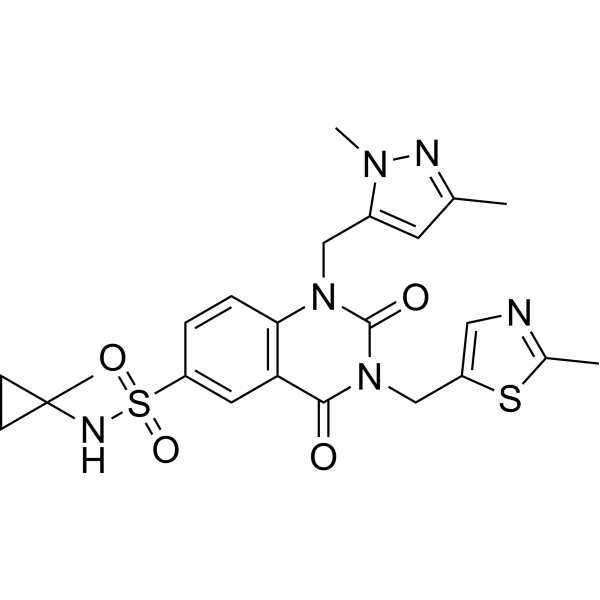
    PARG-IN-7 (Example 38) is a Poly ADP-ribose glycohydrolase (PARG) inhibitor (IC50: < 0.1 μM). PARG-IN-7 inhibits cell viability of HCC1806-XRCC1 KD (knock down) cells with an IC50 < 1 μM. PARG-IN-7 can be used for cancer research .
    PARG-IN-7

Inquiry Online

Your information is safe with us. * Required Fields.

Salutation


Country or Region *

Applicant Name *


Organization Name *

Department *


Email Address *


Product Name *

Cat. No.


Requested quantity *

Phone Number *


Remarks

Inquiry Online

Inquiry Information

Product Name:
Cat. No.:
Quantity:
MCE Japan Authorized Agent:

