1. Search Result
Search Result
Isoforms Recommended: Akt1 Akt1
Results for "

Akt1

" in MedChemExpress (MCE) Product Catalog:

143

Inhibitors & Agonists

1

Screening Libraries

3

Peptides

1

Inhibitory Antibodies

18

Natural
Products

3

Recombinant Proteins

1

Isotope-Labeled Compounds

26

Antibodies

1

Click Chemistry

6

Oligonucleotides

Targets Recommended:
Cat. No. Product Name Target Research Areas Chemical Structure
  • HY-15431
    Capivasertib
    80+ Cited Publications

    AZD5363

    Akt Autophagy Cancer
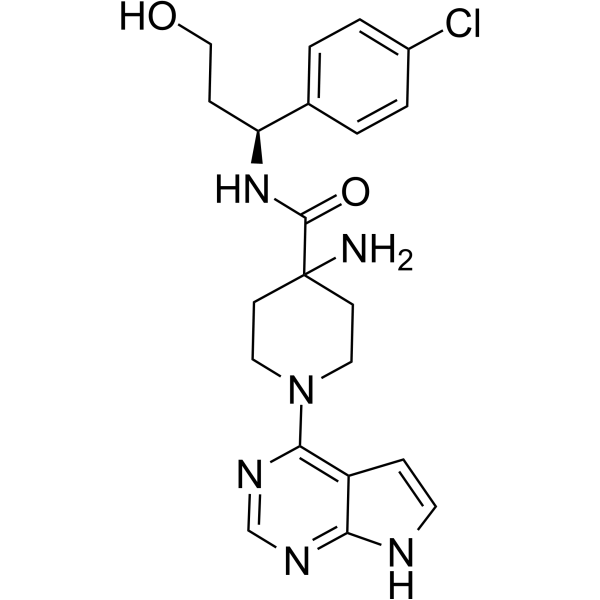
    Capivasertib (AZD5363) is an orally active and potent pan-AKT kinase inhibitor with IC50 of 3, 7 and 7 nM for Akt1,Akt2 and Akt3, respectively.
    Capivasertib
  • HY-N0004
    Oridonin
    Maximum Cited Publications
    26 Publications Verification

    NSC-250682; Isodonol

    Akt Bacterial Ligands for E3 Ligase Infection Inflammation/Immunology Cancer
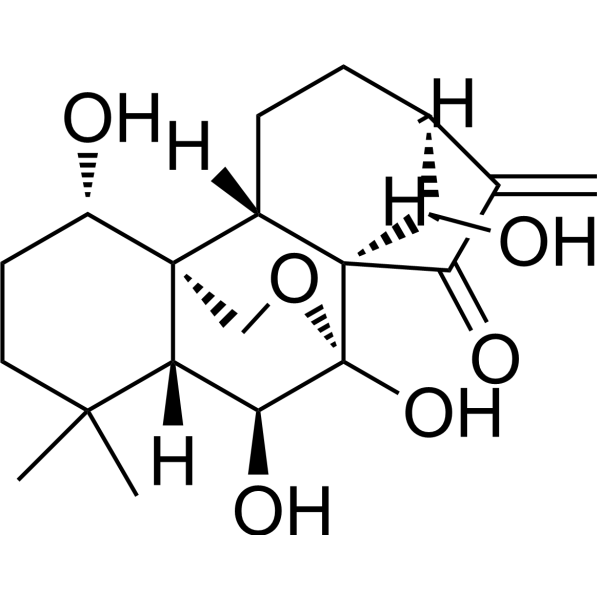
    Oridonin (NSC-250682), a diterpenoid isolated from Rabdosia rubescens, acts as an inhibitor of AKT, with IC50s of 8.4 and 8.9 μM for AKT1 and AKT2; Oridonin possesses anti-tumor, anti-bacterial and anti-inflammatory effects.
    Oridonin
  • HY-15186
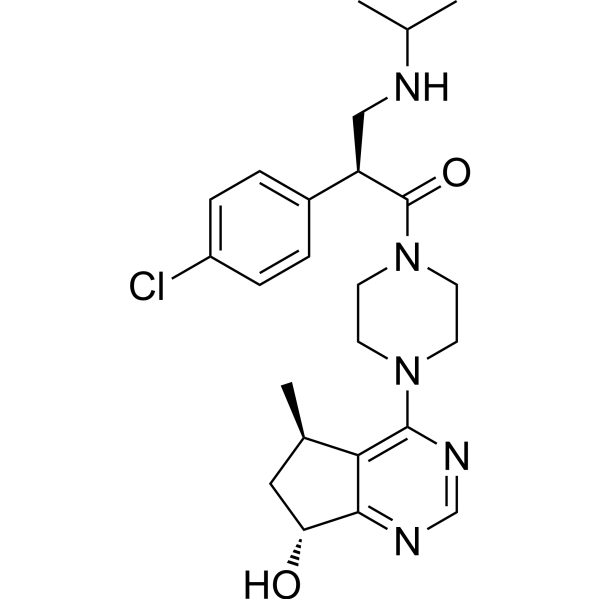
    Ipatasertib
    55+ Cited Publications

    GDC-0068; RG7440

    Organoid Akt Apoptosis Cancer
    Ipatasertib (GDC-0068) is an orally active, highly selective and ATP-competitive pan-Akt inhibitor with IC50 values of 5, 18, 8 nM for Akt1/2/3, respectively. Ipatasertib synchronously activates FoxO3a and NF-κB through inhibition of Akt leading to p53-independent activation of PUMA. Ipatasertib also induces apoptosis in cancer cells and inhibits tumor growth in xenograft mouse models [1] .
    Ipatasertib
  • HY-10355
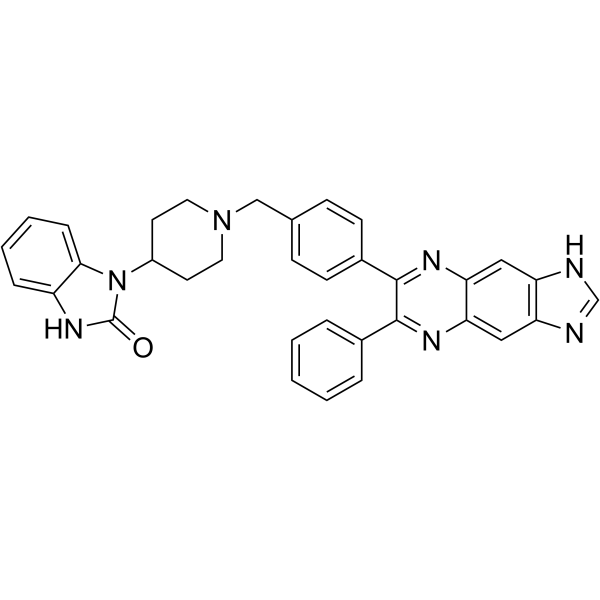
    AKT inhibitor VIII
    55+ Cited Publications

    Akti-1/2

    Akt Apoptosis Metabolic Disease Cancer
    AKT inhibitor VIII (AKTi-1/2) is a cell-permeable quinoxaline compound that has been shown to potently, selectively, allosterically, and reversibly inhibit Akt1, Akt2, and Akt3 activity with IC50s of 58 nM, 210 nM, and 2119 nM, respectively.
    AKT inhibitor VIII
  • HY-15965
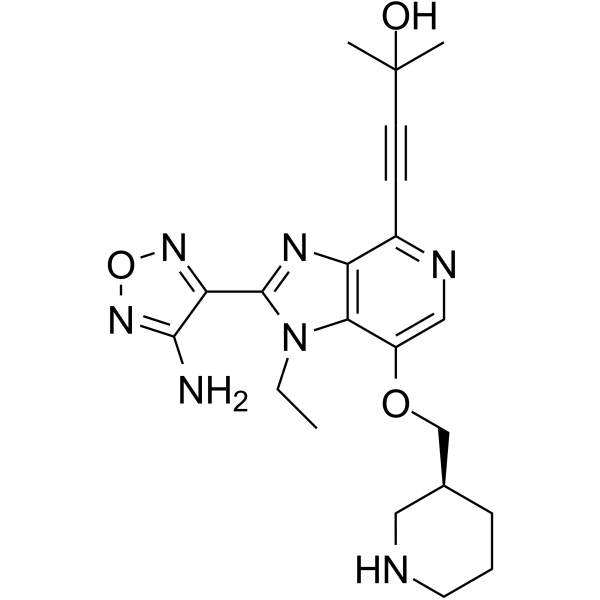
    Uprosertib
    15+ Cited Publications

    GSK2141795

    Akt Cancer
    Uprosertib (GSK2141795) is a potent and selective pan-Akt inhibitor with IC50 values of 180/328/38 nM for Akt1/Akt2/Akt3, respectively.
    Uprosertib
  • HY-15727
    Afuresertib
    15+ Cited Publications

    GSK2110183; LAE002

    Akt PKC ROCK Cancer
    Afuresertib (GSK2110183) is an orally bioavailable, selective, ATP-competitive and potent pan-Akt kinase inhibitor with Kis of 0.08/2/2.6 nM for Akt1/Akt2/Akt3, respectively [1] .
    Afuresertib
  • HY-19719
    Miransertib
    15+ Cited Publications

    ARQ-092

    Akt Parasite Infection Cancer
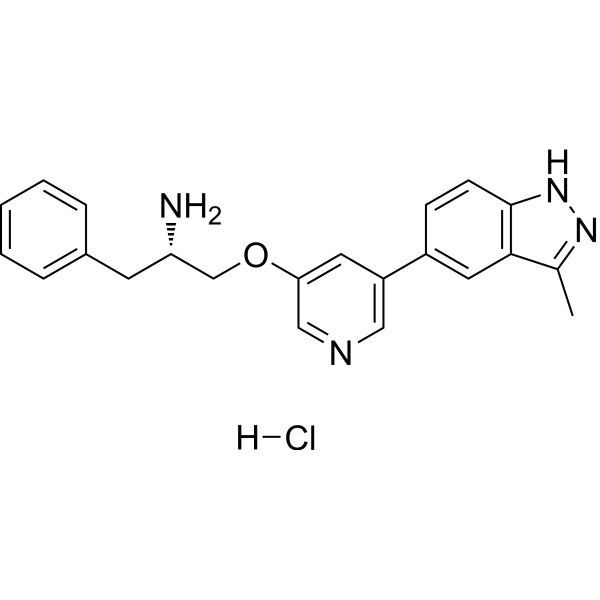
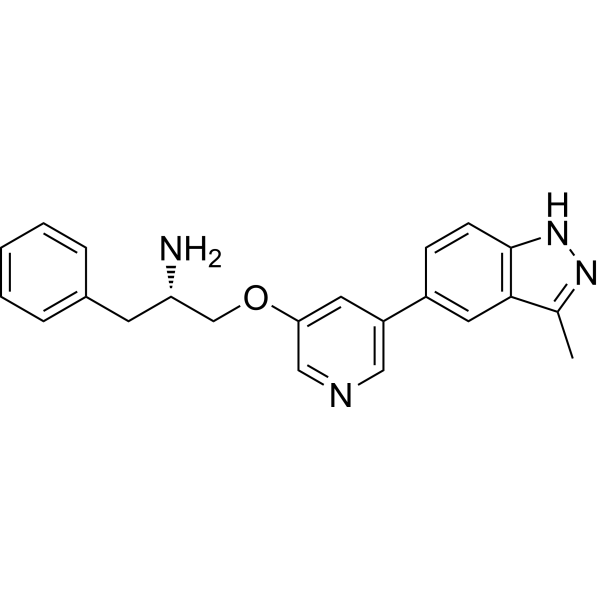
    Miransertib (ARQ-092) is a potent, orally active, selective and allosteric Akt inhibitor with IC50s of 2.7 nM, 14 nM and 8.1 nM for Akt1, Akt2, Akt3, respectively. Miransertib is also a potent the AKT1-E17K mutant protein inhibitor and has the potential for PI3K/AKT-driven tumors and Proteus syndrome research [1]. Miransertib is effective against Leishmania .
    Miransertib
  • HY-100018
    BAY1125976
    3 Publications Verification

    Akt Cancer
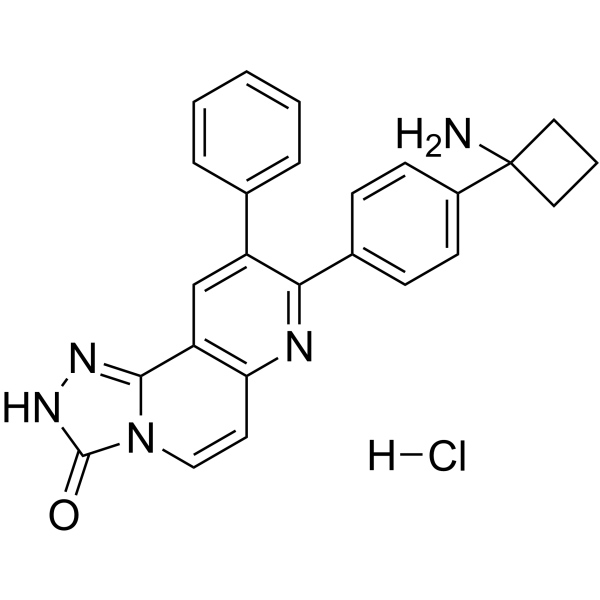
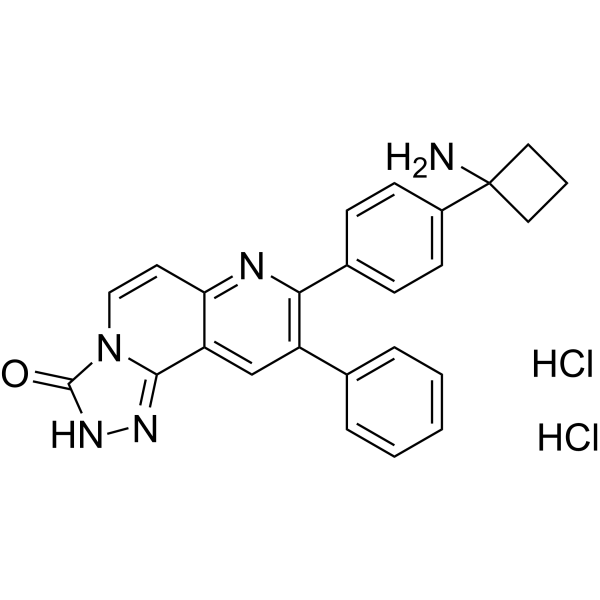
    BAY1125976, a chemical probe, is a selective allosteric Akt1/Akt2 inhibitor; inhibits Akt1 and Akt2 activity with IC50 values of 5.2 nM and 18 nM at 10 μM ATP, respectively.
    BAY1125976
  • HY-133120
    INY-03-041
    1 Publications Verification

    PROTACs Akt Cancer
    INY-03-041 is a potent, highly selective and PROTAC-based pan-AKT degrader consisting of the ATP-competitive AKT inhibitor Ipatasertib (HY-15186) conjugated to Lenalidomide (HY-A0003, Cereblon ligand). INY-03-041 inhibits AKT1, AKT2 and AKT3 with IC50s of 2.0, 6.8 and 3.5 nM, respectively [1].
    INY-03-041
  • HY-10249
    GSK-690693
    40+ Cited Publications

    Akt AMPK Autophagy Cancer
    GSK-690693 is an ATP-competitive pan-Akt inhibitor with IC50s of 2 nM, 13 nM, 9 nM for Akt1, Akt2 and Akt3, respectively. GSK-690693 is also an AMPK inhibitor, affects Unc-51-like autophagy activating kinase 1 (ULK1) activity and robustly inhibits STING-dependent IRF3 activation [1] .
    GSK-690693
  • HY-16071
    AT13148
    2 Publications Verification

    Akt PKA ROCK Ribosomal S6 Kinase (RSK) Cancer
    AT13148 is an orally active and ATP-competitive, multi-AGC kinase inhibitor with IC50s of 38 nM/402 nM/50 nM, 8 nM, 3 nM, and 6 nM/4 nM for Akt1/2/3, p70S6K, PKA, and ROCKI/II, respectively.
    AT13148
  • HY-176299

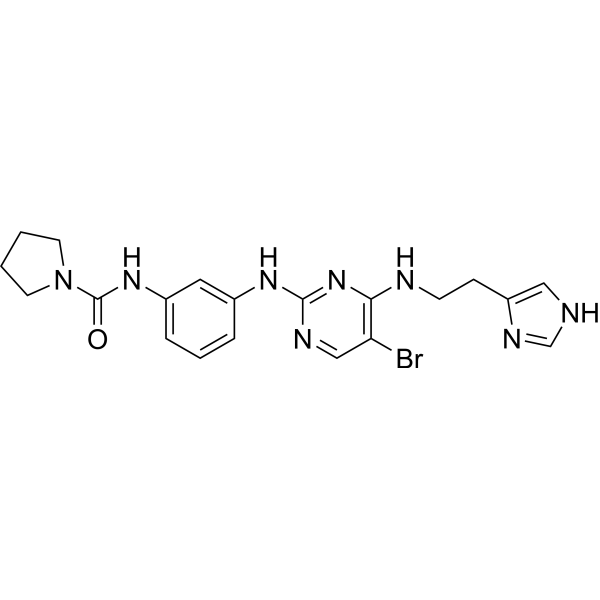
    Akt Cancer
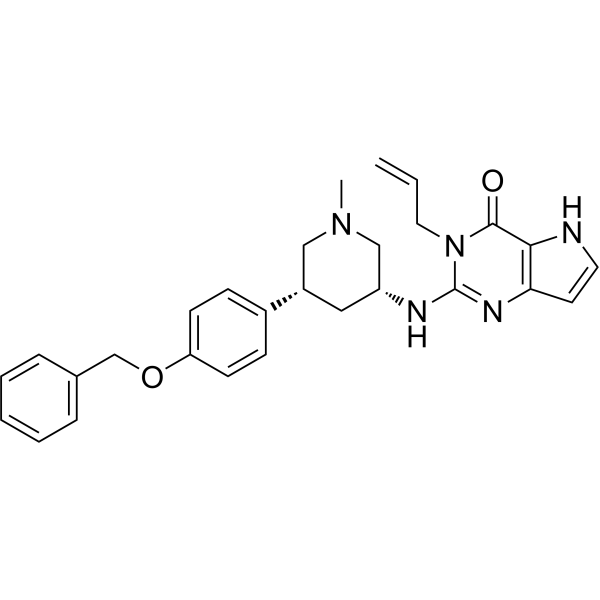
    Tanerasertib (Compound 456) is an AKT1 inhibitor, targerting to AKT1 E17K with the EC50 of 15-60 nM. Tanerasertib can be used in the study of cancer [1].
    Tanerasertib
  • HY-10425
    Rizavasertib
    10+ Cited Publications

    A-443654

    Akt Cancer
    A-443654 is a pan-Akt inhibitor and has equal potency against Akt1, Akt2, or Akt3 within cells (Ki=160 pM) [1].
    Rizavasertib
  • HY-13254A
    A-674563 hydrochloride
    5 Publications Verification

    Akt Cancer
    A-674563 hydrochloride is a potent and selective Akt1 inhibitor with Ki of 11 nM.
    A-674563 hydrochloride
  • HY-18271
    CaMKII-IN-1
    5 Publications Verification

    CaMK Neurological Disease
    CaMKII-IN-1 is a highly selective inhibitor of CaMKII with an IC50 value of 63nM. It has almost no effect on CaMKIV, MLCK, p38a, Akt1, and PKC.
    CaMKII-IN-1
  • HY-151504
    Engasertib
    2 Publications Verification

    ALM301

    Akt Cancer
    Engasertib is an orally active highly specific AKT inhibitor with IC50 values of 0.13 µM, 0.09 µM and 2.75 µM for AKT1, AKT2 and AKT3, respectively. Engasertib inhibits AKT phosphorylation and modulates downstream signalling in vitro. Engasertib can inhibit cancer cell proliferation and tumor growth [1].
    Engasertib
  • HY-100501
    M2698
    1 Publications Verification

    MSC2363318A

    Ribosomal S6 Kinase (RSK) Akt Cancer
    M2698 (MSC2363318A) is an orally active, ATP competitive, selective p70S6K and Akt dual-inhibitor with IC50s of 1 nM for p70S6K, Akt1 and Akt3. M2698 can cross the blood-brain barrier and has anti-cancer activity [1].
    M2698
  • HY-19934

    TAS-117

    Akt Apoptosis Autophagy Cancer
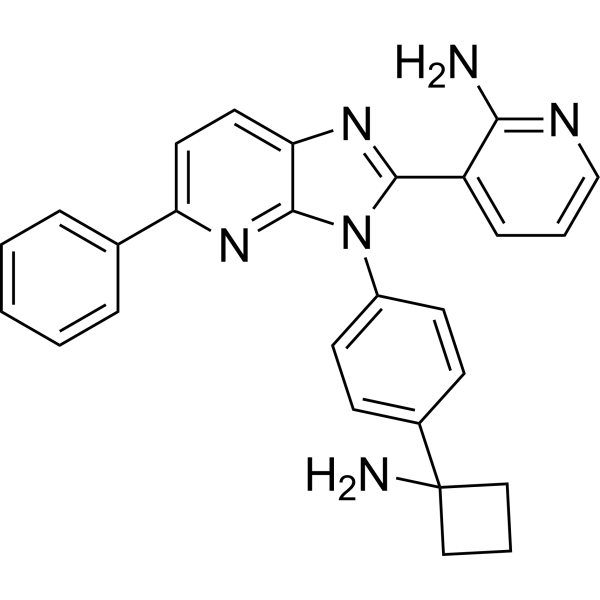
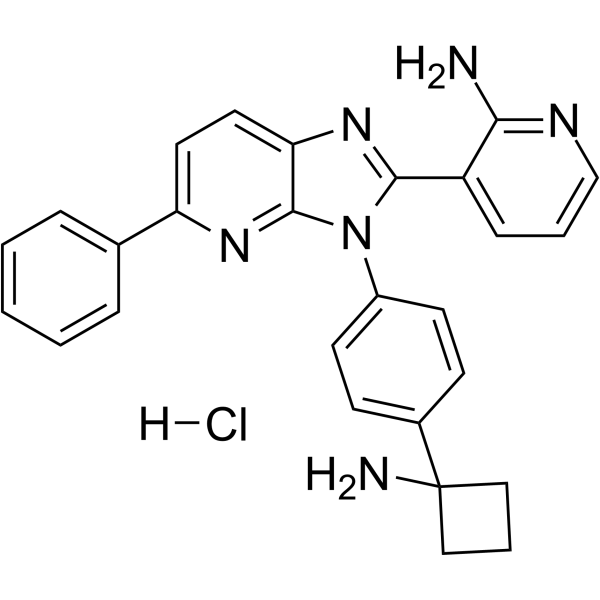
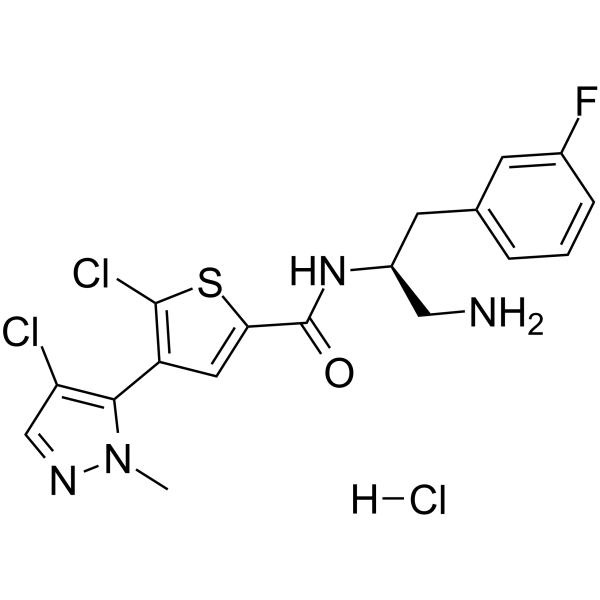
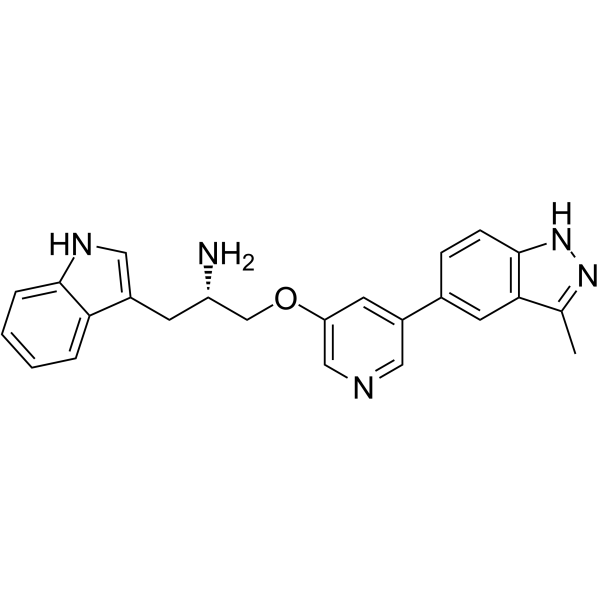
    Pifusertib (TAS-117) is a potent, selective, orally active allosteric Akt inhibitor (with IC50s of 4.8, 1.6, and 44 nM for Akt1, 2, and 3, respectively). Pifusertib triggers anti-myeloma activities and enhances fatal endoplasmic reticulum (ER) stress induced by proteasome inhibition. Pifusertib induces apoptosis and autophagy [1].
    Pifusertib
  • HY-123037

    Environmental Pollutants AMPK Akt PERK Fungal Infection Neurological Disease Metabolic Disease Endocrinology
    Triadimefon is an orally active fungicide. Triadimefon significantly reduces the phosphorylation of AKT1 and ERK1/2. Triadimefon significantly increases pAMPK levels, but does not affect total AMPK levels. Triadimefon inhibits the growth of Saccharomyces cerevisiae, disrupts hormone homeostasis (affecting the synthesis of testosterone, etc.), inhibits fetal adrenal development in rats, induces metabolic shifts in hepatocytes, and impairs spatial learning and memory [1] .
    Triadimefon
  • HY-19719A
    Miransertib hydrochloride
    15+ Cited Publications

    ARQ-092 hydrochloride

    Akt Parasite Infection Cancer
    Miransertib hydrochloride (ARQ-092 hydrochloride) is a potent, orally active, selective and allosteric Akt inhibitor with IC50s of 2.7 nM, 14 nM and 8.1 nM for Akt1, Akt2, Akt3, respectively. Miransertib hydrochloride is also a potent the AKT1-E17K mutant protein inhibitor and has the potential for PI3K/AKT-driven tumors and Proteus syndrome research [1]. Miransertib hydrochloride is effective against Leishmania .
    Miransertib hydrochloride
  • HY-137458A
    Vevorisertib trihydrochloride
    1 Publications Verification

    ARQ 751 trihydrochloride

    Akt Cancer
    Vevorisertib (ARQ 751) trihydrochloride is a selective, allosteric, pan-AKT and AKT1-E17K mutant inhibitors. Vevorisertib trihydrochloride potently inhibit phosphorylation of AKT. Vevorisertib trihydrochloride has Kd values of 1.2 nM and 8.6 nM for AKT1 and AKT1-E17K, respectively. Vevorisertib trihydrochloride has IC50 values of 0.55, 0.81, and 1.3 nM for AKT1, AKT2, and AKT3, respectively. Vevorisertib trihydrochloride can be used for the research of cancer [1].
    Vevorisertib trihydrochloride
  • HY-13254
    A-674563
    5 Publications Verification

    Akt Cancer
    A-674563 is an orally active Akt1 inhibitor with a Ki of 11 nM.
    A-674563
  • HY-15186A
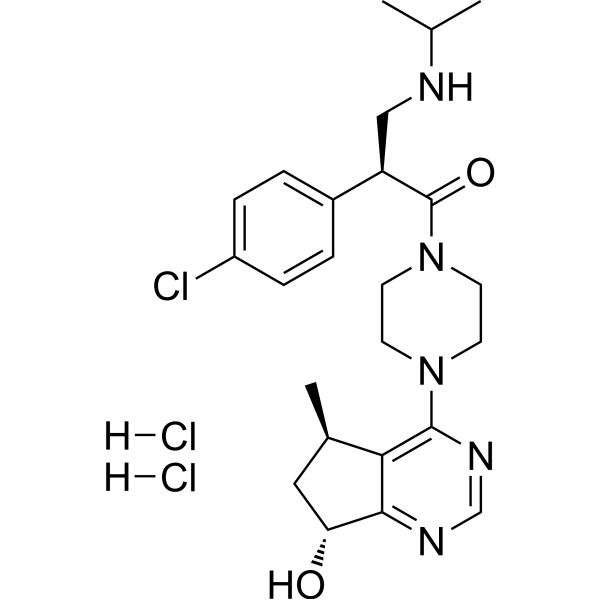
    Ipatasertib dihydrochloride
    55+ Cited Publications

    GDC-0068 dihydrochloride; RG-7440 dihydrochloride

    Organoid Akt Cancer
    Ipatasertib dihydrochloride (GDC-0068 dihydrochloride) is a highly selective and ATP-competitive pan-Akt inhibitor with IC50s of 5, 18 and 8 nM for Akt1, Akt2 and Akt3, respectively.
    Ipatasertib dihydrochloride
  • HY-15727A
    Afuresertib hydrochloride
    15+ Cited Publications

    GSK2110183 hydrochloride; LAE002 hydrochloride

    Akt PKC ROCK Cancer
    Afuresertib hydrochloride (GSK 2110183 hydrochloride) is an orally bioavailable, selective, ATP-competitive and potent pan-Akt kinase inhibitor with Kis of 0.08/2/2.6 nM for Akt1/Akt2/Akt3 respectively [1] .
    Afuresertib hydrochloride
  • HY-141539
    SETDB1-TTD-IN-1
    5 Publications Verification

    Histone Methyltransferase Akt Cancer
    SETDB1-TTD-IN-1 is a SETDB1 methyltransferase activator and SETDB1-TTD competitive inhibitor (Kd of 88 nM), and selectivity for SETDB1-TTD over other tudor and bromodomain proteins. SETDB1-TTD-IN-1 stimulates methyltransferase activity via increased catalytic activity, promotes Akt1 Lys64 methylation, Akt1 Thr308 phosphorylation and activation. SETDB1-TTD-IN-1 prevents SETDB1-TTD-histone H3 peptide association, induces global gene expression changes, exhibits cellular target engagement, and acts as a tool compound for SETDB1-TTD function exploration. SETDB1-TTD-IN-1 can be used for the research of breast cancer [1] .
    SETDB1-TTD-IN-1
  • HY-12059
    AT7867
    5 Publications Verification

    Akt PKA Ribosomal S6 Kinase (RSK) Cancer
    AT7867 is a potent ATP-competitive inhibitor of Akt1/Akt2/Akt3 and p70S6K/PKA with IC50s of 32 nM/17 nM/47 nM and 85 nM/20 nM, respectively.
    AT7867
  • HY-132302

    Akt PKA PKC ROCK Ribosomal S6 Kinase (RSK) SGK Cancer
    Hu7691 is an orally active, selective Akt inhibitor with IC50s of 4.0 nM, 97.5 nM, 28 nM for Akt1, Akt2 and Akt3, respectively. Hu7691 inhibits tumor growth and enables decrease of cutaneous toxicity in mice [1].
    Hu7691
  • HY-N2484
    Methylnissolin
    2 Publications Verification

    Astrapterocarpan

    PDGFR ERK Cardiovascular Disease Neurological Disease Metabolic Disease Inflammation/Immunology
    Methylnissolin (Astrapterocarpan) is an osteoclast inhibitor with anti-inflammatory, neuroprotective and antioxidant activities. Methylnissolin downregulates the activation of the MAPK and PI3K/AKT pathways, inhibits the phosphorylation of MAPK1 and AKT1, and blocks PDGF-BB-induced phosphorylation of ERK1/2. Methylnissolin reduces the expression and secretion of proinflammatory mediators, decreases intracellular ROS levels, upregulates antioxidant enzymes, and downregulates osteoclastogenesis markers. Methylnissolin is applicable to research related to ischemic stroke, osteoporosis, cardiovascular diseases, skin aging, etc. [1]
    Methylnissolin
  • HY-19934A

    TAS-117 hydrochloride

    Akt Apoptosis Autophagy Cancer
    Pifusertib (TAS-117) hydrochloride is a potent, selective, orally active allosteric Akt inhibitor (with IC50s of 4.8, 1.6, and 44 nM for Akt1, 2, and 3, respectively). Pifusertib hydrochloride triggers anti-myeloma activities and enhances fatal endoplasmic reticulum (ER) stress induced by proteasome inhibition. Pifusertib hydrochloride induces apoptosis and autophagy [1].
    Pifusertib hydrochloride
  • HY-50862
    Akt1/Akt2-IN-1
    2 Publications Verification

    Akt Cancer
    Akt1/Akt2-IN-1 (Compound 17) is an allosteric inhibitor of Akt1 (IC50=3.5 nM) and Akt2 (IC50=42 nM), with potent and balanced activity [1].
    Akt1/Akt2-IN-1
  • HY-B0960
    Sulfabenzamide
    1 Publications Verification

    N-Sulfanilylbenzamide

    Bacterial Autophagy MDM-2/p53 Caspase PARP DNA-PK Akt Infection Cancer
    Sulfabenzamide (N-Sulfanilylbenzamide) is a sulfonamide antibacterial agent. Sulfabenzamide exhibit antibacterial activity against Staphylococcus aureus (ATCC 25923) and Escherichia coli (ATCC 8739). Sulfabenzamide can promote autophagic cell autophagy in breast cancer cells through p53/ DRAM pathway. Sulfabenzamide increases caspase-3 activity, deactivates PARP1 and DNA-PK, downregulates AKT1 and AKT2. Sulfabenzamide can be used for the researches of breast cancer and bacterial infections [1] .
    Sulfabenzamide
  • HY-19982
    AKT-IN-6
    2 Publications Verification

    Akt Cancer
    AKT-IN-6 (Example 13) is a potent Akt inhibitor. AKT-IN-6 inhibits Akt1, Akt2 and Akt3 with IC50s < 500nM, respectively. (patent WO2013056015A1).
    AKT-IN-6
  • HY-16666
    3CAI
    4 Publications Verification

    Akt Cancer
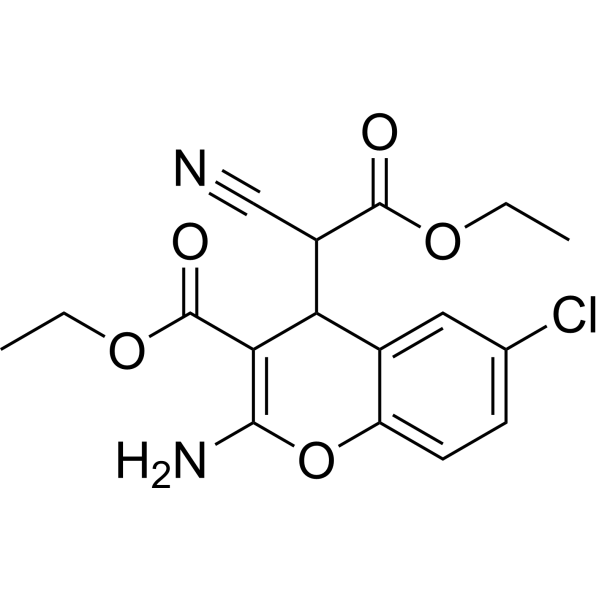
    3CAI is a potent and specific AKT1 and AKT2 inhibitor.
    3CAI
  • HY-123035

    HSP Akt EGFR Endocrinology
    Gamendazole, an indazole carboxylic acid (ICA), is an orally active, selective HSP90AB1 (HSP90BETA) and EEF1A1 (eEF1A) inhibitor. Gamendazole binds to the C-terminal nucleotide binding pocket of HSP90 and cause downregulation of clients AKT1 and ERBB2, but stabilizes the HSP90 heterocomplex. Gamendazole specifically inhibits the actin bundling function of EEF1A1, but does not bind to the nucleotide docking pocket nor inhibits the ribosome charging or protein translation functions of EEF1A1. Gamendazole, an antispermatogenic compound with antifertility effects, has the potential for reversible non-hormonal male contraceptive agent research [1] .
    Gamendazole
  • HY-129119

    Akt Caspase Cancer
    Akt1/Akt2-IN-2 (compound 7) is an allosteric dual Akt1 and Akt2 inhibitor (IC50=138 nM and 212 nM, respectively). Akt1/Akt2-IN-2 increases activity of caspase-3, and inhibits viability of a number of tumor cells [1].
    Akt1/Akt2-IN-2
  • HY-N7627

    Estrogen Receptor/ERR Toll-like Receptor (TLR) Akt MMP HSP Inflammation/Immunology
    Regaloside C is an anti-inflammatory agent and antioxidant that scavenges ABTS and DPPH free radicals. Regaloside C targets multiple molecules including TNF-α, MMP-2, ERα, AKT1, TLR4 and HSP90-α. Regaloside C is applicable to research related to inflammatory diseases [1] .
    Regaloside C
  • HY-173155

    Akt Cancer
    AKT1-IN-9 (4) is a selective mutant AKT1(E17K) inhibitor, with EC50 values of 9 nM and 995 nM in LAPC4-CR and SkBr3 cells, respectively [1].
    AKT1-IN-9
  • HY-145282
    MS170
    1 Publications Verification

    PROTACs Akt Cancer
    MS170 is a potent and selective PROTAC AKT degrader. MS170 depletes cellular total AKT (T-AKT) with the DC50 value of 32 nM. MS170 binds to AKT1, AKT2, and AKT3 with Kds of 1.3 nM, 77 nM, and 6.5 nM, respectively [1].
    MS170
  • HY-151613A

    PROTACs Akt Cancer
    MS15 TFA is a potent and selective AKT PROTAC degrader. MS15 TFA inhibits the AKT1, -2, and -3 activities, with IC50 values of 798 nM, 90 nM, and 544 nM, respectively [1].
    MS15 TFA
  • HY-N8122

    Akt Cancer
    24-Methylenecycloartanyl ferulate is a γ-oryzanol compound. 24-Methylenecycloartanyl ferulate promotes parvin-beta expression in human breast cancer cells. 24-Methylenecycloartanyl ferulate is a potential ATP-competitive Akt1 inhibitor (EC50= 33.3μM) [1].
    24-Methylenecycloartanyl ferulate
  • HY-163650

    Akt Endocrinology
    DTPD-Q is an antioxidant and an oxidative derivative of methylbenzenesulfonyl-p-phenylenediamine DTPD. DTPD-Q is a molecule that binds to AKT1 and ESR1, with high binding affinity to core targets associated with male infertility and its subtypes. DTPD-Q can be used in studies related to male infertility [1] .
    DTPD-Q
  • HY-133120A
    INY-03-041 trihydrochloride
    1 Publications Verification

    PROTACs Akt Cancer
    INY-03-041 trihydrochloride is a potent, highly selective and PROTAC-based pan-AKT degrader consisting of the ATP-competitive AKT inhibitor Ipatasertib (HY-15186) conjugated to Lenalidomide (HY-A0003). INY-03-041 trihydrochloride inhibits AKT1, AKT2 and AKT3 with IC50s of 2.0, 6.8 and 3.5 nM, respectively [1].
    INY-03-041 trihydrochloride
  • HY-W013816

    AMPK Akt Metabolic Disease
    Dipentyl phthalate is an endocrine-disrupting phthalate plasticizer. Dipentyl phthalate increases AMPK phosphorylation and decreases AKT1 phosphorylation and SIRT1 levels. Dipentyl phthalate reduces adrenocorticotropic hormone levels. Dipentyl phthalate is a testicular toxicant [1].
    Dipentyl phthalate
  • HY-151613

    PROTACs Akt Cancer
    MS15 is a potent and selective AKT PROTAC degrader. MS15 inhibits the AKT1, -2, and -3 activities, with IC50 values of 798 nM, 90 nM, and 544 nM, respectively [1].
    MS15
  • HY-RS00542

    Small Interfering RNA (siRNA) Akt Others

    AKT1 Human Pre-designed siRNA Set A contains three designed siRNAs for AKT1 gene (Human), as well as a negative control, a positive control, and a FAM-labeled negative control.

    AKT1 Human Pre-designed siRNA Set A
    AKT1 Human Pre-designed siRNA Set A
  • HY-N10336

    VEGFR STAT Akt Ras Others
    Notoginsenoside R4 is a ginsenoside that can be isolated from ginseng roots. In the molecular docking results, Notoginsenoside R4 can target STAT3, AKT1, HRAS, VEGFA and CASP3 [1] .
    Notoginsenoside R4
  • HY-163579

    Akt Cancer
    Akt1-IN-7 (Compound 370) is an Akt1 inhibitor (IC50: <15 nM) [1].
    Akt1-IN-7
  • HY-12059A
    AT7867 dihydrochloride
    5 Publications Verification

    Akt PKA Ribosomal S6 Kinase (RSK) Cancer
    AT7867 dihydrochloride is a potent ATP-competitive inhibitor of Akt1/Akt2/Akt3 and p70S6K/PKA with IC50s of 32 nM/17 nM/47 nM and 85 nM/20 nM, respectively.
    AT7867 dihydrochloride
  • HY-169960

    mTOR Cancer
    2DII is a potent and selective mTORC2 inhibitor. 2DII selectively binds mSin1 PH domain and decreases the expression of AKT1 phosphorylation [1].
    2DII
  • HY-148868A

    Akt CDK Cancer
    Akt1&PKA-IN-2 (Compound R-29) is a AKT1 and PKA inhibitor with selectivity for CDK2, with IC50 values of 0.007 and 0.01 μM, respectively. Akt1&PKA-IN-2 is applicable for cancer research [1].
    Akt1&PKA-IN-2

Inquiry Online

Your information is safe with us. * Required Fields.

Salutation


Country or Region *

Applicant Name *


Organization Name *

Department *


Email Address *


Product Name *

Cat. No.


Requested quantity *

Phone Number *


Remarks

Inquiry Online

Inquiry Information

Product Name:
Cat. No.:
Quantity:
MCE Japan Authorized Agent:

