Search Result
Results for "
Angelica
" in MedChemExpress (MCE) Product Catalog:
3
Isotope-Labeled Compounds
| Cat. No. |
Product Name |
Target |
Research Areas |
Chemical Structure |
-
- HY-N0708
-
-
-
- HY-N0548
-
|
|
Glutathione S-transferase
|
Cancer
|
|
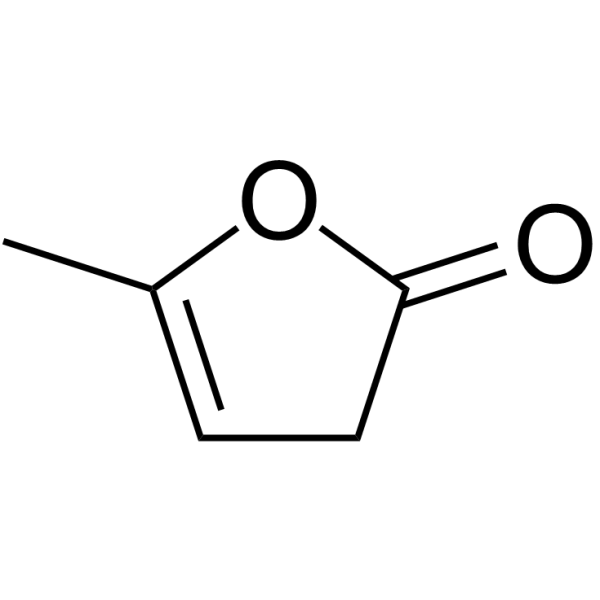
α-Angelica lactone is a naturally occurring anticarcinogen and an vinylogous nucleophile. α-Angelica lactone can give the chiral δ-amino γ,γ-disubstituted butenolide carbonyl derivatives and exhibitselectrophilic trapping at the γ-carbon. α-Angelica lactone exerts strong chemoprotective effects by selective enhancement of glutathione-S-thansferase (GST) and UDP-glucononosyltransferase (UGT) detoxification enzymes .
|
-
-
- HY-N0825
-
-
-
- HY-N7204
-
|
|
Monoamine Oxidase
Dopamine β-hydroxylase
Apoptosis
|
Neurological Disease
Inflammation/Immunology
|
|
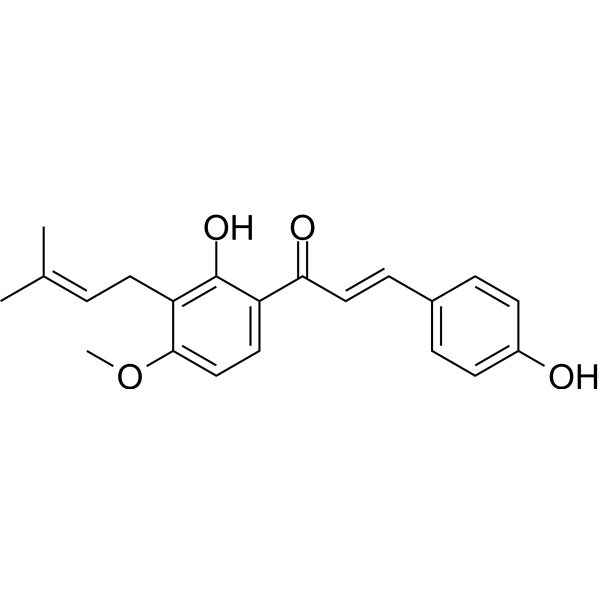
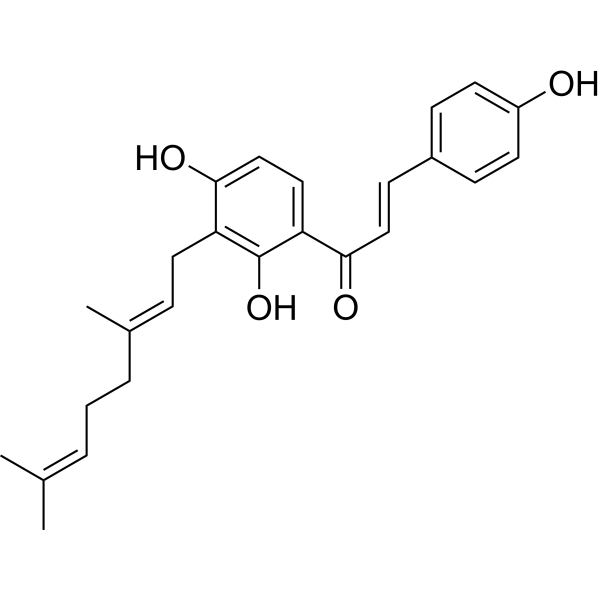
4-Hydroxyderricin, the major active ingredients of Angelica keiskei Koidzumi, is an orally active, potent selective MAO-B (Monoamine oxidase inhibitors) inhibitor with an IC50 of 3.43 μM. 4-Hydroxyderricin also mildly inhibits dopamine β (DBH)-hydroxylase activity. 4-Hydroxyderricin has antidepressant activity, anti-allergic, anti-diabetic, anti-oxidant, and antitumor effects. 4-Hydroxyderricin promotes apoptosis and cell cycle arrest through regulating PI3K/AKT/mTOR pathway in hepatocellular cells. 4-Hydroxyderricin inhibits osteoclast formation and accelerates osteoblast differentiation . 4-Hydroxyderricin is promising for research of inflammatory diseases .
|
-
-
- HY-111588
-
-
-
- HY-N0286
-
-
-
- HY-N0401
-
-
-
- HY-N2488
-
|
7-Demethylsuberosin
|
Calcium Channel
NO Synthase
|
Cardiovascular Disease
Neurological Disease
Inflammation/Immunology
|
|
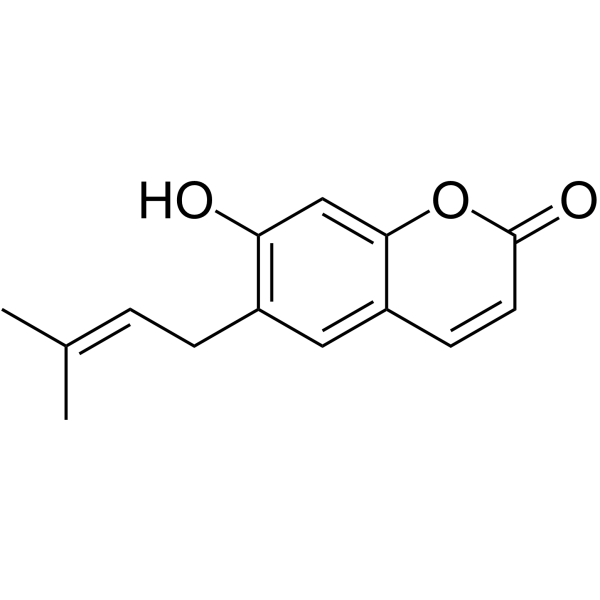
Demethylsuberosin (7-Demethylsuberosin) is a coumarin compound found in Angelica gigas Nakai. Demethylsuberosin exerts antihypertensive effects by inhibiting the L-type CaV1.2 channel. Demethylsuberosin has antioxidant and anti-inflammatory activities. Demethylsuberosin also exhibits neuroprotective activities against glutamate-induced toxicity in primary cultured rat cortical cells .
|
-
-
- HY-N0747
-
-
-
- HY-N2110
-
|
|
Akt
Sirtuin
Integrin
STAT
PI3K
Apoptosis
ERK
PPAR
PKC
Toll-like Receptor (TLR)
HIV
|
Inflammation/Immunology
|
|
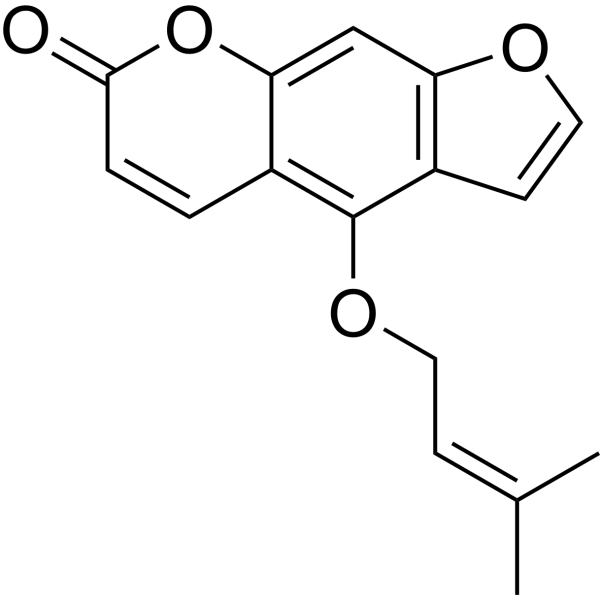
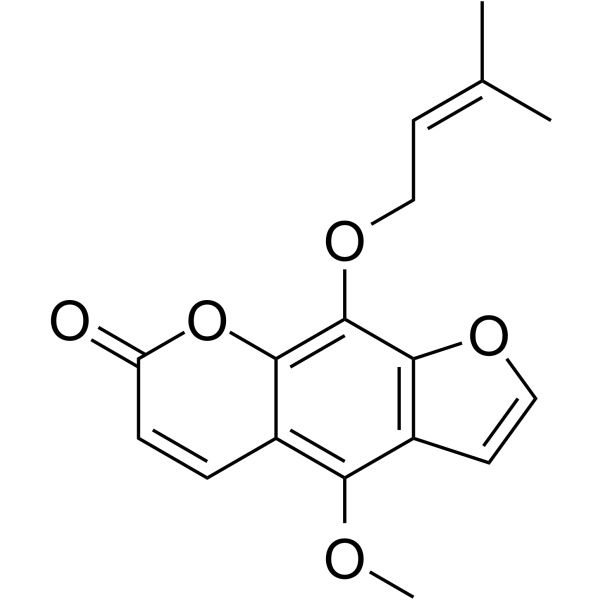
Phellopterin, an orally active furocoumarin with multiple biological activities. Phellopterin is a partial agonist of the central benzodiazepine receptors. Phellopterin exerts anti-inflammatory effects by upregulating SIRT1, downregulating ICAM-1 (reducing chronic inflammation, aiding diabetic ulcer healing), inhibiting STAT3 phosphorylation (easing atopic dermatitis inflammation), regulating Akt/PKC pathways (lowering TNF-α-induced VCAM-1 to block monocyte adhesion), and inhibiting TLR4/NF-κB pathway and macrophage M2 polarization (alleviating colitis-related cancers). Phellopterin suppresses ovarian cancer progression via inhibiting the PU.1/CLEC5A/PI3K-AKT loop (inducing cell cycle arrest, apoptosis, DNA damage). Phellopterin alleviates murine diabetes by promoting adipocyte differentiation and increasing PPARγ. Phellopterin also has anti-HSV-1 activity. Phellopterin can be used for studying anti-inflammation, anti-cancer (e.g., ovarian cancer, colitis cancer), blood glucose lowering, anti-diabetes, and anti-virus .
|
-
-
- HY-N2272
-
-
-
- HY-N6022
-
|
|
Others
|
Metabolic Disease
|
|
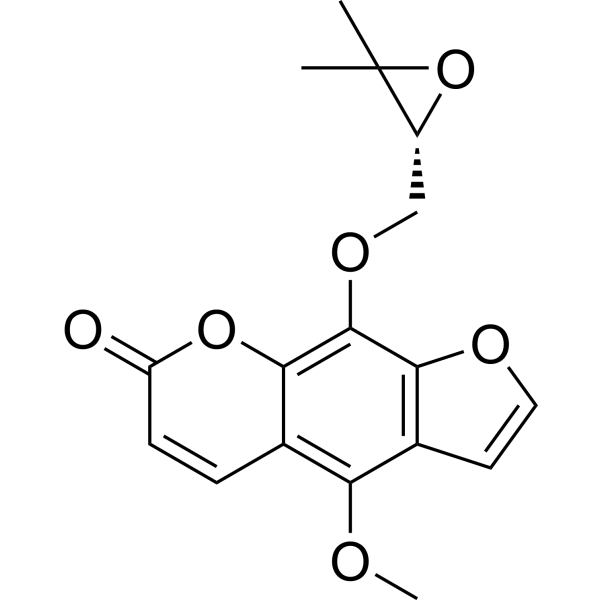
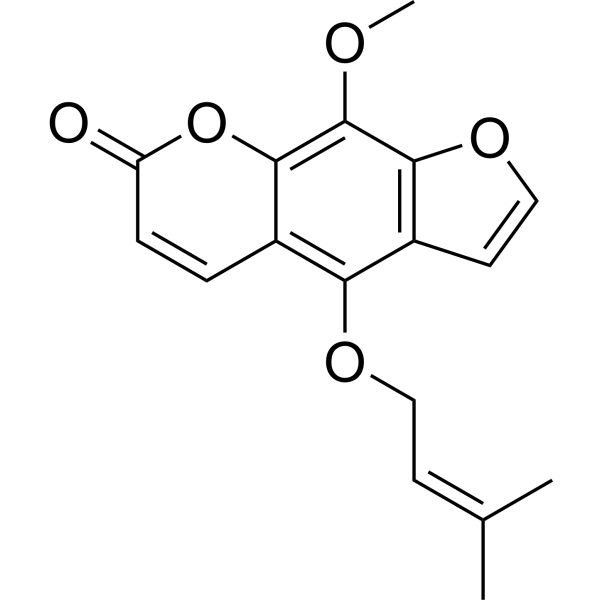
Byakangelicin, one of the active compounds found in the roots of Angelica gigas, can serve as a modulator to improve brain accumulation of diverse active compounds (Umb, Cur, and Dox) and enhance therapeutic effects . Byakangelicin is likely to increase the expression of all PXR target genes (such as MDR1) and induce a wide range of agent-agent interactions. Byakangelicin can inhibit the effects of sex hormones, it may increase the catabolism of endogenous hormones .
|
-
-
- HY-W099617
-
|
1-Decanoyl-rac-glycerol
|
Acyltransferase
|
Others
|
|
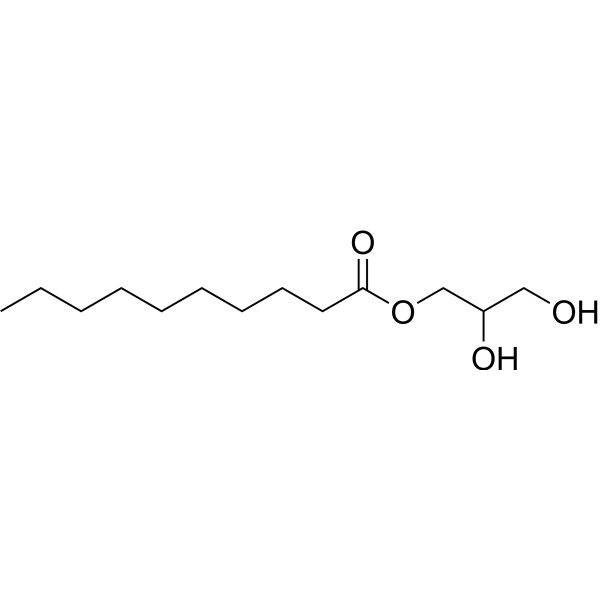
2,3-Dihydroxypropyl decanoate (1-Decanoyl-rac-glycerol) is a natural product that can be isolated from the root of Angelica dahurica .
|
-
-
- HY-N0074
-
|
|
COX
|
Inflammation/Immunology
|
|
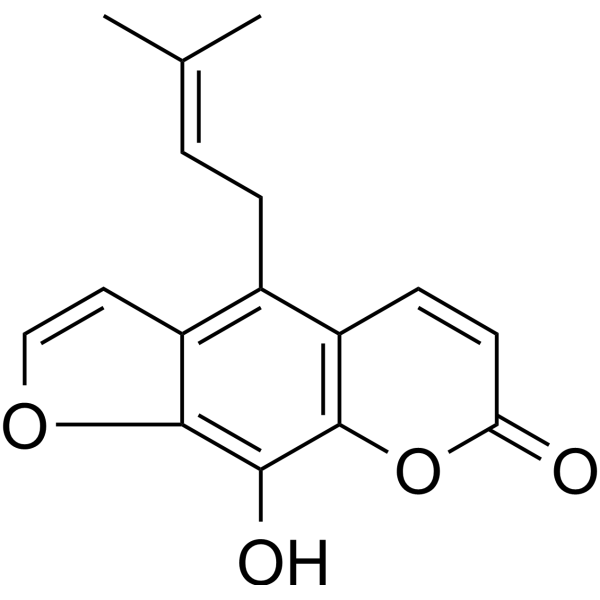
Byakangelicol, isolated from Angelica dahurica, inhibits interleukin-1beta (IL-1beta) -induced prostaglandin E2 (PGE2) release in A549 cells mediated by suppression of cyclooxygenase-2 (COX-2) expression and the activity of COX-2 enzyme. Byakangelicol has therapeutic potential as an anti-inflammatory agent on airway inflammation .
|
-
-
- HY-N4273
-
|
(±)-Heraclenin
|
Others
|
Others
|
|
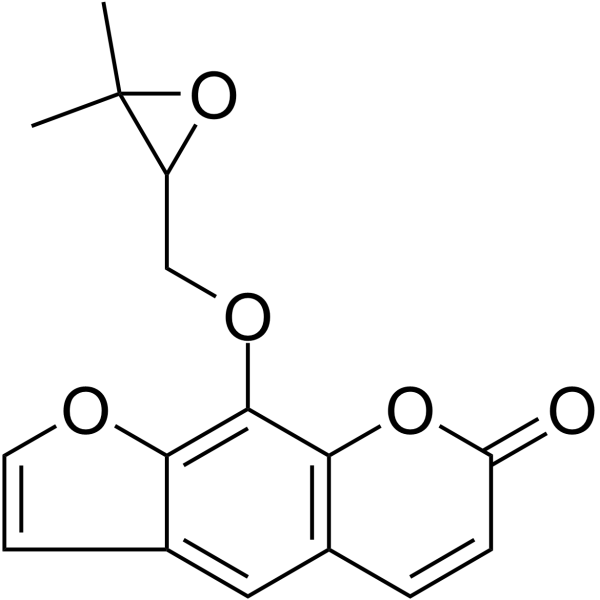
Oxyimperatorin ((±)-Heraclenin) is a coumarin isolated from Angelica dahurica.
|
-
-
- HY-N0947
-
|
(-)-Praeruptorin B
|
Others
|
Inflammation/Immunology
|
|
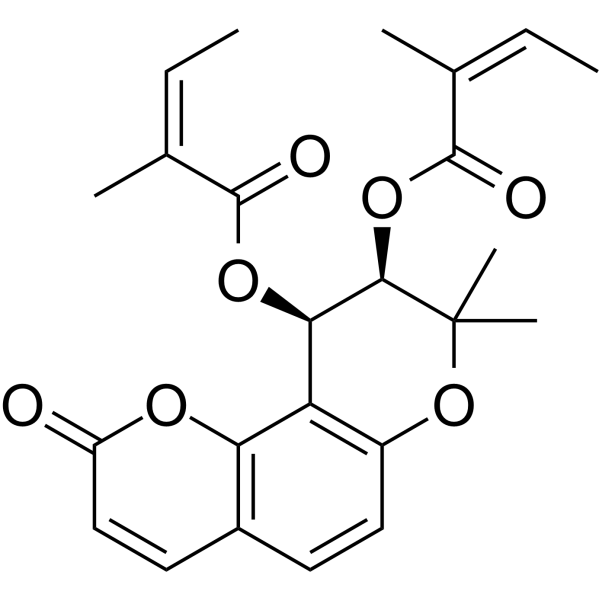
(-)-Anomalin ((-)-Praeruptorin B) is a coumarin derivative isolated from the root of Angelica anomala .
|
-
-
- HY-N0075
-
|
|
Others
|
Metabolic Disease
|
|
(Rac)-Byakangelicin is a racemate of Byakangelicin mainly isolated from the genus Angelica. Byakangelicin is an aldose-reductase inhibitor with an IC50 value of 6.2 μM .
|
-
-
- HY-N2276
-
|
|
Others
|
Inflammation/Immunology
|
|
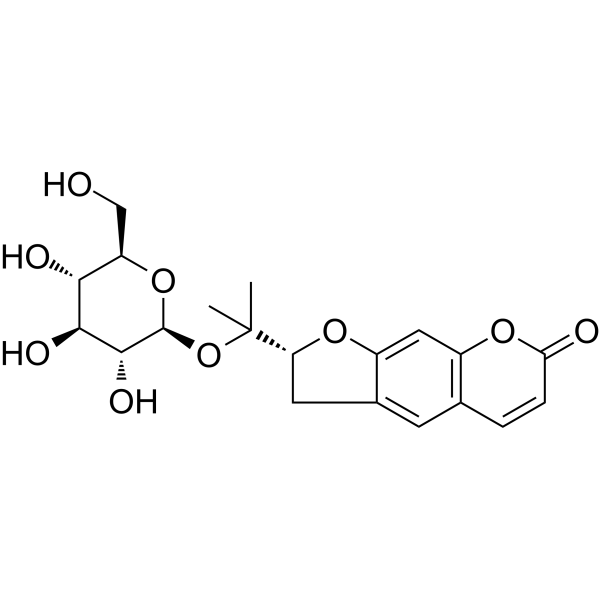
Nodakenetin, isolated from Angelica decursiva, possesses antioxidant anti-inflammatory activities. Nodakenetin has the potential to be an antiarthritic and nerve tonic .
|
-
-
- HY-N0708R
-
|
|
Reference Standards
NF-κB
Bacterial
Endogenous Metabolite
|
Infection
Inflammation/Immunology
|
|
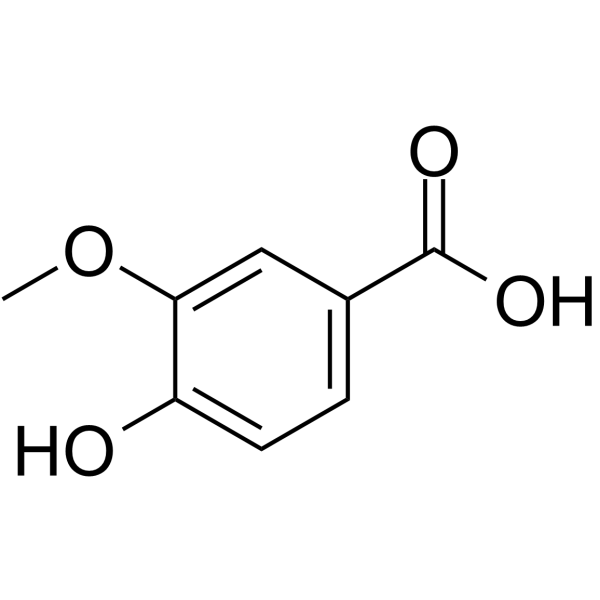
Vanillic acid (Standard) is the analytical standard of Vanillic acid. This product is intended for research and analytical applications. Vanillic acid is a flavoring agent found in edible plants and fruits, also found in Angelica sinensis. Vanillic acid inhibits NF-κB activation. Anti-inflammatory, antibacterial, and chemopreventive effects .
|
-
-
- HY-W778225
-
|
|
Isotope-Labeled Compounds
|
Infection
|
|
Vanillic acid- 13C6 is the 13C labeled isotope of Vanillic acid- 13C6(HY-N0708 ).Vanillic acid is a flavoring agent found in edible plants and fruits, and in the root of angelica. Vanillic acid inhibits NF-κB activation. It has anti-inflammatory and antimicrobial activities.
|
-
-
- HY-N2623
-
|
Prangenidin
|
Others
|
Cancer
|
|
Alloimperatorin (Prangenidin), a coumarin compound, is extracted from Angelica dahurica. Alloimperatorin (Prangenidin) has antitumor activity .
|
-
-
- HY-N0377A
-
|
(±)-4',7-Dihydroxyflavanone
|
Reactive Oxygen Species (ROS)
|
Cardiovascular Disease
|
|
(±)-Liquiritigenin ((±)-4',7-Dihydroxyflavanone) is isolated from Angelica keiskei, a hardy perennial herb of the Umbelliferae family. (±)-Liquiritigenin promotes cell proliferation, has cytoprotective activity and reduces cytotoxicity, and also has antioxidant stress effects .
|
-
-
- HY-N0548R
-
|
|
Glutathione S-transferase
Reference Standards
|
Cancer
|
|
α-Angelica lactone (Standard) is the analytical standard of α-Angelica lactone. This product is intended for research and analytical applications. α-Angelica lactone is a naturally occurring anticarcinogen and an vinylogous nucleophile. α-Angelica lactone can give the chiral δ-amino γ,γ-disubstituted butenolide carbonyl derivatives and exhibitselectrophilic trapping at the γ-carbon. α-Angelica lactone exerts strong chemoprotective effects by selective enhancement of glutathione-S-thansferase (GST) and UDP-glucononosyltransferase (UGT) detoxification enzymes .
|
-
-
- HY-W782599
-
|
|
Fungal
PKC
Calcineurin
|
Infection
|
|
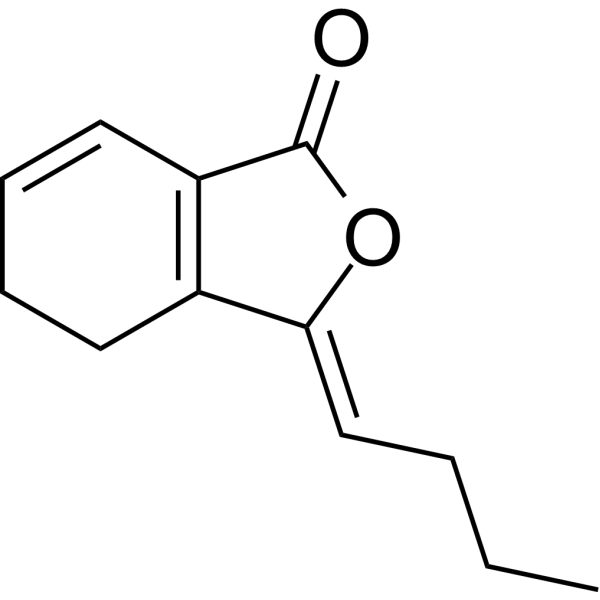
Senkyunolide B is a phthalide found in Angelica sinensis. Senkyunolide B has broad antifungal activities. Senkyunolide B affects the spore germination and hyphae growth of Aspergillus fumigatus via down-regulating phosphatidylinositol-PKC-calcineurin axis and the expression of ENG genes .
|
-
-
- HY-N0401B
-
-
-
- HY-N9507
-
|
|
Apoptosis
FGFR
|
Cancer
|
|
Picrasidine Q, an alkaloid component extracted from Angelica keiskei species, has the capacity of anti-cell transformation and anti-cancer. Picrasidine Q induces cell apoptosis and G1 phase arrest in human esophageal cancer cell lines, and directly inhibits FGFR2 kinase activity .
|
-
-
- HY-N3524
-
-
-
- HY-N4052
-
|
|
Bacterial
|
Infection
|
|
Heraclenol, a coumarin, is isolated from the fruits of Angelica lucida, and exhibits antibacterial activities .
|
-
-
- HY-126754
-
-
-
- HY-N7034
-
|
|
Others
|
Neurological Disease
|
|
Magnolioside, isolated from Angelica gigas Nakai (Umbelliferae), exhibits significant neuroprotective activities against glutamate-induced toxicity .
|
-
-
- HY-N4236
-
|
|
Others
|
Others
|
|
Angelol A is a coumarin isolated from the roots of Angelica pubescens f. biserrata, which is passive diffusion as the dominating process in Caco-2 cell monolayer model .
|
-
-
- HY-N6892
-
|
|
Others
|
Cancer
|
|
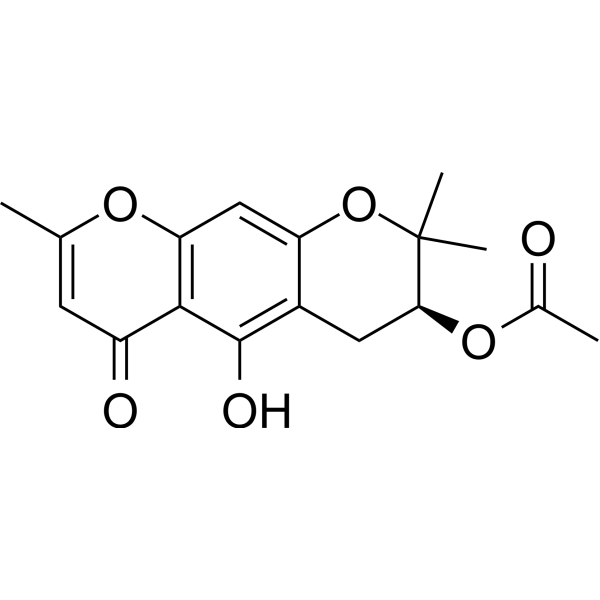
3'-O-Acetylhamaudol, isolated from Angelica polymorpha, exhibits anti-tumor activity through dual actions, anti-angiogenesis and intestinal intraepithelial lymphocyte activation .
|
-
-
- HY-N4235
-
|
|
Others
|
Inflammation/Immunology
|
|
Angelol B is a coumarin isolated from the roots of Angelica pubescens f. biserrata, which is passive diffusion as the dominating process in Caco-2 cell monolayer model .
|
-
-
- HY-N13219
-
|
|
Others
|
Metabolic Disease
|
|
Angelica Extract is an angelica extract, and its components include: Ligustilide. Angelica Extract can effectively inhibit the differentiation of osteoclasts, regulate osteoclastogenesis and/or bone loss. Angelica Extract has the potential to be used in the study of various bone diseases caused by excessive bone resorption. .
|
-
-
- HY-N0825R
-
|
|
Reference Standards
Cholinesterase (ChE)
|
Inflammation/Immunology
|
|
Nodakenin (Standard) is the analytical standard of Nodakenin. This product is intended for research and analytical applications. Nodakenin is a major coumarin glucoside in the root of Angelica decusiva. Nodakenin inhibits acetylcholinesterase (AChE) activity with an IC50 of 84.7 μM .
|
-
-
- HY-W087444A
-
|
|
Bacterial
Antibiotic
|
Infection
|
|
(S)-1-(4-Hydroxyphenyl)ethane-1,2-diol is an active constituent of the aerial parts of Angelica sinensis. (S)-1-(4-Hydroxyphenyl)ethane-1,2-diol significantly inhibits the growth of Aeromonas hydrophila. Anticoagulative and antibiotic activities .
|
-
-
- HY-N2110R
-
|
|
Reference Standards
Akt
Sirtuin
Integrin
STAT
PI3K
Apoptosis
ERK
PPAR
PKC
Toll-like Receptor (TLR)
HIV
|
Infection
Cardiovascular Disease
Neurological Disease
Metabolic Disease
Inflammation/Immunology
Cancer
|
|
Phellopterin (Standard) is the analytical standard of Phellopterin. Phellopterin, an orally active furocoumarin with multiple biological activities. Phellopterin is a partial agonist of the central benzodiazepine receptors. Phellopterin exerts anti-inflammatory effects by upregulating SIRT1, downregulating ICAM-1 (reducing chronic inflammation, aiding diabetic ulcer healing), inhibiting STAT3 phosphorylation (easing atopic dermatitis inflammation), regulating Akt/PKC pathways (lowering TNF-α-induced VCAM-1 to block monocyte adhesion), and inhibiting TLR4/NF-κB pathway and macrophage M2 polarization (alleviating colitis-related cancers). Phellopterin suppresses ovarian cancer progression via inhibiting the PU.1/CLEC5A/PI3K-AKT loop (inducing cell cycle arrest, apoptosis, DNA damage). Phellopterin alleviates murine diabetes by promoting adipocyte differentiation and increasing PPARγ. Phellopterin also has anti-HSV-1 activity. Phellopterin can be used for studying anti-inflammation, anti-cancer (e.g., ovarian cancer, colitis cancer), blood glucose lowering, anti-diabetes, and anti-virus.
|
-
-
- HY-N12069
-
|
|
Others
|
Inflammation/Immunology
|
|
Praeroside IV can be isolated from the roots of Angelica furcijuga. Praeroside IV can be used for research of D-GalN/LPS-induced liver injury .
|
-
-
- HY-N1527
-
|
Quinovic acid 3-O-α-L-rhamnoside
|
Others
|
Others
|
|
Quinovic acid 3-O-α-L-rhamnopyranoside (Quinovic acid 3-O-α-L-rhamnoside) is glycoside derivative. Quinovic acid 3-O-α-L-rhamnopyranoside can be isolated from the root bark of Guettarda angelica .
|
-
-
- HY-N12070
-
|
|
Others
|
Cardiovascular Disease
|
|
11-O-β-D-glucopyranosyl thamnosmonin, a coumarin glucosides, can be isolated from the roots of Angelica apaensis. 11-O-β-D-glucopyranosyl thamnosmonin has weak inhibitory activity on the aggregation of rabbit platelets induced by PAF, AA, and ADP .
|
-
-
- HY-N9535A
-
|
|
Drug Metabolite
|
Metabolic Disease
|
|
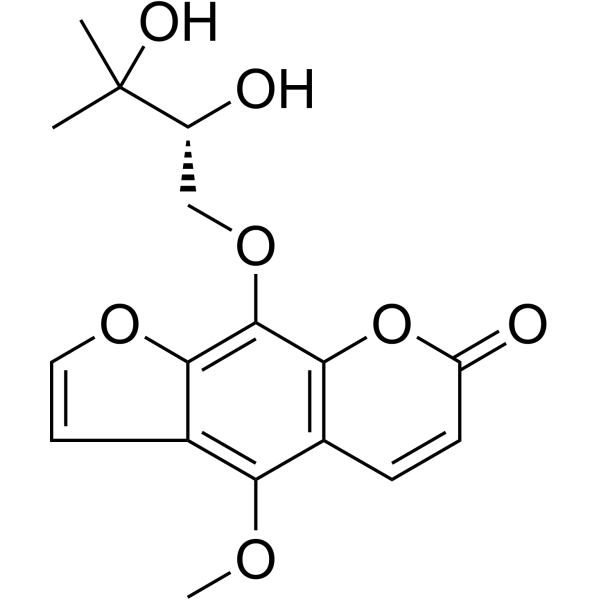
(R)-tert-OMe-byakangelicin is a kind of furanocoumarin, which has inhibitory activity to liver drug metabolizing enzyme (DME) activity. (R)-tert-OMe-byakangelicin can be isolated from immature fruits of Angelica sinensis .
|
-
-
- HY-N9364
-
|
|
Others
|
Others
|
|
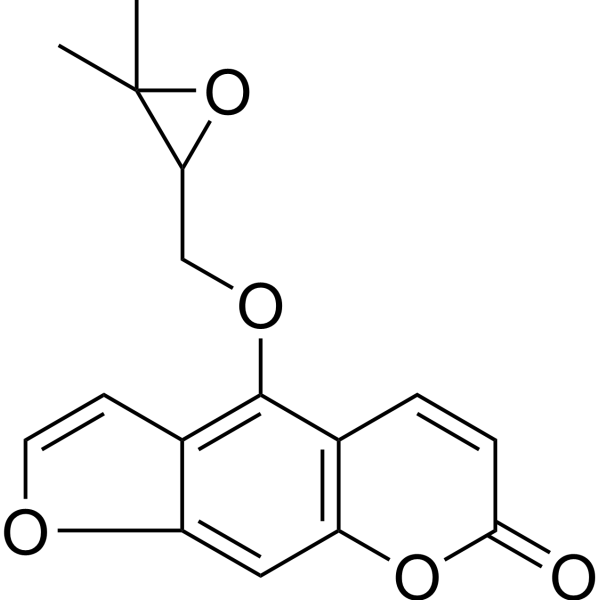
Iso-oxypeucedanin is a coumarin found in Angelica dahurica.
|
-
-
- HY-N4234
-
-
-
- HY-N4052A
-
|
|
Bacterial
|
Infection
|
|
(±)-Heraclenol, a coumarin, is isolated from the fruits of Angelica lucida, and exhibits antibacterial activities .
|
-
-
- HY-N15417
-
|
|
Others
|
Others
|
|
1,13-Tridecanolide is an odor compound that can be isolated from the angelica root .
|
-
-
- HY-N1350
-
|
|
Others
|
Others
|
|
Riligustilide (compound 2) is a kind of phthalide dimer. Riligustilide can be isolated from the radix of Angelica sinensis .
|
-
-
- HY-N4273R
-
|
(±)-Heraclenin (Standard)
|
Reference Standards
Others
|
Others
|
|
Oxyimperatorin (Standard) is the analytical standard of Oxyimperatorin. This product is intended for research and analytical applications. Oxyimperatorin ((±)-Heraclenin) is a coumarin isolated from Angelica dahurica.
|
-
-
- HY-N0947R
-
|
(-)-Praeruptorin B (Standard)
|
Reference Standards
Others
|
Inflammation/Immunology
|
|
(-)-Anomalin (Standard) is the analytical standard of (-)-Anomalin. This product is intended for research and analytical applications. (-)-Anomalin ((-)-Praeruptorin B) is a coumarin derivative isolated from the root of Angelica anomala .
|
-
-
- HY-N9532
-
|
Anhydrobyakangelicin
|
Others
|
Cancer
|
|
Isobyakangelicol is a coumarin that can be found in the roots of Angelica dahurica. Isobyakangelicol inhibits the growth of HeLa and HepG2 cells, with IC50s of 70.04 μM and 17.97 μM .
|
-
-
- HY-N0286R
-
|
|
Reference Standards
Cholinesterase (ChE)
Bacterial
|
Neurological Disease
Cancer
|
|
Isoimperatorin (Standard) is the analytical standard of Isoimperatorin. This product is intended for research and analytical applications. Isoimperatorin is a methanolic extract of the roots of Angelica dahurica shows significant inhibitory effects on acetylcholinesterase (AChE) with the IC50 of 74.6 μM.
|
-
- HY-N8856
-
|
|
Others
|
Others
|
|
Angelol M,isolated from the roots of Angelica gigas Nakai, shows activity in inhibiting prostate specific antigen (PSA) secreted from androgen dependent prostate cancer cell line, LNCaP cells .
|
-
- HY-N8414
-
-
- HY-N0075R
-
|
|
Reference Standards
Others
|
Metabolic Disease
|
|
(Rac)-Byakangelicin (Standard) is the analytical standard of (Rac)-Byakangelicin. This product is intended for research and analytical applications. (Rac)-Byakangelicin is a racemate of Byakangelicin mainly isolated from the genus Angelica. Byakangelicin is an aldose-reductase inhibitor with an IC50 value of 6.2 μM .
|
-
- HY-N8366
-
|
|
Phosphatase
|
Endocrinology
Cancer
|
|
Alloisoimperatorin (Compound 5) is a phytoestrogen that can be isolated from Angelica dahurica. Alloisoimperatorin can induce alkaline phosphatase (AP) activity with an EC50 of 0.8 μg/mL. Alloisoimperatorin can be used in the study of hormone-dependent cancers and the alleviation of menopausal symptoms .
|
-
- HY-148937
-
|
|
PI3K
Akt
|
Others
|
|
Oroselol is a coumarin commonly found in a variety of plants, especially in the roots of angelica plants and the bark of cinnamon trees. Oroselol has potential medicinal properties, including anti-inflammatory, antioxidant and anti-tumor effects. Oroselol can be used in the production of fragrances, flavors and medicines
|
-
- HY-N4322R
-
|
|
Reference Standards
PKC
|
Inflammation/Immunology
Cancer
|
|
Decursinol angelate (Standard) is the analytical standard of Decursinol angelate. This product is intended for research and analytical applications. Decursinol angelate, a cytotoxic and protein kinase C (PKC) activating agent from the root of Angelica gigas, possesses anti-tumor and anti-inflammatory activities .
|
-
- HY-N10856
-
|
|
Others
|
Others
|
|
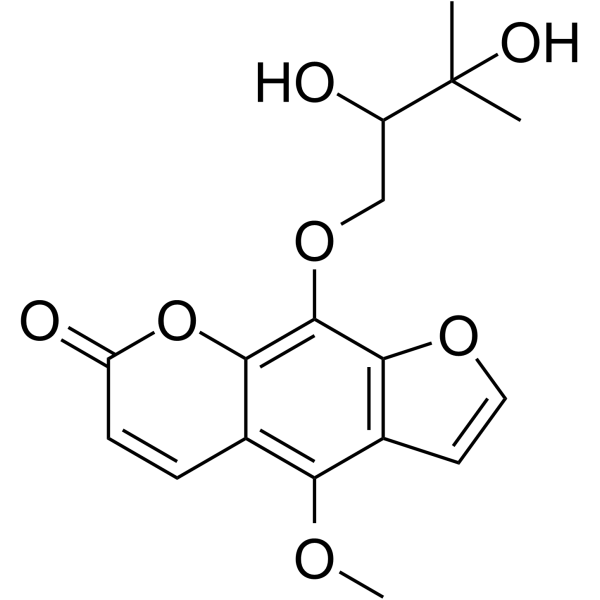
6-[(1R,2S)-2,3-dihydroxy-1-methoxy-3-methylbutyl]-7-methoxy- can be isolated from Angelica dahurica stem, for the first time from a plant source .
|
-
- HY-N0747R
-
-
- HY-N17445
-
|
|
Others
|
Others
|
|
3β-Hydroxyoleana-11,13(18)-diene (Compound 5) is a triterpene found in the roots of Angelica cartilagino-marginata var. foliata .
|
-
- HY-134573
-
|
|
Others
|
Others
|
|
Dihydropashanone is a Chalcones product that can be isolated from the roots of Angelica pubescens .
|
-
- HY-N8923
-
|
|
Others
|
Others
|
|
Angelol H is a natural tcompound isolated from Angelica pubescens MAXIM. (Umbelliferae) .
|
-
- HY-165044
-
|
DG(18:3/0:0/18:3); 1,3-Dilinolenin
|
Others
|
Others
|
|
1,3-Di-α-linolenoyl glycerol (DG(18:3/0:0/18:3)) is a compound mentioned in the study of the chemical composition of Angelica acutiloba root. A variety of compounds have been isolated from the root, some of which have affinity for 5-HT(7) receptors.
|
-
- HY-W099617S2
-
|
1-Decanoyl-rac-glycerol-d24
|
Isotope-Labeled Compounds
|
Others
|
|
2,3-Dihydroxypropyl decanoate-d24 (1-Decanoyl-rac-glycerol-d24) is the deuterium labeled 2,3-Dihydroxypropyl decanoate. 2,3-Dihydroxypropyl decanoate (1-Decanoyl-rac-glycerol) is a natural product that can be isolated from the root of Angelica dahurica .
|
-
- HY-W099617S1
-
|
1-Decanoyl-rac-glycerol-d19
|
Isotope-Labeled Compounds
|
Others
|
|
2,3-Dihydroxypropyl decanoate-d19 (1-Decanoyl-rac-glycerol-d19) is the deuterium labeled 2,3-Dihydroxypropyl decanoate (HY-W099617). 2,3-Dihydroxypropyl decanoate (1-Decanoyl-rac-glycerol) is a natural product that can be isolated from the root of Angelica dahurica .
|
-
- HY-N19667
-
|
|
Calcium Channel
|
Neurological Disease
Inflammation/Immunology
|
|
8-[2-(3-Methylbutroxy)-3-hydroxy-3-methylbutoxy]psoralen (Compound 12), a furanocoumarin found in the roots of A. archangelica L. archangelica, is an calcium antagonist. 8-[2-(3-Methylbutroxy)-3-hydroxy-3-methylbutoxy]psoralen blocks depolarization-induced calcium uptake in pituitary cells. 8-[2-(3-Methylbutroxy)-3-hydroxy-3-methylbutoxy]psoralen can be used for research on anti-inflammatory and analgesic activities .
|
-
- HY-N19810
-
|
Libanotine; Cnidimine
|
Bacterial
|
Infection
Cancer
|
|
Edultin (Libanotine; Cnidimine) is an angular furanocoumarin. Edultin potently inhibits TPA (HY-18739)-induced early signals associated with tumor promotion (phospholipid metabolism). Edultin exerts mild inhibitory effects on some clinically isolated strains of Pseudomonas aeruginosa and Staphylococcus aureus. Edultin can be used in studies related to tumor promotion and bacterial infections .
|
-
| Cat. No. |
Product Name |
Category |
Target |
Chemical Structure |
-
- HY-N0708
-
-
-
- HY-N0548
-
-
-
- HY-N0825
-
-
-
- HY-N7204
-
|
|
Chalcones
Monophenols
Flavonoids
Phenols
Umbelliferae
Plants
Ondetia linearis Benth.
|
Monoamine Oxidase
Dopamine β-hydroxylase
Apoptosis
|
|
4-Hydroxyderricin, the major active ingredients of Angelica keiskei Koidzumi, is an orally active, potent selective MAO-B (Monoamine oxidase inhibitors) inhibitor with an IC50 of 3.43 μM. 4-Hydroxyderricin also mildly inhibits dopamine β (DBH)-hydroxylase activity. 4-Hydroxyderricin has antidepressant activity, anti-allergic, anti-diabetic, anti-oxidant, and antitumor effects. 4-Hydroxyderricin promotes apoptosis and cell cycle arrest through regulating PI3K/AKT/mTOR pathway in hepatocellular cells. 4-Hydroxyderricin inhibits osteoclast formation and accelerates osteoblast differentiation . 4-Hydroxyderricin is promising for research of inflammatory diseases .
|
-
-
- HY-111588
-
-
-
- HY-N0286
-
-
-
- HY-N0401
-
-
-
- HY-N2488
-
-
-
- HY-N0747
-
-
-
- HY-N2110
-
|
|
Structural Classification
Classification of Application Fields
Coumarins
Phenylpropanoids
Umbelliferae
Helogyne apaloidea Nutt.
Plants
Inflammation/Immunology
Disease Research Fields
Source Classification
|
Akt
Sirtuin
Integrin
STAT
PI3K
Apoptosis
ERK
PPAR
PKC
Toll-like Receptor (TLR)
HIV
|
|
Phellopterin, an orally active furocoumarin with multiple biological activities. Phellopterin is a partial agonist of the central benzodiazepine receptors. Phellopterin exerts anti-inflammatory effects by upregulating SIRT1, downregulating ICAM-1 (reducing chronic inflammation, aiding diabetic ulcer healing), inhibiting STAT3 phosphorylation (easing atopic dermatitis inflammation), regulating Akt/PKC pathways (lowering TNF-α-induced VCAM-1 to block monocyte adhesion), and inhibiting TLR4/NF-κB pathway and macrophage M2 polarization (alleviating colitis-related cancers). Phellopterin suppresses ovarian cancer progression via inhibiting the PU.1/CLEC5A/PI3K-AKT loop (inducing cell cycle arrest, apoptosis, DNA damage). Phellopterin alleviates murine diabetes by promoting adipocyte differentiation and increasing PPARγ. Phellopterin also has anti-HSV-1 activity. Phellopterin can be used for studying anti-inflammation, anti-cancer (e.g., ovarian cancer, colitis cancer), blood glucose lowering, anti-diabetes, and anti-virus .
|
-
-
- HY-N2272
-
-
-
- HY-N6022
-
-
-
- HY-N0074
-
-
-
- HY-N4273
-
-
-
- HY-N0947
-
-
-
- HY-N0075
-
-
-
- HY-N2276
-
-
-
- HY-N0708R
-
-
-
- HY-N2623
-
-
-
- HY-N0377A
-
-
-
- HY-N0548R
-
-
-
- HY-W782599
-
-
-
- HY-N0401B
-
-
-
- HY-N9507
-
-
-
- HY-N3524
-
-
-
- HY-N4052
-
-
-
- HY-126754
-
-
-
- HY-N7034
-
-
-
- HY-N4236
-
-
-
- HY-N6892
-
-
-
- HY-N4235
-
-
-
- HY-N0825R
-
-
-
- HY-W087444A
-
-
-
- HY-N2110R
-
|
|
Structural Classification
Coumarins
Phenylpropanoids
Umbelliferae
Helogyne apaloidea Nutt.
Plants
Source Classification
|
Reference Standards
Akt
Sirtuin
Integrin
STAT
PI3K
Apoptosis
ERK
PPAR
PKC
Toll-like Receptor (TLR)
HIV
|
|
Phellopterin (Standard) is the analytical standard of Phellopterin. Phellopterin, an orally active furocoumarin with multiple biological activities. Phellopterin is a partial agonist of the central benzodiazepine receptors. Phellopterin exerts anti-inflammatory effects by upregulating SIRT1, downregulating ICAM-1 (reducing chronic inflammation, aiding diabetic ulcer healing), inhibiting STAT3 phosphorylation (easing atopic dermatitis inflammation), regulating Akt/PKC pathways (lowering TNF-α-induced VCAM-1 to block monocyte adhesion), and inhibiting TLR4/NF-κB pathway and macrophage M2 polarization (alleviating colitis-related cancers). Phellopterin suppresses ovarian cancer progression via inhibiting the PU.1/CLEC5A/PI3K-AKT loop (inducing cell cycle arrest, apoptosis, DNA damage). Phellopterin alleviates murine diabetes by promoting adipocyte differentiation and increasing PPARγ. Phellopterin also has anti-HSV-1 activity. Phellopterin can be used for studying anti-inflammation, anti-cancer (e.g., ovarian cancer, colitis cancer), blood glucose lowering, anti-diabetes, and anti-virus.
|
-
-
- HY-N12069
-
-
-
- HY-N1527
-
-
-
- HY-N12070
-
-
-
- HY-N9535A
-
-
-
- HY-N9364
-
-
-
- HY-N4234
-
-
-
- HY-N4052A
-
-
-
- HY-N15417
-
-
-
- HY-N1350
-
-
-
- HY-N4273R
-
-
-
- HY-N0947R
-
-
-
- HY-N9532
-
-
-
- HY-N0286R
-
-
-
- HY-N8856
-
-
-
- HY-N8414
-
-
-
- HY-N0075R
-
-
- HY-N8366
-
-
- HY-148937
-
-
- HY-N4322R
-
-
- HY-N10856
-
-
- HY-N0747R
-
-
- HY-N17445
-
-
- HY-134573
-
-
- HY-N8923
-
-
- HY-N19667
-
-
- HY-N19810
-
-
| Cat. No. |
Product Name |
Chemical Structure |
-
- HY-W778225
-
|
|
|
Vanillic acid- 13C6 is the 13C labeled isotope of Vanillic acid- 13C6(HY-N0708 ).Vanillic acid is a flavoring agent found in edible plants and fruits, and in the root of angelica. Vanillic acid inhibits NF-κB activation. It has anti-inflammatory and antimicrobial activities.
|
-
-
- HY-W099617S2
-
|
|
|
2,3-Dihydroxypropyl decanoate-d24 (1-Decanoyl-rac-glycerol-d24) is the deuterium labeled 2,3-Dihydroxypropyl decanoate. 2,3-Dihydroxypropyl decanoate (1-Decanoyl-rac-glycerol) is a natural product that can be isolated from the root of Angelica dahurica .
|
-
-
- HY-W099617S1
-
|
|
|
2,3-Dihydroxypropyl decanoate-d19 (1-Decanoyl-rac-glycerol-d19) is the deuterium labeled 2,3-Dihydroxypropyl decanoate (HY-W099617). 2,3-Dihydroxypropyl decanoate (1-Decanoyl-rac-glycerol) is a natural product that can be isolated from the root of Angelica dahurica .
|
-
Your information is safe with us. * Required Fields.
Inquiry Information
- Product Name:
- Cat. No.:
- Quantity:
- MCE Japan Authorized Agent:

