
From 11:00 pm to 12:00 pm EST ( 8:00 pm to 9:00 pm PST ) on January 6th, the website will be under maintenance. We are sorry for the inconvenience. Please arrange your schedule properly.
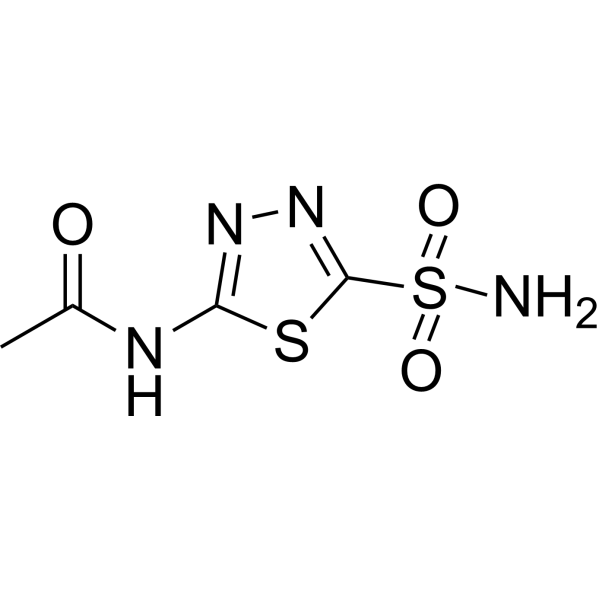
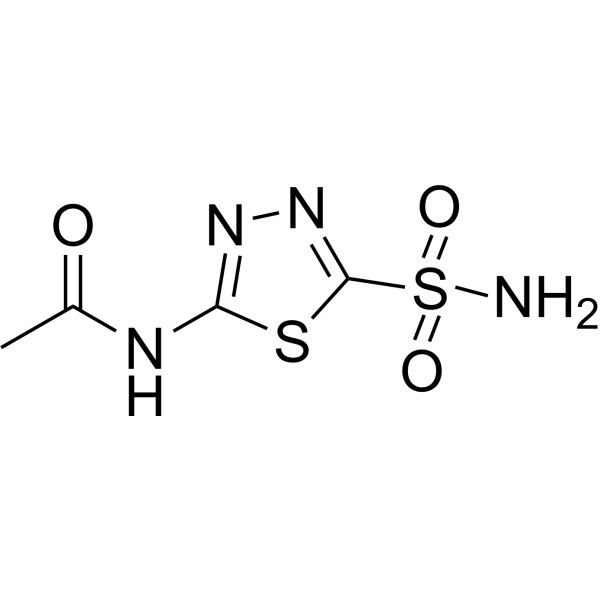
Acetazolamide is a carbonic anhydrase(CA) IX inhibitor with an IC50 of 30 nM for hCA IX. Acetazolamide has diuretic, antihypertensive and anti-gonococcal activities .
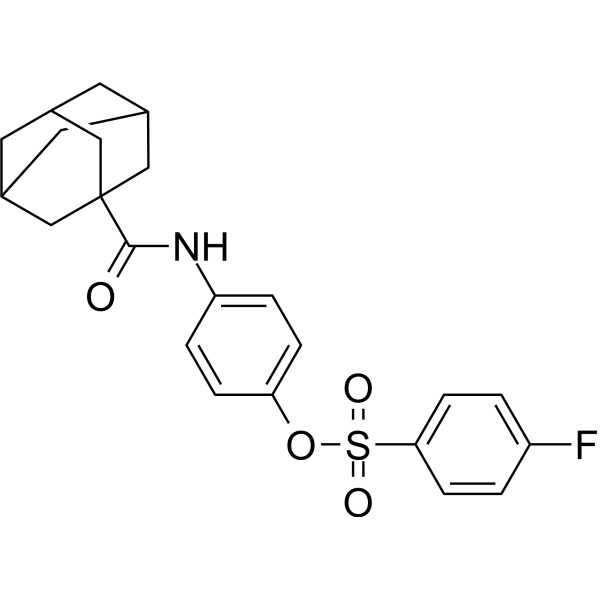
U-104 (SLC-0111) is a potent carbonic anhydrase (CA) inhibitor for CA IX and CA XII with Ki values of 45.1 nM and 4.5 nM, respectively. U-104 shows a significant delay in tumor growth in mice model .
Girentuximab (G250) is a chimeric monoclonal antibody that binds carbonic anhydrase IX (CAIX), a cell surface glycoprotein ubiquitously expressed in clear cell renal cell carcinoma (ccRCC) .
DPI-4452 is a CAIX-targeting cyclic peptide with a DOTA cage, and can be chelated with radionuclide for CAIX-expressing tumor PET-CT imaging and study. DPI-4452 specifically and selectively binds CAIX without interaction with an in vitro off-target receptor panel of 55 targets (IC50 for recombinant hCAIX: 130 nM). Radiolabeled DPI-4452 inhibits tumor growth in HT-29 and SK-RC-52 xenograft mouse models . DPI-4452 can be used for the synthesis/research of Radionuclide-Drug Conjugates (RDCs).
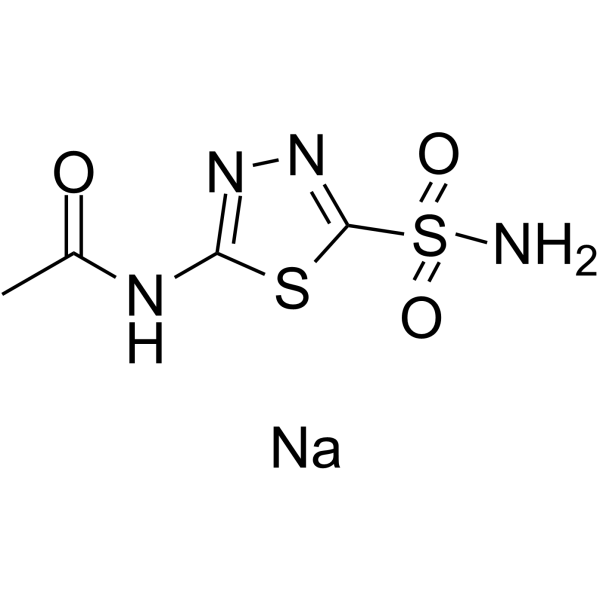
Acetazolamide sodium is a carbonic anhydrase(CA) IX inhibitor with an IC50 of 30 nM for hCA IX. Acetazolamide sodium has diuretic, antihypertensive and anti-gonococcal activities .
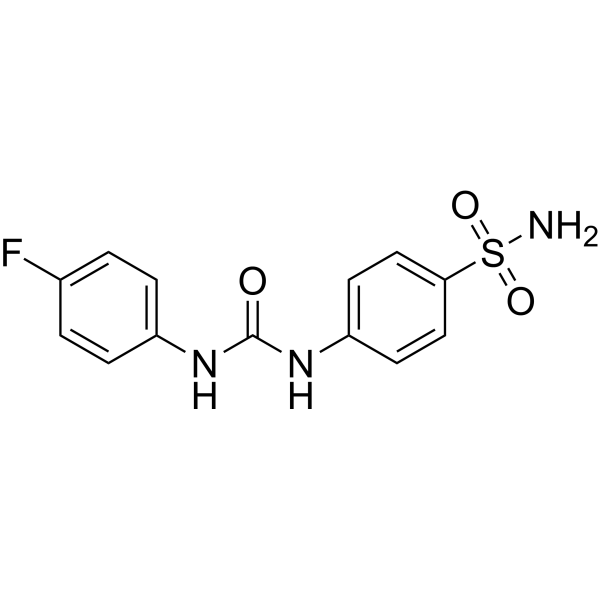
CAIX Inhibitor S4 is a potent and selective inhibitor of carbonic anhydrase IX/XII (CA IX/XII), with a Ki of 7 nM and 2 nM, respectively. CAIX Inhibitor S4 also inhibits CA II and CA I (Ki=546 and 5600 nM, respectively). CAIX Inhibitor S4 can inhibit the number of lung metastasis in orthotopic MDA-MB-231 mouse model without affecting primary tumor growth .
Acetazolamide (Standard) is the analytical standard of Acetazolamide. This product is intended for research and analytical applications. Acetazolamide is a carbonic anhydrase(CA) IX inhibitor with an IC50 of 30 nM for hCA IX. Acetazolamide has diuretic, antihypertensive and anti-gonococcal activities .
cyclo(CLLFVY) is an inhibitor for hypoxia inducible factor-1 (HIF-1), with IC50 of 19 μM (in U2OS) and 16 μM (in MCF-7). cyclo(CLLFVY) binds to the PAS-B domain of HIF-1α, inhibits HIF-1 dimerization and transcriptional activity. cyclo(CLLFVY) downregulates the expression of hypoxia response genes, such as VEGF and CAIX, exhibits antitumor against the HIF-1 associated cancers .
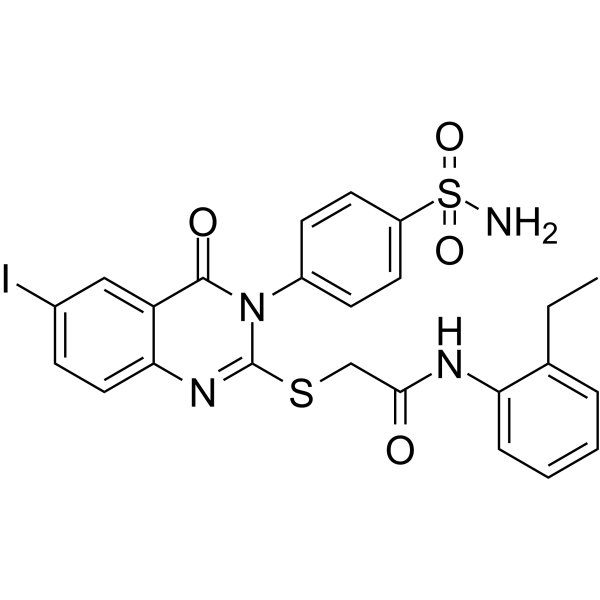
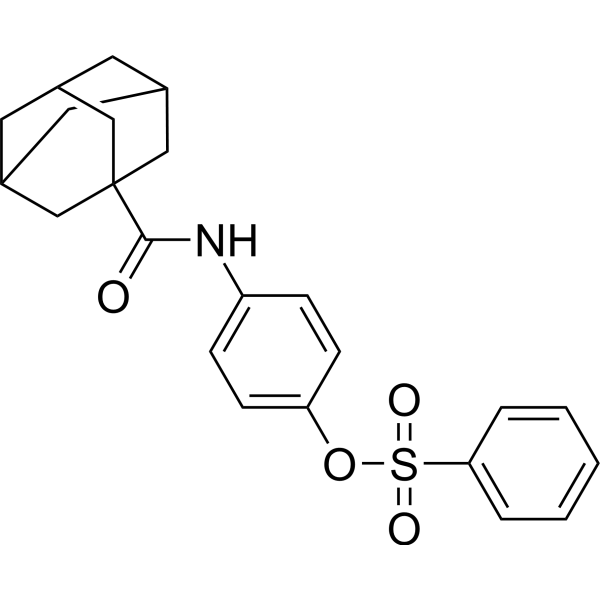
Enpp/Carbonic anhydrase-IN-2 (compound 1i) is a potent Enpp and carbonic anhydrase inhibitor with IC50s of 1.13, 1.07, 0.74, 0.33, 0.68 for NPP1, NPP2, NPP3, CA-IX, CA-XII respectively. Enpp/Carbonic anhydrase-IN-2 shows antiproliferative activity for cancer cells and low cytotoxic against normal cells. Enpp/Carbonic anhydrase-IN-2 induces Apoptosis .
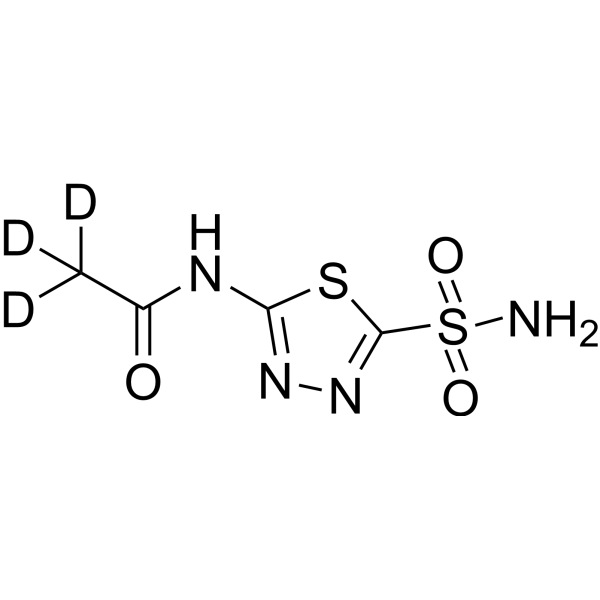
Acetazolamide-d3 is deuterium labeled Acetazolamide (HY-B0782). Acetazolamide is a carbonic anhydrase (CA) IX inhibitor with an IC50 of 30 nM for hCA IX. Acetazolamide has diuretic, antihypertensive and anti-gonococcal activities.
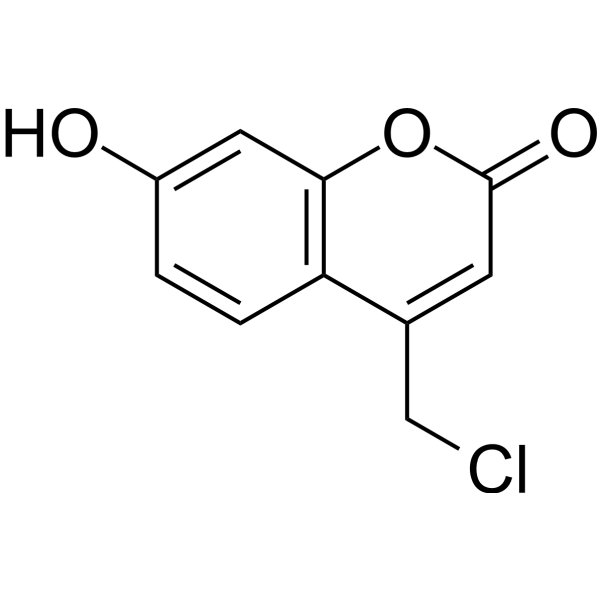
4-(Chloromethyl)-7-hydroxycoumarin (compound 4) is a hydroxycoumarin derivative with potent antioxidant effect and high hydroxyl radical-scavenging property. 4-(Chloromethyl)-7-hydroxycoumarin contains a methyl group and a chlorine group in the heterocyclic ring. A series of coumarins incorporating hydroxy-, chloro- and/or chloromethyl-moieties has been investigated as potent inhibitors of the zinc enzyme carbonic anhydrase, expecially tumor-associated isoforms CA IX and XII .
EGFR/CA-IX-IN-1 (Compound 14) is a dual inhibitor against epidermal growth factor receptor (EGFR) and carbonic anhydrase IX (CA-IX) with IC50 values of 5.92 nM and 63 nM, respectively. EGFR/CA-IX-IN-1 shows strong cytotoxicity against breast cancer cells (MDA-MB-231, MCF-7) with IC50 values of 5.78 μM and 8.05 μM, respectively. EGFR/CA-IX-IN-1 inhibits the catalytic activity of CA-IX, up-regulates BAX/Bcl-2, activates caspases, and arrests the cell cycle at the G1 phase. EGFR/CA-IX-IN-1 is promising for research of breast cancer .
GZ22-4 is a near-infrared (NIR) fluorescent probe. GZ22-4 shows high affinity for carbonic anhydrase IX (CAIX), with a Kd of 0.2 nM. GZ22-4 can be used for the research of visualize CAIX-positive tumors .
Compound 9 is the most effective against tumor specific Ca ix/ca XII (ki=29.1 and 8.8 nm), so it is possible to evaluate its cytotoxicity and selectivity to HepG-2, HCT-116 and MCF-7 cancer cell lines in vitro, and its IC50 values to tumor cells are 1.78, 1.94 and 3.07, respectively μ M. It showed that it had obvious cytotoxicity.
CA9 Human Pre-designed siRNA Set A contains three designed siRNAs for CA9 gene (Human), as well as a negative control, a positive control, and a FAM-labeled negative control.
STAT3/CAIX-IN-1 is a dual-target inhibitor of STAT3 (Kd: 60.03 μM) and CAIX (IC50: 80.45 nM). STAT3/CAIX-IN-1 induces ferroptosis by increases the levels of reactive oxygen species (ROS) and lipid peroxides. STAT3/CAIX-IN-1 inhibits cell migration, induces apoptosis, and causes cell cycle arrest in MDA-MB-231 cells. STAT3/CAIX-IN-1 can be used for the study of triple-negative breast cancer (TNBC) .
Enpp/Carbonic anhydrase-IN-1 (compound 1e) is a potent Enpp and carbonic anhydrase inhibitor with IC50s of 1.36, 1.35, 3.00, 0.88, 1.02 μM for NPP1, NPP2, NPP3, CA-II, CA-IX respectively. Enpp/Carbonic anhydrase-IN-1 shows antiproliferative activity for cancer cells and low cytotoxic against normal cells. Enpp/Carbonic anhydrase-IN-1 induces Apoptosis .
CA IX/GPX4-IN-1 (Compound 22abcb) is a dual targeted inhibitor of CA IX and GPX4 activity. CA IX/GPX4-IN-1 can effectively kill SUM159PT cells (IC50 = 416 nM) by inducing iron death under hypoxic conditions. CA IX/GPX4-IN-1 has an IC50 of 663 nM to CA IX in SUM159PT-CAIX-FL cells. CA IX/GPX4-IN-1 can significantly inhibit tumor growth and can be reversed by ferroptosis inhibitors. CA IX/GPX4-IN-1 can be used for research on breast cancer and other cancers .
CAIX/CDK-2-IN-1 is a dual-acting inhibitor of carbonic anhydrase IX(CA IX) and cyclin-dependent kinase-2 (CDK-2) with IC50 values of 0.29 μM and 0.32 μM. The zein nanoparticls of CAIX/CDK-2-IN-1 can induce cancer cells apoptosis. CAIX/CDK-2-IN-1 can be used for the research of cancer, such as lung cancer .
CAIX/CAXII-IN-4 (Compound 7h) is the inhibitor for carbonic anhydrase (CA) that binds CA IX, CA XII and CA II with Ki of 1.324 μM, 0.435 μM and 3.035 μM. CAIX/CAXII-IN-4 exhibits board-spectrum antitumor efficacy, inhibits the proliferation of CNS cancer U251 with GI50 of 0.361 μM .
HDAC-IN-91 is a multiple inhibitor of HDAC (IC50 = 134.22 nM for HDAC1, 66.29 nM for HDAC2), carbonic anhydrase (CA) (Ki = 72.03 nM for CA IX, 50.76 nM for XII), and tubulin polymerization ( IC50 = 2.56 μM). HDAC-IN-91 inhibits PARP1 and increases the Bax/Bcl-2 ratio. HDAC-IN-91 blocks the cell cycle at the G2/M phase and induces apoptosis through a mitochondrial apoptosis activation mechanism. HDAC-IN-91 can exert potent cytotoxic activity through tubulin polymerization inhibition. HDAC-IN-91 can be used in breast, colorectal, cervical and lung cancer research .
DOTA-XYIMSR-01 is a molecular probe targeting CAIX that can be labeled with 177Lu for the inhibition and localization of malignant gliomas. The uptake of [177Lu] Lu-XYIMSR-01 in U87MG tumors is 6.19 % of the injected dose per gram (% ID/g), and the tumor-to-muscle uptake ratio is 20.14. In the orthotopic glioma model, combined injection with Temozolomide (HY-17364) can significantly improve the survival rate of mice and inhibit tumor growth. DOTA-XYIMSR-01 shows promise for research in the field of anti-cancer therapy .
CA IX/VEGFR-2-IN-2 (compound 5e) is a dual-targeted inhibitor. CA IX/VEGFR-2-IN-2 shows strong inhibitory effects on both CA IX (Ki=3.1 μM) and VEGFR-2 (IC50=32.1 nM). CA IX/VEGFR-2-IN-2 can be used for the study of pancreatic (PANC1), breast cancer (MCF7) and prostate cancer (PC3) .
CAIX/CAXII-IN-2 (compound 23) is a CAIX/CAXII inhibitor, with Ki values of 8.9 nM and 5.3 nM for CAIX/CAXII, respectively. CAIX/CAXII-IN-2 can be used in cancer research .
CA IX-IN-2 (Compound 9o) is an inhibitor for carbonic anhydrase (CA), that inhibits CA IX, CA XII and CA II with an IC50 of 5.6, 7.4 and 430 nM, respectively. CA IX-IN-2 inhibits the proliferation of cancer cell HCT-116, SW480, MDA-MB 231 and MCF-7, with IC50s of 14.63-29.33 μM. CA IX-IN-2 intercalates DNA, arrests cell cycle at G1/S phase, and induces apoptosis in MDA-MB-231. CA IX-IN-2 affects the mitochondrial membrane potential (MMP), increases the intracellular ROS levels, causes mitochondrial damage, and inhibits the cell migration of MDA-MB-231. CA IX-IN-2 exhibits antitumor efficacy in mouse models .
CAIX-IN-4 (Compound 8b) is a selective carbonic anhydrase IX (CAIX) inhibitor with an IC50 value of 0.32 μM. CAIX-IN-4 is promising for research of cancers such as renal cell carcinoma .
CAIX/CAXII-IN-3 (compound 11) is an inhibitor of CAIX/CAXII, with an IC50 value of less than 65 nM. CAIX/CAXII-IN-3 inhibits the proliferation of human melanoma cells .
CA IX/VEGFR-2-IN-3 (Compound 6i) is an inhibitor of Carbonic Anhydrase IX and VEGFR-2, with IC50 values of 41 and 48 nM, respectively. CA IX/VEGFR-2-IN-3 exhibits anticancer activity, inhibiting the growth of MCF-7 breast cancer cells (with an IC50 of 22.33 μM) and mouse fibroblast cell line 3T3 (where cell viability is less than 40% at a concentration of 100 μM). CA IX/VEGFR-2-IN-3 can be used for research in the field of cancer treatment .
Carbonic anhydrase inhibitor 29 (Compound 5d) is an inhibitor targeting carbonic anhydrase IX(CA IX) and XII (CA XII), with inhibition constants (Ki) of 26.6 nM for CA IX and 10.9 nM for CA XII. Carbonic anhydrase inhibitor 29 can be used in anticancer research .
CAIX/XII-IN-17 is a selective human carbonic anhydrase IX/XII(CA IX/XII) inhibitor with Ki values of 25.1 nM (hCA IX) and 35.2 nM (hCA XII). CAIX/XII-IN-17 induces apoptosis in pancreatic cancer cells. CAIX/XII-IN-17 can be used for the research of breast cancer, pancreatic cancer .
CAIX/XII-IN-18 is a selective human carbonic anhydrase IX/XII (CA IX/XII) inhibitor with Ki values of 28.1 nM (hCA IX) and 11.6 nM (hCA XII). CAIX/XII-IN-18 induces apoptosis in breast cancer cells. CAIX/XII-IN-18 can be used for the research of breast cancer, pancreatic cancer .
PDGFRA/CAIX/XII-IN-1 is an inhibitor of PDGFRA, CA IX and CA XII, with an IC50 of 20 nM against PDGFRA, a Ki of 93.3 nM against CA IX, and a Ki of 80.0 nM against CA XII. PDGFRA/CAIX/XII-IN-1 binds to the ATP-binding pocket of PDGFRA and blocks the downstream STAT3, AKT and ERK1/2 signaling pathways. PDGFRA/CAIX/XII-IN-1 induces G0/G1 cell cycle arrest and endogenous apoptosis (Apoptosis), including cleavage of PARP-1, caspase-9 and caspase-3, activation of caspase 3/7, and down-regulation of Mcl-1. PDGFRA/CAIX/XII-IN-1 exhibits antiproliferative activity in eosinophilic leukemia cells. PDGFRA/CAIX/XII-IN-1 can be used for the research of leukemia .
hCAIX/XII-IN-4 (compound 6c) is a potent CAIX/XII inhibitor with the Ki values of 4.5 nM, 23.6 nM, >10000 nM and >10000 nM for CAXII, CAIX, CAI and CAⅡ, respectively .
Acetazolamide- 13C2,d3 is the 13C- and deuterium labeled Acetazolamide. Acetazolamide is a carbonic anhydrase (CA) IX inhibitor with an IC50 of 30 nM for hCA IX . Diuretic effects .
hCAIX/XII-IN-1 is a potent CAIX/XII inhibitor with the KI values of 0.48 µM and 0.83 µM for CAIX and CAXII, respectively. hCAIX/XII-IN-1 shows antiproliferative activity in vitro. hCAIX/XII-IN-1 induces apoptosis in MCF-7 cells .
CAIX/XII-IN-16 (Compound 5d) is a selective inhibitor of CA IX/XII and c-Met. CAIX/XII-IN-16‘s Ki values for hCA IX, hCA XII and CA I are 10.6, 31.8 and 2361 nM respectively, and its IC50 value for c-Met is 0.49 μM. CAIX/XII-IN-16 exhibits significantly enhanced cytotoxicity against colon cancer cells under hypoxic conditions. CAIX/XII-IN-16 causes cell cycle arrest and induces apoptosis (apoptosis). CAIX/XII-IN-16 significantly enhances the efficacy of Oxaliplatin (HY-17371) and 5-Fluorouracil (HY-90006). CAIX/XII-IN-16 can be used for studies on chemotherapy resistance related to hypoxia .
Car9 Mouse Pre-designed siRNA Set A contains three designed siRNAs for Car9 gene (Mouse), as well as a negative control, a positive control, and a FAM-labeled negative control.
hCAIX/XII-IN-8 (compound 3g) is a potent human (carbonic anhydrase) CA IX and XII inhibitor, with Ki values of 8.5 and 6.7 nM, respectively. hCAIX/XII-IN-8 shows particularly strong inhibitory activity against the tumor-associated membrane-bound isoforms, hCA IX and XII, while maintaining a high selectivity ratio over cytosolic off-target isoforms hCA I and II .
DPP IV/hCA II-IN-1 is a potent and selective dipeptidyl peptidase IV (DPP IV) and carbonic anhydrase (CA) inhibitor with an IC50 value of 0.049 μM for DPP IV and with Ki values of 0.0361, 0.0428, 0.0941, 0.1328, 0.2615, and 3.034 μM for CA II, CA VB, CA VA, CA IX, CA I, and CA IV, respectively .
hCA/VEGFR-2-IN-1 (compound 13a) is a potent dual Carbonic Anhydrase(CA) IX/XII with Ki values of 4.7 nM and 8.3 nM for hCA XII and hCA IX, respectively. hCA/VEGFR-2-IN-1 (compound 13a) is a potent VEGFR-2 inhibitor with IC50 values 26.3 nM. hCA/VEGFR-2-IN-1 has anticancer activity .
hCAIX-IN-13 (Pt2) is an inhibitor of CAIX (arbonic anhydrase IX) with an IC50 value of 6.57 μM. hCAIX-IN-13 inhibits growth of cancer cells and induces cell apoptosis, it can be used for the research of cancer .
Antitumor agent-163 (Compound 3) is a photosensitizer used in Molecular-Targeted Photodynamic Therapy (MT-PDT) targeting carbonic anhydrase IX (CAIX). Antitumor agent-163 inactivates CAIX protein via singlet oxygen under 540 nm wavelength light, without affecting internal standard proteins such as α-tubulin, β-actin, and proliferating cell nuclear antigen (PCNA). Antitumor agent-163 induces cell membrane damage, inhibits cell viability (IC50 is 0.2 and 0.05 μM for A549 and U87MG). Antitumor agent-163 exhibits antitumor efficacy in mouse model .
Anti-inflammatory agent 67 (compound 7a) is a dual inhibitor of carbonic anhydrase and COX-2, a sulfonamide derivative of Polmacoxib (HY-16726), and has anti-inflammatory properties and analgesic activity. Anti-inflammatory agent 67 has IC50s of 10.4 μM and 50 nM for COX-1 and COX-2, respectively. The Ki of anti-inflammatory agent 67 binding to different isoforms of carbonic anhydrase are 48.3 nM (CA I), 42.2 nM (CA II), 52.3 nM (CA IX), and 13.3 nM (CA XII) .
Anti-inflammatory agent 68 (compound 7b) is a dual inhibitor of carbonic anhydrase and COX-2, a sulfonamide derivative of Polmacoxib (HY-16726), with anti-inflammatory properties and analgesic activity. Anti-inflammatory agent 68 has IC50s of 12.6 μM and 60 nM for COX-1 and COX-2, respectively. The Ki of anti-inflammatory agent 68 binding to different isoforms of carbonic anhydrase are 52.6 nM (CA I), 79.1 nM (CA II), 58.1 nM (CA IX), and 17.2 nM (CA XII) .
hCAIX-IN-12 is a potent hCAIX inhibitor with IC50 values of 0.74, 10.78 μM for CAIX and CAII, respectively. hCAIX-IN-12 shows antiproliferative effect and induces apoptosis. hCAIX-IN-12 increases ROS production. hCAIX-IN-12 has the potential for the research of colorectal cancer (CRC) .
CAXII-IN-3 is an effective carbonic anhydrase (CA XII) inhibitor with a Ki of 53 nM. CAXII-IN-3 exhibits selective inhibition against multiple human CA subtypes with Kis of 5.3 μM, 75 nM, 1.9 μM, > 10 μM against CA I, CA II, CA IV and CA IX. CAXII-IN-3 mainly inhibits CA II and XII, and reduces aqueous humor production. CAXII-IN-3 exhibits β3-AR agonistic activity, can dilate retinal blood vessels, and improve optic nerve perfusion. CAXII-IN-3 can be used in the research of ocular disorders such as glaucoma .
hCAIX-IN-8 (compound 7i) is a potent and selective hCAIX inhibitor with IC50s of 1.99, 0.024, 1.10 μM for CAII, CAIX, CAVA respectively. hCAIX-IN-8 shows anti-proliferation activity with low toxicity. hCAIX-IN-8 decreases the epithelial to mesenchymal transitions and induces apoptosis. hCAIX-IN-8 inhibits cell migration and colonization potential .
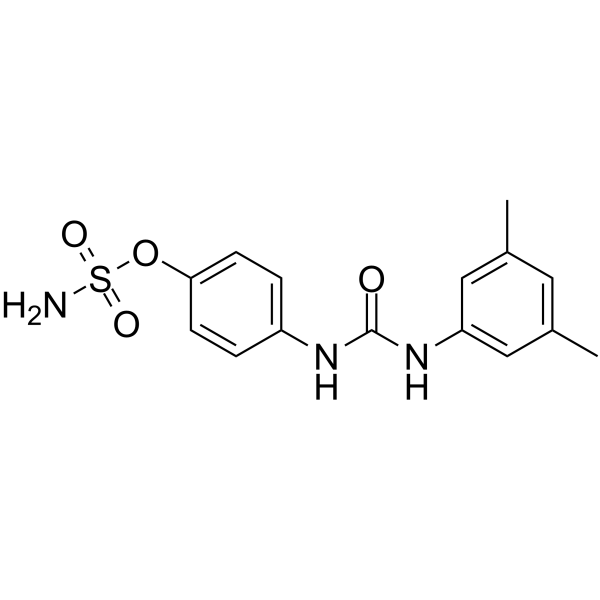
FC11409B is an ureido-sulfamate carbonic anhydrase IX (CAIX) inhibitor. FC11409B inhibits proliferation and migration of breast cancer cell lines in both hypoxic (0.5% O2) and normoxic conditions (21% O2). FC11409B also inhibits 3D spheroid of breast cancer subtypes invasion. FC11409B is promising for research of breast and ovarian cancers .
CAIX-IN-17 is a carbonic anhydrase IX(CAIX) inhibitor with an IC50 of 61 nM and accumulates specifically in CAIX-expressing xenograft tumors. CAIX-IN-17 can be labeled with 68Ga and acts as a CAIX-targeted PET tracer for detection of clear-cell renal cell carcinoma .
CAIX/CAXII-IN prodrug-1 is a subtype-dependent prodrug inhibitor of carbonic anhydrase IX and XII (CAIX/CAXII).CAIX/CAXII-IN prodrug-1 itself shows no activity against carbonic anhydrases, and after hydrolysis, it exhibits Ki values of 54 nM and 62 nM against hCA IX and hCA XII, respectively. CAIX/CAXII-IN prodrug-1 exerts antiproliferative activity against cancer cells and induces cell apoptosis (apoptosis) via the endogenous mitochondrial pathway. CAIX/CAXII-IN prodrug-1 can be used in the research of breast cancer, colorectal adenocarcinoma and prostate cancer .
CAIX/XII/NAMPT-IN-1 is a triple inhibitor of carbonic anhydrase IX/XII and nicotinamide phosphoribosyltransferase (NAMPT) with a hCA IX Ki of 78.1 nM, hCA XII Ki of 64.4 nM, and hNAMPT IC50 of 168 nM. CAIX/XII/NAMPT-IN-1 induces apoptosis, ROS accumulation, suppresses ERK/AKT signaling, inhibits DNA synthesis, and causes mitochondrial dysfunction. CAIX/XII/NAMPT-IN-1 exerts antiproliferative effects against multiple cancer cells under normoxic and hypoxic conditions. CAIX/XII/NAMPT-IN-1 can be used for the research of cancer, such as renal carcinoma, glioblastoma and colorectal cancer .
CA IX-IN-5 (compound 9) is a human carbonic anhydrase IX (hCA IX) inhibitor with a Ki of 7.4 nM against hCA IX and 25.0 nM against hCA II.CA IX-IN-5 functionally inhibits hCA IX and hCA II isoenzymes, with selectivity for hCA IX over hCA II.CA IX-IN-5 can be used for the research of breast, colorectal, glioblastoma, lung, head and neck, and cervical cancers .
NYM074 is a carbonic anhydrase IX(CAIX) ligand. NYM074 binds specifically to human CAIX to enable targeted radionuclide delivery. NYM074 supports dual radiolabeling with 68Ga for positron emission tomography (PET) imaging and 177Lu for radionuclide applications. NYM074 can be used for the research of clear cell renal cell carcinoma .
BAY-79-4620 Antibody is a potent and selective CAIX antibody with a human CAIXKd of 3.6 nM. BAY-79-4620 Antibody yields antibody-drug conjugate (ADC) through conjugating with Monomethyl auristatin E (HY-15162) via a self-immolative enzyme-cleavable linker. BAY-79-4620 Antibody can be used for the research of cervical carcinoma, non-small cell lung carcinoma, breast carcinoma, pancreatic carcinoma, gastric carcinoma, prostate carcinoma .
IPM-N001 is a carbonic anhydrase IX (CAIX) ligand with a Kd value of <0.0337 nM for hCAIX. When radio-conjugated with 68Ga, IPM-N001 serves as a CAIX-targeted radionuclide tracer. [ 68Ga]Ga-IPM-N001 exhibits excellent tumor uptake and significantly improves the tumor-to-background ratio in PET/CT imaging studies using OS-RC-2 tumor-bearing mice. IPM-N001 can be used for the research of clear cell renal cell carcinoma .
Multi-kinase-IN-8 is a muti-kinase inhibitor. Multi-kinase-IN-8 inhibits COX-1 (IC50 of 12.6 μM), COX-2 (IC50 of 0.05 μM) and VEGFR-2 (IC50 of 0.12 nM). Multi-kinase-IN-8 inhibits tumor-associated carbonic anhydrases(CA IX and CA XII with Ki of 31.5 nM and 386.9 nM, respectively). Multi-kinase-IN-8 triggers cell cycle arrest and apoptosis through upregulation of Caspase 9 and Bax along with downregulation of Bcl 2. Multi-kinase-IN-8 suppresses PGE2, p-VEGFR-2, MMP-9 and HIF-1α and exhibits growth-inhibitory activity against breast cancer, lung cancer, and colorectal adenocarcinoma .
GZ22-4 is a near-infrared (NIR) fluorescent probe. GZ22-4 shows high affinity for carbonic anhydrase IX (CAIX), with a Kd of 0.2 nM. GZ22-4 can be used for the research of visualize CAIX-positive tumors .
DPI-4452 is a CAIX-targeting cyclic peptide with a DOTA cage, and can be chelated with radionuclide for CAIX-expressing tumor PET-CT imaging and study. DPI-4452 specifically and selectively binds CAIX without interaction with an in vitro off-target receptor panel of 55 targets (IC50 for recombinant hCAIX: 130 nM). Radiolabeled DPI-4452 inhibits tumor growth in HT-29 and SK-RC-52 xenograft mouse models . DPI-4452 can be used for the synthesis/research of Radionuclide-Drug Conjugates (RDCs).
cyclo(CLLFVY) is an inhibitor for hypoxia inducible factor-1 (HIF-1), with IC50 of 19 μM (in U2OS) and 16 μM (in MCF-7). cyclo(CLLFVY) binds to the PAS-B domain of HIF-1α, inhibits HIF-1 dimerization and transcriptional activity. cyclo(CLLFVY) downregulates the expression of hypoxia response genes, such as VEGF and CAIX, exhibits antitumor against the HIF-1 associated cancers .
IPM-N001 is a carbonic anhydrase IX (CAIX) ligand with a Kd value of <0.0337 nM for hCAIX. When radio-conjugated with 68Ga, IPM-N001 serves as a CAIX-targeted radionuclide tracer. [ 68Ga]Ga-IPM-N001 exhibits excellent tumor uptake and significantly improves the tumor-to-background ratio in PET/CT imaging studies using OS-RC-2 tumor-bearing mice. IPM-N001 can be used for the research of clear cell renal cell carcinoma .
Girentuximab (G250) is a chimeric monoclonal antibody that binds carbonic anhydrase IX (CAIX), a cell surface glycoprotein ubiquitously expressed in clear cell renal cell carcinoma (ccRCC) .
BAY-79-4620 Antibody is a potent and selective CAIX antibody with a human CAIXKd of 3.6 nM. BAY-79-4620 Antibody yields antibody-drug conjugate (ADC) through conjugating with Monomethyl auristatin E (HY-15162) via a self-immolative enzyme-cleavable linker. BAY-79-4620 Antibody can be used for the research of cervical carcinoma, non-small cell lung carcinoma, breast carcinoma, pancreatic carcinoma, gastric carcinoma, prostate carcinoma .
Carbonic Anhydrase 9 Protein catalyzes the reversible hydration of carbon dioxide, essential for converting it to bicarbonate ions and protons, and vice versa. This enzymatic activity is crucial in physiological processes like acid-base balance regulation, respiration, and cellular pH homeostasis. Carbonic Anhydrase 9 Protein is vital for carbon dioxide transport and metabolism, contributing to overall regulation of its levels in the body. Carbonic Anhydrase 9 Protein, Cynomolgus (Biotinylated, HEK293, His-Avi) is the recombinant cynomolgus-derived Carbonic Anhydrase 9 protein, expressed by HEK293 , with C-Avi, C-His labeled tag. The total length of Carbonic Anhydrase 9 Protein, Cynomolgus (Biotinylated, HEK293, His-Avi) is 361 a.a., with molecular weight of 50-55 kDa.
Carbonic Anhydrase 9 Protein catalyzes the reversible hydration of carbon dioxide, essential for converting it to bicarbonate ions and protons, and vice versa. This enzymatic activity is crucial in physiological processes like acid-base balance regulation, respiration, and cellular pH homeostasis. Carbonic Anhydrase 9 Protein is vital for carbon dioxide transport and metabolism, contributing to overall regulation of its levels in the body. Carbonic Anhydrase 9 Protein, Cynomolgus (HEK293, His) is the recombinant cynomolgus-derived Carbonic Anhydrase 9 protein, expressed by HEK293 , with C-His labeled tag.
The carbonic anhydrase 9 (CA9) protein plays a crucial role as a catalyst in the conversion of carbon dioxide and water. It promotes the formation of bicarbonate and hydrogen ions (dissociated ions of carbonic acid). Carbonic Anhydrase 9 Protein, Human (HEK293, His-Avi) is the recombinant human-derived Carbonic Anhydrase 9 protein, expressed by HEK293 , with C-Avi, C-His labeled tag.
The Carbonic Anhydrase 9 protein is responsible for catalyzing the interconversion between carbon dioxide and water, as well as facilitating the conversion of carbonic acid into its dissociated ions, namely bicarbonate and hydrogen ions. Carbonic Anhydrase 9 Protein, Mouse (HEK293, His) is the recombinant mouse-derived Carbonic Anhydrase 9 protein, expressed by HEK293 , with C-His labeled tag.
The carbonic anhydrase 9 (CA9) protein plays a crucial role as a catalyst in the conversion of carbon dioxide and water. It promotes the formation of bicarbonate and hydrogen ions (dissociated ions of carbonic acid). Carbonic Anhydrase 9 Protein, Canine (HEK293, His) is the recombinant canine-derived Carbonic Anhydrase 9 protein, expressed by HEK293 , with C-His labeled tag.
The carbonic anhydrase 9 (CA9) protein plays a crucial role as a catalyst in the conversion of carbon dioxide and water. It promotes the formation of bicarbonate and hydrogen ions (dissociated ions of carbonic acid). Carbonic Anhydrase 9 Protein, Canine (HEK293, hFc) is the recombinant canine-derived Carbonic Anhydrase 9 protein, expressed by HEK293 , with C-hFc labeled tag.
The carbonic anhydrase 9 (CA9) protein plays a crucial role as a catalyst in the conversion of carbon dioxide and water. It promotes the formation of bicarbonate and hydrogen ions (dissociated ions of carbonic acid). Carbonic Anhydrase 9 Protein, Human (HEK293, Fc) is the recombinant human-derived Carbonic Anhydrase 9 protein, expressed by HEK293 , with C-hFc labeled tag.
The carbonic anhydrase 9 (CA9) protein plays a crucial role as a catalyst in the conversion of carbon dioxide and water. It promotes the formation of bicarbonate and hydrogen ions (dissociated ions of carbonic acid). Carbonic Anhydrase 9 Protein, Human (Biotinylated, HEK293, Avi-His) is the recombinant human-derived Carbonic Anhydrase 9 protein, expressed by HEK293 , with C-Avi, C-6*His labeled tag.
The carbonic anhydrase 9 (CA9) protein plays a crucial role as a catalyst in the conversion of carbon dioxide and water. It promotes the formation of bicarbonate and hydrogen ions (dissociated ions of carbonic acid). Carbonic Anhydrase 9 Protein, Human (HEK293, His) is the recombinant human-derived Carbonic Anhydrase 9 protein, expressed by HEK293 , with C-6*His labeled tag.
The carbonic anhydrase 9 (CA9) protein plays a crucial role as a catalyst in the conversion of carbon dioxide and water. It promotes the formation of bicarbonate and hydrogen ions (dissociated ions of carbonic acid). FITC-Labeled Carbonic Anhydrase 9 Protein, Human (HEK293, His) is the recombinant human-derived FITC-Labeled Carbonic Anhydrase 9 protein, expressed by HEK293, with C-His labeled tag.
Acetazolamide-d3 is deuterium labeled Acetazolamide (HY-B0782). Acetazolamide is a carbonic anhydrase (CA) IX inhibitor with an IC50 of 30 nM for hCA IX. Acetazolamide has diuretic, antihypertensive and anti-gonococcal activities.
Acetazolamide- 13C2,d3 is the 13C- and deuterium labeled Acetazolamide. Acetazolamide is a carbonic anhydrase (CA) IX inhibitor with an IC50 of 30 nM for hCA IX . Diuretic effects .
CA IX/GPX4-IN-1 (Compound 22abcb) is a dual targeted inhibitor of CA IX and GPX4 activity. CA IX/GPX4-IN-1 can effectively kill SUM159PT cells (IC50 = 416 nM) by inducing iron death under hypoxic conditions. CA IX/GPX4-IN-1 has an IC50 of 663 nM to CA IX in SUM159PT-CAIX-FL cells. CA IX/GPX4-IN-1 can significantly inhibit tumor growth and can be reversed by ferroptosis inhibitors. CA IX/GPX4-IN-1 can be used for research on breast cancer and other cancers .
CAIX/CAXII-IN-2 (compound 23) is a CAIX/CAXII inhibitor, with Ki values of 8.9 nM and 5.3 nM for CAIX/CAXII, respectively. CAIX/CAXII-IN-2 can be used in cancer research .
CA9 Human Pre-designed siRNA Set A contains three designed siRNAs for CA9 gene (Human), as well as a negative control, a positive control, and a FAM-labeled negative control.
Car9 Mouse Pre-designed siRNA Set A contains three designed siRNAs for Car9 gene (Mouse), as well as a negative control, a positive control, and a FAM-labeled negative control.
Inquiry Online
Your information is safe with us. * Required Fields.
Western blot analysis of extracts from THP-1(lane 2(20μg), Jurkat (lane 3(20μg) and NIH3T3(lane 4(20μg) using FOXO1A (HY-P80132) Rabbit mAb. Proteins were transferred
to a PVDF membrane and blocked with 5% non-fat milk in TBST for 2 hour at room temperature. The primary antibody (1/1000) and Loading control antibody (Beta Actin, HY-P80438, 1/10000) was
used in 5% non-fat milk in TBST at 4°C overnight. Goat Anti-Mouse/Rabbit IgG-HRP Secondary Antibody (1/10000) was used for 1 hour at room temperature.
Western blot analysis of extracts from THP-1(lane 2(20μg), Jurkat (lane 3(20μg) and NIH3T3(lane 4(20μg) using FOXO1A (HY-P80132) Rabbit mAb. Proteins were transferred
to a PVDF membrane and blocked with 5% non-fat milk in TBST for 2 hour at room temperature. The primary antibody (1/1000) and Loading control antibody (Beta Actin, HY-P80438, 1/10000) was
used in 5% non-fat milk in TBST at 4°C overnight. Goat Anti-Mouse/Rabbit IgG-HRP Secondary Antibody (1/10000) was used for 1 hour at room temperature.
Western blot analysis of extracts from THP-1(lane 2(20μg), Jurkat (lane 3(20μg) and NIH3T3(lane 4(20μg) using FOXO1A (HY-P80132) Rabbit mAb. Proteins were transferred
to a PVDF membrane and blocked with 5% non-fat milk in TBST for 2 hour at room temperature. The primary antibody (1/1000) and Loading control antibody (Beta Actin, HY-P80438, 1/10000) was
used in 5% non-fat milk in TBST at 4°C overnight. Goat Anti-Mouse/Rabbit IgG-HRP Secondary Antibody (1/10000) was used for 1 hour at room temperature.
Western blot analysis of extracts from THP-1(lane 2(20μg), Jurkat (lane 3(20μg) and NIH3T3(lane 4(20μg) using FOXO1A (HY-P80132) Rabbit mAb. Proteins were transferred
to a PVDF membrane and blocked with 5% non-fat milk in TBST for 2 hour at room temperature. The primary antibody (1/1000) and Loading control antibody (Beta Actin, HY-P80438, 1/10000) was
MedchemExpress Validation 03
Western blot analysis of extracts from THP-1(lane 2(20μg), Jurkat (lane 3(20μg) and NIH3T3(lane 4(20μg) using FOXO1A (HY-P80132) Rabbit mAb. Proteins were transferred
MedchemExpress Validation 04
Western blot analysis of extracts from THP-1(lane 2(20μg), Jurkat (lane 3(20μg) and NIH3T3(lane 4(20μg) using FOXO1A (HY-P80132) Rabbit mAb. Proteins were transferred
to a PVDF membrane and blocked with 5% non-fat milk in TBST for 2 hour at room temperature. The primary antibody (1/1000) and Loading control antibody (Beta Actin, HY-P80438, 1/10000) was
used in 5% non-fat milk in TBST at 4°C overnight. Goat Anti-Mouse/Rabbit IgG-HRP Secondary Antibody (1/10000) was used for 1 hour at room temperature.
MedchemExpress Validation
Western blot analysis of extracts from THP-1(lane 2(20μg), Jurkat (lane 3(20μg) and NIH3T3(lane 4(20μg) using FOXO1A (HY-P80132) Rabbit mAb. Proteins were transferred
to a PVDF membrane and blocked with 5% non-fat milk in TBST for 2 hour at room temperature. The primary antibody (1/1000) and Loading control antibody (Beta Actin, HY-P80438, 1/10000) was
used in 5% non-fat milk in TBST at 4°C overnight. Goat Anti-Mouse/Rabbit IgG-HRP Secondary Antibody (1/10000) was used for 1 hour at room temperature.
Western blot analysis of extracts from THP-1(lane 2(20μg), Jurkat (lane 3(20μg) and NIH3T3(lane 4(20μg) using FOXO1A (HY-P80132) Rabbit mAb. Proteins were transferred
to a PVDF membrane and blocked with 5% non-fat milk in TBST for 2 hour at room temperature. The primary antibody (1/1000) and Loading control antibody (Beta Actin, HY-P80438, 1/10000) was
used in 5% non-fat milk in TBST at 4°C overnight. Goat Anti-Mouse/Rabbit IgG-HRP Secondary Antibody (1/10000) was used for 1 hour at room temperature.
MedchemExpress Validation
Western blot analysis of extracts from THP-1(lane 2(20μg), Jurkat (lane 3(20μg) and NIH3T3(lane 4(20μg) using FOXO1A (HY-P80132) Rabbit mAb. Proteins were transferred
to a PVDF membrane and blocked with 5% non-fat milk in TBST for 2 hour at room temperature. The primary antibody (1/1000) and Loading control antibody (Beta Actin, HY-P80438, 1/10000) was
used in 5% non-fat milk in TBST at 4°C overnight. Goat Anti-Mouse/Rabbit IgG-HRP Secondary Antibody (1/10000) was used for 1 hour at room temperature.
MedchemExpress Validation
Western blot analysis of extracts from THP-1(lane 2(20μg), Jurkat (lane 3(20μg) and NIH3T3(lane 4(20μg) using FOXO1A (HY-P80132) Rabbit mAb. Proteins were transferred
to a PVDF membrane and blocked with 5% non-fat milk in TBST for 2 hour at room temperature. The primary antibody (1/1000) and Loading control antibody (Beta Actin, HY-P80438, 1/10000) was
used in 5% non-fat milk in TBST at 4°C overnight. Goat Anti-Mouse/Rabbit IgG-HRP Secondary Antibody (1/10000) was used for 1 hour at room temperature.
MedchemExpress Validation
Western blot analysis of extracts from THP-1(lane 2(20μg), Jurkat (lane 3(20μg) and NIH3T3(lane 4(20μg) using FOXO1A (HY-P80132) Rabbit mAb. Proteins were transferred
to a PVDF membrane and blocked with 5% non-fat milk in TBST for 2 hour at room temperature. The primary antibody (1/1000) and Loading control antibody (Beta Actin, HY-P80438, 1/10000) was
used in 5% non-fat milk in TBST at 4°C overnight. Goat Anti-Mouse/Rabbit IgG-HRP Secondary Antibody (1/10000) was used for 1 hour at room temperature.
MedchemExpress Validation
Western blot analysis of extracts from THP-1(lane 2(20μg), Jurkat (lane 3(20μg) and NIH3T3(lane 4(20μg) using FOXO1A (HY-P80132) Rabbit mAb. Proteins were transferred
to a PVDF membrane and blocked with 5% non-fat milk in TBST for 2 hour at room temperature. The primary antibody (1/1000) and Loading control antibody (Beta Actin, HY-P80438, 1/10000) was
used in 5% non-fat milk in TBST at 4°C overnight. Goat Anti-Mouse/Rabbit IgG-HRP Secondary Antibody (1/10000) was used for 1 hour at room temperature.
MedchemExpress Validation
Western blot analysis of extracts from THP-1(lane 2(20μg), Jurkat (lane 3(20μg) and NIH3T3(lane 4(20μg) using FOXO1A (HY-P80132) Rabbit mAb. Proteins were transferred
to a PVDF membrane and blocked with 5% non-fat milk in TBST for 2 hour at room temperature. The primary antibody (1/1000) and Loading control antibody (Beta Actin, HY-P80438, 1/10000) was
used in 5% non-fat milk in TBST at 4°C overnight. Goat Anti-Mouse/Rabbit IgG-HRP Secondary Antibody (1/10000) was used for 1 hour at room temperature.
MedchemExpress Validation
Western blot analysis of extracts from THP-1(lane 2(20μg), Jurkat (lane 3(20μg) and NIH3T3(lane 4(20μg) using FOXO1A (HY-P80132) Rabbit mAb. Proteins were transferred
to a PVDF membrane and blocked with 5% non-fat milk in TBST for 2 hour at room temperature. The primary antibody (1/1000) and Loading control antibody (Beta Actin, HY-P80438, 1/10000) was
used in 5% non-fat milk in TBST at 4°C overnight. Goat Anti-Mouse/Rabbit IgG-HRP Secondary Antibody (1/10000) was used for 1 hour at room temperature.
MedChemExpress values your privacy and your trust is important to us. We use cookies to enhance your website experience. Some cookies are necessary to run the website.
Privacy and Cookie Policy

