





From 11:00 pm to 12:00 pm EST ( 8:00 pm to 9:00 pm PST ) on January 6th, the website will be under maintenance. We are sorry for the inconvenience. Please arrange your schedule properly.
Daratumumab (Anti-Human CD38) is the first-in-class human-specific anti-CD38 monoclonal antibody (IgG1). Daratumumab has anti-multiple myeloma (MM) effect. Daratumumab impairs MM cell adhesion, which results in an increased sensitivity of MM to proteasome inhibition .
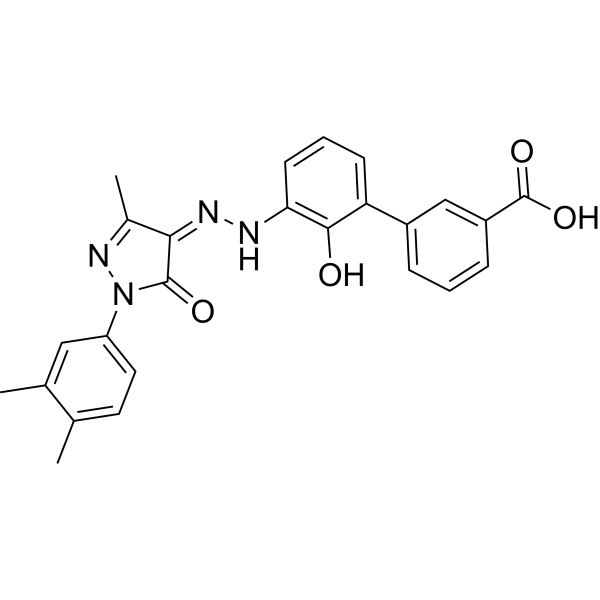
Eltrombopag (SB-497115) is an orally active thrombopoietin receptor nonpeptide agonist. Eltrombopag owns thrombopoietic activity, and has been used to research low blood platelet counts with chronic immune thrombocytopenia. Eltrombopag can be used for the research of cardiovascular. Eltrombopag also has highly inhibitory effects against multidrug resistant Staphylococcus aureus. Eltrombopag can induce apoptosis in hepatocellular carcinomab (HCC) as well .
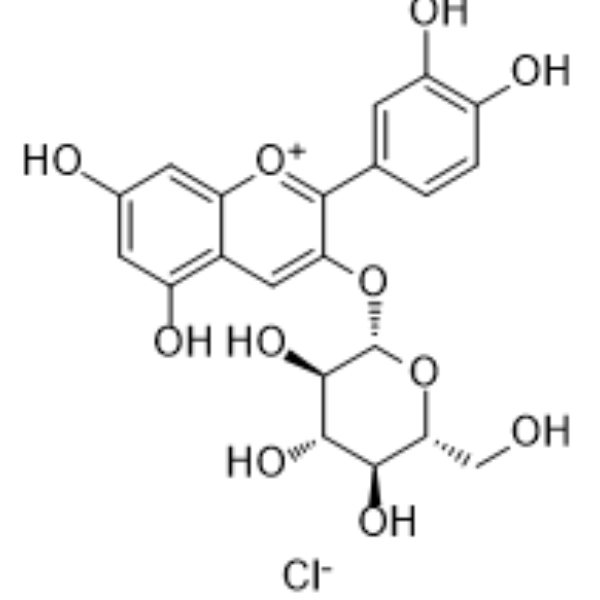
Kuromanin chloride (Chrysontemin) is derived from mulberry leaves and has the effect of increasing blood sugar concentration and maintaining lipid metabolism balance to reduce obesity. Kuromanin chloride can inhibit CD38 enzymatic activities .
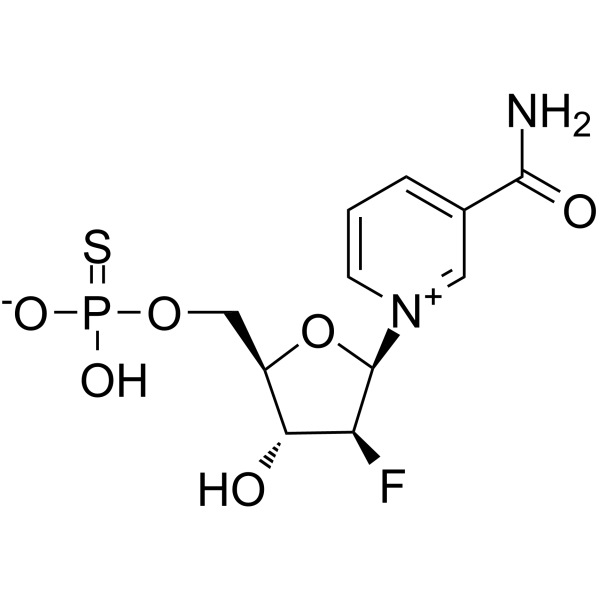
Sulfo-ara-F-NMN (CZ-48) is a mimetic of nicotinamide mononucleotide (NMN). Sulfo-ara-F-NMN acts selectively, activating SARM1 but inhibiting CD38 (IC50 around 10 μM). Sulfo-ara-F-NMN induces intracellular cyclic ADP-ribose (cADPR) production .
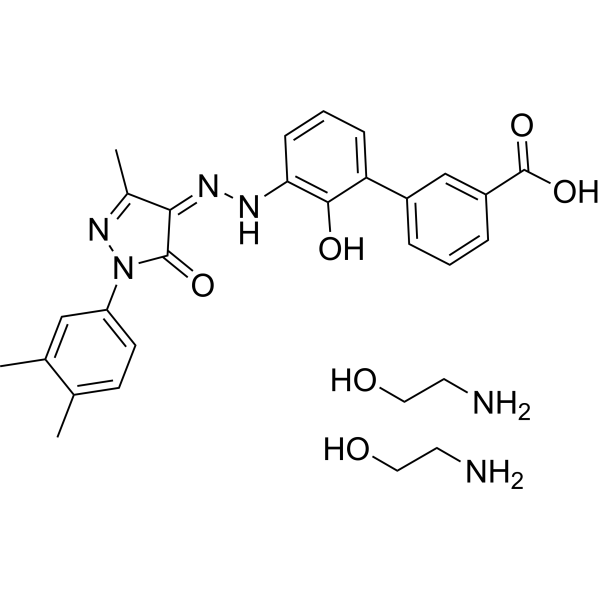
Eltrombopag Olamine (Eltrombopag diethanolamine salt) is an orally active thrombopoietin receptor nonpeptide agonist. Eltrombopag Olamine owns thrombopoietic activity, and has been used to research low blood platelet counts with chronic immune thrombocytopenia. Eltrombopag Olamine can be used for the research of cardiovascular. Eltrombopag Olamine also has highly inhibitory effects against multidrug resistant Staphylococcus aureus. Eltrombopag Olamine can induce apoptosis in hepatocellular carcinomab (HCC) as well .
Isatuximab is a monoclonal antibody targeting the transmembrane receptor and ectoenzyme CD38, a protein highly expressed on hematological malignant cells, including those in multiple myeloma (MM). Isatuximab has antitumor activity via multiple biological mechanisms, including antibody-dependent cellular-mediated cytotoxicity, complement-dependent cytotoxicity, antibody-dependent cellular phagocytosis, and direct induction of apoptosis without crosslinking. Isatuximab also directly inhibits CD38 ectoenzyme activity, which is implicated in many cellular functions .
Daratumumab (PBS) (Anti-Human CD38) is the first-in-class human-specific anti-CD38 monoclonal antibody (IgG1). Daratumumab (PBS) has anti-multiple myeloma (MM) effect. Daratumumab (PBS) impairs MM cell adhesion, which results in an increased sensitivity of MM to proteasome inhibition .
Sintilimab (IBI308) is a safe and effectivel humanized IgG4 monoclonal antibody that binds to PD-1 with a KD value of 74 pM. Sintilimab blocks the interaction of PD-1 with its ligands (PD-L1 and PL-L2), consequently helping to restore the endogenous antitumour T-cell response. Sintilimab combined with prebiotics inhibits tumor volume and regulates immune cell subpopulation balance in lung adenocarcinoma mice. Sintilimab can be used for the research of classical Hodgkin's lymphoma, non-small cell lung cancer and oesophageal cancer .
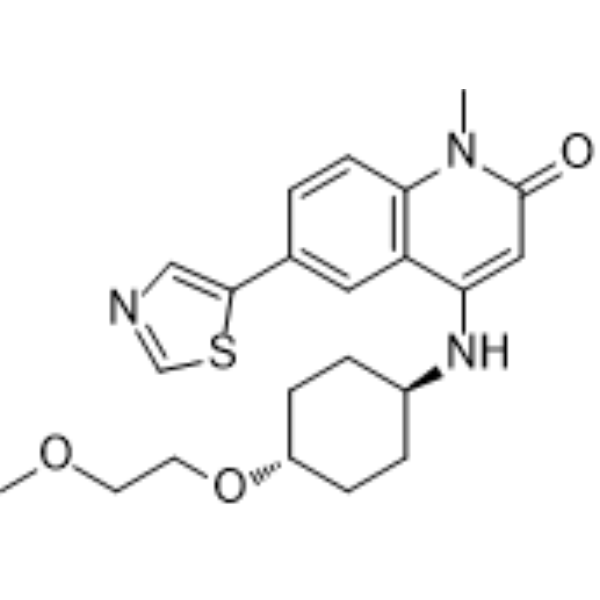
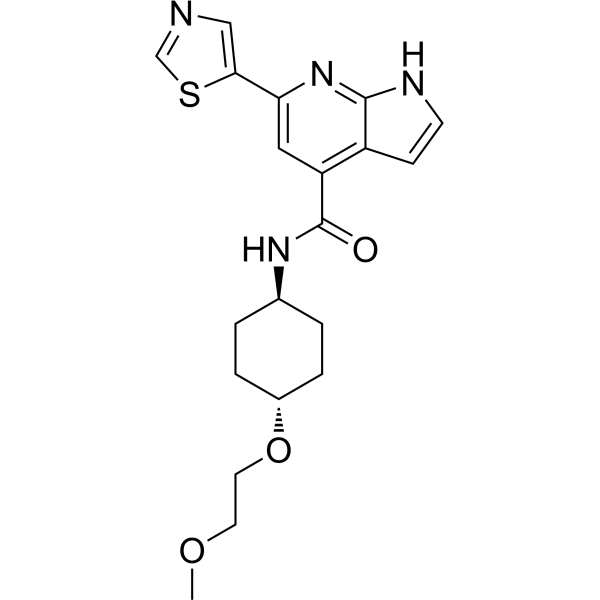
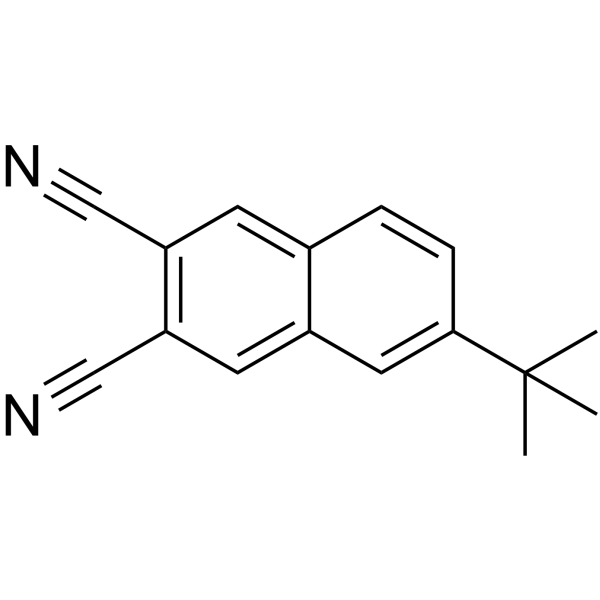
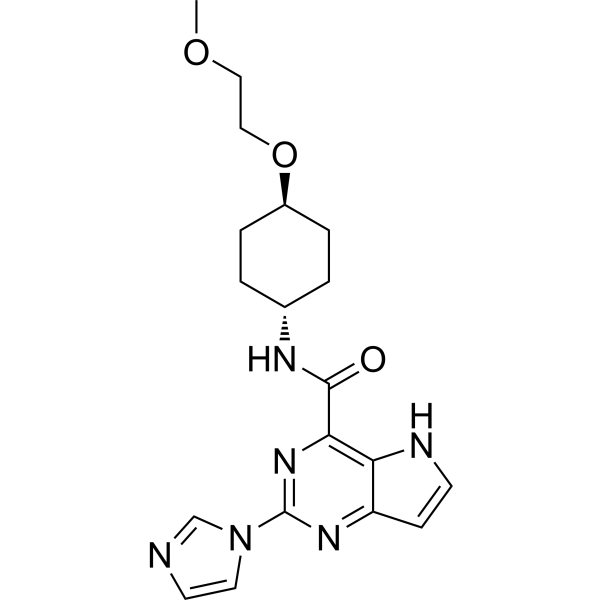
MK-0159 is an orally active, potent and selective CD38 inhibitor, with IC50 values of 22, 3, and 70 nM for human, mouse and rat CD38, respectively. MK-0159 also shows good microsomal stability for human and rodent liver microsomes. MK-0159 increases NAD + (nicotinamide adenine dinucleotide) and reduces ADPR (adenosine diphosphate ribose) in whole blood and heart .
Anti-Mouse CD38 Antibody (NIMR5) is an anti-mouse CD38 IgG2a monoclonal antibody. Anti-Mouse CD38 Antibody (NIMR5) can activate the ERK signaling pathway and promote cell apoptosis. Anti-Mouse CD38 Antibody (NIMR5) can restore T cell function. Anti-Mouse CD38 Antibody (NIMR5) upregulates the expression of CD1d protein and enhances spleen cell proliferation, dendritic cell (DC) and natural killer T cell (NKT) expansion. Anti-Mouse CD38 Antibody (NIMR5) can be used for researches on cancer and immunology such as melanoma and colon cancer .
Isatuximab (anti-CD38) is a monoclonal antibody that targets the transmembrane receptor and extracellular enzyme CD38, a protein highly expressed in hematological malignancies, including multiple myeloma. Isatuximab (anti-CD38) exhibits anti-tumor activity through multiple biological mechanisms, including antibody-dependent cell-mediated cytotoxicity, complement-dependent cytotoxicity, antibody-dependent cell phagocytosis, and non-crosslinking direct induction of apoptosis. Isatuximab (anti-CD38) also directly inhibits the extracellular enzyme activity of CD38, which is related to many cellular functions .
ISB2001 is a trispecific antibody targeting CD38, CD3 and BCMA. ISB2001 effectively counteracts tumor immune escape mechanisms caused by antigen downregulation, antigen loss, soluble factor competition and other factors. ISB2001 is applicable to relevant research on multiple myeloma and relapsed/refractory multiple myeloma .
BRD9876 is the “rigor” inhibitor that locks kinesin-5 (Eg5) in a state with enhanced microtubules (MTs) binding, leading to bundling and stabilization of MTs. BRD9876 interacts with the tyrosine 104 residue that is part of the α4-α6 allosteric binding pocket. BRD9876 specifically targets microtubule-bound Eg5 and selectively inhibits myeloma over CD34 cells. BRD9876 has the potential for multiple myeloma (MM) research .
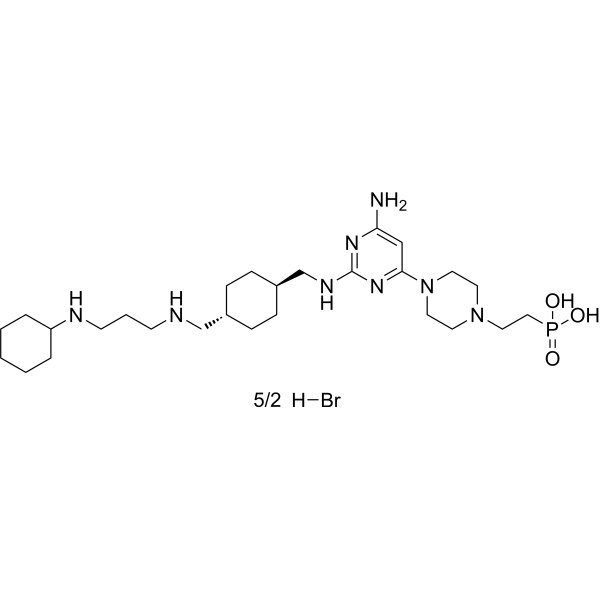
Burixafor (TG-0054) hydrobromide is a potent CXCR4 antagonist with a pIC50 of 7.4. Burixafor hydrobromide inhibits the binding of CXCL12 to CXCR4, antagonizes CXCL12-induced recruitment of Gαᵢ and β-arrestin2, and blocks the downstream Gαᵢ-mediated inhibitory effect on cAMP signal transduction. Burixafor hydrobromide mobilizes CD34+ hematopoietic stem/progenitor cells (HSPC) from the bone marrow to the peripheral blood. Burixafor hydrobromide can be used for research on autologous hematopoietic stem cell transplantation (ASCT) .
RBN013209 is an orally active small molecule inhibitor of CD38 with an IC50 of 0.01 to 0.1 μM for human CD38. RBN013209 prevents the conversion of extracellular NAD + to ADPR or cADPR in tumor cells and PBMCs. RBN013209 can be used in the study of tumor. In addition, RBN013209 enables CAR-T cells to maintain the naive state and central memory state, and decreases the expression of cell activation markers and exhaustion-related inhibitory receptors .
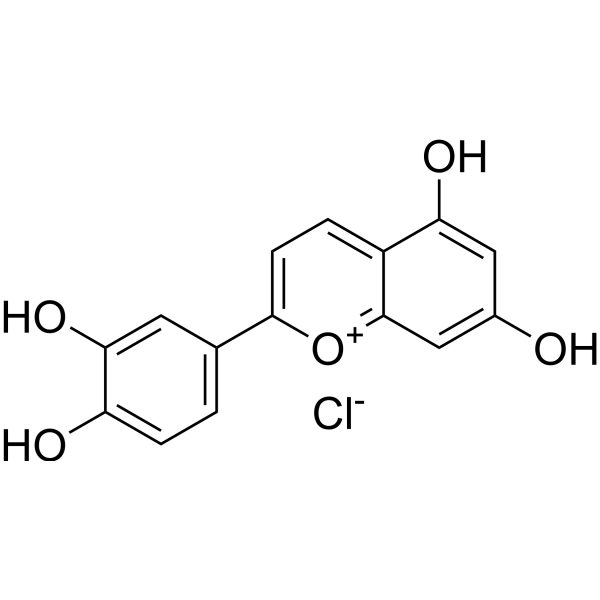
Luteolinidin chloride is a deoxyanthocyanidin isolated from the plant Sorghum bicolor with antioxidant activity. Luteolinidin chloride is a potent CD38 inhibitor (Ki=11.4 μM) and protects the heart from ischemia/reperfusion injury by preserving endothelial nitric oxide synthase (eNOS) function and preventing endothelial dysfunction. Luteolinidin chloride is also a competitive inhibitor of tyrosinase (IC50=3.7 μM) and blocks the production of melanin .
PRC1-IN-1 is a PRC1 complex inhibitor. PRC1-IN-1 binds to both RING1A and RING1B proteins, and inhibits the activities of RING1B-BMI1 and RING1B-PCGF1. PRC1-IN-1 effectively inhibits H2AK119 ubiquitination and induces cell differentiation in leukemia cells. PRC1-IN-1 can be used for the research of leukemia .
Mezagitamab (TAK-079) is a IgG1λ anti-CD38 monoclonal antibody. Mezagitamab depletes tumor cells expressing CD38 through antibody and complement dependent cytotoxicity. Mezagitamab has potential application in relapsed/refractory multiple myeloma (RRMM) and idiopathic thrombocytopenic purpura (ITP) .
Bovine pituitary extract is a bovine pituitary extract that can be used as a mitogenic supplement in serum-free growth media. Bovine pituitary extract is rich in growth factors. Bovine pituitary extract not only promotes the proliferation of corneal keratinocytes and maintains their phenotype, but also exerts significant antioxidant stress protective effects on human prostate epithelial cells .
Modakafusp alfa (TAK-573) is a humanized, anti-CD38IgG4 monoclonal antibody fused to 2 attenuated IFNα2b molecules, which delivers interferon-alpha to CD38-expressing cells. Modakafusp alfa has direct anti-proliferative activity on multiple myeloma (MM) cancer cells in vitro and induces robust and durable antitumor responses in MM xenograft tumor models. Modakafusp alfa in combination with anti-PD-1 antibodies induces immunomodulation and antitumor responses with good tolerance in mice .
The Anti-CD34 Antibody is a human-derived antibody expressed in CHO, targeting CD34. The Anti-CD34 Antibody contains huIgG1 heavy chain and huκ light chain, with a predicted molecular weight (MW) of 145 kDa. The isotype control for Anti-CD34 Antibody can be referenced from Human IgG1 kappa, Isotype Control (HY-P99001).
Ajoene, a garlic-derived compound, is an antithrombotic and antifungal agent. Ajoene inhibits proliferation and induces apoptosis of human leukaemia CD34-negative cells including HL-60, U937, HEL and OCIM-I. Anticancer activities .
Anti-Canine CD34 Antibody (1H6) is a mouse-derived IgG1 κ type antibody inhibitor, targeting to canine CD34. Anti-Canine CD34 Antibody (1H6) reacts with canine CD34. Anti-Canine CD34 Antibody (1H6) can be used for the separation and identification of CD34+ cells. Anti-Canine CD34 Antibody (1H6) can be used for detections of western blot, immunohistochemistry and flow cytometry .
SAR442257 is a humanized IgG4-S228P, kappa monoclonal antibody targeting CD38 and CD28 on multiple myeloma cells and co-stimulates CD3 and CD28 on T cells .
17-HDHA is a DHA-derived specialized proresolving mediator (SPM). 17-HDHA enhances the antibody-mediated immune response against influenza virus. 17-HDHA enhances the differentiation of B cells toward the CD27 +CD38+ antibody-secreting cell phenotype, thereby strongly increasing IgM and IgG production by activated B cells .
Cd38 Mouse Pre-designed siRNA Set A contains three designed siRNAs for Cd38 gene (Mouse), as well as a negative control, a positive control, and a FAM-labeled negative control.
Anti-CD36 Antibody is a humanized antibody expressed in CHO that targets CD36. The Anti-CD36 Antibody has a huIgG1 heavy chain and a huκ light chain, with a predicted molecular weight (MW) of 150 kDa. The isotype control for Anti-CD36 Antibody can refer to Human IgG1 kappa, Isotype Control (HY-P99001).
Purinostat is a selective inhibitor of HDAC I/IIb with anti-leukemic activity. Purinostat mesylate (HY-150109), the mesylate salt of Purinostat, inhibits the survival of Ph+ leukemic cells and CD34+ leukemic cells derived from CML patients. Purinostat mesylate targets HDAC I/IIb to inhibit several important factors for leukemic stem cell (LSC) survival, including c-Myc, β-Catenin, E2f, Ezh2, Alox5, and mTOR. Purinostat mesylate increases glutamate metabolism in LSC by increasing GLS1 .
CD34 Human Pre-designed siRNA Set A contains three designed siRNAs for CD34 gene (Human), as well as a negative control, a positive control, and a FAM-labeled negative control.
Cd34 Rat Pre-designed siRNA Set A contains three designed siRNAs for Cd34 gene (Rat), as well as a negative control, a positive control, and a FAM-labeled negative control.
Noraramtide (BHV-1100) is an antibody recruitment molecule. Noraramtide can specifically bind to CD38 molecules to recruit natural killer (NK) cells. Noraramtide enhances the ability of NK cells to kill tumor cells through antibody-dependent cellular cytotoxicity (ADCC). This mechanism allows NK cells to more effectively recognize and eliminate tumor cells while avoiding mutual killing between NK cells. Noraramtide can be used for the study of autologous cancer immunity .
BAY-364 (BAY-299N) is an inhibitor of the second bromine domain in TAF1. BAY-364 inhibits the TAF1 of Kasumi-1 cells, CD34+ cells and K562 cells with IC50 values of 1.0 µM, 10.4 µM and 10.0 µM respectively .
Cd34 Mouse Pre-designed siRNA Set A contains three designed siRNAs for Cd34 gene (Mouse), as well as a negative control, a positive control, and a FAM-labeled negative control.
17(R)-HDHA (17(R)-HDoHE) is a pro-resolving mediator (SPM). 17(R)-HDHA enhances the differentiation of B cells toward the CD27(+)CD38(+) antibody-secreting cell phenotype, thereby strongly increasing IgM and IgG production by activated B cells. 17(R)-HDHA does not affect cell proliferation and is non-toxic to cells .
Cd38 Rat Pre-designed siRNA Set A contains three designed siRNAs for Cd38 gene (Rat), as well as a negative control, a positive control, and a FAM-labeled negative control.
CD38 Human Pre-designed siRNA Set A contains three designed siRNAs for CD38 gene (Human), as well as a negative control, a positive control, and a FAM-labeled negative control.
PHA-680626 is an effective inhibitor of the interaction between Aurora-A and N-Myc. PHA-680626 inhibits kinase activity of AURKA and Bcr-Abl, and induces N-Myc degradation. PHA-680626 decreases phosphorylation of CrkL and histone H3. PHA-680626 shows anti-proliferative and pro-apoptotic activity on Imatinib (HY-15463)-resistant chronic myeloid leukemia cell lines and primary CD34+ cells .
(E/Z)-CCR-11 (Comp 12) is a selective CD38 inhibitor, with an IC50 of 20.8 μM against CD38 cyclase. (E/Z)-CCR-11 promotes increases in cellular NAD+ levels and interferon γ .
6-Alkyne-F-araNAD is an irreversible inhibitor of CD38. 6-Alkyne-F-araNAD helps other fluorescent probes (such as SR101−F-araNMN) to more clearly observe the localization of intracellular CD38 .
MSB-0254 is a human monoclonal antibody (mAb) targeting VEGFR2/KDR/CD309. MSB-0254 inhibits the invasion, migration, and vascular mimetic (VM) formation of U251 and primary glioma cells. MSB-0254 inhibits the growth of U251 and GL261 cell transplanted tumors. MSB-0254 reduces the expression of CD34, VEGFR2, Ki67, MMP2, MMP9, and CD34/PAS. MSB-0254 can be used in advanced solid tumors research .
AMG-424 (XmAb968) is a human bispecific antibody (bsAb) targeting CD38 & CD3E. AMG-424 kills CD38-expressing cancer cells, triggers T-cell proliferation and attenuates cytokine release. AMG 424 has antitumor activity in a bone marrow-invasive mouse cancer model and induces peripheral B-cell depletion in cynomolgus monkeys. AMG-424 can be used in multiple myeloma research. Recommended isotype control: half-IG G1-kappa/(scFv-heavy-lambda)-h-CH2-CH3 .
Kuromanin (chloride) (Standard) is the analytical standard of Kuromanin (chloride). This product is intended for research and analytical applications. Kuromanin chloride (Chrysontemin) is derived from mulberry leaves and has the effect of increasing blood sugar concentration and maintaining lipid metabolism balance to reduce obesity. Kuromanin chloride can inhibit CD38 enzymatic activities .
Stemregenin 1 hydrochloride is a purine derivative that antagonizes aryl hydrocarbon receptor signaling in CD34+ cells. IC50 The value is 127 nM. Stemregenin 1 hydrochloride can be used to expand the pluripotency of hematopoietic stem cells (HSC) in stem cell studies .
ASP-1948 is a human monoclonal antibody (mAb) targeting NRP1/VEGF165R/CD34. ASP-1948 reverses the suppressive effects of regulatory T cells. ASP-1948 can be used in solid tumors research .
MAb604.107 is a human monoclonal antibody (mAb) targeting NOTCH1. MAb604.107 inhibits the proliferation and CD34/CD44 expression of primary T-ALL cells. MAb604.107 has anti-tumor activity in four tumor xenograft mouse models: MDA-MB-231, HCC-1806, BT-474, and HCT-116. MAb604.107 can be used in T acute lymphoblastic leukemia research .
LF 1695 is an immunomodulator. LF 1695 enhances the proliferative response of T cells by increasing the production of IL2 (interleukin-2) or the expression of the IL2 receptor. LF 1695 also increases CONA-induced inhibitory activity in human lymphocytes. LF 1695 can be used to study the proliferative and inhibitory activity of T cell subpopulations, as well as their role in immune regulation .
Betavulgarin is an anticancer agent. Betavulgarin can be isolated from Sugar Beet (Beta vulgaris). Betavulgarin suppresses the proliferation, migration, colony formation, and mammosphere formation of breast cancer cells, and reduces the size of the CD44 +/CD24 −subpopulation and the expression of the self-renewal- related genes C-Myc, Nanog and Oct4. Betavulgarin promotes BCSCs death through the regulation of Stat3/Sox2 signaling .
Debio 0617B, a multi-kinase inhibitor, reduces maintenance and self-renewal of primary human AML CD34+ stem/progenitor cells. Debio 0617B has a unique profile targeting key kinases upstream of STAT3/STAT5 signaling such as JAK, SRC, ABL, and class III/V receptor tyrosine kinases (TKs). Debio 0617B has documented efficacy in STAT3-driven solid tumors .
LW106 is a selective IDO1 inhibitor with an IC50 of 1.57 μM. LW106 has no inhibitory effect on IDO2 and TDO. LW106 inhibits tumor outgrowth by limiting stroma-immune crosstalk and CSC enrichment in the tumor microenvironment. LW106 reduces subpopulation of cancer stem cells (CSCs) in xenografted tumors in which less proliferative/invasive tumor cells and more tumor cells apoptosis. LW106 can be used for the studies of lung cancer and melanoma .
Eltrombopag (Standard) is the analytical standard of Eltrombopag. This product is intended for research and analytical applications. Eltrombopag (SB-497115) is an orally active thrombopoietin receptor nonpeptide agonist. Eltrombopag owns thrombopoietic activity, and has been used to research low blood platelet counts with chronic immune thrombocytopenia. Eltrombopag can be used for the research of cardiovascular. Eltrombopag also has highly inhibitory effects against multidrug resistant Staphylococcus aureus. Eltrombopag can induce apoptosis in hepatocellular carcinomab (HCC) as well .
Eltrombopag (Olamine) (Standard) is the analytical standard of Eltrombopag (Olamine). This product is intended for research and analytical applications. Eltrombopag Olamine (Eltrombopag diethanolamine salt) is an orally active thrombopoietin receptor nonpeptide agonist. Eltrombopag Olamine owns thrombopoietic activity, and has been used to research low blood platelet counts with chronic immune thrombocytopenia. Eltrombopag Olamine can be used for the research of cardiovascular. Eltrombopag Olamine also has highly inhibitory effects against multidrug resistant Staphylococcus aureus. Eltrombopag Olamine can induce apoptosis in hepatocellular carcinomab (HCC) as well .
Sintilimab (Anti-PD-1) (IBI308 (Anti-PD-1)) is a safe and effectivel humanized IgG4 monoclonal antibody that binds to PD-1 with a KD value of 74 pM. Sintilimab (Anti-PD-1) blocks the interaction of PD-1 with its ligands (PD-L1 and PL-L2), consequently helping to restore the endogenous antitumour T-cell response. Sintilimab (Anti-PD-1) combined with prebiotics inhibits tumor volume and regulates immune cell subpopulation balance in lung adenocarcinoma mice. Sintilimab (Anti-PD-1) can be used for the research of classical Hodgkin's lymphoma, non-small cell lung cancer and oesophageal cancer .
CD38-IN-5 (compound 1) is a CD38 inhibitor that selectively inhibits CD38 hydrolase with an IC50 of 4.0 μM. CD38-IN-5 does not inhibits CD38 cyclase. CD38-IN-5 is highly effective at promoting NK cell-mediated tumor toxicity. CD38-IN-5 increases NADH+ and IFNγ levels in activated PBMCs. CD38-IN-5 can be used for the study of cancer .
CD38-IN-6 is an orally active CD38 inhibitor. CD38-IN-6 regulates NAD + metabolite levels in the liver of aged obese mice by increasing NAD + and NMN levels, and decreasing NAM and ADPR levels. CD38-IN-6 alleviates inflammatory responses in mice. CD38-IN-6 can be used for research related to obesity and inflammation .
Tinostamustine hydrochloride (EDO-S101 hydrochloride) is a compound with anti-multiple myeloma activity and the ability to promote CD38 expression. Tinostamustine hydrochloride enhances the sensitivity of tumor cells to the anti-CD38 monoclonal antibody daratumumab by increasing the acetylation level of histone H3. Tinostamustine hydrochloride can increase the expression of MICA and MICB, thereby activating NK cells. Tinostamustine hydrochloride can significantly delay tumor growth and improve the survival rate of mice .
GBR-1342 is a human bispecific antibody (bsAb) targeting CD38 & CD3. GBR-1342 inhibits the activity of Daudi, RAJI, RPMI8226, IM-9, and NCI-H929 cancer cell lines. GBR-1342 can be used in myeloma research .
CVN14 is a potent, selective and brain-penetrant CD38 inhibitor with human IC50 19 nM, mouse IC50 2.4 nM. CVN14 binds uncompetitively to form a complex with CD38 and ADPR, and inhibits CD38 enzymatic activity. CVN14 can be used for the research of neurodegenerative diseases .
SAR442085 is an Fc-engineered anti-CD38 monoclonal antibody with a Kd of 0.2 nM for human CD38. SAR442085 inhibits CD38, induces apoptosis, and triggers antibody-dependent cellular cytotoxicity and phagocytosis in CD38-expressing tumor cells. SAR442085 binds allelic variants of FcγRIIa and FcγRIIIa, enhances NK cell activation, degranulation and cytokine secretion, and exerts anti-tumor activity in human Fc receptor transgenic mice. SAR442085 can be used in the research of multiple myeloma .
DB1055 is a HOXA9 inhibitor that competes with HOXA9 binding to DNA (blocking its DNA interaction activity). DB1055 induces in vitro cell growth reduction, cell apoptosis, and differentiation in human acute myeloid leukemia (AML) cells. DB1055 leads to monocyte-to-macrophage differentiation and exhibits antileukemic activities in a human THP-1 AML in vivo model. DB1055 does not impact human CD34+ bone marrow cells. DB1055 can be used for the research of acute myeloid leukemia[1].
Burixafor (TG-0054) is a potent CXCR4 antagonist with a pIC50 of 7.4. Burixafor inhibits the binding of CXCL12 to CXCR4, antagonizes CXCL12-induced recruitment of Gαᵢ and β-arrestin2, and blocks the downstream Gαᵢ-mediated inhibitory effect on cAMP signal transduction. Burixafor mobilizes CD34+ hematopoietic stem/progenitor cells (HSPC) from the bone marrow to the peripheral blood. Burixafor can be used for research on autologous hematopoietic stem cell transplantation (ASCT) .
NOTA-MK0159 is a NOTA (HY-134418) and MK0159 (HY-150508) conjugate. NOTA-MK0159 inhibits human and mouse CD38 with IC50 values of 72.58 and 7.55 nM. NOTA-MK0159 coupled with radioactive elements acts as a imaging agent with specific uptake in CD38-positive multiple myeloma cells, enabling noninvasive whole-body assessment of CD38 expression in multiple myeloma xenografts. NOTA-MK0159 can be used for the research of multiple myeloma .
FTL004 is an anti-CD38 monoclonal antibody. FTL004 exhibits enhanced Proapoptotic activity and displays stronger ADCC against CD38+ malignant cells. FTL004 can be used for the research of multiple myeloma and non-Hodgkin lymphoma[1].
Anti-Mouse Dendritic Cells Antibody (33D1) reacts with the mouse dendritic cells. Dendritic cells (DC) are a small subpopulation of lymphoid cells with distinctive cytologic features, surface properties, and functions. Recommend Isotype Controls: Rat IgG2b kappa, Isotype Control (HY-P990682) .
PE-VF594 is a high-brightness fluorescent dye used in flow cytometry, primarily for labeling antibodies or streptavidin to help identify specific cell subpopulations. PE-VF594 is a tandem dye composed of two covalently linked fluorescent groups: one is phycoerythrin (PE), responsible for absorbing laser energy; the other is the receptor molecule VF594. Energy is transferred from PE to VF594 via fluorescence resonance energy transfer (FRET) mechanism (Ex/Em = 450-500 nm/614 nm) .
APL-4098 is an orally active, selective, ATP-competitive GCN2 inhibitor with a Ki of 4.39 nM and a Kd of 2.9 nM. APL-4098 reduces the phosphorylation level of eIF2α and the expression level of ATF4. APL-4098 impairs mitochondrial function and exerts cytotoxic effects on primary acute myeloid leukemia cells. APL-4098 is applicable to research related to acute myeloid leukemia .
Anti-Mouse CD20 Antibody (18B12) is a B cell depleting agent that targets mouse CD20. Anti-Mouse CD20 Antibody (18B12) not only inhibits the growth of mesothelioma, lung cancer and thymoma, but also significantly enhances the efficacy of adenoviral tumor antigen vaccines and induces tumor regression by increasing the number of tumor-specific CD8 + T cells. Anti-Mouse CD20 Antibody (18B12) reduces B cell infiltration into the central nervous system of mice with experimental autoimmune encephalomyelitis, and delays motor dysfunction and neuronal death after spinal cord injury by alleviating inflammatory responses and tissue damage. Anti-Mouse CD20 Antibody (18B12) is widely applicable to research in fields related to mesothelioma, lung cancer, thymoma, experimental autoimmune encephalomyelitis and spinal cord injury .
The developmental proteins Hedgehog, Notch and Wnt are key regulators of cell fate, proliferation, migration and differentiation in several tissues. Their related signaling pathways are frequently activated in tumors, and particularly in the rare subpopulation of cancer stem cells.
The Wnt signaling pathway is a conserved pathway in animals. Deregulated Wnt signaling has catastrophic consequences for the developing embryo and it is now well appreciated that defective Wnt signaling is a causative factor for a number of pleiotropic human pathologies, including cancer. Hedgehog signaling pathway is linked to tumorigenesis and is aberrantly activated in a variety of cancers. The Notch signaling pathway is a highly conserved cell signaling system present in most animals. It plays an important role in cell-cell communication, and further regulates embryonic development.
MCE designs a unique collection of 601 Wnt/Hedgehog/Notch signaling pathway-related small molecules. Wnt/Hedgehog/Notch Compound Library serves as a useful tool for stem cell research and anti-cancer drug screening.
PE-VF594 is a high-brightness fluorescent dye used in flow cytometry, primarily for labeling antibodies or streptavidin to help identify specific cell subpopulations. PE-VF594 is a tandem dye composed of two covalently linked fluorescent groups: one is phycoerythrin (PE), responsible for absorbing laser energy; the other is the receptor molecule VF594. Energy is transferred from PE to VF594 via fluorescence resonance energy transfer (FRET) mechanism (Ex/Em = 450-500 nm/614 nm) .
Bovine pituitary extract is a bovine pituitary extract that can be used as a mitogenic supplement in serum-free growth media. Bovine pituitary extract is rich in growth factors. Bovine pituitary extract not only promotes the proliferation of corneal keratinocytes and maintains their phenotype, but also exerts significant antioxidant stress protective effects on human prostate epithelial cells .
Noraramtide (BHV-1100) is an antibody recruitment molecule. Noraramtide can specifically bind to CD38 molecules to recruit natural killer (NK) cells. Noraramtide enhances the ability of NK cells to kill tumor cells through antibody-dependent cellular cytotoxicity (ADCC). This mechanism allows NK cells to more effectively recognize and eliminate tumor cells while avoiding mutual killing between NK cells. Noraramtide can be used for the study of autologous cancer immunity .
MCE Human CD34+ Cells Negative Selection Kit is designed for the isolation of CD34+ cells from human cord blood mononuclear cells (CBMC) or human peripheral blood mononuclear cells (PBMC).
Daratumumab (Anti-Human CD38) is the first-in-class human-specific anti-CD38 monoclonal antibody (IgG1). Daratumumab has anti-multiple myeloma (MM) effect. Daratumumab impairs MM cell adhesion, which results in an increased sensitivity of MM to proteasome inhibition .
Isatuximab is a monoclonal antibody targeting the transmembrane receptor and ectoenzyme CD38, a protein highly expressed on hematological malignant cells, including those in multiple myeloma (MM). Isatuximab has antitumor activity via multiple biological mechanisms, including antibody-dependent cellular-mediated cytotoxicity, complement-dependent cytotoxicity, antibody-dependent cellular phagocytosis, and direct induction of apoptosis without crosslinking. Isatuximab also directly inhibits CD38 ectoenzyme activity, which is implicated in many cellular functions .
Daratumumab (PBS) (Anti-Human CD38) is the first-in-class human-specific anti-CD38 monoclonal antibody (IgG1). Daratumumab (PBS) has anti-multiple myeloma (MM) effect. Daratumumab (PBS) impairs MM cell adhesion, which results in an increased sensitivity of MM to proteasome inhibition .
Sintilimab (IBI308) is a safe and effectivel humanized IgG4 monoclonal antibody that binds to PD-1 with a KD value of 74 pM. Sintilimab blocks the interaction of PD-1 with its ligands (PD-L1 and PL-L2), consequently helping to restore the endogenous antitumour T-cell response. Sintilimab combined with prebiotics inhibits tumor volume and regulates immune cell subpopulation balance in lung adenocarcinoma mice. Sintilimab can be used for the research of classical Hodgkin's lymphoma, non-small cell lung cancer and oesophageal cancer .
Anti-Mouse CD38 Antibody (NIMR5) is an anti-mouse CD38 IgG2a monoclonal antibody. Anti-Mouse CD38 Antibody (NIMR5) can activate the ERK signaling pathway and promote cell apoptosis. Anti-Mouse CD38 Antibody (NIMR5) can restore T cell function. Anti-Mouse CD38 Antibody (NIMR5) upregulates the expression of CD1d protein and enhances spleen cell proliferation, dendritic cell (DC) and natural killer T cell (NKT) expansion. Anti-Mouse CD38 Antibody (NIMR5) can be used for researches on cancer and immunology such as melanoma and colon cancer .
Isatuximab (anti-CD38) is a monoclonal antibody that targets the transmembrane receptor and extracellular enzyme CD38, a protein highly expressed in hematological malignancies, including multiple myeloma. Isatuximab (anti-CD38) exhibits anti-tumor activity through multiple biological mechanisms, including antibody-dependent cell-mediated cytotoxicity, complement-dependent cytotoxicity, antibody-dependent cell phagocytosis, and non-crosslinking direct induction of apoptosis. Isatuximab (anti-CD38) also directly inhibits the extracellular enzyme activity of CD38, which is related to many cellular functions .
ISB2001 is a trispecific antibody targeting CD38, CD3 and BCMA. ISB2001 effectively counteracts tumor immune escape mechanisms caused by antigen downregulation, antigen loss, soluble factor competition and other factors. ISB2001 is applicable to relevant research on multiple myeloma and relapsed/refractory multiple myeloma .
Mezagitamab (TAK-079) is a IgG1λ anti-CD38 monoclonal antibody. Mezagitamab depletes tumor cells expressing CD38 through antibody and complement dependent cytotoxicity. Mezagitamab has potential application in relapsed/refractory multiple myeloma (RRMM) and idiopathic thrombocytopenic purpura (ITP) .
Modakafusp alfa (TAK-573) is a humanized, anti-CD38IgG4 monoclonal antibody fused to 2 attenuated IFNα2b molecules, which delivers interferon-alpha to CD38-expressing cells. Modakafusp alfa has direct anti-proliferative activity on multiple myeloma (MM) cancer cells in vitro and induces robust and durable antitumor responses in MM xenograft tumor models. Modakafusp alfa in combination with anti-PD-1 antibodies induces immunomodulation and antitumor responses with good tolerance in mice .
The Anti-CD34 Antibody is a human-derived antibody expressed in CHO, targeting CD34. The Anti-CD34 Antibody contains huIgG1 heavy chain and huκ light chain, with a predicted molecular weight (MW) of 145 kDa. The isotype control for Anti-CD34 Antibody can be referenced from Human IgG1 kappa, Isotype Control (HY-P99001).
Anti-Canine CD34 Antibody (1H6) is a mouse-derived IgG1 κ type antibody inhibitor, targeting to canine CD34. Anti-Canine CD34 Antibody (1H6) reacts with canine CD34. Anti-Canine CD34 Antibody (1H6) can be used for the separation and identification of CD34+ cells. Anti-Canine CD34 Antibody (1H6) can be used for detections of western blot, immunohistochemistry and flow cytometry .
SAR442257 is a humanized IgG4-S228P, kappa monoclonal antibody targeting CD38 and CD28 on multiple myeloma cells and co-stimulates CD3 and CD28 on T cells .
Anti-CD36 Antibody is a humanized antibody expressed in CHO that targets CD36. The Anti-CD36 Antibody has a huIgG1 heavy chain and a huκ light chain, with a predicted molecular weight (MW) of 150 kDa. The isotype control for Anti-CD36 Antibody can refer to Human IgG1 kappa, Isotype Control (HY-P99001).
MSB-0254 is a human monoclonal antibody (mAb) targeting VEGFR2/KDR/CD309. MSB-0254 inhibits the invasion, migration, and vascular mimetic (VM) formation of U251 and primary glioma cells. MSB-0254 inhibits the growth of U251 and GL261 cell transplanted tumors. MSB-0254 reduces the expression of CD34, VEGFR2, Ki67, MMP2, MMP9, and CD34/PAS. MSB-0254 can be used in advanced solid tumors research .
AMG-424 (XmAb968) is a human bispecific antibody (bsAb) targeting CD38 & CD3E. AMG-424 kills CD38-expressing cancer cells, triggers T-cell proliferation and attenuates cytokine release. AMG 424 has antitumor activity in a bone marrow-invasive mouse cancer model and induces peripheral B-cell depletion in cynomolgus monkeys. AMG-424 can be used in multiple myeloma research. Recommended isotype control: half-IG G1-kappa/(scFv-heavy-lambda)-h-CH2-CH3 .
ASP-1948 is a human monoclonal antibody (mAb) targeting NRP1/VEGF165R/CD34. ASP-1948 reverses the suppressive effects of regulatory T cells. ASP-1948 can be used in solid tumors research .
MAb604.107 is a human monoclonal antibody (mAb) targeting NOTCH1. MAb604.107 inhibits the proliferation and CD34/CD44 expression of primary T-ALL cells. MAb604.107 has anti-tumor activity in four tumor xenograft mouse models: MDA-MB-231, HCC-1806, BT-474, and HCT-116. MAb604.107 can be used in T acute lymphoblastic leukemia research .
Sintilimab (Anti-PD-1) (IBI308 (Anti-PD-1)) is a safe and effectivel humanized IgG4 monoclonal antibody that binds to PD-1 with a KD value of 74 pM. Sintilimab (Anti-PD-1) blocks the interaction of PD-1 with its ligands (PD-L1 and PL-L2), consequently helping to restore the endogenous antitumour T-cell response. Sintilimab (Anti-PD-1) combined with prebiotics inhibits tumor volume and regulates immune cell subpopulation balance in lung adenocarcinoma mice. Sintilimab (Anti-PD-1) can be used for the research of classical Hodgkin's lymphoma, non-small cell lung cancer and oesophageal cancer .
GBR-1342 is a human bispecific antibody (bsAb) targeting CD38 & CD3. GBR-1342 inhibits the activity of Daudi, RAJI, RPMI8226, IM-9, and NCI-H929 cancer cell lines. GBR-1342 can be used in myeloma research .
SAR442085 is an Fc-engineered anti-CD38 monoclonal antibody with a Kd of 0.2 nM for human CD38. SAR442085 inhibits CD38, induces apoptosis, and triggers antibody-dependent cellular cytotoxicity and phagocytosis in CD38-expressing tumor cells. SAR442085 binds allelic variants of FcγRIIa and FcγRIIIa, enhances NK cell activation, degranulation and cytokine secretion, and exerts anti-tumor activity in human Fc receptor transgenic mice. SAR442085 can be used in the research of multiple myeloma .
FTL004 is an anti-CD38 monoclonal antibody. FTL004 exhibits enhanced Proapoptotic activity and displays stronger ADCC against CD38+ malignant cells. FTL004 can be used for the research of multiple myeloma and non-Hodgkin lymphoma[1].
Anti-Mouse Dendritic Cells Antibody (33D1) reacts with the mouse dendritic cells. Dendritic cells (DC) are a small subpopulation of lymphoid cells with distinctive cytologic features, surface properties, and functions. Recommend Isotype Controls: Rat IgG2b kappa, Isotype Control (HY-P990682) .
Anti-Mouse CD20 Antibody (18B12) is a B cell depleting agent that targets mouse CD20. Anti-Mouse CD20 Antibody (18B12) not only inhibits the growth of mesothelioma, lung cancer and thymoma, but also significantly enhances the efficacy of adenoviral tumor antigen vaccines and induces tumor regression by increasing the number of tumor-specific CD8 + T cells. Anti-Mouse CD20 Antibody (18B12) reduces B cell infiltration into the central nervous system of mice with experimental autoimmune encephalomyelitis, and delays motor dysfunction and neuronal death after spinal cord injury by alleviating inflammatory responses and tissue damage. Anti-Mouse CD20 Antibody (18B12) is widely applicable to research in fields related to mesothelioma, lung cancer, thymoma, experimental autoimmune encephalomyelitis and spinal cord injury .
Kuromanin chloride (Chrysontemin) is derived from mulberry leaves and has the effect of increasing blood sugar concentration and maintaining lipid metabolism balance to reduce obesity. Kuromanin chloride can inhibit CD38 enzymatic activities .
Luteolinidin chloride is a deoxyanthocyanidin isolated from the plant Sorghum bicolor with antioxidant activity. Luteolinidin chloride is a potent CD38 inhibitor (Ki=11.4 μM) and protects the heart from ischemia/reperfusion injury by preserving endothelial nitric oxide synthase (eNOS) function and preventing endothelial dysfunction. Luteolinidin chloride is also a competitive inhibitor of tyrosinase (IC50=3.7 μM) and blocks the production of melanin .
Ajoene, a garlic-derived compound, is an antithrombotic and antifungal agent. Ajoene inhibits proliferation and induces apoptosis of human leukaemia CD34-negative cells including HL-60, U937, HEL and OCIM-I. Anticancer activities .
Kuromanin (chloride) (Standard) is the analytical standard of Kuromanin (chloride). This product is intended for research and analytical applications. Kuromanin chloride (Chrysontemin) is derived from mulberry leaves and has the effect of increasing blood sugar concentration and maintaining lipid metabolism balance to reduce obesity. Kuromanin chloride can inhibit CD38 enzymatic activities .
Betavulgarin is an anticancer agent. Betavulgarin can be isolated from Sugar Beet (Beta vulgaris). Betavulgarin suppresses the proliferation, migration, colony formation, and mammosphere formation of breast cancer cells, and reduces the size of the CD44 +/CD24 −subpopulation and the expression of the self-renewal- related genes C-Myc, Nanog and Oct4. Betavulgarin promotes BCSCs death through the regulation of Stat3/Sox2 signaling .
CD34 protein, a potential adhesion molecule, is vital in early hematopoiesis, aiding stem cell attachment to the bone marrow's extracellular matrix or stromal cells. It potentially serves as a scaffold for lineage-specific glycans, facilitating interaction with lectins on stromal cells. CD34 also presents carbohydrate ligands to selectins, enhancing its role in cell adhesion processes. CD34 Protein, Human (HEK293, His) is the recombinant human-derived CD34 protein, expressed by HEK293 , with C-6*His labeled tag.
CD34 protein, a potential adhesion molecule, is vital in early hematopoiesis, aiding stem cell attachment to the bone marrow's extracellular matrix or stromal cells. It potentially serves as a scaffold for lineage-specific glycans, facilitating interaction with lectins on stromal cells. CD34 also presents carbohydrate ligands to selectins, enhancing its role in cell adhesion processes. CD34 Protein, Human (Biotinylated, HEK293, His) is the recombinant human-derived CD34 protein, expressed by HEK293 , with C-His labeled tag.
CD34 protein, a potential adhesion molecule, is vital in early hematopoiesis, aiding stem cell attachment to the bone marrow's extracellular matrix or stromal cells. It potentially serves as a scaffold for lineage-specific glycans, facilitating interaction with lectins on stromal cells. CD34 also presents carbohydrate ligands to selectins, enhancing its role in cell adhesion processes. CD34 Protein, Human (Biotinylated, HEK293, Fc) is the recombinant human-derived CD34 protein, expressed by HEK293 , with C-hFc labeled tag.
CD34 Protein is a transmembrane phosphoglycoprotein that exists on the surface of human and various animal cells. CD34 Protein is used as a cellular marker for hematopoietic stem cell sorting and as an islet endocrine cell marker. CD34 Protein plays an important role in cell adhesion, inflammatory cell chemotaxis, cell proliferation and differentiation, and enhancement of inflammatory response. CD34 Protein, Rat (HEK293, Fc) is the recombinant rat-derived CD34 protein, expressed by HEK293 , with C-hFc labeled tag.
CD34 protein functions as a potential adhesion molecule, aiding early hematopoiesis by facilitating stem cell attachment to the bone marrow extracellular matrix or stromal cells. It acts as a scaffold for lineage-specific glycans, enabling stem cells to bind to lectins on stromal cells or other marrow components. Moreover, CD34 may present carbohydrate ligands to selectins, contributing to cell adhesion processes. CD34 Protein, Mouse (HEK293, His) is the recombinant mouse-derived CD34 protein, expressed by HEK293 , with C-His labeled tag.
CD34 protein, a potential adhesion molecule, is vital in early hematopoiesis, aiding stem cell attachment to the bone marrow's extracellular matrix or stromal cells. It potentially serves as a scaffold for lineage-specific glycans, facilitating interaction with lectins on stromal cells. CD34 also presents carbohydrate ligands to selectins, enhancing its role in cell adhesion processes. CD34 Protein, Human (HEK293, Fc) is the recombinant human-derived CD34 protein, expressed by HEK293 , with C-hFc labeled tag.
The CD38 protein plays a key role in cell signaling, proficiently synthesizing cyclic ADP-ribose (cADPR) as a critical second messenger for glucose-induced insulin secretion. It also promotes the synthesis of the calcium mobilizer niacin-adenine dinucleotide phosphate (NAADP+). CD38 Protein, Human (HEK293, His) is the recombinant human-derived CD38 protein, expressed by HEK293 , with C-6*His labeled tag.
The CD38 protein plays a key role in cell signaling, proficiently synthesizing cyclic ADP-ribose (cADPR) as a critical second messenger for glucose-induced insulin secretion. It also promotes the synthesis of the calcium mobilizer niacin-adenine dinucleotide phosphate (NAADP+). CD38 Protein, Human (HEK293, His, solution) is the recombinant human-derived CD38 protein, expressed by HEK293 , with C-6*His labeled tag.
The CD38 protein plays a key role in cell signaling, proficiently synthesizing cyclic ADP-ribose (cADPR) as a critical second messenger for glucose-induced insulin secretion. It also promotes the synthesis of the calcium mobilizer niacin-adenine dinucleotide phosphate (NAADP+). FITC-Labeled CD38 Protein, Human (HEK293, His) is the recombinant human-derived FITC-Labeled CD38 protein, expressed by HEK293 , with C-His labeled tag.
The CD38 protein plays a key role in cell signaling, proficiently synthesizing cyclic ADP-ribose (cADPR) as a critical second messenger for glucose-induced insulin secretion. It also promotes the synthesis of the calcium mobilizer niacin-adenine dinucleotide phosphate (NAADP+). FITC-Labeled CD38 Protein, Human (HEK293, Fc) is the recombinant human-derived FITC-Labeled CD38 protein, expressed by HEK293 , with Fc labeled tag.
CD38 protein is pivotal in synthesizing crucial second messengers, cyclic ADP-ribose (cADPR) and nicotinate-adenine dinucleotide phosphate (NAADP). cADPR participates in glucose-induced insulin secretion, and NAADP functions as a calcium mobilizer. CD38 also displays cADPR hydrolase activity, showcasing its multifunctionality. CD38 Protein, Mouse (HEK293, His) is the recombinant mouse-derived CD38 protein, expressed by HEK293 , with C-6*His labeled tag.
CD38 protein performs diverse functions, synthesizing cyclic ADP-ribose (cADPR) for glucose-induced insulin secretion. It produces nicotinate-adenine dinucleotide phosphate (NAADP+), mobilizing calcium ions through 2'-phospho-cADPR and nicotinic acid, along with NADP+ and nicotinic acid. Additionally, CD38 acts as a cADPR hydrolase. CD38 Protein, Rabbit (HEK293, His) is the recombinant Rabbit-derived CD38 protein, expressed by HEK293 , with C-His labeled tag.
CD38 protein plays diverse roles, synthesizing key second messengers: cyclic ADP-ribose (cADPR) for glucose-induced insulin secretion and nicotinate-adenine dinucleotide phosphate (NAADP) as a calcium mobilizer.Its cADPR hydrolase activity adds to its versatility.Notably, CD38 also regulates osteoclastic bone resorption, likely by producing cADPR and initiating a calcium ion signal through ryanodine receptor activation.CD38 Protein, Rat (HEK293, Fc) is the recombinant rat-derived CD38 protein, expressed by HEK293 , with C-hFc labeled tag.
The CD38 protein plays a key role in cell signaling, proficiently synthesizing cyclic ADP-ribose (cADPR) as a critical second messenger for glucose-induced insulin secretion. It also promotes the synthesis of the calcium mobilizer niacin-adenine dinucleotide phosphate (NAADP+). CD38 Protein, Human (HEK293, Fc) is the recombinant human-derived CD38 protein, expressed by HEK293 , with C-hFc labeled tag.
CD38 protein is pivotal in synthesizing crucial second messengers, cyclic ADP-ribose (cADPR) and nicotinate-adenine dinucleotide phosphate (NAADP). cADPR participates in glucose-induced insulin secretion, and NAADP functions as a calcium mobilizer. CD38 also displays cADPR hydrolase activity, showcasing its multifunctionality. CD38 Protein, Mouse (HEK293, Fc) is the recombinant mouse-derived CD38 protein, expressed by HEK293 , with C-hFc labeled tag.
The CD38 protein plays multifaceted roles in cell signaling and is critical for the synthesis of cyclic ADP-ribose (cADPR) as a possible second messenger in glucose-induced insulin secretion. CD38 also promotes calcium mobilization through the synthesis of niacin adenine dinucleotide phosphate (NAADP+) and exhibits cADPR hydrolase activity. CD38 Protein, Cynomolgus (HEK293, His) is the recombinant cynomolgus-derived CD38 protein, expressed by HEK293 , with C-6*His labeled tag.
IL-17RA (Interleukin 17 receptor A), a receptor for IL-17A and IL-17F, is a type I membrane glycoprotein. It is expressed ubiquitously and exhibits a broad tissue distribution, and plays a role in many inflammatory and autoimmune diseases. IL-17RA is a common co-receptor subunit for other members of the IL-17 family. IL-17RA associates with IL-17RC to form a signaling receptor complex for IL-17A and IL-17F. IL-17RA Protein, Human (HEK293, His) is produced in HEK293 cells with six C-Terminal His-tags.
The CD38 protein plays a key role in cell signaling, proficiently synthesizing cyclic ADP-ribose (cADPR) as a critical second messenger for glucose-induced insulin secretion. It also promotes the synthesis of the calcium mobilizer niacin-adenine dinucleotide phosphate (NAADP+). CD38 Protein, Human (HEK293, mFc) is the recombinant human-derived CD38 protein, expressed by HEK293, with C-mFc labeled tag.
The CD38 protein plays a key role in cell signaling, proficiently synthesizing cyclic ADP-ribose (cADPR) as a critical second messenger for glucose-induced insulin secretion. It also promotes the synthesis of the calcium mobilizer niacin-adenine dinucleotide phosphate (NAADP+). CD38 Protein, Human (Biotinylated, HEK293, His-Avi) is the recombinant human-derived CD38 protein, expressed by HEK293 , with N-Avi, N-6*His labeled tag.
CD38 protein plays diverse roles, synthesizing key second messengers: cyclic ADP-ribose (cADPR) for glucose-induced insulin secretion and nicotinate-adenine dinucleotide phosphate (NAADP) as a calcium mobilizer.Its cADPR hydrolase activity adds to its versatility.Notably, CD38 also regulates osteoclastic bone resorption, likely by producing cADPR and initiating a calcium ion signal through ryanodine receptor activation.CD38 Protein, Rat (HEK293, His) is the recombinant rat-derived CD38 protein, expressed by HEK293 , with C-6*His labeled tag.
Cd38 Mouse Pre-designed siRNA Set A contains three designed siRNAs for Cd38 gene (Mouse), as well as a negative control, a positive control, and a FAM-labeled negative control.
CD34 Human Pre-designed siRNA Set A contains three designed siRNAs for CD34 gene (Human), as well as a negative control, a positive control, and a FAM-labeled negative control.
Cd34 Rat Pre-designed siRNA Set A contains three designed siRNAs for Cd34 gene (Rat), as well as a negative control, a positive control, and a FAM-labeled negative control.
Cd34 Mouse Pre-designed siRNA Set A contains three designed siRNAs for Cd34 gene (Mouse), as well as a negative control, a positive control, and a FAM-labeled negative control.
Cd38 Rat Pre-designed siRNA Set A contains three designed siRNAs for Cd38 gene (Rat), as well as a negative control, a positive control, and a FAM-labeled negative control.
CD38 Human Pre-designed siRNA Set A contains three designed siRNAs for CD38 gene (Human), as well as a negative control, a positive control, and a FAM-labeled negative control.
Inquiry Online
Your information is safe with us. * Required Fields.
Western blot analysis of extracts from THP-1(lane 2(20μg), Jurkat (lane 3(20μg) and NIH3T3(lane 4(20μg) using FOXO1A (HY-P80132) Rabbit mAb. Proteins were transferred
to a PVDF membrane and blocked with 5% non-fat milk in TBST for 2 hour at room temperature. The primary antibody (1/1000) and Loading control antibody (Beta Actin, HY-P80438, 1/10000) was
used in 5% non-fat milk in TBST at 4°C overnight. Goat Anti-Mouse/Rabbit IgG-HRP Secondary Antibody (1/10000) was used for 1 hour at room temperature.
Western blot analysis of extracts from THP-1(lane 2(20μg), Jurkat (lane 3(20μg) and NIH3T3(lane 4(20μg) using FOXO1A (HY-P80132) Rabbit mAb. Proteins were transferred
to a PVDF membrane and blocked with 5% non-fat milk in TBST for 2 hour at room temperature. The primary antibody (1/1000) and Loading control antibody (Beta Actin, HY-P80438, 1/10000) was
used in 5% non-fat milk in TBST at 4°C overnight. Goat Anti-Mouse/Rabbit IgG-HRP Secondary Antibody (1/10000) was used for 1 hour at room temperature.
Western blot analysis of extracts from THP-1(lane 2(20μg), Jurkat (lane 3(20μg) and NIH3T3(lane 4(20μg) using FOXO1A (HY-P80132) Rabbit mAb. Proteins were transferred
to a PVDF membrane and blocked with 5% non-fat milk in TBST for 2 hour at room temperature. The primary antibody (1/1000) and Loading control antibody (Beta Actin, HY-P80438, 1/10000) was
used in 5% non-fat milk in TBST at 4°C overnight. Goat Anti-Mouse/Rabbit IgG-HRP Secondary Antibody (1/10000) was used for 1 hour at room temperature.
Western blot analysis of extracts from THP-1(lane 2(20μg), Jurkat (lane 3(20μg) and NIH3T3(lane 4(20μg) using FOXO1A (HY-P80132) Rabbit mAb. Proteins were transferred
to a PVDF membrane and blocked with 5% non-fat milk in TBST for 2 hour at room temperature. The primary antibody (1/1000) and Loading control antibody (Beta Actin, HY-P80438, 1/10000) was
MedchemExpress Validation 03
Western blot analysis of extracts from THP-1(lane 2(20μg), Jurkat (lane 3(20μg) and NIH3T3(lane 4(20μg) using FOXO1A (HY-P80132) Rabbit mAb. Proteins were transferred
MedchemExpress Validation 04
Western blot analysis of extracts from THP-1(lane 2(20μg), Jurkat (lane 3(20μg) and NIH3T3(lane 4(20μg) using FOXO1A (HY-P80132) Rabbit mAb. Proteins were transferred
to a PVDF membrane and blocked with 5% non-fat milk in TBST for 2 hour at room temperature. The primary antibody (1/1000) and Loading control antibody (Beta Actin, HY-P80438, 1/10000) was
used in 5% non-fat milk in TBST at 4°C overnight. Goat Anti-Mouse/Rabbit IgG-HRP Secondary Antibody (1/10000) was used for 1 hour at room temperature.
MedchemExpress Validation
Western blot analysis of extracts from THP-1(lane 2(20μg), Jurkat (lane 3(20μg) and NIH3T3(lane 4(20μg) using FOXO1A (HY-P80132) Rabbit mAb. Proteins were transferred
to a PVDF membrane and blocked with 5% non-fat milk in TBST for 2 hour at room temperature. The primary antibody (1/1000) and Loading control antibody (Beta Actin, HY-P80438, 1/10000) was
used in 5% non-fat milk in TBST at 4°C overnight. Goat Anti-Mouse/Rabbit IgG-HRP Secondary Antibody (1/10000) was used for 1 hour at room temperature.
Western blot analysis of extracts from THP-1(lane 2(20μg), Jurkat (lane 3(20μg) and NIH3T3(lane 4(20μg) using FOXO1A (HY-P80132) Rabbit mAb. Proteins were transferred
to a PVDF membrane and blocked with 5% non-fat milk in TBST for 2 hour at room temperature. The primary antibody (1/1000) and Loading control antibody (Beta Actin, HY-P80438, 1/10000) was
used in 5% non-fat milk in TBST at 4°C overnight. Goat Anti-Mouse/Rabbit IgG-HRP Secondary Antibody (1/10000) was used for 1 hour at room temperature.
MedchemExpress Validation
Western blot analysis of extracts from THP-1(lane 2(20μg), Jurkat (lane 3(20μg) and NIH3T3(lane 4(20μg) using FOXO1A (HY-P80132) Rabbit mAb. Proteins were transferred
to a PVDF membrane and blocked with 5% non-fat milk in TBST for 2 hour at room temperature. The primary antibody (1/1000) and Loading control antibody (Beta Actin, HY-P80438, 1/10000) was
used in 5% non-fat milk in TBST at 4°C overnight. Goat Anti-Mouse/Rabbit IgG-HRP Secondary Antibody (1/10000) was used for 1 hour at room temperature.
MedchemExpress Validation
Western blot analysis of extracts from THP-1(lane 2(20μg), Jurkat (lane 3(20μg) and NIH3T3(lane 4(20μg) using FOXO1A (HY-P80132) Rabbit mAb. Proteins were transferred
to a PVDF membrane and blocked with 5% non-fat milk in TBST for 2 hour at room temperature. The primary antibody (1/1000) and Loading control antibody (Beta Actin, HY-P80438, 1/10000) was
used in 5% non-fat milk in TBST at 4°C overnight. Goat Anti-Mouse/Rabbit IgG-HRP Secondary Antibody (1/10000) was used for 1 hour at room temperature.
MedchemExpress Validation
Western blot analysis of extracts from THP-1(lane 2(20μg), Jurkat (lane 3(20μg) and NIH3T3(lane 4(20μg) using FOXO1A (HY-P80132) Rabbit mAb. Proteins were transferred
to a PVDF membrane and blocked with 5% non-fat milk in TBST for 2 hour at room temperature. The primary antibody (1/1000) and Loading control antibody (Beta Actin, HY-P80438, 1/10000) was
used in 5% non-fat milk in TBST at 4°C overnight. Goat Anti-Mouse/Rabbit IgG-HRP Secondary Antibody (1/10000) was used for 1 hour at room temperature.
MedchemExpress Validation
Western blot analysis of extracts from THP-1(lane 2(20μg), Jurkat (lane 3(20μg) and NIH3T3(lane 4(20μg) using FOXO1A (HY-P80132) Rabbit mAb. Proteins were transferred
to a PVDF membrane and blocked with 5% non-fat milk in TBST for 2 hour at room temperature. The primary antibody (1/1000) and Loading control antibody (Beta Actin, HY-P80438, 1/10000) was
used in 5% non-fat milk in TBST at 4°C overnight. Goat Anti-Mouse/Rabbit IgG-HRP Secondary Antibody (1/10000) was used for 1 hour at room temperature.
MedchemExpress Validation
Western blot analysis of extracts from THP-1(lane 2(20μg), Jurkat (lane 3(20μg) and NIH3T3(lane 4(20μg) using FOXO1A (HY-P80132) Rabbit mAb. Proteins were transferred
to a PVDF membrane and blocked with 5% non-fat milk in TBST for 2 hour at room temperature. The primary antibody (1/1000) and Loading control antibody (Beta Actin, HY-P80438, 1/10000) was
used in 5% non-fat milk in TBST at 4°C overnight. Goat Anti-Mouse/Rabbit IgG-HRP Secondary Antibody (1/10000) was used for 1 hour at room temperature.
MedchemExpress Validation
Western blot analysis of extracts from THP-1(lane 2(20μg), Jurkat (lane 3(20μg) and NIH3T3(lane 4(20μg) using FOXO1A (HY-P80132) Rabbit mAb. Proteins were transferred
to a PVDF membrane and blocked with 5% non-fat milk in TBST for 2 hour at room temperature. The primary antibody (1/1000) and Loading control antibody (Beta Actin, HY-P80438, 1/10000) was
used in 5% non-fat milk in TBST at 4°C overnight. Goat Anti-Mouse/Rabbit IgG-HRP Secondary Antibody (1/10000) was used for 1 hour at room temperature.
MedChemExpress values your privacy and your trust is important to us. We use cookies to enhance your website experience. Some cookies are necessary to run the website.
Privacy and Cookie Policy

