1. Search Result
Search Result
Results for "

CDK9 degrader

" in MedChemExpress (MCE) Product Catalog:
Targets Recommended:
Cat. No. Product Name Target Research Areas Chemical Structure
  • HY-123937
    THAL-SNS-032
    Maximum Cited Publications
    10 Publications Verification

    PROTACs CDK Cancer
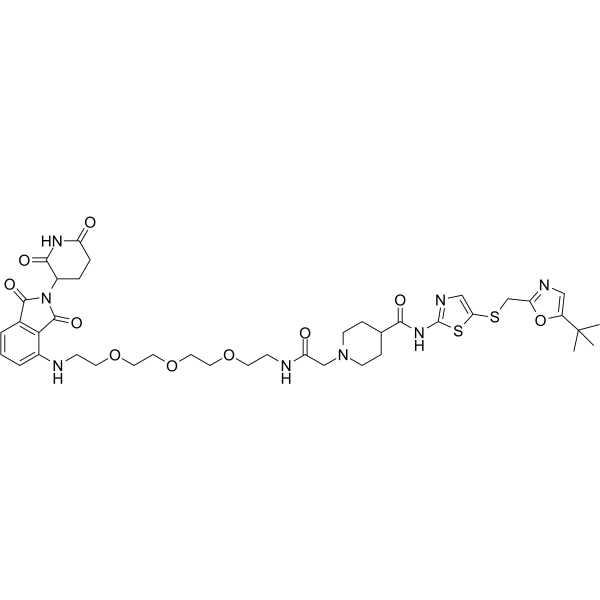
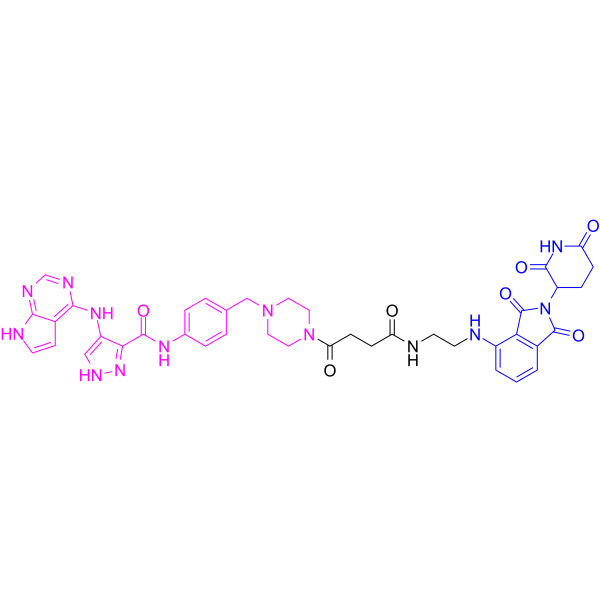
    THAL-SNS-032 is a selective CDK9 degrader PROTAC consisting of a CDK-binding SNS-032 ligand linked to a thalidomide derivative that binds the E3 ubiquitin ligase Cereblon (CRBN) .
    THAL-SNS-032
  • HY-18340
    (R)​-​CR8
    1 Publications Verification

    CR8, (R)-Isomer

    Molecular Glues CDK Apoptosis Neurological Disease Cancer
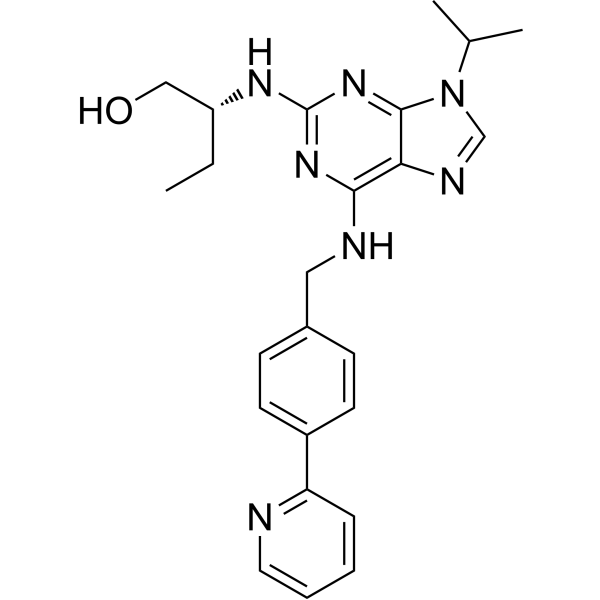
    (R)-CR8, a second-generation analog of Roscovitine, is a potent CDK1/2/5/7/9 inhibitor. (R)-CR8 inhibits CDK1/cyclin B (IC50=0.09 μM), CDK2/cyclin A (0.072 μM), CDK2/cyclin E (0.041 μM), CDK5/p25 (0.11 μM), CDK7/cyclin H (1.1 μM), CDK9/cyclin T (0.18 μM) and CK1δ/ε (0.4 μM). (R)-CR8 induces apoptosis and has neuroprotective effect . (R)-CR8 acts as a molecular glue degrader that depletes cyclin K .
    (R)​-​CR8
  • HY-103628
    PROTAC CDK9 Degrader-1
    2 Publications Verification

    PROTACs CDK Cancer
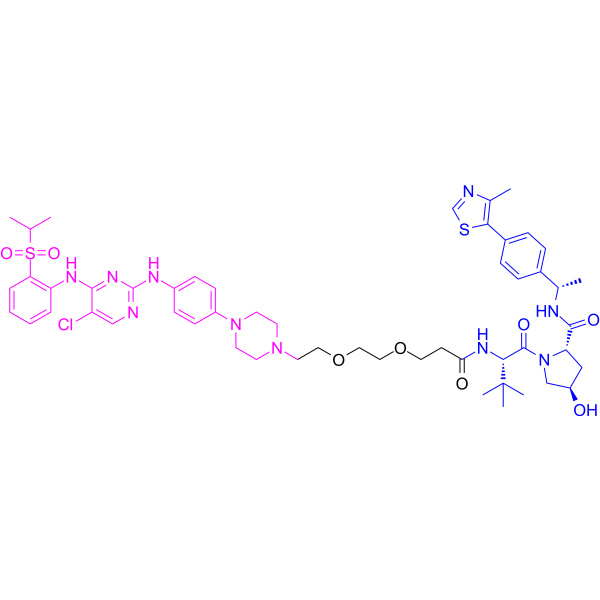
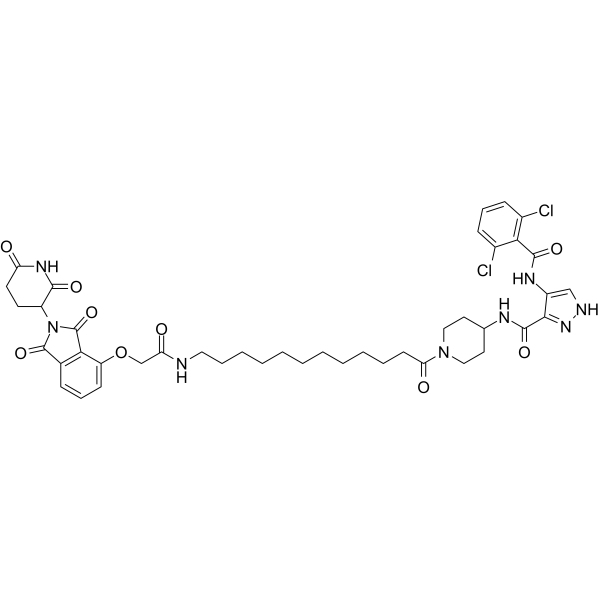
    PROTAC CDK9 Degrader-1 is a PROTAC connected by ligands for Cereblon and CDK as a selective CDK9 degrader.
    PROTAC CDK9 Degrader-1
  • HY-130665
    TL12-186
    1 Publications Verification

    PROTACs CDK Cancer
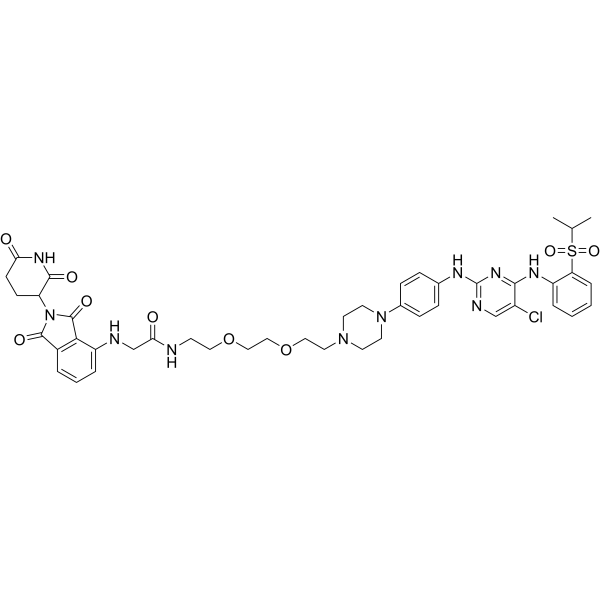
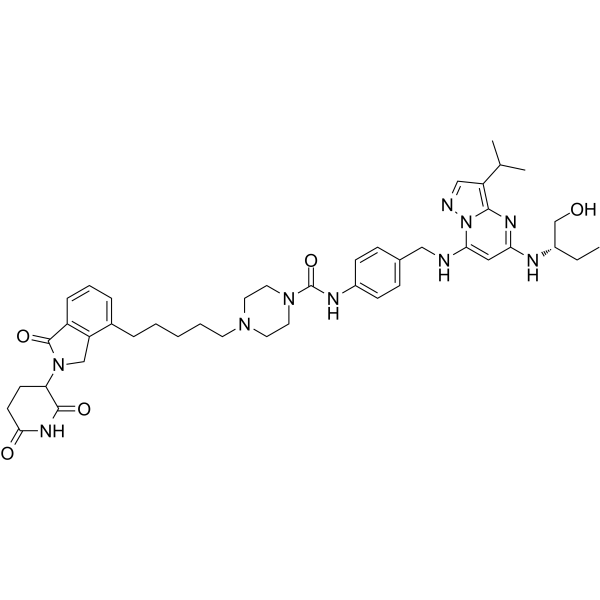
    TL12-186 is a Cereblon-dependent multi-kinase PROTAC degrader. Multi-kinases include CDK, BTK, FLT3, Aurora kinases, TEC, ULK, ITK, et al. TL12-186 inhibits CDK2/cyclin A (IC50=73 nM) and CDK9/cyclin T1 (IC50=55 nM) .
    TL12-186
  • HY-130709

    PROTACs CDK Cancer
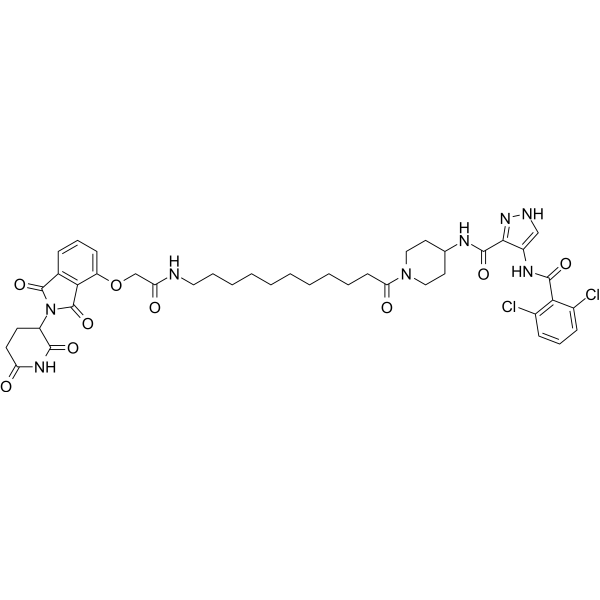
    PROTAC CDK2/9 Degrader-1 (Compound F3) is a potent dual degrader for CDK2 (DC50=62 nM) and CDK9 (DC50=33 nM). PROTAC CDK2/9 Degrader-1 suppresses prostate cancer PC-3 cell proliferation (IC50=0.12 µM) by effectively blocking the cell cycle in S and G2/M phases. PROTAC CDK2/9 Degrader-1 is a PROTAC by tethering CDK inhibitor with Cereblon ligand .
    PROTAC CDK2/9 Degrader-1
  • HY-173523

    PROTACs CDK c-Myc Cancer
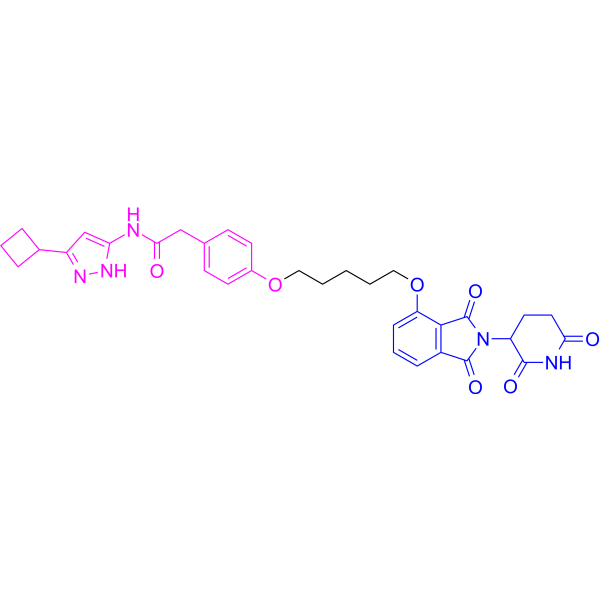
    KI-CDK9d-32 is a highly selective and potent CDK9 PROTAC degrader (DC50: 0.89 nM). KI-CDK9d-32 promotes the ubiquitination and degradation of CDK9. KI-CDK9d-32 inhibits the MYC pathway and disrupts nucleolar homeostasis. KI-CDK9d-32 exhibits anticancer activity against acute lymphoblastic leukemia and pancreatic cancer. (Pink: CDK9 ligand (HY-153718); Blue: E3 ligase CRBN ligand (HY-163233); Black: Linker (HY-W011657); E3 ligase CRBN ligand-linker conjugate (HY-173525)) .
    KI-CDK9d-32
  • HY-112811

    PROTACs CDK Cancer
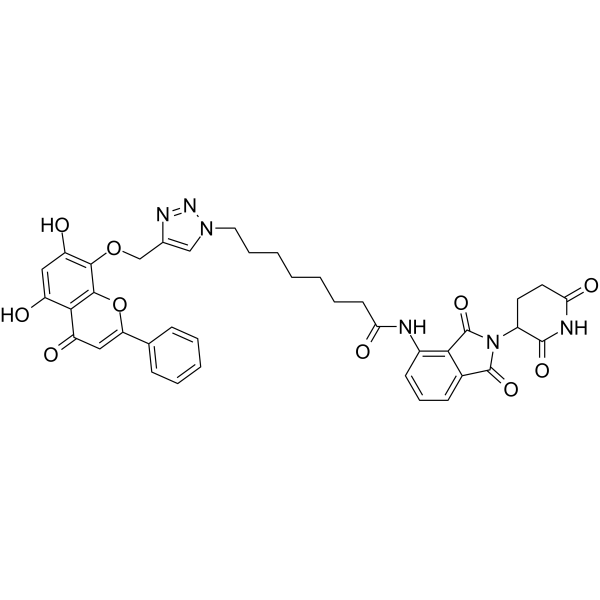
    PROTAC CDK9 degrader-2 (compound 11c) is a potent and selective CDK9 degrader based on PROTAC, with an IC50 of 17 μM in MCF-7 cell lines. Natural product Wogonin (CDK ligand) binds ubiquitin E3 ligase Cereblon (CRBN) via a linker to form PROTAC .
    PROTAC CDK9 degrader-2
  • HY-148065

    PROTACs Wee1 CDK AAK1 ULK MELK Itk IRAK Ephrin Receptor FGFR MAP4K p38 MAPK Neurological Disease Metabolic Disease Inflammation/Immunology Cancer
    FMF-06-098-1 is a multi-target kinase PROTAC degrader. FMF-06-098-1 can be used to target degradation kinases which degrades AAK1, AΒL2, AURKA, AURKB, BUBIB, CDC7, CDK1, CDK12, CDK13, CDK2, CDK4, CDk6, CDK7, CDK9, CHEK1, CSNKID, EPHA1, PER, FGFR1, GAK, IRAK4, ITK, LIMK2, MAP4K2, MAP4K3, MAPK6, MAPK7, MARK4, MELK, PKN3, PLK4, PRKAA1, PTK2, PTK6, RPS6KA4, S1K2, STK35, TNK2, UHMK1, ULK1, and WEE1 .
    FMF-06-098-1
  • HY-162706
    BSJ-5-63
    1 Publications Verification

    PROTACs CDK Cancer
    BSJ-5-63 is a potent CDK12, CDK7, CDK9 PROTAC degrader. BSJ-5-63 BSJ-5-63 decreases the protein expression of CDK12, CDK7, CDK9, RNAPII, Cyclin K. BSJ-5-63 decreases the mRNA expression of BRCA1, BRCA2. BSJ-5-63 shows anticancer activity and has the potential for the research of prostate cancer (Pink: ligand for target protein (HY-150948); black: linker (HY-W140827); Blue: E3 ligase ligand (HY-112078)) .
    BSJ-5-63
  • HY-168518

    PROTACs CDK Cancer
    PROTAC CDK9 degrader-9 (compound 29) is a highly selective and efficient CDK9 degrader based on PROTAC technology. PROTAC CDK9 degrader-9 can be used in anti-cancer research .
    PROTAC CDK9 degrader-9
  • HY-18340A
    (R)-CR8 trihydrochloride
    1 Publications Verification

    CR8, (R)-Isomer trihydrochloride

    Molecular Glues CDK Apoptosis Neurological Disease Cancer
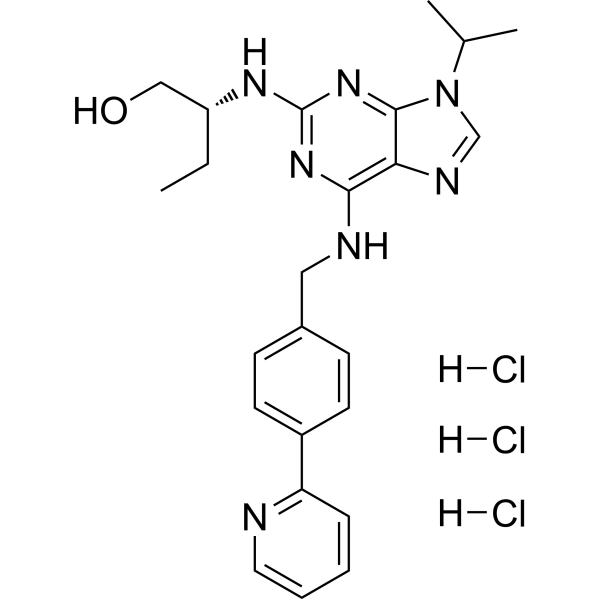
    (R)-CR8 (CR8) trihydrochloride, a second-generation analog of Roscovitine, is a potent CDK1/2/5/7/9 inhibitor. (R)-CR8 trihydrochloride inhibits CDK1/cyclin B (IC50=0.09 μM), CDK2/cyclin A (0.072 μM), CDK2/cyclin E (0.041 μM), CDK5/p25 (0.11 μM), CDK7/cyclin H (1.1 μM), CDK9/cyclin T (0.18 μM) and CK1δ/ε (0.4 μM). (R)-CR8 trihydrochloride induces apoptosis and has neuroprotective effect . (R)-CR8 trihydrochloride acts as a molecular glue degrader that depletes cyclin K .
    (R)-CR8 trihydrochloride
  • HY-178861

    PROTACs CDK Caspase PARP Apoptosis Cancer
    dCDK9-202 a potent CDK9 PROTAC degrader with an DC50 value of 3.5 nM. dCDK9-202 exhibits broad-spectrum anti-tumor activity and extensively disrupts the oncogenic transcriptome. dCDK9-202 can activate Caspase-3/7, increase the level of cleaved PARP, and directly induce apoptosis of tumor cells. dCDK9-202 effectively inhibits TC-71 tumor growth without any signs of toxicity in mice. dCDK9-202 can be used for the study of EGFR-driven cancers such as sarcoma (Pink: CDK9 ligand (HY-178862); Blue: CRBN ligand (HY-W248665); Black: Linker (HY-N8015)) .
    dCDK9-202
  • HY-149964

    PROTACs CDK Cancer
    PROTAC CDK9 degrader-7 is a PROTAC targeting to CDK9 sepcifically. PROTAC CDK9 degrader-7 mediates CDK9 degradation via the proteasome .
    PROTAC CDK9 degrader-7
  • HY-115728

    PROTACs Cancer
    PROTAC CDK9 degrader-4 is a highly potent and efficacious CDK9 degrader for targeting transcription regulation.
    PROTAC CDK9 degrader-4
  • HY-156084

    CDK PROTACs Apoptosis c-Myc Cancer
    LL-K9-3 is a potent small-molecule degrader of CDK9-cyclin T1. LL-K9-3 has anti-proliferative and pro-apoptotic activities and suppresses downstream signaling of CDK9 and AR. Moreover, LL-K9-3 inhibits AR and Myc-driven oncogenic transcriptional programs .
    LL-K9-3
  • HY-170978

    PROTACs CDK Cancer
    PROTAC CDK9 degrader-11 (Compound C3) is an orally active PROTAC degrader for CDK9 with DC50 of 1.09 nM. PROTAC CDK9 degrader-11 exhibits cytotoxicity in multi small cell lung cancer cell with IC50 of nanomolar levels. PROTAC CDK9 degrader-11 arrests cell cycle at G0/G1 phase, inhibits the cell invasion in DMS114 and DMS53 cell. PROTAC CDK9 degrader-11 exhibits antitumor efficacy in NCI-H446 xenograft mouse models .(Pink: ligand for target protein CDK9 ligand 3 (HY-170979); Black: linker; Blue: ligand for E3 ligase Cereblon E3 ligase Ligand 56 (HY-W247437))
    PROTAC CDK9 degrader-11
  • HY-155218

    PROTACs CDK Cancer
    TMX-2172 is a selective bivalent cereblon-recruiting PROTAC-based dual CDK2 and CDK5 degrader with IC50 values of 6.5 nM and 6.8 nM, respectively. TMX-2172 shows selectivity for CDK2 and CDK5 over other cell cycle CDKs (CDK1, CDK4, and CDK6) and transcriptional CDKs (CDK7 and CDK9). TMX-2172 inhibits CDK2/CDK5 enzymatic activity, induces their proteasomal degradation, reduces ASCL1 protein levels and half-life, induces cancer cell death, and exerts antiproliferative effects. TMX-2172 can be used for the research of ovarian cancer and small cell lung cancer .
    TMX-2172
  • HY-149962

    PROTACs CDK Cancer
    PROTAC CDK9 degrader-5 is a PROTAC targeting to CDK9 sepcifically. PROTAC CDK9 degrader-5 mediates CDK9 degradation via the proteasome. PROTAC CDK9 degrader-5 degrades CDK9 with DC50s of 0.10 μM and 0.14 μM for the CDK942 and CDK955 isoforms, respectively .
    PROTAC CDK9 degrader-5
  • HY-176451

    CDK Cancer
    CDK9 degrader-1 (Compound AZ-9) is a selective CDK9 degrader (DC50: 0.4073 µM). CDK9 degrader-1 recruits ATG101 to initiate the autophagy-lysosome pathway and forms autophagosomes by recruiting LC3, which then fuses with lysosomes to degrade CDK9 and its partner protein Cyclin T1 (DC50: 1.215 µM). CDK9 degrader-1 induces caspase 3-mediated apoptosis. CDK9 degrader-1 has antitumor activity in a mouse HCT116 xenograft model .
    CDK9 degrader-1
  • HY-168896

    CDK ATTECs Cancer
    CDK9 autophagic degrader 1 (Compound 28) is a ATTEC degrader that can be used to degrade CDK9 and also affects the levels of the associated Cyclin T1. CDK9 autophagic degrader 1 shows over 80% CDK9 inhibition rate at 100 nM . ( Pink: LC3B ligand (HY-168897); Black: linker (HY-W017758); Blue: target protein ligand (HY-10008); linker + target protein ligand (HY-168898))
    CDK9 autophagic degrader 1
  • HY-148521

    CDK FLT3 PROTACs Apoptosis Cancer
    PROTAC FLT3/CDK9 degrader-1 is a potent FLT3 and CDK9 dual PROTAC degrader. PROTAC FLT3/CDK9 degrader-1 induces apoptosis and effective degradation of target proteins FLT3 and CDK9. PROTAC FLT3/CDK9 degrader-1 has the potential for the research of FLT3-ITD mutated AML .
    PROTAC FLT3/CDK9 degrader-1
  • HY-149963

    PROTACs CDK Cancer
    PROTAC CDK9 degrader-6 is a PROTAC targeting to CDK9 sepcifically. PROTAC CDK9 degrader-6 mediates CDK9 degradation via the proteasome. PROTAC CDK9 degrader-6 degrades CDK9 with DC50s of 0.10 μM and 0.14 μM for the CDK942 and CDK955 isoforms, respectively .
    PROTAC CDK9 degrader-6
  • HY-149870

    PROTACs CDK Cancer
    PROTAC CDK9 degrader-8 (compound 21) is a potent PROTAC CDK9 degrader with an IC50 value of 0.01 μM. PROTAC CDK9 degrader-8 can be used in research of cancer .
    PROTAC CDK9 degrader-8
  • HY-156795

    CDK Cancer
    PROTAC CDK9/CycT1 Degrader-2 is a inhibitor of CDK9, with the IC50 of 45 nM .
    PROTAC CDK9/CycT1 Degrader-2
  • HY-W247437

    Ligands for E3 Ligase Cancer
    E3 ligase Ligand 56 is the ligand for E3 ligase Cereblon and can be used for syntheisis of PROTAC CDK9 degrader-11 (HY-170978) .
    E3 ligase Ligand 56
  • HY-181231

    PROTACs CDK HIV DNA/RNA Synthesis Infection
    PROTAC CDK9 degrader-12 is a selective CDK9 PROTAC degrader with a DC50 of 23 nM. PROTAC CDK9 degrader-12 induces proteasome-dependent degradation of CDK9, blocks CDK9-mediated HIV-1 transcriptional elongation, and reduces HIV-1 RNA synthesis. PROTAC CDK9 degrader-12 is applicable to research related to HIV-1 infection .
    PROTAC CDK9 degrader-12
  • HY-177780

    Molecular Glues CDK Apoptosis Cancer
    Cyclin K degrader 2 is a molecular glucose degrading agent that targets the cyclin K protein. Cyclin K degrader 2 has inhibitory activity against CDK1 and CDK9. Cyclin K degrader 2 causes a decrease in RNA polymerase II Ser2 phosphorylation levels, downregulation of DNA damage response gene expression, accumulation of DNA damage, G1 phase arrest of the cell cycle, and apoptosis. Cyclin K degrader 2 can be used for cancer research .
    Cyclin K degrader 2
  • HY-103628R

    Reference Standards PROTACs CDK Cancer
    PROTAC CDK9 Degrader-1 (Standard) is the analytical standard of PROTAC CDK9 Degrader-1 (HY-103628). This product is intended for research and analytical applications. PROTAC CDK9 Degrader-1 is a PROTAC connected by ligands for Cereblon and CDK as a selective CDK9 degrader.
    PROTAC CDK9 Degrader-1 (Standard)
  • HY-164906

    CDK PROTACs Cancer
    TMX-2138 is a CDKs PROTAC degrader, with IC50s of 8.7 nM, 10.9 nM, 7.0 nM and 25.7 nM for CDK1/cyclinB, CDK2/cyclinA, CDK5/p25 and CDK9/cyclinT1, respectively. TMX-2138 promotes ubiquitination and degradation of CDKs. TMX-2138 can be used for the research of ovarian cancer (Pink: CDKs ligand (HY-151071); Blue: E3 ligase CRBN ligand (HY-14658); Black: linker (HY-W008352)) .
    TMX-2138
  • HY-178452

    PROTACs CDK Apoptosis Cancer
    PROTAC CDK4/6/9 degrader 1 is a CDK4/6/9 PROTAC degrader. PROTAC CDK4/6/9 degrader 1 degrades CDK4, CDK6, and CDK9 in TNBC cells and inhibits TNBC cell proliferation. PROTAC CDK4/6/9 degrader 1 induces G1 phase arrest, promotes apoptosis, and suppresses cell migration and invasion in TNBC cells. PROTAC CDK4/6/9 degrader 1 can be used for the study of triple-negative breast cancer (TNBC). (Pink: CDK4/6/9 ligand (HY-168440), Blue: CRBN Ligand (HY-14658), Black: Linker (HY-178512), E3 ligase ligand-linker conjugate (HY-178515)) .
    PROTAC CDK4/6/9 degrader 1
  • HY-130850

    CDK Ligands for Target Protein for PROTAC Cancer
    CDK9-IN-10 is a potent CDK9 inhibitor. CDK9-IN-10 is the ligand for the PROTAC CDK9 degrader-2 (HY-112811) .
    CDK9-IN-10
  • HY-168892

    Atg8/LC3 Autophagy Cancer
    LC3B recruiter 2 (34R) is an LC3B recruiter and a component of the autophagy-lysosome pathway degradation system (ATTEC, Autophagy-Tethering Compounds), which directly binds to LC3B. LC3B recruiter 2 binds to CDK9 inhibitor SNS-032 (HY-10008) through a linker, forming an ATTEC that targets the degradation of the CDK9 and Cyclin T1 complex (with inhibitory effects on both). Therefore, LC3B recruiter 2 exerts activity through the LC3B-dependent autophagy-lysosome pathway, interfering with the cell cycle of cancer cells, thus exhibiting antitumor activity .
    LC3B recruiter 2
  • HY-178862

    Target Protein Ligand-Linker Conjugates Cancer
    CDK9 ligand-Linker Conjugate is a synthesized CDK9 ligand-linker conjugate that can be used for synthesis of dCDK9-202 (HY-178861). dCDK9-202 is a potent CDK9 PROTAC degrader with anti-tumor activity .
    CDK9 ligand-Linker Conjugate
  • HY-130852

    Ligands for Target Protein for PROTAC CDK Cancer
    CDK9-IN-11 is a potent CDK9 inhibitor. CDK9-IN-11 is the ligand for the PROTAC CDK9 Degrader-1 (HY-103628) .
    CDK9-IN-11
  • HY-170979

    Ligands for Target Protein for PROTAC CDK Cancer
    CDK9 ligand 3 is the ligand for CDK9 and can be used for synthesis of PROTAC degrader PROTAC CDK9 degrader-11 (HY-170978) .
    CDK9 ligand 3
  • HY-156083

    CDK Cancer
    PROTAC CDK9/CycT1 Degrader-1 (compounds 10) is a potent inhibitor of CDK9. PROTAC CDK9/CycT1 Degrader-1 can be used as a PROTAC target protein ligand for PROTAC synthesis. PROTAC CDK9/CycT1 Degrader-1 shows strong anti-proliferative activity in solid tumors .
    CDK9-IN-28
  • HY-115729A

    Ligands for Target Protein for PROTAC CDK Cancer
    (R)-PROTAC CDK9 ligand-1 (Compound 19.4) is a CDK9-targeting degrader that can be used to synthesize PROTAC with antitumor activity .
    (R)-PROTAC CDK9 ligand-1
  • HY-168897

    Ligands for Target Protein for PROTAC Others
    LC3B ligand 1 is a ligand for the target protein of PROTAC and can be used for the synthesis of PROTAC CDK9 autophagic degrader 1 (HY-168896) .
    LC3B ligand 1
  • HY-168898

    Target Protein Ligand-Linker Conjugates Others
    1,3-Propanediol-SNS-032 is a target protein ligand and linker conjugate, which can be used for the synthesis of PROTAC CDK9 autophagic degrader 1 (HY-168896) .
    1,3-Propanediol-SNS-032
  • HY-182810

    Ligands for Target Protein for PROTAC CDK Cancer
    CDK9 ligand 5 (Compound 48) is a CDK9 ligand. CDK9 ligand 5 can be used as a ligand for target protein for PROTAC to develop and design degraders of PROTAC CDK9, such as PROTAC CDK9 degrader-9 (HY-168518). CDK9 ligand 5 can be used in cancer research .
    CDK9 ligand 5
  • HY-181275

    Ligands for Target Protein for PROTAC CDK HIV Infection
    CDK9 ligand 4 is a CDK9 ligand. As a ligand for target protein for PROTAC (Ligands for Target Protein for PROTAC), CDK9 ligand 4 serves for the development and design of PROTAC CDK9 degraders, such as PROTAC CDK9 degrader-12 (HY-181231). CDK9 ligand 4 is applicable to the research of HIV-1 infection .
    CDK9 ligand 4
  • HY-182812

    E3 Ligase Ligand-Linker Conjugates Cancer
    Thalidomide-5-F-6-piperidinylpiperazin is an ligands for E3 ligase-linker conjugate, which is used for the synthesis of PROTAC CDK9 degrader-9 (HY-168518) .
    Thalidomide-5-F-6-piperidinylpiperazin
  • HY-170980

    E3 Ligase Ligand-Linker Conjugates Cancer
    E3 Ligase Ligand-linker Conjugate 166 is the conjugate composed of a E3 ligase ligand and a linker. E3 Ligase Ligand-linker Conjugate 166 can be used for synthesis of PROTAC CDK9 degrader-11 (HY-170978) .
    E3 Ligase Ligand-linker Conjugate 166
  • HY-181490

    PROTACs CDK Apoptosis Cancer
    WWZ-11-098 is a selective CDK6 PROTAC degrader with DC50 of 2.6 nM. WWZ-11-098 induces degradation of CDK6 in a CRBN-dependent manner, while sparing CDK1, CDK2, CDK4, and CDK9. WWZ-11-098 induces apoptosis, G1-S cell cycle arrest and shows anti-proliferative activity in cancer cells. WWZ-11-098 exhibits antitumor efficacy in a xenograft model without signs of toxicity. WWZ-11-098 can be used for the research of leukemia .
    WWZ-11-098

Inquiry Online

Your information is safe with us. * Required Fields.

Salutation


Country or Region *

Applicant Name *


Organization Name *

Department *


Email Address *


Product Name *

Cat. No.


Requested quantity *

Phone Number *


Remarks

Inquiry Online

Inquiry Information

Product Name:
Cat. No.:
Quantity:
MCE Japan Authorized Agent:

