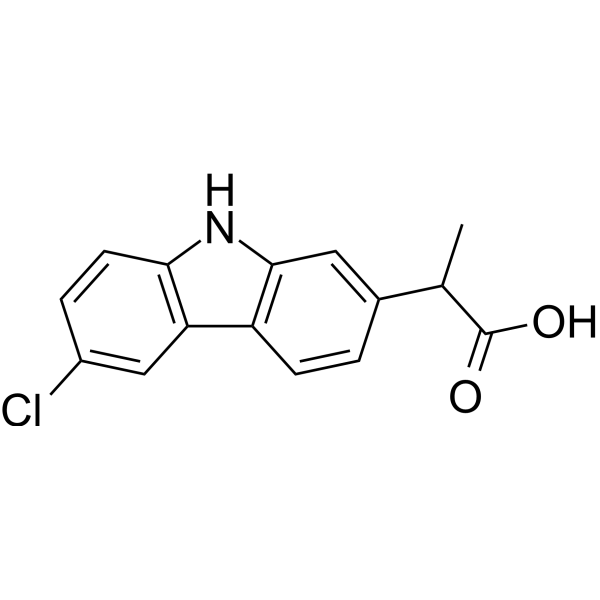
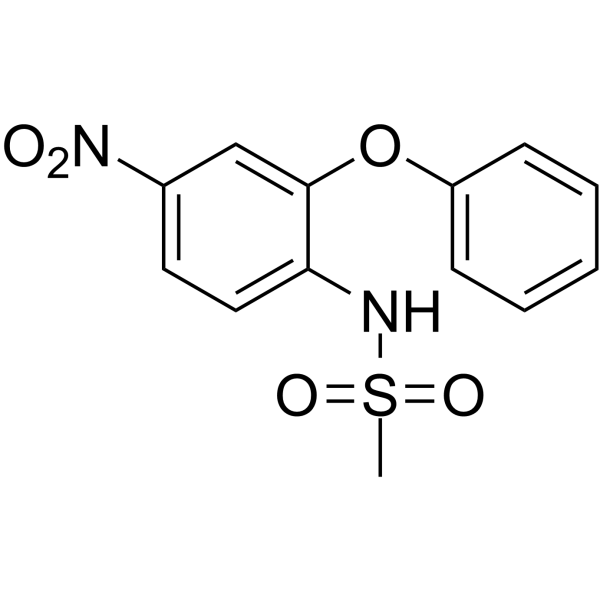
1. Search Result
Search Result
Isoforms Recommended: COX-1
Results for "

COX1

" in MedChemExpress (MCE) Product Catalog:

399

Inhibitors & Agonists

2

Screening Libraries

1

Fluorescent Dyes

1

Biochemical Assay Reagents

70

Natural
Products

72

Isotope-Labeled Compounds

3

Antibodies

2

Click Chemistry

6

Oligonucleotides

1

GMP Molecules

Targets Recommended:
Cat. No. Product Name Target Research Areas Chemical Structure
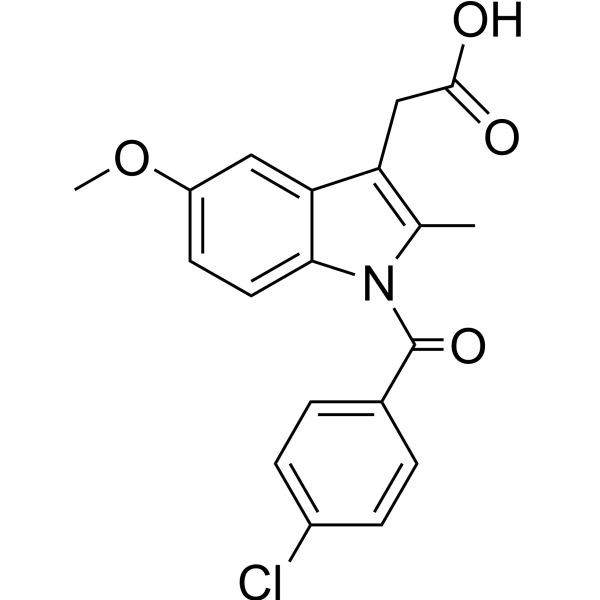
  • HY-14397
    Indomethacin
    Maximum Cited Publications
    76 Publications Verification

    Indometacin

    COX Antibiotic Influenza Virus Bacterial Inflammation/Immunology Cancer
    Indomethacin (Indometacin) is a potent, orally active COX1/2 inhibitor with IC50 values of 18 nM and 26 nM for COX-1 and COX-2, respectively. Indomethacin has anticancer activity and anti-infective activity. Indomethacin can be used for cancer, inflammation and viral infection research [1] .
    Indomethacin
  • HY-N0898
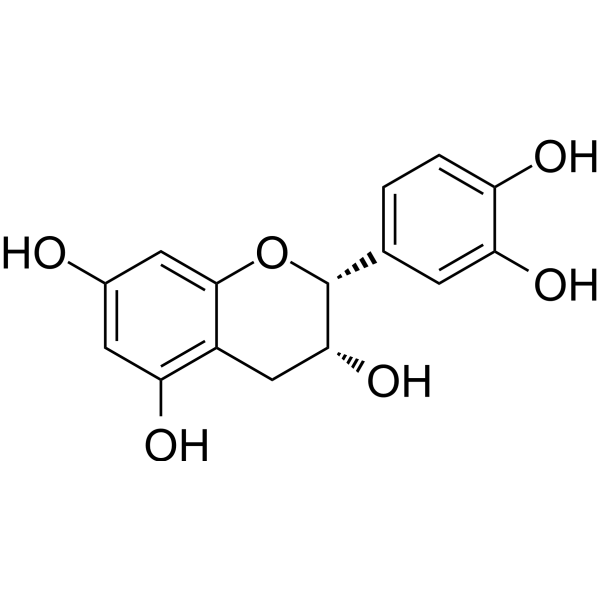
    Catechin
    Maximum Cited Publications
    20 Publications Verification

    (+)-Catechin; Cianidanol; Catechuic acid

    COX Apoptosis Influenza Virus Endogenous Metabolite Cancer
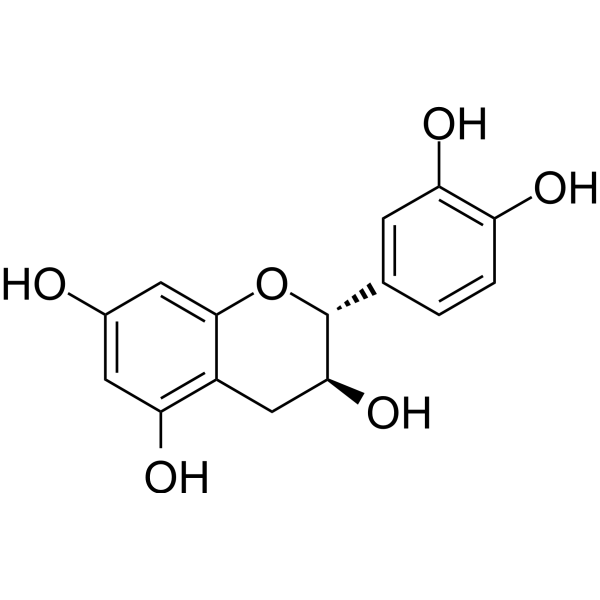
    Catechin ((+)-Catechin) inhibits cyclooxygenase-1 (COX-1) with an IC50 of 1.4 μM.
    Catechin
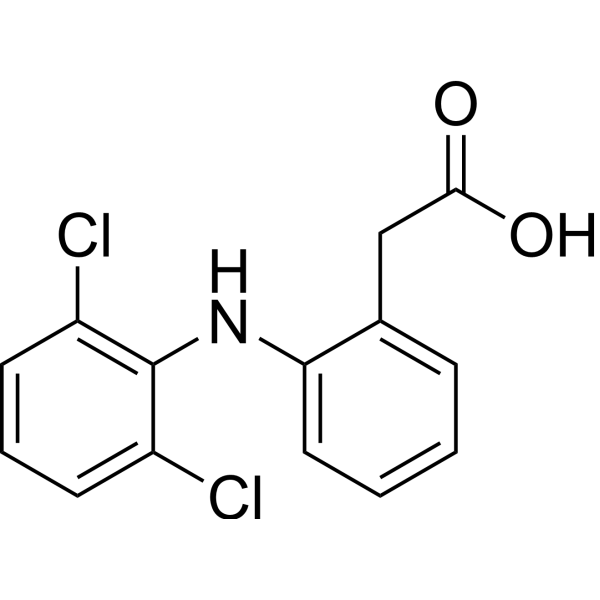
  • HY-15036
    Diclofenac
    20+ Cited Publications

    COX Apoptosis Inflammation/Immunology Cancer
    Diclofenac is a potent and nonselective anti-inflammatory agent, acts as a COX inhibitor, with IC50s of 4 and 1.3 nM for human COX-1 and COX-2 in CHO cells [1], and 5.1 and 0.84 μM for ovine COX-1 and COX-2, respectively . Diclofenac induces apoptosis of neural stem cells (NSCs) via the activation of the caspase cascade .
    Diclofenac
  • HY-15030
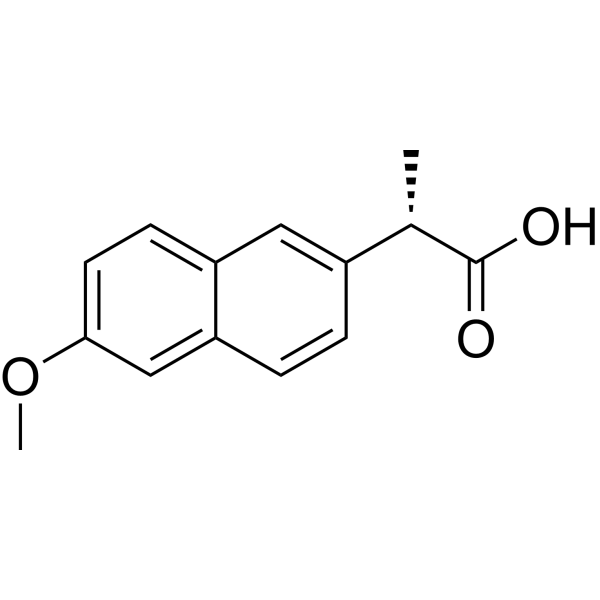
    Naproxen
    5+ Cited Publications

    (S)-Naproxen

    COX Autophagy Inflammation/Immunology Cancer
    Naproxen is a COX-1 and COX-2 inhibitor with IC50s of 8.72 and 5.15 μM, respectively in cell assay.
    Naproxen
  • HY-B0253
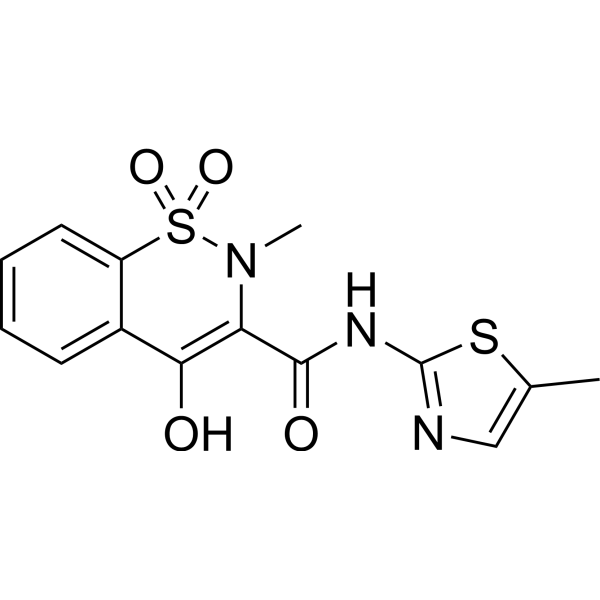
    Piroxicam
    4 Publications Verification

    CP-16171

    COX Inflammation/Immunology Cancer
    Piroxicam (CP-16171) is a non-steroidal anti-inflammatory drugs, acts as a COX inhibitor, with IC50s of 47, 25 μM for human monocyte COX-1 and COX-2, respectively.
    Piroxicam
  • HY-59105
    SC-560
    3 Publications Verification

    COX Cancer
    SC-560 is a potent and selective COX-1 inhibitor with an IC50 of 9 nM.
    SC-560
  • HY-15038
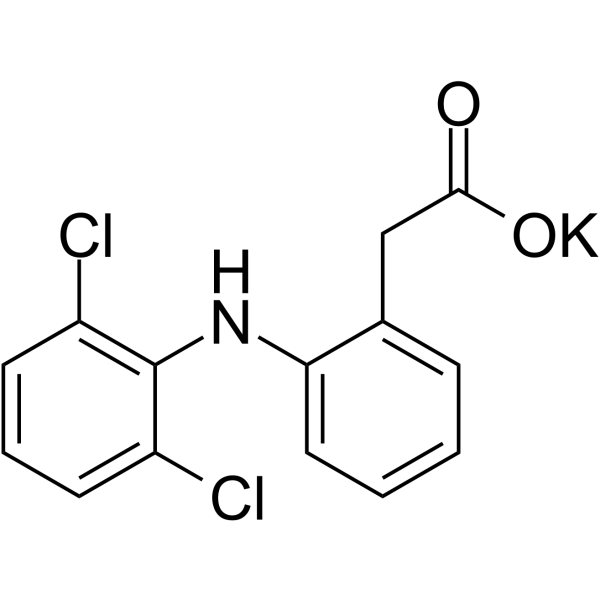
    Diclofenac potassium
    20+ Cited Publications

    COX Apoptosis Inflammation/Immunology Cancer
    Diclofenac potassium is a potent and nonselective anti-inflammatory agent, acts as a COX inhibitor, with IC50s of 4 and 1.3 nM for human COX-1 and COX-2 in CHO cells [1], and 5.1 and 0.84 μM for ovine COX-1 and COX-2, respectively . Diclofenac potassium induces apoptosis of neural stem cells (NSCs) via the activation of the caspase cascade .
    Diclofenac potassium
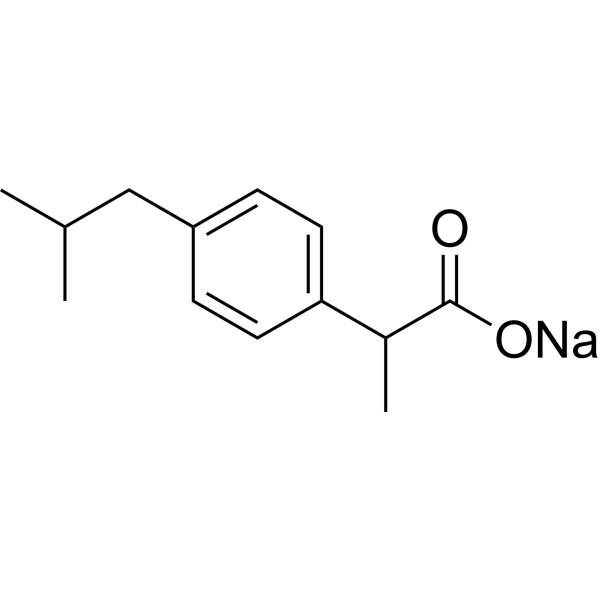
  • HY-15030A
    Naproxen sodium
    5+ Cited Publications

    Autophagy COX Inflammation/Immunology Cancer
    Naproxen sodium is a COX-1 and COX-2 inhibitor with IC50s of 8.72 and 5.15 μM, respectively in cell assay.
    Naproxen sodium
  • HY-N0356
    (-)-Catechin gallate
    4 Publications Verification

    (-)-Catechin 3-gallate; (-)-Catechin 3-O-gallate

    COX Cancer
    (-)-Catechin gallate is a minor constituent in green tea catechins. (-)-Catechin gallate inhibits the activity of COX-1 and COX-2 enzymes.
    (-)-Catechin gallate
  • HY-15762
    Valdecoxib
    5 Publications Verification

    SC 65872

    COX Endogenous Metabolite Inflammation/Immunology Cancer
    Valdecoxib is a highly potent and selective inhibitor of COX-2, with IC50s of 5 nM and 140 μM for COX-2 and COX-1, respeceively. Valdecoxib can be used in the research of arthritis and pain.
    Valdecoxib
  • HY-N0355
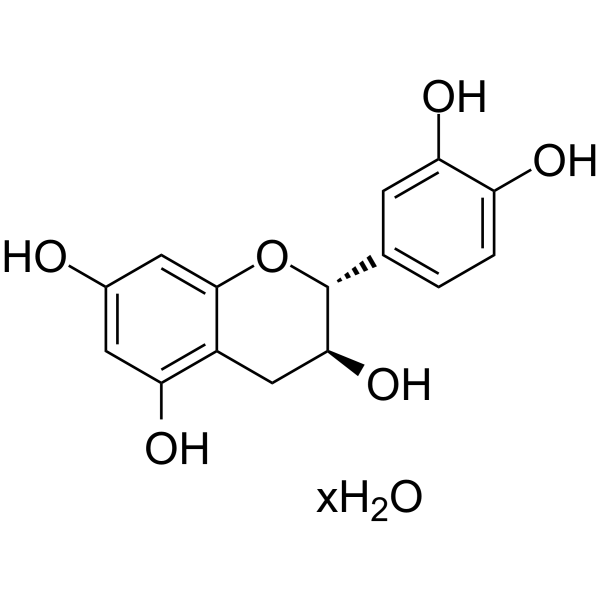
    (+)-Catechin hydrate
    Maximum Cited Publications
    20 Publications Verification

    COX Cancer
    (+)-Catechin hydrate inhibits cyclooxygenase-1 (COX-1) with an IC50 of 1.4 μM.
    (+)-Catechin hydrate
  • HY-B2137
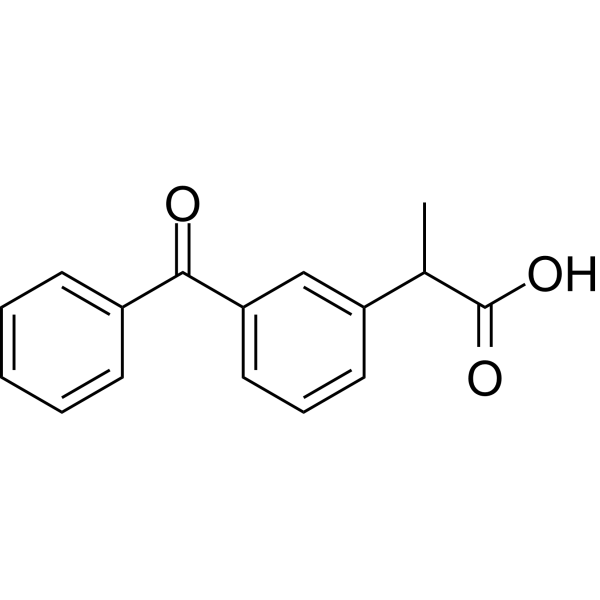
    S-(+)-Ketoprofen
    2 Publications Verification

    (S)-Ketoprofen; Dexketoprofen

    COX Inflammation/Immunology
    S-(+)-Ketoprofen is a potent inhibitor of both COX-1 and COX-2 with IC50s of 1.9 and 27 nM, respectively.
    S-(+)-Ketoprofen
  • HY-15037
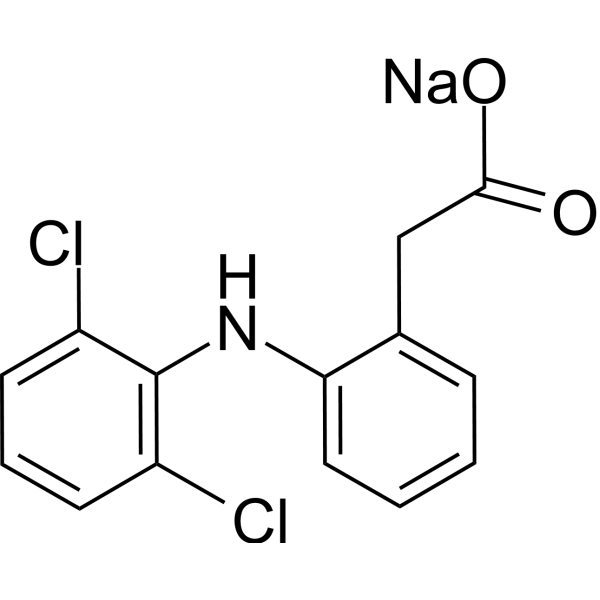
    Diclofenac Sodium
    20+ Cited Publications

    GP 45840

    COX Apoptosis Inflammation/Immunology Cancer
    Diclofenac Sodium (GP 45840) is a potent and nonselective anti-inflammatory agent, acts as a COX inhibitor, with IC50s of 4 and 1.3 nM for human COX-1 and COX-2 in CHO cells [1], and 5.1 and 0.84 μM for ovine COX-1 and COX-2, respectively . Diclofenac Sodium induces apoptosis of neural stem cells (NSCs) via the activation of the caspase cascade .
    Diclofenac Sodium
  • HY-78131S
    Ibuprofen-d3
    1 Publications Verification

    (±)-Ibuprofen-d3

    Isotope-Labeled Compounds COX Apoptosis Parasite Inflammation/Immunology
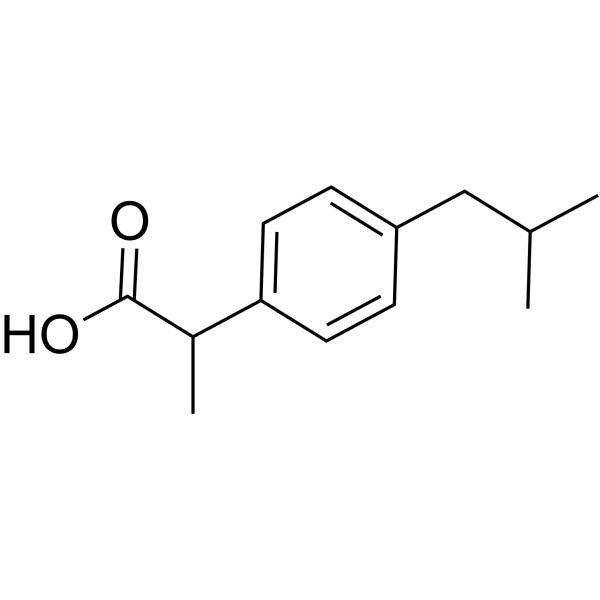
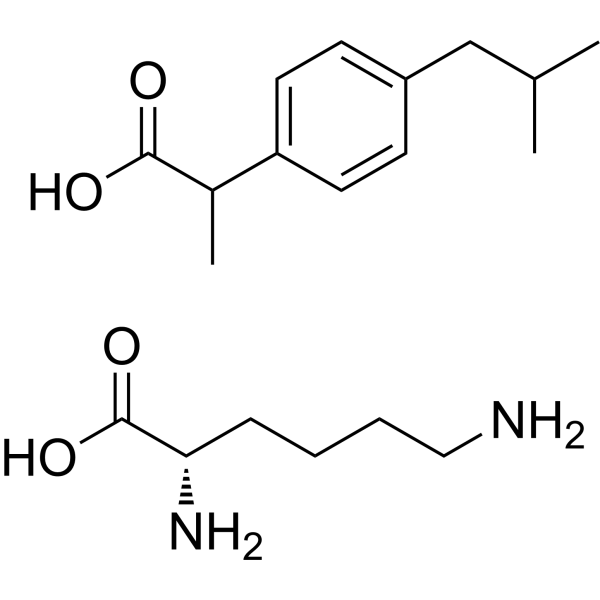
    Ibuprofen-d3 is a deuterium labeled Ibuprofen. Ibuprofen is a COX-1 and COX-2 inhibitor with IC50s of 13 μM and 370 μM [1].
    Ibuprofen-d3
  • HY-B0138
    Ketorolac tromethamine salt
    3 Publications Verification

    Ketorolac Tromethamine; Ketorolac tris salt; RS37619 tromethamine salt

    COX Inflammation/Immunology Cancer
    Ketorolac tromethamine salt (RS37619 tromethamine salt) is a non-steroidal anti-inflammatory agent, acting as a nonselective COX inhibitor, with IC50s of 20 nM for COX-1 and 120 nM for COX-2.
    Ketorolac tromethamine salt
  • HY-B1888A

    COX Infection Inflammation/Immunology
    Bromfenac sodium is a potent and orally active inhibitor of COX, with IC50s of 5.56 and 7.45 nM for COX-1 and COX-2, respectively. Bromfenac sodium can be used in ocular inflammation research [1].
    Bromfenac sodium
  • HY-15036A
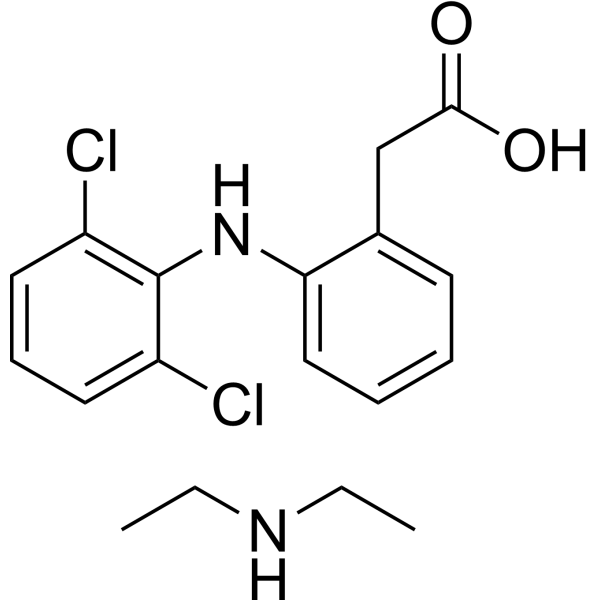
    Diclofenac diethylamine
    20+ Cited Publications

    COX Apoptosis Inflammation/Immunology Cancer
    Diclofenac diethylamine is a potent and nonselective anti-inflammatory agent, acts as a COX inhibitor, with IC50s of 4 and 1.3 nM for human COX-1 and COX-2 in CHO cells [1], and 5.1 and 0.84 μM for ovine COX-1 and COX-2, respectively . Diclofenac diethylamine induces apoptosis of neural stem cells (NSCs) via the activation of the caspase cascade .
    Diclofenac diethylamine
  • HY-15036S

    Isotope-Labeled Compounds COX Apoptosis Inflammation/Immunology
    Diclofenac-d4 is the deuterium labeled Diclofenac. Diclofenac is a potent and nonselective anti-inflammatory agent, acts as a COX inhibitor, with IC50s of 4 and 1.3 nM for human COX-1 and COX-2 in CHO cells [1], and 5.1 and 0.84 μM for ovine COX-1 and COX-2, respectively . Diclofenac induces apoptosis of neural stem cells (NSCs) via the activation of the caspase cascade .
    Diclofenac-d4
  • HY-W012817

    Environmental Pollutants COX Inflammation/Immunology
    Methylhydroquinone is an orally active COX inhibitor with IC50s of 480.7 μM and 52.2 μM for ovine COX-1 and human recombinant COX-2, respectively. Methylhydroquinone has potential DNA damaging effects: 1) inhibiting COX-1 to reduce prostaglandin synthesis and exert anti-inflammatory activity; 2) inducing DNA single-strand breaks. Methylhydroquinone exerts its effects by competitively binding to the active sites of COX-1 (such as Tyr385, Met522) and non-covalent interactions [1] .
    Methylhydroquinone
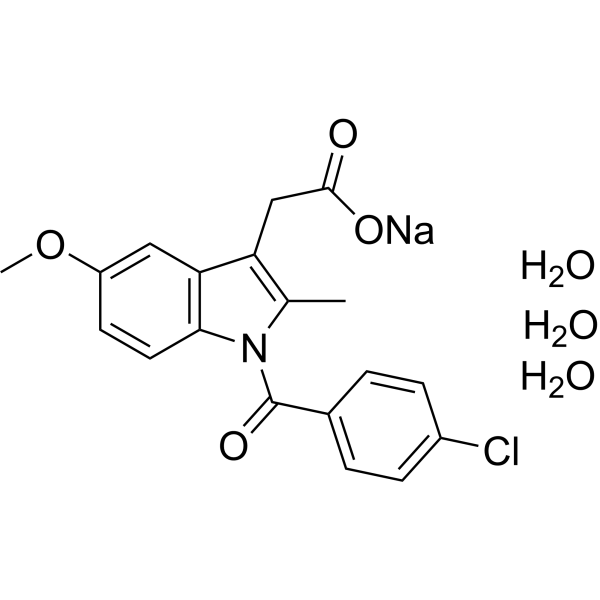
  • HY-14397A
    Indomethacin sodium hydrate
    Maximum Cited Publications
    76 Publications Verification

    Indometacin sodium hydrate

    COX Bacterial Influenza Virus Antibiotic Infection Neurological Disease Inflammation/Immunology Cancer
    Indomethacin (Indometacin) sodium hydrateis a orally active and BBB-permeable COX1/2 inhibitor with IC50 values of 18 nM and 26 nM for COX-1 and COX-2, respectively. Indomethacin sodium hydrateis has anticancer activity and anti-infective activity. Indomethacin sodium hydrateis can be used for cancer, inflammation and viral infection research [1] .
    Indomethacin sodium hydrate
  • HY-15123
    (S)-Flurbiprofen
    2 Publications Verification

    Esflurbiprofen

    COX PGE synthase Inflammation/Immunology
    (S)-Flurbiprofen is an active enantiomer of Flurbiprofen, with IC50 values of 0.48 μM and 0.47 μM for COX-1 and COX-2, respectively [1].
    (S)-Flurbiprofen
  • HY-15037R

    GP 45840 (Standard)

    Reference Standards COX Apoptosis Inflammation/Immunology Cancer
    Diclofenac (Sodium) (Standard) is the analytical standard of Diclofenac (Sodium). This product is intended for research and analytical applications. Diclofenac Sodium (GP 45840) is a potent and nonselective anti-inflammatory agent, acts as a COX inhibitor, with IC50s of 4 and 1.3 nM for human COX-1 and COX-2 in CHO cells [1], and 5.1 and 0.84 μM for ovine COX-1 and COX-2, respectively . Diclofenac Sodium induces apoptosis of neural stem cells (NSCs) via the activation of the caspase cascade .
    Diclofenac Sodium (Standard)
  • HY-N0929

    COX Reactive Oxygen Species (ROS) Cancer
    Hexahydrocurcumin is one of the major metabolites of curcumin and a selective, orally active COX-2 inhibitor. Hexahydrocurcumin is inactive against COX-1. Hexahydrocurcumin has antioxidant, anticancer and anti-inflammatory activities [1] .
    Hexahydrocurcumin
  • HY-B0386

    COX Inflammation/Immunology
    Flunixin meglumine is a cyclooxygenase (COX) inhibitor with IC50 values of 0.55 and 3.24 μM for COX-1 and COX-2, respectively. Flunixin meglumine shows anti-inflammatory effects [1] .
    Flunixin meglumine
  • HY-N0898R

    (+)-Catechin (Standard); Cianidanol (Standard); Catechuic acid (Standard)

    Reference Standards COX Apoptosis Influenza Virus Endogenous Metabolite Cancer
    Catechin (Standard) is the analytical standard of Catechin. This product is intended for research and analytical applications. Catechin ((+)-Catechin) inhibits cyclooxygenase-1 (COX-1) with an IC50 of 1.4 μM.
    Catechin (Standard)
  • HY-15029

    (Rac)-Naproxen; 2-(6-Methoxynaphthalen-2-yl)propanoic acid

    COX Inflammation/Immunology Cancer
    (±)-Naproxen ((Rac)-Naproxen) is a racemate of Naproxen (HY-15030). Naproxen is a COX-1 and COX-2 inhibitor with IC50s of 8.72 and 5.15 μM, respectively.
    (±)-Naproxen
  • HY-E70229

    COX-1

    Endogenous Metabolite Metabolic Disease
    Cyclooxygenase 1, sheep (COX-1) is a 71 kDa membrane bound protein predominantly present in endoplasmic reticulum. Cyclooxygenase 1 has three domains, the epidermal growth factor (EGF) like domain, enzymatic and membrane binding domain. Cyclooxygenase 1 mediates prostaglandin synthesis and is modulated by anti-inflammatory nonsteroidal drugs [1].
    Cyclooxygenase 1, sheep
  • HY-112731

    N-(5-Aminopyridin-2-yl)-4-(trifluoromethyl)benzamide

    COX Endogenous Metabolite Metabolic Disease
    TFAP is a selective cyclooxygenase-1 (COX-1) inhibitor, with an IC50 of 0.8 μM.
    TFAP
  • HY-15036R

    Reference Standards COX Apoptosis Inflammation/Immunology Cancer
    Diclofenac (Standard) is the analytical standard of Diclofenac. This product is intended for research and analytical applications. Diclofenac is a potent and nonselective anti-inflammatory agent, acts as a COX inhibitor, with IC50s of 4 and 1.3 nM for human COX-1 and COX-2 in CHO cells [1], and 5.1 and 0.84 μM for ovine COX-1 and COX-2, respectively . Diclofenac induces apoptosis of neural stem cells (NSCs) via the activation of the caspase cascade .
    Diclofenac (Standard)
  • HY-B0580A

    (-)-Ketorolac

    COX Inflammation/Immunology
    (S)-Ketorolac is a nonsteroidal anti-inflammatory agent. (S)-ketorolac exhibits potent COX1 and COX2 enzyme inhibition [1].
    (S)-Ketorolac
  • HY-15028

    ATB-346

    COX Apoptosis Inflammation/Immunology
    Otenaproxesul (ATB-346), an orally active non-steroidal anti-inflammatory drug (NSAID), inhibits cyclooxygenase-1 and 2 (COX-1 and 2). Otenaproxesul possesses antiinflammatory and antinociceptive activities [1] .
    Otenaproxesul
  • HY-W009347

    COX Inflammation/Immunology
    COX-1-IN-3 (compound 19) is a COX-1 inhibitor with non-steroidal anti-inflammatory activity [1].
    COX-1-IN-3
  • HY-15036S1

    Isotope-Labeled Compounds COX Apoptosis Inflammation/Immunology
    Diclofenac- 13C6 is the 13C6 labeled Diclofenac. Diclofenac is a potent and nonselective anti-inflammatory agent, acts as a COX inhibitor, with IC50s of 4 and 1.3 nM for human COX-1 and COX-2 in CHO cells, and 5.1 and 0.84 μM for ovine COX-1 and COX-2, respectively. Diclofenac induces apoptosis of neural stem cells (NSCs) via the activation of the caspase cascade.
    Diclofenac-13C6
  • HY-115966

    COX Inflammation/Immunology
    COX-1/2-IN-2 is a potent COX1/2 inhibitor. COX-1/2-IN-2 exhibits significant inhibitory effect against COX-1 and COX-2 inhibitor with IC50 values of 13.9 ± 3.21 µM and 6.4±0.74 µM, respectively [1].
    COX-1/2-IN-1
  • HY-N8184

    COX Inflammation/Immunology
    4,4'-Dihydroxy-2,6-dimethoxydihydrochalcone exhibits COX-1 and COX-2 inhibitory activity [1].
    4,4'-Dihydroxy-2,6-dimethoxydihydrochalcone
  • HY-14397R

    Indometacin (Standard)

    Reference Standards COX Antibiotic Influenza Virus Bacterial Inflammation/Immunology Cancer
    Indomethacin (Standard) is the analytical standard of Indomethacin. This product is intended for research and analytical applications. Indomethacin (Indometacin) is a potent, orally active COX1/2 inhibitor with IC50 values of 18 nM and 26 nM for COX-1 and COX-2, respectively. Indomethacin has anticancer activity and anti-infective activity. Indomethacin can be used for cancer, inflammation and viral infection research [1] .
    Indomethacin (Standard)
  • HY-15037S2

    GP 45840-13C6

    Isotope-Labeled Compounds COX Apoptosis Inflammation/Immunology
    Diclofenac- 13C6 (Sodium) is the 13C6 labeled Diclofenac (Sodium). Diclofenac Sodium (GP 45840) is a potent and nonselective anti-inflammatory agent, acts as a COX inhibitor, with IC50s of 4 and 1.3 nM for human COX-1 and COX-2 in CHO cells, and 5.1 and 0.84 μM for ovine COX-1 and COX-2, respectively. Diclofenac Sodium induces apoptosis of neural stem cells (NSCs) via the activation of the caspase cascade.
    Diclofenac-13C6 sodium
  • HY-15037S1

    COX Apoptosis Inflammation/Immunology
    Diclofenac-d4 (sodium) is the deuterium labeled Diclofenac sodium. Diclofenac Sodium (GP 45840) is a potent and nonselective anti-inflammatory agent, acts as a COX inhibitor, with IC50s of 4 and 1.3 nM for human COX-1 and COX-2 in CHO cells [1], and 5.1 and 0.84 μM for ovine COX-1 and COX-2, respectively . Diclofenac Sodium induces apoptosis of neural stem cells (NSCs) via the activation of the caspase cascade .
    Diclofenac-d4 sodium
  • HY-B1888

    COX Infection Inflammation/Immunology
    Bromfenac is a potent and orally active inhibitor of COX, with IC50s of 5.56 and 7.45 nM for COX-1 and COX-2, respectively. Bromfenac can be used in ocular inflammation research [1].
    Bromfenac
  • HY-14397S

    Indometacin-d4

    Isotope-Labeled Compounds COX Autophagy Inflammation/Immunology Cancer
    Indomethacin-d4 (Indometacin-d4) is a deuterium labeled Indomethacin. Indomethacin is a potent, blood-brain permeable and nonselective inhibitor of COX1 and COX2, with IC50s of 18 nM and 26 nM for human COX-1 and COX-2, respectively, in CHO cells [1]. Indomethacin disrupts autophagic flux by disturbing the normal functioning of lysosomes .
    Indomethacin-d4
  • HY-128473

    Valeroyl salicylate

    COX Inflammation/Immunology
    Valeryl salicylate is a potent and irreversible cyclooxygenase-1 (COX-1) inhibitor. Valeryl salicylate shows anti-inflammatory effect [1].
    Valeryl salicylate
  • HY-131259

    COX Inflammation/Immunology
    Ibuprofen Impurity F is an Ibuprofen impurity. Ibuprofen is an anti-inflammatory inhibitor targeting COX-1 and COX-2 with IC50s of 13 μM and 370 μM, respectively [1].
    Ibuprofen Impurity F
  • HY-126121

    (±)-2-Hydroxy Ibuprofen

    COX Inflammation/Immunology Cancer
    2-Hydroxy Ibuprofen is a metabolite of Ibuprofen. Ibuprofen is an anti-inflammatory inhibitor targeting COX-1 and COX-2 with IC50s of 13 μM and 370 μM, respectively.
    2-Hydroxy Ibuprofen
  • HY-111274

    Indometacin farnesil

    COX Autophagy Inflammation/Immunology
    Indomethacin farnesil is an orally active proagent of Indomethacin. Indomethacin (Indometacin) is a potent, blood-brain permeable and nonselective inhibitor of COX1 and COX2, with IC50s of 18 nM and 26 nM for human COX-1 and COX-2, respectively, in CHO cells. Indomethacin disrupts autophagic flux by disturbing the normal functioning of lysosomes [1] .
    Indomethacin farnesil
  • HY-162167

    COX Cardiovascular Disease Neurological Disease
    COX-1-IN-1 (compound 15a) is a selective inhibitor for cyclooxygenase (COX), with IC50s of 0.23 μM (COX-1) and >50 μM (COX-2), selective index (COX-2 IC50/COX-1 IC50) is 217. COX-1-IN-1 inhibits platelet aggregation [1].
    COX-1-IN-1
  • HY-115967

    COX Inflammation/Immunology
    COX-1/2-IN-2 is a potent COX1/2 inhibitor. COX-1/2-IN-2 exhibits significant inhibitory effect against COX-1 and COX-2 inhibitor with IC50 values of 9.7 ± 0.09 µM and 4.6 ± 1.45 µM, respectively [1].
    COX-1/2-IN-2
  • HY-N0932

    (+)-Catechin hydrate; Cianidanol hydrate; Catechuic acid hydrate

    COX Cancer
    Catechin hydrate inhibits cyclooxygenase-1 (COX-1) with an IC50 of 1.4 μM.
    Catechin hydrate
  • HY-180832

    COX Neurological Disease
    COX-1 ligand 1 (Compound 44) is a selective COX-1 ligand (Kds or Kis: 22 nM for rhesus monkey COX-1; 43 nM for hCOX-1). COX-1 ligand 1 inhibits [ 3H]PS13 binding to human COX-1. COX-1 ligand 1, when radiolabeled with 11C or 18F, can be used in studies of COX-1 imaging and psychiatric disorders [1].
    COX-1 ligand 1
  • HY-15034

    INDOMETHACIN SODIUM

    COX Antibiotic Influenza Virus Bacterial Inflammation/Immunology Cancer
    Indomethacin (Indometacin) sodium is a potent, orally active COX1/2 inhibitor with IC50 values of 18 nM and 26 nM for COX-1 and COX-2, respectively. Indomethacin sodium has anticancer activity and anti-infective activity. Indomethacin sodium can be used for cancer, inflammation and viral infection research. [1] .
    Indomethacin sodium
  • HY-136720

    COX Others
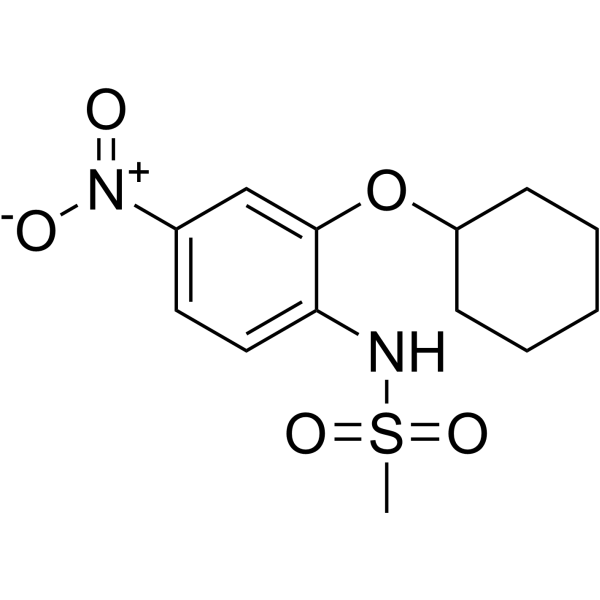
    ZXX2-77 is a cyclooxygenase-1 (COX-1) selective inhibitor belonging to the benzenesulfonylanilide class of compounds. It is reported as a novel analgesic that does not cause gastric damage. ZXX2-77 has a weak analgesic effect but exhibits potent COX-1 inhibitory activity in vitro. The low oral absorption rate of ZXX2-77 leads to its weak analgesic effect in vivo. At a dose of 30 mg/kg, the maximum plasma concentration of ZXX2-77 (1.2 mM) did not reach its COX-1 IC50 value (3.2 mM). In contrast, its derivative ZXX2-79, although weaker in vitro COX inhibitory activity, is better absorbed, exhibits stronger analgesic effect and hardly causes gastric damage. These findings suggest that ZXX2-77 and its derivatives as COX-1 selective inhibitors may become effective analgesics that do not cause gastric damage.
    ZXX2-77

Inquiry Online

Your information is safe with us. * Required Fields.

Salutation


Country or Region *

Applicant Name *


Organization Name *

Department *


Email Address *


Product Name *

Cat. No.


Requested quantity *

Phone Number *


Remarks

Inquiry Online

Inquiry Information

Product Name:
Cat. No.:
Quantity:
MCE Japan Authorized Agent:

