
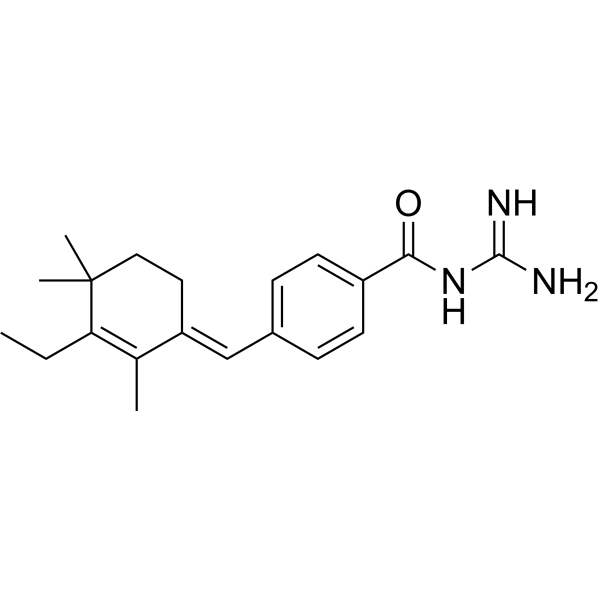
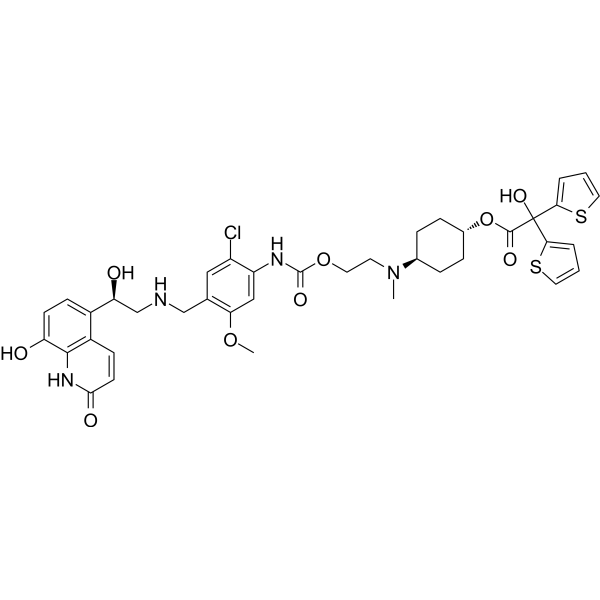
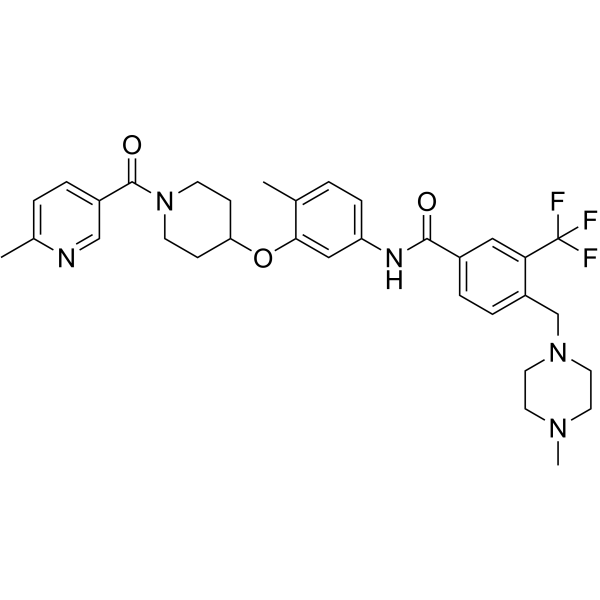
1. Search Result
Search Result
Results for "

CSF inducer

" in MedChemExpress (MCE) Product Catalog:

34

Inhibitors & Agonists

2

Biochemical Assay Reagents

2

Peptides

3

Inhibitory Antibodies

7

Natural
Products

2

Antibodies

Targets Recommended:
Cat. No. Product Name Target Research Areas Chemical Structure
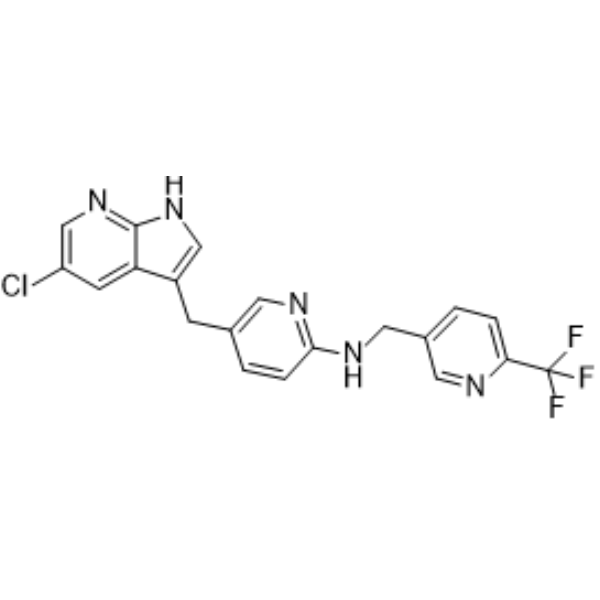
  • HY-16749
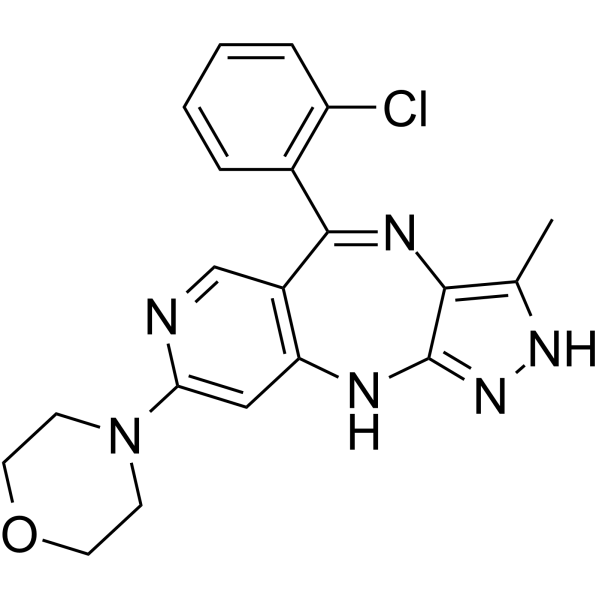
    Pexidartinib
    Maximum Cited Publications
    144 Publications Verification

    PLX-3397

    c-Fms c-Kit Apoptosis Cancer
    Pexidartinib (PLX-3397) is a potent, orally active, selective, and ATP-competitive colony stimulating factor 1 receptor (CSF1R or M-CSFR) and c-Kit inhibitor, with IC50s of 20 and 10 nM, respectively. Pexidartinib (PLX-3397) exhibits 10- to 100-fold selectivity for c-Kit and CSF1R over other related kinases. Pexidartinib (PLX-3397) induces cell apoptosis and has anti-tumor activity. Pexidartinib has limited permeability to the blood-brain barrier, primarily through ABCB1 .
    Pexidartinib
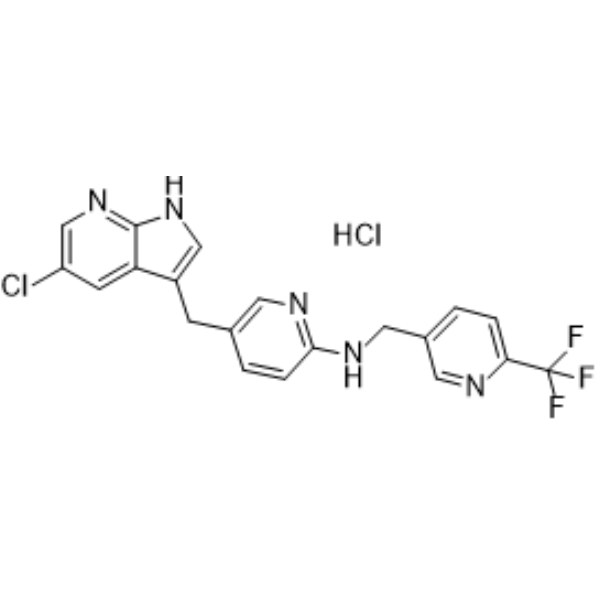
  • HY-16749A
    Pexidartinib hydrochloride
    Maximum Cited Publications
    144 Publications Verification

    PLX-3397 hydrochloride

    c-Fms c-Kit Apoptosis Cancer
    Pexidartinib hydrochloride (PLX-3397 hydrochloride) is a potent, orally active, selective, and ATP-competitive colony stimulating factor 1 receptor (CSF1R or M-CSFR) and c-Kit inhibitor, with IC50s of 20 and 10 nM, respectively. Pexidartinib hydrochloride exhibits 10- to 100-fold selectivity for c-Kit and CSF1R over other related kinases. Pexidartinib hydrochloride induces cell apoptosis and has anti-cancer activity .
    Pexidartinib hydrochloride
  • HY-N3018

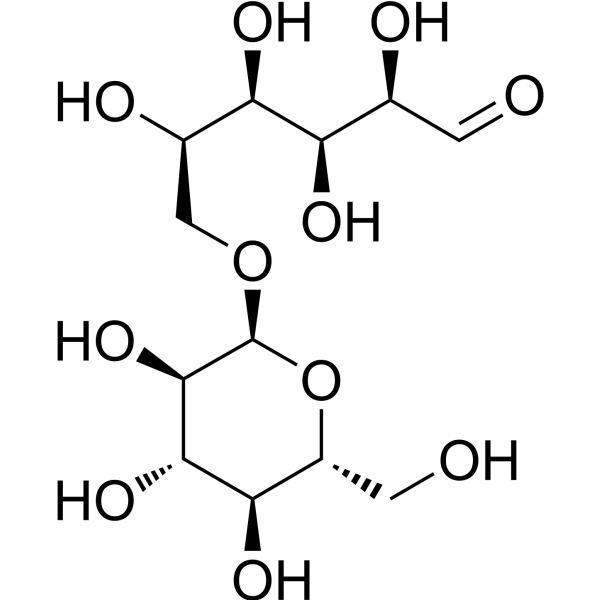
    6-O-α-D-Glucopyranosyl-D-glucose; D-Isomaltose

    Endogenous Metabolite Parasite Infection Metabolic Disease
    Isomaltose (6-O-α-D-Glucopyranosyl-D-glucose) is a glucose disaccharide. Isomaltose induces G-CSF secretion via heat-induced oxidative polymerization of glucose groups into high-molecular-weight compounds. Isomaltose modulates cecal bacterial cluster structure in mice. Isomaltose exhibits low glycemic index, slow hydrolysis, and prebiotic properties. Isomaltose reduces in vivo Cryptosporidium parvum colonization in neonatal mice. Isomaltose can be used for the research of Cryptosporidium parvum infection .
    Isomaltose
  • HY-19772

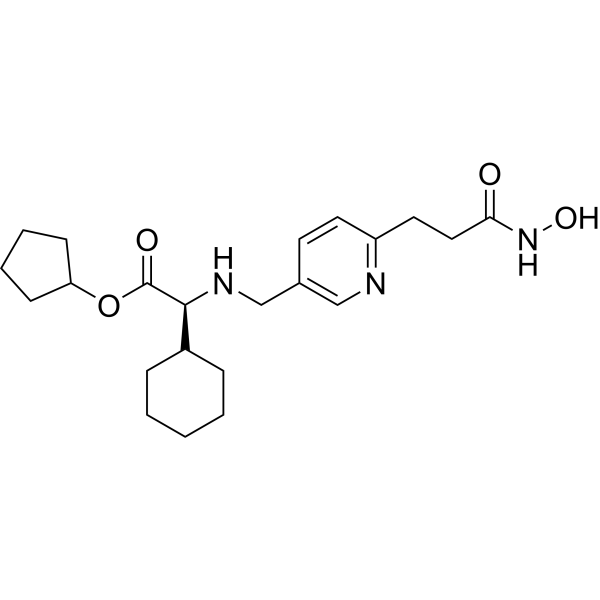
    ESM-HDAC391; CHR-5154; HDAC-IN-3

    HDAC c-Fms Inflammation/Immunology
    GSK3117391 (ESM-HDAC391; CHR-5154; HDAC-IN-3) is an orally active HDAC inhibitor with a IC50 of 55 nM. Using esterase-sensitive motif technology, GSK3117391 is selectively converted into its active acid metabolite HDAC189 in cells expressing carboxylesterase-1. GSK3117391 induces sustained global protein acetylation in monocytes, inhibits the production of proinflammatory cytokines, depletes circulating monocytes, downregulates the expression of CSF1R, and inhibits monocyte adhesion and differentiation. GSK3117391 can be used in the research of chronic inflammatory diseases .
    GSK3117391
  • HY-145601

    TT 00420

    Aurora Kinase FGFR VEGFR Cancer
    Tinengotinib (TT00420) is an orally active, spectrally selective small molecule kinase inhibitor targeting Aurora A/B (IC50=1.2-3.3 nM), FGFR1/2/3 (IC50=1.5-3.5 nM), VEGFRs, JAK1/2 and CSF1R. Tinengotinib blocks Aurora kinase-mediated cell cycle progression (inducing G2/M arrest), inhibits FGFR/JNK-JUN signaling pathway and activates MEK/ERK-dependent apoptotic pathway. Tinengotinib has the activity of anti-tumor proliferation, inducing apoptosis, inhibiting angiogenesis and regulating tumor microenvironment. Tinengotinib can be used in the study of triple-negative breast cancer (TNBC), gallbladder cancer and tumor immune microenvironment .
    Tinengotinib
  • HY-P99879

    Benegrastim; Bineuta; F 627

    STAT Inflammation/Immunology
    Efbemalenograstim alfa (F 627) is a recombinant fusion protein. Efbemalenograstim alfa is a long acting dimeric granulocyte colony-stimulating factor (G-CSF) that contains two human G-CSF fused to a human immunoglobulin G2 (hIgG2)-Fc fragment with a peptide linker. Efbemalenograstim alfa induces the production of white blood cells .
    Efbemalenograstim alfa
  • HY-122767

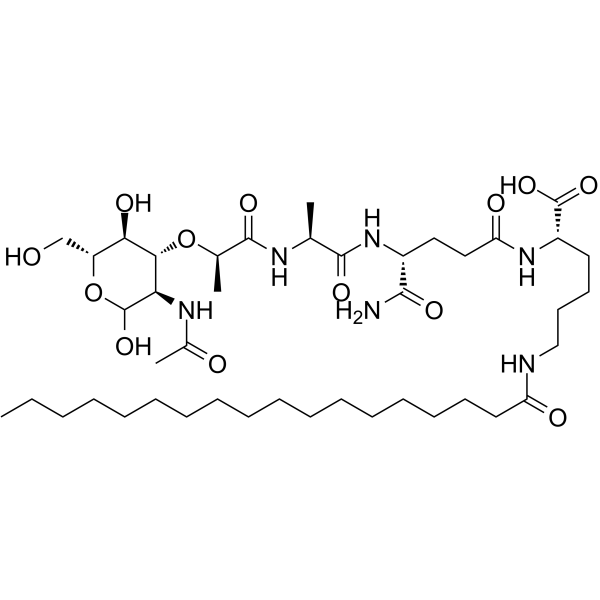
    Muroctasin

    Interleukin Related Inflammation/Immunology
    Romurtide (Muroctasin), a synthetic muramyl dipeptide derivative, is a cytokines inducer. Romurtide can increase peripheral neutrophils and monocytes in vivo and enhance production of colony-stimulating factors (CSFs), IL-1 and IL-6 in vitro .
    Romurtide
  • HY-139410

    c-Fms Inflammation/Immunology
    Sodium caseinates is a kind of sodium salts of major milk proteins, which act as protein-based biopolymers and innate immune system activators. Sodium caseinates induce granulopoiesis, activation and differentiation, promote the production of M-CSF, and increase serum levels of G-CSF and GM-CSF. Sodium caseinates inhibit the proliferation and reduce the viability of leukemia macrophage-like cells, thereby significantly improving the survival rate of mice inoculated with leukemia cells. Sodium caseinates can serve as carriers for probiotics in edible films and exhibit anti-Listeria activity. Sodium caseinates effectively protect vitamin A from degradation, enhance its stability, bioaccessibility and bioavailability, and regulate protein digestibility when complexed with vitamin A. Sodium caseinates can be applied to research related to acute monocytic leukemia and vitamin A deficiency .
    Sodium caseinates
  • HY-W583212

    ZnMP

    Biochemical Assay Reagents Heme Oxygenase (HO) Inflammation/Immunology
    Zn (II) Mesoporphyrin IX (ZnMP) is a heme oxygenase inhibitor with photochemical substrate activity. Zn (II) Mesoporphyrin IX specifically inhibits the activity of bone marrow heme oxygenase. In vitro, Zn (II) Mesoporphyrin IX inhibits the growth of erythroid and myeloid progenitor cells in rabbit bone marrow, and blocks the rhG-CSF-induced mobilization of these progenitor cells into the peripheral blood, exhibiting toxicity to hematopoietic growth and progenitor cell production in rabbits. Zn (II) Mesoporphyrin IX undergoes irreversible photochemical decomposition conforming to first-order kinetic characteristics when irradiated with UV-B in 95% ethanol solution. Zn (II) Mesoporphyrin IX can be used in hematopoietic regulation research, but its photolability and toxic effects on the hematopoietic system require attention .
    Zn(II) Mesoporphyrin IX
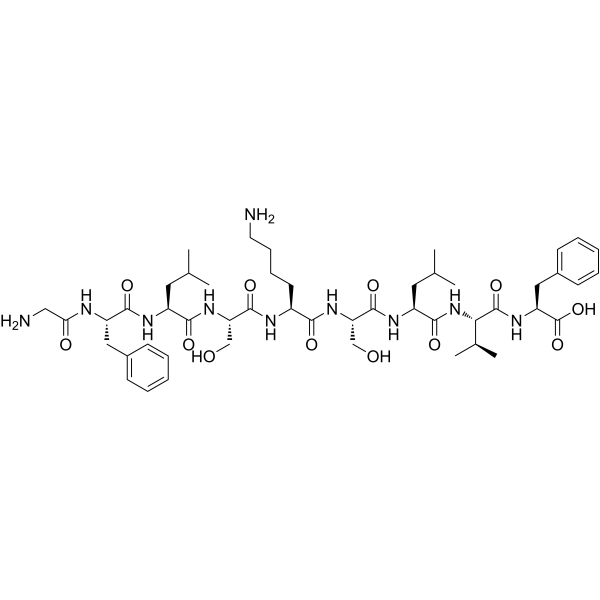
  • HY-P10086
    TREM-1 inhibitory peptide GF9
    1 Publications Verification

    Human TREM-1(213-221)

    TREM receptor TNF Receptor Interleukin Related c-Fms Neurological Disease Inflammation/Immunology Cancer
    TREM-1 inhibitory peptide GF9 (Human TREM-1 (213-221)) is a TREM-1 inhibitor. TREM-1 inhibitory peptide GF9 blocks the TREM-1 signaling pathway via a ligand-independent mechanism, spontaneously inserts into the cell membrane to dissociate TREM-1 from DAP-12, and functions through the Signaling Chain Homooligomerization (SCHOOL) model. TREM-1 inhibitory peptide GF9 reduces the levels of TNFα, IL-1β, IL-6, and M-CSF. TREM-1 inhibitory peptide GF9 inhibits tumor growth, prolongs the survival of mice with pancreatic cancer models, ameliorates collagen-induced arthritis, and exerts protective effects on bone and cartilage simultaneously. TREM-1 inhibitory peptide GF9 can be used in research related to arthritis, pancreatic cancer, retinopathy, alcoholic liver disease, and liver cancer .
    TREM-1 inhibitory peptide GF9
  • HY-W014134

    p-Amidinophenylmethylsulfonylfluoride hydrochloride

    Ser/Thr Protease Inflammation/Immunology
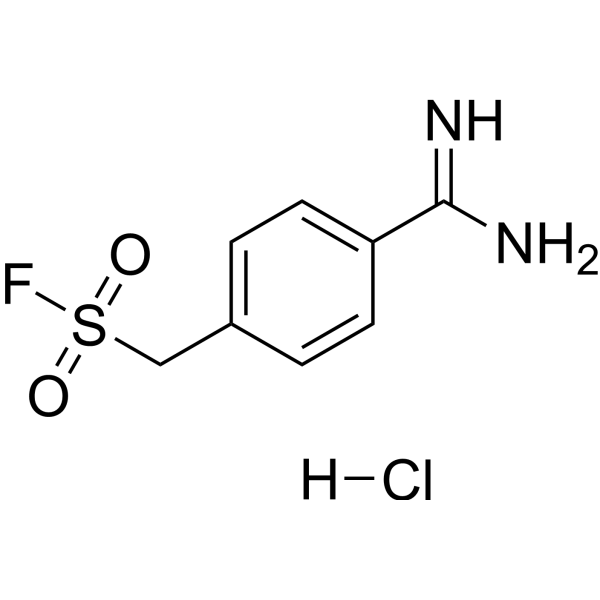
    p-APMSF (p-Amidinophenylmethylsulfonylfluoride) hydrochloride is a serine protease and trypsin inhibitor with the characteristic of rapid onset of action. p-APMSF hydrochloride reduces the enzymatic hydrolysis of recombinant human G-CSF in rat pulmonary mucosa. Combined intratracheal treatment with p-APMSF hydrochloride and Laureth-9 significantly enhances its absorption efficiency in rat lungs. Following intranasal administration, p-APMSF hydrochloride does not increase the concentration of recombinant human G-CSF in rat plasma, nor does it alter the effect of G-CSF on inducing an increase in total white blood cell count .
    p-APMSF hydrochloride
  • HY-122906

    c-Fms Inflammation/Immunology
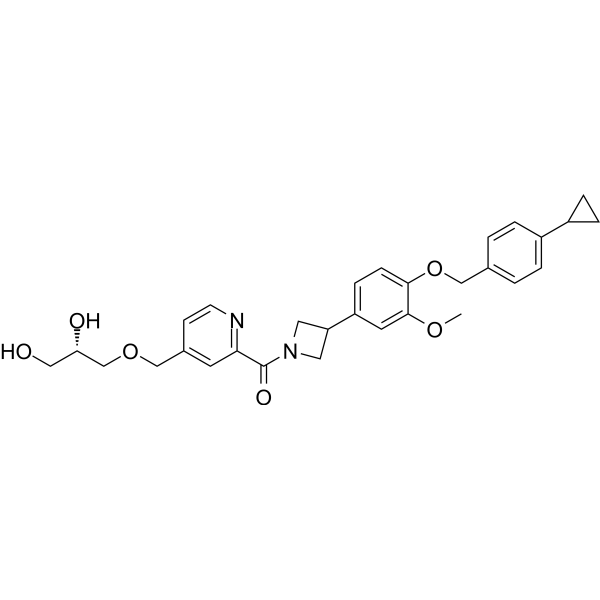
    JTE-952 is a potent, oral active and selective Type II inhibitor of colony stimulating factor-1 receptor (CSF-1R or cFMS, type III receptor tyrosine kinase), with IC50 values of 13 nM and 261 nM for CSF1R and TrkA , respectively. Effective against a mouse collagen-induced model of arthritis .
    JTE-952
  • HY-P991048

    c-Fms Cancer
    AMG-820 is a fully human IgG2 antibody that targets CSF-1R. AMG-820 inhibits binding of the ligands CSF1 and IL34 and subsequent ligand-induced receptor activation. The isotype control for AMG-820 can refer to Human IgG2 kappa, Isotype Control (HY-P99002) .
    AMG-820
  • HY-P990257

    c-Fms Cancer
    Anti-Mouse CSF1 Antibody (5A1) is a rat-derived anti-mouse CSF1 IgG1 κ type antibody inhibitor. Anti-Mouse CSF1 Antibody (5A1) can inhibit cells proliferation and macrophage-induced invasion. Anti-Mouse CSF1 Antibody (5A1) shows potent anti-tumor effect in various tumor models, such as neuroblastoma .
    Anti-Mouse CSF1 Antibody (5A1)
  • HY-16749R

    PLX-3397 (Standard)

    c-Fms c-Kit Apoptosis Reference Standards Cancer
    Pexidartinib (Standard) is the analytical standard of Pexidartinib. This product is intended for research and analytical applications. Pexidartinib (PLX-3397) is a potent, orally active, selective, and ATP-competitive colony stimulating factor 1 receptor (CSF1R or M-CSFR) and c-Kit inhibitor, with IC50s of 20 and 10 nM, respectively. Pexidartinib (PLX-3397) exhibits 10- to 100-fold selectivity for c-Kit and CSF1R over other related kinases. Pexidartinib (PLX-3397) induces cell apoptosis and has anti-tumor activity .
    Pexidartinib (Standard)
  • HY-153893

    Mitochondrial Metabolism Metabolic Disease
    Magmas-IN-1 (compound 9) is a small molecule Magmas inhibitor (SMMI). Magmas is mitochondria associated,granulocyte-macrophage colony stimulating factor signaling molecule,as well as a GM-CSF inducible gene in myeloid cells. Magmas-IN-1 inhibits Magmas and modulates mitochondrial function. Magmas-IN-1 also inhibits proliferation in yeast at 4 μM .
    Magmas-IN-1
  • HY-101034

    CHMFL-ABL-KIT-155

    Bcr-Abl c-Kit Apoptosis PDGFR Discoidin Domain Receptor Cancer
    CHMFL-ABL/KIT-155 (CHMFL-ABL-KIT-155; compound 34) is a highly potent and orally active type II ABL/c-KIT dual kinase inhibitor (IC50s of 46 nM and 75 nM, respectively), and it also presents significant inhibitory activities to BLK (IC50=81 nM), CSF1R (IC50=227 nM), DDR1 (IC50=116 nM), DDR2 (IC50=325 nM), LCK (IC50=12 nM) and PDGFRβ (IC50=80 nM) kinases. CHMFL-ABL/KIT-155 (CHMFL-ABL-KIT-155) arrests cell cycle progression and induces apoptosis .
    CHMFL-ABL/KIT-155
  • HY-125393

    c-Fms Cancer
    Leustroducsin A is a colony-stimulating factor (CSF) inducer. Leustroducsin A induces production of CSF by bone marrowstromal cells .
    Leustroducsin A
  • HY-125377

    c-Fms Cancer
    Leustroducsin C is a colony-stimulating factor (CSF) inducer. Leustroducsin C induces production of CSF by bone marrowstromal cells .
    Leustroducsin C
  • HY-168954

    c-Fms Apoptosis Akt ERK STAT Inflammation/Immunology Cancer
    CSF1R-IN-26 (Compound III-1) is the inhibitor for CSF-1R with an IC50 of 20.07 nM. CSF1R-IN-26 promotes the polarization of M2 macrophages to M1 macrophages, thereby inducing apoptosis in MC-38 cancer cell. CSF1R-IN-26 inhibits the activation of AKT/ERK/STAT3 signaling pathway. CSF1R-IN-26 reconstructs the tumor immune microenvironment and exhibits antitumor activity in mouse models. CSF1R-IN-26 exhibits pharmacokinetics characteristics in SD rats with a half-life 1.86 hours, and an oral bioavailability of 79.22% .
    CSF1R-IN-26
  • HY-125086

    LSN-B

    c-Fms Cardiovascular Disease
    Leustroducsin B is a colony-stimulating factor (CSF) inducer. Leustroducsin B induces CSF production in bone marrow stromal cells .
    Leustroducsin B
  • HY-13075

    c-Fms Trk Receptor c-Kit TAM Receptor FLT3 Inflammation/Immunology
    c-Fms-IN-3 is an orally active c-Fms (CSF1R) kinase inhibitor (IC50 = 0. 8 nM). c-Fms-IN-3 inhibits CSF1R kinase activity and reduces macrophage populations. c-Fms-IN-3 reduces bone erosion, pannus invasion, cartilage damage, and inflammation in collagen (HY-NP003)-induced arthritis mouse model. c-Fms-IN-3 is useful for arthritis research .
    c-Fms-IN-3
  • HY-176194

    Collagen c-Fms PDGFR Src Inflammation/Immunology
    Antifibrotic agent 1 is an orally active anti-idiopathic pulmonary fibrosis (IPF) agent. Antifibrotic agent 1 effectively attenuates IPF-related processes, including TGF-β induced EMT and FMT processes, as well as pro-fibrotic M2 polarization. Antifibrotic agent 1 selectively inhibits CSF-1R, PDGFR-α and Src family kinases (SFKs), while sparing VEGFRs, FGFRs and Abl to minimize off-target toxicity. Antifibrotic agent 1 has potent anti-fibrotic activity in Bleomycin (BLM) (HY-108345)-induced pulmonary fibrosis mice model .
    Antifibrotic agent 1
  • HY-16749AR

    PLX-3397 hydrochloride (Standard)

    c-Fms c-Kit Apoptosis Reference Standards Cancer
    Pexidartinib (hydrochloride) (Standard) is the analytical standard of Pexidartinib (hydrochloride). This product is intended for research and analytical applications. Pexidartinib hydrochloride (PLX-3397 hydrochloride) is a potent, orally active, selective, and ATP-competitive colony stimulating factor 1 receptor (CSF1R or M-CSFR) and c-Kit inhibitor, with IC50s of 20 and 10 nM, respectively. Pexidartinib hydrochloride exhibits 10- to 100-fold selectivity for c-Kit and CSF1R over other related kinases. Pexidartinib hydrochloride induces cell apoptosis and has anti-cancer activity .
    Pexidartinib hydrochloride (Standard)
  • HY-162415

    c-Fms Apoptosis Cancer
    CSF1R-IN-22 (Compound C19) is an orally effective CSF-1R selective inhibitor (IC50<6 nM). CSF1R-IN-22 enhances the secretion of CXCL9 from M2 macrophages, increases CD8 + T cell infiltration. CSF1R-IN-22 boosts anti-tumor immune responses of anti-PD-1, and induces apoptosis in tumor cells. CSF1R-IN-22 can effectively reprogram M2-like TAMs (tumor-associated macrophages) to the M1 phenotype and reshape the TME by inducing the recruitment of CD8 + T cells into tumors and reducing the infiltration of immunosuppressive Tregs and MDSCs .
    CSF1R-IN-22
  • HY-10109A

    PI3K Akt Inflammation/Immunology
    AS-605240 (potassium) is an orally active PI3Kγ inhibitor (IC50: 8 nM; Ki: 7.8 nM). AS-605240 (potassium) inhibits MCP-1- and CSF1-induced PKB phosphorylation (IC50 values are 0.181 and 0.550 µM, respectively). AS-605240 (potassium) reduces neutrophil recruitment in RANTES (CCL5)- and thioglycolate-induced peritonitis mouse models (EC50 values are 9.1 and 10 mg/kg, respectively). AS-605240 (potassium) ameliorates αCII-IA-induced arthritis in mice .
    AS-605240 potassium
  • HY-W553071

    Interleukin Related Inflammation/Immunology
    Cytoxazone is a cytoKine regulator found in Streptornyces sp. RK95-31. Cytoxazone inhibits the production of IL-4 and IL-10 induced by Pokeween mitogen (PWM) at 6.25-25 μg/mL, but does not inhibit the production of GM-CSF induced by PWM .
    Cytoxazone
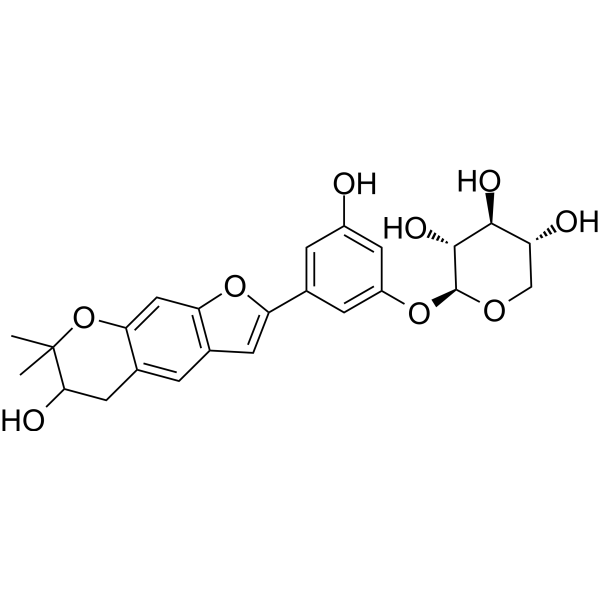
  • HY-N15307

    Interleukin Related TNF Receptor Inflammation/Immunology
    Trigraecum is a flavonoid compound found in Dracaena steudneri and Dalbergia cochinchinensis, exhibiting anti-inflammatory activity. It can inhibit the LPS (HY-D1056)-induced production of IL-1β, IL-2, GM-CSF, and TNF-α in human peripheral blood mononuclear cells. Trigraecum holds promise for research on inflammatory diseases .
    Trigraecum
  • HY-172257

    HIF/HIF Prolyl-Hydroxylase Cancer
    HIF-PHD-IN-4 (Compound 13) is an orally active PHD2 inhibitor with an IC50 of 100 nM. HIF-PHD-IN-4 can effectively enhance the mobilization of hematopoietic stem cells induced by G-CSF in mice at a dose of 2 mg/kg. HIF-PHD-IN-4 is suitable for research in the field of tumor therapy .
    HIF-PHD-IN-4
  • HY-N3018R

    6-O-α-D-Glucopyranosyl-D-glucose (Standard); D-Isomaltose (Standard)

    Reference Standards Endogenous Metabolite Parasite Infection Metabolic Disease
    Isomaltose (Standard) is the analytical standard of Isomaltose (HY-N3018). This product is intended for research and analytical applications. Isomaltose induces G-CSF secretion via heat-induced oxidative polymerization of glucose groups into high-molecular-weight compounds. Isomaltose modulates cecal bacterial cluster structure in mice. Isomaltose exhibits low glycemic index, slow hydrolysis, and prebiotic properties. Isomaltose reduces in vivo Cryptosporidium parvum colonization in neonatal mice. Isomaltose can be used for the research of Cryptosporidium parvum infection .
    Isomaltose (Standard)
  • HY-117854

    Leukotriene Receptor Inflammation/Immunology
    SB 201146 is an LTB4 receptor antagonist with a potency range of 10 pM to 1 μM that plays a critical role in asthma-associated airway inflammation. Studies have focused on its effects on eosinophil survival, a hallmark of asthma pathology. Studies have shown that eosinophil-derived cysteinyl leukotrienes, including LTC4 and LTD4, as well as factors such as GM-CSF and fibronectin promote eosinophil survival. SB 201146 effectively reversed mast cell- and lymphocyte-induced eosinophil survival, highlighting its potential therapeutic role in disrupting the autocrine cysteinyl leukotriene pathway that maintains eosinophil viability. This antagonist also highlights the importance of LTB4 as a paracrine mediator that influences eosinophil survival in inflammatory settings such as asthma .
    SB 201146
  • HY-183569

    c-Fms Akt PERK Aminotransferases (Transaminases) Apoptosis TNF Receptor Interleukin Related Metabolic Disease
    CSF1R-IN-27 is a CSF1R inhibitor with oral effectiveness, kinome-wide selective profile, low cellular cytotoxicity, and CSF1R IC50 values of 19 nM, 88 nM, 173 nM, 797 nM, 1448 nM, and >3000 nM. CSF1R-IN-27 suppresses M-CSF-induced phosphorylation of CSF1R, AKT, and ERK in macrophages, and inhibits hepatic p-CSF1R/p-AKT/p-ERK signaling. CSF1R-IN-27 reduces serum transaminase levels, improves hepatic histopathology, alleviates inflammatory cell infiltration, and decreases circulating TNF-α and IL-6 levels. CSF1R-IN-27 can be used for the research of acute liver injury .
    CSF1R-IN-27
  • HY-181998

    Interleukin Related Neurological Disease Inflammation/Immunology
    CN016 is a neuroprotective agent. CN016 inhibits the elevation of pro-inflammatory cytokines G-CSF, GM-CSF and IL-6 induced by Oxaliplatin (HY-17371). CN016 suppresses Paclitaxel (HY-B0015)-induced inflammatory responses and immune cell infiltration into sensory neurons. CN016 protects neurons from Paclitaxel (HY-B0015)-induced neurotoxic damage. CN016 protects mice against Oxaliplatin-induced peripheral neuropathy .
    CN016
  • HY-183301

    Toll-like Receptor (TLR) Cardiovascular Disease
    TLR2/1 agonist-1 is a selective agonist of the TLR2/1 heterodimer. TLR2/1 agonist-1 acts as a hematopoietic recovery inducer to accelerate the recovery of peripheral blood cells. TLR2/1 agonist-1 serves as a G-CSF production inducer to increase serum G-CSF levels. TLR2/1 agonist-1 exhibits radioprotective effects in mice exposed to radiation. TLR2/1 agonist-1 can be used in studies related to acute radiation syndrome .
    TLR2/1 agonist-1

Inquiry Online

Your information is safe with us. * Required Fields.

Salutation


Country or Region *

Applicant Name *


Organization Name *

Department *


Email Address *


Product Name *

Cat. No.


Requested quantity *

Phone Number *


Remarks

Inquiry Online

Inquiry Information

Product Name:
Cat. No.:
Quantity:
MCE Japan Authorized Agent:

