


1. Search Result
Search Result
Results for "

CXCL-12

" in MedChemExpress (MCE) Product Catalog:

48

Inhibitors & Agonists

8

Peptides

6

Inhibitory Antibodies

1

Natural
Products

12

Recombinant Proteins

1

Antibodies

6

Oligonucleotides

Cat. No. Product Name Target Research Areas Chemical Structure
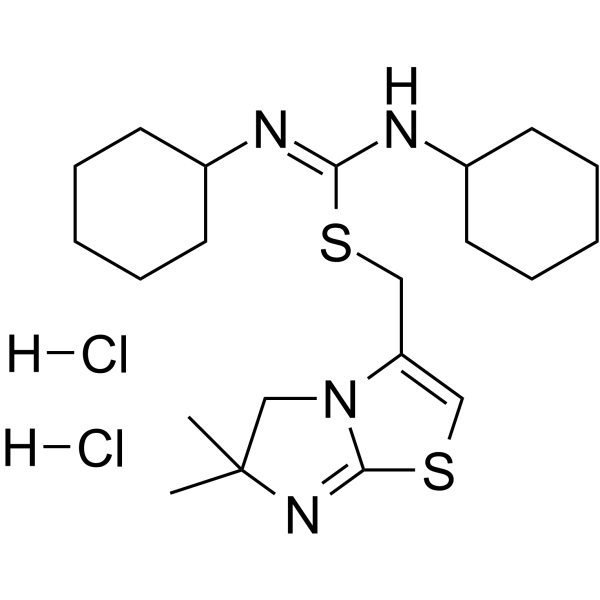
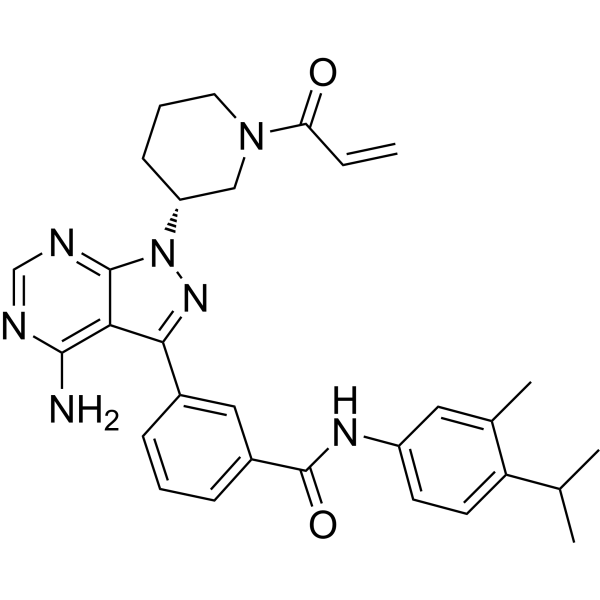
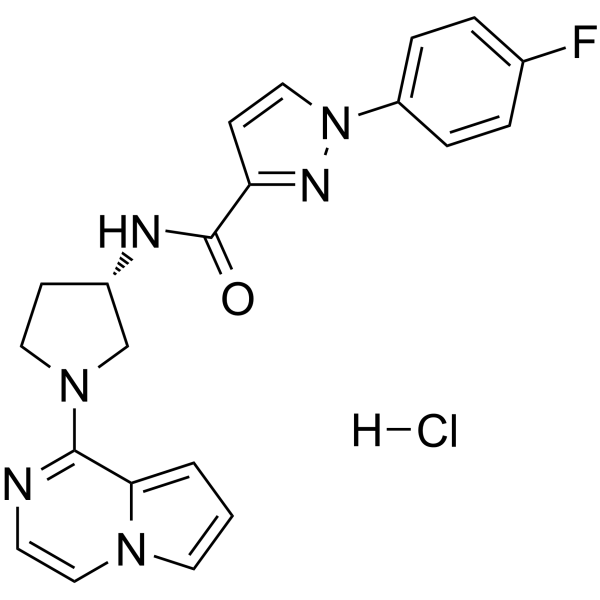
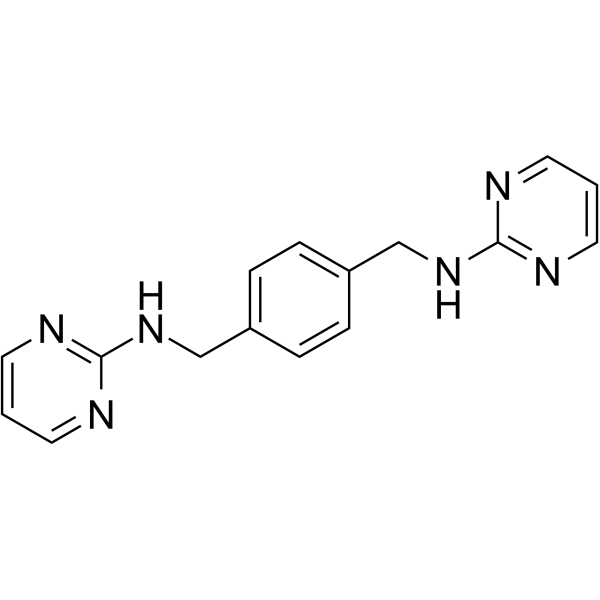
  • HY-108691
    PF-06465469
    2 Publications Verification

    Itk Btk CXCR PD-1/PD-L1 LAG-3 Cancer
    PF-06465469 is a covalent inhibitor of ITK with an IC50 of 2 nM. PF-06465469 also inhibits BTK. PF-06465469 inhibits cell migration in response to CXCL12. PF-06465469 decreases PD-1 and LAG-3 expression. PF-06465469 can be used to study leukemia and T-cell lymphoma .
    PF-06465469
  • HY-15478
    WZ811
    3 Publications Verification

    MOFs CXCR Endocrinology Cancer
    WZ811 is an orally active, highly potent competitive antagonist of CXCR4. WZ811 efficiently inhibits CXCR4/SDF-1 (or CXCL12)-mediated modulation of cAMP levels (EC50=1.2 nM) and SDF-1 induced Matrigel invasion in cells (EC50=5.2 nM) .
    WZ811
  • HY-101458A
    IT1t dihydrochloride
    5 Publications Verification

    CXCR HIV Inflammation/Immunology Endocrinology Cancer
    IT1t dihydrochloride is a potent CXCR4 antagonist; inhibits CXCL12/CXCR4 interaction with an IC50 of 2.1 nM.
    IT1t dihydrochloride
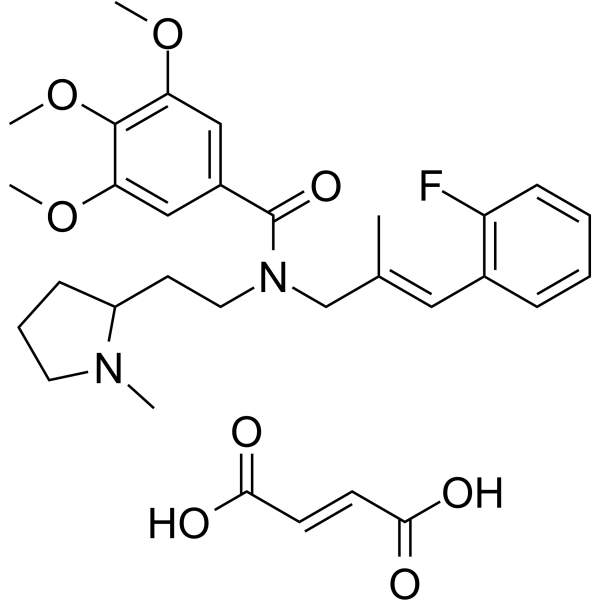
  • HY-110318
    VUF11207 fumarate
    3 Publications Verification

    CXCR Inflammation/Immunology Cancer
    VUF11207 fumarate is a CXCR7 agonist that binds specifically to CXCR7. VUF11207 fumarate reduces CXCL12-mediated osteoclastogenesis and bone resorption by inhibiting ERK phosphorylation .
    VUF11207 fumarate
  • HY-160041A

    NOX-A12 sodium

    CXCR Cancer
    Olaptesed pegol (NOX-A12) sodium is a L-oligoribonucleotide aptamer targeting CXCL12 based on a pegylated structure. Olaptesed pegol sodium neutralizes CXCL12, and CXCL12 inhibition mobilizes chronic lymphocytic leukemia cells into the circulation and prevents their homing into the protective microenvironment. Olaptesed pegol sodium can enhances the infiltration of human primary T cells and NK cells and inhibit tumor growth companied with anti-PD-1 antibody. Olaptesed pegol sodium can be used for researches of colon cancer and lymphocytic leukemia .
    Olaptesed pegol sodium
  • HY-160041

    NOX-A12

    CXCR Cancer
    Olaptesed pegol (NOX-A12) is a L-oligoribonucleotide aptamer targeting CXCL12 based on a pegylated structure. Olaptesed pegol neutralizes CXCL12, and CXCL12 inhibition mobilizes chronic lymphocytic leukemia cells into the circulation and prevents their homing into the protective microenvironment. Olaptesed pegol can enhances the infiltration of human primary T cells and NK cells and inhibit tumor growth companied with anti-PD-1 antibody. Olaptesed pegol can be used for researches of colon cancer and lymphocytic leukemia .
    Olaptesed pegol
  • HY-13696
    MSX-122
    1 Publications Verification

    CXCR Inflammation/Immunology Endocrinology Cancer
    MSX-122 is an orally active partial antagonist of CXCR4, inhibiting CXCR4/CXCL12 actions, with an IC50 of ∼10 nM. MSX-122 has anti-inflammatory and anti-metastatic activity.
    MSX-122
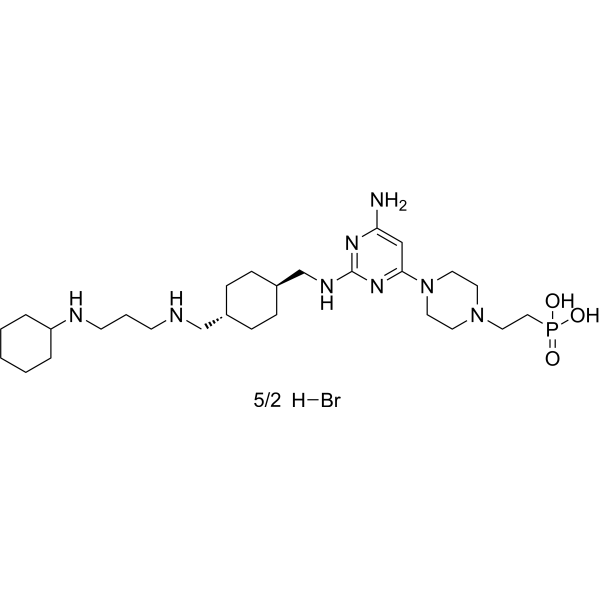
  • HY-19867A

    TG-0054 hydrobromide

    CXCR Cardiovascular Disease Cancer
    Burixafor (TG-0054) hydrobromide is a potent CXCR4 antagonist with a pIC50 of 7.4. Burixafor hydrobromide inhibits the binding of CXCL12 to CXCR4, antagonizes CXCL12-induced recruitment of Gαᵢ and β-arrestin2, and blocks the downstream Gαᵢ-mediated inhibitory effect on cAMP signal transduction. Burixafor hydrobromide mobilizes CD34 + hematopoietic stem/progenitor cells (HSPC) from the bone marrow to the peripheral blood. Burixafor hydrobromide can be used for research on autologous hematopoietic stem cell transplantation (ASCT) .
    Burixafor hydrobromide
  • HY-139643
    CXCR7 antagonist-1
    2 Publications Verification

    CXCR Adrenergic Receptor Inflammation/Immunology Cancer
    CXCR7 antagonist-1 is a CXCR7 antagonist that inhibits the binding of the SDF-1 chemokine (also known as the CXCL12 chemokine) or I-TAC (also known as CXCL11) to the chemokine receptor CXCR7. CXCR7 antagonist-1 is useful in preventing tumor cell proliferation, tumor formation, inflammatory diseases, and many other diseases .
    CXCR7 antagonist-1
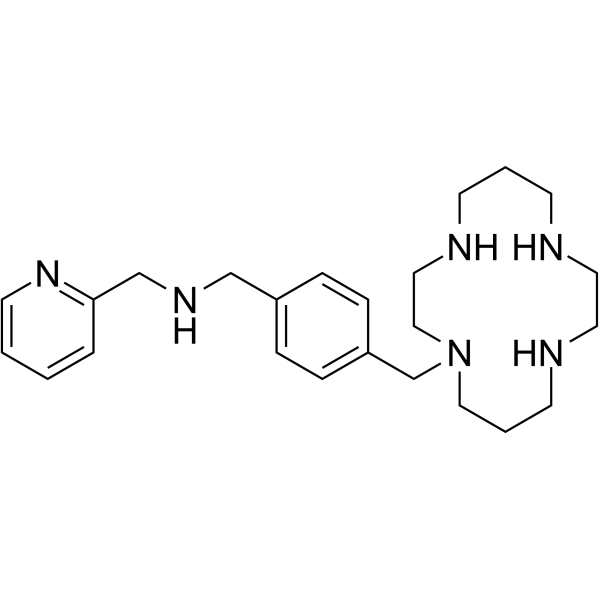
  • HY-15971A
    AMD 3465
    5 Publications Verification

    GENZ-644494

    CXCR HIV Infection Endocrinology
    AMD 3465 (GENZ-644494) is a potent antagonist of CXCR4, inhibits binding of 12G5 mAb and CXCL12 AF647 to CXCR4, with IC50s of 0.75 nM and 18 nM in SupT1 cells; AMD 3465 also potently inhibits the replication of X4 HIV strains (IC50: 1-10 nM), but has no effect on CCR5-using (R5) viruses.
    AMD 3465
  • HY-P99272
    Ulocuplumab
    1 Publications Verification

    BMS 936564; MDX 1338; Anti-Human CXCR4 Recombinant Antibody

    CXCR Cancer
    Ulocuplumab (Anti-Human CXCR4 Recombinant Antibody/BMS-936564/MDX1338) is a fully human IgG4 anti-CXCR4 antibody. Ulocuplumab induces apoptosis and inhibits CXCL12 mediated CXCR4 activation-migration of chronic lymphocytic leukemia (CLL). Ulocuplumab exhibits antitumor activity in established tumors including acute myeloid leukemia (AML), non-Hodgkin lymphoma (NHL), and multiple myeloma xenograft models .
    Ulocuplumab
  • HY-167851

    CXCR Neurological Disease Cancer
    CCX662 is a selective CXCR7 inhibitor with human IC50 values of 9 nM (buffer) and 18 nM (100% human serum), and rat IC50 of 14 nM (100% rat serum). CCX662 blocks CXCL12 binding to CXCR7, inhibits CXCR4-directed trans-endothelial migration of CXCR4 +/CXCR7 + cells. CCX662 can be used for the research of glioblastoma multiforme .
    CCX662
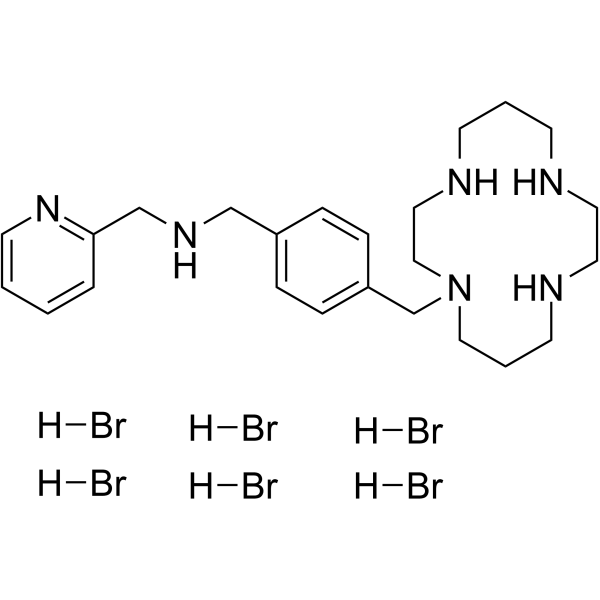
  • HY-15971
    AMD 3465 hexahydrobromide
    5 Publications Verification

    GENZ-644494 hexahydrobromide

    CXCR HIV Infection Endocrinology
    AMD 3465 hexahydrobromide (GENZ-644494 hexahydrobromide) is a potent antagonist of CXCR4, inhibits binding of 12G5 mAb and CXCL12 AF647 to CXCR4, with IC50s of 0.75 nM and 18 nM in SupT1 cells; AMD 3465 also potently inhibits the replication of X4 HIV strains (IC50: 1-10 nM), but has no effect on CCR5-using (R5) viruses.
    AMD 3465 hexahydrobromide
  • HY-139643A
    CXCR7 antagonist-1 hydrochloride
    2 Publications Verification

    CXCR Adrenergic Receptor Inflammation/Immunology Cancer
    CXCR7 antagonist-1 hydrochloride is a CXCR7 antagonist that inhibits the binding of the SDF-1 chemokine (also known as the CXCL12 chemokine) or I-TAC (also known as CXCL11) to the chemokine receptor CXCR7. CXCR7 antagonist-1 hydrochloride is useful in preventing tumor cell proliferation, tumor formation, inflammatory diseases, and many other diseases .
    CXCR7 antagonist-1 hydrochloride
  • HY-139906

    CXCR Inflammation/Immunology Cancer
    CXCL12 ligand 1 is the first ligand of the sY12-binding pocket on chemokine CXCL12.
    CXCL12 ligand 1
  • HY-P990390

    CXCR Inflammation/Immunology
    Anti-CXCL12/SDF1a Antibody is a CHO-expressed human antibody that targets CXCL12/SDF1a. The Anti-CXCL12/SDF1a Antibody has a huIgG1 heavy chain and a huκ light chain, with a predicted molecular weight (MW) of 145 kDa. For the isotype control of Anti-CXCL12/SDF1a Antibody, please refer to Human IgG1 kappa, Isotype Control (HY-P99001).
    Anti-CXCL12/SDF1a Antibody
  • HY-P10415
    EPI-X4
    1 Publications Verification

    hSA(408–423) peptide

    CXCR Infection Inflammation/Immunology Cancer
    EPI-X4 (hSA408–423 peptide) is an antagonist for C-X-C motif chemokine receptor 4 (CXCR4) with IC50 of 8.6 μM. EPI-X4 blocks the CXCL12-mediated signaling, inhibits chemokine-mediated migration and invasion of leukemia cell. EPI-X4 exhibits anti-inflammatory activity in mouse model. EPI-X4 exhibits antiviral activity against CXCR4-tropic HIV with IC50 of 8.6 μM .
    EPI-X4
  • HY-N3255

    CXCR STAT Inflammation/Immunology Cancer
    Minecoside is a CXCR4/STAT3 inhibitor with anticancer and anti-inflammatory activity. Minecoside decreases CXCR4 expression and suppresses STAT3 activation, thus to inhibit CXCL 12-induced invasion. Minecoside potently inhibits cancer metastasis and promotes apoptotic progression .
    Minecoside
  • HY-101458

    CXCR HIV Inflammation/Immunology Endocrinology
    IT1t is a potent CXCR4 antagonist; inhibits CXCL12/CXCR4 interaction with an IC50 of 2.1 nM.
    IT1t
  • HY-146401

    CXCR Cancer
    CXCR4 antagonist 6 (compound 46) is a potent CXCR4 antagonist with an IC50 value of 79 nM. CXCR4 antagonist 6 inhibits CXCL12 induced cytosolic calcium flux (IC50 = 0.25 nM). CXCR4 antagonist 6 significantly mitigates CXCL12/CXCR4 mediated cell migration. CXCR4 antagonist 6 exhibits marked efficacy in a cancer metastasis model in mice .
    CXCR4 antagonist 6
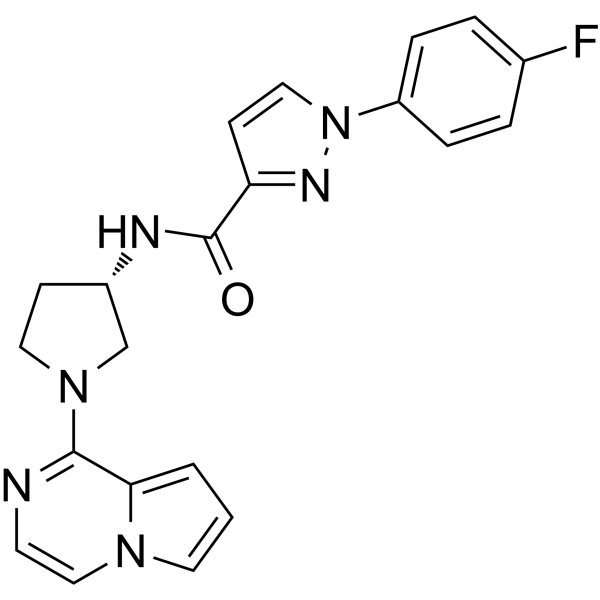
  • HY-178205

    CXCR ERK Akt Cancer
    BPRCX 807 is a selective and potent CXCR4 (CXC chemokine receptor type 4) antagonist. BPRCX 807 inhibits CXCL12-mediated ERK and Akt phosphorylation. BPRCX 807 can significantly suppress primary tumor growth. BPRCX 807 can be used for the study of hepatocellular carcinoma .
    BPRCX807
  • HY-P11451

    CXCR Cancer
    Pentixather is a radiolabeled peptide that can target CXCR4. Pentixather can disrupt the interaction between leukemic cells and the bone marrow microenvironment by targeting the CXCR4/CXCL12 signaling axis, reduce the retention of leukemic cells in the protective bone marrow niche, and thereby enhance the sensitivity of leukemic cells to treatment. Pentixather can be used for the study of acute lymphoblastic leukemia (ALL) and acute myeloid leukemia (AML) .
    Pentixather
  • HY-RS16524

    Small Interfering RNA (siRNA) Others

    Cxcl12 Mouse Pre-designed siRNA Set A contains three designed siRNAs for Cxcl12 gene (Mouse), as well as a negative control, a positive control, and a FAM-labeled negative control.

    Cxcl12 Mouse Pre-designed siRNA Set A
    Cxcl12 Mouse Pre-designed siRNA Set A
  • HY-174730

    mRNA Inflammation/Immunology
    Human CXCL12 mRNA encodes the human C-X-C motif chemokine ligand 12 (CXCL12) protein, a stromal cell-derived alpha chemokine member of the intercrine family. CXCL12 functions as the ligand for the G-protein coupled receptor, chemokine (C-X-C motif) receptor 4, and plays a role in many diverse cellular functions, including embryogenesis, immune surveillance, inflammation response, tissue homeostasis, and tumor growth and metastasis.
    Human CXCL12 mRNA
  • HY-RS22955

    Small Interfering RNA (siRNA) Others

    Cxcl12 Rat Pre-designed siRNA Set A contains three designed siRNAs for Cxcl12 gene (Rat), as well as a negative control, a positive control, and a FAM-labeled negative control.

    Cxcl12 Rat Pre-designed siRNA Set A
    Cxcl12 Rat Pre-designed siRNA Set A
  • HY-RS03386

    Small Interfering RNA (siRNA) Others

    CXCL12 Human Pre-designed siRNA Set A contains three designed siRNAs for CXCL12 gene (Human), as well as a negative control, a positive control, and a FAM-labeled negative control.

    CXCL12 Human Pre-designed siRNA Set A
    CXCL12 Human Pre-designed siRNA Set A
  • HY-P10321

    CXCR Inflammation/Immunology
    HBP08 is a selective inhibitor of CXCL12/HMGB1 interaction. HBP08 has a high affinity for HMGB1 (Kd=0.8 μM). HBP08 inhibits CXCL12-mediated cell migration .
    HBP08
  • HY-129094

    CXCR Cancer
    ICT5040 is a small molecule CXCR4 antagonist (IC50=3.8 μM). ICT5040 inhibits CXCL12-mediated proliferation and migration, and suppresses CXCL12-induced intracellular calcium mobilisation in U87 glioma cells .
    ICT5040
  • HY-147979

    CXCR Infection Cancer
    CXCR4 antagonist 9 (Compound 2) is a CXCR4 antagonist with an IC50 of 15 nM. CXCR4 antagonist 9 inhibits CXCL12 induced cytosolic calcium increase with an IC50 of 1.3 nM .
    CXCR4 antagonist 9
  • HY-P10973

    CXCR ERK Cancer
    Peptide R analogue 10 (compound 10) is an analog of the CXCR4 antagonist peptide Peptide R (HY-P4111) with stronger antagonistic potency, specificity and plasma stability. Peptide R analogue 10 can inhibit CXCL12-mediated cell migration, ERK phosphorylation and CXCR4 internalization. Peptide R analogue 10 can be used in the study of CXCR4 overexpressing leukemia and colon cancer .
    Peptide R analogue 10
  • HY-P991795

    CXCR Cancer
    Anti-Mouse/Human CXCL12 Antibody (K15C) reacts with mouse CXCL12. Anti-Mouse/Human CXCL12 Antibody (K15C) has the effect of neutralizing CXCL12/SDF-1 both in vivo and in vitro. Recommend Isotype Controls: Mouse IgG2a kappa, Isotype Control (HY-P99978) .
    Anti-Mouse/Human CXCL12 Antibody (K15C)
  • HY-15971AR

    GENZ-644494 (Standard)

    CXCR HIV Reference Standards Infection Endocrinology
    AMD 3465 (Standard) is the analytical standard of AMD 3465. This product is intended for research and analytical applications. AMD 3465 (GENZ-644494) is a potent antagonist of CXCR4, inhibits binding of 12G5 mAb and CXCL12AF647 to CXCR4, with IC50s of 0.75 nM and 18 nM in SupT1 cells; AMD 3465 also potently inhibits the replication of X4 HIV strains (IC50: 1-10 nM), but has no effect on CCR5-using (R5) viruses.
    AMD 3465 (Standard)
  • HY-15971R

    GENZ-644494 hexahydrobromide (Standard)

    CXCR HIV Reference Standards Infection Endocrinology
    AMD 3465 (hexahydrobromide) (Standard) is the analytical standard of AMD 3465 (hexahydrobromide). This product is intended for research and analytical applications. AMD 3465 hexahydrobromide (GENZ-644494 hexahydrobromide) is a potent antagonist of CXCR4, inhibits binding of 12G5 mAb and CXCL12AF647 to CXCR4, with IC50s of 0.75 nM and 18 nM in SupT1 cells; AMD 3465 also potently inhibits the replication of X4 HIV strains (IC50: 1-10 nM), but has no effect on CCR5-using (R5) viruses.
    AMD 3465 hexahydrobromide (Standard)
  • HY-P11019

    CXCR Calcium Channel Cancer
    IS4 is a selective CXCR4 competitive antagonist, with an IC50 of 0.65 nM in THP-1 cells and 38.75 nM in Jurkat cells. IS4 is stable in serum and non-cytotoxic. IS4 competitively binds to CXCR4 with CXCL12, thereby inhibiting CXCL12-induced intracellular Ca 2+ release and cancer cell migration. IS4 can be used in the research on the prevention of metastasis of breast cancer, prostate cancer, leukemia, and other diseases .
    IS4
  • HY-W104862

    4-NH2-d-Phe

    CXCR Inflammation/Immunology
    4-Amino-D-phenylalanine ([D-Phe(4-NH2)), a cyclic pentapeptide, inhibits CXCL12 binding to CXCR4 in FC131, with an IC50 of 0.1 μM .
    4-Amino-D-phenylalanine
  • HY-146372

    CXCR Cancer
    CXCR4 antagonist 5 (compound 23) is a highly potent CXCR4 antagonist with an IC50 value of 8.8 nM. CXCR4 antagonist 5 can inhibit CXCL12-induced cytosolic calcium increase (IC50 = 0.02 nM) and inhibits CXCR4/CXLC12-mediated chemotaxis. CXCR4 antagonist 5 has good physicochemical properties and in vitro safety profiles, inhibiting CYP isozymes and hERG marginally or moderately .
    CXCR4 antagonist 5
  • HY-147978

    CXCR Infection Cancer
    CXCR4 antagonist 8 (Compound 3) is a CXCR4 antagonist with an IC50 of 57 nM. CXCR4 antagonist 8 inhibits CXCL12 induced cytosolic calcium increase with an IC50 of 0.24 nM. CXCR4 antagonist 8 inhibits CXLC12/CXCR4 mediated cell migration .
    CXCR4 antagonist 8
  • HY-P11728

    CXCR Apoptosis Caspase Akt ERK Cancer
    Peptide E5 is an antagonist targeting the CXCR4/CXCL12 axis. Peptide E5 blocks the CXCR4/CXCL12 axis, downregulates CXCR4 expression, and inhibits the phosphorylation of downstream Akt and Erk. Peptide E5 induces apoptosis, suppresses migration and adhesion of breast cancer cells. Peptide E5 inhibits CXCL12-mediated endothelial progenitor cell recruitment, thereby suppressing tumor angiogenesis. Peptide E5 is applicable to relevant research on breast cancer .
    Peptide E5
  • HY-19867

    TG-0054

    CXCR Cancer
    Burixafor (TG-0054) is a potent CXCR4 antagonist with a pIC50 of 7.4. Burixafor inhibits the binding of CXCL12 to CXCR4, antagonizes CXCL12-induced recruitment of Gαᵢ and β-arrestin2, and blocks the downstream Gαᵢ-mediated inhibitory effect on cAMP signal transduction. Burixafor mobilizes CD34 + hematopoietic stem/progenitor cells (HSPC) from the bone marrow to the peripheral blood. Burixafor can be used for research on autologous hematopoietic stem cell transplantation (ASCT) .
    Burixafor
  • HY-P991744

    CXCR Cancer
    Anti-Mouse CXCR4 Antibody is a monoclonal antibody that specifically recognizes murine CXCR4 (C-X-C chemokine receptor 4), also known as fusin or CD184. CXCR4 is a seven-transmembrane G protein–coupled receptor whose principal endogenous ligand is CXCL12 (stromal cell–derived factor-1α, SDF-1α) and is widely expressed in hematopoietic cells, endothelial cells, neurons, as well as embryonic and adult stem cells. The CXCR4–CXCL12 signaling axis activates multiple downstream pathways, including ERK1/2, Ras, p38 MAPK, PLC/MAPK, and SAPK/JNK, thereby regulating cell survival, proliferation, migration, and stemness maintenance. Aberrant overexpression of CXCR4 is closely associated with poor prognosis and metastasis in various cancers, with CXCR4-positive tumor cells preferentially home to CXCL12-rich tissues such as the liver, bone marrow, lung, and lymph nodes. Accordingly, CXCR4 and its CXCL12-related antagonists emerge as attractive targets for experimental anticancer therapy. Anti-Mouse CXCR4 Antibody is generated using a cell-based immunization and screening strategy and exhibits high affinity for both endogenous and exogenous murine CXCR4. Anti-Mouse CXCR4 Antibody can be used for thestudy of chronic lymphocytic leukemia and multiple myeloma .
    Anti-Mouse CXCR4 Antibody (Cx4Mab-1)
  • HY-101458AR

    CXCR Reference Standards HIV Inflammation/Immunology Endocrinology Cancer
    IT1t (dihydrochloride) (Standard) is the analytical standard of IT1t (dihydrochloride) (HY-101458A). This product is intended for research and analytical applications. IT1t dihydrochloride is a potent CXCR4 antagonist; inhibits CXCL12/CXCR4 interaction with an IC50 of 2.1 nM.
    IT1t dihydrochloride (Standard)
  • HY-182671

    PI3K Btk Apoptosis Cancer
    SRX3305 is an BTK/PI3K/BRD4 inhibitor with IC50s of 6.5 nM, 15 nM, and 4 nM toward BTK, PI3Kɑ and PI3Kδ, respectively. SRX3305 attenuates chronic lymphocytic leukemia (CLL) and mantle cell lymphoma (MCL) cell proliferation and promotes apoptosis in a dose-dependent fashion. SRX3305 yields potent anti-tumor effects but spares healthy bystander cells. SRX3305 inhibits the activation-induced proliferation of primary CLL cells in vitro and effectively blocks microenvironment-mediated survival signals. SRX3305 blocks CLL cell migration toward CXCL-12 and CXCL-13. SRX3305 maintains its anti-tumor effects in Ibrutinib (HY-10997)-resistant CLL cells. SRX3305 can be used for research in CLL, diffuse large B-cell lymphoma (DLBCL) and MCL .
    SRX3305
  • HY-182850

    CXCR Metabolic Disease
    UCUF-965 is a CXCR4 positive allosteric modulator. UCUF-965 potentiates CXCL12-induced β-arrestin recruitment and cAMP signaling, activates lymphoblast migration, induces calcium flux, and does not bind CXCR4’s orthosteric CXCL12 site. UCUF-965 reduces miR-15b and miR-29a levels, increases miR-146a levels in fibroblasts. UCUF-965 enhances angiogenesis and reduces wound healing time in diabetic mice. UCUF-965 can be used for the research of diabetic wound healing impairment .
    UCUF-965
  • HY-P11011A

    Pep R54 acetate; CXCR4 antagonist peptide 19 acetate

    CXCR ERK Akt Cancer
    Peptide R54 acetate (Pep R54 acetate) is a CXCR4 antagonist. Peptide R54 acetate inhibits CXCL12-dependent activation of pERK1/2 and pAKT. The combination of Peptide R54 acetate and Nivolumab (HY-P9903) suppresses melanoma growth. Peptide R54 (acetate) is applicable to research related to melanoma and ovarian cancer .
    Peptide R54 acetate
  • HY-P991790

    CXCR Inflammation/Immunology
    Anti-Human/Monkey CXCR4 Antibody (12G5) reacts with human and monkey CXCR4. Anti-Human/Monkey CXCR4 Antibody (12G5) blocks the cognate ligand, CXCL12/SDF-1, and gp120/160 from binding to CXCR4. Recommend Isotype Controls: Mouse IgG2a kappa, Isotype Control (HY-P99978) .
    Anti-Human/Monkey CXCR4 Antibody (12G5)
  • HY-P992439

    CXCR Cancer
    PF-06747143 is recombinant anti-human antibody targeting CXCR4. PF-06747143 blocks CXCL12-induced calcium flux, F-actin polymerization, chemotaxis, cell migration, and leukemic cell bone marrow homing. PF-06747143 reduces tumor burden and improves survival in mouse models of hematologic malignancies. PF-06747143 can be used for the research of chronic lymphocytic leukemia, acute myeloid leukemia, and hematologic malignancies .
    PF-06747143
  • HY-108691R

    Reference Standards Itk Btk CXCR PD-1/PD-L1 LAG-3 Cancer
    PF-06465469 (Standard) is the analytical standard of PF-06465469 (HY-108691). This product is intended for research and analytical applications. PF-06465469 is a covalent inhibitor of ITK with an IC50 of 2 nM. PF-06465469 also inhibits BTK. PF-06465469 inhibits cell migration in response to CXCL12. PF-06465469 decreases PD-1 and LAG-3 expression. PF-06465469 can be used to study leukemia and T-cell lymphoma .
    PF-06465469 (Standard)
  • HY-179701

    NF-κB TNF Receptor Interleukin Related CXCR Inflammation/Immunology
    NIK-IN-3 is a potent and orally active NF-κB-inducing kinase (NIK) inhibitor with an IC50 of 5.2 nM. NIK-IN-3 suppresses non-canonical NF-κB pathway activation and inhibits the secretion of pro-inflammatory cytokines, such as TNF-α, IL-6, IL-1β and chemokine CXCL12. NIK-IN-3 shows significant anti-inflammatory effects in LPS (HY-D1056)-induced sepsis mice model and DSS (HY-116282)-induced colitis model. NIK-IN-3 can be used for the research of inflammation, such as colitis .
    NIK-IN-3

Inquiry Online

Your information is safe with us. * Required Fields.

Salutation


Country or Region *

Applicant Name *


Organization Name *

Department *


Email Address *


Product Name *

Cat. No.


Requested quantity *

Phone Number *


Remarks

Inquiry Online

Inquiry Information

Product Name:
Cat. No.:
Quantity:
MCE Japan Authorized Agent:

