1. Search Result
Search Result
Results for "

CoA biosynthesis

" in MedChemExpress (MCE) Product Catalog:

37

Inhibitors & Agonists

2

Screening Libraries

2

Biochemical Assay Reagents

18

Natural
Products

2

Isotope-Labeled Compounds

Cat. No. Product Name Target Research Areas Chemical Structure
  • HY-141540
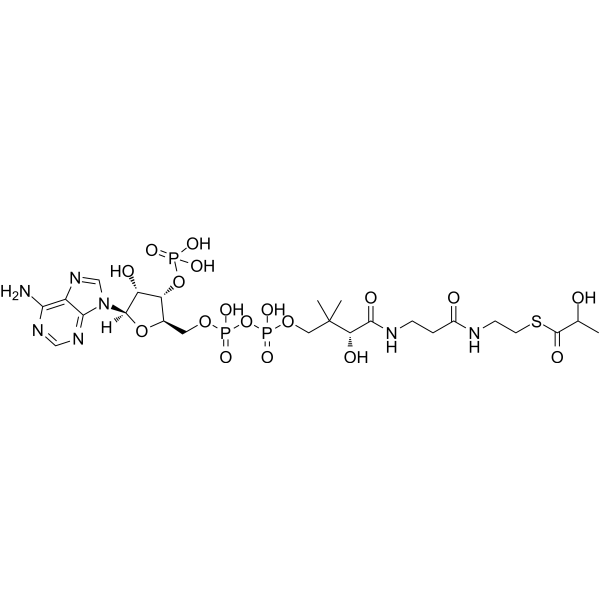
    Lactyl-CoA
    4 Publications Verification

    Biochemical Assay Reagents Endogenous Metabolite Others
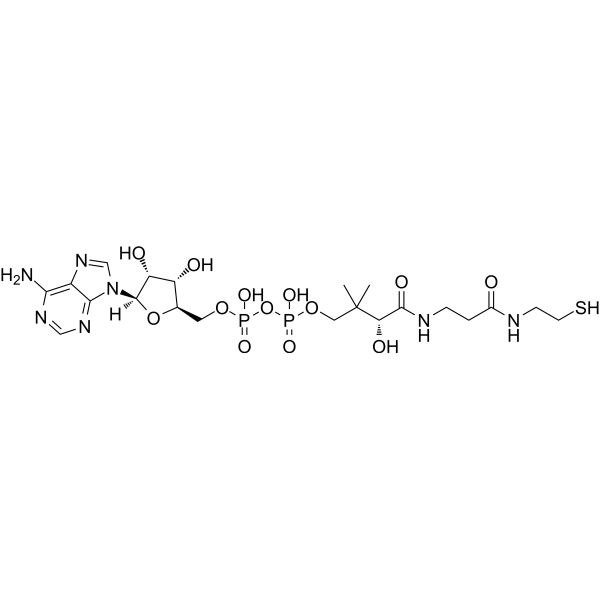
    Lactyl-CoA is an acyl-CoA formally condensed from the sulfhydryl group of CoA and the carboxyl group of lactic acid, also known as lactyl-CoA. Lactyl-CoA is essential for the biosynthesis of biodegradable and biocompatible lactic acid-based copolymers .
    Lactyl-CoA
  • HY-137808
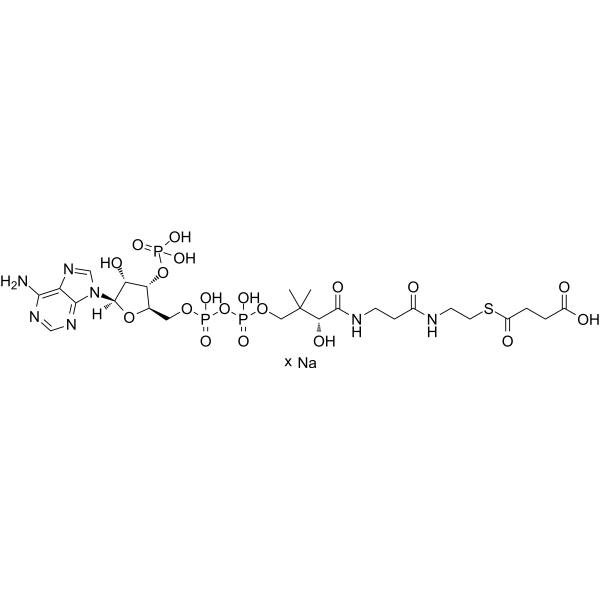
    Succinyl-Coenzyme A sodium
    3 Publications Verification

    Succinyl-CoA sodium

    Endogenous Metabolite Neurological Disease Metabolic Disease
    Succinyl CoA (Succinyl-coenzyme A) sodium is a pivotal intermediate metabolite in the tricarboxylic acid cycle and a key coenzyme A metabolite. Succinyl CoA sodium is biosynthesized from α-ketoglutarate or propionyl-CoA. Succinyl CoA sodium acts as a critical precursor and substrate for heme biosynthesis and gluconeogenesis. Succinyl CoA sodium insufficiency caused by cobalamin deficiency is directly linked to growth retardation, impaired heme synthesis, tissue glycine accumulation and neurological abnormalities. Succinyl CoA sodium can be used in research on metabolic, neurological, and hematological abnormalities (such as porphyria) caused by nutritional vitamin B12 deficiency (leading to a lack of Succinyl-Coenzyme A synthesis) .
    Succinyl-Coenzyme A sodium
  • HY-134427
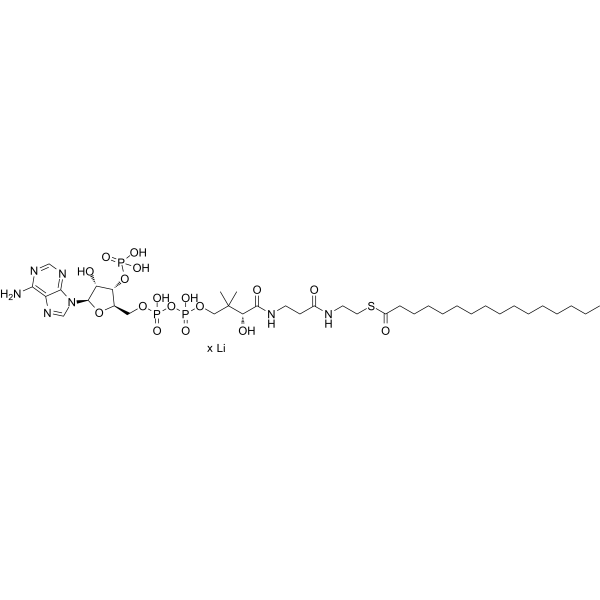
    Palmitoyl coenzyme A lithium
    2 Publications Verification

    Palmitoyl CoA lithium

    Endogenous Metabolite Metabolic Disease
    Palmitoyl coenzyme A lithium is an acyl-CoA thioester that can be transported into the mitochondrial matrix via the carnitine shuttle system and is involved in β-oxidation. Palmitoyl coenzyme A lithium can also be used as a substrate for sphingosine biosynthesis .
    Palmitoyl coenzyme A lithium
  • HY-W015924

    Endogenous Metabolite Metabolic Disease
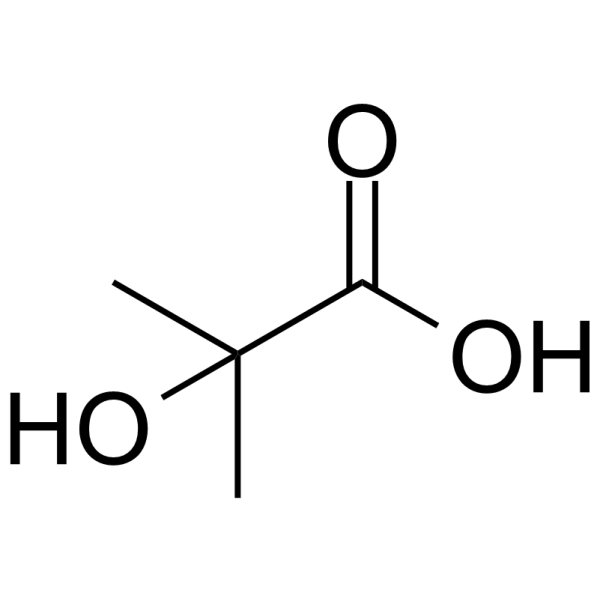
    2-Hydroxyisobutyric acid (2-HIBA) is a selective modulator of the Insulin/IGF-1 pathway and the p38 MAPK pathway, which reduces reactive oxygen species (ROS) and fat accumulation in Caenorhabditis elegans. 2-Hydroxyisobutyric acid promotes β-oxidation and inhibits fatty acid synthesis by upregulating SKN-1/NRF2 and downregulating SREBP-1c transcription factors. 2-Hydroxyisobutyric acid has anti-aging and lipid-lowering effects, and can be used to study metabolic diseases such as obesity and diabetes. 2-Hydroxyisobutyric acid is also a renewable precursor of methacrylate through 2-HIB-CoA mutase-mediated biosynthesis[1][2].
    2-Hydroxyisobutyric acid
  • HY-E70009

    ACO

    Glutathione Peroxidase Others
    Acyl-CoA oxidase (ACO) is a peroxisomal catalyst. Acyl-CoA oxidase acts as a key rate-limiting enzyme in the process of peroxisomal fatty acid β-oxidation. Acyl-CoA oxidase participates in lipid catabolism and phytohormone biosynthesis pathways .
    Acyl-CoA oxidase
  • HY-44170
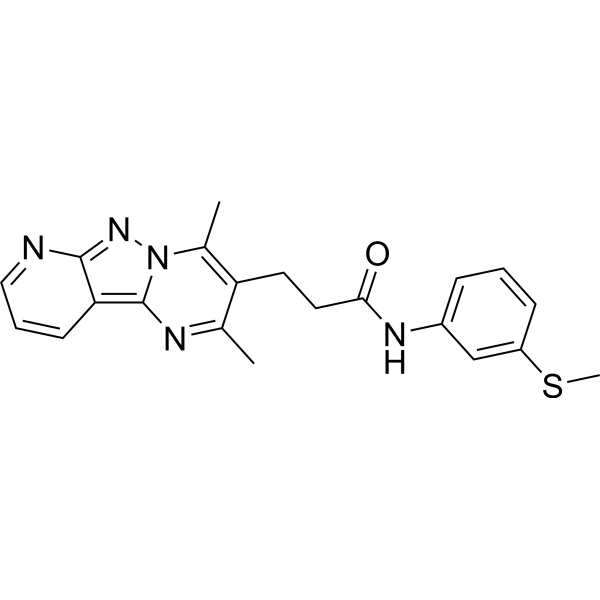
    Pantothenate kinase-IN-2
    2 Publications Verification

    PANK Neurological Disease Metabolic Disease
    Pantothenate kinase-IN-2 is a pantothenate kinase inhibitor with IC50 values of 92 nM for PanK2, 70 nM for PanK1β, and 25 nM for PanK3. Pantothenate kinase-IN-2 can bind specifically to the ATP-PanK3 complex and block CoA biosynthesis. Pantothenate kinase-IN-2 can be used for the research of pank-associated neurodegeneration and type 2 diabetes .
    Pantothenate kinase-IN-2
  • HY-N7392A

    3-Oxobutanoyl-coenzyme A sodium hydrate

    Endogenous Metabolite Metabolic Disease
    Acetoacetyl CoA sodium hydrate is the precursor of HMG-CoA in the mevalonate pathway. Acetoacetyl-CoA thiolase catalyzes the reaction to form acetoacetyl-CoA sodium hydrate from two acetyl-CoA molecules. Acetoacetyl CoA sodium hydrate is essential for cholesterol biosynthesis. Acetoacetyl-CoA sodium hydrate is also a intermediate in the biological breakdown and synthesis of fatty acids .
    Acetoacetyl-CoA sodium hydrate
  • HY-B1189

    Dicrotalic acid; 3-Hydroxy-3-methylglutaric acid

    HMG-CoA Reductase (HMGCR) Autophagy Endogenous Metabolite Cardiovascular Disease Metabolic Disease
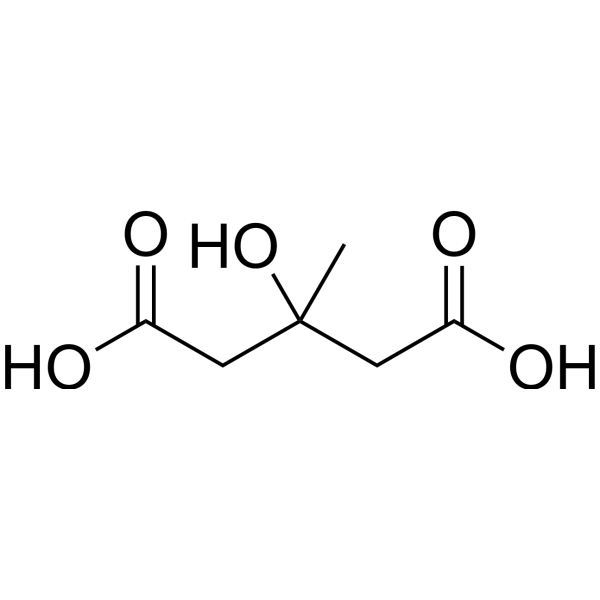
    Meglutol is a lipid-lowering agent. Meglutol can reduces cholesterol, triglycerides, serum β-lipoprotein, and phospholipids, and inhibits the activity of HMG-CoA reductase (a rate-limiting enzyme in cholesterol biosynthesis). Meglutol can induce significant lipid oxidative damage in brain tissue. It is promising for research in the field of cardiovascular diseases and metabolic diseases .
    Meglutol
  • HY-Y1139
    Pimelic acid
    2 Publications Verification

    Heptanedioic acid; 1,5-Pentanedicarboxylic acid; 1,7-Heptanedioic acid

    Endogenous Metabolite PROTAC Linkers Metabolic Disease
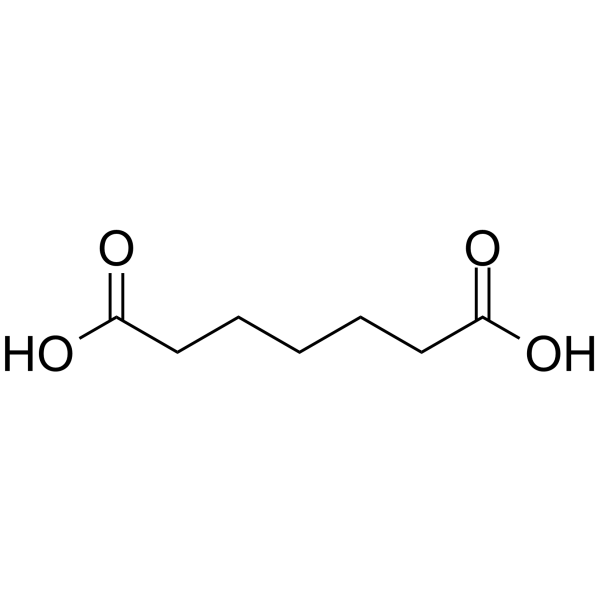
    Pimelic acid (Heptanedioic acid; 1,5-Pentanedicarboxylic acid) is a seven-carbon α,ω-dicarboxylic acid and a downstream product of fatty acid synthesis. Pimelic acid is a key precursor in biotin biosynthesis. Pimelic acid can be converted to pimelic acid-CoA by the BioW enzyme, thereby bypassing exogenous biotin requirements to support growth in various biotinytrophic bacteria and fungi, and reversing antibiotic-induced inhibition of biotin synthesis. Furthermore, Pimelic acid has been proposed as a highly specific biomarker for oxygen-induced retinopathy in mice. Pimelic acid can be used to study retinopathy of preterm infants, oxygen-induced retinopathy, and microbial biotin metabolism .
    Pimelic acid
  • HY-104051

    Antibiotic MB 530A; Lovastatin diol lactone

    HMG-CoA Reductase (HMGCR) Autophagy Metabolic Disease
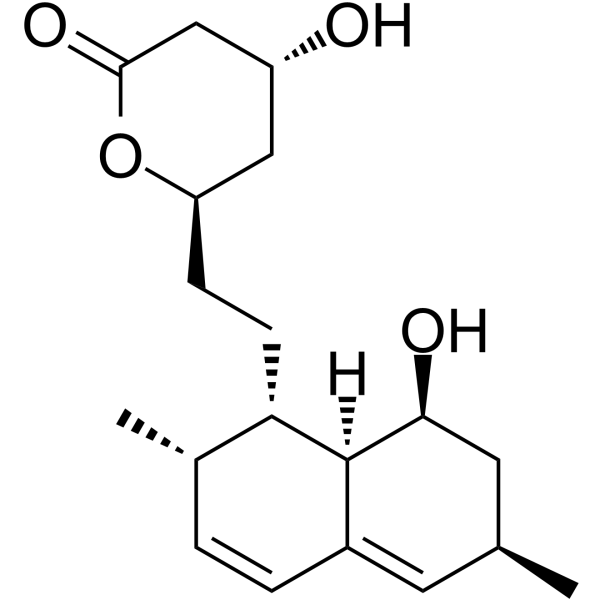
    Monacolin J is an inhibitor of cholesterol biosynthesis, and inhibits the activity of HMG-CoA reductase.
    Monacolin J
  • HY-N7392

    3-Oxobutanoyl-coenzyme A

    Endogenous Metabolite Metabolic Disease
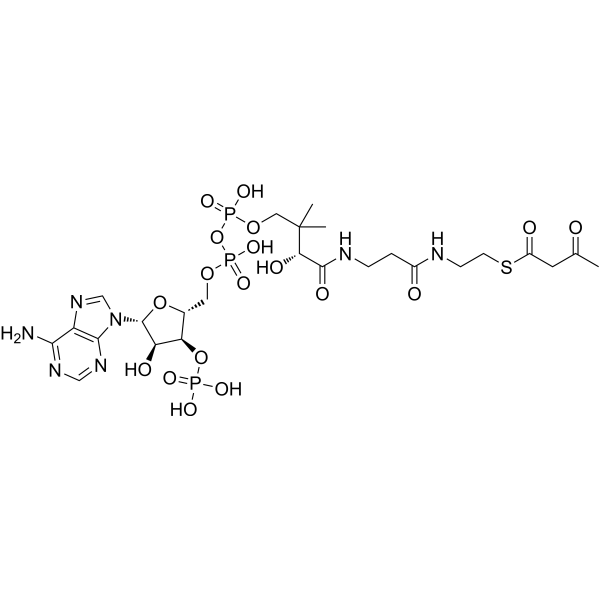
    Acetoacetyl CoA is the precursor of HMG-CoA in the mevalonate pathway. Acetoacetyl-CoA thiolase catalyzes the reaction to form acetoacetyl-CoA from two acetyl-CoA molecules. Acetoacetyl CoA is essential for cholesterol biosynthesis. Acetoacetyl-CoA is also a intermediate in the biological breakdown and synthesis of fatty acids .
    Acetoacetyl-CoA
  • HY-137899
    Dephospho-CoA
    1 Publications Verification

    Endogenous Metabolite Metabolic Disease Cancer
    Dephospho-CoA is a key intermediate in the biosynthesis of coenzyme A (CoA), which is catalyzed to form CoA by GTP-dependent Dephospho-CoA kinase (DPCK). Dephospho-CoA completes the final synthetic step of CoA via phosphorylation and participates in energy metabolism and cellular signal transduction. Dephospho-CoA can be used in studies involving cancer (e.g., regulation of cell proliferation) and metabolic diseases (e.g., mitochondrial dysfunction) .
    Dephospho-CoA
  • HY-115899

    Malonyl coenzyme A

    Carnitine Palmitoyltransferase (CPT) Endogenous Metabolite Mitochondrial Metabolism Metabolic Disease
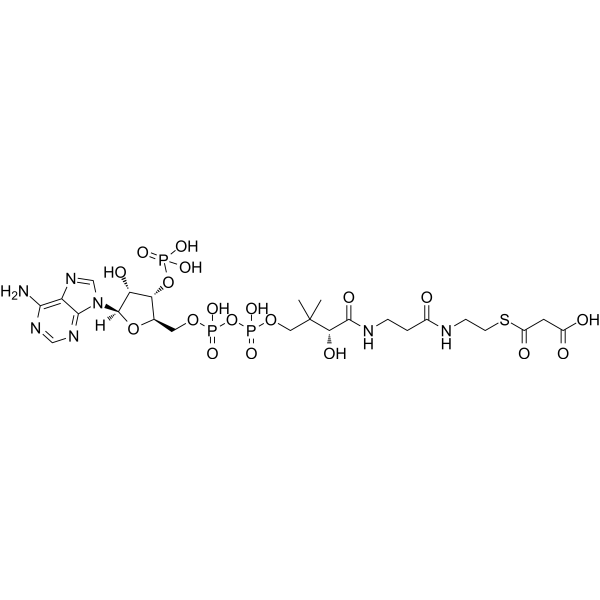
    Malonyl CoA is a substrate for fatty acid biosynthesis and an inhibitor of fatty acid oxidation. Malonyl CoA is also a reversible inhibitor of mitochondrial carnitine palmitoyltransferase (CPT) 1 .
    Malonyl CoA
  • HY-N11658

    4-Coumaroyl-CoA; p-coumaroylcoenzyme A

    Biochemical Assay Reagents Others
    p-Coumaroyl-CoA (4-Coumaroyl-CoA; p-coumaroylcoenzyme A) is a coenzyme A derivative . p-Coumaroyl-CoA serves as a key intermediate in the biosynthesis of lignin and flavonoids .
    p-Coumaroyl-CoA
  • HY-148285

    Succinyl-coenzyme A; S-(Hydrogen succinyl)coenzyme A

    Endogenous Metabolite Metabolic Disease
    Succinyl CoA (Succinyl-coenzyme A) is a pivotal intermediate metabolite in the tricarboxylic acid cycle and a key coenzyme A metabolite. Succinyl CoA is biosynthesized from α-ketoglutarate or propionyl-CoA. Succinyl CoA acts as a critical precursor and substrate for heme biosynthesis and gluconeogenesis. Succinyl CoA insufficiency caused by cobalamin deficiency is directly linked to growth retardation, impaired heme synthesis, tissue glycine accumulation and neurological abnormalities. Succinyl CoA can be used in research on metabolic, neurological, and hematological abnormalities (such as porphyria) caused by nutritional vitamin B12 deficiency (leading to a lack of Succinyl-Coenzyme A synthesis) .
    Succinyl CoA
  • HY-114591

    BSN 2060

    Environmental Pollutants Drug Derivative Acetyl-CoA Carboxylase Infection
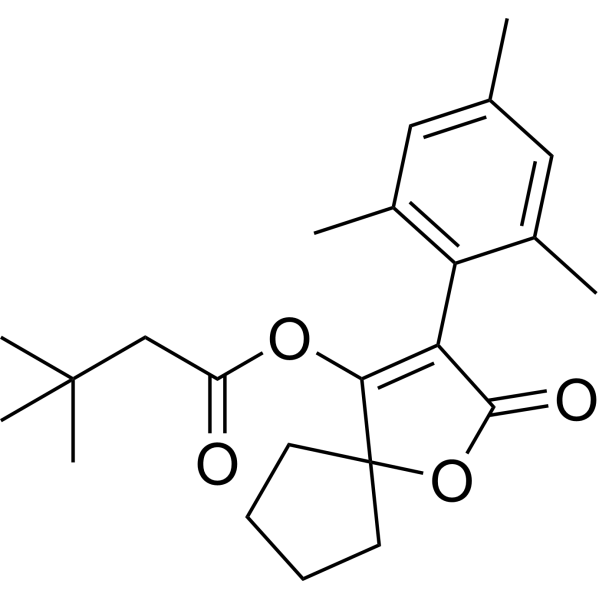
    Spiromesifen (BSN 2060) is a broad-spectrum tetrachloro acid derivative acaricide. Spiromesifen reduces lipid biosynthesis via inhibition of acetyl-CoA carboxylase, and has no cross-resistance to any resistant mite or whitefly populations .
    Spiromesifen
  • HY-CE02017A

    Feruloyl-coenzyme A

    Drug Intermediate Others
    Feruloyl-CoA (Feruloyl-coenzyme A) is a cinnamoyl-CoA ester substrate involved in the biosynthesis of lignin and coumarin in plants. Feruloyl-CoA acts as a substrate for cinnamoyl-CoA reductase 1-dependent reduction reaction with NADPH to produce cinnamaldehyde. Feruloyl-CoA is a precursor that generates Scopoletin (HY-N0342) via spontaneous trans/cis isomerization and lactonization of its side chain .
    Feruloyl-CoA
  • HY-E70245

    Cholyl-coenzyme A

    Biochemical Assay Reagents Metabolic Disease
    Cholyl-CoA (Cholyl-coenzyme A) is a biologically active steroidal acyl-coenzyme A intermediate. Cholyl-CoA reacts with taurine in the presence of liver supernatant enzymes to promote the synthesis of taurocholic acid. Cholyl-CoA is formed by the activation of cholic acid with coenzyme A. Cholyl-CoA plays a key role in the biosynthesis, metabolism and conjugation reactions of bile acids .
    Cholyl-CoA
  • HY-B0430B

    (±)-Pantothenate; (±)-Vitamin B5

    Endogenous Metabolite Neurological Disease Metabolic Disease
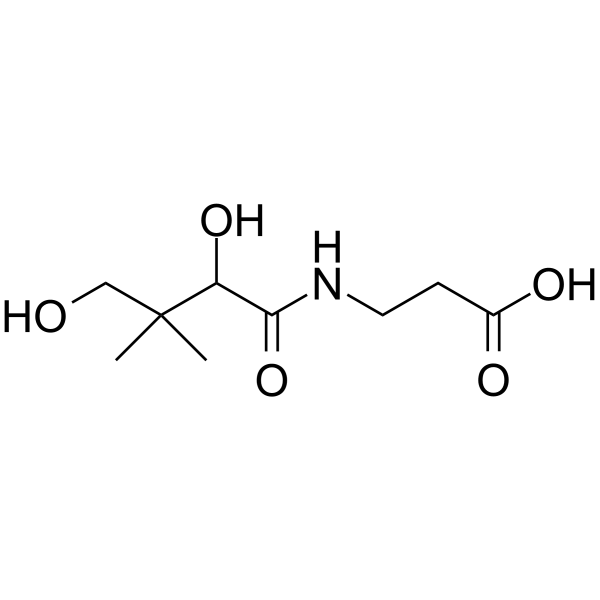
    (±)-Pantothenic acid ((±)-Pantothenate), a B-vitamin, is an essential vitamin required for the biosynthesis of coenzyme A (CoA) in mammalian cells. Pantothenic acid has protective activity against valproic acid (VPA)-induced neural tube defects (NTD) in CD-1 mice .
    (±)-Pantothenic acid
  • HY-W015924R

    Reference Standards Endogenous Metabolite Metabolic Disease
    2-Hydroxyisobutyric acid (Standard) is the analytical standard of 2-Hydroxyisobutyric acid. This product is intended for research and analytical applications. 2-Hydroxyisobutyric acid (2-HIBA) is a selective modulator of the Insulin/IGF-1 pathway and the p38 MAPK pathway, which reduces reactive oxygen species (ROS) and fat accumulation in Caenorhabditis elegans. 2-Hydroxyisobutyric acid promotes β-oxidation and inhibits fatty acid synthesis by upregulating SKN-1/NRF2 and downregulating SREBP-1c transcription factors. 2-Hydroxyisobutyric acid has anti-aging and lipid-lowering effects, and can be used to study metabolic diseases such as obesity and diabetes. 2-Hydroxyisobutyric acid is also a renewable precursor of methacrylate through 2-HIB-CoA mutase-mediated biosynthesis[1][2].
    2-Hydroxyisobutyric acid (Standard)
  • HY-141473

    Malonyl coenzyme A tetralithium

    Endogenous Metabolite Mitochondrial Metabolism Carnitine Palmitoyltransferase (CPT) Metabolic Disease
    Malonyl CoA (Malonyl coenzyme A) tetralithium is a substrate for fatty acid biosynthesis and an inhibitor of fatty acid oxidation. Malonyl CoA tetralithium is also a reversible inhibitor of mitochondrial carnitine palmitoyltransferase (CPT) 1 .
    Malonyl CoA tetralithium
  • HY-142080

    Pimeloyl-coenzyme A

    Endogenous Metabolite Metabolic Disease
    Pimeloyl-CoA is a key precursor compound in the biotin synthesis pathway, which can promote the de novo synthesis of biotin. Pimeloyl-CoA is mainly used in the study of microbial metabolic mechanisms, especially the analysis of biotin synthesis pathways and basic research on the biosynthesis of related antibiotics or vitamins .
    Pimeloyl-CoA
  • HY-B1189S

    Dicrotalic acid-d3; 3-Hydroxy-3-methylglutaric acid-d3

    Autophagy HMG-CoA Reductase (HMGCR) Endogenous Metabolite Cardiovascular Disease
    Meglutol-d3 is the deuterium labeled Meglutol . Meglutol is an antilipemic agent which lowers cholesterol, triglycerides, serum beta-lipoproteins and phospholipids, and inhibits the activity of hydroxymethylglutarryl CoA reductases, which is the rate limiting enzyme in the biosynthesis of cholesterol.
    Meglutol-d3
  • HY-142080A

    Endogenous Metabolite Metabolic Disease
    Pimeloyl-CoA lithium is a biotin precursor of Escherichia coli. Pimeloyl-CoA lithium can be used for the research of the pathway of de novo biotin biosynthesis in Escherichia coli .
    Pimeloyl-CoA lithium
  • HY-148285A

    Succinyl-coenzyme A disodium; S-(Hydrogen succinyl)coenzyme A disodium

    Endogenous Metabolite Metabolic Disease
    Succinyl CoA (Succinyl-coenzyme A) disodium is a pivotal intermediate metabolite in the tricarboxylic acid cycle and a key coenzyme A metabolite. Succinyl CoA disodium is biosynthesized from α-ketoglutarate or propionyl-CoA. Succinyl CoA disodium acts as a critical precursor and substrate for heme biosynthesis and gluconeogenesis. Succinyl CoA disodium insufficiency caused by cobalamin deficiency is directly linked to growth retardation, impaired heme synthesis, tissue glycine accumulation and neurological abnormalities. Succinyl-Coenzyme A sodium can be used in research on metabolic, neurological, and hematological abnormalities (such as porphyria) caused by nutritional vitamin B12 deficiency (leading to a lack of Succinyl-Coenzyme A synthesis) .
    Succinyl CoA disodium
  • HY-114591R

    BSN 2060 (Standard)

    Acetyl-CoA Carboxylase Reference Standards Infection
    Spiromesifen (Standard) is the analytical standard of Spiromesifen. Spiromesifen (BSN 2060) is a broad-spectrum tetrachloro acid derivative acaricide. Spiromesifen reduces lipid biosynthesis via inhibition of acetyl-CoA carboxylase, and has no cross-resistance to any resistant mite or whitefly populations .
    Spiromesifen (Standard)
  • HY-113725

    HMG-CoA Reductase (HMGCR) Others
    L 668411 is a β-lactone inhibitor with activity against 3-hydroxy-3-methylglutaryl-CoA synthase and cholesterol biosynthesis. L 668411 inhibits rat liver cytosolic 3-hydroxy-3-methylglutaryl-CoA synthase and [14C] acetate incorporation into sterols in cultured Hep G2 cells, and the inhibition appears to be irreversible in cells but reversible in cultured cells and animals.
    L 668411
  • HY-B1189R

    Dicrotalic acid (Standard); 3-Hydroxy-3-methylglutaric acid (Standard)

    HMG-CoA Reductase (HMGCR) Autophagy Endogenous Metabolite Reference Standards Cardiovascular Disease Metabolic Disease
    Meglutol (Standard) is the analytical standard of Meglutol. This product is intended for research and analytical applications. Meglutol is a lipid-lowering agent. Meglutol can reduces cholesterol, triglycerides, serum β-lipoprotein, and phospholipids, and inhibits the activity of HMG-CoA reductase (a rate-limiting enzyme in cholesterol biosynthesis). Meglutol can induce significant lipid oxidative damage in brain tissue. It is promising for research in the field of cardiovascular diseases and metabolic diseases .
    Meglutol (Standard)
  • HY-181917

    PANK Metabolic Disease
    Pantothenate kinase-IN-3 is an orally active PANK3-selective binder and CoA biosynthesis activator with a human PANK3 Ki of 9.1 nM, human PANK3 Ka of 1.8 nM, human PANK1β Ki of 113 nM, human PANK1β Ka of 23.4 nM, and oral effectiveness.Pantothenate kinase-IN-3 binds PANK3 via a water-mediated interaction between its sulfonamide NH and Gly193, elevates cellular, hepatic, and forebrain CoA levels, and shows improved metabolic stability in mouse and human microsomes.Pantothenate kinase-IN-3 has solubility properties favorable at pH 7.Pantothenate kinase-IN-3 can be used for the research of hepatic metabolic CoA deficiencies (acidemias) .
    Pantothenate kinase-IN-3
  • HY-141540S1

    Isotope-Labeled Compounds Biochemical Assay Reagents Endogenous Metabolite Others
    Lactyl-CoA-d3 is the deuterium labeled Lactyl-CoA (HY-141540). Lactyl-CoA is an acyl-CoA formally condensed from the sulfhydryl group of CoA and the carboxyl group of lactic acid, also known as lactyl-CoA. Lactyl-CoA is essential for the biosynthesis of biodegradable and biocompatible lactic acid-based copolymers.
    Lactyl-CoA-d3
  • HY-180592

    Nucleoside Antimetabolite/Analog Metabolic Disease
    3α,7α-Dihydroxy-24-oxo-5β-cholestan-26-oyl-CoA is a coenzyme A (CoA) ester is involved in bile acid biosynthesis .
    3α,7α-Dihydroxy-24-oxo-5β-cholestan-26-oyl-CoA
  • HY-E70009A

    Biochemical Assay Reagents Metabolic Disease
    Acyl-CoA oxidase, Arthrobacter sp. (EC 1.3.3.6) is a redox enzyme that acts on the CH-CH group in donor molecules and uses oxygen as an acceptor. Acyl-CoA oxidase, Arthrobacter sp. (EC 1.3.3.6) is involved in three metabolic pathways: fatty acid metabolism, polyunsaturated fatty acid biosynthesis, and the PPAR signaling pathway.
    Acyl-CoA oxidase, Arthrobacter sp.
  • HY-185044

    Drug Intermediate Others
    Galloyl-coenzyme A thioester is a CoA-thioester of Gallic acid (HY-N05230) that can be found in plants as an intermediate in gallotannin biosynthesis.Galloyl-coenzyme A thioester possesses spectral properties that support photometric assay use in enzymatic studies .
    Galloyl-coenzyme A thioester
  • HY-CE01083

    3α,7α,12α-Trihydroxy-24-oxo-5β-cholestan-26-oyl-CoA

    Nucleoside Antimetabolite/Analog Metabolic Disease
    3a,7a,12a-Trihydroxy-5b-24-oxocholestanoyl-CoA (3α,7α,12α-Trihydroxy-24-oxo-5β-cholestan-26-oyl-CoA) is a coenzyme A ester for the study of β-oxidation in bile acid biosynthesis .
    3a,7a,12a-Trihydroxy-5b-24-oxocholestanoyl-CoA
  • HY-113947

    Herbicide Acetyl-CoA Carboxylase Others
    Metamifop is a post-emergence lipid synthesis inhibitor herbicide, with an IC50 of 41.1 nM against the carboxyltransferase (CT) domain of chloroplast acetyl-CoA carboxylase (ACCase) in barnyard grass (Echinochloa crus-galli). Metamifop inhibits the activity of the CT domain, thereby blocking fatty acid biosynthesis .
    Metamifop
  • HY-E71158

    Biochemical Assay Reagents Others
    1,4-Dihydroxy-2-naphthoyl-CoA synthase (EC 4.1.3.36) is involved in the synthesis of 1,4-Dihydroxy-2-naphthoate, a branch point metabolite leading to the biosynthesis of menaquinone (vitamin K2, in bacteria) , phylloquinone (vitamin K1 in plants) , and many plant pigments.The coenzyme A group is subsequently removed from the product by EC 3.1.2.28, 1,4-Dihydroxy-2-naphthoyl-CoA hydrolase.
    1,4-Dihydroxy-2-naphthoyl-CoA synthase
  • HY-134837

    Endogenous Metabolite Others
    (3α,5β,7α,25R)-3,7-Dihydroxycholestan-26-oic acid (compound (25S)-3α,7α-dihydroxy-5β-cholestanoyl-CoA) is a Ursodeoxycholic Acid (HY-13771) precursor. (3α,5β,7α,25R)-3,7-Dihydroxycholestan-26-oic acid is a key intermediary metabolite in the pathway of bile acid biosynthesis .
    (3α,5β,7α,25R)-3,7-Dihydroxycholestan-26-oic acid

Inquiry Online

Your information is safe with us. * Required Fields.

Salutation


Country or Region *

Applicant Name *


Organization Name *

Department *


Email Address *


Product Name *

Cat. No.


Requested quantity *

Phone Number *


Remarks

Inquiry Online

Inquiry Information

Product Name:
Cat. No.:
Quantity:
MCE Japan Authorized Agent:

