


Search Result
Results for "
DNA oligonucleotides
" in MedChemExpress (MCE) Product Catalog:
7
Biochemical Assay Reagents
1
Isotope-Labeled Compounds
| Cat. No. |
Product Name |
Target |
Research Areas |
Chemical Structure |
-
- HY-112754A
-
DOTAP chloride
Maximum Cited Publications
14 Publications Verification
1,2-Dioleoyl-3-trimethylammonium-propane chloride
|
Liposome
|
Cancer
|
|
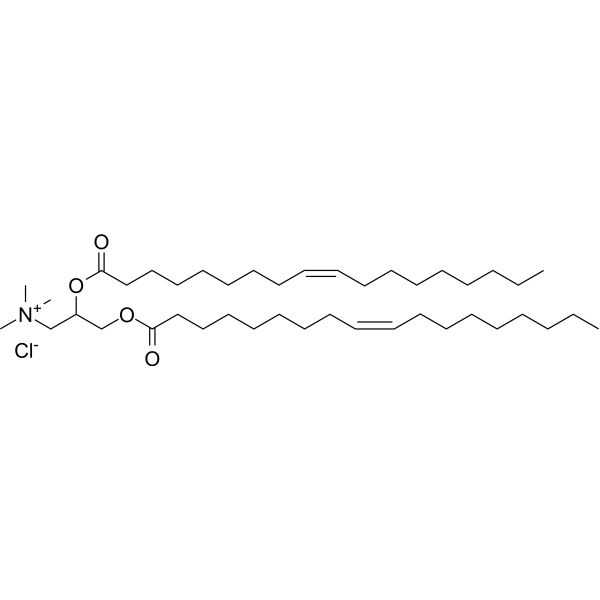
DOTAP chloride is a useful and effective cationic lipid for transient and stable transfection DNA (plasmids, bacmids) and modified nucleic acids (antisense oligonucleotides) with out the use of helper lipid .
|
-
-
- HY-150751
-
|
ODN A151
|
Toll-like Receptor (TLR)
AIM2
Pyroptosis
Interleukin Related
|
Inflammation/Immunology
|
|
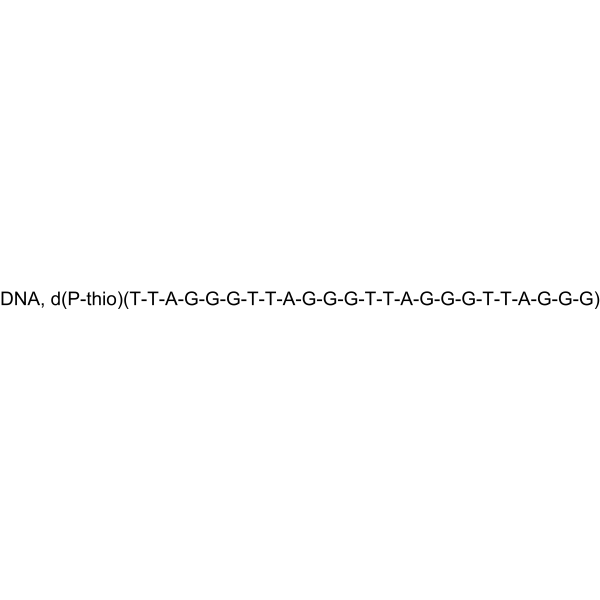
ODN TTAGGG (ODN A151), an inhibitory oligonucleotide (ODN), is a TLR9, AIM2, and cGAS antagonist. ODN TTAGGG inhibits AIM2 inflammasome activation and cGAS activation through competition with DNA. ODN TTAGGG blocks AIM2-mediated Pyroptosis and inhibits IL-18 production. ODN TTAGGG has immunosuppressive effects and can be used in research on related autoimmune diseases such as lupus erythematosus . ODN TTAGGG sequence: 5'-T-T-A-G-G-G-T-T-A-G-G-G-T-T-A-G-G-G-T-T-A-G-G-G-3'.
|
-
-
- HY-D0150
-
|
|
Fluorescent Dye
|
Others
|
|
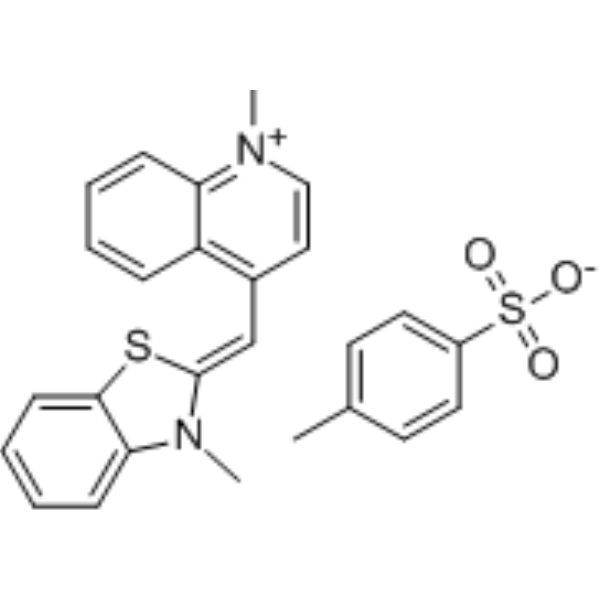
Thiazole Orange is an asymmetric anthocyanin dye that can be coupled with oligonucleotides (ONs) to prepare fluorescent hybridization probes. Thiazole Orange has been widely used in biomolecular detection and staining of DNA/ RNA in gels and can be used for reticulocyte analysis. Thiazole orange generates a significant fluorescence enhancement and high quantum yield when it binds with nucleic acids, especially RNA. Thiazole orange can permeate living cell membranes. Thiazole orange can use UV light for detection, but can also be detected with blue light. The excitation and emission of Thiazole orange are λex = 510 nm (488 nm and 470 nm also show strong excitation) and λem = 527 nm, respectively .
|
-
-
- HY-D0093
-
|
EthD-1
|
DNA Stain
|
Others
|
|
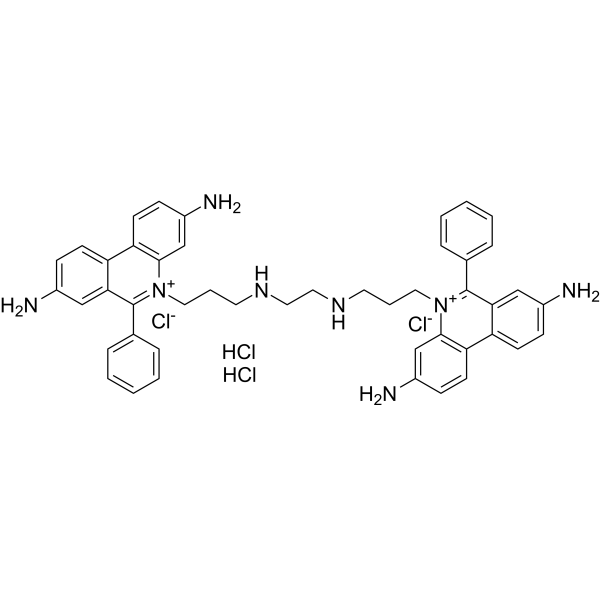
Ethidium homodimer (EthD-1) is a high-affinity fluorescent nucleic acid dye commonly used to stain mammals, bacteria, yeast, and fungi. Ethidium homodimer binds to DNA or RNA, enhancing fluorescence more than 30 times. The Ethidium homodimer has a strong positive charge, so it cannot cross cell membranes and stain living cells; But the Ethidium homodimer can cross the disordered region of the dead cell membrane to reach the nucleus and embed the DNA double strand to produce red fluorescence. Therefore, Ethidium homodimer is a relatively sensitive nucleic acid stain that can accurately detect nucleic acids in solution or in decomposing cells. Ethidium homodimer binds DNA, Ex/Em=528/617 nm .
|
-
-
- HY-147217
-
|
ISIS 505358
|
HBV
|
Infection
|
|
Bepirovirsen is an antisense oligonucleotide targeting all HBV messenger RNAs. Bepirovirsen leads to reductions in HBV-derived RNAs, HBV DNA and viral proteins. Bepirovirsen can be used for the research of chronic HBV infection. Bepirovirsen binding site sequence (GCACTTCGCTTCACCTCTGC) .
|
-
-
- HY-158712
-
|
|
Nucleoside Antimetabolite/Analog
|
Others
|
|
3'-ONH2-dATP sodium solution (100mM) is a 3'-O-blocked reversible terminator deoxynucleotide triphosphate. 3'-ONH2-dATP sodium solution (100mM) stops DNA polymerization after single-nucleotide addition to an initiator strand, and its 3'-ONH2 blocking group can be removed to restore a free 3'-OH for subsequent extension .
|
-
-
- HY-160225
-
|
|
STING
Interleukin Related
|
Inflammation/Immunology
|
|
ISD sodium is an interferon-stimulatory DNA, a 45 bp non-CpG double-stranded oligonucleotide derived from the genome of Listeria monocytogenes. ISD sodium potently induces type I interferon production via the cGAS‑STING‑TBK1‑IRF3 pathway .
|
-
-
- HY-152854
-
|
|
Nucleoside Antimetabolite/Analog
|
Cancer
|
|
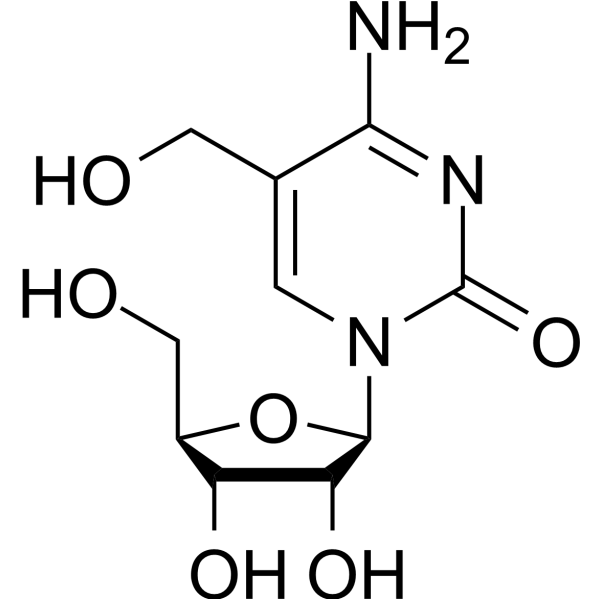
5-(Hydroxymethyl)cytidine is a purine nucleoside analog that can be used in oligonucleotide synthesis. Purine nucleoside analogs have broad antitumor activity targeting indolent lymphoid malignancies. Anticancer mechanisms in this process rely on inhibition of DNA synthesis, induction of apoptosis, etc .
|
-
-
- HY-147217A
-
|
ISIS 505358 sodium
|
HBV
|
Infection
|
|
Bepirovirsen (ISIS 505358) sodium is an antisense oligonucleotide targeting all HBV messenger RNAs. Bepirovirsen sodium leads to reductions in HBV-derived RNAs, HBV DNA and viral proteins. Bepirovirsen sodium can be used for the research of chronic HBV infection. Bepirovirsen sodium binding site sequence (GCACTTCGCTTCACCTCTGC) .
|
-
-
- HY-D0723
-
|
5(6)-Carboxytetramethylrhodamine N-succinimidyl ester
|
Fluorescent Dye
|
Cancer
|
|
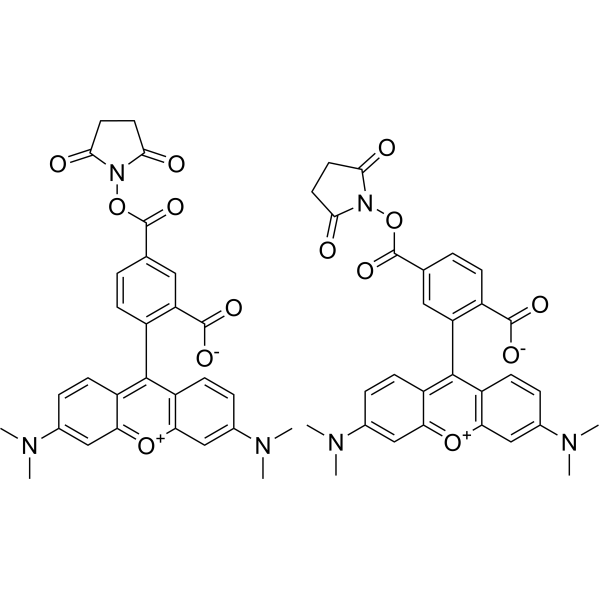
5(6)-TAMRA SE is a fluorescent dye that emits red fluorescence. 5(6)-TAMRA SE binds to oligonucleotides and is used in DNA sequencing. 5(6)-TAMRA SE can be used in cancer research (Ex/Em = 565/580 nm) .
|
-
-
- HY-138577
-
|
|
Phosphoramidites
DNA/RNA Synthesis
Nucleoside Antimetabolite/Analog
|
Cancer
|
|
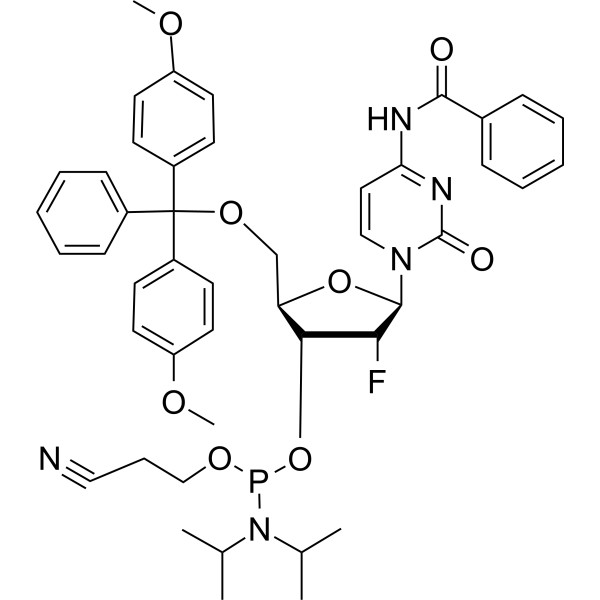
2'-F-Bz-dC Phosphoramidite can be used in the synthesis of oligoribonucleotide (such as DNA and RNA). 2'-F-Bz-dC Phosphoramidite also used for synthesis antiviral agent to inhibit the replication of virus. 2'-F-Bz-dC Phosphoramidite contains a phosphorothioate backbone, to synthesise antisense oligonucleotide analogs to induce apoptosis in cancer cells .
|
-
-
- HY-W039442
-
|
|
Nucleoside Antimetabolite/Analog
|
Infection
Cancer
|
|
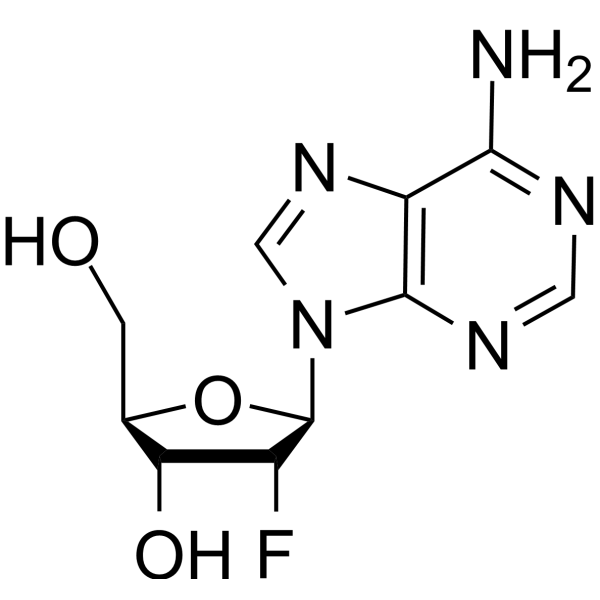
2′-Deoxy-2′-fluoroadenosine is a fluorinated deoxyadenosine with antitumor and antiviral activity, able to interfere with viral or cancer cell replication by being incorporated into DNA. 2′-Deoxy-2′-fluoroadenosine can be used for the synthesis of 2′-Deoxy-2′-fluoro-modified oligonucleotides hybridized with RNA. 2′-Deoxy-2′-fluoroadenosine can be cleaved efficiently by E. coli purine nucleoside phosphorylase (PNP) to the toxic agent 2-fluoroadenine (FAde). 2′-Deoxy-2′-fluoroadenosine shows excellent in vivo activity against tumors expressing E. coli PNP .
|
-
-
- HY-15939
-
|
|
Fluorescent Dye
|
Metabolic Disease
|
|
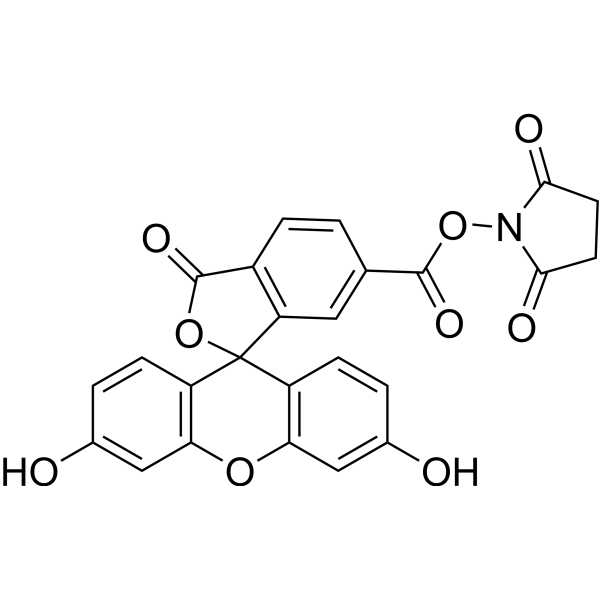
6-FAM SE (6-carboxyfluorescein succinimidyl ester) is a fluorescent labeling reagent. 6-FAM SE is used for oligonucleotide labeling and DNA sequencing .
|
-
-
- HY-D1668
-
|
|
DNA Stain
Reverse Transcriptase
|
Infection
Neurological Disease
Cancer
|
|
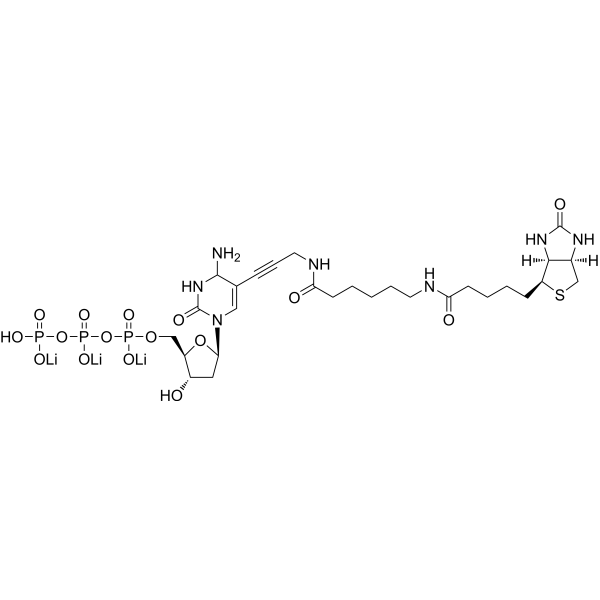
Biotin-11-dCTP is a biotinylated deoxynucleoside triphosphate and an important DNA labeling reagent. In random primer DNA labeling reactions, Biotin-11-dCTP incorporates into newly synthesized DNA strands to generate labeled DNA probes suitable for hybridization applications. In addition, Biotin-11-dCTP can serve as a substrate for terminal deoxynucleotidyl transferase to end-label oligonucleotides for telomere sequence detection, or to label the cut ends of linearized DNA molecules, thereby supporting streptavidin-based electron microscopy analysis. For example, Biotin-11-dCTP can label the cut ends of linearized DNA molecules under the action of dGTP and avian myeloblastosis virus reverse transcriptase .
|
-
-
- HY-150751C
-
|
ODN A151 sodium
|
AIM2
Toll-like Receptor (TLR)
|
Inflammation/Immunology
|
|
ODN TTAGGG sodium, inhibitory oligonucleotide (ODN), is a TLR9, AIM2 and cGAS antagonist. ODN TTAGGG sodium is immunosuppressive and inhibits AIM2 inflammasome activation, as well as cGAS activation, by competing with DNA. ODN TTAGGG sodium can be used in the study of lupus erythematosus and other related autoimmune diseases. ODN TTAGGG sequence: 5'-T-T-A-G-G-G-T-T-A-G-G-G-T-T-A-G-G-G-T-T-A-G-G-G-3' .
|
-
-
- HY-W008849
-
-
-
- HY-D1090
-
|
|
DNA Stain
Fluorescent Dye
|
Others
|
|
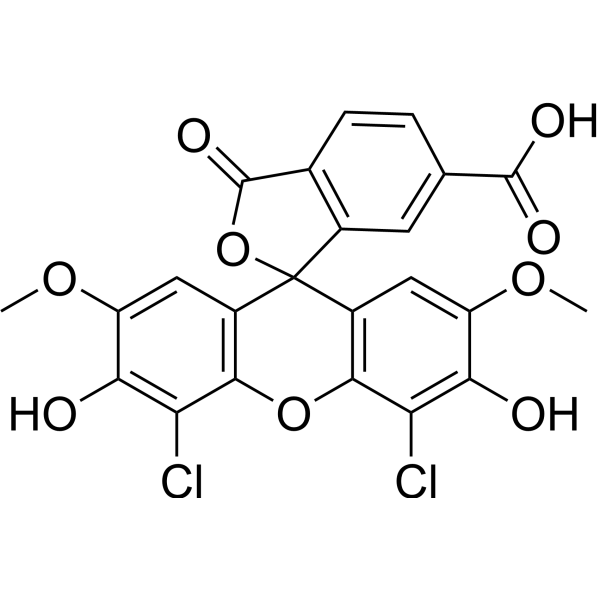
JOE is a xanthene fluorophore (i.e., 4′,5′-dichloro-2′,7′-dimethoxy-5 (6)-carboxyfluorescein; 2',7'-dimethoxy-4',5'-dichloro-6-carboxyfluorescein) with an absorption wavelength of approximately 525 nm and an emission wavelength of approximately 550 nm. The fluorescence quantum yield of JOE correlates with the rigidity of the linker arm and the distance to dG nucleoside. JOE is commonly used as a fluorescent label for oligonucleotides and molecular beacon probes, and also serves as the acceptor fluorophore in fluorescence energy transfer primers for DNA sequencing .
|
-
-
- HY-138155
-
|
|
DNA/RNA Synthesis
|
Cancer
|
|
NSC15520 is a small molecular inhibitor of Replication Protein A (RPA). NSC15520 specifically recognizes the RPA N-terminal DNA binding domain (DBD), and blocks the interaction of RPA with p53 or RAD9. NSC15520 also inhibtis helix destabilization of a duplex DNA (dsDNA) oligonucleotide, involves in DNA replication, DNA repair, DNA recombination, and DNA damage response signaling .
|
-
-
- HY-46317
-
|
|
Phosphoramidites
DNA/RNA Synthesis
|
Metabolic Disease
|
|
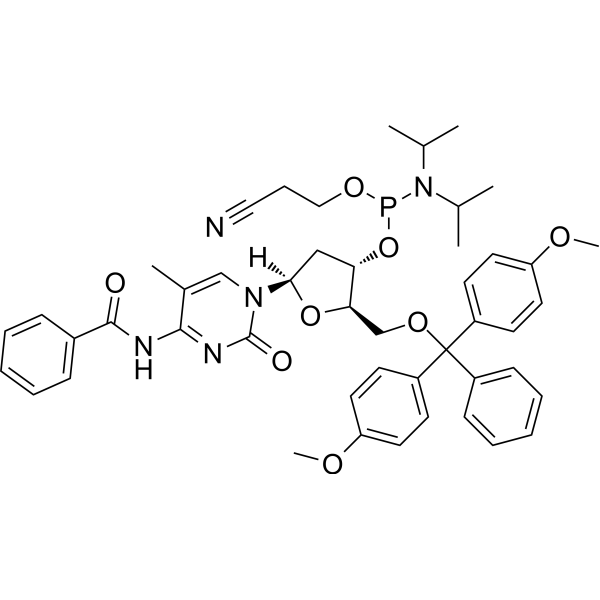
DMT-5Me-dC(Bz)-CE Phosphoramidite is a chemical structural unit that can be used in solid-phase DNA synthesis. DMT-5Me-dC(Bz)-CE Phosphoramidite can introduce the 5-methylcytidine base into the DNA chain to enhance its stability and binding affinity. DMT-5Me-dC(Bz)-CE Phosphoramidite can be used to construct modified oligonucleotides, especially for constructing locked nucleic acids (LNA) .
|
-
-
- HY-112754AGL
-
|
1,2-Dioleoyl-3-trimethylammonium-propane chloride (GMP Like)
|
Liposome
|
Others
|
|
DOTAP chloride (GMP Like) is the GMP Like class DOTAP chloride (HY-112754A). GMP small molecules works appropriately as an auxiliary reagent for cell therapy manufacture. DOTAP chloride is a cationic lipid with good membrane fusion ability and biocompatibility. DOTAP chloride (GMP Like) can be used as an excipient for transient and stable transfection DNA (plasmids, bacmids) and modified nucleic acids (antisense oligonucleotides) without the use of helper lipid .
|
-
-
- HY-160222
-
|
|
HSV
STING
IFNAR
NF-κB
|
Infection
|
|
HSV-60mer sodium is a 60 bp double-stranded DNA oligonucleotide derived from the HSV-1 genome, and also an IFNβ inducer. HSV-60mer sodium colocalizes with endogenous cytoplasmic IFI16 in immune cells. HSV-60mer sodium activates the transcription factors IRF3 and NF-κB, induces the production of proinflammatory cytokines, and inhibits HSV-1 replication in immune cells. HSV-60mer sodium can be used in studies related to herpes simplex virus type 1 infection .
|
-
-
- HY-173193
-
-
-
- HY-W570887
-
-
-
- HY-160224
-
|
|
STING
IFNAR
|
Inflammation/Immunology
|
|
dsVACV-70mer (sodium) is a 70 bp double-stranded oligonucleotide containing viral DNA motifs derived from vaccinia virus DNA. dsVACV-70mer (sodium) has potently induces IFN-β via a STING-dependent manner .
|
-
-
- HY-W570888
-
|
LNA-C(Bz)
|
Nucleoside Antimetabolite/Analog
|
Cancer
|
|
2'-O,4'-C-Methylenecytidine (LNA-C(Bz)) is a bicyclic nucleoside analogue with fixed N-type conformation. 2'-O,4'-C-Methylenecytidine can be used to synthesize oligonucleotides. 2'-O,4'-C-Methylenecytidine forms duplexes with complementary DNA and RNA strands .
|
-
-
- HY-W112938
-
|
|
DNA Alkylator/Crosslinker
Photosensitizer
|
Infection
Cancer
|
|
TMPyP tetrachloride is a DNA-binding agent, singlet oxygen Sensitizer and photobleaching agent. TMPyP tetrachloride binds to DNA via intercalation or external groove complexation; irradiation induces its photoinduced release from DNA. TMPyP tetrachloride sensitizes the generation of singlet molecular oxygen upon irradiation, and prolonged irradiation leads to photobleaching. TMPyP tetrachloride initially localizes preferentially in neuronal nuclei and cytoplasm, and irradiation triggers its subcellular relocalization. TMPyP tetrachloride binds to K + -free single-molecule G4-DNA nanowires via intercalation, and binds to K + -type variants via non-intercalation. TMPyP tetrachloride can be used in studies related to cancer, HIV infection and bacterial infection .
|
-
-
- HY-D1070
-
|
|
DNA Stain
|
Others
|
|
DBCO-PEG4-TAMRA is a PEG-based TAMRA dye and contains a DBCO group, which enables Click Chemistry. The TAMRA dye is a dye widely used in oligonucleotide labeling and automated DNA sequencing applications. DBCO-PEG4-TAMRA is a click chemistry reagent, it contains a DBCO group that can undergo strain-promoted alkyne-azide cycloaddition (SPAAC) with molecules containing Azide groups.
|
-
-
- HY-145726
-
|
|
TNF Receptor
|
Cardiovascular Disease
Inflammation/Immunology
|
|
ISIS 104838 is an antisense oligonucleotide targeting TNF-α. ISIS 104838 specifically binds to human TNF-α mRNA via Watson-Crick base pairing to form a DNA:RNA hybrid duplex, thereby recruiting the ubiquitously expressed intracellular enzyme RNase H to degrade the target mRNA and inhibit TNF-α protein synthesis at the transcriptional level. ISIS 104838 induces moderate, self-limiting thrombocytopenia in cynomolgus monkeys. ISIS 104838 can be used for the study of inflammatory diseases .
|
-
-
- HY-D2353
-
|
|
DNA/RNA Synthesis
|
Cancer
|
|
Biotin-PEG3-benzophenone is biotin-labeled Benzophenone (HY-Y0546). Benzophenone is an endogenous metabolite and a photosensitizer that has been implicated in photosensitive damage to DNA. Benzophenone causes nucleobase oxidation, formation of cyclobutane-pyrimidine dimers, single-strand breaks, DNA-protein cross-links or abasic sites, different pathologies that may occur in nucleosides, oligonucleotides or DNA .
|
-
-
- HY-157549A
-
|
AYX1 sodium
|
Nucleoside Antimetabolite/Analog
|
Neurological Disease
|
|
Brivoligide (AYX1) sodium is a double-stranded, unprotected, 23 base-pair oligonucleotide. Brivoligide sodium can reduce acute post-surgical pain. Brivoligide sodium mimics the DNA sequence normally bound by EGR1 on chromosomes .
|
-
-
- HY-D0818
-
|
Sulfo-Cyanine3-alkyne
|
Fluorescent Dye
|
Others
|
|
CY3-YNE (Sulfo-Cyanine3-alkyne) is a dye for the labeling of soluble proteins, peptides, and oligonucleotides/DNA. CY3-YNE is a click chemistry reagent, it contains an Alkyne group and can undergo copper-catalyzed azide-alkyne cycloaddition (CuAAc) with molecules containing Azide groups.
|
-
-
- HY-W570886
-
|
|
DNA/RNA Synthesis
|
Cancer
|
|
2'-O-MOE-U is a nucleic acid modification group (Phosphoramidite) with 3'-exonuclease inhibitory activity. 2'-O-MOE-U also exhibits gene silencing activity and double-stranded oligonucleotide stability. By forming steric interactions with 3'-exonuclease residues, 2'-O-MOE-U anchors the 3'-end of the siRNA guide strand in the hAgo2 PAZ domain, thereby regulating double-stranded thermal stability and enhancing base-pairing specificity. 2'-O-MOE-U does not induce IFNα production, can be incorporated at multiple sites of siRNA to enhance RNAi activity, and produces a synergistic effect with 2'-F modification. 2'-O-MOE-U has been widely used in studies related to breast cancer and other diseases .
|
-
-
- HY-D1086
-
|
6-ROX, SE
|
DNA Stain
|
Others
|
|
6-Carboxy-X-rhodamine, succinimidyl ester (6-ROX, SE) is a fluorescent dye for oligonucleotide labeling and automated DNA sequencing .
|
-
-
- HY-W048492
-
|
7-Deaza-7-Iodo-2'-deoxyguanosine
|
DNA/RNA Synthesis
Nucleoside Antimetabolite/Analog
|
Others
|
|
7-Iodo-7-deaza-2'-deoxyguanosine (7-Deaza-7-Iodo-2'-deoxyguanosine) is a modified deoxyguanosine nucleoside. 7-Iodo-7-deaza-2'-deoxyguanosine is used in DNA synthesis and sequencing reactions .
|
-
-
- HY-160226
-
|
|
STING
|
Inflammation/Immunology
|
|
ISD (interferon stimulatory DNA) Control sodium is a non-immunostimulatory single-stranded oligonucleotide with the same sequence as ISD (HY-160225), its double-stranded counterpart . ISD Control can be used as a negative control for the CDS agonist ISD.
|
-
-
- HY-D2267
-
|
|
Fluorescent Dye
|
Others
|
|
JF646-Hoechst is a fluorescent red DNA probe that is an ideal substitute for large oligonucleotide-coupled antibodies used in PAINT experiments, especially for bacterial studies. JF646-Hoechst excitation/emission maximum =655/670 nm .
|
-
-
- HY-148947
-
|
|
Fluorescent Dye
Phosphoramidites
|
Others
|
|
Cy5 Phosphoramidite is a fluorescent labeling reagent . Cy5 Phosphoramidite serves as a fluorescent tag for 3' terminal labeling of single-stranded DNA, enabling fluorescence-based nucleic acid detection, monitoring, quantification, and in vitro study .
|
-
-
- HY-164732
-
|
|
Amino Acid Derivatives
Biochemical Assay Reagents
|
Others
|
|
Fmoc-Lys (DOTA)-OH is an Fmoc-protected Lysine derivative with metal-chelating properties, containing the macrocyclic chelator DOTA. Fmoc-Lys (DOTA)-OH undergoes metallation with Tb or Lu. Fmoc-Lys (DOTA)-OH utilizes metal coordination to protect the carboxyl groups of DOTA. Fmoc-Lys (DOTA)-OH can be used in solid-phase peptide synthesis research .
|
-
-
- HY-145726A
-
|
|
TNF Receptor
|
Cardiovascular Disease
Inflammation/Immunology
|
|
ISIS 104838 sodium is an antisense oligonucleotide targeting TNF-α. ISIS 104838 sodium specifically binds to human TNF-α mRNA via Watson-Crick base pairing to form a DNA:RNA hybrid duplex, thereby recruiting the ubiquitously expressed intracellular enzyme RNase H to degrade the target mRNA and inhibit TNF-α protein synthesis at the transcriptional level. ISIS 104838 sodium induces moderate, self-limiting thrombocytopenia in cynomolgus monkeys. ISIS 104838 sodium can be used for the study of inflammatory diseases .
|
-
-
- HY-153479
-
-
-
- HY-157549
-
|
AYX1
|
Nucleoside Antimetabolite/Analog
|
Neurological Disease
|
|
Brivoligide (AYX1) is a double-stranded, unprotected, 23 base-pair oligonucleotide. Brivoligide can reduce acute post-surgical pain. Brivoligide mimics the DNA sequence normally bound by EGR1 on chromosomes .
|
-
-
- HY-P2878A
-
|
PDE, Rattlesnake venom
|
Phosphodiesterase (PDE)
|
Metabolic Disease
|
|
Phosphodiesterase l, Rattlesnake venom (PDE, Rattlesnake venom) is a non-selective phosphodiester bond hydrolase targeting phosphodiester bonds in oligonucleotides, catalyzing their hydrolysis into mononucleotides. Phosphodiesterase l, Rattlesnake venom cleaves phosphodiester linkages in DNA fragments digested by DNase I. Phosphodiesterase l, Rattlesnake venom is promising for research of nucleic acid structure and metabolism .
|
-
-
- HY-159162A
-
|
7CPT TFA
|
Drug Derivative
|
Others
|
|
7-(2-Aminoethyl)camptothecin TFA (7CPT TFA) is the TFA salt form of Camptothecin (HY-16560) derivative 7-(2-Aminoethyl)camptothecin (HY-159162). 7-(2-Aminoethyl)camptothecin TFA can be used for synthesis of conjugate with triple helix-forming oligonucleotides (TFOs) and camptothecin (CPT). The TFO-CPT conjugate is used for DNA cleavage .
|
-
-
- HY-148411
-
|
LJP 394 free base
|
DNA/RNA Synthesis
|
Inflammation/Immunology
|
|
Abetimus (LJP 394 free base) is an immunosuppressant consisting of four double-stranded DNA (dsDNA) oligonucleotides. Abetimus is capable of crosslinking anti-dsDNA antibodies on the surface of B cells, and decreases anti-dsDNA antibodies levels. Abetimus has the potential for research of systemic lupus erythematosus .
|
-
-
- HY-151686
-
|
|
Biochemical Assay Reagents
|
Others
|
|
Bz-(Me)Tz-NHS is a methyltetrazine carboxylic acid NHS ester that enables conjugation of the tetrazine moiety to the 5' end of oligonucleotides via amide coupling reaction, and it is used in oligonucleotide template-mediated fluorescent bioorthogonal cycloaddition reactions. Bz-(Me) Tz-NHS is applicable to click chemistry-related studies .
|
-
-
- HY-160040
-
|
|
Toll-like Receptor (TLR)
|
Inflammation/Immunology
|
|
Cobitolimod is a DNA oligonucleotide agonist of TLR-9 with anti-inflammatory activity. Cobitolimod suppresses Th17 cells and induces anti-inflammatory FoxP3 and IL-10 expression, inhibiting the IL-17 signaling pathway .
|
-
-
- HY-137721
-
|
|
Endonuclease
|
Infection
|
|
Cyclic tri-AMP is a component of the cyclic oligonucleotide-based anti-phage signaling system (CBASS), and acts as the second messenger in the immune response against viral infection. Cyclic tri-AMP binds to and activates DNA endonuclease NucC, results in cell death and exhibits antiviral activity .
|
-
-
- HY-W1119950
-
|
|
Nucleoside Antimetabolite/Analog
DNA/RNA Synthesis
|
Others
|
|
3'-NH-Tr-2',3'-DMF-ddA-5'-CE-Phosphoramidite is an adenine nucleotide monomer precursor used in solid-phase synthesis of oligonucleotides, particularly modified oligonucleotides, such as those with DNA chain end modifications. 3'-NH-Tr-2',3'-DMF-ddA-5'-CE-Phosphoramidite, with trityl (Tr), cyanoethyl (CE), and dimethylformamidine (DMF) protecting groups, is a ddNTP adenosine nucleoside useful in applications such as solid-phase oligonucleotide synthesis, probe design, and chain-termination sequencing .
|
-
-
- HY-112858
-
|
|
Biochemical Assay Reagents
Phosphoramidites
|
Others
|
|
dSPACER is a compound for the phosphoramidite synthesis of oligonucleotides and the creation of the abasic step in the oligonucleotide sequence.Abasic phosphoramidites are used in DNA and oligonucleotide synthesis.
|
-
-
- HY-153479A
-
-
- HY-160223
-
|
|
STING
|
Infection
Inflammation/Immunology
|
|
ssVACV-70mer sodium is a 70 bp single-stranded oligonucleotide containing viral DNA motifs that derive from the vaccinia virus DNA. Unlike its double-stranded counterpart dsVACV 70mer, ssVACV 70mer is not IFN-inducer .
|
-
- HY-153494A
-
|
PNT100 sodium
|
Bcl-2 Family
|
Cancer
|
|
PNT100 sodium is a 24-base, chemically unmodified DNA oligonucleotide sequence that is complementary to the regulatory region upstream of the BCL-2 gene. Exposure of tumor cells to PNT100 results in suppression of proliferation and cell death.
|
-
- HY-153494
-
|
PNT100
|
Bcl-2 Family
|
Cancer
|
|
PNT100 is a 24-base, chemically unmodified DNA oligonucleotide sequence that is complementary to the regulatory region upstream of the BCL-2 gene. Exposure of tumor cells to PNT100 results in suppression of proliferation and cell death.
|
-
- HY-172284
-
|
|
Fluorescent Dye
|
Others
|
|
6-TAMRA cadaverine has achieved prominence as a dye for oligonucleotide labeling and automated DNA sequencing applications. The amino group (NH2) is reactive with carboxylic acids, activated NHS esters, carbonyls (ketone, aldehyde), etc.
|
-
- HY-160040A
-
|
|
Toll-like Receptor (TLR)
|
Inflammation/Immunology
|
|
Cobitolimod sodium is a DNA oligonucleotide agonist of TLR-9 with anti-inflammatory activity. Cobitolimod sodium inhibits Th17 cells and induces anti-inflammatory FoxP3 and IL-10 expression, inhibiting the IL-17 signaling pathway .
|
-
- HY-172508
-
|
|
Fluorescent Dye
Phosphoramidites
|
Others
|
|
Perylene dU phosphoramidite is a bright and extremely photostable fluorescent polycyclic aromatic hydrocarbon (PAH) label with a quantum yield approaching quantitative. Due to the low lifetime of fluorescence, this probe does not form excimers.With this phosphoramidite, perylene can be introduced into DNA by automated oligonucleotide synthesis.
|
-
- HY-W013059R
-
|
DA-CE phosphoramidite (Standard)
|
Reference Standards
DNA/RNA Synthesis
|
Others
|
|
DMT-dA(bz) Phosphoramidite (Standard) is the analytical standard of DMT-dA(bz) Phosphoramidite. This product is intended for research and analytical applications. DMT-dA(bz) Phosphoramidite is a phosphoramide monomer for the synthesis of oligonucleotides (ONs) through formation of DNA dimers and trimers via mechanochemistry .
|
-
- HY-W800446
-
|
Lna-g amidite
|
Biochemical Assay Reagents
Phosphoramidites
|
Others
|
|
LNA-Guanosine 3'-CE phosphoramidite (Lna-g amidite) is an essential building block to Locked Nucleic Acid (LNA) oligonucleotide synthesis, which includes a ribonucleoside linked by a methylene unit between the 2’-oxygen and 4’-carbon atoms, paralleling DNA polymer assembly.
|
-
- HY-160048
-
|
|
PDGFR
|
Cancer
|
|
PEG40K unconjugated/naked AX102 sodium is AX102 without PEG40K conjugation. AX102 is a DNA oligonucleotide aptamer for platelet-derived growth factor PDGF-B. AX102 is 34 bases in length, selectively binds platelet-derived growth factor B (PDGF-B), and causes tumor vessel regression .
|
-
- HY-185423
-
|
|
DNA/RNA Synthesis
Biochemical Assay Reagents
|
Cardiovascular Disease
|
|
PreQ1-DBCO is a strained cyclooctyne commonly used in click chemistry. PreQ1-DBCO undergoes TGT-catalyzed guanine base exchange in DNA oligonucleotide stem-loops to replace guanine. PreQ1-DBCO functionalizes custom DNA oligonucleotide sequences. DBCO-modified DNA oligonucleotides are conjugated with azide peptides via strain-promoted azide-alkyne click chemistry (SPAAC). PreQ1-DBCO can be used in studies of hemophilia B (Christmas disease) .
|
-
- HY-183641
-
|
|
Phosphoramidites
DNA/RNA Synthesis
|
Others
|
|
5'-O-DMTr-N,N-Dimethylacetamide-dA-3'-CE phosphoramidite is a Phosphoramidite derivative. 5'-O-DMTr-N,N-Dimethylacetamide-dA-3'-CE phosphoramidite can be used in studies related to the introduction of N-alkyl nucleosides into DNA oligonucleotides .
|
-
- HY-W1121756
-
-
- HY-P11652
-
|
|
Biochemical Assay Reagents
|
Others
|
|
Cardiogen is a short biologically active peptide (Ala-Glu-Asp-Arg) that does not bind single-stranded deoxyribooligonucleotides, slightly quenches fluorescence of some double-stranded deoxyribooligonucleotides, strongly quenches fluorescence of methylated and unmethylated λ phage DNA-ethidium bromide complexes .
|
-
- HY-112754AS
-
|
|
Isotope-Labeled Compounds
Liposome
|
Cancer
|
|
DOTAP-d9 chloride is the deuterium labeled DOTAP chloride (HY-112754A). DOTAP chloride is a useful and effective cationic lipid for transient and stable transfection DNA (plasmids, bacmids) and modified nucleic acids (antisense oligonucleotides) with out the use of helper lipid .
|
-
- HY-160225F
-
|
|
STING
Interleukin Related
|
Inflammation/Immunology
|
|
Biotin-labeled ISD sodium is a biotin-labeled form of ISD sodium (HY-160225). ISD sodium is an interferon-stimulatory DNA, a 45 bp non-CpG double-stranded oligonucleotide derived from the Listeria monocytogenes genome. ISD sodium can potently induce type I interferon production via the cGAS‑STING‑TBK1‑IRF3 pathway .
|
-
- HY-182029
-
|
|
G-quadruplex
|
Cancer
|
|
G-quadruplex ligand 5 is a G-quadruplex (G4) ligand. G-quadruplex ligand 5 selectively stabilizes cancer-associated G4 oligonucleotides and shows cytotoxicity toward cancer cells. G-quadruplex ligand 5 can be used for the research of cancer .
|
-
- HY-182050
-
|
|
AP-1
DNA Alkylator/Crosslinker
|
Neurological Disease
|
|
YL0441 is an inhibitor of ΔFOSB/JUND heterodimers and ΔFOSB homomultimers, with IC50 values of 13.7 μM and 12.3 μM, respectively. YL0441 blocks the binding of ΔFOSB to DNA. YL0441 reduces ΔFOSB bound to genomic DNA in the hippocampal tissues of APP mice. YL0441 is applicable to the research of Alzheimer's disease .
|
-
- HY-DY1097
-
|
|
Fluorescent Dye
|
Others
|
Thiazole Orange (solution) is an asymmetric anthocyanin dye that can be coupled with oligonucleotides (ONs) to prepare fluorescent hybridization probes. Thiazole Orange has been widely used in biomolecular detection and staining of DNA/ RNA in gels and can be used for reticulocyte analysis. Thiazole orange generates a significant fluorescence enhancement and high quantum yield when it binds with nucleic acids, especially RNA. Thiazole orange can permeate living cell membranes. Thiazole orange can use UV light for detection, but can also be detected with blue light. The excitation and emission of Thiazole orange are λex = 510 nm (488 nm and 470 nm also show strong excitation) and λem = 527 nm, respectively . Solvent and concentration: DMSO: 10 mM The 1 mL volume is defined as the base specification. All larger sizes correspond to incremental volumes of this base.
|
-
- HY-P11698
-
|
|
DNA Alkylator/Crosslinker
Transthyretin (TTR)
|
Cancer
|
Guanidino-G-Clamp-PNA is a highly efficient sequence-specific RNA binder and gene silencer. Guanidino-G-Clamp-PNA precisely targets such targets as miR-155 or transthyretin (TTR) mRNA through base pairing: the former regulates tumor-related signaling pathways by reducing microRNA activity, while the latter inhibits the translation of harmful proteins via steric hindrance. Guanidino-G-Clamp-PNA effectively stabilizes DNA/RNA duplexes, induces cancer cell apoptosis, and suppresses tumor growth. In addition, Guanidino-G-Clamp-PNA can be conjugated with targeting ligands to improve tissue-specific delivery and reduce in vivo adverse reactions, and it can also enhance the splicing regulation efficacy of other oligonucleotide platforms (such as PMO) when integrated into them. Guanidino-G-Clamp-PNA is applicable to the research of various diseases including diffuse large B-cell lymphoma and hereditary transthyretin-related amyloidosis .
|
-
| Cat. No. |
Product Name |
Type |
-
- HY-D0150
-
|
|
Fluorescent Dyes
|
|
Thiazole Orange is an asymmetric anthocyanin dye that can be coupled with oligonucleotides (ONs) to prepare fluorescent hybridization probes. Thiazole Orange has been widely used in biomolecular detection and staining of DNA/ RNA in gels and can be used for reticulocyte analysis. Thiazole orange generates a significant fluorescence enhancement and high quantum yield when it binds with nucleic acids, especially RNA. Thiazole orange can permeate living cell membranes. Thiazole orange can use UV light for detection, but can also be detected with blue light. The excitation and emission of Thiazole orange are λex = 510 nm (488 nm and 470 nm also show strong excitation) and λem = 527 nm, respectively .
|
-
- HY-D0093
-
|
EthD-1
|
Fluorescent Dyes
|
|
Ethidium homodimer (EthD-1) is a high-affinity fluorescent nucleic acid dye commonly used to stain mammals, bacteria, yeast, and fungi. Ethidium homodimer binds to DNA or RNA, enhancing fluorescence more than 30 times. The Ethidium homodimer has a strong positive charge, so it cannot cross cell membranes and stain living cells; But the Ethidium homodimer can cross the disordered region of the dead cell membrane to reach the nucleus and embed the DNA double strand to produce red fluorescence. Therefore, Ethidium homodimer is a relatively sensitive nucleic acid stain that can accurately detect nucleic acids in solution or in decomposing cells. Ethidium homodimer binds DNA, Ex/Em=528/617 nm .
|
-
- HY-D0723
-
|
5(6)-Carboxytetramethylrhodamine N-succinimidyl ester
|
Fluorescent Dyes
|
|
5(6)-TAMRA SE is a fluorescent dye that emits red fluorescence. 5(6)-TAMRA SE binds to oligonucleotides and is used in DNA sequencing. 5(6)-TAMRA SE can be used in cancer research (Ex/Em = 565/580 nm) .
|
-
- HY-15939
-
|
|
Fluorescent Dyes
|
|
6-FAM SE (6-carboxyfluorescein succinimidyl ester) is a fluorescent labeling reagent. 6-FAM SE is used for oligonucleotide labeling and DNA sequencing .
|
-
- HY-D1668
-
|
|
Fluorescent Dyes
|
|
Biotin-11-dCTP is a biotinylated deoxynucleoside triphosphate and an important DNA labeling reagent. In random primer DNA labeling reactions, Biotin-11-dCTP incorporates into newly synthesized DNA strands to generate labeled DNA probes suitable for hybridization applications. In addition, Biotin-11-dCTP can serve as a substrate for terminal deoxynucleotidyl transferase to end-label oligonucleotides for telomere sequence detection, or to label the cut ends of linearized DNA molecules, thereby supporting streptavidin-based electron microscopy analysis. For example, Biotin-11-dCTP can label the cut ends of linearized DNA molecules under the action of dGTP and avian myeloblastosis virus reverse transcriptase .
|
-
- HY-D1090
-
|
|
Fluorescent Dyes
|
|
JOE is a xanthene fluorophore (i.e., 4′,5′-dichloro-2′,7′-dimethoxy-5 (6)-carboxyfluorescein; 2',7'-dimethoxy-4',5'-dichloro-6-carboxyfluorescein) with an absorption wavelength of approximately 525 nm and an emission wavelength of approximately 550 nm. The fluorescence quantum yield of JOE correlates with the rigidity of the linker arm and the distance to dG nucleoside. JOE is commonly used as a fluorescent label for oligonucleotides and molecular beacon probes, and also serves as the acceptor fluorophore in fluorescence energy transfer primers for DNA sequencing .
|
-
- HY-112754AGL
-
|
1,2-Dioleoyl-3-trimethylammonium-propane chloride (GMP Like)
|
Fluorescent Dyes
|
|
DOTAP chloride (GMP Like) is the GMP Like class DOTAP chloride (HY-112754A). GMP small molecules works appropriately as an auxiliary reagent for cell therapy manufacture. DOTAP chloride is a cationic lipid with good membrane fusion ability and biocompatibility. DOTAP chloride (GMP Like) can be used as an excipient for transient and stable transfection DNA (plasmids, bacmids) and modified nucleic acids (antisense oligonucleotides) without the use of helper lipid .
|
-
- HY-D2353
-
|
|
Fluorescent Dyes
|
|
Biotin-PEG3-benzophenone is biotin-labeled Benzophenone (HY-Y0546). Benzophenone is an endogenous metabolite and a photosensitizer that has been implicated in photosensitive damage to DNA. Benzophenone causes nucleobase oxidation, formation of cyclobutane-pyrimidine dimers, single-strand breaks, DNA-protein cross-links or abasic sites, different pathologies that may occur in nucleosides, oligonucleotides or DNA .
|
-
- HY-D0818
-
|
Sulfo-Cyanine3-alkyne
|
Fluorescent Dyes
|
|
CY3-YNE (Sulfo-Cyanine3-alkyne) is a dye for the labeling of soluble proteins, peptides, and oligonucleotides/DNA. CY3-YNE is a click chemistry reagent, it contains an Alkyne group and can undergo copper-catalyzed azide-alkyne cycloaddition (CuAAc) with molecules containing Azide groups.
|
-
- HY-D1086
-
|
6-ROX, SE
|
Fluorescent Dyes
|
|
6-Carboxy-X-rhodamine, succinimidyl ester (6-ROX, SE) is a fluorescent dye for oligonucleotide labeling and automated DNA sequencing .
|
-
- HY-D2267
-
|
|
Fluorescent Dyes
|
|
JF646-Hoechst is a fluorescent red DNA probe that is an ideal substitute for large oligonucleotide-coupled antibodies used in PAINT experiments, especially for bacterial studies. JF646-Hoechst excitation/emission maximum =655/670 nm .
|
-
- HY-172284
-
|
|
Fluorescent Dyes
|
|
6-TAMRA cadaverine has achieved prominence as a dye for oligonucleotide labeling and automated DNA sequencing applications. The amino group (NH2) is reactive with carboxylic acids, activated NHS esters, carbonyls (ketone, aldehyde), etc.
|
-
- HY-DY1097
-
|
|
Fluorescent Dyes
|
Thiazole Orange (solution) is an asymmetric anthocyanin dye that can be coupled with oligonucleotides (ONs) to prepare fluorescent hybridization probes. Thiazole Orange has been widely used in biomolecular detection and staining of DNA/ RNA in gels and can be used for reticulocyte analysis. Thiazole orange generates a significant fluorescence enhancement and high quantum yield when it binds with nucleic acids, especially RNA. Thiazole orange can permeate living cell membranes. Thiazole orange can use UV light for detection, but can also be detected with blue light. The excitation and emission of Thiazole orange are λex = 510 nm (488 nm and 470 nm also show strong excitation) and λem = 527 nm, respectively . Solvent and concentration: DMSO: 10 mM The 1 mL volume is defined as the base specification. All larger sizes correspond to incremental volumes of this base.
|
| Cat. No. |
Product Name |
Type |
-
- HY-112754A
-
DOTAP chloride
Maximum Cited Publications
14 Publications Verification
1,2-Dioleoyl-3-trimethylammonium-propane chloride
|
Biochemical Assay Reagents
|
|
DOTAP chloride is a useful and effective cationic lipid for transient and stable transfection DNA (plasmids, bacmids) and modified nucleic acids (antisense oligonucleotides) with out the use of helper lipid .
|
-
- HY-158712
-
|
|
Biochemical Assay Reagents
|
|
3'-ONH2-dATP sodium solution (100mM) is a 3'-O-blocked reversible terminator deoxynucleotide triphosphate. 3'-ONH2-dATP sodium solution (100mM) stops DNA polymerization after single-nucleotide addition to an initiator strand, and its 3'-ONH2 blocking group can be removed to restore a free 3'-OH for subsequent extension .
|
-
- HY-W008849
-
|
|
Biochemical Assay Reagents
|
|
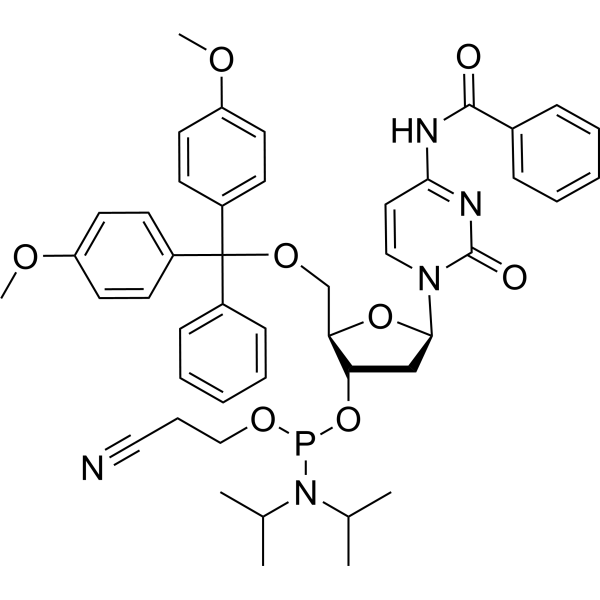
DMT-dC (bz) Phosphoramidite is a protected deoxycytidine phosphoramidite monomer, as well as a building block for mechanochemical DNA synthesis. DMT-dC (bz) Phosphoramidite serves as a reagent for oligonucleotide synthesis .
|
-
- HY-112754AGL
-
|
1,2-Dioleoyl-3-trimethylammonium-propane chloride (GMP Like)
|
Biochemical Assay Reagents
|
|
DOTAP chloride (GMP Like) is the GMP Like class DOTAP chloride (HY-112754A). GMP small molecules works appropriately as an auxiliary reagent for cell therapy manufacture. DOTAP chloride is a cationic lipid with good membrane fusion ability and biocompatibility. DOTAP chloride (GMP Like) can be used as an excipient for transient and stable transfection DNA (plasmids, bacmids) and modified nucleic acids (antisense oligonucleotides) without the use of helper lipid .
|
-
- HY-W112938
-
|
|
Biochemical Assay Reagents
|
|
TMPyP tetrachloride is a DNA-binding agent, singlet oxygen Sensitizer and photobleaching agent. TMPyP tetrachloride binds to DNA via intercalation or external groove complexation; irradiation induces its photoinduced release from DNA. TMPyP tetrachloride sensitizes the generation of singlet molecular oxygen upon irradiation, and prolonged irradiation leads to photobleaching. TMPyP tetrachloride initially localizes preferentially in neuronal nuclei and cytoplasm, and irradiation triggers its subcellular relocalization. TMPyP tetrachloride binds to K + -free single-molecule G4-DNA nanowires via intercalation, and binds to K + -type variants via non-intercalation. TMPyP tetrachloride can be used in studies related to cancer, HIV infection and bacterial infection .
|
-
- HY-W048492
-
|
7-Deaza-7-Iodo-2'-deoxyguanosine
|
Biochemical Assay Reagents
|
|
7-Iodo-7-deaza-2'-deoxyguanosine (7-Deaza-7-Iodo-2'-deoxyguanosine) is a modified deoxyguanosine nucleoside. 7-Iodo-7-deaza-2'-deoxyguanosine is used in DNA synthesis and sequencing reactions .
|
-
- HY-W013059R
-
|
DA-CE phosphoramidite (Standard)
|
Biochemical Assay Reagents
|
|
DMT-dA(bz) Phosphoramidite (Standard) is the analytical standard of DMT-dA(bz) Phosphoramidite. This product is intended for research and analytical applications. DMT-dA(bz) Phosphoramidite is a phosphoramide monomer for the synthesis of oligonucleotides (ONs) through formation of DNA dimers and trimers via mechanochemistry .
|
| Cat. No. |
Product Name |
Target |
Research Area |
-
- HY-P11652
-
|
|
Biochemical Assay Reagents
|
Others
|
|
Cardiogen is a short biologically active peptide (Ala-Glu-Asp-Arg) that does not bind single-stranded deoxyribooligonucleotides, slightly quenches fluorescence of some double-stranded deoxyribooligonucleotides, strongly quenches fluorescence of methylated and unmethylated λ phage DNA-ethidium bromide complexes .
|
-
- HY-P11698
-
|
|
DNA Alkylator/Crosslinker
Transthyretin (TTR)
|
Cancer
|
Guanidino-G-Clamp-PNA is a highly efficient sequence-specific RNA binder and gene silencer. Guanidino-G-Clamp-PNA precisely targets such targets as miR-155 or transthyretin (TTR) mRNA through base pairing: the former regulates tumor-related signaling pathways by reducing microRNA activity, while the latter inhibits the translation of harmful proteins via steric hindrance. Guanidino-G-Clamp-PNA effectively stabilizes DNA/RNA duplexes, induces cancer cell apoptosis, and suppresses tumor growth. In addition, Guanidino-G-Clamp-PNA can be conjugated with targeting ligands to improve tissue-specific delivery and reduce in vivo adverse reactions, and it can also enhance the splicing regulation efficacy of other oligonucleotide platforms (such as PMO) when integrated into them. Guanidino-G-Clamp-PNA is applicable to the research of various diseases including diffuse large B-cell lymphoma and hereditary transthyretin-related amyloidosis .
|
-
- HY-KE8006
-
|
|
|
Terminal Deoxynucleotidyl Transferase (TdT) is a template-independent DNA polymerase that catalyzes the binding of deoxynucleotides to the 3'
hydroxyl end of oligonucleotides, single-stranded DNA, or double-stranded DNA.
|
| Cat. No. |
Product Name |
Chemical Structure |
-
- HY-112754AS
-
|
|
|
DOTAP-d9 chloride is the deuterium labeled DOTAP chloride (HY-112754A). DOTAP chloride is a useful and effective cationic lipid for transient and stable transfection DNA (plasmids, bacmids) and modified nucleic acids (antisense oligonucleotides) with out the use of helper lipid .
|
-
| Cat. No. |
Product Name |
|
Classification |
-
- HY-D1668
-
|
|
|
Labeling and Fluorescence Imaging
|
|
Biotin-11-dCTP is a biotinylated deoxynucleoside triphosphate and an important DNA labeling reagent. In random primer DNA labeling reactions, Biotin-11-dCTP incorporates into newly synthesized DNA strands to generate labeled DNA probes suitable for hybridization applications. In addition, Biotin-11-dCTP can serve as a substrate for terminal deoxynucleotidyl transferase to end-label oligonucleotides for telomere sequence detection, or to label the cut ends of linearized DNA molecules, thereby supporting streptavidin-based electron microscopy analysis. For example, Biotin-11-dCTP can label the cut ends of linearized DNA molecules under the action of dGTP and avian myeloblastosis virus reverse transcriptase .
|
-
- HY-D1070
-
|
|
|
DBCO
Labeling and Fluorescence Imaging
|
|
DBCO-PEG4-TAMRA is a PEG-based TAMRA dye and contains a DBCO group, which enables Click Chemistry. The TAMRA dye is a dye widely used in oligonucleotide labeling and automated DNA sequencing applications. DBCO-PEG4-TAMRA is a click chemistry reagent, it contains a DBCO group that can undergo strain-promoted alkyne-azide cycloaddition (SPAAC) with molecules containing Azide groups.
|
-
- HY-D0818
-
|
Sulfo-Cyanine3-alkyne
|
|
Alkynes
|
|
CY3-YNE (Sulfo-Cyanine3-alkyne) is a dye for the labeling of soluble proteins, peptides, and oligonucleotides/DNA. CY3-YNE is a click chemistry reagent, it contains an Alkyne group and can undergo copper-catalyzed azide-alkyne cycloaddition (CuAAc) with molecules containing Azide groups.
|
-
- HY-151686
-
|
|
|
Tetrazine
|
|
Bz-(Me)Tz-NHS is a methyltetrazine carboxylic acid NHS ester that enables conjugation of the tetrazine moiety to the 5' end of oligonucleotides via amide coupling reaction, and it is used in oligonucleotide template-mediated fluorescent bioorthogonal cycloaddition reactions. Bz-(Me) Tz-NHS is applicable to click chemistry-related studies .
|
| Cat. No. |
Product Name |
|
Classification |
-
- HY-112754A
-
DOTAP chloride
Maximum Cited Publications
14 Publications Verification
1,2-Dioleoyl-3-trimethylammonium-propane chloride
|
|
Cationic Lipids
|
|
DOTAP chloride is a useful and effective cationic lipid for transient and stable transfection DNA (plasmids, bacmids) and modified nucleic acids (antisense oligonucleotides) with out the use of helper lipid .
|
-
- HY-150751
-
|
ODN A151
|
|
CpG ODNs
|
|
ODN TTAGGG (ODN A151), an inhibitory oligonucleotide (ODN), is a TLR9, AIM2, and cGAS antagonist. ODN TTAGGG inhibits AIM2 inflammasome activation and cGAS activation through competition with DNA. ODN TTAGGG blocks AIM2-mediated Pyroptosis and inhibits IL-18 production. ODN TTAGGG has immunosuppressive effects and can be used in research on related autoimmune diseases such as lupus erythematosus . ODN TTAGGG sequence: 5'-T-T-A-G-G-G-T-T-A-G-G-G-T-T-A-G-G-G-T-T-A-G-G-G-3'.
|
-
- HY-147217
-
|
ISIS 505358
|
|
Antisense Oligonucleotides
|
|
Bepirovirsen is an antisense oligonucleotide targeting all HBV messenger RNAs. Bepirovirsen leads to reductions in HBV-derived RNAs, HBV DNA and viral proteins. Bepirovirsen can be used for the research of chronic HBV infection. Bepirovirsen binding site sequence (GCACTTCGCTTCACCTCTGC) .
|
-
- HY-160225
-
|
|
|
CpG ODNs
|
|
ISD sodium is an interferon-stimulatory DNA, a 45 bp non-CpG double-stranded oligonucleotide derived from the genome of Listeria monocytogenes. ISD sodium potently induces type I interferon production via the cGAS‑STING‑TBK1‑IRF3 pathway .
|
-
- HY-152854
-
|
|
|
Nucleoside Analogs
Cytidine
|
|
5-(Hydroxymethyl)cytidine is a purine nucleoside analog that can be used in oligonucleotide synthesis. Purine nucleoside analogs have broad antitumor activity targeting indolent lymphoid malignancies. Anticancer mechanisms in this process rely on inhibition of DNA synthesis, induction of apoptosis, etc .
|
-
- HY-147217A
-
|
ISIS 505358 sodium
|
|
Antisense Oligonucleotides
|
|
Bepirovirsen (ISIS 505358) sodium is an antisense oligonucleotide targeting all HBV messenger RNAs. Bepirovirsen sodium leads to reductions in HBV-derived RNAs, HBV DNA and viral proteins. Bepirovirsen sodium can be used for the research of chronic HBV infection. Bepirovirsen sodium binding site sequence (GCACTTCGCTTCACCTCTGC) .
|
-
- HY-138577
-
|
|
|
Phosphoramidites
Cytosine
|
|
2'-F-Bz-dC Phosphoramidite can be used in the synthesis of oligoribonucleotide (such as DNA and RNA). 2'-F-Bz-dC Phosphoramidite also used for synthesis antiviral agent to inhibit the replication of virus. 2'-F-Bz-dC Phosphoramidite contains a phosphorothioate backbone, to synthesise antisense oligonucleotide analogs to induce apoptosis in cancer cells .
|
-
- HY-W039442
-
|
|
|
Nucleoside Analogs
Adenosine
|
|
2′-Deoxy-2′-fluoroadenosine is a fluorinated deoxyadenosine with antitumor and antiviral activity, able to interfere with viral or cancer cell replication by being incorporated into DNA. 2′-Deoxy-2′-fluoroadenosine can be used for the synthesis of 2′-Deoxy-2′-fluoro-modified oligonucleotides hybridized with RNA. 2′-Deoxy-2′-fluoroadenosine can be cleaved efficiently by E. coli purine nucleoside phosphorylase (PNP) to the toxic agent 2-fluoroadenine (FAde). 2′-Deoxy-2′-fluoroadenosine shows excellent in vivo activity against tumors expressing E. coli PNP .
|
-
- HY-150751C
-
|
ODN A151 sodium
|
|
CpG ODNs
|
|
ODN TTAGGG sodium, inhibitory oligonucleotide (ODN), is a TLR9, AIM2 and cGAS antagonist. ODN TTAGGG sodium is immunosuppressive and inhibits AIM2 inflammasome activation, as well as cGAS activation, by competing with DNA. ODN TTAGGG sodium can be used in the study of lupus erythematosus and other related autoimmune diseases. ODN TTAGGG sequence: 5'-T-T-A-G-G-G-T-T-A-G-G-G-T-T-A-G-G-G-T-T-A-G-G-G-3' .
|
-
- HY-W008849
-
|
|
|
Phosphoramidites
Cytosine
|
|
DMT-dC (bz) Phosphoramidite is a protected deoxycytidine phosphoramidite monomer, as well as a building block for mechanochemical DNA synthesis. DMT-dC (bz) Phosphoramidite serves as a reagent for oligonucleotide synthesis .
|
-
- HY-46317
-
|
|
|
Phosphoramidites
Cytosine
|
|
DMT-5Me-dC(Bz)-CE Phosphoramidite is a chemical structural unit that can be used in solid-phase DNA synthesis. DMT-5Me-dC(Bz)-CE Phosphoramidite can introduce the 5-methylcytidine base into the DNA chain to enhance its stability and binding affinity. DMT-5Me-dC(Bz)-CE Phosphoramidite can be used to construct modified oligonucleotides, especially for constructing locked nucleic acids (LNA) .
|
-
- HY-173193
-
|
|
|
Phosphoramidites
Uracil
|
|
S-cEt-U phosphoramidite is a modified phosphoramidite monomer that can be used for the oligonucleotide synthesis .
|
-
- HY-W570887
-
-
- HY-W570888
-
|
LNA-C(Bz)
|
|
Nucleoside Analogs
Cytidine
|
|
2'-O,4'-C-Methylenecytidine (LNA-C(Bz)) is a bicyclic nucleoside analogue with fixed N-type conformation. 2'-O,4'-C-Methylenecytidine can be used to synthesize oligonucleotides. 2'-O,4'-C-Methylenecytidine forms duplexes with complementary DNA and RNA strands .
|
-
- HY-145998
-
|
m8Gm
|
|
Nucleoside Analogs
Guanosine
|
|
2′-O-Methyl-8-methyl guanosine (m8Gm) is a Z-form RNA stabilizer. 2′-O-Methyl-8-methyl guanosine can markedly stabilize the Z-RNA at low salt conditions . m8Gm-contained oligonucleotides stabilize
the Z-DNA under low salt conditions .
|
-
- HY-145726
-
|
|
|
Antisense Oligonucleotides
|
|
ISIS 104838 is an antisense oligonucleotide targeting TNF-α. ISIS 104838 specifically binds to human TNF-α mRNA via Watson-Crick base pairing to form a DNA:RNA hybrid duplex, thereby recruiting the ubiquitously expressed intracellular enzyme RNase H to degrade the target mRNA and inhibit TNF-α protein synthesis at the transcriptional level. ISIS 104838 induces moderate, self-limiting thrombocytopenia in cynomolgus monkeys. ISIS 104838 can be used for the study of inflammatory diseases .
|
-
- HY-W570886
-
|
|
|
Phosphoramidites
Uracil
|
|
2'-O-MOE-U is a nucleic acid modification group (Phosphoramidite) with 3'-exonuclease inhibitory activity. 2'-O-MOE-U also exhibits gene silencing activity and double-stranded oligonucleotide stability. By forming steric interactions with 3'-exonuclease residues, 2'-O-MOE-U anchors the 3'-end of the siRNA guide strand in the hAgo2 PAZ domain, thereby regulating double-stranded thermal stability and enhancing base-pairing specificity. 2'-O-MOE-U does not induce IFNα production, can be incorporated at multiple sites of siRNA to enhance RNAi activity, and produces a synergistic effect with 2'-F modification. 2'-O-MOE-U has been widely used in studies related to breast cancer and other diseases .
|
-
- HY-W048492
-
|
7-Deaza-7-Iodo-2'-deoxyguanosine
|
|
Nucleoside Analogs
Guanosine
|
|
7-Iodo-7-deaza-2'-deoxyguanosine (7-Deaza-7-Iodo-2'-deoxyguanosine) is a modified deoxyguanosine nucleoside. 7-Iodo-7-deaza-2'-deoxyguanosine is used in DNA synthesis and sequencing reactions .
|
-
- HY-148947
-
|
|
|
Phosphoramidites
Fluorescent Dye Phosphoramidite
|
|
Cy5 Phosphoramidite is a fluorescent labeling reagent . Cy5 Phosphoramidite serves as a fluorescent tag for 3' terminal labeling of single-stranded DNA, enabling fluorescence-based nucleic acid detection, monitoring, quantification, and in vitro study .
|
-
- HY-145726A
-
|
|
|
Antisense Oligonucleotides
|
|
ISIS 104838 sodium is an antisense oligonucleotide targeting TNF-α. ISIS 104838 sodium specifically binds to human TNF-α mRNA via Watson-Crick base pairing to form a DNA:RNA hybrid duplex, thereby recruiting the ubiquitously expressed intracellular enzyme RNase H to degrade the target mRNA and inhibit TNF-α protein synthesis at the transcriptional level. ISIS 104838 sodium induces moderate, self-limiting thrombocytopenia in cynomolgus monkeys. ISIS 104838 sodium can be used for the study of inflammatory diseases .
|
-
- HY-153479
-
|
|
|
Antisense Oligonucleotides
|
|
Aganirsen is a 25 mer DNA antisense oligonucleotide, which silences expression of insulin receptor substrate-1 (IRS-1).
|
-
- HY-148411
-
|
LJP 394 free base
|
|
Antisense Oligonucleotides
|
|
Abetimus (LJP 394 free base) is an immunosuppressant consisting of four double-stranded DNA (dsDNA) oligonucleotides. Abetimus is capable of crosslinking anti-dsDNA antibodies on the surface of B cells, and decreases anti-dsDNA antibodies levels. Abetimus has the potential for research of systemic lupus erythematosus .
|
-
- HY-160040
-
|
|
|
Antisense Oligonucleotides
|
|
Cobitolimod is a DNA oligonucleotide agonist of TLR-9 with anti-inflammatory activity. Cobitolimod suppresses Th17 cells and induces anti-inflammatory FoxP3 and IL-10 expression, inhibiting the IL-17 signaling pathway .
|
-
- HY-112858
-
|
|
|
Phosphoramidites
Other Phosphoramidite
|
|
dSPACER is a compound for the phosphoramidite synthesis of oligonucleotides and the creation of the abasic step in the oligonucleotide sequence.Abasic phosphoramidites are used in DNA and oligonucleotide synthesis.
|
-
- HY-153479A
-
|
|
|
Antisense Oligonucleotides
|
|
Aganirsen sodium is a 25 mer DNA antisense oligonucleotide, which silences expression of insulin receptor substrate-1 (IRS-1).
|
-
- HY-153494A
-
|
PNT100 sodium
|
|
Antisense Oligonucleotides
|
|
PNT100 sodium is a 24-base, chemically unmodified DNA oligonucleotide sequence that is complementary to the regulatory region upstream of the BCL-2 gene. Exposure of tumor cells to PNT100 results in suppression of proliferation and cell death.
|
-
- HY-153494
-
|
PNT100
|
|
Antisense Oligonucleotides
|
|
PNT100 is a 24-base, chemically unmodified DNA oligonucleotide sequence that is complementary to the regulatory region upstream of the BCL-2 gene. Exposure of tumor cells to PNT100 results in suppression of proliferation and cell death.
|
-
- HY-160040A
-
|
|
|
Antisense Oligonucleotides
|
|
Cobitolimod sodium is a DNA oligonucleotide agonist of TLR-9 with anti-inflammatory activity. Cobitolimod sodium inhibits Th17 cells and induces anti-inflammatory FoxP3 and IL-10 expression, inhibiting the IL-17 signaling pathway .
|
-
- HY-172508
-
|
|
|
Phosphoramidites
Uracil
|
|
Perylene dU phosphoramidite is a bright and extremely photostable fluorescent polycyclic aromatic hydrocarbon (PAH) label with a quantum yield approaching quantitative. Due to the low lifetime of fluorescence, this probe does not form excimers.With this phosphoramidite, perylene can be introduced into DNA by automated oligonucleotide synthesis.
|
-
- HY-W800446
-
|
Lna-g amidite
|
|
Phosphoramidites
Guanine
|
|
LNA-Guanosine 3'-CE phosphoramidite (Lna-g amidite) is an essential building block to Locked Nucleic Acid (LNA) oligonucleotide synthesis, which includes a ribonucleoside linked by a methylene unit between the 2’-oxygen and 4’-carbon atoms, paralleling DNA polymer assembly.
|
-
- HY-160048
-
|
|
|
Aptamers
|
|
PEG40K unconjugated/naked AX102 sodium is AX102 without PEG40K conjugation. AX102 is a DNA oligonucleotide aptamer for platelet-derived growth factor PDGF-B. AX102 is 34 bases in length, selectively binds platelet-derived growth factor B (PDGF-B), and causes tumor vessel regression .
|
-
- HY-W1121756
-
|
|
|
Phosphoramidites
Guanine
|
|
DNA G(iPr-pac) amidite is a phosphoramidite that can be used in the synthesis of oligonucleotides.
|
| Cat. No. |
Product Name |
Target |
Research Areas |
Chemical Structure |
-
- HY-112754AGL
-
|
1,2-Dioleoyl-3-trimethylammonium-propane chloride (GMP Like)
|
Liposome
|
Others
|
|
DOTAP chloride (GMP Like) is the GMP Like class DOTAP chloride (HY-112754A). GMP small molecules works appropriately as an auxiliary reagent for cell therapy manufacture. DOTAP chloride is a cationic lipid with good membrane fusion ability and biocompatibility. DOTAP chloride (GMP Like) can be used as an excipient for transient and stable transfection DNA (plasmids, bacmids) and modified nucleic acids (antisense oligonucleotides) without the use of helper lipid .
|
-
Your information is safe with us. * Required Fields.
Inquiry Information
- Product Name:
- Cat. No.:
- Quantity:
- MCE Japan Authorized Agent:

