

1. Search Result
Search Result
Pathways Recommended: Stem Cell/Wnt Cell Cycle/DNA Damage
Results for "

DU145 cell

" in MedChemExpress (MCE) Product Catalog:

76

Inhibitors & Agonists

1

Fluorescent Dye

1

Biochemical Assay Reagents

5

Peptides

2

Inhibitory Antibodies

18

Natural
Products

1

Click Chemistry

2

Oligonucleotides

Cat. No. Product Name Target Research Areas Chemical Structure
  • HY-147081
    AS 1411
    2 Publications Verification

    AGRO-100

    Histone Methyltransferase Bcl-2 Family Cancer
    AS 1411 (AGRO-100) is an oligonucleotide aptamer targeting nucleoproteins. AS 1411 inhibits tumor cell proliferation by affecting the activity of nucleoprotein-containing complexes and can be used as a carrier to precisely deliver nanoparticles, oligonucleotides and small molecules to cancer cells. AS 1411 reduces PRMT5 expression to inhibit tumor growth in DU145 prostate cancer cells. AS 1411 works by blocking the binding of nucleoproteins to bcl-2 mRNA in MCF-7 breast cancer cells. AS 1411-coupled Jin nanospheres can inhibit breast cancer cell proliferation in vitro and in mouse models, has the ability to cross the blood-brain barrier with low tissue toxicity .
    AS 1411
  • HY-33037

    Fungal Infection Inflammation/Immunology Cancer
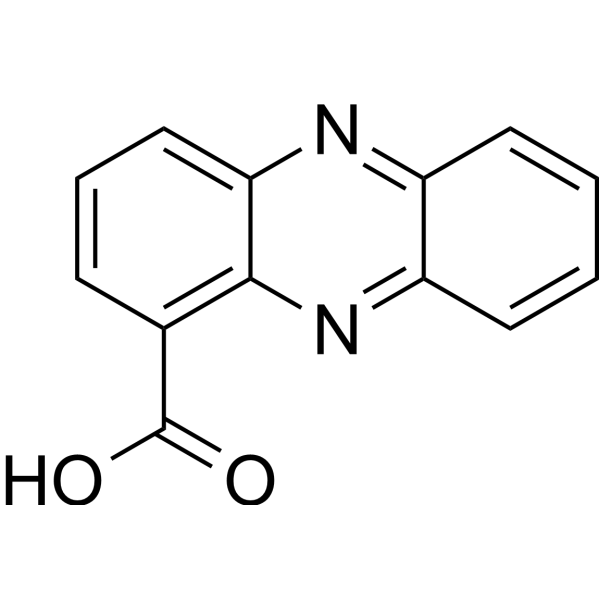
    Phenazine-1-carboxylic acid is an antifungal agent. Additionally, Phenazine-1-carboxylic acid exhibits anticancer activity by inducing apoptosis in cancer cells through the regulation of ROS generation. Phenazine-1-carboxylic acid can upregulate the expression of IL-8 and ICAM-1 while inhibiting the release of RANTES and MCP-1, demonstrating its potential immunomodulatory effects. Phenazine-1-carboxylic acid holds significant research value in the areas of anti-infection, anticancer, and immune response modulation .
    Phenazine-1-carboxylic acid
  • HY-119272
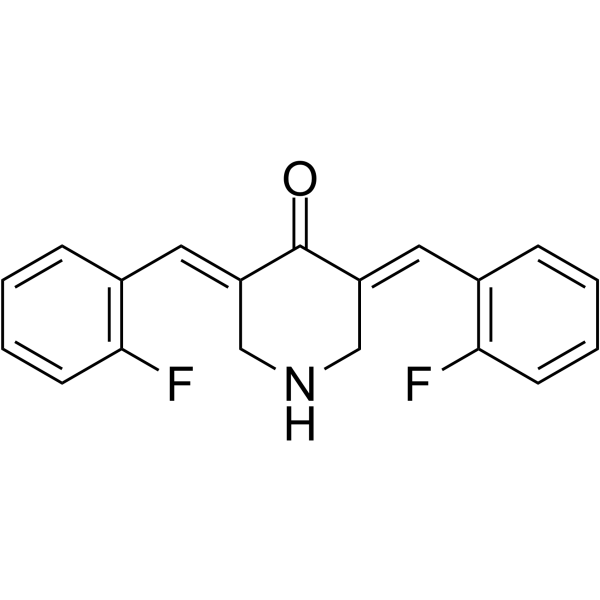
    EF24
    2 Publications Verification

    ERK Caspase NF-κB Apoptosis p38 MAPK Reactive Oxygen Species (ROS) Inflammation/Immunology Cancer
    EF24, a curcumin analogue, is an NF-kB inhibitor with great anti-tumor efficacy and oral bioavailability via deactivation of the MAPK/ERK signaling pathway in oral squamous cell carcinoma (OSCC). EF24 is active against melanoma and breast cancer cell lines with GI50 values of 0.7 μM and 0.8 μM, respectively. EF24 induces cell cycle arrest and apoptosis in MDA-MB-231 human breast cancer cells and DU-145 human prostate cancer cells. EF24 increases the levels of activated caspase 3 and 9, and decreases the phosphorylated forms of MEK1 and ERK .
    EF24
  • HY-N0591
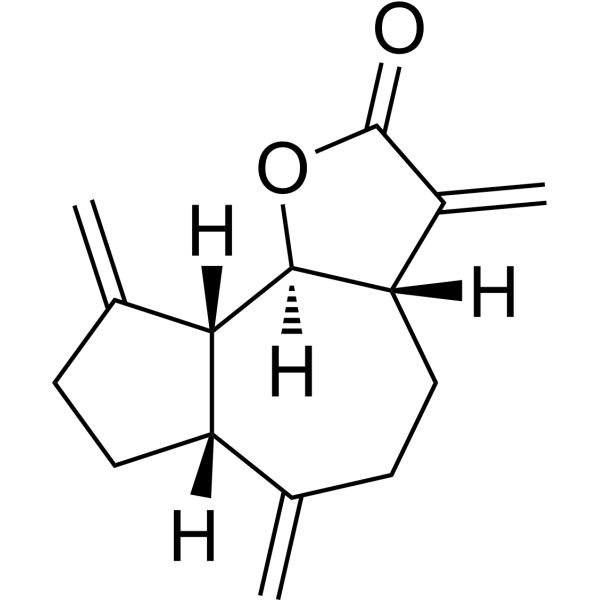
    Dehydrocostus Lactone
    2 Publications Verification

    (-)-Dehydrocostus lactone; Epiligulyl oxide

    Bacterial Apoptosis p38 MAPK NF-κB MAPKAPK2 (MK2) Akt NO Synthase Interleukin Related Caspase Infection Inflammation/Immunology Cancer
    Dehydrocostus Lactone ((-)-Dehydrocostus lactone) is a natural sesquiterpene that can be isolated from Saussurea lappa. Dehydrocostus Lactone has multiple activities such as anti-inflammatory, antibacterial, anti-tumor, and immunomodulatory effects. Dehydrocostus Lactone has an MIC of 2 µg/mL against Mycobacterium tuberculosis. Dehydrocostus Lactone can also inhibit the killing activity of cytotoxic T lymphocytes and induce apoptosis in tumor cells .
    Dehydrocostus Lactone
  • HY-18981
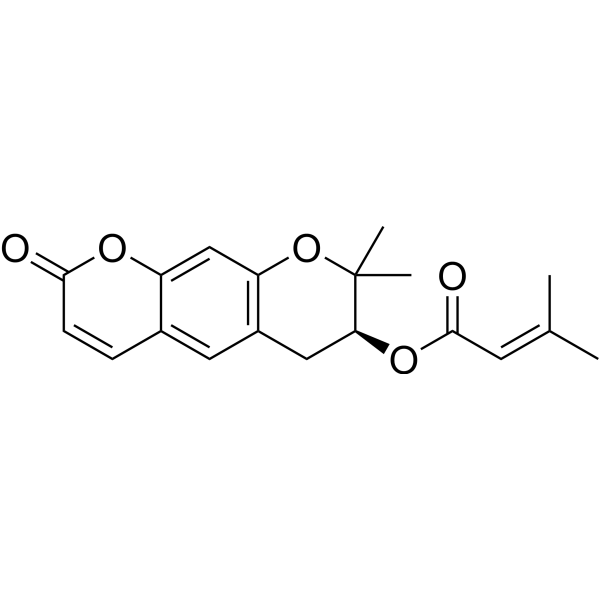
    Decursin
    2 Publications Verification

    (+)-Decursin

    PKC Apoptosis CXCR Neurological Disease Inflammation/Immunology Cancer
    Decursin ((+)-Decursin) is a potent anti-tumor agent. Decursin also is a cytotoxic agent and a potent protein kinase C activator. Decursin induces apoptosis and cell cycle arrest at G1 phase. Decursin decreases the expression of CDK2, CDK4, CDK6, cyclin D1 protein at 48 h. Decursin inhibits cell proliferation and migration. Decursin shows anti-tumor, anti-inflammatory and analgesic activities .
    Decursin
  • HY-107582

    Ser/Thr Protease Calcium Channel PKC Cancer
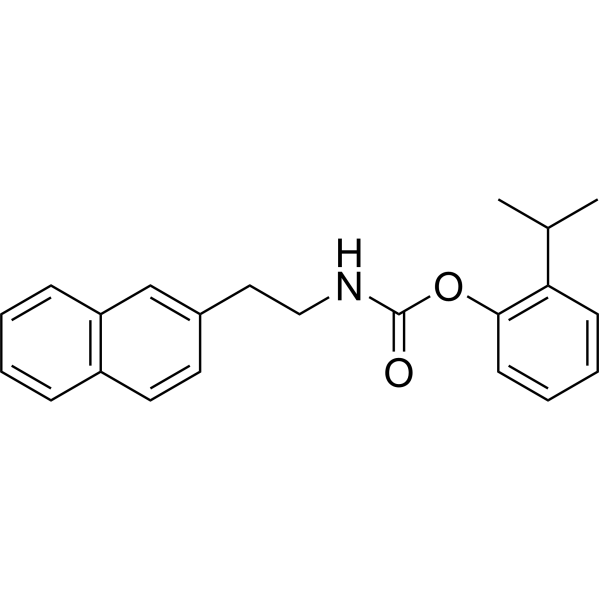
    JW480 is a selective KIAA1363/AADACL1 inhibitor with oral activity, featuring IC50 values of 12 nM against human KIAA1363, 20 nM against mouse KIAA1363. JW480 blocks lipid deacetylase activity to restrain HAG metabolism and lowers retinyl ester hydrolase function in hepatic stellate cells. JW480 reduces MAGE lipid levels and inhibits migration, invasion, survival and tumor growth of prostate cancer cells. JW480 lowers PKCδ phosphorylation, facilitates HAGP accumulation, diminishes platelet aggregation, dense granule secretion and Ca 2+ flux, delays arterial thrombosis and prolongs tail bleeding time in rats. JW480 can be used for the study of prostate cancer and thrombosis .
    JW480
  • HY-121970

    Phosphoglycerate Dehydrogenase (PHGDH) Reactive Oxygen Species (ROS) HIF/HIF Prolyl-Hydroxylase Metabolic Disease
    iGP-1 is a cell-permeable, selective mixed inhibitor of mitochondrial sn-glycerol-3-phosphate dehydrogenase (mGPDH), with IC50s of 6.3 μM and 13.6 μM for rat mGPDH activity and H2O2 production, respectively. iGP-1 specifically blocks the mitochondrial component of the glycerophosphate shuttle without affecting cytosolic GPDH. iGP-1 not only inhibits cell proliferation and glutaminolysis, and enhances glycolysis, but also significantly alters key cellular physiological processes such as apoptosis, ROS production, HIF-1α stability and mitochondrial membrane potential. iGP-1 remains active in neutrophil cultures under both normoxic and hypoxic conditions, and serves as an ideal probe for glycerol-3-phosphate metabolic mechanisms. iGP-1 has been applied to studies on prostate cancer and related metabolic pathways .
    iGP-1
  • HY-N1931

    Caspase PARP Apoptosis MDM-2/p53 Cancer
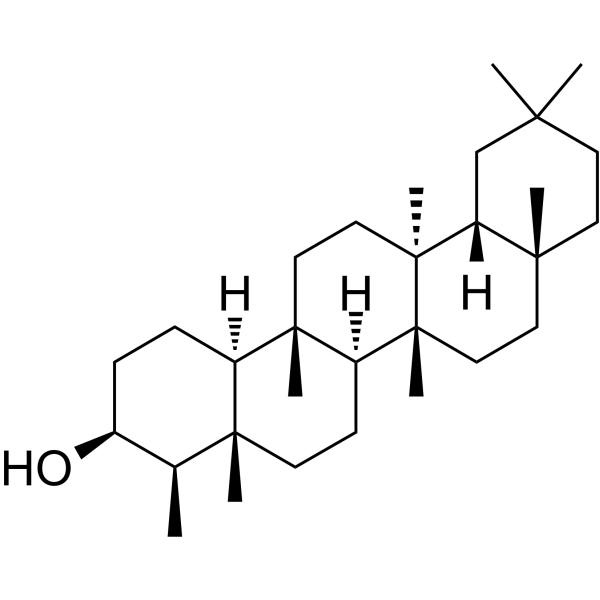
    Epifriedelanol is a triterpenoid found in the root bark of Ulmus davidiana. Epifriedelanol induces apoptosis in DU145 cells. Epifriedelanol has antitumor and anti-inflammatory activities. Epifriedelanol inhibits cellular senescence in human primary cells .
    Epifriedelanol
  • HY-12643

    MK-397

    Parasite Bacterial Reactive Oxygen Species (ROS) β-catenin Apoptosis Autophagy Infection Cancer
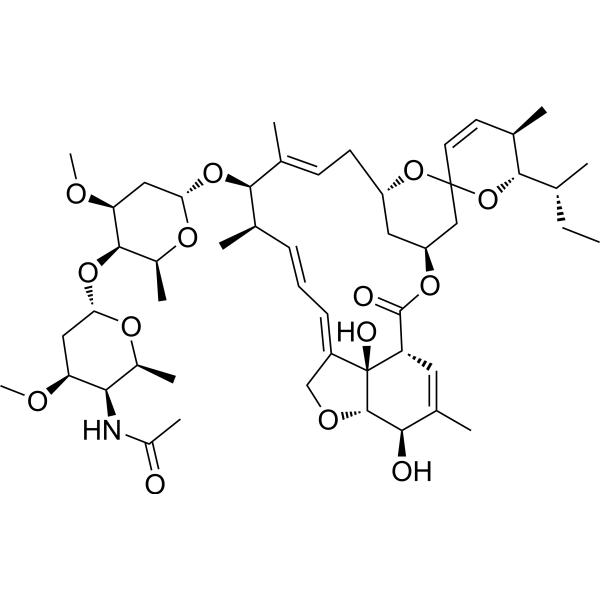
    Eprinomectin (MK-397) is a type of avermectin. Eprinomectin, as a broad-spectrum fungicide, has insecticidal, insecticidal and acaricidal activities. Eprinomectin induces apoptosis and autophagy in prostate cancer cells and has antitumor activity .
    Eprinomectin
  • HY-P9916

    Anti-Human IL6Rα, Human Antibody

    Interleukin Related STAT Apoptosis Inflammation/Immunology Cancer
    Sarilumab is a monoclonal antibody targeting IL6 that binds to IL6R and blocks the binding of IL6, thereby inhibiting the activation of the downstream STAT3 phosphorylation signaling pathway. In tumor cells with active IL6/STAT3 signaling pathways, Sarilumab induces Apoptosis and inhibits cell growth. Sarilumab is applicable to research related to prostate cancer, lung cancer and rheumatoid arthritis .
    Sarilumab
  • HY-A0068
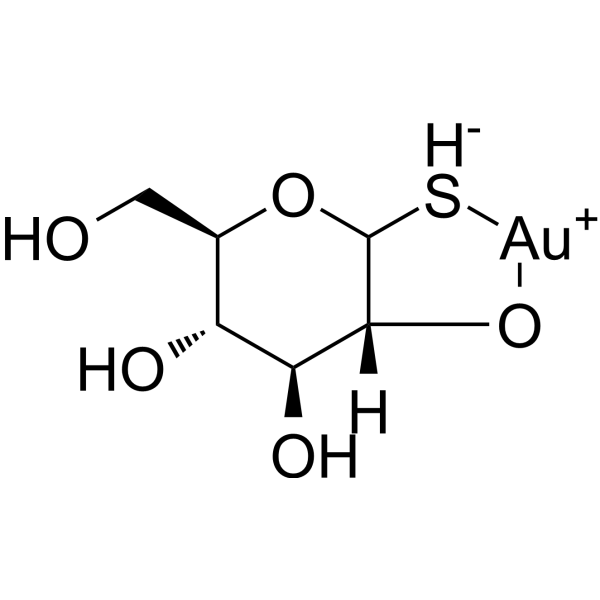
    Aurothioglucose
    2 Publications Verification

    Gold thioglucose

    NF-κB HIV Reactive Oxygen Species (ROS) Infection Inflammation/Immunology Cancer
    Aurothioglucose (Gold thioglucose), containing monovalent gold ion, is a potent active-site inhibitor of TrxR1 (thioredoxin reductase 1), with an IC50 of 65 nM. Aurothioglucose inhibits the DNA binding of NF-κB in vitro. Aurothioglucose shows anti-HIV and anti-rheumatic activities .
    Aurothioglucose
  • HY-P10816

    Ac-(DLeu)LLLRVK-Amba

    Bacterial Infection Cancer
    PACE4 Inhibitory peptide C23 (Compound C23; Ac-(DLeu)LLLRVK-Amba)), a potent peptidomimetic inhibitor, is a PACE4 inhibitor. PACE4 Inhibitory peptide C23e shows antiproliferative effects against PCa cell lines (Ki = 5 nM; IC50 = 25 and 40 μM for DU145 and LNCaP, respectively). PACE4 Inhibitory peptide C23 also blocks tumor growth in vivo in LNCaP xenograft-bearing mice .
    PACE4 Inhibitory peptide C23
  • HY-14454
    TPh A
    2 Publications Verification

    Triphenyl Compound A

    Biochemical Assay Reagents Cancer
    TPh A (Triphenyl Compound A) is a potent inhibitor of the nuclear protein pirin and binds specifically to pirin with a Ki of 0.6 uM. TPh A disrupts the formation of the bcl3–pirin complex. TPh A can be used as a novel small molecule tool to regulate pirin in cells .
    TPh A
  • HY-B1817A

    Zinc(II) acetate, 99.99% trace metals basis

    CDK Heme Oxygenase (HO) Apoptosis Others
    Zinc (Zinc (II)) acetate, 99.99% trace metals basis is a heme oxygenase 1 (HO-1) activator and apoptosis inducer with cytotoxic and anticancer activities. Zinc acetate, 99.99% trace metals basis enhances HO-1 expression, alters the microRNA profile, and increases the level of caspase-cleaved cytokeratin 18. Zinc acetate, 99.99% trace metals basis also regulates the expression of Cdk2/cyclin E and interferes with cell cycle progression. Zinc acetate, 99.99% trace metals basis effectively inhibits cancer cell proliferation and induces their rapid death, with no significant cytotoxicity to non-tumor tissues. Zinc acetate, 99.99% trace metals basis has been widely used in studies related to hepatocellular carcinoma, prostate cancer, and other conditions .
    Zinc acetate, 99.99% trace metals basis
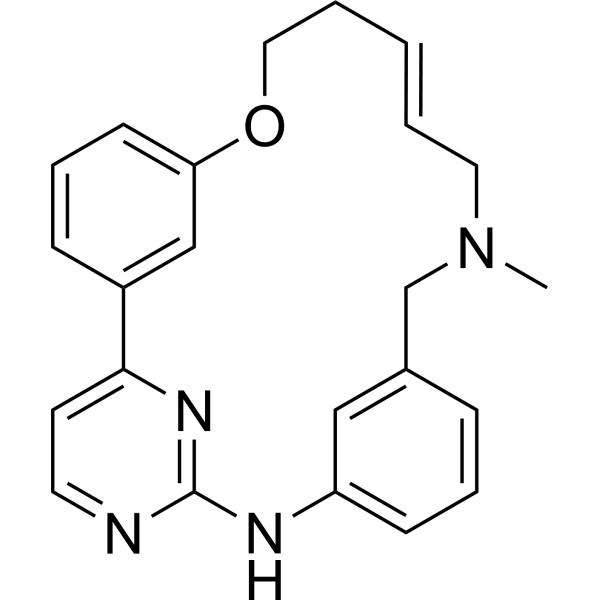
  • HY-15163
    Zotiraciclib
    2 Publications Verification

    TG02; SB1317

    JAK CDK FLT3 Cancer
    Zotiraciclib (TG02; SB1317) is an orally active JAK2/FLT3/CDK2 inhibitor with IC50 values of 13 nM, 73 nM and 56 nM , respectively. Zotiraciclib inhibits cancer cell proliferation, tumor growth and the activity of CYP2D6. Zotiraciclib exhibits high plasma protein binding rate, Caco-2 permeability and tissue distribution capacity, as well as metabolic stability in human and canine liver microsomes. Zotiraciclib achieves tumor growth inhibition in nude mouse models of colon cancer and lymphoma xenografts. Zotiraciclib can be used for research related to colon cancer, B-cell lymphoma, advanced leukemia, acute leukemia and multiple myeloma .
    Zotiraciclib
  • HY-145622

    BA3011; CAB-Axl-ADC; CAB-anti-Axl-ADC

    Antibody-Drug Conjugates (ADCs) TAM Receptor Cancer
    Mecbotamab vedotin (BA3011) is a pH dependent antibody drug conjugate (ADC) targeting AXL. Mecbotamab vedotin can significantly inhibit AXL in DU145 cells and LCLC-103H cells and kills cells. Mecbotamab vedotin can be used for research on cancer such as lung cancer, pancreatic cancer and prostate cancer. The antibody component is Mecbotamab (HY-P9988), and the ADC toxin molecule is Monomethyl auristatin E (MMAE) (HY-15162) .
    Mecbotamab vedotin
  • HY-147081A
    AS 1411 sodium
    2 Publications Verification

    AGRO-100 sodium

    Histone Methyltransferase Bcl-2 Family Cancer
    AS 1411 (AGRO-100) sodium is an oligonucleotide aptamer targeting nucleoproteins. AS 1411 sodium inhibits tumor cell proliferation by affecting the activity of nucleoprotein-containing complexes and can be used as a carrier to precisely deliver nanoparticles, oligonucleotides and small molecules to cancer cells. AS 1411 sodium reduces PRMT5 expression to inhibit tumor growth in DU145 prostate cancer cells. S 1411 sodium works by blocking the binding of nucleoproteins to bcl-2 mRNA in MCF-7 breast cancer cells. S 1411 sodium-coupled Jin nanospheres can inhibit breast cancer cell proliferation in vitro and in mouse models, has the ability to cross the blood-brain barrier with low tissue toxicity
    AS 1411 sodium
  • HY-P1793

    Opioid Receptor Biochemical Assay Reagents Neurological Disease Inflammation/Immunology Cancer
    α-Casein (90-95) is a partial agonist of opioid receptors and a copper ion ligand, with opioid activity. α-Casein (90-95) inhibits the secretion of β-hexosaminidase by rat peritoneal mast cells (PMC) with IC50= 0.1 μM. α-Casein (90-95) inhibits the proliferation of prostate cancer cells LNCaP, DU145, and PC3 with IC50 of 0.94 nM, 137 nM, and 6.92 nM, respectively. α-Casein (90-95) activates Gi-like proteins through a membrane-assisted, receptor-independent pathway, or reversibly binds to opioid receptors, inducing intracellular calcium release and conformational changes, and exerts the activity of promoting mast cell secretion and inhibiting tumor cell proliferation. α-Casein (90-95) can be used in the study of the mechanisms of allergic diseases and prostate cancer .
    α-Casein (90-95)
  • HY-141860

    PSMA Microtubule/Tubulin Reactive Oxygen Species (ROS) Cytochrome P450 Cancer
    PSMA-Val-Cit-PAB-MMAE is a small-molecule conjugate targeting PSMA, with Monomethyl auristatin E (MMAE) (HY-15162) as its cytotoxic payload. PSMA-Val-Cit-PAB-MMAE binds to PSMA, thereby being delivered into PSMA-expressing prostate cancer cells. Subsequently, the Val-Cit linker is cleaved under the mediation of cathepsin B, releasing active MMAE. PSMA-Val-Cit-PAB-MMAE inhibits CYP3A4 activity (IC50 = 11.2 μM), induces intracellular ROS production and oxidative stress, disrupts the cytoskeleton through microtubule destabilization, and induces prostate cancer cell death. PSMA-Val-Cit-PAB-MMAE can be used in research related to prostate cancer .
    PSMA-Val-Cit-PAB-MMAE
  • HY-12929

    SU093

    Pim Apoptosis Cancer
    NSC756093 (SU093) is a GBP1:PIM1 interaction inhibitor. NSC756093 binds to GBP1-PIM1 with a Kd of 38 nM. NSC756093 suppresses proliferation, reduces migration, induces G1 phase cell-cycle arrest, and increases apoptotic cell death in ovarian cancer cells. NSC756093 reduces cellular proteasomal activity, induces accumulation of ubiquitinated proteins, and restrains tumor progression and lung metastasis in murine ovarian cancer xenograft models. NSC756093 increases sensitivity of prostate cancer cells to Docetaxel (HY-B0011) and sensitizes GBP1-overexpressing ovarian cancer cells to Paclitaxel (HY-B0015). NSC756093 can be used for the research of prostate cancer and ovarian cancer .
    NSC756093
  • HY-115062

    Phospholipase NADPH Oxidase p38 MAPK Akt NF-κB AP-1 Reactive Oxygen Species (ROS) Cardiovascular Disease Inflammation/Immunology Cancer
    MJ-33 lithium salt is a competitive phospholipase A2 (PLA2) inhibitor with an IC50 of 0.3 μM. MJ-33 lithium salt inhibits NOX2 activation and reduces ROS production by blocking the PLA2 activity of Prdx6. MJ-33 lithium salt effectively inhibits the activity of acidic PLA2 (pH 4.0) and reduces the degradation of alveolar surfactant phosphatidylcholine (PC), but exerts no effect on alkaline PLA2 (pH 8.5). MJ-33 lithium salt significantly alleviates lung oxidative injury induced by ischemia-reperfusion (I/R). MJ-33 lithium salt significantly inhibits the invasion, migration and adhesion abilities of prostate cancer cells by suppressing the MAPK, AKT, NF-κB and AP-1 signaling pathways. MJ-33 lithium salt can be used for the research of ROS-related diseases and prostate cancer .
    MJ33 lithium salt
  • HY-121522

    Histone Demethylase Cancer
    SD-70 is an inhibitor for histone demethylase JMJD2C and exhibits antitumor efficacy. SD-70 inhibits viability of cancer cells CWR22Rv1 (9% cell survival at 10 μM), PC3 (14% cell survival at 2 μM) and DU145 (26% cell survival at 2 μM) .
    SD-70
  • HY-145312

    ATM/ATR Cancer
    ATR-IN-4 is a potent ATR (Ataxia telangiectasia mutated gene Rad 3-associated kinase) inhibitor. ATR-IN-4 inhibits growth of human prostate cancer cells DU145 and human lung cancer cells NCI-H460 with IC50s of 130.9 nM and 41 .33 nM, respectively. (Patent CN112142744A, compound 13) .
    ATR-IN-4
  • HY-149894

    c-Myc Cadherin Cancer
    MC-1-F2 is a FOXC2 inhibitor. MC-1-F2 shows a binding affinity (Kd) of 26 μM for full-length FOXC2. MC-1-F2 reduces epithelial-mesenchymal transition (EMT) markers in breast cancer cells, suppresses cancer stem cell (CSC) properties and reduces invasiveness in castration-resistant prostate cancer (CRPC) cells. MC-1-F2 can be used for the study of CRPC and breast cancer .
    MC-1-F2
  • HY-108986

    Sirtuin SARS-CoV Cancer
    JFD00244 is a sirtuin 2 (SIRT2) inhibitor, with anti-tumor effect. JFD00244 is also a Nsp-16 inhibitor against SARS-CoV-2 .
    JFD00244
  • HY-119257
    ABT-100
    1 Publications Verification

    Farnesyl Transferase Apoptosis Cancer
    ABT-100, a chemical probe, is a potent, highly selective and orally active farnesyltransferase inhibitor. ABT-100 inhibits cell proliferation (IC50s of 2.2 nM, 3.8 nM, 5.9 nM, 6.9 nM, 9.2 nM, 70 nM and 818 nM for EJ-1, DLD-1, MDA-MB-231, HCT-116, MiaPaCa-2, PC-3, and DU-145 cells, respectively), increases apoptosis and decreases angiogenesis. ABT-100 possesses broad-spectrum antitumor activity .
    ABT-100
  • HY-N2415
    Podophyllotoxone
    1 Publications Verification

    Microtubule/Tubulin Cancer
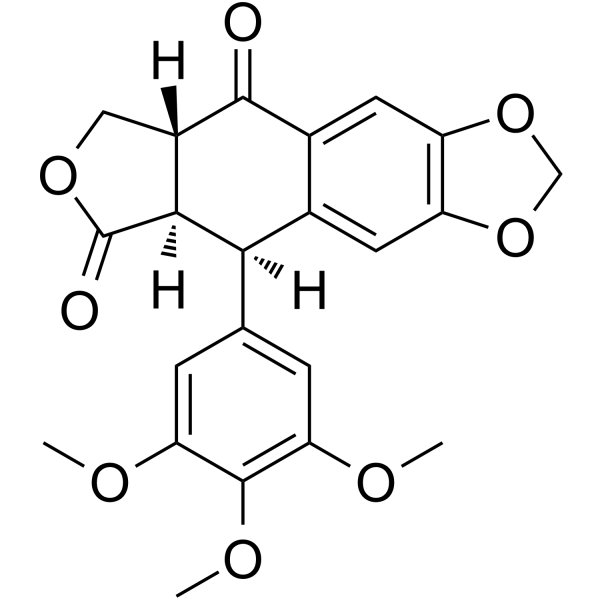
    Podophyllotoxone is isolated from the roots of Dysosma versipellis and has anti-cancer activities.Podophyllotoxone is able to inhibit the tubulin polymerization .
    Podophyllotoxone
  • HY-163340

    Glucocorticoid Receptor Androgen Receptor Cancer
    GA32 (compound 58r) is potent androgen receptor (AR)/glucocorticoid receptor (GR) dual inhibitor with IC50 values of 0.13 μM and 0.83 μM for AR and GR, respectively. GA32 inhibits the proliferation of Enzalutamide (HY-70002) resistance castration-resistant prostate cancer both in vitro and in vivo .
    GA32
  • HY-175243

    Adenosine Deaminase Apoptosis Cancer
    ADAR1-IN-1 is a potent ADAR1 inhibitor. ADAR1-IN-1 significantly suppressed DU-145 cell proliferation (IC50 = 1.11 μM), clonogenicity, migration, and invasion, arrests cell cycle, and induces apoptosis. ADAR1-IN-1 safely and effectively inhibits tumor growth. ADAR1-IN-1 can be used for the study of prostate cancer (PCa) .
    ADAR1-IN-1
  • HY-155982

    STAT Cancer
    STAT3-IN-20 (Compound 40) is a selective STAT3 inhibitor (IC50: 0.65 μM). STAT3-IN-20 binds the SH2 domain to inhibit STAT3 phosphorylation, translocation, and downstream gene transcription. STAT3-IN-20 exhibits antiproliferative activities against STAT3-overactivated DU145 and MDA-MB-231 cancer cells (IC50: 2.97 μM and 3.26 μM respectively). STAT3-IN-20 induces cell cycle arrest and apoptosis .
    STAT3-IN-20
  • HY-P10992

    PI3K Akt mTOR Caspase Apoptosis Bcl-2 Family Cancer
    YVPGP is an oligopeptide exacted from Anthopleura anjunae. YVPGP has a significant antitumor activity by mediating PI3K/AKT/mTOR signaling pathway. YVPGP arrests DU-145 cells in the S phase and induces apoptosis via mitochondrial and death receptor pathways (caspase3, 7, 8, 9). YVPGP effectively inhibits tumor growth in DU-145 xenografts mice model, promising for prostate cancer research .
    YVPGP
  • HY-177501

    CDK Apoptosis Cancer
    Otviciclib (Compound 86) is a CDK inhibitor. Otviciclib has potent anti-proliferative activity against solid tumor cells (such as HCT116, NCIH82 and DU145 cells) with no significant toxicity to normal cells, and effectively induces the G2/M phase cells arrest and apoptosis. Otviciclib has a broad-spectrum anticancer activity, such as colon, pancreatic and lung cancer .
    Otviciclib
  • HY-N15449

    HSP Caspase Apoptosis Reactive Oxygen Species (ROS) Bcl-2 Family Cancer
    Vicanicin is a depsidone compound found in lichens. Vicanicin inhibits the expression of Hsp70, regulates the redox-sensitive mechanisms within cells, promotes the increase of reactive oxygen species (ROS) in cancer cells, changes the Bax/Bcl-2 ratio, activates caspase-3, and triggers apoptosis. Vicanicin inhibits cell growth and induces apoptosis in androgen-sensitive (LNCaP) and androgen-insensitive (DU-145) human prostate cancer cells. Vicanicin is promising for research of prostate cancer .
    Vicanicin
  • HY-B0530A

    γ-pipradol hydrochloride

    Reactive Oxygen Species (ROS) mAChR NADPH Oxidase Cancer
    Azacyclonol (γ-pipradol) hydrochloride is a compound with promising anticancer activity, showing effectiveness in inhibiting NOX-derived ROS in A549 human lung cancer cells. Azacyclonol hydrochloride exhibits enhanced proliferation inhibition against androgen-refractory cancer cell lines, specifically DU145 and PC-3. Azacyclonol hydrochloride demonstrates antitumor activity in DU145-xenografted chorioallantoic membrane tumor models. Azacyclonol hydrochloride also acts as a ligand for the M3 muscarinic acetylcholine receptor, which is overexpressed in ARPC. Azacyclonol hydrochloride effectively blocks carbachol-induced proliferation and NOX activity in DU145 cells. Azacyclonol hydrochloride can also be utilized for the treatment of chronic schizophrenia.
    Azacyclonol hydrochloride
  • HY-P1793A

    Opioid Receptor Biochemical Assay Reagents Neurological Disease Inflammation/Immunology Cancer
    α-Casein (90-95) TFA is a partial agonist of opioid receptors and a copper ion ligand, with opioid activity. α-Casein (90-95) TFA inhibits the secretion of β-hexosaminidase by rat peritoneal mast cells (PMC) with IC50= 0.1 μM. α-Casein (90-95) TFA inhibits the proliferation of prostate cancer cells LNCaP, DU145, and PC3 with IC50 of 0.94 nM, 137 nM, and 6.92 nM, respectively. α-Casein (90-95) TFA activates Gi-like proteins through a membrane-assisted, receptor-independent pathway, or reversibly binds to opioid receptors, inducing intracellular calcium release and conformational changes, and exerts the activity of promoting mast cell secretion and inhibiting tumor cell proliferation. α-Casein (90-95) TFA can be used in the study of the mechanisms of allergic diseases and prostate cancer .
    α-Casein (90-95) TFA
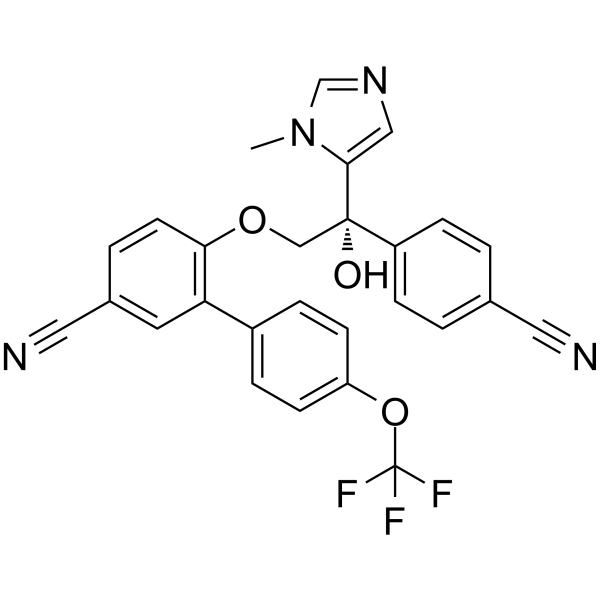
  • HY-172173

    Cytochrome P450 Cancer
    CYP17A1-IN-1 (Compound 14) is the inhibitor for CYP17A1 with an IC50 of 26 nM. CYP17A1-IN-1 exhibits cytotoxicity in androgen-sensitive prostate cancer cell LNCaP, inhibits the migration of cell DU-145 .
    CYP17A1-IN-1
  • HY-N1252

    Others Cancer
    Scillascillin (compound 10) is a homoisoflavanone. Scillascillin can be isolated from S. scilloides. Scillascillin shows anticancer activity towards MCF-7 (breast cancer) and DU-145 (prostate cancer) cells with the IC50 of 9.59 and 11.32 ug/ml, respectively .
    Scillascillin
  • HY-P10511

    Apoptosis Infection Cancer
    Pantinin-3 is an antimicrobial peptide with antitumor activity found in the venom of the emperor scorpion (Pandinus imperator). Pantinin-3 shows selective toxicity against breast cancer cells (MDA-MB-231) and prostate cancer cells (DU-145). Pantinin-3 can induce apoptosis in tumor cells. Pantinin-3 can be used in cancer research .
    Pantinin-3
  • HY-172449

    Hedgehog Cancer
    GLI1-IN-3 (Compound 11a), a triterpenoid analogue, can inhibit Hedgehog signaling in GLI1 overexpression cancer cells. GLI1-IN-3 inhibits the proliferation in NSCLC and prostate cancer cell lines exhibiting hyper-activated Hh signaling. GLI1-IN-3 can also decrease the expression of endogenous GLI1 protein and its target genes associated with tumor progression and proliferation in A549 and DU-145 cancer cells .
    GLI1-IN-3
  • HY-172826

    Bacterial Infection
    Anti-MRSA agent 26 is a potent anti-MRSA agent with MIC <0.015 μg/mL. Anti-MRSA agent 26 has superior activity against a broad range of Gram-positive pathogens and shows no cytotoxicity in three mammalian cell lines (Caco-2, DU-145 and MDCKII MDR1 cells) at 10 μM. Anti-MRSA agent 26 has a robust TAP pharmacophore and an excellent antibacterial activity in Staphylococcus aureus skin infection mice model .
    Anti-MRSA agent 26
  • HY-172872

    CDK Apoptosis Cancer
    CDK2-IN-45 (Compound 8f) is a CDK2 inhibitor (IC50: 0.64 μM). CDK2-IN-45 inhibits the proliferation of DU-145 and PC-3 cell lines with IC50 of 2.20 μM and 4.17 μM, respectively. CDK2-IN-45 induces G0/G1 cell cycle arrest and apoptosis. CDK2-IN-45 can be used in prostate cancer research .
    CDK2-IN-45
  • HY-169058

    Glutathione S-transferase Cancer
    GSTP1-1 inhibitor 2 (Compound 5g) is an hGSTP1-1 (glutathione S-transferase P1-1) inhibitor with an IC50 value of 12.2 μM. GSTP1-1 inhibitor 2 exhibits significant cytotoxicity against DU-145, PC3, and MCF-7 cell lines, with CC50 values of 36.6 μM, 11.9 μM, and 17.4 μM, respectively. It can be used in cancer research .
    GSTP1-1 inhibitor 2
  • HY-174800

    Topoisomerase Cancer
    ARN21929 is a Topoisomerase II inhibitor with an IC50 of 4.5 μM. ARN21929 exhibits excellent kinetic and thermodynamic solubility as well as metabolic stability. However, ARN21929 shows poor antiproliferative activity against A549, DU145, MCF7, HeLa, and A375 cells. ARN21929 can be used in the study of cancer .
    ARN21929
  • HY-169098

    HSP Histone Demethylase Cancer
    HSP90/LSD1-IN-1 (compound 6) is a HSP90/LSD1 dual inhibitor. HSP90/LSD1-IN-1 inhibits the proliferation of prostate cancer cell lines PC-3 and DU145, with GI50 values ​​of 0.24 and 0.30 μM, respectively .
    HSP90/LSD1-IN-1
  • HY-N8270

    Hedgehog Endogenous Metabolite Cancer
    Physalin H is a natural product that can be isolated from Solanum nigrum. Physalin H is an inhibitor of Hedgehog (Hh) signaling and it disrupts GLI1-DNA-complex formation. Physalin H inhibits GLI1 transcription with an IC50 value of 0.7 μM. Physalin H shows cytotoxicity to PANC1 and DU145 cells with IC50 values of 5.7 and 6.8 μM, respectively .
    Physalin H
  • HY-168164

    Histone Methyltransferase Cancer
    4-Methoxycinnamyl alcohol is an anticancer compound with cytotoxic activity against MCF-7, HeLa, and DU145 cancer cell lines with IC50 values of 14.24, 7.82, and 22.10 μg/mL, respectively. 4-Methoxycinnamyl alcohol showed the ability to induce cell necrosis, rather than apoptosis, after a 48-hour DNA fragmentation assay. 4-Methoxycinnamyl alcohol was isolated from Foeniculum vulgare .
    4-Methoxycinnamyl alcohol
  • HY-N13174

    Reactive Oxygen Species (ROS) Apoptosis Inflammation/Immunology
    Peanut procyanidin A is a type of A-type procyanidin that can be extracted from peanut skins. Peanut procyanidin A can protect prostate DU145 cells from H2O2-induced oxidative stress damage through the MAPKs signaling pathway, alleviate cell cycle arrest, and reduce cell apoptosis. Peanut procyanidin A can also regulate gut microbiota and metabolism in mice with DSS (HY-116282)-induced ulcerative colitis .
    Peanut procyanidin A
  • HY-170965

    CDK DNA/RNA Synthesis Cancer
    Anticancer agent 264 (Compound 5w) is an anticancer agent that exhibits significant antiproliferative activity across tumor cell lines, with an IC50 range of 7.5-33.67 μM. Anticancer agent 264 significantly induces G2/M phase arrest in MDA-MB-231, MIA PaCa-2, and DU-145 cell lines. Anticancer agent 264 reduces the expression of key cell cycle proteins, including CDK1, CDK2, and Cyclin B1, in a dose-dependent manner, and shows strong binding affinity with inhibitor of differentiation (ID) proteins and DNA-binding proteins. Anticancer agent 264 can be used for research in the field of cancer-related diseases .
    Anticancer agent 264
  • HY-12643R

    MK-397 (Standard)

    Reference Standards Parasite Bacterial Reactive Oxygen Species (ROS) β-catenin Apoptosis Autophagy Infection Cancer
    Eprinomectin (Standard) is the analytical standard of Eprinomectin. This product is intended for research and analytical applications. Eprinomectin is a type of avermectin. Eprinomectin, as a broad-spectrum fungicide, has insecticidal, insecticidal and acaricidal activities. Eprinomectin induces apoptosis and autophagy in prostate cancer cells and has antitumor activity .
    Eprinomectin (Standard)
  • HY-123715

    Apoptosis Cancer
    Anticancer agent 255 is a monocarbonylated curcumin-1,2,3-oxazole conjugate with significant anticancer activity. The IC50 values of Anticancer agent 255 in prostate cancer cells PC-3 and DU-145 are 8.8μM and 9.5μM respectively. The IC50 values of Anticancer agent 255 against breast cancer cells MCF-7, MDA-MB-231 and 4T1 are 6μM, 10μM and 6.4μM, showing good anti-cancer activity Effect. Anticancer agent 255 can induce mitochondria-mediated apoptosis in cancer cells and prevent cell cycle progression. Anticancer agent 255 down-regulated the cell proliferation marker PCNA and inhibited the activation of cell survival proteins. Anticancer agent 255 up-regulated the pro-apoptotic protein Bax and down-regulated the anti-apoptotic protein Bcl-2 .
    Anticancer agent 255

Inquiry Online

Your information is safe with us. * Required Fields.

Salutation


Country or Region *

Applicant Name *


Organization Name *

Department *


Email Address *


Product Name *

Cat. No.


Requested quantity *

Phone Number *


Remarks

Inquiry Online

Inquiry Information

Product Name:
Cat. No.:
Quantity:
MCE Japan Authorized Agent:

