39 Results for "

Ear edema

" in MedChemExpress (MCE) Product Catalog:
Products (39)

39 Results for "Ear edema" in MCE Product Catalog:

7
7 Cited Publications
Cat. No.: HY-N2041
CAS No.: 544-63-8
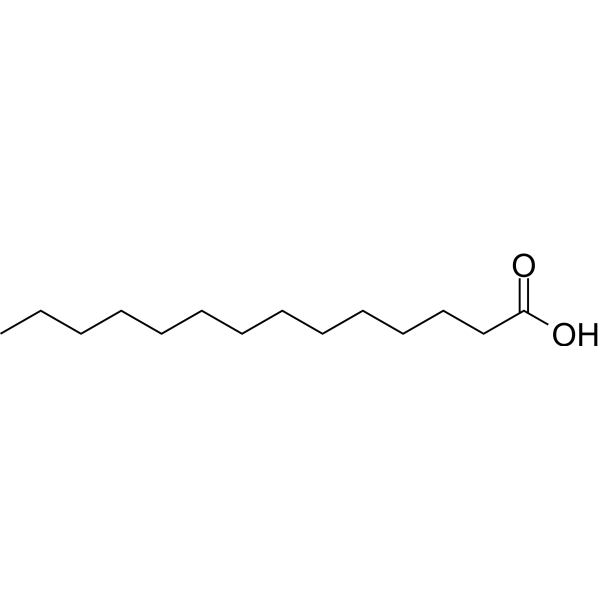
Myristic acid is an orally active saturated 14-carbon fatty acid found in most animal and plant fats, especially milk fat coconut oil, palm oil and nutmeg oil. Myristic acid exerts anti-inflammatory activity through the NF-κB pathway. Myristic acid has antibacterial, anti-inflammatory and analgesic properties .
loading...
    loading...
3
3 Cited Publications
Cat. No.: HY-N0886
CAS No.: 28371-16-6
Synonyms: Isobarbaloin
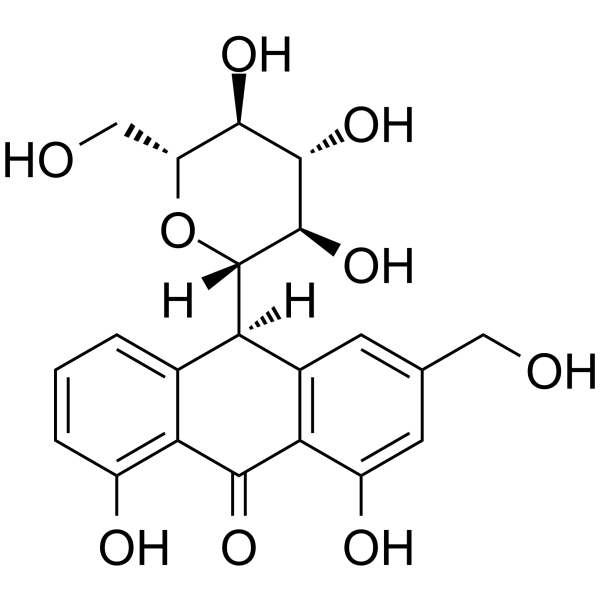
Aloin B (Isobarbaloin) is an orally active SARS-CoV-2 papain-like protease (PLpro) inhibitor with an IC50 of 16.08 μM (hydrolytic activity) and 17.51 μM (deubiquitinase activity). Aloin B is metabolized by rat intestinal flora into aloe-emodin-9-anthrone to exert laxative effects. Aloin B inhibits TPA (HY-18739)-induced ear edema, putrescine elevation, and tumor promotion in mouse skin. Aloin B can be used in research related to anti-inflammation, tumor promotion inhibition, coronavirus disease 2019 (COVID-19) and constipation .
loading...
    loading...
2
2 Cited Publications
Cat. No.: HY-N2542
CAS No.: 115810-13-4
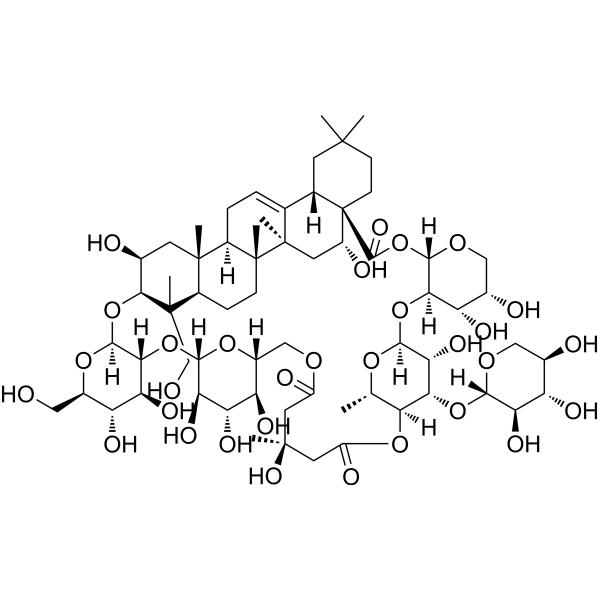
Tubeimoside III is a triterpenoid saponin. Tubeimoside III has anti-inflammatory and antitumor effects. Tubeimoside III has an LD50 of 15 mg/kg by intraperitoneal injection in ICR mice. Tubeimoside III can be used for the research of tumors and inflammatory diseases .
loading...
    loading...
1
1 Cited Publications
Cat. No.: HY-110112
CAS No.: 1259028-99-3
Purity:  99.22%
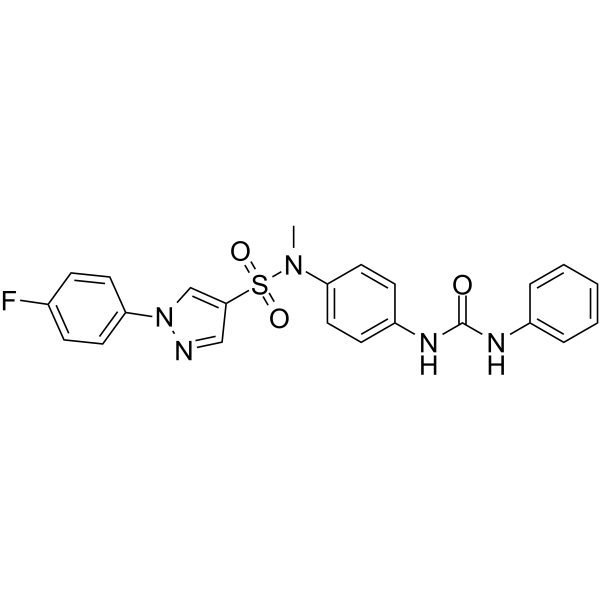
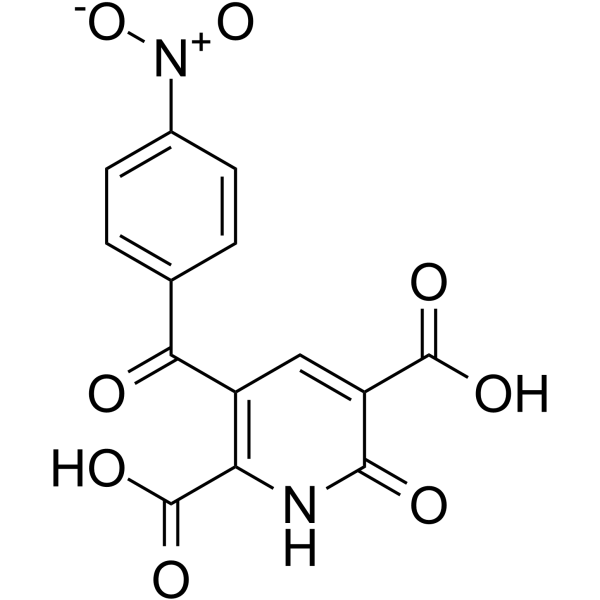
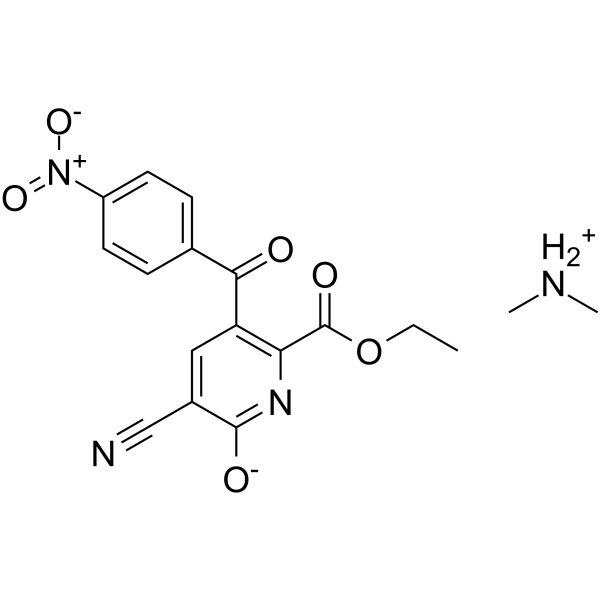
BTT-3033 is an orally active conformation-selective inhibitor of α2β1 (EC50: 130 nM) by binding to the α2I domain. BTT-3033 inhibits platelet binding to collagen I and cell proliferation, and induces cell apoptosis. BTT-3033 can be used in the research of prostate cancer, inflammation and cardiovascular disease .
loading...
    loading...
1
1 Cited Publications
Cat. No.: HY-W013331
CAS No.: 72826-63-2
Synonyms: 2-Deoxyartemisinin
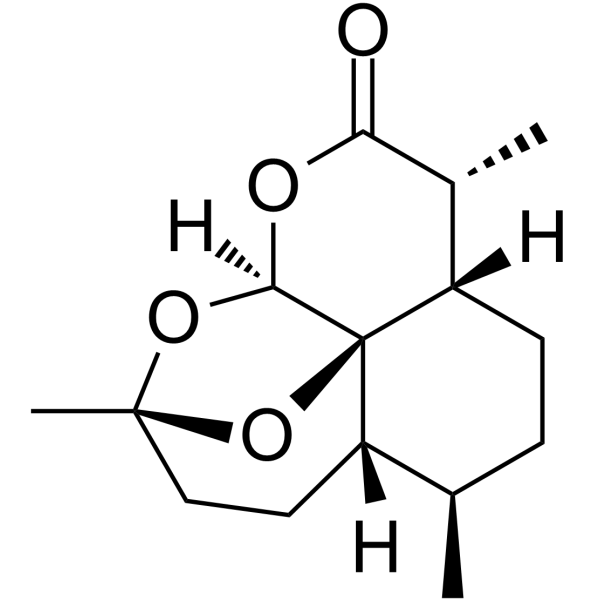
Deoxyartemisinin (2-Deoxyartemisinin) is an orally active anti-inflammatory and analgesic agent. Deoxyartemisinin selectively reduces the level of the pro-inflammatory cytokine TNF-α. Deoxyartemisinin alleviates neuropathic pain, inflammatory pain, and croton oil-induced ear edema.\nDeoxyartemisinin exerts an analgesic effect against thermal stimulation. Deoxyartemisinin has anti-ulcer activity. Deoxyartemisinin can be used in research related to inflammatory diseases, pain, and gastric ulcers .
loading...
    loading...
1
1 Cited Publications
Cat. No.: HY-106929
CAS No.: 146978-48-5
Purity:  99.83%
Synonyms: CGS 25019C free base
Target:  

Leukotriene Receptor

Research Areas:  

Inflammation/Immunology

Moxilubant (CGS 25019C free base) is an orally active BLT1 antagonist. Moxilubant inhibits LTB4 signaling with a potency of 2-4 nM. Moxilubant blocks LTB4-induced neutrophil functions. Moxilubant inhibits ear edema and neutrophil infiltration in mice. Moxilubant can be used in research related to chronic obstructive pulmonary disease .
loading...
    loading...
Cat. No.: HY-P11306
CAS No.: 247068-92-4
Target:  

Proteasome NF-κB

Research Areas:  

Inflammation/Immunology

Biotin-(Oaa)3-epoxomicin is a biotin-labeled form of Epoxomicin (HY-13821), prepared by conjugating Epoxomicin with biotin via three hydrophilic oxaacetyl amino acid (Oaa) linkers. Biotin-(Oaa)3-epoxomicin is primarily used in proteomic studies for the capture, identification and target validation of proteasome complexes, to determine the intracellular targets of epoxomicin. Epoxomicin acts as a proteasome inhibitor and NF-κB inhibitor, which effectively blocks inflammatory responses in mouse ear edema assays. It inhibits proteasome activity via covalent binding to catalytic subunits including LMP7, X, MECL1 and Z, with the strongest inhibitory effect on chymotrypsin-like activity, and does not interfere with non-proteasomal proteases such as trypsin and papain .
loading...
    loading...
Cat. No.: HY-N1465
CAS No.: 17413-38-6
Synonyms: Aristolochic acid-IVa
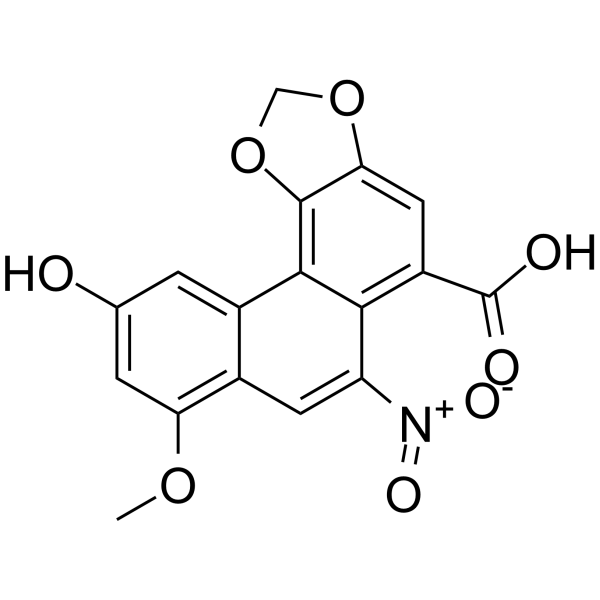
Aristolochic acid D (Aristolochic acid-IVa) is an orally active PDE2 (IC50: 4.673 μM) and CDK2 (IC50: 25 μM) inhibitor that can be isolated from Aristolochia indica L. Aristolochic acid D exhibits anti-inflammatory activity and is non-carcinogenic and non-nephrotoxic. Aristolochic acid D can be used in the research of inflammation and tumor-related diseases .
loading...
    loading...
Cat. No.: HY-N0891
CAS No.: 115810-12-3
Synonyms: Tubeimoside-B
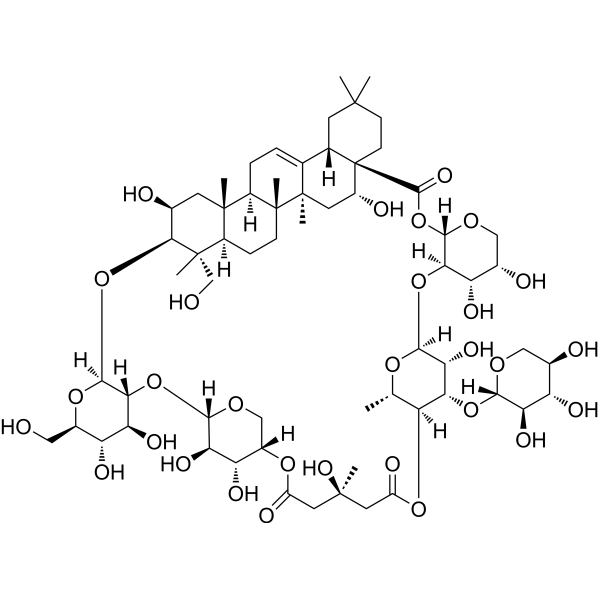
Tubeimoside II is an orally active triterpenoid saponin and antiviral agent that binds to PACT/PRKRA with Kd values of 5.37 μM and 133.1 μM, respectively. Tubeimoside II inhibits oxidase-dependent EGFR activation and reduces TGF-β1-induced oxidative stress. Tubeimoside II activates the RIG-I signaling pathway and increases IFN-β secretion. Tubeimoside II suppresses TPA-induced ear edema, mouse sarcoma 180 growth, and TPA-induced skin tumor formation. Tubeimoside II exerts broad-spectrum antiviral activity against SARS-CoV-2, HCoV-OC43, and IAV-H1N1/FM1. Tubeimoside II can be used in research related to retinoblastoma, respiratory viral infections, skin tumors, and sarcoma 180 .
loading...
    loading...
Cat. No.: HY-N2556
CAS No.: 514-46-5
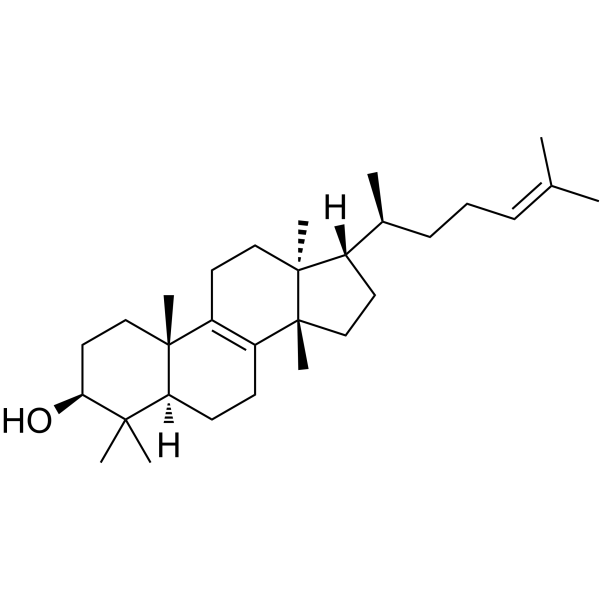
Tirucallol, a tetracyclic triterpene, is isolated from Euphorbia lacteal latex. Tirucallol has topical anti-inflammatory effect. Tirucallol can suppress ear edema in the mouse model and inhibit nitrite production in lipopolysaccharide-stimulated macrophages .
loading...
    loading...
Cat. No.: HY-N2041R
CAS No.: 544-63-8
Myristic acid (Standard) is the analytical standard of Myristic acid. This product is intended for research and analytical applications. Myristic acid is an orally active saturated 14-carbon fatty acid found in most animal and plant fats, especially milk fat coconut oil, palm oil and nutmeg oil. Myristic acid exerts anti-inflammatory activity through the NF-κB pathway. Myristic acid has antibacterial, anti-inflammatory and analgesic properties .
loading...
    loading...
Cat. No.: HY-B1640R
CAS No.: 58-54-8
Synonyms: Etacrynic acid (Standard)
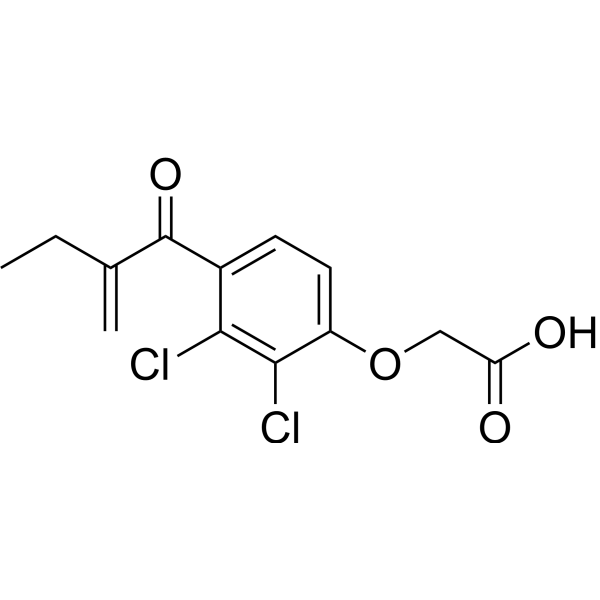
Ethacrynic acid (Standard) is the analytical standard of Ethacrynic acid. This product is intended for research and analytical applications. Ethacrynic acid (Etacrynic acid) is a diuretic. Ethacrynic acid is an inhibitor of glutathione S-transferases (GSTs). Ethacrynic acid is a potent inhibitor of NF-kB-signaling pathway, and also modulates leukotriene formation. Ethacrynic acid also inhibits L-type voltage-dependent and store-operated calcium channel, leading to relaxation of airway smooth muscle (ASM) cells. Ethacrynic acid has anti-inflammatory properties that reduces the retinoid-induced ear edema in mice .
loading...
    loading...
Cat. No.: HY-N11072
CAS No.: 29836-40-6
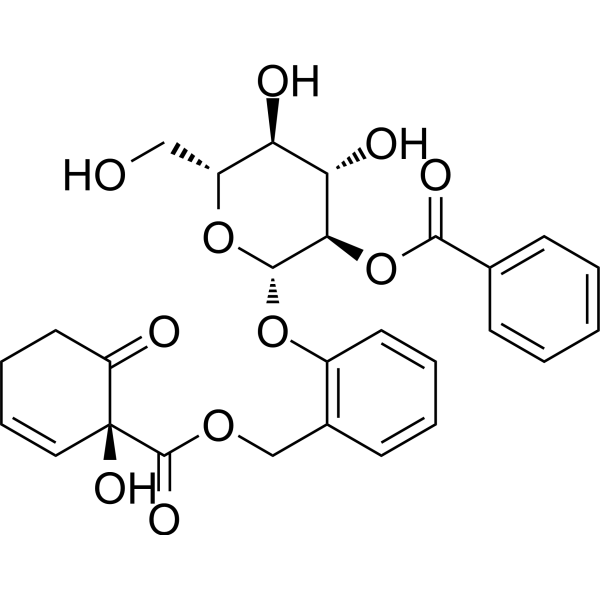
Tremulacin is a 5-LOX inhibitor. Tremulacin reduces the biosynthesis of LTB4 and slow-reacting substances of anaphylaxis. Tremulacin alleviates carrageenan-induced paw edema in rats, croton oil-induced ear edema in mice, and acetic acid-induced writhing response in mice. Tremulacin inhibits TNF-α-stimulated ROS production and MMP-1 expression, and promotes collagen secretion in human dermal fibroblasts. Tremulacin is investigated for studies on inflammation-related diseases .
loading...
    loading...
Cat. No.: HY-116763
CAS No.: 443919-96-8
Target:  

COX LOX-1

COX-2/5-LOX-IN-4 (Compound 1) is a dual inhibitor that acts on both COX-2 and 5-LOX, with IC50 values of 0.05 μM for COX-2 and 0.003 μM for 5-LOX. By inhibiting the arachidonic acid metabolism pathway, COX-2/5-LOX-IN-4 reduces the production of prostaglandins and leukotrienes, alleviating inflammatory responses. In a rat ear edema model, intravenous administration (0.01 and 0.1 mg/kg) reduced edema by 41% and 44%, respectively, demonstrating significant anti-inflammatory effects. COX-2/5-LOX-IN-4 shows promise for studying the mechanisms of inflammatory diseases .
loading...
    loading...
Cat. No.: HY-118725
CAS No.: 111149-87-2
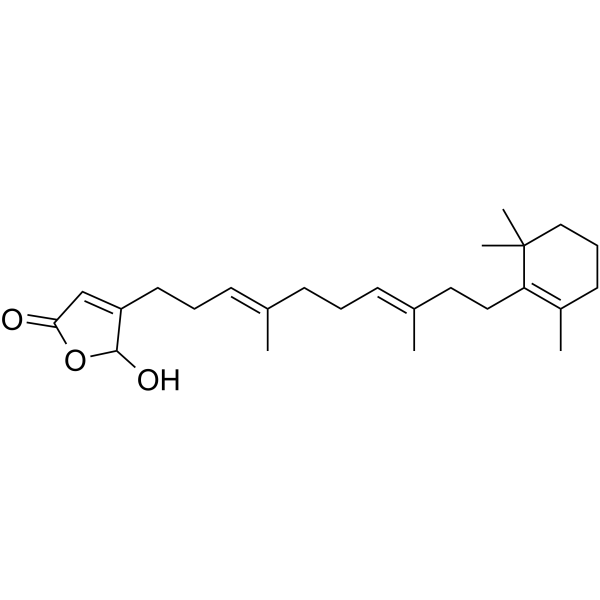
Luffariellolide is an inhibitor of human synovial fluid phospholipase A2 (HSF-PLA2) (IC50=5 μM). Luffariellolide effectively inhibits phorbol ester (PMA)-induced ear edema (ED50=50 μg/ear) .
loading...
    loading...
Cat. No.: HY-107592
CAS No.: 406208-42-2
Target:  

IKK STAT Apoptosis

Research Areas:  

Inflammation/Immunology Cancer

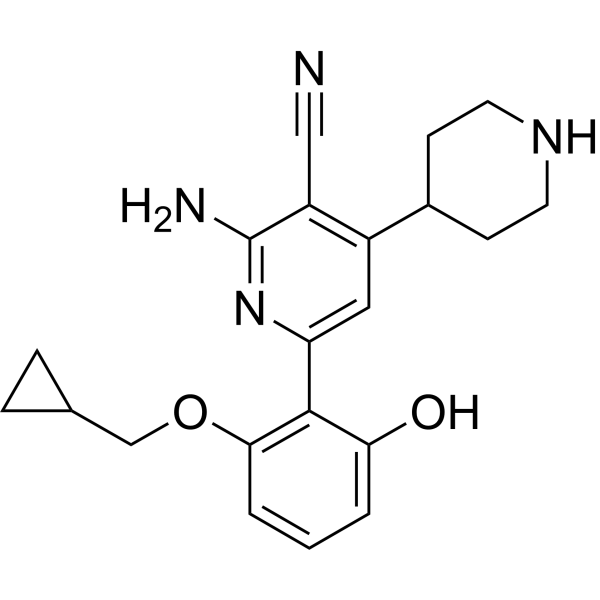
ACHP (compound 4j) is a selective and orally active IκB kinase inhibitor with IC50 values of 8.5 nM and 250 nM for IKKβ and IKKα, respectively. ACHP can effectively inhibit the STAT3 signaling pathway and induce cancer cell cycle arrest and apoptosis. ACHP shows anti-inflammatory activity in a mouse ear edema model. ACHP can be used in anti-inflammatory and anti-cancer (such as multiple myeloma and leukemia) studies .
loading...
    loading...
Cat. No.: HY-147693
CAS No.: 2428387-82-8
Target:  

COX

Research Areas:  

Inflammation/Immunology

COX-1/2-IN-3 (Compound 7a) is a COX-1 and COX-2 inhibitor. COX-2-IN-15 shows anti-inflammatory activity with low toxicity .
loading...
    loading...
Cat. No.: HY-106929B
CAS No.: 146957-32-6
Synonyms: CGS 25019C hydrochloride
Target:  

Leukotriene Receptor

Research Areas:  

Inflammation/Immunology

Moxilubant (CGS 25019C) hydrochloride is an orally active BLT1 antagonist. Moxilubant hydrochloride inhibits LTB4 signaling with a potency of 2-4 nM. Moxilubant hydrochloride blocks LTB4-induced neutrophil functions. Moxilubant hydrochloride inhibits ear edema and neutrophil infiltration in mice. Moxilubant hydrochloride can be used in research related to chronic obstructive pulmonary disease .
loading...
    loading...
Cat. No.: HY-147692
CAS No.: 2428387-48-6
Target:  

COX

Research Areas:  

Inflammation/Immunology

COX-2-IN-14 (compound 2a) is a potent and selective COX-2 (cyclooxygenase-2) inhibitor. COX-2-IN-14 shows effective binding at the active site of COX-2 co-crystal. COX-2-IN-14 exhibits a high level of in vivo anti-inflammatory activity, reducing ear edema and myeloperoxidase (MPO) activity in mice .
loading...
    loading...
Cat. No.: HY-B1640A
CAS No.: 6500-81-8
Synonyms: Etacrynic acid sodium; Sodium etacrynate
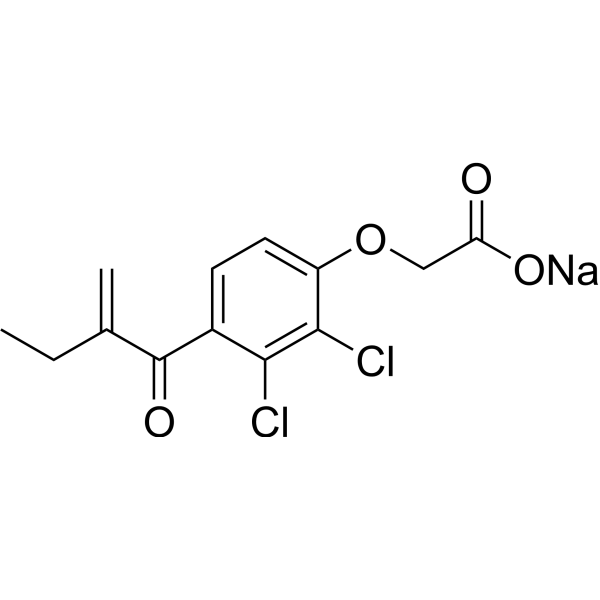
Ethacrynic acid (Etacrynic acid sodium) sodium is a diuretic. Ethacrynic acid sodium is an inhibitor of glutathione S-transferases (GSTs). Ethacrynic acid sodium is a potent inhibitor of NF-kB-signaling pathway, and also modulates leukotriene formation. Ethacrynic acid sodium also inhibits L-type voltage-dependent and store-operated calcium channel, leading to relaxation of airway smooth muscle (ASM) cells. Ethacrynic acid sodium has anti-inflammatory properties that reduces the retinoid-induced ear edema in mice .
loading...
    loading...

