
1. Search Result
Search Result
Results for "

Efflux pump

" in MedChemExpress (MCE) Product Catalog:

87

Inhibitors & Agonists

3

Screening Libraries

3

Biochemical Assay Reagents

7

Peptides

20

Natural
Products

4

Isotope-Labeled Compounds

Targets Recommended:
Cat. No. Product Name Target Research Areas Chemical Structure
  • HY-N1423
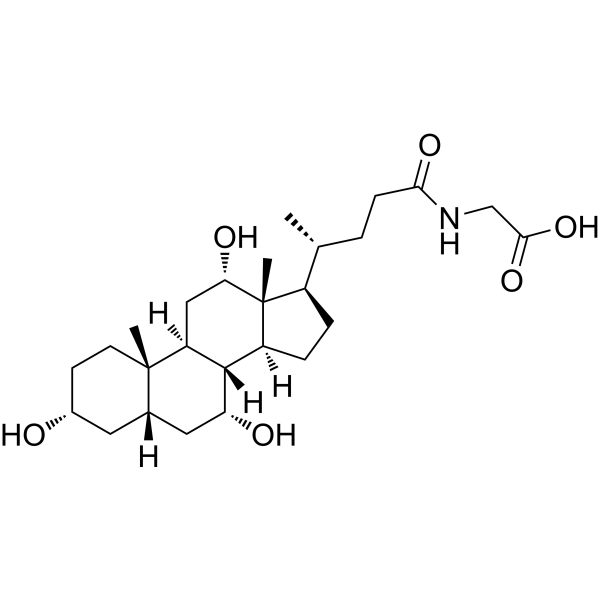
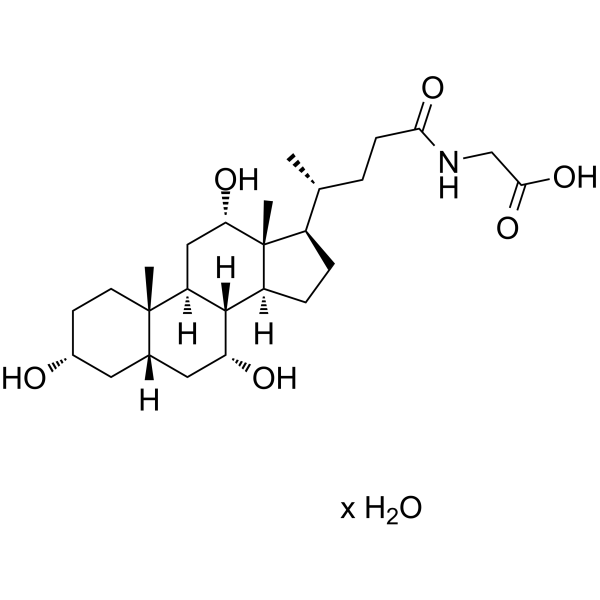
    Glycocholic acid
    3 Publications Verification

    P-glycoprotein Bcl-2 Family G protein-coupled Bile Acid Receptor 1 Endogenous Metabolite Bacterial Apoptosis FXR Caspase MDM-2/p53 LPL Receptor Metabolic Disease Inflammation/Immunology Cancer
    Glycocholic acid is a bile acid derivative. Glycocholic acid downregulates MDR1, Bcl-2, MRP1, MRP2 and FXR, upregulates Bax, p53, caspase-9, caspase-3, TGR5 and S1PR2. Glycocholic acid inhibits multidrug resistance and efflux pumps, induces mitochondrial apoptosis, and enhances chemosensitivity. Glycocholic acid modulates related bile acid receptor signaling. Glycocholic acid suppresses growth and conjugation of Enterobacteriaceae and increases their antibiotic susceptibility. Glycocholic acid can be used for the research of colon adenocarcinoma and cholangiocarcinoma (CCA) .
    Glycocholic acid
  • HY-101444A
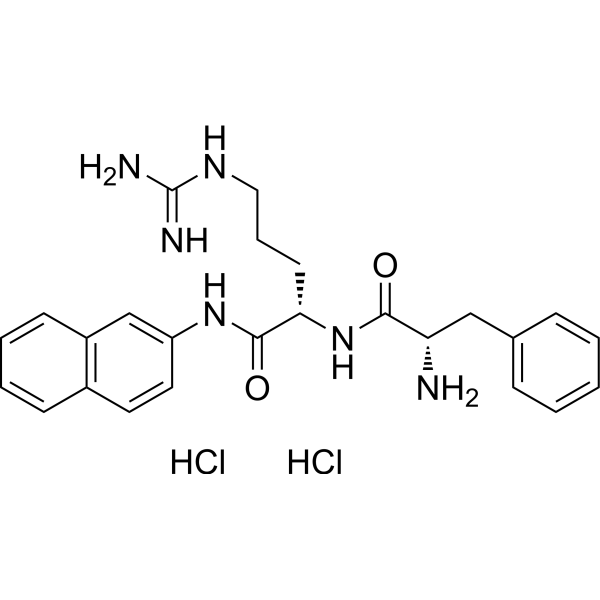
    PAβN dihydrochloride
    Maximum Cited Publications
    11 Publications Verification

    MC-207,110 dihydrochloride; Phe-Arg-β-naphthylamide dihydrochloride

    Bacterial Infection
    PAβN dihydrochloride (MC-207110 dihydrochloride) is an efflux pump inhibitor.
    PAβN dihydrochloride
  • HY-17390A
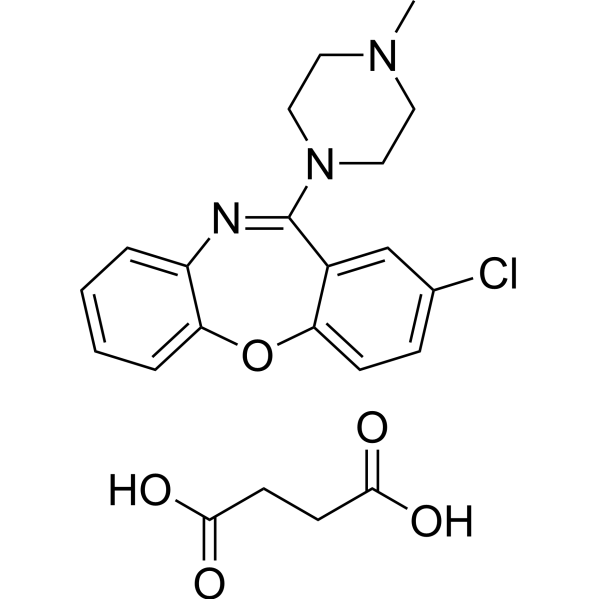
    Loxapine succinate
    1 Publications Verification

    5-HT Receptor Dopamine Receptor Infection Neurological Disease
    Loxapine succinate is an orally active dopamine inhibitor, 5-HT receptor antagonist and also a dibenzoxazepine anti-psychotic agent. Loxapine can also suppresses bacterial efflux pump activity and inhibit intracellular multiple-antibiotic-resistant Salmonella enterica serovar Typhimurium in macrophages .
    Loxapine succinate
  • HY-N1423A
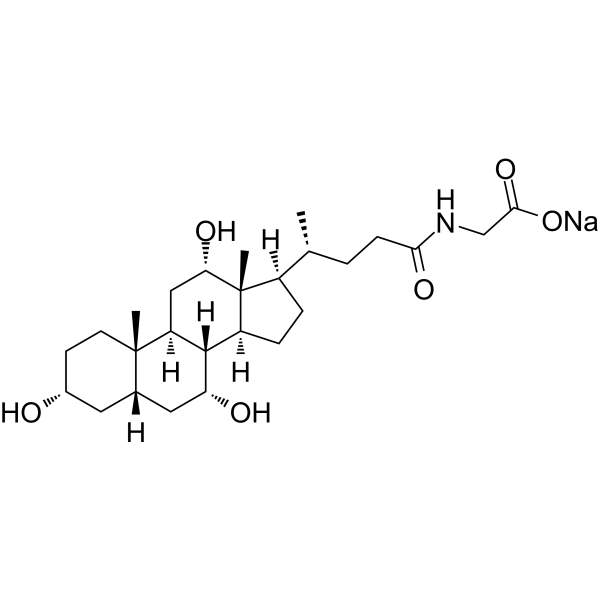
    Glycocholic acid sodium
    3 Publications Verification

    P-glycoprotein Bcl-2 Family G protein-coupled Bile Acid Receptor 1 Bacterial Apoptosis FXR Caspase MDM-2/p53 LPL Receptor Endogenous Metabolite Metabolic Disease Cancer
    Glycocholic acid sodium is a bile acid derivative. Glycocholic acid downregulates MDR1, Bcl-2, MRP1, MRP2 and FXR, upregulates Bax, p53, caspase-9, caspase-3, TGR5 and S1PR2. Glycocholic acid sodium inhibits multidrug resistance and efflux pumps, induces mitochondrial apoptosis, and enhances chemosensitivity. Glycocholic acid sodium modulates related bile acid receptor signaling. Glycocholic acid sodium suppresses growth and conjugation of Enterobacteriaceae and increases their antibiotic susceptibility. Glycocholic acid sodium can be used for the research of colon adenocarcinoma and cholangiocarcinoma (CCA) .
    Glycocholic acid sodium
  • HY-N1423S

    Isotope-Labeled Compounds P-glycoprotein Bcl-2 Family G protein-coupled Bile Acid Receptor 1 Endogenous Metabolite Bacterial Apoptosis FXR Caspase MDM-2/p53 LPL Receptor Metabolic Disease Cancer
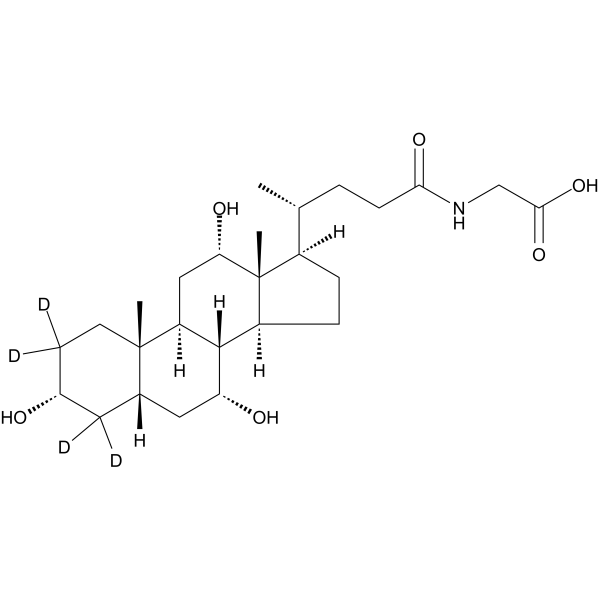
    Glycocholic acid-d4 is the deuterium labeled Glycocholic acid (HY-N1423). Glycocholic acid is a bile acid derivative. Glycocholic acid downregulates MDR1, Bcl-2, MRP1, MRP2 and FXR, upregulates Bax, p53, caspase-9, caspase-3, TGR5 and S1PR2. Glycocholic acid inhibits multidrug resistance and efflux pumps, induces mitochondrial apoptosis, and enhances chemosensitivity. Glycocholic acid modulates related bile acid receptor signaling. Glycocholic acid suppresses growth and conjugation of Enterobacteriaceae and increases their antibiotic susceptibility. Glycocholic acid can be used for the research of colon adenocarcinoma and cholangiocarcinoma (CCA).
    Glycocholic acid-d4
  • HY-D0180

    18C6; 1,4,7,10,13,16-Hexaoxacyclooctadecane

    Bacterial Infection
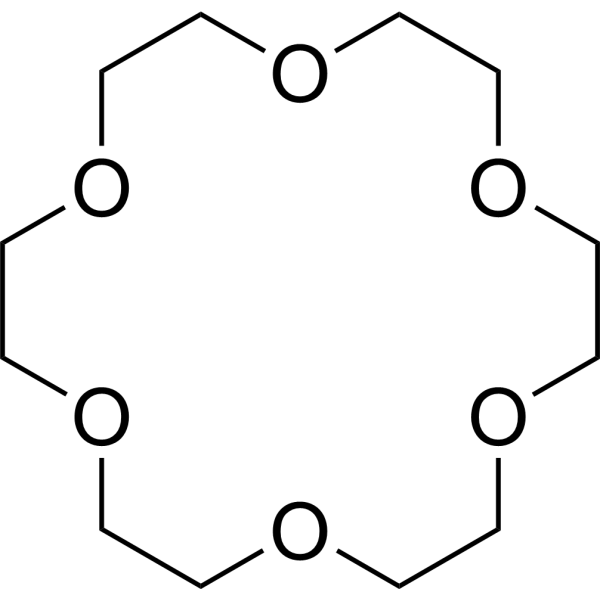
    18-Crown-6-ether is a type of crown ether compound and a specific structure dissociating agent. 18-Crown-6-ether can compete with K + for binding to G-quadruplexes, disrupting their stable structure to regulate the functions of related systems. 18-Crown-6-ether combines with K + and other metal ions to achieve precise ion transmembrane transport. 18-Crown-6-ether can act as an "susceptibility substrate" for the multi-drug efflux pump EmrE (a bacterial multidrug resistance transporter), ultimately inhibiting bacterial growth. 18-Crown-6-ether can be used in microcapsule controlled release and the research on developing antibacterial enhancers .
    18-Crown-6-ether
  • HY-N0468
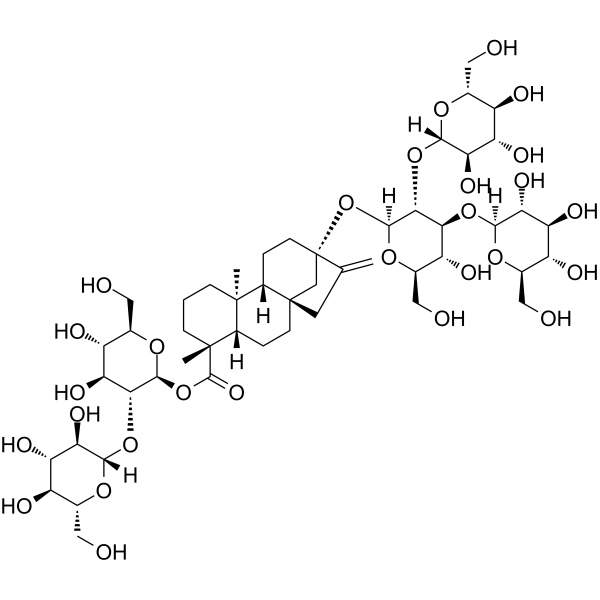
    Rebaudioside D
    1 Publications Verification

    FXR Acetyl-CoA Carboxylase Metabolic Disease
    Rebaudioside D is an orally active sweetener that targets and activates FXR, modulates Acetyl-CoA Carboxylase, and inhibits 3-hydroxy-3-methylglutaryl-CoA reductase. Rebaudioside D regulates bile acid homeostasis and lipid metabolism, reduces the synthesis rates of fatty acids and cholesterol, and exerts multiple effects including anti-adipogenesis, hepatoprotection, anti-steatosis, gut microbiota modulation, enhancement of secondary bile acid metabolism, anti-endotoxin activity, regulation of bile acid transport, and inhibition of bile acid efflux. Rebaudioside D also reduces body weight gain, visceral fat accumulation, hepatic triglyceride and cholesterol accumulation, hepatic lipid peroxidation, and decreases the circulating level of lipopolysaccharide-binding protein. Rebaudioside D additionally enhances the secondary bile acid metabolic pathway of intestinal bacteria, upregulates the gene expression of ileal organic solute transporter α, and downregulates the gene expression of hepatic bile salt export pump. Rebaudioside D does not affect glucose homeostasis, alter total caloric intake or fecal energy excretion, induce weight gain, exacerbate obesity, promote hepatic steatosis, impair brown adipose tissue function, nor change skeletal muscle metabolism-related proteins. Rebaudioside D can be used in diet-induced obesity and obesity-related research .
    Rebaudioside D
  • HY-P1649
    SPR741
    3 Publications Verification

    NAB741

    Bacterial Antibiotic Infection
    SPR741 (NAB741) is a cationic peptide derived from polymyxin B and is a potentiator molecule. SPR741 increases the permeability of the outer membrane of Gram-negative bacteria and is used to treat severe Gram-negative bacteria infections. SPR741 inhibits multidrug-resistant Gram-negative bacteria. The spectrum of activity of the antibiotic can be widened when used in combination with SPR741 .
    SPR741
  • HY-100750
    Norverapamil hydrochloride
    1 Publications Verification

    (±)-Norverapamil hydrochloride; D591 hydrochloride

    Calcium Channel P-glycoprotein Drug Metabolite Cardiovascular Disease
    Norverapamil hydrochloride ((±)-Norverapamil hydrochloride), an N-demethylated metabolite of Verapamil, is a L-type calcium channel blocker and a P-glycoprotein (P-gp) function inhibitor .
    Norverapamil hydrochloride
  • HY-42034

    Dihydroquinine

    Bacterial Parasite Reactive Oxygen Species (ROS) Protein Arginine Deiminase Infection
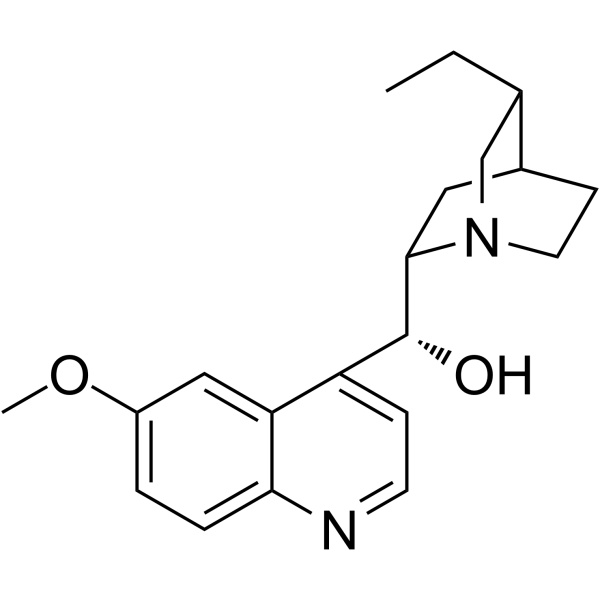
    Hydroquinine (Dihydroquinine) is an anti-bacterial agent that inhibits both Gram-positive and Gram-negative bacteria. Hydroquinine inhibits the growth of multidrug-resistant pseudomonas aeruginosa via the suppression of the arginine deiminase pathway genes. Hydroquinine inhibits Plasmodium falciparum and Plasmodium berghei. Hydroquinine displays anti-malarial and demelanizing activities. Hydroquinine effectively induces specific RND-type efflux pump systems in Pseudomonas aeruginosa, particularly the MexCD-OprJ and MexXY efflux pumps. Hydroquinine inhibits Pseudomonas aeruginosa adhesion and biofilm formation. Hydroquinine serves as a precursor for derivatives such as C9 epihydroquinine, 9-acetoxy-10,11-dihydroquinine, and 10,11-dihydroquinine monohydrochloride .
    Hydroquinine
  • HY-P1649B
    SPR741 acetate
    3 Publications Verification

    NAB741 acetate

    Bacterial Antibiotic Infection
    SPR741 acetate (NAB741 acetate) is a cationic peptide derived from polymyxin B and is a potentiator molecule. SPR741 acetate increases the permeability of the outer membrane of Gram-negative bacteria and is used to treat severe Gram-negative bacteria infections. SPR741 acetate inhibits multidrug-resistant Gram-negative bacteria. The spectrum of activity of the antibiotic can be widened when used in combination with SPR741 acetate .
    SPR741 acetate
  • HY-107566

    Histamine Receptor Parasite MDM-2/p53 NF-κB FOXO Bacterial Infection Neurological Disease
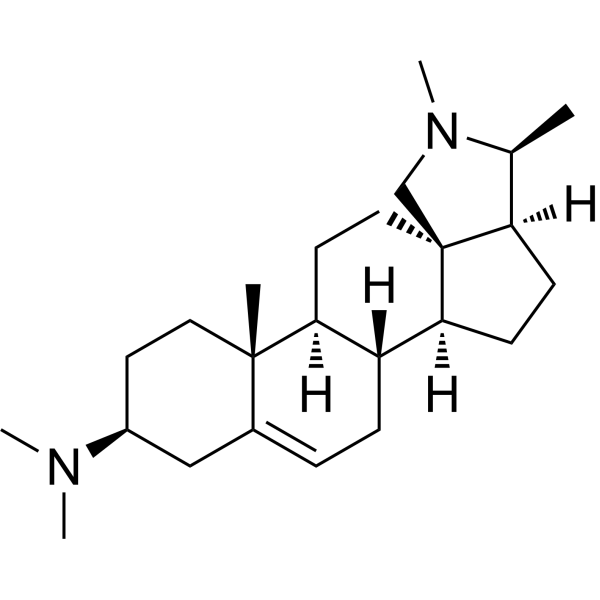
    Conessine is an orally active and BBB-penetrable selective histamine H3 receptor antagonist. The pKi values of Conessine for rat and human H3 receptors are 7.61 and 8.27, respectively. Conessine is an inhibitor of the multidrug efflux pump system in Pseudomonas aeruginosa and can enhance the activity of antibiotics. Conessine has antimalarial activity. Conessine can also be used in the research of muscle atrophy .
    Conessine
  • HY-15134

    OC 144-093; OC 144093

    P-glycoprotein Infection Cancer
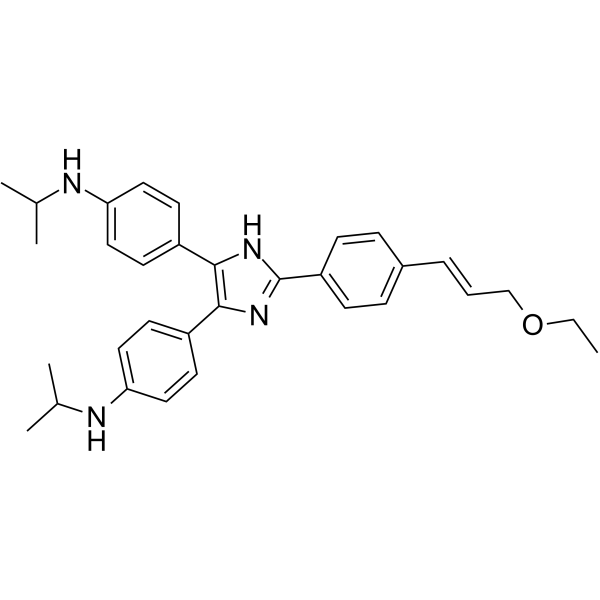
    ONT-093 (OC 144-093) is a potent and orally active inhibitor of P-glycoprotein pump. ONT-093 inhibits P-gp-mediated ATPase activity with an IC50 of 0.16 μM. ONT-093 can inhibit drug efflux and increase bioavailability. ONT-093 reverses cancer cells multidrug resistance to chemotherapeutic drugs. ONT-093 can be used for the researches of cancer and infection, such as colon cancer and malarial .
    ONT-093
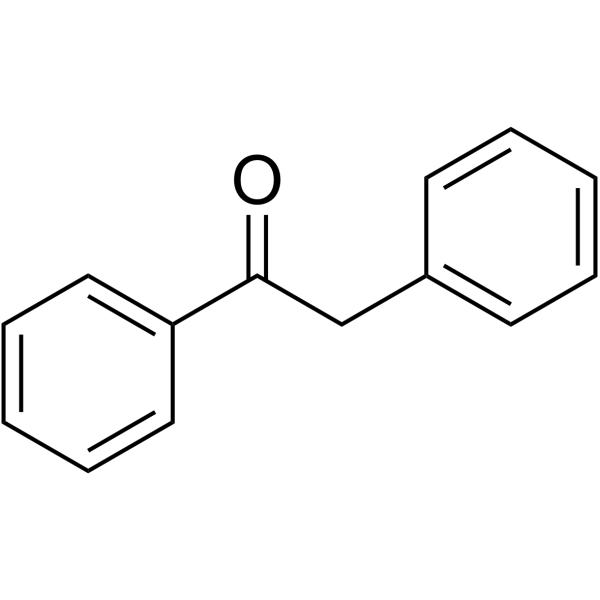
  • HY-Y1777

    Drug Derivative Infection
    2-Phenylacetophenone has broad-spectrum efflux pump inhibition activity. 2-Phenylacetophenone is a benzoin derivative used as a photoinitiator in vinyl polymerization .
    2-Phenylacetophenone
  • HY-N2947

    P-glycoprotein Infection Inflammation/Immunology
    Boeravinone B, a dual inhibitor of NorA bacterial efflux pump of Staphylococcus aureus and human P-Glycoprotein, reduces the biofilm formation and intracellular invasion of bacteria. Boeravinone B act as anti-aging and anti-apoptosis phyto-molecules during oxidative stress .
    Boeravinone B
  • HY-124819

    Bacterial Infection
    D13-9001 is a potent AcrB (AcrAB-TolC efflux pump subunit) and MexB (MexAB-OprM efflux pump subunit) inhibitor with the KD values of 1.15 μM and 3.57 μM in E. coli and P. aeruginosa, respectively . D13-9001 exhibits antibiotic activities .
    D13-9001
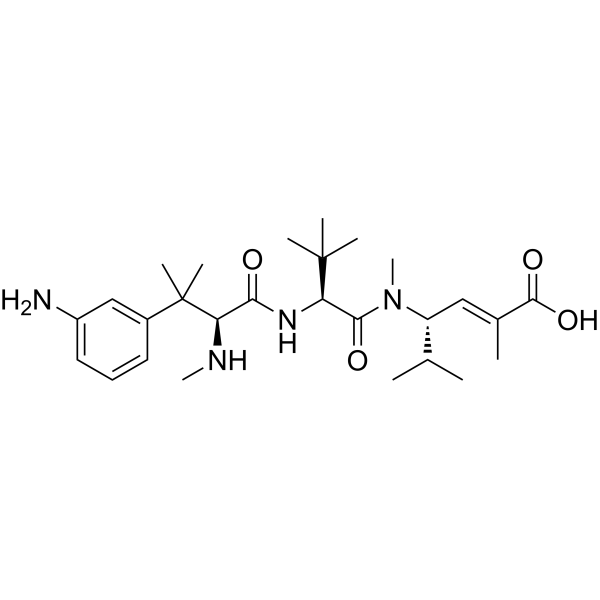
  • HY-144880

    3-Aminophenyl Hemiasterlin

    ADC Payload Microtubule/Tubulin P-glycoprotein Cancer
    SC209 (3-Aminophenyl Hemiasterlin) is a 3-aminophenyl hemiasterlin derivative that serves as a cytotoxin for ADCs, targeting tubulin. SC209 has reduced potential for drug efflux via P-glycoprotein 1 drug pump compared with other tubulin-targeting payloads. SC209 exhibits antitumor activity and can be used in the synthesis of ADC molecules .
    SC209
  • HY-P5589

    PlnA

    Bacterial Reactive Oxygen Species (ROS) Infection Inflammation/Immunology
    Plantaricin A is an antimicrobial peptide that can be derived from Lactobacillus plantarum. Plantaricin A has a synergistic effect with Ciprofloxacin. Plantaricin A shows anti-microbial activity. Plantaricin A increases the membrane potential of S. aureus and the level of intracellular ROS. Plantaricin A inhibits the function of the efflux pump by binding it and altering the structure of MepA, NorA, and LmrS. Plantaricin A significantly relieves inflammation, and promotes wound healing. Plantaricin A permeabilizes cancerous rat pituitary cells [1][2].
    Plantaricin A
  • HY-W013105

    N-Cholylglycine sodium salt, 98%

    Bcl-2 Family Caspase Endogenous Metabolite Bacterial MDM-2/p53 P-glycoprotein LPL Receptor FXR G protein-coupled Bile Acid Receptor 1 Apoptosis Others
    Sodium glycocholate hydrate, 98% is a bile acid derivative. Sodium glycocholate hydrate, 98% downregulates MDR1, Bcl-2, MRP1, MRP2 and FXR, upregulates Bax, p53, caspase-9, caspase-3, TGR5 and S1PR2. Sodium glycocholate hydrate, 98% inhibits multidrug resistance and efflux pumps, induces mitochondrial apoptosis, and enhances chemosensitivity. Sodium glycocholate hydrate, 98% modulates related bile acid receptor signaling. Sodium glycocholate hydrate, 98% suppresses growth and conjugation of Enterobacteriaceae and increases their antibiotic susceptibility. Sodium glycocholate hydrate, 98% can be used for the research of colon adenocarcinoma and cholangiocarcinoma (CCA) .
    Sodium glycocholate hydrate, 98%
  • HY-N4314
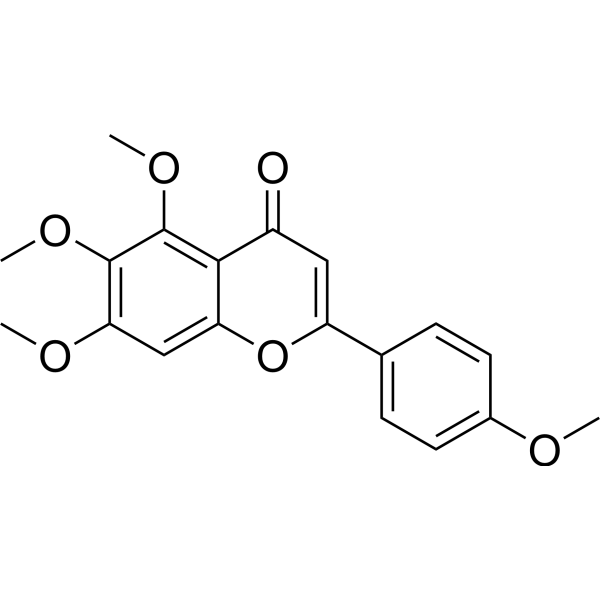
    Scutellarein tetramethyl ether
    4 Publications Verification

    4',5,6,7-Tetramethoxyflavone

    Bacterial COX NO Synthase NF-κB Infection Inflammation/Immunology Cancer
    Scutellarein tetramethyl ether (4',5,6,7-Tetramethoxyflavone) is a bioactive compound extracted from Eupatorium odoratum. Scutellarein tetramethyl ether exhibits anti-inflammatory, antibacterial, pro-coagulant, and anti-tumor activities. Scutellarein tetramethyl ether exerts its anti-inflammatory effects by modulating the NF-κB pathway and regulates bacterial resistance through the inhibition of efflux pumps. Additionally, Scutellarein tetramethyl ether accelerates coagulation time via the endogenous coagulation pathway. Studies have shown that Scutellarein tetramethyl ether can effectively inhibit the growth of the liver cancer cell line HepG2 (IC50= 20.08 μg/mL) .
    Scutellarein tetramethyl ether
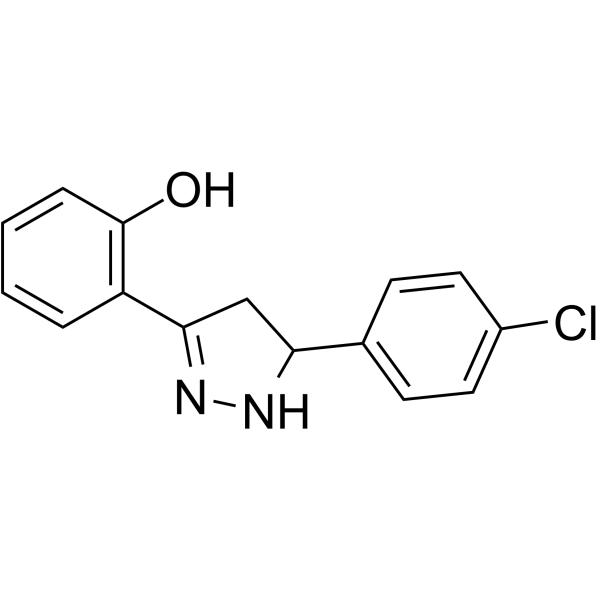
  • HY-145301

    Bacterial Infection
    Mycobactin-IN-1, a pyrazoline analogue, is a mycobactin biosynthesis inhibitor against mycobacteria. Mycobactin-IN-1 binds to salicyl-AMP ligase (MbtA), a key enzyme in the mycobactin biosynthetic pathway. Mycobactin-IN-1 inhibits whole-cell drug efflux pumps in M. smegmatis. Mycobactin-IN-1 eradicates intracellularly surviving mycobacteria. Mycobactin-IN-1 shows an excellent in vivo pharmacokinetic profile. Mycobactin-IN-1 can be used for the research of tuberculosis .
    Mycobactin-IN-1
  • HY-N1423B
    Glycocholic acid hydrate
    3 Publications Verification

    Endogenous Metabolite Caspase G protein-coupled Bile Acid Receptor 1 LPL Receptor MDM-2/p53 Bcl-2 Family P-glycoprotein FXR Bacterial Apoptosis Metabolic Disease Inflammation/Immunology Cancer
    Glycocholic acid hydrate is a bile acid derivative. Glycocholic acid hydrate downregulates MDR1, Bcl-2, MRP1, MRP2 and FXR, upregulates Bax, p53, caspase-9, caspase-3, TGR5 and S1PR2. Glycocholic acid hydrate inhibits multidrug resistance and efflux pumps, induces mitochondrial apoptosis, and enhances chemosensitivity. Glycocholic acid hydrate modulates related bile acid receptor signaling. Glycocholic acid hydrate suppresses growth and conjugation of Enterobacteriaceae and increases their antibiotic susceptibility. Glycocholic acid hydrate can be used for the research of colon adenocarcinoma and cholangiocarcinoma (CCA) .
    Glycocholic acid hydrate
  • HY-156753

    Bacterial Cancer
    NorA-IN-1 (Compound 16) is a NorA inhibitor. NorA-IN-1 inhibits NorA efflux pump in everted membrane vesicles. NorA-IN-1 can be used for research of multidrug resistance .
    NorA-IN-1
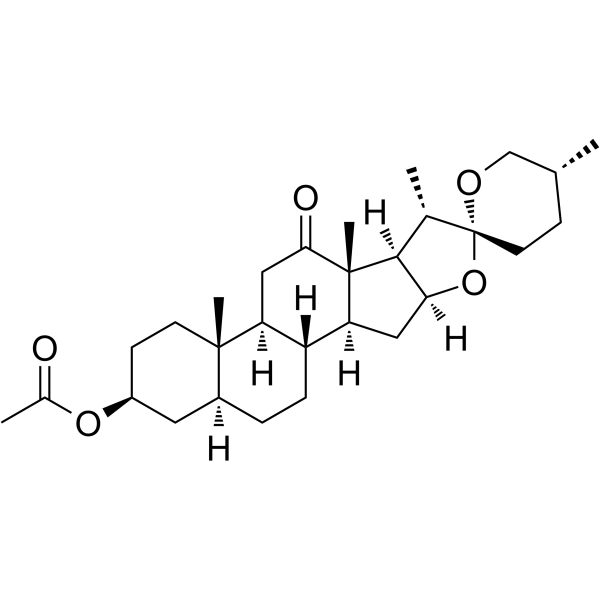
  • HY-126941

    ERK MMP Reactive Oxygen Species (ROS) NF-κB p38 MAPK NOD-like Receptor (NLR) TRP Channel TNF Receptor Interleukin Related Infection Neurological Disease Inflammation/Immunology Endocrinology
    Hecogenin acetate is an orally active steroid saponin aglycone with extensive biological activities. Hecogenin acetate inhibits the phosphorylation of NF-κB and p38 MAPK signaling pathways, antagonizes TRPA1/TRPM8 channels, inhibits the production of pro-inflammatory cytokines, and has anti-inflammatory and analgesic effects. Hecogenin acetate inhibits the production of ROS and the activation of NLRP3 inflammasome; downregulates the expression of MMP-2, and has neuroprotective and anti-tumor activities. Hecogenin acetate enhances gastric mucosal defense and promotes ulcer healing. Hecogenin acetate can be used in combination with certain antibiotics to regulate bacterial efflux pumps and restore antibiotic sensitivity .
    Hecogenin acetate
  • HY-119172

    Bacterial Infection Inflammation/Immunology Cancer
    NSC-60339, an efflux pump inhibitor and a substrate of AcrAB-TolC, is a polybasic terephthalic acid derivative studied as a potential cancer chemotherapeutic agent .
    NSC-60339
  • HY-149812

    Bacterial Parasite Infection
    Efflux pump-IN-4 is an AcrB efflux pump inhibitor, with ability to potentiate the effect of antibiotics. Efflux pump-IN-4 inhibits Nile Red (a known substrate of AcrB) efflux. Efflux pump-IN-4 does not disrupts the bacterial outer membrane nor display toxicity in a nematode model .
    AcrB-IN-4
  • HY-155048

    Bacterial Infection
    BDM91270 (compound 29) is an E. coli AcrAB-TolC efflux pump inhibitor with an EC90 of 0.6 μM for wild-type E. coli AcrB. BDM91270 can be used in the study of Escherichia coli drug resistance .
    BDM91270
  • HY-17390AR

    Reference Standards 5-HT Receptor Dopamine Receptor Infection Neurological Disease
    Loxapine (succinate) (Standard) is the analytical standard of Loxapine (succinate). This product is intended for research and analytical applications. Loxapine succinate is an orally active dopamine inhibitor, 5-HT receptor antagonist and also a dibenzoxazepine anti-psychotic agent. Loxapine can also suppresses bacterial efflux pump activity and inhibit intracellular multiple-antibiotic-resistant Salmonella enterica serovar Typhimurium in macrophages .
    Loxapine succinate (Standard)
  • HY-101444

    Bacterial Infection
    MC-207110 is a broad-spectrum efflux pump inhibitor. MC-207110 is active against all three known Mex efflux pumps from P. aeruginosa and their close Escherichia coli efflux pump homolog (AcrAB-TolC). MC-207110 can decrease the intrinsic resistance of P. aeruginosa to fluoroquinolones. MC-207110 can be used for the research of infection .
    MC-207110
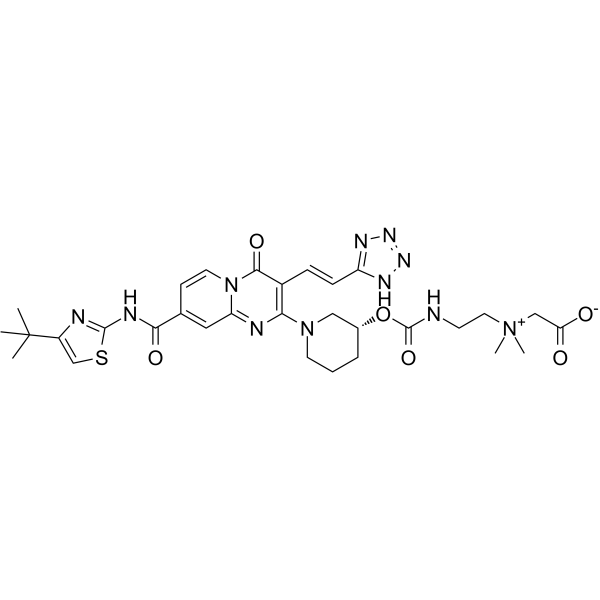
  • HY-178111

    Bacterial Infection
    AcrB-IN-6 is an effective AcrB inhibitor. AcrB-IN-6 The compound inhibits the function of bacterial multidrug efflux pumps, thereby significantly enhancing the antibacterial activity of various antibiotics. AcrB-IN-6 achieves 32-fold MIC reductions in wild-type E. coli BW25113. AcrB-IN-6 exhibits excellent synergistic antibacterial effects, low cytotoxicity and hemolytic properties. AcrB-IN-6 can be used for researching anti-resistant bacteria .
    AcrB-IN-6
  • HY-N11697

    P-glycoprotein Cancer
    α-Cryptoxanthin is a natural carotenoid with anticancer effects. α-Cryptoxanthin inhibits multidrug resistance 1 (MDR1) mediated efflux pump .
    α-Cryptoxanthin
  • HY-149811

    Bacterial Parasite Infection
    Efflux pump-IN-3 is an AcrB efflux pump inhibitor, with ability to potentiate the effect of antibiotics. Efflux pump-IN-3 inhibits Nile Red (a known substrate of AcrB) efflux. Efflux pump-IN-3 does not disrupts the bacterial outer membrane nor display toxicity in a nematode model .
    AcrB-IN-3
  • HY-157987

    Bacterial Infection
    MBX3135 is an efflux pump inhibitor which can enhance the effect of antibiotics through the AcrB target of bacteria. MBX3135 can be used for research of infection and antibiotics .
    MBX3135
  • HY-162144

    Bacterial Infection
    BDM91288 is an orally active AcrB efflux pump inhibitor of pyridinium piperazine. BDM91288 can enhance the in vivo efficacy of levofloxacin (HY-B0330) in the treatment of Klebsiella pneumoniae pulmonary infection in mouse models .
    BDM91288
  • HY-120574

    ADC Payload Topoisomerase Cancer
    TH1338 (compound 3b), an orally active camptothecin derivative and a potent chemotherapeutic agent for cancer, demonstrates excellent cytotoxic potency against human tumor cell lines in vitro. TH1338 (compound 3b) possesses significant brain penetration, favorable efflux pump properties, and hematological toxicity profile .
    TH1338
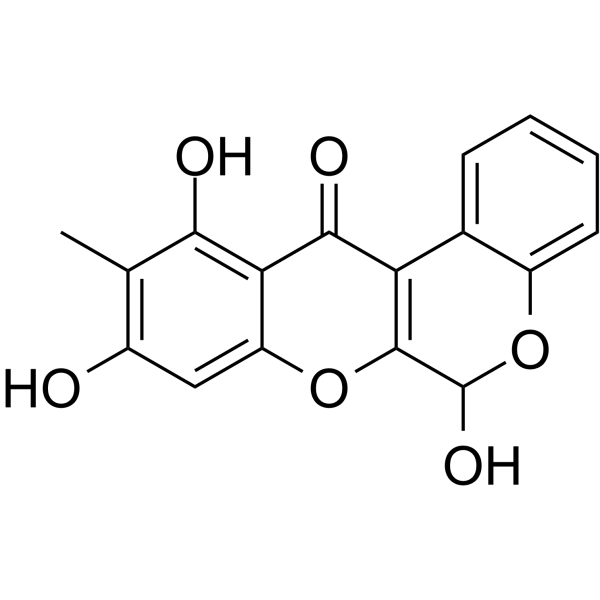
  • HY-N10069

    Bacterial Infection
    Bonducellin is a a homoisoflavonoid, which can be isolated from Caesalpinia digyna roots. Bonducellin is a potent inhibitor of efflux pump (EP), while EP induces resistance in mycobacteria and serves as a target of anti-TB (tuberculosis) agents. Bonducellin reduces MIC of EtBr by 8-fold against M. smegmatis (MIC=62.5 mg/L) .
    Bonducellin
  • HY-168955

    Bacterial Infection Inflammation/Immunology
    Antibacterial agent 269 (3.8) is an inhibitor of AdeG Efflux Pumps in Acinetobacter baumannii .
    Antibacterial agent 269
  • HY-102008

    NVP-PDF 713; VIC-104959

    Bacterial Antibiotic Infection
    LBM-415 (NVP-PDF 713) is a peptide deformylase (PDF) inhibitor that exhibits inhibitory activity against various antimicrobial-resistant gram-positive cocci, with a MIC90 range of 0.12-8 µg/ml. Additionally, inhibiting efflux pump activity can enhance bacterial sensitivity to LBM415, thereby improving its antibacterial efficacy .
    LBM-415
  • HY-107566A

    Histamine Receptor Parasite MDM-2/p53 NF-κB FOXO Bacterial Infection Neurological Disease
    Conessine dihydrobromide is an orally active and BBB-penetrable selective histamine H3 receptor antagonist. The pKi values of Conessine dihydrobromide for rat and human H3 receptors are 7.61 and 8.27, respectively. Conessine dihydrobromide is an inhibitor of the multidrug efflux pump system in Pseudomonas aeruginosa and can enhance the activity of antibiotics. Conessine dihydrobromide has antimalarial activity. Conessine dihydrobromide can also be used in the research of muscle atrophy .
    Conessine dihydrobromide
  • HY-Y1777R

    Drug Derivative Reference Standards Infection
    2-Phenylacetophenone has broad-spectrum efflux pump inhibition activity. 2-Phenylacetophenone is a benzoin derivative used as a photoinitiator in vinyl polymerization .
    2-Phenylacetophenone (Standard)
  • HY-149810

    Bacterial Parasite Infection
    AcrB-IN-2 is an AcrB efflux pump inhibitor, with ability to potentiate the effect of antibiotics. AcrB-IN-22 inhibits Nile Red (a known substrate of AcrB) efflux.AcrB-IN-2 does not disrupts the bacterial outer membrane nor display toxicity in a nematode model .
    AcrB-IN-2
  • HY-N1423S1

    Isotope-Labeled Compounds P-glycoprotein Bcl-2 Family G protein-coupled Bile Acid Receptor 1 Endogenous Metabolite Bacterial Apoptosis FXR Caspase MDM-2/p53 LPL Receptor Metabolic Disease Cancer
    Glycocholic acid-d5 is the deuterium labeled Glycocholic acid (HY-N1423). Glycocholic acid is a bile acid derivative. Glycocholic acid downregulates MDR1, Bcl-2, MRP1, MRP2 and FXR, upregulates Bax, p53, caspase-9, caspase-3, TGR5 and S1PR2. Glycocholic acid inhibits multidrug resistance and efflux pumps, induces mitochondrial apoptosis, and enhances chemosensitivity. Glycocholic acid modulates related bile acid receptor signaling. Glycocholic acid suppresses growth and conjugation of Enterobacteriaceae and increases their antibiotic susceptibility. Glycocholic acid can be used for the research of colon adenocarcinoma and cholangiocarcinoma (CCA).
    Glycocholic acid-d5
  • HY-N2947R

    Reference Standards P-glycoprotein Infection Inflammation/Immunology
    Boeravinone B (Standard) is the analytical standard of Boeravinone B. This product is intended for research and analytical applications. Boeravinone B, a dual inhibitor of NorA bacterial efflux pump of Staphylococcus aureus and human P-Glycoprotein, reduces the biofilm formation and intracellular invasion of bacteria. Boeravinone B act as anti-aging and anti-apoptosis phyto-molecules during oxidative stress .
    Boeravinone B (Standard)
  • HY-N0468R

    Reference Standards Acetyl-CoA Carboxylase FXR Metabolic Disease
    Rebaudioside D (Standard) is the analytical standard of Rebaudioside D. This product is intended for research and analytical applications. Rebaudioside D is an orally active sweetener that targets and activates FXR, modulates Acetyl-CoA Carboxylase, and inhibits 3-hydroxy-3-methylglutaryl-CoA reductase. Rebaudioside D regulates bile acid homeostasis and lipid metabolism, reduces the synthesis rates of fatty acids and cholesterol, and exerts multiple effects including anti-adipogenesis, hepatoprotection, anti-steatosis, gut microbiota modulation, enhancement of secondary bile acid metabolism, anti-endotoxin activity, regulation of bile acid transport, and inhibition of bile acid efflux. Rebaudioside D also reduces body weight gain, visceral fat accumulation, hepatic triglyceride and cholesterol accumulation, hepatic lipid peroxidation, and decreases the circulating level of lipopolysaccharide-binding protein. Rebaudioside D additionally enhances the secondary bile acid metabolic pathway of intestinal bacteria, upregulates the gene expression of ileal organic solute transporter α, and downregulates the gene expression of hepatic bile salt export pump. Rebaudioside D does not affect glucose homeostasis, alter total caloric intake or fecal energy excretion, induce weight gain, exacerbate obesity, promote hepatic steatosis, impair brown adipose tissue function, nor change skeletal muscle metabolism-related proteins. Rebaudioside D can be used in diet-induced obesity and obesity-related research .
    Rebaudioside D (Standard)
  • HY-163473

    Bacterial Infection
    IITR08367 is a potent effector pump Acinetobacter baumannii Fosfomycin Efflux pump (AbaF) inhibitor for enhancing the antimicrobial activity of Fosfomycin (HY-B1075A) against Acinetobacter baumannii. IITR08367 acts by interfering with Fosfomycin/H + reverse transporter activity. .
    IITR08367
  • HY-107075A

    Bacterial Infection
    WCK-1152 is a fluoroquinolone antibacterial agent. WCK-1152 is active against resistant pathogens bearing mutations of DNA gyrase and/or topoisomerase IV which also express efflux pumps. WCK-1152 can be used for the research of infection, such as respiratory infections caused by resistant pneumococci and staphylococci .
    WCK-1152
  • HY-13766A

    VX-853-2

    Bacterial Others
    Timcodar mesylate (VX-853-2) and its analog VX-710 are mammalian multidrug-resistant bacterial efflux pump inhibitors that directly inhibit ethidium bromide efflux in Staphylococcus aureus. Timcodar mesylate has the potential to enhance antibiotic activity by inhibiting bacterial efflux pumps, effectively reducing the minimum inhibitory concentration of some antibiotics against Gram-positive pathogens such as Staphylococcus aureus, Enterococcus and Streptococcus pneumoniae .
    Timcodar mesylate
  • HY-P10874

    Bacterial Infection
    SMR efflux inhibitor targets the small multidrug resistance (SMR) efflux pump, blocks the interaction of TM4-TM4, and exhibits board-spectrum antibacterial activity .
    SMR efflux inhibitor
  • HY-157533

    Bacterial Others
    AcrB-IN-5 (compound 8) inhibits AcrB and blocks the efflux pump in a dose-dependent manner .
    AcrB-IN-5
  • HY-172348

    Bacterial Infection
    BRD-9327 is an inhibitor of EfpA. BRD-9327 binds in the outer vestibule without complete blockade of the substrate path to the outside, suggesting its possible inhibition of the movement necessary for alternate access of the transporter. BRD-9327 can be used for anti-tuberculosis study .
    BRD-9327

Inquiry Online

Your information is safe with us. * Required Fields.

Salutation


Country or Region *

Applicant Name *


Organization Name *

Department *


Email Address *


Product Name *

Cat. No.


Requested quantity *

Phone Number *


Remarks

Inquiry Online

Inquiry Information

Product Name:
Cat. No.:
Quantity:
MCE Japan Authorized Agent:

