

From 11:00 pm to 12:00 pm EST ( 8:00 pm to 9:00 pm PST ) on January 6th, the website will be under maintenance. We are sorry for the inconvenience. Please arrange your schedule properly.
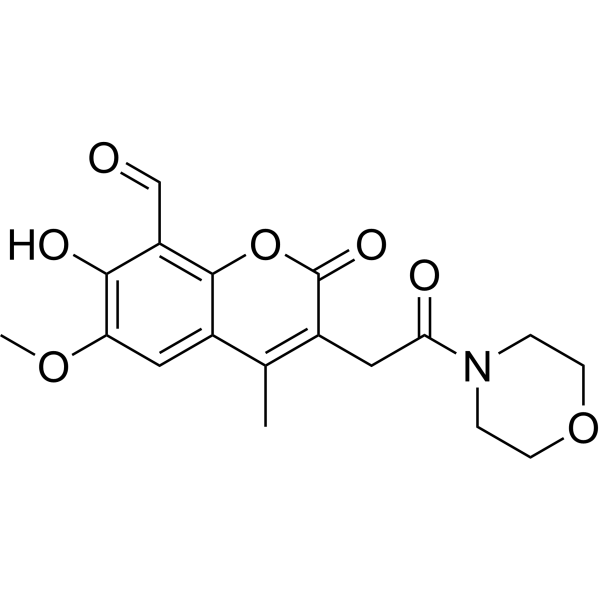
MKC8866, a salicylaldehyde analog, is a potent, selective IRE1 RNase inhibitor with an IC50 of 0.29 μM in human vitro. MKC8866 strongly inhibits Dithiothreitol-induced X-box-binding protein 1-spliced (XBP1s) expression with an EC50 of 0.52 μM and unstresses RPMI 8226 cells with an IC50 of 0.14 μM . MKC8866 inhibits IRE1 RNase in breast cancer cells leading to the decreased production of pro-tumorigenic factors and it can inhibits prostate cancer (PCa) tumor growth .
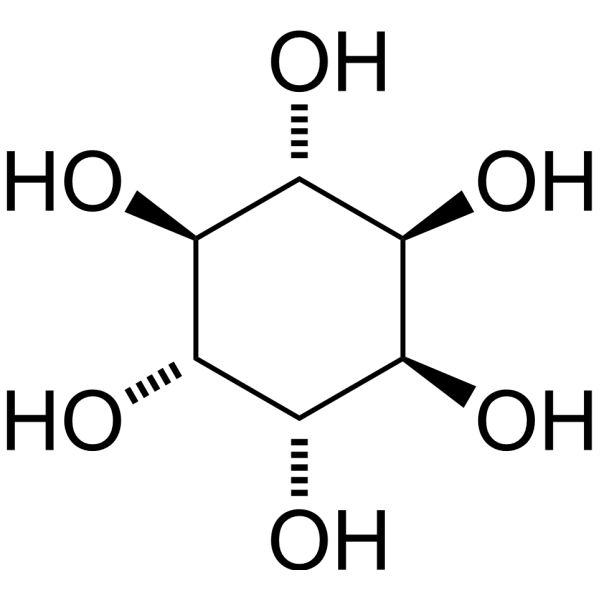
D-chiro-Inositol is a stereoisomer of inositol that exhibits activities such as improving glucose metabolism, anti-tumor effects, anti-inflammatory properties, and antioxidant activity. D-chiro-Inositol effectively alleviates cholestasis by enhancing bile acid secretion and reducing oxidative stress. D-chiro-Inositol improves insulin resistance, lowers hyperglycemia and circulating insulin levels, reduces serum androgen levels, and ameliorates some metabolic abnormalities associated with X syndrome by mimicking the action of insulin. Additionally, D-chiro-Inositol can induce a reduction in pro-inflammatory factors (such as Nf-κB) and cytokines (such as TNF-α), thereby exerting anti-inflammatory effects. D-chiro-Inositol may be used in the study of liver cirrhosis, breast cancer, type 2 diabetes, and polycystic ovary syndrome .
Emicizumab is a bispecific monoclonal antibody that bridges activated factor IX and factorX to replace the function of missing activated factor VIII, thereby restoring hemostasis. Emicizumab can be used for hemophilia A research .
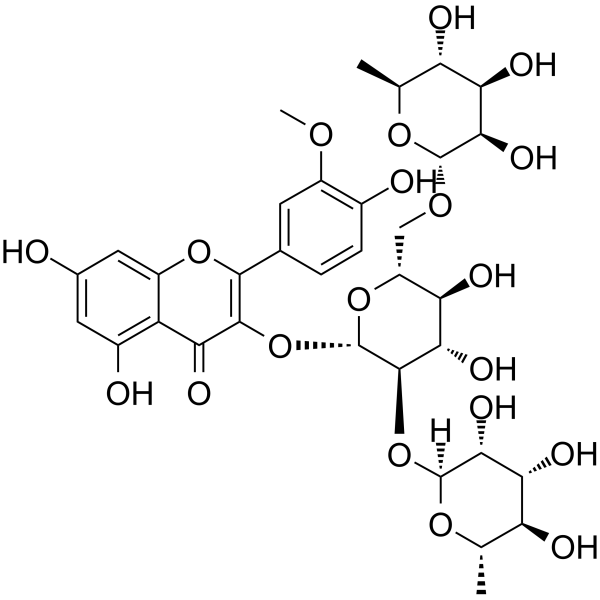
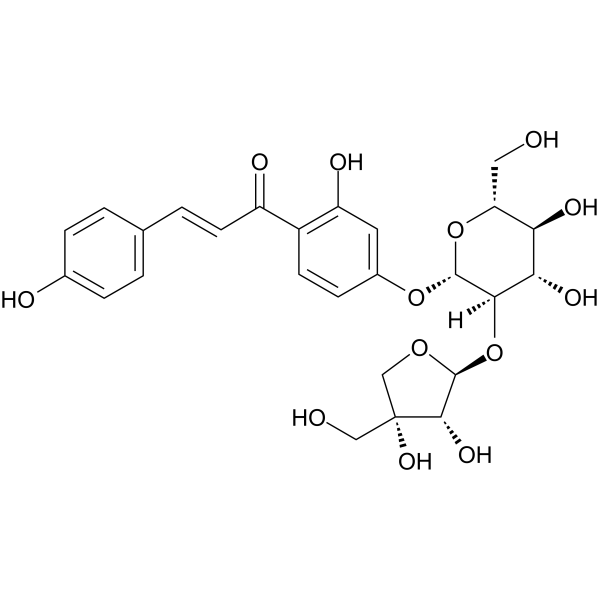
Typhaneoside is an orally bioavailable signal modulator and cellular regulator. Typhaneoside regulates the PI3K/Akt/mTOR autophagy transduction pathway. Typhaneoside promotes the activation of AMP-activated protein kinase and Caspase-3, induces apoptosis, ferroptosis, autophagy, ROS accumulation, and cell cycle arrest at the G2/M phase, and reduces cancer cell viability. Typhaneoside activates the farnesoid X receptor signaling pathway, improves glucose and lipid metabolism, alleviates inflammatory responses, oxidative stress and hepatic lipid accumulation, and exerts hepatoprotective effects. Typhaneoside is applicable to research related to post-myocardial infarction heart failure, acute myeloid leukemia, non-alcoholic fatty liver disease, and neurological disorders .
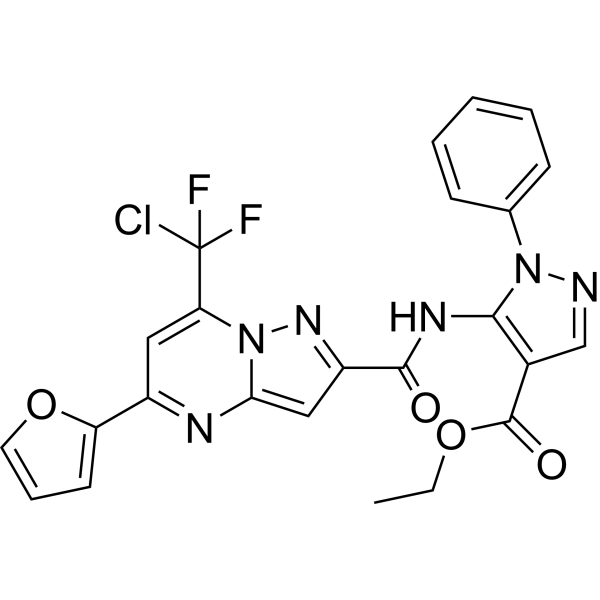
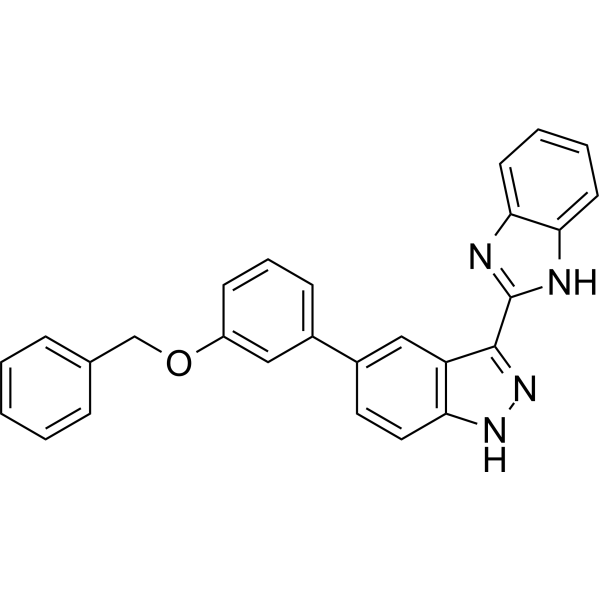
Mycro 3 is an orally active, potent and selective inhibitor of Myc-associated factorX (MAX) dimerization. Mycro 3 also inhibit DNA binding of c-Myc . Mycro 3 could be used for the research of pancreatic cancer .
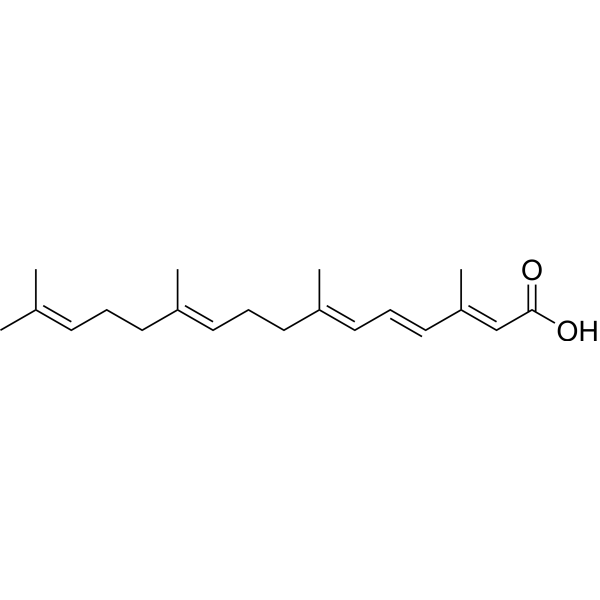
Peretinoin is an oral acyclic retinoid with a vitamin A-like structure that targets retinoid nuclear receptors such as retinoid X receptor (RXR) and retinoic acid receptor (RAR). Peretinoin reduces the mRNA level of sphingosine kinase 1 (SPHK1) in vitro by downregulating a transcription factor, Sp1 . Peretinoin prevents the progression of non-alcoholic steatohepatitis (NASH) and the development of hepatocellular carcinoma (HCC) through activating the autophagy pathway by increased Atg16L1 expression . Peretinoin inhibits HCV RNA amplification and virus release by altering lipid metabolism with a EC50 of 9 μM .
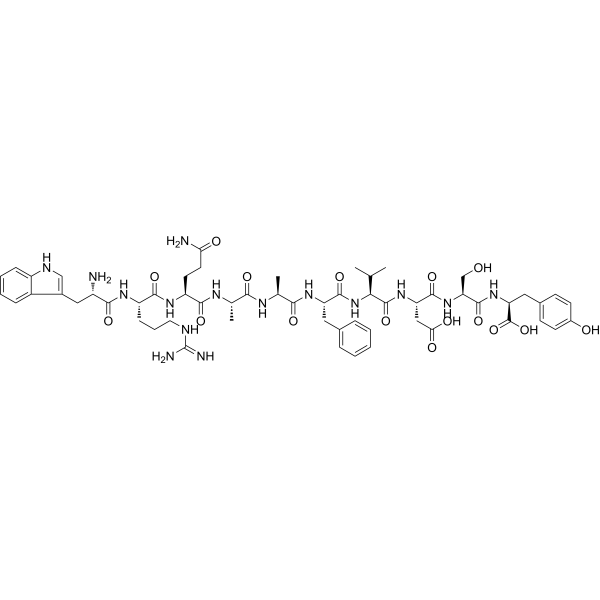
10Panx is a competitive inhibitor of selective Pannexin 1 (PANX1) channels. 10Panx blocks the opening of PANX1 channels, inhibits ATP release and downstream P2X7 receptor-mediated signaling pathways, thereby reducing cell death and inflammatory responses. 10Panx can be used in the study of diseases such as neuropathic pain, inflammatory bowel disease, and Clostridioides difficile infection. 10Panx can effectively reduce mechanical hyperalgesia and enhanced C-reflexes, and inhibit the expression of pro-inflammatory factors such as IL-6[1][2][3].
Denecimig (Mim8) is a factor VIII-mimetic bispecific antibody with micromolar human binding affinity for FactorX and Factor IXa. Denecimig binds FactorX and Factor IXa, localizes both to the phospholipid surface, enhances the Factor IXa-mediated activation of FactorX to Factor Xa, and stimulates the proteolytic activity of Factor IXa via its monovalent anti-Factor IXa arm. Denecimig is applicable to research related to hemophilia A.
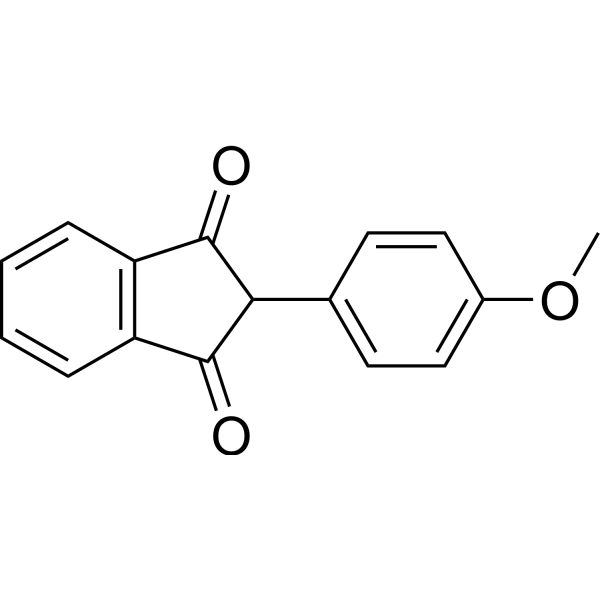
Anisindione is an oral indandione anticoagulant. Anisindione inhibits the formation of active procoagulant factors II, VII, IX and X. Anisindione can be used in anticoagulation-related research .
Licraside, found in Glycyrrhiza glabra, is a Farnesoid X receptor (FXR) activator. Licraside activates FXR to induce upregulation of SHP and BSEP, regulates bile acid homeostasis, reduces elevated biliary and serum TBA, serum ALT, AST, GGT, ALP, and TBIL levels, and attenuates liver histopathological damage. Licraside inhibits factor Xa with an IC50 of 48.54 mM. Licraside can be used for the research of cholestasis and thromboembolic diseases .
SPEN-IN-1 (compound X1) is an inhibitor of SPEN which is a protein factor with a Kd value of 47 nM. SPEN-IN-1 has high selectivity for RepA, a 431-nucleotide domain in Xist (a non-coding RNA prototype) that comprises 8.5 units of a GC-rich motif responsible for gene silencing .
3,7,11,15-Tetramethyl-2-hexadecen-1-ol can be used to synthesize vitamin E and vitamin E's precursor vitamin K1. 3,7,11,15-Tetramethyl-2-hexadecen-1-ol regulates transcription in cells through the transcription factor PPAR-alpha and the retinoid X receptor (RXR)43 .
Lipid X is a 2,3-diacylglucosamine-1-phosphate that serves as the monosaccharide precursor of lipid A, possessing both LPS antagonist and weak agonist activities. Lipid X exerts protective effects by inhibiting tumor necrosis factor production, monocyte procoagulant activity, and neutrophil priming. Lipid X may induce transient pulmonary hypertension, neutropenia, and mild pyrogenic effects in laboratory animals. Lipid X has low toxicity and no in vitro antibacterial activity, but it significantly reduces mortality following Gram-negative bacterial infection and endotoxin exposure. Lipid X tends to accumulate in liver tissue, binds to circulating cellular components, and can be converted to lipid Y through transesterification. Lipid X can be used in research on Gram-negative bacterial sepsis, endotoxemia, and associated pulmonary hypertension .
Tecarfarin (ATI-5923) is an orally active and non-competitive vitamin K epoxide reductase (VKOR) antagonist, and impairs the activation of the vitamin K-dependent clotting factors II, VII, IX and X . Tecarfarin has the antithrombotic activity .
Heparin (Nadroparin) calcium (MW 3600-5000) is an anticoagulant which binds reversibly to antithrombin III (ATIII) to form a heparin-antithrombin III complex. The complex binds to and irreversibly inactivates thrombin and other activated clotting factors IX, X, XI, and XII and prevents the transformation of fibrinogen to fibrin .
FKK6 is a selective agonist for pregnane X receptor (PXR) with an EC50 of 1.2 µM. FKK6 exhibits good affinity with plasma proteins, and good metabolic metabolism in human microsomes. FKK6 inhibits PXR-related NF-κB signaling pathway, inhibits the expression of inflammatory factors, and exhibits anti-inflammatory activity against DSS (HY-116282)-induced colitis in mouse model .
D-chiro-Inositol is a stereoisomer of inositol that exhibits activities such as improving glucose metabolism, anti-tumor effects, anti-inflammatory properties, and antioxidant activity. D-chiro-Inositol effectively alleviates cholestasis by enhancing bile acid secretion and reducing oxidative stress. D-chiro-Inositol improves insulin resistance, lowers hyperglycemia and circulating insulin levels, reduces serum androgen levels, and ameliorates some metabolic abnormalities associated with X syndrome by mimicking the action of insulin. Additionally, D-chiro-Inositol can induce a reduction in pro-inflammatory factors (such as Nf-κB) and cytokines (such as TNF-α), thereby exerting anti-inflammatory effects. D-chiro-Inositol may be used in the study of liver cirrhosis, breast cancer, type 2 diabetes, and polycystic ovary syndrome .
X-17 is a Vanin-1 Inhibitor with potent anti-inflammatory and antioxidant activities. X-17 repressrs the inflammatory factor expressions and myeloperoxidase activity, elevats the colonic glutathione reserve, and restors the intestinal barrier .
O-Desmethyl apixaban sulfate sodium is a major circulating metabolite of Apixaban in humans. O-Desmethyl apixaban sulfate sodium inhibits factorX (FXa) with a Ki of 58 μM .
FXIa-IN-15 (Compound (S)-10h) is an inhibitor for Factor XIa (FXIa) and plasma kallikrein (PKa) with an IC50 of 0.38 nM and 59.2 nM. FXIa-IN-15 exhibits anticoagulant efficacy, that extends 50% activated partial thromboplastin time (aPTT) with EC1.5X of 0.55 μM .
Heparin calcium (MW 15000-19000) is an anticoagulant which binds reversibly to antithrombin III (ATIII) to form a heparin-antithrombin III complex. The complex binds to and irreversibly inactivates thrombin and other activated clotting factors IX, X, XI, and XII and prevents the transformation of fibrinogen to fibrin .
Bemiltenase alfa is a hemostatic agent targeting coagulation factorX (FX). Bemiltenase alfa activates FX and promotes the conversion of prothrombin to thrombin, and thrombin can further transform fibrinogen into fibrin, forming a stable blood clot, thus exerting hemostatic activity. Bemiltenase alfa is promising for research of bleeding symptoms with hemophilia .
FD44 is a phenothiazine small molecule that inhibits the interaction between neuronal calcium sensor 1 (NCS-1) and the guanine exchange factor Ric8a, a key regulator of synapse number and neurotransmitter release probability. In the Drosophila genetic autism model of fragile X syndrome (FXS), FD44 restored normal synapse number and associative learning .
Bovine FactorX is a bovine derived coagulation factor. Canine FactorX can be converted to activated Factor Xa, which can can convert prothrombin to thrombin .
(1R,2R,4R)-Edoxaban is an oxalamide derivative. (1R,2R,4R)-Edoxaban is an activated coagulation factorX(Factor Xa) inhibitor. (1R,2R,4R)-Edoxaban can be used in the study of thrombosis .
Bovine Factor IX is prepared from freshly collected bovine plasma. Factor IX activated by the Factor VIIa/tissue factor/phospholipid complex is responsible for the activation of FactorX to Factor Xa .
Coumafuryl is a kind of coumarin rodenticide. Coumafuryl inhibits the metabolic cycle of vitamin K that causes the interference with protein biosynthesis of vitamin K-dependent coagulant factors (II, VII, IX, and Xfactors) in the liver .
Nonacog gamma is a coagulation factor IX (FIX) supplement. Nonacog gamma activates coagulation factorX (FX), promotes the generation of thrombin, and then converts fibrinogen into fibrin, forming a stable blood clot to exert hemostatic activity. Nonacog gamma is promising for research of hemophilia B .
Anisindione (Standard) is the analytical standard of Anisindione. This product is intended for research and analytical applications. Anisindione is an oral indandione anticoagulant. Anisindione inhibits the formation of active procoagulant factors II, VII, IX and X. Anisindione can be used in anticoagulation-related research.
Rabbit FactorX is a rabbit derived coagulation factor. Canine FactorX can be converted to activated Factor Xa, which can can convert prothrombin to thrombin .
Tecarfarin (ATI-5923) sodium is an orally active VKOR inhibitor with an IC50 of 0.67 μM against VKORC1. Tecarfarin sodium blocks the post-translational modification of vitamin K-dependent coagulation factors II, VII, IX and X, reducing their levels and activities. Tecarfarin sodium prolongs prothrombin time, attenuates venous and arterial thrombosis, increases ear incision bleeding volume, and exerts reversible anticoagulant effects. Tecarfarin sodium is applicable to research related to arterial and venous thrombosis as well as other diseases requiring anticoagulation .
Tecarfarin (ATI-5923) (Standard) is the analytical standard of Tecarfarin. This product is intended for research and analytical applications. Tecarfarin is an orally active VKOR inhibitor with an IC50 of 0.67 μM against VKORC1. Tecarfarin blocks the post-translational modification of vitamin K-dependent coagulation factors II, VII, IX and X, reducing their levels and activities. Tecarfarin prolongs prothrombin time, attenuates venous and arterial thrombosis, increases ear incision bleeding volume, and exerts reversible anticoagulant effects. Tecarfarin is applicable to research related to arterial and venous thrombosis as well as other diseases requiring anticoagulation .
Peretinoin (Standard) is the analytical standard of Peretinoin. This product is intended for research and analytical applications. Peretinoin is an oral acyclic retinoid with a vitamin A-like structure that targets retinoid nuclear receptors such as retinoid X receptor (RXR) and retinoic acid receptor (RAR). Peretinoin reduces the mRNA level of sphingosine kinase 1 (SPHK1) in vitro by downregulating a transcription factor, Sp1[1]. Peretinoin prevents the progression of non-alcoholic steatohepatitis (NASH) and the development of hepatocellular carcinoma (HCC) through activating the autophagy pathway by increased Atg16L1 expression[2]. Peretinoin inhibits HCV RNA amplification and virus release by altering lipid metabolism with a EC50 of 9 μM[3].
Tecarfarin- 13C,d3 (ATI-5923- 13C,d3) is 13C labeled Tecarfarin. Tecarfarin is an orally active VKOR inhibitor with an IC50 of 0.67 μM against VKORC1. Tecarfarin blocks the post-translational modification of vitamin K-dependent coagulation factors II, VII, IX and X, reducing their levels and activities. Tecarfarin prolongs prothrombin time, attenuates venous and arterial thrombosis, increases ear incision bleeding volume, and exerts reversible anticoagulant effects. Tecarfarin is applicable to research related to arterial and venous thrombosis as well as other diseases requiring anticoagulation .
Emicizumab (Anti-F9 & Factor IX) is a bispecific monoclonal antibody that bridges activated factor IX and factorX to replace the function of missing activated factor VIII, thereby restoring hemostasis. Emicizumab (Anti-F9 & Factor IX) can be used for hemophilia A research .
Human CXCR4 mRNA encodes the human C-X-C motif chemokine receptor 4 (CXCR4) protein, a CXC chemokine receptor specific for stromal cell-derived factor-1. CXCR4 acts with the CD4 protein to support HIV entry into cells.
L-Guluronic acid is a coagulation factorX inhibitor. L-Guluronic acid can replace L-Iduronic acid (HY-135197) in the anticoagulant pentasaccharide of heparin-like substances, while retaining the inhibitory activity against factor Xa. L-Guluronic acid can be used in the research of diseases with coagulation disorders such as deep vein thrombosis and pulmonary embolism .
Mycro 3 (Standard) is the analytical standard of Mycro 3 (HY-100669). This product is intended for research and analytical applications. Mycro 3 is an orally active, potent and selective inhibitor of Myc-associated factorX (MAX) dimerization. Mycro 3 also inhibit DNA binding of c-Myc . Mycro 3 could be used for the research of pancreatic cancer .
MKC8866 (Standard) is the analytical standard of MKC8866 (HY-104040). This product is intended for research and analytical applications. MKC8866, a salicylaldehyde analog, is a potent, selective IRE1 RNase inhibitor with an IC50 of 0.29 μM in human vitro. MKC8866 strongly inhibits Dithiothreitol-induced X-box-binding protein 1-spliced (XBP1s) expression with an EC50 of 0.52 μM and unstresses RPMI 8226 cells with an IC50 of 0.14 μM . MKC8866 inhibits IRE1 RNase in breast cancer cells leading to the decreased production of pro-tumorigenic factors and it can inhibits prostate cancer (PCa) tumor growth .
3,7,11,15-Tetramethyl-2-hexadecen-1-ol (Standard) is the analytical standard of 3,7,11,15-Tetramethyl-2-hexadecen-1-ol (HY-W107616). This product is intended for research and analytical applications. 3,7,11,15-Tetramethyl-2-hexadecen-1-ol can be used to synthesize vitamin E and vitamin E's precursor vitamin K1. 3,7,11,15-Tetramethyl-2-hexadecen-1-ol regulates transcription in cells through the transcription factor PPAR-alpha and the retinoid X receptor (RXR)43 .
Anti-Mouse CXCR4 Antibody is a monoclonal antibody that specifically recognizes murine CXCR4 (C-X-C chemokine receptor 4), also known as fusin or CD184. CXCR4 is a seven-transmembrane G protein–coupled receptor whose principal endogenous ligand is CXCL12 (stromal cell–derived factor-1α, SDF-1α) and is widely expressed in hematopoietic cells, endothelial cells, neurons, as well as embryonic and adult stem cells. The CXCR4–CXCL12 signaling axis activates multiple downstream pathways, including ERK1/2, Ras, p38 MAPK, PLC/MAPK, and SAPK/JNK, thereby regulating cell survival, proliferation, migration, and stemness maintenance. Aberrant overexpression of CXCR4 is closely associated with poor prognosis and metastasis in various cancers, with CXCR4-positive tumor cells preferentially home to CXCL12-rich tissues such as the liver, bone marrow, lung, and lymph nodes. Accordingly, CXCR4 and its CXCL12-related antagonists emerge as attractive targets for experimental anticancer therapy. Anti-Mouse CXCR4 Antibody is generated using a cell-based immunization and screening strategy and exhibits high affinity for both endogenous and exogenous murine CXCR4. Anti-Mouse CXCR4 Antibody can be used for thestudy of chronic lymphocytic leukemia and multiple myeloma .
Heparin (Nadroparin) calcium (MW 3600-5000) is an anticoagulant which binds reversibly to antithrombin III (ATIII) to form a heparin-antithrombin III complex. The complex binds to and irreversibly inactivates thrombin and other activated clotting factors IX, X, XI, and XII and prevents the transformation of fibrinogen to fibrin .
Heparin calcium (MW 15000-19000) is an anticoagulant which binds reversibly to antithrombin III (ATIII) to form a heparin-antithrombin III complex. The complex binds to and irreversibly inactivates thrombin and other activated clotting factors IX, X, XI, and XII and prevents the transformation of fibrinogen to fibrin .
10Panx is a competitive inhibitor of selective Pannexin 1 (PANX1) channels. 10Panx blocks the opening of PANX1 channels, inhibits ATP release and downstream P2X7 receptor-mediated signaling pathways, thereby reducing cell death and inflammatory responses. 10Panx can be used in the study of diseases such as neuropathic pain, inflammatory bowel disease, and Clostridioides difficile infection. 10Panx can effectively reduce mechanical hyperalgesia and enhanced C-reflexes, and inhibit the expression of pro-inflammatory factors such as IL-6[1][2][3].
Emicizumab is a bispecific monoclonal antibody that bridges activated factor IX and factorX to replace the function of missing activated factor VIII, thereby restoring hemostasis. Emicizumab can be used for hemophilia A research .
Denecimig (Mim8) is a factor VIII-mimetic bispecific antibody with micromolar human binding affinity for FactorX and Factor IXa. Denecimig binds FactorX and Factor IXa, localizes both to the phospholipid surface, enhances the Factor IXa-mediated activation of FactorX to Factor Xa, and stimulates the proteolytic activity of Factor IXa via its monovalent anti-Factor IXa arm. Denecimig is applicable to research related to hemophilia A.
Bemiltenase alfa is a hemostatic agent targeting coagulation factorX (FX). Bemiltenase alfa activates FX and promotes the conversion of prothrombin to thrombin, and thrombin can further transform fibrinogen into fibrin, forming a stable blood clot, thus exerting hemostatic activity. Bemiltenase alfa is promising for research of bleeding symptoms with hemophilia .
Nonacog gamma is a coagulation factor IX (FIX) supplement. Nonacog gamma activates coagulation factorX (FX), promotes the generation of thrombin, and then converts fibrinogen into fibrin, forming a stable blood clot to exert hemostatic activity. Nonacog gamma is promising for research of hemophilia B .
Emicizumab (Anti-F9 & Factor IX) is a bispecific monoclonal antibody that bridges activated factor IX and factorX to replace the function of missing activated factor VIII, thereby restoring hemostasis. Emicizumab (Anti-F9 & Factor IX) can be used for hemophilia A research .
Anti-Mouse CXCR4 Antibody is a monoclonal antibody that specifically recognizes murine CXCR4 (C-X-C chemokine receptor 4), also known as fusin or CD184. CXCR4 is a seven-transmembrane G protein–coupled receptor whose principal endogenous ligand is CXCL12 (stromal cell–derived factor-1α, SDF-1α) and is widely expressed in hematopoietic cells, endothelial cells, neurons, as well as embryonic and adult stem cells. The CXCR4–CXCL12 signaling axis activates multiple downstream pathways, including ERK1/2, Ras, p38 MAPK, PLC/MAPK, and SAPK/JNK, thereby regulating cell survival, proliferation, migration, and stemness maintenance. Aberrant overexpression of CXCR4 is closely associated with poor prognosis and metastasis in various cancers, with CXCR4-positive tumor cells preferentially home to CXCL12-rich tissues such as the liver, bone marrow, lung, and lymph nodes. Accordingly, CXCR4 and its CXCL12-related antagonists emerge as attractive targets for experimental anticancer therapy. Anti-Mouse CXCR4 Antibody is generated using a cell-based immunization and screening strategy and exhibits high affinity for both endogenous and exogenous murine CXCR4. Anti-Mouse CXCR4 Antibody can be used for thestudy of chronic lymphocytic leukemia and multiple myeloma .
D-chiro-Inositol is a stereoisomer of inositol that exhibits activities such as improving glucose metabolism, anti-tumor effects, anti-inflammatory properties, and antioxidant activity. D-chiro-Inositol effectively alleviates cholestasis by enhancing bile acid secretion and reducing oxidative stress. D-chiro-Inositol improves insulin resistance, lowers hyperglycemia and circulating insulin levels, reduces serum androgen levels, and ameliorates some metabolic abnormalities associated with X syndrome by mimicking the action of insulin. Additionally, D-chiro-Inositol can induce a reduction in pro-inflammatory factors (such as Nf-κB) and cytokines (such as TNF-α), thereby exerting anti-inflammatory effects. D-chiro-Inositol may be used in the study of liver cirrhosis, breast cancer, type 2 diabetes, and polycystic ovary syndrome .
Typhaneoside is an orally bioavailable signal modulator and cellular regulator. Typhaneoside regulates the PI3K/Akt/mTOR autophagy transduction pathway. Typhaneoside promotes the activation of AMP-activated protein kinase and Caspase-3, induces apoptosis, ferroptosis, autophagy, ROS accumulation, and cell cycle arrest at the G2/M phase, and reduces cancer cell viability. Typhaneoside activates the farnesoid X receptor signaling pathway, improves glucose and lipid metabolism, alleviates inflammatory responses, oxidative stress and hepatic lipid accumulation, and exerts hepatoprotective effects. Typhaneoside is applicable to research related to post-myocardial infarction heart failure, acute myeloid leukemia, non-alcoholic fatty liver disease, and neurological disorders .
Licraside, found in Glycyrrhiza glabra, is a Farnesoid X receptor (FXR) activator. Licraside activates FXR to induce upregulation of SHP and BSEP, regulates bile acid homeostasis, reduces elevated biliary and serum TBA, serum ALT, AST, GGT, ALP, and TBIL levels, and attenuates liver histopathological damage. Licraside inhibits factor Xa with an IC50 of 48.54 mM. Licraside can be used for the research of cholestasis and thromboembolic diseases .
3,7,11,15-Tetramethyl-2-hexadecen-1-ol can be used to synthesize vitamin E and vitamin E's precursor vitamin K1. 3,7,11,15-Tetramethyl-2-hexadecen-1-ol regulates transcription in cells through the transcription factor PPAR-alpha and the retinoid X receptor (RXR)43 .
D-chiro-Inositol is a stereoisomer of inositol that exhibits activities such as improving glucose metabolism, anti-tumor effects, anti-inflammatory properties, and antioxidant activity. D-chiro-Inositol effectively alleviates cholestasis by enhancing bile acid secretion and reducing oxidative stress. D-chiro-Inositol improves insulin resistance, lowers hyperglycemia and circulating insulin levels, reduces serum androgen levels, and ameliorates some metabolic abnormalities associated with X syndrome by mimicking the action of insulin. Additionally, D-chiro-Inositol can induce a reduction in pro-inflammatory factors (such as Nf-κB) and cytokines (such as TNF-α), thereby exerting anti-inflammatory effects. D-chiro-Inositol may be used in the study of liver cirrhosis, breast cancer, type 2 diabetes, and polycystic ovary syndrome .
Coumafuryl is a kind of coumarin rodenticide. Coumafuryl inhibits the metabolic cycle of vitamin K that causes the interference with protein biosynthesis of vitamin K-dependent coagulant factors (II, VII, IX, and Xfactors) in the liver .
L-Guluronic acid is a coagulation factorX inhibitor. L-Guluronic acid can replace L-Iduronic acid (HY-135197) in the anticoagulant pentasaccharide of heparin-like substances, while retaining the inhibitory activity against factor Xa. L-Guluronic acid can be used in the research of diseases with coagulation disorders such as deep vein thrombosis and pulmonary embolism .
3,7,11,15-Tetramethyl-2-hexadecen-1-ol (Standard) is the analytical standard of 3,7,11,15-Tetramethyl-2-hexadecen-1-ol (HY-W107616). This product is intended for research and analytical applications. 3,7,11,15-Tetramethyl-2-hexadecen-1-ol can be used to synthesize vitamin E and vitamin E's precursor vitamin K1. 3,7,11,15-Tetramethyl-2-hexadecen-1-ol regulates transcription in cells through the transcription factor PPAR-alpha and the retinoid X receptor (RXR)43 .
Factor X (F10) is a vitamin K-dependent glycoprotein that plays a key role in the blood coagulation process as factor Xa. Factor Xa, along with factor Va, calcium, and phospholipids, coordinates the conversion of prothrombin to thrombin, a key step in the coagulation cascade. Coagulation Factor X/F10 Protein, Human (HEK293, Fc) is the recombinant human-derived Coagulation Factor X/F10 protein, expressed by HEK293 , with C-hFc labeled tag.
Coagulation Factor X/F10 Protein, a crucial vitamin K-dependent glycoprotein, is central to blood clotting. It produces Factor Xa, essential for converting prothrombin to thrombin, a process facilitated by factor Va, calcium, and phospholipid in the intricate cascade of blood coagulation. Coagulation Factor X/F10 Protein, Mouse (HEK293, His) is the recombinant mouse-derived Coagulation Factor X/F10 protein, expressed by HEK293 , with C-6*His labeled tag.
The EIF1AX protein is an important member of the 43S preinitiation complex (43S PIC) and is responsible for coordinating mRNA cap-proximal binding, scanning the 5'-untranslated region, and pinpointing the start codon. EIF1AX Protein, Human (His) is the recombinant human-derived EIF1AX protein, expressed by E. coli , with N-6*His labeled tag.
MAX protein is a transcriptional regulator that forms a complex with MYC to promote activation, or a complex with MAD to cause inhibition, binding to the core sequence 5'-CAC[GA]TG-3'. MAX acts as a repressor protein that recruits chromatin remodeling complexes with H3 "Lys-9" histone methyltransferase activity. MAX Protein, Human (sf9, His-GST) is the recombinant human-derived MAX protein, expressed by Sf9 insect cells , with N-His, N-GST labeled tag.
Platelet factor 4 (PF4) is released during platelet aggregation and neutralizes the anticoagulant effect of heparin with a higher binding affinity than chondroitin 4-sulfate chains. In addition to its anticoagulant effects, PF4 induces neutrophil and monocyte chemotaxis, thereby promoting immune responses. PF-4/CXCL4 Protein, Mouse is the recombinant mouse-derived Platelet factor 4 protein, expressed by E. coli , with tag free.
SDF-1 beta (Stromal-derived factor-1β, SDF-1β) is a stromal derived CXC chemokine that signal through the CXCR4 receptor. SDF-1β has chemotactic activity on B and T cells. SDF-1 beta/CXCL12 Protein, Mouse is produced in E. coli, and consists of 72 amino acids (K22-M93).
SDF-1 beta (Stromal-derived factor-1β, SDF-1β) is a stromal derived CXC chemokine that signal through the CXCR4 receptor. SDF-1β has chemotactic activity on B and T cells. SDF-1 beta/CXCL12 Protein, Rat is produced in E. coli.
PF-4/CXCL4 is a member of the CXC chemokine family that is released from the alpha-granules of activated platelets. PF-4/CXCL4 binds with high affinity to heparin, with antiheparin, antiangiogenic and immunomodulatory activities. PF-4/CXCL4 plays a role in hematopoiesis and immune cell modulation. PF-4/CXCL4 Protein, Human (His) is produced in E.coli cells with N-6*His tag.
PF-4/CXCL4 is a member of the CXC chemokine family that is released from the alpha-granules of activated platelets. PF-4/CXCL4 binds with high affinity to heparin, with antiheparin, antiangiogenic and immunomodulatory activities. PF-4/CXCL4 plays a role in hematopoiesis and immune cell modulation. PF-4/CXCL4 Protein, Human (HEK293, His) is produced in HEK293 cells with six C-Terminal His-tags. It consists of 70 amino acids (E32-S101).
TNF-α/TNFSF2 protein is a macrophage-secreted cytokine that binds to TNFRSF1A/TNFR1 and TNFRSF1B/TNFBR, inducing tumor cell death and acting as a pyrogen. It is associated with cachexia and stimulates cell proliferation and differentiation. Animal-Free TNF-alpha/TNFSF2 Protein, Human (His) is the recombinant human-derived animal-FreeTNF-alpha/TNFSF2 protein, expressed by E. coli , with C-His labeled tag. This product is for cell culture use only.
The MORF4L2 protein is an important component of the NuA4 histone acetyltransferase complex and promotes transcriptional activation by acetylating histones H4 and H2A. This modification alters nucleosome-DNA interactions and promotes interactions with other transcription-positive proteins. MORF4L2 Protein, Human (His) is the recombinant human-derived MORF4L2 protein, expressed by E. coli , with C-6*His labeled tag.
The SDF-1 α/CXCL12 protein acts as a chemoattractant with specific activity on T lymphocytes and monocytes (excluding neutrophils).It activates the CXC chemokine receptor CXCR4, inducing a rapid and transient rise in intracellular calcium ions and promoting chemotaxis.Animal-Free SDF-1 alpha/CXCL12 Protein, Mouse (His) is the recombinant mouse-derived animal-FreeSDF-1 alpha/CXCL12 protein, expressed by E.coli , with C-His labeled tag.This product is for cell culture use only.
IL-8/CXCL8 protein, a vital chemotactic factor, orchestrates inflammatory responses by attracting neutrophils, basophils, and T-cells to clear pathogens. It activates neutrophils and binds to CXCR1/CXCR2 receptors, initiating downstream signaling pathways. IL-8/CXCL8 homodimerizes, disrupted by tick evasin-3, and interacts with TNFAIP6, potentially regulating chemokine activity in the inflammatory microenvironment. IL-8/CXCL8 Protein, Porcine is the recombinant Porcine-derived IL-8/CXCL8 protein, expressed by E. coli , with tag free.
MAX protein is a transcriptional regulator that forms a complex with MYC to promote activation, or a complex with MAD to cause inhibition, binding to the core sequence 5'-CAC[GA]TG-3'. MAX acts as a repressor protein that recruits chromatin remodeling complexes with H3 "Lys-9" histone methyltransferase activity. MAX Protein, Human (His) is the recombinant human-derived MAX protein, expressed by E. coli , with C-6*His labeled tag.
SDF-1 alpha (CXCL12α) belongs to the CXC chemokine family and is encoded by the CXCL12 gene. SDF-1 alpha mediates cell chemotaxis and tissue repair through CXCR4/CXCR7, activates AMPK to inhibit NLRP3 inflammasome and pyroptosis; SDF-1 alpha promotes autophagy through the PI3K-mTOR pathway, is induced by upstream inflammatory factors such as TNF-α, and recruits integrins downstream to promote cell adhesion. SDF-1 alpha/CXCL12 Protein, Human is the recombinant human-derived SDF-1 alpha/CXCL12 protein, expressed by E. coli, with tag free.
IL-8/CXCL8 protein, a vital chemotactic factor, orchestrates inflammatory responses by attracting neutrophils, basophils, and T-cells to clear pathogens. It activates neutrophils and binds to CXCR1/CXCR2 receptors, initiating downstream signaling pathways. IL-8/CXCL8 homodimerizes, disrupted by tick evasin-3, and interacts with TNFAIP6, potentially regulating chemokine activity in the inflammatory microenvironment. Animal-Free IL-8/CXCL8 Protein, Human (His) is the recombinant human-derived animal-FreeIL-8/CXCL8 protein, expressed by E. coli , with C-His labeled tag. This product is for cell culture use only.
IL-8/CXCL8 protein, a vital chemotactic factor, orchestrates inflammatory responses by attracting neutrophils, basophils, and T-cells to clear pathogens. It activates neutrophils and binds to CXCR1/CXCR2 receptors, initiating downstream signaling pathways. IL-8/CXCL8 homodimerizes, disrupted by tick evasin-3, and interacts with TNFAIP6, potentially regulating chemokine activity in the inflammatory microenvironment. IL-8/CXCL8 Protein, Human (HEK293) is the recombinant human-derived IL-8/CXCL8 protein, expressed by HEK293, with tag free.
The CXCR4 protein functions as a receptor for the CXC chemokine CXCL12/SDF-1, triggering an increase in intracellular calcium ions and activation of MAPK1/MAPK3. It is actively involved in AKT signaling, which is critical for regulating cell migration, especially in wound healing. CXCR4 Protein, Human (GST) is the recombinant human-derived CXCR4 protein, expressed by E. coli , with N-GST labeled tag.
RBCK1 is an E3 ubiquitin protein ligase that cooperates with specific E2 enzymes such as UBE2L3/UBCM4 to transfer ubiquitin to substrates. It acts as an E3 ligase that oxidizes IREB2, relying on heme and oxygen for IREB2 ubiquitination. RBCK1 Protein, Human is the recombinant human-derived RBCK1 protein, expressed by E. coli , with tag free.
Protein cereblon; CRBN; AD-006; DNA damage-binding protein 1; DDB p127 subunit; XAP1; UV-damaged DNA-binding Factor; HBV X-associated protein 1 (XAP-1); Damage-specific DNA-binding protein 1; DDBa
CRBN-DDB1, CUL4, and Rbx1 form an E3 ubiquitin ligase complex. CRBN-DDB1 is necessary for lenalidomide (HY-A0003) and pomalidomide (HY-10984) to exert T cell immunomodulatory functions and upregulate IL-2 and TNF-α. CRBN-DDB1 mediates the anti-proliferative and cell cycle arrest effects of both classes of drugs in myeloma cells and regulates p21WAF1 expression. CRBN-DDB1 can serve as a molecular glue platform to recruit novel small molecule degraders and target kinases such as WEE1 and CK1α. CRBN-DDB1 protein, Human (sf9, His, Avi) is a recombinant CRBN-DDB1 protein expressed from Sf9 insect cells with N-His, N-Avi tags.
Protein cereblon; CRBN; AD-006; DNA damage-binding protein 1; DDB p127 subunit; XAP1; UV-damaged DNA-binding Factor; HBV X-associated protein 1 (XAP-1); Damage-specific DNA-binding protein 1; DDBa
The DDB1-CRBN complex is a crucial component of the E3 ubiquitin ligase system. CRBN-DDB1 is widely used in targeted protein degradation (TPD) and oncology research, it is essential for studying the mechanism of immunomodulatory drugs (IMiDs) and discovering novel PROTACs. CRBN-DDB1 Protein, Human (Biotinylated, sf9, Avi) is a recombinant protein expressed by Sf9 insect cells , with Avi labeled tag.
Protein cereblon; CRBN; AD-006; DNA damage-binding protein 1; DDB p127 subunit; XAP1; UV-damaged DNA-binding Factor; HBV X-associated protein 1 (XAP-1); Damage-specific DNA-binding protein 1; DDBa
CRBN-DDB1(ΔBPB) Protein, Human (Biotinylated, sf9, Avi) is the recombinant human-derived CRBN-DDB1, expressed by Sf9 insect cells , with Avi labeled tag,
Interleukin-8 (IL-8), also known as CXCL8 or NAP-1, is a pro-inflammatory CXC chemokine. IL-8 acts on human neutrophils via two receptors, CXCR1 and CXCR2. IL-8 has a conserved Glu-Leu-Arg (ELR) N-terminal motif, and is an agonist for CXCR1/CXCR2. IL-8 is produced by various cells including leukocytes, endothelial cells, and epithelial cells. IL-8/CXCL8 Protein, Human (HEK293, His) is produced in HEK293 cells with six C-Terminal His-tags. It consists of 79 amino acids (E21-S99).
IL-8/CXCL8 protein, a vital chemotactic factor, orchestrates inflammatory responses by attracting neutrophils, basophils, and T-cells to clear pathogens. It activates neutrophils and binds to CXCR1/CXCR2 receptors, initiating downstream signaling pathways. IL-8/CXCL8 homodimerizes, disrupted by tick evasin-3, and interacts with TNFAIP6, potentially regulating chemokine activity in the inflammatory microenvironment. Animal-Free IL-8/CXCL8 Protein, Pig (His) is the recombinant pig-derived animal-FreeIL-8/CXCL8 protein, expressed by E. coli , with C-His labeled tag. This product is for cell culture use only.
Tecarfarin- 13C,d3 (ATI-5923- 13C,d3) is 13C labeled Tecarfarin. Tecarfarin is an orally active VKOR inhibitor with an IC50 of 0.67 μM against VKORC1. Tecarfarin blocks the post-translational modification of vitamin K-dependent coagulation factors II, VII, IX and X, reducing their levels and activities. Tecarfarin prolongs prothrombin time, attenuates venous and arterial thrombosis, increases ear incision bleeding volume, and exerts reversible anticoagulant effects. Tecarfarin is applicable to research related to arterial and venous thrombosis as well as other diseases requiring anticoagulation .
ATP dependent RNA helicase DDX3X; ATP-dependent RNA helicase DDX3X; CAP Rf; DBX; DDX14; DDX3X; DDX3X_HUMAN; DEAD; Asp Glu Ala Asp; box polypeptide 3 X linked; DEAD box; DEAD box protein 3; DEAD box protein 3 X-chromosomal; DEAD box X isoform; DEAD/H; Asp Glu Ala Asp/His; box polypeptide 3; DEAD/H box 3; DEAD/H box 3, X-linked; Fibroblast Growth Factor Inducible 14; Fin14; Helicase like protein 2; Helicase-like protein 2; HLP2; X isoform; X-chromosomal.
WB, IP, ICC/IF
Human, Rat, Mouse, Monkey
DDX3 Antibody (YA5296) is a Mouse-derived and non-conjugated monoclonal antibody, targeting to DDX3.
ATP dependent DNA helicase II 80 kDa subunit; ATP dependent DNA helicase II 86 Kd subunit; ATP dependent DNA helicase II; ATP-dependent DNA helicase 2 subunit 2; ATP-dependent DNA helicase II 80 kDa subunit; CTC box binding Factor 85 kDa; CTC box-binding Factor 85 kDa subunit; CTC85; CTCBF; DNA repair protein XRCC5; Double strand break rejoining; FLJ39089; G22P2; KARP 1; KARP1; Ku 80; Ku autoantigen 80kDa; Ku80; Ku86; Ku86 autoantigen related protein 1; KUB 2; KUB2; Lupus Ku autoantigen protein p86; NFIV; Nuclear Factor IV; Thyroid lupus autoantigen; Thyroid-lupus autoantigen; TLAA; X ray repair complementing defective repair in Chinese hamster cells 5; double strand break rejoining; X-ray repair complementing defective repair in Chinese hamster cells 5; double-strand-break rejoining; X-ray repair cross-complementing protein 5; Xray repair complementing defective repair in Chinese hamster cells 5; XRCC 5; XRCC5; XRCC5_HUMAN.
WB, ICC/IF, IP
Human, Monkey
Ku80 Antibody (YA5291) is a Mouse-derived and non-conjugated monoclonal antibody, targeting to Ku80.
Damage specific DNA binding protein 1; Damage-specific DNA-binding protein 1; DDB 1; DDB p127 subunit; Ddb1; DDB1_HUMAN; DDBa; DNA damage binding protein 1; DNA damage-binding protein 1; DNA damage-binding protein a; HBV X-associated protein 1; UV damaged DNA binding Factor; UV damaged DNA binding protein 1; UV DDB 1; UV DDB1; UV-damaged DNA-binding Factor; UV-damaged DNA-binding protein 1; UV-DDB 1; UV-DDB1; X associated protein 1; XAP 1; XAP-1; XAP1; Xeroderma pigmentosum group E complementing protein; Xeroderma pigmentosum group E-complementing protein; XPCE; XPE; XPE BF; XPE binding Factor; XPE-BF; XPE-binding Factor.
WB, IHC-P, ICC/IF, IP, FC, IF-Tissue
Human, Mouse, Rat
DDB1 Antibody (YA5274) is a Rabbit-derived and non-conjugated monoclonal antibody, targeting to DDB1.
FKK6 is a selective agonist for pregnane X receptor (PXR) with an EC50 of 1.2 µM. FKK6 exhibits good affinity with plasma proteins, and good metabolic metabolism in human microsomes. FKK6 inhibits PXR-related NF-κB signaling pathway, inhibits the expression of inflammatory factors, and exhibits anti-inflammatory activity against DSS (HY-116282)-induced colitis in mouse model .
Human CXCR4 mRNA encodes the human C-X-C motif chemokine receptor 4 (CXCR4) protein, a CXC chemokine receptor specific for stromal cell-derived factor-1. CXCR4 acts with the CD4 protein to support HIV entry into cells.
Inquiry Online
Your information is safe with us. * Required Fields.
Western blot analysis of extracts from THP-1(lane 2(20μg), Jurkat (lane 3(20μg) and NIH3T3(lane 4(20μg) using FOXO1A (HY-P80132) Rabbit mAb. Proteins were transferred
to a PVDF membrane and blocked with 5% non-fat milk in TBST for 2 hour at room temperature. The primary antibody (1/1000) and Loading control antibody (Beta Actin, HY-P80438, 1/10000) was
used in 5% non-fat milk in TBST at 4°C overnight. Goat Anti-Mouse/Rabbit IgG-HRP Secondary Antibody (1/10000) was used for 1 hour at room temperature.
Western blot analysis of extracts from THP-1(lane 2(20μg), Jurkat (lane 3(20μg) and NIH3T3(lane 4(20μg) using FOXO1A (HY-P80132) Rabbit mAb. Proteins were transferred
to a PVDF membrane and blocked with 5% non-fat milk in TBST for 2 hour at room temperature. The primary antibody (1/1000) and Loading control antibody (Beta Actin, HY-P80438, 1/10000) was
used in 5% non-fat milk in TBST at 4°C overnight. Goat Anti-Mouse/Rabbit IgG-HRP Secondary Antibody (1/10000) was used for 1 hour at room temperature.
Western blot analysis of extracts from THP-1(lane 2(20μg), Jurkat (lane 3(20μg) and NIH3T3(lane 4(20μg) using FOXO1A (HY-P80132) Rabbit mAb. Proteins were transferred
to a PVDF membrane and blocked with 5% non-fat milk in TBST for 2 hour at room temperature. The primary antibody (1/1000) and Loading control antibody (Beta Actin, HY-P80438, 1/10000) was
used in 5% non-fat milk in TBST at 4°C overnight. Goat Anti-Mouse/Rabbit IgG-HRP Secondary Antibody (1/10000) was used for 1 hour at room temperature.
Western blot analysis of extracts from THP-1(lane 2(20μg), Jurkat (lane 3(20μg) and NIH3T3(lane 4(20μg) using FOXO1A (HY-P80132) Rabbit mAb. Proteins were transferred
to a PVDF membrane and blocked with 5% non-fat milk in TBST for 2 hour at room temperature. The primary antibody (1/1000) and Loading control antibody (Beta Actin, HY-P80438, 1/10000) was
MedchemExpress Validation 03
Western blot analysis of extracts from THP-1(lane 2(20μg), Jurkat (lane 3(20μg) and NIH3T3(lane 4(20μg) using FOXO1A (HY-P80132) Rabbit mAb. Proteins were transferred
MedchemExpress Validation 04
Western blot analysis of extracts from THP-1(lane 2(20μg), Jurkat (lane 3(20μg) and NIH3T3(lane 4(20μg) using FOXO1A (HY-P80132) Rabbit mAb. Proteins were transferred
to a PVDF membrane and blocked with 5% non-fat milk in TBST for 2 hour at room temperature. The primary antibody (1/1000) and Loading control antibody (Beta Actin, HY-P80438, 1/10000) was
used in 5% non-fat milk in TBST at 4°C overnight. Goat Anti-Mouse/Rabbit IgG-HRP Secondary Antibody (1/10000) was used for 1 hour at room temperature.
MedchemExpress Validation
Western blot analysis of extracts from THP-1(lane 2(20μg), Jurkat (lane 3(20μg) and NIH3T3(lane 4(20μg) using FOXO1A (HY-P80132) Rabbit mAb. Proteins were transferred
to a PVDF membrane and blocked with 5% non-fat milk in TBST for 2 hour at room temperature. The primary antibody (1/1000) and Loading control antibody (Beta Actin, HY-P80438, 1/10000) was
used in 5% non-fat milk in TBST at 4°C overnight. Goat Anti-Mouse/Rabbit IgG-HRP Secondary Antibody (1/10000) was used for 1 hour at room temperature.
Western blot analysis of extracts from THP-1(lane 2(20μg), Jurkat (lane 3(20μg) and NIH3T3(lane 4(20μg) using FOXO1A (HY-P80132) Rabbit mAb. Proteins were transferred
to a PVDF membrane and blocked with 5% non-fat milk in TBST for 2 hour at room temperature. The primary antibody (1/1000) and Loading control antibody (Beta Actin, HY-P80438, 1/10000) was
used in 5% non-fat milk in TBST at 4°C overnight. Goat Anti-Mouse/Rabbit IgG-HRP Secondary Antibody (1/10000) was used for 1 hour at room temperature.
MedchemExpress Validation
Western blot analysis of extracts from THP-1(lane 2(20μg), Jurkat (lane 3(20μg) and NIH3T3(lane 4(20μg) using FOXO1A (HY-P80132) Rabbit mAb. Proteins were transferred
to a PVDF membrane and blocked with 5% non-fat milk in TBST for 2 hour at room temperature. The primary antibody (1/1000) and Loading control antibody (Beta Actin, HY-P80438, 1/10000) was
used in 5% non-fat milk in TBST at 4°C overnight. Goat Anti-Mouse/Rabbit IgG-HRP Secondary Antibody (1/10000) was used for 1 hour at room temperature.
MedchemExpress Validation
Western blot analysis of extracts from THP-1(lane 2(20μg), Jurkat (lane 3(20μg) and NIH3T3(lane 4(20μg) using FOXO1A (HY-P80132) Rabbit mAb. Proteins were transferred
to a PVDF membrane and blocked with 5% non-fat milk in TBST for 2 hour at room temperature. The primary antibody (1/1000) and Loading control antibody (Beta Actin, HY-P80438, 1/10000) was
used in 5% non-fat milk in TBST at 4°C overnight. Goat Anti-Mouse/Rabbit IgG-HRP Secondary Antibody (1/10000) was used for 1 hour at room temperature.
MedchemExpress Validation
Western blot analysis of extracts from THP-1(lane 2(20μg), Jurkat (lane 3(20μg) and NIH3T3(lane 4(20μg) using FOXO1A (HY-P80132) Rabbit mAb. Proteins were transferred
to a PVDF membrane and blocked with 5% non-fat milk in TBST for 2 hour at room temperature. The primary antibody (1/1000) and Loading control antibody (Beta Actin, HY-P80438, 1/10000) was
used in 5% non-fat milk in TBST at 4°C overnight. Goat Anti-Mouse/Rabbit IgG-HRP Secondary Antibody (1/10000) was used for 1 hour at room temperature.
MedchemExpress Validation
Western blot analysis of extracts from THP-1(lane 2(20μg), Jurkat (lane 3(20μg) and NIH3T3(lane 4(20μg) using FOXO1A (HY-P80132) Rabbit mAb. Proteins were transferred
to a PVDF membrane and blocked with 5% non-fat milk in TBST for 2 hour at room temperature. The primary antibody (1/1000) and Loading control antibody (Beta Actin, HY-P80438, 1/10000) was
used in 5% non-fat milk in TBST at 4°C overnight. Goat Anti-Mouse/Rabbit IgG-HRP Secondary Antibody (1/10000) was used for 1 hour at room temperature.
MedchemExpress Validation
Western blot analysis of extracts from THP-1(lane 2(20μg), Jurkat (lane 3(20μg) and NIH3T3(lane 4(20μg) using FOXO1A (HY-P80132) Rabbit mAb. Proteins were transferred
to a PVDF membrane and blocked with 5% non-fat milk in TBST for 2 hour at room temperature. The primary antibody (1/1000) and Loading control antibody (Beta Actin, HY-P80438, 1/10000) was
used in 5% non-fat milk in TBST at 4°C overnight. Goat Anti-Mouse/Rabbit IgG-HRP Secondary Antibody (1/10000) was used for 1 hour at room temperature.
MedchemExpress Validation
Western blot analysis of extracts from THP-1(lane 2(20μg), Jurkat (lane 3(20μg) and NIH3T3(lane 4(20μg) using FOXO1A (HY-P80132) Rabbit mAb. Proteins were transferred
to a PVDF membrane and blocked with 5% non-fat milk in TBST for 2 hour at room temperature. The primary antibody (1/1000) and Loading control antibody (Beta Actin, HY-P80438, 1/10000) was
used in 5% non-fat milk in TBST at 4°C overnight. Goat Anti-Mouse/Rabbit IgG-HRP Secondary Antibody (1/10000) was used for 1 hour at room temperature.
MedChemExpress values your privacy and your trust is important to us. We use cookies to enhance your website experience. Some cookies are necessary to run the website.
Privacy and Cookie Policy

