



Search Result
Results for "
Fe2
" in MedChemExpress (MCE) Product Catalog:
5
Biochemical Assay Reagents
3
Isotope-Labeled Compounds
| Cat. No. |
Product Name |
Target |
Research Areas |
Chemical Structure |
-
- HY-D1533
-
|
|
Fluorescent Dye
|
Others
|
|
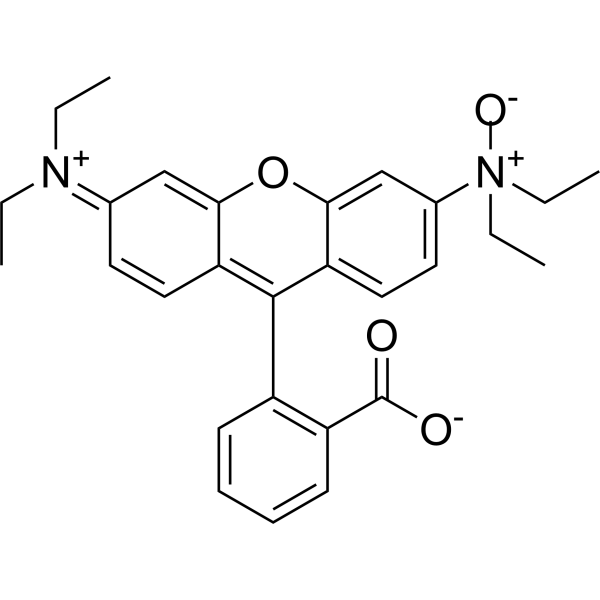
RhoNox-1 is a fluorescent probe for the specific detection of divalent iron ions, and when RhoNox-1 reacts with Fe 2+. RhoNox-1 can generate an irreversible orange (red) fluorescent product (Ex/Em:540/575 nm) . FeRhoNox-1 can enter the cell well, suitable for the detection of Fe 2+ in living cells, and tends to be localized in the Golgi apparatus .
|
-
-
- HY-W004544
-
|
1,10-Phenanthroline
|
Environmental Pollutants
MMP
|
Others
|
|
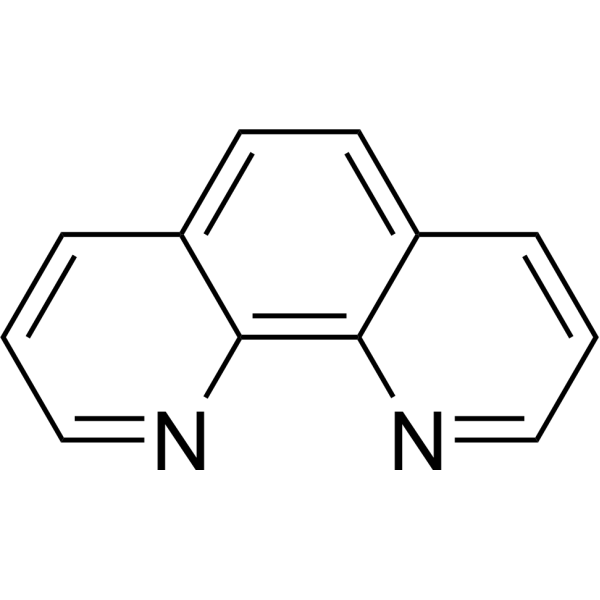
o-Phenanthroline (1,10-Phenanthroline), a metal chelator, prevents the induction of chromosomal aberrations in streptozotocin-treated cells. o-Phenanthroline (1,10-Phenanthroline) forms a red chelate with Fe 2+ that absorbs maximally at 510 nm. o-Phenanthroline (1,10-Phenanthroline) is also a MMP inhibitor [2].
|
-
-
- HY-D1913
-
|
|
Fluorescent Dye
|
Others
|
|
Fe2Orange is a Fe 2+ selective probe with an excitation wavelength of 543 nm and an emission wavelength of 580 nm. Fe2Orange emits fluorescence after binding to intracellular Fe 2+, thereby achieving specific labeling of Fe 2+. Fe2Orange is used to detect the content and distribution of Fe 2+ in cells .
|
-
-
- HY-Y1841
-
|
1,10-Phenanthroline monohydrate
|
MOFs
MMP
|
Others
|
|
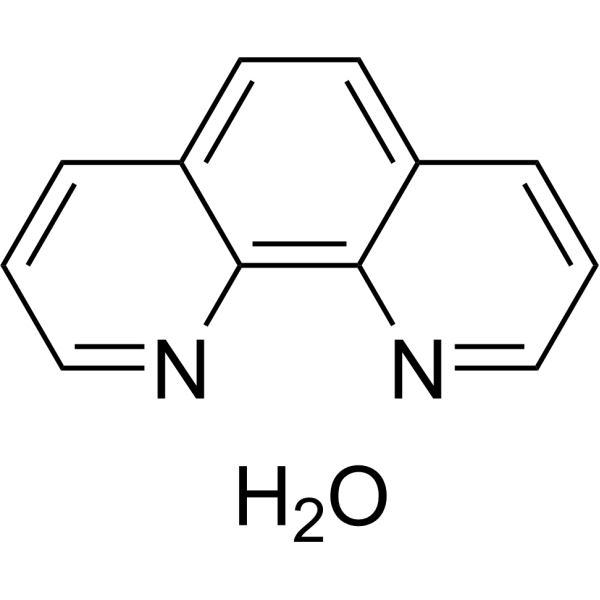
o-Phenanthroline (1,10-Phenanthroline) monohydrate, a metal chelator, prevents the induction of chromosomal aberrations in streptozotocin-treated cells. o-Phenanthroline monohydrate forms a red chelate with Fe 2+ that absorbs maximally at 510 nm. o-Phenanthroline (1,10-Phenanthroline) monohydrate is also a MMP inhibitor [2].
|
-
-
- HY-N10470
-
|
Pingyangmycin
|
Antibiotic
DNA/RNA Synthesis
Apoptosis
Dynamin
PINK1/Parkin
Mitophagy
|
Infection
Cancer
|
|
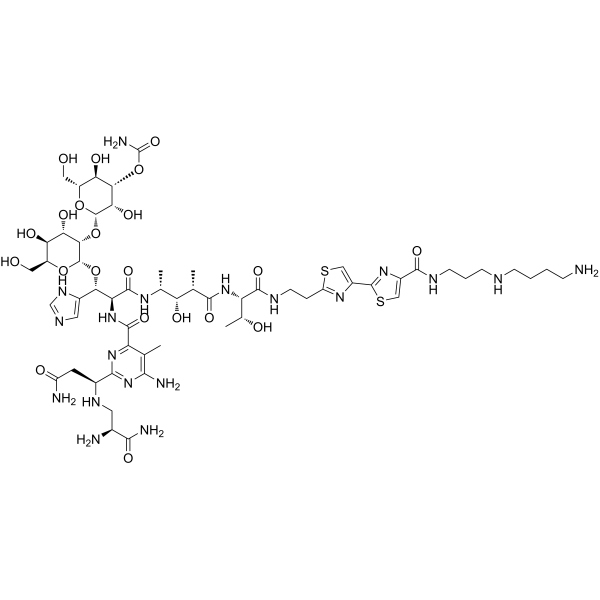
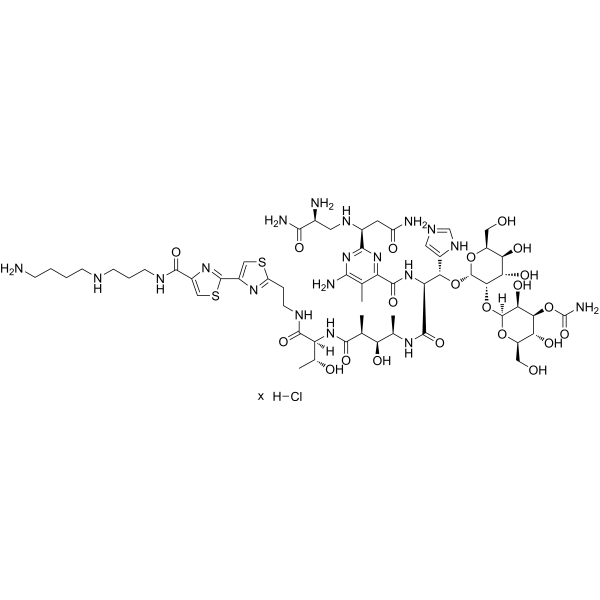
Bleomycin A5 (Pingyangmycin) is a glycopeptide antibiotic with multiple biological activities, which can be isolated from Streptomyces. Bleomycin A5 exerts cytotoxic effects by binding to Fe 2+ to form a complex, inducing single-strand and double-strand DNA breaks, and inhibiting DNA replication. Bleomycin A5 inhibits Drp1-mediated mitochondrial fission and suppresses PINK1/Parkin pathway-mediated mitophagy, ultimately triggering mitochondria-mediated cellular apoptosis. Bleomycin A5 can be used in cancer research [2] .
|
-
-
- HY-W698249
-
|
|
Ferroptosis
Bacterial
|
Cardiovascular Disease
Infection
|
|
Ferrous gluconate is a highly water-soluble iron-containing agent with high bioavailability and bactericidal activity. As a non-heme iron, Ferrous gluconate is used for meat product fortification and improvement of iron deficiency anemia. Ferrous gluconate induces ferroptosis in E. coli through Fe 2+ infiltration, reactive oxygen species burst, lipid peroxidation and direct interaction with DNA. Ferrous gluconate also downregulates the SOS responsive transcriptional repressor LexA. In addition, Ferrous gluconate regulates multiple key pathways in E. coli such as fatty acid metabolism, iron-sulfur cluster assembly and pyruvate metabolism, and is applied in studies related to *E. coli* infection and iron deficiency anemia [2].
|
-
-
- HY-163897
-
|
|
PROTACs
Ferroptosis
Reactive Oxygen Species (ROS)
|
Inflammation/Immunology
|
|
PROTAC NCOA4 degrader-1 is a VHL-based PROTAC NCOA4 degrader. PROTAC NCOA4 degrader-1 is a ferroptosis inhibitor. PROTAC NCOA4 degrader-1 reduces Fe 2+ elevation, ROS production, MDA content and PTGS2 mRNA expression. PROTAC NCOA4 degrader-1 ameliorates liver damage in a CCl4-induced acute liver injury model. PROTAC NCOA4 degrader-1 can be used for the researches of inflammation and immunology. (Pink: NCOA4 ligand (HY-149457). Black: linker (HY-163903). Blue: VHL ligand (HY-138678B)) .
|
-
-
- HY-126823
-
|
PGSK diacetate (5/6-mixture)
|
Fluorescent Dye
|
Others
|
|
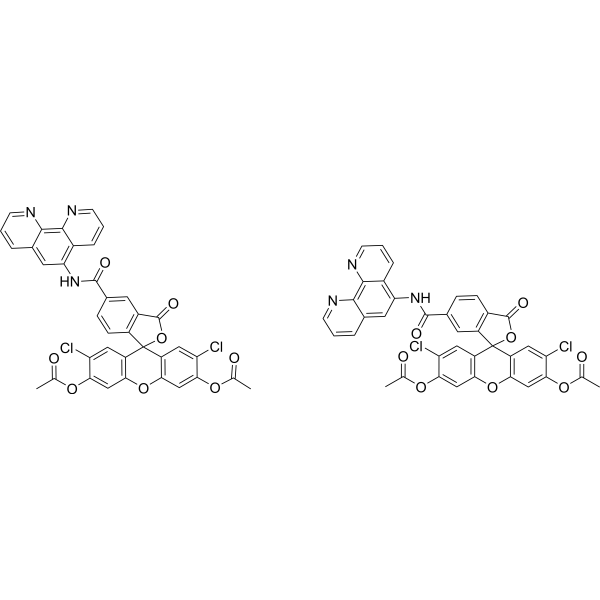
Phen green SK (PGSK) diacetate (PGSK diacetate (5/6-mixture)) is a metal ion-sensitive fluorescent probe that can penetrate cell membranes. Phen green SK (PGSK) diacetate can react with a variety of metal ions, including Fe 2+, Cd 2+, Co 2+, Ni 2+, Zn 2+, etc. Phen green SK (PGSK) diacetate chelates Fe 2+, resulting in fluorescence quenching, which can be restored when a membrane-permeable chelator is added, thereby reflecting the changes in the intracellular chelatable iron pool. The excitation/emission maxima of Phen green SK diacetate are 507/532 nm, respectively [2] .
|
-
-
- HY-P3267A
-
|
|
Ferroportin
Transferrin Receptor
|
Neurological Disease
|
|
Apo-Bovine Transferrin refers to iron free Transferrin (HY-P3267), serves as Transferrin receptor ligand and mediates iron release from endothelial cells. Apo-Transferrin can directly bind to hephaestin, which can convert Fe 2+ to Fe 3+. Apo-Transferrin mediates iron efflux most likely in cooperation with ferroportin 1. Apo-Bovine Transferrin can be used in neuroretinal research [2].
|
-
-
- HY-W015600
-
|
Orthocetamol
|
Ferroptosis
Glutathione Peroxidase
Reactive Oxygen Species (ROS)
LDLR
|
Cardiovascular Disease
Inflammation/Immunology
|
|
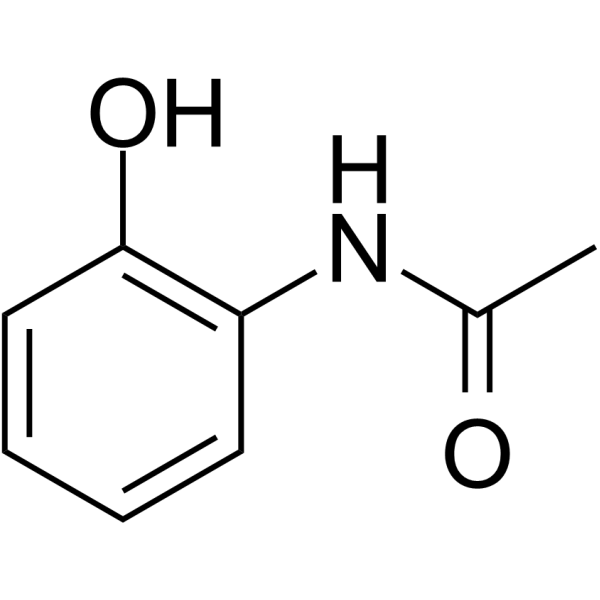
2-Acetamidophenol (Orthocetamol) is a regulator that targets ferroptosis and glutathione metabolic pathways, is the ortho-regioisomer of Paracetamol (HY-66005). 2-Acetamidophenol has anti-atherosclerotic activity, and inhibiting total cholesterol (TC) and triglyceride (TG) in a zebrafish hyperlipidemia model with IC50s for 30 μM and 40 μM, respectively. 2-Acetamidophenol upregulates the expression of glutathione synthesis-related genes (such as GCLC, GCLM, GSS) and iron ion transport genes (such as FPN1, FTH), reduces the accumulation of intracellular reactive oxygen species (ROS) and ferrous ions (Fe 2+), and enhances the activity of glutathione peroxidase GPX4, thereby inhibiting macrophage phagocytosis of oxidized low-density lipoprotein (ox-LDL) and foam cell formation [2].
|
-
-
- HY-DY1030
-
|
|
Fluorescent Dye
|
Others
|
RhoNox-1 (solution) is a fluorescent probe for the specific detection of divalent iron ions, and when RhoNox-1 reacts with Fe 2+. RhoNox-1 can generate an irreversible orange (red) fluorescent product (Ex/Em:540/575 nm). FeRhoNox-1 can enter the cell well, suitable for the detection of Fe 2+ in living cells, and tends to be localized in the Golgi apparatus . Solvent and concentration: DMSO: 5 mM
|
-
-
- HY-Y1422I
-
|
|
Environmental Pollutants
Biochemical Assay Reagents
Lipase
|
Others
|
Lipase, Pseudomonas fluorescens (Immobilized) is an immobilized biocatalyst derived from Pseudomonas fluorescens. Lipase, Pseudomonas fluorescens (Immobilized) efficiently catalyzes the hydrolysis, esterification and transesterification of triacylglycerols in solvent-free systems, and is particularly suitable for biodiesel production from soybean oil and selective modification of oils rich in EPA and DHA. Lipase, Pseudomonas fluorescens (Immobilized) exhibits optimal activity at pH 8.5 and 45°C, and retains residual activity after repeated cycles of use. Lipase, Pseudomonas fluorescens (Immobilized) is activated by Ca 2+, but inhibited by Co 2+, Ni 2+, Fe 3+, Fe 2+ and EDTA [2].
|
-
-
- HY-156418
-
|
|
DNA/RNA Synthesis
Ferroptosis
Apoptosis
Reactive Oxygen Species (ROS)
|
Cancer
|
|
KY386 is a DHX33 helicase inhibitor with an IC50 of 0.019 μM. KY386 inhibits the cell viability of various cancer cells. KY386 induces ferroptosis in cancer cells, and induces apoptosis in some cancer cell lines. KY386 increases the intracellular levels of ROS, LPO and Fe 2+, and decreases the level of GSH in cancer cells . KY386 inhibits the growth of gastric cancer and colon cancer xenografts in nude mice. KY386 is applicable to the related research on liver cancer, lung cancer, pancreatic cancer, colorectal cancer, gastric cancer, breast cancer, leukemia, renal cancer, prostate cancer, esophageal cancer, cervical cancer, brain cancer (glioblastoma) and melanoma [2].
|
-
-
- HY-125918
-
|
Pingyangmycin hydrochloride
|
Antibiotic
DNA/RNA Synthesis
Apoptosis
Dynamin
PINK1/Parkin
Mitophagy
|
Infection
Cancer
|
|
Bleomycin A5 (Pingyangmycin) hydrochloride is a glycopeptide antibiotic with multiple biological activities, which can be isolated from Streptomyces. Bleomycin A5 hydrochloride exerts cytotoxic effects by binding to Fe 2+ to form a complex, inducing single-strand and double-strand DNA breaks, and inhibiting DNA replication. Bleomycin A5 hydrochloride inhibits Drp1-mediated mitochondrial fission and suppresses PINK1/Parkin pathway-mediated mitophagy, ultimately triggering mitochondria-mediated cellular apoptosis. Bleomycin A5 hydrochloride can be used in cancer research [2] .
|
-
-
- HY-17655
-
|
|
Reactive Oxygen Species (ROS)
|
Inflammation/Immunology
|
|
TBE56, a molecular glue, is a BACH1 degrader, with an EC50 of 44 nM. TBE56 is a weak NRF2 inducer and the biotinylated TBE31. TBE56 interacts and promotes the
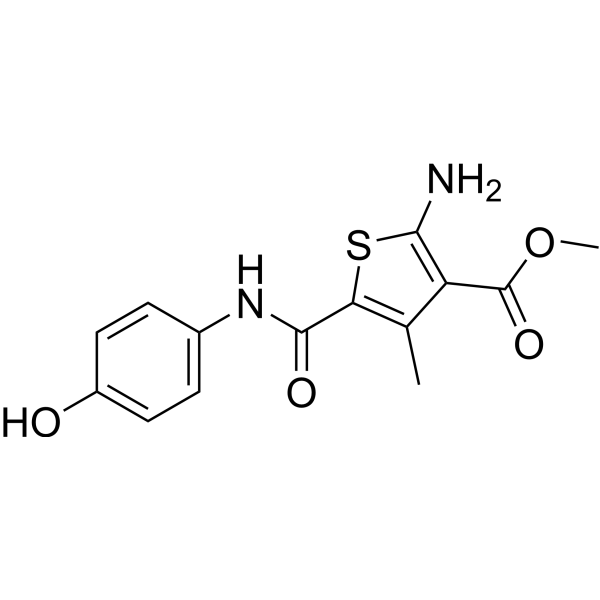
degradation of BACH1 via a mechanism involving the E3 ligase FBX022. TBE56 reduces intracellular Fe 2+ accumulation, ROS generation, and malondialdehyde (MDA) content, while increasing GSH/GSSG ratio and upregulating GPX4 in Prominin-2-overexpressed BMSCs. TBE56 significantly ameliorates intervertebral disc degeneration (IVDD) in puncture-induced SD rat IVDD model. TBE56 can be used for the study of intervertebral disc degeneration (IVDD) [2].
|
-
-
- HY-P2777
-
|
|
Biochemical Assay Reagents
|
Neurological Disease
Metabolic Disease
Inflammation/Immunology
|
|
Ceruloplasmin is a copper-containing multifunctional ferrous oxidase glycoprotein. Ceruloplasmin specifically oxidizes Fe 2+ to Fe 3+, promoting the binding of Fe 3+ to transferrin. Ceruloplasmin can bind to copper ions to prevent the toxicity of free copper to cells. Ceruloplasmin can be used for the research of inflammation, metabolic and neurological disease such as Parkinson’s disease .
|
-
-
- HY-158779
-
|
SSP4
|
Fluorescent Dye
|
Others
|
|
Sulfane sulfur probe 4 (SSP4) is a fluorescent probe used to detect sulfane sulfur species (Ex/Em=494/515 nm). Sulfane sulfur probe 4 exhibits high sensitivity in detecting sulfane sulfur, even in the presence of other substances such as homocysteine, methionine, cysteine, glutathione, N-acetyl-L-cysteine, glycine, tyrosine, tryptophan, arginine, and metal ions (Fe 2+, Fe 3+, Mg 2+, Ca 2+, and Zn 2+) .
|
-
-
- HY-178364
-
|
|
Glutathione Peroxidase
Ferroptosis
Lipoxygenase
Reactive Oxygen Species (ROS)
DNA/RNA Synthesis
|
Cancer
|
|
GPX4-IN-19 is an effective GPX4 inhibitor (IC50 = 0.311 μM), covalently binds to the Sec 46 site of GPX4. GPX4-IN-19 shows strong anti-proliferative activity with high ferroptosis selectivity. GPX4-IN-19 causes intracellular Fe 2+ accumulation, leading to increased levels of lipid peroxides (LPOs) and reactive oxygen species (ROS), which induces ferroptosis and subsequently results in DNA damage. GPX4-IN-19 can be used for the study of Triple-Negative Breast Cancer (TNBC) .
|
-
-
- HY-Y1422E
-
|
|
Biochemical Assay Reagents
Lipase
|
Others
|
Lipase, Aspergillus niger (Immobilized) is an immobilized triacylglycerol acyl hydrolase and biocatalyst. Lipase, Aspergillus niger (Immobilized) broadly catalyzes the hydrolysis of glycerol-long-chain fatty acid esters, exhibits positional selectivity for the 1,3-positions of glycerol, but shows low hydrolysis efficiency for castor oil. Lipase, Aspergillus niger (Immobilized) displays optimal activity at 45°C and pH 7.0, and remains stable at temperatures up to 60°C and over a broad pH range of 2.0-9.0. Lipase, Aspergillus niger (Immobilized) is activated by Ca 2+ and Mg 2+, but inhibited by Mn 2+, Fe 2+ and Zn 2+ [2] .
|
-
-
- HY-W015600R
-
|
Orthocetamol (Standard)
|
Reference Standards
Ferroptosis
Glutathione Peroxidase
Reactive Oxygen Species (ROS)
LDLR
|
Cardiovascular Disease
Inflammation/Immunology
|
|
2-Acetamidophenol (Standard) is the analytical standard of 2-Acetamidophenol. This product is intended for research and analytical applications. 2-Acetamidophenol (Orthocetamol) is a regulator that targets ferroptosis and glutathione metabolic pathways, is the ortho-regioisomer of Paracetamol (HY-66005). 2-Acetamidophenol has anti-atherosclerotic activity, and inhibiting total cholesterol (TC) and triglyceride (TG) in a zebrafish hyperlipidemia model with IC50s for 30 μM and 40 μM, respectively. 2-Acetamidophenol upregulates the expression of glutathione synthesis-related genes (such as GCLC, GCLM, GSS) and iron ion transport genes (such as FPN1, FTH), reduces the accumulation of intracellular reactive oxygen species (ROS) and ferrous ions (Fe 2+), and enhances the activity of glutathione peroxidase GPX4, thereby inhibiting macrophage phagocytosis of oxidized low-density lipoprotein (ox-LDL) and foam cell formation [2].
|
-
-
- HY-W015600S
-
|
Orthocetamol-d3
|
Isotope-Labeled Compounds
Ferroptosis
Glutathione Peroxidase
Reactive Oxygen Species (ROS)
LDLR
|
Cardiovascular Disease
Inflammation/Immunology
|
|
2-Acetamidophenol-d3 (Orthocetamol-d3) is the deuterium labeled 2-Acetamidophenol (HY-W015600). 2-Acetamidophenol (Orthocetamol) is a regulator that targets ferroptosis and glutathione metabolic pathways, is the ortho-regioisomer of Paracetamol (HY-66005). 2-Acetamidophenol has anti-atherosclerotic activity, and inhibiting total cholesterol (TC) and triglyceride (TG) in a zebrafish hyperlipidemia model with IC50s for 30 μM and 40 μM, respectively. 2-Acetamidophenol upregulates the expression of glutathione synthesis-related genes (such as GCLC, GCLM, GSS) and iron ion transport genes (such as FPN1, FTH), reduces the accumulation of intracellular reactive oxygen species (ROS) and ferrous ions (Fe2+), and enhances the activity of glutathione peroxidase GPX4, thereby inhibiting macrophage phagocytosis of oxidized low-density lipoprotein (ox-LDL) and foam cell formation [2].
|
-
-
- HY-155539
-
|
|
IKZF Family
Zinc Finger Protein
|
Inflammation/Immunology
|
|
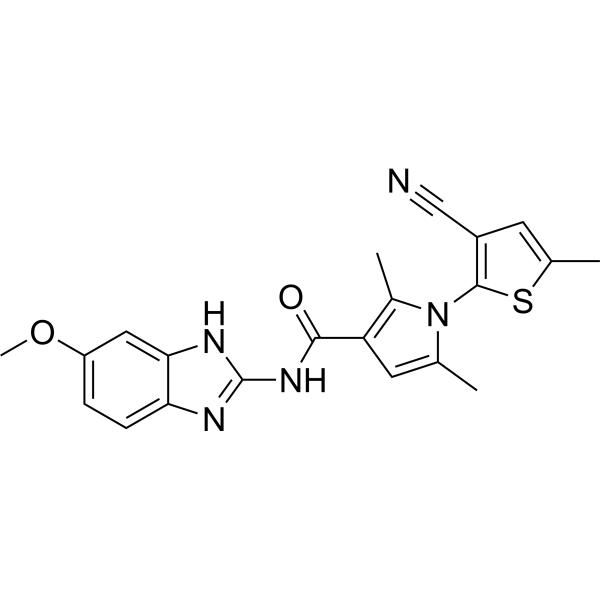
Cisd2 agonist 2 (compound 6) is a Cisd2 activator (EC50=191 nM), and Cisd2 levels are associated with non-alcoholic fatty liver disease (NAFLD). Cisd2 agonist 2 has no significant in vivo toxicity in Cisd2hKO-het mice (heterozygous hepatocyte-specific Cisd2 knockout). Cisd2 (CDGSH iron sulfur domain 2) is a zinc finger protein that is mainly localized in the endoplasmic reticulum or mitochondrial membrane. Cisd2 participates in mitochondrial function by forming homodimers containing two redox-active 2Fe-2S clusters [2].
|
-
-
- HY-136300
-
-
-
- HY-176212
-
|
|
Ferroptosis
VDAC
Reactive Oxygen Species (ROS)
|
Inflammation/Immunology
|
|
Ferroptosis-IN-20 (Compound 34a) is a Ferroptosis inhibitor (EC50: 24.2 nM) targeting voltage-dependent anion channel (VDAC). Ferroptosis-IN-20 inhibits VDAC oligomerization and lipid peroxidation. Ferroptosis-IN-20 reduces content of ROS, attenuates TFR1-mediated iron uptake, inhibits Fe 2+ level and restores glutathione (GSH) level. Ferroptosis-IN-20 alleviates Folic acid (HY-16637)-induced acute kidney injury (AKI) .
|
-
-
- HY-174867
-
|
|
PROTACs
Ferroptosis
|
Cancer
|
|
AY-4 (Compound AY-4) is an efficient PROTAC degrader targeting FTH1 (Kd = 3.17 nM). AY-4 effectively upregulates the levels of ferrous (Fe 2+) and ferric (Fe 3+) ions in cells. AY-4 is a potential anticancer candidate compound that regulates iron homeostasis through ferritin degradation and enhances the efficacy of existing drugs. AY-4 can effectively reduce the level of FTH1 in breast cancer cells (Pink: FTH1 ligand AY-2 (HY-174871); Blue: E3 ligand Pomalidomide (HY-10984); Black: Linker, Pomalidomide-PEG3-acid (HY-174872)) .
|
-
-
- HY-Y1841R
-
|
|
Reference Standards
MMP
|
Others
|
|
o-Phenanthroline (1,10-Phenanthroline) monohydrate, a metal chelator, prevents the induction of chromosomal aberrations in streptozotocin-treated cells. o-Phenanthroline monohydrate forms a red chelate with Fe2+ that absorbs maximally at 510 nm. o-Phenanthroline (1,10-Phenanthroline) monohydrate is also a MMP inhibitor [2].
|
-
-
- HY-W004544S
-
|
1,10-Phenanthroline-d8
|
Isotope-Labeled Compounds
MMP
|
Others
|
|
o-Phenanthroline-d8 is the deuterium labeled o-Phenanthroline. o-Phenanthroline (1,10-Phenanthroline), a metal chelator, prevents the induction of chromosomal aberrations in streptozotocin-treated cells. o-Phenanthroline (1,10-Phenanthroline) forms a red chelate with Fe2+ that absorbs maximally at 510 nm. o-Phenanthroline (1,10-Phenanthroline) is also a MMP inhibitor [2].
|
-
-
- HY-B1159S
-
|
8-Hydroxy-5-nitroquinoline-d4; 5-Nitro-8-quinolinol-d4
|
Bacterial
Autophagy
Antibiotic
|
Infection
Cancer
|
|
Nitroxoline-d4 is the deuterium labeled Nitroxoline. Nitroxoline is an antibiotic that has proven to be very effective at combating biofilm infections. Nitroxoline functions by chelating Fe 2+ and Zn 2+ ions from the biofilm matrix [2].
|
-
-
- HY-178370
-
|
|
Ferroptosis
Reactive Oxygen Species (ROS)
|
Cancer
|
|
Ferroptosis inducer-12 is a potent and selective ferroptosis inducer. Ferroptosis inducer-12 exhibits potent antiproliferative activity against HT1080 and OS-RC-2, with IC50 values of 3 nM and 5 nM, respectively. Ferroptosis inducer-12 strongly inhibits GPX4 enzymatic activity, induces intracellular ROS and elevates intracellular Fe 2+ levels in OS-RC-2 cells. Ferroptosis inducer-12 significantly inhibits tumor growth in BALB/c nude mice bearing OS-RC-2 xenografts. Ferroptosis inducer-12 can be used for the study of cancer .
|
-
-
- HY-179003
-
|
|
mTOR
Glutaminase
Reactive Oxygen Species (ROS)
Autophagy
Apoptosis
Ferroptosis
Glutathione Peroxidase
|
Cancer
|
|
mTOR/GLS1-IN-1 (Compoud 9d) is a potent dual targeted mTOR/GLS1 inhibitor. Has anti proliferative activity against various tumor cells. mTOR/GLS1-IN-1 dose dependently induces ROS accumulation, induces autophagosome formation, and induces apoptosis. mTOR/GLS1-IN-1 can increase Fe 2+, decrease GPX4, and induce ferroptosis. mTOR/GLS1-IN-1 can inhibit cell migration, invasion, and angiogenesis. mTOR/GLS1-IN-1 can be used in the research of cancer, such as breast cancer .
|
-
-
- HY-E71332
-
-
-
- HY-E71089
-
-
-
- HY-E71143
-
-
-
- HY-E71099
-
|
|
Biochemical Assay Reagents
|
Others
|
|
(R)-Dichlorprop dioxygenase (2-oxoglutarate) (EC 1.14.11.44) is a Fe2+-dependent enzyme. (R)-Dichlorprop dioxygenase (2-oxoglutarate) (EC 1.14.11.44) is involved in the degradation of the (R)-enantiomer of the phenoxyalkanoic acid herbicides mecoprop and dichlorprop.
|
-
-
- HY-E71337
-
|
|
Biochemical Assay Reagents
|
Others
|
|
γ-Glutamyl hercynylcysteine S-oxide synthase (EC 1.14.99.50) requires Fe2+ for activity. The enzyme, found in bacteria, is specific for both hercynine and γ-L-Glutamyl-L-cysteine. It is part of the biosynthesis pathway of ergothioneine.
|
-
-
- HY-157926
-
|
|
Biochemical Assay Reagents
|
Others
|
|
Nitroso-PSAP is a sensitive and specific chromogenic reagent for iron (Fe 2+), which is used for the colorimetric determination of iron in blood after mineralization with periodic acid. TNitroso-PSAP chelates with iron (Fe 2+) to produce a green complex (λmax=756 nm, Epsilon = 4.5 x 10 < sup > 4 < / sup > dm < sup > 3 < / sup > mol < sup > 1 < / sup > cm < sup > 1 < / sup >) [2].
|
-
-
- HY-160414
-
|
(R,R)-TRX-COBI; TRX-cobimetinib
|
MEK
|
Cancer
|
|
TRX-COBI ((R,R)-TRX-COBI; Trx-cobimetinib) is a MEK inhibitor targeting TRX fragments based on Fe 2+. TRX-COBI has antitumor activity .
|
-
-
- HY-N15282
-
|
|
Interleukin Related
|
Cardiovascular Disease
|
|
Broussoflavonol G is an active ingredient of Moraceae plants, which can be isolated from Broussonetia papyrifera. Broussoflavonol G can effectively inhibit Fe 2+-induced lipid oxidation in rat brain homogenate and significantly inhibit the proliferation of rat vascular smooth muscle cells .
|
-
-
- HY-E71077
-
|
|
Biochemical Assay Reagents
|
Others
|
|
(5R)-Carbapenem-3-carboxylate synthase (EC 1.14.20.3) requires Fe2+. The enzyme is involved in the biosynthesis of the carbapenem β-lactam antibiotic (5R)-carbapen-2-em-3-carboxylate in the bacterium Pectobacterium carotovorum. (5R)-Carbapenem-3-carboxylate synthase (EC 1.14.20.3) catalyses a stereoinversion at C-5 and introduces a double bond between C-2 and C-3.
|
-
-
- HY-155158
-
|
|
Ferroptosis
|
Cancer
|
|
Anticancer agent 147 (compound 6j) is a derivative of sophoridine (HY-N1373) and is a ferroptosis inducer. Anticancer agent 147 can promote the accumulation of intracellular Fe 2+, reactive oxygen species (ROS) and MDA, increase ER stress, and upregulate the expression of the activating transcription factor ATF3. Anticancer agent 147 has good anti-liver cancer effects in vitro and in vivo .
|
-
-
- HY-E71278
-
|
|
Biochemical Assay Reagents
|
Others
|
|
β-Carotene 15,15'-dioxygenase (EC 1.13.11.63) requires Fe2+. The enzyme cleaves β-Carotene symmetrically, producing two molecules of all-trans-retinal. Both atoms of the oxygen molecule are incorporated into the products. The enzyme can also process β-cryptoxanthin, 8'-apo-β-carotenal, 4'-apo-β-carotenal, α-carotene and γ-carotene in decreasing order. The presence of at least one unsubstituted β-ionone ring in a substrate greater than C30 is mandatory.
|
-
-
- HY-179016
-
|
|
Ferroptosis
Apoptosis
Mitochondrial Metabolism
Calcium Channel
|
Cancer
|
|
Ferroptosis/apoptosis inducer-3 (Compound 34) is a Ferroptosis and Apoptosis inducer. Ferroptosis/apoptosis inducer-3 induces both Ferroptosis and Apoptosis by causing G2/M phase cell cycle arrest, disrupting mitochondrial membrane potentials, promoting lipid peroxidation, and increasing the levels of Ca 2+ and Fe 2+ through the activation of calcium/calmodulin signaling. Ferraplasm/apoptosis inducer-3 shows anticancer effects against cervical cancer, adenocarcinoma, breast cancer, colon cancer, and colorectal carcinoma .
|
-
-
- HY-149418
-
|
|
HDAC
Cholinesterase (ChE)
Tau Protein
|
Neurological Disease
|
|
BChE/HDAC6-IN-2 (compound 29a) is a dual inhibitor of BChE and HDAC6 with IC50s of 1.8 nM and 71.0 nM, respectively. BChE/HDAC6-IN-2 has prominently neuroprotective effects and reactive oxygen species (ROS) scavenging activity. BChE/HDAC6-IN-2 is also an effective chelator of metal ion (Fe 2+ and Cu 2+). BChE/HDAC6-IN-2 inhibits phosphorylation of tau, and exhibits moderate immunomodulatory effect.
|
-
-
- HY-172092
-
|
|
Apoptosis
Ferroptosis
|
Cancer
|
|
BG11 induces the accumulation of Fe 2+ and intracellular lipid peroxides, induces ferroptosis. BG11 regulates the expression of Bax and Bcl-2 proteins, and induces apoptosis in MDA-MB-231 cell. BG11 arrests the cell cycle at G0/G1 and S phase, inhibits the proliferation of TNBC cancer cell (IC50 for MDA-MB-231 and BT549 is 0.49 μM and 0.52 μM), and inhibits the cell migration and invasion. BG11 exhibits antitumor efficacy in mouse models .
|
-
-
- HY-175852
-
|
|
Ferroptosis
Glutathione Peroxidase
Reactive Oxygen Species (ROS)
|
Cancer
|
|
Ferroptosis inducer-11 is a ferroptosis inducer. Ferroptosis inducer-11 exhibits potent cytotoxicity against HCT-116, NCM-60 and HT-29 cells with IC50 values of 0.43 μM, 3.14 μM and 0.48 μM, respectively. Ferroptosis inducer-11 strongly suppresses GPX4 enzymatic activity with an IC50 of 1.86 μM. Ferroptosis inducer-11 induces ferroptosis, as well as increases intracellular lipid ROS, malondialdehyde (MDA), and Fe 2+ levels, while decreasing glutathione (GSH) levels in colon cancer cells. Ferroptosis inducer-11 can be used for the study of colon cancer .
|
-
-
- HY-W698249R
-
|
|
Reference Standards
Ferroptosis
Bacterial
|
|
|
Ferrous gluconate (Standard) is the analytical standard of Ferrous gluconate. This product is intended for research and analytical applications. Ferrous gluconate is a highly water-soluble iron-containing agent with high bioavailability and bactericidal activity. As a non-heme iron, Ferrous gluconate is used for meat product fortification and improvement of iron deficiency anemia. Ferrous gluconate induces ferroptosis in E. coli through Fe 2+ infiltration, reactive oxygen species burst, lipid peroxidation and direct interaction with DNA. Ferrous gluconate also downregulates the SOS responsive transcriptional repressor LexA. In addition, Ferrous gluconate regulates multiple key pathways in E. coli such as fatty acid metabolism, iron-sulfur cluster assembly and pyruvate metabolism, and is applied in studies related to *E. coli* infection and iron deficiency anemia [2] .
|
-
-
- HY-W249563
-
|
|
MOFs
|
Others
|
|
PCN-250(Fe2Co) is a metal-organic framework (MOF).
|
-
-
- HY-162812
-
|
|
Apoptosis
Cholinesterase (ChE)
Tau Protein
Ferroptosis
Histamine Receptor
|
Neurological Disease
|
|
H3R antagonist 4 (compound 11L) was a dual inhibitor of cholinesterase and histamine receptor (H3R), with corresponding IC50 of 7.04 μM (eeAChE), 9.73 μM (hAChE)(reversible) and 1.09 nM (H3R) , respectively. H3R antagonist 4 inhibited the aggregation of Aβ1-42 induced by itself and Cu 2+ (95.48% and 88.63%) , and degraded the Aβ1-42 fibrils induced by itself and Cu 2+ (80.16% and 89.30%) . H3R antagonist 4 chelate biometals such as Cu 2+, Zn 2+, Al 3+, and Fe 2+. H3R antagonist 4 significantly reduced tau protein hyperphosphorylation induced by Aβ1-42 and inhibited RSL-3-induced apoptosis and ferroptosis in PC12 cells. H3R antagonist 4 had the best blood-brain barrier permeability and intestinal absorption in hCMEC/D3 and hPepT1-MDCK cells.H3R antagonist 4 ameliorates learning and memory impairment in a mouse model of Alzheimer's disease induced by scopolamine (HY-N0296) .
|
-
-
- HY-W075622
-
|
((2-Amino-4-carboxylatobenzoyl)oxy)(hydroxy)iron(III)
|
MOFs
|
Others
|
|
NH2-MIL-53(Fe) (((2-Amino-4-carboxylatobenzoyl)oxy)(hydroxy)iron(III)) is a metal-organic framework (MOF).
|
-
-
- HY-D3377
-
|
LysoRhoNox
|
Fluorescent Dye
|
Others
|
|
HMRhoNox-M (LysoRhoNox) is a selective fluorescent probe for labile Fe 2+ with an orange fluorescence, and its excitation/emission wavelength is λₑₓ/λₑₘ = 555/575 nm. HMRhoNox-M undergoes N-oxide deoxygenation mediated by Fe 2+, converting from a non-fluorescent spirocyclic closed form to a fluorescent quinone open form. HMRhoNox-M is used to detect labile Fe 2+ in living cells [2].
|
-
- HY-W075623
-
|
|
MOFs
|
Others
|
|
NH2-MIL-101(Fe) is a metal-organic framework (MOF).
|
-
- HY-N17362
-
|
|
Others
|
Others
|
|
Anhydroevoxine is a furoquinoline alkaloid that can be found in Vepris glomerata. Anhydroevoxine demonstrates in vitro antioxidant activity, reducing Fe 3+ to Fe 2+ and scavenging DPPH radicals .
|
-
- HY-182578
-
|
|
Tryptophan Hydroxylase
|
Cardiovascular Disease
|
|
Mimosinamine is a hydroxylase inhibitor with Fe 2+ chelating activity. Mimosinamine inhibits bovine adrenal tyrosine hydroxylase, rat liver phenylalanine hydroxylase, and rat brainstem tryptophan hydroxylase. Mimosinamine can be used in the research of hypertension .
|
-
- HY-153512
-
|
|
HIF/HIF Prolyl-Hydroxylase
|
Others
|
|
PHD-1-IN-3 is an orally active PHD-1 inhibitor with an IC50 of 0.09 μM. PHD-1-IN-3 acts via monodentate binding interaction with active site Fe 2+ ion .
|
-
- HY-185401
-
|
|
MOFs
|
Cancer
|
|
ATSM is a ligand that forms complexes with Cu 2+, Ni 2+, Zn 2+, and Fe 2+, with the highest affinity for Cu 2+. ATSM forms Cu-ATSM with copper, which is used for PET imaging to detect tumor hypoxia. ATSM is commonly used in coordination chemistry and radiopharmaceutical research [2].
|
-
- HY-133849
-
|
|
Sirtuin
|
Cancer
|
|
Aristoforin, a hypericin derivative, inhibits the activities of SIRT1 and SIRT2. Aristoforin induces G1 phase cell cycle arrest, scavenges hydroxyl free radicals, and exhibits protective activity against Fe 2+-induced DNA breakage. Aristoforin can be used in studies related to breast cancer and colon adenocarcinoma [2] .
|
-
- HY-181982
-
-
- HY-W094110
-
|
|
Environmental Pollutants
Biochemical Assay Reagents
|
Others
|
|
Iron (III) sulfate is a stable rhombohedral NASICON compound. Iron (III) sulfate can serve as a sodium ion intercalation host, enabling sodium ion intercalation and deintercalation via a single-phase mechanism relying on the Fe 2+/Fe 3+ redox couple. Iron (III) sulfate exhibits reversible electrochemical behavior and moderate polarization in cyclic voltammetry tests, and its charge transfer resistance changes during charge-discharge cycles. Iron (III) sulfate possesses a high redox potential, excellent rate capability, and long-cycle stability .
|
-
- HY-W019888
-
|
Ferrofloc
|
Environmental Pollutants
|
Others
|
|
Iron (II) chloride (Ferrofloc) is an active radical polymerization initiator, which is a transition metal chloride composed of Fe 2+ and Cl − ions. The ion association constant logKFeCl2 of Iron (II) chloride is −0.89. In acidic aqueous solutions, Iron (II) chloride forms solvated Fe 2++2Cl − ions as well as FeCl ++Cl − ion pairs. Without the addition of aluminum compounds, Iron (II) chloride drives the living radical polymerization of methyl methacrylate by generating transient radical growing species through homolytic reversible cleavage of the carbon-halogen end groups of organic halide initiators [2].
|
-
- HY-183760
-
|
|
Cholinesterase (ChE)
HSP
GSK-3
Amyloid-β
|
Neurological Disease
Inflammation/Immunology
|
|
AChE/BChE-IN-37 is a blood-brain barrier-permeable AChE/BChE inhibitor, with an IC50 of 73.65 μM against electric eel-derived AChE and an IC50 of 82.93 μM against horse-derived BChE. AChE/BChE-IN-37 exhibits chelating activity towards Cu 2+, Ca 2+, Mg 2+, Fe 2+ and Zn 2+. AChE/BChE-IN-37 interacts with HSP90AA1 and GSK-3β. AChE/BChE-IN-37 inhibits the self-induced aggregation of Aβ1-42. AChE/BChE-IN-37 suppresses LPS-induced NO production in cells. AChE/BChE-IN-37 can be used in research related to Alzheimer's disease and inflammatory diseases .
|
-
| Cat. No. |
Product Name |
Type |
-
- HY-D1533
-
|
|
Fluorescent Dye
|
|
RhoNox-1 is a fluorescent probe for the specific detection of divalent iron ions, and when RhoNox-1 reacts with Fe 2+. RhoNox-1 can generate an irreversible orange (red) fluorescent product (Ex/Em:540/575 nm) . FeRhoNox-1 can enter the cell well, suitable for the detection of Fe 2+ in living cells, and tends to be localized in the Golgi apparatus .
|
-
- HY-D1913
-
|
|
Fluorescent Dye
|
|
Fe2Orange is a Fe 2+ selective probe with an excitation wavelength of 543 nm and an emission wavelength of 580 nm. Fe2Orange emits fluorescence after binding to intracellular Fe 2+, thereby achieving specific labeling of Fe 2+. Fe2Orange is used to detect the content and distribution of Fe 2+ in cells .
|
-
- HY-DY1030
-
|
|
Fluorescent Dye
|
RhoNox-1 (solution) is a fluorescent probe for the specific detection of divalent iron ions, and when RhoNox-1 reacts with Fe 2+. RhoNox-1 can generate an irreversible orange (red) fluorescent product (Ex/Em:540/575 nm). FeRhoNox-1 can enter the cell well, suitable for the detection of Fe 2+ in living cells, and tends to be localized in the Golgi apparatus . Solvent and concentration: DMSO: 5 mM
|
-
- HY-158779
-
|
SSP4
|
Fluorescent Dye
|
|
Sulfane sulfur probe 4 (SSP4) is a fluorescent probe used to detect sulfane sulfur species (Ex/Em=494/515 nm). Sulfane sulfur probe 4 exhibits high sensitivity in detecting sulfane sulfur, even in the presence of other substances such as homocysteine, methionine, cysteine, glutathione, N-acetyl-L-cysteine, glycine, tyrosine, tryptophan, arginine, and metal ions (Fe 2+, Fe 3+, Mg 2+, Ca 2+, and Zn 2+) .
|
-
- HY-D3377
-
|
LysoRhoNox
|
Fluorescent Dye
|
|
HMRhoNox-M (LysoRhoNox) is a selective fluorescent probe for labile Fe 2+ with an orange fluorescence, and its excitation/emission wavelength is λₑₓ/λₑₘ = 555/575 nm. HMRhoNox-M undergoes N-oxide deoxygenation mediated by Fe 2+, converting from a non-fluorescent spirocyclic closed form to a fluorescent quinone open form. HMRhoNox-M is used to detect labile Fe 2+ in living cells [2].
|
| Cat. No. |
Product Name |
Type |
-
- HY-W004544
-
|
1,10-Phenanthroline
|
Biochemical Assay Reagents
|
|
o-Phenanthroline (1,10-Phenanthroline), a metal chelator, prevents the induction of chromosomal aberrations in streptozotocin-treated cells. o-Phenanthroline (1,10-Phenanthroline) forms a red chelate with Fe 2+ that absorbs maximally at 510 nm. o-Phenanthroline (1,10-Phenanthroline) is also a MMP inhibitor [2].
|
-
- HY-Y1841
-
|
1,10-Phenanthroline monohydrate
|
Biochemical Assay Reagents
|
|
o-Phenanthroline (1,10-Phenanthroline) monohydrate, a metal chelator, prevents the induction of chromosomal aberrations in streptozotocin-treated cells. o-Phenanthroline monohydrate forms a red chelate with Fe 2+ that absorbs maximally at 510 nm. o-Phenanthroline (1,10-Phenanthroline) monohydrate is also a MMP inhibitor [2].
|
-
- HY-P3267A
-
|
|
Biochemical Assay Reagents
|
|
Apo-Bovine Transferrin refers to iron free Transferrin (HY-P3267), serves as Transferrin receptor ligand and mediates iron release from endothelial cells. Apo-Transferrin can directly bind to hephaestin, which can convert Fe 2+ to Fe 3+. Apo-Transferrin mediates iron efflux most likely in cooperation with ferroportin 1. Apo-Bovine Transferrin can be used in neuroretinal research [2].
|
-
- HY-Y1841R
-
|
|
Biochemical Assay Reagents
|
|
o-Phenanthroline (1,10-Phenanthroline) monohydrate, a metal chelator, prevents the induction of chromosomal aberrations in streptozotocin-treated cells. o-Phenanthroline monohydrate forms a red chelate with Fe2+ that absorbs maximally at 510 nm. o-Phenanthroline (1,10-Phenanthroline) monohydrate is also a MMP inhibitor [2].
|
-
- HY-157926
-
|
|
Biochemical Assay Reagents
|
|
Nitroso-PSAP is a sensitive and specific chromogenic reagent for iron (Fe 2+), which is used for the colorimetric determination of iron in blood after mineralization with periodic acid. TNitroso-PSAP chelates with iron (Fe 2+) to produce a green complex (λmax=756 nm, Epsilon = 4.5 x 10 < sup > 4 < / sup > dm < sup > 3 < / sup > mol < sup > 1 < / sup > cm < sup > 1 < / sup >) [2].
|
-
- HY-K0322
-
4 Publications Verification
|
|
MCE Cell Ferrous Iron (Fe2+) Assay Kit (Fluorometric) utilizes fluorescence detection technology to analyze the levels of ferrous ions (Fe2+) in cells.
|
| Cat. No. |
Product Name |
Category |
Target |
Chemical Structure |
| Cat. No. |
Product Name |
Chemical Structure |
-
- HY-W015600S
-
|
|
|
2-Acetamidophenol-d3 (Orthocetamol-d3) is the deuterium labeled 2-Acetamidophenol (HY-W015600). 2-Acetamidophenol (Orthocetamol) is a regulator that targets ferroptosis and glutathione metabolic pathways, is the ortho-regioisomer of Paracetamol (HY-66005). 2-Acetamidophenol has anti-atherosclerotic activity, and inhibiting total cholesterol (TC) and triglyceride (TG) in a zebrafish hyperlipidemia model with IC50s for 30 μM and 40 μM, respectively. 2-Acetamidophenol upregulates the expression of glutathione synthesis-related genes (such as GCLC, GCLM, GSS) and iron ion transport genes (such as FPN1, FTH), reduces the accumulation of intracellular reactive oxygen species (ROS) and ferrous ions (Fe2+), and enhances the activity of glutathione peroxidase GPX4, thereby inhibiting macrophage phagocytosis of oxidized low-density lipoprotein (ox-LDL) and foam cell formation [2].
|
-
-
- HY-W004544S
-
|
|
|
o-Phenanthroline-d8 is the deuterium labeled o-Phenanthroline. o-Phenanthroline (1,10-Phenanthroline), a metal chelator, prevents the induction of chromosomal aberrations in streptozotocin-treated cells. o-Phenanthroline (1,10-Phenanthroline) forms a red chelate with Fe2+ that absorbs maximally at 510 nm. o-Phenanthroline (1,10-Phenanthroline) is also a MMP inhibitor [2].
|
-
-
- HY-B1159S
-
|
|
|
Nitroxoline-d4 is the deuterium labeled Nitroxoline. Nitroxoline is an antibiotic that has proven to be very effective at combating biofilm infections. Nitroxoline functions by chelating Fe 2+ and Zn 2+ ions from the biofilm matrix [2].
|
-
| Cat. No. |
Product Name |
|
Classification |
-
- HY-178370
-
|
|
|
Alkynes
|
|
Ferroptosis inducer-12 is a potent and selective ferroptosis inducer. Ferroptosis inducer-12 exhibits potent antiproliferative activity against HT1080 and OS-RC-2, with IC50 values of 3 nM and 5 nM, respectively. Ferroptosis inducer-12 strongly inhibits GPX4 enzymatic activity, induces intracellular ROS and elevates intracellular Fe 2+ levels in OS-RC-2 cells. Ferroptosis inducer-12 significantly inhibits tumor growth in BALB/c nude mice bearing OS-RC-2 xenografts. Ferroptosis inducer-12 can be used for the study of cancer .
|
-
- HY-175852
-
|
|
|
Alkynes
|
|
Ferroptosis inducer-11 is a ferroptosis inducer. Ferroptosis inducer-11 exhibits potent cytotoxicity against HCT-116, NCM-60 and HT-29 cells with IC50 values of 0.43 μM, 3.14 μM and 0.48 μM, respectively. Ferroptosis inducer-11 strongly suppresses GPX4 enzymatic activity with an IC50 of 1.86 μM. Ferroptosis inducer-11 induces ferroptosis, as well as increases intracellular lipid ROS, malondialdehyde (MDA), and Fe 2+ levels, while decreasing glutathione (GSH) levels in colon cancer cells. Ferroptosis inducer-11 can be used for the study of colon cancer .
|
Your information is safe with us. * Required Fields.
Inquiry Information
- Product Name:
- Cat. No.:
- Quantity:
- MCE Japan Authorized Agent:

