1. Search Result
Search Result
Results for "

Fluorouracil

" in MedChemExpress (MCE) Product Catalog:

70

Inhibitors & Agonists

3

Biochemical Assay Reagents

4

Peptides

9

Natural
Products

16

Isotope-Labeled Compounds

1

Click Chemistry

4

Oligonucleotides

Cat. No. Product Name Target Research Areas Chemical Structure
  • HY-90006
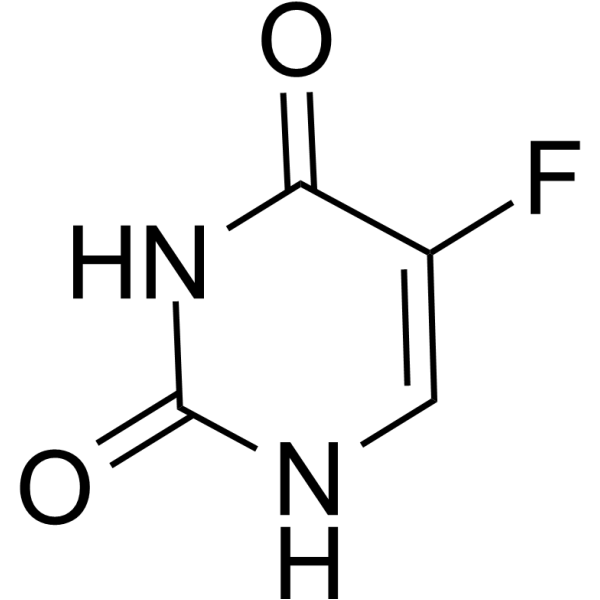
    5-Fluorouracil
    Maximum Cited Publications
    313 Publications Verification

    5-FU

    Exosomes Nucleoside Antimetabolite/Analog HIV Apoptosis Endogenous Metabolite Cancer
    5-Fluorouracil (5-FU) is an analogue of uracil and a potent antitumor agent. 5-Fluorouracil affects pyrimidine synthesis by inhibiting thymidylate synthetase thus depleting intracellular dTTP pools. 5-Fluorouracil induces apoptosis and can be used as a chemical sensitizer . 5-Fluorouracil also inhibits HIV .
    5-Fluorouracil
  • HY-B0097
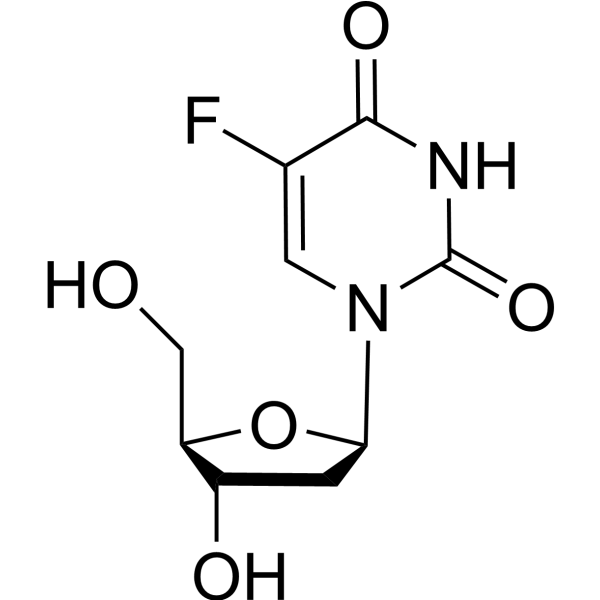
    Floxuridine
    10+ Cited Publications

    5-Fluorouracil 2'-deoxyriboside

    Nucleoside Antimetabolite/Analog DNA/RNA Synthesis Bacterial CMV HSV Apoptosis Infection Cancer
    Floxuridine (5-Fluorouracil 2'-deoxyriboside) is a pyrimidine analog and known as an oncology antimetabolite. Floxuridine inhibits Poly(ADP-Ribose) polymerase and induces DNA damage by activating the ATM and ATR checkpoint signaling pathways in vitro. Floxuridine is a extreamly potent inhibitor for S. aureus infection and induces cell apoptosis . Floxuridine has antiviral effects against HSV and CMV .
    Floxuridine
  • HY-129389
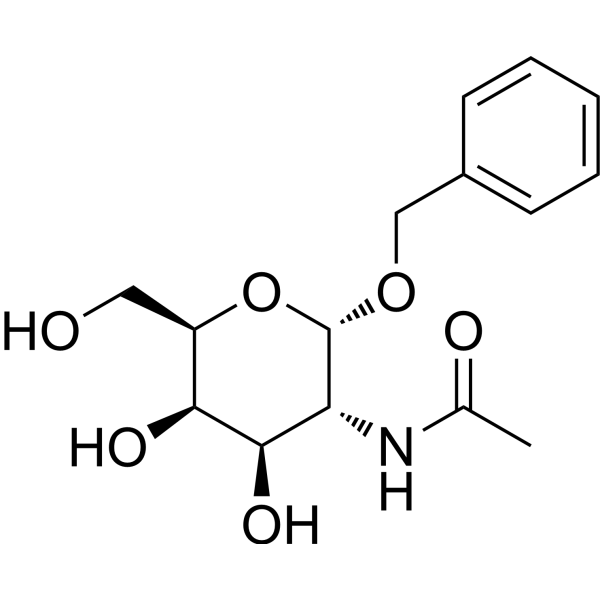
    Benzyl-α-GalNAc
    5+ Cited Publications

    Glycosyltransferase Cancer
    Benzyl-α-GalNAc is a potent O-glycosylation inhibitor. Benzyl-α-GalNAc effectively inhibits the proliferation and activation of LX-2 cells and suppresses the expression of collagen I/III, which has good potential for investigation in liver fibrosis. Benzyl-α-GalNAc also significantly enhances the anti-tumour activity of 5-Fluorouracil (HY-90006) (e.g. pancreatic cancer) by inhibiting O-glycosylation .
    Benzyl-α-GalNAc
  • HY-107856
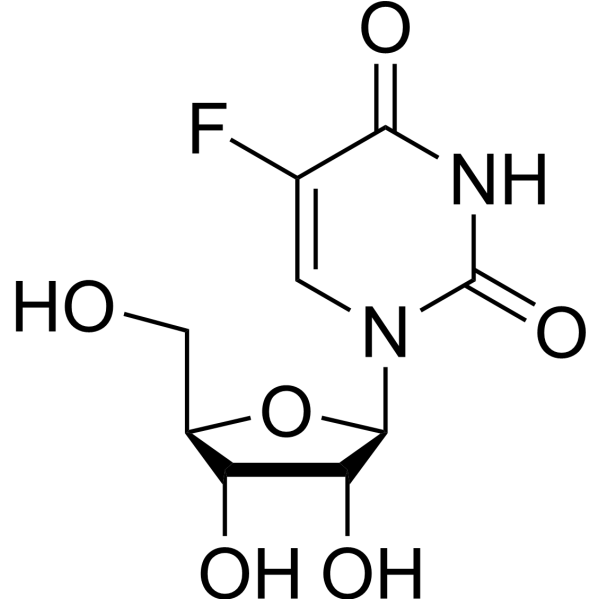
    5-Fluorouridine
    5+ Cited Publications

    Drug Metabolite DNA/RNA Synthesis Apoptosis Cancer
    5-Fluorouridine, a metabolite of5-Fluorouracil (HY-90006), is a potent ribozyme self-cleavage inhibitor. 5-Fluorouridine incorporates into both total and poly A RNA and has antiproliferative activity. 5-Fluorouridine induces apoptosis .
    5-Fluorouridine
  • HY-13667
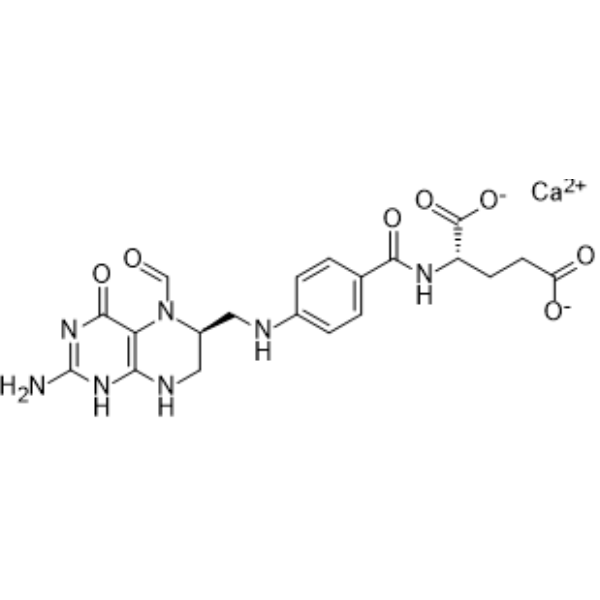
    Levoleucovorin Calcium
    3 Publications Verification

    Calcium levofolinate; CL307782

    Antifolate Cancer
    Levoleucovorin Calcium (Calcium levofolinate) is the active form of calcium Folinic acid (HY-13664) and has anti-tumor effects. Levoleucovorin Calcium is also a potentiator of the anti-cancer toxicity of 5-Fluorouracil (HY-90006) .
    Levoleucovorin Calcium
  • HY-106406
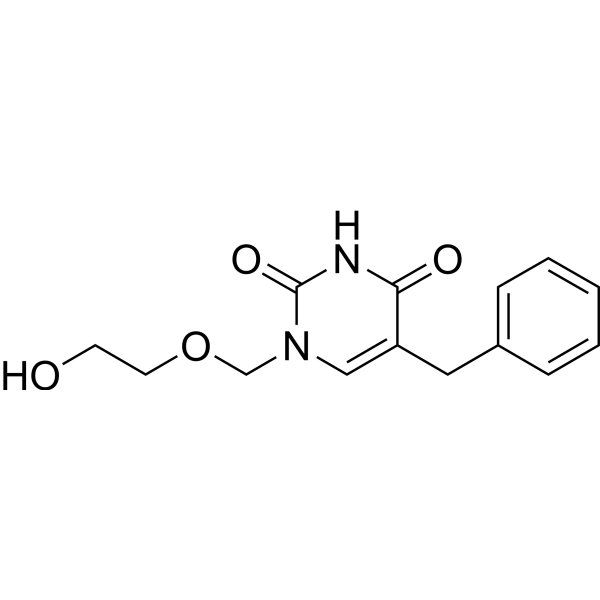
    Benzylacyclouridine
    2 Publications Verification

    BAU; 5-Benzylacyclouridine

    Drug Derivative Cancer
    Benzylacyclouridine (BAU) is a potent and specific inhibitor of uridine phosphorylase, the first enzyme in the catabolism of uridine. Benzylacyclouridine inhibits the metabolic activity of UPP1 and the activity of UPP2. Benzylacyclouridine can modulate the cytotoxic side effects of 5-fluorouracil (5-FU) and its derivatives .
    Benzylacyclouridine
  • HY-14905

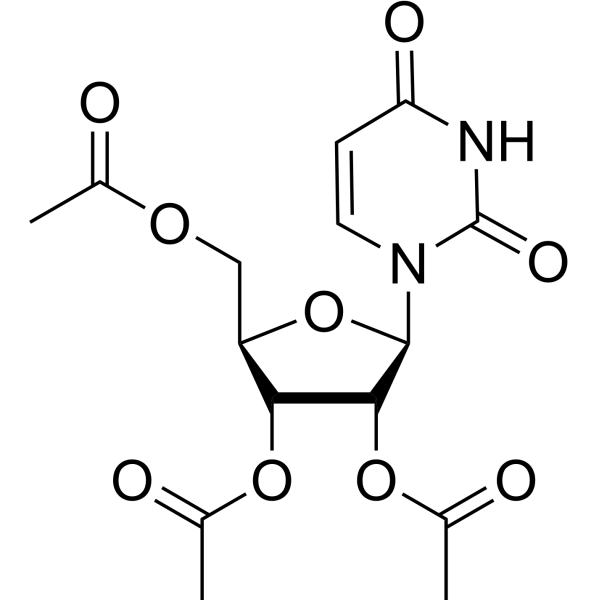
    Tri-O-acetyl uridine

    Drug Derivative Neurological Disease
    Uridine triacetate (Tri-O-acetyl uridine) is an orally active proagent of Uridine (HY-B1449). Uridine triacetate is quickly absorbed in the gut, and is rapidly deacetylated in the circulation to yield free uridine. Uridine triacetate is used for the research of 5-fluorouracil (5-FU) and capecitabine toxicity, or early-onset cardiac or central nervous system (CNS) .
    Uridine triacetate
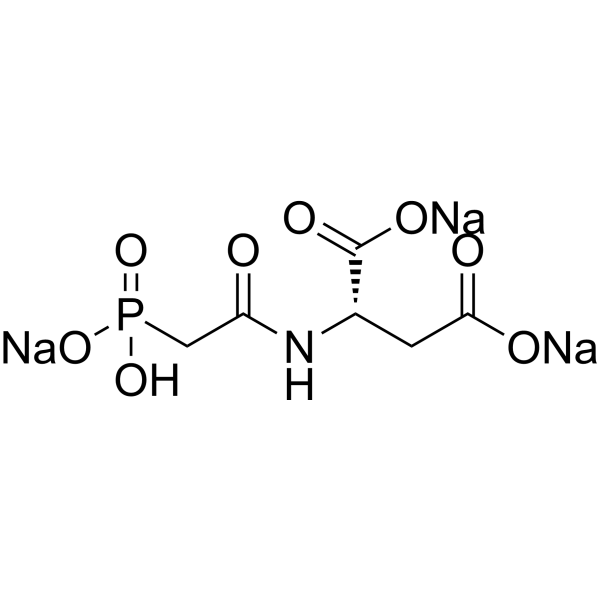
  • HY-112732B
    Sparfosic acid trisodium
    4 Publications Verification

    Apoptosis Metabolic Disease Cancer
    Sparfosic acid trisodium is a DNA antimetabolite agent and a potent inhibitor of aspartate transcarbamoyl transferase. Aspartate transcarbamoyl transferase catalyzes the second step of de novo pyrimidine biosynthesis. Sparfosic acid trisodium synergistically enhances the cytotoxicity of a combination of 5-fluorouracil (5-FU) and interferon-alpha (IFN) against human colon cancer cell lines .
    Sparfosic acid trisodium
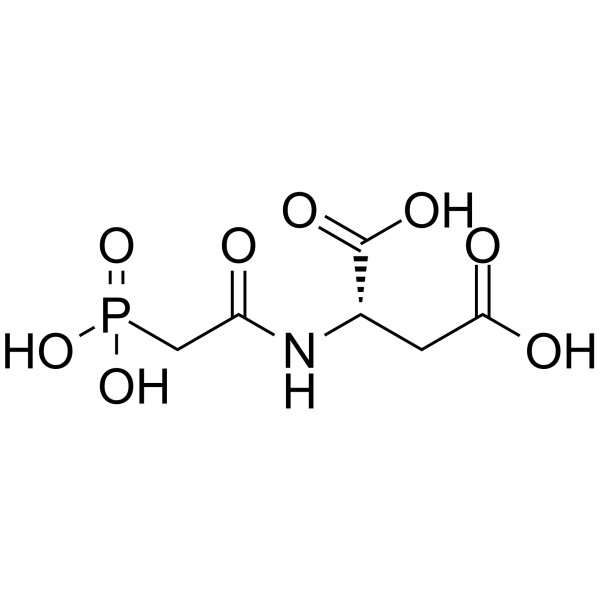
  • HY-112732
    Sparfosic acid
    4 Publications Verification

    Apoptosis Metabolic Disease Cancer
    Sparfosic acid, a DNA antimetabolite agent, is a potent inhibitor of aspartate transcarbamoyl transferase, the enzyme catalyzing the second step of de novo pyrimidine biosynthesis. Sparfosic acid synergistically enhances the cytotoxicity of a combination of 5-fluorouracil (5-FU) and interferon-alpha (IFN) against human colon cancer cell lines .
    Sparfosic acid
  • HY-90006R
    5-Fluorouracil (Standard)
    1 Publications Verification

    5-FU (Standard)

    Reference Standards Exosomes Nucleoside Antimetabolite/Analog HIV Apoptosis Endogenous Metabolite Cancer
    5-Fluorouracil (Standard) is the analytical standard of 5-Fluorouracil. This product is intended for research and analytical applications. 5-Fluorouracil (5-FU) is an analogue of uracil and a potent antitumor agent. 5-Fluorouracil affects pyrimidine synthesis by inhibiting thymidylate synthetase thus depleting intracellular dTTP pools. 5-Fluorouracil induces apoptosis and can be used as a chemical sensitizer . 5-Fluorouracil also inhibits HIV .
    5-Fluorouracil (Standard)
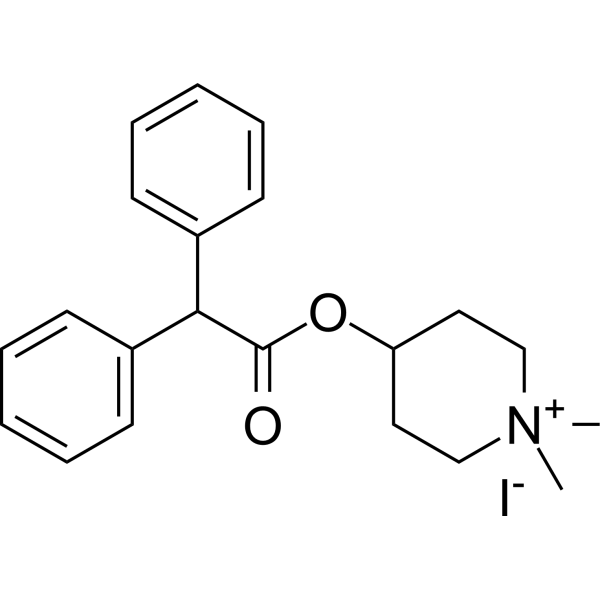
  • HY-100958
    4-DAMP
    4 Publications Verification

    4-DAMP methiodide

    mAChR Apoptosis MMP EGFR Interleukin Related Inflammation/Immunology Cancer
    4-DAMP (4-DAMP methiodide) is a potent and selective antagonist of M3 receptors and also has a high affinity for the closely-related M5 receptors. 4-DAMP combined with 5-Fluorouracil (5-Fu) (HY-90006) could significantly reduce the cell viability and enhance apoptosis in MKN45 and BGC823 gastric cancer cells. 4-DAMP inhibits lipopolysaccharide (LPS)- and tobacco-induced pulmonary inflammation and reduces mucin 5AC (MUC5AC), oligomeric mucus/gel-forming secretion .
    4-DAMP
  • HY-103181

    CPA; UK-80882

    Adenosine Receptor Apoptosis Cardiovascular Disease Neurological Disease Cancer
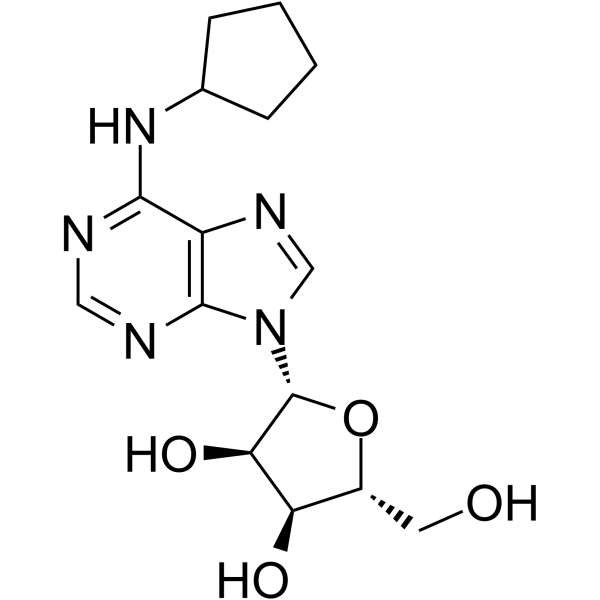
    N6-Cyclopentyladenosine (CPA) is a selective Adenosine A1 receptor agonist, with Ki values of 2.3 nM, 790 nM and 43 nM for human A1, A2A and A3 receptors, respectively. N6-cyclopentyladenosine increases Apoptosis. N6-Cyclopentyladenosine has antitumor activity against leukemia. N6-cyclopentyladenosine improves 5-fluorouracil (HY-90006)-induced hematopoietic damage, regulates sleep, and delays Aminophylline-induced clonic epileptic seizures .
    N6-Cyclopentyladenosine
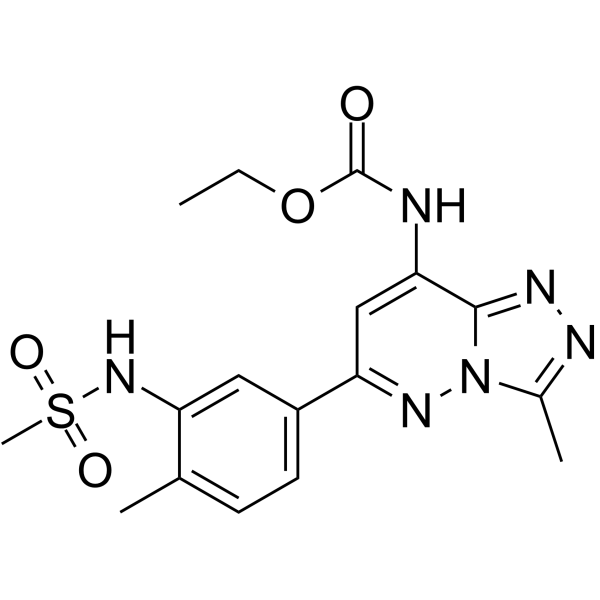
  • HY-15815
    Bromosporine
    5 Publications Verification

    Epigenetic Reader Domain Apoptosis CDK HIV Cancer
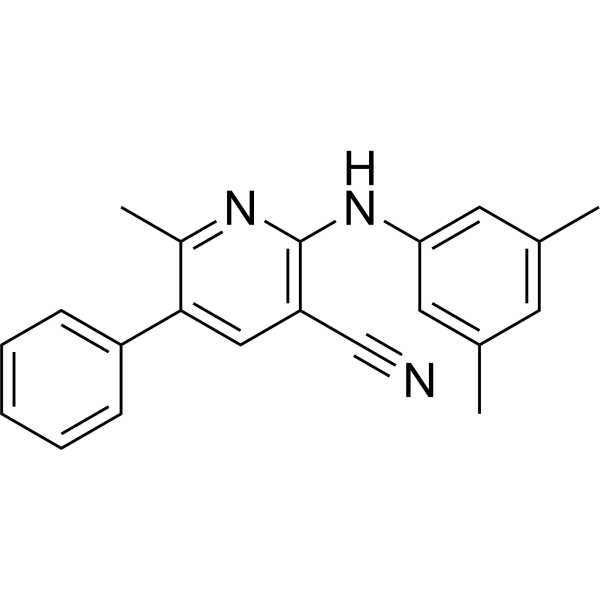
    Bromosporine, a chemical probe, is a potent BET inhibitor with an IC50 value of 2.1 μM for PCAF. Bromosporine can arrest cell cycle and induce apoptosis in cancer cells. Bromosporine exhibits excellent antitumor activity in xenograft mice model when combined with 5-Fluorouracil (HY-90006). Bromosporine can increase CDK9 T-loop phosphorylation in HIV-1 latency models, resulting the protection of reactivate HIV-1 replication from latency. Bromosporine can be used to research colorectal cancer, acute myeloid leukemia (AML) and AIDS .
    Bromosporine
  • HY-10533
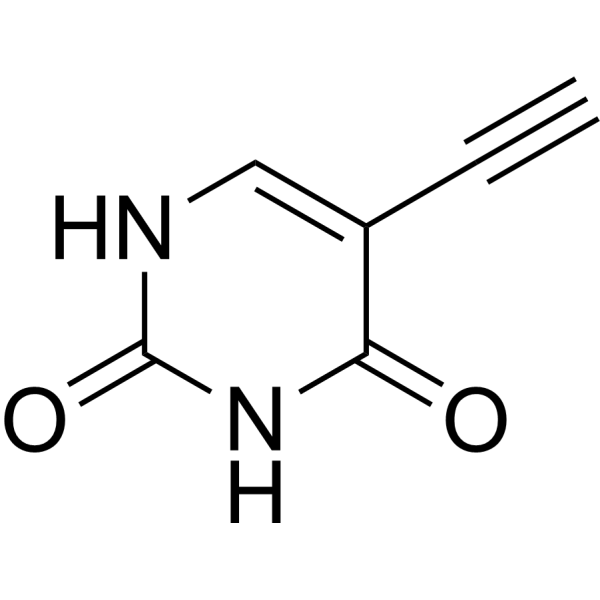
    Eniluracil
    1 Publications Verification

    5-Ethynyluracil; GW776C85

    Biochemical Assay Reagents Cancer
    Eniluracil (5-Ethynyluracil) is an orally active dihydropyrimidine dehydrogenase (DPD) inhibitor. Eniluracil irreversibly inhibits DPD, increases the oral bioavailability of 5-fluorouracil to 100%, and facilitates the uniform absorption and toxicity of 5-fluorouracil. Eniluracil can be used in cancer research of combination with fluoropyrimidines (including 5-fluorouracil) . Eniluracil is a click chemistry reagent, it contains an Alkyne group and can undergo copper-catalyzed azide-alkyne cycloaddition (CuAAc) with molecules containing Azide groups.
    Eniluracil
  • HY-134529A

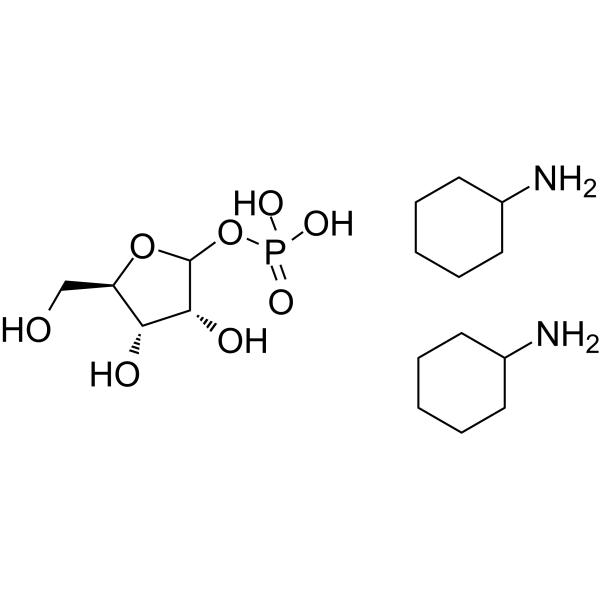
    Ribose 1-phosphate dicyclohexanamine

    Endogenous Metabolite Others
    D-Ribofuranose1-dihydrogenphosphate dicyclohexanamine, also known as ribose 1-phosphate, is the material for the synthesis of 5-fluorouracil (FUra) by uridine phosphorylase .
    D-Ribofuranose1-dihydrogenphosphate dicyclohexanamine
  • HY-W016819B

    5-Fluorouracil-6-carboxylic acid Monohydrate; 5-FOA; 5-fluoro OA

    Thymidylate Synthase Parasite Infection
    5-Fluoroorotic acid monohydrate is the monohydrate salt form of 5-Fluoroorotic acid (HY-W016819). 5-Fluoroorotic acid monohydrate is the inhibitor for thymidylate synthase that acts as a selective agent in yeast molecular genetics. 5-Fluoroorotic acid monohydrate exhibits antimalarial activity .
    5-Fluoroorotic acid monohydrate
  • HY-W009538

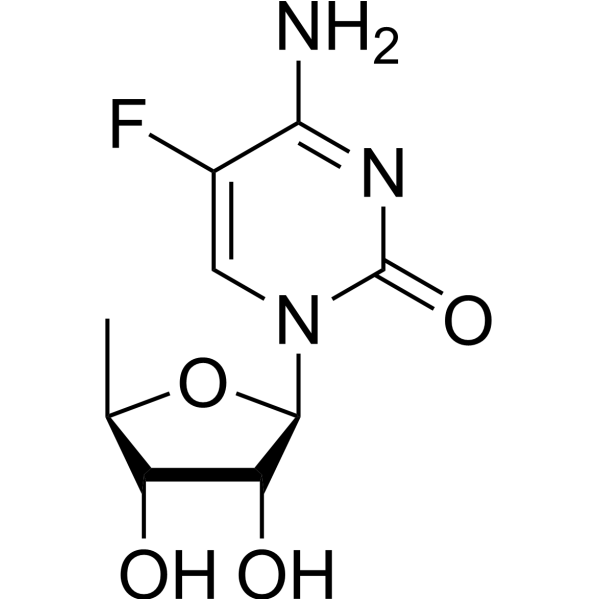
    5-Fluoro-5'-deoxycytidine

    Nucleoside Antimetabolite/Analog DNA/RNA Synthesis Drug Metabolite Cancer
    5'-Deoxy-5-fluorocytidine (5-Fluoro-5'-deoxycytidine) is a cytidine analog and metabolite of Capecitabine (HY-B0016). 5'-Deoxy-5-fluorocytidine is converted from Capecitabine by carboxylesterase in the liver. 5'-Deoxy-5-fluorocytidine is deaminated by cytidine deaminase to generate 5'-deoxy-5-fluorouridine, which is finally converted into 5-fluorouracil (HY-90006) by thymidine phosphorylase in tumor tissues to exert anti-tumor effects. 5'-Deoxy-5-fluorocytidine is used in the researches for solid tumors such as colorectal cancer, non-small cell lung cancer and breast cancer .
    5'-Deoxy-5-fluorocytidine
  • HY-90006S

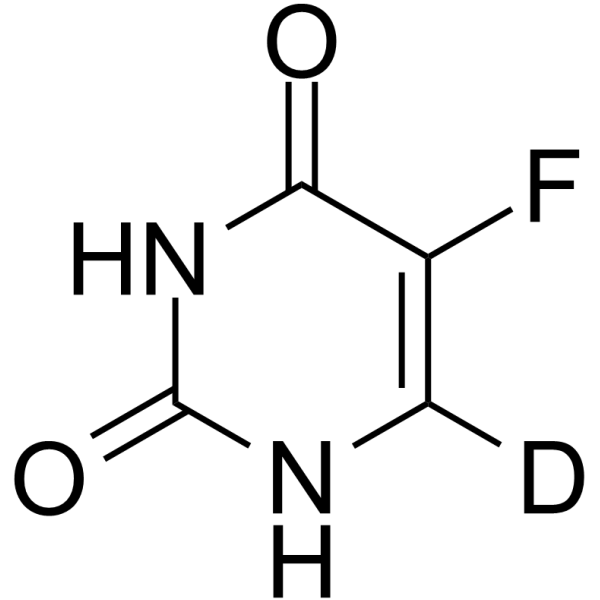
    5-FU-d1

    Isotope-Labeled Compounds Exosomes Nucleoside Antimetabolite/Analog HIV Apoptosis Endogenous Metabolite Cancer
    5-Fluorouracil-d is the deuterium labeled 5-Fluorouracil. 5-Fluorouracil (5-FU) is an analogue of uracil and a potent antitumor agent. 5-Fluorouracil affects pyrimidine synthesis by inhibiting thymidylate synthetase thus depleting intracellular dTTP pools. 5-Fluorouracil induces apoptosis and can be used as a chemical sensitizer . 5-Fluorouracil also inhibits HIV .
    5-Fluorouracil-d1
  • HY-78985

    Trimesic acid

    MOFs Biochemical Assay Reagents Others
    Benzene-1,3,5-tricarboxylic acid (Trimesic acid) is a rigid planar small-molecule scaffold and crosslinker. Benzene-1,3,5-tricarboxylic acid induces bicyclic peptides to adopt a planar conformation, so as to maximize surface area and bind to the flat protein surfaces involved in protein-protein interactions. Benzene-1,3,5-tricarboxylic acid forms ionic crosslinks, hydrogen bonds and π-π bonds with chitosan, thereby constructing a hydrogel network. Benzene-1,3,5-tricarboxylic acid endows chitosan hydrogel systems with specific mechanical properties, enabling sustained release of cancer therapeutic drugs including 5-Fluorouracil (HY-90006) .
    Benzene-1,3,5-tricarboxylic acid
  • HY-90006S1

    5-FU-13C,15N2

    Exosomes Apoptosis Nucleoside Antimetabolite/Analog HIV Endogenous Metabolite Cancer
    5-Fluorouracil- 13C, 15N2 is the 13C and 15N labeled 5-Fluorouracil . 5-Fluorouracil (5-FU) is an analogue of uracil and a potent antitumor agent. 5-Fluorouracil affects pyrimidine synthesis by inhibiting thymidylate synthetase thus depleting intracellular dTTP pools. 5-Fluorouracil induces apoptosis and can be used as a chemical sensitizer . 5-Fluorouracil also inhibits HIV .
    5-Fluorouracil-13C,15N2
  • HY-90006S2

    Exosomes Nucleoside Antimetabolite/Analog HIV Apoptosis Endogenous Metabolite Cancer
    5-Fluorouracil- 15N2 is the 15N-labeled 5-Fluorouracil. 5-Fluorouracil (5-FU) is an analogue of uracil and a potent antitumor agent. 5-Fluorouracil affects pyrimidine synthesis by inhibiting thymidylate synthetase thus depleting intracellular dTTP pools. 5-Fluorouracil induces apoptosis and can be used as a chemical sensitizer . 5-Fluorouracil also inhibits HIV .
    5-Fluorouracil-15N2
  • HY-134160

    5-DHFU; 5-Fluorodihydropyrimidine-2,4-dione; 5-Fluorodihydrouracil

    Nucleoside Antimetabolite/Analog Cancer
    5,6-Dihydro-5-Fluorouracil (5-DHFU; 5-Fluorodihydropyrimidine-2,4-dione) is the active metabolite of the thymidylate synthase inhibitor prodrug 5-fluorouracil (HY-90006), which is formed from 5-fluorouracil by dihydropyrimidine dehydrogenase (DPD). 5,6-Dihydro-5-Fluorouracil is cytotoxic to HaCaT keratinocytes (IC50=13.5 μM). Intravenous administration of 5,6-Dihydro-5-Fluorouracil (90 mg/kg/wk) in combination with 5-fluorouracil and the DPD inhibitor eniluracil (HY-10533) slows tumor growth in a rat colon cancer model.
    5,6-Dihydro-5-Fluorouracil
  • HY-I0959

    Fluorouracil impurity

    Biochemical Assay Reagents Others
    5-Chlorouracil (Fluorouracil Impurity) is a biochemical reagent that can be used as a biological material or organic compound for life science related research.
    5-Chlorouracil
  • HY-B0097R

    5-Fluorouracil 2'-deoxyriboside (Standard)

    Reference Standards Nucleoside Antimetabolite/Analog DNA/RNA Synthesis Bacterial CMV HSV Apoptosis Infection Cancer
    Floxuridine (Standard) is the analytical standard of Floxuridine. This product is intended for research and analytical applications. Floxuridine (5-Fluorouracil 2'-deoxyriboside) is a pyrimidine analog and known as an oncology antimetabolite. Floxuridine inhibits Poly(ADP-Ribose) polymerase and induces DNA damage by activating the ATM and ATR checkpoint signaling pathways in vitro. Floxuridine is a extreamly potent inhibitor for S. aureus infection and induces cell apoptosis . Floxuridine has antiviral effects against HSV and CMV .
    Floxuridine (Standard)
  • HY-169474

    PAMAM G1.0

    Biochemical Assay Reagents Cancer
    Starburst 1st Generation (PAMAM G1.0) is a Polyamidoamine (HY-164657; PAMAM) dendrimer with amine termini that has been used as a drug delivery system in vitro. Starburst 1st Generation conjugated to di-n-dodecylamine and encapsulating 5-Fluorouracil (HY-90006) increase the solubility of 5-Fluorouracil and are cytotoxic to AGS gastric adenocarcinoma cells .
    Starburst 1st generation (13.93% w/w in water)
  • HY-W010450R

    Reference Standards Endogenous Metabolite Metabolic Disease Cancer
    Thymine (Standard) is the analytical standard of Thymine. This product is intended for research and analytical applications. Thymine is one of the four nucleobases in the nucleic acid of DNA and can be a target for actions of 5-fluorouracil (5-FU) in cancer treatment, with a Km of 2.3 μM.
    Thymine (Standard)
  • HY-154508

    2’-Deoxy-5-Fluorouridine 5’-phosphate triethylammonium

    Nucleoside Antimetabolite/Analog Thymidylate Synthase Cancer
    FdUMP triethylammonium is the intracellular active form of 5-fluorouracil (5-FU). 5-FU is converted to FdUMP after being transported into the cell by various enzymes. FdUMP forms a ternary complex with thymidylate synthase and its cofactor 5,10-methylene tetrahydrofolate, inhibiting the activity of thymidylate synthase, which in turn leads to the suppression of DNA synthesis.
    FdUMP triethylammonium
  • HY-163828

    Apoptosis Phosphatase c-Myc GSK-3 ERK Reactive Oxygen Species (ROS) Cancer
    PPA24 is a PP2A activator with a KD of 8.465 μM for PP2ACα. PPA24 induces cancer cell death via apoptosis. PP2ACα induces ROS generation and decreases the level of c-Myc expression. PPA24 can be used to study colorectal cancer (CRC), Folinic acid (HY-17556), 5-Fluorouracil (HY-90006), and Oxaliplatin (HY-17371) (FOLFOX)-resistant CRC, and melanoma cancer .
    PPA24
  • HY-16138

    CG-200745

    HDAC MDM-2/p53 Apoptosis Cancer
    Ivaltinostat (CG-200745) is an orally active, potent pan-HDAC inhibitor which has the hydroxamic acid moiety to bind zinc at the bottom of catalytic pocket. Ivaltinostat inhibits deacetylation of histone H3 and tubulin. Ivaltinostat induces the accumulation of p53, promotes p53-dependent transactivation, and enhances the expression of MDM2 and p21 (Waf1/Cip1) proteins. Ivaltinostat enhances the sensitivity of Gemcitabine-resistant cells to Gemcitabine (HY-16138) and 5-Fluorouracil (5-FU; HY-90006). Ivaltinostat induces apoptosis and has anti-tumour effects .
    Ivaltinostat
  • HY-16138A

    CG-200745 formic

    HDAC MDM-2/p53 Apoptosis Inflammation/Immunology Endocrinology Cancer
    Ivaltinostat (CG-200745) formic is an orally active, potent pan-HDAC inhibitor which has the hydroxamic acid moiety to bind zinc at the bottom of catalytic pocket. Ivaltinostat formic inhibits deacetylation of histone H3 and tubulin. Ivaltinostat formic induces the accumulation of p53, promotes p53-dependent transactivation, and enhances the expression of MDM2 and p21 (Waf1/Cip1) proteins. Ivaltinostat formic enhances the sensitivity of Gemcitabine-resistant cells to Gemcitabine (HY-16138) and 5-Fluorouracil (5-FU; HY-90006). Ivaltinostat formic induces apoptosis and has anti-tumour effects .
    Ivaltinostat formic
  • HY-P2496

    Endothelin Receptor Fluorescent Dye NF-κB COX Prostaglandin Receptor Apoptosis TNF Receptor Interleukin Related MMP Cardiovascular Disease Inflammation/Immunology Cancer
    Endothelin 1 (swine, human), Alexa Fluor 488-labeled is an Endothelin-1 conjugated with Alexa Fluor 488 (HY-D1304). Endothelin-1 is an endogenous vasoconstrictor and agonist of ETA/ETB receptor. Endothelin 1 (swine, human) exerts effects including promoting mitosis, angiogenesis, tumor invasion and metastasis, and inhibiting apoptosis. Endothelin 1 (swine, human) induces inflammation and oxidative stress by activating the NF-κB pathway. Endothelin 1 (swine, human), Alexa Fluor 488-labeled is specifically designed for fluorescence imaging, flow cytometry or receptor localization studies, and can be used in research related to sepsis, atherosclerosis, systemic inflammatory response syndrome, cancer and congestive heart failure .
    Endothelin 1 (swine, human), Alexa Fluor 488-labeled
  • HY-P5372A

    Protease Activated Receptor (PAR) Cancer
    Ala-parafluoroPhe-Arg-Cha-Cit-Tyr-NH2 TFA, a bioactive peptide, is a selective Protease activating receptor 1 (PAR-1) agonist over PAR-2. PAR-1 belongs to a subfamily of G-protein coupled receptors and is known to mediate the cellular effects of thrombin. In addition to its varied cellular effects of thrombin, PAR-1 has also been shown to coordinate with PAR-4 and regulate thrombin-induced hepatocellular carcinoma harboring thrombin formation within the tumor environment classified as 'coagulation type' .
    Ala-parafluoroPhe-Arg-Cha-Cit-Tyr-NH2 TFA
  • HY-W010450S4

    Endogenous Metabolite Cancer
    Thymine-d4-1 is the deuterium labeled Thymine . Thymine is one of the four nucleobases in the nucleic acid of DNA and can be a target for actions of 5-fluorouracil (5-FU) in cancer treatment, with a Km of 2.3 μM .
    Thymine-d4-1
  • HY-109051

    Endogenous Metabolite Cancer
    Arfolitixorin is a potent 5-Fluorouracil (5-FU) moderator. Arfolitixorin is an immediately active form of Folate, [6R]-5,10-methylenetetrahydrofolate ([6R]-MTHF). Arfolitixorin is potent for the research of metastatic colorectal cancer .
    Arfolitixorin
  • HY-N3316
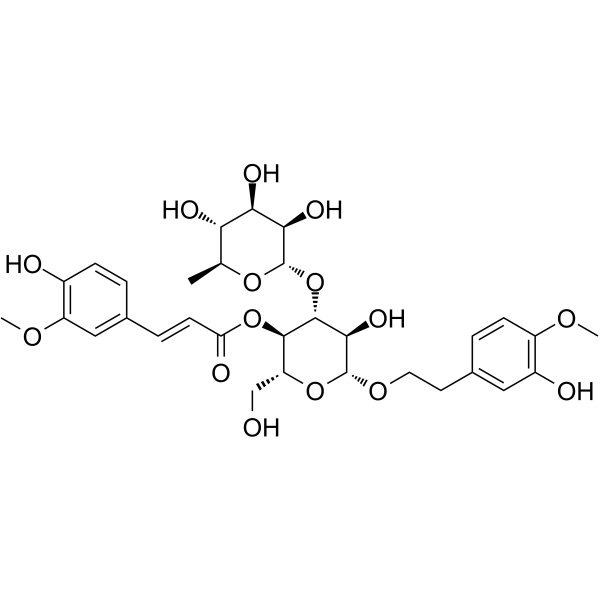
    Martynoside
    1 Publications Verification

    Others
    Martynoside protects ex vivo bone marrow cells from 5-fluorouracil (5-FU)-induced cell death and inflammation response by down-regulating the TNF signaling pathway .Martynoside is a potent antiestrogen in MCF-7 cells, increasing IGFBP3 levels
    Martynoside
  • HY-W747214

    Isotope-Labeled Compounds Endogenous Metabolite Cancer
    Thymine- 15N2, 13C is the 13C and 15N labeled Thymine (HY-W010450). Thymine is one of the four nucleobases in the nucleic acid of DNA and can be a target for actions of 5-Fluorouracil (HY-90006) in cancer treatment, with a Km of 2.3 μM .
    Thymine-15N2,13C
  • HY-107856R

    Drug Metabolite Reference Standards DNA/RNA Synthesis Apoptosis Cancer
    5-Fluorouridine (Standard) is the analytical standard of 5-Fluorouridine. This product is intended for research and analytical applications. 5-Fluorouridine, a metabolite of5-Fluorouracil (HY-90006), is a potent ribozyme self-cleavage inhibitor. 5-Fluorouridine incorporates into both total and poly A RNA and has antiproliferative activity. 5-Fluorouridine induces apoptosis .
    5-Fluorouridine (Standard)
  • HY-106218

    5-Fluorocyclocytidine; 5'-Fluorocyclocytidine

    Nucleoside Antimetabolite/Analog Cancer
    Flurocitabine (5-Fluorocyclocytidine) is a fluorinated anlydride analog of cytosine arabinoside, partially hydrolysecl in vivo into two active antitumor substances (arabinosyl-tluorocytosine (ara-FC) and arabinosyl-fluorouracil (ara-FU)). Flurocitabine (5-Fluorocyclocytidine) has antitumor activity during phase I studies in acute leukemia and solid tumors .
    Flurocitabine
  • HY-W009538R

    5-Fluoro-5'-deoxycytidine (Standard)

    Nucleoside Antimetabolite/Analog Reference Standards DNA/RNA Synthesis Drug Metabolite Cancer
    5'-Deoxy-5-fluorocytidine (Standard) is the analytical standard of 5'-Deoxy-5-fluorocytidine (HY-W009538). This product is intended for research and analytical applications. 5'-Deoxy-5-fluorocytidine (5-Fluoro-5'-deoxycytidine) is a cytidine analog and metabolite of Capecitabine (HY-B0016). 5'-Deoxy-5-fluorocytidine is converted from Capecitabine by carboxylesterase in the liver. 5'-Deoxy-5-fluorocytidine is deaminated by cytidine deaminase to generate 5'-deoxy-5-fluorouridine, which is finally converted into 5-fluorouracil (HY-90006) by thymidine phosphorylase in tumor tissues to exert anti-tumor effects. 5'-Deoxy-5-fluorocytidine is used in the researches for solid tumors such as colorectal cancer, non-small cell lung cancer and breast cancer .
    5'-Deoxy-5-fluorocytidine (Standard)
  • HY-154128

    Nucleoside Antimetabolite/Analog Cancer
    1-(b-D-Xylofuranosyl)-5-fluorouracil is a purine nucleoside analog. Purine nucleoside analogs have broad antitumor activity targeting indolent lymphoid malignancies. Anticancer mechanisms in this process rely on inhibition of DNA synthesis, induction of apoptosis, etc .
    1-(b-D-Xylofuranosyl)-5-fluorouracil
  • HY-I0959R

    Fluorouracil impurity (Standard)

    Biochemical Assay Reagents Reference Standards Others
    5-Chlorouracil (Standard) is the analytical standard of 5-Chlorouracil. This product is intended for research and analytical applications. 5-Chlorouracil (Fluorouracil Impurity) is a biochemical reagent that can be used as a biological material or organic compound for life science related research.
    5-Chlorouracil (Standard)
  • HY-W766548

    5-Fluorouracil 2'-deoxyriboside-13C,15N2

    Isotope-Labeled Compounds Apoptosis Nucleoside Antimetabolite/Analog CMV HSV Bacterial DNA/RNA Synthesis Cancer
    Floxuridine- 13C, 15N2 (5-Fluorouracil 2'-deoxyriboside- 13C, 15N2) is the 13C- and 15N-labeled labeled Floxuridine (HY-B0097). Floxuridine (5-Fluorouracil 2'-deoxyriboside) is a pyrimidine analog and known as an oncology antimetabolite. Floxuridine inhibits Poly(ADP-Ribose) polymerase and induces DNA damage by activating the ATM and ATR checkpoint signaling pathways in vitro. Floxuridine is a extreamly potent inhibitor for S. aureus infection and induces cell apoptosis . Floxuridine has antiviral effects against HSV and CMV .
    Floxuridine-13C,15N2
  • HY-134160S

    5-DHFU-13C,15N2; 5-Fluorodihydropyrimidine-2,4-dione-13C,15N2; 5-Fluorodihydrouracil-13C,15N2

    Isotope-Labeled Compounds Nucleoside Antimetabolite/Analog Cancer
    5,6-Dihydro-5-Fluorouracil- 13C, 15N2 (5-DHFU- 13C, 15N2) is the 13C- and 15N-labeled labeled 5,6-Dihydro-5-Fluorouracil (HY-134160). 5,6-Dihydro-5-Fluorouracil (5-DHFU; 5-Fluorodihydropyrimidine-2,4-dione) is the active metabolite of the thymidylate synthase inhibitor prodrug 5-fluorouracil (HY-90006), which is formed from 5-fluorouracil by dihydropyrimidine dehydrogenase (DPD). 5,6-Dihydro-5-Fluorouracil is cytotoxic to HaCaT keratinocytes (IC50=13.5 μM). Intravenous administration of 5,6-Dihydro-5-Fluorouracil (90 mg/kg/wk) in combination with 5-fluorouracil and the DPD inhibitor eniluracil (HY-10533) slows tumor growth in a rat colon cancer model.
    5,6-Dihydro-5-Fluorouracil-13C,15N2
  • HY-W010450S

    Isotope-Labeled Compounds Endogenous Metabolite Metabolic Disease Cancer
    Thymine-d4 is the deuterium labeled Thymine. Thymine is one of the four nucleobases in the nucleic acid of DNA and can be a target for actions of 5-fluorouracil (5-FU) in cancer treatment, with a Km of 2.3 μM.
    Thymine-d4
  • HY-W010450S3

    Endogenous Metabolite DNA/RNA Synthesis Cancer
    Thymine- 13C is the 13C labeled Thymine . Thymine is one of the four nucleobases in the nucleic acid of DNA and can be a target for actions of 5-fluorouracil (5-FU) in cancer treatment, with a Km of 2.3 μM .
    Thymine-13C
  • HY-145311

    Nucleoside Antimetabolite/Analog Cancer
    Bis-Pro-5FU (Compound 4) is a 5-FU precursor that confers oral bioavailability and increase the safety profile of 5-Fluorouracil (5-FU) chemotherapy regimens. 5-FU is an antineoplastic antimetabolite that is widely used for the research of colorectal and pancreatic cancer .
    Bis-Pro-5FU
  • HY-P5372

    Protease Activated Receptor (PAR) Cancer
    Ala-parafluoroPhe-Arg-Cha-Cit-Tyr-NH2, a bioactive peptide, is a selective Protease activating receptor 1 (PAR-1) agonist over PAR-2. PAR-1 belongs to a subfamily of G-protein coupled receptors and is known to mediate the cellular effects of thrombin. In addition to its varied cellular effects of thrombin, PAR-1 has also been shown to coordinate with PAR-4 and regulate thrombin-induced hepatocellular carcinoma harboring thrombin formation within the tumor environment classified as 'coagulation type' .
    Ala-parafluoroPhe-Arg-Cha-Cit-Tyr-NH2
  • HY-W438351

    RANKL/RANK Metabolic Disease
    1,3-Dibenzyl-5-fluorouracil is a chemical inhibitor of osteoclastogenesis. 1,3-Dibenzyl-5-fluorouracil inhibits the expression of osteoclast markers by downregulating the receptor activator of NF-κB ligand (RANKL) and macrophage colony-stimulating factor (M-CSF) signaling pathways. 1,3-Dibenzyl-5-fluorouracil can be used in the study of metabolic bone diseases .
    1,3-Dibenzyl-5-fluorouracil
  • HY-U00130

    A-​OT-​Fu

    Nucleoside Antimetabolite/Analog Cancer
    1-Acetyl-3-o-toluyl-5-fluorouracil is a potent antitumor agent and a 5-fluorouracil analog.
    1-Acetyl-3-o-toluyl-5-fluorouracil
  • HY-90006S3

    5-FU-13C4,15N2

    Exosomes Apoptosis Nucleoside Antimetabolite/Analog HIV Endogenous Metabolite Cancer
    5-Fluorouracil- 13C4, 15N2 is the 13C and 15N labeled 5-Fluorouracil . 5-Fluorouracil (5-FU) is an analogue of uracil and a potent antitumor agent. 5-Fluorouracil affects pyrimidine synthesis by inhibiting thymidylate synthetase thus depleting intracellular dTTP pools. 5-Fluorouracil induces apoptosis and can be used as a chemical sensitizer . 5-Fluorouracil also inhibits HIV .
    5-Fluorouracil-13C4,15N2

Inquiry Online

Your information is safe with us. * Required Fields.

Salutation


Country or Region *

Applicant Name *


Organization Name *

Department *


Email Address *


Product Name *

Cat. No.


Requested quantity *

Phone Number *


Remarks

Inquiry Online

Inquiry Information

Product Name:
Cat. No.:
Quantity:
MCE Japan Authorized Agent:

