
1. Search Result
Search Result
Results for "

Glycolytic

" in MedChemExpress (MCE) Product Catalog:

77

Inhibitors & Agonists

3

Screening Libraries

1

Fluorescent Dyes

3

Biochemical Assay Reagents

2

Peptides

7

Natural
Products

8

Isotope-Labeled Compounds

1

Antibodies

1

Click Chemistry

Cat. No. Product Name Target Research Areas Chemical Structure
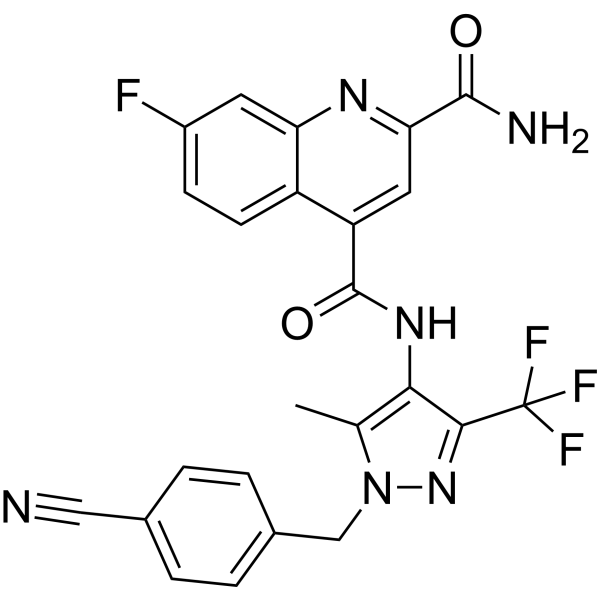
  • HY-100017
    BAY-876
    Maximum Cited Publications
    52 Publications Verification

    GLUT Disulfidptosis Cancer
    BAY-876, a chemical probe, is an orally active and selective glucose transporter 1 (GLUT1) inhibitor with an IC50 of 2 nM. BAY-876 is >130-fold more selective for GLUT1 than GLUT2, GLUT3, and GLUT4. BAY-876 is also a potent blocker of glycolytic metabolism and ovarian cancer growth. In addition, BAY-876 can induce the formation of disulfide bonds in actin cytoskeletal proteins, leading to the occurrence of cellular disulfidptosis .
    BAY-876
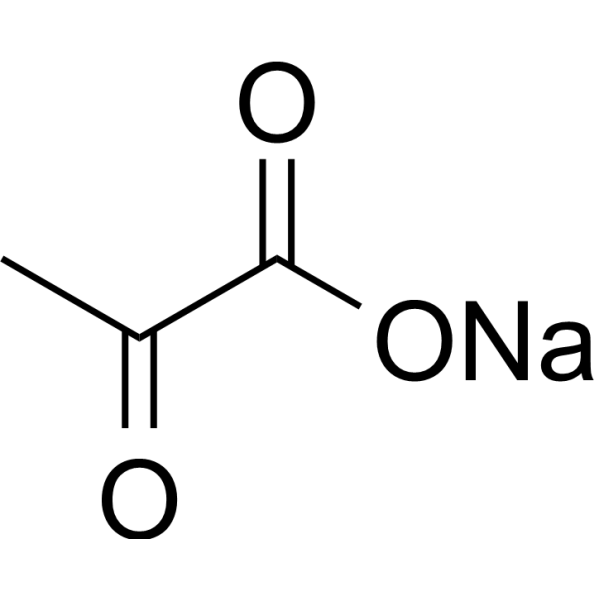
  • HY-W015913
    Pyruvic acid sodium
    15+ Cited Publications

    Sodium 2-oxopropanoate; Acetylformic acid sodium

    Reactive Oxygen Species (ROS) Endogenous Metabolite Metabolic Disease
    Sodium 2-oxopropanoate (Sodium pyruvate), a three-carbon metabolite of Glucose, is a compound produced in the glycolytic pathway. Sodium 2-oxopropanoate is a free radical scavenger that can scavenge ROS .
    Pyruvic acid sodium
  • HY-113407A

    Endogenous Metabolite FBPase Neurological Disease Metabolic Disease
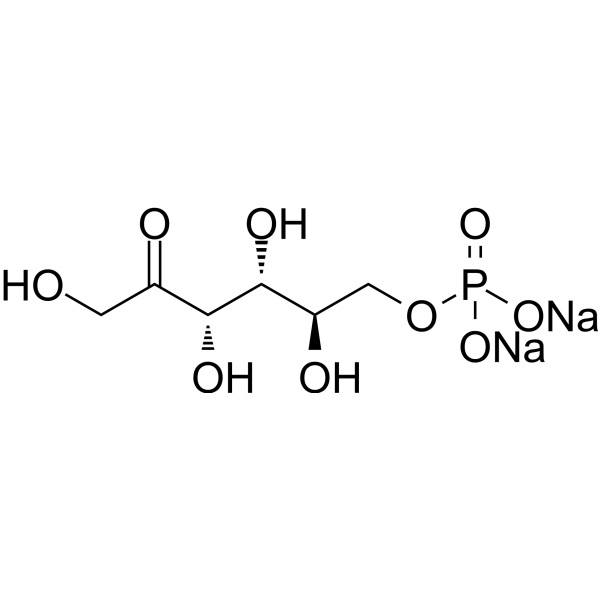
    D-Fructose 6-phosphate disodium is an endogenous metabolite. D-Fructose 6-phosphate disodium can be obtained by hydrolysis of Fructose-1,6-bisphosphatase (FBPase). D-Fructose-6-phosphate disodium is a sugar intermediate in the glycolysis pathway and the pentose phosphate pathway. D-Fructose-6-phosphate disodium can be used to detect glucosamine-6-phosphate synthase and TAL activities. D-Fructose 6-phosphate disodium can be used to study Lewy body dementia .
    D-Fructose-6-phosphate disodium
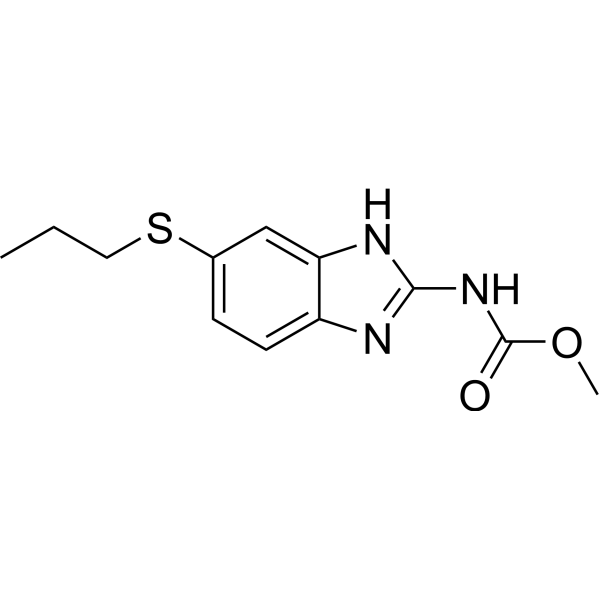
  • HY-B0223
    Albendazole
    5+ Cited Publications

    SKF-62979

    Parasite Microtubule/Tubulin Autophagy Apoptosis Reactive Oxygen Species (ROS) VEGFR HIF/HIF Prolyl-Hydroxylase Antibiotic Bacterial Infection Cancer
    Albendazole (SKF-62979) is an orally active and broad-spectrum parasiticide with high effectiveness and low host toxicity, is used for the research of gastrointestinal parasites in humans and animals. Albendazole induces apoptosis and autophagy in cancer cells. Albendazole also inhibits tubulin polymerization and HIF-1α, VEGF expression, has antioxidant activity, and inhibits the glycolytic process in cancer cells .
    Albendazole
  • HY-12689
    Mitapivat
    3 Publications Verification

    AG-348

    Pyruvate Kinase Metabolic Disease
    Mitapivat (AG-348) is an orally active pyruvate kinase allosteric activator. Mitapivat increases enzymatic activity, protein stability, and ATP levels over a broad range of PKLR genotypes, shows the potential to restore the activity of PK (pyruvate kinase)-deficient glycolytic pathways. Mitapivat can be used in study of PK deficiency .
    Mitapivat
  • HY-D1063
    IR-780
    5+ Cited Publications

    Fluorescent Dye Apoptosis Reactive Oxygen Species (ROS) Cancer
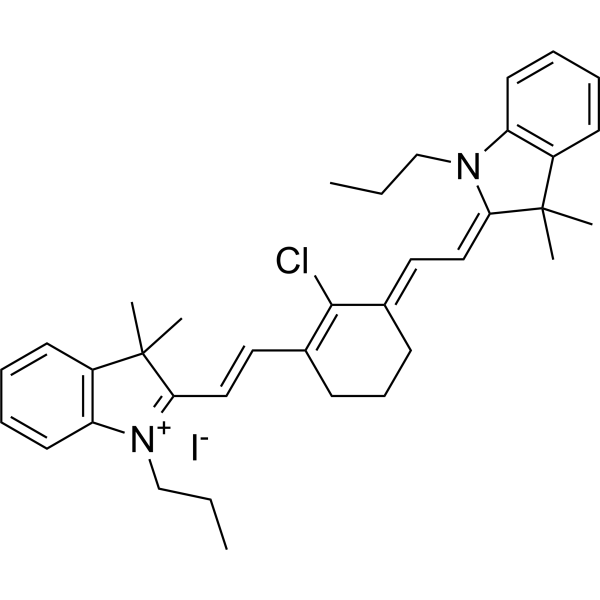
    IR-780 is a near-infrared fluorescent probe for in vivo imaging of tumor cells. IR-780 is transported into tumor cells via OATPs and ABCB10, with uptake dependent on glycolytic activity and plasma membrane potential. IR-780 preferentially accumulates in tumor cell mitochondria, including those of drug-resistant cancer cells, without chemical conjugation. IR-780 generates reactive oxygen species (ROS), induces hyperthermia and apoptosis, inhibits tumor growth and recurrence, and modulates HSP70 expression upon ultrasound or 808 nm laser exposure. IR-780 acts as a sonosensitizer, photodynamic and photothermal agent, and drug delivery carrier, with low acute imaging-dose toxicity and rapid vital organ clearance. IR-780 can be used for the research of cancer, such as breast cancer, lung cancer, and non-small cell lung cancer (NSCLC) .
    IR-780
  • HY-W015913S
    Pyruvic acid-13C3 sodium
    1 Publications Verification

    Sodium 2-oxopropanoate-13C3; Acetylformic acid-13C3 sodium

    Reactive Oxygen Species (ROS) Endogenous Metabolite Metabolic Disease
    Sodium 2-oxopropanoate- 13C3 is the 13C-labeled Sodium 2-oxopropanoate. Sodium 2-oxopropanoate (Sodium pyruvate), a three-carbon metabolite of Glucose, is a compound produced in the glycolytic pathway. Sodium 2-oxopropanoate is a free radical scavenger that can scavenge ROS .
    Pyruvic acid-13C3 sodium
  • HY-12025
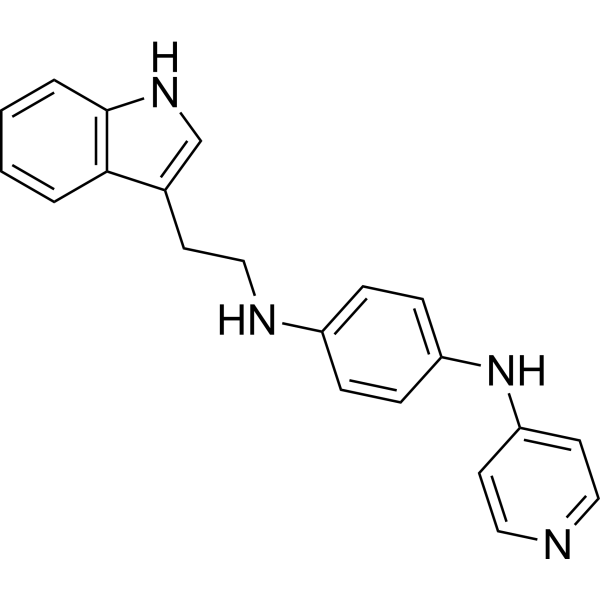
    Serdemetan
    3 Publications Verification

    JNJ-26854165

    MDM-2/p53 E1/E2/E3 Enzyme Apoptosis Cancer
    Serdemetan (JNJ-26854165) is a potent anticancer agent with radiosensitizing activity. Serdemetan exhibits antiproliferative activity in various p53 wild-type tumor cells. Serdemetan also antagonizes the Mdm2-HIF1α axis leading to decreased levels of glycolytic enzymes .
    Serdemetan
  • HY-D0186
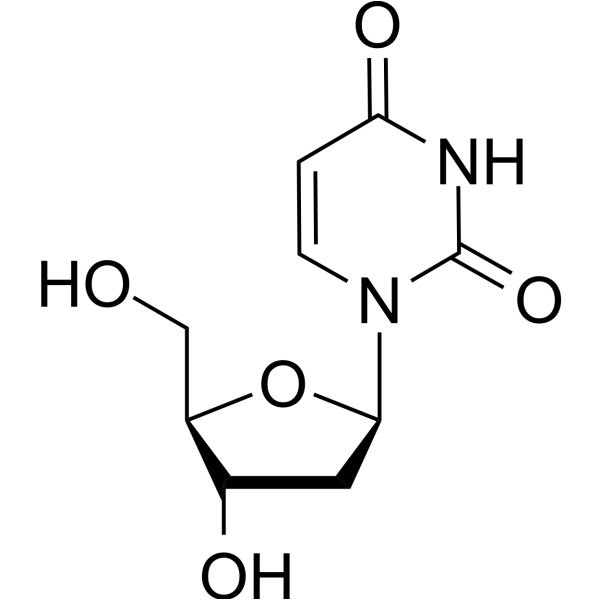
    2'-Deoxyuridine
    3 Publications Verification

    Endogenous Metabolite Thymidylate Synthase Infection
    2’-deoxyuridine is a brain-penetrant pyrimidines nucleotide that is associated with nervous system diseases. 2'-Deoxyuridine could increase chromosome breakage and results in a decreased thymidylate synthetase activity. 2'-Deoxyuridine is a precursor in the synthesis of Edoxudine (HY-B1011) and also an analogue of 5-ethynyl-2'-deoxyuridine, EdU (HY-118411). 2’-deoxyuridine reduces microglial activation and improve oxidative stress damage by modulating glycolytic metabolism on the Aβ25-35-induced brain injury, which is promising for research of Alzheimer’s disease (AD) .
    2'-Deoxyuridine
  • HY-113167

    DL-2-phosphoglyceric acid

    ACSL Family Endogenous Metabolite Ferroptosis Glutathione Peroxidase Reactive Oxygen Species (ROS) Metabolic Disease
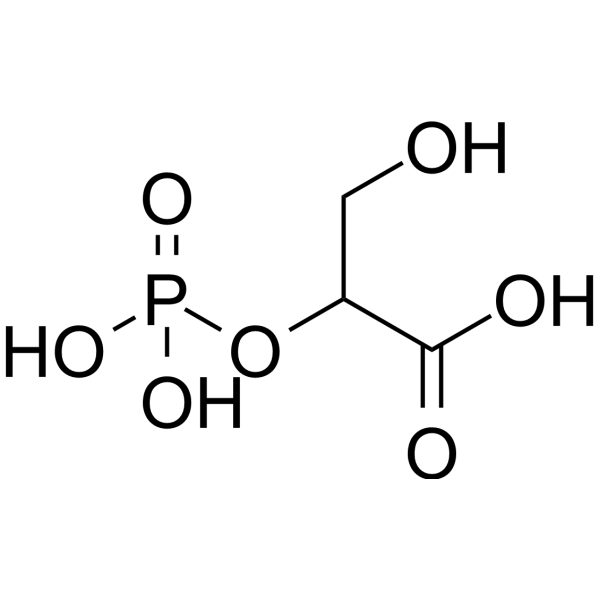
    2-Phosphoglyceric acid (DL-2-phosphoglyceric acid) is a glycolytic substrate that is catalyzed by enolase to form phosphoenolpyruvate ester (PEP). 2-Phosphoglyceric acid inhibits the ferroptosis pathway by down-regulating ACSL4 and up-regulating GPX4, and has significant neuroprotective effects. 2-Phosphoglyceric acid reflects the overall metabolic state and flux of the cell .
    2-Phosphoglyceric acid
  • HY-12406
    VLX600
    2 Publications Verification

    Oxidative Phosphorylation Mitochondrial Metabolism Autophagy Cancer
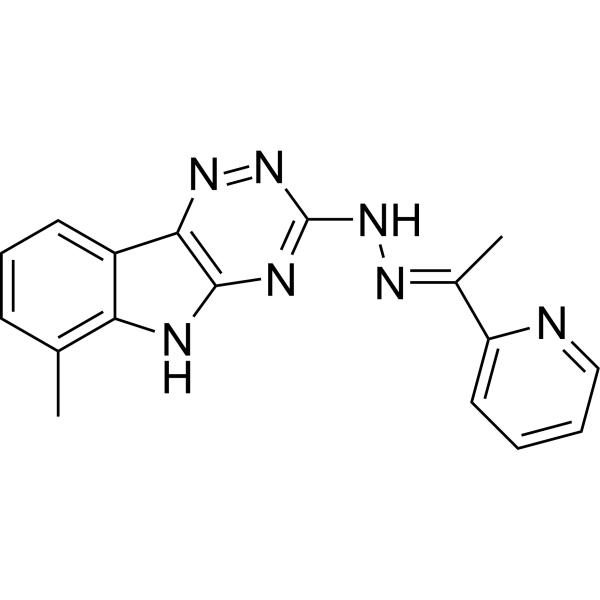
    VLX600 is an iron-chelating inhibitor of oxidative phosphorylation (OXPHOS). VLX600 causes mitochondrial dysfunction and induces a strong shift to glycolysis. VLX600 displays selective cytotoxic activity against malignant cell and induces autophagy. Anticancer activity .
    VLX600
  • HY-120929
    BI8622
    4 Publications Verification

    E1/E2/E3 Enzyme c-Myc Inflammation/Immunology Cancer
    BI8622 is a specific inhibitor of the ubiquitin ligase HUWE1 with an IC50 of 3.1 μM. BI8622 can decrease the protein expression levels of c-myc and glycolytic markers as well as immune modulatory markers after HUWE1 inhibition in triple-negative breast cancer (TNBC) cell lines. BI8622 significantly protects against cisplatin (HY-17394)-induced acute kidney injury (AKI). BI8622 significantly reduces the growth of multiple myeloma (MM) cell lines and induces cell cycle arrest. BI8622 can prevent HUWE1-dependent TTBK2 ubiquitination. BI8622 can be studied in research for various diseases including medulloblastoma, acute kidney injury, breast cancer and MM .
    BI8622
  • HY-W587427

    Endogenous Metabolite Monocarboxylate Transporter Neurological Disease Cancer
    D-2-Phosphoglyceric acid trisodium is a glycolysis and gluconeogenesis intermediate with altered levels linked to MCT4-modulated glycolytic pathways. D-2-Phosphoglyceric acid trisodium shows reduced intracellular levels in hypoxic glioblastoma stem cells after MCT4 knockdown. D-2-Phosphoglyceric acid trisodium can be used for the research of glioblastoma .
    D-2-Phosphoglyceric acid trisodium
  • HY-P2806

    PK; Fluorokinase

    Endogenous Metabolite Metabolic Disease Cancer
    Pyruvate Kinase, Microorganism (PK) is a glycolytic enzyme that catalyzes the conversion of phosphoenolpyruvate and ADP to pyruvate and ATP .
    Pyruvate Kinase, Microorganism
  • HY-113511
    Glycogen, Mussel
    2 Publications Verification

    Endogenous Metabolite Metabolic Disease
    Glycogen, Mussel is a glycolytic intermediates and high-energy phosphates that can serve as a form of energy storage in humans, animals, fungi, and bacteria .
    Glycogen, Mussel
  • HY-P2726

    Fructose-diphosphate aldolase

    Fructose-1,6-bisphosphate aldolase Endogenous Metabolite Metabolic Disease
    Aldolase, Rabbit muscle (Fructose-diphosphate aldolase) is a glycolytic enzyme and glucose availability sensor. Aldolase, Rabbit muscle catalyzes the reversible carbon-carbon cleavage of fructose-1,6-bisphosphate to produce dihydroxyacetone phosphate and glyceraldehyde 3-phosphate. Aldolase, Rabbit muscle is an essential component for v-ATPase activity. Aldolase, Rabbit muscle participates in processes such as gluconeogenesis, the Calvin cycle and glycolysis .
    Aldolase, Rabbit muscle
  • HY-162080
    METTL1-WDR4-IN-1
    1 Publications Verification

    DNA Methyltransferase Pyruvate Kinase Cancer
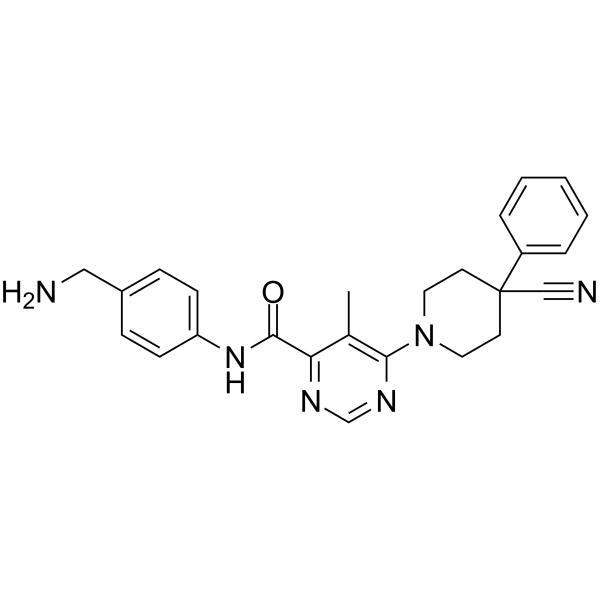
    METTL1-WDR4-IN-1 (Compound 1) is a selective competitive inhibitor of the methyltransferase complex METTL1-WDR4 (IC50 = 144 μM). METTL1-WDR4-IN-1 inhibits the m 7G methyltransferase activity of the METTL1-WDR4 complex, blocking m 7G modification of PKM mRNA, reducing PKM2 protein expression, disrupting the METTL1/PKM2/H3K9la positive feedback loop, and simultaneously inhibiting PKM2 nuclear translocation-mediated CD155 transcriptional activation. METTL1-WDR4-IN-1 can inhibit tumor cell proliferation, weaken glycolytic metabolism, reverse tumor immune evasion (restoring NK cell and CD8 + T cell function), and regulate RNA epigenetic modification and the tumor immune microenvironment. METTL1-WDR4-IN-1 can be used in immunotherapy research for cancers such as colorectal cancer, and is particularly suitable for use in combination with PKM2 inhibitors to enhance anti-tumor treatment efficacy .
    METTL1-WDR4-IN-1
  • HY-113050

    2,3-DPG

    Parasite Infection Neurological Disease
    2,3-Diphosphoglyceric acid (2,3-DPG) is an intermediate of the glycolytic pathway. 2,3-Diphosphoglyceric acid stabilizes the deoxygenated form of hemoglobin by allosteric binding and facilitates oxygen release at tissue sites. 2, 3-diphosphoglyceric acid has antiparasitic activity. 2,3-Diphosphoglyceric acid can be used in the study of Alzheimer's disease (AD) .
    2,3-Diphosphoglyceric acid
  • HY-W176629
    Hydrocotarnine
    1 Publications Verification

    E1/E2/E3 Enzyme Interleukin Related Neurological Disease Metabolic Disease Inflammation/Immunology
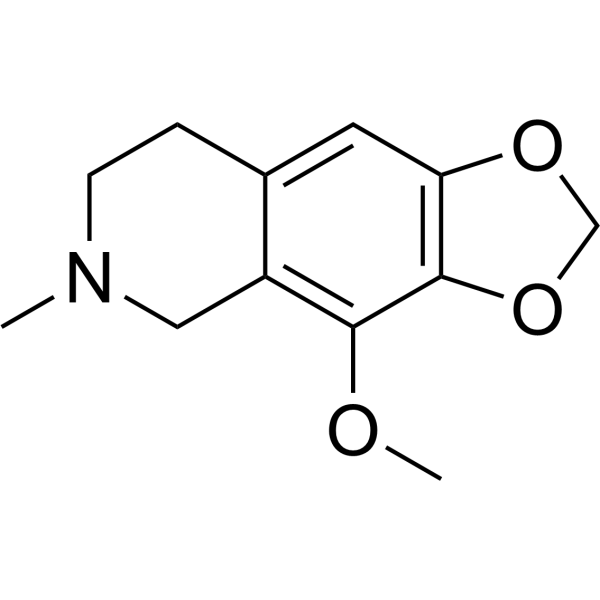
    Hydrocotarnine is a Cbl inhibitor, and results in inflammasome-mediated IL-18 secretion in colitis. Hydrocotarnine increases expression of GLUT1 and cellular glucose uptake in glycolytic metabolism. Hydrocotarnine acts as an agent that provides analgesic effect in cancer research .
    Hydrocotarnine
  • HY-P2776

    Endogenous Metabolite Metabolic Disease
    Hexokinase (ScHEX1) (EC 2.7.1.1) is a glycolytic enzyme hexokinase that is inhibited by n-acetylglucosamine. Inhibition of Hexokinase (ScHEX1) by n-acetylglucosamine leads to its separation from the mitochondrial outer membrane, resulting in activation of NLRP3 inflammasome .
    Hexokinase, microorganism
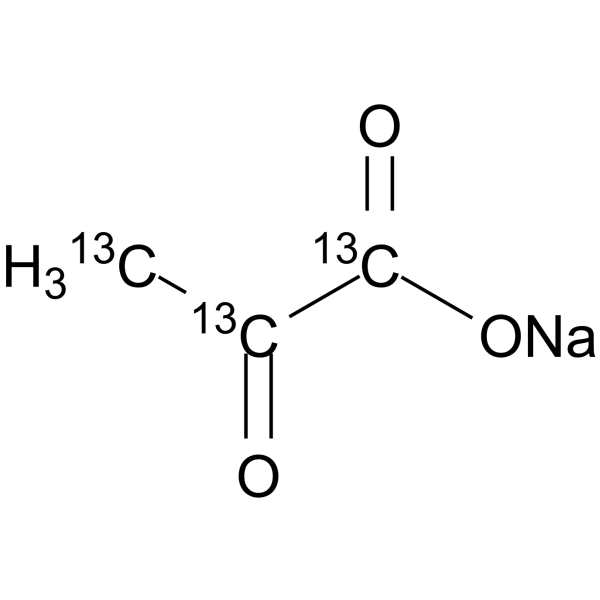
  • HY-W015913S3

    Sodium 2-oxopropanoate-13C; Acetylformic acid-13C-1 sodium

    Endogenous Metabolite Reactive Oxygen Species (ROS) Metabolic Disease
    Sodium 2-oxopropanoate- 13C is the 13C labeled Sodium 2-oxopropanoate . Sodium 2-oxopropanoate (Sodium pyruvate), a three-carbon metabolite of Glucose, is a compound produced in the glycolytic pathway. Sodium 2-oxopropanoate is a free radical scavenger that can scavenge ROS .
    Pyruvic acid-13C-1 sodium
  • HY-170404

    Phosphatase Metabolic Disease
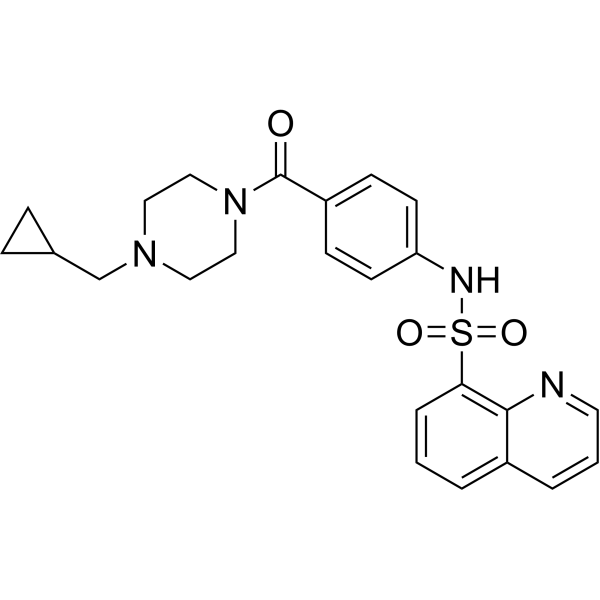
    KF-52 is a phosphofructokinase-1 (PFK1) inhibitor with an IC50 value of 2.1 μM. KF-52 significantly increases the ratio of oxygen consumption rate (OCR) to extracellular acidification rate (ECAR). KF-52 is applicable to research related to mitochondrial dysfunction .
    KF-52
  • HY-128788

    DNA/RNA Synthesis SARS-CoV Endogenous Metabolite Flavivirus Lactate Dehydrogenase Infection
    ddhCTP is an endogenously produced pyrimidine base analog with a Kd of 17.0 nM for LLDH and an IC50 of 55.8 μM for GAPDH. By inhibiting key metabolic enzymes such as GAPDH, ddhCTP reduces glycolytic flux and shifts metabolic flow toward the pentose phosphate pathway, thereby regulating the redox balance of cells. As a competitive CTP analog, ddhCTP terminates RNA synthesis by flavivirus RdRps and SARS-CoV-2 RdRp, and inhibits Zika virus replication in vivo. ddhCTP can be used in studies related to viral infections, COVID-19 and Zika virus infections.
    ddhCTP
  • HY-124309

    Lactate Dehydrogenase Apoptosis Cancer
    NHI-2 is a lactate dehydrogenase A (LDHA) inhibitor with an IC50 of 14.7 µM. NHI-2 shows selective for LDHA over LDHB (IC50 = 55.8 µM). NHI-2 is an efficient anti-glycolytic agent. NHI-2 enhances apoptosis, induces cell cycle arrest at S and G2 phases. NHI-2 has a broad spectrum anti-proliferative activity in cancer cells. NHI-2 affects extracellular acidification rate and ATP production. NHI-2 suppresses tumor growth in murine B78 melanoma tumor model .
    NHI-2
  • HY-P2765

    GPDH; α-Glycerophosphate dehydrogenase; Glycerol phosphate dehydrogenase

    Endogenous Metabolite Metabolic Disease
    Glycerol-3-phosphate dehydrogenase, rabbit muscle (GPDH) is an enzyme that catalyzes the reversible redox conversion of dihydroxyacetone phosphate to sn-glycerol 3-phosphate. Glycerol-3-phosphate dehydrogenase is a glycolytic enzyme and is responsible for the re-oxidation of NADH to NAD + and energy supply .
    Glycerol-3-phosphate dehydrogenase, rabbit muscle
  • HY-134205A
    CBR-470-1
    3 Publications Verification

    Keap1-Nrf2 Neurological Disease Metabolic Disease
    CBR-470-1 is an inhibitor of the glycolytic enzyme phosphoglycerate kinase 1 (PGK1). CBR-470-1 is also a non-covalent Nrf2 activator. CBR-470-1 protects SH-SY5Y neuronal cells against MPP +-induced cytotoxicity through activation of the Keap1-Nrf2 cascade .
    CBR-470-1
  • HY-178761

    Phosphoglycerate Kinase (PGK) Keap1-Nrf2 Heme Oxygenase (HO) Interleukin Related Inflammation/Immunology
    PGK1-IN-1 (Compound 6e) is a potent and selective PGK1 inhibitor (IC50: 33 nM). PGK1-IN-1 inhibits PGK1-mediated glycolytic metabolism and reduces glucose consumption/lactate production. PGK1-IN-1 enhances Nrf2 accumulation and HO-1 expression, and suppresses the transcription and protein levels of the inflammatory cytokines IL-1β and IL-6. PGK1-IN-1 ameliorates Dextran sulfate sodium (DSS) (HY-116282C)-induced experimental colitis in mice. PGK1-IN-1 can be used for research of inflammatory bowel disease (IBD) .
    PGK1-IN-1
  • HY-147368

    Pyruvate Kinase Cancer
    PKM2 activator 2 (compound 28) is a pyruvate kinase M2 (PKM2) activitor with an AC50 value of 66 nM. PKM2 activator 2 can restore normal glycolytic metabolism in cells .
    PKM2 activator 2
  • HY-148615

    Pyruvate Kinase Cancer
    NPD10084 is a pyruvate kinase PKM2 inhibitor that inhibits non-glycolytic signaling in cancer cells. NPD10084 disrupts the interaction between PKM2 and β-catenin or STAT3 and inhibits downstream signaling. NPD10084 has antiproliferative activity against colorectal cancer cells in vitro and in vivo .
    NPD10084
  • HY-176798

    Lactate Dehydrogenase Reactive Oxygen Species (ROS) Apoptosis Cancer
    NCI-006 is an orally active lactate dehydrogenase (LDH) inhibitor (LDHA IC50 = 0.06 μM; LDHB IC50 = 0.03 μM). NCI-006 inhibits intratumoral LDH activity, lactate production, and tumor growth in a mouse pancreatic cancer model. NCI-006 inhibits glycolysis and induces apoptosis in vitro. NCI-006 enhances the radiosensitivity of glycolytic tumor cell lines while sparing non-glycolytic/normal cells (1522, skin fibroblasts) in combination with ionizing radiation (IR). NCI-006 exhibits synergistic antitumor effects in combination with IACS-010759 (HY-112037) against colorectal and gastric cancers. NCI-006 targets glycolysis by inhibiting lactate dehydrogenase impairs tumor growth in an Ewing sarcoma model .
    NCI-006
  • HY-113050A

    2,3-DPG pentasodium

    Parasite Others
    2,3-Diphosphoglyceric acid (2,3-DPG) pentasodium is an intermediate of the glycolytic pathway. 2,3-Diphosphoglyceric acid pentasodium stabilizes the deoxygenated form of hemoglobin by allosteric binding and facilitates oxygen release at tissue sites. 2,3-Diphosphoglyceric acid pentasodium binds to hemoglobin and decrease its affinity for oxygen .
    2,3-Diphosphoglyceric acid pentasodium
  • HY-P2918

    GPI; Phosphoglucose Isomerase

    Endogenous Metabolite Metabolic Disease Cancer
    Phosphoglucose Isomerase, Rabbit muscle (GPI), i.e., phosphoglucose isomerase/phosphoglucoisomerase (PGI) or phosphohexose isomerase (PHI), is often used in biochemical studies. Glucose 6-phosphate isomeras is a highly conserved glycolytic and dimeric enzyme. Glucose 6-phosphate isomeras catalyzes the reversible isomerization of glucose-6-phosphate to fructose-6-phosphate .
    Phosphoglucose Isomerase, Rabbit muscle
  • HY-157395
    malonyl-NAC
    2 Publications Verification

    Pyruvate Kinase Cancer
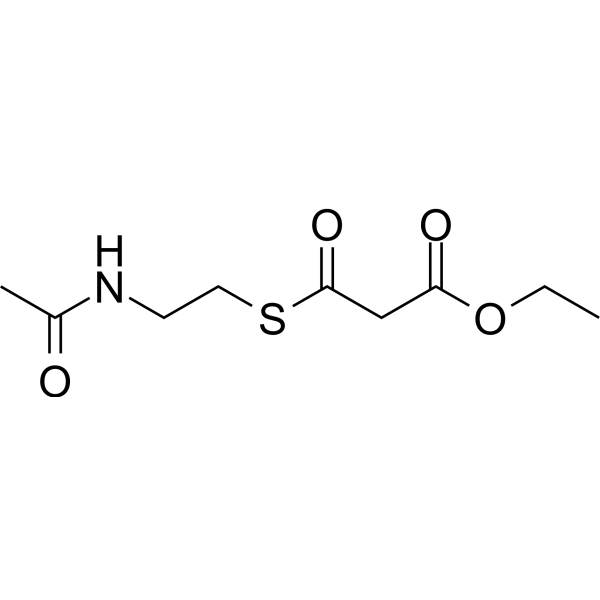
    malonyl-NAC increases cellular propylation, resulting in reduced endogenous GAPDH activity. malonyl-NAC increases GAPDH malonylation in cells and inhibits pyruvate kinase activity. In addition, malonyl-NAC limits the metabolism and proliferation of a highly glycolytic kidney cancer cell line harboring a tricarboxylic acid cycle mutation .
    malonyl-NAC
  • HY-P2862

    Biochemical Assay Reagents Others
    Enolase is a glycolytic enzyme present in the cell wall of S. cerevisiae. Enolase exhibits specific affinity to imported tRNA and can facilitate formation of preMsk1p-tRNA complex. Enolase can be overproduced in tumor cells where rate of glycolysis is increased. Enolase depletion can lead to tRNA inhibition in vivo .
    Enolase, S.cerevisiae
  • HY-B0223R

    SKF-62979 (Standard)

    Reference Standards Parasite Microtubule/Tubulin Autophagy Apoptosis Reactive Oxygen Species (ROS) VEGFR HIF/HIF Prolyl-Hydroxylase Antibiotic Bacterial Infection Cancer
    Albendazole (Standard) is the analytical standard of Albendazole. This product is intended for research and analytical applications. Albendazole (SKF-62979) is an orally active and broad-spectrum parasiticide with high effectiveness and low host toxicity, is used for the research of gastrointestinal parasites in humans and animals. Albendazole induces apoptosis and autophagy in cancer cells. Albendazole also inhibits tubulin polymerization and HIF-1α, VEGF expression, has antioxidant activity, and inhibits the glycolytic process in cancer cells .
    Albendazole (Standard)
  • HY-P2822

    PGK

    Endogenous Metabolite Infection Endocrinology Cancer
    Phosphoglycerate kinase, yeast (PGK), namely phosphoglycerate kinase, is a glycolytic enzyme commonly used in biochemical research. Phosphoglycerate kinase can catalyze the reversible transfer of phosphate groups from 1,3-bisphosphoglycerate (1,3-BPG) to ADP to generate 3-phosphoglycerate (3-PG) and ATP. At the same time, it can also participate in gluconeogenesis, catalyzing the opposite reaction to produce 1,3BPGA and ADP. Phosphoglycerate kinase is involved in energy metabolism, interaction with nucleic acid, tumor progression, cell death and virus replication and other related processes .
    Phosphoglycerate kinase, yeast
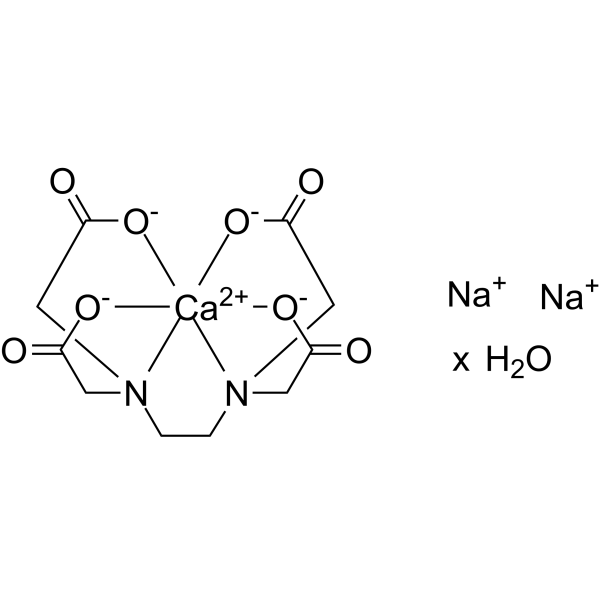
  • HY-W250119
    Calcium disodium edetate hydrate
    Maximum Cited Publications
    24 Publications Verification

    EDTA disodium calcium salt hydrate; Ethylenediaminetetraacetic acid disodium calcium salt hydrate

    Biochemical Assay Reagents Fungal Mitochondrial Metabolism Infection
    Calcium disodium edetate hydrate (EDTA disodium calcium salt hydrate) is a metal chelator and antifungal agent. Calcium disodium edetate hydrate chelates Mn 2+, damages mitochondria, and interferes with carbohydrate metabolic pathways, particularly the synthesis of pyruvate in glycolysis. Calcium disodium edetate hydrate inhibits Penicillium digitatum and delays conidial germination. Calcium disodium edetate (hydrate) enhances the host defense system of citrus fruits. Calcium disodium edetate hydrate is applicable to research related to citrus green mold .
    Calcium disodium edetate hydrate
  • HY-P2765A

    GPDH, microorganism; α-Glycerophosphate dehydrogenase, microorganism; Glycerol phosphate dehydrogenase, microorganism

    Endogenous Metabolite Metabolic Disease
    Glycerol-3-phosphate dehydrogenase, microorganism (GPDH, microorganism) is an enzyme that catalyzes the reversible redox conversion of dihydroxyacetone phosphate to sn-glycerol 3-phosphate.Glycerol-3-phosphate dehydrogenase is a glycolytic enzyme and is responsible for the re-oxidation of NADH to NAD + and energy supply .
    Glycerol-3-phosphate dehydrogenase, microorganism
  • HY-W552257

    Drug Intermediate Others
    Hydroxypyruvic acid phosphate serves as a crucial metabolic intermediate in the biosynthesis of L-Serine (HY-N0650), being formed from the conversion of the glycolytic intermediate 3-phosphoglycerate through the action of 3-phosphoglycerate dehydrogenase.
    Hydroxypyruvic acid phosphate
  • HY-117778B

    Enolase Bacterial Antibiotic ATP Synthase Infection Cancer
    SF2312 ammonium is a phosphonate Antibiotic and Enolase inhibitor, with an IC50 of 18.4 nM against E. coli enolase. SF2312 ammonium reduces intracellular ATP levels and inhibits glycolytic flux. SF2312 ammonium exhibits activity against both Gram-positive and Gram-negative bacteria, and exerts synergistic effects against E. coli when combined with Fosfomycin (HY-B1075A). SF2312 ammonium shows selective toxicity toward gliomas with ENO1 gene knockout. SF2312 ammonium can be used in research related to bacterial infections and gliomas .
    SF2312 ammonium
  • HY-P2819

    PFK1

    Phosphatase Metabolic Disease
    Phosphofructokinase 1 (PFK1) is a major regulatory enzyme targeting glycolytic pathway. Phosphofructokinase 1 catalyzes the phosphorylation of fructose-6-phosphate (F6P) to fructose-1,6-bisphosphate (F1,6BP) to regulate glycolytic flux. Phosphofructokinase 1 is promising for research of cancer metabolic reprogramming (e.g., hypoxia adaptation, oxidative stress resistance) and metabolic syndromes .
    Phosphofructokinase 1
  • HY-B1975

    Fungal Reactive Oxygen Species (ROS) Infection
    Dithianon is a broad-spectrum anthraquinone fungicide with good adherence to the surface of leaves and fruits. Dithianon is used to control several several fungal of some fruits and vegetables, as anthracnose (Colletotrichum sp., Elsinoe ampelina), mildew (Plasmopara viticola), phomopsis (Phomopsis viticola), among others .
    Dithianon
  • HY-169061

    Histone Methyltransferase Aminotransferases (Transaminases) Lactate Dehydrogenase Cancer
    WQQ-345 is an orally active BCAT1 inhibitor with an IC50 values of 10.8 mM. WQQ-345 reduces cellular α-KG levels, upregulating H3K27me3 expression, decreasing glycolytic enzyme expression, and impairing glycolysis activity. WQQ-345 reduces colony formation, suppresses growth of BCAT1-high TKI-resistant lung cancer cells. WQQ-345 exerts in vitro and in vivo antitumor activity. WQQ-345 can be used for the research of TKI-resistant non-small cell lung cancer and TKI-resistant lung cancer .
    WQQ-345
  • HY-178989

    Phosphoglycerate Kinase (PGK) Cuproptosis Cancer
    PGK1-IN-2 (Compound 60) is a PGK1 inhibitor with an IC50 of 8.24 μM. PGK1-IN-2 demonstrates a significant ability to inhibit the proliferation of osteosarcoma cells. PGK1-IN-2 interferes with the glycolytic pathway of tumor cells by inhibiting PGK1. PGK1-IN-2 inhibits cell migration and invasion, and induces cell S phase and G2-M phase cycle arrest. PGK1-IN-2 may kill cells by inducing cuproptosis. PGK1-IN-2 shows a significant anti-tumor effect in the MNNG-HOS osteosarcoma xenograft mouse model. PGK1-IN-2 can be used for the study of osteosarcoma .
    PGK1-IN-2
  • HY-D0186R

    Reference Standards Endogenous Metabolite Thymidylate Synthase Infection
    2'-Deoxyuridine (Standard) is the analytical standard of 2'-Deoxyuridine. This product is intended for research and analytical applications. 2’-deoxyuridine is a brain-penetrant pyrimidines nucleotide that is associated with nervous system diseases. 2'-Deoxyuridine could increase chromosome breakage and results in a decreased thymidylate synthetase activity. 2'-Deoxyuridine is a precursor in the synthesis of Edoxudine (HY-B1011) and also an analogue of 5-ethynyl-2'-deoxyuridine, EdU (HY-118411). 2’-deoxyuridine reduces microglial activation and improve oxidative stress damage by modulating glycolytic metabolism on the Aβ25-35-induced brain injury, which is promising for research of Alzheimer’s disease (AD) . In Vitro:The interaction between the 2-deoxyuridine and the column increases the duration of retention of 2-deoxyuridine .
    Gradient elution with sodium acetate buffer-ACN eluent on two ZIC-HILIC homemade columns separates 2-deoxyuridine in under 9 min .
    In Vivo:2'-Deoxyuridine (34.42 ng/mL, gavage, 15 min) passes the blood-brain barrier (BBB) to enter the hippocampus of mice brain .
    2'-Deoxyuridine (20 mg/kg, gavage, daily for 4 weeks) improves cognition and memory loss and attenuates the damage to the hippocampus in Aβ25-35-induced mice model .
    2'-Deoxyuridine (Standard)
  • HY-P2918A

    Endogenous Metabolite Metabolic Disease
    Phosphoglucose isomerase, bacillus stearothermophilus is a highly conserved glycolytic and dimeric enzyme. Phosphoglucose isomerase, bacillus stearothermophilus catalyzes the reversible isomerization of glucose-6-phosphate to fructose-6-phosphate .
    Phosphoglucose isomerase, bacillus stearothermophilus
  • HY-P2918B

    Endogenous Metabolite Metabolic Disease
    Phosphoglucose isomerase, bacillus stearothermophilus is a highly conserved glycolytic and dimeric enzyme. Phosphoglucose isomerase, bacillus stearothermophilus catalyzes the reversible isomerization of glucose-6-phosphate to fructose-6-phosphate .
    Phosphoglucose isomerase, Baker's Yeast
  • HY-W015913R
    Pyruvic acid sodium (Standard)
    5+ Cited Publications

    Sodium 2-oxopropanoate (Standard); Acetylformic acid sodium (Standard)

    Reference Standards Reactive Oxygen Species (ROS) Endogenous Metabolite Metabolic Disease
    Sodium 2-oxopropanoate (Standard) is the analytical standard of Sodium 2-oxopropanoate. This product is intended for research and analytical applications. Sodium 2-oxopropanoate (Sodium pyruvate), a three-carbon metabolite of Glucose, is a compound produced in the glycolytic pathway. Sodium 2-oxopropanoate is a free radical scavenger that can scavenge ROS .
    Pyruvic acid sodium (Standard)
  • HY-P10378

    GnRH Receptor Metabolic Disease
    GPR10 agonist 1 (compound 18-S4) is a potent GPR10 agonist with EC50 values of 80, 7.8 nM in the presence (10%) or absence (0%) of FBS, respectively. GPR10 agonist 1 has the potential for the research of chronic obesity .
    GPR10 agonist 1
  • HY-169436

    PD-1/PD-L1
    Lon-TK is a glycolysis inhibitor + linker conjugate of LTB (HY-169434). LTB is an intelligent responsive prodrug that connects Lonidamine (Lon) (HY-B0486) and a PD-L1 inhibitor (BMS-1, HY-19991) through a thioketal linker. It significantly inhibits the glycolytic metabolism of tumor cells and blocks the PD-1/PD-L1 immune escape pathway. Lon-TK shows potential for application in photodynamic-enhanced immunotherapy research .
    Lon-TK

Inquiry Online

Your information is safe with us. * Required Fields.

Salutation


Country or Region *

Applicant Name *


Organization Name *

Department *


Email Address *


Product Name *

Cat. No.


Requested quantity *

Phone Number *


Remarks

Inquiry Online

Inquiry Information

Product Name:
Cat. No.:
Quantity:
MCE Japan Authorized Agent:

