From 11:00 pm to 12:00 pm EST ( 8:00 pm to 9:00 pm PST ) on January 6th, the website will be under maintenance. We are sorry for the inconvenience. Please arrange your schedule properly.
HRO761 (Werner syndrome RecQ helicase-IN-1) (example 42) is a potent Werner syndrome RecQ DNA helicase enzyme (WRN) inhibitor and can be used in cancer research .
VVD-214 is a synthetic lethal allosteric inhibitor of WRNhelicase with an IC50 of 0.1316 µM. VVD-214 covalently binds to cysteine 727 of WRN and inhibits ATP hydrolysis and helicase activity. VVD-214 is potent in causing double-stranded DNA breaks, nuclear swelling, and cell death in high microsatellite instability (MSI) cancers .
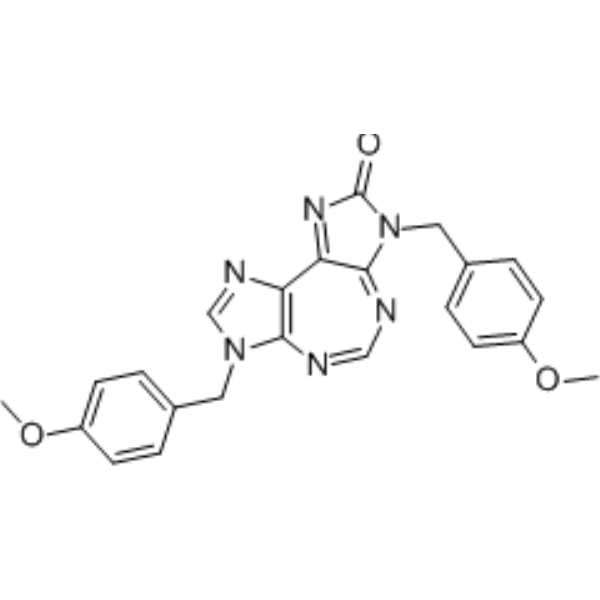
Phen-DC3 Trifluoromethanesulfonate is a G-quadruplex (G4) specific ligand which can inhibit FANCJ and DinGhelicases with IC50s of 65±6 and 50±10 nM, respectively.
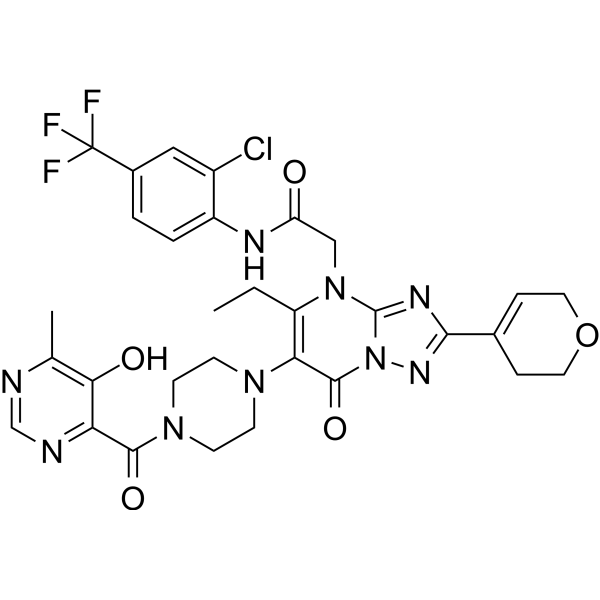
GSK4418959 (IDE275) is a selective, reversible and orally active WRN helicase inhibitor. GSK4418959 shows >10,000-fold selectivity over other helicases. GSK4418959 inhibits ATPase and DNA unwinding functions in an ATP-competitive manner. GSK4418959 can be used for the study of microsatellite instability-high (MSI-H) cancer, such as colorectal cancer (CRC) and endometrial cancer (EC) .
PolQi2 is a PolΘ inhibitor that targets and inhibits alt-EJ (alternative end-joining) repair by inhibiting the helicase domain at the N-terminus of PolΘ. PolQi2 enhances the precision and integration efficiency of gene editing at different loci and in various cell lines. Furthermore, the combined use of PolQi2 with DNA-PK inhibitors reduces the off-target effects of Cas9. PolQi2 can be used in gene editing research .
ML216 (CID-49852229) is a potent, selective and cell permeable inhibitor of the DNA unwinding activity of BLM helicase with IC50s of 2.98 μM and 0.97 μM for BLM full-length and BLM 636-1298, respectively. ML216 inhibits ssDNA-dependent ATPase activity of BLM with a Ki of 1.76 μM. Antitumor avtivity .
Pritelivir (AIC316), an inhibitor of the viral helicase-primase complex, exhibits antiviral activity in vitro and in animal models of herpes simplex virus (HSV) infection. Pritelivir is active against herpes simplex virus types 1 and 2 (HSV-1 and HSV-2) with the IC50 of 0.02 μM against HSV1-2 .
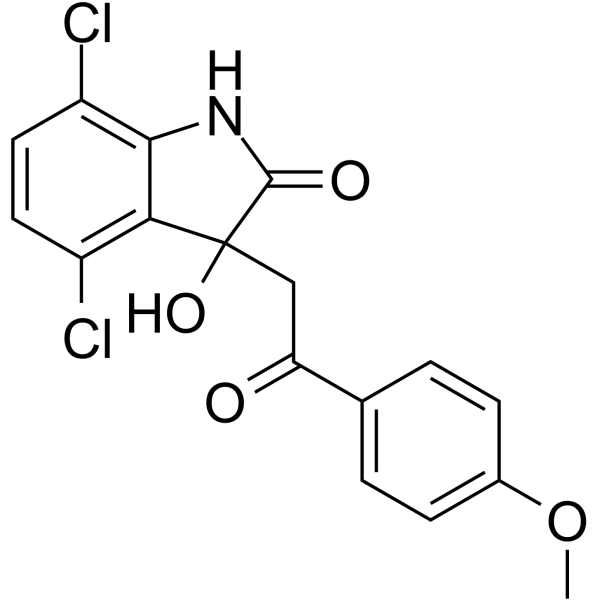
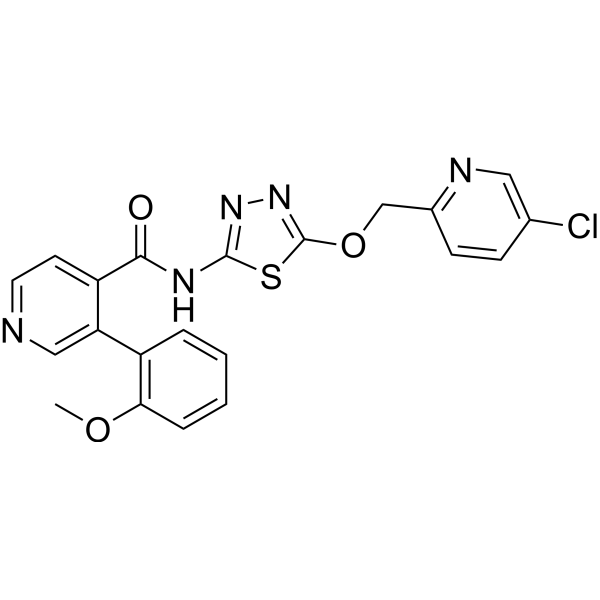
NSC 617145 is a selective werner syndrome helicase (WRN) helicase inhibitor with an IC50 value of 230 nM. NSC 617145 inhibits WRN ATPase, and induces double-strand breaks (DSB) and chromosomal abnormalities. NSC 617145 shows selective for WRN over BLM, FANCJ, ChlR1, RecQ, and UvrD helicases .
PhpC is a G-quadruplex (G4)-DNA/RNA disruptor. PhpC disrupts DNA and RNA G4 structures and promotes G4 helicase activity. PhpC effectively enhancing the activity of Taq polymerase. PhpC modulates G-quadruplexs (G4s) both in vitro and in cells .
Supinoxin (RX-5902) is an orally active inhibitor of phosphorylated-p68 RNA helicase (P-p68) and a potent first-in-class anti-cancer agent. Supinoxin interacts with Y593 phosphorylated-p68 and attenuates the nuclear shuttling of β-catenin. Supinoxin induces cell apoptosis and inhibits growth of TNBC cancer cell lines with IC50s ranging from 10 nM to 20 nM .
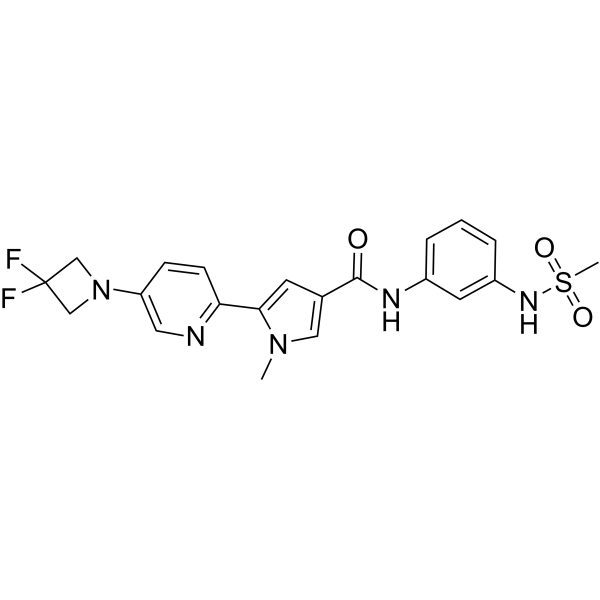
Werner syndrome RecQ helicase-IN-3 is a potent and orally active werner syndrome recQ helicase (WRN) inhibitor with an IC50 value of 0.06 µM. Werner syndrome RecQ helicase-IN-3 shows antiproliferative activity. Werner syndrome RecQ helicase-IN-3 shows anticancer activity .
MOMA-341 is a selective Werner RecQ like helicase (WRN) inhibitor. MOMA-341 binds to WRN at cysteine 727 through an allosteric and ATP-competitive binding mechanism. MOMA-341 has antitumor activity and can be used for advanced and metastatic solid tumors research .
DHX9-IN-1 is an inhibitor of ATP-dependent RNA helicase A (DHX9). Its EC50 value is 1.41 μM. DHX9-IN-1 has anti-tumor activity and can be used in colorectal cancer research .
GSK_WRN3 is selective WRNhelicase inhibitor (pIC50 = 8.6). SK_WRN3 can selectively inhibit the growth of microsatellite unstable (MSI) cancer cells, induce DNA damage, and cause cell cycle arrest. GSK_WRN3 has anti-tumor activity .
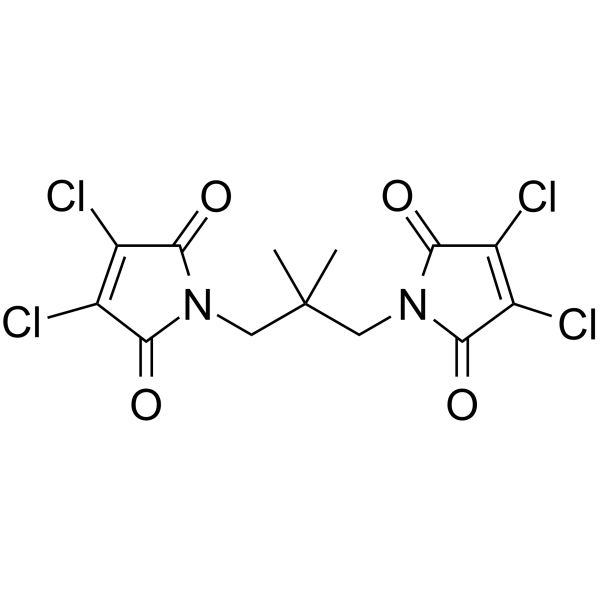
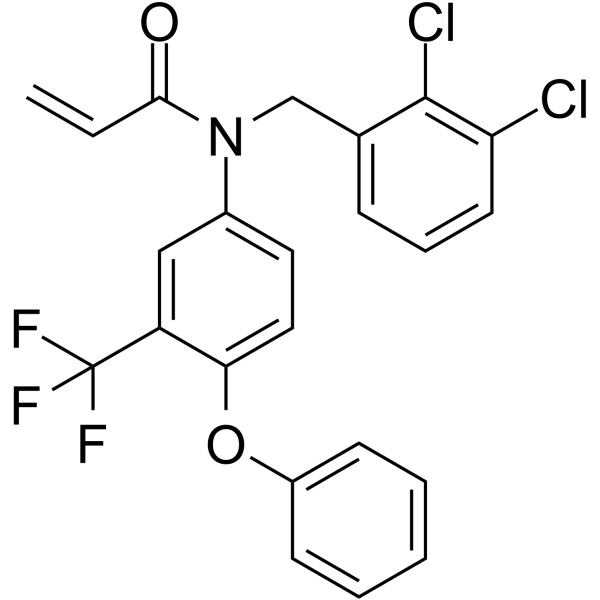
BPK-21, an active acrylamide, suppresses T cell activation through blockade of ERCC3 function. BPK-21 specifically targets C342 in the helicase ERCC3 .
NCGC00029283 is a werner syndrome helicase-nuclease (WRN) helicase inhibitor with IC50s of 2.3 μM, 12.5 μM, and 3.4 μM for WRN, BLM and FANCJ helicase, respectively .
Brr2-IN-3 is a potent and selective Brr2helicase allosteric Inhibitor. Brr2-IN-3 inhibits helicase activity in dose-dependent manner with an IC50 value of 1.3 μM .
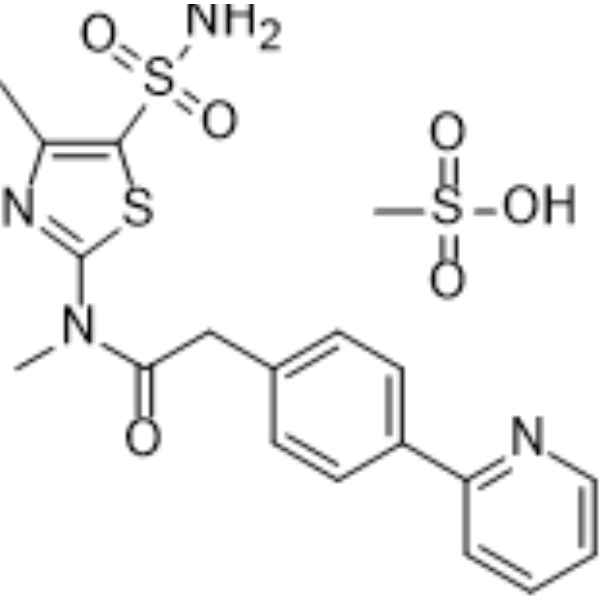
Pritelivir mesylate (BAY 57-1293 mesylate), an inhibitor of the viral helicase-primase complex, exhibits antiviral activity in vitro and in animal models of herpes simplex virus (HSV) infection. Pritelivir mesylate is active against herpes simplex virus types 1 and 2 (HSV-1 and HSV-2) with the IC50 of 0.02 μM against HSV1-2 .
GSK4418959 enantiomer is an enantiomer of GSK4418959 (HY-169422). GSK4418959 (IDE275) is a non-covalent, reversible, selective and orally active WRN helicase inhibitor. GSK4418959 inhibits ATPase and DNA unwinding functions in an ATP-competitive manner. GSK4418959 can be used for the study of microsatellite instability-high (MSI-H) cancer .
WRN inhibitor 8 is an inhibitor of WRN helicase with an IC50 value of 48 nM. WRN inhibitor 8 can inhibit the proliferation of tumor cells and be used in the study of cancer .
Heliquinomycin is an inhibitor of DNA helicase (Ki: 6.8 μM) and inhibits DNA and RNA synthesis. Heliquinomycin is effective against Gram-positive bacteria strains. Heliquinomycin inhibits cancer cell growth .
Werner syndrome RecQ helicase-IN-4 is a potent and orally active werner syndrome recQ helicase (WRN) inhibitor with an IC50 value of 0.06 µM. Werner syndrome RecQ helicase-IN-4 shows antiproliferative activity. Werner syndrome RecQ helicase-IN-4 shows anticancer activity .
Polθ-IN-4 is an orally active prodrug of a DNA polymerase θ (Polθ) inhibitor with Kms of 3.7, 3.7 and 5.2 μM in human, mouse and rat recombinant alkaline phosphatases. Polθ-IN-4 that inhibits Polθ activity by targeting its ATP-dependent helicase domain. Polθ-IN-4 demonstrates significant anti-tumor activity in multiple animal experiments. Polθ-IN-4 can be used for the studies of breast cancer and ovarian cancer .
HN0037 is a selective, orally active Helicase-primase inhibitor. HN0037 is mainly metabolized by CYP3A4. HN0037 inhibits HSV replication by targeting the viral helicase-primase complex, which consists of three proteins encoded by UL5 (helicase), UL52 (primase), and UL8 (scaffold protein that promotes primer synthesis) .
Werner syndrome RecQ helicase-IN-2 (example 57) is a potent Werner syndrome RecQ DNA helicase enzyme (WRN) inhibitor and can be used in cancer research .
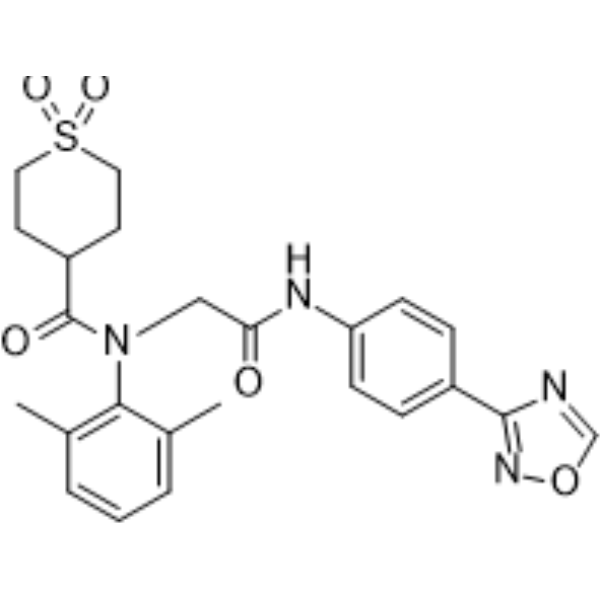
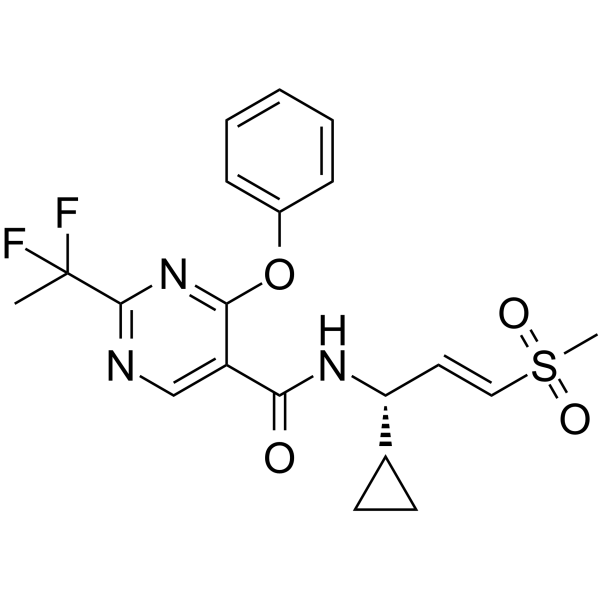
WRN inhibitor 3 (example 110), a cyclic vinyl sulfone compound, is a Wemer Syndrome ATP dependent helicase enzyme (WRN) inhibitor. WRN inhibitor 3 can be used for the research of cancer .
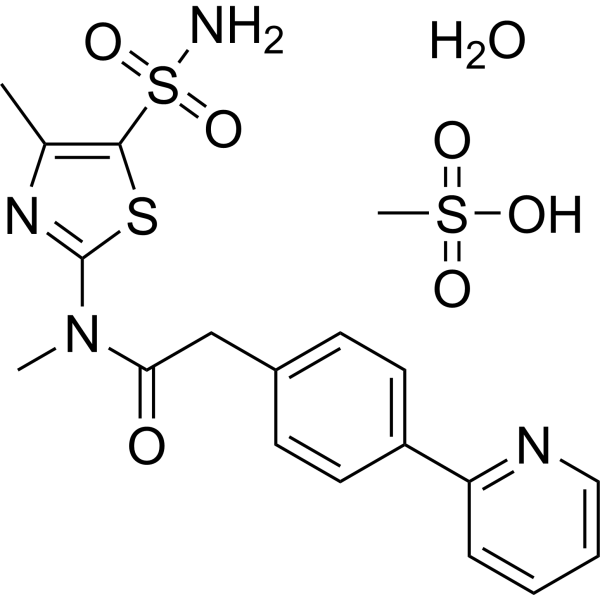
Pritelivir mesylate hydrate (BAY 57-1293 mesylate hydrate), an inhibitor of the viral helicase-primase complex, exhibits antiviral activity in vitro and in animal models of herpes simplex virus (HSV) infection. Pritelivir mesylate hydrate is active against herpes simplex virus types 1 and 2 (HSV-1 and HSV-2) with the IC50 of 0.02 μM against HSV1-2 .
WRN inhibitor 5, a cyclic vinyl sulfone compound, is a Wemer Syndrome ATP dependent helicase enzyme (WRN) inhibitor. WRN inhibitor 5 can be used for the research of cancer, including cancers characterized by microsatellite instability (MSI) and/or defective DNA mismatch repair system (dMMR) .
WRN inhibitor 1 is a Wemer Syndrome ATP dependent helicase enzyme (WRN) inhibitor that inhibits WRNhelicase domain activity. WRN inhibitor 1 can be used in the study of cancer .
FWM-1 is a potent SARS-COV-2 NSP13 helicase enzyme inhibitor with binding free energy equals -328.6 kcal/mol. FWM-1 effectively disrupts the binding of ATP to the SARS-COV2 helicase enzyme .
Tte UvrD Helicase is a thermostable UvrD helicase initially isolated from Thermoanaerobacter tengcongensis. Tte UvrD Helicase can unwind DNA duplexes with 3’ or 5’ single-stranded DNA tails, and DNA substrates with blunt ends .
WRN-IN-21 (Compound 11b) is a WRN helicase inhibitor with pIC50 values for WRN and BLM helicases of 3.6 and 5.4 respectively. WRN-IN-21 can be used for the study of MSI-related cancers .
WRN-IN-19 (Compound (S)-27) is a covalent WRN helicase inhibitor, with pIC50 (0 h/4 h) = 5.4/7.5 in the DNA-unwinding
5 endpoint assays. WRN-IN-19 shows synthetic lethality in MSI-H (high microsatellite instability) cancer cells .
WRN inhibitor 7 (Compound h6) is a WRN inhibitor. WRN inhibitor 7 effectively inhibits WRN's helicase and ATPase activity (IC50: 9.8 μM and 15.8 μM respectively). WRN inhibitor 7 can be used for research of microsatellite instable (MSI) cancers .
Pritelivir (mesylate) (Standard) is the analytical standard of Pritelivir (mesylate). This product is intended for research and analytical applications. Pritelivir mesylate (BAY 57-1293 mesylate), an inhibitor of the viral helicase-primase complex, exhibits antiviral activity in vitro and in animal models of herpes simplex virus (HSV) infection. Pritelivir mesylate is active against herpes simplex virus types 1 and 2 (HSV-1 and HSV-2) with the IC50 of 0.02 μM against HSV1-2 .
Pritelivir (Standard) is the analytical standard of Pritelivir. This product is intended for research and analytical applications. Pritelivir (AIC316), an inhibitor of the viral helicase-primase complex, exhibits antiviral activity in vitro and in animal models of herpes simplex virus (HSV) infection. Pritelivir is active against herpes simplex virus types 1 and 2 (HSV-1 and HSV-2) with the IC50 of 0.02 μM against HSV1-2 .
WRN inhibitor 17 (Compound 250) is an orally active Werner Syndrome ATP dependent helicase enzyme (WRN) inhibitor, in particular inhibit WRNhelicase domain activity. WRN inhibitor 17 is promising for research of cancers .
Amenamevir (Standard) is the analytical standard of Amenamevir. This product is intended for research and analytical applications. Amenamevir is a helicase-primase inhibitor which has potent antiviral activity against HSVs with an EC50 of 14 ng/mL.
Sennidin A, isolated from the leaves of Cassia angustifolia, inhibits HCV NS3 helicase, with an IC50 of 0.8 μM. Sennidin A induces phosphorylation of Akt and glucose transporter 4 (GLUT4) translocation. Sennidin A stimulates the glucose incorporation .
(S)-HN0037 is the (S)-isomer of HN0037 (HY-163529), a selective and orally active helicase-primase inhibitor that inhibits HSV replication by targeting the viral helicase-primase enzyme complex .
Frangulin B (Compd 11g), a potent anticancer agent, is a potential pan RecQ helicase inhibitor . Frangulin B (Compd 11g) induces apoptosis in both HCT-116 and MDA-MB-231 cell lines, but also causes an G2/M phase cell cycle arrest in HCT-116 cells .
Ledoxantrone (CI 958) trihydrochloride is a DNA helicases inhibitor with an IC50 of 0.17 μM. Ledoxantrone trihydrochloride can be used in the study of prostate cancer .
GSK_WRN2 is a potent and selective covalent WRN helicase inhibitor that suppresses replication stress caused by DNA (TA)n dinucleotide repeat expansions. GSK_WRN2 can be used to study microsatellite instability (MSI) cancers .
TMV-IN-4 (compound 3) is a tobacco mosaic virus (TMV) inhibitor that effectively induces resistance and enhances plant tolerance to TMV infection by interacting with TMV helicase. TMV-IN-4 enhances peroxidase and superoxide dismutase activity, thereby increasing resistance to TMV in tobacco .
RA-0002323-01 is an antiviral agent targeting viral helicase and is an active compound from Heli-SMACC, a collection of small molecules targeting helicase .
HFM1 Human Pre-designed siRNA Set A contains three designed siRNAs for HFM1 gene (Human), as well as a negative control, a positive control, and a FAM-labeled negative control.
FWM-5 is a potent NSP13helicase inhibitor. SARS-COV-2 NSP13 helicase enzyme plays crucial role in the virus life cycle. FWM-5 has the potential for the research of infection diseases .
CHIKV nsP2 protease-IN-2 (Compound 2o) is a allosteric nonstructural protein 2 helicase (nsP2hel) inhibitor with IC50s of 0.5 μM and 0.9 μM for nsP2 ATPase and RNA unwindase, respectively. CHIKV nsP2 protease-IN-2 has broad-spectrum antialphaviral activity against chikungunya virus (CHIKV), Mayaro virus (MAYV), and Venezuelan equine encephalitis virus (VEEV) (EC50 of 120 nM for CHIKV-nLuc). CHIKV nsP2 protease-IN-2 can be used for alphaviruses infections research .
WRN inhibitor 19 (Compound 40) is a WRNhelicase inhibitor (IC50: 3.7 nM). WRN inhibitor 19 exhibits selective antiproliferative activity in WRN-dependent cancer cells. WRN inhibitor 19 inhibits WRN helicase function by competitively binding to the ATP site and induces DNA damage and cell cycle arrest. WRN inhibitor 19 can be used in the study of WRN-dependent cancers .
T-0902611 benzenesulfonate is a specific HCMV inhibitor. T-0902611 benzenesulfonate targets and covalently modifies the HCMV helicase–primase complex. T-0902611 benzenesulfonate can be used in the research of HCMV infection .
GBM CSCs-IN-1 (Compound (−)-20), a derivative of rocaglate, is a potent inhibitor of glioblastoma stem cells (GBM CSCs) with an EC50 of 45 nM, functioning by targeting the RNA helicaseDDX3. Furthermore, GBM CSCs-IN-1 is also capable of inducing apoptosis .
(R)-eIF4A3-IN-2 is a less active enantiomer of eIF4A3-IN-2. eIF4A3-IN-2 is a highly selective and noncompetitive eukaryotic initiation factor 4A-3 (eIF4A3) inhibitor with an IC50 of 110 nM .
NCGC00063279 is a reversible Werner Syndrome Helicase-Nuclease (WRN) helicase inhibitor with modest selectivity over BLM and FANCJhelicases, and does not inhibit WRN exonuclease activity at active concentrations. NCGC00063279 inhibits Hematopoietic Protein Tyrosine Phosphatase (HePTP) and reduces proliferation of cancer cells. NCGC00063279 can be used for the research of osteosarcoma .
WRN-IN-23 is a Werner Syndrome helicase enzyme (WRN) inhibitor. WRN-IN-23 inhibits the ATP-dependent helicase domain activity of WRN. WRN-IN-23 can be used for the research of cancers characterized by microsatellite instability (MSI) and/or defective DNA mismatch repair system (dMMR) .
MWAC-3429 is a potent SARS-CoV-2 Nsp13 helicase inhibitor. MWAC-3429 inhibits SARS-CoV-2 and SARS-CoV1 with EC50s of 5.39 (nLuc assay) and 17.00 μM (CPE assay), respectively, while showing low cytotoxicity in A549-hACE2 cells (CC50 > 50 μM). MWAC-3429 can be used for SARS-CoV-infection research .
SY-589 is an orally active DNA polymerase Polθhelicase domain inhibitor (IC50=2.29 nM) and DNA damage inducer. SY-589 inhibits the ATPase activity of the Polθhelicase domain and blocks the Polθ-mediated microhomology-mediated end joining (MMEJ) DNA repair pathway (IC50=0.85 nM). SY-589 also induces the accumulation of DNA double-strand breaks by increasing γ-H2AX levels. SY-589 exerts antiproliferative effects on BRCA2-deficient cells and is used in the research of HR-deficient tumors .
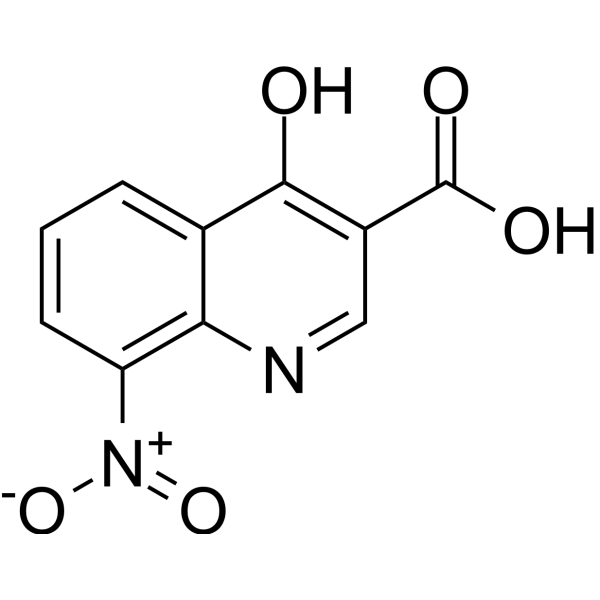
CID-50930756 is an HCV NS3 helicase inhibitor with an IC50 of 22 μM.CID-50930756 inhibits HCV NS3 helicase-catalyzed nucleic acid unwinding.CID-50930756 inhibits HCV replication in hepatoma cells harboring a stably transfected subgenomic HCV replicon.CID-50930756 does not exhibit toxicity to hepatoma cells at 10 μM.CID-50930756 shows weak DNA-binding activity, displacing less than 20% of SYBR Green I from DNA at 100 μM.CID-50930756 can be used for the research of hepatitis c .
WRN-IN-25 is an allosteric Werner syndrome helicase (WRN) inhibitor with an IC50 of 15 nM and a Kd of 54 nM. WRN-IN-25 induces DNA damage, reduces cell viability, and exhibits synthetic lethality in WRN-driven high microsatellite instability cancer cells. WRN-IN-25 can be used in research related to microsatellite instability cancers .
RK-33 (Standard) is the analytical standard of RK-33 (HY-100455). This product is intended for research and analytical applications. RK-33 is an RNA helicase inhibitor against DDX3, and inhibits its helicase activity.
(Rac)-Adibelivir ((Rac)-IM-250) is a blood-brain barrier-penetrant HSVhelicase-primase inhibitor and metabolic stabilizer with antiviral activity. (Rac)-Adibelivir is also effective against Acyclovir (HY-17422)-resistant strains, and its deuterated structure exhibits enhanced metabolic stability, reducing the formation of hydroxylated metabolites. (Rac)-Adibelivir prolongs in vivo half-life, reduces administration dosage, improves oral bioavailability, and achieves higher brain exposure in mice. (Rac)-Adibelivir can be used in the research of herpes simplex infection, herpes encephalitis and Alzheimer's disease .
WRN-IN-24 is an orally active allosteric covalent Werner syndrome helicase (WRN) inhibitor with an IC50 of 201 nM. WRN-IN-24 binds to a novel allosteric cavity, forms an additional hydrogen bond with K894, and functionally inhibits WRN activity. WRN-IN-24 inhibits colorectal cancer cells proliferation and exerts dose-dependent antitumor activity in xenograft mouse models. WRN-IN-24 can be used for the research of microsatellite instability-high cancers, including colorectal cancer .
WRN-IN-26 is an orally active Werner syndrome helicase (WRN) inhibitor with a human Ki value of 58.7 μM and an IC50 value of 0.026 μM. WRN-IN-26 selectively targets the cysteine residues of WRN. WRN-IN-26 induces the expression of p21 protein in MSI-H tumor cells. WRN-IN-26 inhibits the growth of MSI-H tumor cells and exhibits potent in vivo efficacy in MSI-H xenograft tumor models. WRN-IN-26 can be used for the research of microsatellite instability-high (MSI-H) cancers .
PcrA spirase is an ATP-driven 3′ to 5′ helicase responsible for unwinding double-stranded DNA (dsDNA). PcrA spirase binds to dsDNA and unwinds it into two single-stranded DNAs (ssDNA).
(R)-Adibelivir ((R)-IM-250) is a blood-brain barrier-permeable HSVhelicase-primase inhibitor. (R)-Adibelivir specifically inhibits the activity of the HSV UL5-UL52-UL8 helicase-primase complex. (R)-Adibelivir affects viral reactivation and significantly reduces the reactivation capacity of latent neuronal HSV reservoirs. (R)-Adibelivir can be used in studies related to herpes simplex virus infection, herpes encephalitis, neonatal herpes, and other related conditions .
SGC-NSP2hel-1 (RA-0188293), a chemical probe, is a potent, specific and orally active nsP2 inhibitor. SGC-NSP2hel-1 has broad spectrum activity against multiple alphaviruses of the nsP2helicase with a CC50 > 250 μM.
SGC-NSP2hel-1 (RA-0188293) shows selectivity index > 4000 against human
RNA helicases. SGC-NSP2hel-1 reduces virus replication and limited virus-induced pathology by forming a stable complex with nsP2 and ATP in a preclinical small animal model of CHIKV disease.
WRN-IN-22 (compound A01) is a potent Werner syndrome RecQ helicase (WRN) inhibitor (IC50 < 100 nM). WRN-IN-22 can be used for microsatellite instability-high (MSI-H) or mismatch repair deficient (dMMR) cancer research, such as colorectal, gastric, prostate and endometrial cancer .
Adibelivir (IM-250) is an orally active helicase-primase inhibitor. Adibelivir is effective against HSV infection and reduces reactivation of latent HSV. Adibelivir inhibits HSV-1 infection in Vero cells (IC50: ~20 nM). Adibelivir can be used for the study of recurrent herpes disease[1][2].
ML328 is a selective inhibitor of bacterial AddAB and RecBCDhelicase-nucleases with IC50 values of 26 and 5.1 μM, respectively. ML328 is a gyrase inhibitor. ML328 strongly inhibits the growth of E. coli in the presence of phage. ML328 can be used for the research of bacterial infection .
DHX9-IN-13 (Example 1) is a RNA helicaseDHX9 inhibitor with an EC50 of 16.4 μM. DHX9-IN-13 exhibits biochemical infection point of 0.32 μM. DHX9-IN-13 can be used for the study of cancers .
DHX9-IN-3 (Compound 621) is an inhibitor of ATP-dependent RNA helicase A (DHX9). DHX9-IN-3 has an IC50 of 8.7 nM for anti-proliferation in LS411N cells. DHX9-IN-3 can be used in the study of cancer .
Sennidin B, a stereoisomer isolated from the leaves of Cassia angustifolia, has lower activity than Sennidin A. Sennidin A inhibits HCV NS3 helicase, with an IC50 of 0.8 μM. Sennidin A induces phosphorylation of Akt and glucose transporter 4 (GLUT4) translocation. Sennidin A stimulates the glucose incorporation .
CMLD012073 is an amidino-rocaglates and is a potent eukaryotic initiation factor 4A (eIF4A) inhibitor. CMLD012073 inhibits the growth of NIH/3T3 cells with an IC50 of 10 nM. CMLD012073 inhibits eukaryotic translation initiation by modifying the behavior of the RNA helicase (eIF4A) .
Sennidin A (Standard) is the analytical standard of Sennidin A. This product is intended for research and analytical applications. Sennidin A, isolated from the leaves of Cassia angustifolia, inhibits HCV NS3 helicase, with an IC50 of 0.8 μM. Sennidin A induces phosphorylation of Akt and glucose transporter 4 (GLUT4) translocation. Sennidin A stimulates the glucose incorporation .
KY386 is a DHX33helicase inhibitor with an IC50 of 0.019 μM. KY386 inhibits the cell viability of various cancer cells. KY386 induces ferroptosis in cancer cells, and induces apoptosis in some cancer cell lines. KY386 increases the intracellular levels of ROS, LPO and Fe 2+, and decreases the level of GSH in cancer cells . KY386 inhibits the growth of gastric cancer and colon cancer xenografts in nude mice. KY386 is applicable to the related research on liver cancer, lung cancer, pancreatic cancer, colorectal cancer, gastric cancer, breast cancer, leukemia, renal cancer, prostate cancer, esophageal cancer, cervical cancer, brain cancer (glioblastoma) and melanoma .
Fli-1-IN-1 (compound 21) is a FLI1 targeting agent that directly binds to and inhibits the EWS-FLI1 protein interaction. EWS-FLI1 can bind to RNA helicase A, and Fli-1-IN-1 inhibits EWS-FLI1 and has potential anticancer activity .
Fli-1-IN-1 (compound 21) fumarate is a FLI1 targeting agent that directly binds to and inhibits the EWS-FLI1 protein interaction. EWS-FLI1 can bind to RNA helicase A, and Fli-1-IN-1 fumarate inhibits EWS-FLI1 and has potential anticancer activity .
Avenanthramide A is an orally active phytoalexin that targets the RNA helicaseDDX3 with a KD of 8.8 μM. Avenanthramide A induces mitochondrial swelling and increased ROS production, and triggers apoptosis in CRC cells. Avenanthramide A inhibits smooth muscle cell proliferation and enhances nitric oxide production. Avenanthramide A can be used in research on colorectal cancer and atherosclerosis .
TK216 is an orally active and potent E26 transformation specific (ETS) inhibitor . TK216 directly binds EWS-FLI1 and inhibits EWS-FLI1 protein interactions. TK216 blocks the binding between EWS-FLI1 and RNA helicase A. TK216 has anticancer activity .
DNA2 inhibitor C5 is a potent, competitive, and specific DNA2 nuclease inhibitor with an IC50 of 20 μM. DNA2 inhibitor C5 inhibits the nuclease, DNA-dependent ATPase, helicase, and DNA-binding activities of DNA2. DNA2 inhibitor C5 can be used in breast cancer and colorectal cancer research .
HSV-1-IN-1 (compound 1b) is a drug candidate for herpes simplex virus HSV-1(IC50=0.5 nM) and HSV-2(IC50=16 nM) infection. HSV-1-IN-1 inhibits the helicase-primase complex to prevent viral replication, thereby inhibiting HSV infection .
WRN inhibitor 10 (Compound P24) is an inhibitor for the Werner helicaseWRN with an IC50 of 1.1 nM. WRN inhibitor 10 inhibits the proliferation of cancer cell SW48 with IC50 of 39 nM. WRN inhibitor 10 exhibits good liver microsomal stability and film permeability. WRN inhibitor 10 exhibits good pharmacokinetic characteristics in CD-1 mice .
AB25583 is a Polθ helicase (Polθ-hel) small molecule inhibitor, with an IC50 value of 6 nM. AB25583 selectively kills BRCA1/2 deficient cells and works in synergy with Olaparib (HY-10162) in cancer cells carrying pathogenic BRCA1/2 mutations. AB25583 can be used for tumor research .
YK-4-279 blocks RNA Helicase A (RHA) binding with EWS-FLI1 (oncogenic protein). YK-4-279 induces apoptosis and shows anti-proliferation activities towards various cancer cells. YK-4-279 has a chiral center and it can be separated into two enantiomers. YK-4-279 can be used for the research of cancer .
CMLD012612 is an amidino-rocaglate containing a hydroxamate group and is a potent eukaryotic initiation factor 4A (eIF4A) inhibitor. CMLD012612 inhibits cell translation and is cytotoxic to NIH/3T3 cells with an IC50 value of 2 nM. CMLD012612 inhibits eukaryotic translation initiation by modifying the behavior of the RNA helicase (eIF4A) and possesses potent anti-neoplastic activity .
Sennidin B (Standard) is the analytical standard of Sennidin B. This product is intended for research and analytical applications. Sennidin B, a stereoisomer isolated from the leaves of Cassia angustifolia, has lower activity than Sennidin A. Sennidin A inhibits HCV NS3 helicase, with an IC50 of 0.8 μM. Sennidin A induces phosphorylation of Akt and glucose transporter 4 (GLUT4) translocation. Sennidin A stimulates the glucose incorporation .
Avenanthramide A (Standard) is the analytical standard of Avenanthramide A. This product is intended for research and analytical applications. Avenanthramide A is an orally active phytoalexin that targets the RNA helicaseDDX3 with a KD of 8.8 μM. Avenanthramide A induces mitochondrial swelling and increased ROS production, and triggers apoptosis in CRC cells. Avenanthramide A inhibits smooth muscle cell proliferation and enhances nitric oxide production. Avenanthramide A can be used in research on colorectal cancer and atherosclerosis .
Avenanthramide A-d4 is the deuterium labeled Avenanthramide A (HY-114977). Avenanthramide A is an orally active phytoalexin that targets the RNA helicaseDDX3 with a KD of 8.8 μM. Avenanthramide A induces mitochondrial swelling and increased ROS production, and triggers apoptosis in CRC cells. Avenanthramide A inhibits smooth muscle cell proliferation and enhances nitric oxide production. Avenanthramide A can be used in research on colorectal cancer and atherosclerosis .
Anticancer agent 198 (compound 18b) is a potent anticancer agent and potential WRN protein inhibitor. Anticancer agent 198 was significantly toxic to K562 cells and WRN-overexpressing PC3 cells .
SARS-CoV-2 nsp13-IN-4 (C4 (d)) is a potent and selective nsp13 helicase small-molecule inhibitor and inhibit the ssDNA+ ATPase activity of nsp13 with an IC50 value of 57 μM. SARS-CoV-2 nsp13-IN-4 is agentlike molecule with molecular weight of less than 450Da and can provide a broad-spectrum antiviral effect .
TK216-d4 is the deuterium labeled TK216 (HY-122903). TK216 is an orally active and potent E26 transformation specific (ETS) inhibitor . TK216 directly binds EWS-FLI1 and inhibits EWS-FLI1 protein interactions. TK216 blocks the binding between EWS-FLI1 and RNA helicase A. TK216 has anticancer activity .
GSK_WRN4 is an orally active WRNhelicase inhibitor (pIC50=7.6). GSK_WRN4 induces DNA damage markers (p21, p-γH2AX, p-KAP1). GSK_WRN4 selectively inhibits microsatellite-unstable tumor growth in vitro and in vivo by inducing DNA double-strand breaks, particularly at expanded TA repeats and regions of DNA damage .
SARS-CoV-2-IN-19 (Compound 6g) is a potent inhibitor of SARS-CoV-2 with an EC50 of 8.8 μM. SARS-CoV-2-IN-19 shows potent activity against SARS-CoV-2 helicase (nsp13), a highly conserved enzyme, highlighting a potentiality against emerging HCoVs outbreaks. SARS-CoV-2-IN-19 has the potential for the research of infection diseases .
Catechin-5-O-gallate is a bioactive substance. Catechin-5-O-gallate can be isolated from bioactive Himalayan plants. Catechin-5-O-gallate is predicted to be a P-glycoprotein inhibitor, and binds to SARS-CoV-2 3CLpro, PLpro and RdRp. Catechin-5-O-gallate can be used in studies related to COVID-19 .
Pritelivir-d4-1 (AIC316-d4-1) is deuterium labeled Pritelivir. Pritelivir (AIC316), an inhibitor of the viral helicase-primase complex, exhibits antiviral activity in vitro and in animal models of herpes simplex virus (HSV) infection. Pritelivir is active against herpes simplex virus types 1 and 2 (HSV-1 and HSV-2) with the IC50 of 0.02 μM against HSV1-2 .
CHD1Li 6.11 is a potent and orally active Chromodomain Helicase DNA Binding Protein 1 Like (CHD1L) (oncogenic gene) inhibitor (IC50 = 3.3 µM for cat-CHD1L recombinant protein). CHD1Li 6.11 can inhibit EMT, induce mesenchymal-epithelial transition (reverse EMT) and promote apoptosis in tumor organoid models. CHD1Li 6.11 can be used for the research of cancer, such as colorectal cancer .
RECQL5-IN-1 (Compound 4a) acts as an orally effective RECQL5 inhibitor (targeting both enzymatic and nonenzymatic domain). RECQL5-IN-1 is a potent inhibitor of RECQL5 helicase activity (IC50=46.3 nM), stabilizes the interaction between RECQL5-RAD51 proteins, causes RAD51 aggregation and homologous recombination repair (HRR) inhibition, thereby exhibiting selective cytotoxicity in RECQL5-expressing cancer cells .
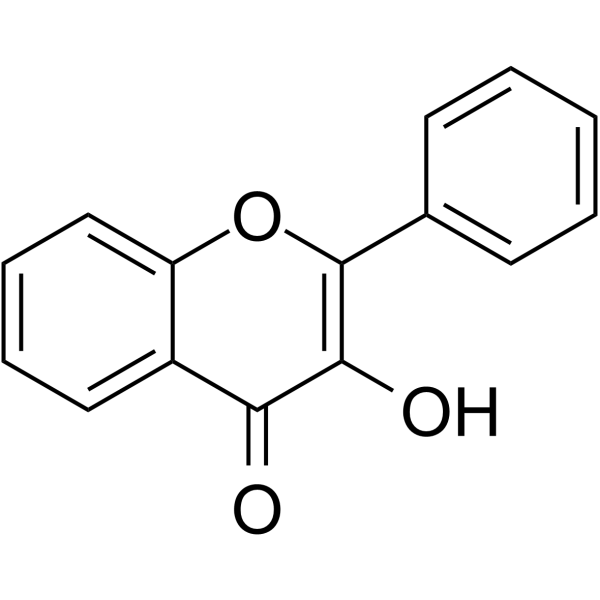
Flavonol is a cholinesterase (ChE) inhibitor, with an IC50 value of 120 μM and a Ki value of 74 μM. Flavonol has antioxidant, free radical-scavenging, antibacterial properties, and immune modulation functions. Flavonol inhibits the PriA helicase of Staphylococcus aureus. Flavonol can suppress the production of NO in LPS-activated RAW 264.7 cells by inhibiting the expression of the iNOS enzyme. Flavonol shows protective and analgesic effects in mice through various neuronal pathways. Flavonol can be used in research related to tumors and atherosclerosis diseases .
DNA2 inhibitor C5 (Standard) is the analytical standard of DNA2 inhibitor C5 (HY-128729). This product is intended for research and analytical applications. DNA2 inhibitor C5 is a potent, competitive, and specific DNA2 nuclease inhibitor with an IC50 of 20 μM. DNA2 inhibitor C5 inhibits the nuclease, DNA-dependent ATPase, helicase, and DNA-binding activities of DNA2. DNA2 inhibitor C5 can be used in breast cancer and colorectal cancer research.
SARS-CoV-2 nsp13-IN-7 (Compound 6r) is a SARS-CoV-2 nsp13 inhibitor (IC50: 0.28 μM). SARS-CoV-2 nsp13-IN-7 interferes with the helicase function of nsp13 by binding to the 5' RNA site and ATP binding site of nsp13. SARS-CoV-2 nsp13-IN-7 can be used as a lead compound for the development of antiviral drugs targeting SARS-CoV-2 nsp13 .
eIF4A3-IN-8 serves as a negative control targeting eukaryotic initiation factor 4A3 (eIF4A3), with an IC50 > 100 μM; it exhibits no significant activity .
Flavonol (Standard) is the analytical standard of Flavonol. This product is intended for research and analytical applications. Flavonol is a cholinesterase (ChE) inhibitor, with an IC50 value of 120 μM and a Ki value of 74 μM. Flavonol has antioxidant, free radical-scavenging, antibacterial properties, and immune modulation functions. Flavonol inhibits the PriA helicase of Staphylococcus aureus. Flavonol can suppress the production of NO in LPS-activated RAW 264.7 cells by inhibiting the expression of the iNOS enzyme. Flavonol shows protective and analgesic effects in mice through various neuronal pathways. Flavonol can be used in research related to tumors and atherosclerosis diseases .
Telomeric G4s ligand 2 is an orally active, selective ligand of telomeric G-quadruplex (G4), with an IC50 of 0.4 μM. Telomeric G4s ligand 2 binds to dimeric telomeric G4, inhibits the activities of DHX36 and BLMhelicases. Telomeric G4s ligand 2 activates cGAS-STING and TERRA-ZBP1 pathways, inducing autophagy and G2/M cell cycle arrest, and exhibits antiproliferative effects across cancer cell lines. Telomeric G4s ligand 2 can be used for the study of colorectal cancer .
Primulin is a versatile fluorescent dye and bioactive compound widely used in analytical, biological, botanical and virological studies. Primulin acts as a versatile stain that labels plant cell walls and differentiates live and dead spermatozoa via distinct fluorescence patterns. Primulin exhibits strong albumin‑binding capacity. Primulin acts as a retrograde axonal tracer in neurobiological investigations. Primulin and its derivatives inhibit HCV NS3, block dengue virus NS3-mediated ATP hydrolysis, and disrupt HCV replicase assembly .
HSV-1/HSV-2-IN-3 inhibits the herpes-simplex-virus (HSV) helicase-primase complex, blocking the coordinated DNA-unwinding and primer-synthesis steps required for viral genome replication. HSV-1/HSV-2-IN-3 exhibits an EC50 of 7.0 nM against HSV-2 in a gD-immunofluorescence cell assay containing 2 % FBS and 57.5 nM when 10 % human serum is present. HSV-1/HSV-2-IN-3 achieves an EC50 of 1.1 nM in a qPCR replication assay. HSV-1/HSV-2-IN-3 shows strong selectivity over human carbonic-anhydrase off-targets (IC50 ≈ 2.9 µM for hCA II and > 35 µM for hCA I). HSV-1/HSV-2-IN-3 can be studied in anti-HSV research .
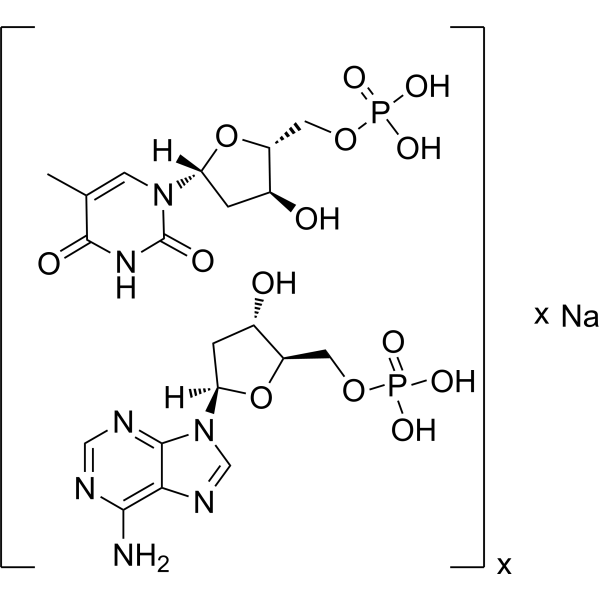
Poly(deoxyadenylic-thymidylic) acid (Poly(dA:dT)) sodium is a double-stranded DNA stimulant. Poly(deoxyadenylic-thymidylic) acid sodium is recognized by the intracellular DNA sensor DDX41 and activates the innate immune pathway via the adaptor protein STING, inducing the production of cytokines such as type I interferons. Poly(deoxyadenylic-thymidylic) acid sodium also serves as an in vitro transcription template for free RNA polymerase .
Multi-target kinase-IN-9 is a multi-target enzyme inhibitor with antiproliferative and antiangiogenic activities, and exhibits remarkable selectivity against hepatocellular carcinoma cells. By broadly binding to the active sites or ATP-binding regions of multiple key enzymes including DNA polymerase β, Pyruvate KinaseM2 (PKM2), Multi-target kinase-IN-9 comprehensively disrupts DNA repair and replication, glycolysis, chromatin dynamics and transcriptional programs, and blocks the self-renewal of cancer stem cells. Multi-target kinase-IN-9 induces genomic instability, lysosomal dysfunction and autophagic flux impairment, thereby triggering tumor cell death, effectively inhibiting tumor proliferation, invasion, metastasis and angiogenesis, and significantly reducing tumor volume in xenograft models. Multi-target kinase-IN-9 is applicable to hepatocellular carcinoma-related research .
Primulin is a versatile fluorescent dye and bioactive compound widely used in analytical, biological, botanical and virological studies. Primulin acts as a versatile stain that labels plant cell walls and differentiates live and dead spermatozoa via distinct fluorescence patterns. Primulin exhibits strong albumin‑binding capacity. Primulin acts as a retrograde axonal tracer in neurobiological investigations. Primulin and its derivatives inhibit HCV NS3, block dengue virus NS3-mediated ATP hydrolysis, and disrupt HCV replicase assembly .
Dby HY Peptide (608-622), mouse is a biological active peptide. (Dby HY Peptide, NAGFNSNRANSSRSS, is a HYAb epitope belonging to a well-conserved family of genes coding for known or putative RNA helicases and containing a core sequence with a DEAD (Asp-Glu-Ala-Asp) box peptide motif, hence the name Dby (Dead box RNA helicase Y). The single Phenylalanine in the sequence serves as the anchor point while FNSNRANSS most likely is the “core” sequence of this HYAb epitope.)
Flavonol is a cholinesterase (ChE) inhibitor, with an IC50 value of 120 μM and a Ki value of 74 μM. Flavonol has antioxidant, free radical-scavenging, antibacterial properties, and immune modulation functions. Flavonol inhibits the PriA helicase of Staphylococcus aureus. Flavonol can suppress the production of NO in LPS-activated RAW 264.7 cells by inhibiting the expression of the iNOS enzyme. Flavonol shows protective and analgesic effects in mice through various neuronal pathways. Flavonol can be used in research related to tumors and atherosclerosis diseases .
Avenanthramide A is an orally active phytoalexin that targets the RNA helicaseDDX3 with a KD of 8.8 μM. Avenanthramide A induces mitochondrial swelling and increased ROS production, and triggers apoptosis in CRC cells. Avenanthramide A inhibits smooth muscle cell proliferation and enhances nitric oxide production. Avenanthramide A can be used in research on colorectal cancer and atherosclerosis .
Sennidin B, a stereoisomer isolated from the leaves of Cassia angustifolia, has lower activity than Sennidin A. Sennidin A inhibits HCV NS3 helicase, with an IC50 of 0.8 μM. Sennidin A induces phosphorylation of Akt and glucose transporter 4 (GLUT4) translocation. Sennidin A stimulates the glucose incorporation .
Sennidin A, isolated from the leaves of Cassia angustifolia, inhibits HCV NS3 helicase, with an IC50 of 0.8 μM. Sennidin A induces phosphorylation of Akt and glucose transporter 4 (GLUT4) translocation. Sennidin A stimulates the glucose incorporation .
Avenanthramide A (Standard) is the analytical standard of Avenanthramide A. This product is intended for research and analytical applications. Avenanthramide A is an orally active phytoalexin that targets the RNA helicaseDDX3 with a KD of 8.8 μM. Avenanthramide A induces mitochondrial swelling and increased ROS production, and triggers apoptosis in CRC cells. Avenanthramide A inhibits smooth muscle cell proliferation and enhances nitric oxide production. Avenanthramide A can be used in research on colorectal cancer and atherosclerosis .
Sennidin A (Standard) is the analytical standard of Sennidin A. This product is intended for research and analytical applications. Sennidin A, isolated from the leaves of Cassia angustifolia, inhibits HCV NS3 helicase, with an IC50 of 0.8 μM. Sennidin A induces phosphorylation of Akt and glucose transporter 4 (GLUT4) translocation. Sennidin A stimulates the glucose incorporation .
Sennidin B (Standard) is the analytical standard of Sennidin B. This product is intended for research and analytical applications. Sennidin B, a stereoisomer isolated from the leaves of Cassia angustifolia, has lower activity than Sennidin A. Sennidin A inhibits HCV NS3 helicase, with an IC50 of 0.8 μM. Sennidin A induces phosphorylation of Akt and glucose transporter 4 (GLUT4) translocation. Sennidin A stimulates the glucose incorporation .
Flavonol (Standard) is the analytical standard of Flavonol. This product is intended for research and analytical applications. Flavonol is a cholinesterase (ChE) inhibitor, with an IC50 value of 120 μM and a Ki value of 74 μM. Flavonol has antioxidant, free radical-scavenging, antibacterial properties, and immune modulation functions. Flavonol inhibits the PriA helicase of Staphylococcus aureus. Flavonol can suppress the production of NO in LPS-activated RAW 264.7 cells by inhibiting the expression of the iNOS enzyme. Flavonol shows protective and analgesic effects in mice through various neuronal pathways. Flavonol can be used in research related to tumors and atherosclerosis diseases .
POLG proteins play multiple roles in the viral life cycle, contributing to viral RNA packaging, budding, and particle production. It exhibits RNA-binding and RNA chaperone activities, affecting translation initiation through interactions with viral IRES and ribosomal subunits. HCVNS5B Protein, HCV is the recombinant HCVNS5B, expressed by E. coli, with tag-free.
DNA helicase II/uvrD Protein, E.coli encodes an 82-kDa protein with both ATPase and helicase activities. DNA helicase II/uvrD Protein, E.coli unwinds DNA duplexes with 3' to 5' polarity with respect to the bound strand and initiates unwinding most effectively when a single-stranded region is present. DNA helicase II/uvrD Protein, E.coli is involved in methyl-directed mismatch repair and nucleotide excision repair of DNA DNA helicase II/uvrD Protein, E.coli is the recombinant E. coli-derived DNA helicase II/uvrD protein, expressed by E. coli , with tag free.
The multifunctional SARS-CoV-2 PP1ab protein is essential for viral RNA transcription and replication, utilizing proteases for multi-protein cleavage. It inhibits host translation by binding to the 40S subunit and blocks ribosomal mRNA entry channels, thereby hindering the antiviral response. NSP16/NSP10 Protein, SARS-CoV-2 is the recombinant virus-derived NSP16/NSP10, expressed by E. coli, with tag-free.
The multifunctional SARS-CoV-2 PP1ab protein is essential for viral RNA transcription and replication, utilizing proteases for multi-protein cleavage. It inhibits host translation by binding to the 40S subunit and blocks ribosomal mRNA entry channels, thereby hindering the antiviral response. NSP16/NSP10 Protein, Severe acute respiratory syndrome coronavirus 2 (2019-nCoV) (SARS-CoV-2) (His) is the recombinant virus-derived NSP16/NSP10, expressed by E. coli, with His labeled tag.
The multifunctional SARS-CoV-2 PP1ab protein is essential for viral RNA transcription and replication, utilizing proteases for multi-protein cleavage. It inhibits host translation by binding to the 40S subunit and blocks ribosomal mRNA entry channels, thereby hindering the antiviral response. RdRP Protein, Severe acute respiratory syndrome coronavirus 2 (2019-nCoV) (SARS-CoV-2) (Sf9, His, Strep) is the recombinant virus-derived RdRP, expressed by Sf9 insect cells, with Strep, His labeled tag.
The DDX19A protein is an ATP-dependent RNA helicase that plays a crucial role in unwinding single- and double-stranded DNA in the 3'-5' direction. It is actively involved in DNA replication and repair by recruiting DNA2 to aid in 5' end resection during double-strand break repair. DDX19A Protein, Human (His-SUMO) is the recombinant human-derived DDX19A protein, expressed by E. coli , with N-6*His, N-SUMO labeled tag.
The multifunctional SARS-CoV-2 PP1ab protein is essential for viral RNA transcription and replication, utilizing proteases for multi-protein cleavage. It inhibits host translation by binding to the 40S subunit and blocks ribosomal mRNA entry channels, thereby hindering the antiviral response. SARS-CoV-2 PP1ab Protein (His-MBP) is the recombinant Virus-derived SARS-CoV-2 PP1ab protein, expressed by E. coli , with C-6*His labeled tag.
The SMARCA4 protein is a multifaceted regulator of chromatin remodeling that dynamically alters DNA nucleosome topology through ATP-dependent enzymatic activity. As part of the SWI/SNF complex and the CREST-BRG1 complex, it regulates transcriptional processes, coordinating the release and activating recruitment of calcium-dependent repressor complexes. SMARCA4 Protein, Human (P.pastoris, His) is the recombinant human-derived SMARCA4 protein, expressed by P. pastoris , with N-6*His labeled tag.
BLM is an ATP-dependent DNA helicase that can unwind single- and double-stranded DNA in the 3'-5' direction and actively participates in the DNA replication and repair process. Notably, BLM plays a critical role in 5' end resection during double-strand break repair, recruiting DNA2 to cleave 5'-ssDNA. BLM Protein, Mouse (His-Myc) is the recombinant mouse-derived BLM protein, expressed by E. coli , with N-10*His, C-Myc labeled tag.
LGP2 protein is a key regulator of RIGI- and IFIH1/MDA5-mediated antiviral signaling and has dual negative and positive functions affected by factors such as infected viruses and target cells. LGP2 lacks a CARD domain for independent initiation of antiviral signaling and therefore inhibits RIG-I through multiple mechanisms, including competition for RNA binding and obstruction of interaction with MAVS/IPS1. LGP2 Protein, Human (HEK293, FLAG) is the recombinant human-derived LGP2 protein, expressed by HEK293 , with C-Flag labeled tag.
LGP2 protein is a key regulator of RIGI- and IFIH1/MDA5-mediated antiviral signaling and has dual negative and positive functions affected by factors such as infected viruses and target cells. LGP2 lacks a CARD domain for independent initiation of antiviral signaling and therefore inhibits RIG-I through multiple mechanisms, including competition for RNA binding and obstruction of interaction with MAVS/IPS1. LGP2 Protein, Human (HEK293, His, Strep, FLAG) is the recombinant human-derived LGP2 protein, expressed by HEK293 , with N-Strep, C-Flag, N-8*His labeled tag.
NS3 protease Protein is a zinc-dependent serine protease.NS3 needs to bind to the viral protein NS4A to enable additional conformation changes that enhance activity and appropriate intracellular localization.NS3 protein induces Caspase-8-mediated apoptosis independently of its protease or helicase activity.NS3 protease Protein, HCV (GST) is the recombinant Virus-derived NS3 protease protein, expressed by E.coli , with N-GST labeled tag.
ALC1; Amplified in liver cancer 1; Amplified in liver cancer protein 1; chd1l; CHD1L_HUMAN; CHDL; Chromodomain Helicase DNA binding protein 1 like; Chromodomain-Helicase-DNA-binding protein 1-like; FLJ22530
CHD1L protein is the ATP-binding subunit of the mitochondrial potassium channel and cooperates with CCDC51/MITOK to form a complex to promote ATP-dependent potassium current across the inner membrane (mitoK(ATP) channel). ABCB8 is essential for mitochondrial iron transport, affects cardiac function, and regulates the maturation of cytosolic iron-sulfur-containing enzymes. CHD1L Protein, Human (His-SUMO) is the recombinant human-derived CHD1L protein, expressed by E. coli , with N-His, N-SUMO labeled tag.
RuvA protein is a core component of the RuvA-RuvB-RuvC complex and plays a key role in gene recombination and DNA repair, especially in the processing of Holliday junction (HJ) DNA. RuvA cooperates with RuvB to promote HJ branch migration, binds to HJ cruciform DNA and imparts an open structure. RuvA Protein, E.coli (His-SUMO) is the recombinant E. coli-derived RuvA protein, expressed by E. coli , with N-SUMO, N-6*His labeled tag.
RuvB protein is an important component of the RuvABC complex and plays a key role in recombinant DNA repair, especially for UV-induced damage. It helps rescue stalled DNA replication forks through replication fork reversal (RFR). RuvB Protein, E.coli (His-SUMO) is the recombinant E. coli-derived RuvB protein, expressed by E. coli , with N-SUMO, N-6*His labeled tag.
DDX41 protein, a probable ATP-dependent RNA helicase, plays a crucial role in post-transcriptional gene expression, suggesting involvement in pre-mRNA splicing. As an ATP-dependent RNA helicase, DDX41 likely contributes to dynamic RNA unwinding, facilitating various aspects of RNA metabolism. Its multifunctional role underscores its significance in the intricate machinery governing gene expression and RNA processing within the cell. DDX41 Protein, Human (FLAG) is the recombinant human-derived DDX41 protein, expressed by E. coli , with C-Flag labeled tag.
The transcription terminator Rho protein plays a key role in promoting transcription termination through a mechanism that binds to nascent RNA, activates Rho's RNA-dependent ATPase activity, and subsequently releases mRNA from the DNA template. As an RNA-dependent NTPase, Rho utilizes all four ribonucleoside triphosphates as substrates, highlighting its versatility in nucleotide interactions during termination. Transcription termination factor Rho Protein, E.coli (His) is the recombinant E. coli-derived Transcription termination factor Rho protein, expressed by E. coli , with N-6*His labeled tag.
DDX41 protein, a probable ATP-dependent RNA helicase, plays a crucial role in post-transcriptional gene expression, suggesting involvement in pre-mRNA splicing. As an ATP-dependent RNA helicase, DDX41 likely contributes to dynamic RNA unwinding, facilitating various aspects of RNA metabolism. Its multifunctional role underscores its significance in the intricate machinery governing gene expression and RNA processing within the cell. DDX41 Protein, Human (His, Strep, Flag) is the recombinant human-derived DDX41 protein, expressed by E. coli , with N-Strep, N-6*His, C-Flag labeled tag.
The EIF4A1 protein is an ATP-dependent RNA helicase and an important subunit of the eIF4F complex, which is essential for cap recognition and promoting the binding of mRNA to ribosomes. In the translation initiation model, EIF4A1 helps unravel RNA secondary structure in the mRNA 5'-UTR. EIF4A1 Protein, Human is the recombinant human-derived EIF4A1 protein, expressed by E. coli , with tag free.
The EIF4A1 protein is an ATP-dependent RNA helicase and an important subunit of the eIF4F complex, which is essential for cap recognition and promoting the binding of mRNA to ribosomes. In the translation initiation model, EIF4A1 helps unravel RNA secondary structure in the mRNA 5'-UTR. EIF4A1 Protein, Human (His, Strep) is the recombinant human-derived EIF4A1 protein, expressed by E. coli , with N-Strep, N-6*His labeled tag.
The IFIH1 protein is an innate immune receptor that detects viral nucleic acids and triggers an antiviral response. IFIH1 is critical for type I interferon induction and recognizes ligands such as mRNA lacking 2'-O-methylation and long double-stranded RNA. IFIH1 Protein, Human (His) is the recombinant human-derived IFIH1 protein, expressed by E. coli , with N-6*His labeled tag.
The DDX39B protein intricately coordinates nuclear mRNA export and is specifically associated with spliced mRNA as a key component of the TREX complex. This coupling of mRNA transcription, processing, and export involves rounds of ATP-dependent hydrolysis, recruiting components such as ALYREF/THOC and CHTOP. DDX39B Protein, Human (GST) is the recombinant human-derived DDX39B protein, expressed by E. coli , with N-GST labeled tag.
HLTF protein has helicase and E3 ubiquitin ligase activities and has intrinsic ATP-dependent nucleosome remodeling ability. It is critical for the transcriptional regulation of specific promoters such as SERPINE1, HIV-1 and SV40. HLTF Protein, Human is the recombinant human-derived HLTF protein, expressed by E. coli , with tag free.
HLTF protein has helicase and E3 ubiquitin ligase activities and has intrinsic ATP-dependent nucleosome remodeling ability. It is critical for the transcriptional regulation of specific promoters such as SERPINE1, HIV-1 and SV40. HLTF Protein, Human (His) is the recombinant human-derived HLTF protein, expressed by E. coli , with N-6*His labeled tag.
EIF4A2, an ATP-dependent RNA helicase, is a vital subunit of the eIF4F complex, pivotal in cap recognition and mRNA binding to ribosomes. In translation initiation, EIF4A2 crucially unwinds RNA secondary structures in mRNA 5'-UTRs. This activity facilitates small ribosomal subunit binding and efficient scanning for the initiator codon, orchestrating translation initiation. EIF4A2 Protein, Human (GST) is the recombinant human-derived EIF4A2 protein, expressed by E. coli , with N-GST labeled tag.
TK216-d4 is the deuterium labeled TK216 (HY-122903). TK216 is an orally active and potent E26 transformation specific (ETS) inhibitor . TK216 directly binds EWS-FLI1 and inhibits EWS-FLI1 protein interactions. TK216 blocks the binding between EWS-FLI1 and RNA helicase A. TK216 has anticancer activity .
Avenanthramide A-d4 is the deuterium labeled Avenanthramide A (HY-114977). Avenanthramide A is an orally active phytoalexin that targets the RNA helicaseDDX3 with a KD of 8.8 μM. Avenanthramide A induces mitochondrial swelling and increased ROS production, and triggers apoptosis in CRC cells. Avenanthramide A inhibits smooth muscle cell proliferation and enhances nitric oxide production. Avenanthramide A can be used in research on colorectal cancer and atherosclerosis .
Pritelivir-d4-1 (AIC316-d4-1) is deuterium labeled Pritelivir. Pritelivir (AIC316), an inhibitor of the viral helicase-primase complex, exhibits antiviral activity in vitro and in animal models of herpes simplex virus (HSV) infection. Pritelivir is active against herpes simplex virus types 1 and 2 (HSV-1 and HSV-2) with the IC50 of 0.02 μM against HSV1-2 .
ATP dependent RNA Helicase DDX3X; ATP-dependent RNA Helicase DDX3X; CAP Rf; DBX; DDX14; DDX3X; DDX3X_HUMAN; DEAD; Asp Glu Ala Asp; box polypeptide 3 X linked; DEAD box; DEAD box protein 3; DEAD box protein 3 X-chromosomal; DEAD box X isoform; DEAD/H; Asp Glu Ala Asp/His; box polypeptide 3; DEAD/H box 3; DEAD/H box 3, X-linked; Fibroblast Growth Factor Inducible 14; Fin14; Helicase like protein 2; Helicase-like protein 2; HLP2; X isoform; X-chromosomal.
WB, IP, ICC/IF
Human, Rat, Mouse, Monkey
DDX3 Antibody (YA5296) is a Mouse-derived and non-conjugated monoclonal antibody, targeting to DDX3.
ATP dependent DNA Helicase II 80 kDa subunit; ATP dependent DNA Helicase II 86 Kd subunit; ATP dependent DNA Helicase II; ATP-dependent DNA Helicase 2 subunit 2; ATP-dependent DNA Helicase II 80 kDa subunit; CTC box binding factor 85 kDa; CTC box-binding factor 85 kDa subunit; CTC85; CTCBF; DNA repair protein XRCC5; Double strand break rejoining; FLJ39089; G22P2; KARP 1; KARP1; Ku 80; Ku autoantigen 80kDa; Ku80; Ku86; Ku86 autoantigen related protein 1; KUB 2; KUB2; Lupus Ku autoantigen protein p86; NFIV; Nuclear factor IV; Thyroid lupus autoantigen; Thyroid-lupus autoantigen; TLAA; X ray repair complementing defective repair in Chinese hamster cells 5; double strand break rejoining; X-ray repair complementing defective repair in Chinese hamster cells 5; double-strand-break rejoining; X-ray repair cross-complementing protein 5; Xray repair complementing defective repair in Chinese hamster cells 5; XRCC 5; XRCC5; XRCC5_HUMAN.
WB, ICC/IF, IP
Human, Monkey
Ku80 Antibody (YA5291) is a Mouse-derived and non-conjugated monoclonal antibody, targeting to Ku80.
PIAS1; DDXBP1; E3 SUMO-protein ligase PIAS1; DEAD/H box-binding protein 1; Gu-binding protein; GBP; Protein inhibitor of activated STAT protein 1; RNA Helicase II-binding protein
WB, IHC-P, ICC/IF, FC
Human, Mouse, Rat
PIAS1 Antibody (YA2217) is a Rabbit-derived and non-conjugated IgG monoclonal antibody, targeting to PIAS1.
DNA Helicase V, far upstream element (FUSE) binding protein 1, Far upstream element (FUSE) binding protein 4, Far upstream element binding protein 1, far upstream element binding protein, Far upstream element-binding protein 1, FBP, FUBP, Fubp1, FUBP1_HUMAN
WB, ICC/IF, IF-Tissue, IHC-P, FC
Human, Mouse, Rat
FUBP1 Antibody (YA9692) is a Rabbit-derived and non-conjugated IgG Recombinant,Monoclonal antibody, targeting to FUBP1.
HFM1 Human Pre-designed siRNA Set A contains three designed siRNAs for HFM1 gene (Human), as well as a negative control, a positive control, and a FAM-labeled negative control.
Inquiry Online
Your information is safe with us. * Required Fields.
Western blot analysis of extracts from THP-1(lane 2(20μg), Jurkat (lane 3(20μg) and NIH3T3(lane 4(20μg) using FOXO1A (HY-P80132) Rabbit mAb. Proteins were transferred
to a PVDF membrane and blocked with 5% non-fat milk in TBST for 2 hour at room temperature. The primary antibody (1/1000) and Loading control antibody (Beta Actin, HY-P80438, 1/10000) was
used in 5% non-fat milk in TBST at 4°C overnight. Goat Anti-Mouse/Rabbit IgG-HRP Secondary Antibody (1/10000) was used for 1 hour at room temperature.
Western blot analysis of extracts from THP-1(lane 2(20μg), Jurkat (lane 3(20μg) and NIH3T3(lane 4(20μg) using FOXO1A (HY-P80132) Rabbit mAb. Proteins were transferred
to a PVDF membrane and blocked with 5% non-fat milk in TBST for 2 hour at room temperature. The primary antibody (1/1000) and Loading control antibody (Beta Actin, HY-P80438, 1/10000) was
used in 5% non-fat milk in TBST at 4°C overnight. Goat Anti-Mouse/Rabbit IgG-HRP Secondary Antibody (1/10000) was used for 1 hour at room temperature.
Western blot analysis of extracts from THP-1(lane 2(20μg), Jurkat (lane 3(20μg) and NIH3T3(lane 4(20μg) using FOXO1A (HY-P80132) Rabbit mAb. Proteins were transferred
to a PVDF membrane and blocked with 5% non-fat milk in TBST for 2 hour at room temperature. The primary antibody (1/1000) and Loading control antibody (Beta Actin, HY-P80438, 1/10000) was
used in 5% non-fat milk in TBST at 4°C overnight. Goat Anti-Mouse/Rabbit IgG-HRP Secondary Antibody (1/10000) was used for 1 hour at room temperature.
Western blot analysis of extracts from THP-1(lane 2(20μg), Jurkat (lane 3(20μg) and NIH3T3(lane 4(20μg) using FOXO1A (HY-P80132) Rabbit mAb. Proteins were transferred
to a PVDF membrane and blocked with 5% non-fat milk in TBST for 2 hour at room temperature. The primary antibody (1/1000) and Loading control antibody (Beta Actin, HY-P80438, 1/10000) was
MedchemExpress Validation 03
Western blot analysis of extracts from THP-1(lane 2(20μg), Jurkat (lane 3(20μg) and NIH3T3(lane 4(20μg) using FOXO1A (HY-P80132) Rabbit mAb. Proteins were transferred
MedchemExpress Validation 04
Western blot analysis of extracts from THP-1(lane 2(20μg), Jurkat (lane 3(20μg) and NIH3T3(lane 4(20μg) using FOXO1A (HY-P80132) Rabbit mAb. Proteins were transferred
to a PVDF membrane and blocked with 5% non-fat milk in TBST for 2 hour at room temperature. The primary antibody (1/1000) and Loading control antibody (Beta Actin, HY-P80438, 1/10000) was
used in 5% non-fat milk in TBST at 4°C overnight. Goat Anti-Mouse/Rabbit IgG-HRP Secondary Antibody (1/10000) was used for 1 hour at room temperature.
MedchemExpress Validation
Western blot analysis of extracts from THP-1(lane 2(20μg), Jurkat (lane 3(20μg) and NIH3T3(lane 4(20μg) using FOXO1A (HY-P80132) Rabbit mAb. Proteins were transferred
to a PVDF membrane and blocked with 5% non-fat milk in TBST for 2 hour at room temperature. The primary antibody (1/1000) and Loading control antibody (Beta Actin, HY-P80438, 1/10000) was
used in 5% non-fat milk in TBST at 4°C overnight. Goat Anti-Mouse/Rabbit IgG-HRP Secondary Antibody (1/10000) was used for 1 hour at room temperature.
Western blot analysis of extracts from THP-1(lane 2(20μg), Jurkat (lane 3(20μg) and NIH3T3(lane 4(20μg) using FOXO1A (HY-P80132) Rabbit mAb. Proteins were transferred
to a PVDF membrane and blocked with 5% non-fat milk in TBST for 2 hour at room temperature. The primary antibody (1/1000) and Loading control antibody (Beta Actin, HY-P80438, 1/10000) was
used in 5% non-fat milk in TBST at 4°C overnight. Goat Anti-Mouse/Rabbit IgG-HRP Secondary Antibody (1/10000) was used for 1 hour at room temperature.
MedchemExpress Validation
Western blot analysis of extracts from THP-1(lane 2(20μg), Jurkat (lane 3(20μg) and NIH3T3(lane 4(20μg) using FOXO1A (HY-P80132) Rabbit mAb. Proteins were transferred
to a PVDF membrane and blocked with 5% non-fat milk in TBST for 2 hour at room temperature. The primary antibody (1/1000) and Loading control antibody (Beta Actin, HY-P80438, 1/10000) was
used in 5% non-fat milk in TBST at 4°C overnight. Goat Anti-Mouse/Rabbit IgG-HRP Secondary Antibody (1/10000) was used for 1 hour at room temperature.
MedchemExpress Validation
Western blot analysis of extracts from THP-1(lane 2(20μg), Jurkat (lane 3(20μg) and NIH3T3(lane 4(20μg) using FOXO1A (HY-P80132) Rabbit mAb. Proteins were transferred
to a PVDF membrane and blocked with 5% non-fat milk in TBST for 2 hour at room temperature. The primary antibody (1/1000) and Loading control antibody (Beta Actin, HY-P80438, 1/10000) was
used in 5% non-fat milk in TBST at 4°C overnight. Goat Anti-Mouse/Rabbit IgG-HRP Secondary Antibody (1/10000) was used for 1 hour at room temperature.
MedchemExpress Validation
Western blot analysis of extracts from THP-1(lane 2(20μg), Jurkat (lane 3(20μg) and NIH3T3(lane 4(20μg) using FOXO1A (HY-P80132) Rabbit mAb. Proteins were transferred
to a PVDF membrane and blocked with 5% non-fat milk in TBST for 2 hour at room temperature. The primary antibody (1/1000) and Loading control antibody (Beta Actin, HY-P80438, 1/10000) was
used in 5% non-fat milk in TBST at 4°C overnight. Goat Anti-Mouse/Rabbit IgG-HRP Secondary Antibody (1/10000) was used for 1 hour at room temperature.
MedchemExpress Validation
Western blot analysis of extracts from THP-1(lane 2(20μg), Jurkat (lane 3(20μg) and NIH3T3(lane 4(20μg) using FOXO1A (HY-P80132) Rabbit mAb. Proteins were transferred
to a PVDF membrane and blocked with 5% non-fat milk in TBST for 2 hour at room temperature. The primary antibody (1/1000) and Loading control antibody (Beta Actin, HY-P80438, 1/10000) was
used in 5% non-fat milk in TBST at 4°C overnight. Goat Anti-Mouse/Rabbit IgG-HRP Secondary Antibody (1/10000) was used for 1 hour at room temperature.
MedchemExpress Validation
Western blot analysis of extracts from THP-1(lane 2(20μg), Jurkat (lane 3(20μg) and NIH3T3(lane 4(20μg) using FOXO1A (HY-P80132) Rabbit mAb. Proteins were transferred
to a PVDF membrane and blocked with 5% non-fat milk in TBST for 2 hour at room temperature. The primary antibody (1/1000) and Loading control antibody (Beta Actin, HY-P80438, 1/10000) was
used in 5% non-fat milk in TBST at 4°C overnight. Goat Anti-Mouse/Rabbit IgG-HRP Secondary Antibody (1/10000) was used for 1 hour at room temperature.
MedchemExpress Validation
Western blot analysis of extracts from THP-1(lane 2(20μg), Jurkat (lane 3(20μg) and NIH3T3(lane 4(20μg) using FOXO1A (HY-P80132) Rabbit mAb. Proteins were transferred
to a PVDF membrane and blocked with 5% non-fat milk in TBST for 2 hour at room temperature. The primary antibody (1/1000) and Loading control antibody (Beta Actin, HY-P80438, 1/10000) was
used in 5% non-fat milk in TBST at 4°C overnight. Goat Anti-Mouse/Rabbit IgG-HRP Secondary Antibody (1/10000) was used for 1 hour at room temperature.
MedChemExpress values your privacy and your trust is important to us. We use cookies to enhance your website experience. Some cookies are necessary to run the website.
Privacy and Cookie Policy

