From 11:00 pm to 12:00 pm EST ( 8:00 pm to 9:00 pm PST ) on January 6th, the website will be under maintenance. We are sorry for the inconvenience. Please arrange your schedule properly.
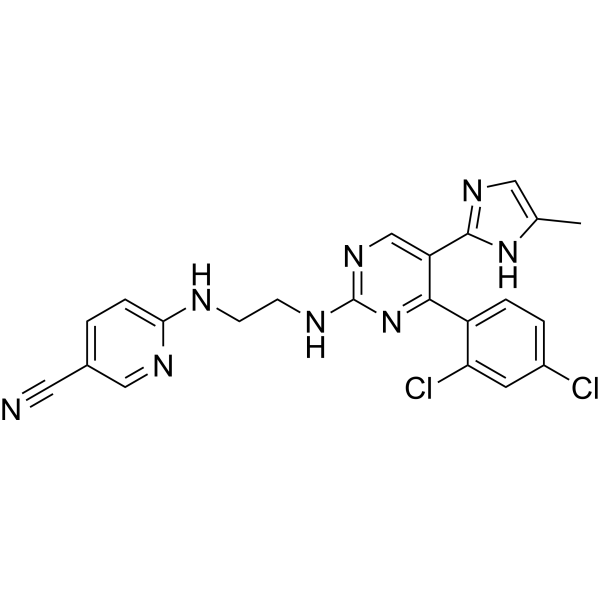
Laduviglusib (CHIR-99021) is a potent, selective and orally active GSK-3α/β inhibitor with IC50s of 10 nM and 6.7 nM. Laduviglusib shows >500-fold selectivity for GSK-3 over CDC2, ERK2 and other protein kinases. Laduviglusib is also a potent Wnt/β-catenin signaling pathway activator. Laduviglusib enhances mouse and humanembryonic stem cells self-renewal. Laduviglusib induces autophagy .
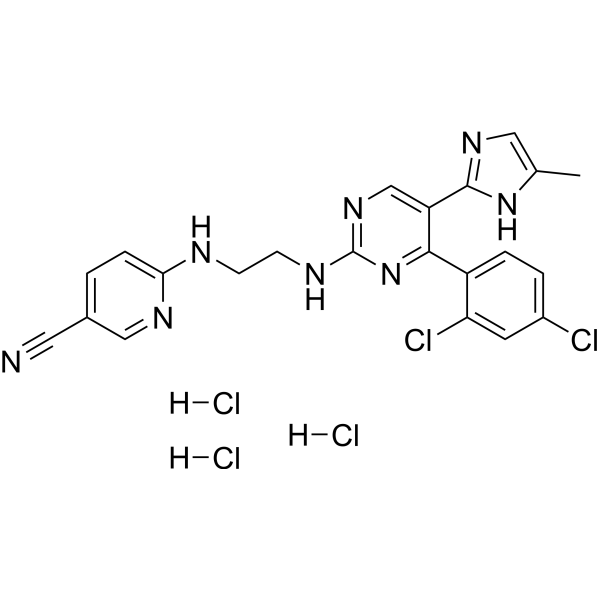
Laduviglusib (CHIR-99021) trihydrochloride is a potent and selective GSK-3α/β inhibitor with IC50s of 10 nM and 6.7 nM. Laduviglusib trihydrochloride shows >500-fold selectivity for GSK-3 over CDC2, ERK2 and other protein kinases. Laduviglusib trihydrochloride is also a potent Wnt/β-catenin signaling pathway activator. Laduviglusib trihydrochloride enhances mouse and humanembryonic stem cells self-renewal. Laduviglusib trihydrochloride induces autophagy .
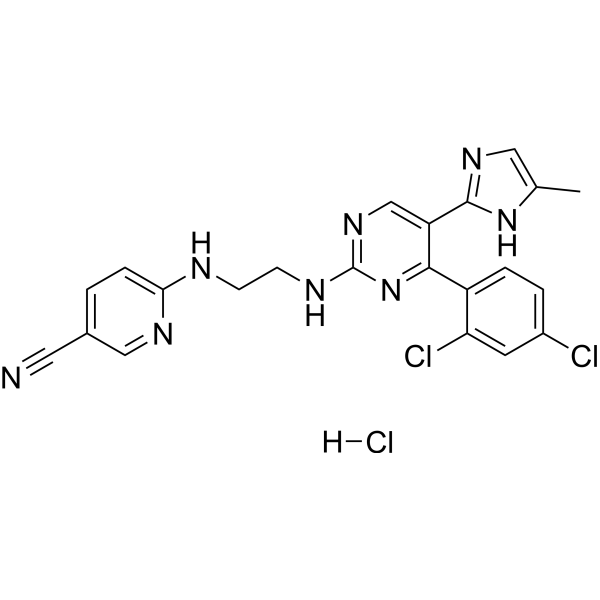
Laduviglusib (CHIR-99021) monohydrochloride is a potent and selective GSK-3α/β inhibitor with IC50s of 10 nM and 6.7 nM. Laduviglusib monohydrochloride shows >500-fold selectivity for GSK-3 over CDC2, ERK2 and other protein kinases. Laduviglusib monohydrochloride is also a potent Wnt/β-catenin signaling pathway activator. Laduviglusib monohydrochloride enhances mouse and humanembryonic stem cells self-renewal. Laduviglusib monohydrochloride induces autophagy .
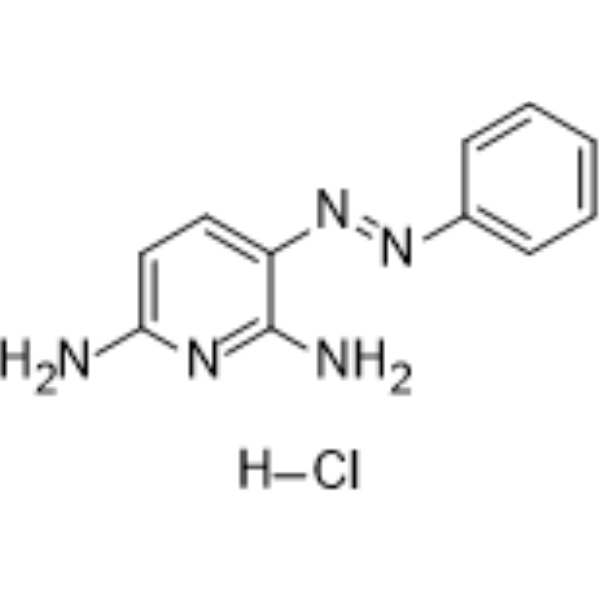
Phenazopyridine hydrochlorideis a competitive SARM1 inhibitor, with IC50 145 μM. Phenazopyridine hydrochlorideis a TRPM8 antagonist. Phenazopyridine hydrochloride has a local anesthetic/analgesic effect. Phenazopyridine hydrochlorideis used to relieve painful symptoms of conditions such as cystitis and urethritis. Phenazopyridine hydrochloridecan promote neuronal differentiation and can also be used in the study of traumatic brain injury, peripheral neuropathy and neurodegenerative diseases .
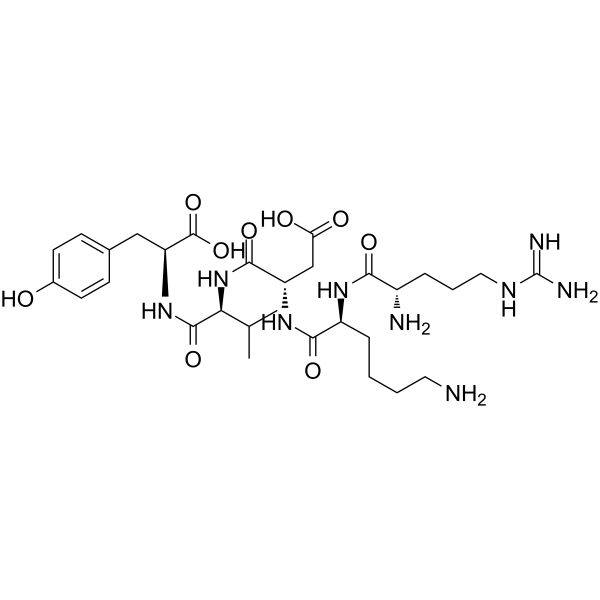
Thymopentin is a biologically active peptide secreted mainly by the epithelial cells of thymic cortex and medulla. Thymopentin is an effective immunomodulatory agent with a short plasma half-life of 30 seconds. Thymopentin enhances the generation of T-cell lineage derived from humanembryonic stem cells (hESCs) .
D-Glucuronic acid (Standard) is the analytical standard of D-Glucuronic acid. This product is intended for research and analytical applications. D-Glucuronic acid is a major component of many anti-inflammatory proteoglycans, which can promote embryonic development and inhibit cell aggregation. After being metabolized into ethyl glucuronide (HY-113093), D-Glucuronic acid activates Toll-like receptor 4 (TLR4), causing pain. D-Glucuronic acid and its derivative glucurono-lactone can serve as liver detoxifiers for human health prevention, and its derivatives also possess anti-tumor activity .
Mesendogen is a TRPM6 inhibitor. Mesendogen enhances the mesoderm and definitive endoderm (DE) differentiations of humanembryonic stem cells (hESCs) and human induced pluripotent stem cells (hiPSCs). Mesendogen can be used for the research of magnesium homeostasis during early embryoniccell development .
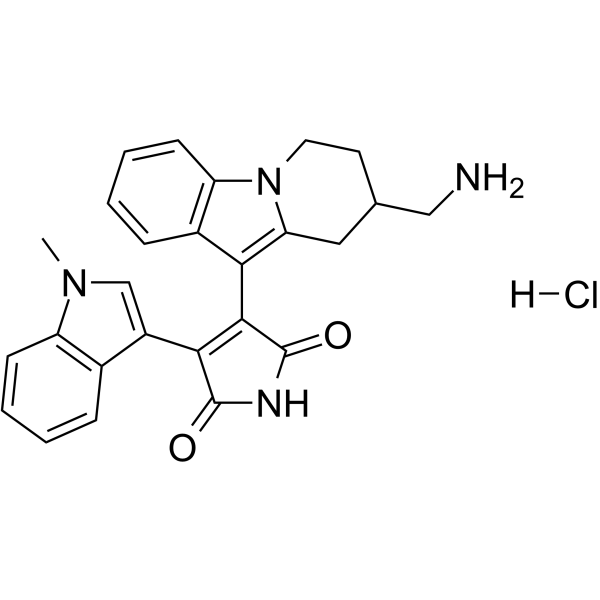
Bisindolylmaleimide X hydrochloride(Ro 31-8425 hydrochloride, BIM-X hydrochloride) is a cell-penetrating PKC inhibitor. Bisindolylmaleimide X hydrochloride is a potent cyclin-dependent kinase 2 (CDK2) antagonist with an IC50 of 200 nM. Bisindolylmaleimide X hydrochloride inhibits the proliferation of CD4 T cells in vitro. Bisindolylmaleimide X hydrochloride inhibits eNOS-Ser1177 phosphorylation in humanembryonic vein endothelial cells. Bisindolylmaleimide X hydrochloride can be used for research on the immune system and cardiovascular diseases .
Laduviglusib (Standard) is the analytical standard of Laduviglusib. Laduviglusib (CHIR-99021) is a potent, selective and orally active GSK-3α/β inhibitor with IC50s of 10 nM and 6.7 nM. Laduviglusib shows >500-fold selectivity for GSK-3 over CDC2, ERK2 and other protein kinases. Laduviglusib is also a potent Wnt/β-catenin signaling pathway activator. Laduviglusib enhances mouse and humanembryonic stem cells self-renewal. Laduviglusib induces autophagy .
Liafensine (BMS-820836) is an orally active, blood-brain barrier-permeable monoamine reuptake inhibitor, with an IC50 of 5.67 nM against DAT, 1.08 nM against SERT, and 7.99 nM against NET. Liafensine binds to DAT to block dopamine reuptake. Liafensine binds to SERT to block serotonin reuptake. Liafensine binds to NET to block norepinephrine reuptake. Liafensine can be used in studies related to depression .
Rotundic acid is an orally effective triterpenoid with a Kd value of 51.3 µM for PTP1B. Rotundic acid downregulates the AKT/mTOR pro-survival pathway and modulates the MAPK pathway. Rotundic acid induces cell cycle S-phase arrest, DNA damage and apoptosis; it inhibits migration, invasion, angiogenesis and proliferation of cancer cells. Rotundic acid improves leptin sensitivity, regulates gut microbiota and reduces cellular senescence. Rotundic acid can be used in research related to hepatocellular carcinoma, obesity, aging, acute lung injury and type 2 diabetes .
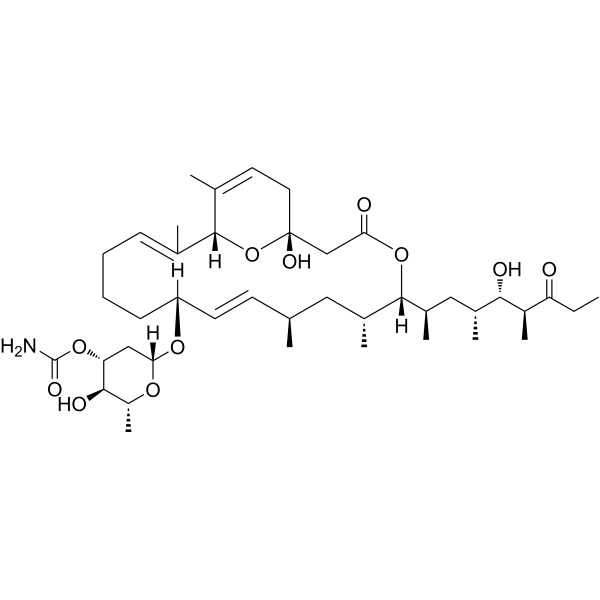
Venturicidin A (Aabomycin A1), from actinomycetes, is a membrane-active natural product inhibitor of ATP synthase. Venturicidin A potentiates the aminoglycoside antibiotic gentamicin against multidrug-resistant clinical isolates of Staphylococcus, Enterococcus, and Pseudomonas aeruginosa. Venturicidin A shows noticeable toxicity toward humanembryonic-kidney (HEK)cells with an IC50 of 31 μg/mL.
Mesoridazine (TPS-23) , a metabolite of Thioridazine (HY-B0965A), acts as an orally active phenothiazine antipsychotic agent. Mesoridazine is a potent and rapid open-channel blocker of human ether-a-go-go related gene (hERG) channels and blocks hERG currents with an IC50 of 550 nM (at 0 mV) in humanembryonic kidney 293 cells .Mesoridazine can be used for the research of schizophrenia, as well as certain other psychiatric disorders .
Peptide P60 is a FOXP3 inhibitor. Peptide P60 reduces the nuclear translocation of FOXP3 and impairs FOXP3-mediated inhibition of NF-κB and NFAT activity. Peptide P60 inhibits the immunosuppressive activity of regulatory T cells and restores the proliferation and activation of effector T cells. Peptide P60 induces lymphoproliferative autoimmune syndrome in neonatal ICR mice and reduces the number of CD4 +CD25 +Foxp3 + T cells in the spleen. Peptide P60 enhances the efficacy of AH1 (HY-P4193) peptide vaccine and recombinant adenovirus-based HCV NS3 vaccine in BALB/c mice, including protective effects against CT26 tumor implantation. Peptide P60 can be used in studies related to tumor immunity, viral infection and lymphoproliferative autoimmune syndrome .
UM4118 is a potent copper-selective non-genotoxic copper ionophore that induces cuproptosis in acute myeloid leukemia cells. UM4118 exhibits stronger activity against SF3B1G12C mutant acute myeloid leukemia cells. UM4118 transports extracellular copper into cells, elevates intracellular and mitochondrial copper levels, and triggers lipoylated DLAT aggregation, proteotoxic stress, iron-sulfur cluster protein depletion, reduced lipoylated protein levels, and maximal mitochondrial respiratory damage. UM4118 cytotoxicity can be enhanced by supplementation with extracellular copper, abolished by copper chelation, and shows synthetic lethal effects in the absence of iron-sulfur cluster biosynthesis/transport genes. UM4118 can be used for the study of acute myeloid leukemia .
IDE2 is a small molecule cell-permeable inducer of definitive endoderm formation in mouse and humanembryonic stem cells (ESCs) by activating the TGF-βsignaling pathway .
β-Neo-Endorphin is an endogenous opioid peptide. β-Neo-Endorphin is a hypothalamic “big” Leu-enkephalin of porcine origin. β-Neo-Endorphin shows activation of the Erk1/2, MMP-2 and MMP-9 .
Lixumistat (IM156 free base) is a potent and orally active AMPK activator and OXPHOS inhibitor. Lixumistat strongly activates AMPK, while it lacks the systemic metabolic regulatory effects of classic metformin, such as hypoglycemic and weight-lowering activities. Lixumistat exhibits significant therapeutic effects on cognitive decline associated with brain aging and pulmonary fibrosis .
GSA-10 is a potent smooth (Smo) receptor agonist. GSA-10 is a potent osteogenic molecule. GSA-10 can mediate Hedgehog (Hh) signaling. GSA-10 can be used in regenerative medicine for cancer disease and in the study of fat development .
Stemazole is a protective agent that promotes stem cell survival. Stemazole has the protective effect of humanembryonic stem cells (hESCs). Stemazole enhances clonal expansion of single cells and decreases apoptosis. Stemazole for the study of stem cell survival in starvation culture .
RBC6 is an inhibitor of GTPases RalA. RBC6 inhibits binding of Ral to its effector RALBP1. RBC6 also inhibits Ral-mediated cell spreading of murine embryonic fibroblasts, as well as anchorage-independent growth of human cancer celllines .
RNase H2 is the predominant source of RNase H activity in mammalian and humancells. RNase H2 protects genome integrity. RNase H2 has been associated with ribonucleotide removal from genomic DNA in yeast and mouse, where it is required for embryonic development .
Phthalazinone pyrazole is a potent, selective, and orally active inhibitor of Aurora-A kinase with an IC50 of 0.031 μM. Phthalazinone pyrazole can arrests mitosis and subsequently inhibit tumor growth via apoptosis of proliferating cells. Phthalazinone pyrazole suppresses the epithelial-mesenchymal transition (EMT) during the differentiation of hepatocyte-like cells (HLCs) from humanembryonic stem cells .
Thymopentin acetate is a biologically active peptide secreted mainly by the epithelial cells of thymic cortex and medulla. Thymopentin acetate is an effective immunomodulatory agent with a short plasma half-life of 30 seconds. Thymopentin acetate enhances the generation of T-cell lineage derived from humanembryonic stem cells (hESCs) .
PROTAC VEGFR-2 degrader-2 is a VEGFR-2 (KDR)PROTAC degrader with weak inhibitory activity against VEGFR-2 (IC50 > 1 μM). It is applicable to the research of cancer-related pathological angiogenesis .
CBB1007 trihydrochloride is a reversible and selective LSD1 inhibitor with an IC50 of 5.27 µM for human LSD1. CBB1007 trihydrochloride significantly blocks the demethylase activity of LSD1 on H3K4Me2 and H3K4Me. CBB1007 trihydrochloride shows selectivity for LSD1 over LSD2 or JARID1A, and induces differentiation-related genes in pluripotent cells. CBB1007 trihydrochloride is studied in non-pluripotent cancer research, targeting teratocarcinoma, embryonic carcinoma, and seminoma .
Laduviglusib dihydrochloride (CHIR-99021 dihydrochloride; CT99021 dihydrochloride) is a potent, selective and orally active GSK-3α/β inhibitor with IC50s of 10 nM and 6.7 nM. Laduviglusib dihydrochloride shows >500-fold selectivity for GSK-3 over CDC2, ERK2 and other protein kinases. Laduviglusib dihydrochloride is also a potent Wnt/β-catenin signaling pathway activator. Laduviglusib dihydrochloride enhances mouse and humanembryonic stem cells self-renewal. Laduviglusib dihydrochloride induces autophagy .
Ac4-5SGlcNAc is an O-GlcNAc transferase (OGT) inhibitor. Ac4-5SGlcNAc converts intracellularly to UDP-5SGlcNAc, which competes with native UDP-GlcNAc (HY-148596) to block OGT catalytic activity, reduces cellular UDP-GlcNAc pools, and limits global protein O-GlcNAcylation. Ac4-5SGlcNAc reduces OGA levels via feedback, alters lectin signal intensities and glycan-related band masses. Ac4-5SGlcNAc can be used for the research of breast cancer .
P2X4 antagonist-1 is a P2X4 receptor antagonist with an IC50 of 15 nM. P2X4 antagonist-1 inhibits ATP (HY-B2176)-induced calcium influx. P2X4 antagonist-1 can be used for the research of pain syndromes, endometriosis, cancer .
8-Aminoadenine is an adenine receptor 1 (rAde1R) inhibitor with a Ki of 6.51 μM in rat and 0.0341 μM in human. 8-Aminoadenine inhibits isoprenaline-induced cAMP accumulation and adenine uptake in astrocytoma cells expressing rAde1R. 8-Aminoadenine serves as a lead structure for the development of adenine receptor ligands to elucidate the functions of the adenine receptor family .
Mesoridazine (TPS-23) benzenesulfonate, a metabolite of Thioridazine (HY-B0965A), acts as an orally active phenothiazine antipsychotic agent. Mesoridazine benzenesulfonate is a potent and rapid open-channel blocker of human ether-a-go-go related gene (hERG) channels and blocks hERG currents with an IC50 of 550 nM (at 0 mV) in humanembryonic kidney 293 cells .Mesoridazine benzenesulfonate can be used for the research of schizophrenia, as well as certain other psychiatric disorders .
HSV-1/HSV-2-IN-1 (compound 7d) is a HSV-1 and HSV-2 inhibitor, with EC50s of 7.6, 7.6, 4, and 12 μM for HSV-1 (KOS), HSV-2 (G), HSV-1 TK - KOS ACV r and vaccinia virus in humanembryonic lung fibroblast cell cultures .
PDGFRα kinase-IN-2 is a potent PDGFR-α inhibitor with an IC50 of 2.1 nM. PDGFRα kinase-IN-2 exhibits anticancer activity against human colon cancer HT-29 cell with an IC50 of 1.48 μM. PDGFRα kinase-IN-2 has anti-angiogenic activity in zebrafish models and low embryonic lethality. PDGFRα kinase-IN-2 can used for the studies of colon cancer and anti-angiogenesis .
BML-278 is a SIRT1 activator (EC150: 1 μM). BML-278 increases H3K9 methylation and inhibits H3K9 acetylation in both the paternal and maternal pronucleus. BML-278 improves early embryonic development. BML-278 arrests the cell cycle at the G1/S phase, and reduces senescence in primary human mesenchymal cells. BML-278 reduces tubulin acetylation in U937 cells. BML-278 also increases mitochondrial density in murine C2C12 myoblasts .
DFL23448 is a selective transient receptor potential melastatin-8 (TRPM8) antagonist. DFL23448 shows IC50 values of 10 and 21 nM in hTRPM8 humanembryonic kidney 293 cells activated by Cooling Agent 10 or cold. DFL23448 has limited activity (IC50 >10 μM) at transient receptor potential vanilloids TRPV1, TRPA1, or TRPV4 or at various G protein-coupled receptors. DFL23448 can modify bladder function and reduce bladder overactivity in awake rats .
Laduviglusib (monohydrochloride) (Standard) is the analytical standard of Laduviglusib (monohydrochloride). This product is intended for research and analytical applications. Laduviglusib (CHIR-99021) monohydrochloride is a potent and selective GSK-3α/β inhibitor with IC50s of 10 nM and 6.7 nM. Laduviglusib monohydrochloride shows >500-fold selectivity for GSK-3 over CDC2, ERK2 and other protein kinases. Laduviglusib monohydrochloride is also a potent Wnt/β-catenin signaling pathway activator. Laduviglusib monohydrochloride enhances mouse and humanembryonic stem cells self-renewal. Laduviglusib monohydrochloride induces autophagy .
Platinum(COD)dichloride (Compound Pt1) is an Antibacterial agent. Platinum(COD)dichloride shows antibacterial activity against a panel of gram-positive bacteria including Vancomycin (HY-B0671) and Methicillin (HY-121544) resistant Staphylococcus aureus .
UCI-1 is a SARS-CoV-2 main protease (M pro) cyclic peptide inhibitor with an IC50 of 160 μM. UCI-1 shows no obvious cytotoxicity at the concentration of inhibiting M pro. UCI-1 can be used in the study of anti-COVID-19 drugs .
Human PDGFA mRNA encodes the human platelet derived growth factor A (PDGFA) protein, a member of the platelet-derived growth factor family. PDGFA plays an essential role in the regulation of embryonic development, cell proliferation, cell migration, survival and chemotaxis.
Human NANOG mRNA encodes the human Nanog homeobox (NANOG) protein, a DNA binding homeobox transcription factor that involved in embryonic stem (ES) cell proliferation, renewal, and pluripotency. NANOG can block ES cell differentiation and autorepress its own expression in differentiating cells.
Human PDGFB mRNA encodes the human platelet derived growth factor B (PDGFB) protein, a member of the platelet-derived growth factor family. PDGFB plays an essential role in the regulation of embryonic development, cell proliferation, cell migration, survival and chemotaxis.
Human PDGFC mRNA encodes the human platelet derived growth factor C (PDGFC) protein, a member of the platelet-derived growth factor family. PDGFC plays an essential role in the regulation of embryonic development, cell proliferation, cell migration, survival and chemotaxis.
Human PDGFD mRNA encodes the human platelet derived growth factor D (PDGFD) protein, a member of the platelet-derived growth factor family. PDGFD plays an essential role in the regulation of embryonic development, cell proliferation, cell migration, survival and chemotaxis.
Human FGF4 mRNA encodes the human fibroblast growth factor 4 (FGF4) protein, a member of the fibroblast growth factor (FGF) family. FGF4 may play an important role in the regulation of embryonic development, cell proliferation, and cell differentiation.
Human FGF3 mRNA encodes the human fibroblast growth factor 3 (FGF3) protein, a member of the fibroblast growth factor (FGF) family. FGF3 may play an important role in the regulation of embryonic development, cell proliferation, and cell differentiation.
Human kruppel like factor 4 (KLF4) mRNA encodes a protein that belongs to the Kruppel family of transcription factors. KLF4 protein is thought to regulate the expression of key transcription factors during embryonic development and play an important role in maintaining embryonic stem cells, and in preventing their differentiation. In addition it is also required for establishing the barrier function of the skin and for postnatal maturation and maintenance of the ocular surface.
Human FGF16 mRNA encodes the human fibroblast growth factor 16 (FGF16) protein, a member of the fibroblast growth factor (FGF) family. FGF16 probably plays an important role in the regulation of embryonic development, cell proliferation and cell differentiation. It is also required for normal cardiomyocyte proliferation and heart development.
Thymopentin is a biologically active peptide secreted mainly by the epithelial cells of thymic cortex and medulla. Thymopentin is an effective immunomodulatory agent with a short plasma half-life of 30 seconds. Thymopentin enhances the generation of T-cell lineage derived from humanembryonic stem cells (hESCs) .
RBC10 is an anti-cancer agent. RBC10 inhibits the binding of Ral to its effector RALBP1. RBC10 also inhibits Ral-mediated cell spreading of murine embryonic fibroblasts and anchorage-independent growth of human cancer cell lines .
Human FGF7 mRNA encodes the human fibroblast growth factor 7 (FGF7) protein, a member of the fibroblast growth factor (FGF) family. FGF family members possess broad mitogenic and cell survival activities, and are involved in a variety of biological processes, including embryonic development, cell growth, morphogenesis, tissue repair, tumor growth and invasion.
Human FGF8 mRNA encodes the human fibroblast growth factor 8 (FGF8) protein, a member of the fibroblast growth factor (FGF) family. FGF family members possess broad mitogenic and cell survival activities, and are involved in a variety of biological processes, including embryonic development, cell growth, morphogenesis, tissue repair, tumor growth and invasion.
Human FGF9 mRNA encodes the human fibroblast growth factor 9 (FGF9) protein, a member of the fibroblast growth factor (FGF) family. FGF family members possess broad mitogenic and cell survival activities, and are involved in a variety of biological processes, including embryonic development, cell growth, morphogenesis, tissue repair, tumor growth and invasion.
Human POU class 5 homeobox 1 (POU5F1) mRNA encodes a transcription factor containing a POU homeodomain that plays a key role in embryonic development and stem cell pluripotency. Aberrant expression of this gene in adult tissues is associated with tumorigenesis.
Human SOX2 mRNA encodes the human SRY-box transcription factor 2 (SOX2) protein, a member of the SRY-related HMG-box (SOX) family of transcription factors. SOX2 involves in the regulation of embryonic development and in the determination of cell fate. In addition, SOX2 is also required for stem-cell maintenance in the central nervous system and could regulate gene expression in the stomach.
Tembetarine chloride is a alkaloid that can be isolated from Tinospora cordifolia that exhibits antibacterial activity. Tembetarine chloride exhibits weak cytotoxicity against mouse fibroblasts (L929) and humanembryonic kidney cells (HEK293) with IC50 of 1245.33 μg/mL and 1642.81 μg/mL, respectively .
Mesoridazine-d3 is the deuterium labeled Mesoridazine (HY-B1482A). Mesoridazine (TPS-23) , a metabolite of Thioridazine (HY-B0965A), acts as an orally active phenothiazine antipsychotic agent. Mesoridazine is a potent and rapid open-channel blocker of human ether-a-go-go related gene (hERG) channels and blocks hERG currents with an IC50 of 550 nM (at 0 mV) in humanembryonic kidney 293 cells .Mesoridazine can be used for the research of schizophrenia, as well as certain other psychiatric disorders .
MOR agonist-3 (Compound 84) is a D3R/MOR antagonist/partial agonist a(Ki 382 nM and 55.2 nM respectively). MOR agonist-3 has the potential to produce analgesic effects through MOR (μ-opioid receptor) (HY-149337) partial agonists. MOR agonist-3 can be used in the inflammation and neuropathic pain research .
β-Neo-Endorphin acetate is an endogenous opioid peptide. β-Neo-Endorphin acetate is a hypothalamic "big" Leu-enkephalin of porcine origin. β-Neo-Endorphin acetate shows activation of the Erk1/2, MMP-2 and MMP-9 .
CBB1007 hydrochloride is a reversible and selective LSD1 inhibitor with an IC50 of 5.27 µM for human LSD1. CBB1007 hydrochloride significantly blocks the demethylase activity of LSD1 on H3K4Me2 and H3K4Me. CBB1007 hydrochloride shows selectivity for LSD1 over LSD2 or JARID1A, and induces differentiation-related genes in pluripotent cells. CBB1007 hydrochloride is studied in non-pluripotent cancer research, targeting teratocarcinoma, embryonic carcinoma, and seminoma .
CBB1007 is a reversible and selective LSD1 inhibitor with an IC50 of 5.27 µM for human LSD1. CBB1007 significantly blocks the demethylase activity of LSD1 on H3K4Me2 and H3K4Me. CBB1007 shows selectivity for LSD1 over LSD2 or JARID1A, and induces differentiation-related genes in pluripotent cells. CBB1007 is studied in non-pluripotent cancer research, targeting teratocarcinoma, embryonic carcinoma, and seminoma .
Laduviglusib (trihydrochloride) (Standard) is the analytical standard of Laduviglusib (trihydrochloride). This product is intended for research and analytical applications. Laduviglusib (CHIR-99021) trihydrochloride is a potent and selective GSK-3α/β inhibitor with IC50s of 10 nM and 6.7 nM. Laduviglusib trihydrochloride shows >500-fold selectivity for GSK-3 over CDC2, ERK2 and other protein kinases. Laduviglusib trihydrochloride is also a potent Wnt/β-catenin signaling pathway activator. Laduviglusib trihydrochloride enhances mouse and humanembryonic stem cells self-renewal. Laduviglusib trihydrochloride induces autophagy .
Phenazopyridine (hydrochloride) (Standard) is the analytical standard of Phenazopyridine (hydrochloride). This product is intended for research and analytical applications. Phenazopyridine hydrochlorideis a competitive SARM1 inhibitor, with IC50 145 μM. Phenazopyridine hydrochlorideis a TRPM8 antagonist. Phenazopyridine hydrochloride has a local anesthetic/analgesic effect. Phenazopyridine hydrochlorideis used to relieve painful symptoms of conditions such as cystitis and urethritis. Phenazopyridine hydrochloridecan promote neuronal differentiation and can also be used in the study of traumatic brain injury, peripheral neuropathy and neurodegenerative diseases .
Anticancer agent 298 is a bi-nuclear Cu(II)-hydrazone complexe. Anticancer agent 298 can bind to the CDK-2 active site (PDB ID: 3IG7) via hydrogen bonds with key amino acid residues. Anticancer agent 298 exerts cytotoxic effects against hepatocellular carcinoma cells, and has lower cytotoxicity against normal humanembryonic kidney cells. Anticancer agent 298 can be used for the research of hepatocellular carcinoma .
MT16-001 is a cell-permeable UCHL1 inhibitor with an IC50 value of 580 nM. MT16-001 also exhibits considerable inhibitory activity against USP30, and shows selectivity for other UCH family deubiquitinases (DUBs) as well as the broader proteome. MT16-001 binds covalently to the cysteine residue at the active site of UCHL1, and forms covalent interactions with ALDH2, ALDH9A1 and GATD3A in intact cells. Meanwhile, as a cytotoxic agent, it displays a steep dose-response curve in humanembryonic kidney cells. MT16-001 can be used for research on various cancers, liver fibrosis and pulmonary fibrosis .
PARP10-IN-1 is a PARP10 inhibitor with an IC50 of 1.8 μM, 2.7 μM, and >10-fold selectivity over most PARP family members, excluding PARP7 and PARP16.PARP10-IN-1 inhibits PARP10-mediated mono-ADP-ribosylation, including auto-MARylation of PARP10 and MARylation of its protein targets.PARP10-IN-1 is membrane permeable and inhibits PARP10-dependent MARylation in humanembryonic kidney cells.PARP10-IN-1 can be used for the research of cancer .
Mesendogen (Standard) is the analytical standard of Mesendogen (HY-103073). This product is intended for research and analytical applications. Mesendogen is a TRPM6 inhibitor. Mesendogen enhances the mesoderm and definitive endoderm (DE) differentiations of humanembryonic stem cells (hESCs) and human induced pluripotent stem cells (hiPSCs). Mesendogen can be used for the research of magnesium homeostasis during early embryoniccell development .
PROTAC SARS-CoV-2 Mpro degrader-5 is a SARS-CoV-2 main protease (Mpro) PROTAC. PROTAC SARS-CoV-2 Mpro degrader-5 engages CRBN E3 ubiquitin ligase to form a ternary complex with SARS-CoV-2 Mpro, induces K48-linked polyubiquitination of SARS-CoV-2 Mpro, and drives proteasome-dependent turnover of SARS-CoV-2 Mpro with a high selectivity index (CC50/DC50 > 10) in humanembryonic kidney cells.PROTAC SARS-CoV-2 Mpro degrader-5 can be used for the research of COVID-19 .
WH-4-023 GMP is WH-4-023 (HY-12299) produced by using GMP guidelines. GMP small molecules works appropriately as an auxiliary reagent for cell therapy manufacture. WH-4-023 (Dual LCK/SRC inhibitor) is a Lck/Src dual target inhibitor with functions in stem cell maintenance and differentiation regulation. WH-4-023 blocks epithelial-mesenchymal transition, supports the self-renewal of porcine embryonic stem cells, and inhibits their differentiation into mesoderm and endoderm. WH-4-023 is a key component of 3i/LAF medium, and enables the stable establishment and long-term maintenance of porcine pre-gastrulation epiblast stem cell lines. Removal of WH-4-023 reduces the expression of pluripotency factors in porcine and human extended pluripotent stem cells. WH-4-023 can be applied to relevant studies such as non-small cell lung cancer resistant to EGFR-TKIs .
Human Lin-28 homolog A (LIN28A) mRNA encodes a LIN-28 family RNA-binding protein that acts as a posttranscriptional regulator of genes involved in developmental timing and self-renewal in embryonic stem cells. LIN28A functions through direct interaction with target mRNAs and by disrupting the maturation of certain miRNAs involved in embryonic development.
Thymopentin (acetate) (Standard) is the analytical standard of Thymopentin (acetate) (HY-N7122A). This product is intended for research and analytical applications. Thymopentin acetate is a biologically active peptide secreted mainly by the epithelial cells of thymic cortex and medulla. Thymopentin acetate is an effective immunomodulatory agent with a short plasma half-life of 30 seconds. Thymopentin acetate enhances the generation of T-cell lineage derived from humanembryonic stem cells (hESCs) .
Bisindolylmaleimide X (Ro 31-8425, BIM-X) is a cell-penetrating PKC inhibitor. Bisindolylmaleimide X is a potent cyclin-dependent kinase 2 (CDK2) antagonist with an IC50 of 200 nM. Bisindolylmaleimide X inhibits the proliferation of CD4 T cells in vitro. Bisindolylmaleimide X inhibits eNOS-Ser1177 phosphorylation in humanembryonic vein endothelial cells. Bisindolylmaleimide X can be used for research on the immune system and cardiovascular diseases .
(Arg)9,TAMRA-labeled acetate is a TAMRA-labeled, membrane-permeable cationic cell-penetrating polyarginine peptide. (Arg)9,TAMRA-labeled acetate acts as a cell-penetrating peptide for drug delivery .
SU10944 is a selective, orally active VEGFR inhibitor, with an IC50 of 6 nM against VEGFR-1, an IC50 of 96 nM and a Ki of 21 nM against VEGFR-2. SU10944 only exhibits weak inhibitory activity against PDGFRβ (IC50 = 1 μM), SCFR (IC50 = 1.58 μM) and FGFR-1 (IC50 = 1.6 μM). SU10944 selectively inhibits VEGFR receptor downstream signaling, neovascularization, vascular permeability, VEGF-mediated tissue factor production, and induces tumor growth delay. SU10944 can be used in research related to diabetic retinopathy, exudative age-related macular degeneration or cancer .
Cochinchinone P is a retinoid X receptor-α (RXRα) inhibitor that inhibits 9-cis-retinoic acid (HY-15128)-induced transcriptional activity of RXRα in vitro. Cochinchinone P can be used in cancer research .
CDK9-IN-51 is a CDK9 inhibitor. CDK9-IN-51 binds stably to purified CDK9 protein via interactions with key active-site residues Cys106, Asp109, and Phe103. CDK9-IN-51 exhibits antiproliferative activity against multiple cancer cells. CDK9-IN-51 can be used for the research of cancer, such as lung carcinoma, cervical carcinoma and breast carcinoma .
SB-405483 is a CRBN orthosteric ligand bindign enhancer. SB-405483 potentiates degradation of CRBN substrates including CK1α, Wee1, IKZF1/3. SB-405483 stabilizes CRBN and reduces CRBN autoubiquitination. SB-405483 can be used for the research of cancer, such as multiple myeloma and acute myeloid leukemia .
FXR agonist 18 is an orally active FXR agonist, with an EC50 of 10 nM against human FXR and an EC50 of 1360 nM against human TGR5. FXR agonist 18 inhibits inflammatory responses by reducing nitrite production, downregulating the expression of pro-inflammatory genes (Tnf, Adgre1, Cyp8b1, upregulating the expression of FXR, Hmox1, Nqo1, Nrf2, and enhancing antioxidant responses. FXR agonist 18 ameliorates liver fibrosis in mice, exhibits protective effects in mice with cholestatic liver injury, and shows anti-MASH efficacy. FXR agonist 18 can be used in studies of metabolic dysfunction-associated steatohepatitis .
H-D-Tpi-OH (D-1,2,3,4-Tetrahydronorharman-3-carboxylic acid) is a tetrahydro-β-carboline derivative. H-D-Tpi-OH only slightly upregulates QR1, mildly inhibits the aromatase and NO synthesis pathways, and shows no significant in vitro anti-breast tumor proliferation activity. H-D-Tpi-OH can be used in cancer-related research .
Emindole SB is an anticancer agent. Emindole SB can be isolated from Penicillium species. Emindole SB exerts anticancer effects against ovarian cancer, breast cancer and lymphoma. Emindole SB shows no toxicity to Caenorhabditis elegans. Emindole SB can be used in studies related to ovarian cancer, lymphoma and breast cancer .
NSC-368262 is a STAT3 inhibitor. NSC-368262 selectively alkylates and covalently modifies STAT3 Cys468 at the DNA-binding interface of STAT3, blocks the DNA-binding activity of STAT3, and inhibits the phosphorylation of STAT3. NSC-368262 blocks the accumulation of activated STAT3 in the nucleus of cancer cells, induces PARP cleavage and apoptosis in cells, and inhibits tumor growth in mouse models. NSC-368262 can be used in research related to breast cancer and cervical cancer .
Gramicidin S analogue 9 is a bactericidal agent that can be found as a cyclic peptide analogue. Gramicidin S analogue 9 disrupts bacterial cell membranes. Gramicidin S analogue 9 can be used for the research of methicillin-resistant staphylococcus aureus infection .
Berberine-amide-m-PhBA chloride (Compound 8b) is a selective anti-breast cancer agent. Berberine-amide-m-PhBA chloride may inhibit the proteasome by interacting with the 20S proteasome β5 subunit. Berberine-amide-m-PhBA chloride can be used in the research of breast cancer .
CC-410 is a selective Nicotinamide N-methyltransferase (NNMT) inhibitor with a human IC50 value of 1.6 µM. CC-410 impairs terminal adipocyte differentiation via glucocorticoid signaling network deregulation, inhibits adipogenesis and lipid accumulation with time-sensitive activity limited to early adipogenesis stages. CC-410 can be used for the researches of early-onset obesity, glucocorticoid-induced obesity .
Isosorbide di-(methyl fumarate) (IDMF), topical DMF (HY-17363) derivative, is an NRF2/ARE pathway activator. Isosorbide di-(methyl fumarate) downregulates ANCR targets, modulates epithelial differentiation, represses proinflammatory cytokine genes, IL-17A- and TNF-induced keratinocyte genes, psoriatic skin lesion-specific genes, and immune response genes. Isosorbide di-(methyl fumarate) stimulates oxidative stress response gene transcription, reduces erythema and scaling in Imiquimod (HY-B0180)-induced psoriasiform lesions. Isosorbide di-(methyl fumarate) exhibits no genotoxicity or radiation sensitivity in skin fibroblasts, is nonirritating and nonsensitizing in rodent models. Isosorbide di-(methyl fumarate) can be used for the research of psoriasis vulgaris .
FBPase-IN-7 is a fructose-1,6-bisphosphatase (FBPase)inhibitor with an IC50 of 0.75 μM. FBPase-IN-7 binds to a cryptic allosteric pocket of FBPase, induces conformational rearrangement of key residues, forms a hydrogen-bond network, and disrupts substrate catalysis. FBPase-IN-7 confirms cellular stabilizes HuFBPase in hepatic cells. FBPase-IN-7 has hypoglycemic activity. FBPase-IN-7 can be used for the research of type 2 diabetes .
Doxycycline hydrochloride GMP is Doxycycline (hydrochloride) (HY-N0565A) produced by using GMP guidelines. GMP small molecules works appropriately as an auxiliary reagent for cell therapy manufacture. Doxycycline hydrochloride is an orally active highly lipophilic, tissue-permeable MMP inhibitor with broad-spectrum antibacterial activity. Doxycycline hydrochloride is also a semi-synthetic antibiotic with chelating properties, which blocks bacterial protein synthesis and inhibits extracellular matrix degradation through interactions with zinc and calcium atoms. Doxycycline hydrochloride also inhibits mitochondrial biogenesis, translation, and the expression of respiratory chain proteins. Doxycycline hydrochloride induces apoptosis, inhibits autophagy and EMT, downregulates stem cell markers, and activates the PI3K-AKT pathway, thereby effectively inhibiting the viability and proliferation of cancer cells such as breast cancer cells. Doxycycline hydrochloride also promotes the survival and self-renewal of embryonic stem cells and neural stem cells, and reduces the frequency of medium changes in culture. Doxycycline hydrochloride has been applied in studies related to breast cancer, prostate cancer, bladder cancer, and other cancers .
HBV-IN-56 is an orally active HBsAg production inhibitor. HBV-IN-56 inhibits HBsAg production both in vitro and in vivo. HBV-IN-56 can be used for the research of chronic hepatitis B virus infection .
NTZ-24 is a selective STAT3 pathway inhibitor. NTZ-24 suppresses STAT3 phosphorylation at Tyr705, blocks STAT3-DNA interaction, and downregulates the levels of STAT3 downstream target proteins. NTZ-24 induces cell-cycle arrest and promotes apoptosis in cancer cells. NTZ-24 exerts significant antiproliferative activity against HeLa cells (IC50 = 3.3 μM). NTZ-24 can be used for the research of cervical cancer .
(1,5-Cyclooctadiene) dimethylplatinum (II) (Compound Pt3) is an Antibacterial agent. (1,5-Cyclooctadiene) dimethylplatinum (II) exhibits limited but selective activity against some Gram-positive Staphylococcus aureus strains, including methicillin-resistant Staphylococcus aureus (MRSA) and Glycopeptide-intermediate Staphylococcus aureus (GISA). (1,5-Cyclooctadiene) dimethylplatinum (II) shows no hemolytic activity .
MMB-DTCs-1,3-diaminopropane-DTCs-MMB is a Cuproptosis/Ferroptosis/Apoptosis inducer, and serves as the active metabolite of DMAPT-DTCs-1,3-diaminopropane-DTCs-DMAPT dimethanesulfonate (HY-182918). MMB-DTCs-1,3-diaminopropane-DTCs-MMB induces mitochondrial dysfunction, promotes reactive oxygen species (ROS) production, disrupts redox homeostasis, and triggers apoptosis, ferroptosis and cuproptosis in lung cancer cells. MMB-DTCs-1,3-diaminopropane-DTCs-MMB can be used in the research of lung cancer .
EGFR-IN-212 is an EGFR inhibitor with human IC50 values of 1.83 μM. EGFR-IN-212 reduces EGFR mRNA expression and induces apoptosis. EGFR-IN-212 can be used for the research of non-small cell lung carcinoma .
Amorphin is a phosphorylase b with glycogen metabolism activity. Amorphin binds directly to alpha-actinin, with alpha-actinin mediating its binding to actin filaments. Amorphin can be used for the research of McArdle’s disease and breast cancer .
LC-PDA-01 is a selective peroxiredoxin 1 (PRDX1) activator with an EC50 of 111.8 nM and a human KD of 123.2 nM. LC-PDA-01 inhibits the expression of pro-inflammatory cytokines IL-1β, IL-6 and TNF-α. LC-PDA-01 can be used in antioxidant/anti-inflammatory research .
FBP is a mitochondria-targeted, selective anticancer agent. FBP induces oxidative stress and mitochondrial dysfunction, leading to Apoptosis. FBP generates ROS and causes double-strand DNA breaks in cancer cells. FBP exhibits cytotoxic efficacy against cancer cells, with cervical cancer cells being the most sensitive. FBP can be used for the research of cervical cancer, lung cancer, melanoma and breast cancer .
IMP-Zn is a pyrazole-hydrazone Schiff base zinc (II) complex. IMP-Zn exhibits significant antiproliferative activity against human colorectal cancer cells and induces cell cycle arrest. IMP-Zn shows stronger binding affinity than its free ligand IMP towards three cancer-related protein targets: EGFR kinase 1M17, cytochrome P450 3RUK, and CDK inhibitor 6GUE. IMP-Zn can be used in studies related to colorectal cancer .
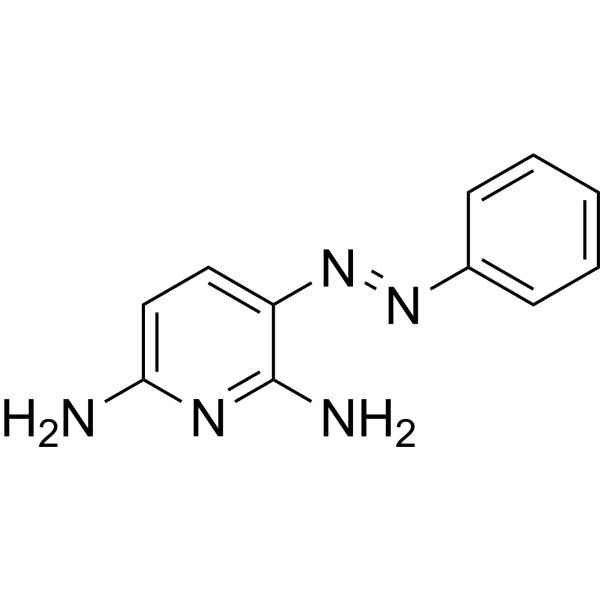
Phenazopyridine is a competitive SARM1 inhibitor, with IC50 145 μM. Phenazopyridine is a TRPM8 antagonist. Phenazopyridine has a local anesthetic/analgesic effect. Phenazopyridine is used to relieve painful symptoms of conditions such as cystitis and urethritis. Phenazopyridine can promote neuronal differentiation and can also be used in the study of traumatic brain injury, peripheral neuropathy and neurodegenerative diseases .
Antimalarial agent 55 is an orally potent inhibitor of PfA-M1 and PfA-M17 aminopeptidases from Plasmodium falciparum, with Ki values of 27 nM and 81 nM, respectively. Antimalarial agent 55 exhibits potent nanomolar activity against homologous enzymes from Plasmodium vivax and Plasmodium berghei, with Ki values of 2 nM, 4 nM, 190 nM and 18 nM for Pv-M1, Pb-M1, Pv-M17 and Pb-M17, respectively. Antimalarial agent 55 possesses significant antiplasmodial activity, as well as cross-species inhibitory capacity and broad-spectrum activity that is unaffected by existing drug resistance mechanisms. Antimalarial agent 55 can be used in malaria research .
m-Carboxycinnamic acid bishydroxamide (CBHA) is a histone deacetylase inhibitor. m-Carboxycinnamic acid bishydroxamide modulates histone acetylation sites, alters DNA methylation and epigenetic status, increases global histone acetylation, alleviates transcription repression, and facilitates chromatin remodelling. m-Carboxycinnamic acid bishydroxamide can be used for the research of cloned embryo development and epigenetic regulation .
AL-6556 is a full agonist of the DP receptor and a partial agonist of the EP2 receptor. AL-6556 has an EC50 of 799 nM for bovine DP, a Ki of 3200 nM for human DP, and an EC50 of 1180 nM for human EP2, with selectivity over EP3, FP, IP, TP and 19 non-prostaglandin receptors. AL-6556 stimulates cAMP production via receptor activation and reduces intraocular pressure through aqueous humor inflow and outflow mechanisms. AL-6556 can be used in research related to ocular hypertension and glaucoma .
SRP-001 is an orally active, blood-brain barrier-permeable analgesic and antipyretic agent. SRP-001 reduces the expression level of FAAH, mildly inhibits hERG currents, generates AM404 (HY-101388), and maintains the integrity of hepatic tight junctions. SRP-001 exerts analgesic, antipyretic, and antinociceptive effects .
DD04107 is a neuronal exocytosis inhibitor with a rat Syt1-C2B domain binding Ka of 2.4 μM. DD04107 interferes with synaptobrevin-syntaxin-SNAP-25 complex formation and Syt1-SNARE complex interaction to block α-calcitonin gene-related peptide (α-CGRP) exocytotic release from primary sensory neurons. DD04107 blocks inflammatory ion channel recruitment to nociceptor plasma membranes. DD04107 can be used for the research of chronic inflammatory pain, neuropathic pain, osteosarcoma pain, chemotherapy-induced peripheral neuropathy, diabetic neuropathy, inflammatory pain .
N6-Methyladenosine (Standard) is the analytical standard of N6-Methyladenosine. This product is intended for research and analytical applications. N6-Methyladenosine is the most prevalent internal (non-cap) modification present in the messenger RNA (mRNA) of all higher eukaryotes. N6-Methyladenosine can modifies viral RNAs and has antiviral activities.
In Vitro: N6-methyladenosine (m6A) is selectively recognized by the human YTH domain family 2 (YTHDF2) protein to regulate mRNA degradation. N6-methyladenosine (m6A), a prevalent internal modification in the messenger RNA of all eukaryotes, is post-transcriptionally installed by m6A methyltransferase (e.g., MT-A70) within the consensus sequence of G(m6A)C (70%) or A(m6A)C (30%). N6-methyladenosine (m6A)-containing RNAs are greatly enriched in the YTHDF-bound portion and diminished in the flow-through portion . N6-methyladenosine (m6A), the most abundant internal RNA modification, functions in diverse biological processes, including regulation of embryonic stem cell self-renewal and differentiation. N6-methyladenosine (m6A) is a large protein complex, consisting in part of methyltransferase-like 3 (METTL3) and methyltransferase-like 14 (METTL14) catalytic subunits .
The developmental proteins Hedgehog, Notch and Wnt are key regulators of cell fate, proliferation, migration and differentiation in several tissues. Their related signaling pathways are frequently activated in tumors, and particularly in the rare subpopulation of cancer stem cells.
The Wnt signaling pathway is a conserved pathway in animals. Deregulated Wnt signaling has catastrophic consequences for the developing embryo and it is now well appreciated that defective Wnt signaling is a causative factor for a number of pleiotropic human pathologies, including cancer. Hedgehog signaling pathway is linked to tumorigenesis and is aberrantly activated in a variety of cancers. The Notch signaling pathway is a highly conserved cell signaling system present in most animals. It plays an important role in cell-cell communication, and further regulates embryonic development.
MCE designs a unique collection of 601 Wnt/Hedgehog/Notch signaling pathway-related small molecules. Wnt/Hedgehog/Notch Compound Library serves as a useful tool for stem cell research and anti-cancer drug screening.
WH-4-023 GMP is WH-4-023 (HY-12299) produced by using GMP guidelines. GMP small molecules works appropriately as an auxiliary reagent for cell therapy manufacture. WH-4-023 (Dual LCK/SRC inhibitor) is a Lck/Src dual target inhibitor with functions in stem cell maintenance and differentiation regulation. WH-4-023 blocks epithelial-mesenchymal transition, supports the self-renewal of porcine embryonic stem cells, and inhibits their differentiation into mesoderm and endoderm. WH-4-023 is a key component of 3i/LAF medium, and enables the stable establishment and long-term maintenance of porcine pre-gastrulation epiblast stem cell lines. Removal of WH-4-023 reduces the expression of pluripotency factors in porcine and human extended pluripotent stem cells. WH-4-023 can be applied to relevant studies such as non-small cell lung cancer resistant to EGFR-TKIs .
Doxycycline hydrochloride GMP is Doxycycline (hydrochloride) (HY-N0565A) produced by using GMP guidelines. GMP small molecules works appropriately as an auxiliary reagent for cell therapy manufacture. Doxycycline hydrochloride is an orally active highly lipophilic, tissue-permeable MMP inhibitor with broad-spectrum antibacterial activity. Doxycycline hydrochloride is also a semi-synthetic antibiotic with chelating properties, which blocks bacterial protein synthesis and inhibits extracellular matrix degradation through interactions with zinc and calcium atoms. Doxycycline hydrochloride also inhibits mitochondrial biogenesis, translation, and the expression of respiratory chain proteins. Doxycycline hydrochloride induces apoptosis, inhibits autophagy and EMT, downregulates stem cell markers, and activates the PI3K-AKT pathway, thereby effectively inhibiting the viability and proliferation of cancer cells such as breast cancer cells. Doxycycline hydrochloride also promotes the survival and self-renewal of embryonic stem cells and neural stem cells, and reduces the frequency of medium changes in culture. Doxycycline hydrochloride has been applied in studies related to breast cancer, prostate cancer, bladder cancer, and other cancers .
WH-4-023 GMP is WH-4-023 (HY-12299) produced by using GMP guidelines. GMP small molecules works appropriately as an auxiliary reagent for cell therapy manufacture. WH-4-023 (Dual LCK/SRC inhibitor) is a Lck/Src dual target inhibitor with functions in stem cell maintenance and differentiation regulation. WH-4-023 blocks epithelial-mesenchymal transition, supports the self-renewal of porcine embryonic stem cells, and inhibits their differentiation into mesoderm and endoderm. WH-4-023 is a key component of 3i/LAF medium, and enables the stable establishment and long-term maintenance of porcine pre-gastrulation epiblast stem cell lines. Removal of WH-4-023 reduces the expression of pluripotency factors in porcine and human extended pluripotent stem cells. WH-4-023 can be applied to relevant studies such as non-small cell lung cancer resistant to EGFR-TKIs .
Doxycycline hydrochloride GMP is Doxycycline (hydrochloride) (HY-N0565A) produced by using GMP guidelines. GMP small molecules works appropriately as an auxiliary reagent for cell therapy manufacture. Doxycycline hydrochloride is an orally active highly lipophilic, tissue-permeable MMP inhibitor with broad-spectrum antibacterial activity. Doxycycline hydrochloride is also a semi-synthetic antibiotic with chelating properties, which blocks bacterial protein synthesis and inhibits extracellular matrix degradation through interactions with zinc and calcium atoms. Doxycycline hydrochloride also inhibits mitochondrial biogenesis, translation, and the expression of respiratory chain proteins. Doxycycline hydrochloride induces apoptosis, inhibits autophagy and EMT, downregulates stem cell markers, and activates the PI3K-AKT pathway, thereby effectively inhibiting the viability and proliferation of cancer cells such as breast cancer cells. Doxycycline hydrochloride also promotes the survival and self-renewal of embryonic stem cells and neural stem cells, and reduces the frequency of medium changes in culture. Doxycycline hydrochloride has been applied in studies related to breast cancer, prostate cancer, bladder cancer, and other cancers .
Thymopentin is a biologically active peptide secreted mainly by the epithelial cells of thymic cortex and medulla. Thymopentin is an effective immunomodulatory agent with a short plasma half-life of 30 seconds. Thymopentin enhances the generation of T-cell lineage derived from humanembryonic stem cells (hESCs) .
Peptide P60 is a FOXP3 inhibitor. Peptide P60 reduces the nuclear translocation of FOXP3 and impairs FOXP3-mediated inhibition of NF-κB and NFAT activity. Peptide P60 inhibits the immunosuppressive activity of regulatory T cells and restores the proliferation and activation of effector T cells. Peptide P60 induces lymphoproliferative autoimmune syndrome in neonatal ICR mice and reduces the number of CD4 +CD25 +Foxp3 + T cells in the spleen. Peptide P60 enhances the efficacy of AH1 (HY-P4193) peptide vaccine and recombinant adenovirus-based HCV NS3 vaccine in BALB/c mice, including protective effects against CT26 tumor implantation. Peptide P60 can be used in studies related to tumor immunity, viral infection and lymphoproliferative autoimmune syndrome .
β-Neo-Endorphin is an endogenous opioid peptide. β-Neo-Endorphin is a hypothalamic “big” Leu-enkephalin of porcine origin. β-Neo-Endorphin shows activation of the Erk1/2, MMP-2 and MMP-9 .
Thymopentin acetate is a biologically active peptide secreted mainly by the epithelial cells of thymic cortex and medulla. Thymopentin acetate is an effective immunomodulatory agent with a short plasma half-life of 30 seconds. Thymopentin acetate enhances the generation of T-cell lineage derived from humanembryonic stem cells (hESCs) .
UCI-1 is a SARS-CoV-2 main protease (M pro) cyclic peptide inhibitor with an IC50 of 160 μM. UCI-1 shows no obvious cytotoxicity at the concentration of inhibiting M pro. UCI-1 can be used in the study of anti-COVID-19 drugs .
Thymopentin is a biologically active peptide secreted mainly by the epithelial cells of thymic cortex and medulla. Thymopentin is an effective immunomodulatory agent with a short plasma half-life of 30 seconds. Thymopentin enhances the generation of T-cell lineage derived from humanembryonic stem cells (hESCs) .
Thymopentin (acetate) (Standard) is the analytical standard of Thymopentin (acetate) (HY-N7122A). This product is intended for research and analytical applications. Thymopentin acetate is a biologically active peptide secreted mainly by the epithelial cells of thymic cortex and medulla. Thymopentin acetate is an effective immunomodulatory agent with a short plasma half-life of 30 seconds. Thymopentin acetate enhances the generation of T-cell lineage derived from humanembryonic stem cells (hESCs) .
(Arg)9,TAMRA-labeled acetate is a TAMRA-labeled, membrane-permeable cationic cell-penetrating polyarginine peptide. (Arg)9,TAMRA-labeled acetate acts as a cell-penetrating peptide for drug delivery .
Gramicidin S analogue 9 is a bactericidal agent that can be found as a cyclic peptide analogue. Gramicidin S analogue 9 disrupts bacterial cell membranes. Gramicidin S analogue 9 can be used for the research of methicillin-resistant staphylococcus aureus infection .
DD04107 is a neuronal exocytosis inhibitor with a rat Syt1-C2B domain binding Ka of 2.4 μM. DD04107 interferes with synaptobrevin-syntaxin-SNAP-25 complex formation and Syt1-SNARE complex interaction to block α-calcitonin gene-related peptide (α-CGRP) exocytotic release from primary sensory neurons. DD04107 blocks inflammatory ion channel recruitment to nociceptor plasma membranes. DD04107 can be used for the research of chronic inflammatory pain, neuropathic pain, osteosarcoma pain, chemotherapy-induced peripheral neuropathy, diabetic neuropathy, inflammatory pain .
MCE Human PSC Maintenance Medium is a ready-to-use, chemically defined formulation designed to support the robust growth and self-renewal of humanembryonic stem cells (hESCs) and induced pluripotent stem cells (iPSCs) under feeder-free culture conditions.
MCE Recombinant Human Serum Albumin Solution (rHSA, 20%) can be widely used in various cell culture systems and is particularly suitable for maintaining the undifferentiated growth and expansion of humanembryonic stem cells (hESC) and induced pluripotent stem cells (hiPSC) under both feeder-dependent and feeder-free conditions.
Thymopentin is a biologically active peptide secreted mainly by the epithelial cells of thymic cortex and medulla. Thymopentin is an effective immunomodulatory agent with a short plasma half-life of 30 seconds. Thymopentin enhances the generation of T-cell lineage derived from humanembryonic stem cells (hESCs) .
D-Glucuronic acid (Standard) is the analytical standard of D-Glucuronic acid. This product is intended for research and analytical applications. D-Glucuronic acid is a major component of many anti-inflammatory proteoglycans, which can promote embryonic development and inhibit cell aggregation. After being metabolized into ethyl glucuronide (HY-113093), D-Glucuronic acid activates Toll-like receptor 4 (TLR4), causing pain. D-Glucuronic acid and its derivative glucurono-lactone can serve as liver detoxifiers for human health prevention, and its derivatives also possess anti-tumor activity .
Rotundic acid is an orally effective triterpenoid with a Kd value of 51.3 µM for PTP1B. Rotundic acid downregulates the AKT/mTOR pro-survival pathway and modulates the MAPK pathway. Rotundic acid induces cell cycle S-phase arrest, DNA damage and apoptosis; it inhibits migration, invasion, angiogenesis and proliferation of cancer cells. Rotundic acid improves leptin sensitivity, regulates gut microbiota and reduces cellular senescence. Rotundic acid can be used in research related to hepatocellular carcinoma, obesity, aging, acute lung injury and type 2 diabetes .
Venturicidin A (Aabomycin A1), from actinomycetes, is a membrane-active natural product inhibitor of ATP synthase. Venturicidin A potentiates the aminoglycoside antibiotic gentamicin against multidrug-resistant clinical isolates of Staphylococcus, Enterococcus, and Pseudomonas aeruginosa. Venturicidin A shows noticeable toxicity toward humanembryonic-kidney (HEK)cells with an IC50 of 31 μg/mL.
N6-Methyladenosine (Standard) is the analytical standard of N6-Methyladenosine. This product is intended for research and analytical applications. N6-Methyladenosine is the most prevalent internal (non-cap) modification present in the messenger RNA (mRNA) of all higher eukaryotes. N6-Methyladenosine can modifies viral RNAs and has antiviral activities.
In Vitro: N6-methyladenosine (m6A) is selectively recognized by the human YTH domain family 2 (YTHDF2) protein to regulate mRNA degradation. N6-methyladenosine (m6A), a prevalent internal modification in the messenger RNA of all eukaryotes, is post-transcriptionally installed by m6A methyltransferase (e.g., MT-A70) within the consensus sequence of G(m6A)C (70%) or A(m6A)C (30%). N6-methyladenosine (m6A)-containing RNAs are greatly enriched in the YTHDF-bound portion and diminished in the flow-through portion . N6-methyladenosine (m6A), the most abundant internal RNA modification, functions in diverse biological processes, including regulation of embryonic stem cell self-renewal and differentiation. N6-methyladenosine (m6A) is a large protein complex, consisting in part of methyltransferase-like 3 (METTL3) and methyltransferase-like 14 (METTL14) catalytic subunits .
Thymopentin acetate is a biologically active peptide secreted mainly by the epithelial cells of thymic cortex and medulla. Thymopentin acetate is an effective immunomodulatory agent with a short plasma half-life of 30 seconds. Thymopentin acetate enhances the generation of T-cell lineage derived from humanembryonic stem cells (hESCs) .
Thymopentin is a biologically active peptide secreted mainly by the epithelial cells of thymic cortex and medulla. Thymopentin is an effective immunomodulatory agent with a short plasma half-life of 30 seconds. Thymopentin enhances the generation of T-cell lineage derived from humanembryonic stem cells (hESCs) .
Tembetarine chloride is a alkaloid that can be isolated from Tinospora cordifolia that exhibits antibacterial activity. Tembetarine chloride exhibits weak cytotoxicity against mouse fibroblasts (L929) and humanembryonic kidney cells (HEK293) with IC50 of 1245.33 μg/mL and 1642.81 μg/mL, respectively .
Thymopentin (acetate) (Standard) is the analytical standard of Thymopentin (acetate) (HY-N7122A). This product is intended for research and analytical applications. Thymopentin acetate is a biologically active peptide secreted mainly by the epithelial cells of thymic cortex and medulla. Thymopentin acetate is an effective immunomodulatory agent with a short plasma half-life of 30 seconds. Thymopentin acetate enhances the generation of T-cell lineage derived from humanembryonic stem cells (hESCs) .
Cochinchinone P is a retinoid X receptor-α (RXRα) inhibitor that inhibits 9-cis-retinoic acid (HY-15128)-induced transcriptional activity of RXRα in vitro. Cochinchinone P can be used in cancer research .
Emindole SB is an anticancer agent. Emindole SB can be isolated from Penicillium species. Emindole SB exerts anticancer effects against ovarian cancer, breast cancer and lymphoma. Emindole SB shows no toxicity to Caenorhabditis elegans. Emindole SB can be used in studies related to ovarian cancer, lymphoma and breast cancer .
Amorphin is a phosphorylase b with glycogen metabolism activity. Amorphin binds directly to alpha-actinin, with alpha-actinin mediating its binding to actin filaments. Amorphin can be used for the research of McArdle’s disease and breast cancer .
EphA1 Protein, a receptor tyrosine kinase, engages in bidirectional signaling with membrane-bound ephrin-A ligands. Activation by EFNA1 regulates cell attachment, motility, angiogenesis, and proliferation. EphA1 may also play a role in apoptosis. EphA1 Protein, Human (sf9, His, GST) is the recombinant human-derived EphA1, expressed by Sf9 insect cells, with His, GST labeled tag. The total length of EphA1 Protein, Human (sf9, His, GST) is 409 a.a..
Mesoridazine-d3 is the deuterium labeled Mesoridazine (HY-B1482A). Mesoridazine (TPS-23) , a metabolite of Thioridazine (HY-B0965A), acts as an orally active phenothiazine antipsychotic agent. Mesoridazine is a potent and rapid open-channel blocker of human ether-a-go-go related gene (hERG) channels and blocks hERG currents with an IC50 of 550 nM (at 0 mV) in humanembryonic kidney 293 cells .Mesoridazine can be used for the research of schizophrenia, as well as certain other psychiatric disorders .
Human PDGFA mRNA encodes the human platelet derived growth factor A (PDGFA) protein, a member of the platelet-derived growth factor family. PDGFA plays an essential role in the regulation of embryonic development, cell proliferation, cell migration, survival and chemotaxis.
Human NANOG mRNA encodes the human Nanog homeobox (NANOG) protein, a DNA binding homeobox transcription factor that involved in embryonic stem (ES) cell proliferation, renewal, and pluripotency. NANOG can block ES cell differentiation and autorepress its own expression in differentiating cells.
Human PDGFB mRNA encodes the human platelet derived growth factor B (PDGFB) protein, a member of the platelet-derived growth factor family. PDGFB plays an essential role in the regulation of embryonic development, cell proliferation, cell migration, survival and chemotaxis.
Human PDGFC mRNA encodes the human platelet derived growth factor C (PDGFC) protein, a member of the platelet-derived growth factor family. PDGFC plays an essential role in the regulation of embryonic development, cell proliferation, cell migration, survival and chemotaxis.
Human PDGFD mRNA encodes the human platelet derived growth factor D (PDGFD) protein, a member of the platelet-derived growth factor family. PDGFD plays an essential role in the regulation of embryonic development, cell proliferation, cell migration, survival and chemotaxis.
Human FGF4 mRNA encodes the human fibroblast growth factor 4 (FGF4) protein, a member of the fibroblast growth factor (FGF) family. FGF4 may play an important role in the regulation of embryonic development, cell proliferation, and cell differentiation.
Human FGF3 mRNA encodes the human fibroblast growth factor 3 (FGF3) protein, a member of the fibroblast growth factor (FGF) family. FGF3 may play an important role in the regulation of embryonic development, cell proliferation, and cell differentiation.
Human kruppel like factor 4 (KLF4) mRNA encodes a protein that belongs to the Kruppel family of transcription factors. KLF4 protein is thought to regulate the expression of key transcription factors during embryonic development and play an important role in maintaining embryonic stem cells, and in preventing their differentiation. In addition it is also required for establishing the barrier function of the skin and for postnatal maturation and maintenance of the ocular surface.
Human FGF16 mRNA encodes the human fibroblast growth factor 16 (FGF16) protein, a member of the fibroblast growth factor (FGF) family. FGF16 probably plays an important role in the regulation of embryonic development, cell proliferation and cell differentiation. It is also required for normal cardiomyocyte proliferation and heart development.
Human FGF7 mRNA encodes the human fibroblast growth factor 7 (FGF7) protein, a member of the fibroblast growth factor (FGF) family. FGF family members possess broad mitogenic and cell survival activities, and are involved in a variety of biological processes, including embryonic development, cell growth, morphogenesis, tissue repair, tumor growth and invasion.
Human FGF8 mRNA encodes the human fibroblast growth factor 8 (FGF8) protein, a member of the fibroblast growth factor (FGF) family. FGF family members possess broad mitogenic and cell survival activities, and are involved in a variety of biological processes, including embryonic development, cell growth, morphogenesis, tissue repair, tumor growth and invasion.
Human FGF9 mRNA encodes the human fibroblast growth factor 9 (FGF9) protein, a member of the fibroblast growth factor (FGF) family. FGF family members possess broad mitogenic and cell survival activities, and are involved in a variety of biological processes, including embryonic development, cell growth, morphogenesis, tissue repair, tumor growth and invasion.
Human POU class 5 homeobox 1 (POU5F1) mRNA encodes a transcription factor containing a POU homeodomain that plays a key role in embryonic development and stem cell pluripotency. Aberrant expression of this gene in adult tissues is associated with tumorigenesis.
Human SOX2 mRNA encodes the human SRY-box transcription factor 2 (SOX2) protein, a member of the SRY-related HMG-box (SOX) family of transcription factors. SOX2 involves in the regulation of embryonic development and in the determination of cell fate. In addition, SOX2 is also required for stem-cell maintenance in the central nervous system and could regulate gene expression in the stomach.
Human Lin-28 homolog A (LIN28A) mRNA encodes a LIN-28 family RNA-binding protein that acts as a posttranscriptional regulator of genes involved in developmental timing and self-renewal in embryonic stem cells. LIN28A functions through direct interaction with target mRNAs and by disrupting the maturation of certain miRNAs involved in embryonic development.
WH-4-023 GMP is WH-4-023 (HY-12299) produced by using GMP guidelines. GMP small molecules works appropriately as an auxiliary reagent for cell therapy manufacture. WH-4-023 (Dual LCK/SRC inhibitor) is a Lck/Src dual target inhibitor with functions in stem cell maintenance and differentiation regulation. WH-4-023 blocks epithelial-mesenchymal transition, supports the self-renewal of porcine embryonic stem cells, and inhibits their differentiation into mesoderm and endoderm. WH-4-023 is a key component of 3i/LAF medium, and enables the stable establishment and long-term maintenance of porcine pre-gastrulation epiblast stem cell lines. Removal of WH-4-023 reduces the expression of pluripotency factors in porcine and human extended pluripotent stem cells. WH-4-023 can be applied to relevant studies such as non-small cell lung cancer resistant to EGFR-TKIs .
Doxycycline hydrochloride GMP is Doxycycline (hydrochloride) (HY-N0565A) produced by using GMP guidelines. GMP small molecules works appropriately as an auxiliary reagent for cell therapy manufacture. Doxycycline hydrochloride is an orally active highly lipophilic, tissue-permeable MMP inhibitor with broad-spectrum antibacterial activity. Doxycycline hydrochloride is also a semi-synthetic antibiotic with chelating properties, which blocks bacterial protein synthesis and inhibits extracellular matrix degradation through interactions with zinc and calcium atoms. Doxycycline hydrochloride also inhibits mitochondrial biogenesis, translation, and the expression of respiratory chain proteins. Doxycycline hydrochloride induces apoptosis, inhibits autophagy and EMT, downregulates stem cell markers, and activates the PI3K-AKT pathway, thereby effectively inhibiting the viability and proliferation of cancer cells such as breast cancer cells. Doxycycline hydrochloride also promotes the survival and self-renewal of embryonic stem cells and neural stem cells, and reduces the frequency of medium changes in culture. Doxycycline hydrochloride has been applied in studies related to breast cancer, prostate cancer, bladder cancer, and other cancers .
Inquiry Online
Your information is safe with us. * Required Fields.
Western blot analysis of extracts from THP-1(lane 2(20μg), Jurkat (lane 3(20μg) and NIH3T3(lane 4(20μg) using FOXO1A (HY-P80132) Rabbit mAb. Proteins were transferred
to a PVDF membrane and blocked with 5% non-fat milk in TBST for 2 hour at room temperature. The primary antibody (1/1000) and Loading control antibody (Beta Actin, HY-P80438, 1/10000) was
used in 5% non-fat milk in TBST at 4°C overnight. Goat Anti-Mouse/Rabbit IgG-HRP Secondary Antibody (1/10000) was used for 1 hour at room temperature.
Western blot analysis of extracts from THP-1(lane 2(20μg), Jurkat (lane 3(20μg) and NIH3T3(lane 4(20μg) using FOXO1A (HY-P80132) Rabbit mAb. Proteins were transferred
to a PVDF membrane and blocked with 5% non-fat milk in TBST for 2 hour at room temperature. The primary antibody (1/1000) and Loading control antibody (Beta Actin, HY-P80438, 1/10000) was
used in 5% non-fat milk in TBST at 4°C overnight. Goat Anti-Mouse/Rabbit IgG-HRP Secondary Antibody (1/10000) was used for 1 hour at room temperature.
Western blot analysis of extracts from THP-1(lane 2(20μg), Jurkat (lane 3(20μg) and NIH3T3(lane 4(20μg) using FOXO1A (HY-P80132) Rabbit mAb. Proteins were transferred
to a PVDF membrane and blocked with 5% non-fat milk in TBST for 2 hour at room temperature. The primary antibody (1/1000) and Loading control antibody (Beta Actin, HY-P80438, 1/10000) was
used in 5% non-fat milk in TBST at 4°C overnight. Goat Anti-Mouse/Rabbit IgG-HRP Secondary Antibody (1/10000) was used for 1 hour at room temperature.
Western blot analysis of extracts from THP-1(lane 2(20μg), Jurkat (lane 3(20μg) and NIH3T3(lane 4(20μg) using FOXO1A (HY-P80132) Rabbit mAb. Proteins were transferred
to a PVDF membrane and blocked with 5% non-fat milk in TBST for 2 hour at room temperature. The primary antibody (1/1000) and Loading control antibody (Beta Actin, HY-P80438, 1/10000) was
MedchemExpress Validation 03
Western blot analysis of extracts from THP-1(lane 2(20μg), Jurkat (lane 3(20μg) and NIH3T3(lane 4(20μg) using FOXO1A (HY-P80132) Rabbit mAb. Proteins were transferred
MedchemExpress Validation 04
Western blot analysis of extracts from THP-1(lane 2(20μg), Jurkat (lane 3(20μg) and NIH3T3(lane 4(20μg) using FOXO1A (HY-P80132) Rabbit mAb. Proteins were transferred
to a PVDF membrane and blocked with 5% non-fat milk in TBST for 2 hour at room temperature. The primary antibody (1/1000) and Loading control antibody (Beta Actin, HY-P80438, 1/10000) was
used in 5% non-fat milk in TBST at 4°C overnight. Goat Anti-Mouse/Rabbit IgG-HRP Secondary Antibody (1/10000) was used for 1 hour at room temperature.
MedchemExpress Validation
Western blot analysis of extracts from THP-1(lane 2(20μg), Jurkat (lane 3(20μg) and NIH3T3(lane 4(20μg) using FOXO1A (HY-P80132) Rabbit mAb. Proteins were transferred
to a PVDF membrane and blocked with 5% non-fat milk in TBST for 2 hour at room temperature. The primary antibody (1/1000) and Loading control antibody (Beta Actin, HY-P80438, 1/10000) was
used in 5% non-fat milk in TBST at 4°C overnight. Goat Anti-Mouse/Rabbit IgG-HRP Secondary Antibody (1/10000) was used for 1 hour at room temperature.
Western blot analysis of extracts from THP-1(lane 2(20μg), Jurkat (lane 3(20μg) and NIH3T3(lane 4(20μg) using FOXO1A (HY-P80132) Rabbit mAb. Proteins were transferred
to a PVDF membrane and blocked with 5% non-fat milk in TBST for 2 hour at room temperature. The primary antibody (1/1000) and Loading control antibody (Beta Actin, HY-P80438, 1/10000) was
used in 5% non-fat milk in TBST at 4°C overnight. Goat Anti-Mouse/Rabbit IgG-HRP Secondary Antibody (1/10000) was used for 1 hour at room temperature.
MedchemExpress Validation
Western blot analysis of extracts from THP-1(lane 2(20μg), Jurkat (lane 3(20μg) and NIH3T3(lane 4(20μg) using FOXO1A (HY-P80132) Rabbit mAb. Proteins were transferred
to a PVDF membrane and blocked with 5% non-fat milk in TBST for 2 hour at room temperature. The primary antibody (1/1000) and Loading control antibody (Beta Actin, HY-P80438, 1/10000) was
used in 5% non-fat milk in TBST at 4°C overnight. Goat Anti-Mouse/Rabbit IgG-HRP Secondary Antibody (1/10000) was used for 1 hour at room temperature.
MedchemExpress Validation
Western blot analysis of extracts from THP-1(lane 2(20μg), Jurkat (lane 3(20μg) and NIH3T3(lane 4(20μg) using FOXO1A (HY-P80132) Rabbit mAb. Proteins were transferred
to a PVDF membrane and blocked with 5% non-fat milk in TBST for 2 hour at room temperature. The primary antibody (1/1000) and Loading control antibody (Beta Actin, HY-P80438, 1/10000) was
used in 5% non-fat milk in TBST at 4°C overnight. Goat Anti-Mouse/Rabbit IgG-HRP Secondary Antibody (1/10000) was used for 1 hour at room temperature.
MedchemExpress Validation
Western blot analysis of extracts from THP-1(lane 2(20μg), Jurkat (lane 3(20μg) and NIH3T3(lane 4(20μg) using FOXO1A (HY-P80132) Rabbit mAb. Proteins were transferred
to a PVDF membrane and blocked with 5% non-fat milk in TBST for 2 hour at room temperature. The primary antibody (1/1000) and Loading control antibody (Beta Actin, HY-P80438, 1/10000) was
used in 5% non-fat milk in TBST at 4°C overnight. Goat Anti-Mouse/Rabbit IgG-HRP Secondary Antibody (1/10000) was used for 1 hour at room temperature.
MedchemExpress Validation
Western blot analysis of extracts from THP-1(lane 2(20μg), Jurkat (lane 3(20μg) and NIH3T3(lane 4(20μg) using FOXO1A (HY-P80132) Rabbit mAb. Proteins were transferred
to a PVDF membrane and blocked with 5% non-fat milk in TBST for 2 hour at room temperature. The primary antibody (1/1000) and Loading control antibody (Beta Actin, HY-P80438, 1/10000) was
used in 5% non-fat milk in TBST at 4°C overnight. Goat Anti-Mouse/Rabbit IgG-HRP Secondary Antibody (1/10000) was used for 1 hour at room temperature.
MedchemExpress Validation
Western blot analysis of extracts from THP-1(lane 2(20μg), Jurkat (lane 3(20μg) and NIH3T3(lane 4(20μg) using FOXO1A (HY-P80132) Rabbit mAb. Proteins were transferred
to a PVDF membrane and blocked with 5% non-fat milk in TBST for 2 hour at room temperature. The primary antibody (1/1000) and Loading control antibody (Beta Actin, HY-P80438, 1/10000) was
used in 5% non-fat milk in TBST at 4°C overnight. Goat Anti-Mouse/Rabbit IgG-HRP Secondary Antibody (1/10000) was used for 1 hour at room temperature.
MedchemExpress Validation
Western blot analysis of extracts from THP-1(lane 2(20μg), Jurkat (lane 3(20μg) and NIH3T3(lane 4(20μg) using FOXO1A (HY-P80132) Rabbit mAb. Proteins were transferred
to a PVDF membrane and blocked with 5% non-fat milk in TBST for 2 hour at room temperature. The primary antibody (1/1000) and Loading control antibody (Beta Actin, HY-P80438, 1/10000) was
used in 5% non-fat milk in TBST at 4°C overnight. Goat Anti-Mouse/Rabbit IgG-HRP Secondary Antibody (1/10000) was used for 1 hour at room temperature.
MedChemExpress values your privacy and your trust is important to us. We use cookies to enhance your website experience. Some cookies are necessary to run the website.
Privacy and Cookie Policy

