
From 11:00 pm to 12:00 pm EST ( 8:00 pm to 9:00 pm PST ) on January 6th, the website will be under maintenance. We are sorry for the inconvenience. Please arrange your schedule properly.
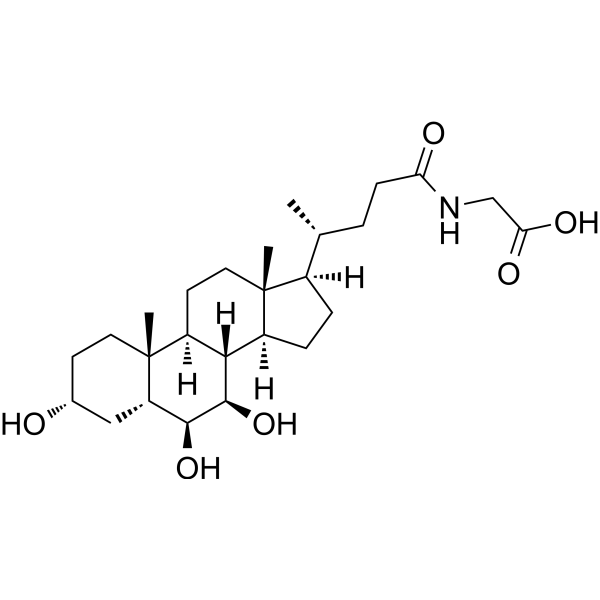
Gly-β-MCA, a bile acid, is a potent, sable, intestine-selective and oral bioactive farnesoid X receptor (FXR) inhibitor that may be a candidate for the treatment of metabolic disorders .
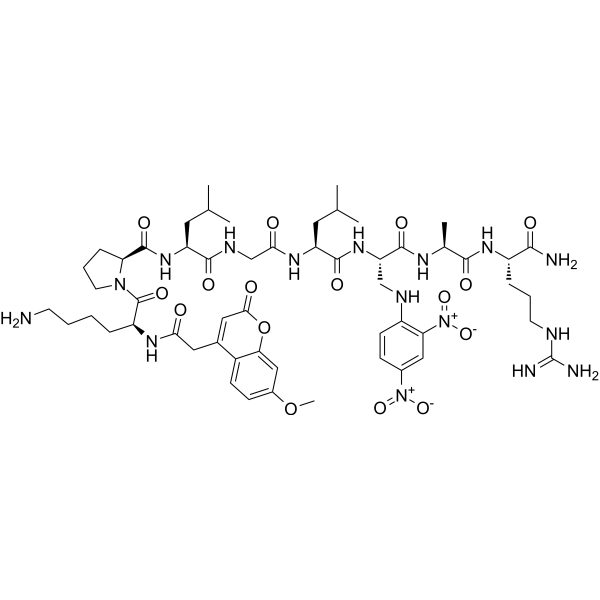
Mca-Lys-Pro-Leu-Gly-Leu-Dap(Dnp)-Ala-Arg-NH2 (FS-6) is a fluorescent peptide that is a quenched MMP peptide substrate. Mca-Lys-Pro-Leu-Gly-Leu-Dap(Dnp)-Ala-Arg-NH2 can be used for real-time quantification of MMP enzymatic activity. Mca-Lys-Pro-Leu-Gly-Leu-Dap(Dnp)-Ala-Arg-NH2 is an elongated peptide of MMP substrate (FS-1) and is active against collagenases (MMP-1, MMP-8, MMP-13 ) and MT1-MMP with higher specificity constants than FS-1 . (Ex/Em=325 nm/400 nm)
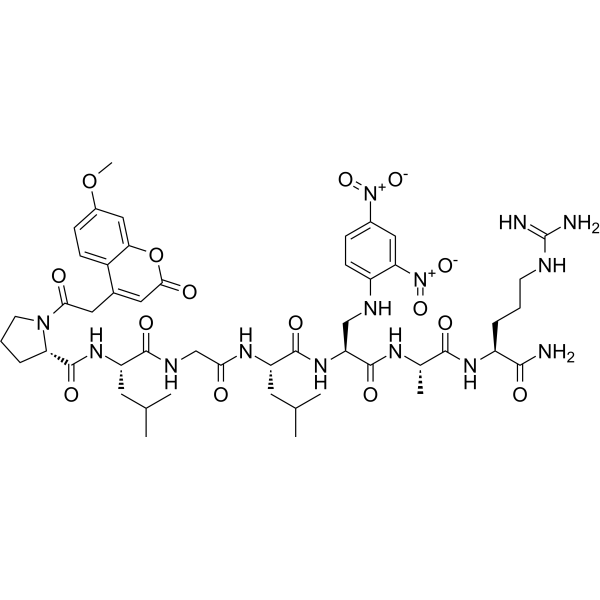
MOCAc-PLGL (Dpa) AR (Mca-Pro-Leu-Gly-Leu-Dpa-Ala-Arg-NH2) is a synthetic fluorescent substrate mainly used for in vitro enzymatic activity assays of MMP-7 (detection at 393 nm after excitation at 328 nm). MOCAc-PLGL (Dpa) AR is specifically cleaved and hydrolyzed by MMP-7 at the Gly-Leu peptide bond, allowing enzymatic activity to be monitored via fluorometry or HPLC (DMSO is usually added to ensure sufficient dissolution when determining kinetic parameters). MOCAc-PLGL (Dpa) AR is used to accurately evaluate the catalytic activity and pH dependence of recombinant mature human MMP-7 in vitro. MOCAc-PLGL (Dpa) AR is suitable for research on the mechanisms of tumor metastasis and invasion, particularly in fields such as prostate cancer, colon cancer, lung cancer and breast cancer .\n
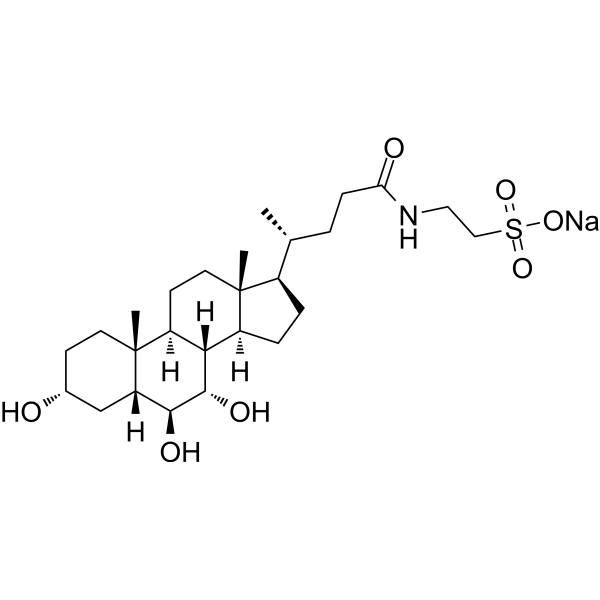
Tauro-α-muricholic acid (T-α-MCA) is a Taurine (HY-B0351)-conjugated primary Bile acid. Tauro-α-muricholic acid is a FXR antagonist with an IC50 of 28 µM. Tauro-α-muricholic acid attenuates other bile acid-activated FXR signaling. Tauro-α-muricholic acid can be used in the research of Alzheimer's disease, glucose metabolism, and lipid metabolism .
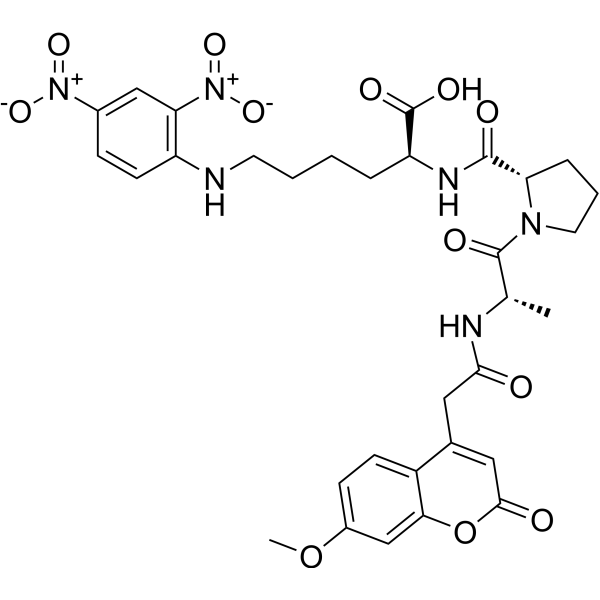
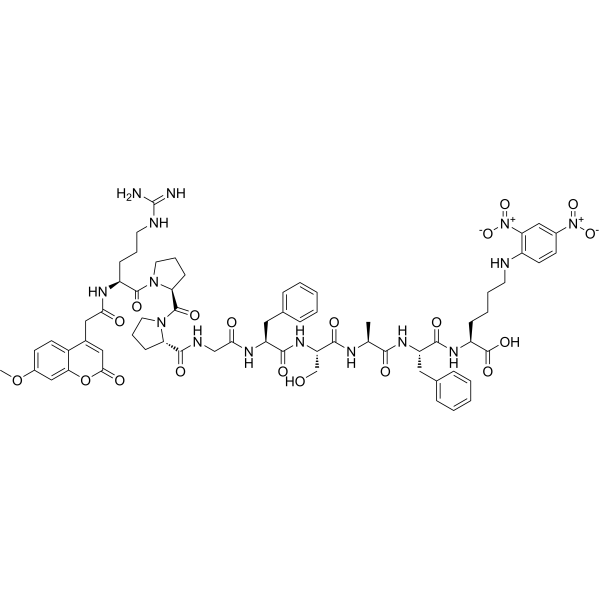
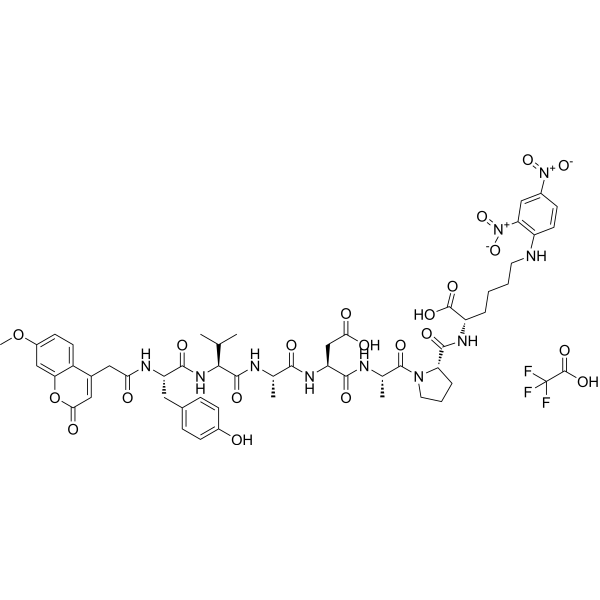
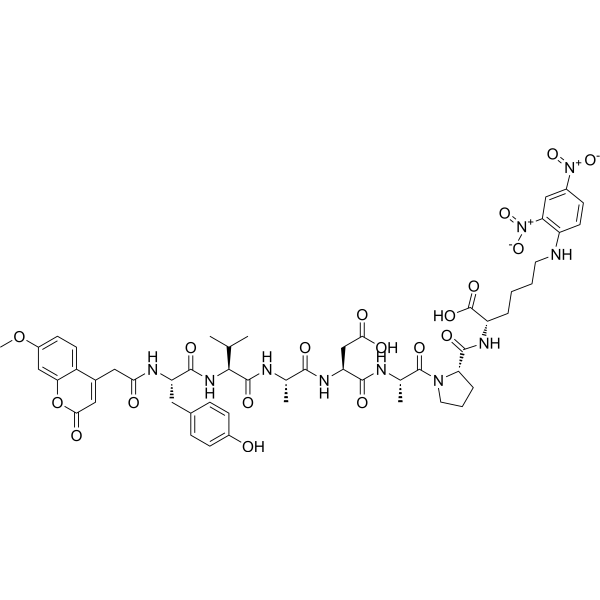
Mca-(ala7,lys(dnp)9)-bradykinin is a sensitive fluorogenic substrate for ECE-1 (endothelin-converting enzyme-1). The incorporation of a (7-methoxycoumarin-4-yl)acetyl (Mca) fluorescent group and a 2,4-dinitrophenyl (Dnp) quenching group has resulted in a large fluorescence increase upon substrate cleavage .
JMJD1C-IN-1 is an orally active and selective inhibitor of JMJD1C (IC50= 0.59 μM, Kd = 1.96 μM). JMJD1C-IN-1 inhibits the binding of JMJD1C to H3K9me2 peptide substrate in the HTRF assay (IC50 = 1.47 μM). JMJD1C-IN-1 disrupts intratumoral regulatory T (Treg) cell fitness by dual mechanisms: promoting H3K9me2 accumulation to downregulate PD1 expression and reducing STAT3 demethylation to enhance STAT3 activation. JMJD1C-IN-1 demonstrates dose-dependent antitumor efficacy in multiple mouse tumor models (MCA205 fibrosarcoma, B16-F10 melanoma, LLC lung cancer, Hepa1-6 hepatocellular carcinoma, CT26 colorectal cancer). JMJD1C-IN-1 can be used for the study of tumor immunotherapy by selectively targeting intratumoral Treg cells .
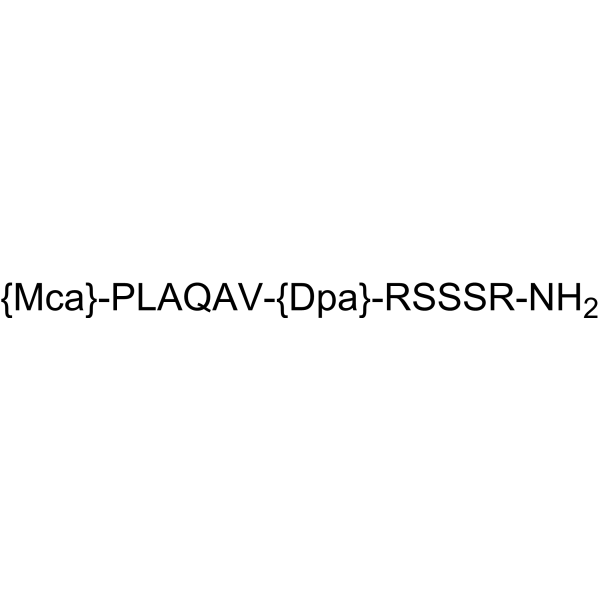
Mca-PLAQAV-Dpa-RSSSR-NH2 is a fluorescent substrate peptide that can be used to detect ADAM9, ADAM10, and tumor necrosis factor-α converting enzyme (TACE/ADAM17). Mca-PLAQAV-Dpa-RSSSR-NH2 is a fluorescence resonance energy transfer-based substrate, and its activity can be determined by changes in fluorescence intensity upon cleavage (Ex = 320 nm
; Em = 405 nm) .
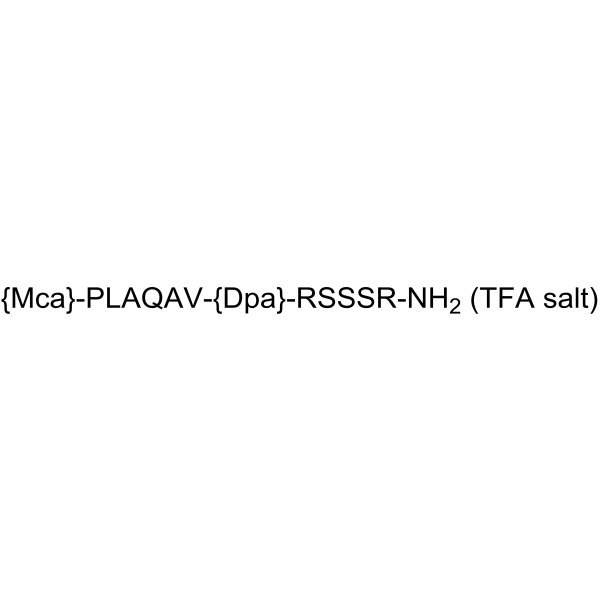
Mca-PLAQAV-Dpa-RSSSR-NH2 TFA is a fluorescent substrate peptide that can be used to detect ADAM9, ADAM10, and tumor necrosis factor-α converting enzyme (TACE/ADAM17). Mca-PLAQAV-Dpa-RSSSR-NH2 TFA is a fluorescence resonance energy transfer-based substrate, and its activity can be determined by changes in fluorescence intensity upon cleavage (Ex = 320 nm
; Em = 405 nm) .
Tauro-α-muricholic acid sodium (T-α-MCA sodium) is a Taurine (HY-B0351)-conjugated primary Bile acid. Tauro-α-muricholic acid sodium is a FXR antagonist with an IC50 of 28 µM. Tauro-α-muricholic acid sodium attenuates other bile acid-activated FXR signaling. Tauro-α-muricholic acid sodium can be used in the research of Alzheimer's disease, glucose metabolism, and lipid metabolism .
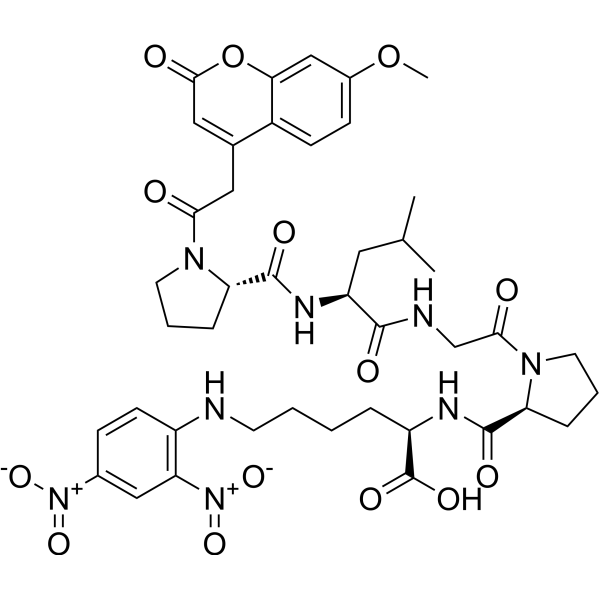
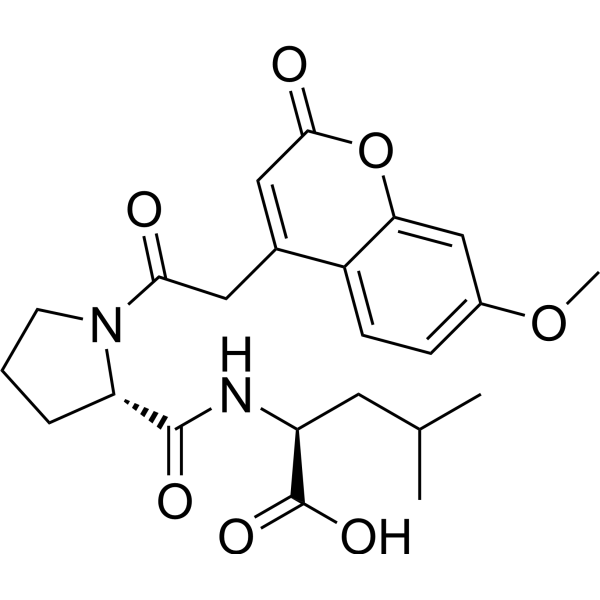
Mca-Pro-Leu-Gly-Pro-D-Lys(Dnp) is a FRET substrate of Thimet oligopeptidase. Mca-Pro-Leu-Gly-Pro-D-Lys(Dnp) can be used for the determination of Thimet oligopeptidase activity .
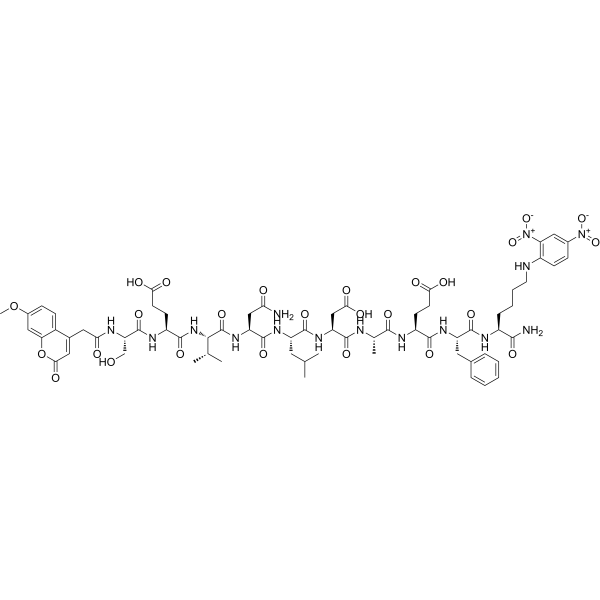
Mca-SEVNLDAEFK(Dnp)-NH2 contains a highly fluorescent 7-methoxycoumarin group that is efficiently quenched by resonance energy transfer to the 2,4-dinitrophenyl group. It can be used to measure the activities of peptidases that are capable of cleaving an amide bond between the fluorescent group and the quencher group, causing an increase in fluorescence, such as can be used to measure the activity of BACE-1 .
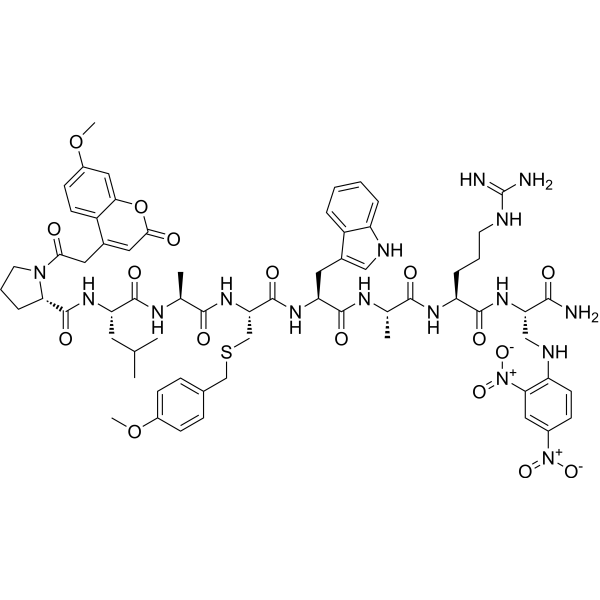
Mca-Pro-Leu-Ala-Cys(Mob)-Trp-Ala-Arg-Dap(Dnp)-NH2 is a fluorogenic substrate for matrix metalloproteinase-14 (MMP-14). Mca-Pro-Leu-Ala-Cys(Mob)-Trp-Ala-Arg-Dap(Dnp)-NH2, upon cleavage by MMP-14, releases 7-methoxycoumarin-4-acetyl (Mca) (Ex/Em = 328/420 nm).
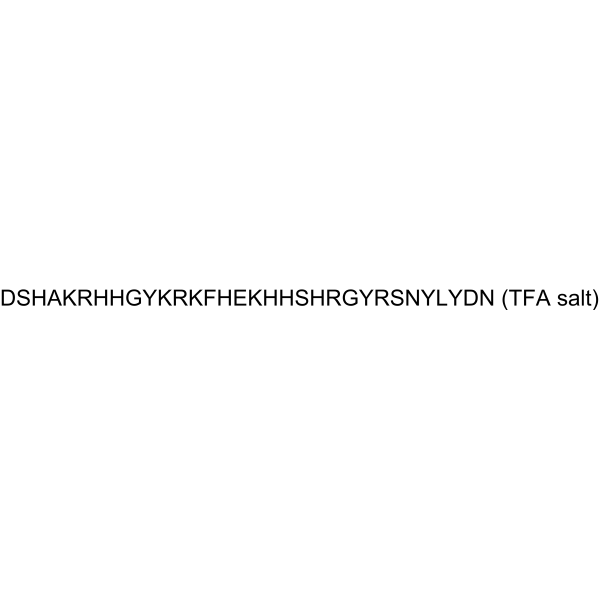
Histatin-3 TFA, a 32 amino acid peptide, possesses powerful antimicrobial properties. Histatin-3 TFA behaves as a substrate for proprotein convertase 1 (PC1), being cleaved by this endoprotease primarily at a site carboxy terminal to the single Arg25 residue (HRGYR decrease SN). Histatin-3 TFA is a moderately potent, reversible and competitive inhibitor of the furin-mediated cleavage of the pentapeptide pGlu-Arg-Thr-Lys-Arg-MCA fluorogenic substrate, with an estimated inhibition constant Ki of 1.98 μM .
Mca-KPLGL-Dap(Dnp)-AR-NH2 TFA is a fluorogenic substrate for matrix metalloproteinases (MMPs). 7-methoxycoumarin-4 acetyl (Mac) is released and its fluorescence can be used to quantify MMP activity. Mac displays Ex/Em of 328/420 nm .
MCA succinimidyl ester is a derivative of MCA (HY-W027544). MCA succinimidyl ester has succinimidyl ester can react selectively with amines. MCA succinimidyl ester can be used as peptide substrate for fluorescence resonance energy transfer .
MCA-AVLQSGFR-Lys(Dnp)-Lys-NH2 is a fluorescent substrate used for fluorescence resonance energy transfer (FRET) protease assays. This substrate is employed to measure the activity of SARS-CoV-2 3CLpro .
KCL-HO-1i is an orally active heme oxygenase-1 (HO-1) inhibitor (rat HO-1: IC50 = 123 nM) and human HO-1: IC50 = 128 nM). KCL-HO-1i targets immunosuppressive LYVE-1 + perivascular tumor-associated macrophages (PvTAMs) in the tumor microenvironment (TME), reduces PvTAM-mediated immune exclusion. KCL-HO-1i demonstrates synergistic anti-tumor efficacy with chemotherapy in MMTV-PyMT spontaneous breast cancer mice or C57Bl/6 mice bearing subcutaneous MN-MCA1 sarcomas. KCL-HO-1i can be used for the study of cancer .
5-MCA-NAT is a melatonin agonist that may target the melatoninMT3 receptor. 5-MCA-NAT can contract the colonic band in a concentration-dependent manner and reduce intraocular pressure (IOP) in glaucomatous monkey eyes, inhibiting the increase in IOP .
Mca-SEVKMDAEFRK(Dnp)RR-NH2, containing the wild-type amyloid precursor protein (APP) beta-secretase cleavage site, is the substrate of thimet oligopeptidase (TOP). It is used for Alzheimer's disease research .
Mca-P-Cha-G-Nva-HA-Dap(DNP)-NH2 is a fluorogenic substrate for matrix metalloproteinase-1 (MMP-1), MMP-3, and MMP-26. Mca-P-Cha-G-Nva-HA-Dap(DNP)-NH2 can be used to quantify MMP-1, MMP-3 and MMP-26 activity .
Anti-Mouse IL-12 p75 Antibody (R2-9A5) is a rat-derived IgG2b κ type antibody inhibitor, targeting to mouse IL-12 p75. Anti-Mouse IL-12 p75 Antibody (R2-9A5) can neutralize IL-12. Anti-Mouse IL-12 p75 Antibody (R2-9A5) can be used for the researches of infection and cancer, such as E. coli infection and MCA205 sarcoma .
Gly-β-MCA (Standard) is the analytical standard of Gly-β-MCA. This product is intended for research and analytical applications. Gly-β-MCA, a bile acid, is a potent, sable, intestine-selective and oral bioactive farnesoid X receptor (FXR) inhibitor that may be a candidate for the treatment of metabolic disorders[1].
Mca-SEVNLDAEFK(Dnp) is a Beta-secretase 1 (BACE-1) peptide FRET substrate, containing the 'Swedish' Lys-Met/Asn-Leu mutation of the amyloid precursor protein (APP) β-secretase cleavage site. Cleavage at -Leu-Asp- of Mca-SEVNLDAEFK(Dnp) liberates the highly fluorescent 7-methoxycoumarin (Mca) fragment from the proximity quenching effect of the 2,4-dinitrophenyl (Dnp) internal quencher resulting in a large and easily detectable increase in fluorescence intensity.
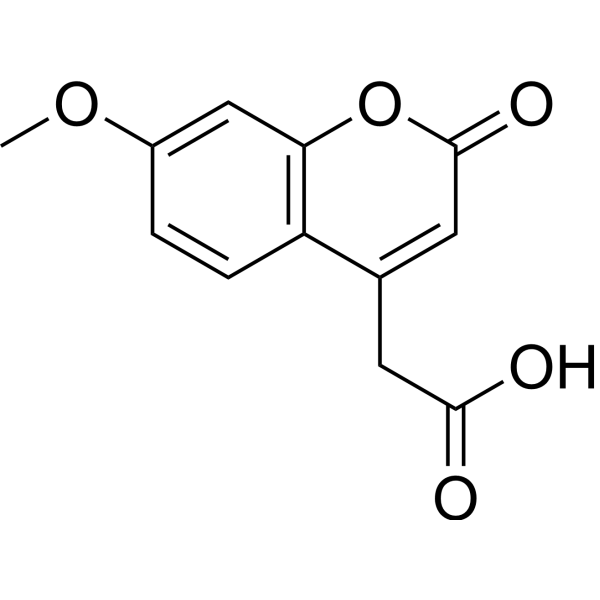
MCA-d3 (7-Methoxycoumarin-4-acetic acid3) is the deuterium labeled MCA (HY-W027544) . MCA is a Coumarin (HY-N0709) derivative. MCA quantitates platelet-activating factor (PAF) by high-performance liquid chromatography with fluorescent detection. MCA can modify FRET peptide substrates for analyzing protease activities .
MCA-Gly-Asp-Ala-Glu-pTyr-Ala-Ala-Lys(DNP)-Arg-NH2 is a protein tyrosine phosphatase fluorogenic substrate that can be detected at 393 nm (with excitation at 325 nm) .
Tauro-α-muricholic acid-d4-1 (sodium) is deuterium labeled Tauro-α-muricholic acid (sodium). Tauro-α-muricholic acid (T-α-MCA) sodium is a FXR (Farnesoid X receptor) antagonist (IC50=28μM). Tauro-α-muricholic acid sodium is also a endogenous metabolite that can be found in cecal .
Tauro-α-muricholic acid-d4 (sodium) is the deuterium labeled Tauro-α-muricholic acid sodium (HY-133890A). Tauro-α-muricholic acid sodium (T-α-MCA sodium) is a Taurine (HY-B0351)-conjugated primary Bile acid. Tauro-α-muricholic acid sodium is a FXR antagonist with an IC50 of 28 µM. Tauro-α-muricholic acid sodium attenuates other bile acid-activated FXR signaling. Tauro-α-muricholic acid sodium can be used in the research of Alzheimer's disease, glucose metabolism, and lipid metabolism .
Mca-Pro-Leu-Gly-Leu-Glu-Glu-Ala-Dap(Dnp)-NH2 is highly selective substrate for matrix metalloproteases 12 (MMP12) substrate with a kcat/Km value of 1.85*10 5 M -1s -1, and poor substrate of other MMPs with the exception of MMP13 (kcat/Km = 0.53*10 5 M -1s -1) and MMP9 (0.33*10 5 M -1s -1) .
Cathepsin E substrate e is a substrate of Cathepsin E. Cathepsin E substrate e was designed in such a way that due to the close proximity of a Mca-donor and a Dnp-acceptor, a near complete intramolecular quenching effect was achieved in its intact state. After the proteolytic cleavage of the hydrophobic motif of the peptide substrate, both Mca and Dnp would be further apart, resulting in bright fluorescence .
RMI 10874 is a tilorone analogue. Tilorone is a small-molecule, orally bioavailable antiviral agent. RMI 10874 completely abolishes lung colonization of an H-2 negative (GR9.B9) MCA-induced fibrosarcoma clone.
ME-3277 is a potent GPIIb/IIIa antagonist. ME-3277 reduces cerebral infarction without enhancing intracranial hemorrhage in photothrombotic occlusion of rabbit middle cerebral artery (MCA). ME-3277 can be used for the acute cerebral infarction research .
YM-202074 is a selective, allosteric metabotropic glutamate receptor type 1 (mGluR1) antagonist with high affinity. YM-202074 binds to the allosteric site of rat mGluR1 with a Ki of 4.8 nM. YM-202074 fumarate also inhibits mGluR1-mediated inositol phosphate production in rat cerebellar granule cells with an IC50 of 8.6 nM. YM-202074 has potent neuroprotective effects in transient MCA (tMCA) occlusion rat models .
YM-202074 fumarate is a selective, allosteric metabotropic glutamate receptor type 1 (mGluR1) antagonist with high affinity. YM-202074 fumarate binds to the allosteric site of rat mGluR1 with a Ki of 4.8 nM. YM-202074 fumarate also inhibits mGluR1-mediated inositol phosphate production in rat cerebellar granule cells with an IC50 of 8.6 nM. YM-202074 fumarate has potent neuroprotective effects in transient MCA (tMCA) occlusion rat models .
MCA-SEVNLDAEFR-K(Dnp)-RR, amide (acetate) is synthesized from MCA-SEVNLDAEFR-K(Dnp)-RR, amide (HY-P1859) by losing the H of the -OH group of acetic acid. MCA-SEVNLDAEFR-K(Dnp)-RR, amide is a FRET-based substrate.
Mca-Pro-Leu-Ala-Cys(Mob)-Trp-Ala-Arg-Dap(Dnp)-NH2 TFA is a fluorogenic substrate for matrix metalloproteinase-14 (MMP-14). Mca-Pro-Leu-Ala-Cys(Mob)-Trp-Ala-Arg-Dap(Dnp)-NH2 TFA, upon cleavage by MMP-14, releases 7-methoxycoumarin-4-acetyl (Mca) (Ex/Em = 328/420 nm).
MOCAc-PLGL (Dpa) AR (Mca-Pro-Leu-Gly-Leu-Dpa-Ala-Arg-NH2) is a synthetic fluorescent substrate mainly used for in vitro enzymatic activity assays of MMP-7 (detection at 393 nm after excitation at 328 nm). MOCAc-PLGL (Dpa) AR is specifically cleaved and hydrolyzed by MMP-7 at the Gly-Leu peptide bond, allowing enzymatic activity to be monitored via fluorometry or HPLC (DMSO is usually added to ensure sufficient dissolution when determining kinetic parameters). MOCAc-PLGL (Dpa) AR is used to accurately evaluate the catalytic activity and pH dependence of recombinant mature human MMP-7 in vitro. MOCAc-PLGL (Dpa) AR is suitable for research on the mechanisms of tumor metastasis and invasion, particularly in fields such as prostate cancer, colon cancer, lung cancer and breast cancer .\n
Mca-(ala7,lys(dnp)9)-bradykinin is a sensitive fluorogenic substrate for ECE-1 (endothelin-converting enzyme-1). The incorporation of a (7-methoxycoumarin-4-yl)acetyl (Mca) fluorescent group and a 2,4-dinitrophenyl (Dnp) quenching group has resulted in a large fluorescence increase upon substrate cleavage .
Mca-Pro-Leu-Ala-Cys(Mob)-Trp-Ala-Arg-Dap(Dnp)-NH2 is a fluorogenic substrate for matrix metalloproteinase-14 (MMP-14). Mca-Pro-Leu-Ala-Cys(Mob)-Trp-Ala-Arg-Dap(Dnp)-NH2, upon cleavage by MMP-14, releases 7-methoxycoumarin-4-acetyl (Mca) (Ex/Em = 328/420 nm).
MCA succinimidyl ester is a derivative of MCA (HY-W027544). MCA succinimidyl ester has succinimidyl ester can react selectively with amines. MCA succinimidyl ester can be used as peptide substrate for fluorescence resonance energy transfer .
Mca-P-Cha-G-Nva-HA-Dap(DNP)-NH2 is a fluorogenic substrate for matrix metalloproteinase-1 (MMP-1), MMP-3, and MMP-26. Mca-P-Cha-G-Nva-HA-Dap(DNP)-NH2 can be used to quantify MMP-1, MMP-3 and MMP-26 activity .
Mca-Pro-Leu-Ala-Cys(Mob)-Trp-Ala-Arg-Dap(Dnp)-NH2 TFA is a fluorogenic substrate for matrix metalloproteinase-14 (MMP-14). Mca-Pro-Leu-Ala-Cys(Mob)-Trp-Ala-Arg-Dap(Dnp)-NH2 TFA, upon cleavage by MMP-14, releases 7-methoxycoumarin-4-acetyl (Mca) (Ex/Em = 328/420 nm).
Mca-Lys-Pro-Leu-Gly-Leu-Dap(Dnp)-Ala-Arg-NH2 (FS-6) is a fluorescent peptide that is a quenched MMP peptide substrate. Mca-Lys-Pro-Leu-Gly-Leu-Dap(Dnp)-Ala-Arg-NH2 can be used for real-time quantification of MMP enzymatic activity. Mca-Lys-Pro-Leu-Gly-Leu-Dap(Dnp)-Ala-Arg-NH2 is an elongated peptide of MMP substrate (FS-1) and is active against collagenases (MMP-1, MMP-8, MMP-13 ) and MT1-MMP with higher specificity constants than FS-1 . (Ex/Em=325 nm/400 nm)
Mca-(ala7,lys(dnp)9)-bradykinin is a sensitive fluorogenic substrate for ECE-1 (endothelin-converting enzyme-1). The incorporation of a (7-methoxycoumarin-4-yl)acetyl (Mca) fluorescent group and a 2,4-dinitrophenyl (Dnp) quenching group has resulted in a large fluorescence increase upon substrate cleavage .
Mca-PLAQAV-Dpa-RSSSR-NH2 is a fluorescent substrate peptide that can be used to detect ADAM9, ADAM10, and tumor necrosis factor-α converting enzyme (TACE/ADAM17). Mca-PLAQAV-Dpa-RSSSR-NH2 is a fluorescence resonance energy transfer-based substrate, and its activity can be determined by changes in fluorescence intensity upon cleavage (Ex = 320 nm
; Em = 405 nm) .
Mca-PLAQAV-Dpa-RSSSR-NH2 TFA is a fluorescent substrate peptide that can be used to detect ADAM9, ADAM10, and tumor necrosis factor-α converting enzyme (TACE/ADAM17). Mca-PLAQAV-Dpa-RSSSR-NH2 TFA is a fluorescence resonance energy transfer-based substrate, and its activity can be determined by changes in fluorescence intensity upon cleavage (Ex = 320 nm
; Em = 405 nm) .
Mca-Pro-Leu-Gly-Pro-D-Lys(Dnp) is a FRET substrate of Thimet oligopeptidase. Mca-Pro-Leu-Gly-Pro-D-Lys(Dnp) can be used for the determination of Thimet oligopeptidase activity .
Mca-SEVNLDAEFK(Dnp)-NH2 contains a highly fluorescent 7-methoxycoumarin group that is efficiently quenched by resonance energy transfer to the 2,4-dinitrophenyl group. It can be used to measure the activities of peptidases that are capable of cleaving an amide bond between the fluorescent group and the quencher group, causing an increase in fluorescence, such as can be used to measure the activity of BACE-1 .
Mca-Pro-Leu-Ala-Cys(Mob)-Trp-Ala-Arg-Dap(Dnp)-NH2 is a fluorogenic substrate for matrix metalloproteinase-14 (MMP-14). Mca-Pro-Leu-Ala-Cys(Mob)-Trp-Ala-Arg-Dap(Dnp)-NH2, upon cleavage by MMP-14, releases 7-methoxycoumarin-4-acetyl (Mca) (Ex/Em = 328/420 nm).
Histatin-3 TFA, a 32 amino acid peptide, possesses powerful antimicrobial properties. Histatin-3 TFA behaves as a substrate for proprotein convertase 1 (PC1), being cleaved by this endoprotease primarily at a site carboxy terminal to the single Arg25 residue (HRGYR decrease SN). Histatin-3 TFA is a moderately potent, reversible and competitive inhibitor of the furin-mediated cleavage of the pentapeptide pGlu-Arg-Thr-Lys-Arg-MCA fluorogenic substrate, with an estimated inhibition constant Ki of 1.98 μM .
Mca-KPLGL-Dap(Dnp)-AR-NH2 TFA is a fluorogenic substrate for matrix metalloproteinases (MMPs). 7-methoxycoumarin-4 acetyl (Mac) is released and its fluorescence can be used to quantify MMP activity. Mac displays Ex/Em of 328/420 nm .
MCA-AVLQSGFR-Lys(Dnp)-Lys-NH2 is a fluorescent substrate used for fluorescence resonance energy transfer (FRET) protease assays. This substrate is employed to measure the activity of SARS-CoV-2 3CLpro .
Mca-SEVKMDAEFRK(Dnp)RR-NH2, containing the wild-type amyloid precursor protein (APP) beta-secretase cleavage site, is the substrate of thimet oligopeptidase (TOP). It is used for Alzheimer's disease research .
Mca-P-Cha-G-Nva-HA-Dap(DNP)-NH2 is a fluorogenic substrate for matrix metalloproteinase-1 (MMP-1), MMP-3, and MMP-26. Mca-P-Cha-G-Nva-HA-Dap(DNP)-NH2 can be used to quantify MMP-1, MMP-3 and MMP-26 activity .
Mca-SEVNLDAEFK(Dnp) is a Beta-secretase 1 (BACE-1) peptide FRET substrate, containing the 'Swedish' Lys-Met/Asn-Leu mutation of the amyloid precursor protein (APP) β-secretase cleavage site. Cleavage at -Leu-Asp- of Mca-SEVNLDAEFK(Dnp) liberates the highly fluorescent 7-methoxycoumarin (Mca) fragment from the proximity quenching effect of the 2,4-dinitrophenyl (Dnp) internal quencher resulting in a large and easily detectable increase in fluorescence intensity.
MCA-Gly-Asp-Ala-Glu-pTyr-Ala-Ala-Lys(DNP)-Arg-NH2 is a protein tyrosine phosphatase fluorogenic substrate that can be detected at 393 nm (with excitation at 325 nm) .
Mca-Pro-Leu-Gly-Leu-Glu-Glu-Ala-Dap(Dnp)-NH2 is highly selective substrate for matrix metalloproteases 12 (MMP12) substrate with a kcat/Km value of 1.85*10 5 M -1s -1, and poor substrate of other MMPs with the exception of MMP13 (kcat/Km = 0.53*10 5 M -1s -1) and MMP9 (0.33*10 5 M -1s -1) .
Cathepsin E substrate e is a substrate of Cathepsin E. Cathepsin E substrate e was designed in such a way that due to the close proximity of a Mca-donor and a Dnp-acceptor, a near complete intramolecular quenching effect was achieved in its intact state. After the proteolytic cleavage of the hydrophobic motif of the peptide substrate, both Mca and Dnp would be further apart, resulting in bright fluorescence .
MCA-SEVNLDAEFR-K(Dnp)-RR, amide (acetate) is synthesized from MCA-SEVNLDAEFR-K(Dnp)-RR, amide (HY-P1859) by losing the H of the -OH group of acetic acid. MCA-SEVNLDAEFR-K(Dnp)-RR, amide is a FRET-based substrate.
Mca-Pro-Leu-Ala-Cys(Mob)-Trp-Ala-Arg-Dap(Dnp)-NH2 TFA is a fluorogenic substrate for matrix metalloproteinase-14 (MMP-14). Mca-Pro-Leu-Ala-Cys(Mob)-Trp-Ala-Arg-Dap(Dnp)-NH2 TFA, upon cleavage by MMP-14, releases 7-methoxycoumarin-4-acetyl (Mca) (Ex/Em = 328/420 nm).
Anti-Mouse IL-12 p75 Antibody (R2-9A5) is a rat-derived IgG2b κ type antibody inhibitor, targeting to mouse IL-12 p75. Anti-Mouse IL-12 p75 Antibody (R2-9A5) can neutralize IL-12. Anti-Mouse IL-12 p75 Antibody (R2-9A5) can be used for the researches of infection and cancer, such as E. coli infection and MCA205 sarcoma .
Tauro-α-muricholic acid (T-α-MCA) is a Taurine (HY-B0351)-conjugated primary Bile acid. Tauro-α-muricholic acid is a FXR antagonist with an IC50 of 28 µM. Tauro-α-muricholic acid attenuates other bile acid-activated FXR signaling. Tauro-α-muricholic acid can be used in the research of Alzheimer's disease, glucose metabolism, and lipid metabolism .
Tauro-α-muricholic acid sodium (T-α-MCA sodium) is a Taurine (HY-B0351)-conjugated primary Bile acid. Tauro-α-muricholic acid sodium is a FXR antagonist with an IC50 of 28 µM. Tauro-α-muricholic acid sodium attenuates other bile acid-activated FXR signaling. Tauro-α-muricholic acid sodium can be used in the research of Alzheimer's disease, glucose metabolism, and lipid metabolism .
Allergin-1 Protein, an immunoglobulin-like receptor, crucially acts as a negative regulator in mast cells, inhibiting degranulation. Operating as a monomer, it interacts with signaling molecules like tyrosine-phosphorylated PTPN6, PTPN11, and INPP5D, forming complexes that suppress IgE-mediated mast cell activation, thus dampening type I immediate hypersensitivity reactions. Allergin-1 Protein, Human (HEK293, His) is the recombinant human-derived Allergin-1 protein, expressed by HEK293 , with C-His labeled tag.
Allergin-1 Protein, an immunoglobulin-like receptor, crucially acts as a negative regulator in mast cells, inhibiting degranulation. Operating as a monomer, it interacts with signaling molecules like tyrosine-phosphorylated PTPN6, PTPN11, and INPP5D, forming complexes that suppress IgE-mediated mast cell activation, thus dampening type I immediate hypersensitivity reactions. Allergin-1 Protein, Human (HEK293, Fc) is the recombinant human-derived Allergin-1 protein, expressed by HEK293 , with C-hFc labeled tag.
Allergin-1 protein, an immunoglobulin-like receptor, inhibits mast cell degranulation and suppresses hypersensitivity reactions. It interacts with tyrosine-phosphorylated proteins, such as PTPN6, PTPN11, and INPP5D, to fine-tune mast cell responses. Allergin-1 plays a pivotal role in regulating allergic reactions and hypersensitivity responses. Allergin-1 Protein, Mouse (HEK293, Fc) is the recombinant mouse-derived Allergin-1 protein, expressed by HEK293 , with C-hFc labeled tag.
MCA-d3 (7-Methoxycoumarin-4-acetic acid3) is the deuterium labeled MCA (HY-W027544) . MCA is a Coumarin (HY-N0709) derivative. MCA quantitates platelet-activating factor (PAF) by high-performance liquid chromatography with fluorescent detection. MCA can modify FRET peptide substrates for analyzing protease activities .
Tauro-α-muricholic acid-d4-1 (sodium) is deuterium labeled Tauro-α-muricholic acid (sodium). Tauro-α-muricholic acid (T-α-MCA) sodium is a FXR (Farnesoid X receptor) antagonist (IC50=28μM). Tauro-α-muricholic acid sodium is also a endogenous metabolite that can be found in cecal .
Tauro-α-muricholic acid-d4 (sodium) is the deuterium labeled Tauro-α-muricholic acid sodium (HY-133890A). Tauro-α-muricholic acid sodium (T-α-MCA sodium) is a Taurine (HY-B0351)-conjugated primary Bile acid. Tauro-α-muricholic acid sodium is a FXR antagonist with an IC50 of 28 µM. Tauro-α-muricholic acid sodium attenuates other bile acid-activated FXR signaling. Tauro-α-muricholic acid sodium can be used in the research of Alzheimer's disease, glucose metabolism, and lipid metabolism .
Western blot analysis of extracts from THP-1(lane 2(20μg), Jurkat (lane 3(20μg) and NIH3T3(lane 4(20μg) using FOXO1A (HY-P80132) Rabbit mAb. Proteins were transferred
to a PVDF membrane and blocked with 5% non-fat milk in TBST for 2 hour at room temperature. The primary antibody (1/1000) and Loading control antibody (Beta Actin, HY-P80438, 1/10000) was
used in 5% non-fat milk in TBST at 4°C overnight. Goat Anti-Mouse/Rabbit IgG-HRP Secondary Antibody (1/10000) was used for 1 hour at room temperature.
Western blot analysis of extracts from THP-1(lane 2(20μg), Jurkat (lane 3(20μg) and NIH3T3(lane 4(20μg) using FOXO1A (HY-P80132) Rabbit mAb. Proteins were transferred
to a PVDF membrane and blocked with 5% non-fat milk in TBST for 2 hour at room temperature. The primary antibody (1/1000) and Loading control antibody (Beta Actin, HY-P80438, 1/10000) was
used in 5% non-fat milk in TBST at 4°C overnight. Goat Anti-Mouse/Rabbit IgG-HRP Secondary Antibody (1/10000) was used for 1 hour at room temperature.
Western blot analysis of extracts from THP-1(lane 2(20μg), Jurkat (lane 3(20μg) and NIH3T3(lane 4(20μg) using FOXO1A (HY-P80132) Rabbit mAb. Proteins were transferred
to a PVDF membrane and blocked with 5% non-fat milk in TBST for 2 hour at room temperature. The primary antibody (1/1000) and Loading control antibody (Beta Actin, HY-P80438, 1/10000) was
used in 5% non-fat milk in TBST at 4°C overnight. Goat Anti-Mouse/Rabbit IgG-HRP Secondary Antibody (1/10000) was used for 1 hour at room temperature.
Western blot analysis of extracts from THP-1(lane 2(20μg), Jurkat (lane 3(20μg) and NIH3T3(lane 4(20μg) using FOXO1A (HY-P80132) Rabbit mAb. Proteins were transferred
to a PVDF membrane and blocked with 5% non-fat milk in TBST for 2 hour at room temperature. The primary antibody (1/1000) and Loading control antibody (Beta Actin, HY-P80438, 1/10000) was
MedchemExpress Validation 03
Western blot analysis of extracts from THP-1(lane 2(20μg), Jurkat (lane 3(20μg) and NIH3T3(lane 4(20μg) using FOXO1A (HY-P80132) Rabbit mAb. Proteins were transferred
MedchemExpress Validation 04
Western blot analysis of extracts from THP-1(lane 2(20μg), Jurkat (lane 3(20μg) and NIH3T3(lane 4(20μg) using FOXO1A (HY-P80132) Rabbit mAb. Proteins were transferred
to a PVDF membrane and blocked with 5% non-fat milk in TBST for 2 hour at room temperature. The primary antibody (1/1000) and Loading control antibody (Beta Actin, HY-P80438, 1/10000) was
used in 5% non-fat milk in TBST at 4°C overnight. Goat Anti-Mouse/Rabbit IgG-HRP Secondary Antibody (1/10000) was used for 1 hour at room temperature.
MedchemExpress Validation
Western blot analysis of extracts from THP-1(lane 2(20μg), Jurkat (lane 3(20μg) and NIH3T3(lane 4(20μg) using FOXO1A (HY-P80132) Rabbit mAb. Proteins were transferred
to a PVDF membrane and blocked with 5% non-fat milk in TBST for 2 hour at room temperature. The primary antibody (1/1000) and Loading control antibody (Beta Actin, HY-P80438, 1/10000) was
used in 5% non-fat milk in TBST at 4°C overnight. Goat Anti-Mouse/Rabbit IgG-HRP Secondary Antibody (1/10000) was used for 1 hour at room temperature.
Western blot analysis of extracts from THP-1(lane 2(20μg), Jurkat (lane 3(20μg) and NIH3T3(lane 4(20μg) using FOXO1A (HY-P80132) Rabbit mAb. Proteins were transferred
to a PVDF membrane and blocked with 5% non-fat milk in TBST for 2 hour at room temperature. The primary antibody (1/1000) and Loading control antibody (Beta Actin, HY-P80438, 1/10000) was
used in 5% non-fat milk in TBST at 4°C overnight. Goat Anti-Mouse/Rabbit IgG-HRP Secondary Antibody (1/10000) was used for 1 hour at room temperature.
MedchemExpress Validation
Western blot analysis of extracts from THP-1(lane 2(20μg), Jurkat (lane 3(20μg) and NIH3T3(lane 4(20μg) using FOXO1A (HY-P80132) Rabbit mAb. Proteins were transferred
to a PVDF membrane and blocked with 5% non-fat milk in TBST for 2 hour at room temperature. The primary antibody (1/1000) and Loading control antibody (Beta Actin, HY-P80438, 1/10000) was
used in 5% non-fat milk in TBST at 4°C overnight. Goat Anti-Mouse/Rabbit IgG-HRP Secondary Antibody (1/10000) was used for 1 hour at room temperature.
MedchemExpress Validation
Western blot analysis of extracts from THP-1(lane 2(20μg), Jurkat (lane 3(20μg) and NIH3T3(lane 4(20μg) using FOXO1A (HY-P80132) Rabbit mAb. Proteins were transferred
to a PVDF membrane and blocked with 5% non-fat milk in TBST for 2 hour at room temperature. The primary antibody (1/1000) and Loading control antibody (Beta Actin, HY-P80438, 1/10000) was
used in 5% non-fat milk in TBST at 4°C overnight. Goat Anti-Mouse/Rabbit IgG-HRP Secondary Antibody (1/10000) was used for 1 hour at room temperature.
MedchemExpress Validation
Western blot analysis of extracts from THP-1(lane 2(20μg), Jurkat (lane 3(20μg) and NIH3T3(lane 4(20μg) using FOXO1A (HY-P80132) Rabbit mAb. Proteins were transferred
to a PVDF membrane and blocked with 5% non-fat milk in TBST for 2 hour at room temperature. The primary antibody (1/1000) and Loading control antibody (Beta Actin, HY-P80438, 1/10000) was
used in 5% non-fat milk in TBST at 4°C overnight. Goat Anti-Mouse/Rabbit IgG-HRP Secondary Antibody (1/10000) was used for 1 hour at room temperature.
MedchemExpress Validation
Western blot analysis of extracts from THP-1(lane 2(20μg), Jurkat (lane 3(20μg) and NIH3T3(lane 4(20μg) using FOXO1A (HY-P80132) Rabbit mAb. Proteins were transferred
to a PVDF membrane and blocked with 5% non-fat milk in TBST for 2 hour at room temperature. The primary antibody (1/1000) and Loading control antibody (Beta Actin, HY-P80438, 1/10000) was
used in 5% non-fat milk in TBST at 4°C overnight. Goat Anti-Mouse/Rabbit IgG-HRP Secondary Antibody (1/10000) was used for 1 hour at room temperature.
MedchemExpress Validation
Western blot analysis of extracts from THP-1(lane 2(20μg), Jurkat (lane 3(20μg) and NIH3T3(lane 4(20μg) using FOXO1A (HY-P80132) Rabbit mAb. Proteins were transferred
to a PVDF membrane and blocked with 5% non-fat milk in TBST for 2 hour at room temperature. The primary antibody (1/1000) and Loading control antibody (Beta Actin, HY-P80438, 1/10000) was
used in 5% non-fat milk in TBST at 4°C overnight. Goat Anti-Mouse/Rabbit IgG-HRP Secondary Antibody (1/10000) was used for 1 hour at room temperature.
MedchemExpress Validation
Western blot analysis of extracts from THP-1(lane 2(20μg), Jurkat (lane 3(20μg) and NIH3T3(lane 4(20μg) using FOXO1A (HY-P80132) Rabbit mAb. Proteins were transferred
to a PVDF membrane and blocked with 5% non-fat milk in TBST for 2 hour at room temperature. The primary antibody (1/1000) and Loading control antibody (Beta Actin, HY-P80438, 1/10000) was
used in 5% non-fat milk in TBST at 4°C overnight. Goat Anti-Mouse/Rabbit IgG-HRP Secondary Antibody (1/10000) was used for 1 hour at room temperature.
MedChemExpress values your privacy and your trust is important to us. We use cookies to enhance your website experience. Some cookies are necessary to run the website.
Privacy and Cookie Policy

