20 Results for "

MCF-10 A

" in MedChemExpress (MCE) Product Catalog:
Products (20)

20 Results for "MCF-10 A" in MCE Product Catalog:

Cat. No.: HY-W116007
CAS No.: 556-67-2
Research Areas:  

Endocrinology

Octamethylcyclotetrasiloxane promotes the anchorage-independent growth of MCF-10A and MCF-10F cells. Octamethylcyclotetrasiloxane induces DNA damage, inhibits the expression of DNA-repairing protein BRCA1 under long-term and high-concentration exposure. Octamethylcyclotetrasiloxane exhibits intrinsic estrogenic activity .
loading...
    loading...
Cat. No.: HY-144666
Purity:  99.64%
Target:  

Glutaminase

Research Areas:  

Cancer

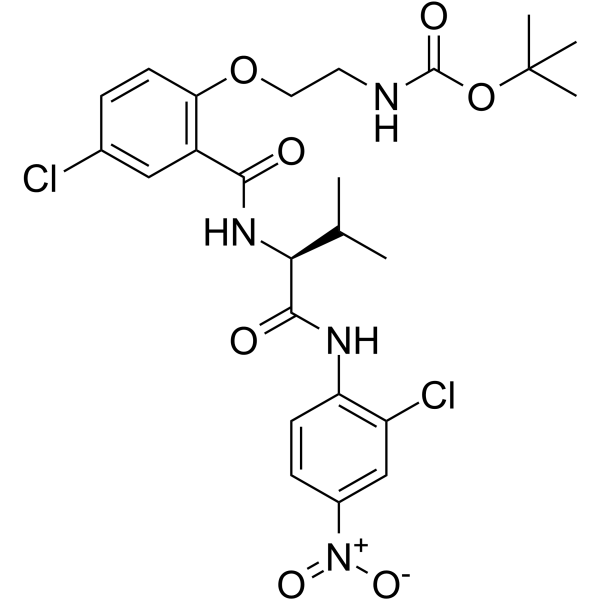
GLS-1-IN-1 (compound 1d) is a GLS-1 inhibitor. GLS-1-IN-1 shows inhibitory effect against Hep G2, MCF 7, and MCF 10A cells .
loading...
    loading...
Cat. No.: HY-168993
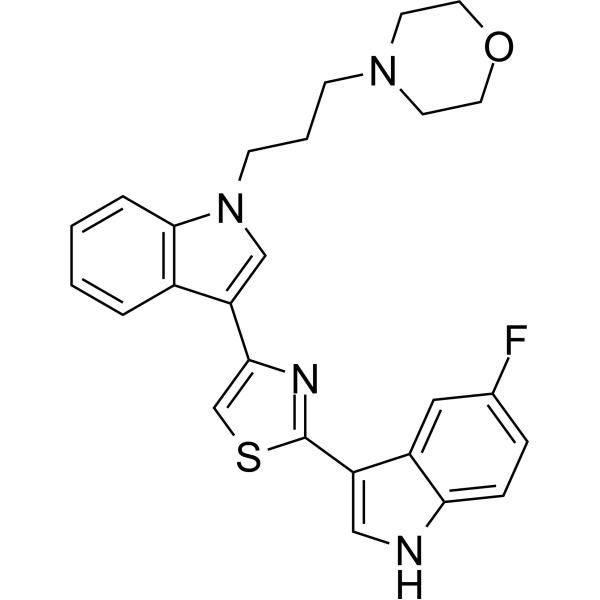
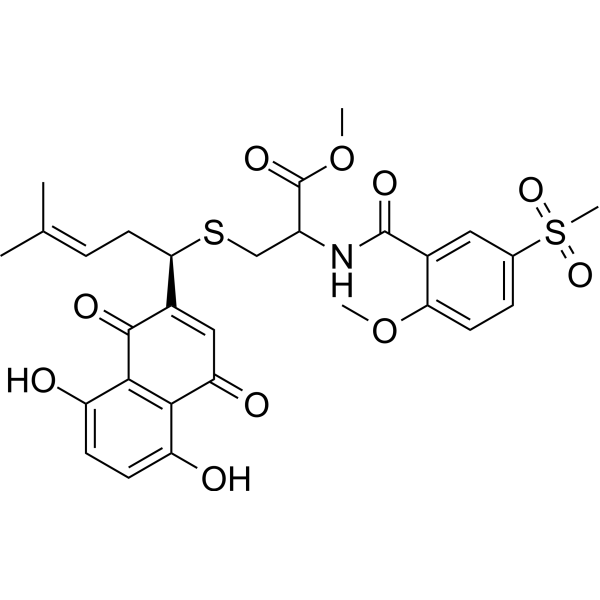
BRCA2-IN-2 (Compound 3i) has a strong binding affinity to the BRCA2 protein. BRCA2-IN-2 can inhibit the proliferation of breast cancer cells and scavenge DPPH free radicals. BRCA2-IN-2 has anti-tumor and antioxidant activities .
loading...
    loading...
Cat. No.: HY-149431
Target:  

HSP Potassium Channel

Research Areas:  

Cancer

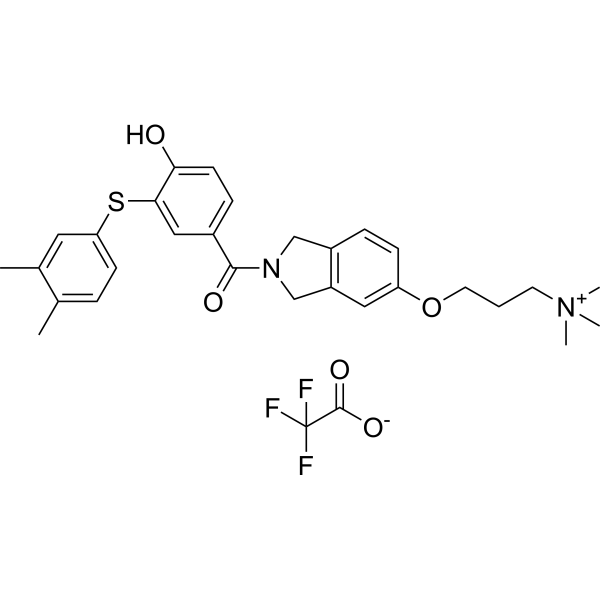
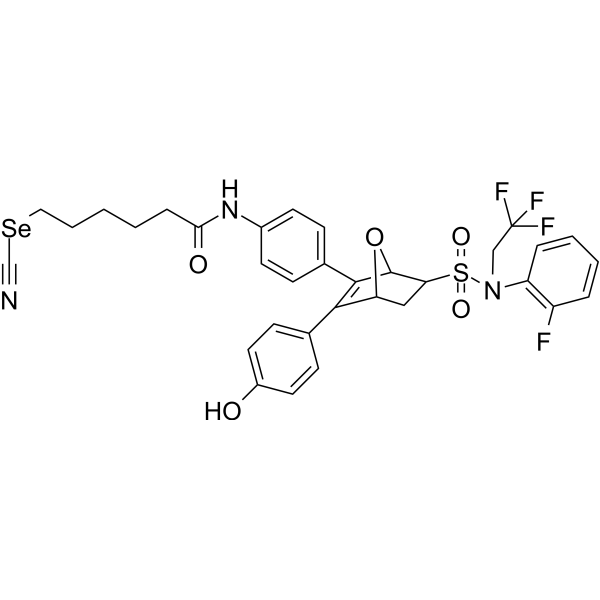
NDNA4 (compound 17) is a selective inhibitor of Hsp90α (IC50: 0.34 μM). NDNA4 is a permanently charged analog with low membrane permeability and low cytotoxicity against Ovcar-8 and MCF-10A ((IC50 >100 μM)). NDNA4 prevents disruption of hERG channel maturation without generating a heat shock response or causing degradation of Hsp90α-dependent client proteins .
loading...
    loading...
Cat. No.: HY-145269
CAS No.: 2761538-66-1
Target:  

Cadherin

Research Areas:  

Cancer

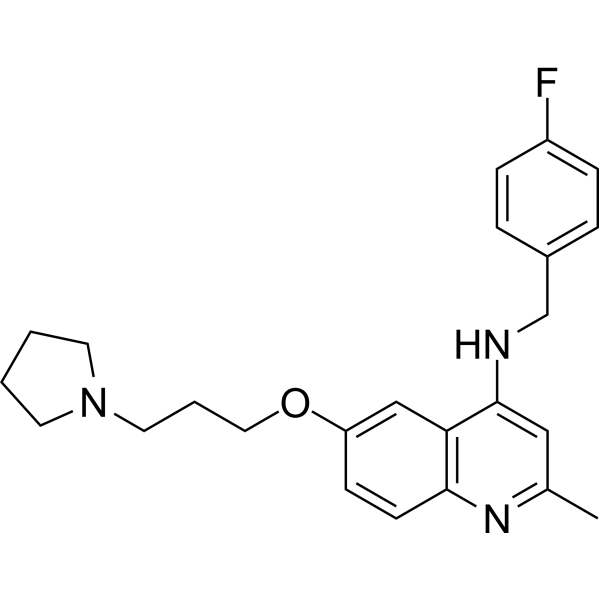
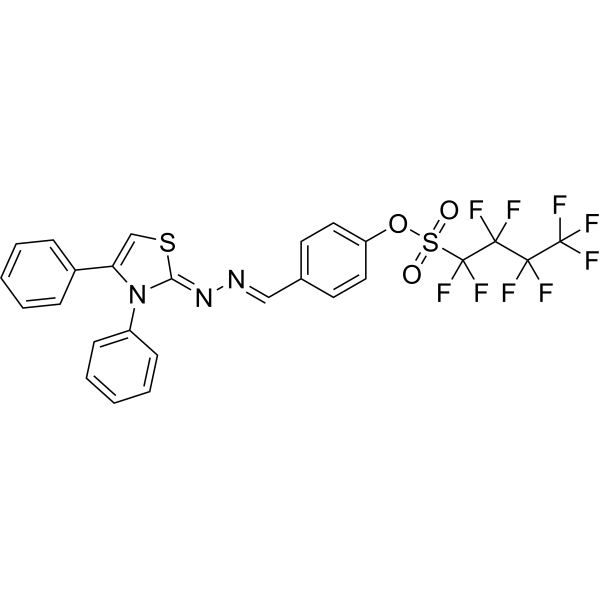
AL-GDa62 is a derivative of the CDH1/E-cadherin modulator SLEC-11 (HY-145268) and induces apoptosis in CDH1 -/- cells. AL-GDa62 has an EC50 of 3.2 μM and 2 μM for isogenic mammary epithelial cells MCF10A-WT (wild type) and mutant MCF10A-CDH1 -/-, respectively. AL-GDa62 specifically inhibits TCOF1, ARPC5, and UBC9, and suppresses SUMOylation at low micromolar concentrations .
loading...
    loading...
Cat. No.: HY-119467
CAS No.: 1366240-73-4
Target:  

Ser/Thr Protease

Research Areas:  

Cancer

MDK0734 is a selective inhibitor that inhibits feline hepsin B endopeptidase and exopeptidase activities. MDK0734 demonstrated efficacy in a cell-based in vitro tumor invasion model, significantly attenuating the invasive ability of MCF-10A neoT cells. MDK0734 provides new potential inhibitors for the development of clinically useful compounds targeting the deleterious effects of feline hepsin B in cancer progression .
loading...
    loading...
Cat. No.: HY-159515
PBE-AMF is a prodrug that activates H2O2 with anticancer activity. PBE-AMF impedes tumor proliferation by inhibiting DNA synthesis, reducing ATP levels, inducing apoptosis, and arresting the cell cycle. PBE-AMF potently and selectively inhibits the proliferation of MDA-MB-231 cells (IC50=6.4 μM) while sparing non-cancerous MCF-10A cells .
loading...
    loading...
Cat. No.: HY-116264
CAS No.: 1417737-67-7
Target:  

Ser/Thr Protease

Research Areas:  

Cancer

CatB-IN-1 is an enzyme inhibitor with significant inhibitory activity against tumor invasion. CatB-IN-1 may reduce the invasiveness of tumor cells by regulating intracellular protein metabolism. CatB-IN-1 demonstrates effective anti-invasive ability in cell models and can significantly reduce the invasive ability of MCF-10A neoT cells. The structure-activity relationship study of CatB-IN-1 shows that its design can target multiple functions of cat hepsin B .
loading...
    loading...
Cat. No.: HY-149432
Target:  

HSP Potassium Channel

Research Areas:  

Cancer

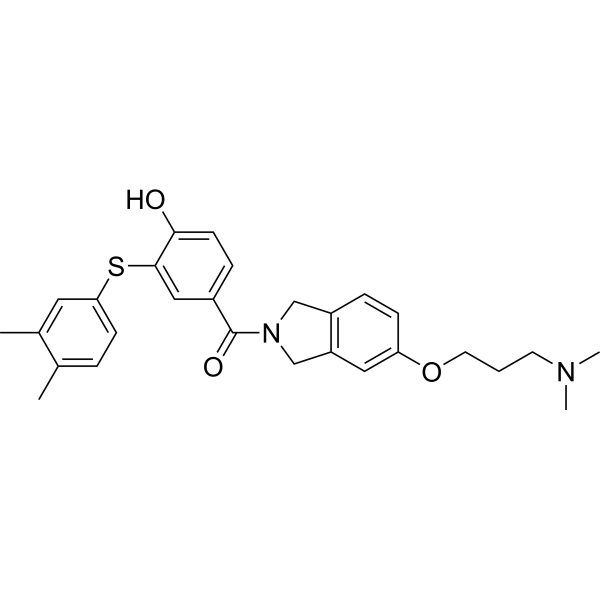
NDNA3 (compound 14) is a selective inhibitor of Hsp90α (IC50: 0.51 μM). NDNA3 is a permanently charged analog with low membrane permeability and low toxicity to Ovcar-8 (IC50: 12.66 μM) and MCF-10A (IC50: 11.72 μM) cells. NDNA3 prevents disruption of hERG channel maturation without generating a heat shock response or causing degradation of Hsp90α-dependent client proteins .
loading...
    loading...
Cat. No.: HY-156375
Target:  

Pyruvate Kinase PDK-1

Research Areas:  

Cancer

PKM2 activator 6 (Compound Z10) is a PKM2 activator and PDK1 inhibitor (KD: 121 and 19.6 μM respectively). PKM2 activator 6 induces colorectal cell apoptosis, and inhibits cell proliferation and migration . PKM2 activator 6 inhibits glycolysis. PKM2 activator 6 inhibits proliferation of DLD-1, HCT-8, HT-29, MCF-10A cells (IC50: 10.04, 2.16, 3.57, 66.39 μM) .
loading...
    loading...
Cat. No.: HY-134997
CAS No.: 845673-74-7
Synonyms: 4-oxo DHA
Target:  

PPAR

Research Areas:  

Cancer

4-oxo Docosahexaenoic acid (4-oxo DHA) is a putative metabolite of Docosahexaenoic acid (HY-B2167) with antiproliferative and PPARγ agonist activity. It inhibits the growth of several triple negative breast cancer cell lines (MCF-10F, trMCF, bsMCF, MDA-MB-231, and BT549) at 50-100 μM, however it increased proliferation of MCF-7 cells. 4-oxo DHA binds covalently to PPARγ and activates gene transcription in luciferase reporter assays and in dendritic cells with EC50 values of approximately 8-16 μM.
loading...
    loading...
Cat. No.: HY-144638
CAS No.: 3033232-87-7
Target:  

Apoptosis

Research Areas:  

Cancer

JMX0293 is an O-alkylamino-tethered salicylamide derivative compound. JMX0293 maintains good potency against MDA-MB-231 cell line (IC50 = 3.38 μM) while exhibiting very low toxicity against human non-tumorigenic breast epithelial cell line MCF-10A (IC50> 60 μM). JMX0293 inhibits STAT3 phosphorylation and contribute to apoptosis in TNBC MDA-MB-231 cells. JMX0293 significantly suppresses MDA-MB-231 xenograft tumor growth in vivo without significant toxicity .
loading...
    loading...
Cat. No.: HY-155197
CAS No.: 2922929-63-1
Research Areas:  

Cancer

ER degrader 7 (Compound 35t) is an ERα and ERβ degrader. ER degrader 7 inhibits tubulin polymerization. ER degrader 7 inhibits cell viability with IC50s of 0.06, 2.56, 15.84, 1.59, 1.67, 1.37 μM for MCF-7, T47D, MCF-10A, LCC2, T47D D538G, and T47D Y537S cells respectively. ER degrader 7 also inhibits breast cancer tumor growth .
loading...
    loading...
Cat. No.: HY-121085
CAS No.: 578723-96-3
Target:  

Microtubule/Tubulin

Research Areas:  

Cancer

CID-663143 targets microtubule-associated proteins, not tubulin itself, to inhibit the polymerization process within cells. CID-663143 inhibits cancer cell growth (IC50: <100 nM for HT-1080, BJeLR, MCF10A cells) .
loading...
    loading...
Cat. No.: HY-145432
CAS No.: 2747100-02-1
Target:  

PI3K

Research Areas:  

Cancer

PI3K-IN-28 (Compound 6c) is a potent inhibitor of PI3K. PI3K-IN-28 displays the most potent activity with lower toxic effects on MCF-10a. PI3K-IN-28 displays half-maximal inhibitory concentration (IC50, μM) values of 5.8, 2.3, and 7.9. PI3K-IN-28 is the most potent one with a selectivity index (SI) of 39 and is considered as a latent lead for further optimization of anticancer agents .
loading...
    loading...
Cat. No.: HY-155382
Research Areas:  

Others Cancer

Lactate transportor 1 (compound 1) is an active lactate transporter in living cells. Lactate transportor 1 displays the cytotoxic effect, with IC50 values of 3.36, 3.27,5.58 and 7.66 μM in Hela, CAL27, MCF7 and MCF10A, respectively. Lactate transportor 1 has an additive effect with Cisplatin (HY-17394) observed in HeLa cells .
loading...
    loading...
Cat. No.: HY-W010713
CAS No.: 2669-65-0
Synonyms: Fimaporfin free base
Target:  

Photosensitizer

Research Areas:  

Cancer

Meso-tetraphenylchlorin (TPCS2a) is a photosensitizer with poor water solubility, which limits its use in the blood circulation. However, TPCS2a@NPs nanoparticles can be prepared based on polylactic-co-polyethylene glycol acid (PLGA) polymer core loaded with TPCS2. Such nanoparticles can be coated with mesenchymal stem cell-derived plasma membranes (mMSCs) to form mMSC-TPCS2a@NPs, which prolongs blood circulation time and improves tumor targeting ability. Compared with uncoated TPCS2a@NPs, mMSC-TPCS2a@NPs can reduce macrophage uptake by 54% to 70% under different conditions. Both nanoparticle forms are effectively accumulated in MCF7 and MDA-MB-231 breast cancer cells, while uptake in normal breast epithelial cells MCF10A is significantly lower .
loading...
    loading...
Cat. No.: HY-182067
Research Areas:  

Cancer

anti-TNBC agent-15 is a platinum (IV) complex with anti-triple-negative breast cancer activity. anti-TNBC agent-15 inhibits cancer cell viability. anti-TNBC agent-15 reverses the resistance of triple-negative breast cancer cells to Cisplatin (HY-17394), increases intracellular uptake, and effectively triggers apoptosis by inducing DNA damage, enhancing intracellular ROS accumulation and activating the mitochondrial pathway. anti-TNBC agent-15 enhances lipid peroxidation, interferes with the signal transduction of the cystine/glutamate transporter-glutathione peroxidase axis, and induces ferroptosis. anti-TNBC agent-15 significantly inhibits tumor growth in triple-negative breast cancer/Cisplatin xenograft models. anti-TNBC agent-15 can be used for the research of triple-negative breast cancer .
loading...
    loading...
Cat. No.: HY-178822
CAS No.: 32571-49-6
Target:  

Drug Derivative

Research Areas:  

Cancer

AQ-13 (Compound 7) is a Chloroquine (HY-17589A) analogue with anti-breast cancer property. AQ-13 shows antiproliferative activities against MDA-MB231 and MCF7 with GI50 of 27.81 and 17.85 μM. AQ-13 shows low cytotoxicity against non-cancerous breast epithelial cells MCF10A (GI50 = 65.26 μM). AQ-13 can be used for the research of breast cancer .
loading...
    loading...
Cat. No.: HY-183700
Research Areas:  

Infection

DNA gyrase/Topo IV-IN-3 is an inhibitor of Escherichia coli DNA gyrase and Topoisomerase IV, with IC50 values of 1.75 μM and 3.47 μM, respectively. DNA gyrase/Topo IV-IN-3 acts as a biofilm inhibitor and exhibits antibacterial activity against both Gram-negative and Gram-positive bacteria. DNA gyrase/Topo IV-IN-3 can be used in studies related to bacterial infections .
loading...
    loading...
  • 1

