1. Search Result
Search Result
Results for "

MOLT-4

" in MedChemExpress (MCE) Product Catalog:

82

Inhibitors & Agonists

1

Biochemical Assay Reagents

3

Peptides

12

Natural
Products

1

Click Chemistry

Cat. No. Product Name Target Research Areas Chemical Structure
  • HY-13062
    Daunorubicin hydrochloride
    Maximum Cited Publications
    37 Publications Verification

    Daunomycin hydrochloride; RP 13057 hydrochloride; Rubidomycin hydrochloride

    Topoisomerase DNA/RNA Synthesis ADC Payload Bacterial Autophagy Apoptosis Antibiotic Infection Neurological Disease Cancer
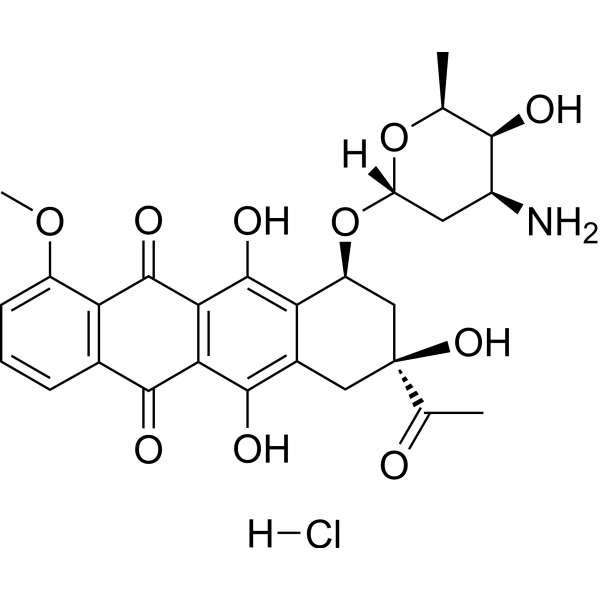
    Daunorubicin (Daunomycin) hydrochloride is a topoisomerase II inhibitor with potent anti-tumor activity. Daunorubicin hydrochloride inhibits DNA and RNA synthesis. Daunorubicin hydrochloride is a cytotoxin that inhibits cancer cell viability and induces apoptosis and necrosis. Daunorubicin hydrochloride is also an anthracycline antibiotic. Daunorubicin hydrochloride can be used in the research of infection and variety of cancers, including leukemia, non-Hodgkin lymphomas, Ewing's sarcoma, Wilms' tumor [4] .
    Daunorubicin hydrochloride
  • HY-B0464
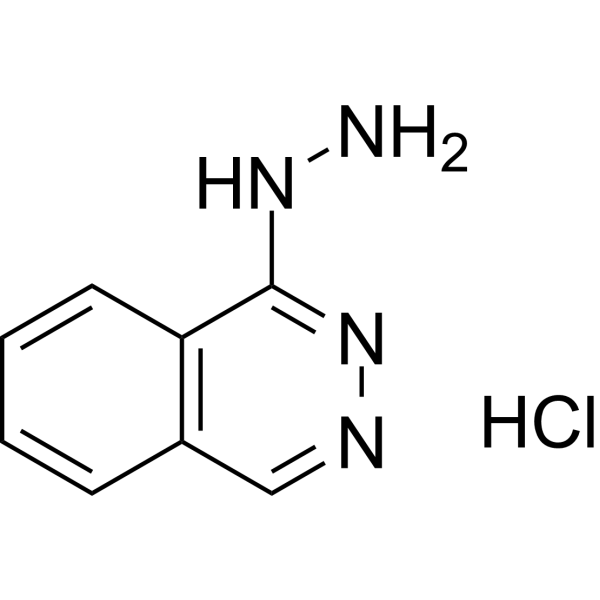
    Hydralazine hydrochloride
    3 Publications Verification

    PGE synthase NO Synthase Reactive Oxygen Species (ROS) DNA Methyltransferase COX Cardiovascular Disease Inflammation/Immunology Cancer
    Hydralazine hydrochloride is an orally active, blood-brain barrier-permeable DNA methyltransferase inhibitor with vasodilatory, arterial smooth muscle relaxant and hypotensive activities. Hydralazine hydrochloride reactivates silenced tumor suppressor genes via mediating DNA demethylation, while exerting neuroprotective and anti-inflammatory properties. Hydralazine hydrochloride inhibits NOS-2 (iNOS) and COX-2, and reduces the production of NO and PGEE2; meanwhile, Hydralazine hydrochloride scavenges reactive oxygen species and inhibits macrophage activation. Hydralazine hydrochloride alleviates motor dysfunction, neuropathic inflammatory pain, and formalin-induced somatic and emotional pain responses. In addition, Hydralazine hydrochloride directly induces DNA strand breaks and sister chromatid exchange, exhibiting certain mutagenic characteristics. Hydralazine hydrochloride has been widely used in studies on hypertension, various cancers (such as cervical cancer, leukemia), spinal cord injury and the mechanisms of inflammatory pain [4] .
    Hydralazine hydrochloride
  • HY-16050
    Plitidepsin
    4 Publications Verification

    Aplidine; PM90001

    DNA/RNA Synthesis SARS-CoV Infection Cancer
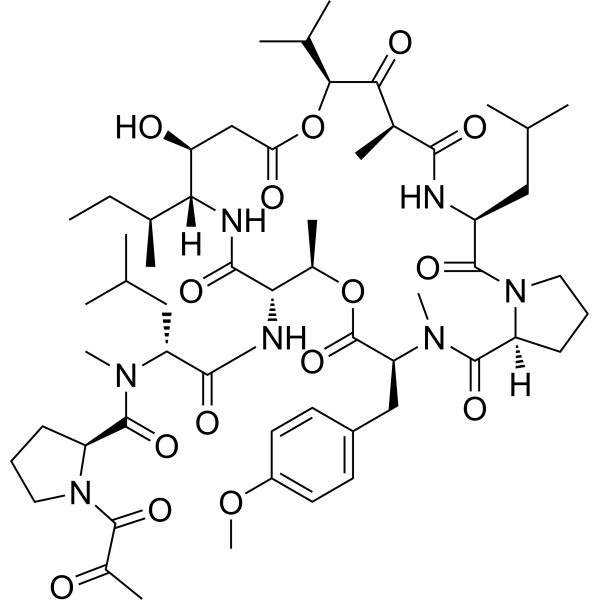
    Plitidepsin (Aplidine) is a potent anti-cancer agent by targeting eEF1A2 ( KD=80 nM) . Plitidepsin possesses antiviral activity and is against SARS-CoV-2 with an IC90 of 0.88 nM. Plitidepsin is usually used for multiple myeloma and advanced cancer research, and has the potential for COVID-19 research .
    Plitidepsin
  • HY-13062A
    Daunorubicin
    Maximum Cited Publications
    37 Publications Verification

    Daunomycin; RP 13057; Rubidomycin

    Topoisomerase DNA/RNA Synthesis ADC Payload Autophagy Bacterial Antibiotic Apoptosis Infection Neurological Disease Cancer
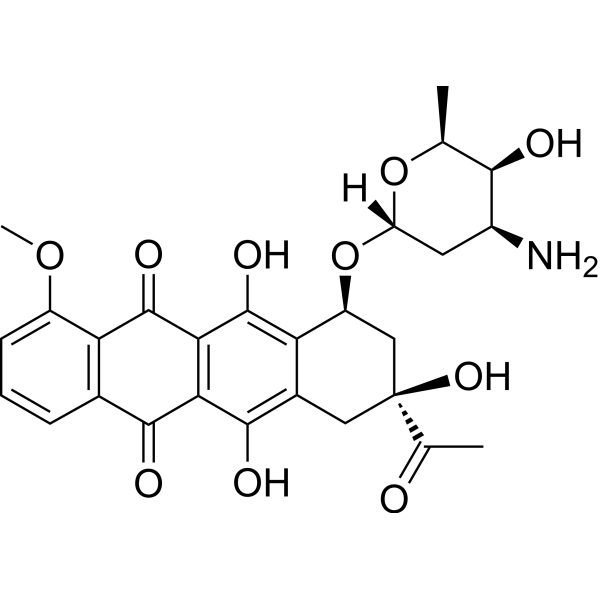
    Daunorubicin (Daunomycin) is a topoisomerase II inhibitor with potent anti-tumor activity. Daunorubicin inhibits DNA and RNA synthesis. Daunorubicin is a cytotoxin that inhibits cancer cell viability and induces apoptosis and necrosis. Daunorubicin is also an anthracycline antibiotic. Daunorubicin can be used in the research of infection and variety of cancers, including leukemia, non-Hodgkin lymphomas, Ewing's sarcoma, Wilms' tumor [4] .
    Daunorubicin
  • HY-13518
    Piceatannol
    20+ Cited Publications

    Astringenin; trans-Piceatannol

    Syk Autophagy Apoptosis Endogenous Metabolite Cancer
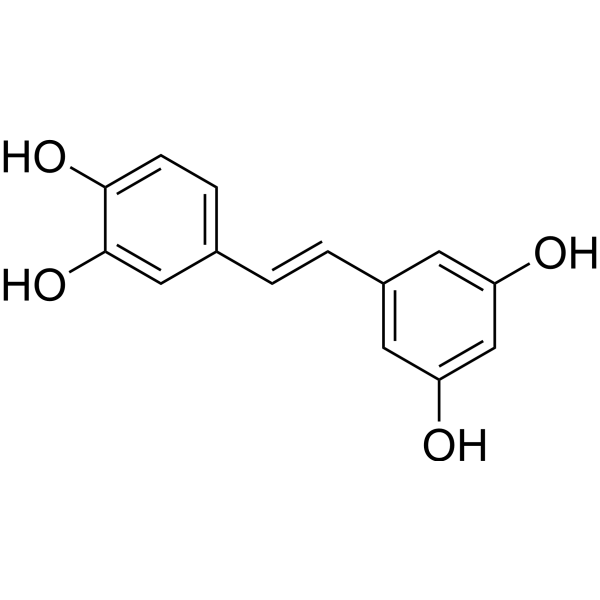
    Piceatannol is a well-known Syk inhibitor and reduces the expression of iNOS induced by TNF. Piceatannol is an effective agent for research of acute lung injury (ALI) . Piceatannol is a naturally occurring polyphenolic stilbene found in various fruits and vegetables and exhibits anticancer and anti-inflammatory properties . Piceatannol induces apoptosis in DLBCL cell lines . Piceatannol induces autophagy and apoptosis in MOLT-4 human leukemia cells [4].
    Piceatannol
  • HY-19725
    A-1155463
    20+ Cited Publications

    Bcl-2 Family Cancer
    A-1155463, a chemical probe, is a highly potent and selective BCL-XL inhibitor with an EC50 of 70 nM in Molt-4 cell. A-1155463 is a click chemistry reagent, it contains an Alkyne group and can undergo copper-catalyzed azide-alkyne cycloaddition (CuAAc) with molecules containing Azide groups.
    A-1155463
  • HY-13701
    Nelarabine
    3 Publications Verification

    506U78; GW 506U78; Nelzarabine

    Nucleoside Antimetabolite/Analog Apoptosis Cancer
    Nelarabine (506U78) is a nucleoside analogue and can be used for the research of T cell acute lymphoblastic leukemia (T-ALL) .
    Nelarabine
  • HY-172162

    Molecular Glues NEKs Interleukin Related Inflammation/Immunology Cancer
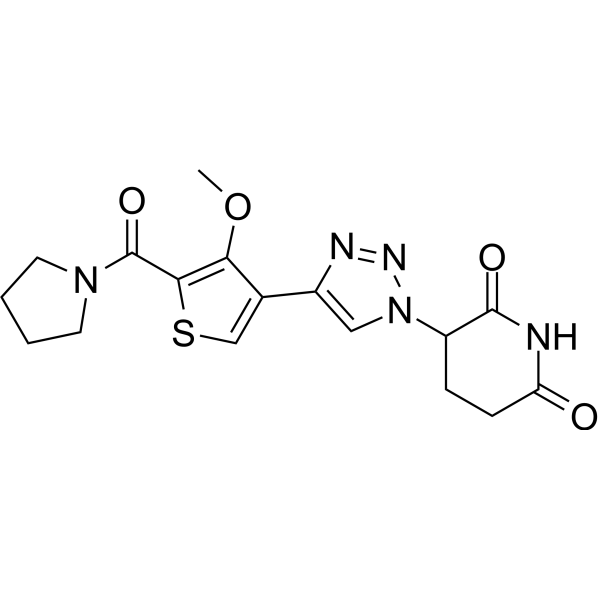
    LC-04-045 is a selective NIMA-related kinase 7 (NEK7) molecular glue degrader. LC-04-045 induces NEK7 degradation via the CRBN-based ubiquitin-proteasome system, dependent on the glycine 57-containing degron motif. LC-04-045 inhibits secretion of downstream cytokines IL-1β and IL-18. LC-04-045 can be used for the research of lymphoblastic leukemia .
    LC-04-045
  • HY-15724
    Vercirnon
    3 Publications Verification

    GSK-1605786; CCX282-B; Traficet-EN

    CCR Ligands for Target Protein for PROTAC Inflammation/Immunology Endocrinology
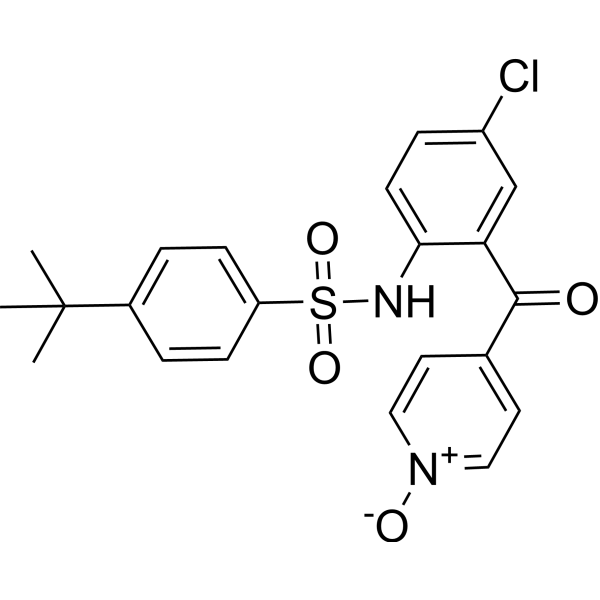
    Vercirnon (GSK1605786A) is an orally bioavailable, selective, and potent antagonist of CCR9. Vercirnon inhibits CCR9-mediated Ca 2+ mobilization and chemotaxis on Molt-4 cells with IC50 values of 5.4 and 3.4 nM, respectively. Vercirnon is selective for CCR9 over CCR1-12 and CX3CR1-7 (IC50s>10 μM for all). Vercirnon is an equipotent inhibitor of CCL25-directed chemotaxis of both splice forms of CCR9 (CCR9A and CCR9B) with IC50 values of 2.8 and 2.6 nM, respectively .
    Vercirnon
  • HY-133557
    XZ739
    1 Publications Verification

    PROTACs Bcl-2 Family Apoptosis Cancer
    XZ739, a Cereblon-dependent PROTAC BCL-XL (Bcl-2 family member) degrader with a DC50 value of 2.5 nM in MOLT-4 cells after 16 h treatment. XZ739 also induces cell death through caspase-mediated apoptosis .
    XZ739
  • HY-173523

    PROTACs CDK c-Myc Cancer
    KI-CDK9d-32 is a highly selective and potent CDK9 PROTAC degrader (DC50: 0.89 nM). KI-CDK9d-32 promotes the ubiquitination and degradation of CDK9. KI-CDK9d-32 inhibits the MYC pathway and disrupts nucleolar homeostasis. KI-CDK9d-32 exhibits anticancer activity against acute lymphoblastic leukemia and pancreatic cancer. (Pink: CDK9 ligand (HY-153718); Blue: E3 ligase CRBN ligand (HY-163233); Black: Linker (HY-W011657); E3 ligase CRBN ligand-linker conjugate (HY-173525)) .
    KI-CDK9d-32
  • HY-145322

    Casein Kinase Molecular Glues Cancer
    TMX-4116 is a casein kinase 1α (CK1α) degrader. TMX-4116 shows the degradation preference for CK1α with DC50s less than 200 nM in MOLT4, Jurkat, and MM.1S cells. TMX-4116 can be used for the research of multiple myeloma .
    TMX-4116
  • HY-N0097A

    AraG

    Drug Derivative Cancer
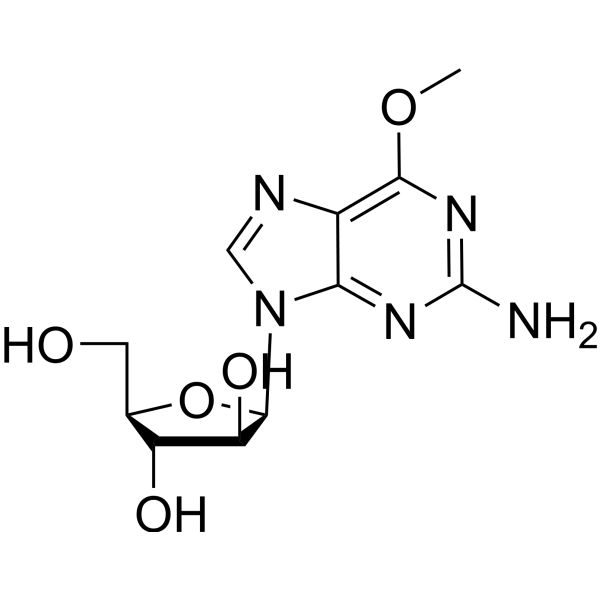
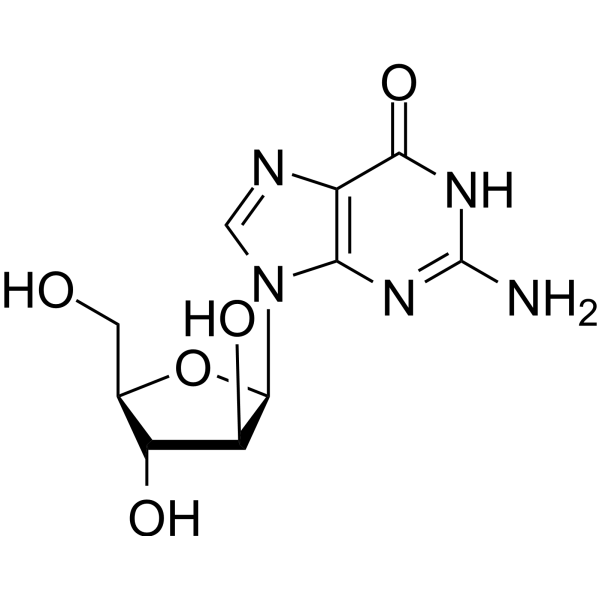
    9-β-D-Arabinofuranosylguanine is a Guanosine (HY-N0097) analog and shows high affinity for deoxyguanosine kinase (dGK) with a Km of 8.0 μM. 9-β-D-Arabinofuranosylguanine can be used for the research of T-cell lymphoblastic disease .
    9-β-D-Arabinofuranosylguanine
  • HY-176244

    Histone Acetyltransferase Cancer
    KI-TOX-A3 is a TOX protein-protein interaction inhibitor that blocks the TOX-KAT7 protein-protein interaction with an IC50 of 0.51 μM. KI-TOX-A3 induces proteasomal degradation of TOX, restores KAT7-mediated H3K14 acetylation, reverses exhaustion of CD8 + T cells, and inhibits the proliferation of T cell acute lymphoblastic leukemia (T-ALL) cells. KI-TOX-A3 shows promise for use in studies of hematological malignancies such as T-ALL .
    KI-TOX-A3
  • HY-176528

    ERK PROTACs Cancer
    PROTAC ERK5 degrader-1 (compound 2) is a bifunctional ERK5 PROTAC degrader. PROTAC ERK5 degrader-1 induces ERK5 degradation via VHL-mediated proteasome pathway in MOLT-4 cells. PROTAC ERK5 degrader-1 can be used for the study of a disease or disorder characterized by aberrant ERK5 activity, such as acute lymphoblastic leukemia .
    PROTAC ERK5 degrader-1
  • HY-174876

    PROTACs Bcl-2 Family Apoptosis Cancer
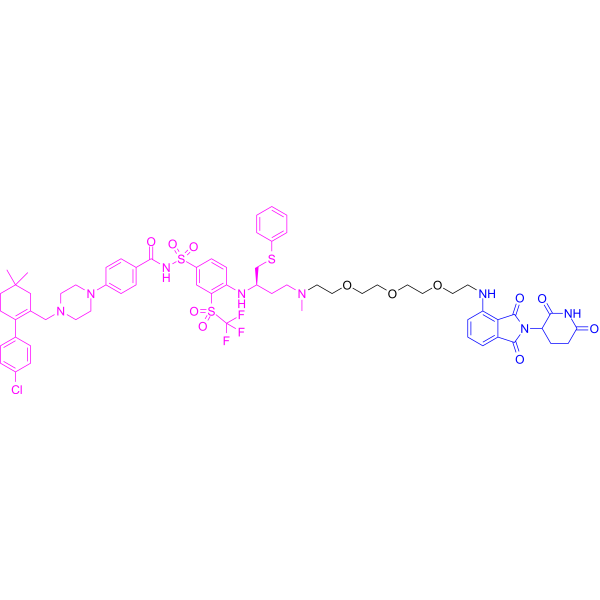
    PZ671 is a potent Bcl-xL PROTAC degrader with an IC50 of 1.3 nM (MOLT-4 cells) and a DC50 of 0.9 nM (Bcl-xL). PZ671 induces apoptosis in MOLT-4 cells. PZ671 effectively inhibits tumor growth and rapidly reverses transient platelet counts reduction in MOLT-4 xenograft mice. PZ671 can be used for the research of cancer, such as small cell lung cancer (SCLC) . (Structure Note: Pink: Bcl-xL ligand (HY-174878); Blue: CRBN Ligand (HY-138793); Black: linker; E3-linker (HY-174879))
    PZ671
  • HY-10224A
    Panobinostat lactate
    Maximum Cited Publications
    83 Publications Verification

    LBH589 lactate; NVP-LBH589 lactate

    HDAC HIV Autophagy Apoptosis Infection Cancer
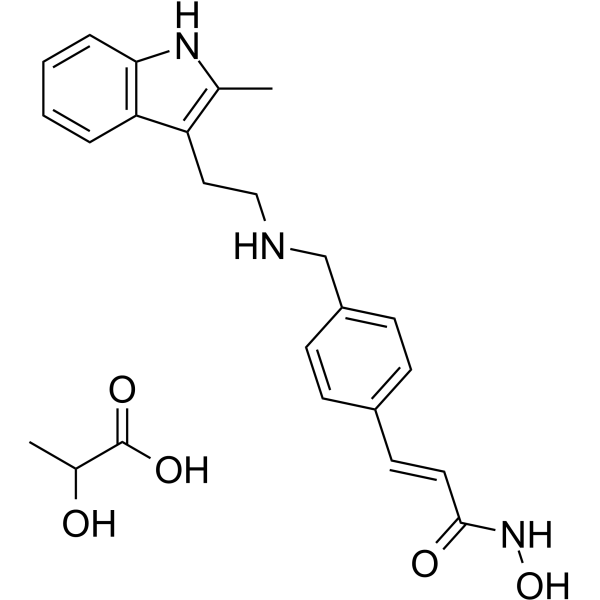
    Panobinostat lactate is a potent and orally active non-selective HDAC inhibitor. Panobinostat lactate has antineoplastic activities. Panobinostat lactate effectively disrupts HIV latency. Panobinostat lactate induces cell apoptosis and autophagy. Panobinostat lactate can be used for the study of refractory or relapsed multiple myeloma [4] .
    Panobinostat lactate
  • HY-115718
    PZ703b
    4 Publications Verification

    PROTACs Bcl-2 Family Cancer
    PZ703b is a Bcl-xl PROTAC degrader that induces apoptosis and inhibits cancer cell proliferation. PZ703b can be used for the research of bladder cancer research .
    PZ703b
  • HY-N4107
    Phyllanthin
    1 Publications Verification

    TGF-beta/Smad Infection Inflammation/Immunology Cancer
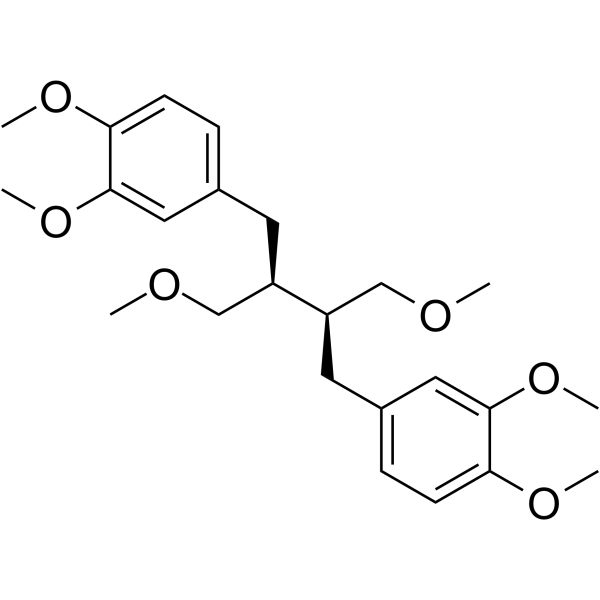
    Phyllanthin is an effective oral anticancer agent. Phyllanthin inhibits MOLT-4 cell viability, increases apoptosis, inhibits cell migration and invasion. Phyllanthin exerts anti-fibrotic effects by down-regulating TGF signaling pathway via ALK5 and Smad2/3. Phyllanthin also has anti-inflammatory and antibacterial properties .
    Phyllanthin
  • HY-137342

    PROTACs Src IRAK Bcr-Abl MAP4K Cyclin G-associated Kinase (GAK) CDK Cancer
    SB1-G-187 is a multi-target kinase PROTAC degrader with activity against various kinases including GCK, YES1, IRAK1 and LYN. SB1-G-187 induces degradation of target kinases via a p97-dependent pathway, and forms ternary complexes with CRBN and specific functional kinases. SB1-G-187 can be used in tumor-related research. (Pink: multi-target kinase ligand (HY-125142); Blue: CRBN ligand (HY-A0003); Black: linker) .
    SB1-G-187
  • HY-145321

    Phosphodiesterase (PDE) Molecular Glues Cancer
    TMX-4100 is a selective phosphodiesterase 6D (PDE6D) degrader. TMX-4100 shows a high degradation preference for PDE6D with the DC50 values less than 200 nM in MOLT4, Jurkat, and MM.1S cells. TMX-4100 can be used for the research of multiple myeloma .
    TMX-4100
  • HY-131944

    Apoptosis HSV Infection Cancer
    S-Acetylglutathione is a derivative of Glutathione (HY-D0187). S-Acetylglutathione is stable in blood, and can be converted to glutathione by intracellular thioesterases. S-Acetylglutathione restores the intracellular glutathione content in glutathione synthetase deficient fibroblasts. S-Acetylglutathione exhibits antiviral efficacy in HSV-1 infected model through inhibition of viral replication. S-Acetylglutathione induces apoptosis in cancer cells MOLT4 and UKF-NB-3 .
    S-Acetylglutathione
  • HY-137341

    PROTACs YTHDF Cancer
    SK-3-91 is a PROTAC-type multi-kinase degrader that can jointly induce the degradation of the largest number of unique kinases (more than 125 unique kinases). SK-3-91 induces protein degradation through the ubiquitin biotinylation (E-STUB) pathway. SK-3-91 degrades YTHDF2. SK-3-91 inhibits cell proliferation and induces morphological changes. (Pink: TAE648 ligand (HY-169396); Blue: E3 ligase ligand (HY-131717); Black: Linker (HY-140819). The E3 ligase ligand and linker can form a conjugate (HY-169397)) .
    SK-3-91
  • HY-12279C
    Umbralisib hydrochloride
    5 Publications Verification

    TGR-1202 hydrochloride; RP5264 hydrochloride

    PI3K Casein Kinase Cancer
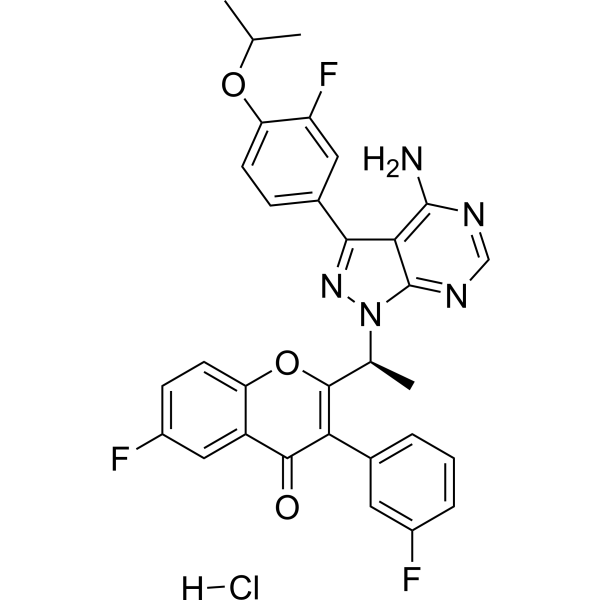
    Umbralisib (TGR-1202) hydrochloride is an orally active, potent and selective dual PI3Kδ and casein kinase-1-ε (CK1ε) inhibitor, with EC50 of 22.2 nM and 6.0 μM, respectively. Umbralisib hydrochloride exhibits unique immunomodulatory effects on chronic lymphocytic leukemia (CLL) T cells. Umbralisib hydrochloride can be used for haematological malignancies reseach [4].
    Umbralisib hydrochloride
  • HY-153119

    PROTACs PIKfyve Inflammation/Immunology
    TMX-4153 is a selective PIP4K2C PROTAC degrader. TMX-4153 induces PIP4K2C degradation in MOLT4 cells (DC50 = 24 nM) and HAP1 cells (DC50 = 361 nM). TMX-4153 can be used for the study of biological functions of PIP4K2C (immune modulation)-related diseases. (Pink: BTK ligand (HY-177432), Blue: VHL Ligand (HY-112078), Black: Linker) .
    TMX-4153
  • HY-172798

    Bcl-2 Family Cancer
    XZ338 is a highly selective degrader targeting BCL-XL. XZ338 does not degrade BCL-2. XZ338 inhibits MOLT-4 cells with a IC50 value of 3.7 nM. XZ338 has anti-proliferative activity. XZ338 can be used for anti-cancer study. (Target protein ligand: HY-19741; E3 ligase: HY-112078; linker: HY-172799; E3+liner: HY-172800) .
    XZ338
  • HY-W760183

    Fluorescent Dye Cancer
    EM12-SO2F is a powerful covalent inhibitor of CRBN through binding at His353. EM12-SO2F is a useful chemical probe to investigate the CRBN. EM12-SO2F inhibits the degradation of IKZF1 by lenalidomide (HY-A0003) in MOLT4 cells
    EM12-SO2F
  • HY-15724A
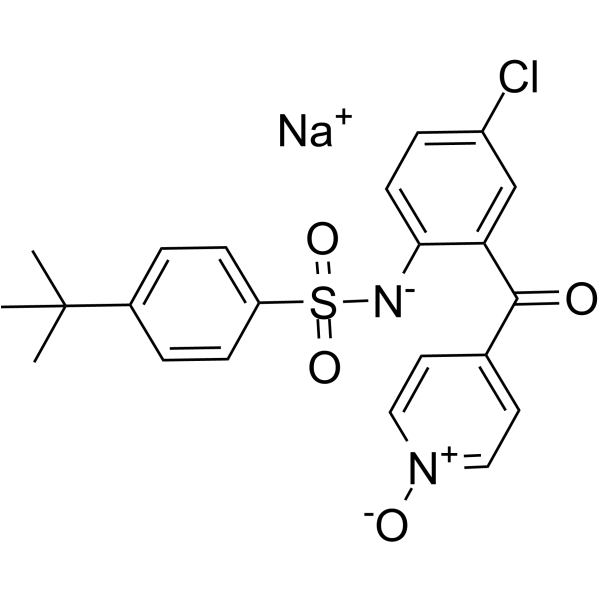
    Vercirnon sodium
    3 Publications Verification

    GSK-1605786 sodium; CCX282-B sodium; Traficet-EN sodium

    CCR Inflammation/Immunology Endocrinology
    Vercirnon (GSK1605786A) sodium is an orally bioavailable, selective, and potent antagonist of CCR9. Vercirnon sodium inhibits CCR9-mediated Ca 2+ mobilization and chemotaxis on Molt-4 cells with IC50 values of 5.4 and 3.4 nM, respectively. Vercirnon sodium is selective for CCR9 over CCR1-12 and CX3CR1-7 (IC50s>10 μM for all). Vercirnon sodium is an equipotent inhibitor of CCL25-directed chemotaxis of both splice forms of CCR9 (CCR9A and CCR9B) with IC50 values of 2.8 and 2.6 nM, respectively .
    Vercirnon sodium
  • HY-170406

    Bcl-2 Family Cancer
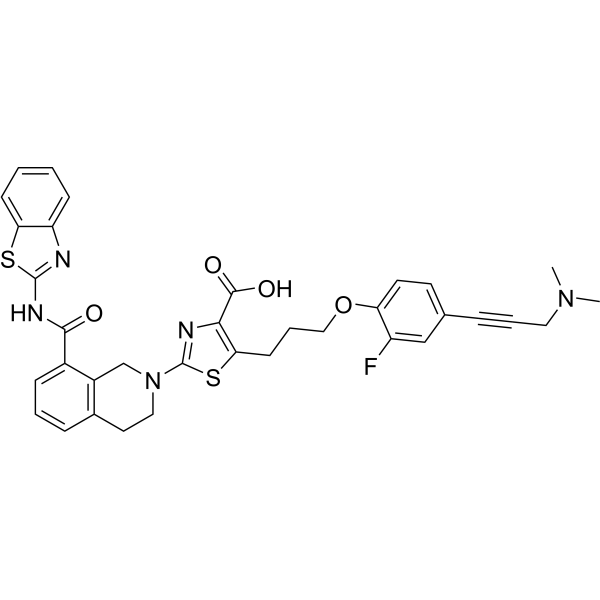
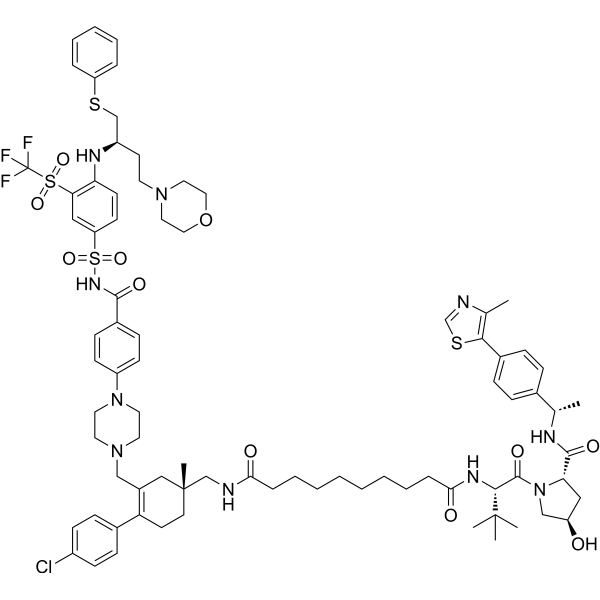
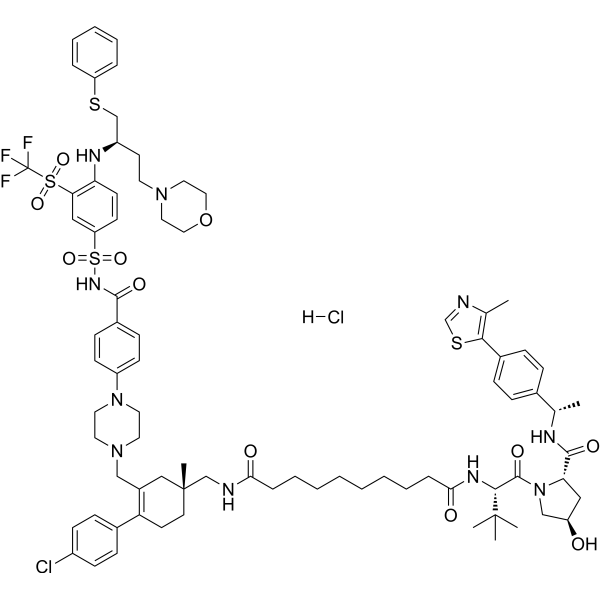
    BCL-XL-IN-3 (Compound 11) is an inhibitor for BCL-XL with a Ki < 0.01 nM. BCL-XL-IN-3 inhibits the cell viability in normal Molt-4 and Digitonin (HY-N4000)-permeabilized Molt-4 with EC50 of 77.8 nM and 0.07 nM. BCL-XL-IN-3 can be used as ADC toxin for synthesis of Clezutoclax (HY-137774) .
    BCL-XL-IN-3
  • HY-170953

    Casein Kinase Molecular Glues Cancer
    QXG-6442 is a CK1α Molecular Glue Degrader. QXG-6442 exhibits CK1α degradation potency with a DC50 of 5.7 nM and a Dmax of 90%. QXG-6442 induces antiproliferative effects in MOLM-14 cell line .
    QXG-6442
  • HY-155552

    Apoptosis CDK Caspase Cancer
    GSPT1 degrader-1 is a highly selective degrader targeting GSPT1. GSPT1 degrader-1 induces degradation via the ubiquitin-proteasome system. GSPT1 degrader-1 induces G0/G1 phase arrest, apoptosis (apoptosis) and inhibits proliferation in leukemia cells. GSPT1 degrader-1 reduces the levels of CDK6 and Cyclin B1, while increases the levels of activated caspase-3 and caspase-9 in leukemia cells. GSPT1 degrader-1 can be used in leukemia research .
    GSPT1 degrader-1
  • HY-170574

    Molecular Glues Apoptosis RIO Kinase Cancer
    CQ627 is a molecular glue targeting the degradation of RIOK2. It effectively induces the degradation of RIOK2 in the MOLT4 leukemia cell line via the ubiquitin-proteasome system (UPS) by recruiting the E3 ubiquitin ligase RNF126, with a DC50 value of 410 nM. CQ627 dose-dependently induces apoptosis in MOLT4 leukemia cells, blocks their cell cycle in the G2/M phase, and exhibits antiproliferative activities in various cancer cell lines. CQ627 also demonstrates in vivo anticancer activity in a MOLT4 xenograft mouse model .
    CQ627
  • HY-161767

    Molecular Glues Oxidative Phosphorylation Ras Cancer
    JWJ-01-306 is a CRBN-recruiting ZBTB11 Molecular Glues degrader. JWJ-01-306 degrades ZBTB11 and reprograms cellular metabolism, thereby reducing the level of Oxidative Phosphorylation and the activity of the tricarboxylic acid cycle. JWJ-01-306 enhances the response of organoids to K-Ras inhibition. JWJ-01-306 inhibits the proliferation of pancreatic ductal adenocarcinoma cells and melanoma cells. JWJ-01-306 can be used in studies related to pancreatic ductal adenocarcinoma and melanoma .
    JWJ-01-306
  • HY-W231513

    MASTL Ser/Thr Protease Aurora Kinase Cancer
    MASTL/Aurora A-IN-1 (Compound MA4) is a dual inhibitor of MASTL and Aurora A kinases with IC50 values of 0.56 μM and 0.16 μM, respectively. MASTL/Aurora A-IN-1 has broad-spectrum anticancer activity and has potent anticancer activity against SR (leukemia), K-562 (leukemia), MDA-MB-435 (melanoma), MOLT-4 (leukemia), and SK-MEL-2 (melanoma) cell lines in NCI-60 cancer cell lines with GI50 values of 0.023, 0.032, 0.037, 0.044, and 0.051 μM, respectively. MASTL/Aurora A-IN-1 inhibits Aurora A and MASTL kinases, inducing cell cycle G2/M arrest, thereby inhibiting cancer cell proliferation. MASTL/Aurora A-IN-1 can be used in cancer research, especially for tumors with dysregulated mitosis .
    MASTL/Aurora A-IN-1
  • HY-N1555

    Biochemical Assay Reagents Others
    Pseudotaraxasterol shows cytotoxic activity against MOLT-4 cells.
    Pseudotaraxasterol
  • HY-14913

    SPD754; AVX754

    Nucleoside Antimetabolite/Analog HIV DNA/RNA Synthesis Infection
    Apricitabine (SPD754; AVX754), the (-) enantiomer of 2′-deoxy-3′-oxa-4′-thiocytidine (dOTC), is a highly selective and orally active HIV-1 reverse transcriptase (RT) inhibitor (Ki=0.08 μM), as well as inhibits DNA polymerases α, β, and γ with Ki value of 300 μM, 12 μM, and 112.25 μM, respectively . Apricitabine (SPD754; AVX754) shows promising antiretroviral efficacy, good tolerability and a low propensity for resistance selection in antiretroviral-naive HIV infection .
    Apricitabine
  • HY-155393

    PROTACs Epigenetic Reader Domain Cancer
    PROTAC BRD4 Degrader-22 (Compd 44h) is a PROTAC-based BRD4 degrader, with a pDC50 (MOLT4, 24 h) of 9.2 .
    PROTAC BRD4 Degrader-22
  • HY-169021

    JNK Cancer
    JNK-1-IN-3 (Compound 9e) is an inhibitor of JNK1 that downregulates JNK1 gene expression and inhibits the protein levels of its phosphorylated form, concurrently reducing the expression of its downstream targets, c-Jun and c-Fos, in tumors while restoring p53 activity. JNK-1-IN-3 exhibits broad-spectrum antiproliferative activity, particularly with high inhibitory activity against renal and breast cancer cell lines, demonstrating both in vivo and in vitro anticancer activity .
    JNK-1-IN-3
  • HY-N10789

    Others Cancer
    (2S)-4'-Hydroxy-7-methoxyflavan is a Flavan. Flavan (4′-hydroxy-7-methoxyflavan) showed an important cytotoxic effect on human leukemic Molt 4 cells .
    (2S)-4'-Hydroxy-7-methoxyflavan
  • HY-179157

    PROTACs Checkpoint Kinase (Chk) DNA/RNA Synthesis Apoptosis Bcl-2 Family Caspase Cancer
    MA203 is a highly efficient and selective PROTAC degrader targeting CHK1. MA203 accelerates CRBN-dependent proteasomal degradation of CHK1 in solid tumor-derived cells and acute leukemia cells. MA203 induces DNA replication stress. MA203 blocks cell cycle progression and triggers tumor cell apoptosis. MA203 does not damage healthy differentiated and primitive hematopoietic cells, stromal cells, and retinal epithelial cells. MA203 can be used for the study of CHK1-dependent cancers .
    MA203
  • HY-N10777

    Others Cancer
    1-Ketoaethiopinone is an abietane-diterpenoid. 1-Ketoaethiopinone has an α, β-unsaturated carbonyl function. 1-Ketoaethiopinone shows cytotoxic activity against human cancer cell lines MOLT-4 (human lymphoblastic leukemia) and MCF-7 (human breast adenocarcinoma) .
    1-Ketoaethiopinone
  • HY-162658

    HDAC Apoptosis Cancer
    Leuxinostat is an inhibitor for HDAC with IC50 of 30 nM for hHDAC6. Leuxinostat inhibits the proliferation of cells THP1, K562, U937 and MEK1, induces apoptosis in leukemia cells NB4 and MOLT-4. Leuxinostat inhibits the expansion of hematopoietic stem cells and exhibits antileukemic activity in zebrafish models .
    Leuxinostat
  • HY-177766

    Molecular Glues Apoptosis Cancer
    GSPT1 degrader-17 (Compound 9q) is a potent and selective cereblon-based molecular glue degrader that targets G1 to S phase transition 1 (GSPT1). GSPT1 degrader-17 degrades GSPT1 in U937 cells with a DC50 of 35 nM and Dmax of 81.65%. GSPT1 degrader-17 has a strong inhibitory effect on U937, MOLT-4 and MV4-11 cells with IC50 values of 0.019, 0.006 and 0.027 μM. GSPT1 degrader-17 can induce cells apoptosis and G0/G1 phase arrest. GSPT1 degrader-17 can be used for the research of cancer, such as acute myeloid leukemia .
    GSPT1 degrader-17
  • HY-13518R

    Astringenin (Standard); trans-Piceatannol (Standard)

    Reference Standards Syk Autophagy Apoptosis Endogenous Metabolite Cancer
    Piceatannol (Standard) is the analytical standard of Piceatannol. This product is intended for research and analytical applications. Piceatannol is a well-known Syk inhibitor and reduces the expression of iNOS induced by TNF. Piceatannol is an effective agent for research of acute lung injury (ALI) . Piceatannol is a naturally occurring polyphenolic stilbene found in various fruits and vegetables and exhibits anticancer and anti-inflammatory properties . Piceatannol induces apoptosis in DLBCL cell lines . Piceatannol induces autophagy and apoptosis in MOLT-4 human leukemia cells [4].
    Piceatannol (Standard)
  • HY-177765

    Molecular Glues Cancer
    GSPT1 degrader-16 (Compound Lib-B-18J) is a potent and selective cereblon-based molecular glue degrader that targets G1 to S phase transition 1 (GSPT1). GSPT1 degrader-16 shows inhibitory effect to RS4;11, Molt4, and MM.1S cells with IC50 values of 0.002, 0.26 and 0.37 μM. GSPT1 degrader-16 can be used for the research of cancer, such as acute lymphoblastic leukemi .
    GSPT1 degrader-16
  • HY-178444

    FLT3 Apoptosis Cancer
    Flt-3-IN-1 is a potent FLT-3 inhibitor with an IC50 of 0.91 μM. Flt-3-IN-1 can cause leukemia cells G1 phase arrest and induce apoptosis. Flt-3-IN-1 can be used for the research of cancer, such as leukemia .
    Flt-3-IN-1
  • HY-16050R

    Aplidine (Standard); PM90001 (Standard)

    Reference Standards DNA/RNA Synthesis SARS-CoV Infection Cancer
    Plitidepsin (Standard) is the analytical standard of Plitidepsin. This product is intended for research and analytical applications. Plitidepsin (Aplidine) is a potent anti-cancer agent by targeting eEF1A2 ( KD=80 nM) . Plitidepsin possesses antiviral activity and is against SARS-CoV-2 with an IC90 of 0.88 nM. Plitidepsin is usually used for multiple myeloma and advanced cancer research, and has the potential for COVID-19 research .
    Plitidepsin (Standard)
  • HY-178066

    Bcl-2 Family PROTACs Cancer
    PROTAC BCL-xL/BCL-w Degrader 1 (Compound 44) is a BCL-xL/BCL-w PROTAC degrader. PROTAC BCL-xL/BCL-w Degrader 1 has significant anticancer activity with reduced on-target platelet toxicity . Pink: BCL-xL/BCL-w ligand (HY-10087); Blue: CRBN ligase ligand (HY-163233); Black: linker (HY-Y1230)
    PROTAC BCL-xL/BCL-w Degrader 1
  • HY-153718

    Ligands for Target Protein for PROTAC CDK c-Myc Cancer
    KI-ARv-03 is a potent and selective ATP-competitive CDK9 inhibitor with an IC₅₀ of 0.15 μM (at 45 μM ATP), exhibiting over 130-fold selectivity against other CDKs (including CDK1-7). KI-ARv-03 reduces androgen receptor (AR)-driven transcription and proliferation in prostate cancer cells. KI-ARv-03 can be used for leukemia, pancreatic cancer, alveolar rhabdomyosarcoma (ARMS) and castration-resistant prostate cancer (CRPC) research. KI-ARv-03 is a ligand for target protein for PROTAC. KI-ARv-03 can be used to synthesize PROTAC KI-CDK9d-32 (HY-173523) [1][2].
    KI-ARv-03
  • HY-N4107R

    Reference Standards TGF-beta/Smad Infection Inflammation/Immunology Cancer
    Phyllanthin (Standard) is the analytical standard of Phyllanthin. This product is intended for research and analytical applications. Phyllanthin is an effective oral anticancer agent. Phyllanthin inhibits MOLT-4 cell viability, increases apoptosis, inhibits cell migration and invasion. Phyllanthin exerts anti-fibrotic effects by down-regulating TGF signaling pathway via ALK5 and Smad2/3. Phyllanthin also has anti-inflammatory and antibacterial properties .
    Phyllanthin (Standard)

Inquiry Online

Your information is safe with us. * Required Fields.

Salutation


Country or Region *

Applicant Name *


Organization Name *

Department *


Email Address *


Product Name *

Cat. No.


Requested quantity *

Phone Number *


Remarks

Inquiry Online

Inquiry Information

Product Name:
Cat. No.:
Quantity:
MCE Japan Authorized Agent:

