Search Result
Results for "
MT cell
" in MedChemExpress (MCE) Product Catalog:
1
Isotope-Labeled Compounds
| Cat. No. |
Product Name |
Target |
Research Areas |
Chemical Structure |
-
- HY-50101A
-
|
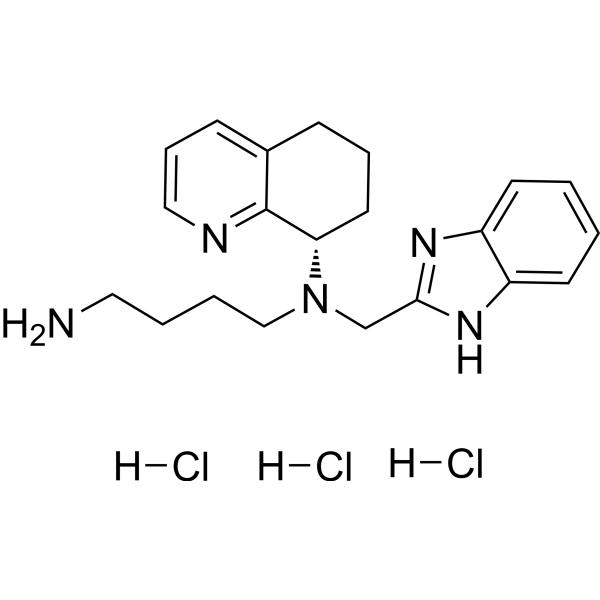
AMD-070 trihydrochloride; AMD-11070 trihydrochloride
|
CXCR
HIV
|
Infection
Endocrinology
Cancer
|
|
Mavorixafor trihydrochloride (AMD-070 trihydrochloride) is a potent, selective and orally available CXCR4 antagonist, with an IC50 value of 13 nM against CXCR4 125I-SDF binding, and also inhibits the replication of T-tropic HIV-1 (NL4.3 strain) in MT-4 cells and PBMCs with an IC50 of 1 and 9 nM, respectively.Mavorixafor trihydrochloride can be used for the study of WHIM syndrome .
|
-
-
- HY-50101
-
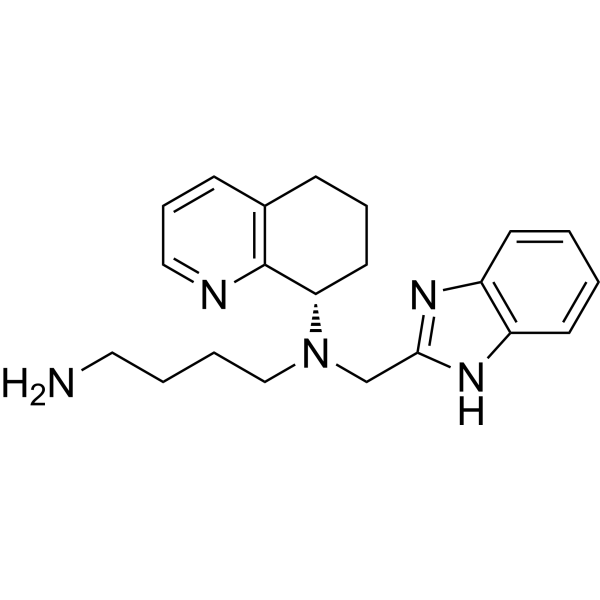
Mavorixafor
Maximum Cited Publications
8 Publications Verification
AMD-070; AMD-11070
|
CXCR
HIV
|
Infection
Endocrinology
Cancer
|
|
Mavorixafor (AMD-070) is a potent, selective and orally available CXCR4 antagonist, with an IC50 value of 13 nM against CXCR4 125I-SDF binding, and also inhibits the replication of T-tropic HIV-1 (NL4.3 strain) in MT-4 cells and PBMCs with an IC50 of 1 and 9 nM, respectively. Mavorixafor can be used for the study of WHIM syndrome .
|
-
-
- HY-174406
-
|
|
Myosin
PDGFR
Reactive Oxygen Species (ROS)
Ferroptosis
Akt
mTOR
ERK
|
Cancer
|
|
MT-125 is a specific and well-tolerated inhibitor of non-muscle myosin IIA (Ki,NMIIA = 2.7 μM) and IIB (EC50 = 1.7 μM). MT-125 can pass through the blood-brain barrier. MT-125 induces ferroptosis and DNA damage by increasing the levels of reactive oxygen species (ROS) within tumor cells. MT-125 can enhance the PDGFR signaling pathway. MT-125 can be used for research on glioblastoma.
|
-
-
- HY-16734A
-
|
MT-1303 hydrochloride
|
LPL Receptor
|
Cardiovascular Disease
Inflammation/Immunology
|
|
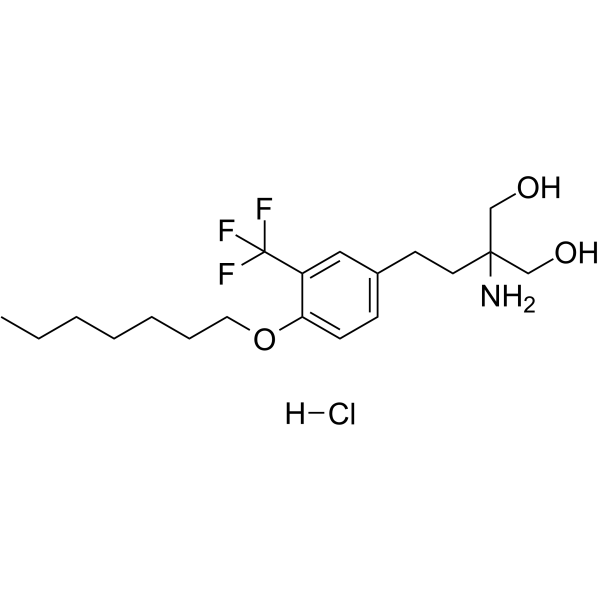
Amiselimod (MT-1303) hydrochloride is converted to its active metabolite Amiselimod phosphate by sphingosine kinases in vivo. Amiselimod hydrochloride is an orally active and high selectivity sphingosine 1-phosphate receptor-1 (S1P1) agonist, designed to reduce the bradycardia effects associated with fingolimod and other S1P receptor modulators. Amiselimod hydrochloride inhibits chronic colitis via inhibiting infiltration of colitogenic Th1 and Th17 cells into the colon. Amiselimod hydrochloride inhibits lupus nephritis by reducing the infiltration of autoreactive T cells into the kidneys. Amiselimod hydrochloride is promising for research of autoimmune diseases .
|
-
-
- HY-15897
-
|
|
TGF-β Receptor
|
Cancer
|
|
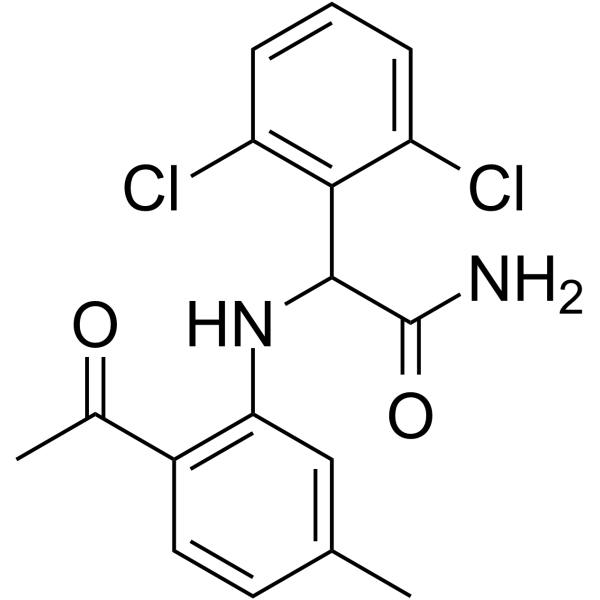
LDN-212854 is a bone morphogenetic protein (BMP) inhibitor that potently inhibits ALK2 (IC50: 1.3 nM). LDN-212854 also inhibits ALK1 (IC50: 2.40 nM). LDN-212854 can be used in the research of fibrodysplasia ossificans progressive and cancers, such as hepatocellular carcinoma (HCC) .
|
-
-
- HY-128206
-
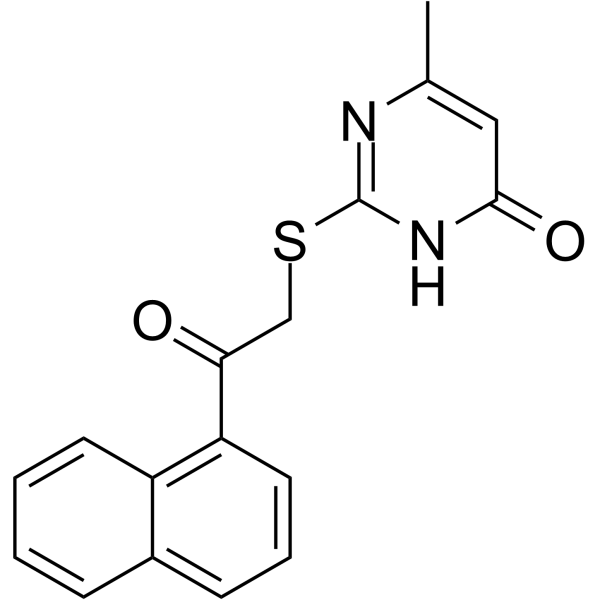
I3MT-3
5 Publications Verification
HMPSNE
|
Hippo (MST)
|
Metabolic Disease
|
|
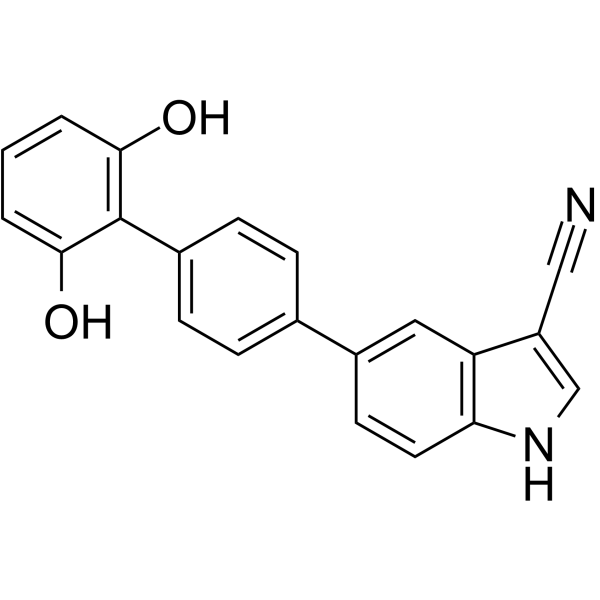
I3MT-3 (HMPSNE) is a potent, selective, and cell-membrane permeable inhibitor of 3-Mercaptopyruvate sulfurtransferase (3MST) (IC50=2.7 μM). I3MT-3 is inactive for other H2S/sulfane sulfur-producing enzymes.?I3MT-3 targets a persulfurated cysteine residue located in the active site of 3MST .
|
-
-
- HY-114243
-
|
|
NF-κB
JNK
Caspase
Apoptosis
|
Neurological Disease
Cancer
|
|
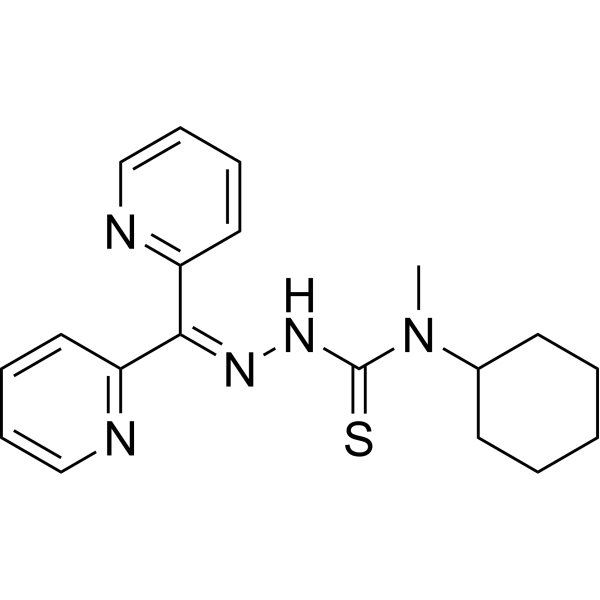
DpC is a selective, orally active iron chelator with anticancer activity. DpC acts on signaling pathway-related targets such as JNK, NF-κB, and its activity is competitively inhibited by another iron chelator Dp44mT (HY-18973). By chelating intracellular iron and copper ions in tumor cells to form redox-active complexes, DpC induces oxidative stress, activates the JNK, NF-κB pathways and downregulates IκBα, upregulates the expressions of neuroglobin and cytoglobin, activates caspase 3/9 to induce tumor cell apoptosis. It also overcomes P-glycoprotein-mediated multidrug resistance through a lysosome-targeting mechanism, and exhibits broad-spectrum synergistic effects when combined with various chemotherapeutic agents. DpC inhibits tumor metastasis and increases TNF-α levels in the tumor microenvironment to enhance endogenous immune responses. DpC is applicable to the research of various malignancies including neuroblastoma, pancreatic cancer, prostate cancer, lung cancer, and breast cancer .
|
-
-
- HY-174406A
-
|
|
Myosin
PDGFR
Reactive Oxygen Species (ROS)
Ferroptosis
Akt
mTOR
ERK
|
Inflammation/Immunology
Cancer
|
|
MT-125 free base is a specific and well-tolerated inhibitor of non-muscle myosin IIA (Ki,NMIIA = 2.7 μM) and IIB (EC50 = 1.7 μM). MT-125 free base can pass through the blood-brain barrier. MT-125 free base induces ferroptosis and DNA damage by increasing the levels of reactive oxygen species (ROS) within tumor cells. MT-125 free base can enhance the PDGFR signaling pathway. MT-125 free base can be used for research on glioblastoma.
|
-
-
- HY-50101C
-
|
AMD-070 hydrochloride; AMD-11070 hydrochloride
|
CXCR
HIV
|
Infection
Cancer
|
|
Mavorixafor (AMD-070) hydrochloride is a potent, selective and orally available CXCR4 antagonist, with an IC50 value of 13 nM against CXCR4 125I-SDF binding. Mavorixafor hydrochloride also inhibits the replication of T-tropic HIV-1 (NL4.3 strain) in MT-4 cells and PBMCs with an IC50 of 1 nM and 9 nM, respectively. Mavorixafor hydrochloride can be used for the study of WHIM syndrome .
|
-
-
- HY-W035091
-
|
|
Biochemical Assay Reagents
|
Cardiovascular Disease
Neurological Disease
|
|
Tetrachloroauric acid is an Au (III) compound and bilayer disruptor that can be used to damage red blood cells. Tetrachloroauric acid specifically disrupts the bilayer structure of representative phospholipids (dimyristoylphosphatidylcholine and dimyristoylphosphatidylethanolamine) in human red blood cell membranes, and induces morphological changes in intact human red blood cells. Tetrachloroauric acid causes downregulation of MT I-II and GFAP expression in the mouse brain following chronic treatment. Tetrachloroauric acid is being used in studies related to neurotoxicity and hematotoxicity, including analyses of human red blood cells and molecular models of red blood cell membranes, as well as immunohistochemical evaluation of the mouse brain .
|
-
-
- HY-15355
-
|
R 89439
|
Reverse Transcriptase
HIV
|
Infection
|
|
Loviride (R 89439) is a non-nucleoside reverse transcriptase inhibitor (NNRTI), with an IC50 of 0.3 µM for reverse transcriptase from HIV-1. Loviride (R 89439) inhibits HIV-1, HIV-2 and SIV replication in MT-4 cells .
|
-
-
- HY-W058849
-
|
|
AMPK
mTOR
Apoptosis
|
Cancer
|
|
MT 63-78 is a specific and potent direct AMPK activator with an EC50 of 25 μM. MT 63–78 also induces cell mitotic arrest and apoptosis. MT 63-78 blocks prostate cancer growth by inhibiting the lipogenesis and mTORC1 pathways. MT 63-78 has antitumor effects .
|
-
-
- HY-N0086R
-
|
6-Methyladenosine (Standard); N-Methyladenosine (Standard)
|
Endogenous Metabolite
Influenza Virus
Reference Standards
|
Infection
|
|
N6-Methyladenosine (Standard) is the analytical standard of N6-Methyladenosine. This product is intended for research and analytical applications. N6-Methyladenosine is the most prevalent internal (non-cap) modification present in the messenger RNA (mRNA) of all higher eukaryotes. N6-Methyladenosine can modifies viral RNAs and has antiviral activities.
In Vitro: N6-methyladenosine (m6A) is selectively recognized by the human YTH domain family 2 (YTHDF2) protein to regulate mRNA degradation. N6-methyladenosine (m6A), a prevalent internal modification in the messenger RNA of all eukaryotes, is post-transcriptionally installed by m6A methyltransferase (e.g., MT-A70) within the consensus sequence of G(m6A)C (70%) or A(m6A)C (30%). N6-methyladenosine (m6A)-containing RNAs are greatly enriched in the YTHDF-bound portion and diminished in the flow-through portion . N6-methyladenosine (m6A), the most abundant internal RNA modification, functions in diverse biological processes, including regulation of embryonic stem cell self-renewal and differentiation. N6-methyladenosine (m6A) is a large protein complex, consisting in part of methyltransferase-like 3 (METTL3) and methyltransferase-like 14 (METTL14) catalytic subunits .
|
-
-
- HY-128595
-
|
|
Transglutaminase
|
Cancer
|
|
MT-4 is a derivative of a tissue transglutaminase (TG2) inhibitor. MT-4 targets the complex of TG2 and fibronectin (FN) (TG2/FN) and inhibits the adhesion of tumor cells to the matrix. MT-4 inhibits the adhesion of ovarian cancer (OC) cells to the peritoneum and increases the sensitivity of OC cells to paclitaxel.
|
-
-
- HY-P4123
-
|
|
MMP
|
Cardiovascular Disease
Inflammation/Immunology
Cancer
|
|
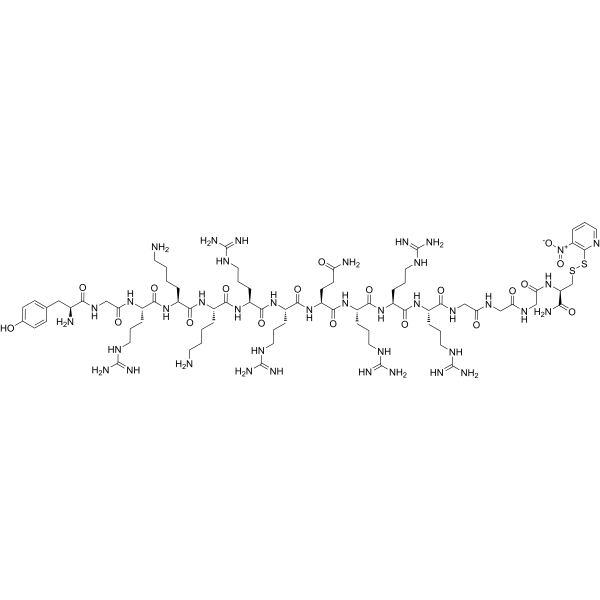
TAT (47-57) GGG-Cys (Npys) is a cell-penetrating peptide and delivery carrier derived from TAT. TAT (47-57) GGG-Cys (Npys) facilitates the translocation of conjugated drug molecules across cell membranes. TAT (47-57) GGG-Cys (Npys) acts as a delivery carrier for MT1-MMP inhibitors. TAT (47-57) GGG-Cys (Npys) is applicable to research on diseases associated with MT1-MMP activity, such as cancer, arthritis, heart disease, and vascular disorders .
|
-
-
- HY-N16050
-
|
Ethyl salvionolate A
|
HIV
Reverse Transcriptase
HIV Integrase
HIV Protease
|
Infection
|
|
Ethyl salvianolate A (Ethyl salvionolate A) is an anti-HIV-1 compound that can be extracted from the roots of Salvia yunnanensis. Ethyl salvianolate A inhibits P24 antigen in HIV-1 infected MT-4 cell cultures (EC50: 1.44 μg/mL). Ethyl salvianolate A inhibits HIV-1 replicative enzymes, with IC50s of 56.38 μM (Reverse transcriptase), 12.03 μM (Protease), 14.54 μM (Integrase), respectively .
|
-
-
- HY-168969
-
|
|
PROTACs
|
Neurological Disease
Cancer
|
|
AA-BR-157 is a metallothionein 2A (MT2A) PROTAC degrader. AA-BR-157 increases intracellular zinc levels, downregulates DIAPH3, disrupts cytoskeleton remodeling, and reduces the migration and invasion abilities of cancer cells. AA-BR-157 can be used for research on triple-negative breast cancer and glioblastoma .
|
-
-
- HY-169903
-
|
|
Apoptosis
|
Cancer
|
|
SMIP34 is a PELP1 inhibitor. SMIP34 binds to PELP1 with a Kd of 37.4 μM. SMIP34 inhibits cancer cell proliferation and tumor progression. SMIP34 can be used for breast cancer research, and is active against wild-type (WT), mutant (MT) ER+ and therapy-resistant (TR)-ER+ breast cancer .
|
-
-
- HY-114962
-
|
|
Melatonin Receptor
|
Neurological Disease
|
|
S-22153 is a potent melatonin receptor antagonist with EC50 values of 19 nM, 4.6 nM for hMT1 and hMT2 melatonin receptor, respectively. S-22153 has Ki values of 8.6 nM (CHO cells) and 16.3 nM (HEK cells) for hMT1, and 6.0 nM (CHO cells) and 8.2 nM (HEK cells) for hMT2. S-22153 is a specific ligand of MT1 and MT2 melatonin receptors subtypes .
|
-
-
- HY-178431
-
|
|
mTOR
Apoptosis
Reactive Oxygen Species (ROS)
STING
|
Cancer
|
|
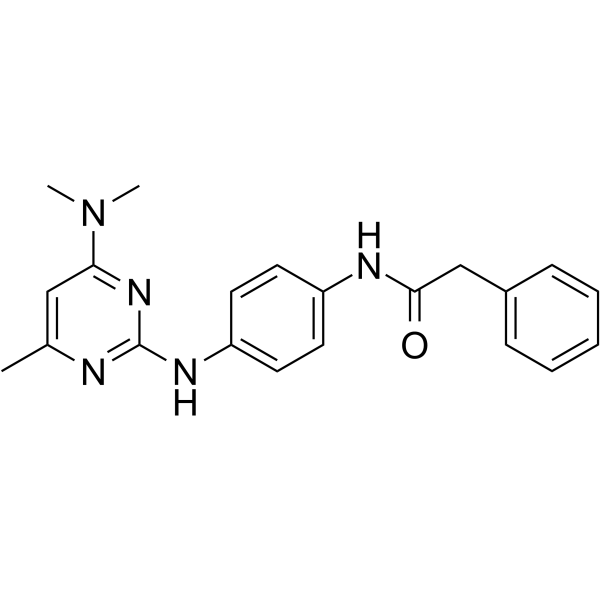
MT-44 is a highly selective and potent mTOR inhibitor with an IC50 of 49.4 nM. MT-44 can inhibit cancer cells proliferation, migration and invasion. MT-44 can induce cells apoptosis and ROS production and cause G2/M phase arrest. MT-44 can activate the cGAS/STING pathway. MT-44 can be used for the research of cancer, such as triple-negative breast cancer .
|
-
-
- HY-177098
-
|
|
HIV
HIV Integrase
|
Infection
|
|
Lepetegravir (Example 24) is a HIV integrase inhibitor. Lepetegravir has antiviral effects (EC50: 0.98 nM in MT-4 cells) .
|
-
-
- HY-B0439S1
-
|
Sulphadoxine d3
|
Parasite
Antibiotic
|
Infection
|
|
Sulfadoxine-d3 is a deuterium labeled Sulfadoxine (HY-B0439). Sulfadoxine is a sulfonamide that is used, usually in combination with Pyrimethamine(HY-18062), for multidrug-resistant Plasmodium falciparum and P. vivax inhibition. Unlike PYR, Sulfadoxine has no impact on HIV replication or MT-2 cell cycle progression. But also Sulfadoxine exhibits suppression on respiratory, and urinary tract infections .
|
-
-
- HY-163737
-
|
|
Microtubule/Tubulin
|
Cancer
|
|
ST-401, a microtubule-targeting agent (MTA), is a brain-penetrant microtubule (MT) assembly inhibitor. ST-401 disrupts microtubule (MT) function through gentle and reverisible reduction in MT assembly that triggers mitotic delay and cell death in interphase. ST-401 shows a potent antitumor activity .
|
-
-
- HY-18666
-
|
|
HIV
|
Infection
|
|
D77 is anti-HIV-1 inhibitor targeting the interaction between integrase and cellular LEDGF/p75. D77 inhibits HIV-1(IIIB) replication by EC50 value of 23.8 μg/ml in MT-4 cell (5.03 μg/ml for C8166 cells).
|
-
-
- HY-P10775A
-
|
|
MMP
|
Cancer
|
|
BT1769 acetate is a conjugate and antitumor agent targeting MT1-MMP, with a Kd value of 3.35 nM against human targets. BT1769 acetate exhibits favorable pharmacokinetic properties. BT1769 acetate specifically binds to MT1-MMP via its bicyclic peptide component, delivering the cytotoxic agent MMAE (HY-15162) to antigen-expressing cells. It effectively inhibits tumor growth, induces complete responses, and significantly prolongs event-free survival in osteosarcoma patient-derived xenograft models. BT1769 acetate shows extremely low activity in Ewing sarcoma models and can be used in osteosarcoma-related research .
|
-
-
- HY-15355R
-
|
R 89439 (Standard)
|
Reverse Transcriptase
HIV
Reference Standards
|
Infection
|
|
Loviride (Standard) is the analytical standard of Loviride. This product is intended for research and analytical applications. Loviride (R 89439) is a non-nucleoside reverse transcriptase inhibitor (NNRTI), with an IC50 of 0.3 μM for reverse transcriptase from HIV-1. Loviride (R 89439) inhibits HIV-1, HIV-2 and SIV replication in MT-4 cells .
|
-
-
- HY-152539
-
|
|
HIV
|
Infection
|
|
HIV-1 inhibitor-54 is a potent HIV-1 inhibitor. HIV-1 inhibitor-54 has anti-HIV activity in MT-4 cells against WT HIV-1 (strain IIIB) with an EC50 value of 0.032 μM. HIV-1 inhibitor-54 can be used for the research of virus infection .
|
-
-
- HY-16734
-
|
MT-1303
|
LPL Receptor
|
Cardiovascular Disease
Inflammation/Immunology
|
|
Amiselimod (MT-1303) is converted to its active metabolite Amiselimod phosphate by sphingosine kinases in vivo. Amiselimod is an orally active and high selectivity sphingosine 1-phosphate receptor-1 (S1P1) agonist, designed to reduce the bradycardia effects associated with fingolimod and other S1P receptor modulators. Amiselimod inhibits chronic colitis via inhibiting infiltration of colitogenic Th1 and Th17 cells into the colon. Amiselimod inhibits lupus nephritis by reducing the infiltration of autoreactive T cells into the kidneys. Amiselimodis promising for research of autoimmune diseases .
|
-
-
- HY-12108
-
|
|
HIV Integrase
HIV
|
Infection
|
|
S 1360 is a potent and selective inhibitor of HIV-1 integrase. S 1360 inhibits the catalytic activity of purified integrase (
IC50: 20 nM). The EC50, and CC50 of S 1360
in MTT assay (MT-4 cells infected with HIV-1 IIIB) are 200 nM and 12 μM, respectively. S 1360 has antiviral activity against both X4 tropic and R5 tropic strains, as well as NRTI, NNRTI and PI drug-resistant variants .
|
-
-
- HY-125810
-
|
|
HIV
Reverse Transcriptase
|
Infection
Inflammation/Immunology
|
|
4'-Ethynyl-2'-deoxyadenosine (4'-E-dA), a nucleoside reverse transcriptase (RT) inhibitor, is an antiretroviral agent which is potent against drug-resistant HIV variants, with an EC50 of 98 nM in MT-4 cells for anti-HIV-1 activity . 4'-Ethynyl-2'-deoxyadenosine is a click chemistry reagent, it contains an Alkyne group and can undergo copper-catalyzed azide-alkyne cycloaddition (CuAAc) with molecules containing Azide groups.
|
-
-
- HY-146353
-
|
|
HIV
|
Infection
Inflammation/Immunology
|
|
HIV-1 inhibitor-29 (compound 14d2) is a potent HIV-1 inhibitor with an EC50 of 2.18 μM for HIV-1 IIIB. HIV-1 inhibitor-29 has high anti-resistance profile toward F227L/V106A strain (EC50 = 0.974 μM), and exhibits low cytotoxicity in MT-4 cells (CC50 = 211 μM). HIV-1 inhibitor-29 can be used for researching AIDS .
|
-
-
- HY-149866
-
|
|
Cytochrome P450
HIV
Reverse Transcriptase
|
Infection
|
|
HIV-1 inhibitor-58 (Compound 10c) is a broad-spectrum antiviral agent. HIV-1 inhibitor-58 is a non-nucleoside reverse transcriptase inhibitor. HIV-1 inhibitor-58 inhibits WT strain IIIB, NNRTI-resistant strains (such as K103N and E138K) in MT-4 cells, with EC50 less than 50 nM. HIV-1 inhibitor-58 also inhibits CYP2C9 and CYP2C19 (IC50: 2.06 μM, 1.91 μM). HIV-1 inhibitor-58 can be used for HIV infection reserch .
|
-
-
- HY-P10622
-
|
|
Apoptosis
Reactive Oxygen Species (ROS)
|
Metabolic Disease
Cancer
|
|
SHLP-3 is a mitochondrial derived peptide encoded by the 16S ribosomal RNA (MT-RNR2) gene. SHLP-3 increases cell viability and reduces apoptosis in insulinoma NIT-1β cells and human prostate cancer 22Rv1 cells. SHLP-3 increases mitochondrial function and exerts cytoprotective effects by increasing mitochondrial oxygen consumption rate (OCR), cellular ATP and reducing the ability to produce ROS. SHLP-3 can be used in the study of diabetes and cancer .
|
-
-
- HY-122249
-
|
|
Microtubule/Tubulin
|
Cancer
|
|
MT-7 is a potent mitotic inhibitor. MT-7 shows antiproliferative activity. MT-7 induces cell cycle arrest at G2/M phase. MT-7 induces specific, reversible mitotic arrest and inhibits the polymerization of cellular microtubules .
|
-
-
- HY-N12260
-
|
|
HIV
Bacterial
|
Infection
|
|
Benanomicin A is a microbial metabolite and can be isolated from Actinomycetes.Benanomicin has antifungal activitya and inhibits HIV-1 viral infection in MT-4 cells .
|
-
-
- HY-10891
-
-
-
- HY-P991270
-
|
|
Interleukin Related
|
Inflammation/Immunology
|
|
MT204 is a humanized IgG1 antibody inhibitor targeting IL-2 of human and rhesus monkey origin. MT204 prevents soluble IL-2 from binding to intermediate-affinity IL-2 receptors and blocks CD25-bound IL-2 on high-affinity IL-2 receptors. MT204 has potently anti-proliferative activity with NKL cells and primary NK cells. MT204 has good tolerability and potent immunosuppressive activity in allogeneic skin graft model of rhesus monkey, promising for immunosuppressive and anti-proliferative therapy .
|
-
-
- HY-137309
-
|
|
HIV
|
Others
|
|
4-Deoxy-4α-phorbol is a tetracyclic diterpene found in E. desmondi. It has been used in the semisynthesis of inhibitors of the HIV-1-induced cytopathic effect on MT-4 cells and 4α-phorbol esters .
|
-
-
- HY-146091
-
|
|
HIV
|
Infection
|
|
HIV-1 inhibitor-34 (compound 5q) is a potent and selective HIV-1 inhibitor with an EC50 of 6.4 nM for HIV-1 and a CC50 of 16 μM in MT-4 cells. HIV-1 inhibitor-34 can be used for researching AIDS .
|
-
-
- HY-146090
-
|
|
HIV
|
Infection
|
|
HIV-1 inhibitor-33 (compound 5n) is a potent and selective HIV-1 inhibitor with an EC50 of 8.6 nM for HIV-1 and a CC50 of 18 μM in MT-4 cells. HIV-1 inhibitor-33 can be used for researching AIDS .
|
-
-
- HY-144714
-
|
|
HIV
|
Infection
|
|
HIV-1 inhibitor-18 (compound II-13c) is a potent HIV-1 capsid inhibitor with an EC50 value of 5.14 μM for HIV-1 NL4-3. HIV-1 inhibitor-18 has certain cytotoxicity (MT-4 cells CC50 >9.51) .
|
-
-
- HY-N11288
-
|
|
HIV
|
Infection
|
|
Methyl salvionolate A is a potent inhibitor of HIV-1. Methyl salvionolate A inhibits P24 antigen in HIV-1 infected MT-4 cell with an EC50 of 1.62 μg/ml. Methyl salvionolate A also inhibits HIV-1 reverse transcriptase, protease and integrase with
IC50s of 50.58, 10.73 and 7.58 μg/ml, respectively .
|
-
-
- HY-144715
-
|
|
HIV
|
Infection
|
|
HIV-1 inhibitor-18 (compound V-25i) is a potent HIV-1 capsid inhibitor with an EC50 value of 2.57 μM for HIV-1 NL4-3. HIV-1 inhibitor-18 has certain cytotoxicity (MT-4 cells CC50 >8.55) .
|
-
-
- HY-150079
-
|
|
HIV Integrase
|
Infection
|
|
HIV-1 integrase inhibitor 10 is an orally active HIV-1 allosteric integrase inhibitor (ALLINI). HIV-1 integrase inhibitor 10 can inhibit viral outgrowth of the NLRepRluc virus in MT-2 cells with EC50 values of 3-5 nM. HIV-1 integrase inhibitor 10 can be used for the research of Human immunodeficiency virus-1 (HIV-1) .
|
-
-
- HY-147723
-
|
|
HIV
|
Infection
|
|
HIV-1 inhibitor-39 (compound 3c) is a potent HIV-1 inhibitor with an EC50 of >112.88 µM. HIV-1 inhibitor-39 shows anti-RT (HIV-1 reverse transcriptase) activities with an IC50 of 15.75 µM. HIV-1 inhibitor-39 shows cytotoxicity for MT-4 cells with an CC50 of 112.9 µM .
|
-
-
- HY-135858
-
|
|
SARS-CoV
Parasite
HIV
|
Infection
|
|
SARS-CoV-IN-3 is an effective inhibitor of SARS-CoV replication. SARS-CoV-IN-3 shows anti-Coronavirus activity with an EC50 of 3.6 μM in Vero cells. SARS-CoV-IN-3 inhibits the 3D7 and W2 strains of P. falciparum with IC50s of 11.7 and 20.4 nM; and IC90s of 29.19 and 56 nM; respectively. SARS-CoV-IN-3 reduces HIV-1-induced cytopathic effect with an EC50 of 10 μM in MT-4 cells .
|
-
-
- HY-146015
-
|
|
HIV
|
Infection
|
|
HIV-1 inhibitor-21 (compound 9b) is a potent HIV-1 non-nucleoside reverse transcriptase (RT) inhibitor, with an IC50 value of 0.55 μM for HIV-1 RT. HIV-1 inhibitor-21 has antiretroviral activity against HIV-1 WT and K103N strains with EC50s of 12.7 nM and 10.4 nM, and has relatively low cytotoxicity (MT-4 cells CC50 =10.2 μM) .
|
-
-
- HY-135856
-
|
|
SARS-CoV
Parasite
HIV
|
Infection
|
|
SARS-CoV-IN-2 is an effective inhibitor of SARS-CoV replication. SARS-CoV-IN-2 shows anti-Coronavirus activity with an EC50 of 1.9 μM in Vero cells. SARS-CoV-IN-2 inhibits the 3D7 and W2 strains of P. falciparum with IC50s of 21.5 and 30 nM; and IC90s of 51.0 and 99.9 nM; respectively. SARS-CoV-IN-2 reduces HIV-1-induced cytopathic effect with an EC50 of 2.9 μM in MT-4 cells. Antimalarial and Antiviral Activities .
|
-
-
- HY-146692
-
|
|
Microtubule/Tubulin
|
Cancer
|
|
IQTub4P is a potent microtubule (MT) inhibitor. IQTub4P has the cytotoxicity in in HeLa cells, with EC50 of 170 nM. IQTub4P inhibits microtubule structure and function. IQTub4P is well-tolerated in vivo .
|
-
-
- HY-146352
-
|
|
HIV
|
Infection
Inflammation/Immunology
|
|
HIV-1 inhibitor-28 (compound 14j2) is a highly potent and selective HIV-1 inhibitor with an EC50 of 58 nM for WT HIV-1 strain and an IC50 of 3.37 μM for HIV-1 WT reverse transcription (RT). HIV-1 inhibitor-28 exhibits relatively low cytotoxicity in MT-4 cells (CC50 = 38.6 μM). HIV-1 inhibitor-28 can be used for researching AIDS .
|
-
- HY-P10625
-
|
|
Apoptosis
|
Metabolic Disease
Cancer
|
|
SHLP-6 is a mitochondrial-derived peptide, a biologically active microprotein encoded by the 16S ribosomal RNA (MT-RNR2) gene. SHLP6 increases apoptosis in insulinoma cells NIT1 and human prostate cancer cell 22Rv1. SHLP6 can be used in the study of diabetes and cancer .
|
-
- HY-146019
-
|
|
HIV
|
Infection
|
|
HIV-1 inhibitor-24 (compound S-12a) is a highly potent HIV-1 reverse transcriptase, with an IC50 value of 9.5 nM. HIV-1 inhibitor-24 has high antiretroviral activity against WT HIV-1 with an EC50 of 1.6 nM, and exhibits relatively low cytotoxicity with a CC50 of 9.07 μM in MT-4 cells. HIV-1 inhibitor-24 is well tolerated at a dose of 2 g/kg in mice and has a significant cardiovascular safety .
|
-
- HY-139090
-
|
28-O-Acetyl-3-Oxobetulin; 3-oxo-28-O-Acetylbetulin
|
Bacterial
HIV
Drug Derivative
|
Cancer
|
|
3-Oxobetulin acetate (28-O-Acetyl-3-Oxobetulin; 3-oxo-28-O-Acetylbetulin) is a derivative of betulin (HY-N0083), a cholesterol biosynthesis inhibitor. 3-Oxobetulin acetate inhibits the growth of P388 murine lymphocytic leukemia cells (EC50=0.12 μg/mL) and human MCF-7 breast cancer, SF-268 CNS cancer, H460 lung cancer, and KM20L2 colon cancer cells (GI50s=8, 10.6, 5.2, and 12.7 μg/mL), but not BxPC-3 pancreatic cancer cells or DU145 prostate cancer cells (GI50s=>10 μg/mL for both). 3-Oxobetulin acetate inhibits the replication of X4-tropic recombinant HIV (NL4.3-Ren) in MT-2 lymphoblastoid cells (IC50=13.4 μM). 3-Oxobetulin acetate is also effective against Listeria donovani amastigotes.
|
-
- HY-146019A
-
|
|
HIV
|
Infection
|
|
HIV-1 inhibitor-25 (compound R-12a) is a highly potent HIV-1 reverse transcriptase, with an IC50 value of 0.1061 μM. HIV-1 inhibitor-25 has high antiretroviral activity against WT HIV-1 with an EC50 of 13.6 nM, and exhibits relatively low cytotoxicity with a CC50 of 33.13 μM in MT-4 cells. HIV-1 inhibitor-25 also has inhibitory activity against HIV-1 mutant strains (L100I, K103N, Y181C, Y188L, E138K, F227L+V106A) with EC50 of 0.1961 ~ 5.8136 μM. HIV-1 inhibitor-25 can be used for researching AIDS .
|
-
- HY-163691
-
|
|
Carbonic Anhydrase
|
Cancer
|
|
Antitumor agent-163 (Compound 3) is a photosensitizer used in Molecular-Targeted Photodynamic Therapy (MT-PDT) targeting carbonic anhydrase IX (CAIX). Antitumor agent-163 inactivates CAIX protein via singlet oxygen under 540 nm wavelength light, without affecting internal standard proteins such as α-tubulin, β-actin, and proliferating cell nuclear antigen (PCNA). Antitumor agent-163 induces cell membrane damage, inhibits cell viability (IC50 is 0.2 and 0.05 μM for A549 and U87MG). Antitumor agent-163 exhibits antitumor efficacy in mouse model .
|
-
- HY-P992417
-
|
|
CD20
Apoptosis
|
Cancer
|
|
MT-3724 is a CD20-targeted endotoxin B. MT-3724 binds to CD20, triggers receptor internalization, traffics to the endoplasmic reticulum, and induces permanent ribosomal inactivation to mediate cell killing. MT-3724 can inhibit protein synthesis and promote tumor cell apoptosis. MT-3724 can be used for the research of relapsed or refractory B-cell non-Hodgkin’s lymphomas and diffuse large B-cell lymphoma .
|
-
- HY-182636
-
|
|
Deubiquitinase
Aldehyde Dehydrogenase (ALDH)
|
Metabolic Disease
Inflammation/Immunology
Cancer
|
|
MT16-001 is a cell-permeable UCHL1 inhibitor with an IC50 value of 580 nM. MT16-001 also exhibits considerable inhibitory activity against USP30, and shows selectivity for other UCH family deubiquitinases (DUBs) as well as the broader proteome. MT16-001 binds covalently to the cysteine residue at the active site of UCHL1, and forms covalent interactions with ALDH2, ALDH9A1 and GATD3A in intact cells. Meanwhile, as a cytotoxic agent, it displays a steep dose-response curve in human embryonic kidney cells. MT16-001 can be used for research on various cancers, liver fibrosis and pulmonary fibrosis .
|
-
- HY-180198
-
|
|
Melatonin Receptor
|
Cancer
|
|
UCM1400 is a melatonin receptor (MT) subtype-selective modulator. UCM1400 shows agonistic effect for MT1 and antagonistic effect for MT2 with pKi values of 7.94 and 8.11. UCM1400 can inhibit the decrease in cAMP mediated by the MT2 receptor with a pIC50 of 7.87. UCM1400 exhibits anti-proliferative activity against human glioma cells and inhibit tumor growth. UCM1400 can be used for the research of cancer, such as glioma .
|
-
- HY-181034
-
|
|
Reverse Transcriptase
HIV
|
Infection
|
|
NNRT-IN-15 (Compound 16a) is a potent non-nucleoside reverse transcriptase (NNRT) inhibitor. NNRT-IN-15 shows an EC50 of 3 nM for WT HIV-1 and inhibits seven mutant strains (L100I, K103N, Y181C, etc.) (EC50 = 8.2-43.4 nM). NNRT-IN-15 has low cytotoxicity against MT-4 cells (CC50 = 196.46 μM). NNRT-IN-15 also inhibit WTHIV-1RT and hERG with IC50 values of 0.7599 μM and 27.455 μM. NNRT-IN-15 can be used for research of HIV-1 infection .
|
-
- HY-D3334
-
|
|
Fluorescent Dye
CD74
|
Others
|
|
PE-CF594 is a labeled monoclonal antibody conjugate that specifically binds to HLA-DR on the surface of monocytes and B cells, while acting as a signal attenuator. Through steric hindrance and a possible fluorescence resonance energy transfer mechanism, PE-CF594 specifically reduces the fluorescence intensity of PE-CD124 staining, but does not interfere with the staining of other PE-labeled antibodies such as CD40, CD4 or CD14. PE-CF594 can also be used to detect the emission signal of mt-Keima after excitation with a 561-nm laser, thereby effectively evaluating mitophagy activity .
|
-
- HY-131453
-
|
|
Mitochondrial Metabolism
|
Cardiovascular Disease
Inflammation/Immunology
|
|
Mitochondrial respiration-IN-1 is a mitochondrial respiratory inhibitor. Mitochondrial respiration-IN-1 reduces platelet aggregation, adhesion, and platelet-induced coagulation responses. Mitochondrial respiration-IN-1 induces adaptive glycolysis, decreases mitochondrial membrane potential, selectively reduces ATP production derived from oxidative phosphorylation, and exerts bidirectional regulatory effects on cell proliferation. Mitochondrial respiration-IN-1 activates UPRmt and upregulates the expression of SDHA-1 and MT-CO1. Mitochondrial respiration-IN-1 restores metabolic homeostasis in type 2 diabetic mice. Mitochondrial respiration-IN-1 can be used to investigate diseases mediated by inappropriate platelet activation/aggregation and type 2 diabetes .
|
-
| Cat. No. |
Product Name |
Type |
-
- HY-D3334
-
|
|
Fluorescent Dyes
|
|
PE-CF594 is a labeled monoclonal antibody conjugate that specifically binds to HLA-DR on the surface of monocytes and B cells, while acting as a signal attenuator. Through steric hindrance and a possible fluorescence resonance energy transfer mechanism, PE-CF594 specifically reduces the fluorescence intensity of PE-CD124 staining, but does not interfere with the staining of other PE-labeled antibodies such as CD40, CD4 or CD14. PE-CF594 can also be used to detect the emission signal of mt-Keima after excitation with a 561-nm laser, thereby effectively evaluating mitophagy activity .
|
| Cat. No. |
Product Name |
Target |
Research Area |
-
- HY-P4123
-
|
|
MMP
|
Cardiovascular Disease
Inflammation/Immunology
Cancer
|
|
TAT (47-57) GGG-Cys (Npys) is a cell-penetrating peptide and delivery carrier derived from TAT. TAT (47-57) GGG-Cys (Npys) facilitates the translocation of conjugated drug molecules across cell membranes. TAT (47-57) GGG-Cys (Npys) acts as a delivery carrier for MT1-MMP inhibitors. TAT (47-57) GGG-Cys (Npys) is applicable to research on diseases associated with MT1-MMP activity, such as cancer, arthritis, heart disease, and vascular disorders .
|
-
- HY-P10775A
-
|
|
MMP
|
Cancer
|
|
BT1769 acetate is a conjugate and antitumor agent targeting MT1-MMP, with a Kd value of 3.35 nM against human targets. BT1769 acetate exhibits favorable pharmacokinetic properties. BT1769 acetate specifically binds to MT1-MMP via its bicyclic peptide component, delivering the cytotoxic agent MMAE (HY-15162) to antigen-expressing cells. It effectively inhibits tumor growth, induces complete responses, and significantly prolongs event-free survival in osteosarcoma patient-derived xenograft models. BT1769 acetate shows extremely low activity in Ewing sarcoma models and can be used in osteosarcoma-related research .
|
-
- HY-P10622
-
|
|
Apoptosis
Reactive Oxygen Species (ROS)
|
Metabolic Disease
Cancer
|
|
SHLP-3 is a mitochondrial derived peptide encoded by the 16S ribosomal RNA (MT-RNR2) gene. SHLP-3 increases cell viability and reduces apoptosis in insulinoma NIT-1β cells and human prostate cancer 22Rv1 cells. SHLP-3 increases mitochondrial function and exerts cytoprotective effects by increasing mitochondrial oxygen consumption rate (OCR), cellular ATP and reducing the ability to produce ROS. SHLP-3 can be used in the study of diabetes and cancer .
|
-
- HY-P10625
-
|
|
Apoptosis
|
Metabolic Disease
Cancer
|
|
SHLP-6 is a mitochondrial-derived peptide, a biologically active microprotein encoded by the 16S ribosomal RNA (MT-RNR2) gene. SHLP6 increases apoptosis in insulinoma cells NIT1 and human prostate cancer cell 22Rv1. SHLP6 can be used in the study of diabetes and cancer .
|
-
- HY-P10623
-
|
|
Peptides
|
Cardiovascular Disease
Metabolic Disease
|
|
SHLP-4 is a mitochondrial derived peptide, a biologically active microprotein encoded by the 16S ribosomal RNA (MT-RNR2) gene. SHLP-4 increases the proliferation of mouse NIT-1 cells. SHLP-4 can be used in the study of diabetes and cardiovascular diseases .
|
| Cat. No. |
Product Name |
Target |
Research Area |
Image |
-
- HY-P991270
-
|
|
Interleukin Related
|
Inflammation/Immunology
|
|
MT204 is a humanized IgG1 antibody inhibitor targeting IL-2 of human and rhesus monkey origin. MT204 prevents soluble IL-2 from binding to intermediate-affinity IL-2 receptors and blocks CD25-bound IL-2 on high-affinity IL-2 receptors. MT204 has potently anti-proliferative activity with NKL cells and primary NK cells. MT204 has good tolerability and potent immunosuppressive activity in allogeneic skin graft model of rhesus monkey, promising for immunosuppressive and anti-proliferative therapy .
|
-
(5)
-
- HY-P992417
-
|
|
CD20
Apoptosis
|
Cancer
|
|
MT-3724 is a CD20-targeted endotoxin B. MT-3724 binds to CD20, triggers receptor internalization, traffics to the endoplasmic reticulum, and induces permanent ribosomal inactivation to mediate cell killing. MT-3724 can inhibit protein synthesis and promote tumor cell apoptosis. MT-3724 can be used for the research of relapsed or refractory B-cell non-Hodgkin’s lymphomas and diffuse large B-cell lymphoma .
|
-
(5)
| Cat. No. |
Product Name |
Category |
Target |
Chemical Structure |
| Cat. No. |
Product Name |
Chemical Structure |
-
- HY-B0439S1
-
|
|
|
Sulfadoxine-d3 is a deuterium labeled Sulfadoxine (HY-B0439). Sulfadoxine is a sulfonamide that is used, usually in combination with Pyrimethamine(HY-18062), for multidrug-resistant Plasmodium falciparum and P. vivax inhibition. Unlike PYR, Sulfadoxine has no impact on HIV replication or MT-2 cell cycle progression. But also Sulfadoxine exhibits suppression on respiratory, and urinary tract infections .
|
-
| Cat. No. |
Product Name |
|
Classification |
-
- HY-125810
-
|
|
|
Alkynes
|
|
4'-Ethynyl-2'-deoxyadenosine (4'-E-dA), a nucleoside reverse transcriptase (RT) inhibitor, is an antiretroviral agent which is potent against drug-resistant HIV variants, with an EC50 of 98 nM in MT-4 cells for anti-HIV-1 activity . 4'-Ethynyl-2'-deoxyadenosine is a click chemistry reagent, it contains an Alkyne group and can undergo copper-catalyzed azide-alkyne cycloaddition (CuAAc) with molecules containing Azide groups.
|
Your information is safe with us. * Required Fields.
Inquiry Information
- Product Name:
- Cat. No.:
- Quantity:
- MCE Japan Authorized Agent:

