
Search Result
Results for "
Molecular imaging
" in MedChemExpress (MCE) Product Catalog:
4
Biochemical Assay Reagents
| Cat. No. |
Product Name |
Target |
Research Areas |
Chemical Structure |
-
- HY-112624L
-
|
Dextran 10; Dextran D10; Dextran T10(MW 8000-12000)
|
Biochemical Assay Reagents
|
Cancer
|
|
Dextran T10 (MW 10,000) (Dextran 10) is a dehydrated glucose polymer with an average molecular weight of 10,000. Dextran T10 (MW 10,000) is composed of repeated glucose units, and it has abundant hydroxyl (-OH) groups, which can be used as a natural "magnetic marker" for chemical exchange saturation transfer (CEST) MRI imaging .
|
-
-
- HY-131326
-
|
|
Biochemical Assay Reagents
|
Cancer
|
|
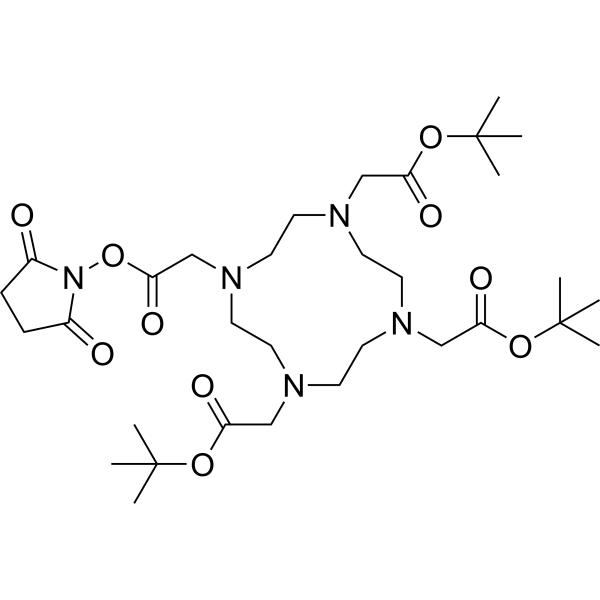
DOTA-tris(tBu)ester NHS ester is a bifunctional precursor to a DOTA-based chelating agent. DOTA-tris(tBu)ester NHS ester can be used to label primary amines (R-NH2) of proteins, amine-modified oligonucleotides, and other amine-containing molecules, and upon deprotection forms stable complexes with metal ions for applications in molecular imaging .
|
-
-
- HY-159181
-
|
|
Biochemical Assay Reagents
|
Others
|
|
p-NCS-Bz-DOTA-GA is a bifunctional chelator. p-NCS-Bz-DOTA-GA can be used as a versatile linker in targeted molecular imaging for both PET/SPECT and MRI applications .
|
-
-
- HY-P10152
-
|
|
Biochemical Assay Reagents
|
Infection
|
|
INF7 is a derivative of the N-terminal domain of the HA2 protein and is sensitive to pH. INF7 disrupts the stability of endosomal membranes through a mechanism independent of membrane fusion. INF7 can be used to enhance the endosome escape of complex or liposome-encapsulated proteins. Co-encapsulation of INF7 and molecular imaging probes in liposomes can enhance intracellular signaling and probe retention .
|
-
-
- HY-D0166A
-
|
|
Biochemical Assay Reagents
|
Others
|
|
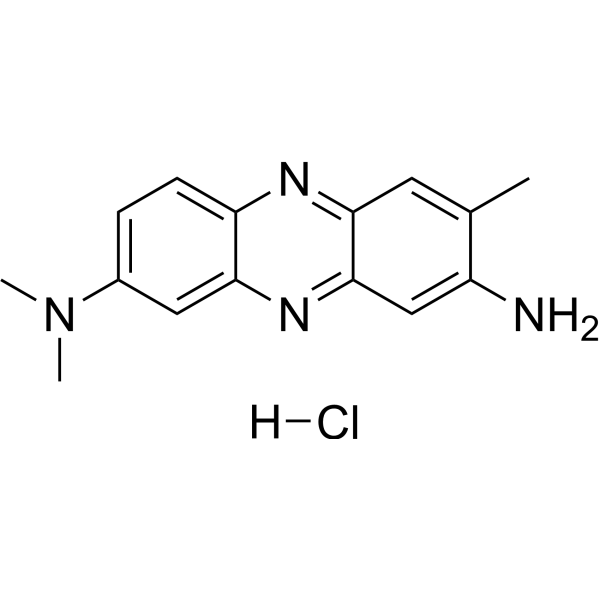
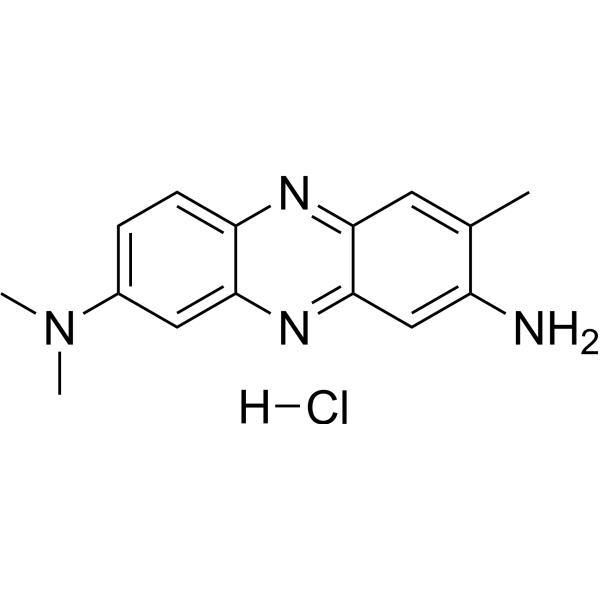
Neutral Red (IND) is an organic dye commonly used in biology and cytology laboratories. It can be used to stain living cells, secreted proteins and other molecular structures, etc., and has a wide range of applications in cell imaging and staining. In addition, Neutral Red (IND) is widely used in industrial fields such as water treatment, food processing and paper manufacturing, for example as an indicator or colorant. Although the compound has no direct medical application, it has important application value in the fields of biology, chemistry and industry.
|
-
-
- HY-P991577
-
|
DS-8895A
|
Ephrin Receptor
|
Cancer
|
|
DS-8895(DS-8895A) is an anti-EphA2 monoclonal antibody with specific binding to EphA2 receptors and EphA2-expressing cells. DS-8895, when conjugated with 89Zr, 111In, or 125I, supports molecular imaging of EphA2 expression in xenograft models. DS-8895 allows noninvasive measurement of EphA2 expresssion in tumors in vivo. .
|
-
-
- HY-153552A
-
|
|
FAP
|
Cancer
|
|
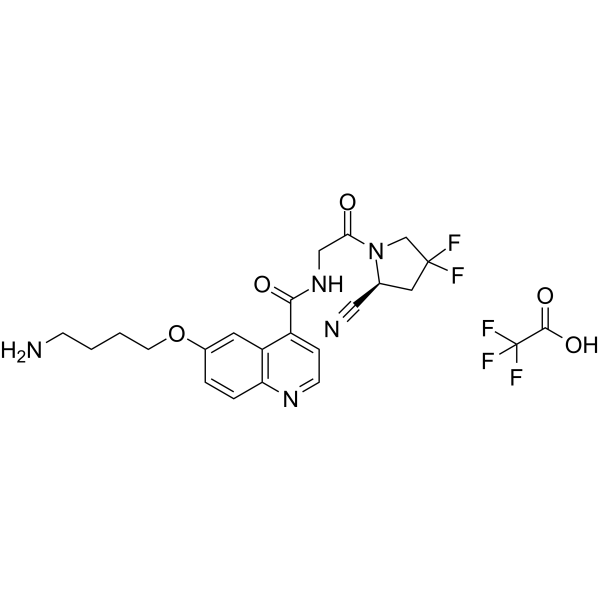
NH2-UAMC1110 TFA is an aminobutoxy derivative of the fibroblast activation protein (FAP) inhibitor UAMC1110 (HY-100684), and is a precursor compound for the synthesis of FAP inhibitor probes, not directly used in bioactivity experiments. For example, NH2-UAMC1110 TFA is involved in the synthesis of the radiotracer FAPI-QS, which exhibits high tumor selectivity and high dose effect, and has been used in tumor diagnosis. NH2-UAMC1110 TFA structurally incorporates an active amino group, allowing it to form covalent bonds with various molecules (such as DOTA, DATA5m, radionuclide chelators, etc.) to synthesize molecular imaging probes or targeted compounds with the ability to target FAP. NH2-UAMC1110 TFA specifically binds to the FAP active site, inhibiting its proline-selective serine protease activity (including dipeptidyl peptidase and endopeptidase activity), blocking FAP-mediated tissue remodeling-related processes. Its key activity is high targeting and high affinity, and its core function is to act as a targeting module coupled with bifunctional chelators (such as DOTA, DATA5m). NH2-UAMC1110 TFA can be applied to diagnostic imaging studies of tumors expressing FAP (such as colorectal cancer, pancreatic cancer, etc.), and also provides molecular tools for targeted research of FAP-related diseases with high FAP expression, such as fibrosis and arthritis .
|
-
-
- HY-D1390A
-
|
|
Fluorescent Dye
|
Others
|
|
Sulfo-Cy5-Mal is a fluorescent dye derivative composed of a CY5 dye and a maleimide functional group. Sulfo-Cy5-Mal specifically covalently binds to thiol-containing (-SH) biomolecules. Sulfo-Cy5-Mal can be used for protein labeling, antibody conjugation, molecular imaging, and drug delivery studies (Ex/Em = 633 nm/670 nm) .
|
-
-
- HY-153552
-
|
|
FAP
|
Cancer
|
|
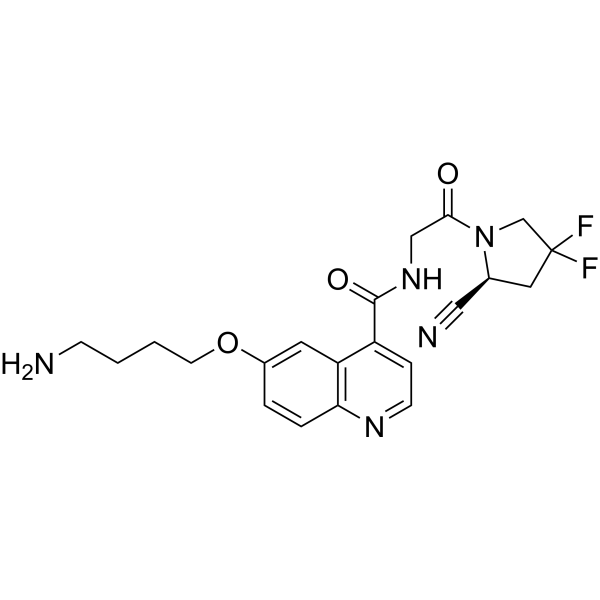
NH2-UAMC1110 is an aminobutoxy derivative of the fibroblast activation protein (FAP) inhibitor UAMC1110 (HY-100684), and is a precursor compound for the synthesis of FAP inhibitor probes, not directly used in bioactivity experiments. For example, NH2-UAMC1110 is involved in the synthesis of the radiotracer FAPI-QS, which exhibits high tumor selectivity and high dose-response, and has been used for tumor diagnosis. NH2-UAMC1110 introduces an active amino group into its structure, enabling it to form covalent bonds with various molecules (such as DOTA, DATA5m, radionuclide chelators, etc.), thereby synthesizing molecular imaging probes or targeted compounds with the ability to target FAP. NH2-UAMC1110 specifically binds to the FAP active site, inhibiting its proline-selective serine protease activity (including dipeptidyl peptidase and endopeptidase activity), blocking FAP-mediated tissue remodeling processes. Its key activity is high targeting and high affinity, and its core function is to be coupled with bifunctional chelators (such as DOTA, DATA5m) as a targeting module. NH2-UAMC1110 can be applied to diagnostic imaging studies of tumors expressing FAP (such as colorectal cancer, pancreatic cancer, etc.), and also provides molecular tools for targeted research of FAP-related diseases with high FAP expression, such as fibrosis and arthritis .
|
-
-
- HY-W923198
-
|
Methacryloyloxy fluorescein
|
Fluorescent Dye
|
Others
|
|
Fluorescein O-methacrylate (Methacryloyloxy fluorescein) is a pH-responsive fluorescent monomeric dye. Fluorescein O-methacrylate exhibits pH-responsive fluorescence properties: its fluorescence is activated under alkaline conditions and quenched under neutral or acidic conditions; reversible switching of fluorescence is achievable by adjusting the pH of the solution. Fluorescein O-methacrylate can be used as a monomer for the synthesis of amphiphilic fluorescein polymers. These polymers can self-assemble into stable polymer nanoparticles with enhanced aqueous-phase fluorescence, and also enable the conjugation of nanoparticles with amine-containing biomolecules to support sensitive optical detection of biomarkers (Ex/Em = 490/520 nm) .
|
-
-
- HY-D1719A
-
|
|
Fluorescent Dye
|
Cancer
|
|
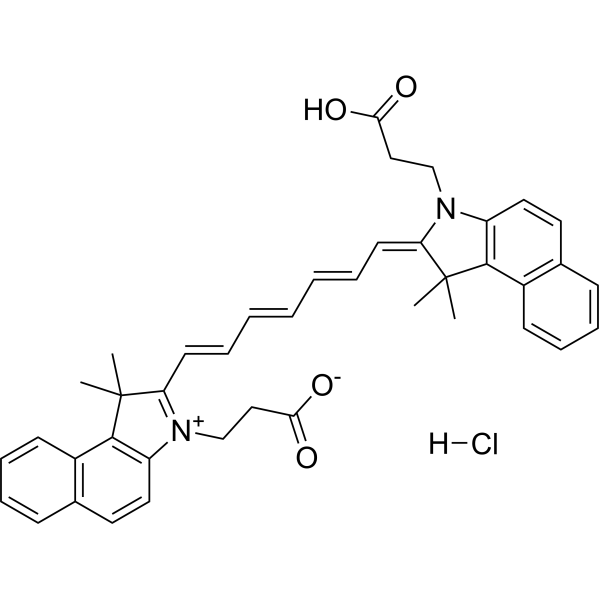
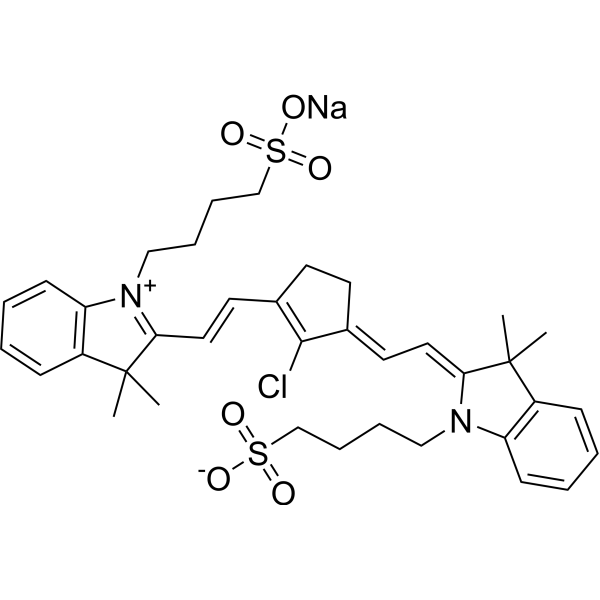
Cypate is a near-infrared fluorescent dye that belongs to the family of photosensitizers. Cypate has high photostability and optical properties, and is often used in near-infrared optical imaging, as well as optical imaging, tumor marking, and drug delivery. In addition, Cypate is also used as a molecular probe and combined with targeting molecules (such as CBT or small interfering RNA) to achieve efficient detection and imaging of specific cells or tissues .
|
-
-
- HY-D1724
-
|
|
Fluorescent Dye
|
Cancer
|
|
IR-806 is a near-infrared cyanine liquid crystal dye. IR-806 can be used as a molecular antenna to synthesized nanoprobes (NPs). IR-806 can be used for in vivo imaging studies .
|
-
-
- HY-D2335
-
|
|
Fluorescent Dye
|
Neurological Disease
|
|
SERTlight is a fluorescent agent that can specifically label serotonergic neuronal cell bodies, dendrites, and axonal projections as fluorescent substrates of the serotonin transporter (SERT). SERTlight is orthogonal to various genetically encoded sensors in terms of optics, pharmacology, and operation, enabling multiple imaging. SERTlight allows the use of GRAB5HT sensors to label distal 5HT axonal projections and simultaneously image the release of endogenous 5HT, providing a new multifunctional molecular tool for studying serotonergic systems .
|
-
-
- HY-W089353
-
|
|
MOFs
Fluorescent Dye
|
Others
|
|
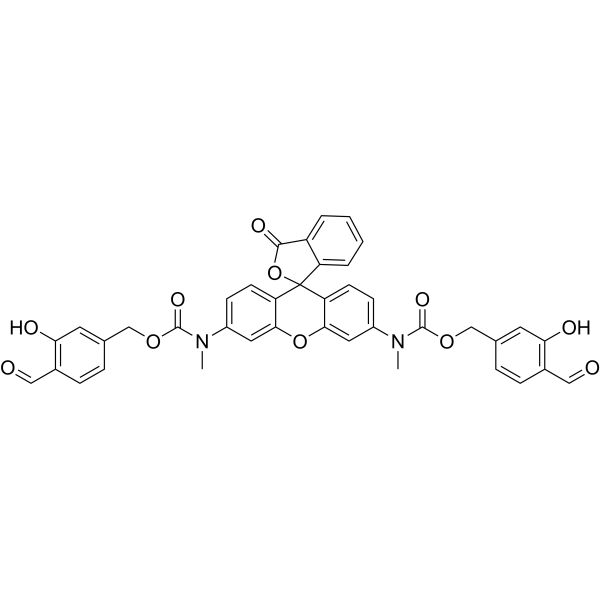
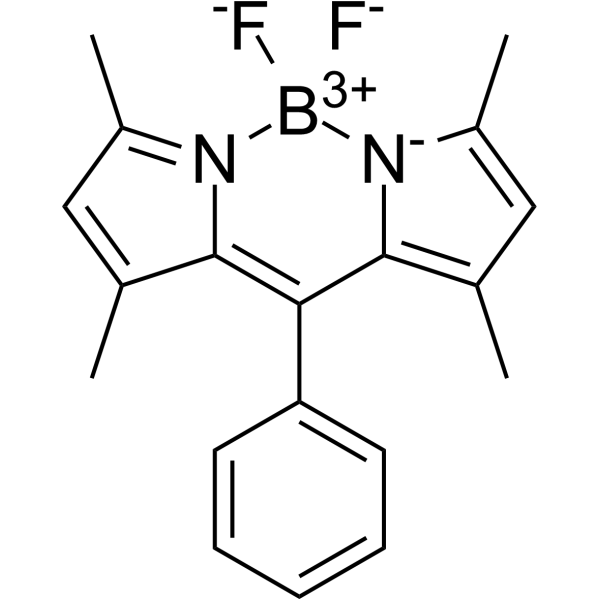
8-Phenyl-BODIPY 505/515 is a molecular rotor based on the BODIPY scaffold, specifically used as a microviscosity probe. The working principle of 8-Phenyl-BODIPY 505/515 is based on the restriction of molecular motion by viscosity: in a high-viscosity environment, the rotational freedom of its chemical bonds is inhibited, which leads to a significant extension of fluorescence lifetime. This property makes 8-Phenyl-BODIPY 505/515 an effective tool for monitoring changes in the viscosity of intracellular microenvironments via fluorescence lifetime imaging (FLIM) technology .
|
-
-
- HY-160062
-
|
|
Mucin
|
Cancer
|
|
S2.2 aptamer sodium is a nucleic acid-based MUC1-binding aptamer with high affinity and low toxicity. Upon binding to its target, S2.2 aptamer sodium undergoes a conformational switch and restores fluorescence signal, serving as a targeted imaging agent for MUC1-positive cancer cells. S2.2 aptamer sodium enables targeted delivery to breast cancer cells with overexpressed MUC1. When formulated as the S2.2-PEG-MZF molecular probe, S2.2 aptamer sodium possesses the functions of T2 signal inhibition, magnetic field-induced hyperthermia and targeted magnetic resonance molecular imaging. In the S2.2-PEG-MZF/DOX nanoliposome, S2.2 aptamer sodium supports targeted thermochemotherapy, effectively inhibiting cancer cell proliferation and invasion as well as inducing apoptosis, and is widely used in studies related to breast cancer .
|
-
-
- HY-P5290
-
|
|
Radionuclide-Drug Conjugates (RDCs)
PSMA
|
Cancer
|
|
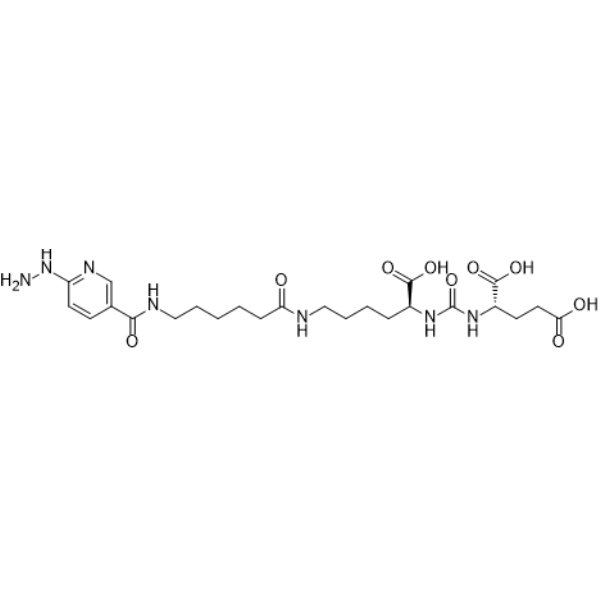
HYNIC-PSMA is a ligand for molecular imaging of tumors. Hynic-psma consists of two components: HYNIC (6-hydrazinonicotinamide) and PSMA (Prostate-Specific Membrane Antigen). HYNIC is a compound used to attach radioactive isotopes to targeted molecules, such as 188Re-HYNIC-PSMA. PSMA is a membrane antigen that is specifically expressed on the surface of prostate cancer cells. HYNIC-PSMA can be used in prostate cancer research . HYNIC-PSMA can be used for the synthesis/research of Radionuclide-Drug Conjugates (RDCs).
|
-
-
- HY-400882
-
|
|
Drug Derivative
Drug Intermediate
TSPO
|
Neurological Disease
Inflammation/Immunology
|
|
Tosylate-DPA-714 is a GMP-grade precursor for the radiosynthesis of DPA-714 (HY-122607). It crosses the blood-brain barrier and exhibits steroidogenic activity. DPA-714 is a specific ligand for the 18 kDa translocator protein (TSPO) with a Ki of 7.0 nM. Tosylate-DPA-714 is safe and does not bind to central benzodiazepine receptors (benzodiazepine receptor). As a radiolabeling precursor, Tosylate-DPA-714 reacts with 18F via nucleophilic aliphatic substitution to form 18F-DPA-714, enabling specific targeted binding to TSPO. 18F-DPA-714 accurately reflects the level of neuroinflammation mediated by microglial activation, and is used for PET molecular imaging of neurological diseases such as Alzheimer's disease and multiple sclerosis .
|
-
-
- HY-164071
-
|
CM-Dextran
|
Drug Derivative
|
Others
|
|
Carboxymethyl Dextran (CM-Dextran) is a dextran derivative and a biocompatible coating for superparamagnetic iron oxide nanoparticles. When coated on the surface of superparamagnetic nanoparticles, Carboxymethyl Dextran forms stable particles across all pH values and NaCl concentrations. Carboxymethyl Dextran can be used to prepare materials for magnetic resonance molecular imaging .
|
-
-
- HY-158072
-
|
|
Biochemical Assay Reagents
Radionuclide-Drug Conjugates (RDCs)
|
Cancer
|
|
DOTAM-NHS-ester is a bifunctional chelator and a macrocyclic DOTA derivative used for tumor pre-targeting. DOTAM-NHS-ester combines the efficient metal chelating ability of DOTAM macrocyclic ligands with the bioconjugation function of NHS ester active groups, and can be widely used in the biomedical field for metal labeling, molecular imaging and drug delivery development .
|
-
-
- HY-P10896
-
|
|
Bombesin Receptor
|
Cancer
|
|
NOTA-P2-RM26 is an antagonist of Bombesin (HY-P0195) analogs, and the gastrin-releasing peptide receptor (GRPR/BB2) is a molecular target for prostate cancer visualization. NOTA-P2-RM26 is labeled with 111In and 68Ga for prostate cancer imaging studies using PET and SPECT/CT .
|
-
-
- HY-177435
-
|
|
FAP
|
Inflammation/Immunology
|
|
FAPI-800CW is a near-infrared (NIR) fluorescent-labeled fibroblast activation protein (FAP) inhibitor. FAPI-800CW shows specific uptake in inflamed paws in collagen-induced arthritis (CIA) model mice. FAPI-800CW can be used for in vivo molecular imaging of FAP expression in inflammatory diseases such as rheumatoid arthritis (RA) to monitor joint inflammation and disease activity .
|
-
-
- HY-P10792
-
|
|
EGFR
|
Cancer
|
|
HER2-targeted peptide H6F is a HER2 targeting peptide that binds to HER2 to target breast cancer cells, with the amino acid sequence YLFFVFER. The HER2-targeted peptide H6F can be conjugated with the bifunctional chelating agent hydrazinonicotinamide (HYNIC) for radiolabeling with 99mTc. Single-photon emission computed tomography (SPECT) imaging shows that the labeled HER2-targeted peptide H6F specifically accumulates in HER2-positive MDA-MBA-453 tumor-bearing mice models. The HER2-targeted peptide H6F can be used for tumor molecular imaging studies .
|
-
-
- HY-130022
-
|
|
Fluorescent Dye
|
Others
|
|
HKPerox-1 is a highly sensitive green fluorescent probe for the specific detection of H2O2 in living cells with a maximum excitation wavelength and emission wavelength of 520 nm and 543 nm, respectively .
|
-
-
- HY-P5292A
-
|
|
Radionuclide-Drug Conjugates (RDCs)
PSMA
|
Cancer
|
|
HYNIC-iPSMA TFA is a ligand for molecular imaging of tumors. Hynic-ipsma consists of two components: HYNIC (6-hydrazinonicotinamide) and iPSMA (Inhibitor of Prostate-Specific Membrane Antigen). HYNIC is a compound used to attach radioactive isotopes to targeted molecules. iPSMA is a specific inhibitor used to inhibit prostate-specific membrane antigen (PSMA). 68GA-labeled iPSMA has been used to detect prostate cancer by PET imaging. The further 99mTc-EDDA/HYNIC-iPSMA TFA has excellent specificity and sensitivity . HYNIC-iPSMA TFA can be used for the synthesis/research of Radionuclide-Drug Conjugates (RDCs).
|
-
-
- HY-D2281
-
|
|
FAP
|
Cancer
|
|
FAP Ligand 2, a FAPI-46 derivative, is a specific fibroblast activation protein (FAP)-targeted tracer. FAP Ligand 2 exhibits good tumor uptake and acts as a promising molecular tracer for FAP tumor imaging .
|
-
-
- HY-149836
-
|
|
Fluorescent Dye
|
Others
|
|
3-MeOARh-NTR is an activatable imaging probe with high selectivity, and good stability. 3-MeOARh-NTR possesses high selectivity and high signal-to-noise ratio for nitroreductase (NTR) detection, and serves as an efficient molecular tool for endogenous NTR detection .
|
-
-
- HY-P5292
-
|
|
Radionuclide-Drug Conjugates (RDCs)
PSMA
|
Cancer
|
|
HYNIC-iPSMA is a ligand for molecular imaging of tumors. Hynic-ipsma consists of two components: HYNIC (6-hydrazinonicotinamide) and iPSMA (Inhibitor of Prostate-Specific Membrane Antigen). HYNIC is a compound used to attach radioactive isotopes to targeted molecules. iPSMA is a specific inhibitor used to inhibit prostate-specific membrane antigen (PSMA). 68GA-labeled iPSMA has been used to detect prostate cancer by PET imaging. The further 99mTc-EDDA/HYNIC-iPSMA has excellent specificity and sensitivity . HYNIC-iPSMA can be used for the synthesis/research of Radionuclide-Drug Conjugates (RDCs).
|
-
-
- HY-149764
-
|
|
Amyloid-β
|
Neurological Disease
|
|
Aβ42 agonist-2 (compound 7b) is a small molecule compound that can promote Aβ42 aggregation. Aβ42 agonist-2 can interact with Aβ42 oligomers and pentamers to promote nontoxic aggregate self-assembly and rapid fibril formation. Aβ42 agonist-2 prevents Aβ42-induced cytotoxicity in HT22 hippocampal neuronal cells .
|
-
-
- HY-P11263
-
|
|
iGluR
|
Neurological Disease
|
|
AVLX-144 is a highly potent inhibitor of postsynaptic density protein 95 (PSD-95). AVLX-144 can be used as a template to develop imaging probes for postsynaptic density (PSD) molecules, and can be labeled with fluorine-18 (¹⁸F) or tritium (³H) to visualize PSD-95 in vivo. AVLX-144 can be utilized for the study of Parkinson's disease .
|
-
-
- HY-D2422B
-
|
|
Fluorescent Dye
Microtubule/Tubulin
|
Cancer
|
|
Cy5-Paclitaxel is a Cyanine5 carboxylic acid bromide (HY-D1319) labeled Paclitaxel (HY-B0015) conjugate. Cyanine5 carboxylic acid bromide is a fluorescent dye containing a non-activated carboxylic acid (Ex=646 nm, Em=662 nm) that can be used for molecular labeling and microscopy imaging. Paclitaxel stabilizes tubulin polymerization. Paclitaxel can cause both mitotic arrest and apoptotic cell death. Paclitaxel also induces autophagy .
|
-
-
- HY-P6010
-
|
|
Integrin
|
Cancer
|
|
αvβ6-BP is a selective αvβ6 binding peptide, and can be used for molecular imaging .
|
-
-
- HY-172137
-
|
|
FAP
|
Cancer
|
|
FAPI-FUSCC-07 is a targeted probe for fibroblast activation protein (FAP), exhibiting high affinity binding to FAP for applications in molecular imaging, tumor diagnosis, and radiotherapy .
|
-
-
- HY-P6010A
-
|
|
Integrin
|
Cancer
|
|
αvβ6-BP TFA is a selective αvβ6 binding peptide, and can be used for research of molecular imaging .
|
-
-
- HY-D2971
-
|
|
Fluorescent Dye
Autophagy
|
Neurological Disease
|
|
NCIC-VIS is a lysosome-targeted, viscosity-sensitive two-photon near-infrared fluorescent probe. NCIC-VIS has a rigid structure that can restrict molecular torsion, thereby increasing the fluorescence quantum yield and two-photon absorption cross-section. NCIC-VIS enables real-time imaging of the autophagy process in cells .
|
-
-
- HY-151704
-
|
|
Fluorescent Dye
|
Cancer
|
|
ICG-alkyne is a short-wave infrared (SWIR)-emitting cyanine fluorescent probe based on alkyne-derivatized indocyanine green. ICG-alkyne can undergo click chemistry reaction to conjugate with antibody molecules via binding to the azide groups introduced into antibodies. ICG-alkyne enables SWIR fluorescent molecular imaging of breast tumors in living mice. ICG-alkyne can be used in breast cancer-related research .
|
-
-
- HY-D1390
-
|
|
Fluorescent Dye
|
Others
|
|
Sulfo-Cy5-Mal potassium is a fluorescent dye derivative composed of a CY5 dye and a maleimide functional group. Sulfo-Cy5-Mal potassium specifically covalently binds to thiol-containing (-SH) biomolecules. Sulfo-Cy5-Mal potassium can be used for protein labeling, antibody conjugation, molecular imaging, and drug delivery studies (Ex/Em = 633 nm/670 nm) .
|
-
-
- HY-P11253
-
|
|
VISTA
|
Inflammation/Immunology
|
|
DOTA-Bn-CA-170 is a molecular probe targeting the VISTA protein, with a Kd value of 0.124 nM. DOTA-Bn-CA-170 is formed by covalently linking the p-SCN-Bn-DOTA ligand with CA-170 (HY-101093). DOTA-Bn-CA-170 labeled with [ 68Ga]Ga successfully achieves specific and high-contrast PET imaging of VISTA expression in various tumor-bearing mouse models. DOTA-Bn-CA-170 can be used for the study of VISTA-targeted immunotherapy .
|
-
-
- HY-171561
-
|
|
Biochemical Assay Reagents
|
Others
|
|
DOTAM-Maleimide triTFA is a bifunctional chelator, combining the DOTAM structure with a maleimide group for efficient thiol coupling. DOTAM-Maleimide triTFA forms stable complexes with radiometals, promising for applications in molecular imaging and radiotherapy .
|
-
-
- HY-P2306
-
|
|
Biochemical Assay Reagents
|
Others
|
|
Cyclo(Arg-Ala-Asp-D-Phe-Cys), a cyclic RAD peptide, is a positive or negative control peptide of cyclo(Arg-Gly-Asp-D-Phe-Cys) (HY-P2300). Cyclo(Arg-Ala-Asp-D-Phe-Cys) can be used for multicolor ultrasound molecular imaging (USMI) .
|
-
-
- HY-D2422C
-
|
|
Fluorescent Dye
Microtubule/Tubulin
Autophagy
|
Cancer
|
|
Cy5-Paclitaxel bromide is the bromide of Cy5-Paclitaxel (HY-D2422B). Cy5-Paclitaxel is a Cyanine5 carboxylic acid bromide (HY-D1319) labeled Paclitaxel (HY-B0015) conjugate. Cyanine5 carboxylic acid bromide is a fluorescent dye containing a non-activated carboxylic acid (Ex=646 nm, Em=662 nm) that can be used for molecular labeling and microscopy imaging. Paclitaxel stabilizes tubulin polymerization. Paclitaxel can cause both mitotic arrest and apoptotic cell death. Paclitaxel also induces autophagy .
|
-
-
- HY-162051
-
|
|
Cytochrome P450
|
Cancer
|
|
CYP1B1-IN-6 (compound 19) is a fluorescence molecular probes which inhibits CYP1B1 activity. CYP1B1-IN-6 can identify tumor sites in fluorescence imaging and photoacoustic imaging modes .
|
-
-
- HY-114253
-
|
|
EGFR
|
Cancer
|
|
ODS-2004436 is a small molecule radiotracer that uses positron emission tomography (PET) imaging to measure the activity of the epidermal growth factor receptor (EGFR) in tumors. ODS-2004436 labeled with the radioactive isotope fluorine-18 shows significantly higher uptake in the xenograft models of lung cancer with EGFR mutations compared to the wild-type models, and could be used to distinguish the mutation status. ODS-2004436 can be used to identify EGFR-positive tumors and predict their response to certain reagent treatments, especially for non-small cell lung cancer (NSCLC) .
|
-
-
- HY-149836A
-
|
|
Fluorescent Dye
|
Others
|
|
3-MeOARh-NTR chloride is an activatable imaging probe with high selectivity, and good stability. 3-MeOARh-NTR chloride possesses high selectivity and high signal-to-noise ratio for nitroreductase (NTR) detection, and serves as an efficient molecular tool for endogenous NTR detection .
|
-
-
- HY-P10788
-
|
|
Complement System
|
Cancer
|
|
CK3 peptide is an NRP-1 targeting peptide with the amino acid sequence CLKADKAKC. The CK3 peptide specifically binds to NRP-1 to target breast cancer cells. Single-photon emission computed tomography (SPECT) and near-infrared fluorescence (NIRF) imaging show significant accumulation of CK3 peptide in xenograft tumors in nude mice. CK3 peptide can be used for molecular imaging studies of breast cancer.
|
-
-
- HY-D2421
-
|
|
Fluorescent Dye
|
Cardiovascular Disease
Cancer
|
|
DEAE-dex-Cy5 is a fluorescent labeling reagent that combines Cy5 (HY-D0821) fluorescent dye, Dextran (dex) and Diethylaminoethyl (DEAE). Cy5 is a Cyanine dye (with a long wavelength about 662nm) that can be used for molecular labeling and microscopy imaging. Dex has an inhibitory effect on thrombocyte aggregation and coagulation factors and is used as a plasma volume expander .
|
-
-
- HY-W740363
-
|
5-AF hydrochloride
|
Fluorescent Dye
|
|
|
5-Aminofluorescein hydrochloride (5-AF hydrochloride) is a protein fluorescent labeling reagent with excellent fluorescence activity. It is widely used in cell imaging and molecular probes in biomedical research. 5-Aminofluorescein hydrochloride can be used to observe the location of proteins and their dynamic changes, providing in-depth biological understanding. 5-Aminofluorescein hydrochloride is also used to detect interactions between biomolecules and help analyze complex biological processes.
|
-
-
- HY-P11143
-
|
|
Interleukin Related
|
Cardiovascular Disease
|
|
IL4RPep-1 is a peptide that can specifically target atherosclerotic plaque, and its target is IL-4 receptor. IL4RPep-1 exhibits good plaque targeting and is not enriched in normal tissues. IL4RPep-1 has potential application as a targeting delivery system or molecular imaging probe for atherosclerosis research .
|
-
-
- HY-P5295
-
|
|
Fluorescent Dye
|
Others
|
|
Cy3-Ova (323-339) is an Cy3 labled OVA Peptide (323-339) (HY-P0286). Cy3 is a fluorescent dye belonging to the Cyanine family and is a fluorescent light product of Cy5. Cyanine is commonly used in fluorescence microscopy, cell imaging, and molecular biology experiments. OVA Peptide (323-339) represents the T and B cell epitopes of ovalbumin (OVA). OVA Peptide (323-339) has limited immunogenic efficacy in activating OVA-sensitized and attacked mouse spleen cells .
|
-
-
- HY-D2954
-
|
CLIP-PEG-NH2
|
Drug Intermediate
|
Others
|
|
BC-PEG-NH2 (CLIP-PEG-NH2) is a chemical building block specifically designed for the CLIP-tag system, featuring enhanced water solubility and reactivity. BC-PEG-NH2 can be used for the synthesis of super-resolution imaging probes .
|
-
-
- HY-149763
-
|
|
Amyloid-β
|
Neurological Disease
|
|
Aβ42 agonist-1 is a compound that can promote Aβ42 aggregation. Aβ42 agonist-1 can interact with Aβ42 oligomers and pentamers to promote nontoxic aggregate self-assembly and rapid fibril formation. Aβ42 agonist-1 prevents Aβ42-induced cytotoxicity in HT22 hippocampal neuronal cells .
|
-
- HY-D3047A
-
|
|
Fluorescent Dye
|
Others
|
|
Rhodamine B-Dextran (MW 5000) is a Rhodamine B (HY-Y0016)-labeled dextran with a molecular weight of 5000. Rhodamine B-Chitosan (MW 5000) plays an important role in fluorescent labeling, cell imaging, vascular imaging, and drug delivery research (Ex/Em = 546/610 nm) .
|
-
- HY-D3047
-
|
|
Fluorescent Dye
|
Others
|
|
Rhodamine B-Dextran (MW 3000) is a Rhodamine B (HY-Y0016)-labeled dextran with a molecular weight of 3000. Rhodamine B-Chitosan (MW 3000) plays an important role in fluorescent labeling, cell imaging, vascular imaging, and drug delivery research (Ex/Em = 546/610 nm) .
|
-
- HY-D3047I
-
|
|
Fluorescent Dye
|
Others
|
|
Rhodamine B-Dextran (MW 500000) is a Rhodamine B (HY-Y0016)-labeled dextran with a molecular weight of 500,000. Rhodamine B-Chitosan (MW 500000) plays an important role in fluorescent labeling, cell imaging, vascular imaging, and drug delivery research (Ex/Em = 546/610 nm) .
|
-
- HY-D3047H
-
|
|
Fluorescent Dye
|
Others
|
|
Rhodamine B-Dextran (MW 200000) is a Rhodamine B (HY-Y0016)-labeled dextran with a molecular weight of 200,000. Rhodamine B-Chitosan (MW 200000) plays an important role in fluorescent labeling, cell imaging, vascular imaging, and drug delivery research (Ex/Em = 546/610 nm) .
|
-
- HY-D3047C
-
|
|
Fluorescent Dye
|
Others
|
|
Rhodamine B-Dextran (MW 20000) is a Rhodamine B (HY-Y0016)-labeled dextran with a molecular weight of 20,000. Rhodamine B-Chitosan (MW 20000) plays an important role in fluorescent labeling, cell imaging, vascular imaging, and drug delivery research (Ex/Em = 546/610 nm) .
|
-
- HY-D3047D
-
|
|
Fluorescent Dye
|
Others
|
|
Rhodamine B-Dextran (MW 40000) is a Rhodamine B (HY-Y0016)-labeled dextran with a molecular weight of 40,000. Rhodamine B-Chitosan (MW 40000) plays an important role in fluorescent labeling, cell imaging, vascular imaging, and drug delivery research (Ex/Em = 546/610 nm) .
|
-
- HY-D3047E
-
|
|
Fluorescent Dye
|
Others
|
|
Rhodamine B-Dextran (MW 100000) is a Rhodamine B (HY-Y0016)-labeled dextran with a molecular weight of 100,000. Rhodamine B-Chitosan (MW 100000) plays an important role in fluorescent labeling, cell imaging, vascular imaging, and drug delivery research (Ex/Em = 546/610 nm) .
|
-
- HY-D3047B
-
|
|
Fluorescent Dye
|
Others
|
|
Rhodamine B-Dextran (MW 10000) is a Rhodamine B (HY-Y0016)-labeled dextran with a molecular weight of 10,000. Rhodamine B-Chitosan (MW 10000) plays an important role in fluorescent labeling, cell imaging, vascular imaging, and drug delivery research (Ex/Em = 546/610 nm) .
|
-
- HY-P11785
-
|
|
Claudin
|
Cancer
|
|
Cpe30 MT2 is a short peptide that binds tightly junction protein Claudin‑4 (CLDN4) with high affinity, with a Kd value of 1.97 nM. Cpe30 MT2 can be used for the synthesis of PET molecular imaging probes targeting pancreatic cancer .
|
-
- HY-D2755
-
|
|
Fluorescent Dye
|
Others
|
|
BP Light 650 carboxylic acid is an vibrant far-red fluorochrome with comparable or improved performance over other dyes, including BP Fluor 647 and Cy5 dye, for fluorescent applications. It is used to label antibodies and other proteins as molecular probes for cellular imaging and other fluorescence detection methods application.
|
-
- HY-D2514
-
|
|
Fluorescent Dye
|
Others
|
|
Cy3-PEG1000-DSPE is a compound for the labeling and visualization of nanoparticles or other materials. Cy3-PEG1000-DSPE has a variety of applications including drug delivery, cellular imaging, tracing of bioprocesses, and the study of interactions at the molecular level.
|
-
- HY-D2518
-
|
|
Fluorescent Dye
|
Others
|
|
Cy3-PEG10000-DSPE is a compound for the labeling and visualization of nanoparticles or other materials. Cy3-PEG10000-DSPE has a variety of applications including drug delivery, cellular imaging, tracing of bioprocesses, and the study of interactions at the molecular level.
|
-
- HY-D2942
-
|
|
Fluorescent Dye
|
Others
|
|
BDP-V BG-BODIPY is a SNAP tag fluorescent probe labeled with a BODIPY molecular motor. BDP-V BG-BODIPY contains a BODIPY molecular rotor that functions as a viscosity-sensitive fluorophore, which is highly responsive to local viscosity changes and enables the specific monitoring of the local microviscosity of proteins. BDP-V BG-BODIPY supports one-photon and two-photon imaging, with an excitation wavelength (Ex) of 488 nm (for one-photon excitation) and 850 nm (for two-photon excitation), and an emission wavelength (Em) of 500-600 nm .
|
-
- HY-153709
-
|
IPN-01087
|
Neurokinin Receptor
|
Cancer
|
|
Zalsenertant tetraxetan (IPN-01087) is a DOTA-conjugated antagonist of the neurohypophyseal hormone receptor subtype 1 (NTSR1). Zalsenertant tetraxetan is labeled with the radioactive isotope Lu-177 (177Lu), which can be used for molecular imaging to identify potential responders. Zalsenertant tetraxetan can be used in the radiotherapy research of solid tumors .
|
-
- HY-178271
-
|
|
Drug Intermediate
|
Cancer
|
|
P-SCN-Bn-NOTA is a metal chelator and molecular imaging probe precursor that allows radiolabeling with Ga-68. P-SCN-Bn-NOTA can be conjugated to CD70-specific molecules B3, B6, ABDB3 and ABDB6 to form NOTA-labeled derivatives. P-SCN-Bn-NOTA is applicable for preclinical PET/CT imaging of CD70-expressing tumors in NCG mouse PDX models. P-SCN-Bn-NOTA can be used in studies related to CD70-positive tumors .
|
-
- HY-D3048
-
|
|
Fluorescent Dye
|
Others
|
|
Rhodamine B-Chitosan (MW 3000) is a Rhodamine B (HY-Y0016)-labeled chitosan with a molecular weight of 3000. Rhodamine B-Chitosan (MW 3000) combines the polysaccharide properties of chitosan with the fluorescence properties of Rhodamine B, playing an important role in fields such as fluorescent labeling, cell imaging, and drug delivery research (Ex/Em = 546/610 nm) .
|
-
- HY-D3048D
-
|
|
Fluorescent Dye
|
Others
|
|
Rhodamine B-Chitosan (MW 40000) is a Rhodamine B (HY-Y0016)-labeled chitosan with a molecular weight of 40,000. Rhodamine B-Chitosan (MW 40000) combines the polysaccharide properties of chitosan with the fluorescence properties of Rhodamine B, playing an important role in fields such as fluorescent labeling, cell imaging, and drug delivery research (Ex/Em = 546/610 nm) .
|
-
- HY-D3048A
-
|
|
Fluorescent Dye
|
Others
|
|
Rhodamine B-Chitosan (MW 5000) is a Rhodamine B (HY-Y0016)-labeled chitosan with a molecular weight of 5,000. Rhodamine B-Chitosan (MW 5000) combines the polysaccharide properties of chitosan with the fluorescence properties of Rhodamine B, playing an important role in fields such as fluorescent labeling, cell imaging, and drug delivery research (Ex/Em = 546/610 nm) .
|
-
- HY-D3048E
-
|
|
Fluorescent Dye
|
Others
|
|
Rhodamine B-Chitosan (MW 100000) is a Rhodamine B (HY-Y0016)-labeled chitosan with a molecular weight of 100,000. Rhodamine B-Chitosan (MW 100000) combines the polysaccharide properties of chitosan with the fluorescence properties of Rhodamine B, playing an important role in fields such as fluorescent labeling, cell imaging, and drug delivery research (Ex/Em = 546/610 nm) .
|
-
- HY-D3048B
-
|
|
Fluorescent Dye
|
Others
|
|
Rhodamine B-Chitosan (MW 10000) is a Rhodamine B (HY-Y0016)-labeled chitosan with a molecular weight of 10,000. Rhodamine B-Chitosan (MW 10000) combines the polysaccharide properties of chitosan with the fluorescence properties of Rhodamine B, playing an important role in fields such as fluorescent labeling, cell imaging, and drug delivery research (Ex/Em = 546/610 nm) .
|
-
- HY-D3048I
-
|
|
Fluorescent Dye
|
Others
|
|
Rhodamine B-Chitosan (MW 10000) is a Rhodamine B (HY-Y0016)-labeled chitosan with a molecular weight of 10,000. Rhodamine B-Chitosan (MW 10000) combines the polysaccharide properties of chitosan with the fluorescence properties of Rhodamine B, playing an important role in fields such as fluorescent labeling, cell imaging, and drug delivery research (Ex/Em = 546/610 nm) .
|
-
- HY-D3048H
-
|
|
Fluorescent Dye
|
Others
|
|
Rhodamine B-Chitosan (MW 200000) is a Rhodamine B (HY-Y0016)-labeled chitosan with a molecular weight of 200,000. Rhodamine B-Chitosan (MW 200000) combines the polysaccharide properties of chitosan with the fluorescence properties of Rhodamine B, playing an important role in fields such as fluorescent labeling, cell imaging, and drug delivery research (Ex/Em = 546/610 nm) .
|
-
- HY-D3048C
-
|
|
Fluorescent Dye
|
Others
|
|
Rhodamine B-Chitosan (MW 20000) is a Rhodamine B (HY-Y0016)-labeled chitosan with a molecular weight of 20,000. Rhodamine B-Chitosan (MW 20000) combines the polysaccharide properties of chitosan with the fluorescence properties of Rhodamine B, playing an important role in fields such as fluorescent labeling, cell imaging, and drug delivery research (Ex/Em = 546/610 nm) .
|
-
- HY-D2962
-
|
|
Fluorescent Dye
|
Neurological Disease
|
CAQ is a near-infrared fluorescent probe based on a curcumin scaffold (Ex/Em = 565/635). CAQ exhibits high affinity for Aβ1-42 aggregates (Kd = 78.89 nM) and excellent selectivity toward common biomolecules. CAQ’s emission wavelength shows significant solvent dependence. CAQ, by incorporating intramolecular rotation donors and quinoline functional groups, can be used for the specific detection and imaging of Aβ aggregates in Alzheimer's disease .
|
-
- HY-D2970
-
|
|
Fluorescent Dye
|
Neurological Disease
|
|
Golgi-P is a near-infrared Golgi-targeted fluorescent probe specifically used for the detection of Golgi polarity in living cells and living tissues. Golgi-P exhibits a significant polarity-dependent spectral behavior, with its emission wavelength shifting redward with polarity (Ex/Em: 700 nm/780-825 nm). Golgi-P achieves near-infrared fluorescence imaging directly in the brain tissue of depressed mice. Golgi-P combines polarity sensing with Golgi-targeting functionality, providing a new tool for the molecular diagnosis of depression .
|
-
- HY-W244412
-
|
|
Biochemical Assay Reagents
|
Cancer
|
|
2,5-Dioxopyrrolidin-1-yl 6-hydrazinylnicotinate hydrochloride is an intermediate of a radionuclide molecular probe targeting the CD4 receptor. 2,5-Dioxopyrrolidin-1-yl 6-hydrazinylnicotinate hydrochloride serves as an imaging agent for heart transplant rejection. This CD4 probe is prepared by mixing leukocyte differentiation antigen 4 monoclonal antibody with a solution of 6-hydrazinylnicotinoyl succinimide ester hydrochloride, followed by extraction and reaction to obtain 6-hydrazinylnicotinate-leukocyte differentiation antigen 4 monoclonal antibody; this antibody is then mixed with N-tris (hydroxymethyl) glycine, stannous chloride and technetium for an oscillatory reaction. This CD4 probe exhibits high affinity for CD4 + T lymphocytes, along with the characteristics of high sensitivity and high specificity, enabling early diagnosis of acute rejection .
|
-
- HY-D2763
-
|
|
Fluorescent Dye
|
Others
|
|
BP Fluor 532 maleimide is a photostable, bright yellow-fluorescent dye with pH insensitive emission from pH 4 to pH 10. The excitation of BP Fluor 532 is ideally suited for the frequency-doubled Nd:YAG laser line. BP Fluor 532 dye can be conjugated to a variety of antibodies, peptides, proteins, tracers, and amplification substrates, and is often used for the generation of stable signals in imaging and flow cytometry.
Maleimide is the most popular sulfhydryl-reactive group for conjugating the dye to a thiol group on a protein, oligonucleotide thiophosphate, or low molecular weight ligand. The maleimide group specifically and efficiently reacts with reduced thiols (sulfhydryl groups, –SH) at pH 6.5 to 7.5 to form a stable thioether bond. The resulting conjugates exhibit brighter fluorescence and greater photostability than the conjugates of many other spectrally similar fluorophores.
|
-
- HY-D3231
-
|
|
Fluorescent Dye
|
Others
|
|
Ratio-Coppersensor-1 is a selective ratiometric copper ion Fluorescent reporter (excitation wavelength: 480 nm; emission peak central wavelengths at 505 nm and 570 nm, respectively). Ratio-Coppersensor-1 exhibits extremely high selectivity for Cu + at cellular concentrations, outperforming other competing metal ions, and shows an approximately 20-fold change in fluorescence ratio upon Cu + binding. Ratio-Coppersensor-1 is capable of reflecting changes in Cu levels .
|
-
| Cat. No. |
Product Name |
Type |
-
- HY-D0166A
-
|
|
Fluorescent Dyes
|
|
Neutral Red (IND) is an organic dye commonly used in biology and cytology laboratories. It can be used to stain living cells, secreted proteins and other molecular structures, etc., and has a wide range of applications in cell imaging and staining. In addition, Neutral Red (IND) is widely used in industrial fields such as water treatment, food processing and paper manufacturing, for example as an indicator or colorant. Although the compound has no direct medical application, it has important application value in the fields of biology, chemistry and industry.
|
-
- HY-D1390A
-
|
|
Fluorescent Dyes
|
|
Sulfo-Cy5-Mal is a fluorescent dye derivative composed of a CY5 dye and a maleimide functional group. Sulfo-Cy5-Mal specifically covalently binds to thiol-containing (-SH) biomolecules. Sulfo-Cy5-Mal can be used for protein labeling, antibody conjugation, molecular imaging, and drug delivery studies (Ex/Em = 633 nm/670 nm) .
|
-
- HY-W923198
-
|
Methacryloyloxy fluorescein
|
Fluorescent Dyes
|
|
Fluorescein O-methacrylate (Methacryloyloxy fluorescein) is a pH-responsive fluorescent monomeric dye. Fluorescein O-methacrylate exhibits pH-responsive fluorescence properties: its fluorescence is activated under alkaline conditions and quenched under neutral or acidic conditions; reversible switching of fluorescence is achievable by adjusting the pH of the solution. Fluorescein O-methacrylate can be used as a monomer for the synthesis of amphiphilic fluorescein polymers. These polymers can self-assemble into stable polymer nanoparticles with enhanced aqueous-phase fluorescence, and also enable the conjugation of nanoparticles with amine-containing biomolecules to support sensitive optical detection of biomarkers (Ex/Em = 490/520 nm) .
|
-
- HY-D2335
-
|
|
Fluorescent Dyes
|
|
SERTlight is a fluorescent agent that can specifically label serotonergic neuronal cell bodies, dendrites, and axonal projections as fluorescent substrates of the serotonin transporter (SERT). SERTlight is orthogonal to various genetically encoded sensors in terms of optics, pharmacology, and operation, enabling multiple imaging. SERTlight allows the use of GRAB5HT sensors to label distal 5HT axonal projections and simultaneously image the release of endogenous 5HT, providing a new multifunctional molecular tool for studying serotonergic systems .
|
-
- HY-W089353
-
|
|
Fluorescent Dyes
|
|
8-Phenyl-BODIPY 505/515 is a molecular rotor based on the BODIPY scaffold, specifically used as a microviscosity probe. The working principle of 8-Phenyl-BODIPY 505/515 is based on the restriction of molecular motion by viscosity: in a high-viscosity environment, the rotational freedom of its chemical bonds is inhibited, which leads to a significant extension of fluorescence lifetime. This property makes 8-Phenyl-BODIPY 505/515 an effective tool for monitoring changes in the viscosity of intracellular microenvironments via fluorescence lifetime imaging (FLIM) technology .
|
-
- HY-130022
-
|
|
Fluorescent Dyes
|
|
HKPerox-1 is a highly sensitive green fluorescent probe for the specific detection of H2O2 in living cells with a maximum excitation wavelength and emission wavelength of 520 nm and 543 nm, respectively .
|
-
- HY-D2281
-
|
|
Fluorescent Dyes
|
|
FAP Ligand 2, a FAPI-46 derivative, is a specific fibroblast activation protein (FAP)-targeted tracer. FAP Ligand 2 exhibits good tumor uptake and acts as a promising molecular tracer for FAP tumor imaging .
|
-
- HY-D2422B
-
|
|
Fluorescent Dyes
|
|
Cy5-Paclitaxel is a Cyanine5 carboxylic acid bromide (HY-D1319) labeled Paclitaxel (HY-B0015) conjugate. Cyanine5 carboxylic acid bromide is a fluorescent dye containing a non-activated carboxylic acid (Ex=646 nm, Em=662 nm) that can be used for molecular labeling and microscopy imaging. Paclitaxel stabilizes tubulin polymerization. Paclitaxel can cause both mitotic arrest and apoptotic cell death. Paclitaxel also induces autophagy .
|
-
- HY-D2971
-
|
|
Fluorescent Dyes
|
|
NCIC-VIS is a lysosome-targeted, viscosity-sensitive two-photon near-infrared fluorescent probe. NCIC-VIS has a rigid structure that can restrict molecular torsion, thereby increasing the fluorescence quantum yield and two-photon absorption cross-section. NCIC-VIS enables real-time imaging of the autophagy process in cells .
|
-
- HY-151704
-
|
|
Fluorescent Dyes
|
|
ICG-alkyne is a short-wave infrared (SWIR)-emitting cyanine fluorescent probe based on alkyne-derivatized indocyanine green. ICG-alkyne can undergo click chemistry reaction to conjugate with antibody molecules via binding to the azide groups introduced into antibodies. ICG-alkyne enables SWIR fluorescent molecular imaging of breast tumors in living mice. ICG-alkyne can be used in breast cancer-related research .
|
-
- HY-D1390
-
|
|
Fluorescent Dyes
|
|
Sulfo-Cy5-Mal potassium is a fluorescent dye derivative composed of a CY5 dye and a maleimide functional group. Sulfo-Cy5-Mal potassium specifically covalently binds to thiol-containing (-SH) biomolecules. Sulfo-Cy5-Mal potassium can be used for protein labeling, antibody conjugation, molecular imaging, and drug delivery studies (Ex/Em = 633 nm/670 nm) .
|
-
- HY-D2422C
-
|
|
Fluorescent Dyes
|
|
Cy5-Paclitaxel bromide is the bromide of Cy5-Paclitaxel (HY-D2422B). Cy5-Paclitaxel is a Cyanine5 carboxylic acid bromide (HY-D1319) labeled Paclitaxel (HY-B0015) conjugate. Cyanine5 carboxylic acid bromide is a fluorescent dye containing a non-activated carboxylic acid (Ex=646 nm, Em=662 nm) that can be used for molecular labeling and microscopy imaging. Paclitaxel stabilizes tubulin polymerization. Paclitaxel can cause both mitotic arrest and apoptotic cell death. Paclitaxel also induces autophagy .
|
-
- HY-162051
-
|
|
Fluorescent Dyes
|
|
CYP1B1-IN-6 (compound 19) is a fluorescence molecular probes which inhibits CYP1B1 activity. CYP1B1-IN-6 can identify tumor sites in fluorescence imaging and photoacoustic imaging modes .
|
-
- HY-D2421
-
|
|
Fluorescent Dyes
|
|
DEAE-dex-Cy5 is a fluorescent labeling reagent that combines Cy5 (HY-D0821) fluorescent dye, Dextran (dex) and Diethylaminoethyl (DEAE). Cy5 is a Cyanine dye (with a long wavelength about 662nm) that can be used for molecular labeling and microscopy imaging. Dex has an inhibitory effect on thrombocyte aggregation and coagulation factors and is used as a plasma volume expander .
|
-
- HY-D2954
-
|
CLIP-PEG-NH2
|
Fluorescent Dyes
|
|
BC-PEG-NH2 (CLIP-PEG-NH2) is a chemical building block specifically designed for the CLIP-tag system, featuring enhanced water solubility and reactivity. BC-PEG-NH2 can be used for the synthesis of super-resolution imaging probes .
|
-
- HY-D3047A
-
|
|
Fluorescent Dyes
|
|
Rhodamine B-Dextran (MW 5000) is a Rhodamine B (HY-Y0016)-labeled dextran with a molecular weight of 5000. Rhodamine B-Chitosan (MW 5000) plays an important role in fluorescent labeling, cell imaging, vascular imaging, and drug delivery research (Ex/Em = 546/610 nm) .
|
-
- HY-D3047
-
|
|
Fluorescent Dyes
|
|
Rhodamine B-Dextran (MW 3000) is a Rhodamine B (HY-Y0016)-labeled dextran with a molecular weight of 3000. Rhodamine B-Chitosan (MW 3000) plays an important role in fluorescent labeling, cell imaging, vascular imaging, and drug delivery research (Ex/Em = 546/610 nm) .
|
-
- HY-D3047I
-
|
|
Fluorescent Dyes
|
|
Rhodamine B-Dextran (MW 500000) is a Rhodamine B (HY-Y0016)-labeled dextran with a molecular weight of 500,000. Rhodamine B-Chitosan (MW 500000) plays an important role in fluorescent labeling, cell imaging, vascular imaging, and drug delivery research (Ex/Em = 546/610 nm) .
|
-
- HY-D3047H
-
|
|
Fluorescent Dyes
|
|
Rhodamine B-Dextran (MW 200000) is a Rhodamine B (HY-Y0016)-labeled dextran with a molecular weight of 200,000. Rhodamine B-Chitosan (MW 200000) plays an important role in fluorescent labeling, cell imaging, vascular imaging, and drug delivery research (Ex/Em = 546/610 nm) .
|
-
- HY-D3047C
-
|
|
Fluorescent Dyes
|
|
Rhodamine B-Dextran (MW 20000) is a Rhodamine B (HY-Y0016)-labeled dextran with a molecular weight of 20,000. Rhodamine B-Chitosan (MW 20000) plays an important role in fluorescent labeling, cell imaging, vascular imaging, and drug delivery research (Ex/Em = 546/610 nm) .
|
-
- HY-D3047D
-
|
|
Fluorescent Dyes
|
|
Rhodamine B-Dextran (MW 40000) is a Rhodamine B (HY-Y0016)-labeled dextran with a molecular weight of 40,000. Rhodamine B-Chitosan (MW 40000) plays an important role in fluorescent labeling, cell imaging, vascular imaging, and drug delivery research (Ex/Em = 546/610 nm) .
|
-
- HY-D3047E
-
|
|
Fluorescent Dyes
|
|
Rhodamine B-Dextran (MW 100000) is a Rhodamine B (HY-Y0016)-labeled dextran with a molecular weight of 100,000. Rhodamine B-Chitosan (MW 100000) plays an important role in fluorescent labeling, cell imaging, vascular imaging, and drug delivery research (Ex/Em = 546/610 nm) .
|
-
- HY-D3047B
-
|
|
Fluorescent Dyes
|
|
Rhodamine B-Dextran (MW 10000) is a Rhodamine B (HY-Y0016)-labeled dextran with a molecular weight of 10,000. Rhodamine B-Chitosan (MW 10000) plays an important role in fluorescent labeling, cell imaging, vascular imaging, and drug delivery research (Ex/Em = 546/610 nm) .
|
-
- HY-D2755
-
|
|
Fluorescent Dyes
|
|
BP Light 650 carboxylic acid is an vibrant far-red fluorochrome with comparable or improved performance over other dyes, including BP Fluor 647 and Cy5 dye, for fluorescent applications. It is used to label antibodies and other proteins as molecular probes for cellular imaging and other fluorescence detection methods application.
|
-
- HY-D2514
-
|
|
Fluorescent Dyes
|
|
Cy3-PEG1000-DSPE is a compound for the labeling and visualization of nanoparticles or other materials. Cy3-PEG1000-DSPE has a variety of applications including drug delivery, cellular imaging, tracing of bioprocesses, and the study of interactions at the molecular level.
|
-
- HY-D2518
-
|
|
Fluorescent Dyes
|
|
Cy3-PEG10000-DSPE is a compound for the labeling and visualization of nanoparticles or other materials. Cy3-PEG10000-DSPE has a variety of applications including drug delivery, cellular imaging, tracing of bioprocesses, and the study of interactions at the molecular level.
|
-
- HY-D2942
-
|
|
Fluorescent Dyes
|
|
BDP-V BG-BODIPY is a SNAP tag fluorescent probe labeled with a BODIPY molecular motor. BDP-V BG-BODIPY contains a BODIPY molecular rotor that functions as a viscosity-sensitive fluorophore, which is highly responsive to local viscosity changes and enables the specific monitoring of the local microviscosity of proteins. BDP-V BG-BODIPY supports one-photon and two-photon imaging, with an excitation wavelength (Ex) of 488 nm (for one-photon excitation) and 850 nm (for two-photon excitation), and an emission wavelength (Em) of 500-600 nm .
|
-
- HY-D3048
-
|
|
Fluorescent Dyes
|
|
Rhodamine B-Chitosan (MW 3000) is a Rhodamine B (HY-Y0016)-labeled chitosan with a molecular weight of 3000. Rhodamine B-Chitosan (MW 3000) combines the polysaccharide properties of chitosan with the fluorescence properties of Rhodamine B, playing an important role in fields such as fluorescent labeling, cell imaging, and drug delivery research (Ex/Em = 546/610 nm) .
|
-
- HY-D3048D
-
|
|
Fluorescent Dyes
|
|
Rhodamine B-Chitosan (MW 40000) is a Rhodamine B (HY-Y0016)-labeled chitosan with a molecular weight of 40,000. Rhodamine B-Chitosan (MW 40000) combines the polysaccharide properties of chitosan with the fluorescence properties of Rhodamine B, playing an important role in fields such as fluorescent labeling, cell imaging, and drug delivery research (Ex/Em = 546/610 nm) .
|
-
- HY-D3048A
-
|
|
Fluorescent Dyes
|
|
Rhodamine B-Chitosan (MW 5000) is a Rhodamine B (HY-Y0016)-labeled chitosan with a molecular weight of 5,000. Rhodamine B-Chitosan (MW 5000) combines the polysaccharide properties of chitosan with the fluorescence properties of Rhodamine B, playing an important role in fields such as fluorescent labeling, cell imaging, and drug delivery research (Ex/Em = 546/610 nm) .
|
-
- HY-D3048E
-
|
|
Fluorescent Dyes
|
|
Rhodamine B-Chitosan (MW 100000) is a Rhodamine B (HY-Y0016)-labeled chitosan with a molecular weight of 100,000. Rhodamine B-Chitosan (MW 100000) combines the polysaccharide properties of chitosan with the fluorescence properties of Rhodamine B, playing an important role in fields such as fluorescent labeling, cell imaging, and drug delivery research (Ex/Em = 546/610 nm) .
|
-
- HY-D3048B
-
|
|
Fluorescent Dyes
|
|
Rhodamine B-Chitosan (MW 10000) is a Rhodamine B (HY-Y0016)-labeled chitosan with a molecular weight of 10,000. Rhodamine B-Chitosan (MW 10000) combines the polysaccharide properties of chitosan with the fluorescence properties of Rhodamine B, playing an important role in fields such as fluorescent labeling, cell imaging, and drug delivery research (Ex/Em = 546/610 nm) .
|
-
- HY-D3048I
-
|
|
Fluorescent Dyes
|
|
Rhodamine B-Chitosan (MW 10000) is a Rhodamine B (HY-Y0016)-labeled chitosan with a molecular weight of 10,000. Rhodamine B-Chitosan (MW 10000) combines the polysaccharide properties of chitosan with the fluorescence properties of Rhodamine B, playing an important role in fields such as fluorescent labeling, cell imaging, and drug delivery research (Ex/Em = 546/610 nm) .
|
-
- HY-D3048H
-
|
|
Fluorescent Dyes
|
|
Rhodamine B-Chitosan (MW 200000) is a Rhodamine B (HY-Y0016)-labeled chitosan with a molecular weight of 200,000. Rhodamine B-Chitosan (MW 200000) combines the polysaccharide properties of chitosan with the fluorescence properties of Rhodamine B, playing an important role in fields such as fluorescent labeling, cell imaging, and drug delivery research (Ex/Em = 546/610 nm) .
|
-
- HY-D3048C
-
|
|
Fluorescent Dyes
|
|
Rhodamine B-Chitosan (MW 20000) is a Rhodamine B (HY-Y0016)-labeled chitosan with a molecular weight of 20,000. Rhodamine B-Chitosan (MW 20000) combines the polysaccharide properties of chitosan with the fluorescence properties of Rhodamine B, playing an important role in fields such as fluorescent labeling, cell imaging, and drug delivery research (Ex/Em = 546/610 nm) .
|
-
- HY-D2962
-
|
|
Fluorescent Dyes
|
CAQ is a near-infrared fluorescent probe based on a curcumin scaffold (Ex/Em = 565/635). CAQ exhibits high affinity for Aβ1-42 aggregates (Kd = 78.89 nM) and excellent selectivity toward common biomolecules. CAQ’s emission wavelength shows significant solvent dependence. CAQ, by incorporating intramolecular rotation donors and quinoline functional groups, can be used for the specific detection and imaging of Aβ aggregates in Alzheimer's disease .
|
-
- HY-D2970
-
|
|
Fluorescent Dyes
|
|
Golgi-P is a near-infrared Golgi-targeted fluorescent probe specifically used for the detection of Golgi polarity in living cells and living tissues. Golgi-P exhibits a significant polarity-dependent spectral behavior, with its emission wavelength shifting redward with polarity (Ex/Em: 700 nm/780-825 nm). Golgi-P achieves near-infrared fluorescence imaging directly in the brain tissue of depressed mice. Golgi-P combines polarity sensing with Golgi-targeting functionality, providing a new tool for the molecular diagnosis of depression .
|
-
- HY-D2763
-
|
|
Fluorescent Dyes
|
|
BP Fluor 532 maleimide is a photostable, bright yellow-fluorescent dye with pH insensitive emission from pH 4 to pH 10. The excitation of BP Fluor 532 is ideally suited for the frequency-doubled Nd:YAG laser line. BP Fluor 532 dye can be conjugated to a variety of antibodies, peptides, proteins, tracers, and amplification substrates, and is often used for the generation of stable signals in imaging and flow cytometry.
Maleimide is the most popular sulfhydryl-reactive group for conjugating the dye to a thiol group on a protein, oligonucleotide thiophosphate, or low molecular weight ligand. The maleimide group specifically and efficiently reacts with reduced thiols (sulfhydryl groups, –SH) at pH 6.5 to 7.5 to form a stable thioether bond. The resulting conjugates exhibit brighter fluorescence and greater photostability than the conjugates of many other spectrally similar fluorophores.
|
-
- HY-D3231
-
|
|
Fluorescent Dyes
|
|
Ratio-Coppersensor-1 is a selective ratiometric copper ion Fluorescent reporter (excitation wavelength: 480 nm; emission peak central wavelengths at 505 nm and 570 nm, respectively). Ratio-Coppersensor-1 exhibits extremely high selectivity for Cu + at cellular concentrations, outperforming other competing metal ions, and shows an approximately 20-fold change in fluorescence ratio upon Cu + binding. Ratio-Coppersensor-1 is capable of reflecting changes in Cu levels .
|
| Cat. No. |
Product Name |
Type |
-
- HY-112624L
-
|
Dextran 10; Dextran D10; Dextran T10(MW 8000-12000)
|
Biochemical Assay Reagents
|
|
Dextran T10 (MW 10,000) (Dextran 10) is a dehydrated glucose polymer with an average molecular weight of 10,000. Dextran T10 (MW 10,000) is composed of repeated glucose units, and it has abundant hydroxyl (-OH) groups, which can be used as a natural "magnetic marker" for chemical exchange saturation transfer (CEST) MRI imaging .
|
-
- HY-159181
-
|
|
Biochemical Assay Reagents
|
|
p-NCS-Bz-DOTA-GA is a bifunctional chelator. p-NCS-Bz-DOTA-GA can be used as a versatile linker in targeted molecular imaging for both PET/SPECT and MRI applications .
|
-
- HY-158072
-
|
|
Biochemical Assay Reagents
|
|
DOTAM-NHS-ester is a bifunctional chelator and a macrocyclic DOTA derivative used for tumor pre-targeting. DOTAM-NHS-ester combines the efficient metal chelating ability of DOTAM macrocyclic ligands with the bioconjugation function of NHS ester active groups, and can be widely used in the biomedical field for metal labeling, molecular imaging and drug delivery development .
|
-
- HY-W740363
-
|
5-AF hydrochloride
|
Biochemical Assay Reagents
|
|
5-Aminofluorescein hydrochloride (5-AF hydrochloride) is a protein fluorescent labeling reagent with excellent fluorescence activity. It is widely used in cell imaging and molecular probes in biomedical research. 5-Aminofluorescein hydrochloride can be used to observe the location of proteins and their dynamic changes, providing in-depth biological understanding. 5-Aminofluorescein hydrochloride is also used to detect interactions between biomolecules and help analyze complex biological processes.
|
| Cat. No. |
Product Name |
Target |
Research Area |
-
- HY-P10152
-
|
|
Biochemical Assay Reagents
|
Infection
|
|
INF7 is a derivative of the N-terminal domain of the HA2 protein and is sensitive to pH. INF7 disrupts the stability of endosomal membranes through a mechanism independent of membrane fusion. INF7 can be used to enhance the endosome escape of complex or liposome-encapsulated proteins. Co-encapsulation of INF7 and molecular imaging probes in liposomes can enhance intracellular signaling and probe retention .
|
-
- HY-P5290
-
|
|
Radionuclide-Drug Conjugates (RDCs)
PSMA
|
Cancer
|
|
HYNIC-PSMA is a ligand for molecular imaging of tumors. Hynic-psma consists of two components: HYNIC (6-hydrazinonicotinamide) and PSMA (Prostate-Specific Membrane Antigen). HYNIC is a compound used to attach radioactive isotopes to targeted molecules, such as 188Re-HYNIC-PSMA. PSMA is a membrane antigen that is specifically expressed on the surface of prostate cancer cells. HYNIC-PSMA can be used in prostate cancer research . HYNIC-PSMA can be used for the synthesis/research of Radionuclide-Drug Conjugates (RDCs).
|
-
- HY-P10896
-
|
|
Bombesin Receptor
|
Cancer
|
|
NOTA-P2-RM26 is an antagonist of Bombesin (HY-P0195) analogs, and the gastrin-releasing peptide receptor (GRPR/BB2) is a molecular target for prostate cancer visualization. NOTA-P2-RM26 is labeled with 111In and 68Ga for prostate cancer imaging studies using PET and SPECT/CT .
|
-
- HY-P10792
-
|
|
EGFR
|
Cancer
|
|
HER2-targeted peptide H6F is a HER2 targeting peptide that binds to HER2 to target breast cancer cells, with the amino acid sequence YLFFVFER. The HER2-targeted peptide H6F can be conjugated with the bifunctional chelating agent hydrazinonicotinamide (HYNIC) for radiolabeling with 99mTc. Single-photon emission computed tomography (SPECT) imaging shows that the labeled HER2-targeted peptide H6F specifically accumulates in HER2-positive MDA-MBA-453 tumor-bearing mice models. The HER2-targeted peptide H6F can be used for tumor molecular imaging studies .
|
-
- HY-P5292A
-
|
|
Radionuclide-Drug Conjugates (RDCs)
PSMA
|
Cancer
|
|
HYNIC-iPSMA TFA is a ligand for molecular imaging of tumors. Hynic-ipsma consists of two components: HYNIC (6-hydrazinonicotinamide) and iPSMA (Inhibitor of Prostate-Specific Membrane Antigen). HYNIC is a compound used to attach radioactive isotopes to targeted molecules. iPSMA is a specific inhibitor used to inhibit prostate-specific membrane antigen (PSMA). 68GA-labeled iPSMA has been used to detect prostate cancer by PET imaging. The further 99mTc-EDDA/HYNIC-iPSMA TFA has excellent specificity and sensitivity . HYNIC-iPSMA TFA can be used for the synthesis/research of Radionuclide-Drug Conjugates (RDCs).
|
-
- HY-P5292
-
|
|
Radionuclide-Drug Conjugates (RDCs)
PSMA
|
Cancer
|
|
HYNIC-iPSMA is a ligand for molecular imaging of tumors. Hynic-ipsma consists of two components: HYNIC (6-hydrazinonicotinamide) and iPSMA (Inhibitor of Prostate-Specific Membrane Antigen). HYNIC is a compound used to attach radioactive isotopes to targeted molecules. iPSMA is a specific inhibitor used to inhibit prostate-specific membrane antigen (PSMA). 68GA-labeled iPSMA has been used to detect prostate cancer by PET imaging. The further 99mTc-EDDA/HYNIC-iPSMA has excellent specificity and sensitivity . HYNIC-iPSMA can be used for the synthesis/research of Radionuclide-Drug Conjugates (RDCs).
|
-
- HY-P11263
-
|
|
iGluR
|
Neurological Disease
|
|
AVLX-144 is a highly potent inhibitor of postsynaptic density protein 95 (PSD-95). AVLX-144 can be used as a template to develop imaging probes for postsynaptic density (PSD) molecules, and can be labeled with fluorine-18 (¹⁸F) or tritium (³H) to visualize PSD-95 in vivo. AVLX-144 can be utilized for the study of Parkinson's disease .
|
-
- HY-P11049
-
|
|
Peptides
|
Neurological Disease
|
|
Stroke-homing peptide is a homing peptide. Stroke-homing peptide can home to ischemic stroke brain tissue and detect the apoptotic neuronal cells. Stroke-homing peptide can be used for the research of molecular imaging and selective drug delivery to stroke tissue .
|
-
- HY-P6010
-
|
|
Integrin
|
Cancer
|
|
αvβ6-BP is a selective αvβ6 binding peptide, and can be used for molecular imaging .
|
-
- HY-P6010A
-
|
|
Integrin
|
Cancer
|
|
αvβ6-BP TFA is a selective αvβ6 binding peptide, and can be used for research of molecular imaging .
|
-
- HY-P11253
-
|
|
VISTA
|
Inflammation/Immunology
|
|
DOTA-Bn-CA-170 is a molecular probe targeting the VISTA protein, with a Kd value of 0.124 nM. DOTA-Bn-CA-170 is formed by covalently linking the p-SCN-Bn-DOTA ligand with CA-170 (HY-101093). DOTA-Bn-CA-170 labeled with [ 68Ga]Ga successfully achieves specific and high-contrast PET imaging of VISTA expression in various tumor-bearing mouse models. DOTA-Bn-CA-170 can be used for the study of VISTA-targeted immunotherapy .
|
-
- HY-P2306
-
|
|
Biochemical Assay Reagents
|
Others
|
|
Cyclo(Arg-Ala-Asp-D-Phe-Cys), a cyclic RAD peptide, is a positive or negative control peptide of cyclo(Arg-Gly-Asp-D-Phe-Cys) (HY-P2300). Cyclo(Arg-Ala-Asp-D-Phe-Cys) can be used for multicolor ultrasound molecular imaging (USMI) .
|
-
- HY-P10788
-
|
|
Complement System
|
Cancer
|
|
CK3 peptide is an NRP-1 targeting peptide with the amino acid sequence CLKADKAKC. The CK3 peptide specifically binds to NRP-1 to target breast cancer cells. Single-photon emission computed tomography (SPECT) and near-infrared fluorescence (NIRF) imaging show significant accumulation of CK3 peptide in xenograft tumors in nude mice. CK3 peptide can be used for molecular imaging studies of breast cancer.
|
-
- HY-P11143
-
|
|
Interleukin Related
|
Cardiovascular Disease
|
|
IL4RPep-1 is a peptide that can specifically target atherosclerotic plaque, and its target is IL-4 receptor. IL4RPep-1 exhibits good plaque targeting and is not enriched in normal tissues. IL4RPep-1 has potential application as a targeting delivery system or molecular imaging probe for atherosclerosis research .
|
-
- HY-P5295
-
|
|
Fluorescent Dye
|
Others
|
|
Cy3-Ova (323-339) is an Cy3 labled OVA Peptide (323-339) (HY-P0286). Cy3 is a fluorescent dye belonging to the Cyanine family and is a fluorescent light product of Cy5. Cyanine is commonly used in fluorescence microscopy, cell imaging, and molecular biology experiments. OVA Peptide (323-339) represents the T and B cell epitopes of ovalbumin (OVA). OVA Peptide (323-339) has limited immunogenic efficacy in activating OVA-sensitized and attacked mouse spleen cells .
|
-
- HY-P11785
-
|
|
Claudin
|
Cancer
|
|
Cpe30 MT2 is a short peptide that binds tightly junction protein Claudin‑4 (CLDN4) with high affinity, with a Kd value of 1.97 nM. Cpe30 MT2 can be used for the synthesis of PET molecular imaging probes targeting pancreatic cancer .
|
-
- HY-P10989
-
|
|
Peptides
|
Cancer
|
|
NG2 binding peptide is a short peptide that specifically recognizes NG2 proteoglycan and can be obtained by phage screening technology. NG2 binding peptide interacts with NG2 binding sites to achieve precise targeting of tumor angiogenesis in vitro and in vivo. NG2 binding peptide exhibits significant homing ability in wild-type tumor-bearing mice, but has no localization effect in NG2 knockout mice. Due to the tissue specificity of NG2 expression, NG2 binding peptide can be used in scenarios such as tumor targeted therapy, drug delivery, and molecular imaging diagnosis .
|
| Cat. No. |
Product Name |
Target |
Research Area |
Image |
-
- HY-P991577
-
|
DS-8895A
|
Ephrin Receptor
|
Cancer
|
|
DS-8895(DS-8895A) is an anti-EphA2 monoclonal antibody with specific binding to EphA2 receptors and EphA2-expressing cells. DS-8895, when conjugated with 89Zr, 111In, or 125I, supports molecular imaging of EphA2 expression in xenograft models. DS-8895 allows noninvasive measurement of EphA2 expresssion in tumors in vivo. .
|
-
(5)
| Cat. No. |
Product Name |
|
Classification |
-
- HY-151704
-
|
|
|
Alkynes
|
|
ICG-alkyne is a short-wave infrared (SWIR)-emitting cyanine fluorescent probe based on alkyne-derivatized indocyanine green. ICG-alkyne can undergo click chemistry reaction to conjugate with antibody molecules via binding to the azide groups introduced into antibodies. ICG-alkyne enables SWIR fluorescent molecular imaging of breast tumors in living mice. ICG-alkyne can be used in breast cancer-related research .
|
| Cat. No. |
Product Name |
|
Classification |
-
- HY-160062
-
|
|
|
Aptamers
|
|
S2.2 aptamer sodium is a nucleic acid-based MUC1-binding aptamer with high affinity and low toxicity. Upon binding to its target, S2.2 aptamer sodium undergoes a conformational switch and restores fluorescence signal, serving as a targeted imaging agent for MUC1-positive cancer cells. S2.2 aptamer sodium enables targeted delivery to breast cancer cells with overexpressed MUC1. When formulated as the S2.2-PEG-MZF molecular probe, S2.2 aptamer sodium possesses the functions of T2 signal inhibition, magnetic field-induced hyperthermia and targeted magnetic resonance molecular imaging. In the S2.2-PEG-MZF/DOX nanoliposome, S2.2 aptamer sodium supports targeted thermochemotherapy, effectively inhibiting cancer cell proliferation and invasion as well as inducing apoptosis, and is widely used in studies related to breast cancer .
|
Your information is safe with us. * Required Fields.
Inquiry Information
- Product Name:
- Cat. No.:
- Quantity:
- MCE Japan Authorized Agent:

