


Search Result
Results for "
NPCs
" in MedChemExpress (MCE) Product Catalog:
11
Biochemical Assay Reagents
5
Isotope-Labeled Compounds
| Cat. No. |
Product Name |
Target |
Research Areas |
Chemical Structure |
-
- HY-10108
-
LY294002
Maximum Cited Publications
1120 Publications Verification
|
PI3K
Casein Kinase
DNA-PK
Apoptosis
Autophagy
|
Infection
Cancer
|
|
LY294002 is a broad-spectrum inhibitor of PI3K with IC50s of 0.5, 0.57, and 0.97 μM for PI3Kα, PI3Kδ and PI3Kβ, respectively . LY294002 also inhibits CK2 with an IC50 of 98 nM . LY294002 is a competitive DNA-PK inhibitor that binds reversibly to the kinase domain of DNA-PK with an IC50 of 1.4 μM. LY294002 is an apoptosis activator .
|
-
-
- HY-17376
-
-
-
- HY-10108A
-
|
|
PI3K
Casein Kinase
DNA-PK
Apoptosis
|
Cancer
|
|
LY294002 hydrochloride is a potent and broad-spectrum PI3K inhibitor, with IC50 values of 0.5, 0.57, and 0.97 μM for P110α, P110δ and P110β, respectively. LY294002 hydrochloride also inhibits CK2 with an IC50 of 98 nM. LY294002 hydrochloride can be used for pancreatic cancer research .
|
-
-
- HY-116815
-
|
|
Beta-lactamase
Bacterial
|
Infection
Neurological Disease
|
|
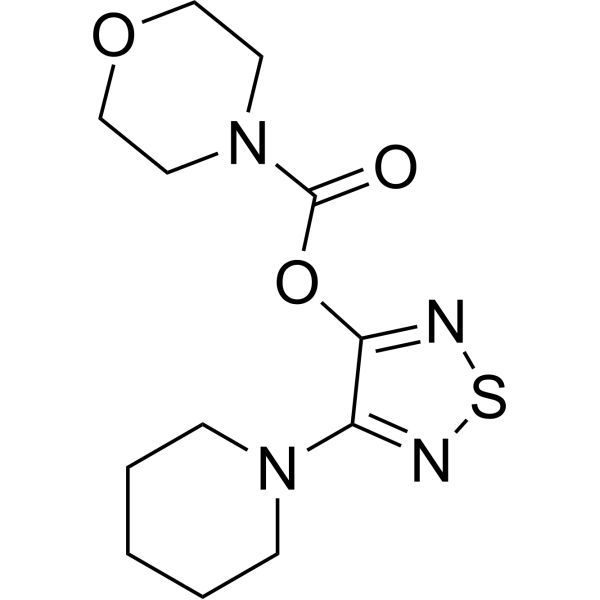
Lalistat 1 is a potent, selective, and competitive inhibitor of lysosomal acid lipase (LAL) and against purified human LAL (phLAL) with an IC50 of 68 nM. Lalistat 1 is a inhibitor of immunoglobulin A1 protease (IgA1P) proteases for H. influenzae, has less effects on other serine hydrolases (trypsin or β-lactamase, etc.). Lalistat 1 can be used for the research of niemann-pick type C (NPC) disease .
|
-
-
- HY-N2292
-
|
|
Keap1-Nrf2
Apoptosis
|
Inflammation/Immunology
|
|
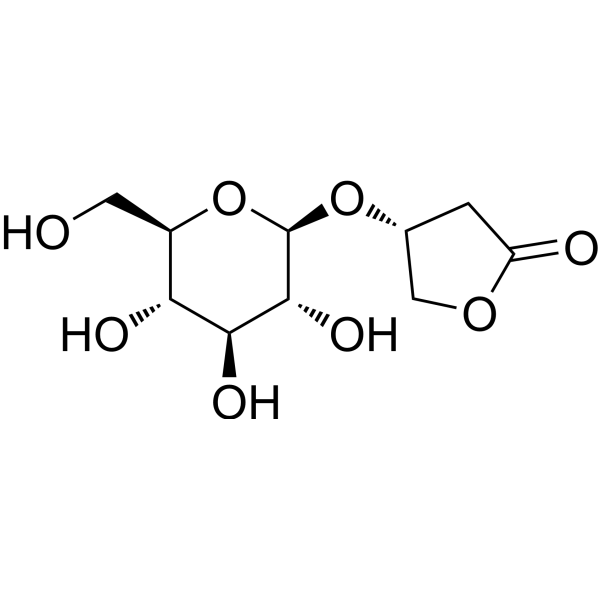
Kinsenoside is the main active ingredient of the genus plant, and has various biological activities. Kinsenoside and Nrf2 depend on the protection of nuclear cells (NPCs), which significantly reduces their ability to survive. Kinsenoside Active NPC Medium AKT-ERK1/2-Nrf2 Signal passage, Prevent physical decline, aging, harmonious physical function impairment. Kinsenoside can improve the puncture guide model for intermediate vertebral wall discharge (IDD).
|
-
-
- HY-113427
-
|
|
Endogenous Metabolite
Bcl-2 Family
Apoptosis
|
Cardiovascular Disease
Cancer
|
|
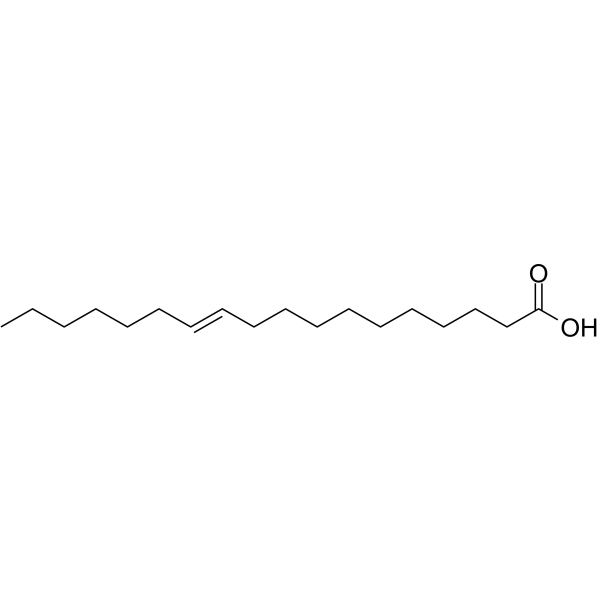
trans-Vaccenic acid is a naturally occurring trans fatty acid (TFA). trans-Vaccenic acid inhibits nasopharyngeal carcinoma (NPC) cell growth and induces apoptosis through the inhibition of Bad/Akt phosphorylation. trans-Vaccenic acid is a precursor for the synthesis of saturated fatty acid in the rumen and of conjugated Linoleic acid (CLA) at the tissue level. trans-Vaccenic acid exerts hypolipidemic effects in a rat model of obesity .
|
-
-
- HY-P10412
-
|
ANXA1-derived 11 amino acid-long peptide
|
Ephrin Receptor
Annexin A
|
Cancer
|
|
A11 (ANXA1-derived 11 amino acid-long peptide) is a ANXA1-EphA2 interaction-blocking peptide. A11 reduces ANXA1 bound to EphA2 and increases Cbl (the E3 ubiquitin ligase of EphA2) bound to EphA2. A11 inhibits the proliferation, migration and invasion of nasopharyngeal carcinoma cells. A11 inhibits angiogenesis. A11 can be used in studies related to nasopharyngeal carcinoma .
|
-
-
- HY-P99621
-
|
NPC-21; EV2038
|
CMV
|
Infection
|
|
Fiztasovimab (NPC-21; EV2038) is a fully human IgG1λ mAb against human cytomegalovirus (hCMV). Fiztasovimab acts neutralizing activity by binding to the antigenic domain 1 of glycoprotein B on hCMV envelope. Fiztasovimab inhibits cell-to-cell transmission of hCMV .
|
-
-
- HY-W010514
-
|
|
Endogenous Metabolite
|
Metabolic Disease
|
|
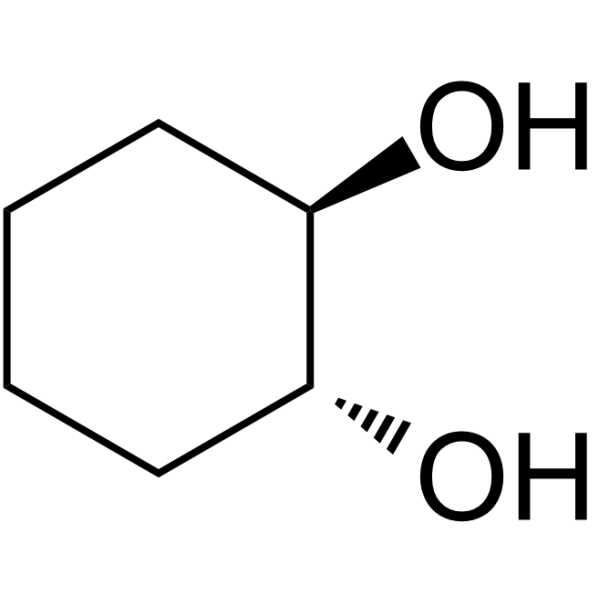
trans-Cyclohexane-1,2-diol (TCHD) is a transient dilator of the nuclear pore complex (NPC). By interacting with the hydrophobic core (FG nucleoporin) of the NPC, trans-Cyclohexane-1,2-diol can disrupt the NPC structure and reversibly increase the permeability of the nuclear pore, allowing macromolecules larger than 40 kDa (such as plasmid DNA) to enter the cell nucleus by passive diffusion, thereby enhancing the nuclear import efficiency of non-viral vectors. trans-Cyclohexane-1,2-diol can improve the efficiency of in vitro electrotransfection or lipid-mediated gene transfection, especially significantly increasing gene expression in differentiated airway epithelial cells .
|
-
-
- HY-136433
-
|
1,4-Dinitrosopiperazine; DNP
|
Others
|
Cancer
|
|
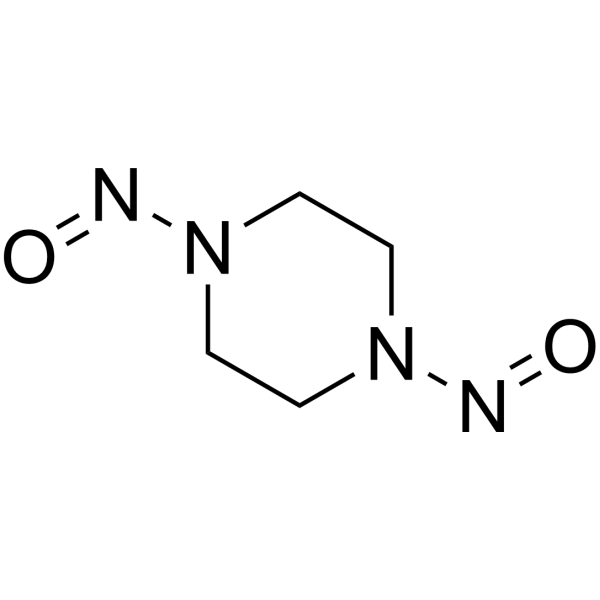
N,N'-Dinitrosopiperazine (1,4-Dinitrosopiperazine; DNP) is a carcinogen with specificity for nasopharyngeal epithelium and facilitates NPC metastasis. N,N'-Dinitrosopiperazine regulates multiple signaling pathways through protein phosphorylation, including LYRIC at serine 568 .
|
-
-
- HY-P1411
-
|
PcTx1; Psalmopoeus cambridgei toxin-1
|
Sodium Channel
Apoptosis
|
Neurological Disease
Cancer
|
|
Psalmotoxin 1 (PcTx1) is a protein toxin that can bind at subunit-subunit interfaces of acid-sensing ion channel 1a (ASIC1a). Psalmotoxin 1 is a potent and slective ASIC1a inhibitor (IC50: 0.9 nM) by increasing the apparent affinity for H + of ASIC1a. Psalmotoxin 1 can induce cell apoptosis, also inhibits cell migration, proferliration and invasion of cancer cells. Psalmotoxin 1 can be used in the research of cancers, or neurological disease .
|
-
-
- HY-N6954
-
|
|
ATM/ATR
STAT
CDK
Hedgehog
|
Inflammation/Immunology
Cancer
|
|
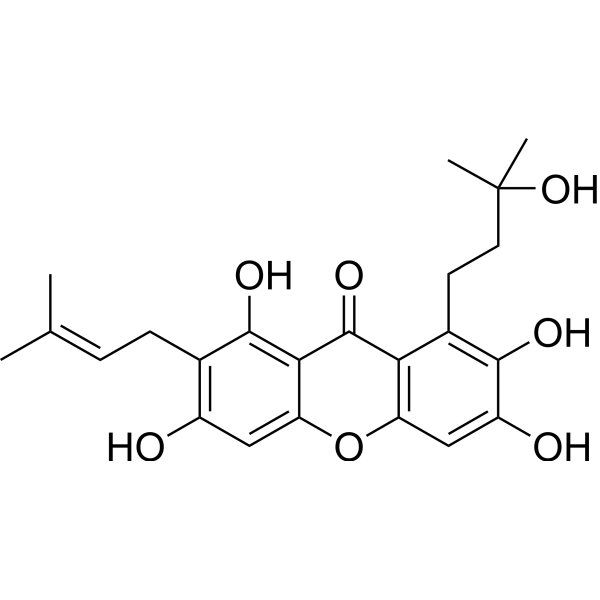
Garcinone C, a xanthone derivative, is a natural compound extracted from Garcinia oblongifolia that is used as an anti-inflammatory, astringency and granulation-promoting medicine, and has potential cytotoxic effects on certain cancers. Garcinone C stimulates the expression levels of ATR and 4E-BP1, arrests the cell cycle, inhibits cell viability of the human Nasopharyngeal carcinoma (NPC) cell lines CNE1, CNE2, HK1 and HONE1 in a time‑ and dose‑dependent manner through inhibition of Hedgehog signaling pathway. Garcinone C is orally active .
|
-
-
- HY-P99544
-
|
HBM-9167; KL-A167
|
PD-1/PD-L1
|
Cancer
|
|
Tagitanlimab (HBM-9167) is a humanized anti-PD-L1 antibody (IgG1κ type). Tagitanlimab selectively blocks the interaction of PD-L1 and PD-1. Tagitanlimab has the potential to be studied in recurrent or metastatic nasopharyngeal carcinoma (NPC) .
|
-
-
- HY-W014780
-
|
2-Benzylideneheptanal; α-Pentylcinnamaldehyde
|
Environmental Pollutants
CETP
|
Others
|
|
α-Amylcinnamaldehyde is a ligand for the Niemann-Pick type C2 (NPC2) protein of arthropod moths and may play a key role in the identification of moth volatiles. NPC2 is a key enzyme for cholesterol transport in the body .
|
-
-
- HY-136059
-
|
|
Keap1-Nrf2
Autophagy
|
Cardiovascular Disease
Cancer
|
|
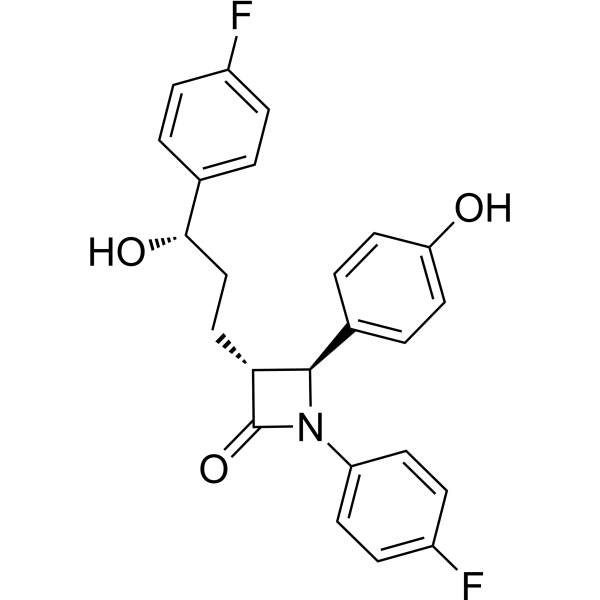
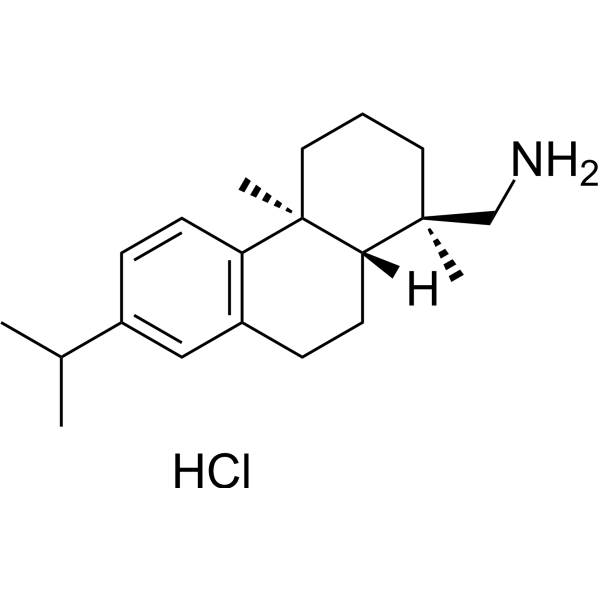
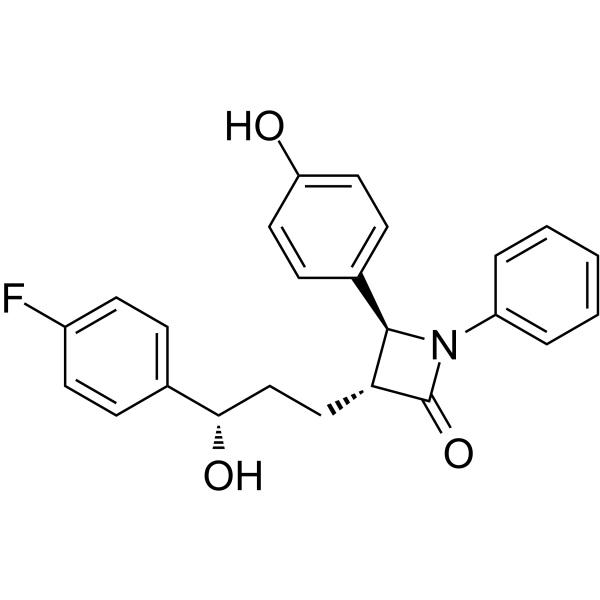
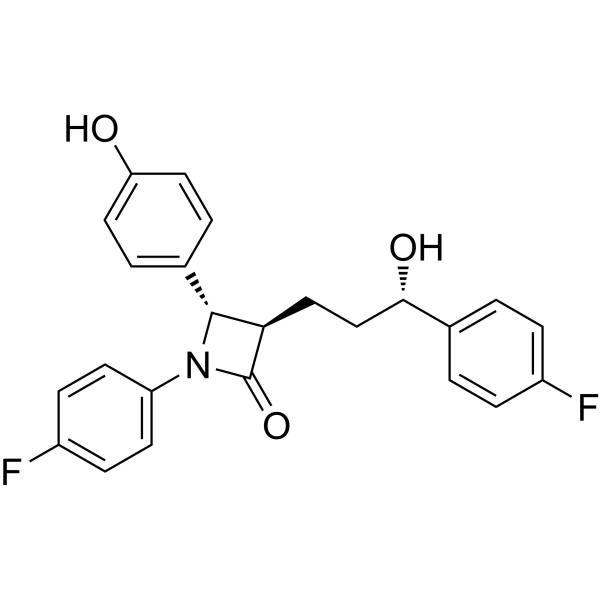
Desfluoro-ezetimibe is a desfluoro impurity of Ezetimibe. Ezetimibe is a potent, metabolically stable cholesterol absorption inhibitor. Ezetimibe is a Niemann-Pick C1-like1 (NPC1L1) inhibitor, and is a potent Nrf2 activator .
|
-
-
- HY-17376S1
-
|
SCH 58235-d4-1
|
Keap1-Nrf2
Autophagy
|
Cardiovascular Disease
Cancer
|
|
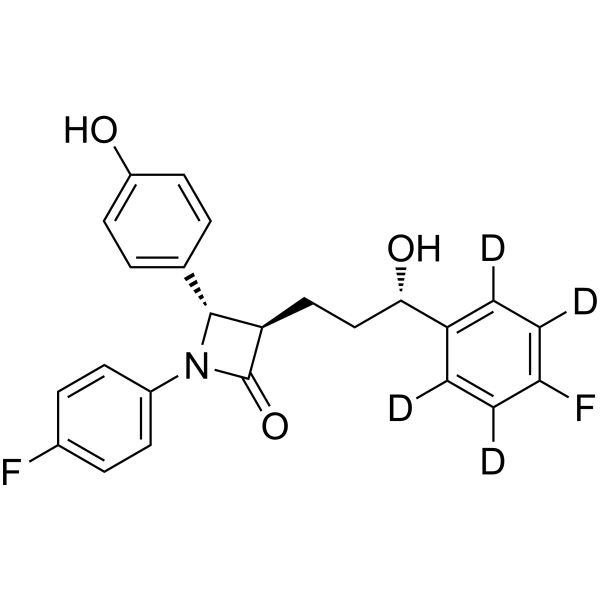
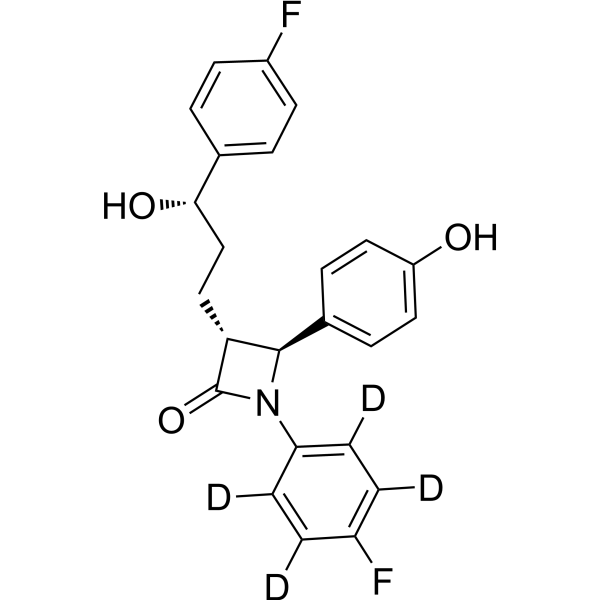
Ezetimibe-d4-1 is deuterium labeled Ezetimibe. Ezetimibe (SCH 58235) is a potent cholesterol absorption inhibitor. Ezetimibe is a Niemann-Pick C1-like1 (NPC1L1) inhibitor, and is a potent Nrf2 activator.
|
-
-
- HY-17376R
-
|
SCH 58235 (Standard)
|
Reference Standards
Keap1-Nrf2
Autophagy
|
Cardiovascular Disease
Cancer
|
|
Ezetimibe (Standard) is the analytical standard of Ezetimibe. This product is intended for research and analytical applications. Ezetimibe (SCH 58235) is a potent cholesterol absorption inhibitor. Ezetimibe is a Niemann-Pick C1-like1 (NPC1L1) inhibitor, and is a potent Nrf2 activator.
|
-
-
- HY-17376S
-
-
-
- HY-129980
-
|
|
PKC
|
Neurological Disease
|
|
NPC-15437 dihydrochloride is a selective, penetrable and reversible protein kinase C (PKC) inhibitor, with an IC50 of 19 μM. NPC-15437 dihydrochloride interferes with mechanisms underlying memory consolidation .
|
-
-
- HY-P99362
-
|
Anti-MUC5AC Reference Antibody (ensituximab); NEO-102
|
Mucin
|
Cancer
|
|
Ensituximab (NEO-102; NPC-1C) is a chimeric monoclonal IgG1 antibody targeting a variant of MUC5AC. Ensituximab shows specificity to colorectal and pancreatic cancer .
|
-
-
- HY-17640
-
|
|
Fatty Acid Synthase (FASN)
Autophagy
|
Metabolic Disease
|
|
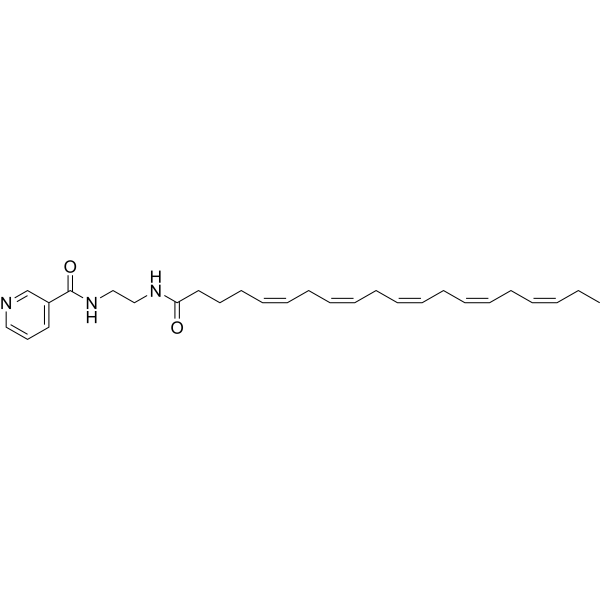
Nicodicosapent is a fatty acid niacin conjugate that is also an inhibitor of the sterol regulatory element binding protein (SREBP), a key regulator of cholesterol metabolism proteins such as PCSK9, HMG-CoA reductase, ATP citrate lyase, and NPC1L1.
|
-
-
- HY-W395779
-
|
|
Filovirus
|
Infection
|
|
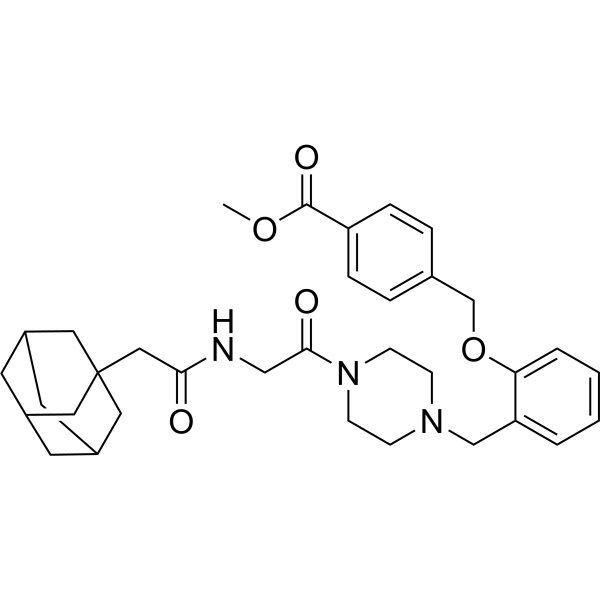
EBOV-IN-1 (com 3.47) is an adamantane dipeptide piperazine and an inhibitor of Ebola virus (EBOV). EBOV-IN-1 targets Niemann-Pick C1 (NPC1) and inhibits its binding to the EBOV glycoprotein (GP) that activates and mediates viral penetration into host cells, thereby inhibiting EBOV infection. EBOV-IN-1 inhibits pseudotyped EBOV infection with an IC50 of 13 nM .
|
-
-
- HY-P1411A
-
|
PcTx1 TFA; Psalmopoeus cambridgei toxin-1 TFA
|
Sodium Channel
Apoptosis
|
Neurological Disease
Cancer
|
|
Psalmotoxin 1 (PcTx1) TFA is a protein toxin that can bind at subunit-subunit interfaces of acid-sensing ion channel 1a (ASIC1a). Psalmotoxin 1 TFA is a potent and slective ASIC1a inhibitor (IC50: 0.9 nM) by increasing the apparent affinity for H + of ASIC1a. Psalmotoxin 1 TFA can induce cell apoptosis, also inhibits cell migration, proferliration and invasion of cancer cells. Psalmotoxin 1 TFA can be used in the research of cancers, or neurological disease .
|
-
-
- HY-RS09474
-
|
|
Small Interfering RNA (siRNA)
|
Others
|
|
NPC1 Human Pre-designed siRNA Set A contains three designed siRNAs for NPC1 gene (Human), as well as a negative control, a positive control, and a FAM-labeled negative control.
|
-
NPC1 Human Pre-designed siRNA Set A
-
- HY-P10412A
-
|
ANXA1-derived 11 amino acid-long peptide acetate
|
Ephrin Receptor
Annexin A
|
Cancer
|
|
A11 (ANXA1-derived 11 amino acid-long peptide) acetate is a ANXA1-EphA2 interaction-blocking peptide. A11 acetate reduces ANXA1 bound to EphA2 and increases Cbl (the E3 ubiquitin ligase of EphA2) bound to EphA2. A11 acetate inhibits the proliferation, migration and invasion of nasopharyngeal carcinoma cells. A11 acetate inhibits angiogenesis. A11 acetate can be used in studies related to nasopharyngeal carcinoma .
|
-
-
- HY-103641C
-
|
Octyl-2-HG
|
Histone Methyltransferase
|
Cancer
|
|
Octyl-α-hydroxyglutarate (octyl-2-HG) increases histone methylation and enhances viability of LMP1-negative NPC cells .
|
-
-
- HY-137135
-
|
|
Phosphatase
Apoptosis
ERK
p38 MAPK
JNK
|
Cancer
|
|
Cantharidic acid is a selective inhibitor for protein phosphatase 2 (PP2A) and protein phosphatase 1 (PP1). Cantharidic acid inhibits cell viability and arrest cell cycle at sub G1 phase, induces apoptosis in cells NPC-39 and HONE-1 through the upregulation of ERK1/2, p38, and JNK1/2 pathway .
|
-
-
- HY-112079
-
|
|
Integrin
|
Cardiovascular Disease
|
|
NPC-15669 is a novel Mac-1 inhibitor. NPC-15669 reduces plasma levels of ET-1, TxB, prostacyclin, AT-III, and total protein S. NPC-15669 can be used in the research of myocardial infarction .
|
-
-
- HY-N6842
-
|
|
Others
|
Infection
Cancer
|
|
ArnicolideC is a sesquiterpene lactone isolated Centipeda minima . ArnicolideC exertes a cytotoxic effect on the panel of Nasopharyngeal carcinoma (NPC) cells, significantly inhibiting cell growth in a dose- and time- dependent manner. ArnicolideC also exhibits inhibitory effects on NPC proliferation .
|
-
-
- HY-N15984
-
|
|
Liposome
|
Others
|
|
18:1-12:0 Biotin PC can be used in lipid blot analysis for studying the interactions of Niemann-Pick C2 (NPC2)-lipid. 18:1-12:0 Biotin PC is also used to prepare liposomes.
|
-
-
- HY-120429
-
|
|
Apoptosis
|
Cancer
|
|
SKLB-163 is an orally active inhibitor for Rho GDP-dissociation (RhoGDI). SKLB-163 inhibits highly expressed RhoGDI tumor cell proliferation and migration, and increases radiosensitivity of tumor cells. SKLB-163 induces cancer cell Apoptosis .
|
-
-
- HY-100638
-
|
NPC
|
Drug Metabolite
|
Cancer
|
|
RPR132595A (NPC) is an active metabolite of CPT-11, which is generated by cytochrome P-450 3A4 (CYP3A4) and finally excreted through urine .
|
-
-
- HY-135388
-
|
ent-SCH 58235
|
Drug Metabolite
|
Cardiovascular Disease
|
|
ent-Ezetimibe (ent-SCH 58235) is the RRS-enantiomer of Ezetimibe. Ezetimibe is a potent cholesterol absorption inhibitor. Ezetimibe is a Niemann-Pick C1-like1 (NPC1L1) inhibitor, and is a potent Nrf2 activator .
|
-
-
- HY-113427S
-
|
|
Isotope-Labeled Compounds
Endogenous Metabolite
Bcl-2 Family
Apoptosis
|
Cardiovascular Disease
Cancer
|
|
trans-Vaccenic acid-d13 is deuterium labeled trans-Vaccenic acid (HY-113427). trans-Vaccenic acid is a naturally occurring trans fatty acid (TFA). trans-Vaccenic acid inhibits nasopharyngeal carcinoma (NPC) cell growth and induces apoptosis through the inhibition of Bad/Akt phosphorylation. trans-Vaccenic acid is a precursor for the synthesis of saturated fatty acid in the rumen and of conjugated Linoleic acid (CLA) at the tissue level. trans-Vaccenic acid exerts hypolipidemic effects in a rat model of obesity .
|
-
-
- HY-10108R
-
|
|
Reference Standards
PI3K
Casein Kinase
DNA-PK
Apoptosis
Autophagy
|
Infection
Cancer
|
|
LY294002 (Standard) is the analytical standard of LY294002. This product is intended for research and analytical applications. LY294002 is a broad-spectrum inhibitor of PI3K with IC50s of 0.5, 0.57, and 0.97 μM for PI3Kα, PI3Kδ and PI3Kβ, respectively . LY294002 also inhibits CK2 with an IC50 of 98 nM . LY294002 is a competitive DNA-PK inhibitor that binds reversibly to the kinase domain of DNA-PK with an IC50 of 1.4?μM. LY294002 is an apoptosis activator .
|
-
-
- HY-113845
-
|
|
Others
|
Neurological Disease
|
|
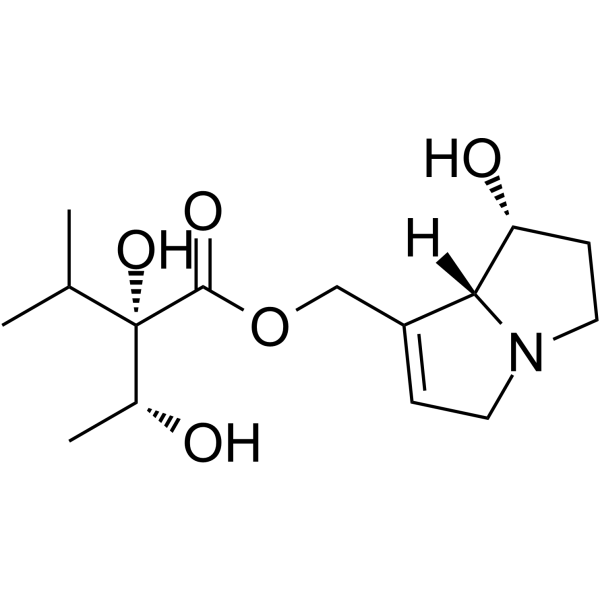
(+)-Intermedine, a pyrrolizidine alkaloid (PA), exhibits significant cytotoxicity in neural progenitor cells (NPCs) .
|
-
-
- HY-16459
-
|
Sodium glycididazole
|
Apoptosis
|
Cancer
|
|
Glycididazole sodium (Sodium glycididazole) is a radiosensitizer. Glycididazole sodium increases the sensitivity of nasopharyngeal carcinoma cells to radiation, through increaased DNA damage and enhanced apoptosis in NPC cells
|
-
-
- HY-P2118
-
-
-
- HY-169652
-
|
|
Reactive Oxygen Species (ROS)
AMPK
|
Cancer
|
|
NPC26 is a small molecule mitochondrial disruptor with anti-tumor activity. NPC-26 shows significant anti-proliferative and cytotoxic effects on CRC cell lines (HCT-116, DLD-1, and HT-29). NPC26 can damage mitochondrial function, leading to the opening of the mitochondrial permeability transition pore (mPTP) and the production of reactive oxygen species, ultimately inducing cell death. NPC-26 can kill CRC cells by activating the AMP-activated protein kinase (AMPK) signaling pathway .
|
-
-
- HY-140694
-
|
|
PROTAC Linkers
|
Cancer
|
|
m-PEG20000-NPC is a PEG-based PROTAC linker that can be used in the synthesis of PROTACs .
|
-
-
- HY-RS09476
-
|
|
Small Interfering RNA (siRNA)
|
Others
|
|
NPC2 Human Pre-designed siRNA Set A contains three designed siRNAs for NPC2 gene (Human), as well as a negative control, a positive control, and a FAM-labeled negative control.
|
-
NPC2 Human Pre-designed siRNA Set A
-
- HY-RS23913
-
|
|
Small Interfering RNA (siRNA)
|
Others
|
|
Npc2 Rat Pre-designed siRNA Set A contains three designed siRNAs for Npc2 gene (Rat), as well as a negative control, a positive control, and a FAM-labeled negative control.
|
-
Npc2 Rat Pre-designed siRNA Set A
-
- HY-P1721
-
|
|
Bradykinin Receptor
|
Cardiovascular Disease
|
|
NPC 17731 is a new bradykinin (BK) receptor antagonist. NPC 17731 antagonized both the contractile and relaxant responses caused by BK in longitudinal smooth muscle with IC50 of 23 and 29 nM, respectively .
|
-
-
- HY-RS09475
-
|
|
Small Interfering RNA (siRNA)
|
Others
|
|
NPC1L1 Human Pre-designed siRNA Set A contains three designed siRNAs for NPC1L1 gene (Human), as well as a negative control, a positive control, and a FAM-labeled negative control.
|
-
NPC1L1 Human Pre-designed siRNA Set A
-
- HY-RS17515
-
|
|
Small Interfering RNA (siRNA)
|
Others
|
|
Npc1l1 Mouse Pre-designed siRNA Set A contains three designed siRNAs for Npc1l1 gene (Mouse), as well as a negative control, a positive control, and a FAM-labeled negative control.
|
-
Npc1l1 Mouse Pre-designed siRNA Set A
-
- HY-174365D
-
|
|
Biochemical Assay Reagents
|
Others
|
|
mPEG10000-NPC is an important PEG derivative whose reactive groups can be used to modify proteins, peptides or any other compounds with available amino groups at lysine residues or N-terminus .
|
-
-
- HY-174365E
-
|
|
Biochemical Assay Reagents
|
Others
|
|
mPEG40000-NPC is an important PEG derivative whose reactive groups can be used to modify proteins, peptides or any other compounds with available amino groups at lysine residues or N-terminus .
|
-
-
- HY-174365
-
|
|
Biochemical Assay Reagents
|
Others
|
|
mPEG1000-NPC is an important PEG derivative whose reactive groups can be used to modify proteins, peptides or any other compounds with available amino groups at lysine residues or N-terminus .
|
-
-
- HY-100961
-
|
1,3-Dipropyl-8-phenylxanthine
|
Adenosine Receptor
|
Inflammation/Immunology
|
|
NPC 200 is a potent and selective antagonist of Adenosine A1 Receptor. NPC 200 reverses NECA-induced left and right atrial depression with EC50s of 1.08 and 2.03 μM .
|
-
-
- HY-D2314
-
|
|
Liposome
|
Others
|
|
Cyanine 7-amine (chloride hydrochloride) can be used to label cationic nanoparticles (NPs) or to NP conjugates (NPCs). It can track the residence time and clearance of nanoparticles in the body .
|
-
- HY-100638A
-
|
NPC hydrochloride
|
Drug Metabolite
|
Cancer
|
|
RPR132595A (NPC) hydrochloride is an active metabolite of CPT-11, which is generated by cytochrome P-450 3A4 (CYP3A4) and finally excreted through urine .
|
-
- HY-174365H
-
|
|
Biochemical Assay Reagents
|
Others
|
|
mPEG-NPC (MW 20000) is an important PEG derivative whose reactive groups can be used to modify proteins, peptides or any other compounds with available amino groups at lysine residues or N-terminus .
|
-
- HY-160880
-
|
|
Filovirus
|
Infection
|
|
EBOV-IN-5 (compound 14) is an antiviral agent that inhibits Ebola virus (EBOV) infection. EBOV-IN-5 inhibits the binding of the EBOV glycoprotein EBOV-GPcl to NPC1, an indispensable host receptor required for viral fusion/entry .
|
-
- HY-160882
-
|
|
Filovirus
|
Infection
|
|
EBOV-IN-7 (compound 26) is an inhibitor of the Ebola virus EBOV with an IC50 of 2.04 μM against EBOV-GP pseudotyped virus (pEBOV). EBOV-IN-7 has inhibitory effects on cancer cells and inhibits the EBOV-GPcl/NPC1 interaction .
|
-
- HY-117583
-
|
|
HDAC
Histone Methyltransferase
|
Neurological Disease
|
|
cis-BG47 is an cis-isomer of BG47, BG47 is a prototypical histone deacetylases HDAC1 and HDAC2 selective, optoepigenetic probe. BG47 can bind to and competitively inhibits the deacetylase activity of HDAC targets upon a light-induced trans-to-cis isomerization, and increases Histone Methyltransferase H3K9 acetylation. cis-BG47 can be used for neurological disease research .
|
-
- HY-117583A
-
|
|
HDAC
Histone Methyltransferase
|
Neurological Disease
|
|
BG47 is a prototypical histone deacetylases HDAC1 and HDAC2 selective, optoepigenetic probe. BG47 can bind to and competitively inhibits the deacetylase activity of HDAC targets upon a light-induced trans-to-cis isomerization, and increases Histone Methyltransferase H3K9 acetylation. BG47 can be used for neurological disease research .
|
-
- HY-160581
-
|
|
Liposome
|
Others
|
|
OH-C-Chol is a cationic liposome that serves as a siRNA delivery vehicle. OH-C-Chol (LP-C) and OH-NC-Chol (LP-NC)/siRNA complexes (lipoplexes) showed better performance than NP-C and NP-NC/siRNA complexes (nanocomplexes), respectively. ) greater gene silencing effect .
|
-
- HY-17376S3
-
|
SCH 58235-13C6
|
Isotope-Labeled Compounds
Autophagy
Keap1-Nrf2
|
Cancer
|
|
Ezetimibe- 13C6 (SCH 58235- 13C6) is the 13C-labeled Ezetimibe (HY-17376). Ezetimibe (SCH 58235) is a potent cholesterol absorption inhibitor. Ezetimibe is a Niemann-Pick C1-like1 (NPC1L1) inhibitor, and is a potent Nrf2 activator.
|
-
- HY-121315
-
|
|
HDAC
|
Metabolic Disease
|
|
BRD4097 is an inhibitor of histone deacetylase (HDAC). BRD4097 acts by inhibiting the activity of HDACs, especially HDAC 1,2 and 3, through metal chelation and spatial rejection mechanisms, and this inhibition may help regulate gene expression and alter chromatin structure, thereby affecting a variety of biological processes. BRD4097 is used to study the role of HDAC in cholesterol metabolism and NPC1 diseases .
|
-
- HY-113427R
-
|
|
Endogenous Metabolite
Reference Standards
Bcl-2 Family
Apoptosis
|
Cardiovascular Disease
Cancer
|
|
trans-Vaccenic acid (Standard) is the analytical standard of trans-Vaccenic acid (HY-113427). This product is intended for research and analytical applications. trans-Vaccenic acid is a naturally occurring trans fatty acid (TFA). trans-Vaccenic acid inhibits nasopharyngeal carcinoma (NPC) cell growth and induces apoptosis through the inhibition of Bad/Akt phosphorylation. trans-Vaccenic acid is a precursor for the synthesis of saturated fatty acid in the rumen and of conjugated Linoleic acid (CLA) at the tissue level. trans-Vaccenic acid exerts hypolipidemic effects in a rat model of obesity.
|
-
- HY-163726
-
|
|
GLUT
EGFR
Apoptosis
|
Cancer
|
|
GLUT1/EGFR-IN-1 (compound H) is a potent inhibitor of GLUT1 and EGFR. GLUT1/EGFR-IN-1 can simultaneously act on the EGFR tyrosine kinase ATP-binding site and inhibit GLUT1-mediated energy metabolism, resulting in reductions in ATP, MMP, intra-cellular lactic acid, and EGFR nuclear transfer. GLUT1/EGFR-IN-1 can be used for nasopharyngeal carcinoma (NPC) and triple-negative breast cancer (TNBC) research .
|
-
- HY-N6954R
-
|
|
Reference Standards
ATM/ATR
STAT
CDK
Hedgehog
|
Inflammation/Immunology
Cancer
|
|
Garcinone C (Standard) is the analytical standard of Garcinone C. This product is intended for research and analytical applications. Garcinone C, a xanthone derivative, is a natural compound extracted from Garcinia oblongifolia that is used as an anti-inflammatory, astringency and granulation-promoting medicine, and has potential cytotoxic effects on certain cancers. Garcinone C stimulates the expression levels of ATR and 4E-BP1, arrests the cell cycle, inhibits cell viability of the human Nasopharyngeal carcinoma (NPC) cell lines CNE1, CNE2, HK1 and HONE1 in a time‑ and dose‑dependent manner through inhibition of Hedgehog signaling pathway. Garcinone C is orally active .
|
-
- HY-10108AR
-
|
|
Reference Standards
PI3K
Casein Kinase
DNA-PK
Apoptosis
|
Cancer
|
|
LY294002 (hydrochloride) (Standard) is the analytical standard of LY294002 (hydrochloride). This product is intended for research and analytical applications. LY294002 hydrochloride is a potent and broad-spectrum PI3K inhibitor, with IC50 values of 0.5, 0.57, and 0.97 μM for P110α, P110δ and P110β, respectively. LY294002 hydrochloride also inhibits CK2 with an IC50 of 98 nM. LY294002 hydrochloride can be used for pancreatic cancer research .
|
-
- HY-129980A
-
|
|
|
Neurological Disease
Cancer
|
|
NPC-15437 is a selective PKC inhibitor with an IC50 of 19 µM. NPC-15437 competitively inhibits phorbol ester- (Ki of 5 µM) and phosphatidylserine-induced (Ki of 12 µM) PKC activity. NPC-15437 does not inhibits cAMP-dependent or calcium/calmodulin-dependent protein kinases. NPC-15437 augments TRAIL-induced cell death in non-small cell lung cancer and medulloblastoma cells. NPC-15437 can be used for the research of non-small cell lung cancer, medulloblastoma, and neurological disease .
|
-
- HY-183932
-
|
|
mAChR
|
Neurological Disease
Inflammation/Immunology
|
|
NPC-14695 is a competitive and selective M3 muscarinic receptor antagonist, with a Kd value of 15 nM for guinea pig M3, 60 nM for guinea pig M2, and 25 nM for rabbit M1. NPC-14695 exhibits higher activity towards M3 receptors in bronchial smooth muscle than towards those regulating salivary secretion. NPC-14695 inhibits Carbachol (HY-B1208)-induced contraction of isolated rabbit iris smooth muscle .
|
-
- HY-129266
-
-
- HY-RS17456
-
|
|
Small Interfering RNA (siRNA)
|
Others
|
|
Npc2 Mouse Pre-designed siRNA Set A contains three designed siRNAs for Npc2 gene (Mouse), as well as a negative control, a positive control, and a FAM-labeled negative control.
|
-
Npc2 Mouse Pre-designed siRNA Set A
- HY-RS23218
-
|
|
Small Interfering RNA (siRNA)
|
Others
|
|
Npc1 Rat Pre-designed siRNA Set A contains three designed siRNAs for Npc1 gene (Rat), as well as a negative control, a positive control, and a FAM-labeled negative control.
|
-
Npc1 Rat Pre-designed siRNA Set A
- HY-RS16778
-
|
|
Small Interfering RNA (siRNA)
|
Others
|
|
Npc1 Mouse Pre-designed siRNA Set A contains three designed siRNAs for Npc1 gene (Mouse), as well as a negative control, a positive control, and a FAM-labeled negative control.
|
-
Npc1 Mouse Pre-designed siRNA Set A
- HY-RS23972
-
|
|
Small Interfering RNA (siRNA)
|
Others
|
|
Npc1l1 Rat Pre-designed siRNA Set A contains three designed siRNAs for Npc1l1 gene (Rat), as well as a negative control, a positive control, and a FAM-labeled negative control.
|
-
Npc1l1 Rat Pre-designed siRNA Set A
- HY-174365B
-
|
|
Biochemical Assay Reagents
|
Others
|
|
mPEG3400-NPC is an important PEG derivative whose reactive groups can be used to modify proteins, peptides or any other compounds with available amino groups at lysine residues or N-terminus .
|
-
- HY-174365C
-
|
|
Biochemical Assay Reagents
|
Others
|
|
mPEG5000-NPC is an important PEG derivative whose reactive groups can be used to modify proteins, peptides or any other compounds with available amino groups at lysine residues or N-terminus .
|
-
- HY-174365A
-
|
|
Biochemical Assay Reagents
|
Others
|
|
mPEG2000-NPC is an important PEG derivative whose reactive groups can be used to modify proteins, peptides or any other compounds with available amino groups at lysine residues or N-terminus .
|
-
- HY-W1052829A
-
|
4-Arm-PEG10000-NPC
|
Biochemical Assay Reagents
|
Others
|
|
4-Arm-PEG10000-Nitrophenyl carbonate (4-Arm-PEG10000-NPC) is a four-arm PEG derivative. The core structure of 4-Arm-PEG10000-Nitrophenyl carbonate consists of four PEG chains, each modified at the end with a nitrophenyl carbonate group. 4-Arm-PEG10000-Nitrophenyl carbonate can be used for bioconjugation and drug delivery.
|
-
- HY-W1052829B
-
|
4-Arm-PEG20000-NPC
|
Biochemical Assay Reagents
|
Others
|
|
4-Arm-PEG20000-Nitrophenyl carbonate (4-Arm-PEG20000-NPC) is a four-arm PEG derivative. The core structure of 4-Arm-PEG20000-Nitrophenyl carbonate consists of four PEG chains, each modified at the end with a nitrophenyl carbonate group. 4-Arm-PEG20000-Nitrophenyl carbonate can be used for bioconjugation and drug delivery.
|
-
- HY-W1052829
-
|
4-Arm-PEG2000-NPC
|
Biochemical Assay Reagents
|
Others
|
|
4-Arm-PEG2000-Nitrophenyl carbonate (4-Arm-PEG2000-NPC) is a four-arm PEG derivative. The core structure of 4-Arm-PEG2000-Nitrophenyl carbonate consists of four PEG chains, each modified at the end with a nitrophenyl carbonate group. 4-Arm-PEG2000-Nitrophenyl carbonate can be used for bioconjugation and drug delivery.
|
-
- HY-W1052829C
-
|
4-Arm-PEG5000-NPC
|
Biochemical Assay Reagents
|
Others
|
|
4-Arm-PEG5000-Nitrophenyl carbonate (4-Arm-PEG5000-NPC) is a four-arm PEG derivative. The core structure of 4-Arm-PEG5000-Nitrophenyl carbonate consists of four PEG chains, each modified at the end with a nitrophenyl carbonate group. 4-Arm-PEG5000-Nitrophenyl carbonate can be used for bioconjugation and drug delivery.
|
-
- HY-W010514R
-
|
|
Endogenous Metabolite
Reference Standards
|
Metabolic Disease
|
|
trans-Cyclohexane-1,2-diol (Standard) is the analytical standard of trans-Cyclohexane-1,2-diol (HY-W010514). This product is intended for research and analytical applications. trans-Cyclohexane-1,2-diol (TCHD) is a transient dilator of the nuclear pore complex (NPC). By interacting with the hydrophobic core (FG nucleoporin) of the NPC, trans-Cyclohexane-1,2-diol can disrupt the NPC structure and reversibly increase the permeability of the nuclear pore, allowing macromolecules larger than 40 kDa (such as plasmid DNA) to enter the cell nucleus by passive diffusion, thereby enhancing the nuclear import efficiency of non-viral vectors. trans-Cyclohexane-1,2-diol can improve the efficiency of in vitro electrotransfection or lipid-mediated gene transfection, especially significantly increasing gene expression in differentiated airway epithelial cells .
|
-
- HY-N18304
-
|
|
HMG-CoA Reductase (HMGCR)
|
Metabolic Disease
|
|
Brutieridin (Compound 1) is a flavanone glycoside that can be isolated from the juice of bergamot (Citrus bergamia). Brutieridin reduces the level of NPC1L1 in intestinal epithelial cells. Brutieridin decreases cholesterol uptake by intestinal epithelial cells. Brutieridin reduces HMGR activity. Brutieridin can be used in the research of hypercholesterolemia .
|
-
- HY-136433S
-
|
1,4-Dinitrosopiperazine-d8; DNP-d8
|
Isotope-Labeled Compounds
|
Cancer
|
|
N,N'-Dinitrosopiperazine-d8 is the deuterium labeled N,N'-Dinitrosopiperazine . N,N'-Dinitrosopiperazine (1,4-Dinitrosopiperazine;DNP) is a carcinogen with specificity for nasopharyngeal epithelium and facilitates NPC metastasis. N,N'-Dinitrosopiperazine regulates multiple signaling pathways through protein phosphorylation, including LYRIC at serine 568 .
|
-
- HY-N15891
-
|
|
Endogenous Metabolite
|
Neurological Disease
|
|
Glyco-3ß,5α,6ß -trihydroxycholanoic acid (NPCBA2) is a bile acid which accumulates preferentially in Niemann-Pick C (NPC) patients. Glyco-3ß,5α,6ß -trihydroxycholanoic acid is a biomarker for the early diagnosis of Niemann-Pick C disease .
|
-
- HY-182938
-
|
|
Autophagy
|
Metabolic Disease
|
|
Autophagy activator-2 is a potent autophagy activator with EC50 values of 14.33 μM. Autophagy activator-2 acts as a proteostasis modulator and small-molecule chaperone that upregulates I1061T mutant NPC1 expression and facilitates cholesterol efflux. Autophagy activator-2 reduces lysosomal hydrolase levels. Autophagy activator-2 can be used for the study of Niemann-Pick Type C disease .
|
-
| Cat. No. |
Product Name |
Type |
-
- HY-D2314
-
|
|
Fluorescent Dyes
|
|
Cyanine 7-amine (chloride hydrochloride) can be used to label cationic nanoparticles (NPs) or to NP conjugates (NPCs). It can track the residence time and clearance of nanoparticles in the body .
|
| Cat. No. |
Product Name |
Type |
-
- HY-174365D
-
|
|
Biochemical Assay Reagents
|
|
mPEG10000-NPC is an important PEG derivative whose reactive groups can be used to modify proteins, peptides or any other compounds with available amino groups at lysine residues or N-terminus .
|
-
- HY-174365E
-
|
|
Biochemical Assay Reagents
|
|
mPEG40000-NPC is an important PEG derivative whose reactive groups can be used to modify proteins, peptides or any other compounds with available amino groups at lysine residues or N-terminus .
|
-
- HY-174365
-
|
|
Biochemical Assay Reagents
|
|
mPEG1000-NPC is an important PEG derivative whose reactive groups can be used to modify proteins, peptides or any other compounds with available amino groups at lysine residues or N-terminus .
|
-
- HY-174365H
-
|
|
Biochemical Assay Reagents
|
|
mPEG-NPC (MW 20000) is an important PEG derivative whose reactive groups can be used to modify proteins, peptides or any other compounds with available amino groups at lysine residues or N-terminus .
|
-
- HY-174365B
-
|
|
Biochemical Assay Reagents
|
|
mPEG3400-NPC is an important PEG derivative whose reactive groups can be used to modify proteins, peptides or any other compounds with available amino groups at lysine residues or N-terminus .
|
-
- HY-174365C
-
|
|
Biochemical Assay Reagents
|
|
mPEG5000-NPC is an important PEG derivative whose reactive groups can be used to modify proteins, peptides or any other compounds with available amino groups at lysine residues or N-terminus .
|
-
- HY-174365A
-
|
|
Biochemical Assay Reagents
|
|
mPEG2000-NPC is an important PEG derivative whose reactive groups can be used to modify proteins, peptides or any other compounds with available amino groups at lysine residues or N-terminus .
|
-
- HY-W1052829A
-
|
4-Arm-PEG10000-NPC
|
Biochemical Assay Reagents
|
|
4-Arm-PEG10000-Nitrophenyl carbonate (4-Arm-PEG10000-NPC) is a four-arm PEG derivative. The core structure of 4-Arm-PEG10000-Nitrophenyl carbonate consists of four PEG chains, each modified at the end with a nitrophenyl carbonate group. 4-Arm-PEG10000-Nitrophenyl carbonate can be used for bioconjugation and drug delivery.
|
-
- HY-W1052829B
-
|
4-Arm-PEG20000-NPC
|
Biochemical Assay Reagents
|
|
4-Arm-PEG20000-Nitrophenyl carbonate (4-Arm-PEG20000-NPC) is a four-arm PEG derivative. The core structure of 4-Arm-PEG20000-Nitrophenyl carbonate consists of four PEG chains, each modified at the end with a nitrophenyl carbonate group. 4-Arm-PEG20000-Nitrophenyl carbonate can be used for bioconjugation and drug delivery.
|
-
- HY-W1052829
-
|
4-Arm-PEG2000-NPC
|
Biochemical Assay Reagents
|
|
4-Arm-PEG2000-Nitrophenyl carbonate (4-Arm-PEG2000-NPC) is a four-arm PEG derivative. The core structure of 4-Arm-PEG2000-Nitrophenyl carbonate consists of four PEG chains, each modified at the end with a nitrophenyl carbonate group. 4-Arm-PEG2000-Nitrophenyl carbonate can be used for bioconjugation and drug delivery.
|
-
- HY-W1052829C
-
|
4-Arm-PEG5000-NPC
|
Biochemical Assay Reagents
|
|
4-Arm-PEG5000-Nitrophenyl carbonate (4-Arm-PEG5000-NPC) is a four-arm PEG derivative. The core structure of 4-Arm-PEG5000-Nitrophenyl carbonate consists of four PEG chains, each modified at the end with a nitrophenyl carbonate group. 4-Arm-PEG5000-Nitrophenyl carbonate can be used for bioconjugation and drug delivery.
|
| Cat. No. |
Product Name |
Target |
Research Area |
-
- HY-P10412
-
|
ANXA1-derived 11 amino acid-long peptide
|
Ephrin Receptor
Annexin A
|
Cancer
|
|
A11 (ANXA1-derived 11 amino acid-long peptide) is a ANXA1-EphA2 interaction-blocking peptide. A11 reduces ANXA1 bound to EphA2 and increases Cbl (the E3 ubiquitin ligase of EphA2) bound to EphA2. A11 inhibits the proliferation, migration and invasion of nasopharyngeal carcinoma cells. A11 inhibits angiogenesis. A11 can be used in studies related to nasopharyngeal carcinoma .
|
-
- HY-P1411
-
|
PcTx1; Psalmopoeus cambridgei toxin-1
|
Sodium Channel
Apoptosis
|
Neurological Disease
Cancer
|
|
Psalmotoxin 1 (PcTx1) is a protein toxin that can bind at subunit-subunit interfaces of acid-sensing ion channel 1a (ASIC1a). Psalmotoxin 1 is a potent and slective ASIC1a inhibitor (IC50: 0.9 nM) by increasing the apparent affinity for H + of ASIC1a. Psalmotoxin 1 can induce cell apoptosis, also inhibits cell migration, proferliration and invasion of cancer cells. Psalmotoxin 1 can be used in the research of cancers, or neurological disease .
|
-
- HY-P1411A
-
|
PcTx1 TFA; Psalmopoeus cambridgei toxin-1 TFA
|
Sodium Channel
Apoptosis
|
Neurological Disease
Cancer
|
|
Psalmotoxin 1 (PcTx1) TFA is a protein toxin that can bind at subunit-subunit interfaces of acid-sensing ion channel 1a (ASIC1a). Psalmotoxin 1 TFA is a potent and slective ASIC1a inhibitor (IC50: 0.9 nM) by increasing the apparent affinity for H + of ASIC1a. Psalmotoxin 1 TFA can induce cell apoptosis, also inhibits cell migration, proferliration and invasion of cancer cells. Psalmotoxin 1 TFA can be used in the research of cancers, or neurological disease .
|
-
- HY-P2118
-
-
- HY-P1721
-
|
|
Bradykinin Receptor
|
Cardiovascular Disease
|
|
NPC 17731 is a new bradykinin (BK) receptor antagonist. NPC 17731 antagonized both the contractile and relaxant responses caused by BK in longitudinal smooth muscle with IC50 of 23 and 29 nM, respectively .
|
-
- HY-P1730
-
|
|
Peptides
|
Cancer
|
|
Nuclear pore complex protein Nup98 (315-360) is the 315-360 fragment part of the nuclear pore complex (NPC) protein .
|
| Cat. No. |
Product Name |
Target |
Research Area |
Image |
-
- HY-P99621
-
|
NPC-21; EV2038
|
CMV
|
Infection
|
|
Fiztasovimab (NPC-21; EV2038) is a fully human IgG1λ mAb against human cytomegalovirus (hCMV). Fiztasovimab acts neutralizing activity by binding to the antigenic domain 1 of glycoprotein B on hCMV envelope. Fiztasovimab inhibits cell-to-cell transmission of hCMV .
|
-
(5)
-
- HY-P99544
-
|
HBM-9167; KL-A167
|
PD-1/PD-L1
|
Cancer
|
|
Tagitanlimab (HBM-9167) is a humanized anti-PD-L1 antibody (IgG1κ type). Tagitanlimab selectively blocks the interaction of PD-L1 and PD-1. Tagitanlimab has the potential to be studied in recurrent or metastatic nasopharyngeal carcinoma (NPC) .
|
-
(5)
-
- HY-P99362
-
|
Anti-MUC5AC Reference Antibody (ensituximab); NEO-102
|
Mucin
|
Cancer
|
|
Ensituximab (NEO-102; NPC-1C) is a chimeric monoclonal IgG1 antibody targeting a variant of MUC5AC. Ensituximab shows specificity to colorectal and pancreatic cancer .
|
-
(5)
| Cat. No. |
Product Name |
Category |
Target |
Chemical Structure |
-
- HY-N2292
-
-
-
- HY-113427
-
-
-
- HY-W010514
-
|
|
Natural Products
Classification of Application Fields
Metabolic Disease
Endogenous metabolite
Disease Research Fields
Source Classification
|
Endogenous Metabolite
|
|
trans-Cyclohexane-1,2-diol (TCHD) is a transient dilator of the nuclear pore complex (NPC). By interacting with the hydrophobic core (FG nucleoporin) of the NPC, trans-Cyclohexane-1,2-diol can disrupt the NPC structure and reversibly increase the permeability of the nuclear pore, allowing macromolecules larger than 40 kDa (such as plasmid DNA) to enter the cell nucleus by passive diffusion, thereby enhancing the nuclear import efficiency of non-viral vectors. trans-Cyclohexane-1,2-diol can improve the efficiency of in vitro electrotransfection or lipid-mediated gene transfection, especially significantly increasing gene expression in differentiated airway epithelial cells .
|
-
-
- HY-N6954
-
-
-
- HY-N6842
-
-
-
- HY-N15984
-
|
|
Structural Classification
Lipid
|
Liposome
|
|
18:1-12:0 Biotin PC can be used in lipid blot analysis for studying the interactions of Niemann-Pick C2 (NPC2)-lipid. 18:1-12:0 Biotin PC is also used to prepare liposomes.
|
-
-
- HY-113845
-
-
-
- HY-113427R
-
-
-
- HY-N6954R
-
-
-
- HY-W010514R
-
|
|
Structural Classification
Natural Products
Endogenous metabolite
Source Classification
|
Endogenous Metabolite
Reference Standards
|
|
trans-Cyclohexane-1,2-diol (Standard) is the analytical standard of trans-Cyclohexane-1,2-diol (HY-W010514). This product is intended for research and analytical applications. trans-Cyclohexane-1,2-diol (TCHD) is a transient dilator of the nuclear pore complex (NPC). By interacting with the hydrophobic core (FG nucleoporin) of the NPC, trans-Cyclohexane-1,2-diol can disrupt the NPC structure and reversibly increase the permeability of the nuclear pore, allowing macromolecules larger than 40 kDa (such as plasmid DNA) to enter the cell nucleus by passive diffusion, thereby enhancing the nuclear import efficiency of non-viral vectors. trans-Cyclohexane-1,2-diol can improve the efficiency of in vitro electrotransfection or lipid-mediated gene transfection, especially significantly increasing gene expression in differentiated airway epithelial cells .
|
-
-
- HY-N18304
-
-
-
- HY-N15891
-
|
|
Lipid
|
Endogenous Metabolite
|
|
Glyco-3ß,5α,6ß -trihydroxycholanoic acid (NPCBA2) is a bile acid which accumulates preferentially in Niemann-Pick C (NPC) patients. Glyco-3ß,5α,6ß -trihydroxycholanoic acid is a biomarker for the early diagnosis of Niemann-Pick C disease .
|
-
| Cat. No. |
Product Name |
Chemical Structure |
-
- HY-17376S1
-
|
|
|
Ezetimibe-d4-1 is deuterium labeled Ezetimibe. Ezetimibe (SCH 58235) is a potent cholesterol absorption inhibitor. Ezetimibe is a Niemann-Pick C1-like1 (NPC1L1) inhibitor, and is a potent Nrf2 activator.
|
-
-
- HY-17376S
-
|
|
|
Ezetimibe-d4 (SCH 58235-d4) is the deuterium labeled Ezetimibe (HY-17376). Ezetimibe (SCH 58235) is a potent cholesterol absorption inhibitor. Ezetimibe is a Niemann-Pick C1-like1 (NPC1L1) inhibitor, and is a potent Nrf2 activator.
|
-
-
- HY-113427S
-
|
|
|
trans-Vaccenic acid-d13 is deuterium labeled trans-Vaccenic acid (HY-113427). trans-Vaccenic acid is a naturally occurring trans fatty acid (TFA). trans-Vaccenic acid inhibits nasopharyngeal carcinoma (NPC) cell growth and induces apoptosis through the inhibition of Bad/Akt phosphorylation. trans-Vaccenic acid is a precursor for the synthesis of saturated fatty acid in the rumen and of conjugated Linoleic acid (CLA) at the tissue level. trans-Vaccenic acid exerts hypolipidemic effects in a rat model of obesity .
|
-
-
- HY-17376S3
-
|
|
|
Ezetimibe- 13C6 (SCH 58235- 13C6) is the 13C-labeled Ezetimibe (HY-17376). Ezetimibe (SCH 58235) is a potent cholesterol absorption inhibitor. Ezetimibe is a Niemann-Pick C1-like1 (NPC1L1) inhibitor, and is a potent Nrf2 activator.
|
-
-
- HY-136433S
-
|
|
|
N,N'-Dinitrosopiperazine-d8 is the deuterium labeled N,N'-Dinitrosopiperazine . N,N'-Dinitrosopiperazine (1,4-Dinitrosopiperazine;DNP) is a carcinogen with specificity for nasopharyngeal epithelium and facilitates NPC metastasis. N,N'-Dinitrosopiperazine regulates multiple signaling pathways through protein phosphorylation, including LYRIC at serine 568 .
|
-
| Cat. No. |
Product Name |
|
Classification |
-
- HY-RS09474
-
|
|
|
siRNAs
Human Pre-designed siRNA Sets
|
|
NPC1 Human Pre-designed siRNA Set A contains three designed siRNAs for NPC1 gene (Human), as well as a negative control, a positive control, and a FAM-labeled negative control.
|
-
- HY-N15984
-
|
|
|
Fluorescent Lipids
|
|
18:1-12:0 Biotin PC can be used in lipid blot analysis for studying the interactions of Niemann-Pick C2 (NPC2)-lipid. 18:1-12:0 Biotin PC is also used to prepare liposomes.
|
-
- HY-RS09476
-
|
|
|
siRNAs
Human Pre-designed siRNA Sets
|
|
NPC2 Human Pre-designed siRNA Set A contains three designed siRNAs for NPC2 gene (Human), as well as a negative control, a positive control, and a FAM-labeled negative control.
|
-
- HY-RS23913
-
|
|
|
siRNAs
Rat Pre-designed siRNA Sets
|
|
Npc2 Rat Pre-designed siRNA Set A contains three designed siRNAs for Npc2 gene (Rat), as well as a negative control, a positive control, and a FAM-labeled negative control.
|
-
- HY-RS09475
-
|
|
|
siRNAs
Human Pre-designed siRNA Sets
|
|
NPC1L1 Human Pre-designed siRNA Set A contains three designed siRNAs for NPC1L1 gene (Human), as well as a negative control, a positive control, and a FAM-labeled negative control.
|
-
- HY-RS17515
-
|
|
|
siRNAs
Mouse Pre-designed siRNA Sets
|
|
Npc1l1 Mouse Pre-designed siRNA Set A contains three designed siRNAs for Npc1l1 gene (Mouse), as well as a negative control, a positive control, and a FAM-labeled negative control.
|
-
- HY-160581
-
|
|
|
Cationic Lipids
|
|
OH-C-Chol is a cationic liposome that serves as a siRNA delivery vehicle. OH-C-Chol (LP-C) and OH-NC-Chol (LP-NC)/siRNA complexes (lipoplexes) showed better performance than NP-C and NP-NC/siRNA complexes (nanocomplexes), respectively. ) greater gene silencing effect .
|
-
- HY-RS17456
-
|
|
|
siRNAs
Mouse Pre-designed siRNA Sets
|
|
Npc2 Mouse Pre-designed siRNA Set A contains three designed siRNAs for Npc2 gene (Mouse), as well as a negative control, a positive control, and a FAM-labeled negative control.
|
-
- HY-RS23218
-
|
|
|
siRNAs
Rat Pre-designed siRNA Sets
|
|
Npc1 Rat Pre-designed siRNA Set A contains three designed siRNAs for Npc1 gene (Rat), as well as a negative control, a positive control, and a FAM-labeled negative control.
|
-
- HY-RS16778
-
|
|
|
siRNAs
Mouse Pre-designed siRNA Sets
|
|
Npc1 Mouse Pre-designed siRNA Set A contains three designed siRNAs for Npc1 gene (Mouse), as well as a negative control, a positive control, and a FAM-labeled negative control.
|
-
- HY-RS23972
-
|
|
|
siRNAs
Rat Pre-designed siRNA Sets
|
|
Npc1l1 Rat Pre-designed siRNA Set A contains three designed siRNAs for Npc1l1 gene (Rat), as well as a negative control, a positive control, and a FAM-labeled negative control.
|
Your information is safe with us. * Required Fields.
Inquiry Information
- Product Name:
- Cat. No.:
- Quantity:
- MCE Japan Authorized Agent:

