From 11:00 pm to 12:00 pm EST ( 8:00 pm to 9:00 pm PST ) on January 6th, the website will be under maintenance. We are sorry for the inconvenience. Please arrange your schedule properly.
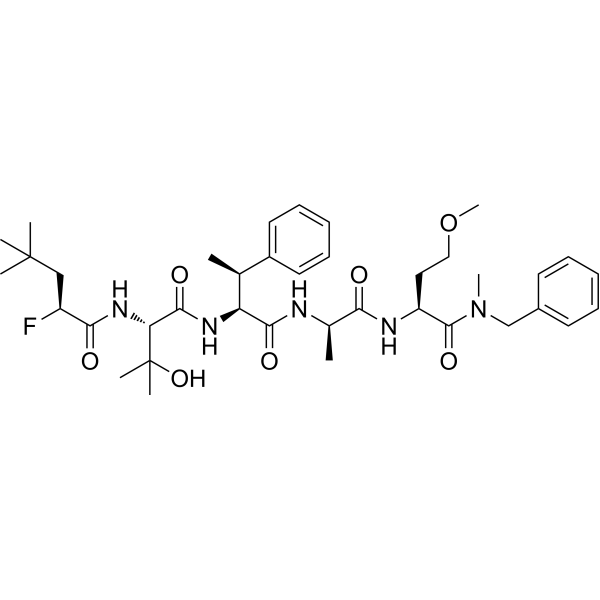
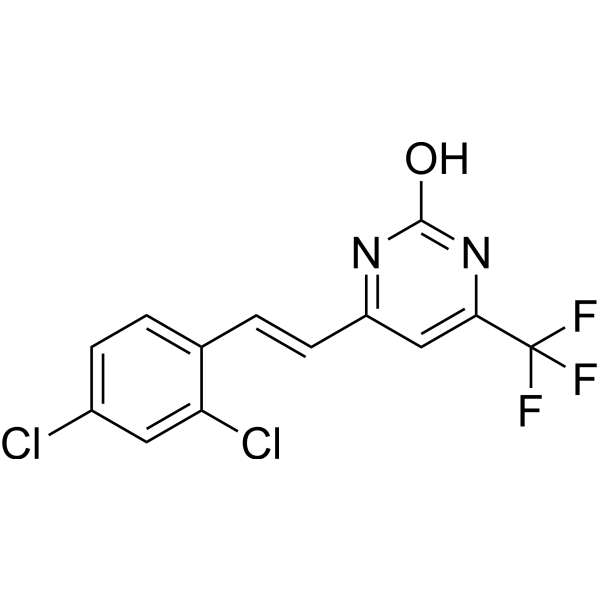
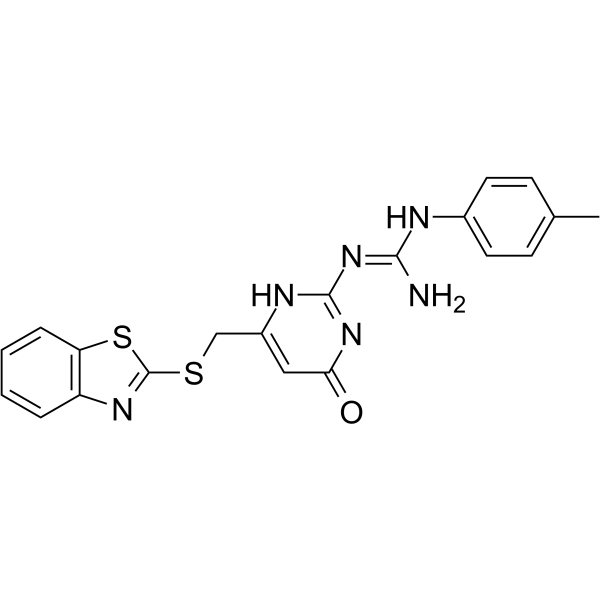
FAZ-3532 is a G3BP inhibitor (Kd = 0.54 μM) which binds to the NTF2L nsP3 binding pocket in G3BP1. FAZ-3532 disrupts the co-condensation of RNA, G3BP1, and caprin 1. FAZ-3532 inhibits G3BP-driven stress granule formation. FAZ-3532 can be studied as a powerful tool to probe the biology of stress granules and a promising interventions designed to modulate stress granule formation .
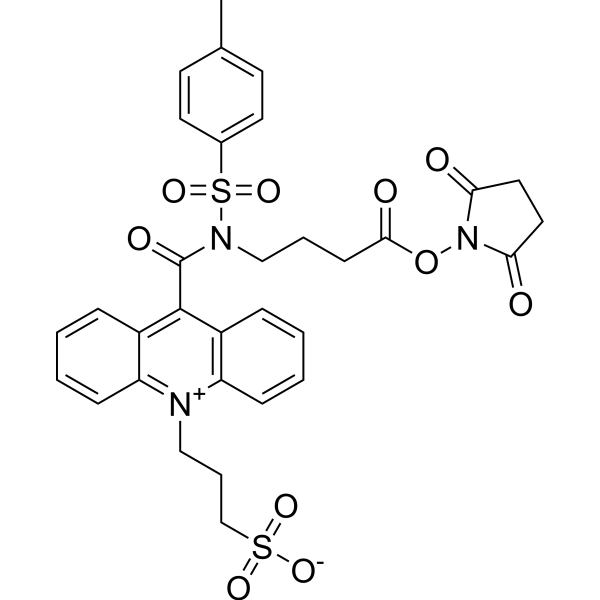
NSP-SA-NHS is an acridinium ester that can be used for chemiluminescent immunoassay. A rapid and sensitive chemiluminescent immunoassay of Bisphenol A (BPA) with NSP-SA-NHS-labeled has been developed .
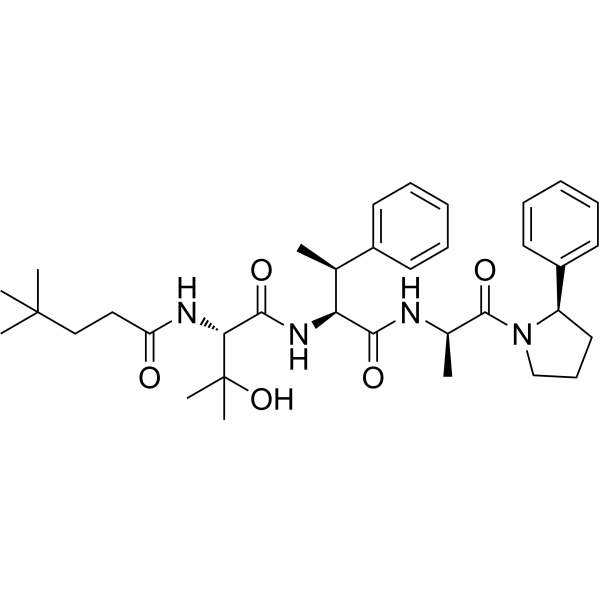
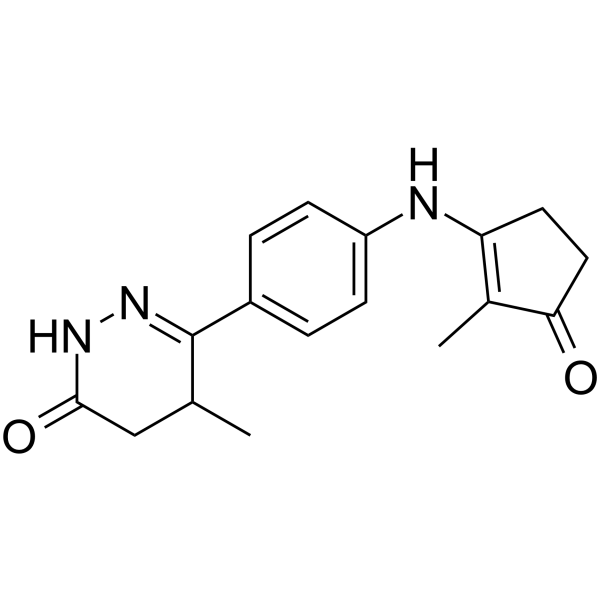
FAZ-3780 is an inhibitor that binds to the NTF2L domain of G3BP1/2. FAZ-3780 binds to the NTF2L nsP3 of G3BP1 with high affinity, with a Kd of 0.15 μM and a Pep-FRET IC50 of 0.7 μM. FAZ-3780 targets the protein-protein interaction domain of G3BP1/2, and specifically inhibits the co-condensation of G3BP1, caprin 1 and RNA in vitro. FAZ-3780 inhibits stress granule formation and disassembles pre-formed stress granules. FAZ-3780 can be used in studies related to cancer and neurodegenerative diseases .
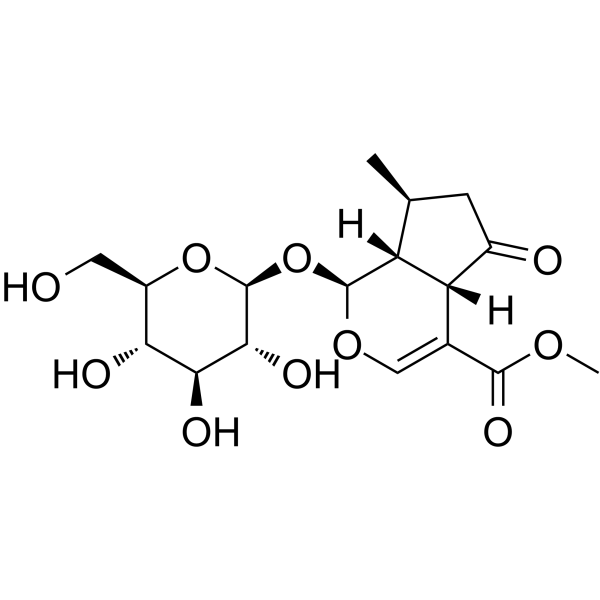
Verbenalin is an orally active terpenoid glycoside that can be extracted from the medicinal plant Verbena officinalis. Verbenalin has anti-inflammatory, antiviral, and neuroprotective effects. Verbenalin has a strong binding affinity to the nsp-12 protein of the SARS-CoV-2 virus. Verbenalin can be used in the research of inflammatory and nervous system diseases such as hepatitis and Alzheimer's disease .
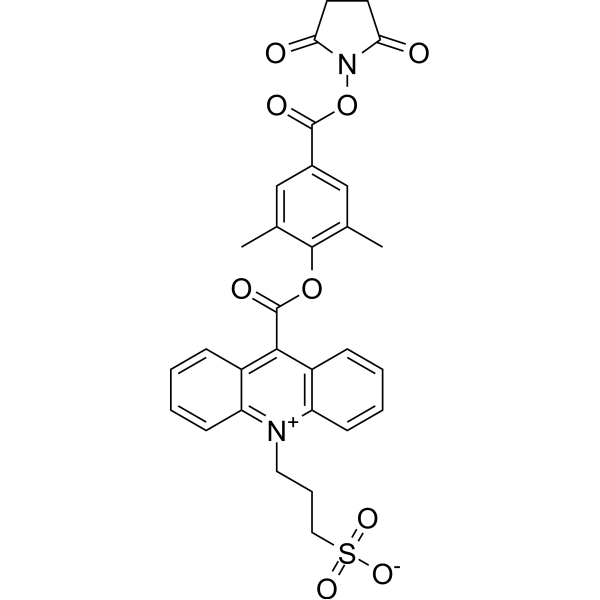
NSP-DMAE-NHS is an acridinium ester-based signal amplifier that can act as a luminescent probe to effectively improve the detection performance of biosensors. NSP-DMAE-NHS preserves the biochemical activity of biomolecules during the conjugation process. NSP-DMAE-NHS has been successfully applied to label mouse anti-human PI3 monoclonal antibodies for chemiluminescent immunoassays, as well as for pre-competitive chemiluminescent immunochromatographic detection of TP53 fusion proteins. NSP-DMAE-NHS can be used in detection studies of cancer and related biomarkers .
RA-0002034 is a Chikungunya virus (CHIKV) nsP2 protease inhibitor with an IC50 of 58 nM. RA-0002034 covalently modifies the catalytic cysteine in a site-specific manner .
Cathepsin C-IN-5 (compound SF38) is a potent, selective and orally active Cathepsin C inhibitor with IC50s of 59.9 nM, 4.26 µM, >5 µM, >5 µM, >5 µM for Cat C, Cat L, Cat S, Cat B, Cat K, respectively. Cathepsin C-IN-5 inhibits the Cat C activity in bone marrow and blood. Cathepsin C-IN-5 decreases the activation of NSPs (neutrophil serine proteases). Cathepsin C-IN-5 shows anti-inflammatory activity .
Arbemnifosbuvir is a nidovirus DdRp-associated nucleotidyltransferase (NiRAN) domain of non-structural protein 12 (nsp12)-interfering drugs. Arbemnifosbuvir can be used for SARS-CoVs infection research .
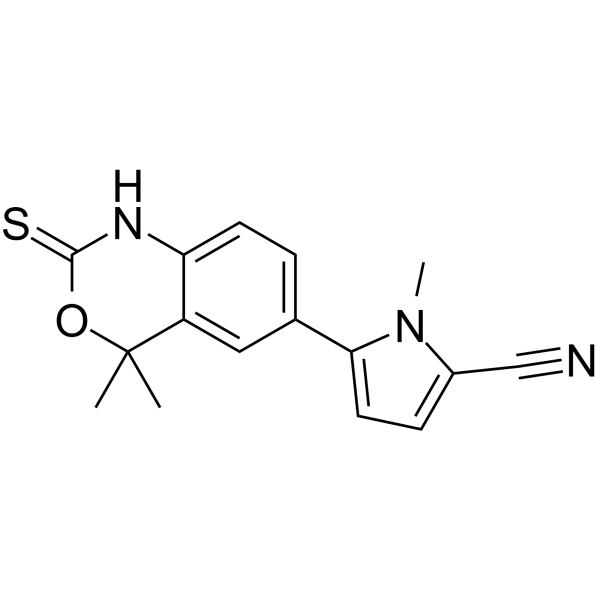
Tanaproget is an orally effective, selective nonsteroidal progesterone receptor (PR) agonist targeting human PR with an IC50 of 1.7 nM. Tanaproget promotes the interaction between PR receptors and coactivators (such as SRC-1), thereby inhibiting the secretion of matrix metalloproteinases (MMP-3/MMP-7) and reducing endometrial tissue invasion and angiogenesis. Tanaproget can be used for contraception and endometriosis inhibition research .
SGC-NSP2hel-1 (RA-0188293), a chemical probe, is a potent, specific and orally active nsP2 inhibitor. SGC-NSP2hel-1 has broad spectrum activity against multiple alphaviruses of the nsP2 helicase with a CC50 > 250 μM.
SGC-NSP2hel-1 (RA-0188293) shows selectivity index > 4000 against human
RNA helicases. SGC-NSP2hel-1 reduces virus replication and limited virus-induced pathology by forming a stable complex with nsP2 and ATP in a preclinical small animal model of CHIKV disease.
TDI-015051 is a highly selective, orally active antiviral agent that targets the coronavirus NSP14guanine-N7 methyltransferase. TDI-015051 binds to substrates in a non-competitive manner and forms a stable ternary complex, precisely blocking the capping and methylation processes of viral mRNA. TDI-015051 potently inhibits a variety of coronaviruses (including SARS-CoV-2 and MERS). By impairing viral replication and translation and inducing a moderate type I interferon-mediated immune response, it significantly reduces pulmonary viral load and exhibits a synergistic effect with Nirmatrelvir (HY-138687). In addition, TDI-015051 does not inhibit non-coronavirus methyltransferases, and the drug-resistant mutations it induces impair viral fitness, demonstrating excellent antiviral properties and safety. TDI-015051 can be used for research on COVID-19 and the replication mechanism of coronaviruses .The IC50 values of TDI-015051 against SARS-CoV-2, α-hCoV-NL63, α-hCoV-229E, β-hCoV-MERS are 0.15 nM, 1.7 nM, 2.6 nM and 3.6 nM, respectively, and the Ka value against SARS-CoV-2 is 0.061 nM .
SARS-CoV-2 nsp13-IN-1 (compound C1) is a potent nsp13 (non-structural protein 13) inhibitor. SARS-CoV-2 nsp13-IN-1 only inhibits nsp13 ssDNA + ATPase, with an IC50 of 6 μM. SARS-CoV-2 nsp13-IN-1 does not inhibit ssDNA - ATPase. SARS-CoV-2 nsp13-IN-1 can be used for COVID-19 research .
SARS-CoV-2-IN-60 (compound 5a) is an S-adenosylmethionine (SAM)-competitive and irreversible SARS-CoV-2 nsp16-nsp10 methyltransferase activity inhibitor with an IC50 of 9 μM and a Ki of 26 μM. SARS-CoV-2-IN-60 can specifically occupy a newly identified pocket adjacent to the SAM-binding site on nsp16. SARS-CoV-2-IN-60 has the potential for pan-coronavirus therapeutics .
DABCYL-RAGGYIFS-(E-EDANS)-NH2, an octapeptide, is a FRET-based substrate peptide of CHIKV nsP2protease with highly sensitivity. DABCYL-RAGGYIFS-(E-EDANS)-NH2 can be cleaved by the active CHIKV nsP2protease, separating fluorophore and quencher and resulting in an increase of fluorescence signal. DABCYL-RAGGYIFS-(E-EDANS)-NH2 can used for the determination of CHIKV nsP2protease activity .
FWM-1 is a potent SARS-COV-2 NSP13 helicase enzyme inhibitor with binding free energy equals -328.6 kcal/mol. FWM-1 effectively disrupts the binding of ATP to the SARS-COV2 helicase enzyme .
SARS-CoV-2 nsp3-IN-1 (Compound 15c) is a Mac1 (SARS-CoV-2 nsp3 macrodomain) inhibitor with the IC50 value of 6.1 μM. SARS-CoV-2 nsp3-IN-1 can inhibit Mac1 ADP-ribosylhydrolase activity. SARS-CoV-2 nsp3-IN-1 demonstrates notable selectivity for coronavirus macrodomains, especially towards SARS-CoV-2 Mac1 .
SARS-CoV-2 nsp13-IN-2 (Compound C2) is a SARS-CoV-2 non-structural protein 13 (nsp13) small-molecule inhibitor with an IC50 of 42 μM against nsp13 ssDNA + ATPase .
CHIKV nsP2 protease-IN-3 (Compound 5) is an irreversible covalent inhibitor targeting the nonstructural protein 2 (nsP2) cysteine protease of chikungunya virus (CHIKV) (IC50=0.5 μM). CHIKV nsP2 protease-IN-3 inhibits viral RNA replication. CHIKV nsP2 protease-IN-3 is promising for research of alphaviruses .
SGC-NSP2PRO-1 is a potent irreversible covalent inhibitor of Chikungunya (CHIKV) nsP2 cysteine protease with an IC50 value of 60 nM. SGC-NSP2PRO-1 demonstrates potent antialphavirus activity, inhibiting CHIKV and VEEV replication with EC50 = 0.01 and 0.3 µM, respectively .
NSP-DMAE-HEG-Giu-NHS (Fig.18) is an activated labeling reagent containing acridine ester, and it is a key component of Cyclosporine A (HY-B0579) tracers .
SARS-CoV-2-IN-86 (Compound 2734589) is SARS-CoV-2 methyltransferases nsp14 and nsp16 inhibitor, Andrographolide (HY-N0191) derivative. SARS-CoV-2-IN-86 has low toxicity, and according to toxicity analysis, the predicted LD50 is 700 mg/kg .
Verbenalin (Standard) is the analytical standard of Verbenalin. This product is intended for research and analytical applications. Verbenalin is an orally active terpenoid glycoside that can be extracted from the medicinal plant Verbena officinalis. Verbenalin has anti-inflammatory, antiviral, and neuroprotective effects. Verbenalin has a strong binding affinity to the nsp-12 protein of the SARS-CoV-2 virus. Verbenalin can be used in the research of inflammatory and nervous system diseases such as hepatitis and Alzheimer's disease .
Aranotin strongly binds to Nsp15 viral protein. Aranotin can be used as promising SARS-CoV-2 replication strong inhibitor. Aranotin has the potential for COVID-19 research .
Cathepsin C-IN-4 (compound SF27) is a potent Cathepsin C (Cat C) inhibitor, with an IC50 of 65.6 nM. Cathepsin C-IN-4 also inhibits THP-1 and U937 cell, with IC50 values of 203.4 and 177.6 nM, respectively .
Amb929 (ZINC000002782982), a nsp3 ligand, is an anti-SARS-CoV-2 agent. Amb929 inhibits SARS-CoV2-mNG replication in VeroE6 cells with an EC50 of 34.7 µM. Amb929 has limited and moderate cytotoxicity for VeroE6 cells (CC50: 281 µM). Amb929 also inhibits SARS-CoV-2-mNG replication in Human Airway Epithelium (HAE) .
MH44 is an efficient inhibitor targeting the SARS-CoV-2nsp14 N7-methyltransferase (N7-MTase) with an IC50 of 19 nM. MH44 exhibits moderate antiviral effects in SARS-CoV-2-infected A549-hACE2 cells and shows certain cytotoxicity at higher concentrations. MH44 can be used in the research on anti-SARS-CoV-2 .
SARS-CoV-2-IN-19 (Compound 6g) is a potent inhibitor of SARS-CoV-2 with an EC50 of 8.8 μM. SARS-CoV-2-IN-19 shows potent activity against SARS-CoV-2 helicase (nsp13), a highly conserved enzyme, highlighting a potentiality against emerging HCoVs outbreaks. SARS-CoV-2-IN-19 has the potential for the research of infection diseases .
Nsp12-IN-2 (Compound 8), the triphosphate metabolite of 4'-thiouridine (HY-W113081), is a SARS-CoV-2 Nsp12 inhibitor. Nsp12-IN-2 inhibits the RNA-dependent RNA polymerase (RdRp) activity of the SARS-CoV-2 Nsp12-Nsp7-Nsp8 complex, terminates RNA synthesis and also blocks the RNAylation and NMPylation of Nsp9. Nsp12-IN-2 is promising for research of infections caused by SARS-CoV-2, other coronaviruses, and other RNA viruses .
Nsp12-IN-1 is a nucleoside analogue. Nsp12-IN-1 can block the synthesis of viral RNA and inhibit viral replication. Nsp12-IN-1 can be used in the study of pan-coronavirus .
SARS-CoV-2 nsp13-IN-7 (Compound 6r) is a SARS-CoV-2 nsp13 inhibitor (IC50: 0.28 μM). SARS-CoV-2 nsp13-IN-7 interferes with the helicase function of nsp13 by binding to the 5' RNA site and ATP binding site of nsp13. SARS-CoV-2 nsp13-IN-7 can be used as a lead compound for the development of antiviral drugs targeting SARS-CoV-2 nsp13 .
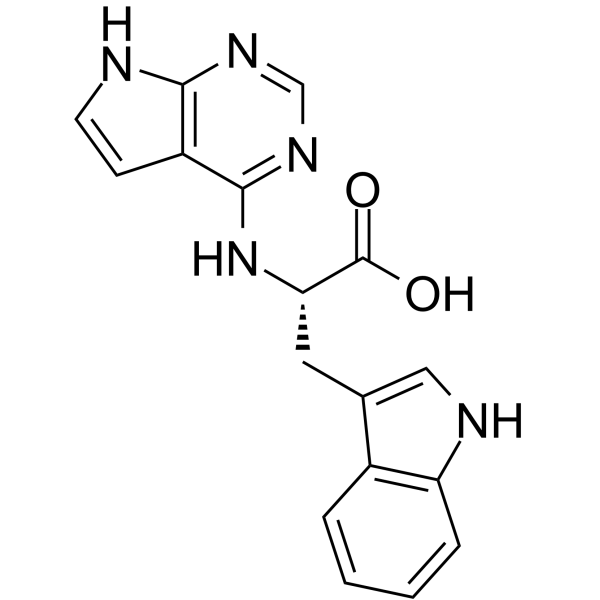
SARS-CoV-2 nsp14-IN-2 is a potent SARS-CoV-2 Nsp14 methyltransferase inhibitor with an IC50 value of 0.093 µM. SARS-CoV-2 nsp14-IN-2 shows antiviral activity. SARS-CoV-2 nsp14-IN-2 shows plasma and liver S9 stability. SARS-CoV-2 nsp14-IN-2 has the potential for the research of COVID-19 .
SARS-CoV-2 nsp14-IN-4 (Compound 12q) is an inhibitor of SARS-CoV-2 nsp14 methyltransferase (IC50=19 nM). SARS-CoV-2 nsp14-IN-4 is non-cytotoxic and cell-permeable. SARS-CoV-2 nsp14-IN-4 is used in COVID-19 research .
SARS-CoV-2 nsp13-IN-4 (C4 (d)) is a potent and selective nsp13 helicase small-molecule inhibitor and inhibit the ssDNA+ ATPase activity of nsp13 with an IC50 value of 57 μM. SARS-CoV-2 nsp13-IN-4 is agentlike molecule with molecular weight of less than 450Da and can provide a broad-spectrum antiviral effect .
SARS-CoV-2 nsp13-IN-5 (compound C6) is a potent SARS-CoV-2 nsp13 inhibitor with IC50 values of 50 and 55 μM for ssDNA + ATPase and ssDNA - ATPase. SARS-CoV-2 nsp13-IN-5 can be used for researching anti-COVID-19 .
SARS-CoV-2 nsp13-IN-3 (Compound C3) is a SARS-CoV-2 non-structural protein 13 (nsp13) small-molecule inhibitor with an IC50 of 32 μM against nsp13 ssDNA + ATPase .
SARS-CoV-2 nsp3-IN-2 is a macrodomain (Mac1) inhibitor with IC50 value of 180 μM. SARS-CoV-2 nsp3-IN-2 is a small molecule chemical probe and can be used for the research of viral .
SARS-CoV-2 nsp13-IN-6 (compound C5) is a potent SARS-CoV-2 non-structural protein 13 (nsp13) inhibitor with IC50 values of 27 and 33 μM for ssDNA + ATPase and ssDNA - ATPase. SARS-CoV-2 nsp13-IN-6 can be used for researching anti-COVID-19 .
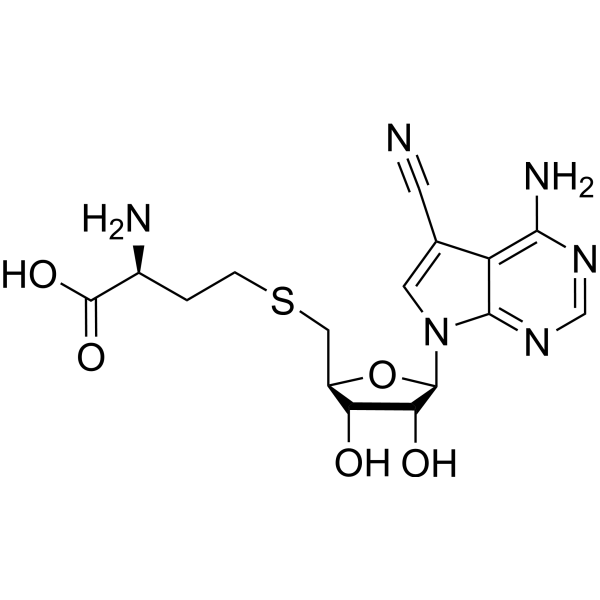
SARS-CoV-2 nsp14-IN-1 (Compound 3) is a prototypic bisubstrate inhibitor of SARS-CoV-2 Nsp14 MTase with an IC50 value of 0.061 μM. SARS-CoV-2 nsp14-IN-1 (Compound 3) has an excellent selectivity profile over a panel of human methyltransferases, can against apanel of 10 human MTases including histone lysine, proteinarginine, and DNA and RNA MTases .
CHIKV nsP2 protease-IN-2 (Compound 2o) is a allosteric nonstructural protein 2 helicase (nsP2hel) inhibitor with IC50s of 0.5 μM and 0.9 μM for nsP2 ATPase and RNA unwindase, respectively. CHIKV nsP2 protease-IN-2 has broad-spectrum antialphaviral activity against chikungunya virus (CHIKV), Mayaro virus (MAYV), and Venezuelan equine encephalitis virus (VEEV) (EC50 of 120 nM for CHIKV-nLuc). CHIKV nsP2 protease-IN-2 can be used for alphaviruses infections research .
CHIKV nsP2 protease-IN-1(compound J13) is an oral active non-structural protein 2 protease inhibitor with the EC50 of 0.39 μM aganist of CHIKV S27. CHIKV nsP2 protease-IN-1 can be used for study of Chikungunya virus .
RTN1 Human Pre-designed siRNA Set A contains three designed siRNAs for RTN1 gene (Human), as well as a negative control, a positive control, and a FAM-labeled negative control.
13-TP is an inhibitor of SARS-CoV-2. 13-TP effectively inhibits the SARS-CoV-2 central replication transcription complex (C-RTC, nsp12-nsp7-nsp82) catalyzed in vitro RNA synthesis. 13-TP completely inhibits the RdRp polymerization activity. 13-TP blocks the full extension of some of the primer RNA .
C-467929 is an Nsp15 endoribonuclease inhibitor with an IC50 of 8 μM. C-467929 binds to the SARS-CoV Nsp15 protein and can be utilized in infection research .
PRRSV-IN-1 (Compound 4s) is a nsp4 protease inhibitor targeting PRRSV, exhibiting an EC50 of 0.45 μM against PRRSV. It binds to the nsp4 protease with a Kd value of 29.24 pM and inhibits nsp4 protease activity with an IC50 of 80.36 pM. PRRSV-IN-1 can be used for research in the field of antiviral infections .
SARS-CoV-2-IN-76 (compound 1) is a nsp14-viral cap N7 methyltranferase and PLpro inhibitor of severe acute respiratory syndrome corona virus (SARS-CoV-2) .
ZFYVE9 Human Pre-designed siRNA Set A contains three designed siRNAs for ZFYVE9 gene (Human), as well as a negative control, a positive control, and a FAM-labeled negative control.
SPECC1 Human Pre-designed siRNA Set A contains three designed siRNAs for SPECC1 gene (Human), as well as a negative control, a positive control, and a FAM-labeled negative control.
FWM-5 is a potent NSP13 helicase inhibitor. SARS-COV-2 NSP13 helicase enzyme plays crucial role in the virus life cycle. FWM-5 has the potential for the research of infection diseases .
Ferrocin A is a lipopeptide compound that targets the SARS-CoV-2 RNA-dependent RNA polymerase (nsp12). Ferrocin A can stably bind to nsp12, and as an iron-chelating peptide, it reduces the concentration of free iron in the environment via complexation, thereby inhibiting bacterial growth by repressing the acquisition of essential metal cations. As an iron-chelating antiviral molecule, Ferrocin A may be used in studies related to COVID-19 and bacterial infections .
(E/Z)-RA-0002034 is a Chikungunya virus (CHIKV) nsP2 protease inhibitor with IC50 of 58 nM. RA-0002034 covalently modifies the catalytic cysteine in a site-specific manner.
SARS-CoV-2-IN-72 (compound 12) is a potent allosteric inhibitor of the SARS-COV-2 papain-like protease domain that can trigger the degradation of NSP3 .
MTase-IN-1 (compound 26) is a potent and selective inhibitor of coronavirus nsp14 N7-methyltransferases, with an IC50 of 0.72 nM. MTase-IN-1 impairs viral RNA translation and immune evasion .
RTN4 Human Pre-designed siRNA Set A contains three designed siRNAs for RTN4 gene (Human), as well as a negative control, a positive control, and a FAM-labeled negative control.
1"-α-Azido-RDPr (Compound 11) is an analog of adenosine diphosphate ribose, and exhibits inhibitory efficacy against the SARS-CoV-2 nonstructural protein macodomain SARS-CoV-2 NSP3 Mac1 with an IC50 of 30 nM .
CID15997213 is a blood-brain barrier penetrating antiviral agent. CID15997213 targets the amino-terminal domain of the VEEV nonstructural protein 2 (nsP2). CID15997213 shows alphavirus-specific antiviral effect, inhibiting VEEV and Western equine encephalitis virus .
SARS-CoV-2-IN-97 (Compound CO-01) is an inhibitor for SARS-CoV-2 Nsp15 endoribonuclease with an IC50 of 53.5 μM. SARS-CoV-2-IN-97 exhibits low cytotoxicity in A549-AT cell with IC50 of 134 μM .
RU-0415529 is an orally active inhibitor for SARS-CoV-2 nonstructural protein 14 (NSP14) with an IC50 of 356 nM. RU-0415529 binds to the SAH-stabilized cap binding pocket, inhibits viral RNA methylation and the viral replication. RU-0415529 exhibits anti-infectious activity in mouse models .
MTI013 is a selective SARS-CoV-2 nsp14 Mtase inhibitor (IC50: 2.98 μM) and an antiviral agent (IC50: 10.33 μM in HCoV-229E-infected Huh7 cells). MTI013 also shows a synergistic antiviral effect with the RdRp inhibitor SHEN26 (HY-155488) .
RdRP-IN-9 (Compound 6b) is a reversible covalent allosteric inhibitor of RdRp. RdRP-IN-9 demonstrates high anti-coronavirus activity, with an EC50 value of 0.68 μM against HCoV-OC43 RdRP-IN-9 exerts a more prolonged antiviral effect by reversibly acylating Cys12 in the NiRAN domain of non-structural protein 12 (nsp 12) and exhibits synergistic anti-coronavirus activity with Molnupiravir (HY-135853) .
SARS-CoV-2 nsp14-IN-8 (Compound 26) is a SARS-CoV-2nsp14 inhibitor, with an IC50 of 53 nM. SARS-CoV-2 nsp14-IN-8 shows IC50 values of 170 nM, 8 nM, 21 nM against SARS-CoV-1 nsp14, HCoV-NL63 nsp14, HCoV-229E nsp14, respectively. SARS-CoV-2 nsp14-IN-8 can be used in the research of Coronavirus infection .
SARS-CoV-2 nsp14-IN-11 (Compound 13) is a NSP14 exonuclease inhibitor (pIC50 = 4.4). SARS-CoV-2 nsp14-IN-11 shows robust and complete NSP14 exonuclease inhibition. SARS-CoV-2 nsp14-IN-11 can be used in the research of SARS-CoV-2 infection .
SARS-CoV-2 nsp14-IN-10 is a highly potent and selective NSP14 (IC50 = 0.34 µM) S-adenosylmethionine (SAM) binding pocket inhibitor. SARS-CoV-2 nsp14-IN-10 demonstrates robust antiviral activity against SARS-CoV-2. SARS-CoV-2 nsp14-IN-10 exhibits broad-spectrum activity against other betacoronaviruses and inhibits SARS-CoV-2 at the replication stage. SARS-CoV-2 nsp14-IN-10 suppresses viral translation and exhibits immunostimulatory effects. SARS-CoV-2 nsp14-IN-10 specifically reverses NSP14-mediated alterations inhost transcriptome. SARS-CoV-2 nsp14-IN-10 can be used for the study of SARS-CoV-2 .
SARS-CoV-2 nsp14-IN-6 (Compound 35) is a SARS-CoV-2 Nsp14 MTase inhibitor with an IC50 of 0.24 μM. SARS-CoV-2 nsp14-IN-6 has potent antiviral activity against SARS-CoV-2 replication. SARS-CoV-2 nsp14-IN-6 increases lipophilicity, further improving cell permeability. SARS-CoV-2 nsp14-IN-6 can be used for human coronaviruses research .
SARS-CoV-2 nsp14-IN-9 (Compound 4P) is a selective nsp14 inhibitor with an IC50 of 0.20 μM. SARS-CoV-2 nsp14-IN-9 inhibits both mouse hepatitis virus and SARS-CoV-2 replication .
SARS-CoV-2 nsp14-IN-6 (Compound 35) ammonium is a SARS-CoV-2 Nsp14 MTase inhibitor with an IC50 of 0.24 μM. SARS-CoV-2 nsp14-IN-6 ammonium has potent antiviral activity against SARS-CoV-2 replication. SARS-CoV-2 nsp14-IN-6 ammonium increases lipophilicity, further improving cell permeability. SARS-CoV-2 nsp14-IN-6 ammonium can be used for human coronaviruses research .
RdRP-IN-10 is a SARS-CoV-2 RNA-dependent RNA polymerase (RdRp) inhibitor with an IC50 value of 5.78 μM. RdRP-IN-10 forms covalent binds with SARS-CoV-2 nsp8 Cys114, disrupts nsp8-nsp12 stabilizing interactions. RdRP-IN-10 inhibits SARS-CoV-2 RdRp-mediated RNA polymerization without interfering with RNA-RdRp complex binding. RdRP-IN-10 exerts antiviral effects in cellular models. RdRP-IN-10 can be used for the research of SARS-CoV-2 infection .
JFD00244 (Standard) is the analytical standard of JFD00244 (HY-108986). This product is intended for research and analytical applications. JFD00244 is a sirtuin 2 (SIRT2) inhibitor, with anti-tumor effect. JFD00244 is also a Nsp-16 inhibitor against SARS-CoV-2 .
BFB78 is a blood-brain barrier-permeable nsP2 protease inhibitor. BFB78 potently and broadly inhibits the purified nsP2 proteases of various alphaviruses, with IC50 values ranging from 21.6 nM (Mayaro virus; MAYV) to 130.7 nM (Chikungunya virus; CHIKV). BFB78 blocks viral replication in cell culture systems and reduces viral titers in the brains of mice. BFB78 can be used in studies related to Venezuelan equine encephalitis virus (VEEV) infection .
XJ5 is a non-nucleoside covalent inhibitor of Nsp12 (IC50=0.12 μM), which is the non-structural protein 12 of the virus. XJ5 has the potential to be an antiviral inhibitor of SARS-CoV-2 .
LRH-0003 is an inhibitor of the Macrodomain 1 (Mac1) of nonstructural protein 3 (NSP3) from SARS-CoV-2, with an IC50 value of 1.7 μM. LRH-0003 can be used for the research antiviral infection targeting SARS-CoV-2 .
TDI-014925 (Compound 58) is a SARS-CoV-2 methyltransferase nonstructural protein 14 (NSP14) inhibitor with an IC50 of 0.2 nM. TDI-014925 has an antiviral activity with significant microsomal stability and no CYP inhibitory activity. TDI-014925 can be used for COVID-19 research .
MWAC-3429 is a potent SARS-CoV-2 Nsp13 helicase inhibitor. MWAC-3429 inhibits SARS-CoV-2 and SARS-CoV1 with EC50s of 5.39 (nLuc assay) and 17.00 μM (CPE assay), respectively, while showing low cytotoxicity in A549-hACE2 cells (CC50 > 50 μM). MWAC-3429 can be used for SARS-CoV-infection research .
Antiviral agent 86 is an anti-coronavirus agent. Antiviral agent 86 acts as a binder of coronavirus non-structural protein 15 (nsp15), with a Ka value of 67 μM against human targets. Antiviral agent 86 inhibits the replication of HCoV-229E and SARS-CoV-2. Antiviral agent 86 exerts inhibitory effects at the post-entry lifecycle stage of coronaviruses in host cells and inhibits the formation of viral double-stranded RNA (dsRNA). Antiviral agent 86 exhibits an additive antiviral effect when used in combination with GS-441524. Antiviral agent 86 can be used in studies related to coronavirus infections .
COVID-19 poses a serious threat to people's health, and it is urgent to develop drugs to treat COVID-19 quickly. The screening of anti-COVID-19 drugs by using the clinical and approved compounds can greatly shorten the research and development cycle. In addition, the virtual screening technology can effectively narrow the scope of screening and improve the screening efficiency in the pre-screening of new drugs.
Taking advantage of our virtual screening, we conduct virtual screening of approved compound library and clinical compound library based on the 3CL protease (PDB ID: 6LU7), Spike Glycoprotein (PDB ID: 6VSB), NSP15 (PDB ID: 6VWW), RDRP, PLPro and ACE2 (Angiotensin Converting Enzyme 2) structure. We design a unique collection of 1,384 compounds which may have anti-COVID-19 activity. Anti-COVID-19 Compound Library will be a powerful tool for screening new anti-COVID-19 activity drugs.
NSP-SA-NHS is an acridinium ester that can be used for chemiluminescent immunoassay. A rapid and sensitive chemiluminescent immunoassay of Bisphenol A (BPA) with NSP-SA-NHS-labeled has been developed .
DABCYL-RAGGYIFS-(E-EDANS)-NH2, an octapeptide, is a FRET-based substrate peptide of CHIKV nsP2protease with highly sensitivity. DABCYL-RAGGYIFS-(E-EDANS)-NH2 can be cleaved by the active CHIKV nsP2protease, separating fluorophore and quencher and resulting in an increase of fluorescence signal. DABCYL-RAGGYIFS-(E-EDANS)-NH2 can used for the determination of CHIKV nsP2protease activity .
SARS-CoV-2-IN-86 (Compound 2734589) is SARS-CoV-2 methyltransferases nsp14 and nsp16 inhibitor, Andrographolide (HY-N0191) derivative. SARS-CoV-2-IN-86 has low toxicity, and according to toxicity analysis, the predicted LD50 is 700 mg/kg .
MCE BstB I is a restriction enzyme for rapid DNA digestion, including plasmid, genomic DNA as well as PCR products. Isoschizomers: Asu II, Bpu14 I, Bsp119 I, BspT104 I, Nsp V, Sfu I.
Verbenalin is an orally active terpenoid glycoside that can be extracted from the medicinal plant Verbena officinalis. Verbenalin has anti-inflammatory, antiviral, and neuroprotective effects. Verbenalin has a strong binding affinity to the nsp-12 protein of the SARS-CoV-2 virus. Verbenalin can be used in the research of inflammatory and nervous system diseases such as hepatitis and Alzheimer's disease .
Verbenalin (Standard) is the analytical standard of Verbenalin. This product is intended for research and analytical applications. Verbenalin is an orally active terpenoid glycoside that can be extracted from the medicinal plant Verbena officinalis. Verbenalin has anti-inflammatory, antiviral, and neuroprotective effects. Verbenalin has a strong binding affinity to the nsp-12 protein of the SARS-CoV-2 virus. Verbenalin can be used in the research of inflammatory and nervous system diseases such as hepatitis and Alzheimer's disease .
Ferrocin A is a lipopeptide compound that targets the SARS-CoV-2 RNA-dependent RNA polymerase (nsp12). Ferrocin A can stably bind to nsp12, and as an iron-chelating peptide, it reduces the concentration of free iron in the environment via complexation, thereby inhibiting bacterial growth by repressing the acquisition of essential metal cations. As an iron-chelating antiviral molecule, Ferrocin A may be used in studies related to COVID-19 and bacterial infections .
The ORF1ab gene is a specifically expressed gene of SARS-CoV-2 and can be quickly and sensitively detected to indirectly indicate the level of SARS-CoV-2. The ORF1ab protein is associated with viral replication and transcription, inhibition of host translation machinery, and suppression of host immune responses. SARS-CoV-2 NSP7-NSP8 Heterodimer Protein (His) is a recombinant protein dimer complex containing Virus-derived SARS-CoV-2 NSP7-NSP8 Heterodimer protein, expressed by E. coli , with C-His labeled tag. SARS-CoV-2 NSP7-NSP8 Heterodimer Protein (His), has molecular weight of ~32.8 kDa.
The ORF1ab gene is a specifically expressed gene of SARS-CoV-2 and can be quickly and sensitively detected to indirectly indicate the level of SARS-CoV-2. The ORF1ab protein is associated with viral replication and transcription, inhibition of host translation machinery, and suppression of host immune responses. SARS-CoV-2 NSP7 Protein (His) is the recombinant Virus-derived SARS-CoV-2 NSP7 protein, expressed by E. coli , with C-6*His labeled tag.
The ORF1ab gene is a specifically expressed gene of SARS-CoV-2 and can be quickly and sensitively detected to indirectly indicate the level of SARS-CoV-2. The ORF1ab protein is associated with viral replication and transcription, inhibition of host translation machinery, and suppression of host immune responses. SARS-CoV-2 NSP8 Protein (His) is the recombinant Virus-derived SARS-CoV-2 NSP8 protein, expressed by E. coli , with C-6*His labeled tag.
SARS-CoV-2 NSP3 (NSP3) is one of non-structure protein that binds to viral RNA, nucleocapsid protein, as well as other viral proteins, and contributes in polyprotein processing. NSP3 has also an important role in innate immune response antagonism and is responsible for release of NSP1, NSP2, and NSP3 from the N-terminal region of pp1a and pp1ab. SARS-CoV-2 NSP3 Protein (sf9, His) is the recombinant Virus-derived SARS-CoV-2 NSP3 protein, expressed by Sf9 insect cells , with N-His labeled tag.
The ORF1ab gene is a specifically expressed gene of SARS-CoV-2 and can be quickly and sensitively detected to indirectly indicate the level of SARS-CoV-2. The ORF1ab protein is associated with viral replication and transcription, inhibition of host translation machinery, and suppression of host immune responses. SARS-CoV-2 NSP1 Protein (His) is the recombinant Virus-derived SARS-CoV-2 NSP1 protein, expressed by E. coli , with C-6*His labeled tag.
The ORF1ab gene is a specifically expressed gene of SARS-CoV-2 and can be quickly and sensitively detected to indirectly indicate the level of SARS-CoV-2. The ORF1ab protein is associated with viral replication and transcription, inhibition of host translation machinery, and suppression of host immune responses. SARS-CoV-2 NSP2 Protein (His) is the recombinant Virus-derived SARS-CoV-2 NSP2 protein, expressed by E. coli , with C-6*His labeled tag.
The ORF1ab gene is a specifically expressed gene of SARS-CoV-2 and can be quickly and sensitively detected to indirectly indicate the level of SARS-CoV-2. The ORF1ab protein is associated with viral replication and transcription, inhibition of host translation machinery, and suppression of host immune responses. SARS-CoV-2 NSP10 Protein (His) is the recombinant Virus-derived SARS-CoV-2 NSP10 protein, expressed by E. coli , with N-6*His labeled tag.
The multifunctional SARS-CoV-2 PP1ab protein is essential for viral RNA transcription and replication, utilizing proteases for multi-protein cleavage. It inhibits host translation by binding to the 40S subunit and blocks ribosomal mRNA entry channels, thereby hindering the antiviral response. NSP16/NSP10 Protein, SARS-CoV-2 is the recombinant virus-derived NSP16/NSP10, expressed by E. coli, with tag-free.
The multifunctional SARS-CoV-2 PP1ab protein is essential for viral RNA transcription and replication, utilizing proteases for multi-protein cleavage. It inhibits host translation by binding to the 40S subunit and blocks ribosomal mRNA entry channels, thereby hindering the antiviral response. NSP16/NSP10 Protein, Severe acute respiratory syndrome coronavirus 2 (2019-nCoV) (SARS-CoV-2) (His) is the recombinant virus-derived NSP16/NSP10, expressed by E. coli, with His labeled tag.
The multifunctional SARS Plpro/papain-like protease protein utilizes essential proteases for multi-protein cleavage to strategically coordinate viral RNA transcription and replication. It blocks host translation by interacting with the 40S ribosomal subunit, causing endonucleolytic cleavage near the 5'UTR of host mRNAs, thereby targeting them for degradation. SARS Plpro/papain-like protease Protein (His-Avi) is the recombinant Virus-derived SARS Plpro/papain-like protease protein, expressed by E. coli , with N-His, N-Avi labeled tag.
The multifunctional SARS-CoV-2 PP1ab protein is essential for viral RNA transcription and replication, utilizing proteases for multi-protein cleavage. It inhibits host translation by binding to the 40S subunit and blocks ribosomal mRNA entry channels, thereby hindering the antiviral response. SARS-CoV-2 PP1ab Protein (His-MBP) is the recombinant Virus-derived SARS-CoV-2 PP1ab protein, expressed by E. coli , with C-6*His labeled tag.
The ORF1ab gene is a specifically expressed gene of SARS-CoV-2 and can be quickly and sensitively detected to indirectly indicate the level of SARS-CoV-2. The ORF1ab protein is associated with viral replication and transcription, inhibition of host translation machinery, and suppression of host immune responses. SARS-CoV-2 Guanine-N7 methyltransferase Protein (His) is the recombinant Virus-derived SARS-CoV-2 Guanine-N7 methyltransferase protein, expressed by E. coli , with N-6*His labeled tag.
The multifunctional PL-PRO protein plays a critical role in viral RNA transcription and replication, providing the necessary proteases for multiprotein cleavage. It strategically blocks host translation by binding to the open head conformation of the 40S subunit, impeding ribosomal mRNA entry into the tunnel. NSP3 Protein, SARS-CoV-2 (His) is the recombinant virus-derived NSP3, expressed by E. coli, with N-His labeled tag.
The multifunctional PL-PRO protein plays a critical role in viral RNA transcription and replication, providing the necessary proteases for multiprotein cleavage. It strategically blocks host translation by binding to the open head conformation of the 40S subunit, impeding ribosomal mRNA entry into the tunnel. SARS-CoV-2 NSP7 Protein (His-Avi) is the recombinant virus-derived NSP7, expressed by E. coli, with C-His-Avi labeled tag.
The multifunctional PL-PRO protein plays a critical role in viral RNA transcription and replication, providing the necessary proteases for multiprotein cleavage. It strategically blocks host translation by binding to the open head conformation of the 40S subunit, impeding ribosomal mRNA entry into the tunnel. NSP3 Protein, SARS-CoV-2 (A1-F372) is the recombinant virus-derived NSP3, expressed by E. coli, with tag-free.
The multifunctional PL-PRO protein plays a critical role in viral RNA transcription and replication, providing the necessary proteases for multiprotein cleavage. It strategically blocks host translation by binding to the open head conformation of the 40S subunit, impeding ribosomal mRNA entry into the tunnel. NSP3 Protein, SARS-CoV-2 (A1-T183) is the recombinant virus-derived NSP3, expressed by E. coli, with tag-free.
The multifunctional PL-PRO protein plays a critical role in viral RNA transcription and replication, providing the necessary proteases for multiprotein cleavage. It strategically blocks host translation by binding to the open head conformation of the 40S subunit, impeding ribosomal mRNA entry into the tunnel. NSP3 Protein, SARS-CoV-2 (I388-R745) is the recombinant virus-derived NSP3, expressed by E. coli, with tag-free.
The multifunctional PL-PRO protein plays a critical role in viral RNA transcription and replication, providing the necessary proteases for multiprotein cleavage. It strategically blocks host translation by binding to the open head conformation of the 40S subunit, impeding ribosomal mRNA entry into the tunnel. NSP3 Protein, SARS-CoV-2 (E746-K1083) is the recombinant virus-derived NSP3, expressed by E. coli, with tag-free.
1"-α-Azido-RDPr (Compound 11) is an analog of adenosine diphosphate ribose, and exhibits inhibitory efficacy against the SARS-CoV-2 nonstructural protein macodomain SARS-CoV-2 NSP3 Mac1 with an IC50 of 30 nM .
RTN1 Human Pre-designed siRNA Set A contains three designed siRNAs for RTN1 gene (Human), as well as a negative control, a positive control, and a FAM-labeled negative control.
ZFYVE9 Human Pre-designed siRNA Set A contains three designed siRNAs for ZFYVE9 gene (Human), as well as a negative control, a positive control, and a FAM-labeled negative control.
SPECC1 Human Pre-designed siRNA Set A contains three designed siRNAs for SPECC1 gene (Human), as well as a negative control, a positive control, and a FAM-labeled negative control.
RTN4 Human Pre-designed siRNA Set A contains three designed siRNAs for RTN4 gene (Human), as well as a negative control, a positive control, and a FAM-labeled negative control.
Inquiry Online
Your information is safe with us. * Required Fields.
Western blot analysis of extracts from THP-1(lane 2(20μg), Jurkat (lane 3(20μg) and NIH3T3(lane 4(20μg) using FOXO1A (HY-P80132) Rabbit mAb. Proteins were transferred
to a PVDF membrane and blocked with 5% non-fat milk in TBST for 2 hour at room temperature. The primary antibody (1/1000) and Loading control antibody (Beta Actin, HY-P80438, 1/10000) was
used in 5% non-fat milk in TBST at 4°C overnight. Goat Anti-Mouse/Rabbit IgG-HRP Secondary Antibody (1/10000) was used for 1 hour at room temperature.
Western blot analysis of extracts from THP-1(lane 2(20μg), Jurkat (lane 3(20μg) and NIH3T3(lane 4(20μg) using FOXO1A (HY-P80132) Rabbit mAb. Proteins were transferred
to a PVDF membrane and blocked with 5% non-fat milk in TBST for 2 hour at room temperature. The primary antibody (1/1000) and Loading control antibody (Beta Actin, HY-P80438, 1/10000) was
used in 5% non-fat milk in TBST at 4°C overnight. Goat Anti-Mouse/Rabbit IgG-HRP Secondary Antibody (1/10000) was used for 1 hour at room temperature.
Western blot analysis of extracts from THP-1(lane 2(20μg), Jurkat (lane 3(20μg) and NIH3T3(lane 4(20μg) using FOXO1A (HY-P80132) Rabbit mAb. Proteins were transferred
to a PVDF membrane and blocked with 5% non-fat milk in TBST for 2 hour at room temperature. The primary antibody (1/1000) and Loading control antibody (Beta Actin, HY-P80438, 1/10000) was
used in 5% non-fat milk in TBST at 4°C overnight. Goat Anti-Mouse/Rabbit IgG-HRP Secondary Antibody (1/10000) was used for 1 hour at room temperature.
Western blot analysis of extracts from THP-1(lane 2(20μg), Jurkat (lane 3(20μg) and NIH3T3(lane 4(20μg) using FOXO1A (HY-P80132) Rabbit mAb. Proteins were transferred
to a PVDF membrane and blocked with 5% non-fat milk in TBST for 2 hour at room temperature. The primary antibody (1/1000) and Loading control antibody (Beta Actin, HY-P80438, 1/10000) was
MedchemExpress Validation 03
Western blot analysis of extracts from THP-1(lane 2(20μg), Jurkat (lane 3(20μg) and NIH3T3(lane 4(20μg) using FOXO1A (HY-P80132) Rabbit mAb. Proteins were transferred
MedchemExpress Validation 04
Western blot analysis of extracts from THP-1(lane 2(20μg), Jurkat (lane 3(20μg) and NIH3T3(lane 4(20μg) using FOXO1A (HY-P80132) Rabbit mAb. Proteins were transferred
to a PVDF membrane and blocked with 5% non-fat milk in TBST for 2 hour at room temperature. The primary antibody (1/1000) and Loading control antibody (Beta Actin, HY-P80438, 1/10000) was
used in 5% non-fat milk in TBST at 4°C overnight. Goat Anti-Mouse/Rabbit IgG-HRP Secondary Antibody (1/10000) was used for 1 hour at room temperature.
MedchemExpress Validation
Western blot analysis of extracts from THP-1(lane 2(20μg), Jurkat (lane 3(20μg) and NIH3T3(lane 4(20μg) using FOXO1A (HY-P80132) Rabbit mAb. Proteins were transferred
to a PVDF membrane and blocked with 5% non-fat milk in TBST for 2 hour at room temperature. The primary antibody (1/1000) and Loading control antibody (Beta Actin, HY-P80438, 1/10000) was
used in 5% non-fat milk in TBST at 4°C overnight. Goat Anti-Mouse/Rabbit IgG-HRP Secondary Antibody (1/10000) was used for 1 hour at room temperature.
Western blot analysis of extracts from THP-1(lane 2(20μg), Jurkat (lane 3(20μg) and NIH3T3(lane 4(20μg) using FOXO1A (HY-P80132) Rabbit mAb. Proteins were transferred
to a PVDF membrane and blocked with 5% non-fat milk in TBST for 2 hour at room temperature. The primary antibody (1/1000) and Loading control antibody (Beta Actin, HY-P80438, 1/10000) was
used in 5% non-fat milk in TBST at 4°C overnight. Goat Anti-Mouse/Rabbit IgG-HRP Secondary Antibody (1/10000) was used for 1 hour at room temperature.
MedchemExpress Validation
Western blot analysis of extracts from THP-1(lane 2(20μg), Jurkat (lane 3(20μg) and NIH3T3(lane 4(20μg) using FOXO1A (HY-P80132) Rabbit mAb. Proteins were transferred
to a PVDF membrane and blocked with 5% non-fat milk in TBST for 2 hour at room temperature. The primary antibody (1/1000) and Loading control antibody (Beta Actin, HY-P80438, 1/10000) was
used in 5% non-fat milk in TBST at 4°C overnight. Goat Anti-Mouse/Rabbit IgG-HRP Secondary Antibody (1/10000) was used for 1 hour at room temperature.
MedchemExpress Validation
Western blot analysis of extracts from THP-1(lane 2(20μg), Jurkat (lane 3(20μg) and NIH3T3(lane 4(20μg) using FOXO1A (HY-P80132) Rabbit mAb. Proteins were transferred
to a PVDF membrane and blocked with 5% non-fat milk in TBST for 2 hour at room temperature. The primary antibody (1/1000) and Loading control antibody (Beta Actin, HY-P80438, 1/10000) was
used in 5% non-fat milk in TBST at 4°C overnight. Goat Anti-Mouse/Rabbit IgG-HRP Secondary Antibody (1/10000) was used for 1 hour at room temperature.
MedchemExpress Validation
Western blot analysis of extracts from THP-1(lane 2(20μg), Jurkat (lane 3(20μg) and NIH3T3(lane 4(20μg) using FOXO1A (HY-P80132) Rabbit mAb. Proteins were transferred
to a PVDF membrane and blocked with 5% non-fat milk in TBST for 2 hour at room temperature. The primary antibody (1/1000) and Loading control antibody (Beta Actin, HY-P80438, 1/10000) was
used in 5% non-fat milk in TBST at 4°C overnight. Goat Anti-Mouse/Rabbit IgG-HRP Secondary Antibody (1/10000) was used for 1 hour at room temperature.
MedchemExpress Validation
Western blot analysis of extracts from THP-1(lane 2(20μg), Jurkat (lane 3(20μg) and NIH3T3(lane 4(20μg) using FOXO1A (HY-P80132) Rabbit mAb. Proteins were transferred
to a PVDF membrane and blocked with 5% non-fat milk in TBST for 2 hour at room temperature. The primary antibody (1/1000) and Loading control antibody (Beta Actin, HY-P80438, 1/10000) was
used in 5% non-fat milk in TBST at 4°C overnight. Goat Anti-Mouse/Rabbit IgG-HRP Secondary Antibody (1/10000) was used for 1 hour at room temperature.
MedchemExpress Validation
Western blot analysis of extracts from THP-1(lane 2(20μg), Jurkat (lane 3(20μg) and NIH3T3(lane 4(20μg) using FOXO1A (HY-P80132) Rabbit mAb. Proteins were transferred
to a PVDF membrane and blocked with 5% non-fat milk in TBST for 2 hour at room temperature. The primary antibody (1/1000) and Loading control antibody (Beta Actin, HY-P80438, 1/10000) was
used in 5% non-fat milk in TBST at 4°C overnight. Goat Anti-Mouse/Rabbit IgG-HRP Secondary Antibody (1/10000) was used for 1 hour at room temperature.
MedchemExpress Validation
Western blot analysis of extracts from THP-1(lane 2(20μg), Jurkat (lane 3(20μg) and NIH3T3(lane 4(20μg) using FOXO1A (HY-P80132) Rabbit mAb. Proteins were transferred
to a PVDF membrane and blocked with 5% non-fat milk in TBST for 2 hour at room temperature. The primary antibody (1/1000) and Loading control antibody (Beta Actin, HY-P80438, 1/10000) was
used in 5% non-fat milk in TBST at 4°C overnight. Goat Anti-Mouse/Rabbit IgG-HRP Secondary Antibody (1/10000) was used for 1 hour at room temperature.
MedChemExpress values your privacy and your trust is important to us. We use cookies to enhance your website experience. Some cookies are necessary to run the website.
Privacy and Cookie Policy

