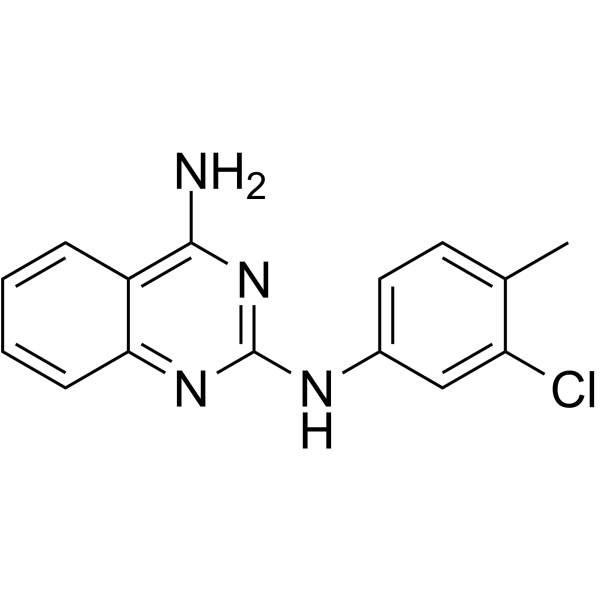
1. Search Result
Search Result
Results for "

Nematode

" in MedChemExpress (MCE) Product Catalog:

117

Inhibitors & Agonists

1

Fluorescent Dye

1

Biochemical Assay Reagents

1

Peptides

42

Natural
Products

13

Isotope-Labeled Compounds

Cat. No. Product Name Target Research Areas Chemical Structure
  • HY-W050154
    Kojic acid
    2 Publications Verification

    Parasite Tyrosinase NF-κB CDK Infection Inflammation/Immunology Cancer
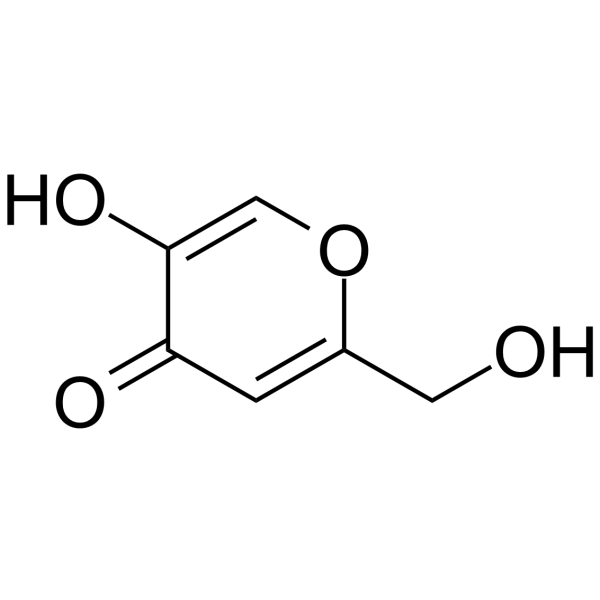
    Kojic acid is a substance produced by Aspergillus oryzae that is orally effective and can also be absorbed transdermally. Kojic acid exhibits various biological activities, including anti-aging, anti-nematode, antimicrobial, antioxidant, and anti-inflammatory effects. Kojic acid is a Tyrosinase inhibitor with an Mushroom Tyrosinase IC50 of 182.7 μM. Kojic acid prevents melanin production by capturing copper ions that bind to the tyrosinase active site, thus inhibiting its activation. Kojic acid also suppresses the NF-κB and p21 signaling pathways in human keratinocytes. Kojic acid derivatives have anticancer activity .
    Kojic acid
  • HY-17595
    Mebendazole
    Maximum Cited Publications
    8 Publications Verification

    Parasite Apoptosis Microtubule/Tubulin Infection Cancer
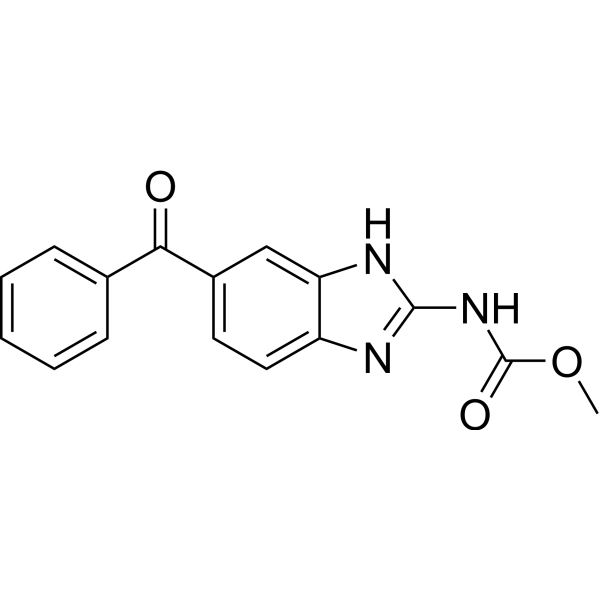
    Mebendazole is a highly effective, broad-spectrum antihelmintic against nematode infestations. Mebendazole also exhibits inhibitory effect against glioblastoma multiforme (GBM), inhibits Hedgehog pathway and tubulin polymerization. Mebendazole is orally active and can cross CNS penetration .
    Mebendazole
  • HY-107212

    Parasite Chloride Channel P-glycoprotein Bacterial Infection
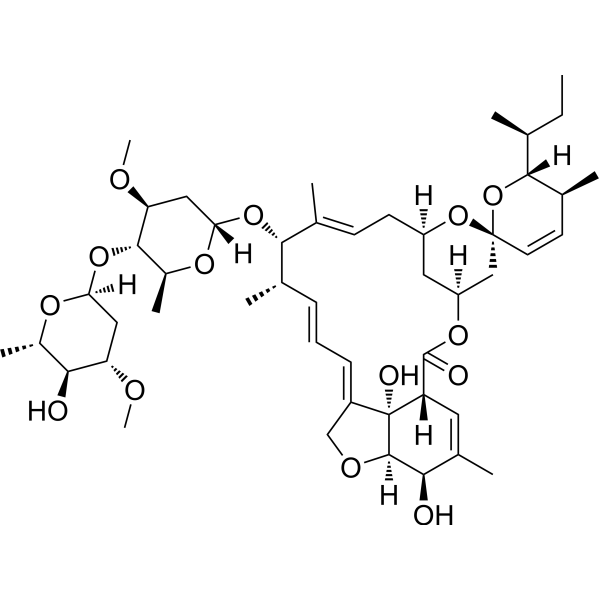
    Selamectin, a semi-synthetic macrocyclic lactone, is a potent parasiticide and anthelminthic. Selamectin activates glutamate-gated chloride channels in neurons and pharyngeal muscles to prevent heartworm, Lymphatic filariae, and nematode infection. Selamectin is also a potent P-glycoprotein substrate and a P-glycoprotein inhibitor with an IC50 of 120 nM .
    Selamectin
  • HY-15308
    Avermectin B1a
    1 Publications Verification

    Abamectin B1a

    Parasite Antibiotic Infection
    Avermectin B1a is an antiparasitic agent that paralyzes nematodes without causing hypercontraction or flaccid paralysis.
    Avermectin B1a
  • HY-107811
    Harmol
    1 Publications Verification

    Autophagy α-synuclein Apoptosis Monoamine Oxidase Mitosis Neurological Disease Cancer
    Harmol is an orally active β-carboline alkaloid. Harmol is a TFEB activator and monoamine oxidase inhibitor. Harmol can induce cell mitosis, Autophagy and Apoptosis. Harmol promotes the degradation of α-synuclein by regulating the autophagy-lysosomal pathway. Harmol has anti-tumor, anti-depressant and anti-aging activities. Harmol improves motor impairment in a mouse Parkinson's disease model .
    Harmol
  • HY-B0778
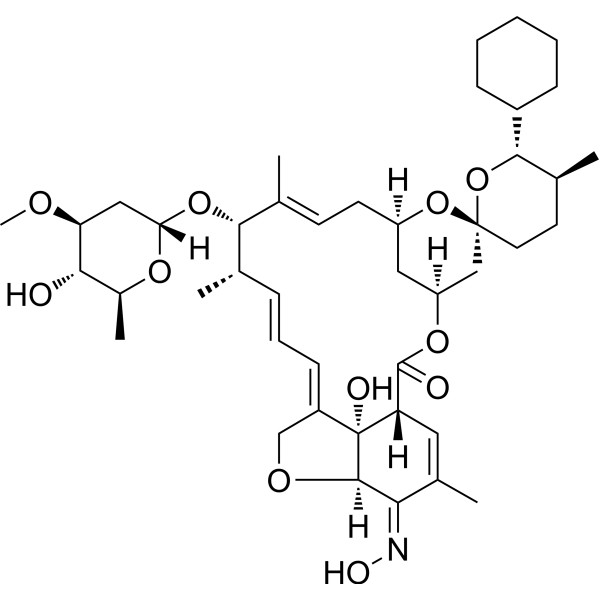
    Milbemycin oxime
    1 Publications Verification

    Antibiotic Parasite Infection
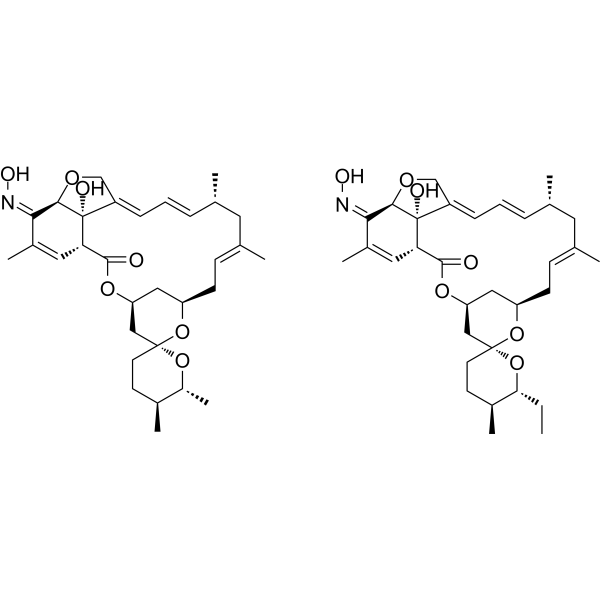
    Milbemycin oxime is an orally active macrolide with broad-spectrum antiparasitic activity. Milbemycin oxime is a mixture of oximes consisting of oxime derivatives corresponding to milbemycin A4 and A3. Milbemycin oxime binds to glutamate-gated chloride channels and has inhibitory potency against intestinal nematodes and lung/heart worms .
    Milbemycin oxime
  • HY-14774
    Monepantel
    1 Publications Verification

    AAD1566; NUZ-001

    mTOR Parasite nAChR Autophagy Infection Neurological Disease Cancer
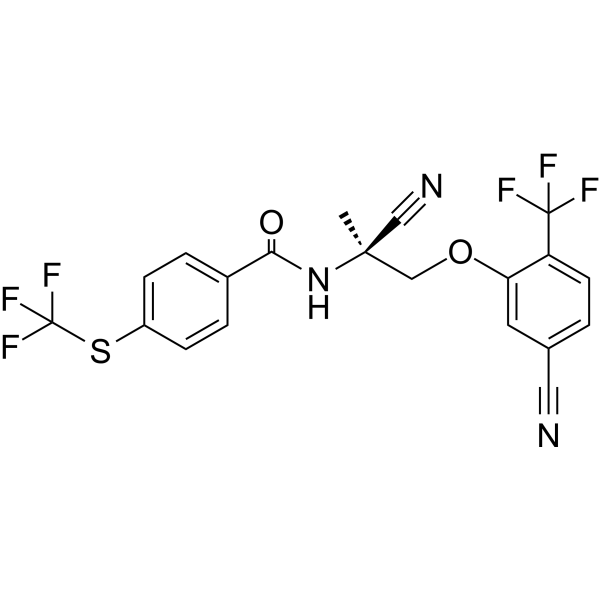
    Monepantel (AAD1566, NUZ-001), an antiparasitic agent, is an orally active mTOR inhibitor. Monepantel triggers autophagy through the deactivation of mTOR/p70S6K signalling pathway. Monepantel is a positive allosteric modulator of a nematode-specific clade of nAChR subunits. Monepantel can be used for the study of amyotrophic lateral sclerosis (ALS) and ovarian cancer .
    Monepantel
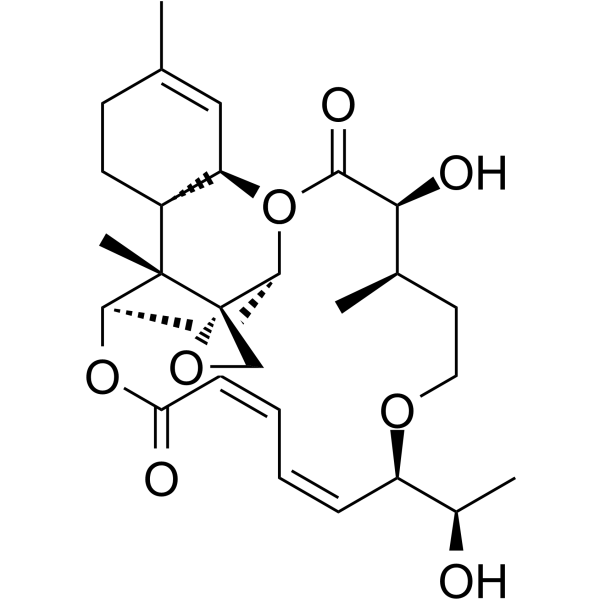
  • HY-N9599

    Fungal Endogenous Metabolite Parasite Insecticide Infection
    Roridin A acts as an inhibitor of pollen development in Arabidopsis thaliana and nematicide. Roridin A is isolated from the fungus Cylindrocarpon sp. Roridin A delays the flowering time of Arabidopsis thaliana, inhibits pollen development and stem elongation, and blocks plant growth. Roridin A induces larval death of the southern root-knot nematode (Meloidogyne incognita) .
    Roridin A
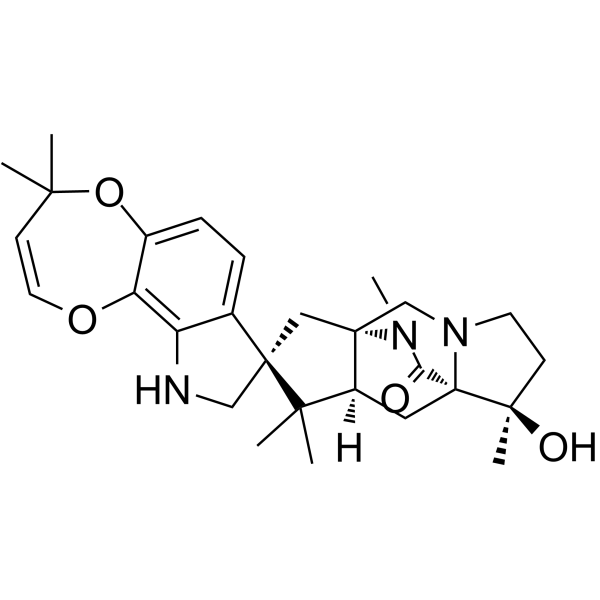
  • HY-125159

    PF-00520904

    Parasite nAChR Infection
    Derquantel, a spirocyclic anthelmintic, is a competitive, orally active nicotinic acetylcholine receptor (nAChR) antagonist. Derquantel inhibits ACh-induced depolarization with an IC50 of 0.22 μM. By selectively antagonizing nAChRs on the somatic muscles of nematodes, Derquantel causes flaccid paralysis of muscles, thereby dislodging parasites from the host's gastrointestinal tract. Derquantel is applicable to research related to Haemonchus contortus infection and Ascaris suum infection .
    Derquantel
  • HY-B1194

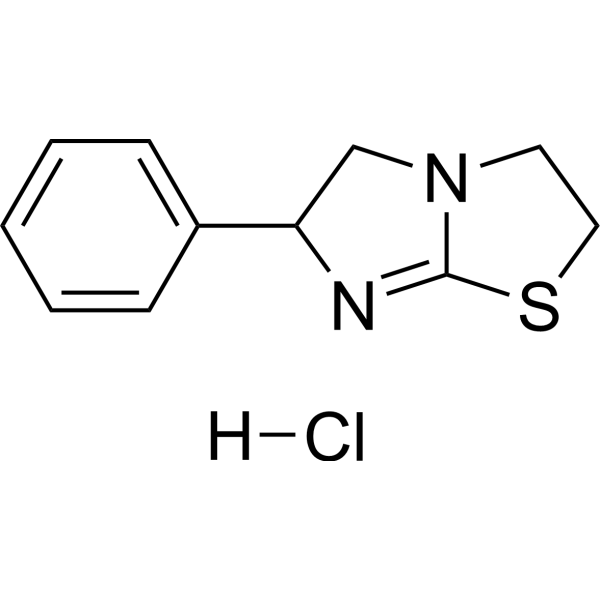
    (±)-Tetramisole hydrochloride; DL-Tetramisole hydrochloride; R-829

    Potassium Channel Parasite PKA Infection Cardiovascular Disease
    Tetramisole hydrochloride is an orally active, selective inward rectifier potassium channel agonist with an EC50 of approximately 30 μM for the Kir2.1 subunit. Tetramisole hydrochloride is also an anti-nematode agent that blocks neuromuscular transmission by non-competitive depolarization. Tetramisole hydrochloride promotes the forward transport of Kir2.1 channels, hyperpolarizes the resting potential (RP), shortens the action potential duration (APD), inhibits intracellular calcium overload and the PKA signaling pathway, and exerts anti-arrhythmic and anti-myocardial remodeling activities. Tetramisole hydrochloride can be used in cardiac electrophysiology research and research related to myocardial ischemia and heart failure .
    Tetramisole hydrochloride
  • HY-N8393

    Bacterial Fungal Infection
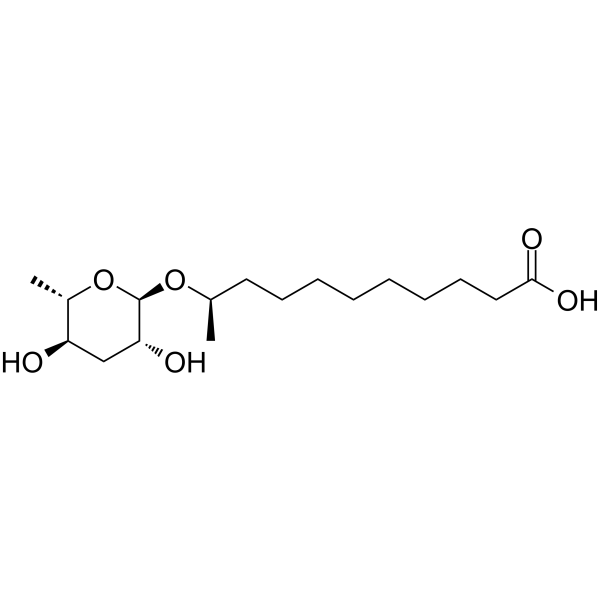
    Ascr#18, an ascaroside, is a hormone of nematodes. Ascr#18 is expressed during nematode development. Ascr#18 increases resistance in Arabidopsis, tomato, potato and barley to viral, bacterial, oomycete, fungal and nematode infections .
    Ascr#18
  • HY-B1073

    Parasite Infection
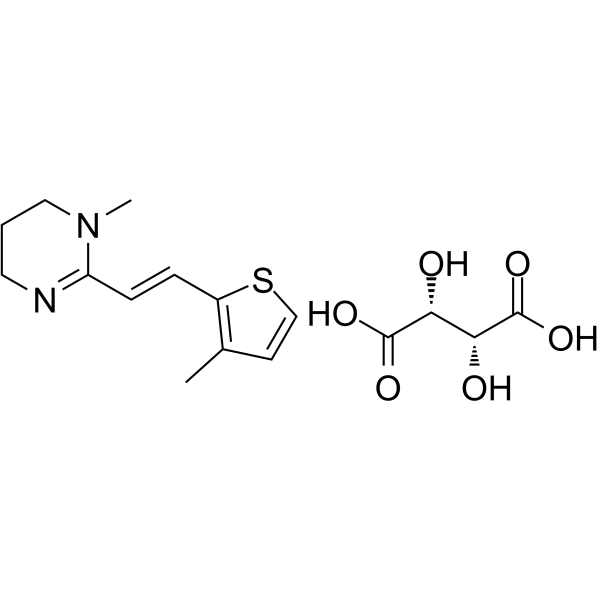
    Morantel tartrate is an anthelmintic agent. Sustained-release three-layer composite tablets of Morantel tartrate are administered orally and release after exposure to rumen fluid. Morantel tartrate reduces the fecal egg output and worm burden of gastrointestinal nematodes in Hereford calves. Morantel tartrate is used in research related to gastrointestinal nematode infections .
    Morantel tartrate
  • HY-B0299
    Oxibendazole
    3 Publications Verification

    Parasite Apoptosis Infection Cancer
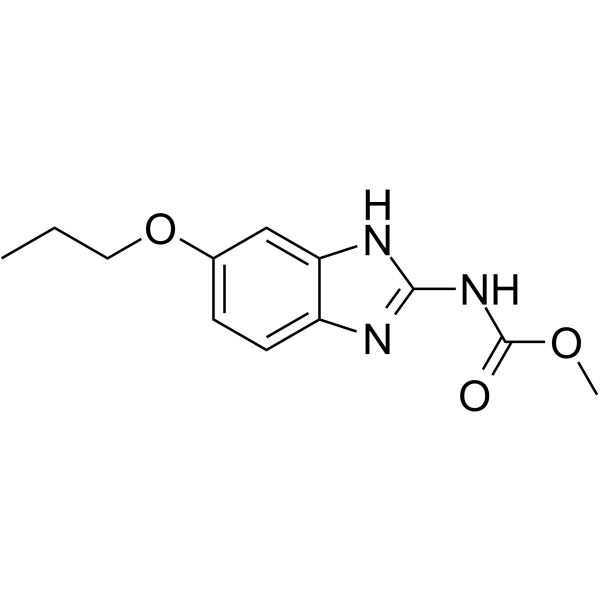
    Oxibendazole is an effective benzimidazole anthelmintic and is against nema-tode infections. Oxibendazole can induces apoptosis and has anti-cancer and anti-inflammation activities .
    Oxibendazole
  • HY-16670

    Cytochrome P450 Infection Cancer
    Dafadine-A is a selective inhibitor of DAF-9 cytochrome P450 in the nematode Caenorhabditis elegans. Dafadine-A inhibits the mammalian ortholog of DAF-9 (CYP27A1). Dafadine-A does not inhibits DAF-12 and sterol- and oxysterol-metabolizing P450s .
    Dafadine-A
  • HY-12361
    PF 1022A
    1 Publications Verification

    Parasite Infection
    PF 1022A is a cyclooctadepsipeptide with broadspectrum anthelmintic properties produced by fermentation of the fungus Mycelia sterilia. PF 1022A is a channel-forming ionophore. PF 1022A showes strong anthelmintic activities against Ascaridia galli in chickens. PF 1022A also can be used for angiostrongyliasis research .
    PF 1022A
  • HY-W012657

    Environmental Pollutants Parasite Infection
    4-Ethylbenzaldehyde is an aldehyde type organic compound with an almond-like odor. 4-Ethylbenzaldehyde is naturally present in various foods such as grilled meat, black tea, peanuts, etc. 4-Ethylbenzaldehyde has significant effects in controlling plant parasitic nematodes. 4-Ethylbenzaldehyde has genotoxicity and potential for liver damage in zebrafish models .
    4-Ethylbenzaldehyde
  • HY-107771

    MCW-2

    Environmental Pollutants Parasite Cancer
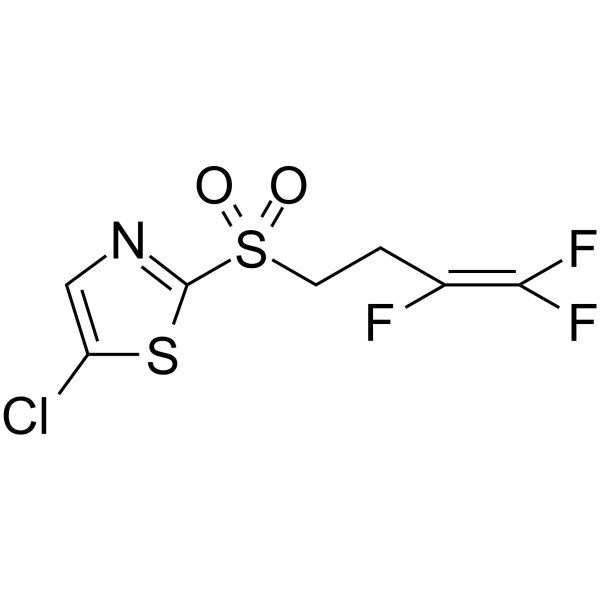
    Fluensulfone is a new nematicide for chemical control of plant parasitic nematodes.
    Fluensulfone
  • HY-P2779

    Endogenous Metabolite Metabolic Disease
    Microsomal aminopeptidase, Microorganism is first reported from C. elegans. The Microsomal aminopeptidase, Microorganism is beneficial for the development of molecular vaccines against parasitic nematodes .
    Microsomal aminopeptidase, Microorganism
  • HY-N6744

    Apoptosis Endogenous Metabolite Fungal Parasite Arp2/3 Complex Infection Cancer
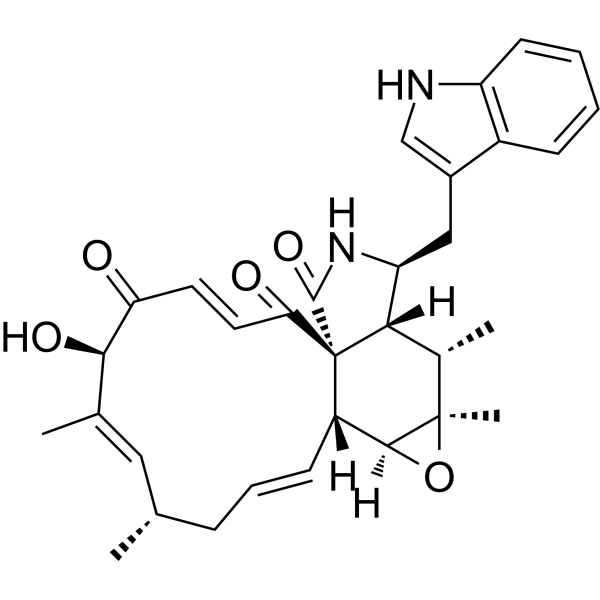
    Chaetoglobosin A is a secondary metabolite and nematicide. Chaetoglobosin A is produced by Penicillium aquamarinium. Chaetoglobosin A targets Filamentous actin in cells, thereby inducing cell cycle arrest, and inhibiting membrane ruffle formation and cell migration. Chaetoglobosin A preferentially induces Apoptosis in chronic lymphocytic leukemia cells. Chaetoglobosin A induces dose- and time-dependent death in J2 larvae of the southern root-knot nematode (Meloidogyne incognita). Chaetoglobosin A can be used in studies related to root-knot nematode disease and chronic lymphocytic leukemia .
    Chaetoglobosin A
  • HY-17597

    Parasite Infection
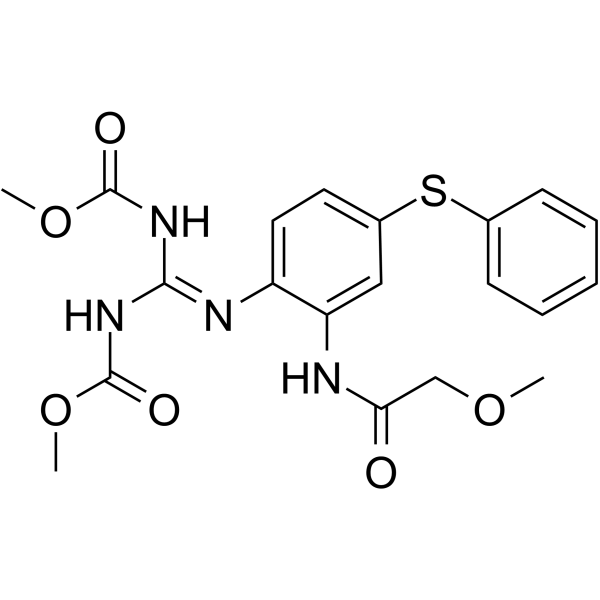
    Febantel is an oral dewormer used to treat gastrointestinal nematodes in sheep, as well as roundworm and tapeworm infections in poultry and livestock, and it also inhibits the embryonic development of mouse hairworms and whipworm eggs .
    Febantel
  • HY-NP0147
    Wheat Germ Agglutinin (Fluorescein)
    1 Publications Verification

    WGA (Fluorescein)

    Fluorescent Dye Infection Neurological Disease
    Wheat Germ Agglutinin (WGA) Fluorescein is a classic fluorescent label that specifically binds to sugar residues such as N-acetylglucosamine, N-acetylneuraminic acid and sialic acid. Wheat Germ Agglutinin Fluorescein performs regionally differential fluorescent staining of the ocular surface epithelial glycocalyx to assess its integrity, and causes no damage to the eye at safe concentrations. Wheat Germ Agglutinin Fluorescein is also used for staining structures including red blood cells, cultured cells, bacteria and pine wood nematodes, and facilitates the isolation of wheat-associated plant-growth-promoting rhizobacterial strains. Wheat Germ Agglutinin Fluorescein can be applied to the detection of ocular glycocalyx integrity and the research of related diseases such as pine wilt disease .
    Wheat Germ Agglutinin (Fluorescein)
  • HY-N9441

    Others Others
    Ascr#7, an ascaroside, is a hormone of nematodes. Ascr#7 is expressed during nematode development. Ascarosides can induce formation of long-lived and highly stress resistant dauer larvae .
    Ascr#7
  • HY-Y1004

    Decyl alcohol

    Environmental Pollutants Biochemical Assay Reagents Parasite Apoptosis Infection
    1-Decanol (Decyl alcohol) is a nematicidal agent derived from Houttuynia cordata, with an LC50 of 31.5 μg/mL against potato cyst nematodes (PCN). 1-decanol directly damages nematode surface structures, induces cellular apoptosis, and disrupts the oxidative stress regulation system, while also downregulating defense-related metabolic pathways in potato, thereby promoting the reallocation of metabolic resources from defense to growth. 1-Decanol can be used for the research of potato cyst nematode infestation .
    1-Decanol
  • HY-W035409
    RPW-24
    1 Publications Verification

    Bacterial Infection
    RPW-24 protects C. elegans from bacterial infection by stimulating the host immune response of the nematode. RPW-24 has antibacterial activity .
    RPW-24
  • HY-W020785

    Environmental Pollutants Cholinesterase (ChE) Others
    Fosthiazate is a broad-spectrum nematicide against various plant parasitic nematodes, including Meloidogyne spp., Globodera spp., and Pratylenchus spp., through inhibiting the synthesis of acetylcholinesterase .
    Fosthiazate
  • HY-N6977

    Others Infection
    Ascr#3 is a type of pheromone found in the beautiful nematode, and when mixed with ascr#2, it can act as a male attractant and also induce the formation of dauer (the dormant larval stage). Ascr#3 can counteract the effects caused by male-enriched Ascr#10 .
    Ascr#3
  • HY-14774S1

    nAChR Cancer
    (Rac)-Monepantel sulfone-d5 is deuterium labeled Monepantel. Monepantel is organic anthelmintic, and acts as a positive allosteric modulator of a nematode-specific clade of nicotinic acetylcholine receptor (nAChR) subunits.
    (Rac)-Monepantel sulfone-d5
  • HY-14774R

    AAD1566 (Standard); NUZ-001 (Standard)

    Reference Standards nAChR Cancer
    Monepantel (Standard) is the analytical standard of Monepantel. This product is intended for research and analytical applications. Monepantel is organic anthelmintic, and acts as a positive allosteric modulator of a nematode-specific clade of nicotinic acetylcholine receptor (nAChR) subunits.
    Monepantel (Standard)
  • HY-118448

    Antibiotic Bacterial Fungal Parasite Infection
    2,4-Diacetylphloroglucinol is a polyketide antibiotic produced by Pseudomonas fluorescens. 2,4-Diacetylphloroglucinol exhibits broad-spectrum toxicity against various organisms such as bacteria, fungi, oomycetes, and nematodes. 2,4-Diacetylphloroglucinol can also inhibit plant pathogens and affect the root development of tomato seedlings .
    2,4-Diacetylphloroglucinol
  • HY-17595R

    Reference Standards Parasite Apoptosis Microtubule/Tubulin Infection Cancer
    Mebendazole (Standard) is the analytical standard of Mebendazole. This product is intended for research and analytical applications. Mebendazole is a highly effective, broad-spectrum antihelmintic against nematode infestations. Mebendazole also exhibits inhibitory effect against glioblastoma multiforme (GBM), inhibits Hedgehog pathway and tubulin polymerization. Mebendazole is orally active and can cross CNS penetration .
    Mebendazole (Standard)
  • HY-178239

    Drug Metabolite AMPK Reactive Oxygen Species (ROS) Inflammation/Immunology
    DX-8951 Hydroxy-acid is a prodrug of phosphoramide. ProAX can effectively increase intracellular ATP levels. DX-8951 Hydroxy-acid activates the AMPK signaling pathway by increasing the AMP/ATP ratio. DX-8951 Hydroxy-acid can enhance mitochondrial function and antioxidant capacity while reducing reactive oxygen species (ROS) levels. DX-8951 Hydroxy-acid has shown significant anti-aging and longevity effects in both human fibroblast and nematode models .
    DX-8951 Hydroxy-acid
  • HY-D1275

    Fluorescent Dye Others
    CAY10731 (compound 3) is a highly selective fluorescent probe for detection of hydrogen sulfide (H2S). CAY10731 is used to monitor exo- and endogenous H2S in both cancer and normal cells. CAY10731 is applied for imaging of H2S in living tissues at variable depths and in nematodes .
    CAY10731
  • HY-137252

    Ivermectin Impurity G

    Parasite Infection
    22,23-Dihydroavermectin B1a aglycon is an acid degradation product produced by hydrolysis of the disaccharide unit of ivermectin. It can inhibit nematode larval development, but does not cause paralytic activity.
    22,23-Dihydroavermectin B1a aglycon
  • HY-14774S

    nAChR Cancer
    (Rac)-Monepantel-d5 is deuterium labeled Monepantel. Monepantel is organic anthelmintic, and acts as a positive allosteric modulator of a nematode-specific clade of nicotinic acetylcholine receptor (nAChR) subunits.
    (Rac)-Monepantel-d5
  • HY-116536

    oxo-C14-HSL

    Bacterial Infection
    N-3-Oxo-tetradecanoyl-L-homoserine lactone (oxo-C14-HSL) is a rhizobacterial inducer and can improve basic defense against nematodes .
    N-3-Oxo-tetradecanoyl-L-homoserine lactone
  • HY-N8392

    Parasite Infection
    Ascr#9 is a small-molecule pheromone belonging to the ascaroside family, and it is widely present in nematodes. Ascr#9 promotes dispersal or elicits avoidance behavior in various nematode species (such as Caenorhabditis elegans and entomopathogenic nematodes), suggesting that individuals evacuate from adverse environments. Ascr#9 exhibits repellent potential in Meloidogyne incognita .
    Ascr#9
  • HY-15308R

    Abamectin B1a (Standard)

    Reference Standards Parasite Antibiotic Infection
    Avermectin B1a (Standard) is the analytical standard of Avermectin B1a. This product is intended for research and analytical applications. Avermectin B1a is an antiparasitic agent that paralyzes nematodes without causing hypercontraction or flaccid paralysis.
    Avermectin B1a (Standard)
  • HY-W011239

    Oxfendazole sulfone; FBZ-SO2

    Parasite Infection
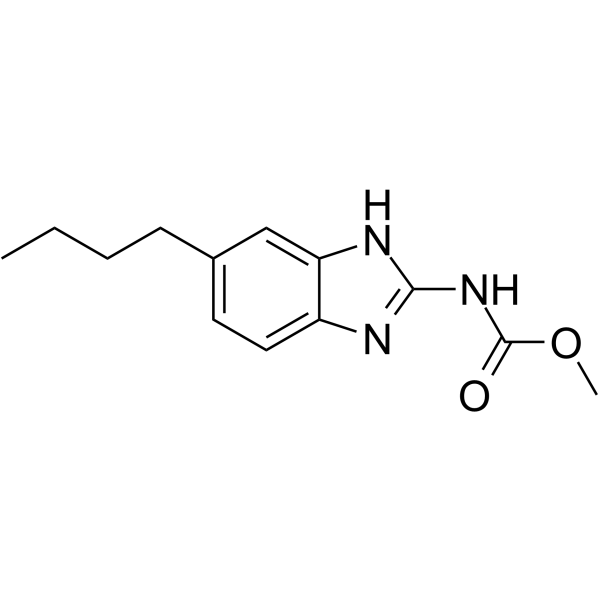
    Fenbendazole sulfone (Oxfendazole sulfone;FBZ-SO2) is a minor metabolite of Fenbendazole in plasma and is a benzimidazole anthelmintic agent .
    Fenbendazole sulfone
  • HY-N12486

    Keap1-Nrf2 ATP Synthase Metabolic Disease
    Isofalcarintriol is a NRF2 activator and selective inhibitor of the mitochondrial ATP synthase. Isofalcarintriol can be used for aging study .
    Isofalcarintriol
  • HY-178239A

    Drug Metabolite AMPK Reactive Oxygen Species (ROS) Inflammation/Immunology
    DX-8951 Hydroxy-acid sodium is a prodrug of phosphoramide. DX-8951 Hydroxy-acid sodium can effectively increase intracellular ATP levels. DX-8951 Hydroxy-acid sodium activates the AMPK signaling pathway by increasing the AMP/ATP ratio. DX-8951 Hydroxy-acid sodium can enhance mitochondrial function and antioxidant capacity while reducing reactive oxygen species (ROS) levels. DX-8951 Hydroxy-acid sodium has shown significant anti-aging and longevity effects in both human fibroblast and nematode models .
    DX-8951 Hydroxy-acid sodium
  • HY-122765

    HOE 216V

    Parasite Infection
    Luxabendazole (HOE 216V) is an effective anthelmintic against trematodes, cestodes and nematodes .
    Luxabendazole
  • HY-149812

    Bacterial Parasite Infection
    Efflux pump-IN-4 is an AcrB efflux pump inhibitor, with ability to potentiate the effect of antibiotics. Efflux pump-IN-4 inhibits Nile Red (a known substrate of AcrB) efflux. Efflux pump-IN-4 does not disrupts the bacterial outer membrane nor display toxicity in a nematode model .
    AcrB-IN-4
  • HY-136240

    Parasite Infection
    Tioxazafen is a disubstituted oxadiazole and a broad-spectrum seed treatment nematicide. Tioxazafen is designed to provide consistent broad-spectrum control of nematodes in corn, soy, and cotton .
    Tioxazafen
  • HY-B0299R

    Reference Standards Parasite Apoptosis Infection
    Oxibendazole (Standard) is the analytical standard of Oxibendazole. This product is intended for research and analytical applications. Oxibendazole is an effective benzimidazole anthelmintic and is against nema-tode infections. Oxibendazole can induces apoptosis and has anti-cancer and anti-inflammation activities .
    Oxibendazole (Standard)
  • HY-N8504

    NSC 260179; Spectinabilin

    Bacterial Infection
    Neoaureothin is a bacterial metabolite that has been found in Streptomyces. It is an androgen receptor (AR) antagonist that inhibits binding of dihydrotestosterone (DHT) to ARs (IC50=13 μM) and inhibits DHT-induced expression of prostate-specific antigen in LNCaP cells (IC50=1.75 nM). Neoaureothin is cytotoxic to A549, HCT116, and HepG2 cells (IC50s=34.3, 47, and 37.2 μg/mL, respectively). It also has nematocidal activity against the pine wood nematode B. xylophilus (LC50=0.84 μg/mL) and increases survival of P. densiflora trees inoculated with B. xylophilus.
    Neoaureothin
  • HY-N14239

    Parasite Infection
    Jietacin A is a nematicide. Jietacin A exhibits nematicidal activity against pine wood nematodes. Jietacin A can be used in studies related to pine wood nematode infection and pine wilt disease .
    Jietacin A
  • HY-164342

    SCH 32481

    Insecticide Infection
    Netobimin is a dewormer that is effective against naturally acquired gastrointestinal nematodes in cows .
    Netobimin
  • HY-W087946

    o-Chlorobenzimidazole

    Parasite Infection
    Chlorfenazole (o-Chlorobenzimidazole) is a benzimidazole-based compound. Chlorfenazole is used in the research of intestinal nematode diseases .
    Chlorfenazole
  • HY-W420337

    LH2010A

    Reactive Oxygen Species (ROS) Infection
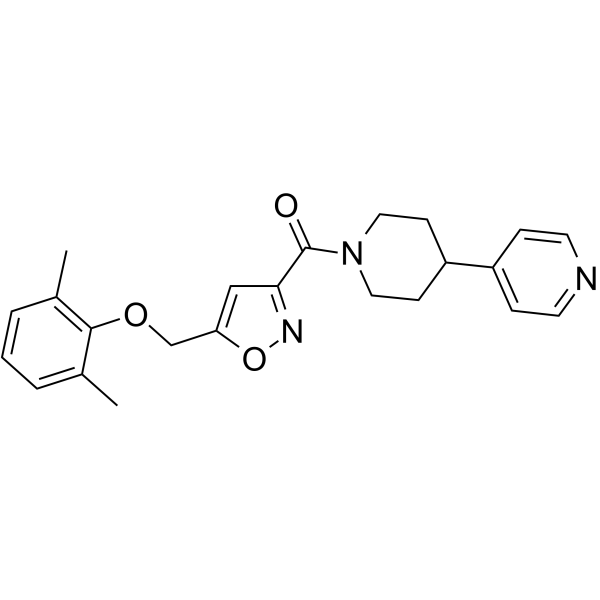
    Fluopimomide (LH2010A) is a potent pesticide, widely used for agricultural pest management. Fluopimomide adversely affects the nematodes growth, locomotive behaviors, reproduction, and lifespan, accompanying with enhanced of reactive oxygen species (ROS) generation, lipid and lipofuscin accumulation, and malondialdehyde content. Fluopimomide inhibits antioxidant systems in the nematodes .
    Fluopimomide
  • HY-W1004917

    Drug Isomer Parasite Infection
    8,9-Z-Abamectin B1a is the 8,9-Z-isomer of Abamectin B1a (HY-15308). Avermectin B1a is an antiparasitic agent that paralyzes nematodes .
    8,9-Z-Abamectin B1a

Inquiry Online

Your information is safe with us. * Required Fields.

Salutation


Country or Region *

Applicant Name *


Organization Name *

Department *


Email Address *


Product Name *

Cat. No.


Requested quantity *

Phone Number *


Remarks

Inquiry Online

Inquiry Information

Product Name:
Cat. No.:
Quantity:
MCE Japan Authorized Agent:

