1. Search Result
Search Result
Results for "

Neurite

" in MedChemExpress (MCE) Product Catalog:

111

Inhibitors & Agonists

2

Biochemical Assay Reagents

14

Peptides

3

Inhibitory Antibodies

34

Natural
Products

3

Recombinant Proteins

7

Isotope-Labeled Compounds

2

Antibodies

Cat. No. Product Name Target Research Areas Chemical Structure
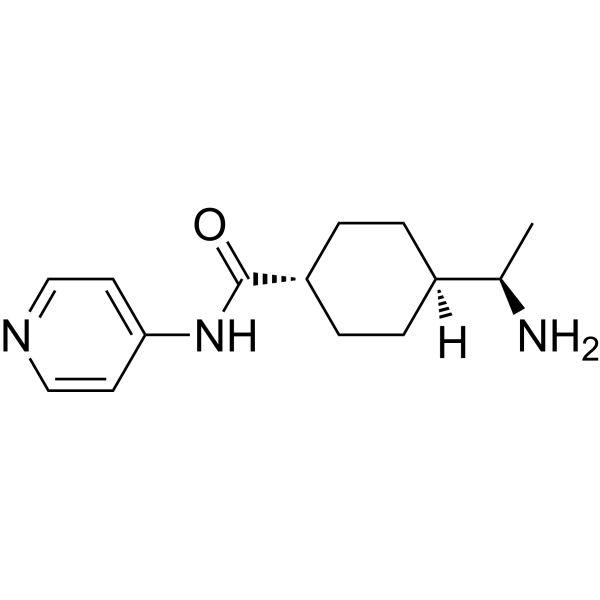
  • HY-10071
    Y-27632
    Maximum Cited Publications
    534 Publications Verification

    mTOR Ras ROCK NADPH Oxidase NF-κB Reactive Oxygen Species (ROS) Akt Apoptosis Autophagy PAK Cancer
    Y-27632 is a ROCK inhibitor with Ki values of 220 nM and 300 nM for ROCK1 and ROCK2, respectively. Y-27632 exerts anti-inflammatory and immunomodulatory effects in systemic lupus erythematosus models by inhibiting the ROCK/NF-κB pathway. Y-27632 enhances autophagy by inhibiting the AKT/mTOR pathway, thereby inducing apoptosis apoptosis in oral squamous cell carcinoma. Y-27632 induces the formation of tunneling nanotubes in ARPE-19 cells and significantly enhances mitochondrial transfer through these channels. Y-27632 promotes neurite outgrowth in PC12 cells by activating the Rac1/NOX1/ROS/AKT/PAK1 signaling cascade .
    Y-27632
  • HY-16594
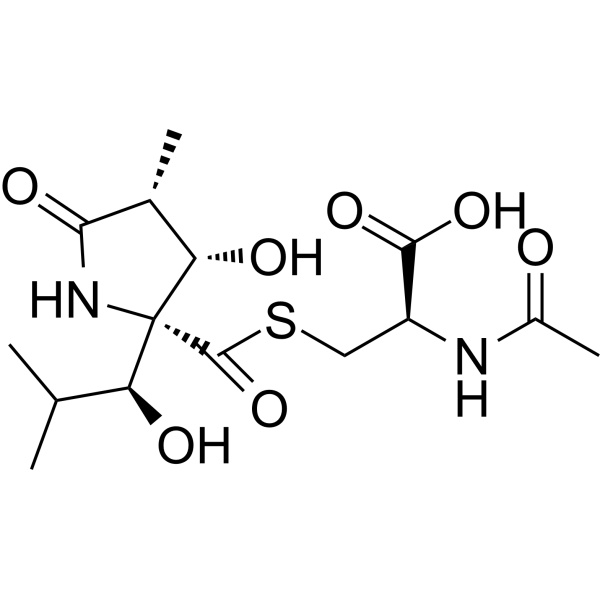
    Lactacystin
    Maximum Cited Publications
    8 Publications Verification

    Proteasome Cathepsin Apoptosis Cardiovascular Disease Infection Neurological Disease Cancer
    Lactacystin is a potent, orally active, irreversible, cell-permeable, selective 20S proteasome inhibitor (IC50 = 4.8 μM). Lactacystin also inhibits the lysosomal enzyme cathepsin A. Lactacystin inhibits cell growth and induces apoptosisand cell cycle arrest, and has antiviral and antioxidative activity. Lactacystin induces neurite outgrowth and hypertension. Lactacystin has the potential for the research of cancer, Neurological Disease, hypertension and Malaria, and so on [2] [6] .
    Lactacystin
  • HY-113253A
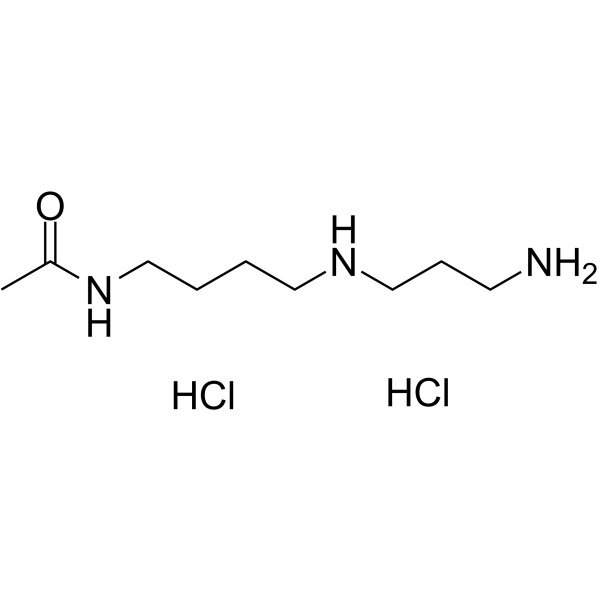
    N8-Acetylspermidine dihydrochloride
    2 Publications Verification

    Endogenous Metabolite Neurological Disease
    N8-Acetylspermidine dihydrochloride is a polyamine metabolite. N8-Acetylspermidine dihydrochloride can be oxidatively deaminated by copper amine oxidase. N8-Acetylspermidine dihydrochloride can also induce the differentiation of PC12 cells and promote neurite outgrowth .
    N8-Acetylspermidine dihydrochloride
  • HY-15780
    Brexpiprazole
    5+ Cited Publications

    OPC-34712

    5-HT Receptor Dopamine Receptor Adrenergic Receptor Neurological Disease
    Brexpiprazole (OPC-34712), an atypical orally active antipsychotic agent, is a partial agonist of human 5-HT1A and dopamine D2L receptor with Kis of 0.12 nM and 0.3 nM, respectively. Brexpiprazole is also a 5-HT2A receptor antagonist with a Ki of 0.47 nM. Brexpiprazole also shows potent antagonist activity at human noradrenergic α1B (Ki=0.17 nM) and α2C receptors (Ki=0.59 nM) .
    Brexpiprazole
  • HY-113416
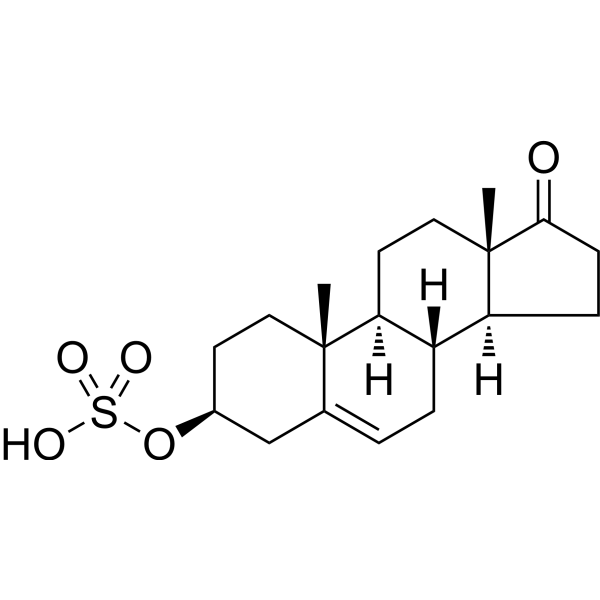
    Dehydroepiandrosterone sulfate
    5 Publications Verification

    DHEA sulfate; Prasterone sulfate

    GABA Receptor Sigma Receptor iGluR PPAR NF-κB Neurological Disease Metabolic Disease Inflammation/Immunology
    Dehydroepiandrosterone sulfate (DHEA sulfate; Prasterone sulfate) is a neurosteroid and the main secretion product of the adrenal gland. Dehydroepiandrosterone sulfate has both non-competitive antagonist activity of GABAA receptor and agonist activity of σ1 receptor. Dehydroepiandrosterone sulfate can partially penetrate the blood-brain barrier, inhibit GABAA receptor-mediated chloride influx, enhance NMDA receptor activity through σ1 receptors, exert anti-inflammatory, anti-glucocorticoid and antidepressant effects, and increase convulsive sensitivity. Dehydroepiandrosterone sulfate participates in neuroprotection, neurite growth regulation and catecholamine secretion regulation, and can be used in the study of depression, post-traumatic stress disorder (PTSD), Alzheimer's disease, etc. Dehydroepiandrosterone sulfate may also be a biomarker for cardiovascular disease mortality, and its concentration is independently and negatively correlated with mortality .
    Dehydroepiandrosterone sulfate
  • HY-18314
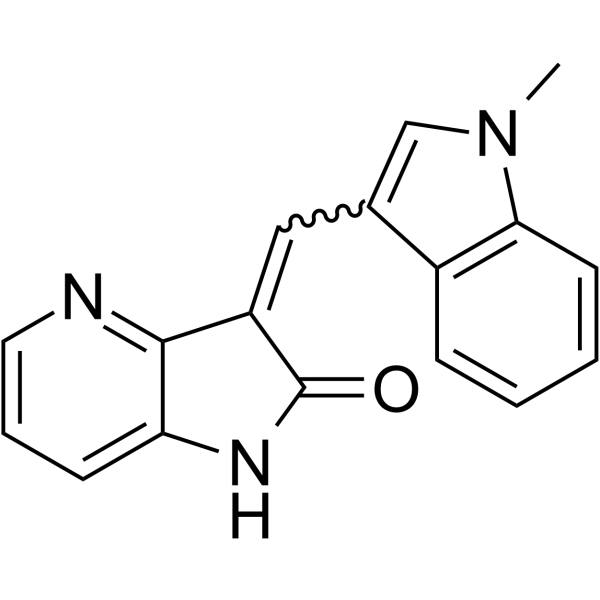
    GW 441756
    5+ Cited Publications

    Trk Receptor Apoptosis Neurological Disease Cancer
    GW 441756 is a potent and specific nerve growth factor (NGF) receptor tyrosine kinases A (TrkA) inhibitor (IC50=2 nM), which eliminates the BmK NSPK-induced neurite outgrowth .
    GW 441756
  • HY-B0765
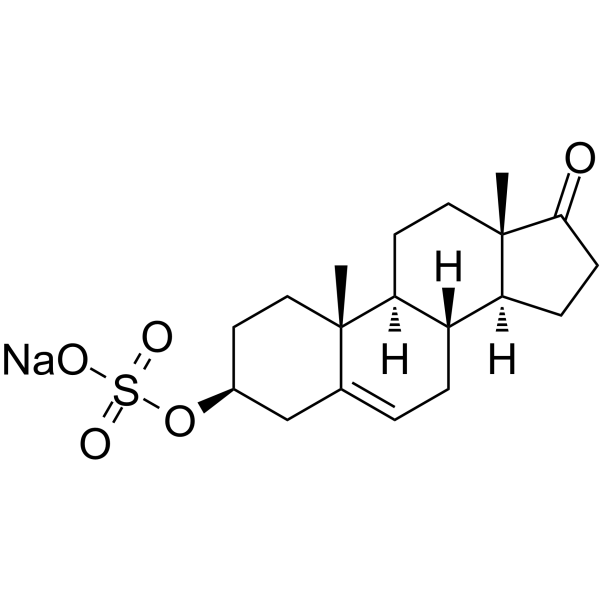
    Dehydroepiandrosterone sulfate sodium
    5 Publications Verification

    DHEA sulfate sodium; Prasterone sulfate sodium

    GABA Receptor Sigma Receptor iGluR PPAR NF-κB Neurological Disease Metabolic Disease Inflammation/Immunology
    Dehydroepiandrosterone sulfate (DHEA sulfate; Prasterone sulfate) sodium salt is a neurosteroid and the main secretion product of the adrenal gland. Dehydroepiandrosterone sulfate sodium salt has both non-competitive antagonist activity of GABAA receptor and agonist activity of σ1 receptor. Dehydroepiandrosterone sulfate sodium salt can partially penetrate the blood-brain barrier, inhibit GABAA receptor-mediated chloride influx, enhance NMDA receptor activity through σ1 receptors, exert anti-inflammatory, anti-glucocorticoid and antidepressant effects, and increase convulsive sensitivity. Dehydroepiandrosterone sulfate sodium salt participates in neuroprotection, neurite growth regulation and catecholamine secretion regulation, and can be used in the study of depression, post-traumatic stress disorder (PTSD), Alzheimer's disease, etc. Dehydroepiandrosterone sulfate sodium salt may also be a biomarker for cardiovascular disease mortality, and its concentration is independently and negatively correlated with mortality .
    Dehydroepiandrosterone sulfate sodium
  • HY-110155
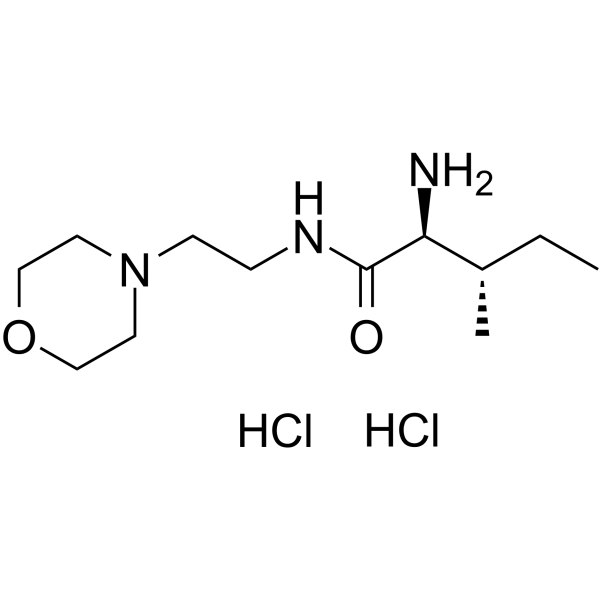
    LM11A-31 dihydrochloride
    5+ Cited Publications

    Neurotensin Receptor Neurological Disease
    LM11A-31 dihydrochloride, a non-peptide p75 NTR (neurotrophin receptor p75) modulator, is an orally active and potent proNGF (nerve growth factor) antagonist. LM11A-31 dihydrochloride is an amino acid derivative with high blood-brain barrier permeability and blocks p75-mediated cell death. LM11A-31 dihydrochloride reverses cholinergic neurite dystrophy in Alzheimer's disease mouse models with mid- to late-stage disease progression .
    LM11A-31 dihydrochloride
  • HY-N7922
    Urolithin M5
    1 Publications Verification

    Decarboxyellagic acid

    Influenza Virus p38 MAPK EGFR Akt Reactive Oxygen Species (ROS) Apoptosis Infection Neurological Disease
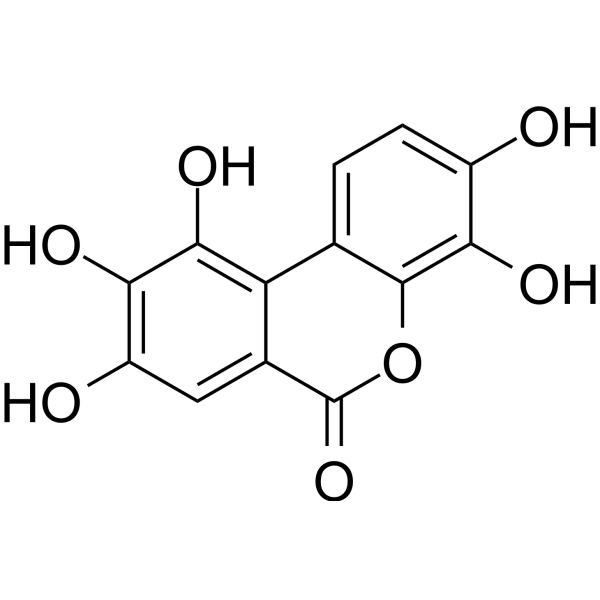
    Urolithin M5 (Decarboxyellagic acid) is an orally active influenza virus neuraminidase inhibitor and neuroprotective agent, with IC50 values of 174.8 μM (HK68), 191.5 μM (pdm09), 243.2 μM (WSN) and 257.1 μM (PR8) against four influenza virus neuraminidases, respectively. Urolithin M5 inhibits viral neuraminidase activity, thereby blocking influenza virus replication (including oseltamivir (HY-13317)-resistant strains), protecting infected mammals from death and improving pulmonary edema. Urolithin M5 forms a hydrogen-bond stabilized complex with IGF1R, and binds to MAPK14, AKT1, NFKB1 and EGFR. Urolithin M5 reduces reactive oxygen species production, inhibits neuronal apoptosis, restores mitochondrial transmembrane potential, and promotes neurite outgrowth of damaged neuronal cells. Urolithin M5 can be used in research related to influenza virus infection and Alzheimer's disease .
    Urolithin M5
  • HY-117088
    LM11A-31
    5+ Cited Publications

    Neurokinin Receptor Neurological Disease
    LM11A-31, a non-peptide p75 NTR (neurotrophin receptor p75) modulator, is an orally active and potent proNGF (nerve growth factor) antagonist. LM11A-31 is an amino acid derivative with high blood-brain barrier permeability and blocks p75-mediated cell death. LM11A-31 reverses cholinergic neurite dystrophy in Alzheimer's disease mouse models with mid- to late-stage disease progression .
    LM11A-31
  • HY-112798

    Apolipoprotein Neurological Disease
    PH-002 is an inhibitor of apolipoprotein (apo) E4 intramolecular domain interaction in neuronal cells that could rescue impairments of mitochondrial motility and neurite outgrowth.
    PH-002
  • HY-16663
    ITX3
    2 Publications Verification

    ROCK Others
    ITX3 is a specific and nontoxic inhibitor of TrioN (N-terminal GEF domain of the multidomain Trio protein) with an IC50 value of 76 μM. ITX3 can be used for the research of agent .
    ITX3
  • HY-107116

    Microtubule/Tubulin Neurological Disease
    MAP4343 is the 3-methylether derivative of Pregnenolone. MAP4343 binds in vitro to microtubule-associated protein 2 (MAP2), stimulates the polymerization of tubulin, enhances the extension of neurites and protects neurons against neurotoxic agents .
    MAP4343
  • HY-P4322
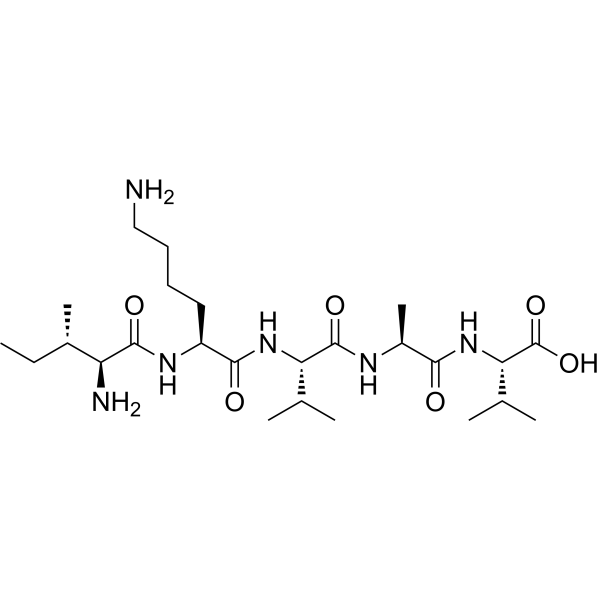
    H-Ile-Lys-Val-Ala-Val-OH
    1 Publications Verification

    ERK Akt Neurological Disease Cancer
    H-Ile-Lys-Val-Ala-Val-OH is one of the most potent active sites of laminin-1. H-Ile-Lys-Val-Ala-Val-OH promotes cell adhesion, neurite outgrowth, and tumor growth. H-Ile-Lys-Val-Ala-Val-OH stimulates BMMSC population growth and proliferation by activating MAPK/ERK1/2 and PI3K/Akt signalling pathways .
    H-Ile-Lys-Val-Ala-Val-OH
  • HY-P2975

    Mouse laminin (Engelbreth-Holm-Swarm murine sarcoma basement membrane)

    Endogenous Metabolite Biochemical Assay Reagents Neurological Disease
    Laminin (Engelbreth-Holm-Swarm murine sarcoma basement membrane) is a crucial structural element in animal tissues, forming part of the scaffolding that supports tissue architecture. It interacts with type IV collagen through entactin and perlecan, connects to cell membranes via integrin receptors, dystroglycan complexes, and Lutheran blood group glycoproteins, and contains functional domains that facilitate collagen binding, cell adhesion, heparin interaction, and promote neurite outgrowth.
    Laminin (Engelbreth-Holm-Swarm murine sarcoma basement membrane)
  • HY-13999

    NSI-189

    Trk Receptor Neurological Disease
    Amdiglurax (NSI-189) is an orally active chemical entity with enhanced neurogenic activity. Amdiglurax up-regulates neurogenic factors such as BDNF (brain derived-neurotrophic factor) and SCF. Amdiglurax exhibits anti-depressant effect. Amdiglurax enhances synaptic plasticity and reduces cognitive dysfunction. Amdiglurax holds potential for psychiatric disorder research .
    Amdiglurax
  • HY-113357

    Endogenous Metabolite Neurological Disease Metabolic Disease Inflammation/Immunology
    m-Coumaric acid is a polyphenol metabolite from caffeic acid, formed by the gut microflora and the amount in human biofluids is diet-dependant. m-Coumaric acid is a BBB-penetrant metabolite of chlorogenic acid. m-Coumaric acid stimulates the cerebral nerves in vitro. m-Coumaric acid can evoke neurite outgrowth in hippocampal neuronal cells. m-Coumaric acid can promote neuronal differentiation. m-Coumaric acid increases spontaneous locomotor activity in mice by acting on the central nervous system. m-Coumaric acid inhibits the oxidation of L-dopa by epidermis tyrosinase. m-Coumaric acid attenuates non-catalytic protein glycosylation in retinas of diabetic rats .
    m-Coumaric acid
  • HY-B1239
    Drofenine hydrochloride
    1 Publications Verification

    Hexahydroadiphenine hydrochloride

    Cholinesterase (ChE) Potassium Channel Amyloid-β TRP Channel Tau Protein NOD-like Receptor (NLR) JNK NF-κB IKK Neurological Disease Metabolic Disease Inflammation/Immunology
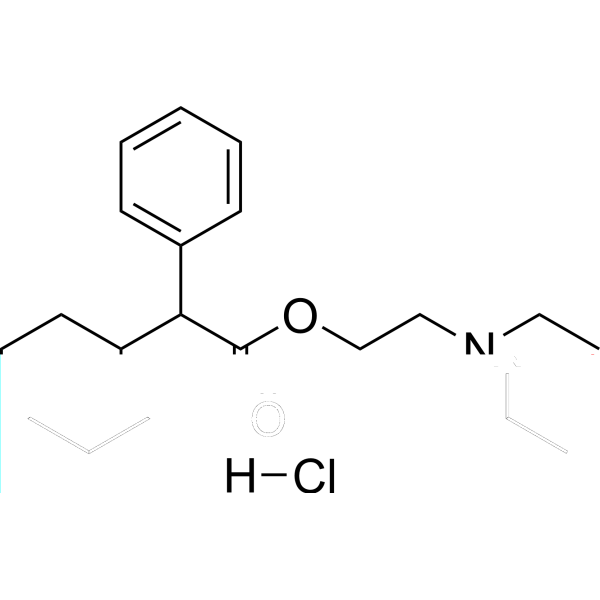
    Drofenine (Cycloadiphene; Hexahydroadiphenine) hydrochloride is an brain-penetrant antispasmodic agent. Drofenine hydrochloride is a Kv2.1 channel inhibitor with human IC50 of 9.53 μM. Drofenine hydrochloride is a butyrylcholinesterase (BChE) inhibitor with Ki of 0.003 mM, and is a TRPV3 activator. Drofenine hydrochloride blocks Kv2.1-dependent potassium efflux, inhibits Kv2.1/JNK/NF-κB and IkBa/NF-kB signaling, suppresses Kv2.1 mRNA/protein expression. Drofenine suppresses oligomeric -induced microglial NLRP3 inflammasome activation and neuronal Tau hyperphosphorylation, improves cognitive impairment, promotes neurite outgrowth. Drofenine hydrochloride induces calcium influx in keratinocytes and exert cytotoxicity against keratinocytes. Drofenine hydrochloride ameliorates diabetic peripheral neuropathy -like pathology. Drofenine hydrochloride can be used for the researches of Alzheimer's disease, diabetic peripheral neuropathy and smooth muscle spasm .
    Drofenine hydrochloride
  • HY-B0426A

    ALO4943A; KW4679

    Histamine Receptor CXCR Infection Neurological Disease Metabolic Disease Inflammation/Immunology
    Olopatadine hydrochloride (ALO4943A; KW4679) is an orally active histamine H1 receptor antagonist and mast cell stabilizer. Olopatadine hydrochloride exerts antiallergic effects by blocking histamine H1 receptor-mediated activities. Olopatadine hydrochloride inhibits exocytosis, chemokine release, F-actin polymerization, CXCL10-induced calcium influx, and T cell chemotactic activity. Olopatadine hydrochloride also reduces the expression levels of CXCR3 on the surface of CD4 + and CD8 + T cells. Olopatadine hydrochloride inhibits scratching behavior, improves dermatitis scores, and suppresses intraepidermal neurite outgrowth. Olopatadine hydrochloride simultaneously decreases the levels of inflammatory markers, growth factors, histamine, and specific IgE, while increasing the expression of ErbB3A/HER3A. Olopatadine hydrochloride can be used in research related to seasonal pollinosis, chronic rhinitis, urticaria, allergic conjunctivitis, alopecia areata, and atopic dermatitis .
    Olopatadine hydrochloride
  • HY-N0380

    Others Neurological Disease
    Nardosinone, isolated from Nardostachys chinensis, is the first enhancer of the neuritogenic action of dbcAMP and staurosporine. Nardosinone may become a useful pharmacological tool for studying the mechanism of action of not only nerve growth factor (NGF) but also both the neuritogenic substances .
    Nardosinone
  • HY-156041

    Lyso-PE (egg); LPE (egg); L-α-lysophosphatidylethanolamine

    Endogenous Metabolite Metabolic Disease
    Lysophosphatidylethanolamine (LPE) is a naturally-occurring lysophospholipid that can be generated via deacylation of phosphatidylethanolamine by phospholipase A2 (PLA2). It increases the phosphorylation of ERK1/2 in PC12 cells, an effect that can be blocked by the MEK inhibitors U-0126 (HY-12031A) and PD 98059 (HY-12028) and the EGFR inhibitor AG-1478 (HY-13524).1 LPE also increases neurite outgrowth and expression of neurofilament M in PC12 cells. LPE inhibits the activity of phospholipase D (PLD) partially purified from cabbage.3 This product contains lysophosphatidylethanolamine molecular species with variable fatty acyl chain lengths at the sn-1 position and a hydroxy group at the sn-2 position.
    Lysophosphatidylethanolamines, egg
  • HY-112411

    EGFR ERK PDGFR FGFR Neurological Disease Inflammation/Immunology
    PD 174265 is a highly selective, reversible EGFR/ErbB2 tyrosine kinase inhibitor (IC50=0.45 nM) and cell differentiation inducer. By blocking receptor autophosphorylation and the downstream ERK signaling pathway (with an IC50 of 0.45 μM for full-length ERK), PD 174265 effectively inhibits tumor growth and exhibits antitumor activity without obvious toxicity in in vivo models. PD 174265 drives oligodendrocyte precursor cells to switch from a proliferative state to a differentiated state, significantly upregulates the expression of myelin proteins such as CNP, PLP and MBP, and induces neurite branching. PD 174265 shows no inhibitory effect on other kinases including insulin, PDGF and basic FGF receptors, and serves as a crucial tool molecule for investigating the treatment of human epidermoid carcinoma and the mechanism of myelin repair in multiple sclerosis .
    PD 174265
  • HY-120553
    B-355252
    1 Publications Verification

    Apoptosis Neurological Disease
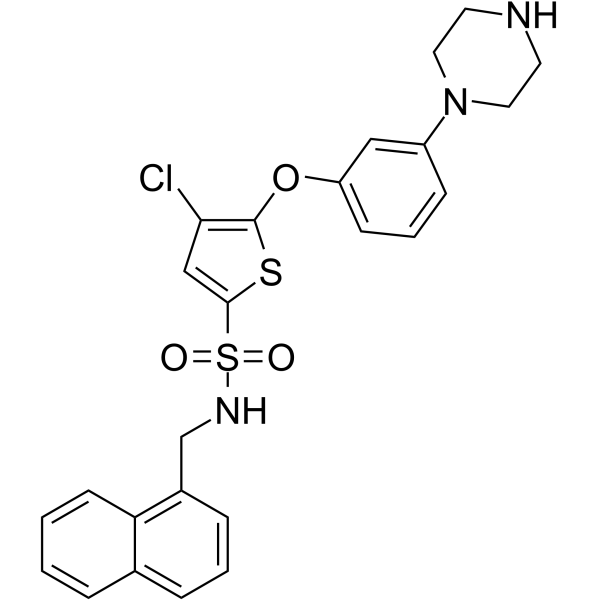
    B355252, a phenoxy thiophene sulfonamide small molecule, is a potent NGF receptor agonist. B355252 potentiates NGF-induced neurite outgrowth. B355252 protects ischemic neurons from neuronal loss by attenuating DNA damage, reducing ROS production and the LDH level, and preventing neuronal apoptosis. B355252 has anti-apoptotic effects in glutamate-induced excitotoxicity, as well as in a murine hippocampal cell line (HT22) model of Parkinson disease (PD) .
    B-355252
  • HY-N8303

    ERK PAK Neurological Disease Inflammation/Immunology
    Gardenin A is an orally active and synthetic PMF analogue with the neurotrophic effect for neurite outgrowth and neuronal differentiation. Gardenin A promotes neuritogenesis via activating MAPK/ERK, PKC, and PKA, but not TrkA, CREB signaling pathways. Gardenin A also has sedative, anxiolytic, antidepressant, and anticonvulsant effects .
    Gardenin A
  • HY-W062109

    Histamine Receptor CXCR Inflammation/Immunology
    Olopatadine (ALO4943A; KW4679) is an orally active histamine H1 receptor antagonist and mast cell stabilizer. Olopatadine exerts antiallergic effects by blocking histamine H1 receptor-mediated activities. Olopatadine inhibits exocytosis, chemokine release, F-actin polymerization, CXCL10-induced calcium influx, and T cell chemotactic activity. Olopatadine also reduces the expression levels of CXCR3 on the surface of CD4 + and CD8 + T cells. Olopatadine inhibits scratching behavior, improves dermatitis scores, and suppresses intraepidermal neurite outgrowth. Olopatadine simultaneously decreases the levels of inflammatory markers, growth factors, histamine, and specific IgE, while increasing the expression of ErbB3A/HER3A. Olopatadine can be used in research related to seasonal pollinosis, chronic rhinitis, urticaria, allergic conjunctivitis, alopecia areata, and atopic dermatitis .
    Olopatadine
  • HY-B1740

    Microtubule/Tubulin Neurological Disease
    Pregnenolone acetate (compound #43), a nonmetabolized Pregnenolone (HY-B0151) analog, can promote neurite extension and induce a change in growth cone morphology in primary cultures of cerebellar granule neurons. Pregnenolone acetate, a neurosteroid, increases microtubule polymerization. Pregnenolone acetate has the potential for neurodevelopmental diseases research .
    Pregnenolone acetate
  • HY-116392E

    Glucosylceramide Synthase (GCS) Apoptosis Neurological Disease Metabolic Disease Cancer
    D-threo-PDMP is a potent glucoceramide synthase (GCS) inhibitor, which reduces the glycosphingolipids (such as GM3 and GD3) on the cell surface by inhibiting glycosylation, reduces the total length of the axon plexus and the number of axon branch points, and inhibits neurite growth. D-threo-PDMP inhibits the synthesis of GM3, thereby reducing the adhesion ability of B16 melanoma cells and mimicking the pathological effects of hyperglycemia/TGF-β1. D-threo-PDMP inhibits the synthesis of GD3, thereby protecting liver cells from apoptosis induced by TNF-α. D-threo-PDMP can be used to study diseases related to targeted glycosphingolipid metabolism .
    D-threo-PDMP
  • HY-E70043

    Sialidase isoenzyme S; AuSialidase S

    Endogenous Metabolite Metabolic Disease
    Ganglioside sialidase (AuSialidase S) is an endogenous metabolite. Ganglioside sialidases have been implicated in neuronal differentiation processes, including neurite outgrowth .
    Ganglioside sialidase (AuSialidase S)
  • HY-N11001

    Others Neurological Disease
    Erinacine U is a cyanogen diterpene isolated from Hericium erinaceus, which has neurotrophic activity and has obvious neurite growth-promoting effect on PC12 cells .
    Erinacine U
  • HY-W747599

    ​Tetrasialoganglioside GQ1b sodium

    Pyk2 Endogenous Metabolite Neurological Disease
    Ganglioside GQ1b (bovine) sodium promotes neurite outgrowth during early neuronal differentiation. Ganglioside GQ1b (bovine) sodium controls the neuronal differentiation process in mESCs .
    Ganglioside GQ1b (bovine) sodium
  • HY-172171

    GSK-3 β-catenin Wnt Neurological Disease
    GSK3β-IN-2 (Compound S01) is the inhibitor for GSK3β with an IC50 of 0.35 nM. GSK3β-IN-2 activates Wnt/β-catenin signaling pathway, promotes neurogenesis and neurite growth. GSK3β-IN-2 inhibits Aβ-induced tau hyperphosphorylation at Ser396, reduces the formation of neurofibrillary tangles. GSK3β-IN-2 ameliorates Alzheimer's Disease in zebrafish model .
    GSK3β-IN-2
  • HY-116392F

    Glucosylceramide Synthase (GCS) Neurological Disease Metabolic Disease Cancer
    D-threo-PDMP hydrochloride is a potent glucoceramide synthase (GCS) inhibitor, which reduces the glycosphingolipids (such as GM3 and GD3) on the cell surface by inhibiting glycosylation, reduces the total length of the axon plexus and the number of axon branch points, and inhibits neurite growth. D-threo-PDMP hydrochloride inhibits the synthesis of GM3, thereby reducing the adhesion ability of B16 melanoma cells and mimicking the pathological effects of hyperglycemia/TGF-β1. D-threo-PDMP hydrochloride inhibits the synthesis of GD3, thereby protecting liver cells from apoptosis induced by TNF-α. D-threo-PDMP hydrochloride can be used to study diseases related to targeted glycosphingolipid metabolism .
    D-threo-PDMP hydrochloride
  • HY-110155A

    Drug Isomer Neurological Disease
    (Rac)-LM11A-31 dihydrochloride is an isomer of LM11A-31 dihydrochloride. LM11A-31 dihydrochloride, a non-peptide p75 NTR (neurotrophin receptor p75) modulator, is an orally active and potent proNGF (nerve growth factor) antagonist .
    (Rac)-LM11A-31 dihydrochloride
  • HY-117517

    Trk Receptor Cancer
    NG-012, potentiator of nerve growth factor (NGF), were isolated from the culture broth of Penicillium verruculosum F-4542. NG-012 potentiates the neurite outgrowth induced by NGF in rat pheochromocytoma cell line (PC12) .
    NG-012
  • HY-W127502

    1-Hexadecyl LPA; 1-Palmityl LPA; LPA O-16:0

    Biochemical Assay Reagents Others
    1-Hexadecyl lysophosphatidic acid is an ether analog of lysophosphatidic acid (LPA) containing a hexadecyl group in the sn-1 position. LPA binds to five different G protein-coupled receptors and mediates a variety of biological responses, including cell proliferation, smooth muscle contraction, platelet aggregation, neurite contraction, and cell motility.
    1-Hexadecyl lysophosphatidic acid
  • HY-15780R

    OPC-34712 (Standard)

    Reference Standards 5-HT Receptor Dopamine Receptor Adrenergic Receptor Neurological Disease
    Brexpiprazole (Standard) is the analytical standard of Brexpiprazole. This product is intended for research and analytical applications. Brexpiprazole (OPC-34712), an atypical orally active antipsychotic agent, is a partial agonist of human 5-HT1A and dopamine D2L receptor with Kis of 0.12 nM and 0.3 nM, respectively. Brexpiprazole is also a 5-HT2A receptor antagonist with a Ki of 0.47 nM. Brexpiprazole also shows potent antagonist activity at human noradrenergic α1B (Ki=0.17 nM) and α2C receptors (Ki=0.59 nM) .
    Brexpiprazole (Standard)
  • HY-167862A

    LPL Receptor Neurological Disease
    UCM-05194 (ammonium) is a lysophosphatidic acid receptor 1 (LPA1) agonist. UCM-05194 (ammonium) induces calcium mobilization in LPA1-expressing RH7777 cells (EC50 = 0.24 µM). UCM-05194 (ammonium) induces neurite retraction and migration in LPA1-overexpressing B103 rat neuroblastoma cells. UCM-05194 (ammonium) attenuates acetic acid-induced writhing and hind paw mechanical hypersensitivity in mice .
    UCM-05194 ammonium
  • HY-13999A1

    NSI-189 phosphate

    Trk Receptor Neurological Disease
    Amdiglurax (NSI-189) phosphate is an orally active chemical entity with enhanced neurogenic activity. Amdiglurax phosphate up-regulates neurogenic factors such as BDNF (brain derived-neurotrophic factor) and SCF. Amdiglurax phosphate exhibits anti-depressant effect. Amdiglurax enhances synaptic plasticity and reduces cognitive dysfunction. Amdiglurax phosphate holds potential for psychiatric disorder research .
    Amdiglurax phosphate
  • HY-10071A
    Y-27632 hydrochloride hydrate
    395+ Cited Publications

    ROCK NF-κB Apoptosis Autophagy Akt mTOR NADPH Oxidase Reactive Oxygen Species (ROS) PAK Ras Neurological Disease Inflammation/Immunology Cancer
    Y-27632 hydrochloride hydrate is a ROCK inhibitor with Ki values of 220 nM and 300 nM for ROCK1 and ROCK2, respectively. Y-27632 hydrochloride hydrate exerts anti-inflammatory and immunomodulatory effects in systemic lupus erythematosus models by inhibiting the ROCK/NF-κB pathway. Y-27632 hydrochloride hydrate enhances autophagy by inhibiting the AKT/mTOR pathway, thereby inducing apoptosis apoptosis in oral squamous cell carcinoma. Y-27632 hydrochloride hydrate induces the formation of tunneling nanotubes in ARPE-19 cells and significantly enhances mitochondrial transfer through these channels. Y-27632 hydrochloride hydrate promotes neurite outgrowth in PC12 cells by activating the Rac1/NOX1/ROS/AKT/PAK1 signaling cascade .
    Y-27632 hydrochloride hydrate
  • HY-113416R

    DHEA sulfate (Standard); Prasterone sulfate (Standard)

    Reference Standards GABA Receptor Sigma Receptor iGluR PPAR NF-κB Neurological Disease Metabolic Disease Inflammation/Immunology
    Dehydroepiandrosterone sulfate (DHEA sulfate; Prasterone sulfate) (Standard) is the analytical standard of Dehydroepiandrosterone sulfate (HY-113416). This product is intended for research and analytical applications. Dehydroepiandrosterone sulfate (DHEA sulfate; Prasterone sulfate) is a neurosteroid and the main secretion product of the adrenal gland. Dehydroepiandrosterone sulfate has both non-competitive antagonist activity of GABAA receptor and agonist activity of σ1 receptor. Dehydroepiandrosterone sulfate can partially penetrate the blood-brain barrier, inhibit GABAA receptor-mediated chloride influx, enhance NMDA receptor activity through σ1 receptors, exert anti-inflammatory, anti-glucocorticoid and antidepressant effects, and increase convulsive sensitivity. Dehydroepiandrosterone sulfate participates in neuroprotection, neurite growth regulation and catecholamine secretion regulation, and can be used in the study of depression, post-traumatic stress disorder (PTSD), Alzheimer's disease, etc. Dehydroepiandrosterone sulfate may also be a biomarker for cardiovascular disease mortality, and its concentration is independently and negatively correlated with mortality .
    Dehydroepiandrosterone sulfate (Standard)
  • HY-113416AS

    DHEA sulfate-d6 sodium dihydrate; Prasterone sulfate-d6 sodium dihydrate

    Isotope-Labeled Compounds GABA Receptor Sigma Receptor iGluR PPAR NF-κB Neurological Disease Metabolic Disease Inflammation/Immunology
    Dehydroepiandrosterone sulfate sodium dihydrate-d6 sodium dihydrate is the deuterium labeled Dehydroepiandrosterone sulfate sodium dihydrate. Dehydroepiandrosterone sulfate (DHEA sulfate; Prasterone sulfate) sodium dihydrate is a neurosteroid and the main secretion product of the adrenal gland. Dehydroepiandrosterone sulfate sodium dihydrate has both non-competitive antagonist activity of GABAA receptor and agonist activity of σ1 receptor. Dehydroepiandrosterone sulfate sodium dihydrate can partially penetrate the blood-brain barrier, inhibit GABAA receptor-mediated chloride influx, enhance NMDA receptor activity through σ1 receptors, exert anti-inflammatory, anti-glucocorticoid and antidepressant effects, and increase convulsive sensitivity. Dehydroepiandrosterone sulfate sodium dihydrate participates in neuroprotection, neurite growth regulation and catecholamine secretion regulation, and can be used in the study of depression, post-traumatic stress disorder (PTSD), Alzheimer's disease, etc. Dehydroepiandrosterone sulfate sodium dihydrate may also be a biomarker for cardiovascular disease mortality, and its concentration is independently and negatively correlated with mortality .
    Dehydroepiandrosterone sulfate-d6 sodium dihydrate
  • HY-111527

    Calcium Channel Neurological Disease
    PPZ2 is a diacylglycerol (DAG)-activated TRPC3/TRPC6/TRPC7 channel activator with activity in promoting neuronal development and survival. PPZ2 activates recombinant TRPC3/TRPC6/TRPC7 channels in a dose-dependent manner without affecting other TRPC channels. PPZ2 elicits cation currents and calcium ion (Ca(2+)) influx in cultured central neurons. PPZ2 is able to induce BDNF-like neurite outgrowth and neuroprotection, an effect that disappears after TRPC3/TRPC6/TRPC7 knockdown or inhibition. PPZ2 also increases the activation of the calcium-dependent transcription factor cAMP response element binding protein. The effects of PPZ2 suggest that calcium signaling mediated by activation of DAG-activated TRPC channels plays an important role in its neurotrophic effects .
    PPZ2
  • HY-133101

    Endogenous Metabolite Cancer
    14-Norpseurotin is a compound isolated from the culture of Aspergillus fumigatus. 14-Norpseurotin significantly induces neurite outgrowth of rat pheochromocytoma cells (PC12) at a 10.0 microM concentration .
    14-Norpseurotin
  • HY-131931

    LysoGM1 potassium

    Src Neurological Disease
    Lysoganglioside-GM1 (LysoGM1) potassium is a derivative of Monosialoganglioside GM1, which lacks a fatty acid. Lysoganglioside-GM1 potassium is also an inhibitor of GM1 aggregation. Lysoganglioside-GM1 potassium can inhibit the activation of Lyn and laminin-1-mediated neurite outgrowth. Lysoganglioside-GM1 potassium can be used in the research of nervous system diseases .
    Lysoganglioside-GM1 potassium
  • HY-N16499

    Interleukin Related GDNF Receptor Trk Receptor ERK Neurological Disease Inflammation/Immunology
    Hericene A is an orally active aromatic hericene derivative. Hericene A exhibits anti-inflammatory and neurotrophic activities, and can found in the fruiting bodies of Hericium erinaceus. Hericene A inhibits the secretion of pro-inflammatory mediators. Hericene A promotes axonal growth, neurite branching, neurotrophic factor expression and downstream signal transduction. Hericene A can be used for the research of inflammatory and neurological diseases .
    Hericene A
  • HY-15780A

    OPC-34712 hydrochloride

    5-HT Receptor Dopamine Receptor Adrenergic Receptor Neurological Disease
    Brexpiprazole (OPC-34712) hydrochloride, an atypical orally active antipsychotic agent, is a partial agonist of human 5-HT1A and dopamine D2L receptor with Kis of 0.12 nM and 0.3 nM, respectively. Brexpiprazole hydrochloride is also a 5-HT2A receptor antagonist with a Ki of 0.47 nM. Brexpiprazole hydrochloride also shows potent antagonist activity at human noradrenergic α1B (Ki=0.17 nM) and α2C receptors (Ki=0.59 nM) .
    Brexpiprazole hydrochloride
  • HY-P5754B

    Apoptosis Neurological Disease
    TAT-NEP1-40 acetate is a therapeutic candidate for axonal regeneration and functional recovery after stroke. TAT-NEP1-40 acetate can protect PC12 cells against oxygen and glucose deprivation (OGD) and promote neurite outgrowth. TAT-NEP1-40 acetate protects the brain against ischemia/reperfusion injury through inhibition of neuronal apoptosis. TAT-NEP1-40 acetate can be efficiently delivered into the rat brains .
    TAT-NEP1-40 acetate
  • HY-113357R

    Reference Standards Endogenous Metabolite Neurological Disease Inflammation/Immunology
    m-Coumaric acid (Standard) is the analytical standard of m-Coumaric acid. This product is intended for research and analytical applications. m-Coumaric acid is a polyphenol metabolite from caffeic acid, formed by the gut microflora and the amount in human biofluids is diet-dependant. m-Coumaric acid is a BBB-penetrant metabolite of chlorogenic acid. m-Coumaric acid stimulates the cerebral nerves in vitro. m-Coumaric acid can evoke neurite outgrowth in hippocampal neuronal cells. m-Coumaric acid can promote neuronal differentiation. m-Coumaric acid increases spontaneous locomotor activity in mice by acting on the central nervous system. m-Coumaric acid inhibits the oxidation of L-dopa by epidermis tyrosinase. m-Coumaric acid attenuates non-catalytic protein glycosylation in retinas of diabetic rats .
    m-Coumaric acid (Standard)
  • HY-W062109S

    Isotope-Labeled Compounds Histamine Receptor CXCR Inflammation/Immunology
    Olopatadine-d6 is the deuterium labeled Olopatadine. Olopatadine hydrochloride (ALO4943A; KW4679) is an orally active histamine H1 receptor antagonist and mast cell stabilizer. Olopatadine hydrochloride exerts antiallergic effects by blocking histamine H1 receptor-mediated activities. Olopatadine hydrochloride inhibits exocytosis, chemokine release, F-actin polymerization, CXCL10-induced calcium influx, and T cell chemotactic activity. Olopatadine hydrochloride also reduces the expression levels of CXCR3 on the surface of CD4 + and CD8 + T cells. Olopatadine hydrochloride inhibits scratching behavior, improves dermatitis scores, and suppresses intraepidermal neurite outgrowth. Olopatadine hydrochloride simultaneously decreases the levels of inflammatory markers, growth factors, histamine, and specific IgE, while increasing the expression of ErbB3A/HER3A. Olopatadine hydrochloride can be used in research related to seasonal pollinosis, chronic rhinitis, urticaria, allergic conjunctivitis, alopecia areata, and atopic dermatitis .
    Olopatadine-d6
  • HY-131931A

    LysoGM1 ammonium

    Src Neurological Disease
    Lysoganglioside-GM1 (LysoGM1) ammonium is a derivative of Monosialoganglioside GM1, which lacks a fatty acid. Lysoganglioside-GM1 ammonium is also an inhibitor of GM1 aggregation. Lysoganglioside-GM1 ammonium can inhibit the activation of Lyn and laminin-1-mediated neurite outgrowth. Lysoganglioside-GM1 ammonium can be used in the research of nervous system diseases .
    Lysoganglioside-GM1 ammonium

Inquiry Online

Your information is safe with us. * Required Fields.

Salutation


Country or Region *

Applicant Name *


Organization Name *

Department *


Email Address *


Product Name *

Cat. No.


Requested quantity *

Phone Number *


Remarks

Inquiry Online

Inquiry Information

Product Name:
Cat. No.:
Quantity:
MCE Japan Authorized Agent:

