1. Search Result
Search Result
Results for "

Nrf2 degrader

" in MedChemExpress (MCE) Product Catalog:

20

Inhibitors & Agonists

2

Natural
Products

Targets Recommended:
Cat. No. 상품명 Target 연구분야 Chemical Structure
  • HY-162307

    PROTACs Keap1-Nrf2 Cancer
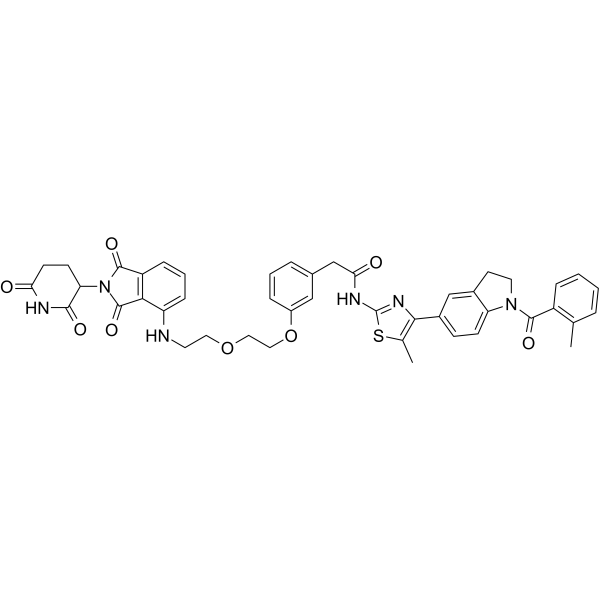
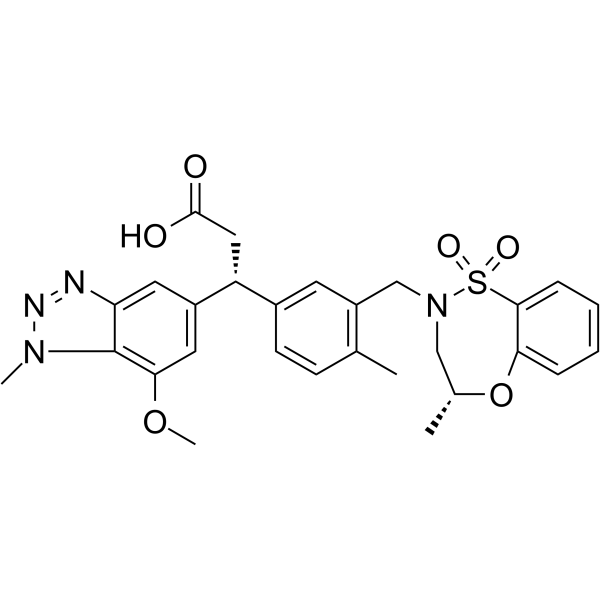
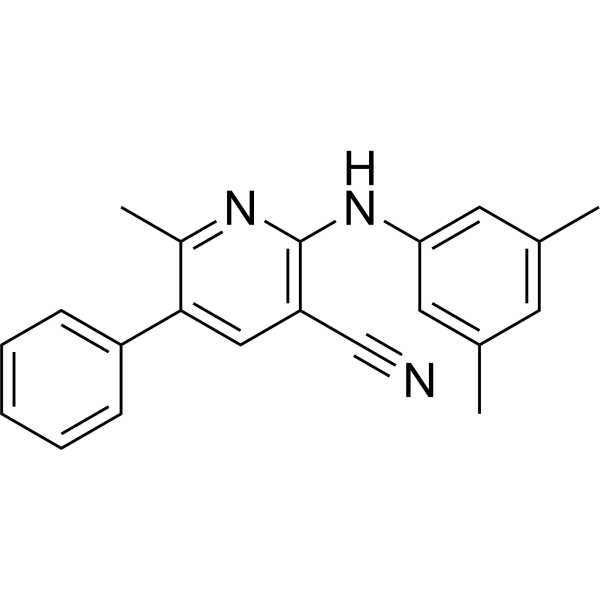
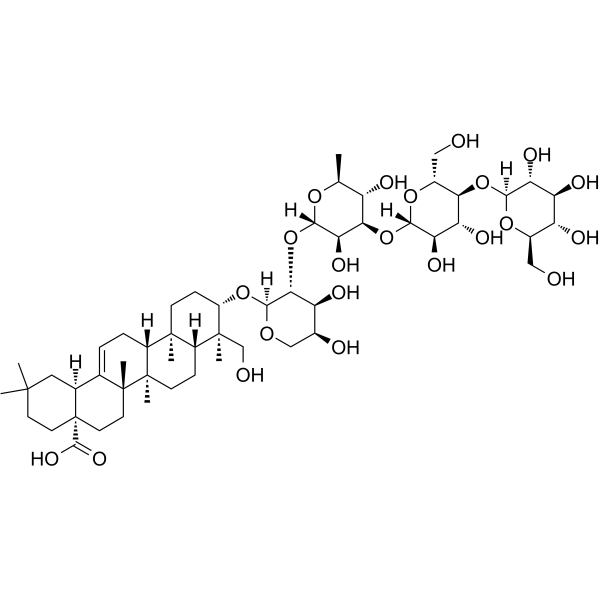
    Nrf2 degrader 1 (compound 1) is a PROTAC Nrf2 degrader with a DC50 of 0.1-1 μM in huH1 cells. Nrf2 degrader 1 inhibits cancer cells growth for A549 and LK-2 cells with IC50 values of 100 nM and 40 nM, respectively. Nrf2 degrader 1 can be used for the study of liver cancer, non-small cell lung cancer (NSCLC) and squamous cell carcinoma of lung cancer .
    Nrf2 degrader 1
  • HY-159641

    BAY-3605349

    Molecular Glues Keap1-Nrf2 Metabolic Disease Inflammation/Immunology Cancer
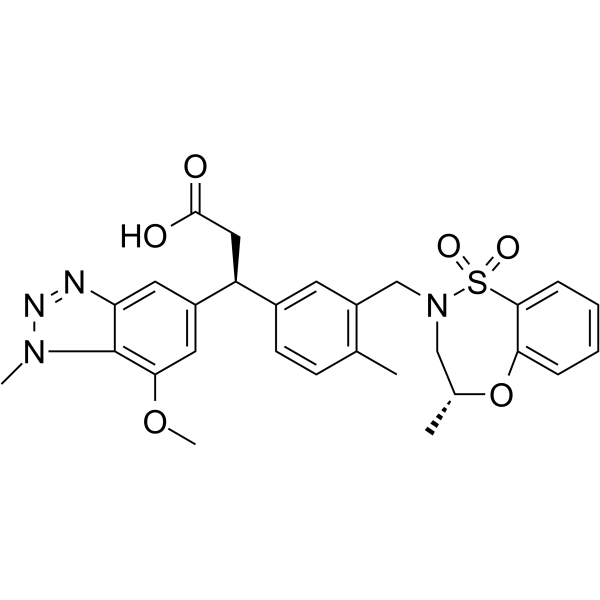
    VVD-130037 (BAY-3605349) is a covalent molecular glue and allosteric NRF2 degrader. VVD-130037 covalently binds to KEAP1 and allosterically enhances the affinity of KEAP1-CUL3, promotes the formation of the active KEAP1-CUL3 E3 ligase complex, and thereby enhances the ubiquitination and degradation of NRF2. VVD-130037 exhibits KEAP1 target-binding activity both in in vitro systems and mouse models, and it can be used in research related to NRF2-dependent cancers, solid tumors harboring KEAP1 nonsense mutations and frameshift mutations, as well as advanced solid tumors .
    VVD-130037
  • HY-111126
    K67
    1 Publications Verification

    p62 Keap1-Nrf2 Cancer
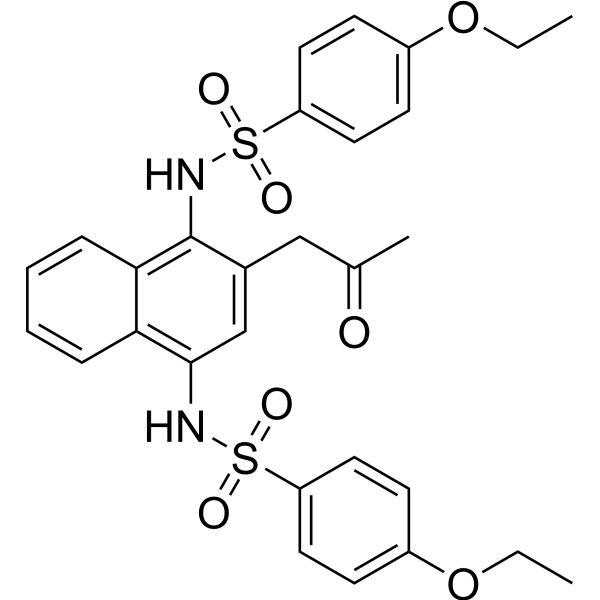
    K67 is a selective the interaction between Keap1 and S349 phosphorylated p62 inhibitor, with an IC50 of 1.5 μM. K67 has a weaker inhibitory effect on the interaction between Keap1 and Nrf2 (IC50 is 6.2 μM). K67 competitively binds to the binding site of Keap1 with p-p62, blocking the abnormal activation of the p62-dependent Nrf2 pathway. K67 inhibits tumor cell proliferation and enhances the sensitivity of hepatocellular carcinoma (HCC) to chemotherapeutic drugs by restoring Keap1-mediated ubiquitination and degradation of Nrf2 .
    K67
  • HY-N6929
    Angelic acid
    1 Publications Verification

    Ferroptosis Keap1-Nrf2 Reactive Oxygen Species (ROS) Neurological Disease Cancer
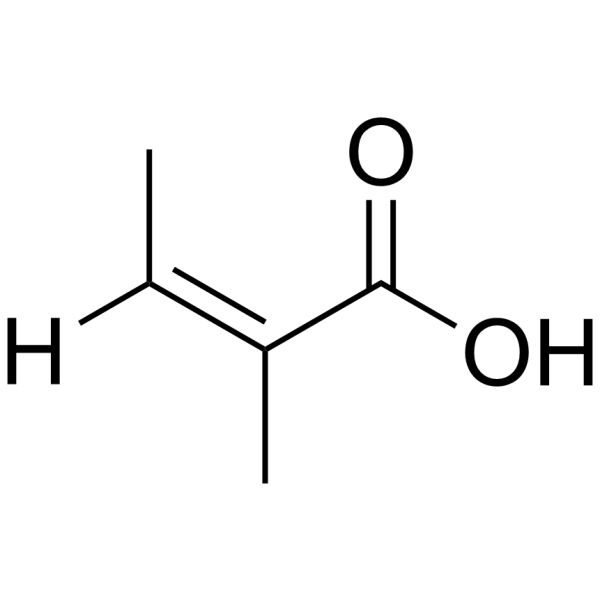
    Angelic acid is a ferroptosis inducer, targeting NRF2 degradation. Angelic acid binds to NRF2 protein and promotes NRF2 degradation via ubiquitination-proteasome pathway, relieves the inhibitory effect of NRF2 on oxidative stress and lipid peroxidation. Then, Angelic acid induces ferroptosis in tumor cells. Angelic acid can enhance the accumulation of intracellular reactive oxygen species (ROS), upregulate ferroptosis-related markers CHAC1 and PTGS2, and synergize with ferroptosis inducers to enhance anti-tumor effects. Angelic acid also has the activity of scavenging UVA-induced ROS in vitro, inhibiting skin fibroblast senescence and extracellular matrix degradation. Angelic Acid helps wound healing with sedative activity .
    Angelic acid
  • HY-12462

    GSK-3 Keap1-Nrf2 Ferroptosis IKK Neurological Disease Metabolic Disease Inflammation/Immunology Cancer
    WS3 is an allosteric inhibitor of 14-3-3 (14-3-3ζ: Kd = 2.29 μM). WS3 activates GSK3β by disrupting the binding of 14-3-3-pGSK3β, promotes the ubiquitination and degradation of NRF2, and inhibits the NRF2-ARE signaling pathway (IC50 = 135 nM). It exerts antioxidant inhibition and chemotherapeutic/ferroptosis sensitizing effects in tumors with hyperactivated NRF2. WS3 binds to EBP1/IKKε and promotes the proliferation of β cells and retinal pigment epithelial (RPE) cells, which can be applied to islet regeneration and RPE expansion transplantation . WS3 is applicable to research related to age-related macular degeneration, retinal degeneration and non-small cell lung cancer .
    WS3
  • HY-149508

    Keap1-Nrf2 Reactive Oxygen Species (ROS) Cancer
    Nrf2-IN-3 (Compound R16) is a small-molecule NRF2 inhibitor and increases reactive oxygen species (ROS) production. Nrf2-IN-3 selectively binds KEAP1 mutants and restores their NRF2-inhibitory function by repairing the disrupted KEAP1/NRF2 interactions, leading to proteasome-dependent NRF2 degradation in cells. Nrf2-IN-3 sensitizes KEAP1-mutated tumor cells to Cisplatin (HY-17394), Gefitinib (HY-50895), and KEAP1 G333C-mutated xenograft to Cisplatin .
    Nrf2-IN-3
  • HY-149127

    ASC-JM17; ALZ-003

    Keap1-Nrf2 Androgen Receptor HSP Mitophagy Ferroptosis Apoptosis Reactive Oxygen Species (ROS) Autophagy Metabolic Disease
    Rosolutamide (ASC-JM17) is an orally active Nrf1/Nrf2 activator. Rosolutamide activates Hsf1 pathways, upregulates proteasome subunits and antioxidant enzymes, induces proteasome complex structural rearrangement, and enhances ubiquitin-proteasome system-mediated degradation. Rosolutamide reduces mutant androgen receptor and ataxin-3 aggregates, restores mitochondrial function, attenuates reactive oxygen species (ROS) levels, induces apoptosis and ferroptosis, and inhibits cancer cell growth. Rosolutamide can be used for the research of spinal and bulbar muscular atrophy, Huntington’s disease, and temozolomide-resistant glioblastoma .
    Rosolutamide
  • HY-175209

    Keap1-Nrf2 Ferroptosis Reactive Oxygen Species (ROS) Atg8/LC3 Cancer
    Nrf2-IN-4 is a Nrf2 inhibitor. Nrf2-IN-4 induces ferroptosis via NRF2 inhibition. Nrf2-IN-4 disrupts cellular iron homeostasis, facilitates ferritin degradation, and ultimately triggers ferroptosis. Nrf2-IN-4 induces lysosome activation by promoting iron-dependent ROS production and lysosomal acidification. Nrf2-IN-4 demonstrates significant antitumor efficacy. Nrf2-IN-4 can be used for the study of breast cancer .
    Nrf2-IN-4
  • HY-103435
    Vialinin A
    2 Publications Verification

    Terrestrin A

    Deubiquitinase TNF Receptor E1/E2/E3 Enzyme Keap1-Nrf2 Inflammation/Immunology Cancer
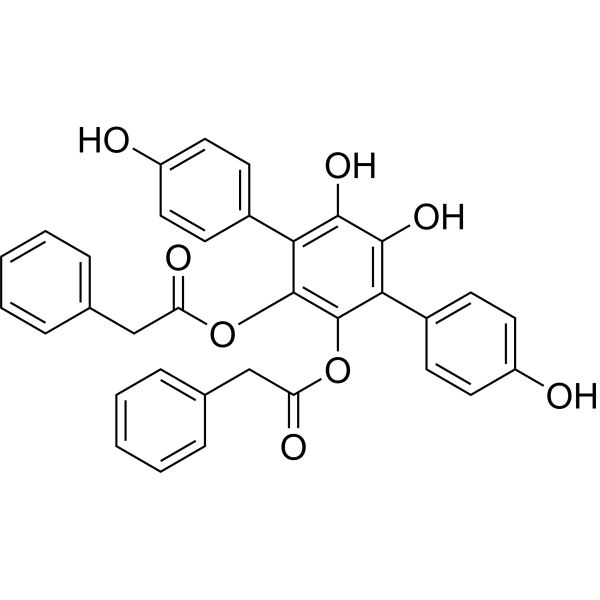
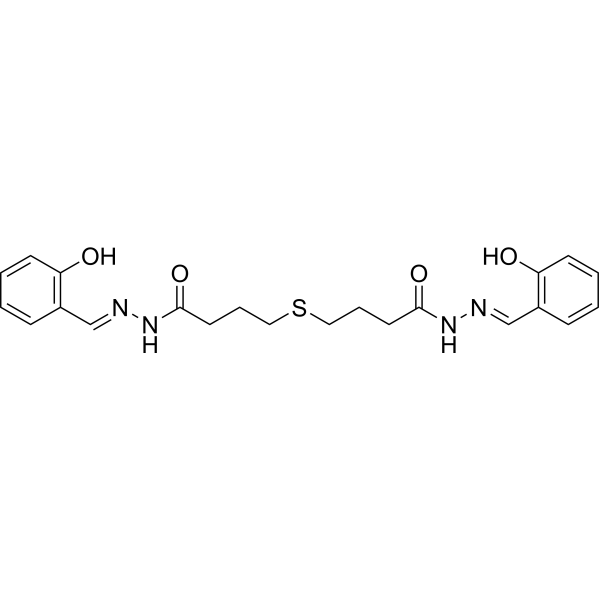
    Vialinin A (Terrestrin A) is a p-terphenyl compound that can be derived from a Chinese edible mushroom. Vialinin A is an inhibitor of ubiquitin-specific peptidase 4 (USP4) and has anti-inflammatory and antioxidant properties. Vialinin A can alleviate cerebral ischaemia-reperfusion injury-induced neurological deficits and neuronal apoptosis. Vialinin A promotes activation of Keap1-Nrf2-ARE signaling pathway and increases the protein degradation of Keap1. Vialinin A possesses various pharmacological activities in cancer, Kawasaki disease, asthma, and pathological scarring. Vialinin A is a potent inhibitor of TNF-α, USP4, USP5, and sentrin/SUMO-specific protease 1 (SENP1). Vialinin A can be studied in reseach for autoimmune diseases, cancer and ischaemic stroke .
    Vialinin A
  • HY-17655

    Reactive Oxygen Species (ROS) Inflammation/Immunology
    TBE56, a molecular glue, is a BACH1 degrader, with an EC50 of 44 nM. TBE56 is a weak NRF2 inducer and the biotinylated TBE31. TBE56 interacts and promotes the degradation of BACH1 via a mechanism involving the E3 ligase FBX022. TBE56 reduces intracellular Fe 2+ accumulation, ROS generation, and malondialdehyde (MDA) content, while increasing GSH/GSSG ratio and upregulating GPX4 in Prominin-2-overexpressed BMSCs. TBE56 significantly ameliorates intervertebral disc degeneration (IVDD) in puncture-induced SD rat IVDD model. TBE56 can be used for the study of intervertebral disc degeneration (IVDD) .
    TBE56
  • HY-144634
    DDO-7263
    1 Publications Verification

    Keap1-Nrf2 Neurological Disease Inflammation/Immunology
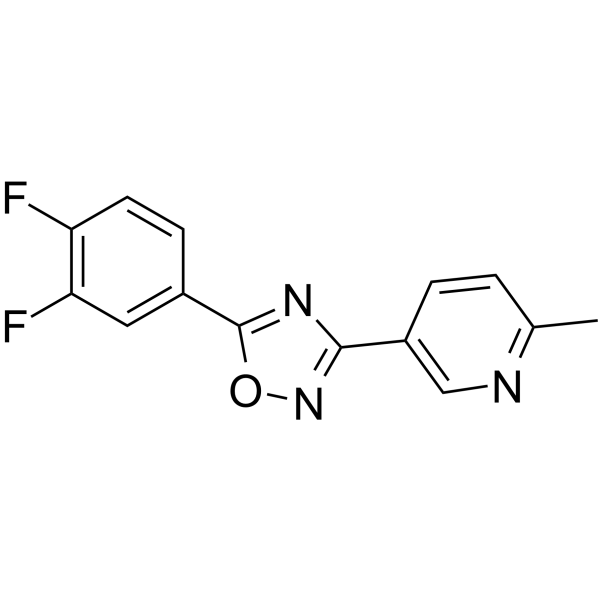
    DDO-7263, a 1,2,4-Oxadiazole derivative, is a potent Nrf2-ARE activator. DDO-7263 upregulates Nrf2 through binding to Rpn6 to block the assembly of 26S proteasome and the subsequent degradation of ubiquitinated Nrf2. DDO-7263 induces Nrf2 translocation into the nucleus. DDO-7263 inhibits of NLRP3 inflammasome activation. DDO-7263 exerts anti-inflammatory activity and has the potential for neurodegenerative diseases research, such as Parkinson's disease (PD) .
    DDO-7263
  • HY-141439

    Keap1-Nrf2 Quinone Reductase Glutathione S-transferase Apoptosis TNF Receptor Inflammation/Immunology Cancer
    TBE 31 is an orally active Keap1/Nrf2 pathway activator and NQO1 inducer with a Dm value of 1.1 nM for NQO1. TBE 31 binds to cysteine residues of Keap1, inhibits ubiquitination and degradation of Nrf2, thereby activating the expression of ARE-dependent genes. TBE 31 induces cytoprotective enzymes including NQO1 and GST isoforms, promotes Nrf2 accumulation, and upregulates Nrf2-regulated genes related to antioxidation and lipid metabolism. TBE 31 inhibits pro-inflammatory responses, formation of AFB1-DNA adducts, endoplasmic reticulum stress, cell apoptosis (apoptosis), hepatic fibrosis, oxidative stress, and the expression of ChREBP. TBE 31 reduces the number of tumors in a mouse model of ultraviolet-induced skin carcinogenesis. TBE 31 enhances nerve growth factor-induced neurite outgrowth. TBE 31 attenuates LPS-induced serum TNF-α levels and immobility time in mice. TBE 31 can be used in research related to liver cancer, skin cancer, inflammation-related depression, and non-alcoholic steatohepatitis .
    TBE 31
  • HY-175209A

    Keap1-Nrf2 Ferroptosis Reactive Oxygen Species (ROS) Atg8/LC3 Cancer
    Nrf2-IN-4 (Compound PhcY) hydrobromide is a Nrf2 inhibitor. Nrf2-IN-4 hydrobromide induces ferroptosis via NRF2 inhibition. Nrf2-IN-4 hydrobromide disrupts cellular iron homeostasis, facilitates ferritin degradation, and ultimately triggers ferroptosis. Nrf2-IN-4 hydrobromide induces lysosome activation by promoting iron-dependent ROS production and lysosomal acidification. Nrf2-IN-4 hydrobromide demonstrates significant antitumor efficacy. Nrf2-IN-4 hydrobromide can be used for the study of breast cancer .
    Nrf2-IN-4 hydrobromide
  • HY-178875

    Ligands for Target Protein for PROTAC Keap1-Nrf2 Ras Cancer
    Nrf2 activator-22, a Nrf2 activator, is a PROTAC target protein ligand. Nrf2 activator-22 can be used for synthesis PROTAC K-Ras Degrader-7 (HY-178873) .
    Nrf2 activator-22
  • HY-169766

    Molecular Glues Keap1-Nrf2 Cancer
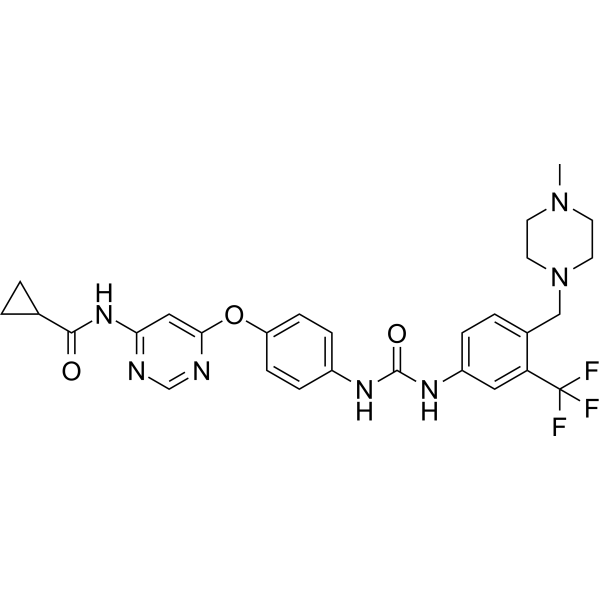
    VVD 065 is an orally active KEAP1-dependent NRF2 molecular glue degrader with a KEAP1 KD of 65 nM. VVD 065 covalently engages KEAP1 at Cys151, allosterically stabilizes KEAP1-CUL3 complex formation and enhances NRF2 polyubiquitination and proteasomal degradation. VVD 065 can be used for the research of esophageal squamous cell carcinoma, lung cancer, head-and-neck cancer, uterine cancers .
    VVD 065
  • HY-178888

    PROTAC-Linker Conjugates for PAC Cancer
    Nrf2 ligand-Linker Conjugate 2 is a synthesized Nrf2 ligand-linker conjugate that can be used for synthesis of PROTAC K-Ras Degrader-7 (HY-178873). PROTAC K-Ras Degrader-7 is a potent K-Ras PROTAC degrader with anti-tumor activity .
    Nrf2 ligand-Linker Conjugate 2
  • HY-N6929R

    Reference Standards Ferroptosis Keap1-Nrf2 Reactive Oxygen Species (ROS) Neurological Disease Cancer
    Angelic acid (Standard)) is the analytical standard of Angelic acid (HY-N6929). This product is intended for research and analytical applications. Angelic acid is a ferroptosis inducer, targeting NRF2 degradation. Angelic acid binds to NRF2 protein and promotes NRF2 degradation via ubiquitination-proteasome pathway, relieves the inhibitory effect of NRF2 on oxidative stress and lipid peroxidation. Then, Angelic acid induces ferroptosis in tumor cells. Angelic acid can enhance the accumulation of intracellular reactive oxygen species (ROS), upregulate ferroptosis-related markers CHAC1 and PTGS2, and synergize with ferroptosis inducers to enhance anti-tumor effects. Angelic acid also has the activity of scavenging UVA-induced ROS in vitro, inhibiting skin fibroblast senescence and extracellular matrix degradation. Angelic Acid helps wound healing with sedative activity .
    Angelic acid (Standard)
  • HY-174287

    Keap1-Nrf2 Inflammation/Immunology
    Keap1-IN-2 (Compound 164) is a KEAP1 inhibitor (IC50: 2 nM). Keap1-IN-2 indirectly activates Nrf2 by inhibiting KEAP1, thereby enhancing the antioxidant capacity of cells. Keap1-IN-2 promotes the accumulation and nuclear translocation of Nrf2 by blocking KEAP1-mediated Nrf2 degradation. Keap1-IN-2 can be used to study diseases associated with oxidative stress, such as inflammatory bowel disease, Crohn's disease, and immune diseases such as ulcerative colitis .
    Keap1-IN-2
  • HY-181887

    Keap1-Nrf2 NF-κB p38 MAPK Metabolic Disease
    Nrf2 activator-23 is an orally active Keap1 binder and Nrf2 activator, with KD values of 28.68 nM and 54.55 nM for Keap1 and its Kelch domain, respectively. Nrf2 activator-23 disrupts the Keap1-Nrf2 interaction, reduces ubiquitination and degradation of Nrf2, and activates the Nrf2 signaling pathway. Nrf2 activator-23 inhibits RANKL-induced osteoclast formation, bone resorptive activity, ROS production, and activation of the MAPK and NF-κB signaling pathways, while downregulating the expression of osteoclast-specific genes and proteins. Nrf2 activator-23 attenuates bone loss and reduces osteoclast formation in vivo without affecting osteoblast differentiation and mineralization. Nrf2 activator-23 can be used for the research of osteoporosis .
    Nrf2 activator-23
  • HY-181907

    HyT Keap1-Nrf2 HSP Inflammation/Immunology
    NBE5 is an orally active hydrophobic tag-targeting (Hyt) degrader (HyTTD) that targets Keap1. NBE5 mimics protein misfolding and recruits the molecular chaperone Hsp90, while achieving targeted degradation of Keap1 through both the ubiquitin-proteasome system and the autophagy-lysosome system. Consequently, NBE5 relieves the inhibition of the transcription factor Nrf2 by Keap1, potently activates the Nrf2-mediated endogenous antioxidant pathway, and upregulates the expression of downstream antioxidant proteins such as HO-1 and GCLM. NBE5 effectively alleviates oxidative stress and inflammatory damage, and exhibits excellent in vivo activity in a mouse model of acute colitis induced by DSS (HY-116282C) .
    NBE5 consists of a hydrophobic tag (HY-W022007), a Keap1-Nrf2 ligand (HY-14909), and a linker (HY-W014831).
    NBE5

온라인 문의

Your information is safe with us. * Required Fields.

호칭


Country or Region *

고객명 *


회사명 *

Department *


메일주소 *


상품명 *

Cat. No.


Requested quantity *

전화번호 *


비고

온라인 문의

Inquiry Information

상품명:
Cat. No.:
수량:
MCE Japan Authorized Agent:

