



565-63-9
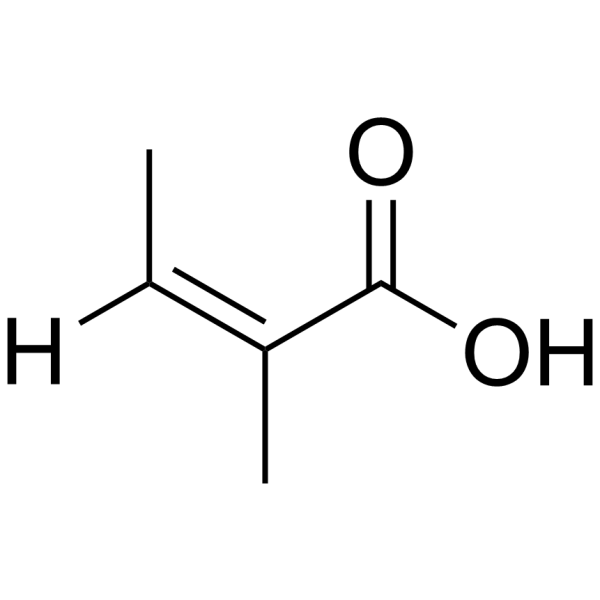
Chemical Structure
Angelic acid
- CAS. Nr.: 565-63-9
- Formula:C5H8O2
- Molecular Weight:100.12
IUPAC Name: (Z)-2-methylbut-2-enoic acid
InChIKey: UIERETOOQGIECD-ARJAWSKDSA-N
SMILES: C/C=C(C)\C(O)=O
Biological Activity: Angelic acid is a ferroptosis inducer, targeting NRF2 degradation. Angelic acid binds to NRF2 protein and promotes NRF2 degradation via ubiquitination-proteasome pathway, relieves the inhibitory effect of NRF2 on oxidative stress and lipid peroxidation. Then, Angelic acid induces ferroptosis in tumor cells. Angelic acid can enhance the accumulation of intracellular reactive oxygen species (ROS), upregulate ferroptosis-related markers CHAC1 and PTGS2, and synergize with ferroptosis inducers to enhance anti-tumor effects. Angelic acid also has the activity of scavenging UVA-induced ROS in vitro, inhibiting skin fibroblast senescence and extracellular matrix degradation. Angelic Acid helps wound healing with sedative activity[1][2].
| Art. -Nr. | Produktname | Reinheit | Beschreibung | Pricing | |||||||||||||||||||
|---|---|---|---|---|---|---|---|---|---|---|---|---|---|---|---|---|---|---|---|---|---|---|---|
|
|
Angelic acid | 99.20% | Angelic acid is a ferroptosis inducer, targeting NRF2 degradation. Angelic acid binds to NRF2 protein and promotes NRF2 degradation via ubiquitination-proteasome pathway, relieves the inhibitory effect of NRF2 on oxidative stress and lipid peroxidation. Then, Angelic acid induces ferroptosis in tumor cells. Angelic acid can enhance the accumulation of intracellular reactive oxygen species (ROS), upregulate ferroptosis-related markers CHAC1 and PTGS2, and synergize with ferroptosis inducers to enhance anti-tumor effects. Angelic acid also has the activity of scavenging UVA-induced ROS in vitro, inhibiting skin fibroblast senescence and extracellular matrix degradation. Angelic Acid helps wound healing with sedative activity. | ||||||||||||||||||||
|
loading...
/
|
|||||||||||||||||||||||
|
|
Angelic acid (Standard) | ≥98% | Angelic acid (Standard)) is the analytical standard of Angelic acid (HY-N6929). This product is intended for research and analytical applications. Angelic acid is a ferroptosis inducer, targeting NRF2 degradation. Angelic acid binds to NRF2 protein and promotes NRF2 degradation via ubiquitination-proteasome pathway, relieves the inhibitory effect of NRF2 on oxidative stress and lipid peroxidation. Then, Angelic acid induces ferroptosis in tumor cells. Angelic acid can enhance the accumulation of intracellular reactive oxygen species (ROS), upregulate ferroptosis-related markers CHAC1 and PTGS2, and synergize with ferroptosis inducers to enhance anti-tumor effects. Angelic acid also has the activity of scavenging UVA-induced ROS in vitro, inhibiting skin fibroblast senescence and extracellular matrix degradation. Angelic Acid helps wound healing with sedative activity. | ||||||||||||||||||||
|
loading...
/
|
|||||||||||||||||||||||
-
Similarity Score 1.00
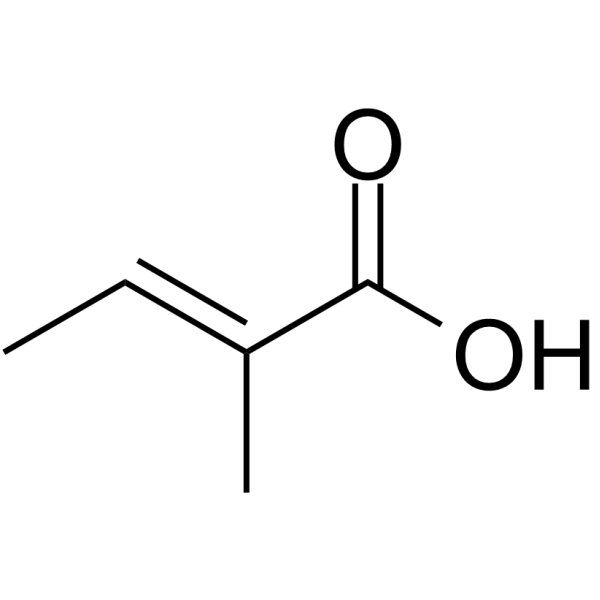 HY-W012999Tiglic acid
-
Similarity Score 0.80
 HY-W010611R3,3-Dimethylacrylic acid (Standard)
-
Similarity Score 0.76
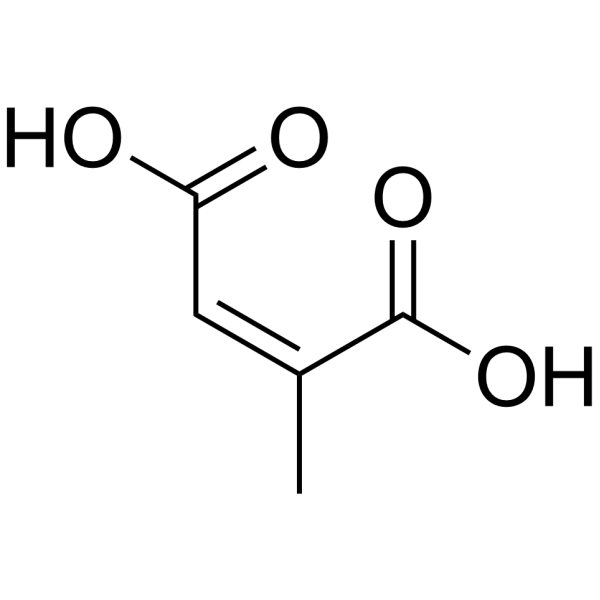 HY-113298Citraconic acid
-
Similarity Score 0.76
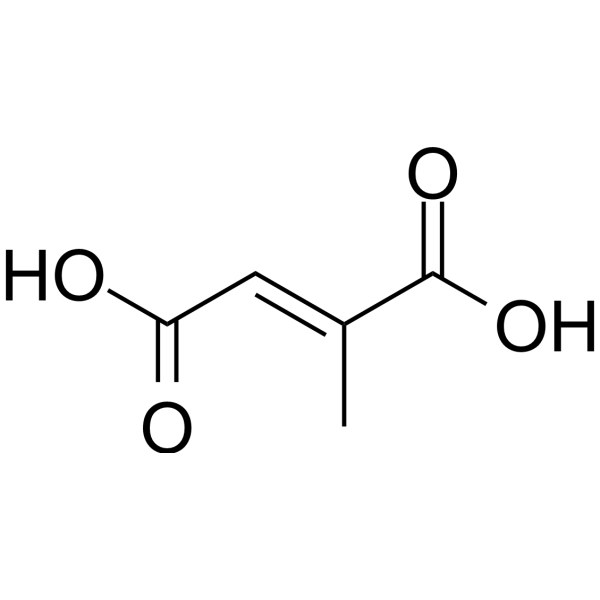 HY-78036Mesaconic acid
-
Similarity Score 0.76
 HY-W699735(E)-2-Methylbut-2-enoic-4,4,4-d3 acid
-
Similarity Score 0.75
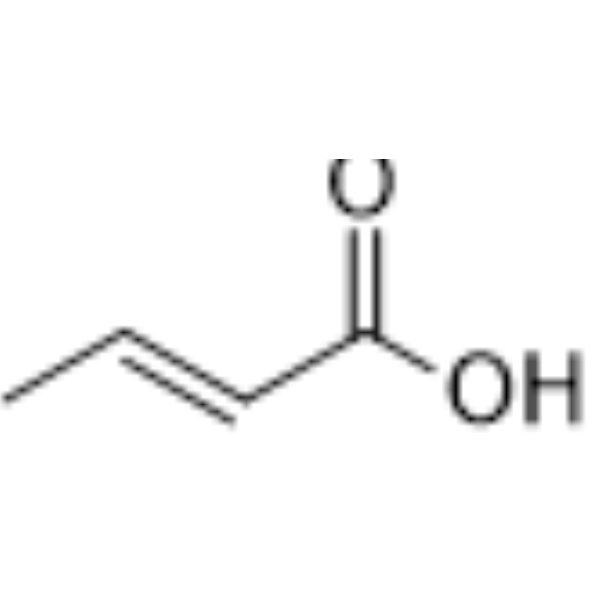 HY-Y1644(E)-Crotonic acid
-
Similarity Score 0.73
 HY-W697750trans-2-Methyl-2-butenal
-
Similarity Score 0.73
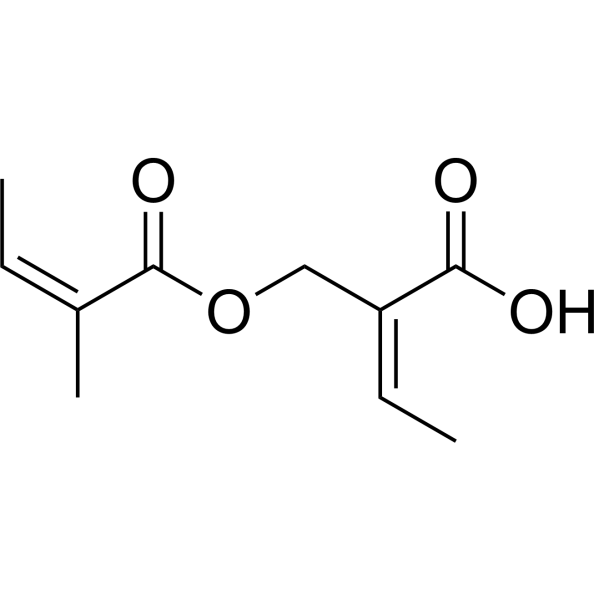 HY-N10814(Z)-2-Angeloyloxymethyl-2-butenoic
-
Similarity Score 0.73
 HY-W450116(E)-Pent-3-en-2-one
-

Explore the MedChemAI to find more analogs


References
- [1]. Cao Y, et al. Angelic acid triggers ferroptosis in colorectal cancer cells via targeting and impairing NRF2 protein stability. J Nat Med. 2025 Jan;79(1):82-94. [Content Brief]
- [2]. Jung-Eun Ku. Photodamage attenuation effect by angelic acid in UVA irradiation-induced damages in normal human dermal fibroblast. Biomedical Dermatologyvolume 2, Article number: 8 (2018).



