26 Results for "

Nrf2-ARE

" in MedChemExpress (MCE) Product Catalog:
Products (26)

26 Results for "Nrf2-ARE" in MCE Product Catalog:

8
8 Publications Verification
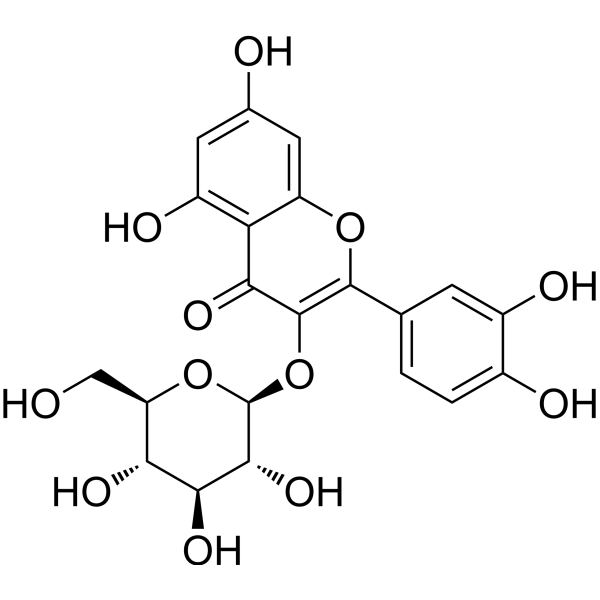
Cat. No.: HY-N1445
CAS No.: 482-35-9
Synonyms: Isoquercetin; Quercetin 3-glucoside
Isoquercetin (Quercetin 3-glucoside) is a naturally occurring polyphenol that has antioxidant, anti-proliferative, and anti-inflammatory properties. Isoquercetin alleviates ethanol-induced hepatotoxicity, oxidative stress, and inflammatory responses via the Nrf2/ARE antioxidant signaling pathway . Isoquercetin regulates the expression of nitric oxide synthase 2 (NO2) via modulating the nuclear factor-κB (NF-κB) transcription regulation system. Isoquercetin has high bioavailability and low toxicity, is a promising candidate agent to prevent birth defects in diabetic pregnancies [2].
loading...
    loading...
7
7 Cited Publications
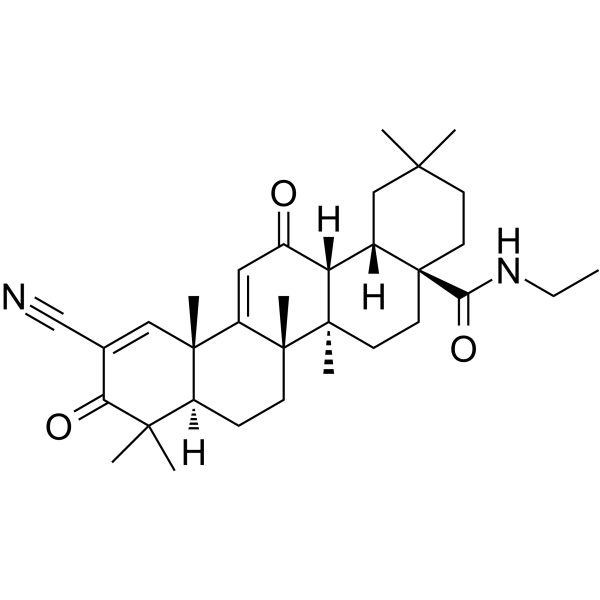
Cat. No.: HY-12213
CAS No.: 932730-51-3
Purity:  99.78%
Synonyms: CDDO ethyl amide; TP319; RTA 405
Target:  

Keap1-Nrf2

Research Areas:  

Cancer

CDDO-EA is an NF-E2 related factor 2/antioxidant response element (Nrf2/ARE) activator.
loading...
    loading...
2
2 Cited Publications
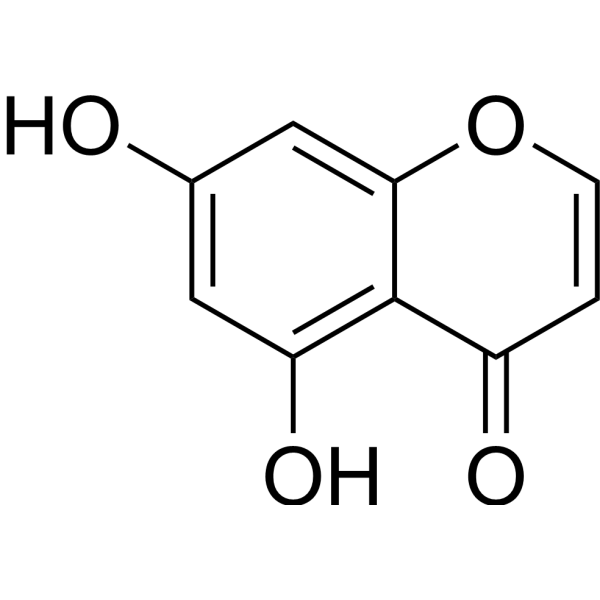
Cat. No.: HY-N1970
CAS No.: 31721-94-5
5,7-Dihydroxychromone is a flavonoid compound with antioxidant properties. 5,7-Dihydroxychromone induces Nrf2 nuclear translocation, increases Nrf2/ARE binding activity, and up-regulates Nrf2-dependent antioxidant genes HO-1, NQO1, GCLc. 5,7-Dihydroxychromone attenuates excessive ROS generation, inhibits activated caspase-3, caspase-9, cleaved PARP expression, and prevents neuronal apoptosis and cell death. 5,7-Dihydroxychromone increases LXRα and PPARγ mRNA expression, induces preadipocyte differentiation, and regulates blood glucose levels. 5,7-Dihydroxychromone inhibits radial growth of soil pathogenic fungi, radicle elongation of select seedlings, and transiently inhibits Bradyrhizobium sp. growth in high mannitol medium. 5,7-Dihydroxychromone can be used for the research of Parkinson’s disease, type 2 diabetes mellitus and pathogenic fungal infection [2] .
loading...
    loading...
2
2 Cited Publications
Cat. No.: HY-N1445R
CAS No.: 482-35-9
Synonyms: Isoquercetin (Standard); Quercetin 3-glucoside (Standard)
Isoquercetin (Standard) is the analytical standard of Isoquercetin. This product is intended for research and analytical applications. Isoquercetin (Quercetin 3-glucoside) is a naturally occurring polyphenol that has antioxidant, anti-proliferative, and anti-inflammatory properties. Isoquercetin alleviates ethanol-induced hepatotoxicity, oxidative stress, and inflammatory responses via the Nrf2/ARE antioxidant signaling pathway . Isoquercetin regulates the expression of nitric oxide synthase 2 (NO2) via modulating the nuclear factor-κB (NF-κB) transcription regulation system. Isoquercetin has high bioavailability and low toxicity, is a promising candidate agent to prevent birth defects in diabetic pregnancies [2].
loading...
    loading...
1
1 Cited Publications
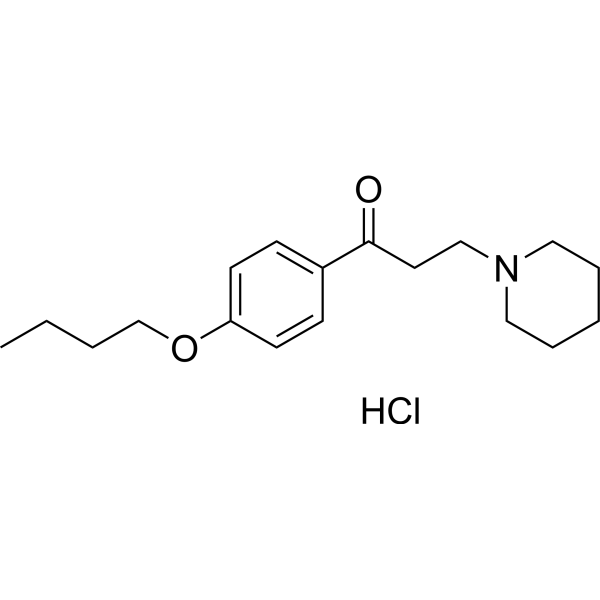
Cat. No.: HY-B0364A
CAS No.: 536-43-6
Synonyms: Dyclocaine hydrochloride
Dyclonine hydrochloride (Dyclocaine hydrochloride) is an orally active, blood-brain barrier-permeable piperidine phenylacetone small molecule commonly used as a local anesthetic. Dyclonine hydrochloride acts as a highly selective allosteric antagonist of TRPV3; it also reversibly inhibits G9a, ALDH2 and ALDH3A1, non-competitively blocks AChE. Dyclonine hydrochloride activates the Nrf2/ARE pathway, relieves the epigenetic silencing of FXN, blocks Aβ42 aggregation, and promotes remyelination and reparative polarization of microglia. Dyclonine hydrochloride alleviates pruritus via TRPV3 inhibition; it is used in studies of neurodegenerative disease models based on its AChE inhibitory, antioxidant and remyelinating effects; it sensitizes drug-resistant tumors through ALDH inhibition, and combined use with protease inhibitors induces more tumor cell apoptosis; it inhibits Candida albicans in vitro. Dyclonine hydrochloride can be used for research on multiple diseases including neurodegenerative diseases, cancer and pruritic dermatitis [2] .
loading...
    loading...
1
1 Cited Publications
Cat. No.: HY-N2157
CAS No.: 13161-75-6
Synonyms: (+)-Pteryxin
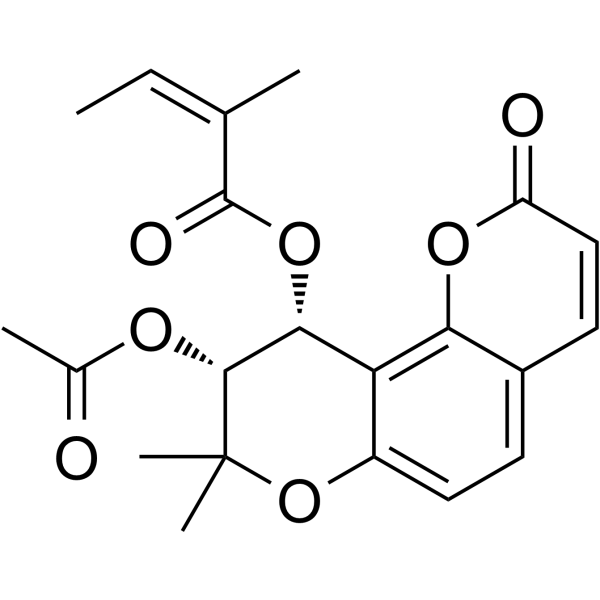
Pteryxin ((+)-Pteryxin) is an orally active multi-target inhibitor that targets NF-κB, MAPK, NLRP3 inflammasome, and Nrf2/ARE pathways. Pteryxin is also a BChE inhibitor (IC50=12.96 μg/mL) with a low inhibitory efficiency on AChE. Pteryxin inhibits the Ca 2+-calcineurin-NFATc1 pathway by blocking NF-κB/MAPK signaling, inhibiting NLRP3 inflammasome activation, and reducing ROS generation, and activates Nrf2-mediated antioxidant enzyme expression. Pteryxin has anti-inflammatory, antioxidant, and osteoclastogenesis inhibitory activities. Pteryxin can be used in the study of inflammatory diseases, osteoporosis, diabetes, and Alzheimer's disease [2] .
loading...
    loading...
1
1 Cited Publications
Cat. No.: HY-144634
CAS No.: 2254004-96-9
Purity:  99.83%
Target:  

Keap1-Nrf2

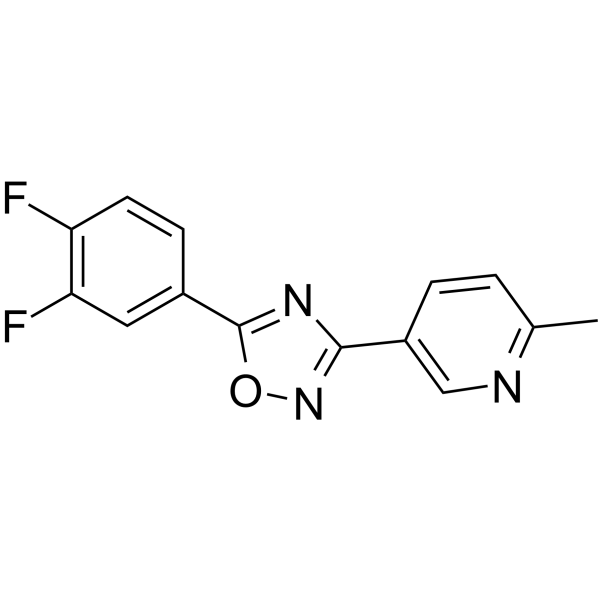
DDO-7263, a 1,2,4-Oxadiazole derivative, is a potent Nrf2-ARE activator. DDO-7263 upregulates Nrf2 through binding to Rpn6 to block the assembly of 26S proteasome and the subsequent degradation of ubiquitinated Nrf2. DDO-7263 induces Nrf2 translocation into the nucleus. DDO-7263 inhibits of NLRP3 inflammasome activation. DDO-7263 exerts anti-inflammatory activity and has the potential for neurodegenerative diseases research, such as Parkinson's disease (PD) [2].
loading...
    loading...
Cat. No.: HY-110275
CAS No.: 1832713-02-6
Purity:  98.54%
Target:  

Keap1-Nrf2 NO Synthase

Research Areas:  

Infection Inflammation/Immunology

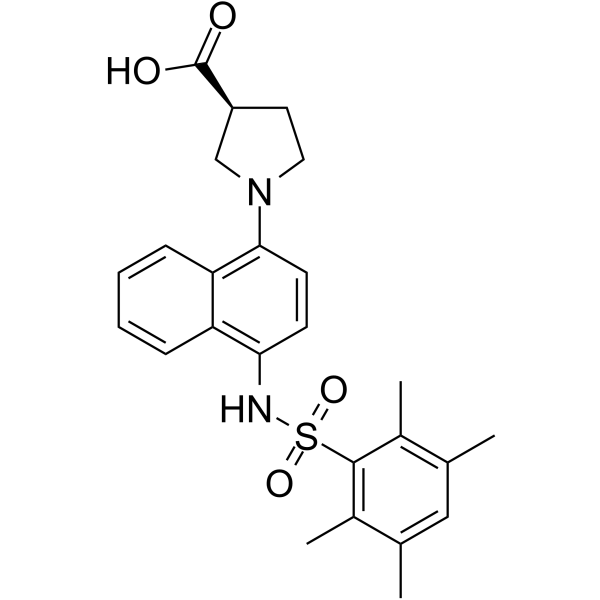
RA839 is a selective Nrf2/ARE pathway agonist and non-covalent small molecule binder of Keap1 (Kd is approximately 6 μM). RA839 prevents inducible nitric oxide synthase expression and nitric oxide release. RA839 exerts anti-rotaviral and anti-inflammatory effects [2].
loading...
    loading...
Cat. No.: HY-12462
CAS No.: 1421227-52-2
Purity:  98.00%
WS3 is an allosteric inhibitor of 14-3-3 (14-3-3ζ: Kd = 2.29 μM). WS3 activates GSK3β by disrupting the binding of 14-3-3-pGSK3β, promotes the ubiquitination and degradation of NRF2, and inhibits the NRF2-ARE signaling pathway (IC50 = 135 nM). It exerts antioxidant inhibition and chemotherapeutic/ferroptosis sensitizing effects in tumors with hyperactivated NRF2. WS3 binds to EBP1/IKKε and promotes the proliferation of β cells and retinal pigment epithelial (RPE) cells, which can be applied to islet regeneration and RPE expansion transplantation . WS3 is applicable to research related to age-related macular degeneration, retinal degeneration and non-small cell lung cancer [2] .
loading...
    loading...
Cat. No.: HY-N15660
CAS No.: 507-61-9
Azafrin, a carotenoid, is one of the most abundant active ingredients in C. grandiflora. Azafrin increases HO-1, NQO1, and Nrf2 expression. Azafrin shows cardioprotective effect against myocardial injury via activation of the Nrf2-ARE pathway. Azafrin can be used for research of cardiovascular diseases .
loading...
    loading...
Cat. No.: HY-144635
CAS No.: 3035124-25-2
Purity:  98.44%
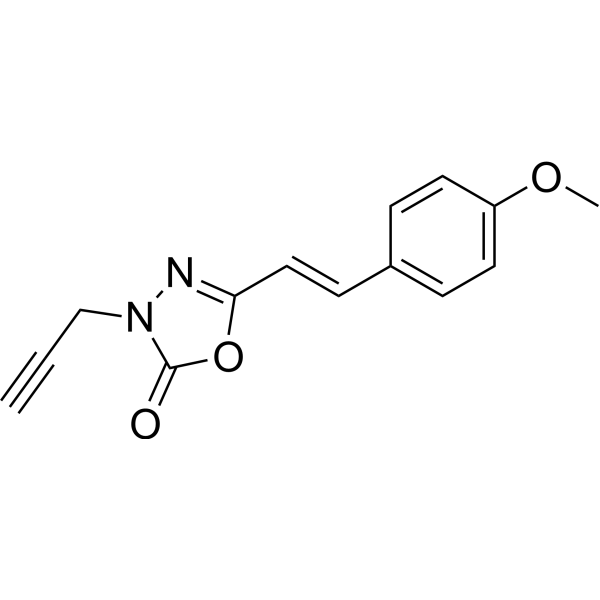
Nrf2-ARE/hMAO-B/QR2 modulator 1 is a Resveratrol-based multitarget-directed ligands with IC50s of 8.05, 9.83 and 0.57 μM for hMAO-B, NRF2 and QR2. Nrf2-ARE/hMAO-B/QR2 modulator 1 has neuroprotection, decreasing ROS production in okadaic acid-treated mice hippocampal slices . Nrf2-ARE/hMAO-B/QR2 modulator 1 is a click chemistry reagent, it contains an Alkyne group and can undergo copper-catalyzed azide-alkyne cycloaddition (CuAAc) with molecules containing Azide groups.
loading...
    loading...
Cat. No.: HY-N10405
CAS No.: 100761-20-4
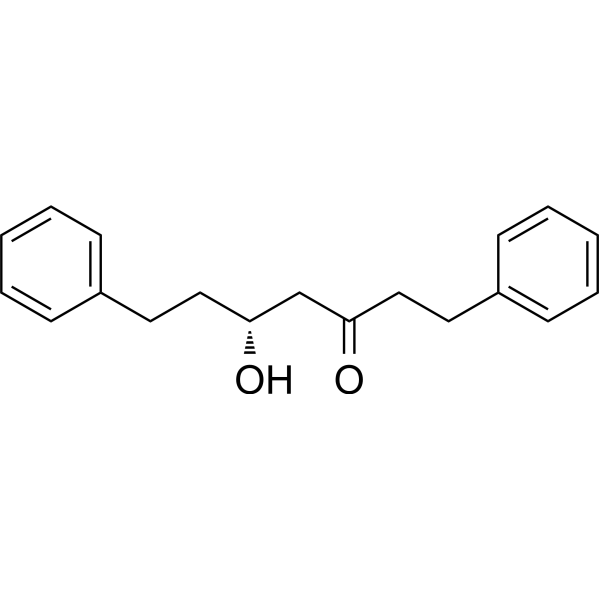
(R)-5-Hydroxy-1,7-diphenyl-3-heptanone is a diarylheptanoid that can be found in Alpinia officinarum. (R)-5-Hydroxy-1,7-diphenyl-3-heptanone ameliorates oxidative stress and insulin resistance via activation of Nrf2/ARE pathway .
loading...
    loading...
Cat. No.: HY-N6802
CAS No.: 66069-55-4
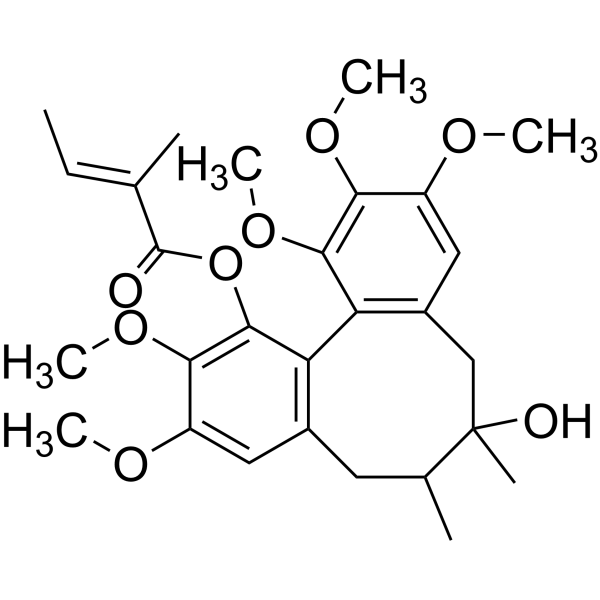
Tigloylgomisin H is a lignan isolated from the fruits of S. chinensis, can induce quinone reductase (QR) activity in Hepa1c1c7 mouse hepatocarcinoma cells. Tigloylgomisin H functions as a monofunctional inducer that specifically upregulates phase II detoxification enzyme NQO1 through the NF-E2-related factor 2 (Nrf2)-ARE pathway, thus represents a potential liver cancer prevention agent .
loading...
    loading...
Cat. No.: HY-N15190
CAS No.: 74061-79-3
Sesaminol is an orally active activator for Nrf2-ARE pathway, that promotes the the nuclear translocation of Nrf2 and enhances the NQO1 expression, thereby enhances the cell's defense against oxidative stress. Sesaminol inhibits 6-OHDA (HY-B1081)-induced ROS production and apoptosis in cell SH-SY5Y. Sesaminol exhibits neuroprotective efficacy against Rotenone (HY-B1756)-induced Parkinson's disease .
loading...
    loading...
Cat. No.: HY-N1970R
CAS No.: 31721-94-5
5,7-Dihydroxychromone (Standard) is the analytical standard of 5,7-Dihydroxychromone (HY-N1970). This product is intended for research and analytical applications. 5,7-Dihydroxychromone is a flavonoid compound with antioxidant properties. 5,7-Dihydroxychromone induces Nrf2 nuclear translocation, increases Nrf2/ARE binding activity, and up-regulates Nrf2-dependent antioxidant genes HO-1, NQO1, GCLc. 5,7-Dihydroxychromone attenuates excessive ROS generation, inhibits activated caspase-3, caspase-9, cleaved PARP expression, and prevents neuronal apoptosis and cell death. 5,7-Dihydroxychromone increases LXRα and PPARγ mRNA expression, induces preadipocyte differentiation, and regulates blood glucose levels. 5,7-Dihydroxychromone inhibits radial growth of soil pathogenic fungi, radicle elongation of select seedlings, and transiently inhibits Bradyrhizobium sp. growth in high mannitol medium. 5,7-Dihydroxychromone can be used for the research of Parkinson’s disease, type 2 diabetes mellitus and pathogenic fungal infection [2] .
loading...
    loading...
Cat. No.: HY-176146
Target:  

Keap1-Nrf2

Keap1/Nrf2/ARE activator 1 (compound HT-3) is a Keap1/Nrf2/ARE pathway activator. Keap1/Nrf2/ARE activator 1 exhibits antioxidant activity and neuroprotective efficacy .
loading...
    loading...
Cat. No.: HY-158205
CAS No.: 1895934-61-8
Synonyms: 4-Hydroperoxy-2-decenoic acid ethyl ester
HPO-DAEE (4-Hydroperoxy-2-decenoic acid ethyl ester) elicits nuclear accumulation of Nrf2 and activated antioxidant response element (ARE). HPO-DAEE induces antioxidant genes upregulation (eg: HO-1) through Nrf2-ARE signaling. HPO-DAEE induces reactive oxygen species generation. HPO-DAEE also inhibits histone deacetylase and upregulate expression of extracellular superoxide dismutase via histone acetylation. HPO-DAEE protects against 6-hydroxydopamine-induced cell death via activation of Nrf2-ARE and eIF2α-ATF4 pathways .
loading...
    loading...
Cat. No.: HY-173181
Target:  

Keap1-Nrf2

Research Areas:  

Neurological Disease

Anticonvulsant agent 10 (Compound 6d) is an inhibitor targeting the Keap1-Nrf2 interaction, with a potent ED50 of 0.04 mmol/kg. By inhibiting Keap1-Nrf2 binding and activating the Nrf2/ARE pathway, Anticonvulsant agent 10 exerts anticonvulsant and neuroprotective effects, making it suitable for research in antiepileptic and neuroprotective studies .
loading...
    loading...
Cat. No.: HY-B0364AR
CAS No.: 536-43-6
Synonyms: Dyclocaine hydrochloride (Standard)
Dyclonine hydrochloride (Standard) (Dyclocaine hydrochloride (Standard)) is the analytical standard of Dyclonine hydrochloride (HY-B0364A). This product is intended for research and analytical applications. Dyclonine hydrochloride (Dyclocaine hydrochloride) is an orally active, blood-brain barrier-permeable piperidine phenylacetone small molecule commonly used as a local anesthetic. Dyclonine hydrochloride acts as a highly selective allosteric antagonist of TRPV3; it also reversibly inhibits G9a, ALDH2 and ALDH3A1, non-competitively blocks AChE. Dyclonine hydrochloride activates the Nrf2/ARE pathway, relieves the epigenetic silencing of FXN, blocks Aβ42 aggregation, and promotes remyelination and reparative polarization of microglia. Dyclonine hydrochloride alleviates pruritus via TRPV3 inhibition; it is used in studies of neurodegenerative disease models based on its AChE inhibitory, antioxidant and remyelinating effects; it sensitizes drug-resistant tumors through ALDH inhibition, and combined use with protease inhibitors induces more tumor cell apoptosis; it inhibits Candida albicans in vitro. Dyclonine hydrochloride can be used for research on multiple diseases including neurodegenerative diseases, cancer and pruritic dermatitis [2] .
loading...
    loading...
Cat. No.: HY-B0364AS
Synonyms: Dyclocaine-d9 hydrochloride
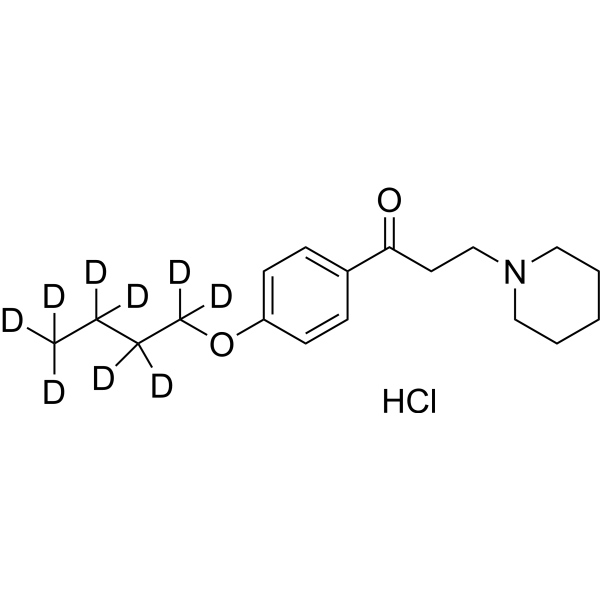
Dyclonine-d9 hydrochloride (Dyclocaine-d9 hydrochloride) is the deuterated-labeled Dyclonine hydrochloride (HY-B0364A). Dyclonine hydrochloride (Dyclocaine hydrochloride) is an orally active, blood-brain barrier-permeable piperidine phenylacetone small molecule commonly used as a local anesthetic. Dyclonine hydrochloride acts as a highly selective allosteric antagonist of TRPV3; it also reversibly inhibits G9a, ALDH2 and ALDH3A1, non-competitively blocks AChE. Dyclonine hydrochloride activates the Nrf2/ARE pathway, relieves the epigenetic silencing of FXN, blocks Aβ42 aggregation, and promotes remyelination and reparative polarization of microglia. Dyclonine hydrochloride alleviates pruritus via TRPV3 inhibition; it is used in studies of neurodegenerative disease models based on its AChE inhibitory, antioxidant and remyelinating effects; it sensitizes drug-resistant tumors through ALDH inhibition, and combined use with protease inhibitors induces more tumor cell apoptosis; it inhibits Candida albicans in vitro. Dyclonine hydrochloride can be used for research on multiple diseases including neurodegenerative diseases, cancer and pruritic dermatitis [2] .
loading...
    loading...

