
1. Search Result
Search Result
Results for "

Nude mice model

" in MedChemExpress (MCE) Product Catalog:

30

Inhibitors & Agonists

1

Fluorescent Dyes

1

Biochemical Assay Reagents

2

Peptides

4

Inhibitory Antibodies

2

Natural
Products

1

Oligonucleotides

Cat. No. Product Name Target Research Areas Chemical Structure
  • HY-15096
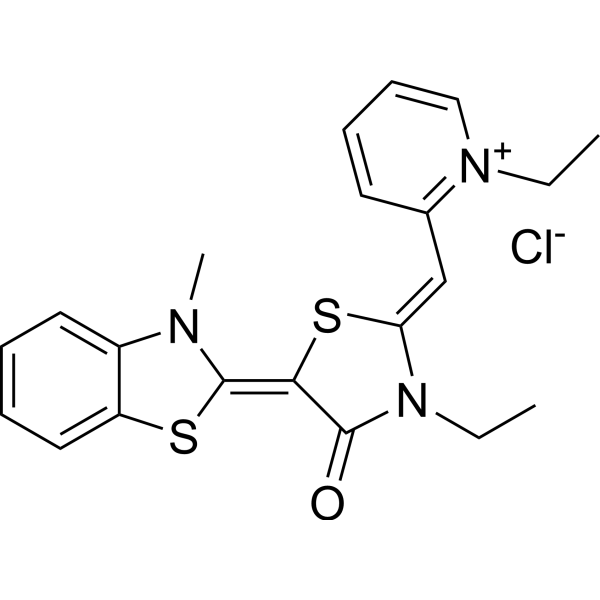
    MKT-077
    15+ Cited Publications

    FJ-776

    Fluorescent Dye HSP Cancer
    MKT-077 (FJ-776), a highly water-soluble mitochondrial dye, has significant antitumor activity . MKT-077 exhibits low cytotoxicity, and inhibits broad-spectrum human cancer cell lines (colon cancer, breast cancer, pancreatic cancer). MKT-077 inhibits the growth of tumor in nude mice enograft tumor model. Ex/Em=488/543 nm .
    MKT-077
  • HY-123972
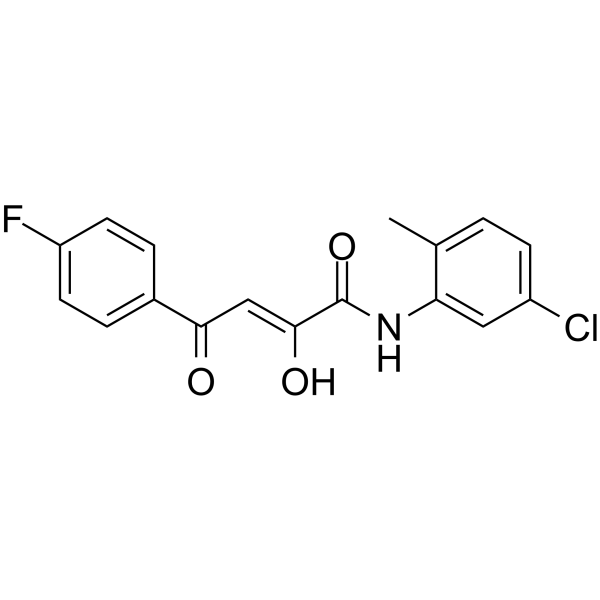
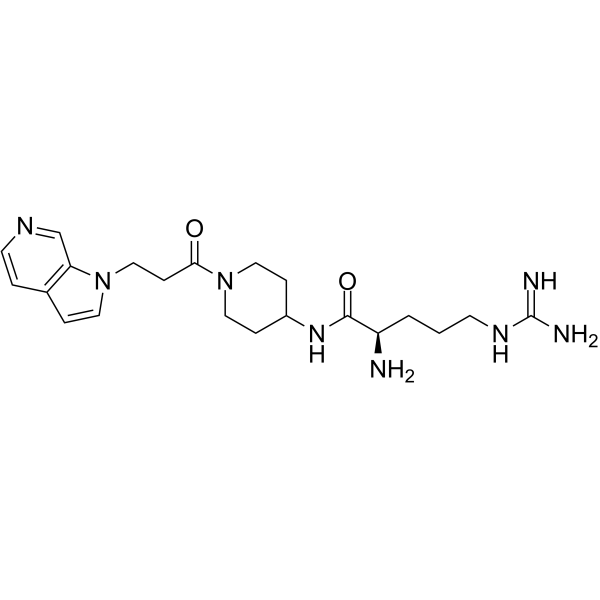
    SEC inhibitor KL-2
    1 Publications Verification

    KL-2

    DNA/RNA Synthesis Cancer
    SEC inhibitor KL-2 (KL-2), a peptidomimetic lead compound, is a potent, selective super elongation complex (SEC) inhibitor and disrupts the interaction between the SEC scaffolding protein AFF4 and P-TEFb, resulting in impaired release of Pol II from promoter-proximal pause sites and a reduced average rate of processive transcription elongation. SEC inhibitor KL-2 exhibits an dose-dependent inhibitory effect on AFF4-CCNT1 interaction with a Ki of 1.50 μM .
    SEC inhibitor KL-2
  • HY-113205

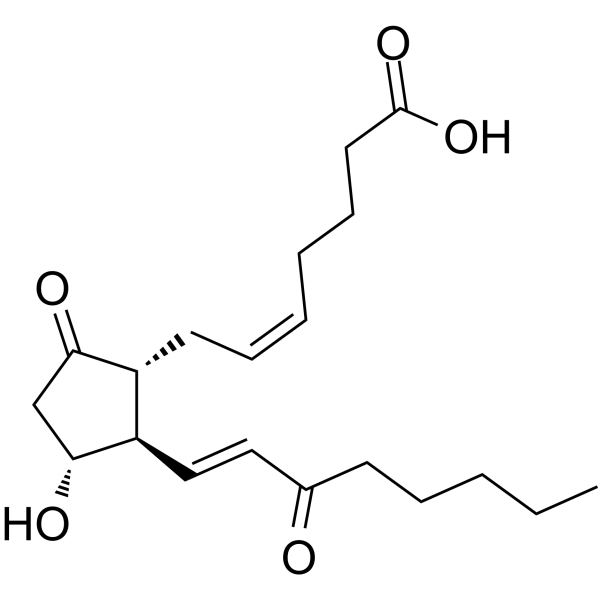
    15-keto-PGE2

    Endogenous Metabolite Prostaglandin Receptor STAT PPAR Fungal Drug Metabolite Cardiovascular Disease Infection Endocrinology Cancer
    15-keto-Prostaglandin E2 (15-keto-PGE2) is an endogenous PGE2 metabolite. 15-keto-Prostaglandin E2 inhibits STAT3 activation by binding to the Cys259 residue of STAT3. 15-keto-Prostaglandin E2 binds to and stabilizes EP2 and EP4 receptors. 15-keto-Prostaglandin E2 inhibits the growth and progression of breast cancer cells. 15-keto-Prostaglandin E2 activates PPAR-γ and promotes fungal growth. 15-keto-Prostaglandin E2 disrupts glomerular vascularization during zebrafish development and reduces the surface area of the glomerular filtration barrier .
    15-keto-Prostaglandin E2
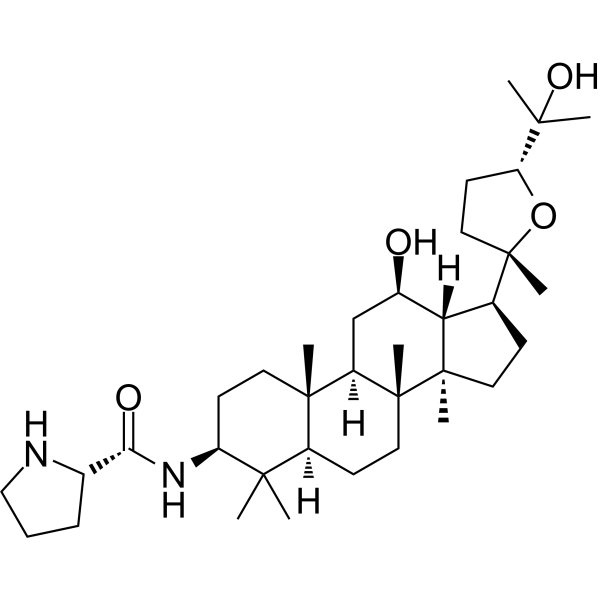
  • HY-120692

    JAK STAT Apoptosis Cancer
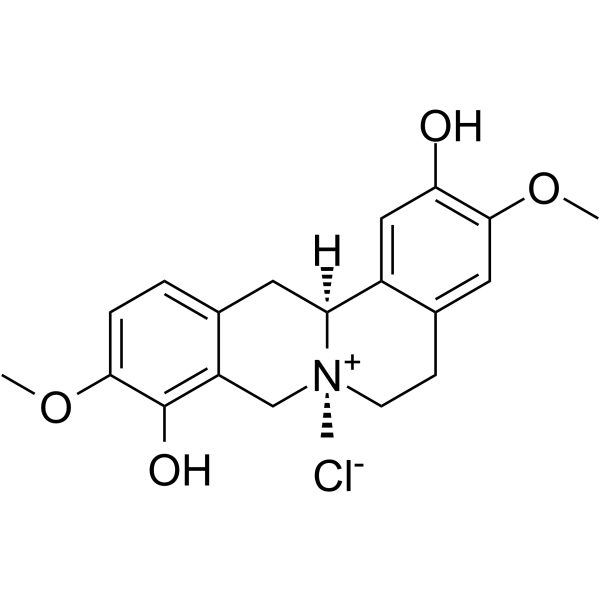
    Cyclanoline chloride is an alkaloid. Cyclanoline chloride can be isolated from Fangji. Cyclanoline (chloride) inhibits the phosphorylation of JAK2 and STAT3, and induces Apoptosis. Cyclanoline chloride suppresses tumor growth in subcutaneous bladder cancer xenograft models of nude mice. Cyclanoline chloride reverses cisplatin resistance in bladder cancer cells and enhances the efficacy of Cisplatin (HY-17394). Cyclanoline chloride can be used for research related to bladder cancer .
    Cyclanoline chloride
  • HY-P991584

    FGFR Cancer
    HuGAL-FR21 is a humanized antiFGFR2IIIb IgG1 monoclonal antibody. HuGAL-FR21 can block the binding of FGF2, FGF7, and FGF10 to FGFR2IIIb and inhibit FGF-induced phosphorylation of FGFR2IIIb. HuGAL-FR21 can downregulate the expression of FGFR2 in SNU-16 cells. HuGAL-FR21 shows the significant anti-tumor activity in athymic nude mice bearing gastric cancer xenograft models. HuGAL-FR21 can be used for research on cancer such as gastric cancer .
    HuGAL-FR21
  • HY-P991550

    CD22 Cancer
    RFB4 is an anti-CD22 monoclonal antibody. RFB4 can be fused with Pseudomonas aeruginosa exotoxin (PE38) via disulfide bonds to construct recombinant immunotoxins, such as RFB4 (dsFv)-PE38. RFB4 is applicable to the research of cancers including lymphoma .
    RFB4
  • HY-176798

    Lactate Dehydrogenase Reactive Oxygen Species (ROS) Apoptosis Cancer
    NCI-006 is an orally active lactate dehydrogenase (LDH) inhibitor (LDHA IC50 = 0.06 μM; LDHB IC50 = 0.03 μM). NCI-006 inhibits intratumoral LDH activity, lactate production, and tumor growth in a mouse pancreatic cancer model. NCI-006 inhibits glycolysis and induces apoptosis in vitro. NCI-006 enhances the radiosensitivity of glycolytic tumor cell lines while sparing non-glycolytic/normal cells (1522, skin fibroblasts) in combination with ionizing radiation (IR). NCI-006 exhibits synergistic antitumor effects in combination with IACS-010759 (HY-112037) against colorectal and gastric cancers. NCI-006 targets glycolysis by inhibiting lactate dehydrogenase impairs tumor growth in an Ewing sarcoma model .
    NCI-006
  • HY-155887

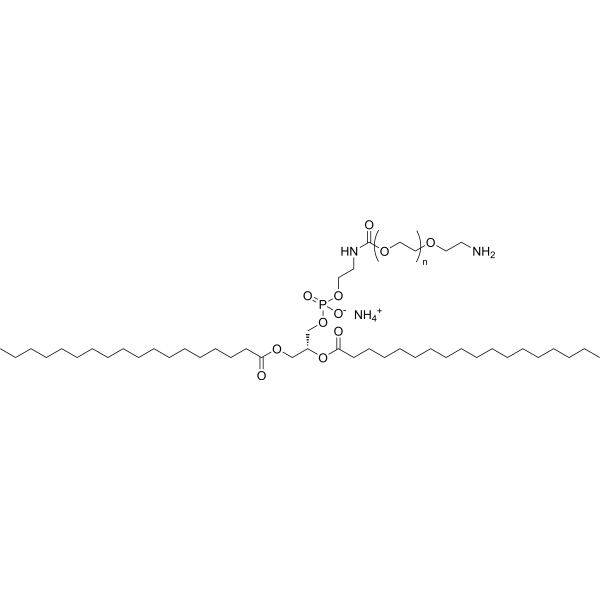
    DSPE-PEG-NH2, MW 3400 ammonium

    Liposome Cancer
    DSPE-PEG-Amine (DSPE-PEG-NH2), MW 3400 ammonium is an amino-functionalized PEGylated phospholipid. It serves not only as a key component for preparing σ receptor-targeted liposomes (such as anisamide-modified lipids) but also as a starting material for synthesizing click chemistry- and tumor-targeted lipids including DSPE-PEG-DBCO (HY-155788) and DSPE-PEG2000-TCO (HY-170704). DSPE-PEG-Amine, MW 3400 ammonium effectively modulates the ζ potential of nanoparticles, enables complexation with nucleic acids or proteins to protect DNA from nuclease degradation, and supports ligand conjugation on the nanoparticle surface. It is used in studies related to DU-145 tumors, breast cancer, and other relevant research .
    DSPE-PEG-Amine, MW 3400 ammonium
  • HY-108790

    Peginterferon β-1a

    Apoptosis Neurological Disease Cancer
    Peginterferon beta-1a (Peginterferon β-1a) is the first pegylated interferon beta-1a molecule. Peginterferon beta-1a induces cancer cells apoptosis and shows anti-tumor activities in nude mice models. Peginterferon beta-1a can be used for the research of cancer and multiple sclerosis (RMS) .
    Peginterferon beta-1a
  • HY-W674149

    Microtubule/Tubulin Cancer
    ABI-274 is a tubulin and colchicine binding site inhibitor. ABI-274 significantly promotes cancer cell apoptosis in vitro when combined with vemurafenib (HY-12057). ABI-274 exhibits potent synergistic efficacy in the vemurafenib-resistant xenograft model in nude mice. ABI-274 can be studied in research on melanoma .
    ABI-274
  • HY-P991243

    EGFR Akt Cancer
    MP-RM-1 is an antibody-based, non-competitive ErbB-3 inhibitor with a Kd value of 32.7 nM. MP-RM-1 inhibits both ligand-dependent and ligand-independent ErbB-3 activation, blocks ErbB-2/ErbB-3 heterodimerization, induces ErbB-3 internalization and degradation, and suppresses the phosphorylation of downstream Akt. MP-RM-1 exerts its antagonistic effect through a non-competitive mechanism. MP-RM-1 inhibits tumor growth in melanoma and prostate cancer xenograft models in nude mice and reduces the proliferative activity of tumor cells .
    MP-RM-1
  • HY-P10775A

    MMP Cancer
    BT1769 acetate is a conjugate and antitumor agent targeting MT1-MMP, with a Kd value of 3.35 nM against human targets. BT1769 acetate exhibits favorable pharmacokinetic properties. BT1769 acetate specifically binds to MT1-MMP via its bicyclic peptide component, delivering the cytotoxic agent MMAE (HY-15162) to antigen-expressing cells. It effectively inhibits tumor growth, induces complete responses, and significantly prolongs event-free survival in osteosarcoma patient-derived xenograft models. BT1769 acetate shows extremely low activity in Ewing sarcoma models and can be used in osteosarcoma-related research .
    BT1769 acetate
  • HY-114527

    Apoptosis Stearoyl-CoA Desaturase (SCD) Cancer
    TPMP-I-2 is an anticancer agent that induces cancer cell lines Apoptosis and decreases protein levels of stearoyl-CoA desaturase. TPMP-I-2 prolongs the survival time of nude rats in a simulated micrometastatic cervical cancer model and reduces tumor growth in a breast cancer model in nude mice combined with immunotoxins .
    TPMP-I-2
  • HY-169928

    DNA/RNA Synthesis Cancer
    WRN inhibitor 14 (compound S35) is an orally active WRN inhibitor with anticancer activity. WRN inhibitor 14 results in tumor growth inhibition in the SW48 xenograft model in BALB/c nude mice .
    WRN inhibitor 14
  • HY-155032

    P-glycoprotein Cancer
    P-gp inhibitor 15 (compound 7a) is a nonsubstrate inhibitor of P-glycoprotein (Pgp). P-gp inhibitor 15 inhibits Pgp-ATPase activity,and interfers Pgp-mediated Rhodamine123 efflux. P-gp inhibitor 15 also enhances the inhibitory efficacy of Paclitaxel (HY-B0015),inhibits tumor progress in nude mice KBV xenograft tumors model .
    P-gp inhibitor 15
  • HY-146054

    CXCR Inflammation/Immunology
    CXCR4 modulator-2 (compound Z7R) is a highly potent CXCR4 modulator with an IC50 value of 1.25 nM. CXCR4 modulator-2 has acceptable stability (t1/2 = 77.1 min) in mouse serum and exhibits anti-inflammatory activity in mouse edema model .
    CXCR4 modulator-2
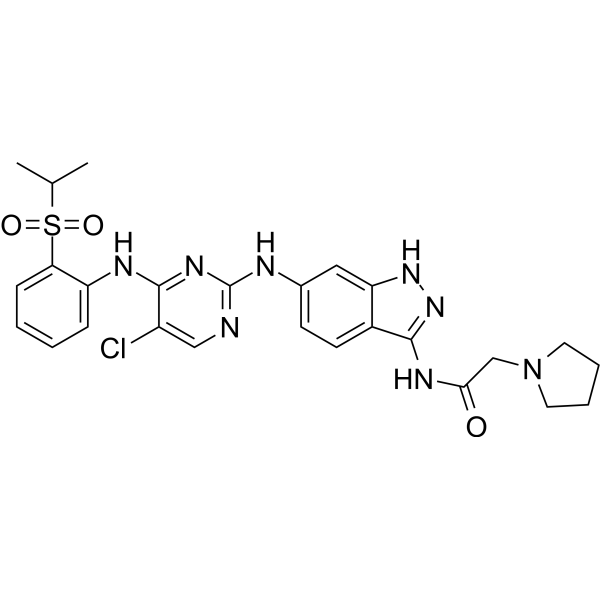
  • HY-151155

    Anaplastic lymphoma kinase (ALK) Cancer
    ALK-IN-23 is a potent ALK inhibitor with IC50 values of 1.6 nM, 0.71 nM and 1.3 nM for ALK WT, ALK L1196M and ALK G1202R. ALK-IN-23 can block cell cycle in G2 phase and induce apoptosis. ALK-IN-23 inhibits cancer cell migration and colony formation in vitro. ALK-IN-23 exhibits antitumor activity in H2228 xenograft nude mice model with hypotoxicity .
    ALK-IN-23
  • HY-156083

    CDK Cancer
    PROTAC CDK9/CycT1 Degrader-1 (compounds 10) is a potent inhibitor of CDK9. PROTAC CDK9/CycT1 Degrader-1 can be used as a PROTAC target protein ligand for PROTAC synthesis. PROTAC CDK9/CycT1 Degrader-1 shows strong anti-proliferative activity in solid tumors .
    CDK9-IN-28
  • HY-145836

    FGFR Cancer
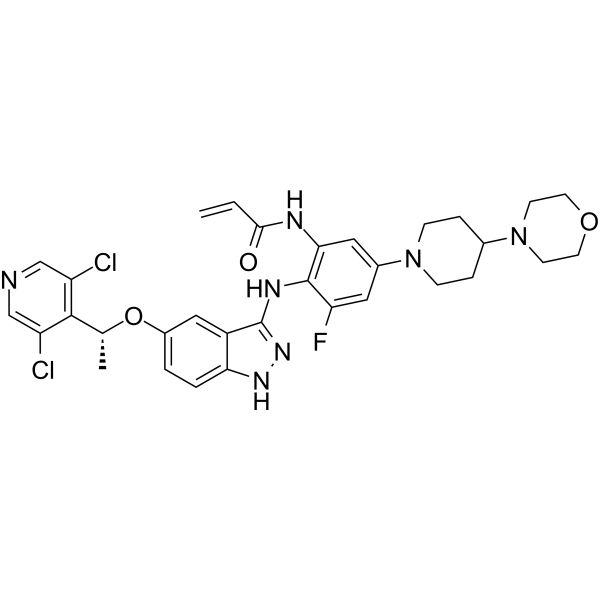
    FGFR4-IN-8 (Compound 7v) is an ATP-competitive, highly selective covalent inhibitor of wild-type and gatekeeper mutant FGFR4. FGFR4-IN-8 exhibits excellent potency against FGFR4, FGFR4 V550L, FGFR4 V550M and FGFR4 C552S with IC50s of 0.5, 0.25, 1.6, 931 nM, respectively. FGFR4-IN-8 exhibits potent antiproliferative activity against Hep3B hepatocellular carcinoma cells with the IC50 value of 29 nM. FGFR4-IN-8 demonstrates modest in vivo antitumor efficacy in nude mice bearing the Huh-7 xenograft model .
    FGFR4-IN-8
  • HY-172795

    EGFR Apoptosis Cancer
    EGFR-IN-158 (compound 12e) is an orally active EGFR inhibitor with an IC50 of 0.22 nM for EGFR(Del19/T790M). EGFR-IN-158 inhibits phosphorylation and downstream signaling by binding to EGFR, thereby inhibiting the proliferation of tumor cell lines and promoting apoptosis .
    EGFR-IN-158
  • HY-181996

    Btk Caspase Apoptosis PARP Cancer
    BTK-IN-47 (Compound 9e) is a covalent, selective BTK inhibitor with an IC50 of 5.15 nM against BTK. BTK-IN-47 inhibits the BTK signaling pathway, induces cell cycle arrest, and activates the canonical Caspase-dependent Apoptotic pathway (promoting the cleavage of Caspase-3, Caspase-7 and PARP), without inducing necroptosis, pyroptosis or ferroptosis. BTK-IN-47 exerts dose-dependent antiproliferative activity against hematologic tumor cell lines. BTK-IN-47 exhibits dose-dependent in vivo antitumor activity in a Ramos cell xenograft model in BALB/c nude mice. BTK-IN-47 can be used for the research of hematologic malignancies .
    BTK-IN-47
  • HY-165369

    Aurora Kinase Cancer
    IBPR002 is an inhibitor of Aurora kinase A and Aurora kinase B, with IC50 values of 41 nM and 17 nM, respectively. IBPR002 disrupts the nucleation and bundling of kinetochore microtubules, impairs the bipolarity of mitotic spindles, and promotes the binding of non-phosphorylated hepatoma up-regulated protein (HURP) to microtubules derived from the mother centrosome. IBPR002 reduces tumorigenesis levels in a colorectal cancer xenograft model using athymic nude mice. IBPR002 is applicable for research related to colorectal cancer .
    IBPR002
  • HY-173160

    HDAC Cancer
    HDAC1-IN-10 (Compound 2b) is a potent, selective and orally active HDAC1/2 inhibitor with IC50 values of 6 and 190 nM. HDAC1-IN-10 shows IC50 > 50 μM for HDAC3-8. HDAC1-IN-10 can inhibit tumor growth in HCT-116 colon xenograft nude mice model. HDAC1-IN-10 can be used for research of colon cancer .
    HDAC1-IN-10
  • HY-186117

    YAP PROTACs Cancer
    KG-FP-003 is a highly potent, selective, and durable TEAD PROTAC degrader (TEAD1 DC50 = 6 ± 4 nM, TEAD2 DC50 = 68 ± 15 nM, TEAD3 DC50 = 12 ± 5 nM, TEAD4 DC50 = 7 ± 5 nM). KG-FP-003 promotes ubiquitination and degradation of TEAD. KG-FP-003 exhibits anticancer activity against mesothelioma and ovarian cancer .
    KG-FP-003
  • HY-P11773

    Radionuclide-Drug Conjugates (RDCs) Integrin Others
    3P-RGD2 is a dimeric cyclic RGD (Arg-Gly-Asp) peptide. When radiolabeled with 99mTc, 3P-RGD2 serves as a selective radiotracer for integrin αvβ3. When radiolabeled with 99mTc, 3P-RGD2 enables single-photon emission computed tomography imaging of integrin αvβ3 .
    3P-RGD2
  • HY-181505

    Epigenetic Reader Domain c-Myc Bcl-2 Family PAK Apoptosis Cancer
    BRD4-IN-12 is a potent and orally active BRD4 inhibitor with an IC50 of 7.9 nM. BRD4-IN-12 downregulates the expression of c-MYC, BCL-2, CDK4 and upregulates p21. BRD4-IN-12 inhibits tumor cell proliferation and promotes apoptosis. BRD4-IN-12 exhibits excellent antitumor effects in the HCT-116 colorectal cancer xenograft model. BRD4-IN-12 can be used for the study of colorectal cancer (CRC) .
    BRD4-IN-12
  • HY-182378

    Cancer
    Vps34-IN-5 is an orally active VPS34 inhibitor, 98% target inhibition, and an IC50 categorized as B. Vps34-IN-5 induces additive or synergistic anti-proliferative activity with EGFR inhibitors in cancer cells. Vps34-IN-5 is administered orally alone or with Erlotinib (HY-50896) in mouse xenograft models. Vps34-IN-5 can be used for the research of non-small cell lung cancer .
    Vps34-IN-5
  • HY-181517

    Bacterial Infection Cancer
    Antitumor agent-212 is a α-exo-methylene-selenolactone derivative with prominent selective antitumor activity. Antitumor agent-212 exhibits an MIC value of 128 μg/mL against Gram-positive bacteria. Antitumor agent-212 exhibits significant antitumor effects in the U87 human glioma xenograft model. Antitumor agent-212 can be used for the study of glioma, breast cancer and non-small cell lung cancer, and antibacterial study .
    Antitumor agent-212
  • HY-124627

    Estrogen Receptor/ERR Cancer
    THIQ-40 is a tetrahydroisoquinoline-based, orally active, and selective estrogen receptor ERα degrader (SERD) (IC50=17 nM), with antitumor efficacy. THIQ-40 possesses functional ERα antagonistic activity, promotes ERα degradation and forms stable ERαLBD complexes. THIQ-40 shows the characteristic of rapid racemization in multi-species plasma. THIQ-40 can be widely applied to studies on the relevant mechanisms and drug development of ERα-positive breast cancer .
    THIQ 40
  • HY-P991883

    Licartin; Metuximab; Mehuzumab

    Apoptosis CDK Caspase Bcl-2 Family Cancer
    Metuzumab (Licartin) is a human-mouse chimeric IgG1 monoclonal antibody targeting CD147. Metuzumab induces Apoptosis, reduces levels of Cyclin D1, full-length Caspase-3, and Bcl-2, and increases Bax expression. Metuzumab enhances the sensitivity of non-small cell lung cancer (NSCLC) cells to Gemcitabine (HY-17026). Metuzumab is applicable for research on hepatocellular carcinoma and non-small cell lung cancer [1] [2].
    Metuzumab

Inquiry Online

Your information is safe with us. * Required Fields.

Salutation


Country or Region *

Applicant Name *


Organization Name *

Department *


Email Address *


Product Name *

Cat. No.


Requested quantity *

Phone Number *


Remarks

Inquiry Online

Inquiry Information

Product Name:
Cat. No.:
Quantity:
MCE Japan Authorized Agent:

