1. Search Result
Search Result
Results for "

PANC1

" in MedChemExpress (MCE) Product Catalog:

67

Inhibitors & Agonists

1

Fluorescent Dye

1

Peptides

1

Inhibitory Antibodies

11

Natural
Products

1

Isotope-Labeled Compounds

3

Oligonucleotides

Cat. No. Product Name Target Research Areas Chemical Structure
  • HY-18597
    LB-100
    Maximum Cited Publications
    13 Publications Verification

    Phosphatase Cancer
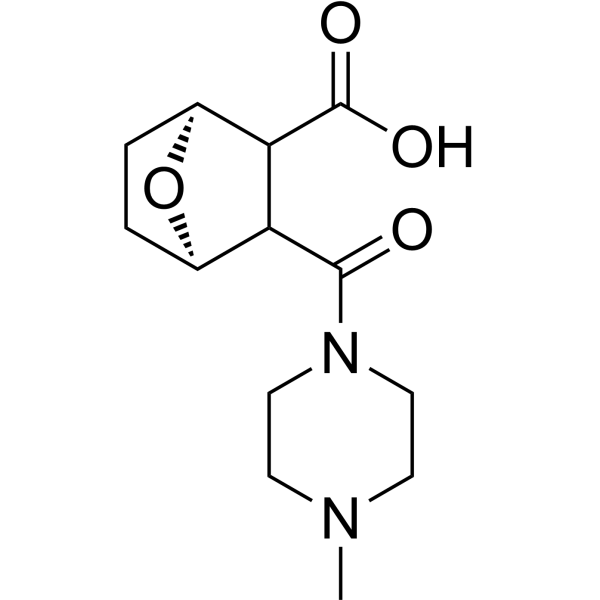
    LB-100 is a protein phosphatase 2A (PP2A) inhibitor, with IC50 of 0.85 μM and 3.87 μM in BxPc-3 and Panc-1 cells [1] .
    LB-100
  • HY-19357
    Erenapurstat
    4 Publications Verification

    E3330; APX-3330

    DNA/RNA Synthesis NF-κB AP-1 HIF/HIF Prolyl-Hydroxylase VEGFR Reactive Oxygen Species (ROS) Cardiovascular Disease Neurological Disease Cancer
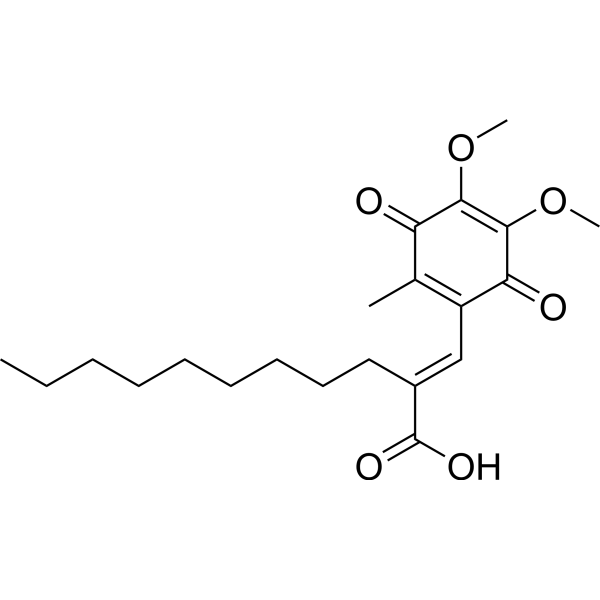
    Erenapursta (E3330) is a direct, orally active and selective inhibitor of Ape-1 (apurinic/apyrimidinic endonuclease 1)/Ref-1 (redox factor-1) redox. Erenapursta is able to impair tumor growth and blocks the activity of NF-κB, AP-1, and HIF-1α in pancreatic cancer. Erenapursta shows anticancer activities [1] .
    Erenapurstat
  • HY-19352
    T56-LIMKi
    2 Publications Verification

    T5601640

    LIM Kinase (LIMK) Cancer
    T56-LIMKi is a selective inhibitor of LIMK2; inhibits the growth of Panc-1 cells with an IC50 of 35.2 μM.
    T56-LIMKi
  • HY-B1152
    Piperacetazine
    1 Publications Verification

    Dopamine Receptor CD276/B7-H3 FOXO Neurological Disease Cancer
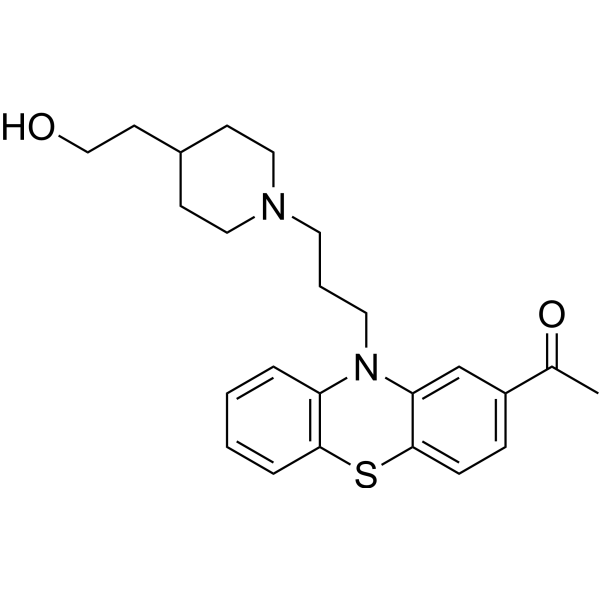
    Piperacetazine is an orally active dopamine receptor antagonist and phenothiazine antipsychotic. Piperacetazine can directly bind to the PAX3::FOXO1 fusion protein and inhibit its transcriptional activity. Piperacetazine also exhibits antitumor activity with an IC50 of 7.627 μM against PANC-1 cells. Piperacetazine can be used for the research of diseases such as schizophrenia and pancreatic cancer and other tumors [1] .
    Piperacetazine
  • HY-120118

    ML246

    DNA/RNA Synthesis Cancer
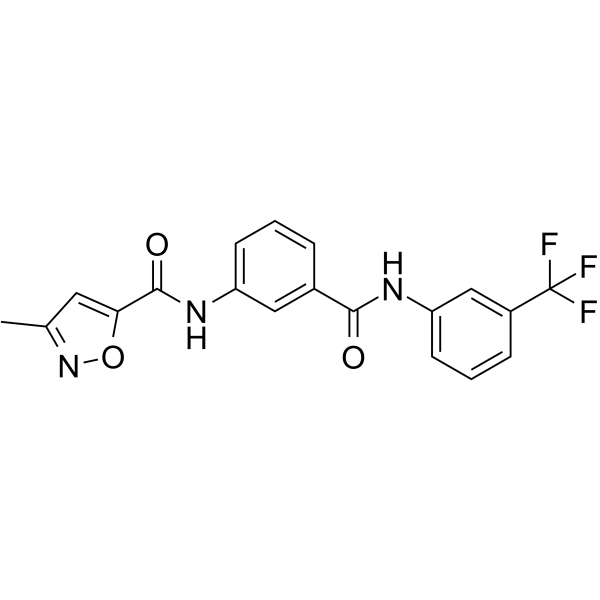
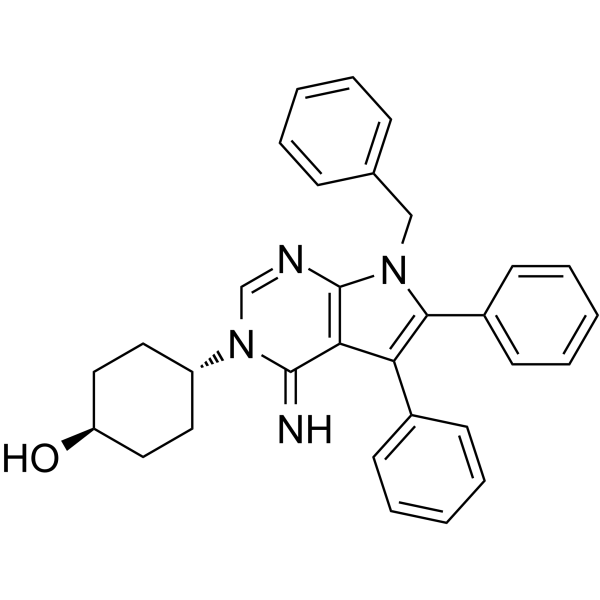
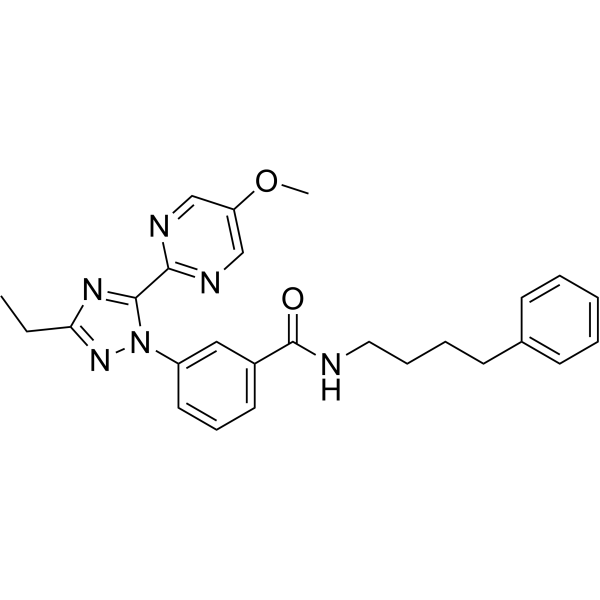
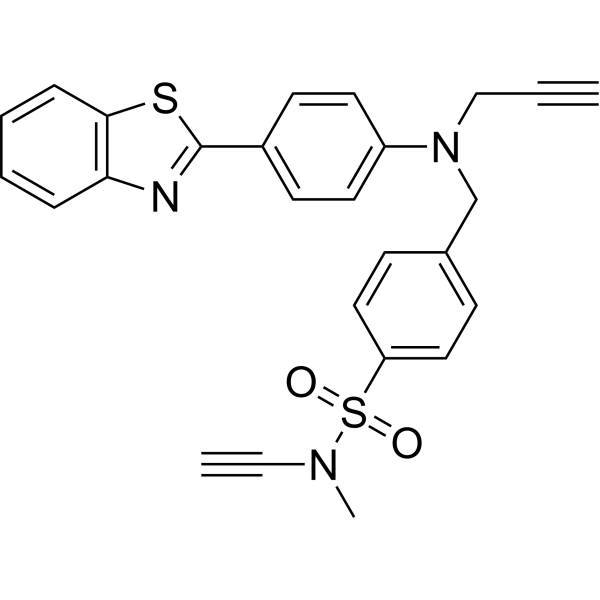
    Metarrestin (ML246) is an orally active, first-in-class and specific perinucleolar compartment inhibitor. Metarrestin disrupts the nucleolar structure and inhibits RNA polymerase (Pol) I transcription, at least in part by interacting with the translation elongation factor eEF1A2. Metarrestin blocks metastatic development and extends survival in mouse cancer models [1] .
    Metarrestin
  • HY-N1410

    STAT NF-κB Cancer
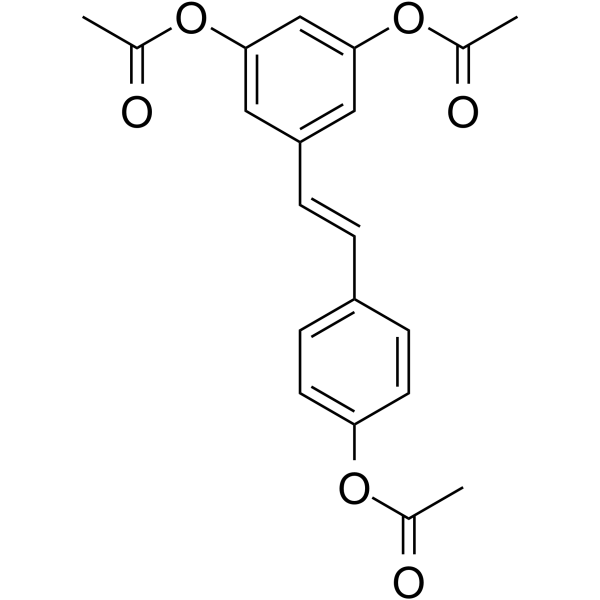
    Triacetylresveratrol, an acetylated analog of Resveratrol. Triacetylresveratrol decreases the phosphorylation of STAT3 and NF-κB in a dose- and time- dependent manner in PANC-1 and BxPC-3 cells. Anticancer effects [1].
    Triacetylresveratrol
  • HY-113978

    Xanthine Oxidase Apoptosis Reactive Oxygen Species (ROS) Metabolic Disease
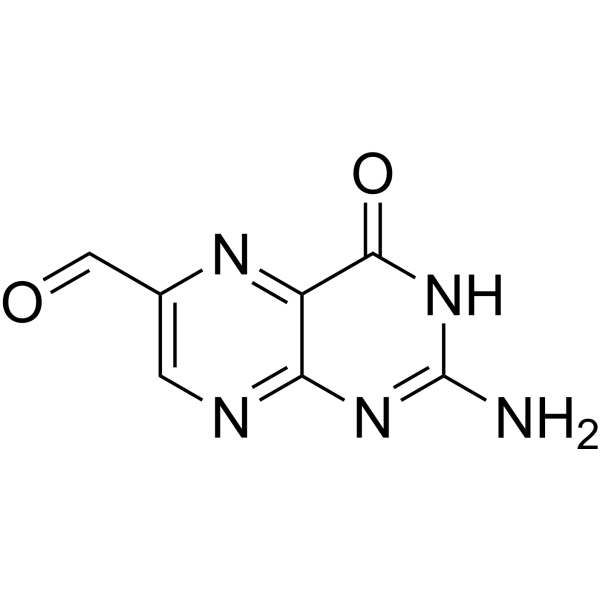
    6-Formylpterin is an inhibitor of Xanthine Oxidase. 6-Formylpterin induces intracellular ROS generation and apoptosis in HL-60 cells. 6-Formylpterin suppresses cell proliferation in PanC-1 cells [1].
    6-Formylpterin
  • HY-113314

    Endogenous Metabolite Cancer
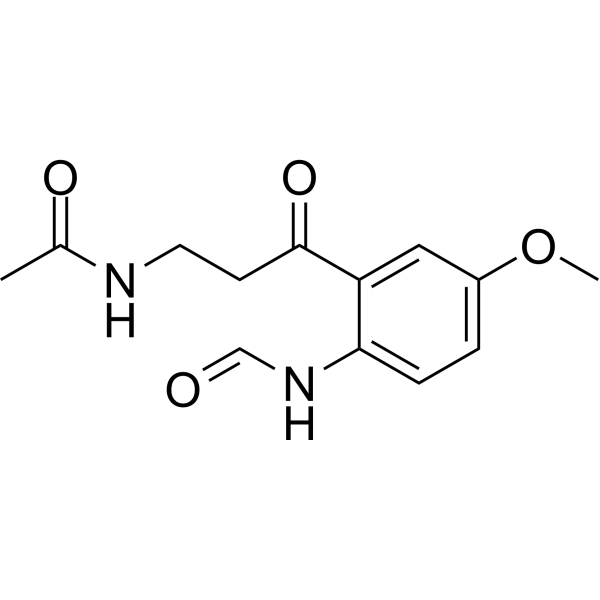
    AFMK, antioxidant metabolite of Melatonin, attenuates X-ray-induced oxidative damage to DNA, proteins and lipids in mice. AFMK is a poorer scavenger. The pKa of AFMK at physiological pH is 8.7. Antioxidant capacity [1] . AFMK improves the anti-tumor effect of Gemcitabine in PANC-1 cells through the modulation of apoptotic pathway .
    AFMK
  • HY-125221

    ROCK Cdc42-binding kinase Cancer
    DJ4 is a ATP-competitive inhibitor of ROCK1/2 (IC50 values:5 and 50 nM) and MRCKα/β (IC50 values:10 and 100 nM). DJ4 blocks stress fiber formation and inhibits migration and invasion of cancer cells. DJ4 can be used for study of lung cancer, breast cancer, and pancreatic (PANC-1) cancer [1].
    DJ4
  • HY-144661

    Ras Apoptosis Cancer
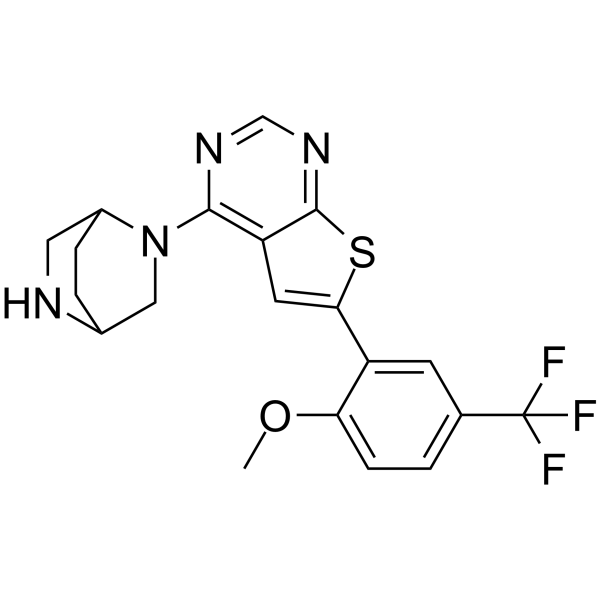
    KRAS G12D inhibitor 14 is a potent KRAS G12D inhibitor with a KD of 33 nM for binding to KRAS G12D protein. KRAS G12D inhibitor 14 decreases the active form of KRAS G12D (KRAS G12D-GTP) but not KRAS G13D [1].
    KRAS G12D inhibitor 14
  • HY-152204

    Cathepsin Cancer
    Cathepsin L/S-IN-1 is a dual inhibitor of Cathepsin L and Cathepsin S with IC50s of 4.10 μM and 1.79 μM, respectively. Cathepsin L/S-IN-1 shows a significant antimetastatic and invasive effects on pancreatic cancer BxPC-3 and PANC-1 cells [1].
    Cathepsin L/S-IN-1
  • HY-150640

    ROCK Neurological Disease Inflammation/Immunology Cancer
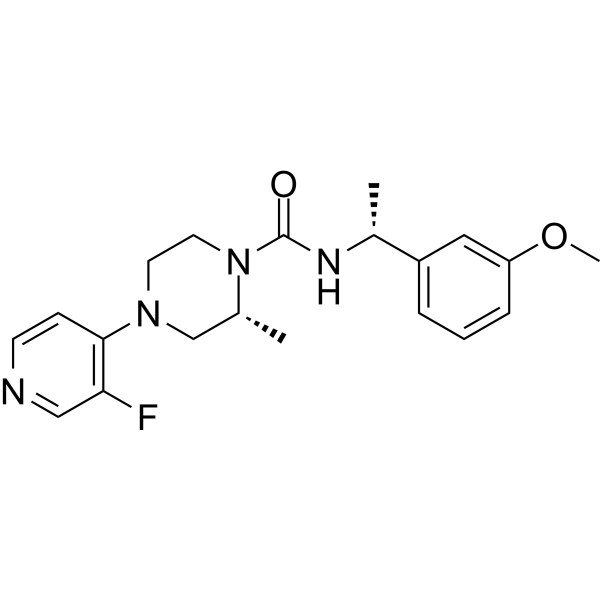
    Rho-Kinase-IN-2 (Compound 23) is an orally active, selective, and CNS-penetrant Rho Kinase (ROCK) inhibitor (ROCK2 IC50 = 3 nM). Rho-Kinase-IN-2 can be used in Huntington’s research [1].
    Rho-Kinase-IN-2
  • HY-143657

    Myosin Ferlin Family MMP Cancer
    Myoferlin inhibitor 1 is a compound that exhibits reversible, concentration-dependent binding to the myoferlin MYOF-C2D protein, with a KD of 0.094 μM. Myoferlin inhibitor 1 shows potent anti-invasion and anti-migration activities against different pancreatic cancer cells. Myoferlin inhibitor 1 inhibits pancreatic cancer metastasis through reversing mesenchymal transition (EMT), inhibiting the secretions of MMP1 and MMP2 and blocking the receptor tyrosine kinases. Myoferlin inhibitor 1 displays effective antimetastatic activities in pancreatic cancer in vitro and in vivo. Myoferlin inhibitor 1 can be used in research on preventing pancreatic cancer metastasis [1].
    Myoferlin inhibitor 1
  • HY-135680
    I-OMe-Tyrphostin AG 538
    1 Publications Verification

    I-OMe-AG 538

    IGF-1R Metabolic Disease Cancer
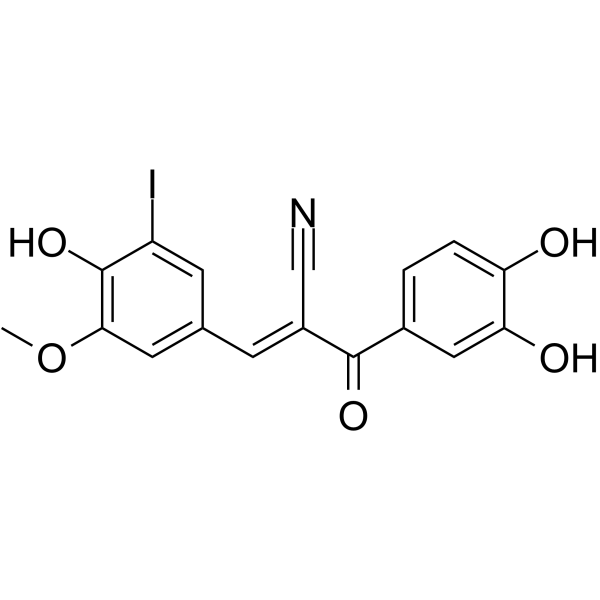
    I-OMe-Tyrphostin AG 538 (I-OMe-AG 538) is a specific inhibitor of IGF-1R (insulin-like growth factor-1 receptor tyrosine kinase). I-OMe-Tyrphostin AG 538 inhibits IGF-1R-mediated signaling and is preferentially cytotoxic to nutrient-deprived PANC1 cells.?I-OMe-Tyrphostin AG 538 is an ATP-competitive inhibitor of phosphatidylinositol-5-phosphate 4-kinase α (PI5P4Kα), with an IC50?of 1 μM [1].
    I-OMe-Tyrphostin AG 538
  • HY-160038

    LXR Cancer
    GAC0003A4 is an LXR inverse agonist that inhibits LXR transcriptional activity. GAC0003A4 also efficiently degrades LXRβ protein. GAC0003A4 has the potential to be used in advanced pancreatic cancer and other refractory malignancies [1].
    GAC0003A4
  • HY-N7287

    Others Others
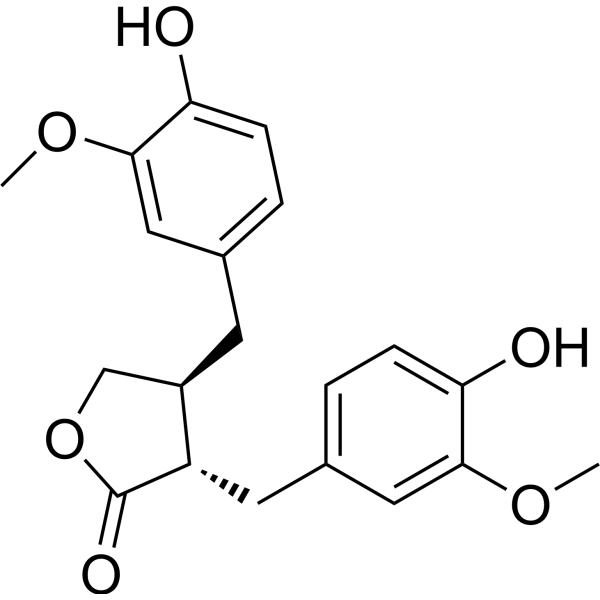
    (+)-Matairesinol is a lignan. (+)-Matairesinol has no cytotoxic activity for human pancreatic PANC-1 cancer cells [1].
    (+)-Matairesinol
  • HY-175224

    PROTACs Epigenetic Reader Domain Cancer
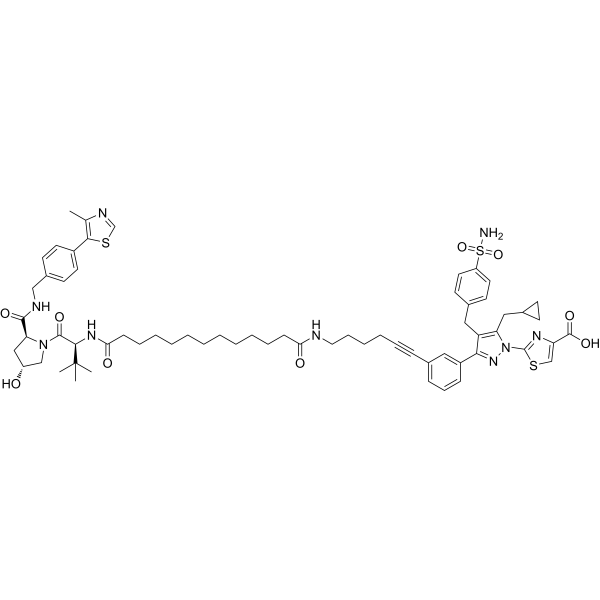
    PROTAC BRD4 Degrader-36 is a BRD4 PROTAC degrader. PROTAC BRD4 Degrader-36 has a DC50 of 0.649 nM and a Dmax of 71% in PANC-1 cells. PROTAC BRD4 Degrader-36 is cytotoxic to PANC-1 cells (GI50: 0.103 μM). PROTAC BRD4 Degrader-36 can be used in the study of cancer. (Pink: PROTAC BRD4 ligand-1 (HY-129939); Blue + Black: E3 ligase ligand + linker (HY-175241)) [1].
    PROTAC BRD4 Degrader-36
  • HY-127155

    Bacterial Antibiotic Infection Cancer
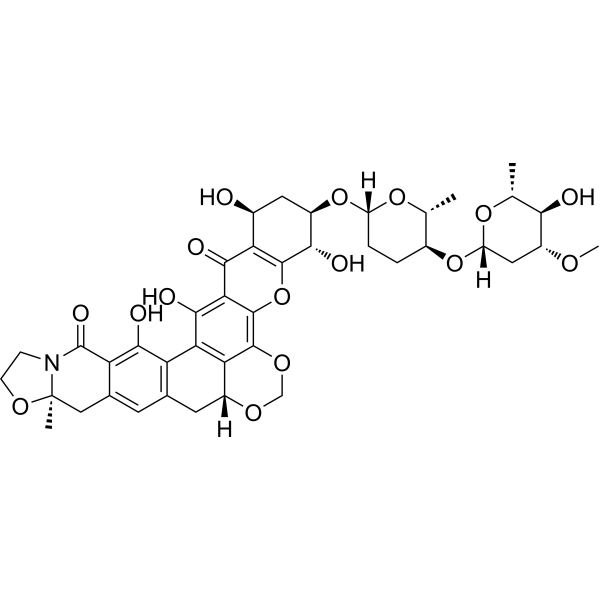
    Kigamicin C is an anti-tumor antibiotic that selectively kills pancreatic cancer PANC-1 cells only in nutrient-poor conditions. Kigamicin C has antimicrobial activity against Gram-positive bacteria including methicillin-resistant Staphylococcus aureus (MRSA) [1].
    Kigamicin C
  • HY-157762

    Glutathione Peroxidase Ferroptosis Cancer
    GPX4-IN-9 (Compound A16) is a glutathione peroxidase 4 (GPX4) inhibitor that specifically targets GPX4 under both in vitro and in vivo conditions, inducing ferroptosis. GPX4-IN-9 exhibits cytotoxicity against pancreatic cancer cells and can be used in cancer research [1].
    GPX4-IN-9
  • HY-P5291

    Caerulein precursor fragment

    Insulin Receptor Metabolic Disease
    CPF-7 (Caerulein precursor fragment) is an insulin-releasing peptide that stimulates the release of insulin. CPF-7 can induce epithelial-mesenchymal transition by upregulating Snai1 expression in PANC-1 ductal cells. CPF-7 also induces exocrine plasticity by upregulating Ngn3 expression. CPF-7 can be used in the research of type 2 diabetes [1] .
    CPF-7
  • HY-175225

    PROTACs Epigenetic Reader Domain Cancer
    PROTAC BRD4 Degrader-37 (Compound TrimTAC-2) is a PROTAC BRD4 degrader. PROTAC BRD4 Degrader-37 has a DC50 of 36.4 nM and a Dmax of 73% in PANC-1 cells. PROTAC BRD4 Degrader-37 exhibits cytotoxicity against PANC-1 cells (GI50: 0.282 μM). PROTAC BRD4 Degrader-37 can be used in the research of tumors. (Pink: PROTAC BRD4 ligand-4 (HY-175242); Blue + Black: E3 ligase ligand + linker (HY-175241)) [1].
    PROTAC BRD4 Degrader-37
  • HY-113978R

    Xanthine Oxidase Apoptosis Reference Standards Reactive Oxygen Species (ROS) Metabolic Disease
    6-Formylpterin (Standard) is the analytical standard of 6-Formylpterin. This product is intended for research and analytical applications. 6-Formylpterin is an inhibitor of Xanthine Oxidase. 6-Formylpterin induces intracellular ROS generation and apoptosis in HL-60 cells. 6-Formylpterin suppresses cell proliferation in PanC-1 cells [1].
    6-Formylpterin (Standard)
  • HY-175398

    Glutathione S-transferase Cancer
    OZO-Cl is an OZO derivative. OZO-Cl has anti-cancer activity. OZO-Cl significantly decreases the intracellular glutathion S-transferase Pi (GST) activity. OZO-Cl exhibits cytotoxicity to cancer cell lines, with IC50s of 150 and 120 μmol/L in Panc-1 and K562 cells respectively [1].
    OZO-Cl
  • HY-157740

    HDAC Cancer
    XSJ-10 is a HDAC inhibitor containing a RAS/RAF protein interfering unit, with IC50s of 0.05 and 0.04 μM in PANC-1 cells and HT-29 cells. XSJ-10 can effectively induce the apoptosis of cancer cells and suppress the tumor by strongly inhibiting the RAS-RAF-MEK-ERK signaling pathway and the acetylation level of HDAC3 [1].
    XSJ-10
  • HY-P991370

    STAT Cancer
    SBT-100 (His Tag) is a human monoclonal antibody (mAb) targeting STAT3. SBT-100 (His Tag) inhibits IL-6-mediated P-STAT3 nuclear translocation in HEp-2 and PANC-1 cells. SBT-100 (His Tag) has tumor growth inhibitory effects on MDA-MB-231 [1].
    SBT-100 (His Tag)
  • HY-178461

    Lactate Dehydrogenase Cancer
    LDHA-IN-10 (Compound HP19) is a Lactate Dehydrogenase-A (LDHA) inhibitor with an IC50 value of 5.2 μM. LDHA-IN-10 reduces lactate production and ATP levels, inhibiting the proliferation of pancreatic cancer cell line PANC-1. LDHA-IN-10 induces G1/S cell cycle arrest and promotes apoptosis. LDHA-IN-10 is promising for research of pancreatic ductal adenocarcinoma (PDAC) [1].
    LDHA-IN-10
  • HY-173560

    ATTECs SHP2 Apoptosis Cancer
    SHP2 ATTEC degrader-1 is a SHP2 ATTEC degrader. SHP2 ATTEC degrader-1 has degradation rate of 83.31 at 1.0 μM for 24 h in the PANC-1 cell line. SHP2 ATTEC degrader-1 inhibits cell growth in vivo and in vitro. SHP2 ATTEC degrader-1 induces apoptosis and increases the expression of the epithelial marker ( E-cadherin), and reduces the expression of interstitial markers (such as N-cadherin, Vimentin) (Pink: LC3 ligand (HY-174085); Black :linker HY-140468; Blue: SHP2 ligand (HY-174084) [1].
    SHP2 ATTEC degrader-1
  • HY-147409

    CDK Cancer
    Ulecaciclib is an orally activitive inhibitor of cyclin-dependent kinase (CDK), with Ki values of 0.62 μM (CDK2/Cyclin A), 0.2 nM (CDK4/Cyclin D1), 3 nM (CDK6/Cyclin D3), and 0.63 μM (CDK7/Cyclin H), respectively. Ulecaciclib can cross blood brain barrier and has good pharmacokinetic characteristics [1] .
    Ulecaciclib
  • HY-116497

    FAK Cancer
    PH11 is a novel focal adhesion kinase (FAK) inhibitor that rapidly induces apoptosis in TRAIL-resistant PANC-1 cells when combined with TRAIL, but has no effect on normal human fibroblasts. The study found that PH11 downregulates c-FLIP through inhibition of FAK and phosphatidylinositol-3-kinase (PI3K)/AKT pathways, thereby restoring the TRAIL apoptotic pathway, suggesting that this combination therapy may provide an attractive therapeutic strategy for the safe and effective treatment of pancreatic cancer. PH11 selectively inhibits c-FLIP expression by modulating upstream signaling pathways and may represent an innovative therapeutic strategy. Although further work is needed to fully elucidate the mechanism of PH11-induced TRAIL sensitization, we believe that our results will provide a new approach to target c-FLIP without the risk of interfering with caspase-8 processing, which could potentially lead to TRAIL resistance. This study also suggests a role for the FAK/AKT signaling pathway in regulating c-FLIP expression in TRAIL-induced apoptosis, and this understanding will provide important clues to control the resistance mechanism to optimize the potential of TRAIL-based pancreatic cancer treatment.
    PH11
  • HY-169830

    Drug Derivative Apoptosis Cancer
    2-(Cyclohexylmethyl)-plumbagin is a derivative of the naphthoquinone compound Plumbagin (HY-N1497). Under nutrient-deprived conditions, 2-(Cyclohexylmethyl)-plumbagin selectively exhibits cytotoxicity against PANC-1 human pancreatic cancer cells (PC50 = 0.11 µM) and reduces the phosphorylation of Akt and mTOR in PANC-1 cells. 2-(Cyclohexylmethyl)-plumbagin also induces apoptosis (Apoptosis) in PANC-1 cells at a concentration of 1 µM. Additionally, 2-(Cyclohexylmethyl)-plumbagin reduces tumor volume and weight in a xenograft MiaPaCa-2 pancreatic cancer mouse model [1].
    2-(Cyclohexylmethyl)-plumbagin
  • HY-163715

    FAK Cancer
    Antitumor agent-165 (Compound 10l) is a potent focal adhesion kinase (FAK) inhibitor. Antitumor agent-165 exhibits effective antiproliferative activity against CAPAN-1, PANC-1, PATU-T, SUIT-2, BxPC-3, PDAC-3 and PANC-1 GR with IC50s in the range of 1.04-3.44 μM [1].
    Antitumor agent-165
  • HY-110335A

    ROCK Cancer
    OXA-06 is a pharmacologic inhibitor of ROCK, possessing antitumor activity by impairing cell migration and MYPT1 phosphorylation in PANC-1 cells.
    OXA-06
  • HY-N8034

    Apoptosis Autophagy Cancer
    Glychionide A is a flavonoside that can be found in the roots of Glychirriza glabra. Glychionide A promotes apoptosis and autophagy of PANC-1 pancreatic cancer cells. Glychionide A can be used for the research of cancer [1] .
    Glychionide A
  • HY-N1410R

    Reference Standards STAT NF-κB Cancer
    Triacetylresveratrol, an acetylated analog of Resveratrol. Triacetylresveratrol decreases the phosphorylation of STAT3 and NF-κB in a dose- and time- dependent manner in PANC-1 and BxPC-3 cells. Anticancer effects [1].
    Triacetylresveratrol (Standard)
  • HY-N8270

    Hedgehog Endogenous Metabolite Cancer
    Physalin H is a natural product that can be isolated from Solanum nigrum. Physalin H is an inhibitor of Hedgehog (Hh) signaling and it disrupts GLI1-DNA-complex formation. Physalin H inhibits GLI1 transcription with an IC50 value of 0.7 μM. Physalin H shows cytotoxicity to PANC1 and DU145 cells with IC50 values of 5.7 and 6.8 μM, respectively [1].
    Physalin H
  • HY-155402

    Caspase Apoptosis Others
    Antiproliferative agent-42 (compound 7m) is a dihydrodipyrrolo compound. Antiproliferative agent-42 showed antiproliferative activity against Panc-1 cell line with an IC50 value of 12.54 μM [1].
    Antiproliferative agent-42
  • HY-168718

    FAK JAK Aurora Kinase PI3K Akt Apoptosis Cancer
    FAK-IN-22 (Compound 26) is an inhibitor of FAK, JAK3, and Aurora B, with IC50 values of 50.94 nM, 9.99 nM, and 0.49 nM, respectively, effectively inhibiting tumor occurrence and metastasis in pancreatic ductal adenocarcinoma (PDAC). FAK-IN-22 effectively inhibits the proliferation of PANC-1 cells, with an IC50 value of 0.15 μM. FAK-IN-22 induces apoptosis and G2/M phase arrest in PANC-1 cells by inhibiting the FAK/PI3K/Akt signaling pathway [1].
    FAK-IN-22
  • HY-155020

    Histone Methyltransferase GLP Receptor Cancer
    Antitumor agent-101 is a selective covalent inhibitor of lysine methyltransferases G9a/GLP, with IC50s of 8.5 nM and 5.5 nM for G9a and GLP, respectively. Antitumor agent-101 shows antitumor efficacy in the PANC-1 xenograft model [1].
    Antitumor agent-101
  • HY-146738

    Akt Cancer
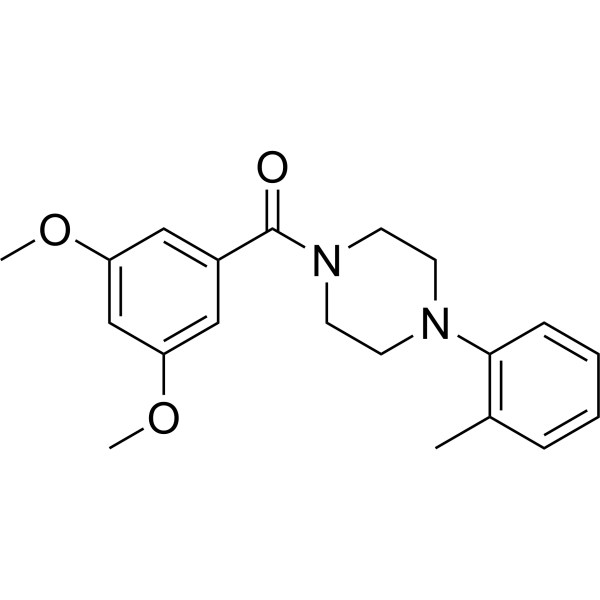
    GSD-11 is a potent and selective anti-austerity agent. GSD-11 inhibits the cell migration and colony formation of PANC-1 cells. GSD-11 inhibits the Akt/mTOR signaling pathway. GSD-11 has the potential for the research of pancreatic cancer[1].
    GSD-11
  • HY-158328A

    Carbonic Anhydrase VEGFR Reactive Oxygen Species (ROS) MDM-2/p53 Bcl-2 Family Cytochrome P450 Caspase Cancer
    CA IX/VEGFR-2-IN-2 (compound 5e) is a dual-targeted inhibitor. CA IX/VEGFR-2-IN-2 shows strong inhibitory effects on both CA IX (Ki=3.1 μM) and VEGFR-2 (IC50=32.1 nM). CA IX/VEGFR-2-IN-2 can be used for the study of pancreatic (PANC1), breast cancer (MCF7) and prostate cancer (PC3) [1].
    CA IX/VEGFR-2-IN-2
  • HY-112666

    FTS amide; Salirasib amide

    Ras Cancer
    Farnesyl thiosalicylic acid amide (FTS-A) is an orally active derivative of farnesyl thiosalicylic acid (HY-14754). Farnesyl thiosalicylic acid amide reduces Ras-GTP levels and inhibits cell growth with IC50s of 20 and 10 μM for Panc-1 and U87 cells, respectively. Farnesyl thiosalicylic acid amide can be used for the research of cancer [1].
    Farnesyl thiosalicylic acid amide
  • HY-167857

    GLUT Cancer
    (Rac)-Glutipyran is a broad-spectrum GLUT inhibitor that targets both GLUT1 and GLUT3. (Rac)-Glutipyran inhibits glucose uptake and suppresses the growth of multiple cancer cells, significantly inhibiting PANC-1 cell growth (IC50=1.8 μM) and glucose uptake (IC50=0.13 μM) [1].
    (Rac)-Glutipyran
  • HY-160061

    Biochemical Assay Reagents Cancer
    P12FR2 aptamer sodium is a 2'-fluoropyrimidine-modified RNA aptamer targeting human PAUF with an estimated apparent KD of 77 nM. P12FR2 aptamer sodium inhibits PAUF-induced migration of PANC-1 (human pancreatic cancer cells) in wound healing assays and suppresses tumor growth in a mouse CFPAC-1 pancreatic cancer model [1].
    P12FR2 aptamer sodium
  • HY-135453

    Bacterial Infection
    (-)-Pinocembrin exhibits anti-mycobacterium activity against mycobacteriuum tuberculosis H37Ra with an IC50 value of 1.11 mg/mL in dormant phase and 1.21 mg/mL in active phase, respectively. (-)-Pinocembrin has potent antiproliferative activity with IC50 values of 1.88-11.00 mg/mL against THP-1, A549, Panc-1, HeLa and MCF7 cell lines [1].
    (-)-Pinocembrin
  • HY-155991

    Apoptosis Cancer
    RUNX-IN-2 (Compound Conjugate 3) covalently binds to the RUNX-binding sequences, and inhibits the binding of RUNX proteins to their target sites. RUNX-IN-2 induces the p53-dependent apoptosis and inhibits cancer cell growth. RUNX-IN-2 inhibits tumor growth in PANC-1 xenograft mice. RUNX-IN-2 has high alkylation efficiency and specificity [1].
    RUNX-IN-2
  • HY-114503

    DNA/RNA Synthesis Cancer
    NSAH is a reversible and competitive nonnucleoside ribonucleotide reductase (RR) inhibitor, with cell-free IC50 of 32 μM and cell-based IC50 of ~250 nM, respectively [1].
    NSAH
  • HY-139248

    Drug Derivative Cancer
    Paclitaxel octadecanedioate (compound PTX-FA18) is comprised of Paclitaxel (HY-B0015) conjugated to 1,18-octadecanedioic acid (HY-W005178). Paclitaxel octadecanedioate mixed with human serum albumin (HAS) is cytotoxic to HT-1080, PANC-1, HT-29 and Hela cells (IC50s = 12, 2.48, 8.62, and 64.42 nM, respectively) [1].
    Paclitaxel octadecanedioate
  • HY-N12834

    Others Inflammation/Immunology Cancer
    Ecdysoside B (compound 6b) is a pregnanoside compound isolated from the plant Ecdysanthera rosea. Ecdysoside B and its derivatives and isomers shows anticancer, immunosuppressive and anti-inflammatory activities. Ecdysoside B shows cytotoxicity to a variety of human tumor cell lines, including PANC-1 (human pancreatic cancer cells), A375 (human melanoma cells) and U87 (brain glioma U87 cells). Ecdysoside B can be used for research in the areas of cancer, immunomodulation and anti-inflammato [1].
    Ecdysoside B
  • HY-167857S

    Isotope-Labeled Compounds GLUT Cancer
    Glutathione Disulfide- 13C4, 15N2 is the 13C- and 15N-labeled (Rac)-Glutipyran (HY-167857). (Rac)-Glutipyran is a broad-spectrum GLUT inhibitor that targets both GLUT1 and GLUT3. (Rac)-Glutipyran inhibits glucose uptake and suppresses the growth of multiple cancer cells, significantly inhibiting PANC-1 cell growth (IC50=1.8 μM) and glucose uptake (IC50=0.13 μM) [1].
    Glutathione Disulfide-13C4,15N2
  • HY-173477

    Apoptosis Cancer
    JR5-26B is an orally active apoptosis inducer. JR5-26B induces cell death through copper-mediated apoptosis and necroptosis. JR5-26B exhibits antiproliferative activity on MIA PaCa-2, PANC-1, PAN02, SU.86.86, and KPC-2 cells with IC50s of 0.6, 4.4, 8.0, 1.1, and 3.4μM, respectively [1].
    JR5-26B

Inquiry Online

Your information is safe with us. * Required Fields.

Salutation


Country or Region *

Applicant Name *


Organization Name *

Department *


Email Address *


Product Name *

Cat. No.


Requested quantity *

Phone Number *


Remarks

Inquiry Online

Inquiry Information

Product Name:
Cat. No.:
Quantity:
MCE Japan Authorized Agent:

