



1. Search Result
Search Result
Results for "

PDL-1

" in MedChemExpress (MCE) Product Catalog:

375

Inhibitors & Agonists

4

Screening Libraries

2

Fluorescent Dyes

36

Peptides

88

Inhibitory Antibodies

13

Natural
Products

26

Recombinant Proteins

1

Isotope-Labeled Compounds

9

Antibodies

4

Click Chemistry

6

Oligonucleotides

Targets Recommended:
Cat. No. Product Name Target Research Areas Chemical Structure
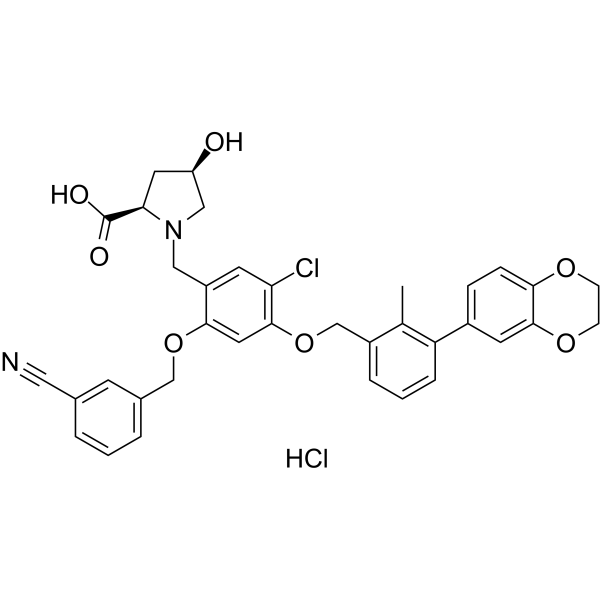
  • HY-19745
    BMS-202
    20+ Cited Publications

    PD-1/PD-L1 Apoptosis Cancer
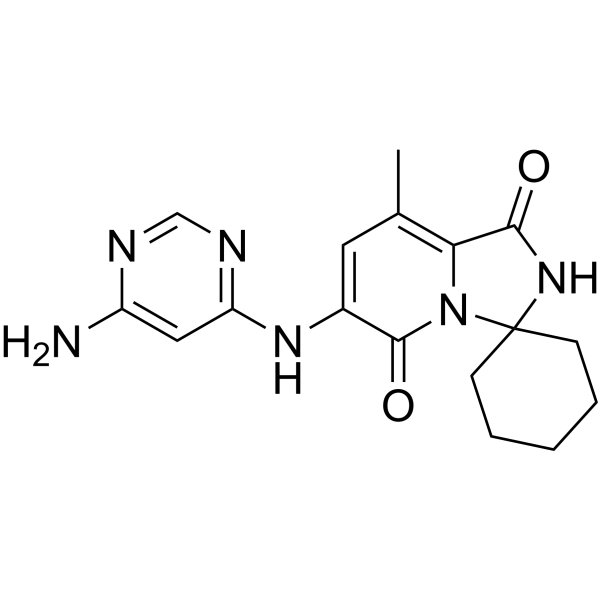
    BMS-202 is a potent and nonpeptidic PD-1/PD-L1 complex inhibitor with an IC50 of 18 nM and a KD of 8 μM. BMS-202 binds to PD-L1 and blocks human PD-1/PD-L1 interaction. BMS-202 has antitumor activity [1] .
    BMS-202
  • HY-108730
    Avelumab
    5+ Cited Publications

    Anti-Human PD-L1, Human Antibody; MSB 0010718C; MSB0010718C

    PD-1/PD-L1 Inflammation/Immunology Cancer
    Avelumab (Anti-Human PD-L1) a fully human IgG1 anti-PD-L1 monoclonal antibody (mAb) with potential antibody-dependent cell-mediated cytotoxicity (ADCC). Avelumab enhances ADCC on several cancer cell lines expressing PD-L1. Avelumab can be used for the study of chordoma [1].
    Avelumab
  • HY-P99115

    ASC 22; KN 035

    PD-1/PD-L1 Cancer
    Envafolimab (ASC 22; KN 035) is a recombinant protein of a humanized single-domain anti- PD-L1 antibody. Envafolimab is created by a fusion of the of anti-PD-L1 domain with Fc fragment of human IgG1 antibody. Envafolimab blocks interaction between PD-L1 and PD-1 with an IC50 value of 5.25 nM. Envafolimab has the potential for the research of solid tumors [1] .
    Envafolimab
  • HY-171821

    SGN-PDL1V

    Antibody-Drug Conjugates (ADCs) PD-1/PD-L1 Cancer
    PF-08046054 (SGN-PDL1V) is a PD-L1-directed Antibody-drug conjugate (ADC), which is comprised of an anti-PD-L1 antibody conjugated to VcMMAE (HY-15575). PF-08046054 is direct cytotoxicity to PD-L1-expressing tumor cells via the intracellular delivery of MMAE. PF-08046054 can be used for the study of solid tumors [1]
    PF-08046054
  • HY-P990173

    PD-1/PD-L1 Inflammation/Immunology Cancer
    Anti-Mouse/Rat/Human PD-L1 Antibody (368A.4H1) is a mouse-derived PD-L1 IgG1 κ type antibody inhibitor. Anti-Mouse/Rat/Human PD-L1 Antibody (368A.4H1) increases IFN-γ levels in organoid-primed T cells. Anti-Mouse/Rat/Human PD-L1 Antibody (368A.4H1) can be used for the researches of cancer, such as oral squamous cell carcinoma and mammary cancer [1] .
    Anti-Mouse/Rat/Human PD-L1 Antibody (368A.4H1)
  • HY-134884
    INCB086550
    2 Publications Verification

    PD-1/PD-L1-IN-8

    PD-1/PD-L1 Cancer
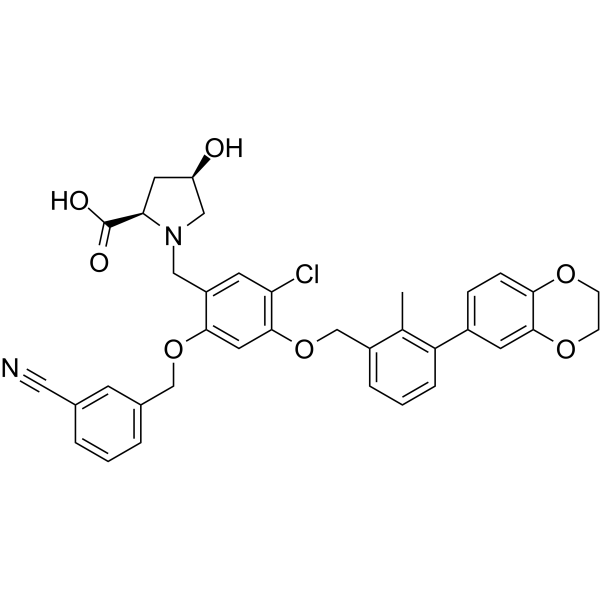
    INCB086550 is a potent, oral, small-molecule PD-L1 inhibitor with IC50s value of 3.1, 4.9 and 1.9 nM for human, cynomolgus, and rat, respectively. INCB086550 promotes the dimerization of cell-surface PD-L1 and induces PD-L1 entry into Golgi vesicles then traffick to the nucleus. INCB086550 can be used for multiple cancers research [1].
    INCB086550
  • HY-163757

    PROTACs PD-1/PD-L1 Inflammation/Immunology Cancer
    PROTAC PD-L1 degrader-1 is a CRBN-based PD-L1-PROTAC degrader with a notable PD-L1 protein degradation capability. PROTAC PD-L1 degrader-1 shows potent PD-L1 degradation in 4T1 cells with a DC50 of 0.609 μM. PROTAC PD-L1 degrader-1 can be used for the study of breast cancer. (Blue: CRBN ligand (HY-150839), Black: linker; Pink: PD-L inhibitor (HY-19745)) [1].
    PROTAC PD-L1 degrader-1
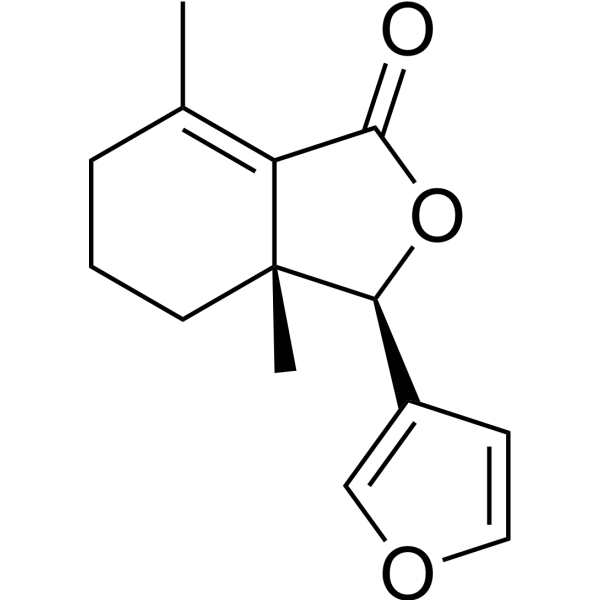
  • HY-N0242
    Fraxinellone
    4 Publications Verification

    PD-1/PD-L1 HIF/HIF Prolyl-Hydroxylase STAT Inflammation/Immunology Cancer
    Fraxinellone is isolated from the root bark of the Rutaceae plant, Dictamnus dasycarpus. Fraxinellone is a PD-L1 inhibitor and inhibits HIF-1α protein synthesis without affecting HIF-1α protein degradation. Fraxinellone has the potential to be a valuable candidate for cancer treatment by targeting PD-L1 [1].
    Fraxinellone
  • HY-P99944

    Retlirafusp alfa

    PD-1/PD-L1 TGF-β Receptor Cancer
    SHR-1701 (Retlirafusp alfa) is a bifunctional fusion protein targeting PD-L1 and TGF-β for cancer research [1].
    SHR-1701
  • HY-P991506

    SGN-PDL1V Antibody; PF-08046054 Antibody

    ADC Antibody Cancer
    SGN-PDL1V Antibody is a PD-L1 targeting antibody. SGN-PDL1V Antibody can be used for synthesis of ADC SGN-PDL1V (HY-171821) [1].
    Fetrastobart
  • HY-116274
    BMS-8
    1 Publications Verification

    PD-1/PD-L1 Cancer
    BMS-8 inhibits the PD-1/PD-L1 interaction with IC50 of 7.2 μM. BMS-8, binds directly to PD-L1 and induces formation of PD-L1 homodimers, which in turn prevents the interaction with PD-1 [1].
    BMS-8
  • HY-P10439

    PD-1/PD-L1 Inflammation/Immunology Cancer
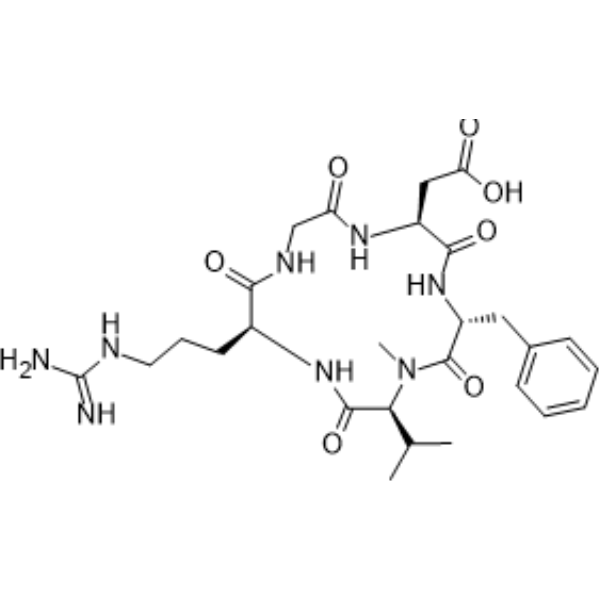
    CVRARTR is a programmed cell death ligand-1 (PD-L1) antagonist with a KD of 281 nM. CVRARTR induces the internalization of PD-L1 and downregulates PD-L1 on the cell surface. CVRARTR restores cytokine secretion and T cell proliferation in cell CT26. CVRARTR exhibits antitumor efficacy against in CT26 homograft mouse model. CVRARTR can be used in melanoma research [1] .
    CVRARTR
  • HY-P3440

    Radionuclide-Drug Conjugates (RDCs) PD-1/PD-L1 Cancer
    WL12 is a specifically targeting programmed death ligand 1 (PD-L1) binding peptide. WL12 can be radiolabeled by different radionuclides, generating radiotracers, which can assess the tumor PD-L1 expression [1].
    WL12
  • HY-144258

    PD-1/PD-L1 Inflammation/Immunology Cancer
    PD-1/PD-L1-IN-14 (compound 17) is a bifunctional inhibitor of PD-1/PD-L1 interactions, with an IC50 of 27.8 nM. PD-1/PD-L1-IN-14 (compound 17) inhibits PD-1/PD-L1 interactions and promotes dimerization, internalization, and degradation of PD-L1 [1].
    PD-1/PD-L1-IN-14
  • HY-P99833

    CK-301; TG-1501

    PD-1/PD-L1 Cancer
    Cosibelimab (CK-301) is a high-affinity, fully human PD-L1-blocking monoclonal antibody that binds PD-L1 and blocks its interaction with PD-1. Cosibelimab exhibits antitumor efficacy [1].
    Cosibelimab
  • HY-101058A

    PD-1/PD-L1 Inflammation/Immunology Cancer
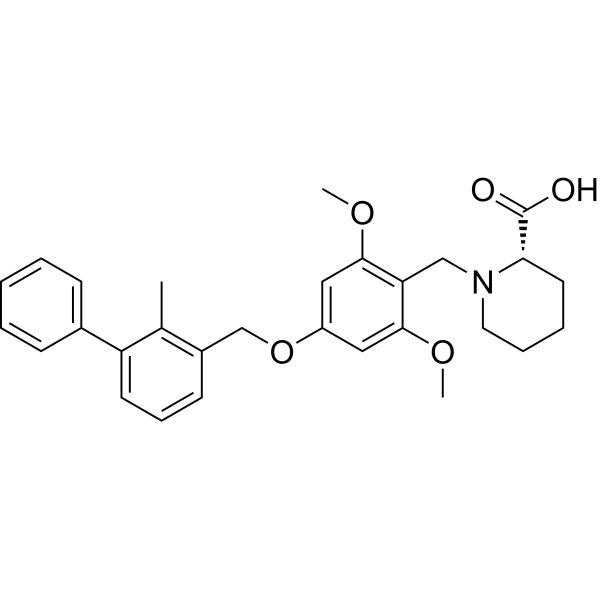
    PD1-PDL1-IN 1 TFA (compound 16) is a potent programmed cell death 1 (PD-1) inhibitor. PD1-PDL1-IN 1 TFA is useful as immune modulator [1].
    PD1-PDL1-IN 1 TFA
  • HY-P10950A

    PD-1/PD-L1 Inflammation/Immunology Cancer
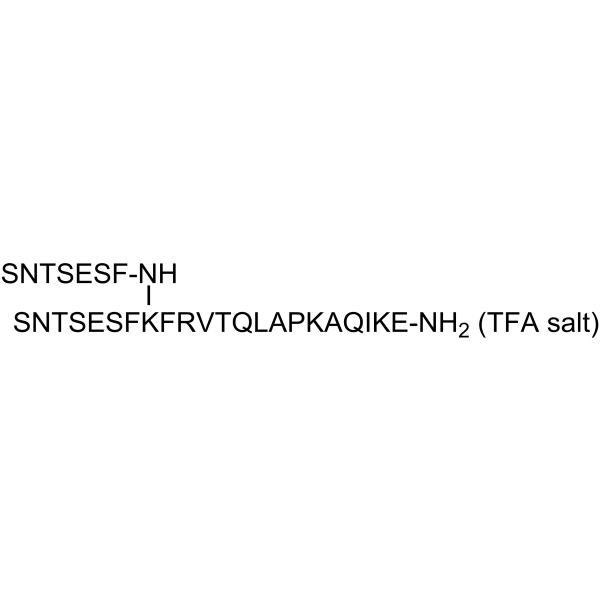
    PD-L1 inhibitory peptide TFA is an inhibitor peptide targeting programmed cell death ligand 1 (PD-L1). PD-L1 inhibitory peptide TFA binds to PD-L1, relieving immunosuppression and restoring the antitumor activity of T cells. PD-L1 inhibitory peptide TFA is promising for research of cancers [1] .
    PD-L1 inhibitory peptide TFA
  • HY-168530

    PD-1/PD-L1 Cancer
    PDL1 degrader-1 (compound PMT-O9-1A) is a potent PD-L1 degrader. PDL1 degrader-1 decreases the protein expression of PD-L1. PDL1 degrader-1 shows cytotoxicity. PDL1 degrader-1 shows anticancer activity [1].
    PDL1 degrader-1
  • HY-139781
    PD-L1-IN-1
    1 Publications Verification

    PD-1/PD-L1 Apoptosis Cancer
    PD-L1-IN-1 (Compound 10) is a potent PD-L1 inhibitor with an IC50 of 115 nM. PD-L1-IN-1 strongly binds with the PD-L1 protein and challenged it in a co-culture of PD-L1 expressing cancer cells and peripheral blood mononuclear cells enhanced antitumor immune activity of the latter. PD-L1-IN-1 significantly exhibits low cytotoxicity in healthy cells [1].
    PD-L1-IN-1
  • HY-P990738

    ES-101; INBRX-105

    TNF Receptor PD-1/PD-L1 Inflammation/Immunology Cancer
    Enristomig (ES-101) is a multispecific antibody. Enristomig is both a PD-L1 antagonist and a conditional agonist of 4-1BB. Enristomig can be used for research on PD-L1 expressing tumors [1].
    Enristomig
  • HY-145774

    PD-1/PD-L1 Cancer
    PD-1/PD-L1-IN-23 is a potent and orally active inhibitor of PD-1/PD-L1. PD-1/PD-L1-IN-23 is an ester proagent of L7. L7 is a benzo[c][1,2,5]oxadiazole derivative and biologically evaluated as inhibitors of PD-L1. PD-1/PD-L1-IN-23 displays significant antitumor effects in tumor models of syngeneic and PD-L1 humanized mice [1].
    PD-1/PD-L1-IN-23
  • HY-120402

    PD-1/PD-L1 Inflammation/Immunology
    BMS-200 is a potent PD-1/PD-L1 interaction inhibitor with an IC50 of 80 nM. BMS-200 can induce dimerization of PD-L1 [1].
    BMS-200
  • HY-155101

    PD-1/PD-L1 Cancer
    PD-L1-IN-3 (Compound 4a) is a compound that targets PD-1/PD-L1, the IC50 value and EC50 value is 4.97nM and 2.70 μM for inhibit PD-L1 and Jurkat T cells, respectively. PD-L1-IN-3 can bind PD-L1 dimer to prevent PD-1 binding to PD-L1, therefore blocking PD-1 signaling. PD-L1-IN-3 can be used for lung cancer and melanoma diseases research [1].
    PD-L1-IN-3
  • HY-149830
    PD-L1-IN-2
    1 Publications Verification

    PD-1/PD-L1 Cancer
    PD-L1-IN-2 is a potential tumor immunological agent by inhibiting PD-L1. PD-L1-IN-2 is a Naamidine J derivative and exerts antitumor effects in vivo by reducing PD-L1 expression and enhancing tumor-infiltrating T-cell immunity. PD-L1-IN-2 is used for colorectal cancer research [1].
    PD-L1-IN-2
  • HY-P99903

    IBI-322

    PD-1/PD-L1 CD47 Inflammation/Immunology Cancer
    Simridarlimab (IBI-322) is a bispecific antibody targeting PD-L1 and CD47. Simridarlimab attenuates CD47 activity in monovalent binding and blockes PD-L1 activity in bivalent binding. Simridarlimab selectively binds to CD47+PD-L1+ tumor cells, effectively inhibits CD47-SIRPα signal and triggered strong tumor cell phagocytosis in vitro [1].
    Simridarlimab
  • HY-103048A

    PD-1/PD-L1 Cancer
    PD-1/PD-L1-IN 3 TFA, a macrocyclic peptide, is a potent and selective inhibitor of the PD-1/PD-L1 and CD80/PD-L1 interactions extracted from patent WO2014151634A1, compound No.1. PD-1/PD-L1-IN 3 TFA interferes with PD-L1 binding to PD-1 and CD80 by binding to PD-L1, with IC50s of 5.60 nM and 7.04 nM, respectively. PD-1/PD-L1-IN 3 TFA can be used for the research of various diseases, including cancer and infectious diseases [1].
    PD-1/PD-L1-IN 3 TFA
  • HY-167840

    PD-1/PD-L1 Neurological Disease Cancer
    IMMH-010 maleate is a prodrug that serves as a novel PD-L1 inhibitor, exhibiting potential antitumor activity for the treatment of neurological disorders and advanced malignant solid tumors. IMMH-010 maleate is rapidly converted to its active form, YPD-29B, following oral administration. IMMH-010 maleate is poised for advancing research in the field of PD-L1 inhibitors and related therapeutic applications.
    IMMH-010 maleate
  • HY-P10950

    PD-1/PD-L1 Inflammation/Immunology Cancer
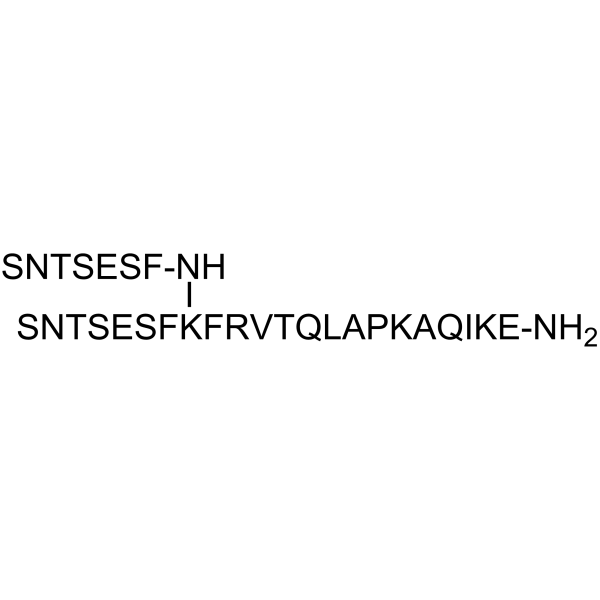
    PD-L1 inhibitory peptide is an inhibitor peptide targeting programmed cell death ligand 1 (PD-L1). PD-L1 inhibitory peptide binds to PD-L1, relieving immunosuppression and restoring the antitumor activity of T cells. PD-L1 inhibitory peptide is promising for research of cancers [1] .
    PD-L1 inhibitory peptide
  • HY-P2478

    PD-1/PD-L1 Inflammation/Immunology
    Human PD-L1 inhibitor V, a human PD-1 protein binding peptide with a Kd value of 3.32 μM. Human PD-L1 inhibitor V inhibit the interaction of hPD-1/hPD-L1 [1].
    Human PD-L1 inhibitor V
  • HY-152240

    PD-1/PD-L1 Cancer
    PD-1/PD-L1-IN-29 (S4-1) is a potent PD-1/PD-L1 inhibitor with an IC50 value of 6.1 nM. PD-1/PD-L1-IN-29 binds PD-L1 and disrupts PD-1/PD-L1 interactions, induces PD-L1 dimerization and internalization, improves its localization to the endoplasmic reticulum, and promotes PD-L1 entry into the endoplasmic reticulum. PD-1/PD-L1-IN-29 has anticancer activity [1].
    PD-1/PD-L1-IN-29
  • HY-P99633

    BGB-A333

    PD-1/PD-L1 Apoptosis Cancer
    Garivulimab (BGB-A333) is a humanized IgG1-variant monoclonal antibody that specifically targets and binds to PD-L1. Garivulimab selectively blocks the interaction of PD-L1 and PD-1. Garivulimab has antitumor activity [1].
    Garivulimab
  • HY-P99723

    BCD-135

    PD-1/PD-L1 Cancer
    Manelimab is a monoclonal antibody that inhibits programmed death-ligand 1 (PD-L1) [1].
    Manelimab
  • HY-P2477

    PD-1/PD-L1 Inflammation/Immunology
    Human PD-L1 inhibitor IV, a polypeptide, is a competitive human PD-1 protein inhibitor with a Kd value of 1.38 μM. Human PD-L1 inhibitor IV inhibits the interaction of hPD-1/hPD-L1 [1].
    Human PD-L1 inhibitor IV
  • HY-169363

    PD-1/PD-L1 Autophagy AUTACs Cancer
    PD-L1 degrader-2 (Compound B3) is an orally active AUTAC degrader, that degrades PD-L1 through autophagy-lysosome pathway with a DC50 of 0.5 μM. PD-L1 degrader-2 exhibits inhibitory activity against PD-1/PD-L1 interaction with an IC50 of 22.8 nM. PD-L1 degrader-2 upregulates the expressions of Atg9b, Lamp1 and Mitf, and activates the autophagy lysosome system. PD-L1 degrader- exhibits antitumor efficacy in CT26 mouse model [1]. (Pink: autophagy-lysosome activator (HY-159894); Black: linker (HY-W015088); Blue: PD-L1 ligand (HY-169365))
    PDL1 degrader-2
  • HY-172200

    PD-1/PD-L1 HDAC Inflammation/Immunology Cancer
    PD-L1/HDAC6-IN-1 is an orally active dual inhibitor of PD-L1 and HDAC6, with IC50 values of 26.8 nM and 78 nM, respectively. PD-L1/HDAC6-IN-1 binds to human and murine PD-L1 proteins with high affinity, while it reduces STAT3 phosphorylation and downregulates PD-L1 expression by inhibiting HDAC6, thus blocking the PD-1/PD-L1 interaction. PD-L1/HDAC6-IN-1 exhibits potent anti-tumor activity in a mouse melanoma model. PD-L1/HDAC6-IN-1 is suitable for research on tumor immune regulation related to melanoma [1].
    PD-L1/HDAC6-IN-1
  • HY-P10978

    PD-1/PD-L1 Cancer
    NK224 is a peptide-based radiotracer targeting human PD-L1, with dual-radionuclide ( 68Ga and 18F) labeling compatibility enabled by the NOTA chelator. NK224 exhibits high binding affinity to PD-L1, with an IC50 value of 2.45 nM. NK224 visualizes intrapatient tumor heterogeneity and dynamically monitors PD-L1 target occupancy during immunotherapy. NK224 can be used for the study of non-small cell lung cancer (NSCLC) [1].
    NK224
  • HY-P990778

    ATG-101

    TNF Receptor PD-1/PD-L1 Inflammation/Immunology Cancer
    Xirestomig (ATG-101) is a tetravalent "2+2″ PD-L1×4-1BB bispecific antibody. Xirestomig binds PD-L1 and 4-1BB concurrently, with a greater affinity for PD-L1, and potently activated 4-1BB+ T cells when cross-linked with PD-L1-positive cells. Xirestomig activates exhausted T cells upon PD-L1 binding. Xirestomig displays potent antitumor activity in numerous in vivo tumor models, including those resistant or refractory to immune checkpoint inhibitors (ICIs) [1].
    Xirestomig
  • HY-103048

    PD-1/PD-L1 Cancer
    PD-1/PD-L1-IN 3, a macrocyclic peptide, is a potent and selective inhibitor of the PD-1/PD-L1 and CD80/PD-L1 interactions extracted from patent WO2014151634A1, compound No.1. PD-1/PD-L1-IN 3 interferes with PD-L1 binding to PD-1 and CD80 by binding to PD-L1, with IC50s of 5.60 nM and 7.04 nM, respectively. PD-1/PD-L1-IN 3 can be used for the research of various diseases, including cancer and infectious diseases [1].
    PD-1/PD-L1-IN 3
  • HY-175323

    Integrin PD-1/PD-L1 Cancer
    NOTA-IMB-RGD is a dual molecular probe targeting integrin αvβ3 and programmed death ligand-1 (PD-L1). NOTA-IMB-RGD blocks the PD-1/PD-L1 signaling pathway and integrin αvβ3-overexpressing tumor vasculature. NOTA-IMB-RGD is promising for research of solid tumors co-expressing PD-L1 and αvβ3 (e.g., glioma, breast cancer) [1].
    NOTA-IMB-RGD
  • HY-P11110

    PD-1/PD-L1 Cancer
    RK-10 is a PD-L1 binding peptide. RK-10 conjugated with Cy5 (HY-D0821) or Biotin (HY-B0511) can used to detect PD-L1 expressing tumors with flow cytometry or immunohistochemistry. RK-10 can be used for cancers like NSCLC, breast cancer, squamous cell carcinoma and melanoma detection research [1].
    RK-10
  • HY-P10217

    PD-1/PD-L1 Cancer
    PD-1/PD-L1-IN-42 (Compound B8.4) is an inhibitor of the interaction between PD-1 and PD-L1, with an EC50 of 0.1 μM. PD-1/PD-L1-IN-42 can be used for the research of cancer immunotherapy [1].
    PD-1/PD-L1-IN-42
  • HY-174468

    LYTACs PD-1/PD-L1 HSP Cancer
    dPDL1-4 is a potent and selective eHSPTAC eHSP90 PD-L1 degrader with DC50s of 7.77 μM and 6.52 μM in HeLa and B16F10 cells. dPDL1-4 bridges eHSP90 with the target protein, inducing lysosomal degradation. dPDL1-4 can degrade PD-L1 significantly and inhibits tumor growth. dPDL1-4 can be used for the study of cervical cancer and melanoma. ((Pink: eHSP90 ligand (HY-174476); Blue: PD-L1 ligand (HY-116274); Black: Linker (HY-W021787); HSP ligand + linker: HY-174799)) [1].
    dPDL1-4
  • HY-101058

    PD-1/PD-L1 Inflammation/Immunology
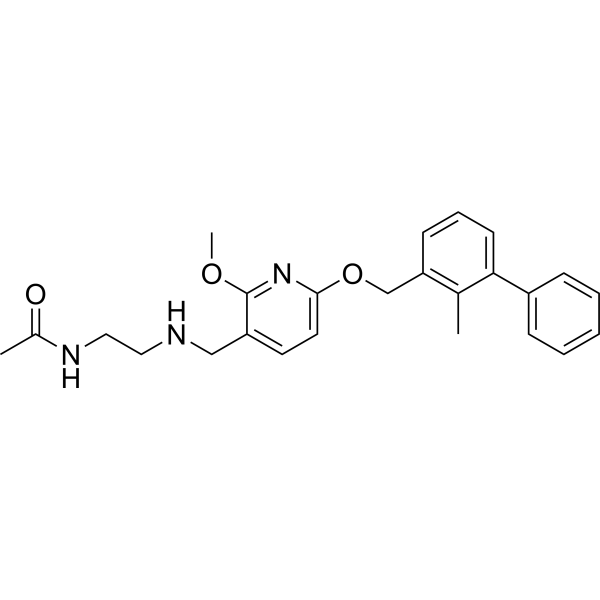
    PD1-PDL1-IN 1 (compound 16) is a potent programmed cell death 1 (PD-1) inhibitor. PD1-PDL1-IN 1 is useful as immune modulator [1].
    PD1-PDL1-IN 1
  • HY-162972

    PROTACs PD-1/PD-L1 Cancer
    PROTAC PD-L1 degrader-2 (Compound 9i) is a PROTAC degrader for PD-L1, that inhibits PD-L1 with an IC50 of 197.4 nM and exhibits an affinity with PD-L1 with a Kd of 301 nM. PROTAC PD-L1 degrader-2 promotes the internalization of PD-L1 on the cell membrane, and induces PD-L1 degradation via the synergistic effect of the proteasome and lysosomal pathways. PROTAC PD-L1 degrader-2 can activate the immune system, and exhibits antitumor efficacy in MC38 C57BL/6 mouse model [1].
    PROTAC PD-L1 degrader-2
  • HY-P2470

    PD-1/PD-L1 Cancer
    Human PD-L1 inhibitor II is a potent PD-L1 inhibitor with anti-cancer activity [1].
    Human PD-L1 inhibitor II
  • HY-P2474

    PD-1/PD-L1 Cancer
    Human PD-L1 inhibitor I is a hPD-1 peptide ligand, with a KD of 3.39 μM. Human PD-L1 inhibitor I may disturb the binding of hPD-L1 to hPD-1 [1].
    Human PD-L1 inhibitor I
  • HY-P2478A

    PD-1/PD-L1 Inflammation/Immunology
    Human PD-L1 inhibitor V TFA, a human PD-1 protein binding peptide with a Kd value of 3.32 μM. Human PD-L1 inhibitor V TFA inhibit the interaction of hPD-1/hPD-L1 [1].
    Human PD-L1 inhibitor V TFA
  • HY-P991004

    LB-101

    CD47 PD-1/PD-L1 Cancer
    Itanistomig (LB-101) is a tetravalent bispecific antibody targeting PD-L1 and CD47. Itanistomig blocks PD-L1 and achieves tumor enrichment through binding to PD-L1, and also exerts conditional CD47 blocking activity via cleavage of the hinge linker in the PD-L1-positive tumor microenvironment. Itanistomig induces antibody-dependent cellular phagocytosis in human CD14 + cells and drives tumor regression. Itanistomig can be used in research related to solid tumors [1] .
    Itanistomig
  • HY-P991084

    PD-1/PD-L1 Cancer
    TQB-2858 is a bifunctional fusion protein composed of a monoclonal antibody against PD-L1 fused with the extracellular domain of TGF-β receptor. TQB-2858 has a high affinity for PD-L1, TGF1, and TGF-β3 and exhibited high PD-L1 target occupancy. TQB-2858 can be used for the study of osteosarcoma and alveolar soft part sarcoma (ASPS) [1].
    TQB-2858
  • HY-164476

    EGFR GSK-3 PD-1/PD-L1 Cancer
    ES-072 is an orally effective selective EGFR mutant (EGFR-T790M) inhibitor. ES-072 activates GSK3α by inhibiting EGFR-T790M activity, which promotes phosphorylation of PD-L1 at Ser279 and Ser283. The phosphorylated PD-L1 recruits the E3 ubiquitin ligase ARIH1, leading to ubiquitination and proteasomal degradation of PD-L1. This mechanism not only reduces cancer cell growth but also enhances anti-tumor immune response by lowering PD-L1 levels. ES-072 can be used to inhibit proliferation in non-small cell lung cancer (NSCLC) cells [1] .
    ES-072

Inquiry Online

Your information is safe with us. * Required Fields.

Salutation


Country or Region *

Applicant Name *


Organization Name *

Department *


Email Address *


Product Name *

Cat. No.


Requested quantity *

Phone Number *


Remarks

Inquiry Online

Inquiry Information

Product Name:
Cat. No.:
Quantity:
MCE Japan Authorized Agent:

