

1. Search Result
Search Result
Results for "

Paclitaxel

" in MedChemExpress (MCE) Product Catalog:

181

Inhibitors & Agonists

2

Screening Libraries

6

Fluorescent Dye

8

Biochemical Assay Reagents

5

Peptides

6

Inhibitory Antibodies

28

Natural
Products

10

Isotope-Labeled Compounds

2

Click Chemistry

1

Oligonucleotides

Cat. No. Product Name Target Research Areas Chemical Structure
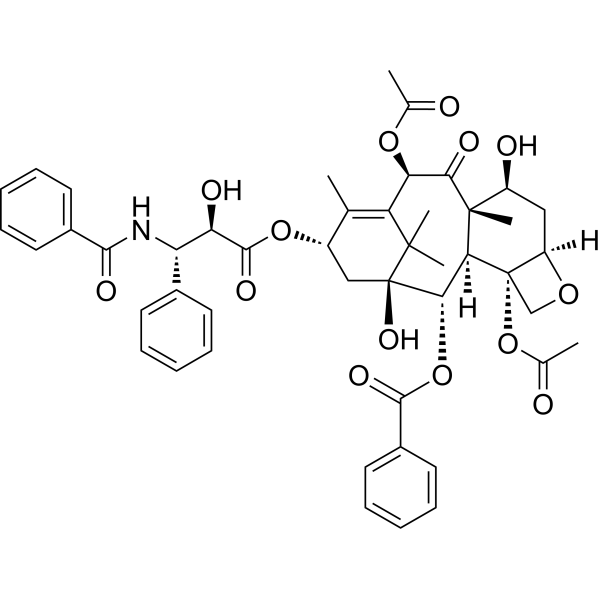
  • HY-B0015
    Paclitaxel
    Maximum Cited Publications
    354 Publications Verification

    Microtubule/Tubulin ADC Payload Apoptosis Autophagy Cardiovascular Disease Cancer
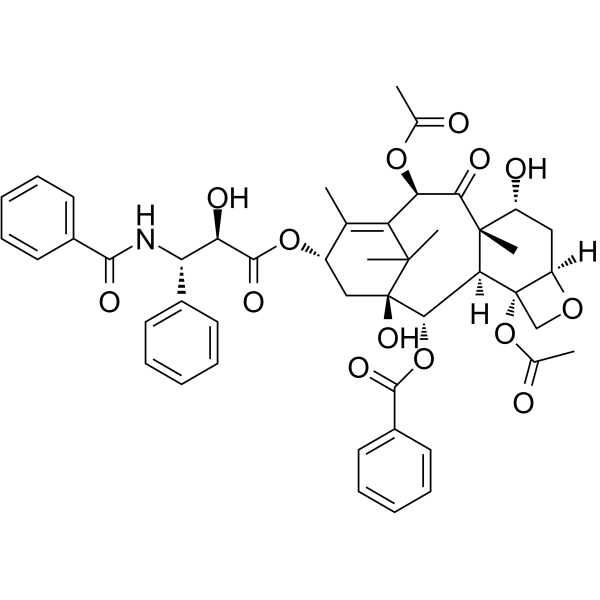
    Paclitaxel is a naturally occurring antineoplastic agent and stabilizes tubulin polymerization. Paclitaxel can cause both mitotic arrest and apoptotic cell death. Paclitaxel also induces autophagy .
    Paclitaxel
  • HY-P99974
    Nab-Paclitaxel
    4 Publications Verification

    Nanoparticle albumin-bound Paclitaxel; Nanoparticle albumin-bound ABI-007

    Microtubule/Tubulin Apoptosis Autophagy Cancer
    Nab-Paclitaxel (Nanoparticle albumin-bound Paclitaxel) is an albumin-bound nanoparticle formulation of Paclitaxel (HY-B0015). Nab-Paclitaxel is composed of albumin and the active pharmaceutical ingredient Paclitaxel, in which human albumin is used as an excipient to disperse and stabilize particles and carry the main drug. Nab-Paclitaxel is a solvent-free taxane with higher response rates and improved tolerability. Nab-Paclitaxel displays less toxicity and greater antitumor activity. Nab-Paclitaxel is more readily available for tumor cell uptake in three rhabdomyosarcoma, seven neuroblastoma cell lines, and one ostersarcoma cell line Nab-Paclitaxel can be studied in cancer research for example breast cancer and solid tumors. (The product specifications below only indicate the effective content of Paditaxel, the actual albumin quality depends on the batch; the ratio of each ingredient in this product is Paditaxel: albumin -1:7~1:11) .
    Nab-Paclitaxel
  • HY-150231
    SU056
    2 Publications Verification

    YB-1 Cancer
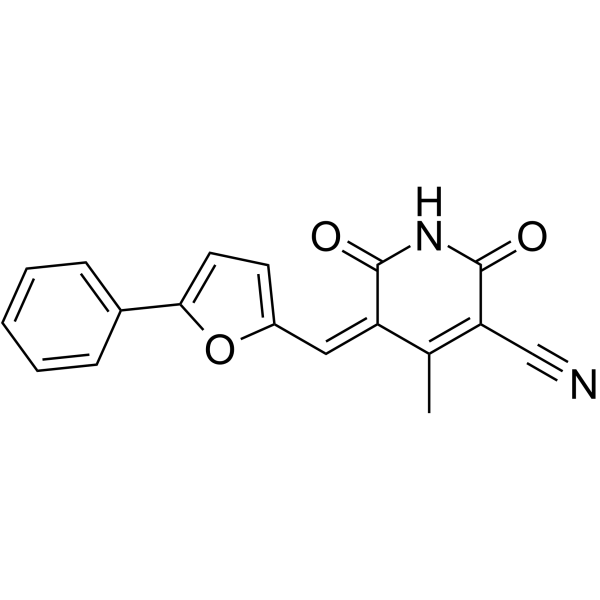
    SU056 is a YB-1 inhibitor. SU056 induces cell-cycle arrest, apoptosis, and inhibits cell migration in ovarian cancer cells. SU056 interacts with YB-1 and inhibits and its associated downstream proteins and pathways. SU056 can enhance the cytotoxic effects of Paclitaxel (HY-B0015) .
    SU056
  • HY-B0015R

    Reference Standards Microtubule/Tubulin ADC Payload Apoptosis Autophagy Cancer
    Paclitaxel (Standard) is the analytical standard of Paclitaxel. This product is intended for research and analytical applications. Paclitaxel is a naturally occurring antineoplastic agent and stabilizes tubulin polymerization. Paclitaxel can cause both mitotic arrest and apoptotic cell death. Paclitaxel also induces autophagy .
    Paclitaxel (Standard)
  • HY-125348

    Drug Metabolite Cancer
    6α-Hydroxy paclitaxel is one of the main metabolites of Paclitaxel (PTX) (HY-B0015), and it is generated by the liver cytochrome P450 enzyme CYP2C8. 6α-Hydroxy paclitaxel has bone marrow toxicity, but it can enhance the cytotoxicity of PTX against leukemia cells without causing cell toxicity. 6α-Hydroxy paclitaxel can be used in leukemia research .
    6α-Hydroxy paclitaxel
  • HY-P4073

    GRN1005; Paclitaxel trevatide

    Peptide-Drug Conjugates (PDCs) LDLR Cancer
    ANG1005 (Paclitaxel trevatide) is a brain-penetrating peptide-drug conjugate. ANG1005, a taxane derivative, consists of three paclitaxel (HY-B0015) molecules covalently linked to Angiopep-2, designed to cross the blood-brain and blood-cerebrospinal barriers and to penetrate malignant cells via low density lipoprotein receptor-related protein (LRP1) transport system .
    ANG1005
  • HY-B0015S

    Isotope-Labeled Compounds Microtubule/Tubulin ADC Payload Cancer
    Paclitaxel-d5 is a deuterium-labeled Paclitaxel. Paclitaxel is a naturally occurring antineoplastic agent and stabilizes tubulin polymerization .
    Paclitaxel-d5
  • HY-N0227
    7-epi-Taxol
    4 Publications Verification

    7-epi-Paclitaxel

    Microtubule/Tubulin Cancer
    7-epi-Taxol is an active metabolite of taxol, with activity comparable to that of taxol against cell replication, promoting microtubule bundle formation and against microtubule depolymerization.
    7-epi-Taxol
  • HY-19536
    LLL12
    1 Publications Verification

    STAT Cancer
    LLL12 is a small molecule inhibitor of STAT3 that inhibits STAT3 phosphorylation. LLL12 enhanced the inhibitory effect of Cisplatin (HY-17394) and Paclitaxel (HY-B0015) on ovarian cancer cell formation, migration, and growth .
    LLL12
  • HY-173522

    Kinesin Microtubule/Tubulin Cancer
    KIF2C-IN-1 is a cell-penetrating, selective KIF2C inhibitor with fluorescent properties (Ex/Em = 410/510 nm). KIF2C-IN-1 exhibits notable cytotoxicity and weak inhibitory effects on KIF2A/B. KIF2C-IN-1 prohibits the dissociation of KIF2C from microtubules. KIF2C-IN-1 inhibiting KIF2C reverses cross-resistance to microtubule-targeting agents. KIF2C-IN-1 reduces tumorigenesis in chemoresistant triple-negative breast cancer (TNBC) model in mice with the combination of Paclitaxel (HY-B0015) .
    KIF2C-IN-1
  • HY-137377
    TAS-119
    1 Publications Verification

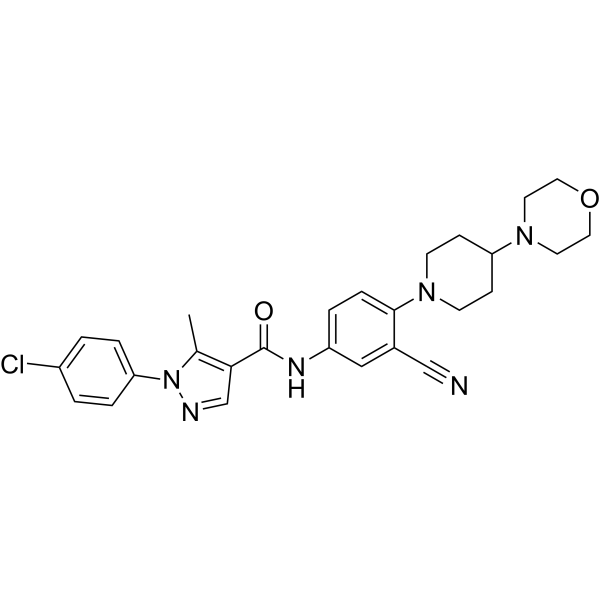
    Aurora Kinase Cancer
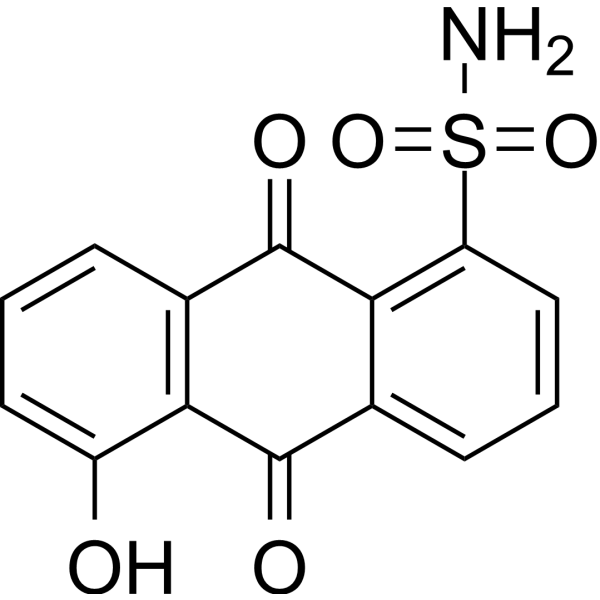
    TAS-119 is a potent, selective and orally active Aurora A inhibitor with an IC50 of 1.0 nM. TAS-119 shows high selectivity for Aurora A over other protein kinases, including Aurora B (IC50 of 95 nM). TAS-119 has potent antitumor activites .
    TAS-119
  • HY-20584

    10-Deacetyl-7-xylosyltaxol; 10-DeacetylPaclitaxel 7-Xyloside; 10-Deacetyltaxol 7-Xyloside

    Microtubule/Tubulin ADC Payload Cancer
    10-Deacetyl-7-xylosyl paclitaxel is a Paclitaxel (a microtubule stabilizing agent; enhances tubulin polymerization) derivative with improved pharmacological features.
    10-Deacetyl-7-xylosyl paclitaxel
  • HY-13503
    Epothilone A
    1 Publications Verification

    Epo A

    Microtubule/Tubulin Apoptosis Cancer
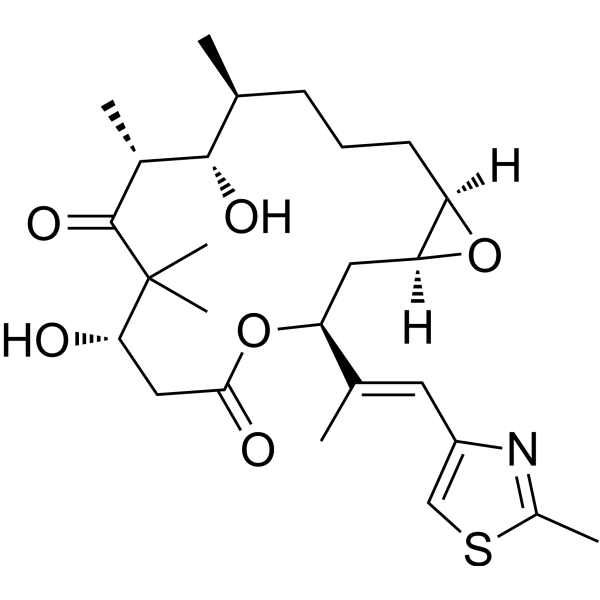
    Epothilone A is a competitive inhibitor of the binding of [ 3H] paclitaxel to tubulin polymers, with a Ki of 0.6-1.4 μM.
    Epothilone A
  • HY-B0538A

    TWT-8152; BMY 26517

    Histamine Receptor Cardiovascular Disease Inflammation/Immunology
    Pemirolast potassium is an orally active antiallergic agent. Pemirolast potassium attenuates Paclitaxel (HY-B0015) hypersensitivity reactions. Pemirolast potassium can be used for bronchial asthma and conjunctivitis research - .
    Pemirolast potassium
  • HY-77554

    Microtubule/Tubulin HIF/HIF Prolyl-Hydroxylase Cancer
    Cephalomannine is a Paclitaxel (HY-B0015) alkaloidal analog that can be isolated from most Cephalotaxus species. Cephalomannine is an orally active anti-tumor agent and can be used as a chemotherapy agent for cancer research .
    Cephalomannine
  • HY-144878
    VPC-70619
    2 Publications Verification

    c-Myc Cancer
    VPC-70619 is a potent N-Myc inhibitor. VPC-70619 blocks the binding of the N-Myc-Max heterocomplex to the DNA E-box and exhibits potent inhibitory activity against N-Myc-dependent cell lines. VPC-70619 can partially reverse paclitaxel (HY-B0015) resistance in cells by reducing MYCN expression. VPC-70619 can be used for cancer research (e.g., neuroblastoma and thyroid cancer) .
    VPC-70619
  • HY-125166
    DB04760
    1 Publications Verification

    MMP Neurological Disease Cancer
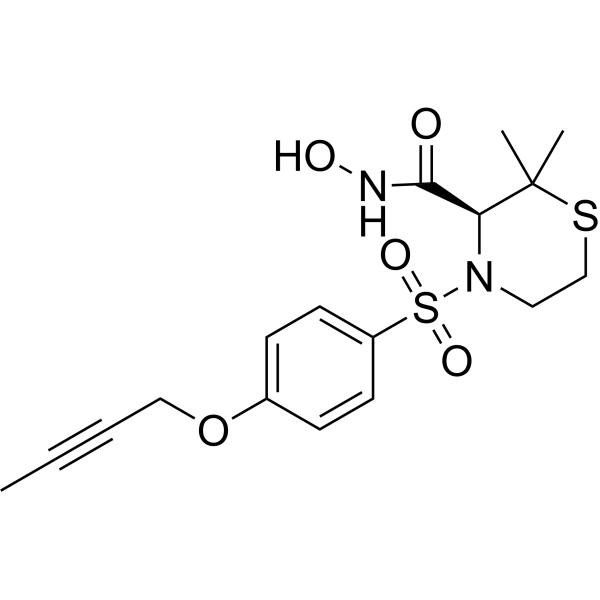
    DB04760 (compound 4) is a potent, highly selective, non-zinc-chelating MMP-13 inhibitor with an IC50 of 8 nM . DB04760 significantly reduces paclitaxel neurotoxicity and has anticancer activity .
    DB04760
  • HY-34643

    Hept-6-ynoic acid

    Drug Intermediate Others
    Hexanoylic acid (Hex-6-ynoic acid) is a drug intermediate. Hexanoylic acid can be functionalized by esterification reaction to paclitaxel (HY-B0015), enabling it to undergo an efficient ring addition reaction with β-cyclodextrin, thereby enhancing its water solubility, stability and targeting properties .
    6-Heptynoic acid
  • HY-164165

    Microtubule/Tubulin Drug Derivative Cancer
    Paclitaxel-2′-succinate NHS ester is a paclitaxel derivative with a succinic acid linker, in which the carboxyl group is activated by the NHS ester. The NHS ester group is highly reactive toward amino or hydroxyl groups and can be used to conjugate with other molecules such as peptides, proteins, antibodies, enzymes or polymers. Paclitaxel-2′-succinate NHS ester can be used in the development of nanomedicines and in the study of cancer therapy .
    Paclitaxel-2′-succinate NHS ester
  • HY-125348S

    Isotope-Labeled Compounds Cancer
    6α-Hydroxy Paclitaxel-d5 is the deuterium labeled 6α-Hydroxy paclitaxel. 6α-Hydroxy paclitaxel is one of the main metabolites of Paclitaxel (PTX) (HY-B0015), and it is generated by the liver cytochrome P450 enzyme CYP2C8. 6α-Hydroxy paclitaxel has bone marrow toxicity, but it can enhance the cytotoxicity of PTX against leukemia cells without causing cell toxicity. 6α-Hydroxy paclitaxel can be used in leukemia research.
    6α-Hydroxy Paclitaxel-d5
  • HY-77572

    7-epi-10-deacetyltaxol; 10-Deacetyl-7-epiPaclitaxel

    ADC Payload Cancer
    7-Epi 10-desacetyl paclitaxel (7-epi-10-deacetyltaxol), a taxol derivative, exhibits cytotoxicity against HeLa cells with an IC50 of 85 μM .
    7-Epi 10-desacetyl paclitaxel
  • HY-W035709

    Dihydrocinchonine

    P-glycoprotein Apoptosis Cancer
    Hydrocinchonine (Dihydrocinchonine) is a multidrug resistance (MDR)-reversal agent. Hydrocinchonine directly inhibits the function and expression of P-gp, which is the mechanism by which it reverses MDR. Hydrocinchonine exerts synergistic apoptotic effect with Paclitaxel (HY-B0015) in MES-SA/DX5 cells. Hydrocinchonine can be used for the study of gynecological malignant tumors (such as uterine sarcoma) with drug resistance caused by excessive expression of P-gp .
    Hydrocinchonine
  • HY-131010

    Fluorescent Dye Microtubule/Tubulin Cancer
    Flutax-2 (5/6-mixture) is an active fluorescent derivative of paclitaxel. Flutax-2 (5/6-mixture) binds to a polymerized α,β tubulin dimer. Excitation/emission wavelength: 496/524 nm. Paclitaxel, a diterpenoid secondary metabolite produced by Taxus species, can be used for the research of a variety of cancers .
    Flutax-2 (5/6-mixture)
  • HY-N2382
    Polyphyllin H
    1 Publications Verification

    Cytochrome P450 P-glycoprotein Metabolic Disease Cancer
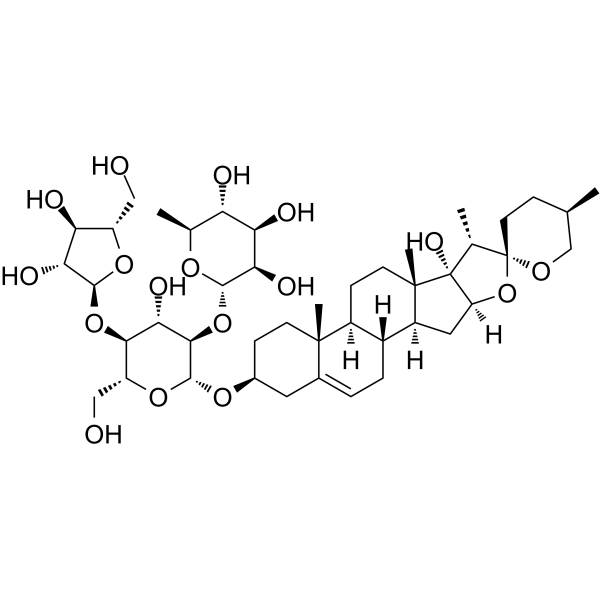
    Polyphyllin H is a steroidal saponin. Polyphyllin H is isolated from Paris polyphylla. Polyphyllin H potently inhibits the activities of CYP1A2 (IC50 = 6.44 μM, competitive), CYP2D6 (IC50 = 13.88 μM, competitive) and CYP3A4 (IC50 = 4.52 μM, non-competitive, time-dependent). Polyphyllin H downregulates the expression of ABCB1 and ABCC3. Polyphyllin H binds to membrane cholesterol and disrupts lipid raft structures. Polyphyllin H restores the sensitivity of paclitaxel-resistant breast cancer cells to paclitaxel .
    Polyphyllin H
  • HY-D2422A

    Fluorescent Dye Others
    Cy5.5-Paclitaxel is a Cy5.5 (HY-D0821) labeled Paclitaxel (HY-B0015).
    Cy5.5-Paclitaxel
  • HY-140696C

    mPEG20000-Hydroxy; Polyethylene glycol monomethyl ether 20000

    PROTAC Linkers Cancer
    m-PEG20000-OH can be used as a macroinitiator to participate in the synthesis of amphiphilic block copolymers. Nanoscale micelles can be prepared by using amphiphilic block copolymers to deliver active drugs. Paclitaxel (HY-B0015), a hydrophobic anticancer agent encapsulated in micelles, has stronger activity in killing cancer cells than free Paclitaxel. And it preferentially accumulates in tumor tissue with only limited distribution in healthy organs.
    m-PEG20000-OH
  • HY-162161

    Fluorescent Dye Microtubule/Tubulin Cancer
    Flutax-2 is an active fluorescent derivative of Paclitaxel (HY-B0015) that binds to polymerized αβ-tubulin dimers. Flutax-2 is applicable for imaging microtubules in live cells, isolated cytoskeletons and parasites (Ex/Em=496/526 nm) .
    Flutax-2
  • HY-W768912

    Isotope-Labeled Compounds Microtubule/Tubulin ADC Payload Apoptosis Autophagy Cancer
    Paclitaxel- 13C6 is the 13C-labeled Paclitaxel. Paclitaxel is a naturally occurring antineoplastic agent and stabilizes?tubulin?polymerization. Paclitaxel can cause both mitotic arrest and?apoptotic?cell death. Paclitaxel also induces?autophagy .
    Paclitaxel-13C6
  • HY-132866

    P-glycoprotein Cancer
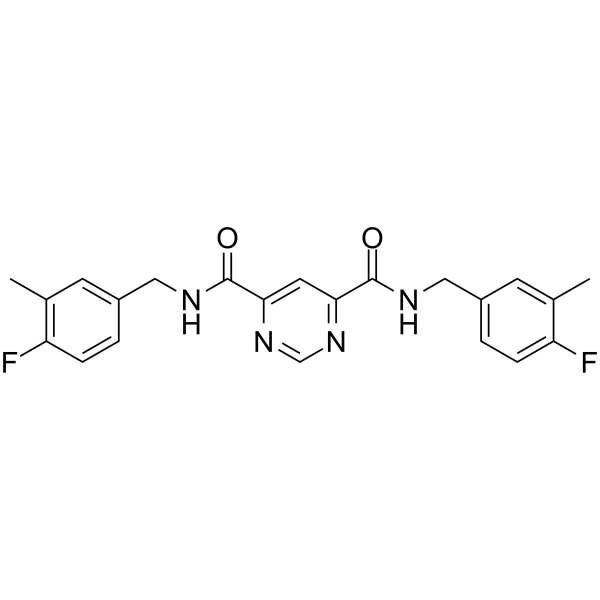
    YS-370 (compound 44) is a potent, high selective, and orally active inhibitor of P-glycoprotein (P-gp). YS-370 stimulates the P-gp ATPase activity and has moderate inhibition against CYP3A4. YS-370 effectively reverses multidrug resistance (MDR) to paclitaxel and colchicine in SW620/AD300 and HEK293T-ABCB1 cells. YS-370 in combination with paclitaxel achieves much stronger antitumor activity .
    YS-370
  • HY-N7256

    Microtubule/Tubulin Cancer
    Dihydrocephalomannine (compound 1b), an analogue of Paclitaxel, shows reduced cytotoxicity and tubulin binding compared to Paclitaxel .
    Dihydrocephalomannine
  • HY-107629

    Fluorescent Dye Cancer
    Flutax 1 is a fluorescent Paclitaxel (HY-B0015) derivative, which can be used for microtubule staining (Ex/Em = 495 nm/520 nm) .
    Flutax 1
  • HY-153384

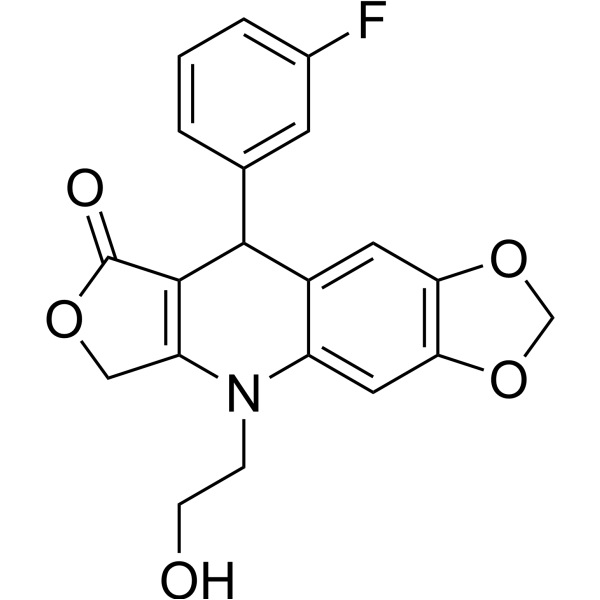
    Apoptosis Microtubule/Tubulin Mitosis Cancer
    EAPB 02303 is a microtubule-disrupting agent and inhibitor. EAPB 02303 induces mitosis arrest and impairment of spindle assembly. Thus, EAPB 02303 induces apoptosis and exhibits antitumor activity. EAPB 02303 also exhibits a potent synergy with Paclitaxel (HY-B0015) at lower concentrations .
    EAPB 02303
  • HY-177146

    MC-Val-Cit-PAB-Paclitaxel

    Drug-Linker Conjugates for ADC Cancer
    Paclitaxel-MVCP (MC-Val-Cit-PAB-Paclitaxel) is a MC-Val-Cit-PAB (HY-78738) and Paclitaxel (HY-B0015) conjugate, and can be used for synthesis of Paclitaxel-nucleolin aptamer conjugate .
    Paclitaxel-MVCP
  • HY-B0015S1

    Isotope-Labeled Compounds Microtubule/Tubulin ADC Payload Apoptosis Autophagy Cancer
    Paclitaxel-d5 (benzoyloxy) is the deuterium labeled Paclitaxel. Paclitaxel is a naturally occurring antineoplastic agent and stabilizes tubulin polymerization. Paclitaxel can cause both mitotic arrest and apoptotic cell death. Paclitaxel also induces autophagy .
    Paclitaxel-d5 (benzoyloxy)
  • HY-141147

    Drug-Linker Conjugates for ADC Cancer
    7-O-(Amino-PEG4)-paclitaxel is a PEG-class Drug-linker conjugates for ADC, containing a paclitaxel moiety and a amino group. The amine group is reactive with carboxylic acids, activated NHS esters, carbonyls (ketone, aldehyde) etc. 7-O-(Amino-PEG4)-paclitaxel can be used in the synthesis of Antibody-Drug Conjugates (ADCs) .
    7-O-(Amino-PEG4)-paclitaxel
  • HY-106219

    Microtubule/Tubulin P-glycoprotein Cancer
    BMS 275183 is a potent, orally active analogue of Paclitaxel (HY-B0015). BMS 275183 can stabilize microtubules and exhibits antitumor activity in in vivo tumor models. BMS 275183 is active in vitro against Paclitaxel-resistant tumors including those harboring tubulin mutations or overexpressing P-glycoprotein. BMS 275183 can be used for cancer research, such as non-small cell lung cancer (NSCLC) and prostate carcinoma .
    BMS 275183
  • HY-17664

    2’-Sulfo-NHS-succinyl-Paclitaxel

    Drug Derivative Microtubule/Tubulin Cancer
    Paclitaxel succinate sulfo-NHS ester is a derivative of Paclitaxel (HY-B0015). Paclitaxel succinate sulfo-NHS ester can be used for the research of cancer .
    Paclitaxel succinate sulfo-NHS ester
  • HY-164272

    Microtubule/Tubulin Cancer
    2'-O-TBDMS-Paclitaxel is a paclitaxel (HY-B0015) derivative which 2'-OH group is protected as a tert-butyldimethylsilyl (TBDMS) ether .
    2'-O-TBDMS-Paclitaxel
  • HY-D2422B

    Fluorescent Dye Microtubule/Tubulin Cancer
    Cy5-Paclitaxel is a Cyanine5 carboxylic acid bromide (HY-D1319) labeled Paclitaxel (HY-B0015) conjugate. Cyanine5 carboxylic acid bromide is a fluorescent dye containing a non-activated carboxylic acid (Ex=646 nm, Em=662 nm) that can be used for molecular labeling and microscopy imaging. Paclitaxel stabilizes tubulin polymerization. Paclitaxel can cause both mitotic arrest and apoptotic cell death. Paclitaxel also induces autophagy .
    Cy5-Paclitaxel
  • HY-77434

    9-DHAB III; 13-Acetyl-9-dihydrobaccatin III

    Drug Intermediate Cancer
    9-Dihydro-13-acetylbaccatin III (9-DHAB III) is an intermediate for the preparation of paclitaxel analogs.
    9-Dihydro-13-acetylbaccatin III
  • HY-P11286

    Complement System Cancer
    A7RC is a multifunctional peptide used in tumor-targeted therapy, with Cysteine added to the C-terminal of the A7R peptide (sequence: ATWLPPR). A7R (HY-P1663) is a ligand of the NRP-1 receptor, regulating intracellular signal transduction related to tumor vascularization and tumor growth .
    A7RC
  • HY-77572R

    7-epi-10-deacetyltaxol (Standard); 10-Deacetyl-7-epiPaclitaxel (Standard)

    ADC Payload Reference Standards Cancer
    7-Epi 10-desacetyl paclitaxel (Standard) is the analytical standard of 7-Epi 10-desacetyl paclitaxel. This product is intended for research and analytical applications. 7-Epi 10-desacetyl paclitaxel (7-epi-10-deacetyltaxol), a taxol derivative, exhibits cytotoxicity against HeLa cells with an IC50 of 85 μM .
    7-Epi 10-desacetyl paclitaxel (Standard)
  • HY-N7776

    7-xylosyl-10-DeacetylPaclitaxel B

    Others Cancer
    7-Xylosyl-10-Deacetyltaxol B (7-xylosyl-10-Deacetylpaclitaxel B) is a paclitaxel derivative derived from T. cuspidate. 7-Xylosyl-10-Deacetyltaxol B has anti-tumor activity and inhibits the growth of S180 sarcoma .
    7-Xylosyl-10-Deacetyltaxol B
  • HY-W019939

    ADC Linker Cancer
    Hydroxy-PEG10-Boc is extacted from patent CN108707228 (example 0024) . Hydroxy-PEG10-Boc is a uncleavable ADC linker used in the synthesis of antibody-drug conjugates (ADCs). Hydroxy-PEG10-Boc can be conjugated to Paclitaxel (HY-B0015) or docetaxel (HY-B0011) .
    Hydroxy-PEG10-Boc
  • HY-106146

    Protaxel

    Microtubule/Tubulin ADC Payload Apoptosis Autophagy Cancer
    Paclitaxel ceribate is the ester form of paclitaxel, a natural antineoplastic agent that stabilizes tubulin polymerization. Paclitaxel causes mitotic arrest and induces apoptosis, ultimately leading to cell death. Paclitaxel also induces autophagy .
    Paclitaxel ceribate
  • HY-77574

    7-XylosylPaclitaxel; Taxol-7-xyloside

    Microtubule/Tubulin Cancer
    7-xylosyltaxol(Taxol-7-xyloside) is a taxol (Paclitaxel) derivative; Paclitaxel binds to tubulin and inhibits the disassembly of microtubules.
    7-xylosyltaxol
  • HY-175981

    Drug Derivative Cancer
    Paclitaxel-bromothiophene is a semisynthetic taxane analogue of Paclitaxel (HY-B0015). Paclitaxel-bromothiophene exhibits potent antiproliferative activity against 4-T1 breast cancer cells, with an IC50 value of 15.18 nM. Paclitaxel-bromothiophene shows high binding affinity to C5aR1 (Kd = 19.4 μM). Paclitaxel-bromothiophene demonstrates excellent anti-tumor efficacy in 4-T1 breast cancer-bearing mice. Paclitaxel-bromothiophene can be used for the study of breast cancer .
    Paclitaxel-bromothiophene
  • HY-D2422C

    Fluorescent Dye Microtubule/Tubulin Autophagy Cancer
    Cy5-Paclitaxel bromide is the bromide of Cy5-Paclitaxel (HY-D2422B). Cy5-Paclitaxel is a Cyanine5 carboxylic acid bromide (HY-D1319) labeled Paclitaxel (HY-B0015) conjugate. Cyanine5 carboxylic acid bromide is a fluorescent dye containing a non-activated carboxylic acid (Ex=646 nm, Em=662 nm) that can be used for molecular labeling and microscopy imaging. Paclitaxel stabilizes tubulin polymerization. Paclitaxel can cause both mitotic arrest and apoptotic cell death. Paclitaxel also induces autophagy .
    Cy5-Paclitaxel bromide
  • HY-157529

    Microtubule/Tubulin Fluorescent Dye Cancer
    IR820-PTX, an IR-820 (HY-136886)-Paclitaxel (HY-B0015) conjugate, is an amphipathic small molecule prodrug. IR820-PTX effectively inhibits tumor growth via combined photothermal therapy (PTT) and chemotherapy .
    IR820-PTX
  • HY-148572

    Indoleamine 2,3-Dioxygenase (IDO) NAMPT Cancer
    NAMPT/IDO1-IN-1 is an orally active dual inhibitor of NAMPT and IDO1 with IC50s of 57.7 nM and 233 nM, respectively. NAMPT/IDO1-IN-1 blocks NAD+ biosynthesis, inhibits proliferation and migration of Paclitaxel (HY-B0015)- and FK866 (HY-50876)-resistant NSCLC cell lines (A549/R cells). NAMPT/IDO1-IN-1 has shown antitumor effects in mice and enhanced A549/R cell sensitivity to paclitaxel .
    NAMPT/IDO1-IN-1

Inquiry Online

Your information is safe with us. * Required Fields.

Salutation


Country or Region *

Applicant Name *


Organization Name *

Department *


Email Address *


Product Name *

Cat. No.


Requested quantity *

Phone Number *


Remarks

Inquiry Online

Inquiry Information

Product Name:
Cat. No.:
Quantity:
MCE Japan Authorized Agent:

