1. Search Result
Search Result
Results for "

Plant immunity

" in MedChemExpress (MCE) Product Catalog:

36

Inhibitors & Agonists

1

Biochemical Assay Reagents

5

Peptides

17

Natural
Products

2

Isotope-Labeled Compounds

Cat. No. Product Name Target Research Areas Chemical Structure
  • HY-N0379
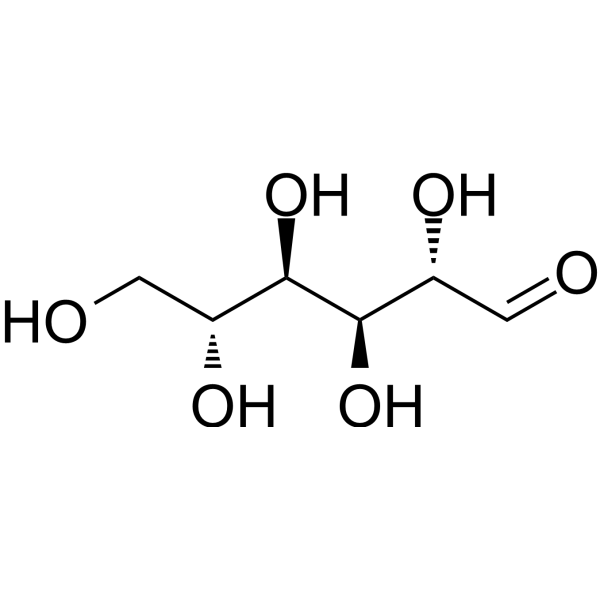
    D-Mannose
    3 Publications Verification

    Environmental Pollutants Endogenous Metabolite Others Cancer
    D-Mannose is a C-2 superpolymer of glucose that occurs naturally in many plants and fruits. D-Mannose has anti-inflammatory and antitumor activity. D-Mannose plays an important role in immune regulation .
    D-Mannose
  • HY-P2812

    PLD

    Phospholipase Neurological Disease Inflammation/Immunology Endocrinology Cancer
    Phospholipase D, Streptomyces chromofuscus (PLD) is an enzyme of the phospholipase superfamily, which widely exists in bacteria, yeast, plants, animals and viruses, and is often used in biochemical research. Phospholipase D can catalyze the hydrolysis of phosphodiester bonds in glycerophospholipids to produce phosphatidic acid and soluble choline. Phospholipase D is involved in a variety of disease-related processes, including diabetes, atherogenesis, obesity, tumorigenesis, immune response, and neuroendocrine function .
    Phospholipase D, Streptomyces chromofuscus
  • HY-N7378
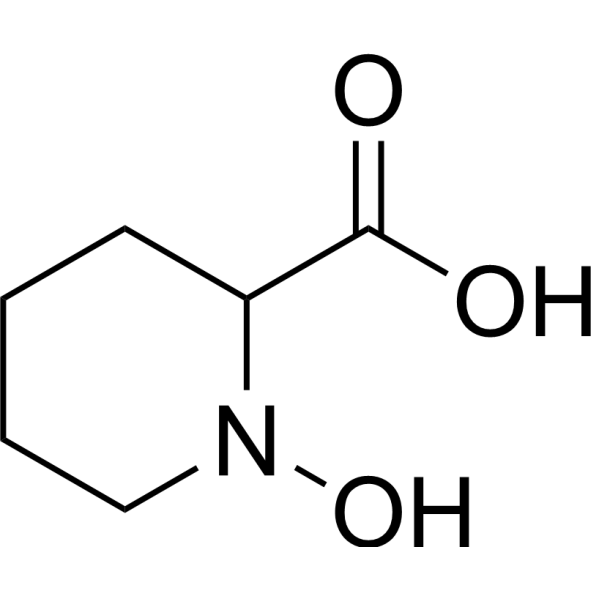
    N-Hydroxypipecolic acid
    5 Publications Verification

    1-Hydroxy-2-piperidinecarboxylic acid; NHP

    Bacterial Inflammation/Immunology
    N-Hydroxypipecolic acid (1-Hydroxy-2-piperidinecarboxylic acid), a plant metabolite and a systemic acquired resistance (SAR) regulator, orchestrates SAR establishment in concert with the immune signal salicylic acid. N-Hydroxypipecolic acid accumulates systemically in the plant foliage in response to pathogen attack. N-Hydroxypipecolic acid induces SAR to bacterial and oomycete infection .
    N-Hydroxypipecolic acid
  • HY-P1934
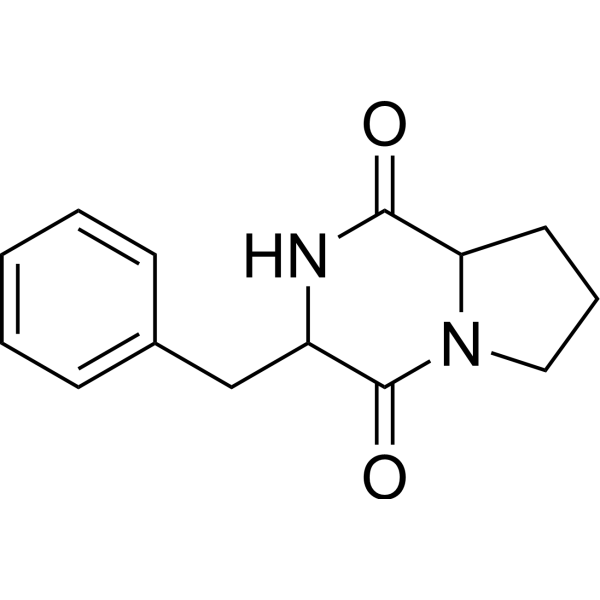
    Cyclo(Phe-Pro)
    5+ Cited Publications

    Cyclo(phenylalanylprolyl); A-64863

    HCV Bacterial Antibiotic Reactive Oxygen Species (ROS) Infection
    Cyclo(Phe-Pro) (Cyclo(phenylalanylprolyl)) is a quorum-sensing molecule of Vibrio vulnificus that specifically interacts with RIG-I, inhibiting RIG-I polyubiquitination, suppressing IRF-3 activation, and reducing type I interferon production. Cyclo(Phe-Pro) enhances susceptibility to HCV and influenza virus and also alleviates plant aluminum toxicity stress. The mechanism of Cyclo(Phe-Pro) involves the regulation of host immune signaling pathways, bacterial virulence gene expression, and plant antioxidant systems, making it a promising candidate for research in viral infections, bacterial virulence regulation, and agricultural stress resistance .
    Cyclo(Phe-Pro)
  • HY-N2353
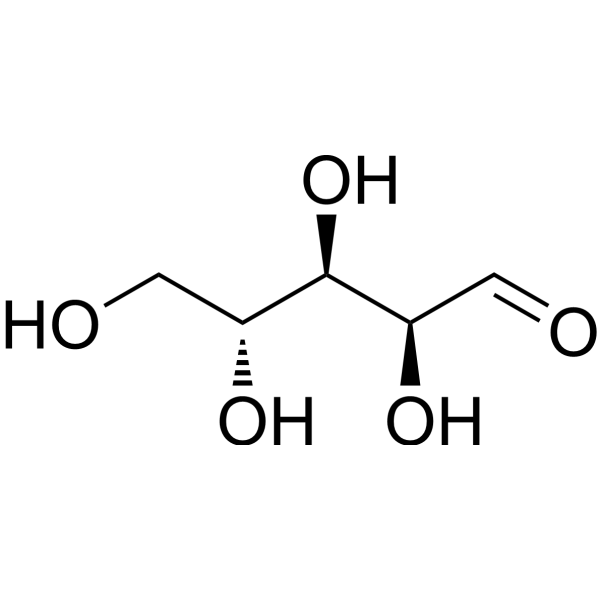
    Arabinose
    1 Publications Verification

    (±)​-​Arabinose; DL-​Arabinose; dl-​Arabinose

    Environmental Pollutants Endogenous Metabolite Neurological Disease Inflammation/Immunology Cancer
    Arabinose is a pentose sugar commonly found in plants. Arabinose alleviates immune dysregulation and inflammation by promoting balanced immune responses and reducing inflammation. Arabinose induces cytotoxicity, autophagy (Autophagy), and cell cycle arrest in breast cancer cells through the p38-MAPK signaling pathway. Arabinose activates the ACSS2-PPARγ/TFEB-AMPK axis in neuroblastoma cells, thereby exerting neuromodulatory/antidepressant effects. Arabinose can also be used as an intermediate in compound synthesis. Arabinose may be applied in research related to immune inflammation, depression, breast cancer, and other diseases .
    Arabinose
  • HY-W009123

    cis-13-Docosenamide

    Endogenous Metabolite Bacterial Infection Neurological Disease
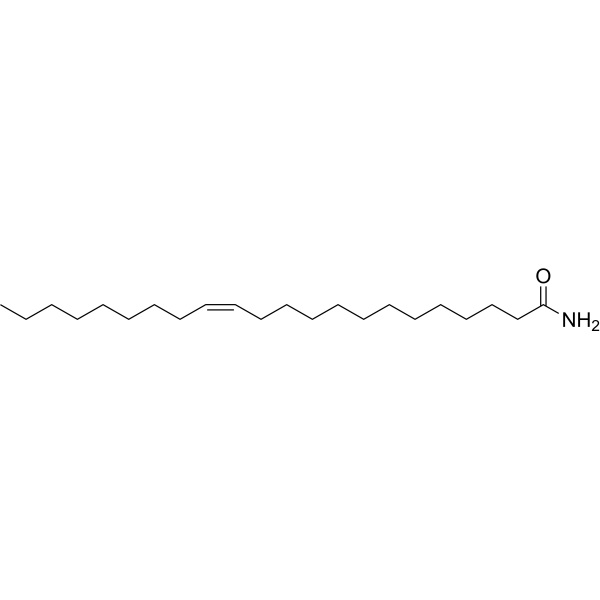
    Erucamide is an orally active, blood-brain barrier-permeable TMEM19 ligand and T3SS inhibitor. Erucamide exerts retinal neuroprotective effects in mouse models of retinal degeneration. Erucamide attenuates depression- and anxiety-like behaviors in mice.\n\nErucamide binds to the conserved hydrophobic pocket in HrcC, disrupts its outer membrane localization, and blocks T3SS-mediated effector protein secretion in Gram-negative pathogenic bacteria. Erucamide enhances the antimicrobial immunity of plants against pathogenic bacteria. Erucamide can be used in research related to retinitis pigmentosa, anxiety and depression, bacterial wilt, and bacterial blight .
    Erucamide
  • HY-W923189

    Interleukin Related COX TNF Receptor NOD-like Receptor (NLR) NO Synthase PERK p38 MAPK Reactive Oxygen Species (ROS) Caspase Autophagy Herbicide Inflammation/Immunology Cancer
    Neral is a plant-derived anti-inflammatory, antioxidant and anticancer agent. Neral inhibits the phosphorylation of ERK1/2, p38 MAPK and IκB in macrophages induced by LPS (HY-D1056), suppresses the secretion of TNF-α and IL-6, as well as the expression of pro-IL-1β, iNOS and COX-2 in cells, and reduces the production of ROS in cells. Neral inhibits the activation of the NLRP3 inflammasome, and decreases the activation of caspase-1 and the secretion of IL-1β in mouse macrophages. Neral induces autophagy, and exhibits antiproliferative activity both in in vitro breast cancer cell models and mouse xenograft models. Neral regulates brassinosteroid, jasmonic acid and ethylene signaling pathways, and induces the expression of AP2/ERF-ERF and bHLH family genes in rice roots. Neral acts as a herbicide safener, alleviates the damage induced by Fenoxaprop-P-ethyl (HY-B2013), and promotes the elongation of rice roots. Neral can be used in research related to breast cancer, inflammatory and immune system diseases, and herbicide safeners .
    Neral
  • HY-B2046

    Environmental Pollutants Apoptosis Herbicide Bcl-2 Family Caspase Reactive Oxygen Species (ROS) Inflammation/Immunology
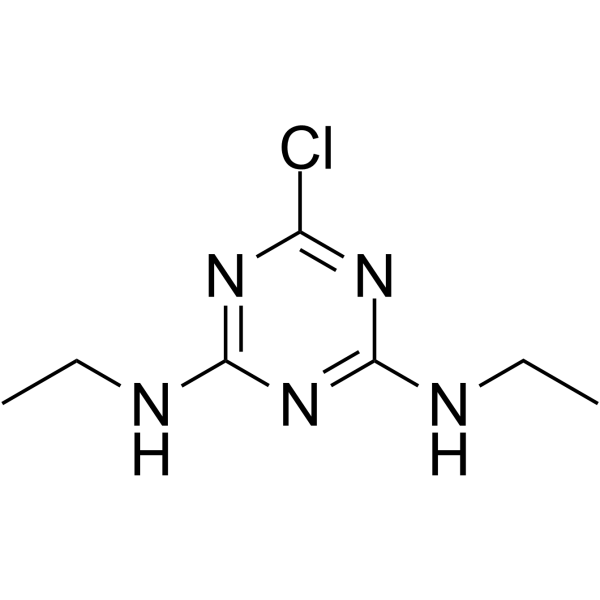
    Simazine is a triazine herbicide. Simazine is widely used in agriculture, potted plant and tree production. In addition, Simazine can induce the apoptosis of immune cells in the spleen of mice and inhibit the proliferation of B cells and T cells in mice .
    Simazine
  • HY-N0391A
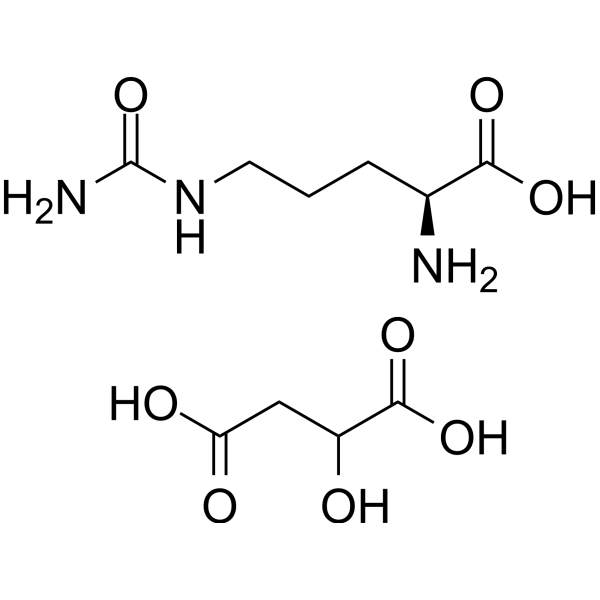
    L-Citrulline DL-malate
    Maximum Cited Publications
    6 Publications Verification

    Endogenous Metabolite Others
    L-Citrulline (DL-malate) is an organic compound commonly used as a nutritional supplement. It boosts the body's production of nitrogen oxides, improves circulation and athletic performance, and reduces muscle fatigue. In addition, L-Citrulline DL-malate also plays an important role in some industrial fields, for example, it is used in the field of agriculture to enhance plant immunity.
    L-Citrulline DL-malate
  • HY-N7719

    Endogenous Metabolite Bacterial Fungal Parasite Apoptosis Reactive Oxygen Species (ROS) Caspase HSV Infection Inflammation/Immunology Cancer
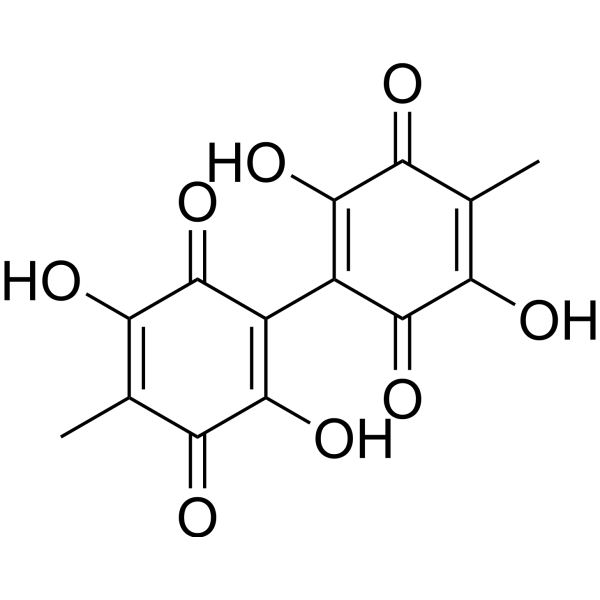
    Oosporein is a microbial metabolite and a red crystalline toxin produced by various fungi. Oosporein can promote the reproduction of fungi in host bodies by inhibiting insect immunity, and possesses multiple activities such as antibacterial, antiviral (HSV), and insecticidal effects. Oosporein can inhibit plant growth. In addition, Oosporein can also induce apoptosis, cell membrane damage, oxidative stress, and mitochondrial damage. Oosporein has certain antitumor activity .
    Oosporein
  • HY-P10396

    Bacterial Infection Inflammation/Immunology
    Elf18 is a peptide fragment of bacterial translation elongation factor Tu (EF-Tu). Elf18 can be recognized by plant pattern recognition receptors, thereby inducing an immune response. Elf18 can enhance plants' resistance to pathogens and can be used in research related to plant immune responses .
    Elf18
  • HY-E70119

    Fungal Infection
    Pectate Lyase is an enzyme that exists in microorganisms, plants and animals. Pectate Lyase degrades pectic acid via the β-elimination mechanism. Pectate Lyase induces plant immune responses and participates in virulence. Pectate Lyase is applied in fields such as plant fiber degumming and fruit and vegetable processing .
    Pectate Lyase
  • HY-W087988

    Bacterial Sex Pheromone Phytohormone Infection Inflammation/Immunology
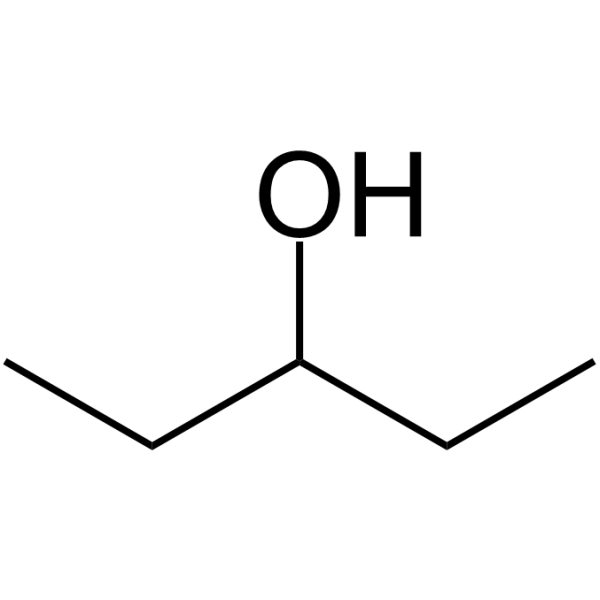
    3-Pentanol is an active organic compound produced by plants and is a component of insect-released pheromones. 3-Pentanol can trigger plant immunity against microbial pathogens and pests in crops by activating the SA and JA signaling pathways.
    3-Pentanol
  • HY-N0379R

    Reference Standards Endogenous Metabolite Others
    D-Mannose (Standard) is the analytical standard of D-Mannose. This product is intended for research and analytical applications. D-Mannose is a C-2 superpolymer of glucose that occurs naturally in many plants and fruits. D-Mannose has anti-inflammatory and antitumor activity. D-Mannose plays an important role in immune regulation .
    D-Mannose (Standard)
  • HY-W087988S

    Isotope-Labeled Compounds Bacterial Sex Pheromone Phytohormone Infection
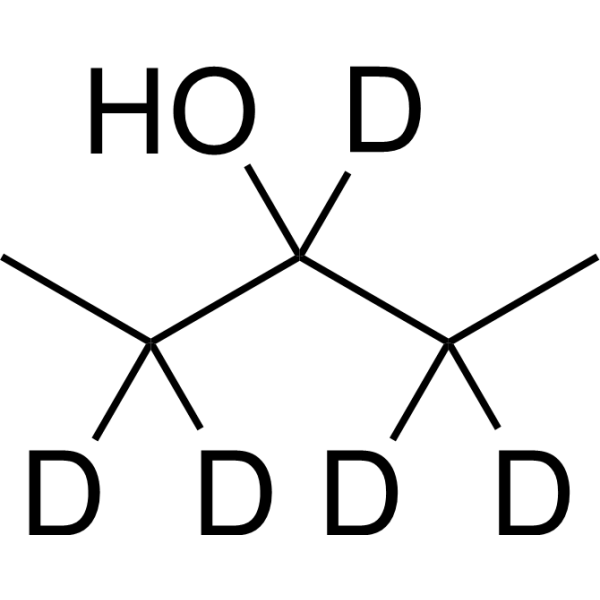
    3-Pentanol-d5 is the deuterium labeled 3-Pentanol . 3-Pentanol is an active organic compound produced by plants and is a component of emitted insect sex pheromones. 3-pentanol elicits plant immunity against microbial pathogens and an insect pest in crop plants .
    3-Pentanol-d5
  • HY-P10400

    Phytohormone Inflammation/Immunology
    AtPep1 is a plant elicitor peptide. AtPep1 activates transcription of the defensive gene defensin (PDF1.2) and activates the synthesis of H2O2, which are components of the innate immune response against pathogens. AtPep1 can be isolated from extracts of Arabidopsis leaves .
    AtPep1
  • HY-N7719R

    Endogenous Metabolite Reference Standards Bacterial Fungal Parasite Apoptosis Reactive Oxygen Species (ROS) Caspase HSV Infection Inflammation/Immunology Cancer
    Oosporein (Standard) is the analytical standard of Oosporein (HY-N7719). This product is intended for research and analytical applications. Oosporein is a microbial metabolite and a red crystalline toxin produced by various fungi. Oosporein can promote the reproduction of fungi in host bodies by inhibiting insect immunity, and possesses multiple activities such as antibacterial, antiviral (HSV), and insecticidal effects. Oosporein can inhibit plant growth. In addition, Oosporein can also induce apoptosis, cell membrane damage, oxidative stress, and mitochondrial damage. Oosporein has certain antitumor activity .
    Oosporein (Standard)
  • HY-P2812B

    Phospholipase Cardiovascular Disease Neurological Disease Inflammation/Immunology Cancer
    Phospholipase D, cabbage is an enzyme of the phospholipase superfamily. Phospholipase D, cabbage is widely found in bacteria, yeast, plants, animals and viruses and is often used in biochemical research. Phospholipase D, cabbage can catalyze the hydrolysis of the phosphodiester bond of glycerophospholipids to produce phosphatidic acid and soluble choline. Phospholipase D, cabbage is involved in a variety of disease-related processes, including diabetes, atherosclerosis, obesity, tumorigenesis, immune response and neuroendocrine function .
    Phospholipase D, cabbage
  • HY-N2192
    Swertianolin
    1 Publications Verification

    Bacterial p38 MAPK NF-κB NO Synthase Reactive Oxygen Species (ROS) Infection Neurological Disease Inflammation/Immunology
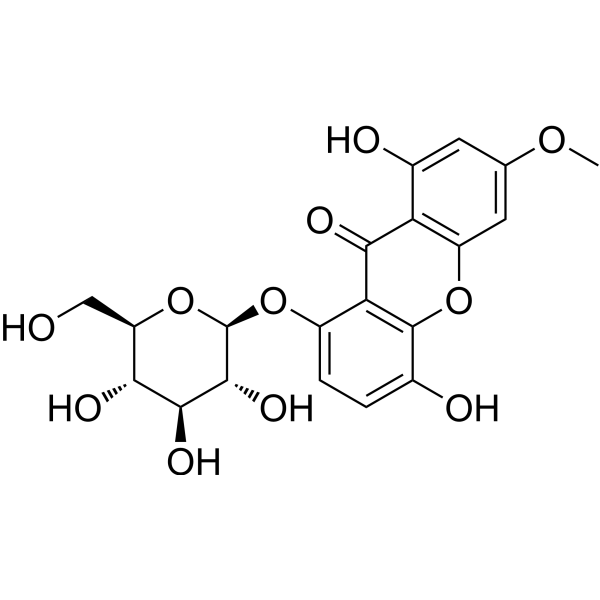
    Swertianolin is a xanthone glycoside. Swertianolin can be isolated from plants of the Gentianaceae family (e.g., Gentiana campestris and Swertia punicea). Swertianolin inhibits p38 phosphorylation and NF-κB activation, and reduces NO and ROS production. Swertianolin exhibits anti-Helicobacter pylori activity with an IC50 of 6.1 μM and a minimum bactericidal concentration of 91.7 μM. Swertianolin modulates immune function in sepsis. Swertianolin is useful in the research of diseases such as Alzheimer's disease, hepatitis B, Helicobacter pylori infection, and sepsis .
    Swertianolin
  • HY-B2046R

    Herbicide Reference Standards Apoptosis Reactive Oxygen Species (ROS) Bcl-2 Family Caspase Inflammation/Immunology
    Simazine (Standard) is the analytical standard of Simazine (HY-B2046). This product is intended for research and analytical applications. Simazine is a triazine herbicide. Simazine is widely used in agriculture, potted plant and tree production. In addition, Simazine can induce the apoptosis of immune cells in the spleen of mice and inhibit the proliferation of B cells and T cells in mice .
    Simazine (Standard)
  • HY-P10779

    Bacterial Inflammation/Immunology
    flg22Pst is a peptide that can be derived Pseudomonas syringae pv. tabaci and serves as an effective elicitor for the plant immune system. flg22Pst can induce callose deposition in plants, trigger plant immune responses, and thereby assist plants in defending against pathogen invasion .
    flg22Pst
  • HY-149169

    Bacterial Inflammation/Immunology
    Phevamine A is a small molecule bacterial phytotoxin that can be isolated from Pseudomonas syringae. Phevamine promotes bacterial growth by suppressing plant immune responses .
    Phevamine A
  • HY-W087988R

    Reference Standards Bacterial Sex Pheromone Phytohormone Infection Inflammation/Immunology
    3-Pentanol (Standard) is an analytical reference standard of 3-Pentanol. 3-Pentanol is an active organic compound produced by plants and is a component of insect-released pheromones. 3-Pentanol can trigger plant immunity against microbial pathogens and pests in crops by activating the SA and JA signaling pathways.
    3-Pentanol (Standard)
  • HY-N7378A

    1-Hydroxy-2-piperidinecarboxylic acid potassium; NHP potassium

    Bacterial Inflammation/Immunology
    N-Hydroxypipecolic acid potassium (1-Hydroxy-2-piperidinecarboxylic acid potassium), a plant metabolite and a systemic acquired resistance (SAR) regulator, orchestrates SAR establishment in concert with the immune signal salicylic acid. N-Hydroxypipecolic acid potassium accumulates systemically in the plant foliage in response to pathogen attack. N-Hydroxypipecolic acid potassium induces SAR to bacterial and oomycete infection .
    N-Hydroxypipecolic acid potassium
  • HY-123503

    JNK NF-κB Neurological Disease Inflammation/Immunology
    Salicortin, a phenolic glycoside, has been isolated from many plants such as Populus and Salix species. Salicortin inhibits osteoclast differentiation and bone resorption by down-regulating JNK and NF-κB/NFATc1 signaling pathways. Salicortin has anti-amnesic, anti-adipogenic, and immune-modulatory activity .
    Salicortin
  • HY-B2046S

    Isotope-Labeled Compounds Herbicide Apoptosis Reactive Oxygen Species (ROS) Bcl-2 Family Caspase Inflammation/Immunology
    Simazine-d10 is the deuterium labeled Simazine (HY-B2046). Simazine is a triazine herbicide. Simazine is widely used in agriculture, potted plant and tree production. In addition, Simazine can induce the apoptosis of immune cells in the spleen of mice and inhibit the proliferation of B cells and T cells in mice .
    Simazine-d10
  • HY-171541

    Fungal Infection
    CDA-IN-1 (Compound vs#2-1) is an inhibitor of chitin deacetylase (CDA). CDA-IN-1 exhibits antifungal activity. It can inhibit fungal growth by suppressing the activity of fungal CDA, activating the plant immune response, and accumulating reactive oxygen species (ROS). At a concentration of 100 μM, CDA-IN-1 can achieve inhibition rates of 86.9% and 74.5% against PxCDA1 and PxCDA2 of P. xanthii, respectively. CDA-IN-1 can be applied to the research in the field of controlling plant fungal diseases, such as the research on diseases like cucurbit powdery mildew and tomato gray mold .
    CDA-IN-1
  • HY-N2192R

    Reference Standards Bacterial p38 MAPK NF-κB NO Synthase Reactive Oxygen Species (ROS) Infection Neurological Disease Inflammation/Immunology
    Swertianolin (Standard) is the analytical standard of Swertianolin (HY-N2192). This product is intended for research and analytical applications. Swertianolin is a xanthone glycoside. Swertianolin can be isolated from plants of the Gentianaceae family (e.g., Gentiana campestris and Swertia punicea). Swertianolin inhibits p38 phosphorylation and NF-κB activation, and reduces NO and ROS production. Swertianolin exhibits anti-Helicobacter pylori activity with an IC50 of 6.1 μM and a minimum bactericidal concentration of 91.7 μM. Swertianolin modulates immune function in sepsis. Swertianolin is useful in the research of diseases such as Alzheimer's disease, hepatitis B, Helicobacter pylori infection, and sepsis .
    Swertianolin (Standard)
  • HY-131384

    8,11,14-Icosatriynoic acid

    COX Others
    8,11,14-Eicosatriynoic Acid, as an inhibitor of prostaglandin, leukotriene biosynthesis, and arachidonic acid-induced platelet aggregation, blocks human 12-lipoxygenase (12-LO), cyclooxygenase (COX)and 5-lipoxygenase (5-LO) with IC50 values of 0.46 μM, 14 μMand 25 μM, respectively. In addition, 8,11,14-Eicosatriynoic Acid inhibits the action of slow-reacting substances of allergic reactions, with IC50 value of 10 μM. Lipoxygenase is widely found in fungi, plants and animals. 12-LO involves in many important disease states and may play a role in oxidative glutamate toxicity. COX enzymes play complex roles in human physiology and pathology involving the neuronal, immune, renal, cardiovascular, gastrointestinal and reproductive systems. COX enzymes are blocked by aspirin and a variety of other NSAIDs, which makes them clinically important. 5-LO involves in cancer pathology. It is expressed by a variety of cancer cells, including colon, lung, breast, and prostate cancers, and promotes cancer cell growth and neovascularization . 8,11,14-Eicosatriynoic acid is a click chemistry reagent, it contains an Alkyne group and can undergo copper-catalyzed azide-alkyne cycloaddition (CuAAc) with molecules containing Azide groups.
    8,11,14-Eicosatriynoic acid
  • HY-127158

    Bacterial Infection
    Fenaminosulf is a plant immune modulator and mutagen. Fenaminosulf impairs plant immune recognition and signal transduction by inhibiting the activities of key kinases such as Xa21 and PBL19, thereby regulating the expression of genes related to hormone metabolism, phenylpropane biosynthesis, and plant-pathogen interactions. Fenaminosulf affects the growth and gall formation of Zizania latifolia in a concentration-dependent manner. Fenaminosulf induces mutations in bacterial systems and causes plant chromosome aberrations, but shows no mutagenic activity or lethal effect in Drosophila melanogaster. Fenaminosulf exhibits inconsistent carcinogenicity in rat studies .
    Fenaminosulf
  • HY-P11458

    Nlp24

    Reactive Oxygen Species (ROS) Inflammation/Immunology
    Hanlp24 (Nlp24) is an immunogenic short peptide derived from plant pathogenic microorganisms. Hanlp24 can be recognized by the immune system of the model plant Arabidopsis thaliana and effectively induces the production of reactive oxygen species (ROS) in Arabidopsis thaliana. Hanlp24 is not the key factor that triggers plant defense and leads to the loss of pathogen virulence in the interaction system between cucumber and anthracnose pathogen. Hanlp24 can be used for the study of the plant immune system .
    Hanlp24
  • HY-N18018

    Drug Derivative Metabolic Disease Inflammation/Immunology
    Tetrahydroswertianolin (Compound 1) is a tetrahydroxyxanthone glycoside that can be isolated from the whole plant of Swertia japonica Makino. Tetrahydroswertianolin reduces the elevated blood ALT levels in mice with immune-induced liver injury and exhibits protective activity against liver injury. Tetrahydroswertianolin can be used in studies related to anthelmintic, antipyretic and immune-induced liver injury .
    Tetrahydroswertianolin
  • HY-N17908

    CCR Inflammation/Immunology
    Viscumneoside V is a plant-derived anti-inflammatory agent present in Viscum album var. coloratum. Viscumneoside V inhibits the expression of MCP-1 and promotes the production of RANTES in LPS-stimulated immune cells. Viscumneoside V can be used for research related to skin rashes .
    Viscumneoside V
  • HY-N7378R

    1-Hydroxy-2-piperidinecarboxylic acid (Standard); NHP (Standard)

    Bacterial Reference Standards Inflammation/Immunology
    N-Hydroxypipecolic acid (Standard) (1-Hydroxy-2-piperidinecarboxylic acid (Standard); NHP (Standard)) is the analytical standard of N-Hydroxypipecolic acid (HY-N7378). This product is intended for research and analytical applications. N-Hydroxypipecolic acid (1-Hydroxy-2-piperidinecarboxylic acid), a plant metabolite and a systemic acquired resistance (SAR) regulator, orchestrates SAR establishment in concert with the immune signal salicylic acid. N-Hydroxypipecolic acid accumulates systemically in the plant foliage in response to pathogen attack. N-Hydroxypipecolic acid induces SAR to bacterial and oomycete infection .
    N-Hydroxypipecolic acid (Standard)
  • HY-165504

    Glycosidase Inflammation/Immunology Cancer
    Nagstatin is a naturally derived competitive inhibitor of N-acetyl-β-D-glucosaminidase (NAG-ase), with an IC50 of 0.0012 μg/mL and a Ki of 1.7×10 -8 M against porcine-derived enzyme. Nagstatin enhances cellular immune responses in normal mice and reactivates suppressed cellular immune responses in tumor-bearing mice. Nagstatin can be used in the research of various diseases such as diabetes and leukemia .
    Nagstatin
  • HY-N19083

    Bacterial Inflammation/Immunology
    Tecomella undulata Extract, also known as Rohida extract, is a valuable botanical extract derived from the bark and leaves of the Tecomella undulata plant native to the Indian Thar Desert and is rich in bioactive compounds such as flavonoids, quinones, triterpenoids, and other phytochemicals that contribute to its diverse therapeutic properties. This extract is widely recognized for its hepatoprotective effects demonstrated through its ability to protect against liver damage induced by toxins such as paracetamol and carbon tetrachloride by normalizing elevated liver enzyme levels reducing oxidative stress and improving liver function. Additionally, it exhibits significant anti-inflammatory activity comparable to standard drugs like indomethacin and has been used to treat conditions like ascites and hepatosplenomegaly while also showing immunomodulatory effects by enhancing both humoral and cell-mediated immune responses and possessing antimicrobial properties that make it effective against various pathogens. Recent research suggests that Tecomella undulata may have potential in managing nonalcoholic steatohepatitis (NASH) by reducing body weight insulin resistance and improving liver function markers making it a versatile natural remedy with significant applications in hepatoprotection anti-inflammation and immune support.
    Tecomella undulata extract

Inquiry Online

Your information is safe with us. * Required Fields.

Salutation


Country or Region *

Applicant Name *


Organization Name *

Department *


Email Address *


Product Name *

Cat. No.


Requested quantity *

Phone Number *


Remarks

Inquiry Online

Inquiry Information

Product Name:
Cat. No.:
Quantity:
MCE Japan Authorized Agent:

