
1. Search Result
Search Result
Isoforms Recommended: RIG-I
Results for "

RIG-I

" in MedChemExpress (MCE) Product Catalog:

31

Inhibitors & Agonists

1

Fluorescent Dyes

1

Biochemical Assay Reagents

3

Peptides

4

Natural
Products

5

Recombinant Proteins

1

Isotope-Labeled Compounds

5

Antibodies

4

Oligonucleotides

1

GMP Molecules

Targets Recommended:
Cat. No. Product Name Target Research Areas Chemical Structure
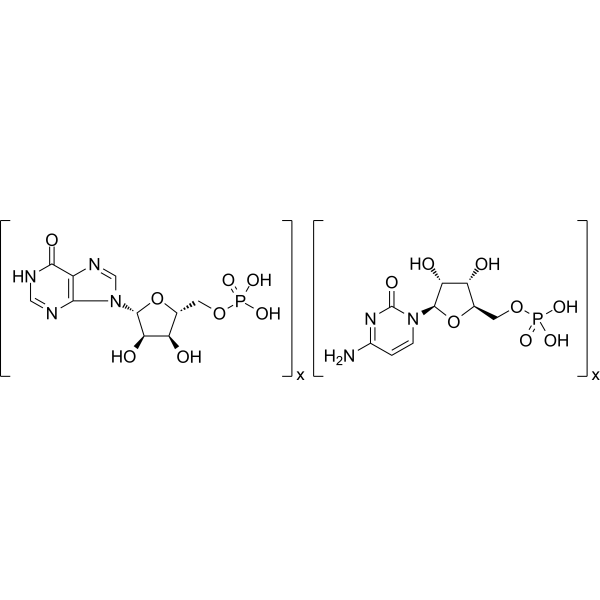
  • HY-107202
    Polyinosinic-polycytidylic acid
    60+ Cited Publications

    Poly(I:C)

    RIG-I-like receptor (RLR) Toll-like Receptor (TLR) PKD HSP Bcl-2 Family Interleukin Related Apoptosis Infection Inflammation/Immunology Cancer
    Polyinosinic-polycytidylic acid (Poly(I:C)) is a synthetic analog of double-stranded RNA and an agonist of toll-like receptor 3 (TLR3) and retinoic acid inducible gene I (RIG-I)-like receptors (RIG-I and MDA5). Polyinosinic-polycytidylic acid can be used as a vaccine adjuvant to enhance innate and adaptive immune responses, and to alter the tumor microenvironment. Polyinosinic-polycytidylic acid can directly trigger cancer cells to undergo apoptosis .
    Polyinosinic-polycytidylic acid
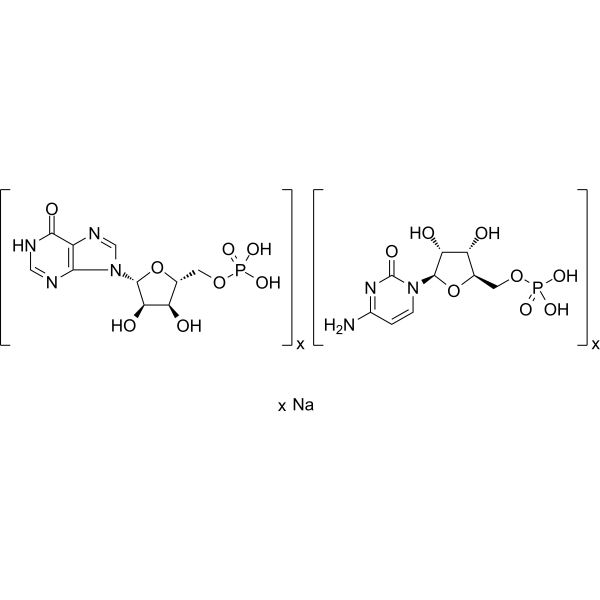
  • HY-135748
    Polyinosinic-polycytidylic acid sodium
    Maximum Cited Publications
    62 Publications Verification

    Poly(I:C) sodium

    RIG-I-like receptor (RLR) Toll-like Receptor (TLR) Apoptosis Inflammation/Immunology Cancer
    Polyinosinic-polycytidylic acid (Poly(I:C)) sodium is a synthetic analog of double-stranded RNA and an agonist of toll-like receptor 3 (TLR3) and retinoic acid inducible gene I (RIG-I)-like receptors (RIG-I and MDA5). Polyinosinic-polycytidylic acid sodium can be used as a vaccine adjuvant to enhance innate and adaptive immune responses, and to alter the tumor microenvironment. Polyinosinic-polycytidylic acid sodium can directly trigger cancer cells to undergo apoptosis .
    Polyinosinic-polycytidylic acid sodium
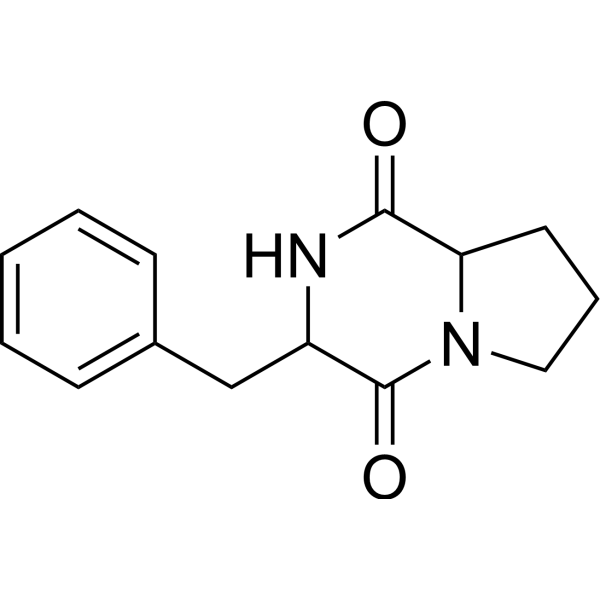
  • HY-P1934A

    Fungal Bacterial IFNAR Reactive Oxygen Species (ROS) Infection Inflammation/Immunology Cancer
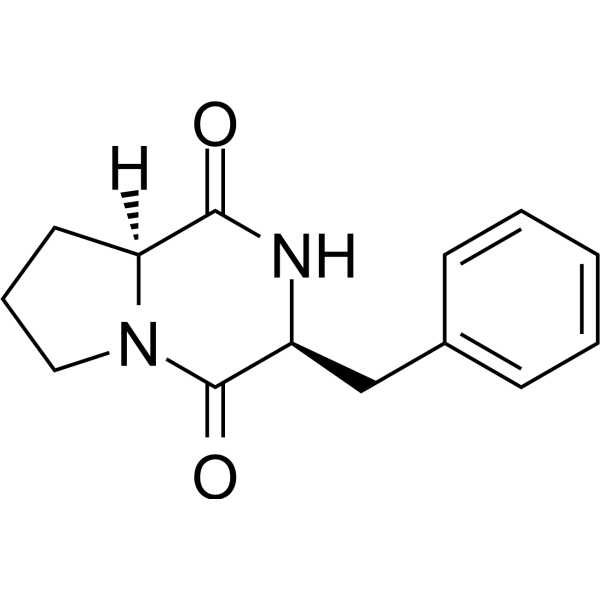
    Cyclo(L-Phe-L-Pro), isolated from Pseudomonas fluorescens and Pseudomonas alcaligenes cell-free culture supernatants is an antifungal cyclic dipeptide . Cyclo(L-Phe-L-Pro) inhibits IFN-β production by interfering with retinoic-acid-inducible gene-I (RIG-I) activation . Cyclo(L-Phe-L-Pro) exhibits free-radical scavenging activity with the IC50 of 24 µM in the DPPH assay .
    Cyclo(L-Phe-L-Pro)
  • HY-147124
    RIG012
    5 Publications Verification

    IFNAR Infection Cancer
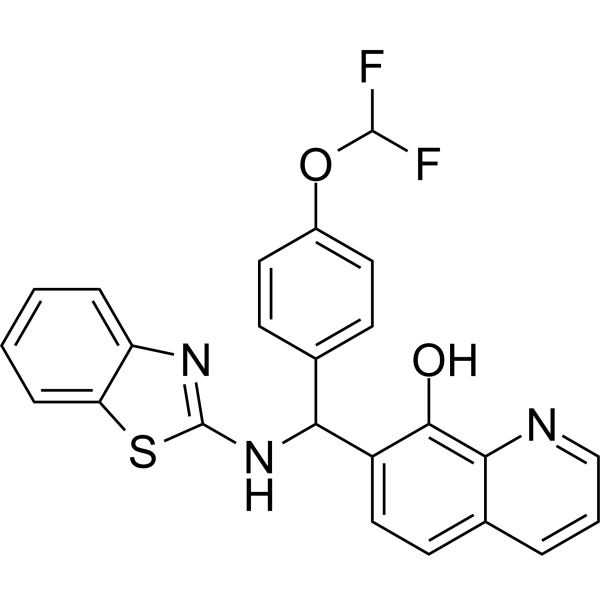
    RIG012 is a potent RIG-I inhibitor with an IC50 of 0.71 μM using the NADH-coupled ATPase assay. RIG012 inhibits IFN-β and ISG hRsad2 expression .
    RIG012
  • HY-P1934
    Cyclo(Phe-Pro)
    5+ Cited Publications

    Cyclo(phenylalanylprolyl); A-64863

    HCV Bacterial Antibiotic Reactive Oxygen Species (ROS) Infection
    Cyclo(Phe-Pro) (Cyclo(phenylalanylprolyl)) is a quorum-sensing molecule of Vibrio vulnificus that specifically interacts with RIG-I, inhibiting RIG-I polyubiquitination, suppressing IRF-3 activation, and reducing type I interferon production. Cyclo(Phe-Pro) enhances susceptibility to HCV and influenza virus and also alleviates plant aluminum toxicity stress. The mechanism of Cyclo(Phe-Pro) involves the regulation of host immune signaling pathways, bacterial virulence gene expression, and plant antioxidant systems, making it a promising candidate for research in viral infections, bacterial virulence regulation, and agricultural stress resistance .
    Cyclo(Phe-Pro)
  • HY-176426

    Deubiquitinase NF-κB IFNAR Cancer
    Subquinocin is a tumor suppressor CYLD inhibitor that inhibits USP family deubiquitinases (DUBs) activity of CYLD with an IC50 of 30 μM. Subquinocin enhances the activation of NF-κB and IFN pathways by inhibiting CYLD. Subquinocin promotes RIG-I-mediated activation of IRF3/IRF7 in the interferon pathway. Subquinocin can be used for the research of cancer and neurodegenerative diseases .
    Subquinocin
  • HY-107202A
    Poly (I:C):Kanamycin (1:1)
    5+ Cited Publications

    Toll-like Receptor (TLR) RIG-I-like receptor (RLR) PKD HSP Bcl-2 Family Interleukin Related Apoptosis Infection Inflammation/Immunology Cancer
    Poly(I:C):Kanamycin (1:1) is a mixture of Poly(I:C) (HY-107202) and Kanamycin (HY-16566). Poly(I:C) is a synthetic analog of double-stranded RNA and an agonist of toll-like receptor 3 (TLR3) and retinoic acid inducible gene I (RIG-I)-like receptors (RIG-I and MDA5). Poly(I:C) can be used as a vaccine adjuvant to enhance innate and adaptive immune responses, and to alter the tumor microenvironment. Poly(I:C) can directly trigger cancer cells to undergo apoptosis. Kanamycin stabilizes Poly(I:C) .
    Poly (I:C):Kanamycin (1:1)
  • HY-160229

    R-1075 sodium

    Toll-like Receptor (TLR) MyD88 Caspase Reactive Oxygen Species (ROS) Autophagy Pyroptosis HIV Infection Neurological Disease
    ssRNA40 sodium (R-1075 sodium) is a single-stranded RNA40 derived from HIV-1. ssRNA40 sodium activates the TLR7, TLR8, TLR2, RIG-I, MDA5, MyD88, Caspase-3, IRE1α, NLRP3 inflammasome and IRF7 signaling pathways. ssRNA40 sodium alters mRNA expression in neutrophils, induces pro-inflammatory cytokines, ROS, autophagy (autophagy), pyroptosis (pyroptosis), neuronal death, neurodegeneration, aggregate formation and NK cell activation. ssRNA40 sodium activates the expression of CD62L, CD11b, CD69, MX1, OAS1, ATG7, LC3B and XBP1 in immune cell and neuronal populations. ssRNA40 sodium causes cortical neuron loss and axonal damage in mice in a TLR7-dependent manner. ssRNA40 sodium can be used in research on HIV-1 infection, neurodegeneration, COVID-19 and HIV-associated neurological disorders .
    ssRNA40 sodium
  • HY-103241
    Ro 90-7501
    3 Publications Verification

    Amyloid-β ATM/ATR Phosphatase Apoptosis Neurological Disease Cancer
    Ro 90-7501 is an amyloid β42 (Aβ42) fibril assembly inhibitor that reduces 42-induced cytotoxicity (EC50 of 2 μM). Ro 90-7501 inhibits ATM phosphorylation and DNA repair. RO 90-7501 selectively enhances toll-like receptor 3 (TLR3) and RIG-I-like receptor (RLR) ligand-induced IFN-β gene expression and antiviral response . Ro 90-7501 also inhibits protein phosphatase 5 (PP5) in a TPR-dependent manner . Ro 90-7501 has significant radiosensitizing effects on cervical cancer cells .
    Ro 90-7501
  • HY-134958

    Poly(I:C) potassium

    Toll-like Receptor (TLR) Apoptosis Inflammation/Immunology Cancer
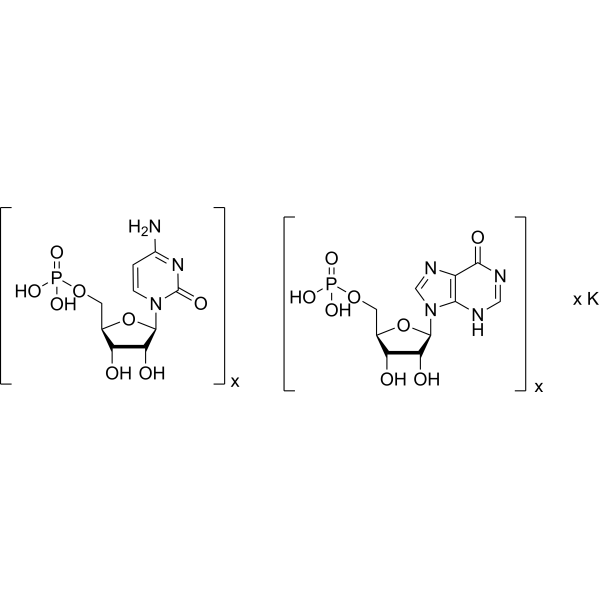
    Polyinosinic-polycytidylic acid potassium (Poly(I:C) potassium) is a synthetic analog of double-stranded RNA and an agonist of toll-like receptor 3 (TLR3) and retinoic acid inducible gene I (RIG-I)-like receptors (RIG-I and MDA5). Polyinosinic-polycytidylic acid sodium can be used as a vaccine adjuvant to enhance innate and adaptive immune responses, and to alter the tumor microenvironment. Polyinosinic-polycytidylic acid potassium can directly trigger cancer cells to undergoApoptosis .
    Polyinosinic-polycytidylic acid potassium
  • HY-W013403

    IFNAR Infection
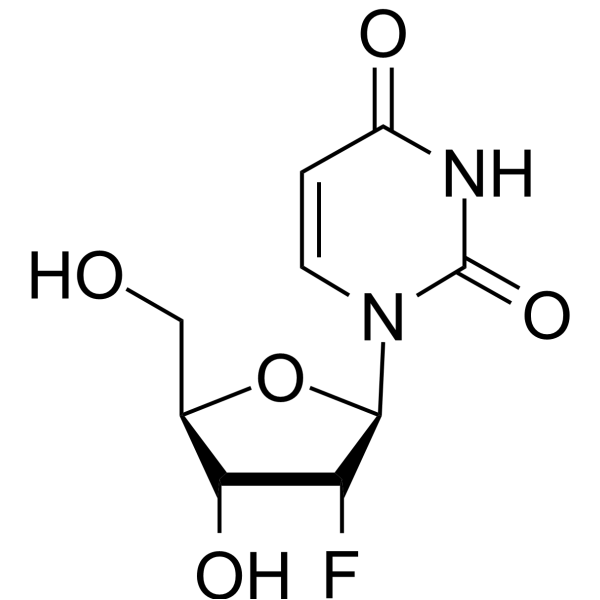
    2'-Deoxy-2'-fluorouridine is a derivative of the pyrimidine nucleoside uridine. 2'-Deoxy-2'-fluorouridine is a nucleoside analog that inhibits the replication of wild-type viruses by binding to the viral RNA. Hepatitis C polyU/UC RNA strands containing 2'-Deoxy-2'-fluorouridine, bind to RIG-I but do not activate RIG-I signaling in a reporter assay using Huh7 cells. 2'-Deoxy-2'-fluorouridine also has been used as a starting material in the synthesis of respiratory syncytial virus (RSV) polymerase inhibitors. 2'-Deoxy-2'-fluorouridine can incorporate into DNA and RNA in rat and woodchuck model upon administration. 2'-Deoxy-2'-fluorouridine can be studied in anti-viral research .
    2'-Deoxy-2'-fluorouridine
  • HY-N0891

    Tubeimoside-B

    EGFR TGF-β Receptor RIG-I-like receptor (RLR) SARS-CoV Infection Neurological Disease Cancer
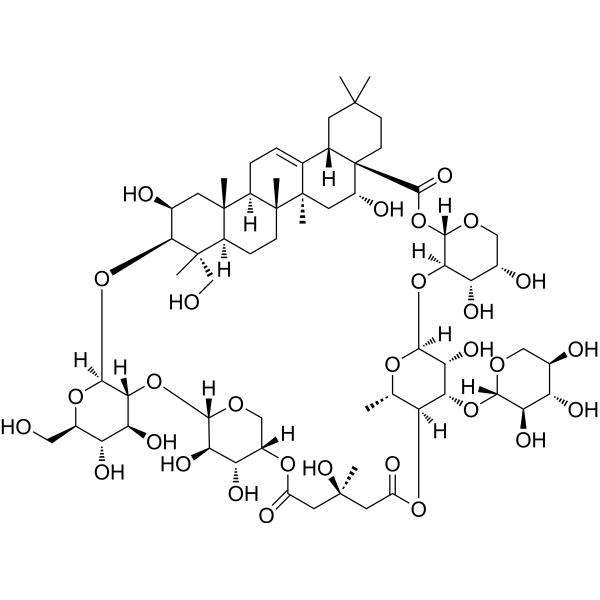
    Tubeimoside II is an orally active triterpenoid saponin and antiviral agent that binds to PACT/PRKRA with Kd values of 5.37 μM and 133.1 μM, respectively. Tubeimoside II inhibits oxidase-dependent EGFR activation and reduces TGF-β1-induced oxidative stress. Tubeimoside II activates the RIG-I signaling pathway and increases IFN-β secretion. Tubeimoside II suppresses TPA-induced ear edema, mouse sarcoma 180 growth, and TPA-induced skin tumor formation. Tubeimoside II exerts broad-spectrum antiviral activity against SARS-CoV-2, HCoV-OC43, and IAV-H1N1/FM1. Tubeimoside II can be used in research related to retinoblastoma, respiratory viral infections, skin tumors, and sarcoma 180 .
    Tubeimoside II
  • HY-W031757

    Influenza Virus Bacterial Dipeptidyl Peptidase COX NF-κB AP-1 RIG-I-like receptor (RLR) STAT Infection Neurological Disease Inflammation/Immunology
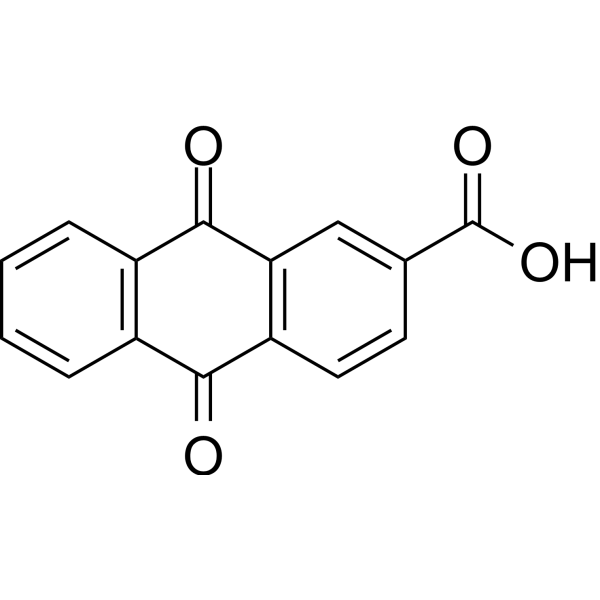
    Anthraquinone-2-carboxylic acid is an orally active anthraquinone compound and Antibacterial agent. Anthraquinone-2-carboxylic acid can be isolated from Bajitian. Anthraquinone-2-carboxylic acid inhibits the activation of DPP-IV, COX-2, NF-κB and AP-1. Anthraquinone-2-carboxylic acid blocks IAV-induced activation of the RIG-I/STAT1 pathway, alleviates IAV-mediated weight loss, and protects against lethal IAV infection. Anthraquinone-2-carboxylic acid inhibits the growth of various Staphylococcus strains. It possesses potent anti-inflammatory, immunomodulatory, analgesic and antibacterial activities .\n


    Anthraquinone-2-carboxylic acid
  • HY-107202GL

    Poly(I:C) (GMP Like)

    Toll-like Receptor (TLR) PKD HSP Bcl-2 Family Interleukin Related Apoptosis Infection Inflammation/Immunology Cancer
    Polyinosinic-polycytidylic acid (Poly(I:C)) (GMP Like) is the GMP Like class Polyinosinic-polycytidylic acid (HY-107202), and can be used as pharmaceutical excipients. Polyinosinic-polycytidylic acid (Poly(I:C)) is a synthetic analog of double-stranded RNA and an agonist of toll-like receptor 3 (TLR3) and retinoic acid inducible gene I (RIG-I)-like receptors (RIG-I and MDA5). Polyinosinic-polycytidylic acid can be used as a vaccine adjuvant to enhance innate and adaptive immune responses, and to alter the tumor microenvironment. Polyinosinic-polycytidylic acid can directly trigger cancer cells to undergo apoptosis .
    Polyinosinic-polycytidylic acid (GMP Like)
  • HY-123805

    RIG-I-like receptor (RLR) HCV IFNAR Infection
    KIN1400 is a potent IRF3 activator. KIN1400 triggers IRF3-dependent innate immune antiviral genes (RIG-I, MDA5, IFIT1, and Mx1) and IFN-β expression. KIN1400 inhibits WNV and DV, two mosquito-borne members of the Flaviviridae and the genus Flavivirus. KIN1400 also inhibits HCV replication. KIN1400 induces innate antiviral immunity through a MAVS-IRF3 axis .
    KIN1400
  • HY-101954

    ORI-9020; SB-9000

    HBV Infection
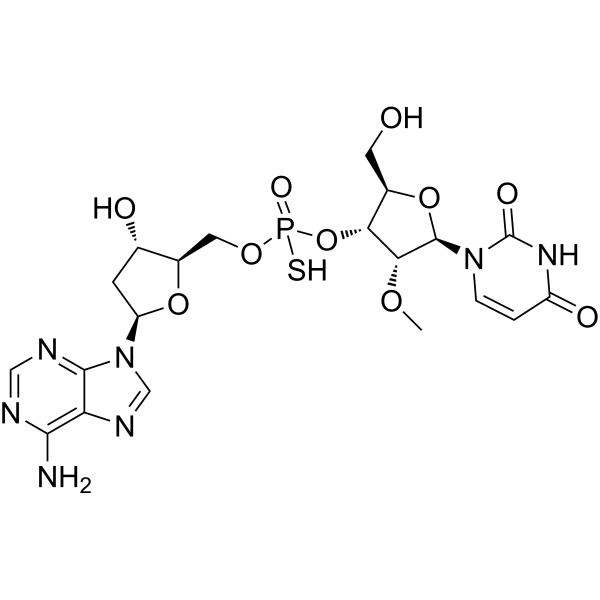
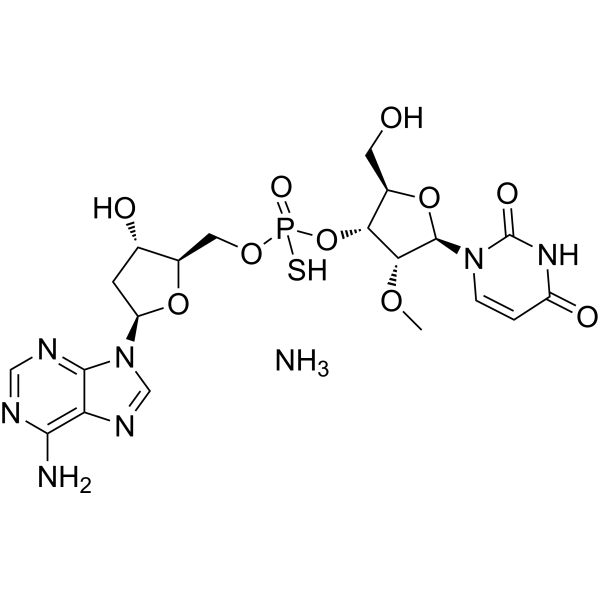
    Inarigivir (ORI-9020) is a dinucleotide antiviral drug that can significantly reduce liver HBV DNA in transgenic mice expressing hepatitis B virus. Inarigivir (ORI-9020) act as a RIG-I agonist to activate cellular innate immune responses .
    Inarigivir
  • HY-101954A

    ORI-9020 ammonium; SB-9000 ammonium

    HBV Infection Inflammation/Immunology
    Inarigivir (ORI-9020) ammonium is a dinucleotide antiviral drug that can significantly reduce liver HBV DNA in transgenic mice expressing hepatitis B virus. Inarigivir (ORI-9020) ammonium acts as a RIG-I (Retinoic acid-inducible gene-I) agonist to activate cellular innate immune responses .
    Inarigivir ammonium
  • HY-17663

    PARP STAT STING IFNAR Cancer
    KMR-206 is a PARP7 inhibitor with an IC50 of 13.7 nM. KMR-206 relieves AHR-mediated transcriptional repression and enhances CYP1A1 expression in the presence of TCDD. KMR-206 induces the STING-dependent IFN-β signaling pathway and increases the levels of STAT1, pSTAT1 and nuclear PARP7 in cancer cells. KMR-206 reduces the viability of lung adenocarcinoma cells, enhances radiation-induced immunogenic signals, and induces the production of immunogenic signals in glioblastoma cancer stem cells. KMR-206 destabilizes FRA1 to increase IRF1 levels and promotes the IRF3-CBP/p300 interaction. KMR-206 can be used in studies related to lung adenocarcinoma and glioblastoma .
    KMR-206
  • HY-135748A

    RIG-I-like receptor (RLR) Toll-like Receptor (TLR) Apoptosis Infection Cancer
    Poly (I:C):Kanamycin (1:1) sodium is an isometric complex of Poly (I:C) (HY-135748) and Kanamycin (HY-16566). Poly(I:C) sodium, a synthetic analog of double-stranded RNA, is a TLR3 and retinoic acid-inducible gene I receptor (RIG-I and b>MDA5) agonist. Poly(I:C) sodium can be used as a vaccine adjuvant to enhance innate and adaptive immune responses and induce apoptosis in cancer cells . Kanamycin is an orally active antibacterial agent (Gram-negative/positive bacteria) that inhibits translocation and causes miscoding by binding to the 70S ribosomal subunit. Kanamycin shows good inhibitory activity against Mycobacterium tuberculosis (susceptible and drug-resistant) and Klebsiella pneumoniae, and can be used in the research of tuberculosis and pneumonia .
    Poly (I:C):Kanamycin (1:1) sodium
  • HY-177817

    RIG-I-like receptor (RLR) Infection
    CL9 sodium, a RIG-I-specific RNA aptamer, activates signaling pathways for IFNβ produciton and efficiently blocks viral replication. RIG-I is a cytosolic receptor for non-self RNA that mediates immune responses against viral infections through IFNα/β prod
    CL9 sodium
  • HY-RS11972

    Small Interfering RNA (siRNA) Others

    RIGI Human Pre-designed siRNA Set A contains three designed siRNAs for RIGI gene (Human), as well as a negative control, a positive control, and a FAM-labeled negative control.

    RIGI Human Pre-designed siRNA Set A
    RIGI Human Pre-designed siRNA Set A
  • HY-RS18258

    Small Interfering RNA (siRNA) Others

    Rigi Mouse Pre-designed siRNA Set A contains three designed siRNAs for Rigi gene (Mouse), as well as a negative control, a positive control, and a FAM-labeled negative control.

    Rigi Mouse Pre-designed siRNA Set A
    Rigi Mouse Pre-designed siRNA Set A
  • HY-179539

    Eukaryotic Initiation Factor (eIF) Neurological Disease Inflammation/Immunology
    ISR activator 3 (Compound cc81) is the active metabolite of A8. ISR activator 3 activates the integrated stress response (ISR) by binding to RIG-I (KD ≈ 0.55 μM), without inducing lipid droplet clearance. ISR activator 3 enhances the interferon response under viral mimicry signals. ISR activator 3 can be used for research on neurodegenerative diseases and immune stress .
    ISR activator 3
  • HY-P1934AR

    Reference Standards Fungal Bacterial IFNAR Reactive Oxygen Species (ROS) Infection Inflammation/Immunology Cancer
    Gallic acid (hydrate) (Standard) is the analytical standard of Gallic acid (hydrate). This product is intended for research and analytical applications. Cyclo(L-Phe-L-Pro), isolated from Pseudomonas fluorescens and Pseudomonas alcaligenes cell-free culture supernatants is an antifungal cyclic dipeptide . Cyclo(L-Phe-L-Pro) inhibits IFN-β production by interfering with retinoic-acid-inducible gene-I (RIG-I) activation . Cyclo(L-Phe-L-Pro) exhibits free-radical scavenging activity with the IC50 of 24 µM in the DPPH assay .
    Cyclo(L-Phe-L-Pro) (Standard)
  • HY-W013403S

    IFNAR Infection
    2'-Deoxy-2'-fluorouridine-d2 is the deuterium labeled 2'-Deoxy-2'-fluorouridine . 2'-Deoxy-2'-fluorouridine is a derivative of the pyrimidine nucleoside uridine. 2'-Deoxy-2'-fluorouridine is a nucleoside analog that inhibits the replication of wild-type viruses by binding to the viral RNA. Hepatitis C polyU/UC RNA strands containing 2'-Deoxy-2'-fluorouridine, bind to RIG-I but do not activate RIG-I signaling in a reporter assay using Huh7 cells. 2'-Deoxy-2'-fluorouridine also has been used as a starting material in the synthesis of respiratory syncytial virus (RSV) polymerase inhibitors. 2'-Deoxy-2'-fluorouridine can incorporate into DNA and RNA in rat and woodchuck model upon administration. 2'-Deoxy-2'-fluorouridine can be studied in anti-viral research .
    2'-Deoxy-2'-fluorouridine-d2
  • HY-179524

    Eukaryotic Initiation Factor (eIF) Neurological Disease Cancer
    ISR activator 2 is a selective ISR activator. ISR activator 2 can preferentially activate the ISR through the binding of the cytosolic pattern recognition receptor RIG-I, which subsequently activates the heme-regulated inhibitor (HRI) ISR kinase independent of an interferon response. ISR activator 2 can be used for the study of pancreatic cancer .
    ISR activator 2
  • HY-101954AR

    ORI-9020 ammonium (Standard); SB-9000 ammonium (Standard)

    Reference Standards HBV Infection Inflammation/Immunology
    Inarigivir ammonium (Standard) is the analytical standard of Inarigivir ammonium (HY-101954A). This product is intended for research and analytical applications. Inarigivir (ORI-9020) ammonium is a dinucleotide antiviral drug that can significantly reduce liver HBV DNA in transgenic mice expressing hepatitis B virus. Inarigivir (ORI-9020) ammonium acts as a RIG-I (Retinoic acid-inducible gene-I) agonist to activate cellular innate immune responses .
    Inarigivir ammonium (Standard)
  • HY-181165

    PKC SARS-CoV IFNAR Infection
    SB2960 is a receptor for activated protein C kinase 1 (RACK1) binder with a human KD of 5.65 μM. SB2960 can promote stress granule (SG) formation and exhibit potent antiviral activity across diverse viral species. SB2960 suppresses viral replication with minimal cytotoxicity by modulating host antiviral immune responses. SB2960 increases the thermal stability of RACK1 and reduces SARS-CoV-2 N protein levels. SB2960 enhances type I interferon (IFN-β) expression and inhibits RIG-I, ISG56, and RANTES expression. SB2960 can be used for the research of virus infection .
    SB2960
  • HY-181440

    DNA Glycosylase DNA/RNA Synthesis Cancer
    TDG-IN-1 is an orally active, selective small-molecule inhibitor of thymine DNA glycosylase (TDG) with a Ka of 1.46 nM. TDG-IN-1 impairs the DNA-binding ability of TDG, induces downregulated expression of DHX9, accumulation of double-stranded RNA, and activation of the RIG-I/MDA5-MAVS pathway, while acting as a tumor suppressor, innate immune activator and immunostimulant. TDG-IN-1 inhibits the growth of p53-deficient tumor cells and xenograft tumors, and exerts a synthetic lethal effect with p53. TDG-IN-1 is applicable to the research of p53-deficient cancers .
    TDG-IN-1
  • HY-103241R

    Reference Standards Amyloid-β ATM/ATR Phosphatase Apoptosis Neurological Disease Cancer
    Ro 90-7501 (Standard) is the analytical standard of Ro 90-7501 (HY-103241). This product is intended for research and analytical applications. Ro 90-7501 is an amyloid β42 (Aβ42) fibril assembly inhibitor that reduces Aβ42-induced cytotoxicity (EC50 of 2 μM). Ro 90-7501 inhibits ATM phosphorylation and DNA repair. RO 90-7501 selectively enhances toll-like receptor 3 (TLR3) and RIG-I-like receptor (RLR) ligand-induced IFN-β gene expression and antiviral response . Ro 90-7501 also inhibits protein phosphatase 5 (PP5) in a TPR-dependent manner . Ro 90-7501 has significant radiosensitizing effects on cervical cancer cells .
    Ro 90-7501 (Standard)
  • HY-183313

    Influenza Virus Apoptosis NF-κB Interleukin Related NO Synthase Toll-like Receptor (TLR) Infection
    IAV-IN-5 is an orally active inhibitor of influenza A virus (IAV). IAV-IN-5 inhibits viral replication, blocks virus-induced apoptosis, oxidative stress and cytokine storm, and regulates host immune signaling pathways. IAV-IN-5 reduces viral load and inflammatory cytokine levels in lung tissues of IAV-infected mouse models, alleviates body weight loss and pulmonary pathological damage. IAV-IN-5 can be used in studies related to influenza A virus infection .
    IAV-IN-5

Inquiry Online

Your information is safe with us. * Required Fields.

Salutation


Country or Region *

Applicant Name *


Organization Name *

Department *


Email Address *


Product Name *

Cat. No.


Requested quantity *

Phone Number *


Remarks

Inquiry Online

Inquiry Information

Product Name:
Cat. No.:
Quantity:
MCE Japan Authorized Agent:

