1. Search Result
Search Result
Results for "

RXR agonist

" in MedChemExpress (MCE) Product Catalog:

49

Inhibitors & Agonists

8

Natural
Products

5

Isotope-Labeled Compounds

Targets Recommended:
Cat. No. Product Name Target Research Areas Chemical Structure
  • HY-14171
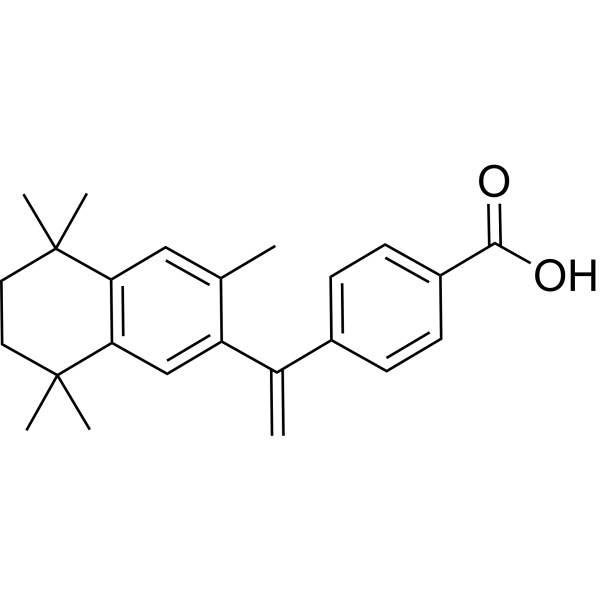
    Bexarotene
    Maximum Cited Publications
    22 Publications Verification

    LGD1069

    RAR/RXR Autophagy Cancer
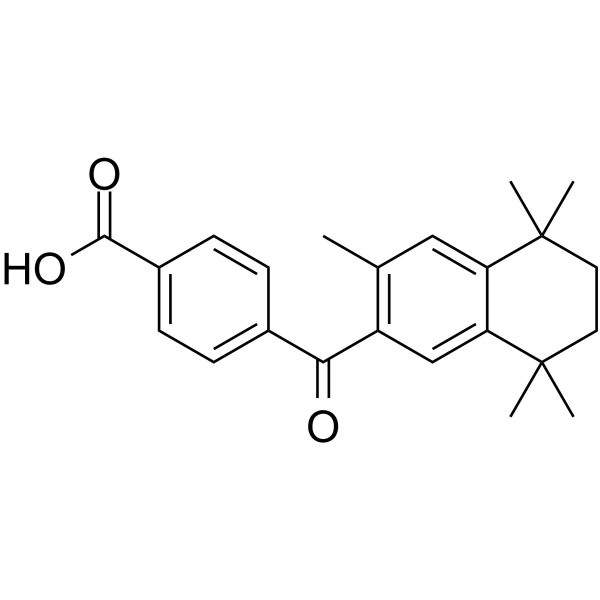
    Bexarotene (LGD1069) is a high-affinity and selective retinoid X receptors (RXR) agonist with EC50s of 33, 24, 25 nM for RXRα, RXRβ, and RXRγ, respectively. Bexarotene shows limited affinity for RAR receptors (EC50 >10000 nM) . Bexarotene can be used for the research of cutaneous T-cell lymphoma.
    Bexarotene
  • HY-15128
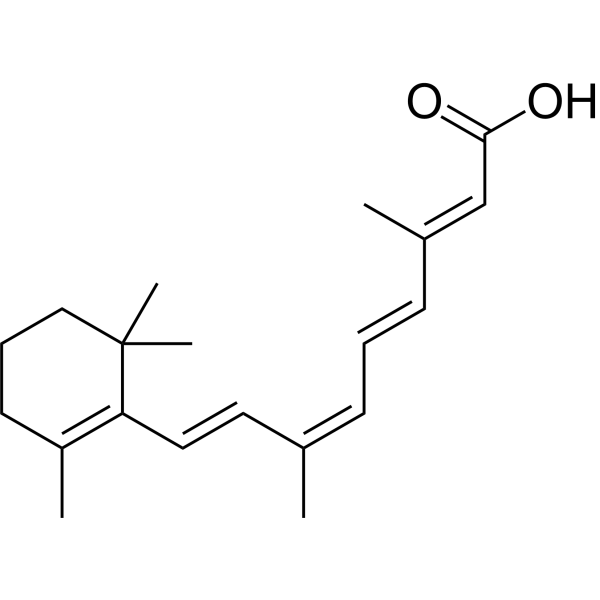
    9-cis-Retinoic acid
    5 Publications Verification

    Alitretinoin

    RAR/RXR Apoptosis Endogenous Metabolite Neurological Disease Inflammation/Immunology Cancer
    9-cis-Retinoic acid (ALRT1057), a vitamin A derivative, is a potent RAR/RXR agonist. 9-cis-Retinoic acid induces apoptosis, regulates cell cycle and has anticancer, anti-inflammatory and neuroprotection activities .
    9-cis-Retinoic acid
  • HY-N0163
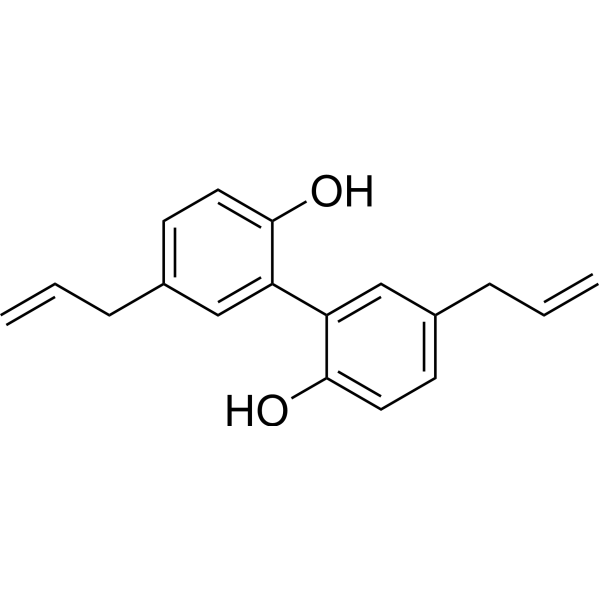
    Magnolol
    Maximum Cited Publications
    7 Publications Verification

    RAR/RXR PPAR Autophagy Bacterial Cardiovascular Disease Neurological Disease Inflammation/Immunology Cancer
    Magnolol, a natural lignan isolated from the stem bark of Magnolia officinalis, is a dual agonist of both RXRα and PPARγ, with EC50 values of 10.4 µM and 17.7 µM, respectively.
    Magnolol
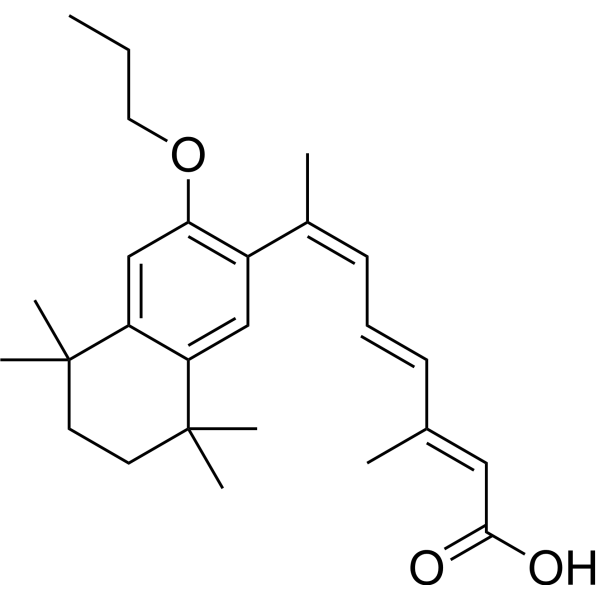
  • HY-13717

    IRX4204; NRX194204; VTP 194204

    RAR/RXR Apoptosis Inflammation/Immunology Cancer
    AGN194204 (IRX4204) is an orally active and selective RXR agonist with Kd values 0.4 nM, 3.6 nM and 3.8 nM and EC50s of 0.2 nM, 0.8 nM and 0.08 nM for RXRα, RXRβ and RXRγ, respectively. AGN194204 is inactive against RAR. AGN194204 has anti-inflammatory and anticarcinogenic actions .
    AGN194204
  • HY-15340
    LG100268
    5 Publications Verification

    LG268

    RAR/RXR Autophagy Metabolic Disease
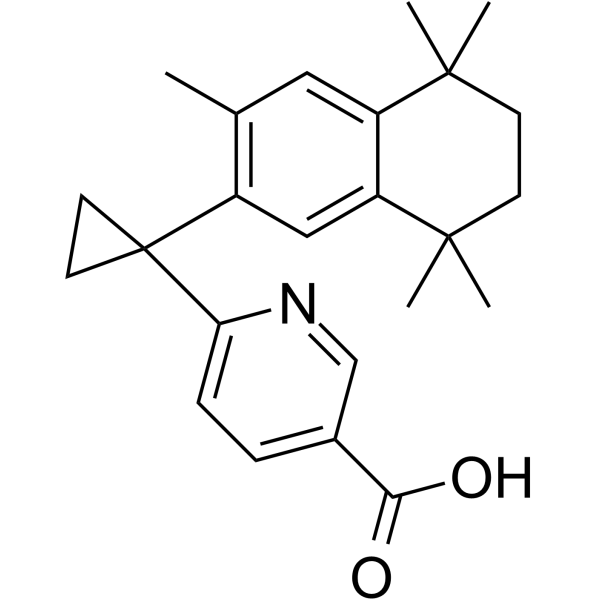
    LG100268 (LG268) is a potent, selective and orally active retinoid X receptor (RXR) agonist with EC50 values of 4 nM, 3 nM, and 4 nM for RXR-α, RXR-β, and RXR-γ, respectively . LG100268 displays >1000-fold selectivity for RXR over RAR, the Ki values are 3.4 nM, 6.2 nM and 9.2 nM for RXR-α, RXR-β, and RXR-γ, respectively . LG100268 activates RXR homodimers to induce transcriptional activation. LG100268 can be used for the study of lung carcinogenesisy .
    LG100268
  • HY-107399
    CD3254
    3 Publications Verification

    RAR/RXR Metabolic Disease Cancer
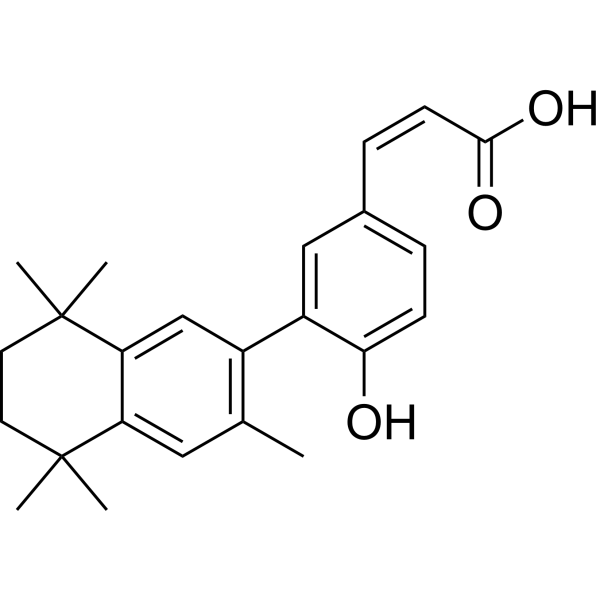
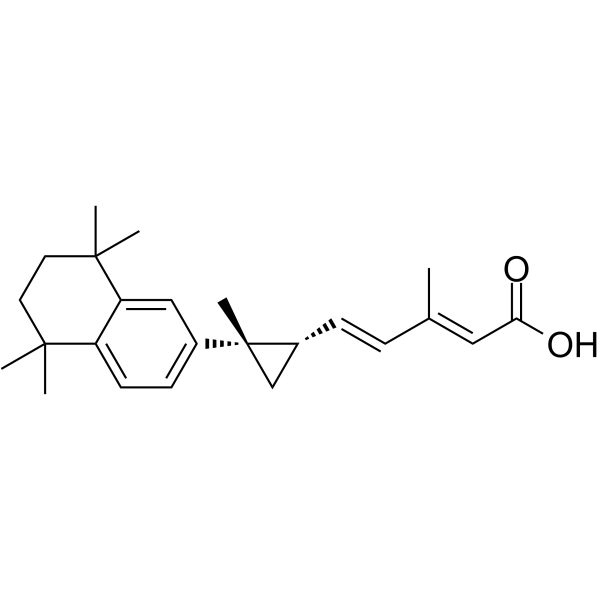
    CD3254 a potent and selective retinoid-X-receptor (RXR) agonist .
    CD3254
  • HY-32350
    Ercalcitriol
    3 Publications Verification

    1α,25-Dihydroxy Vitamin D2

    VD/VDR Drug Metabolite Endogenous Metabolite Metabolic Disease
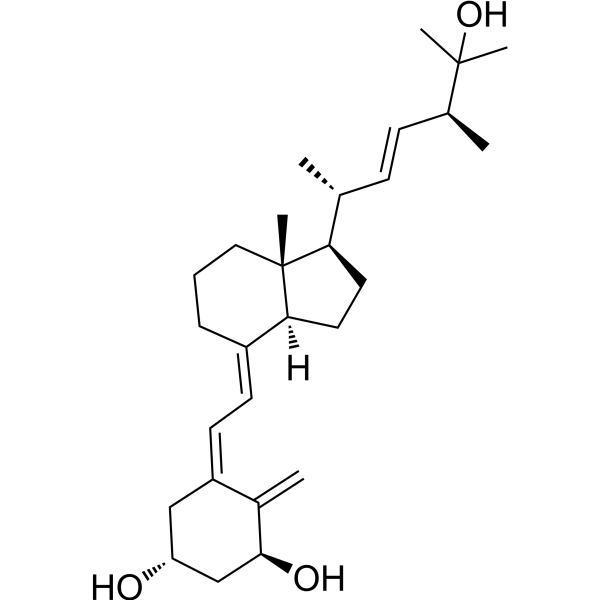
    Ercalcitriol (1α,25-Dihydroxy Vitamin D2) is a vitamin D receptor (VDR) agonist with high binding affinity. After binding to VDR, Ercalcitriol forms a complex with retinoid X receptor (RXR) to regulate target gene transcription. For example, Ercalcitriol induces human gingival/oral epithelial cells to produce human cat antimicrobial peptide (hCAP-18/LL-37), which has antimicrobial activity against periodontal pathogens such as Porphyromonas gingivalis. Ercalcitriol enhances the innate immune defense of the oral mucosa by promoting the expression of antimicrobial peptides, and is mainly used in the study of periodontal diseases and immune-related oral diseases .
    Ercalcitriol
  • HY-N10361

    RAR/RXR PPAR Aldose Reductase Cancer
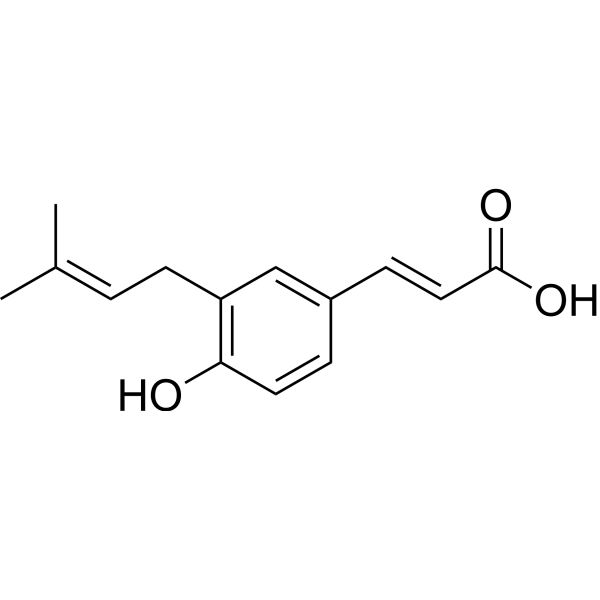
    Drupanin is an orally active and selective AKR1C3 enzyme inhibitor and an RXRα agonist with an EC50 value of 4.8 μM, which is found in green propolis. Drupanin also activates PPARγ moderately. Drupanin induces adipogenesis and elevates aP2 mRNA levels in 3T3-L1 fibroblasts Drupanin has the potential for the research of breast and prostate cancers .
    Drupanin
  • HY-U00425

    Ligands for Target Protein for PROTAC Estrogen Receptor/ERR Metabolic Disease Cancer
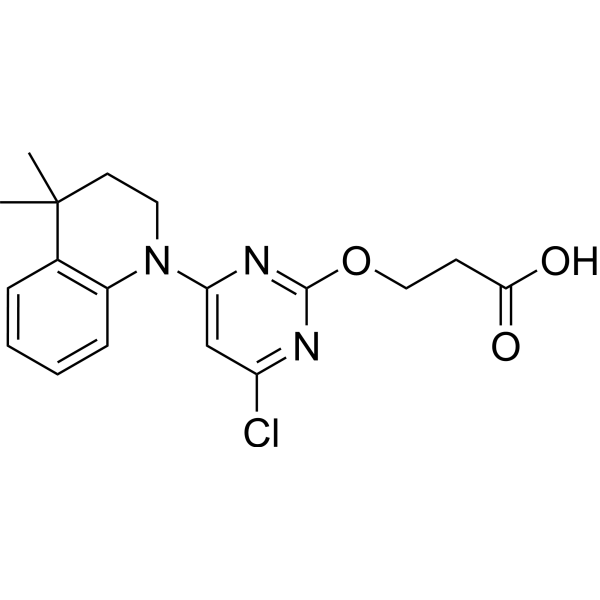
    PROTAC ERRα ligand 1 is a PROTAC target protein ligand. PROTAC ERRα ligand 1 is an orally active ERRα inverse agonist with IC50 values of 0.6 μM for ERRα. PROTAC ERRα ligand 1 shows no significant activity against a panel of other nuclear receptors, including ERα c, ERRγ, ERβ, PPARα, PPARγ, PPARδ, and RXRα. PROTAC ERRα ligand 1 can provide enhanced insulin sensitivity in vivo. PROTAC ERRα ligand 1 can be used for metabolic diseases research, such as type 2 diabetes and obesity .
    PROTAC ERRα ligand 1
  • HY-B0877
    Halcinonide
    1 Publications Verification

    SQ-18566

    Smo Caspase RAR/RXR CDK Cardiovascular Disease Neurological Disease Inflammation/Immunology
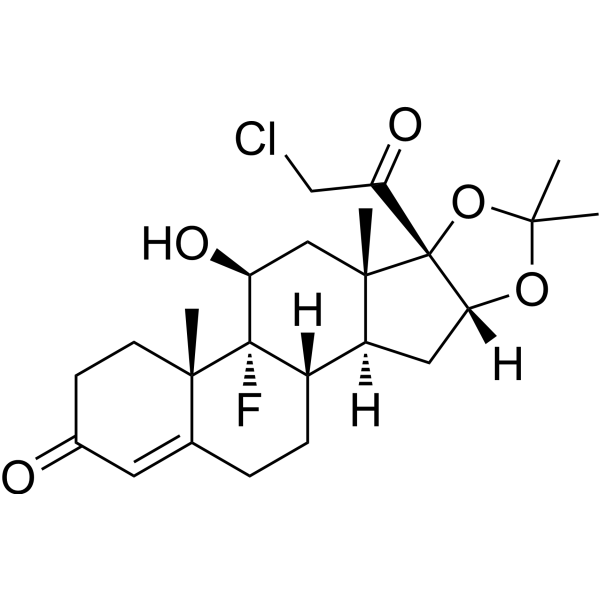
    Halcinonide (SQ-18566) is an orally active Smoothened (Smo) agonist. Halcinonide activates the Hedgehog signaling pathway by binding to Smo and promoting its internalization and expression, thereby activating Gli transcription factors. Halcinonide not only stimulates cell proliferation, increases the expression of cyclin D2/CDK6 and inhibits the degradation of caspase-3, but also suppresses Bcl-2/Bax-mediated apoptosis, oxidative stress and inflammatory responses. Halcinonide activates RxRγ to upregulate the expression of myelin genes, thereby reducing cerebral infarction and improving behavioral deficits. Halcinonide has been used in studies related to multiple sclerosis and ischemic stroke .
    Halcinonide
  • HY-108530

    RAR/RXR Cancer
    MM11253 is a potent and selective RARγ antagonist with an IC50 of 44 nM. MM11253 has lower inhibition of RARα, RARβ and RXRα. MM11253 blocks the growth inhibitory effects of RARγ-selective agonists .
    MM11253
  • HY-108523

    UVI 2112

    RAR/RXR Metabolic Disease
    LG100754 (UVI 2112) is a RXR dimers modulater. LG100754 acts as a RXR:RXR homodimer antagonist, but functions as a agonist towards RXR:PPARα and RXR:PPARγ heterodimers. LG100754 is an insulin sensitizer that functions through RXR .
    LG100754
  • HY-153832

    RAR/RXR NO Synthase Cancer
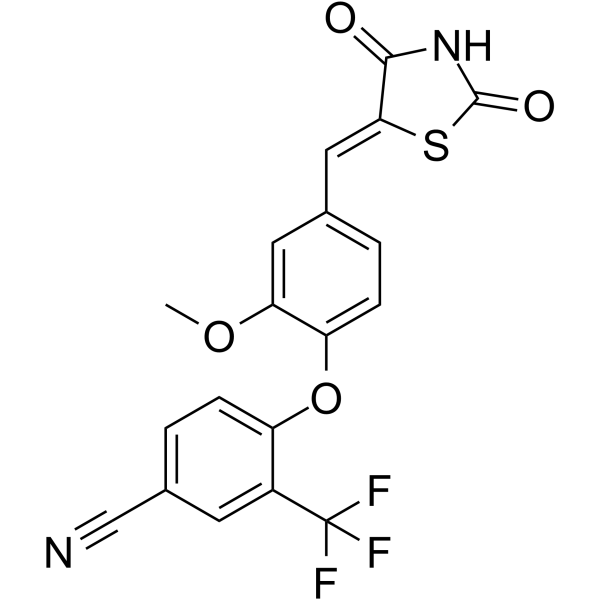
    MSU-42011 is an orally active retinoid X receptor (RXR) agonist. MSU-42011 inhibits the iNOS activity and reduces the expression of p-ERK protein. MSU-42011 has immunomodulatory and antitumor activity .
    MSU-42011
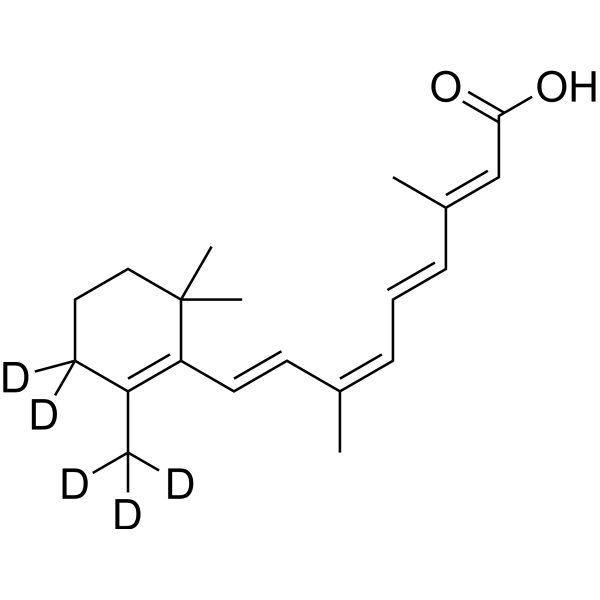
  • HY-132334S

    Isotope-Labeled Compounds RAR/RXR Apoptosis Endogenous Metabolite Neurological Disease Inflammation/Immunology Cancer
    9-cis-Retinoic acid-d5 is the deuterium labeled 9-cis-Retinoic acid. 9-cis-Retinoic acid (ALRT1057), a vitamin A derivative, is a potent RAR/RXR agonist. 9-cis-Retinoic acid induces apoptosis, regulates cell cycle and has anticancer, anti-inflammatory and neuroprotection activities .
    9-cis-Retinoic acid-d5
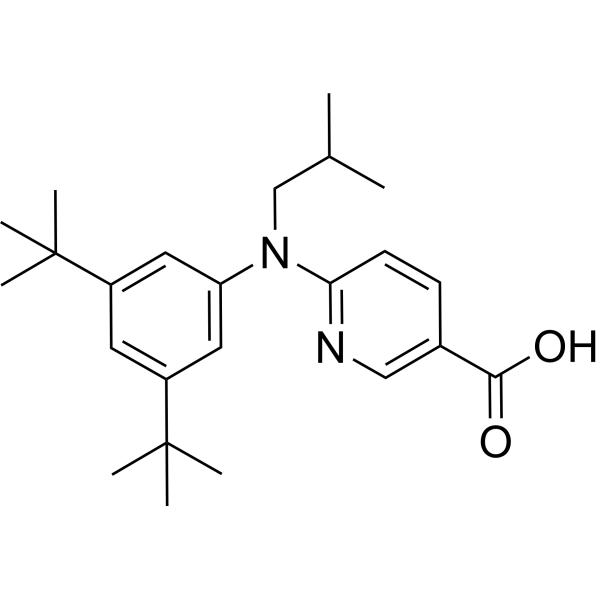
  • HY-120875

    RAR/RXR Neurological Disease
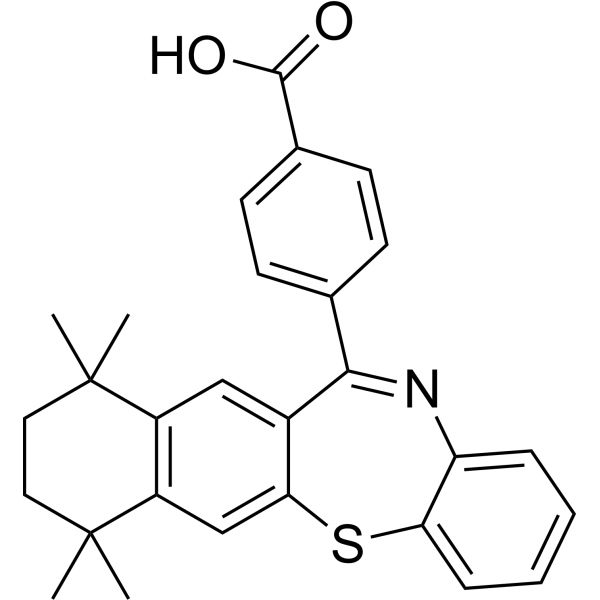
    HX600 is a synthetic agonist for RXR (Retinoid X Receptor) heterodimer complex. HX600 prevents ischemia-induced neuronal damage. HX600 has orally bioactivity .
    HX600
  • HY-162162

    RAR/RXR Neurological Disease Metabolic Disease Cancer
    RXR agonist 1 (Compound 33) is a highly selective RXR agonist, with EC50s of 9 nM, 18 nM, and 11 nM for RXRα, RXRβ, and RXRγ, respectively. RXR agonist 1 binds to RXR with high affinity (Kd = 0.03 μM) .
    RXR agonist 1
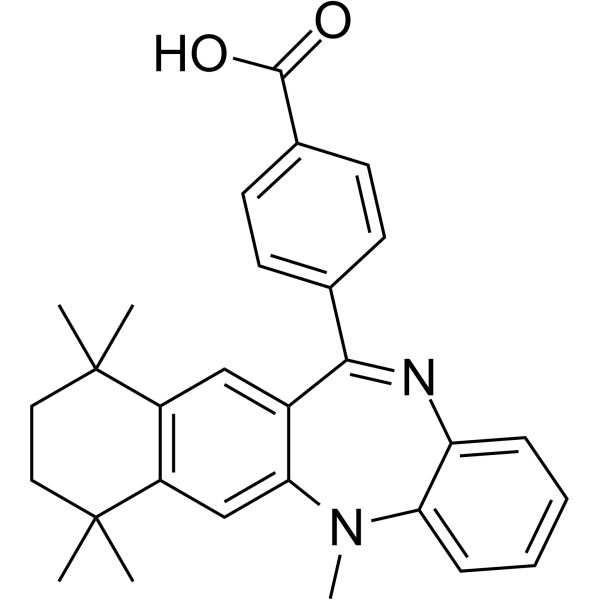
  • HY-108520

    RAR/RXR Apoptosis Cancer
    HX630 is a potent retinoic acid X receptor (RXR) agonist, can induce apoptosis, has anti-tumor effect, and can be used in Cushing's disease research .
    HX630
  • HY-14171S

    LGD1069 d4

    RAR/RXR Autophagy Cancer
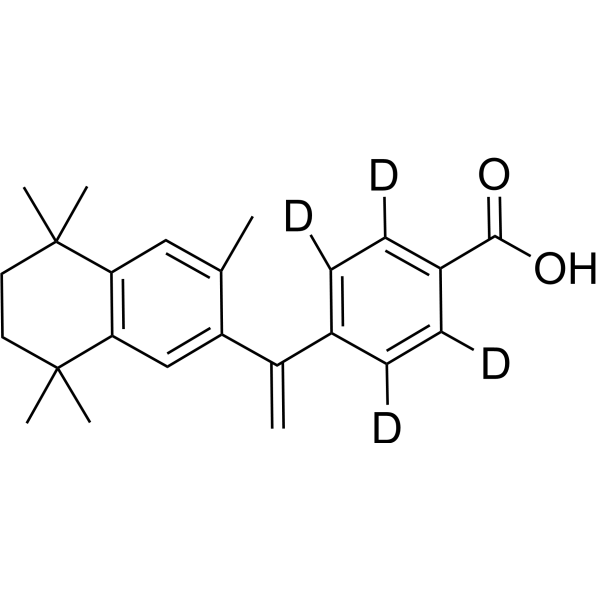
    Bexarotene-d4 is a deuterium labeled Bexarotene (LGD1069). Bexarotene (LGD1069) is a selective retinoid X receptors (RXR) agonist for the treatment of cutaneous T-cell lymphoma .
    Bexarotene-d4
  • HY-104070

    RAR/RXR Autophagy Cancer
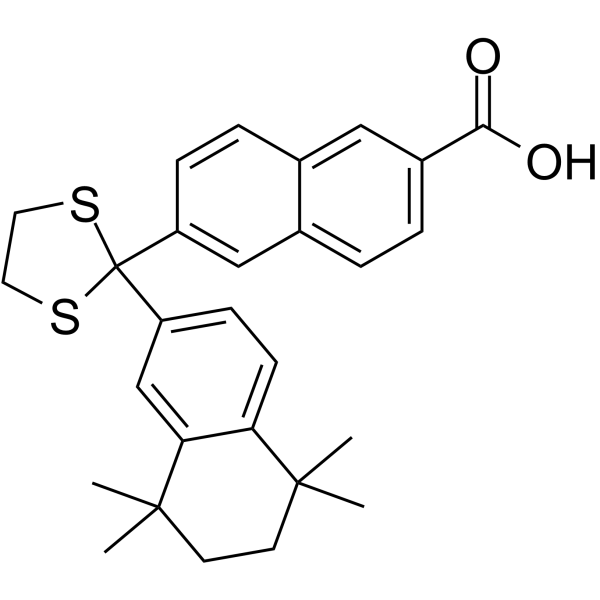
    LG-100064 is a retinoid-X-receptor (RXR) agonist, with EC50s of 330 nM, 200 nM, and 260 nM for RXRα, RXRβ and RXRγ; LG-100064 can be used in the research of cancer.
    LG-100064
  • HY-108525

    RAR/RXR Cancer
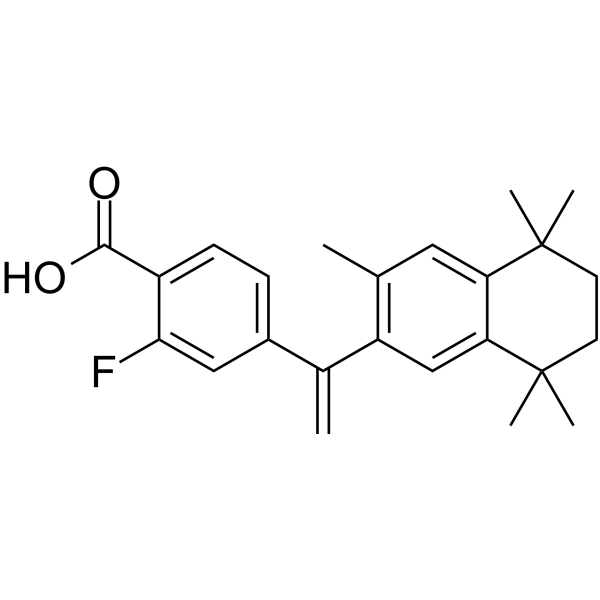
    Fluorobexarotene (compound 20) is a potent retinoid-X-receptor (RXR) agonist, with a Ki value of 12 nM and an EC50 value of 43 nM for RXRα receptor. Fluorobexarotene possesses an apparent RXR binding affinity that is 75% greater than Bexarotene .
    Fluorobexarotene
  • HY-155437

    RAR/RXR Others
    NEt-iFQ is a fluorescent retinoid X receptor (RXR) agonist with potent solvatochromic properties. NEt-iFQ selectively binds to RXR-LBP and fluoresces .
    NEt-iFQ
  • HY-175480

    RAR/RXR Neurological Disease Metabolic Disease
    RXR agonist 2 (Compound 22) is a highly selective retinoid X receptor (RXR) agonist (EC50=0.039 μM). RXR agonist 2 is promising for research of metabolic syndrome and Alzheimer's disease .
    RXR agonist 2
  • HY-162827

    RAR/RXR Apoptosis Cancer
    RAR/RXR agonist-1 (compound 7) is a chlorinated retinoic acid isomer, a selective RARα agonist and a partial RXRα agonist. RAR/RXR agonist-1 can activate RXRα and induce G2/M arrest and apoptosis in cancer cells .
    RAR/RXR agonist-1
  • HY-16685

    RAR/RXR Autophagy Cancer
    AGN 205327 is a potent synthetic RARs agonist with EC50 of 3766/734/32 nM for RARα/β/γ respectively; no inhibition on RXR.
    AGN 205327
  • HY-163801

    Nuclear Hormone Receptor 4A/NR4A Neurological Disease
    Nurr1 agonist 9 (Compound 36) is an agonist for Nurr1 with an EC50 of 0.090 µM and a Kd of 0.17 µM. Nurr1 agonist 9 activates the Nurr1 homodimer (NurRE, EC50=0.094 µM) and the Nurr1-RXR heterodimer (DR5, EC50=0.165 µM). Nurr1 agonist 9 induces the expression of Nurr1-regulated tyrosine hydroxylase (TH) in organoid Parkinson's Disease model. Nurr1 agonist 9 is human brain endothelial cell barrier prmeable .
    Nurr1 agonist 9
  • HY-N0163R

    Reference Standards RAR/RXR PPAR Autophagy Bacterial Cardiovascular Disease Neurological Disease Inflammation/Immunology Cancer
    Magnolol (Standard) is the analytical standard of Magnolol. This product is intended for research and analytical applications. Magnolol, a natural lignan isolated from the stem bark of Magnolia officinalis, is a dual agonist of both RXRα and PPARγ, with EC50 values of 10.4 μM and 17.7 μM, respectively.
    Magnolol (Standard)
  • HY-117376

    UAB30

    RAR/RXR Cancer
    (all-E)-UAB30 (UAB30) is an retinoid X receptor (RXR) selective agonist.(all-E)-UAB30 shows anti-proliferation activity for MyLa, HuT 78, and HH cells with the IC50 of 34.7, 5.1, and 22.4 μM respectively .
    (all-E)-UAB30
  • HY-180182

    RAR/RXR Neurological Disease Inflammation/Immunology Cancer
    RXR agonist 3 (Compound 35) is a potent, partial RXR agonist (EC50s: 3, 3, 8 nM for RXRα, RXRβ, RXRγ, respectively). RXR agonist 3 can be used in the research of Alzheimer's disease, multiple sclerosis, and lymphoma .
    RXR agonist 3
  • HY-180576

    Nuclear Hormone Receptor 4A/NR4A RAR/RXR Neurological Disease
    Nurr1/RXR dual agonist 1 is a dual activator of Nurr1 (EC50 = 2.6 µM) and RXR with K s of 0.6 and 1.1 µM, respectively. Nurr1/RXR dual agonist 1 exclusively activates the heterodimer response element DR5 by selectively destabilizing the Nurr1 homodimer and stabilizing the Nurr1:RXR heterodimer. Nurr1/RXR dual agonist 1 enhances expression of a specific subset of neuroprotective Nurr1 target genes while avoiding induction of genes associated with potential off-target effects in neuronal cells. Nurr1/RXR dual agonist 1 can be used for neurodegenerative diseases research .
    Nurr1/RXR agonist 1
  • HY-15340R

    LG268 (Standard)

    RAR/RXR Autophagy Reference Standards Metabolic Disease
    LG100268 (Standard) is the analytical standard of LG100268. This product is intended for research and analytical applications. LG100268 (LG268) is a potent, selective and orally active retinoid X receptor (RXR) agonist with EC50 values of 4 nM, 3 nM, and 4 nM for RXR-α, RXR-β, and RXR-γ, respectively . LG100268 displays >1000-fold selectivity for RXR over RAR, the Ki values are 3.4 nM, 6.2 nM and 9.2 nM for RXR-α, RXR-β, and RXR-γ, respectively . LG100268 activates RXR homodimers to induce transcriptional activation. LG100268 can be used for the study of lung carcinogenesisy .
    LG100268 (Standard)
  • HY-14171S2

    LGD1069-13C6

    Isotope-Labeled Compounds RAR/RXR Autophagy Cancer
    Bexarotene- 13C6 (LGD1069- 13C6) is 13C labeled Bexarotene. Bexarotene (LGD1069) is a high-affinity and selective retinoid X receptors (RXR) agonist with EC50s of 33, 24, 25 nM for RXRα, RXRβ, and RXRγ, respectively. Bexarotene shows limited affinity for RAR receptors (EC50 >10000 nM) . Bexarotene can be used for the research of cutaneous T-cell lymphoma.
    Bexarotene-13C6
  • HY-14171R

    LGD1069 (Standard)

    Reference Standards RAR/RXR Autophagy Cancer
    Bexarotene (Standard) is the analytical standard of Bexarotene. This product is intended for research and analytical applications. Bexarotene (LGD1069) is a high-affinity and selective retinoid X receptors (RXR) agonist with EC50s of 33, 24, 25 nM for RXRα, RXRβ, and RXRγ, respectively. Bexarotene shows limited affinity for RAR receptors (EC50 >10000 nM) . Bexarotene can be used for the research of cutaneous T-cell lymphoma.
    Bexarotene (Standard)
  • HY-N2992

    RAR/RXR Cancer
    16α-Hydroxytrametenolic acid, a natural triterpene, is a potential retinoid X receptor (RXR) selective agonist .
    16α-Hydroxytrametenolic acid
  • HY-W777169

    LGD1069-13C4

    Isotope-Labeled Compounds RAR/RXR Autophagy Cancer
    Bexarotene- 13C4 (LGD1069- 13C4) is the 13C-labeled Bexarotene (HY-14171). Bexarotene (LGD1069) is a high-affinity and selective retinoid X receptors (RXR) agonist with EC50s of 33, 24, 25 nM for RXRα, RXRβ, and RXRγ, respectively. Bexarotene shows limited affinity for RAR receptors (EC50 >10000 nM) . Bexarotene can be used for the research of cutaneous T-cell lymphoma.
    Bexarotene-13C4
  • HY-N13361

    RAR/RXR Neurological Disease
    Elodeoidileon A is an agonist for RXRα, that interacts with RXRα-LBD protein with a dissociation constant Kd of 5.85 μM. Elodeoidileon A promotes the expression of ATP-binding cassette transporter A1 (ABCA1). Elodeoidileon A reveals the potential in Alzheimer's disease research .
    Elodeoidileon A
  • HY-117926

    RAR/RXR Cancer
    AGN 191701 is a selective retinoic acid X receptor (RXR) agonist that causes liver enlargement in rats without hepatocellular necrosis .
    AGN 191701
  • HY-118364

    RAR/RXR Metabolic Disease
    AGN 190727 is a structural isomer of AGN 190121 and has no activating effect on RAR/RXR. AGN 190121 is a RAR-specific agonist that causes a dose-dependent increase in serum triglycerides, leading to hypertriglyceridemia.
    AGN 190727
  • HY-121671

    RAR/RXR Neurological Disease
    TBTC is a selective agonist with the activity of improving behavioral deficits in Alzheimer's disease model mice. TBTC can effectively activate the heterodimerization of RXRα with LXRα or PPARγ. TBTC stimulates the expression of apoE, ABCA1, and ABCG1 genes and reduces Aβ content in cells and animal models .
    TBTC
  • HY-177890

    LXR RAR/RXR Wnt β-catenin Cancer
    UAB116 is a Liver X Receptor (LXR)/Retinoid X Receptor (RXR) agonist. UAB116 can decreases metastatic phenotype in hepatoblastoma by inhibiting the Wnt/β-Catenin pathway via upregulation of TRIM29. UAB116 can reduce proliferation, stemness and invasiveness of metastatic hepatoblastoma cells .
    UAB116
  • HY-15128R

    Alitretinoin (Standard)

    Reference Standards RAR/RXR Apoptosis Endogenous Metabolite Neurological Disease Inflammation/Immunology Cancer
    9-cis-Retinoic acid (Standard) is the analytical standard of 9-cis-Retinoic acid. This product is intended for research and analytical applications. 9-cis-Retinoic acid (ALRT1057), a vitamin A derivative, is a potent RAR/RXR agonist. 9-cis-Retinoic acid induces apoptosis, regulates cell cycle and has anticancer, anti-inflammatory and neuroprotection activities[1][2][3][4][5].
    9-cis-Retinoic acid (Standard)
  • HY-32350S1

    1α,25-Dihydroxy Vitamin D2-d3

    Isotope-Labeled Compounds Endogenous Metabolite VD/VDR Metabolic Disease
    Ercalcitriol-d3 (1α,25-Dihydroxy Vitamin D2-d3) is the deuterium labeled Ercalcitriol (HY-32350). Ercalcitriol (1α,25-Dihydroxy Vitamin D2) is a vitamin D receptor (VDR) agonist with high binding affinity. After binding to VDR, Ercalcitriol forms a complex with retinoid X receptor (RXR) to regulate target gene transcription. For example, Ercalcitriol induces human gingival/oral epithelial cells to produce human cat antimicrobial peptide (hCAP-18/LL-37), which has antimicrobial activity against periodontal pathogens such as Porphyromonas gingivalis. Ercalcitriol enhances the innate immune defense of the oral mucosa by promoting the expression of antimicrobial peptides, and is mainly used in the study of periodontal diseases and immune-related oral diseases .
    Ercalcitriol-d3
  • HY-108523R

    UVI 2112 (Standard)

    Reference Standards RAR/RXR Metabolic Disease
    LG100754 (Standard) is the analytical standard of LG100754 (HY-108523). This product is intended for research and analytical applications. LG100754 (UVI 2112) is a RXR dimers modulater. LG100754 acts as a RXR:RXR homodimer antagonist, but functions as a agonist towards RXR:PPARα and RXR:PPARγ heterodimers. LG100754 is an insulin sensitizer that functions through RXR .
    LG100754 (Standard)
  • HY-104070R

    Reference Standards RAR/RXR Autophagy Cancer
    LG-100064 (Standard) is the analytical standard of LG-100064 (HY-104070). This product is intended for research and analytical applications. LG-100064 is a retinoid-X-receptor (RXR) agonist, with EC50s of 330 nM, 200 nM, and 260 nM for RXRα, RXRβ and RXRγ; LG-100064 can be used in the research of cancer.
    LG-100064 (Standard)
  • HY-180181

    RAR/RXR Metabolic Disease Cancer
    RXR antagonist 6 (Compound 34) is a selective partial retinoid X receptor (RXR) antagonist. RXR antagonist 6 shows no agonistic activity for any of the human RXRα/β/γ subtypes but it can strongly inhibit the receptor activation induced by full agonists of RXR (such as Bezafibrate (HY-B0637)) with an IC50 of 2.7 μM. RXR antagonist 6 can enhance PMA (HY-18739)-induced THP-1 cell differentiation. RXR antagonist 6 can be used for the research of cancer, metabolic and neurological disease, such as lymphoma .
    RXR antagonist 6
  • HY-119574

    RAR/RXR Cancer
    GW0791 (Compound 3) is an RXRα agonist with an EC50 of 5 nM. GW0791 can be used for cancer research .
    GW0791
  • HY-180351

    RAR/RXR Others
    CU-6PMN is a fluorescent RXR agonist. CU-6PMN has a maximum absorption wavelength of 396 nm and an emission wavelength of 453 nm in 0.1 N NaOH aqueous solution. CU-6PMN has an EC50 value of 22 nM and a Ki value of 230 nM for human RXRα. CU-6PMN can be used in research related to the screening of RXR ligands .
    CU-6PMN
  • HY-107399R

    Reference Standards RAR/RXR Metabolic Disease Cancer
    CD3254 (Standard) is the analytical standard of CD3254 (HY-107399). This product is intended for research and analytical applications. CD3254 a potent and selective retinoid-X-receptor (RXR) agonist .
    CD3254 (Standard)
  • HY-167262

    RAR/RXR Metabolic Disease Cancer
    AGN-191659 is an orally active RAR/RXR agonist with EC50 values of 11 nM, 23 nM, and 37 nM for RXRα, RARβ, and RARγ, respectively. AGN-191659 activates RXRα, RARβ and RARγ to induce gene transcription. AGN-191659 induces tissue transglutaminase activity, inhibits ornithine decarboxylase activity induced by tumor promoters, and suppresses chondrogenesis. AGN-191659 reverses basic fibroblast growth factor-induced endothelial cell proliferation. AGN-191659 induces hypertriglyceridemia in rat models. AGN-191659 inhibits total heparin-releasable lipase activity. AGN-191659 can be used in research related to promyelocytic leukemia and hypertriglyceridemia .
    AGN-191659
  • HY-108530R

    Reference Standards RAR/RXR Cancer
    MM11253 (Standard) is the analytical standard of MM11253 (HY-108530). This product is intended for research and analytical applications. MM11253 is a potent and selective RARγ antagonist with an IC50 of 44 nM. MM11253 has lower inhibition of RARα, RARβ and RXRα. MM11253 blocks the growth inhibitory effects of RARγ-selective agonists .
    MM11253 (Standard)

Inquiry Online

Your information is safe with us. * Required Fields.

Salutation


Country or Region *

Applicant Name *


Organization Name *

Department *


Email Address *


Product Name *

Cat. No.


Requested quantity *

Phone Number *


Remarks

Inquiry Online

Inquiry Information

Product Name:
Cat. No.:
Quantity:
MCE Japan Authorized Agent:

