1. Search Result
Search Result
Results for "

SREBP

" in MedChemExpress (MCE) Product Catalog:

77

Inhibitors & Agonists

1

Fluorescent Dye

5

Biochemical Assay Reagents

34

Natural
Products

2

Recombinant Proteins

8

Isotope-Labeled Compounds

12

Antibodies

1

GMP Molecules

Cat. No. Product Name Target Research Areas Chemical Structure
  • HY-14452
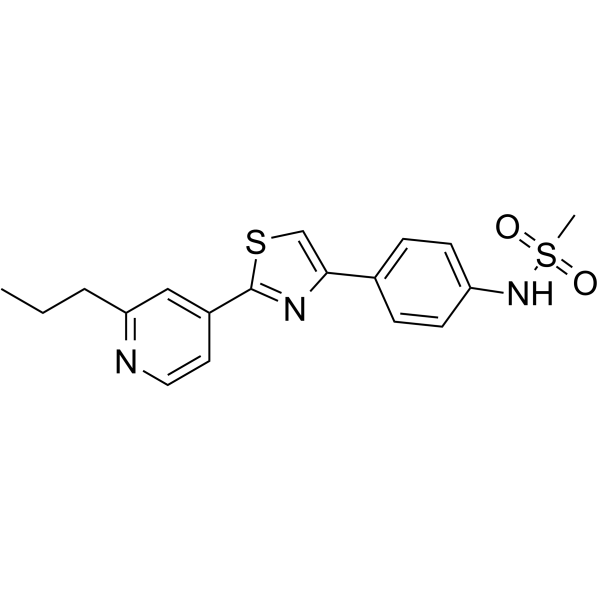
    Fatostatin
    Maximum Cited Publications
    52 Publications Verification

    125B11

    Fatty Acid Synthase (FASN) Cancer
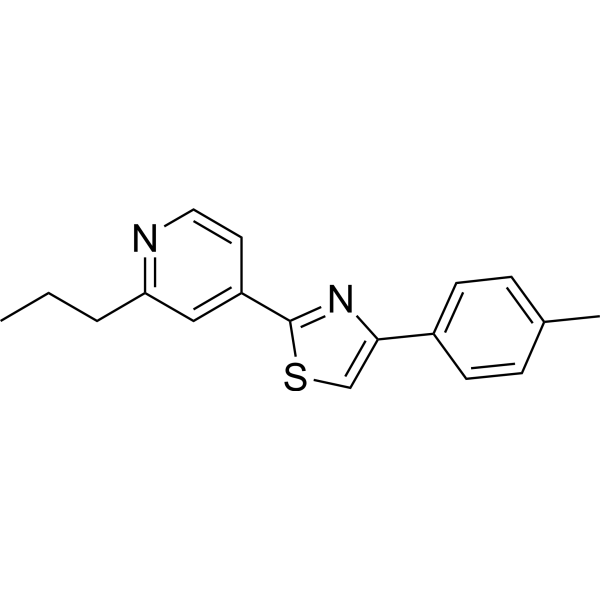
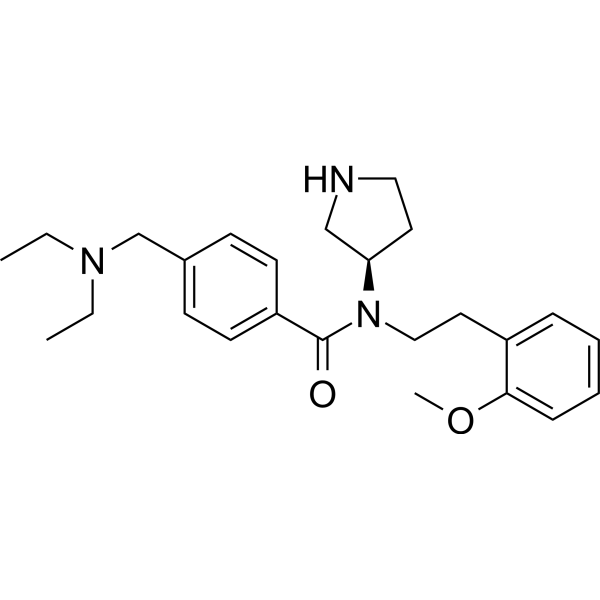
    Fatostatin (125B11), a specific inhibitor of SREBP activation, impairs the activation of SREBP-1 and SREBP-2. Fatostatin binds to SCAP (SREBP cleavage-activating protein), and inhibits the ER-Golgi translocation of SREBPs. Fatostatin decreases the transcription of lipogenic genes in cells. Fatostatin possesses antitumor properties, and lowers hyperglycemia in ob/ob mice .
    Fatostatin
  • HY-N0083
    Betulin
    Maximum Cited Publications
    15 Publications Verification

    Trochol

    Fatty Acid Synthase (FASN) Apoptosis Endogenous Metabolite Cancer
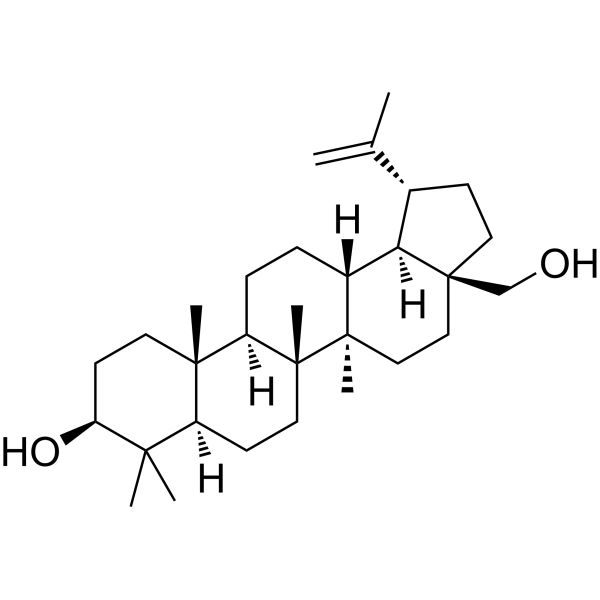
    Betulin (Trochol), is a sterol regulatory element-binding protein (SREBP) inhibitor with an IC50 of 14.5 μM in K562 cell line .
    Betulin
  • HY-13447A
    PF429242 dihydrochloride
    5+ Cited Publications

    Fatty Acid Synthase (FASN) Virus Protease Infection Metabolic Disease
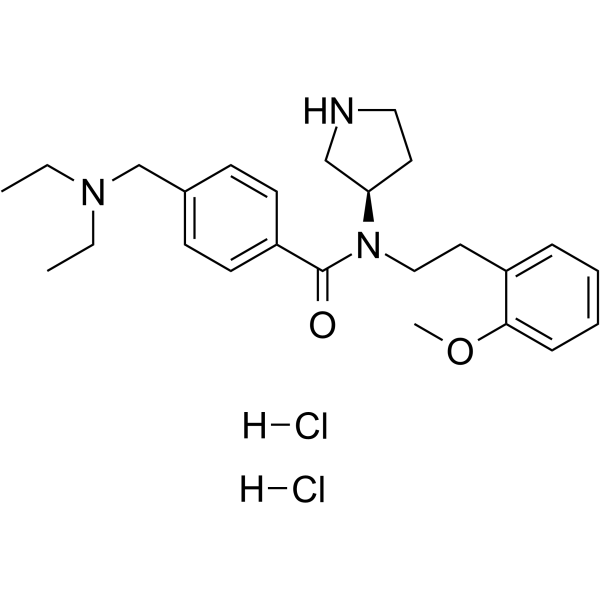
    PF429242 dihydrochloride is a reversible and competitive SREBP site 1 protease (S1P) inhibitor with an IC50 of 175 nM .
    PF429242 dihydrochloride
  • HY-N9933
    Tauro-β-muricholic acid
    4 Publications Verification

    TβMCA

    FXR Apoptosis Neurological Disease Metabolic Disease Inflammation/Immunology Cancer
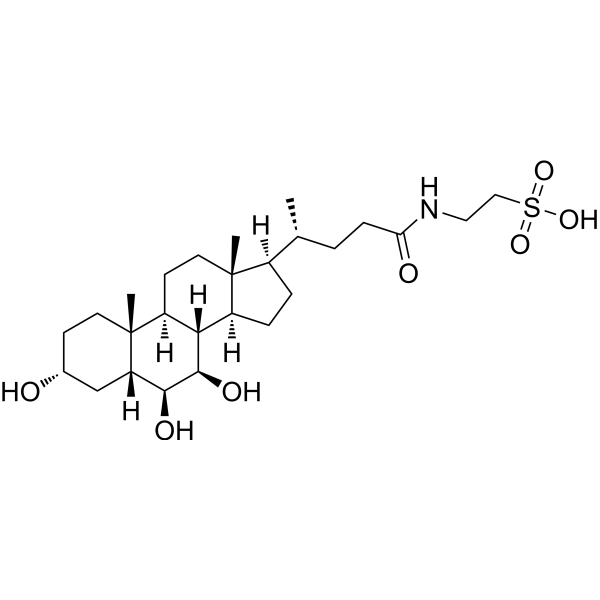
    Tauro-β-muricholic acid (TβMCA) is an orally active trihydroxylated bile acid and a competitive, reversible FXR antagonist (IC50=40 μM). Tauro-β-muricholic acid inhibits bile acid-induced hepatocyte apoptosis by maintaining mitochondrial membrane potential, while simultaneously inhibiting intestinal FXR signaling, affecting bile acid synthesis, hepatic lipid metabolism, and insulin sensitivity. Accumulation of tauro-β-muricholic acid disrupts metabolic homeostasis, promoting cancer stem cell proliferation and tumor progression. The mechanisms of tauro-β-muricholic acid involve two aspects: first, inhibiting the translocation of the pro-apoptotic protein Bax to mitochondria and maintaining mitochondrial membrane potential (MMP); and second, blocking the FXR signaling pathway to regulate bile acid metabolism, reduce serum ceramide production, and downregulate the hepatic SREBP1C/CIDEA pathway. Tauro-β-muricholic acid possesses anti-hepatocyte apoptosis, bile acid homeostasis regulation, and liver fat accumulation reduction properties, and also functions as a biomarker, making it useful in the study of diseases such as bile acid metabolism disorders, non-alcoholic fatty liver disease, colorectal cancer, and liver fibrosis .
    Tauro-β-muricholic acid
  • HY-113308
    Taurolithocholic acid
    5+ Cited Publications

    Calcium Channel Ferroptosis PI3K Akt HBV Reactive Oxygen Species (ROS) Cardiovascular Disease Infection Inflammation/Immunology
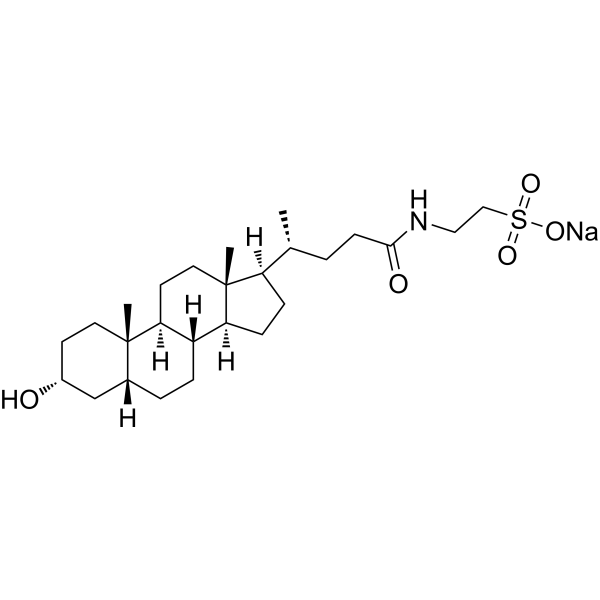
    Taurolithocholic acid is an orally active bile acid and antiviral agent. Taurolithocholic acid upregulates FADS2 by activating the TGR5-PI3K/AKT-SREBP2 signaling axis, inhibits SFTSV-induced ferroptosis (Ferroptosis), viral replication and viral entry of HBV/HDV, while reducing the release of IL-1β, lipid ROS and LDH. While exerting antiviral protective effects, Taurolithocholic acid also stimulates the recycling of hepatocellular membrane transporters, impairs canalicular bile acid secretion function, and induces hepatocyte cholestasis, apoptosis and acute hepatocellular injury. Taurolithocholic acid serves as an experimental model compound for hepatocellular cholestasis. At concentrations ≤200 μM, Taurolithocholic acid shows no cytotoxicity and does not activate the interferon pathway. Taurolithocholic acid not only protects mice from lethal SFTSV infection but also is suitable for studies related to severe fever with thrombocytopenia syndrome and cholestasis .
    Taurolithocholic acid
  • HY-W015924

    Endogenous Metabolite Metabolic Disease
    2-Hydroxyisobutyric acid (2-HIBA) is a selective modulator of the Insulin/IGF-1 pathway and the p38 MAPK pathway, which reduces reactive oxygen species (ROS) and fat accumulation in Caenorhabditis elegans. 2-Hydroxyisobutyric acid promotes β-oxidation and inhibits fatty acid synthesis by upregulating SKN-1/NRF2 and downregulating SREBP-1c transcription factors. 2-Hydroxyisobutyric acid has anti-aging and lipid-lowering effects, and can be used to study metabolic diseases such as obesity and diabetes. 2-Hydroxyisobutyric acid is also a renewable precursor of methacrylate through 2-HIB-CoA mutase-mediated biosynthesis[1][2].
    2-Hydroxyisobutyric acid
  • HY-113224
    Desmosterol
    5 Publications Verification

    Endogenous Metabolite LXR Fatty Acid Synthase (FASN) Interleukin Related Reactive Oxygen Species (ROS) NOD-like Receptor (NLR) Cardiovascular Disease Metabolic Disease Inflammation/Immunology
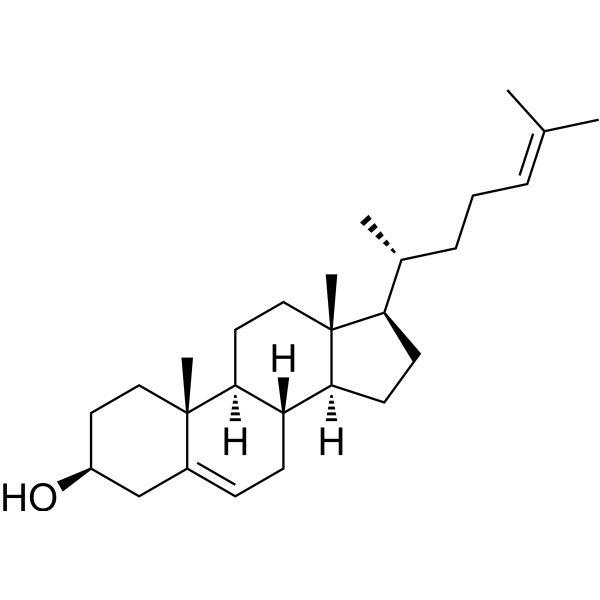
    Desmosterol is a cholesterol-like molecule. In the Bloch pathway of cholesterol biosynthesis, Desmosterol is a direct precursor of cholesterol. As an endogenous metabolite, Desmosterol is used to study cholesterol metabolism . Desmosterol is an LXR activator and SREBP inhibitor, which can suppress macrophage inflammasome activation and prevent vascular inflammation and atherosclerosis. A reduction in Desmosterol promotes the production of mitochondrial reactive oxygen species (ROS) in macrophages and pyrin domain-dependent inflammasome activation of NLRP3. Desmosterol holds potential for research in inflammation, metabolism, and cardiovascular diseases .
    Desmosterol
  • HY-113308A

    Calcium Channel Ferroptosis PI3K Reactive Oxygen Species (ROS) Akt HBV Metabolic Disease
    Taurolithocholic acid sodium salt is an orally active bile acid and antiviral agent. Taurolithocholic acid sodium salt upregulates FADS2 by activating the TGR5-PI3K/AKT-SREBP2 signaling axis, inhibits SFTSV-induced ferroptosis, viral replication and viral entry of HBV/HDV, while reducing the release of IL-1β, lipid ROS and LDH. While exerting antiviral protective effects, Taurolithocholic acid sodium salt also stimulates the recycling of hepatocellular membrane transporters, impairs canalicular bile acid secretion function, and induces hepatocyte cholestasis, apoptosis and acute hepatocellular injury. Taurolithocholic acid sodium salt serves as an experimental model compound for hepatocellular cholestasis. At concentrations ≤200 μM, Taurolithocholic acid sodium salt shows no cytotoxicity and does not activate the interferon pathway. Taurolithocholic acid sodium salt not only protects mice from lethal SFTSV infection but also is suitable for studies related to severe fever with thrombocytopenia syndrome and cholestasis .
    Taurolithocholic acid sodium salt
  • HY-14452A
    Fatostatin hydrobromide
    Maximum Cited Publications
    52 Publications Verification

    125B11 hydrobromide

    Fatty Acid Synthase (FASN) Cancer
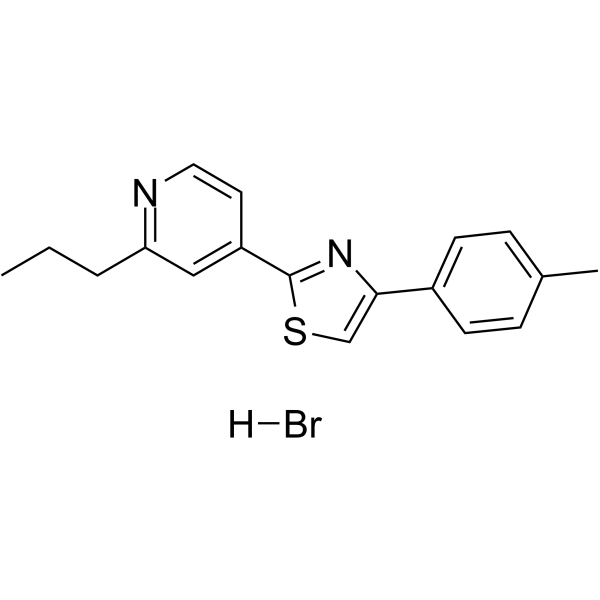
    Fatostatin hydrobromide (125B11 hydrobromide), a specific inhibitor of SREBP activation, impairs the activation of SREBP-1 and SREBP-2. Fatostatin hydrobromide binds to SCAP (SREBP cleavage-activating protein), and inhibits the ER-Golgi translocation of SREBPs. Fatostatin hydrobromide decreases the transcription of lipogenic genes in cells. Fatostatin hydrobromide possesses antitumor properties, and lowers hyperglycemia in ob/ob mice .
    Fatostatin hydrobromide
  • HY-N0466

    Glycosidase HMG-CoA Reductase (HMGCR) Fatty Acid Synthase (FASN) LDLR Others
    Rebaudioside A is an orally effective steviol glycoside with high sweetness. Rebaudioside A acts as an inhibitor of α-glucosidase with an IC50 value of 35.01 μg/mL. Rebaudioside A increases the ATP/ADP ratio in β cells in a glucose-dependent manner, thereby inhibiting KATP channels, leading to membrane depolarization, calcium influx, and ultimately stimulating insulin secretion. Rebaudioside A activates the SREBP signaling pathway by inhibiting HMGCR, the rate-limiting enzyme in cholesterol synthesis, resulting in increased expression of LDLR on the cell surface, thus promoting the uptake of LDL-C in the blood. Rebaudioside A can be used for studies on blood glucose and lipid regulation as well as anti-obesity .
    Rebaudioside A
  • HY-W510159

    PCSK9 Cardiovascular Disease
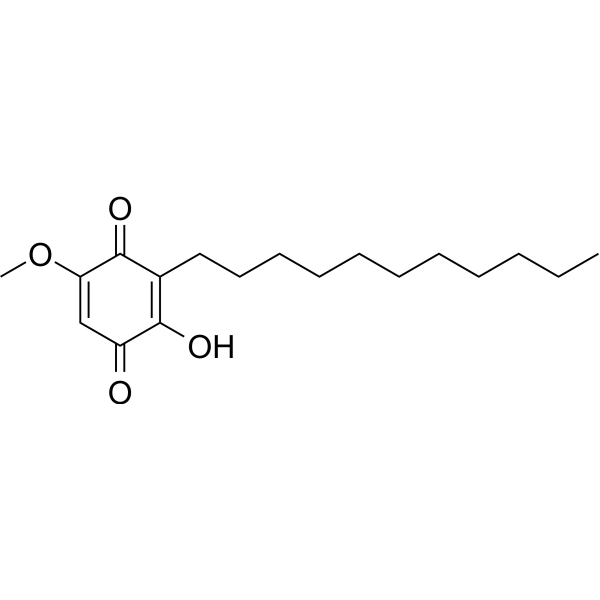
    5-O-Methylembelin is a natural isocoumarin that inhibits PCSK9, inducible degrader of the low-density lipoprotein receptor (IDLR), and sterol regulatory element binding protein 2 (SREBP2) mRNA expression .
    5-O-Methylembelin
  • HY-Y1325H

    Environmental Pollutants Fungal Endogenous Metabolite Caspase PPAR AMPK Reactive Oxygen Species (ROS) Neurological Disease Metabolic Disease Inflammation/Immunology Cancer
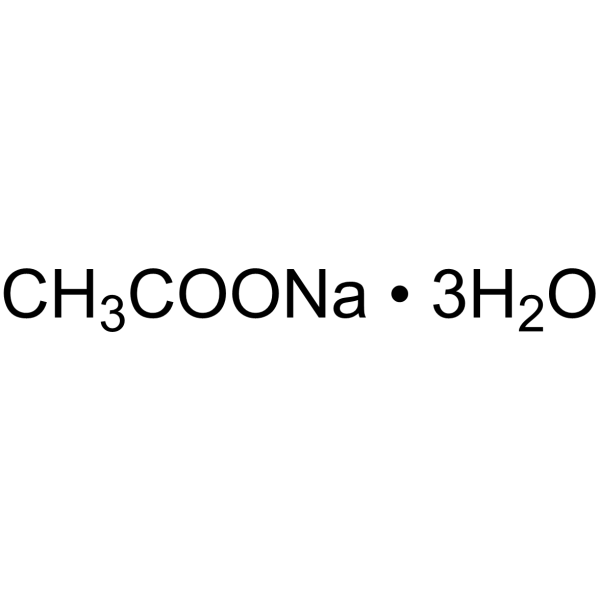
    Sodium acetate trihydrate is a carboxylic acid and short-chain fatty acid (SCFAs). Sodium acetate trihydrate activates AMPK, increases ROS, cleaved caspase 9, PPARα, downregulates SREBP-1c, ChREBP expression. Sodium acetate trihydrate exhibits antifungal activity against Saccharomyces cerevisiae W303-1A. Sodium acetate trihydrate regulates energy metabolism. Sodium acetate trihydrate has anticancer activity against gastric cancer. Sodium acetate trihydrate induces writhing reaction and ulcerative colitis. Sodium acetate trihydrate can be used in the researches for gastric cancer, ulcerative colitis, hepatic steatosis, and pain .
    Sodium acetate trihydrate, meets analytical specification of Ph. Eur. BP USP FCC E262, ≤0.00002% Al
  • HY-N2392
    Kukoamine A
    1 Publications Verification

    Parasite Lipoxygenase Opioid Receptor Apoptosis Autophagy Reactive Oxygen Species (ROS) Interleukin Related TNF Receptor PGE synthase COX Infection Neurological Disease Metabolic Disease Inflammation/Immunology Cancer
    Kukoamine A, a spermine alkaloid, is an orally active and brain-penetrant component found in the root barks of Lycium chinense (L. chinense) Miller. Kukoamine A inhibits purified Crithidia fasciculata trypanothione reductase and soybean lipoxygenase, activates μ-opioid receptor. Kukoamine A can inhibt cancer cell proliferation, migration and invasion, cause G0/G1 phase cell cycle arrest and induce apoptosis. Kukoamine A exerts neuroprotective effect and can induce autophagy . Kukoamine A inhibits LPS (HY-D1056)-induced NO, ROS, PGE2, TNF-α, IL-1β, IL-6 production and COX-2 activity. Kukoamine A reverses palmitic acid-induced insulin resistance, lipid accumulation, and oxidative stress via downregulation of Srebp-1c. Kukoamine A can be used for the research of cancer, infection, inflammation, metabolic and neurological disease, such as glioblastoma and Parkinson's disease .
    Kukoamine A
  • HY-N0853
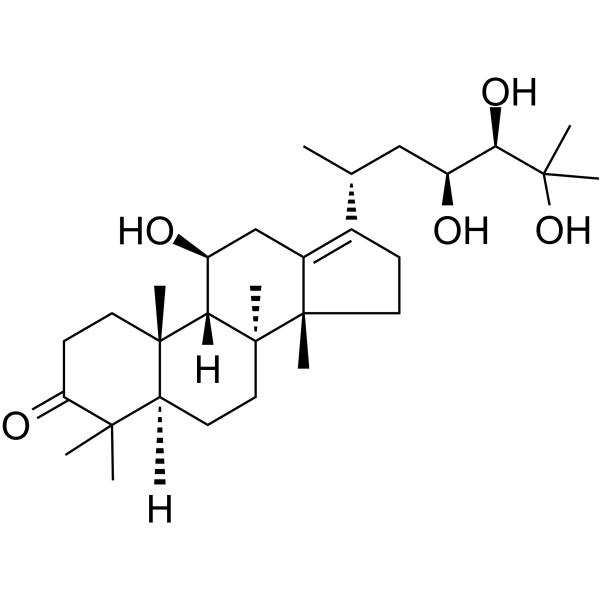
    Alisol A
    5 Publications Verification

    AMPK Acetyl-CoA Carboxylase PPAR MMP Interleukin Related Infection Cardiovascular Disease Neurological Disease Metabolic Disease Inflammation/Immunology Cancer
    Alisol A is an orally active tetracyclic triterpenoid compound of the prototerpane type. Alisol A can be extracted from the rhizome of Alisma orientale. Alisol A activates AMPK/ACC/SREBP-1c, SIRT1, PPARα, inhibits MMP-2/-9, decreases inflammatory cytokine expression (IL-1β, IL-6, IL-8). Alisol A has anti-tumor activity against breast cancer and colorectal cancer. Alisol A has anti-obesity and anti-atherosclerotic activities. Alisol A can be used in the research of hepatitis B, breast cancer, colorectal cancer, atherosclerosis, and obesity .
    Alisol A
  • HY-170316

    Ras Cancer
    Ibetazol is a Importin β1 (KPNB1) inhibitor and nucleocytoplasmic transport disruptor. Ibetazol binds covalently to Cys585 of Importin β1, blocks both Importin β1-mediated direct transport and Importin α-dependent nuclear import processes, without affecting transport mediated by other nucleocytoplasmic transport proteins. Ibetazol induces cytoplasmic accumulation of Importin α1, and inhibits nuclear import of substrates carrying nuclear localization signals (NLS), including the NLS-cMyc reporter gene, RelA/p65 and SREBP1. Ibetazol triggers spindle malformation and chromosome misalignment by disrupting the mitotic function of Importin β1. Ibetazol inhibits the proliferation of cells expressing wild-type Importin β1. Ibetazol has a high activity-cytotoxicity window, lacks intrinsic fluorescence, and acts rapidly on nucleocytoplasmic transport processes. Ibetazol serves as a tool compound for investigating nuclear import processes specifically mediated by Importin β1 .
    Ibetazol
  • HY-N1967

    PNPLA3 Metabolic Disease
    Dihydrocurcumin, a major metabolites of curcumin, reduces lipid accumulation and oxidative stress. Dihydrocurcumin regulates mRNA and protein expression levels of SREBP-1C, PNPLA3 and PPARα, increases protein expression levels of pAKT and PI3K, and reduced the levels of cellular NO and ROS via Nrf2 signaling pathways .
    Dihydrocurcumin
  • HY-Y0319G
    Magnesium acetate tetrahydrate
    4 Publications Verification

    Endogenous Metabolite AMPK Reactive Oxygen Species (ROS) Caspase Fungal PPAR Infection Neurological Disease Metabolic Disease Inflammation/Immunology Cancer
    Magnesium acetate tetrahydrate is a carboxylic acid and short-chain fatty acid (SCFAs). Magnesium acetate tetrahydrate activates AMPK, increases ROS, cleaved caspase 9, PPARα, downregulates SREBP-1c, ChREBP expression. Magnesium acetate tetrahydrate exhibits antifungal activity against Saccharomyces cerevisiae W303-1A. Magnesium acetate tetrahydrate regulates energy metabolism. Magnesium acetate tetrahydrate has anticancer activity against gastric cancer. Magnesium acetate tetrahydrate induces writhing reaction and ulcerative colitis. Magnesium acetate tetrahydrate can be used in the researches for gastric cancer, ulcerative colitis, hepatic steatosis, and pain .
    Magnesium acetate tetrahydrate
  • HY-109056
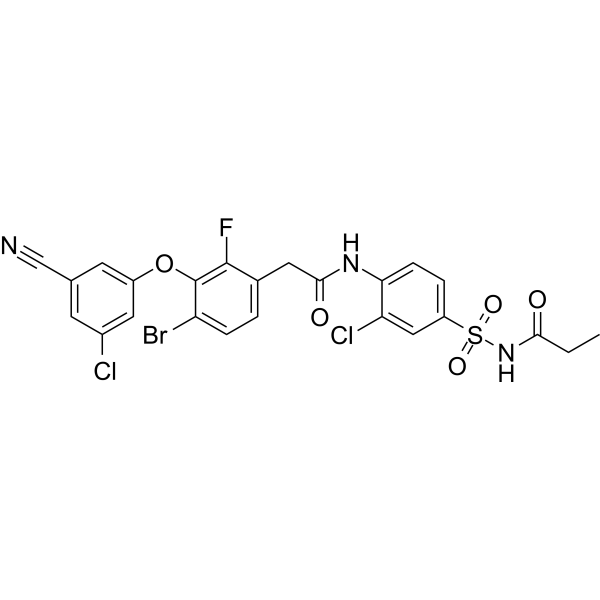
    Elsulfavirine
    2 Publications Verification

    R-1206

    Drug Intermediate HIV Reverse Transcriptase Carbonic Anhydrase Infection Cancer
    Elsulfavirine (R-1206) is an orally active human carbonic anhydrase (carbonic anhydrase, CA) inhibitor and an allosteric inhibitor of HIV-1 non-nucleoside reverse transcriptase (NNRT). Elsulfavirine also targets and blocks the interaction between adenylosuccinate lyase (ADSL) and insulin-induced gene proteins INSIG1/2, blocks SREBP-1-mediated de novo lipid synthesis, and inhibits the proliferation of liver cancer cells. The combination of Elsulfavirine and Lenvatinib (HY-10981) produces a synergistic anti-tumor effect. Elsulfavirine is converted into the active metabolite VM1500A in vivo, blocks the DNA polymerase activity of reverse transcriptase, and inhibits HIV-1 replication. Elsulfavirine exhibits a Ki of 1960 nM-52400 nM against human carbonic anhydrase isoforms including I, VII, VI, VA, VB, IX, XIII, XIV. Elsulfavirine is used in studies related to HIV-1 infection and liver cancer .
    Elsulfavirine
  • HY-N0686
    Pseudoprotodioscin
    1 Publications Verification

    Fatty Acid Synthase (FASN) MicroRNA Metabolic Disease
    Pseudoprotodioscin, a furostanoside, inhibits SREBP1/2 and microRNA 33a/b levels and reduces the gene expression regarding the synthesis of cholesterol and triglycerides .
    Pseudoprotodioscin
  • HY-13447
    PF-429242
    5+ Cited Publications

    Fatty Acid Synthase (FASN) Virus Protease Infection Metabolic Disease
    PF429242 is a reversible and competitive SREBP site 1 protease (S1P) inhibitor with an IC50 of 175 nM .
    PF-429242
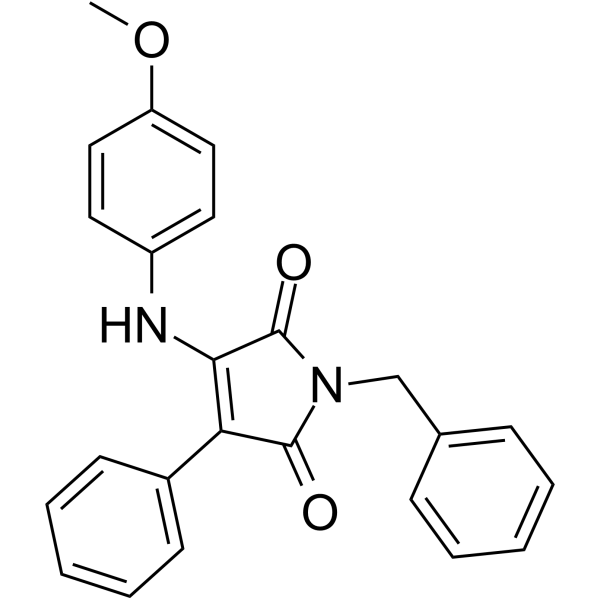
  • HY-160972

    LXR Neurological Disease Cancer
    MM0299 is a selective lanosterol synthase (LSS) inhibitor with an IC50 value of 2.22 μM. MM0299 depletes intracellular cholesterol and acts as a growth inhibitor for glioma stem-like cells. MM0299 exhibits anti-glioblastoma activity. MM0299 is applicable to research related to glioblastoma .
    MM0299
  • HY-156259

    Acyltransferase Inflammation/Immunology
    PF-07202954 is an orally active, highly selective DGAT2 inhibitor with an IC50 of 10 nM against human DGAT2 and an IC50 of 17 nM against rat DGAT2. PF-07202954 reduces triglyceride synthesis, decreases hepatic triglyceride content and plasma triglyceride levels, inhibits de novo lipogenesis, and suppresses the hepatic SREBP signaling pathway as well as the expression of SREBP target genes. PF-07202954 is applicable to research related to non-alcoholic steatohepatitis .
    PF-07202954
  • HY-110028

    Cannabinoid Receptor Fatty Acid Synthase (FASN) Androgen Receptor Endocrinology Cancer
    Leelamine hydrochloride is a tricyclic diterpene molecule that is extracted from the bark of pine trees . Leelamine hydrochloride is a cannabinoid receptor type 1 (CB1) agonist and a inhibitor of SREBP1-regulated fatty acid/lipid synthesis in prostate cancer cells that is not affected by androgen receptor status. Leelamine hydrochloride suppresses transcriptional activity of androgen receptor, which is known to regulate fatty acid synthesis [2,3].
    Leelamine hydrochloride
  • HY-43515

    Endogenous Metabolite Metabolic Disease
    ESI1 is a small molecule epigenetic silencing inhibitor. ESI1 can trigger the formation of nuclear condensates of key lipid metabolism regulators SREBP1/2, concentrating transcriptional co-activators to drive lipid/cholesterol biosynthesis. ESI1 can promote myelin regeneration in demyelinated animal models and facilitate de novo myelination on regenerating CNS axons, reversing age-related declines in cognitive abilities .
    ESI1
  • HY-N1399

    AMPK PI3K Autophagy Metabolic Disease Inflammation/Immunology
    Androsin is an active compound isolated from Picrorhiza Kurroa Royle ex Benth. Androsin activates AMPKα/PI3K/Beclin1/LC3 signaling pathway, inhibits SREBP1c/FASN signaling pathway. Androsin can be used in research of asthma and non-alcoholic fatty liver disease (NAFLD). Androsin is orally active .
    Androsin
  • HY-139576B

    DUR-928 trimethylamine

    LXR Endogenous Metabolite Metabolic Disease
    Larsucosterol (DUR-928) trimethylamine, a cholesterol metabolite, is a potent liver X receptor (LXR) antagonist. Larsucosterol trimethylamine as a potent endogenous regulator decreases lipogenesis. Larsucosterol trimethylamine inhibits the cholesterol biosynthesis via decreasing mRNA levels and inhibiting the activation of SREBP-1 .
    Larsucosterol trimethylamine
  • HY-123402
    GSK3987
    2 Publications Verification

    LXR Metabolic Disease
    GSK3987 is a pan LXRα/β agonist with EC50s of 50 nM, 40 nM for LXRα-SRC1 and LXRβ-SRC1, respectively. GSK3987 increases the expression of ABCA1 and SREBP-1c. GSK3987 induces cellular cholesterol efflux and triglyceride accumulation .
    GSK3987
  • HY-W012865

    Carnitine Palmitoyltransferase (CPT) Endogenous Metabolite FABP PPAR Metabolic Disease
    Tartronic acid, a dicarboxylic acid derive, is an inhibitor of the transformation of carbohydrates into fat under fat-deficient diet conditions. Tartronic acid promotes 3T3-L1 adipocyte differentiation by increasing the protein expression of FABP-4, PPARγ and SREBP-1. Tartronic acid promotes de novo lipogenesis and inhibits CPT-1β by upregulating acetyl-CoA and malonyl-CoA. Tartronic acid promotes weight gain and induces adipocyte hypertrophy in epididymal white adipose tissue and lipid accumulation in the livers of high-fat diet induced obese mice. Tartronic acid can be used for lipid metabolic disease research .
    Tartronic acid
  • HY-N14035

    FABP PPAR Metabolic Disease
    Garcinia cambogia extract is an orally active anti-obesity agent . Garcinia cambogia extract upregulates the gene expression of aP2, SREBP1c, PPARγ2 and C/EBPα. Garcinia cambogia extract reduces the rate of body weight gain, visceral fat accumulation, lipid levels in blood and liver, as well as plasma insulin and leptin levels . Garcinia cambogia extract ameliorates high-fat diet-induced obesity .
    Garcinia cambogia extract
  • HY-N0082

    Praeruptorin D

    Fatty Acid Synthase (FASN) Metabolic Disease
    Praeruptorin B is an inhibitor of sterol regulatory element-binding proteins (SREBPs).
    Praeruptorin B
  • HY-16207
    FGH10019
    2 Publications Verification

    Fatty Acid Synthase (FASN) Metabolic Disease
    FGH10019 is a novel sterol regulatory element-binding protein (SREBP) inhibitor with IC50 of 1 μM.
    FGH10019
  • HY-W006398S

    Anhydrous sodium acetate-d3

    Isotope-Labeled Compounds Neurological Disease Inflammation/Immunology Cancer
    Acetic acid-d3 sodium is the deuterium labeled Acetic acid (HY-Y0319) . Acetic acid is a carboxylic acid and short-chain fatty acid (SCFAs). Acetic acid activates AMPK, increases ROS, cleaved caspase 9, PPARα, downregulates SREBP-1c, ChREBP expression. Acetic acid exhibits antifungal activity against Saccharomyces cerevisiae W303-1A. Acetic acid regulates energy metabolism. Acetic acid has anticancer activity against gastric cancer. Acetic acid induces writhing reaction and ulcerative colitis. Acetic acid can be used in the researches for gastric cancer, ulcerative colitis, hepatic steatosis, and pain.
    Acetic acid-d3 sodium
  • HY-W587772

    MEHHTP

    Drug Metabolite Metabolic Disease
    Mono (2-ethyl-5-hydroxyhexyl) terephthalate (MEHHTP), a hydroxyl metabolite of the phthalate alternative Di-2-ethylhexyl terephthalate (DEHTP), is a liver X receptor α (LXRα) agonist with a binding energy of -7.41 kcal/mol. Mono (2-ethyl-5-hydroxyhexyl) terephthalate upregulates LXRα downstream targets such as SREBP-1c and FASN and increases lipogenic enzyme activity in hepatocytes, and elevating triglyceride (TG) levels. Mono (2-ethyl-5-hydroxyhexyl) terephthalate is promising for research of nonalcoholic fatty liver disease (NAFLD) .
    Mono(2-ethyl-5-hydroxyhexyl) terephthalate
  • HY-Y0319D

    Endogenous Metabolite AMPK Reactive Oxygen Species (ROS) Caspase Fungal PPAR Infection Neurological Disease Metabolic Disease Inflammation/Immunology Cancer
    Acetic acid lead is a carboxylic acid and short-chain fatty acid (SCFAs). Magnesium acetate tetrahydrate activates AMPK, increases ROS, cleaved caspase 9, PPARα, downregulates SREBP-1c, ChREBP expression. Acetic acid lead exhibits antifungal activity against Saccharomyces cerevisiae W303-1A. Acetic acid lead regulates energy metabolism. Acetic acid lead has anticancer activity against gastric cancer. Acetic acid lead induces writhing reaction and ulcerative colitis. Acetic acid lead can be used in the researches for gastric cancer, ulcerative colitis, hepatic steatosis, and pain .
    Acetic acid lead
  • HY-139576

    DUR-928

    LXR Endogenous Metabolite Metabolic Disease
    Larsucosterol (DUR-928), a cholesterol metabolite, is a potent liver X receptor (LXR) antagonist. Larsucosterol as a potent endogenous regulator decreases lipogenesis. Larsucosterol inhibits the cholesterol biosynthesis via decreasing mRNA levels and inhibiting the activation of SREBP-1 .
    Larsucosterol
  • HY-17640

    Fatty Acid Synthase (FASN) Autophagy Metabolic Disease
    Nicodicosapent is a fatty acid niacin conjugate that is also an inhibitor of the sterol regulatory element binding protein (SREBP), a key regulator of cholesterol metabolism proteins such as PCSK9, HMG-CoA reductase, ATP citrate lyase, and NPC1L1.
    Nicodicosapent
  • HY-Y0817R

    Anhydrous sodium acetate (Standard)

    Reference Standards Cancer
    Acetic acid sodium (Standard) (Anhydrous sodium acetate (Standard) is the analytical standard of Anhydrous sodium acetate. This product is intended for research and analytical applications. Acetic acid is a carboxylic acid and short-chain fatty acid (SCFAs). Acetic acid activates AMPK, increases ROS, cleaved caspase 9, PPARα, downregulates SREBP-1c, ChREBP expression. Acetic acid exhibits antifungal activity against Saccharomyces cerevisiae W303-1A. Acetic acid regulates energy metabolism. Acetic acid has anticancer activity against gastric cancer. Acetic acid induces writhing reaction and ulcerative colitis. Acetic acid can be used in the researches for gastric cancer, ulcerative colitis, hepatic steatosis, and pain .
    Acetic acid sodium (Standard)
  • HY-W015924R

    Reference Standards Endogenous Metabolite Metabolic Disease
    2-Hydroxyisobutyric acid (Standard) is the analytical standard of 2-Hydroxyisobutyric acid. This product is intended for research and analytical applications. 2-Hydroxyisobutyric acid (2-HIBA) is a selective modulator of the Insulin/IGF-1 pathway and the p38 MAPK pathway, which reduces reactive oxygen species (ROS) and fat accumulation in Caenorhabditis elegans. 2-Hydroxyisobutyric acid promotes β-oxidation and inhibits fatty acid synthesis by upregulating SKN-1/NRF2 and downregulating SREBP-1c transcription factors. 2-Hydroxyisobutyric acid has anti-aging and lipid-lowering effects, and can be used to study metabolic diseases such as obesity and diabetes. 2-Hydroxyisobutyric acid is also a renewable precursor of methacrylate through 2-HIB-CoA mutase-mediated biosynthesis[1][2].
    2-Hydroxyisobutyric acid (Standard)
  • HY-113308S1

    Isotope-Labeled Compounds Calcium Channel Ferroptosis PI3K Reactive Oxygen Species (ROS) Akt HBV Others
    Taurolithocholic acid-d4 is deuterium labeled Taurolithocholic acid. Taurolithocholic acid is an orally active bile acid and antiviral agent. Taurolithocholic acid upregulates FADS2 by activating the TGR5-PI3K/AKT-SREBP2 signaling axis, inhibits SFTSV-induced ferroptosis, viral replication and viral entry of HBV/HDV, while reducing the release of IL-1β, lipid ROS and LDH. While exerting antiviral protective effects, Taurolithocholic acid also stimulates the recycling of hepatocellular membrane transporters, impairs canalicular bile acid secretion function, and induces hepatocyte cholestasis, apoptosis and acute hepatocellular injury. Taurolithocholic acid serves as an experimental model compound for hepatocellular cholestasis. At concentrations ≤200 μM, Taurolithocholic acid shows no cytotoxicity and does not activate the interferon pathway. Taurolithocholic acid not only protects mice from lethal SFTSV infection but also is suitable for studies related to severe fever with thrombocytopenia syndrome and cholestasis .
    Taurolithocholic acid-d4
  • HY-169159

    Sirtuin Metabolic Disease
    SIRT6 activator 2 (compound 31) is a sirtuin 6 activator with anti-lipid accumulation properties. SIRT6 activator 2 significantly downregulates LXR, SREBP-1c, and their target genes associated with lipogenesis, and can be used for research related to lipid metabolism-related diseases .
    SIRT6 activator 2
  • HY-Y0319G1

    Biochemical Assay Reagents Others
    Magnesium acetate tetrahydrate, for molecular biology is a carboxylic acid and short-chain fatty acid (SCFAs). Magnesium acetate tetrahydrate, for molecular biology activates AMPK, increases ROS, cleaved caspase 9, PPARα, downregulates SREBP-1c, ChREBP expression. Magnesium acetate tetrahydrate, for molecular biology exhibits antifungal activity against Saccharomyces cerevisiae W303-1A. Magnesium acetate tetrahydrate, for molecular biology regulates energy metabolism. Magnesium acetate tetrahydrate, for molecular biology has anticancer activity against gastric cancer. Magnesium acetate tetrahydrate, for molecular biology induces writhing reaction and ulcerative colitis. Magnesium acetate tetrahydrate, for molecular biology can be used in the researches for gastric cancer, ulcerative colitis, hepatic steatosis, and pain .
    Magnesium acetate tetrahydrate, for molecular biology
  • HY-138443A

    Sirtuin PGC-1α Apoptosis Autophagy Fatty Acid Synthase (FASN) Metabolic Disease Cancer
    BF-175 is a selective SIRT1 agonist. BF175 increases SIRT1-mediated activation of PGC1-α, induces Apoptosis, induces Autophagy and inhibits SREBP activity. BF-175 protects against high glucose-mediated mitochondrial injury. BF-175 attenuates diabetic kidney disease progression. BF175 inhibits endometrial carcinoma .
    BF-175
  • HY-113308AR

    Reference Standards Calcium Channel Ferroptosis PI3K Reactive Oxygen Species (ROS) Akt HBV Metabolic Disease
    Taurolithocholic acid (sodium salt) (Standard) is the analytical standard of Taurolithocholic acid (sodium salt). This product is intended for research and analytical applications. Taurolithocholic acid sodium salt is an orally active bile acid and antiviral agent. Taurolithocholic acid sodium salt upregulates FADS2 by activating the TGR5-PI3K/AKT-SREBP2 signaling axis, inhibits SFTSV-induced ferroptosis, viral replication and viral entry of HBV/HDV, while reducing the release of IL-1β, lipid ROS and LDH. While exerting antiviral protective effects, Taurolithocholic acid sodium salt also stimulates the recycling of hepatocellular membrane transporters, impairs canalicular bile acid secretion function, and induces hepatocyte cholestasis, apoptosis and acute hepatocellular injury. Taurolithocholic acid sodium salt serves as an experimental model compound for hepatocellular cholestasis. At concentrations ≤200 μM, Taurolithocholic acid sodium salt shows no cytotoxicity and does not activate the interferon pathway. Taurolithocholic acid sodium salt not only protects mice from lethal SFTSV infection but also is suitable for studies related to severe fever with thrombocytopenia syndrome and cholestasis .
    Taurolithocholic acid sodium salt (Standard)
  • HY-N8495

    Others Metabolic Disease
    4'-Hydroxyflavanone is an inhibitor of SREBP maturation and lipid synthesis. 4'-Hydroxyflavanone is a synthetic analogue of flavanone, has potential for hepatic steatosis and dyslipidemia research .
    4'-Hydroxyflavanone
  • HY-139576C

    DUR-928 ammonium

    LXR Endogenous Metabolite Metabolic Disease
    Larsucosterol (DUR-928) ammonium, a cholesterol metabolite, is a potent liver X receptor (LXR) antagonist. Larsucosterol ammonium as a potent endogenous regulator decreases lipogenesis. Larsucosterol ammonium inhibits the cholesterol biosynthesis via decreasing mRNA levels and inhibiting the activation of SREBP-1 .
    Larsucosterol ammonium
  • HY-16244

    Fatty Acid Synthase (FASN) Metabolic Disease Endocrinology
    GW-300 is a SREBP cleavage-activating protein (SCAP) ligand that can be used for the study of endocrinology and metabolic disease.
    GW-300
  • HY-N7521

    Procyanidine C2

    Acetyl-CoA Carboxylase Fatty Acid Synthase (FASN) Stearoyl-CoA Desaturase (SCD) PPAR AMPK mTOR JNK Inflammation/Immunology
    Procyanidin C2 (Procyanidine C2) is a lipid metabolism regulator and antioxidant with free radical scavenging activity. Procyanidin C2 down-regulates ACC, SREBP-1c, FAS, SCD-1 and PPARγ. Procyanidin C2 increases the level of phosphorylated AMPKα and inhibits the level of phosphorylated mTOR. Procyanidin C2 reduces lipid accumulation, alleviates oxidative stress, enhances fatty acid oxidation and improves mitochondrial function. Procyanidin C2 can be used in the research of non-alcoholic fatty liver disease .
    Procyanidin C2
  • HY-N0083R

    Trochol (Standard)

    Reference Standards Fatty Acid Synthase (FASN) Apoptosis Endogenous Metabolite Cancer
    Betulin (Standard) is the analytical standard of Betulin. This product is intended for research and analytical applications. Betulin (Trochol), is a sterol regulatory element-binding protein (SREBP) inhibitor with an IC50 of 14.5 μM in K562 cell line.
    Betulin (Standard)
  • HY-N2953

    Fatty Acid Synthase (FASN) Metabolic Disease
    Borapetoside E can be isolated from T. crispa. Borapetoside E improves hyperglycemia, insulin resistance, hepatic steatosis, hyperlipidemia, and oxygen consumption in obese mice. Borapetoside E also inhibits SREBPs expression in the liver and adipose tissue .
    Borapetoside E
  • HY-N0083G

    Trochol

    Endogenous Metabolite Apoptosis Fatty Acid Synthase (FASN) Cancer
    Betulin (GMP) (Trochol (GMP)) is Betulin (HY-N0083) produced by using GMP guidelines. GMP small molecules works appropriately as an auxiliary reagent for cell therapy manufacture. Betulin (Trochol), is a sterol regulatory element-binding protein (SREBP) inhibitor with an IC50 of 14.5 μM in K562 cell line.
    Betulin

Inquiry Online

Your information is safe with us. * Required Fields.

Salutation


Country or Region *

Applicant Name *


Organization Name *

Department *


Email Address *


Product Name *

Cat. No.


Requested quantity *

Phone Number *


Remarks

Inquiry Online

Inquiry Information

Product Name:
Cat. No.:
Quantity:
MCE Japan Authorized Agent:

