1. Search Result
Search Result
Results for "

STAT3 phosphorylation

" in MedChemExpress (MCE) Product Catalog:

191

Inhibitors & Agonists

1

Fluorescent Dyes

2

Biochemical Assay Reagents

5

Peptides

6

Inhibitory Antibodies

40

Natural
Products

1

Isotope-Labeled Compounds

3

Oligonucleotides

1

GMP Molecules

Cat. No. Product Name Target Research Areas Chemical Structure
  • HY-13818
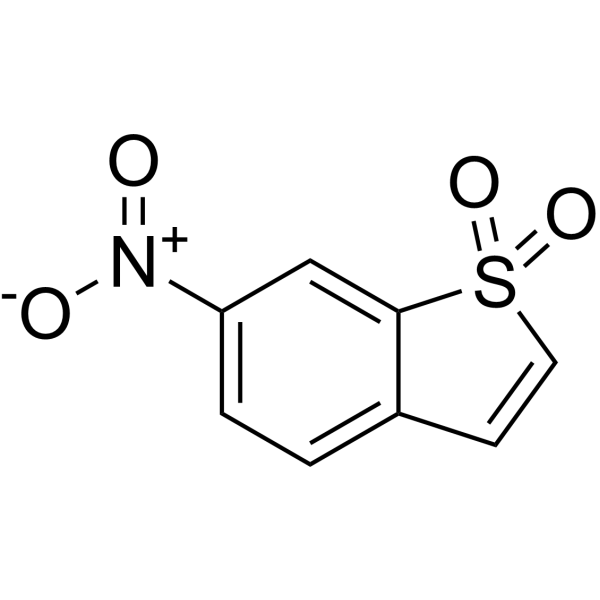
    Stattic
    280+ Cited Publications

    STAT Apoptosis Inflammation/Immunology Cancer
    Stattic is a potent STAT3 inhibitor and inhibits STAT3 phosphorylation (at Y705 and S727) . Stattic inhibits the binding of a high affinity phosphopeptide for the SH2 domain of STAT3 . Stattic ameliorates the renal dysfunction in Alport syndrome (AS) mice .
    Stattic
  • HY-112288
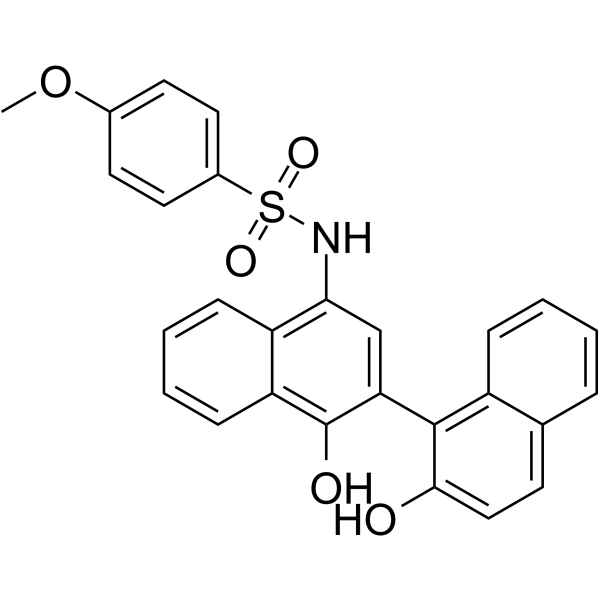
    C188-9
    30+ Cited Publications

    TTI-101

    STAT Apoptosis DNA Methyltransferase Metabolic Disease Inflammation/Immunology Cancer
    C188-9 (TTI-101) is a STAT3 inhibitor with a Kd value of 4.7 nM. C188-9 targets the SH2 domain of STAT3, blocks the processes of STAT3 ligand binding, receptor recruitment, homodimerization and phosphorylation, and regulates STAT3-mediated genes associated with tumorigenesis and radioresistance. C188-9 regulates STAT1-mediated genes related to radioresistance and reduces the activation level of STAT1. C188-9 downregulates the expression of DNMT1, enhances DAC-induced demethylation and re-expression of RASSF1A, and simultaneously potentiates the anti-tumor effect of DAC on pancreatic cancer cells. C188-9 inhibits both anchorage-dependent and anchorage-independent growth of cancer cells, induces Apoptosis, blocks the growth of tumor xenografts, and suppresses muscle atrophy. C188-9 maintains muscle mass, increases body weight and improves grip strength in tumor-bearing mice. C188-9 can be used in research related to head and neck squamous cell carcinoma, pancreatic cancer, sepsis-related skeletal muscle wasting, non-small cell lung cancer, acute myeloid leukemia and cancer cachexia .
    C188-9
  • HY-10074
    TPCA-1
    40+ Cited Publications

    IKK STAT Apoptosis Inflammation/Immunology Cancer
    TPCA-1 is a potent and selective inhibitor of IKK-2 with IC50 of 17.9 nM. TPCA-1 is an effective inhibitor of STAT3 phosphorylation, DNA binding, and transactivation.
    TPCA-1
  • HY-N0236
    Corylin
    Maximum Cited Publications
    9 Publications Verification

    Antibiotic STAT Infection Metabolic Disease Cancer
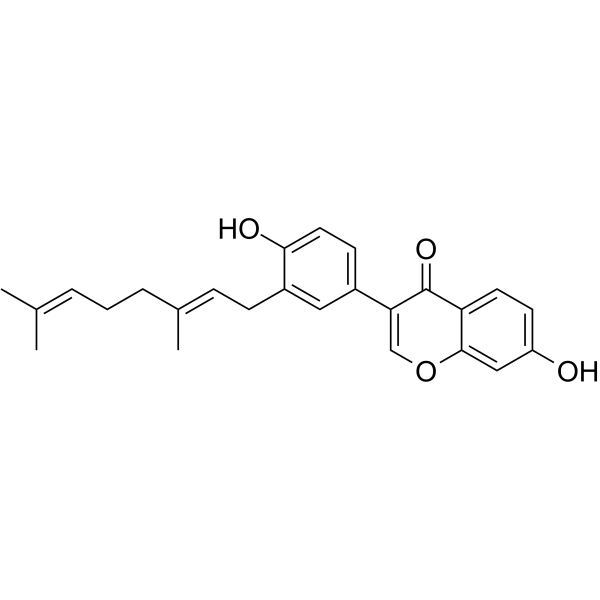
    Corylin is an orally active flavonoid anti-inflammatory and osteogenic agent that inhibits IL-6-induced STAT3 promoter activity and STAT3 phosphorylation. Corylin also has anticancer, antiatherosclerotic, and ameliorating activity in hyperlipidemia and insulin resistance, inducing adipocyte browning and lipolysis through SIRT1 or β3-AR-dependent pathways .
    Corylin
  • HY-148748
    Butyzamide
    4 Publications Verification

    JAK STAT p38 MAPK Cardiovascular Disease
    Butyzamide is an orally active activator of Mpl, a thrombopoietin (TPO) receptor. Butyzamide increases the phosphorylation level of JAK2, STAT3, STAT5 and MAPK. Butyzamide increases the level of platelets in mouse xenotransplantation assay .
    Butyzamide
  • HY-102084
    LMT-28
    15+ Cited Publications

    Interleukin Related Inflammation/Immunology
    LMT-28 is an orally active and the first synthetic IL-6 inhibitor that functions through direct binding to gp130. LMT-28 shows low toxicity and selectively inhibits IL-6-induced phosphorylation of STAT3, JAK2, and gp130 .
    LMT-28
  • HY-125771

    18:0 Lyso-PC; LPC(18:0)

    Endogenous Metabolite HDAC STAT Apoptosis Cancer
    1-Stearoyl-sn-glycero-3-phosphocholine is a lysophosphatidylcholine that inhibits HDAC3 activity and phosphorylation of STAT3 in K562 cells. 1-Stearoyl-sn-glycero-3-phosphocholine induces apoptosis and exhibits anticancer activity in chronic myelogenous leukemia (CML) K562 cells .
    1-Stearoyl-sn-glycero-3-phosphocholine
  • HY-136657
    SC-43
    5+ Cited Publications

    SHP1 Phosphatase STAT Apoptosis Cancer
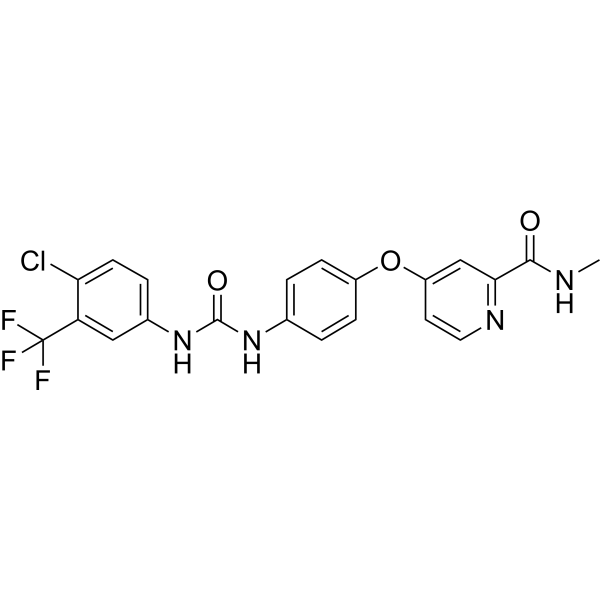
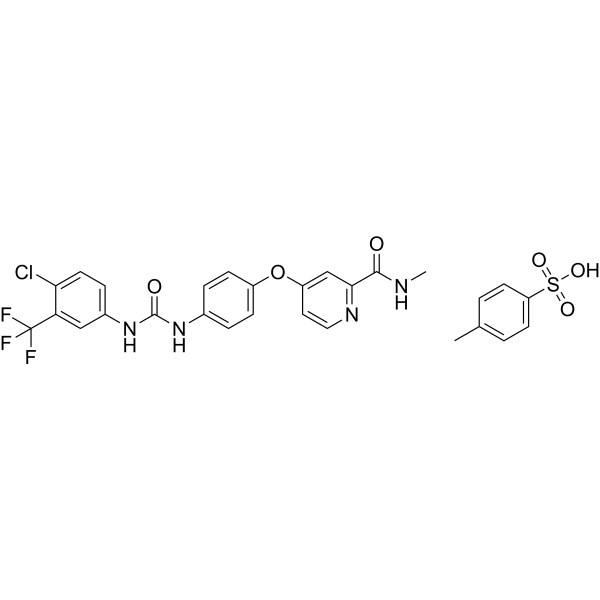
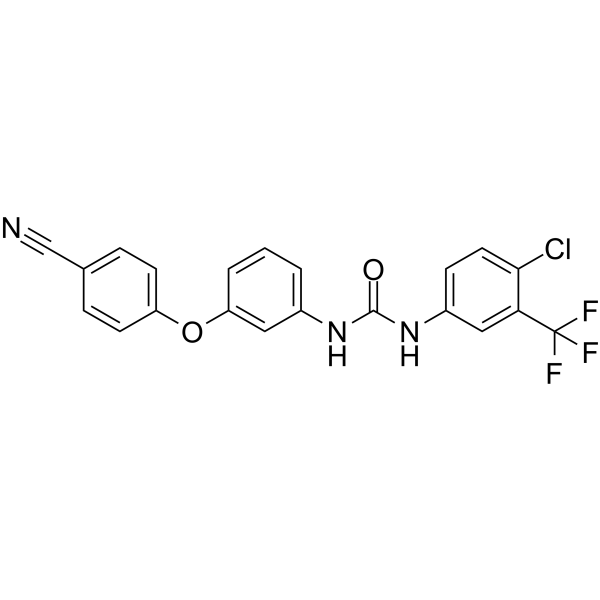
    SC-43, a Sorafenib derivative, is a potent and orally active SHP-1 (PTPN6) agonist. SC-43 inhibits the phosphorylation of STAT3 and induces cell apoptosis. SC-43 has anti-fibrotic and anticancer effects .
    SC-43
  • HY-101019
    Ossirene
    2 Publications Verification

    AS101

    Interleukin Related Caspase Inflammation/Immunology Cancer
    Ossirene (AS101), an immunomodulatory tellurium compound, is a potent IL-1β inhibitor . Ossirene abolishes phosphorylation of STAT3 by inhibiting IL-10. Ossirene potently inhibits Caspase-1 and is used for the autoimmune diseases and certain malignancies .
    Ossirene
  • HY-19536
    LLL12
    1 Publications Verification

    STAT Cancer
    LLL12 is a small molecule inhibitor of STAT3 that inhibits STAT3 phosphorylation. LLL12 enhanced the inhibitory effect of Cisplatin (HY-17394) and Paclitaxel (HY-B0015) on ovarian cancer cell formation, migration, and growth .
    LLL12
  • HY-N1356
    Reticuline
    1 Publications Verification

    JAK STAT NF-κB Endogenous Metabolite Cardiovascular Disease Inflammation/Immunology
    Reticuline shows anti-inflammatory effects through JAK2/STAT3 and NF-κB signaling pathways. Reticuline inhibits mRNA expressions of TNF-α, and IL-6 and reduces the phosphorylation levels of JAK2 and STAT3 . Reticuline exhibits cardiovascular effects .
    Reticuline
  • HY-N0897
    Corylifol A
    4 Publications Verification

    Corylifol-A; Corylinin

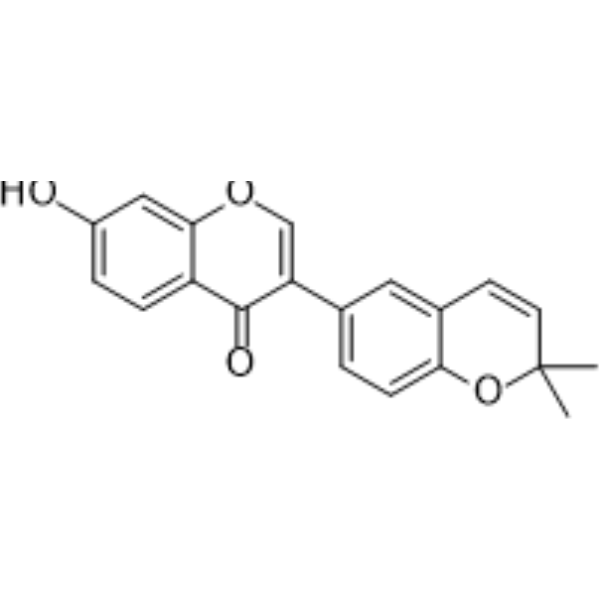
    UGT STAT Others
    Corylifol A inhibits IL-6-induced STAT3 activation and phosphorylation, with an IC50 of 0.81 μM.
    Corylifol A
  • HY-P9916

    Anti-Human IL6Rα, Human Antibody

    Interleukin Related STAT Apoptosis Inflammation/Immunology Cancer
    Sarilumab is a monoclonal antibody targeting IL6 that binds to IL6R and blocks the binding of IL6, thereby inhibiting the activation of the downstream STAT3 phosphorylation signaling pathway. In tumor cells with active IL6/STAT3 signaling pathways, Sarilumab induces Apoptosis and inhibits cell growth. Sarilumab is applicable to research related to prostate cancer, lung cancer and rheumatoid arthritis .
    Sarilumab
  • HY-113573

    PTA

    Interleukin Related JAK STAT Inflammation/Immunology
    Protosappanin A (PTA), an immunosuppressive ingredient and major biphenyl compound isolated from Caesalpinia sappan L, suppresses JAK2/STAT3-dependent inflammation pathway through down-regulating the phosphorylation of JAK2 and STAT3 .
    Protosappanin A
  • HY-100544
    FLLL32
    5+ Cited Publications

    STAT JAK Apoptosis Cancer
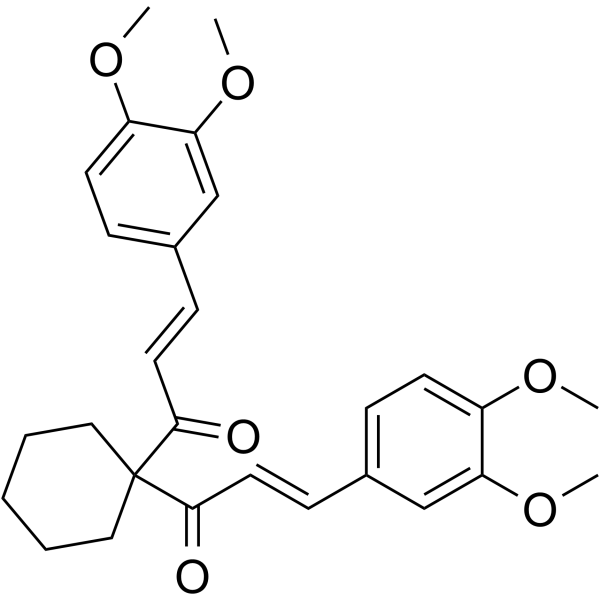
    FLLL32, a synthetic analog of curcumina, is a JAK2/STAT3 dual inhibitor with anti-tumor activity. FLLL32 can inhibit the induction of STAT3 phosphorylation by IFNα and IL-6 in breast cancer cells .
    FLLL32
  • HY-112338

    CPD188

    STAT Apoptosis Cancer
    C188 (CPD188) is a STAT3 inhibitor with anticancer effects. C188 inhibits STAT3 SH2/pY-peptide binding (IC50 of 20 µM against pY-peptide binding) and IL-6-mediated STAT3 phosphorylation. C188 is selective for STAT3 over STAT1. C188 inhibits nuclear-to-cytoplasmic translocation of Stat3. C188 shows highly active induces apoptosis in breast cancer cell lines with constitutive Stat3 activation (EC50s of 0.73 µM, 3.96 µM, and 7.01 µM in MDA-MB-468, MDA-MB-231, and MDA-MB-435 cultures, respectively) .
    C188
  • HY-P99210
    Olokizumab
    1 Publications Verification

    CDP 6038; OKZ

    Interleukin Related STAT Inflammation/Immunology
    Olokizumab (CDP 6038) is a humanized monoclonal antibody that targets interleukin-6 (IL-6). Olokizumab inhibits IL-6-induced STAT-3 phosphorylation. Olokizumab is used in the study of arthritis .
    Olokizumab
  • HY-112391
    SD-1029
    1 Publications Verification

    JAK STAT Cancer
    SD-1029 is a JAK2/STAT3 inhibitor . SD-1029 inhibits STAT3 nuclear translocation. SD-1029 is an inhibitor of STAT3 activation due to inhibition of JAK2 phosphorylation .
    SD-1029
  • HY-N6953
    Garcinone D
    4 Publications Verification

    STAT Keap1-Nrf2 Reactive Oxygen Species (ROS) Neurological Disease
    Garcinone D is an activator of the STAT3/Cyclin D1 and Nrf2/HO-1 pathways, and an inhibitor of CDK2/CyclinE1 (IC50 for CDK2/CyclinE1 is 28.23 μM). Garcinone D promotes neural stem cell proliferation by activating STAT3 phosphorylation and Cyclin D1 expression and enhancing the Nrf2/HO-1 signaling pathway. In addition, Garcinone D blocks the tumor cell cycle by inhibiting CDK2/CyclinE1. Garcinone D can promote the proliferation of C17.2 neural stem cells and inhibit prostate and breast cancer .
    Garcinone D
  • HY-100037
    NT157
    2 Publications Verification

    Tyrphostin NT157

    Insulin Receptor STAT Endocrinology Cancer
    NT157 (Tyrphostin NT157) is a selective IRS-1/2 inhibitor that induces Ser-phosphorylation and consequently the degradation of IRS-1/2. NT157 (Tyrphostin NT157) is a first-in-class anti-cancer agent that also targets Stat3 signaling pathway .
    NT157
  • HY-136658
    STAT3-IN-48
    1 Publications Verification

    STAT Apoptosis Cancer
    STAT3-IN-48 is a Sorafenib analogue and potently inhibits the phosphorylation of STAT3. STAT3-IN-48 induces cell apoptosis through SHP-1 dependent STAT3 inactivation. STAT3-IN-48 does not inhibit kinase activity and has anticancer effects .
    STAT3-IN-48
  • HY-12442

    STAT Apoptosis Cancer
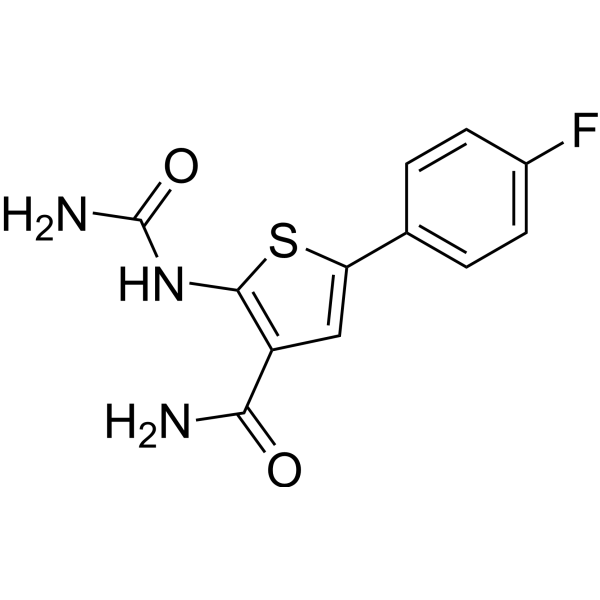
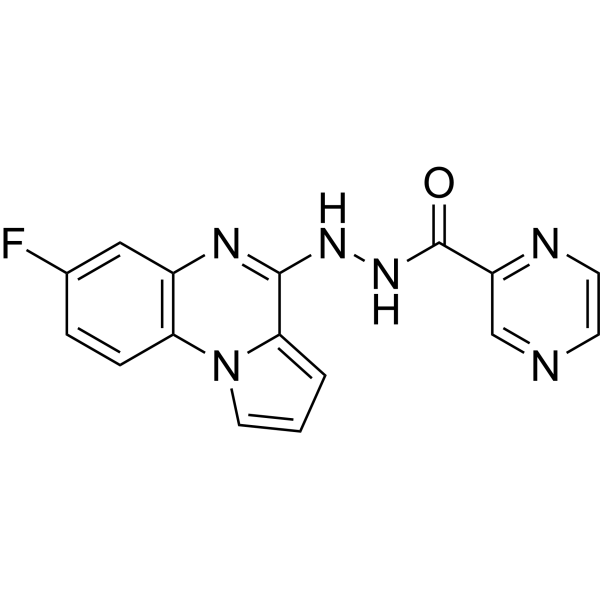
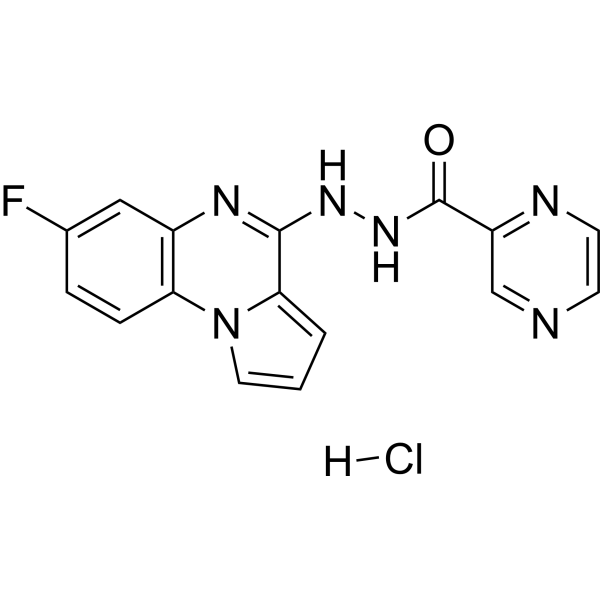
    LY5 is a STAT3 inhibitor with an IC50 value of 0.5 μM. LY5 induces apoptosis and inhibits STAT3 phosphorylation. LY5 shows antitumor activity in vivo, it can be used for the research of cancer .
    LY5
  • HY-145935
    NT219
    1 Publications Verification

    Insulin Receptor STAT Cancer
    NT219 is a potent and dual inhibitor of insulin receptor substrates 1/2 (IRS1/2) and STAT3. IRS1/2 and STAT3 are major signaling junctions regulated by various oncogenes. NT219 affects IRS1/2 degradation and inhibits STAT3 phosphorylation. NT219 has the potential for the research of cancer diseases .
    NT219
  • HY-N2521

    FLLL31

    STAT Apoptosis Inflammation/Immunology Cancer
    Tetramethylcurcumin (FLLL31), derived from curcumin, specifically suppresses the phosphorylation of STAT3 by binding selectively to Janus kinase 2 and the STAT3 Src homology-2 domain. Tetramethylcurcumin exhibits anti-inflammatory and anti-cancer effects .
    Tetramethylcurcumin
  • HY-149007
    STAT3-IN-11
    1 Publications Verification

    STAT Apoptosis Cancer
    STAT3-IN-11 (7a) is a selective STAT3 inhibitor that inhibits the phosphorylation of STAT3 at site pTyr705. STAT3-IN-11 inhibits the phosphorylation of downstream genes (Survivin and Mcl-1) without affecting its upstream tyrosine kinases (Src and JAK2) levels and p-STAT1 expression. STAT3-IN-11 can induce cancer cell apoptosis, which is potential for the discovery of effective STAT3 inhibitors and antitumor agents against cancers .
    STAT3-IN-11
  • HY-N1410

    STAT NF-κB Cancer
    Triacetylresveratrol, an acetylated analog of Resveratrol. Triacetylresveratrol decreases the phosphorylation of STAT3 and NF-κB in a dose- and time- dependent manner in PANC-1 and BxPC-3 cells. Anticancer effects .
    Triacetylresveratrol
  • HY-150603
    STAT3-IN-13
    1 Publications Verification

    STAT Apoptosis Bcl-2 Family Cancer
    STAT3-IN-13 (compound 6f) is a potent STAT3 inhibitor. STAT3-IN-13 has anti-proliferative effects and binds to the STAT3 SH2 domain with a KD of 0.46 μM. STAT3-IN-13 inhibits the phosphorylation of STAT3 Y705 and downstream target gene expression. STAT3-IN-13 induces apoptosis in vitro and suppresses the growth and metastasis of tumor in vivo. STAT3-IN-13 can be used for cancer research .
    STAT3-IN-13
  • HY-N7674
    Angoline
    4 Publications Verification

    Interleukin Related STAT Cancer
    Angoline is a potent and selective IL6/STAT3 signaling pathway inhibitor with an IC50 of 11.56 μM. Angoline inhibits STAT3 phosphorylation and its target gene expression, and inhibits cancer cell proliferation .
    Angoline
  • HY-139369
    QD394
    1 Publications Verification

    Reactive Oxygen Species (ROS) Cancer
    QD394 is a reactive oxygen species (ROS) inducer that can induce lipid peroxidation, increase intracellular ROS accumulation, inhibit STAT3 phosphorylation, and induce ferroptosis .
    QD394
  • HY-N10472

    STAT Cancer
    STAT3-IN-14 (Compound 1) is a STAT3 inhibitor and has STAT3 phosphorylation inhibitory activity. STAT3-IN-14 (Compound 1) can directly bind to the hinge region of STAT3 .
    STAT3-IN-14
  • HY-P10114

    PpYLKTK-mts; STAT3 PI

    STAT Cancer
    STAT3-IN-24, cell-permeable (PpYLKTK-mts) is a STAT3 peptide inhibitor. STAT3-IN-24, cell-permeable inhibits recruitment of STAT3 to Jak2 and phosphorylation of Y705, thus preventing the dimerization and the nuclear translocation of STAT3 .
    STAT3-IN-24, cell-permeable
  • HY-151976
    STAT3-IN-15
    1 Publications Verification

    STAT Inflammation/Immunology
    STAT3-IN-15 is a potent and orally active STAT3 inhibitor against idiopathic pulmonary fibrosis (IPF). STAT3-IN-15 inhibits STAT3 phosphorylation. STAT3-IN-15 also inhibits the migration and deformation of epithelial cells induced by TGF-β1 and inhibit epithelial-mesenchymal transition (EMT) .
    STAT3-IN-15
  • HY-P2282
    APTSTAT3-9R
    1 Publications Verification

    STAT Cancer
    APTSTAT3-9R, a specific STAT3-binding peptide, inhibits STAT3 activation and downstream signaling by specifically blocking STAT3 phosphorylation. APTSTAT3-9R exerts antiproliferative effects and antitumor activity .
    APTSTAT3-9R
  • HY-124858

    STAT JAK Apoptosis Cardiovascular Disease Cancer
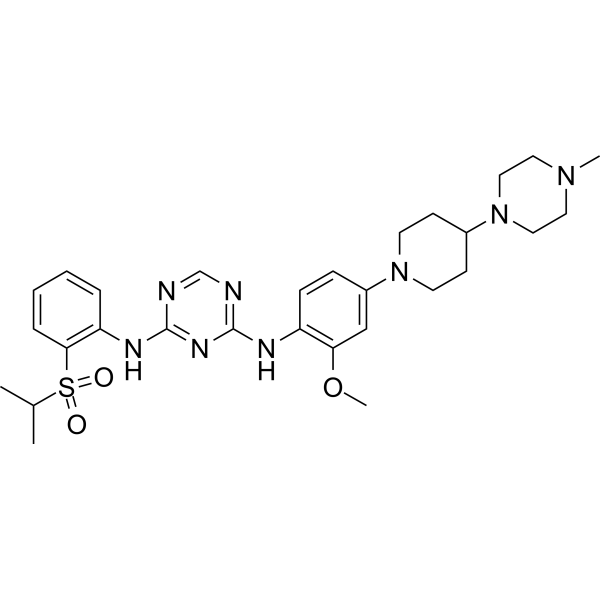
    SC99 is an orally active, selective STAT3 inhibitor targeting JAK2-STAT3 pathway. SC99 docks into the ATP-binding pocket of JAK2. SC99 inhibits phosphorylation of JAK2 and STAT3 with no effects on the other kinases associated with STAT3 signaling. SC99 inhibits platelet activation, aggregation and displays potent anti-myeloma, anti-thrombotic activities .
    SC99
  • HY-148692

    STAT Cancer
    OSM-SMI-10B a derivative of OSM-SMI-10. OSM-SMI-10B significantly reduces OSM-induced STAT3 phosphorylation in cancer cells upon co-incubation with OSM (Oncostatin M) .
    OSM-SMI-10B
  • HY-164546

    STAT Apoptosis Cancer
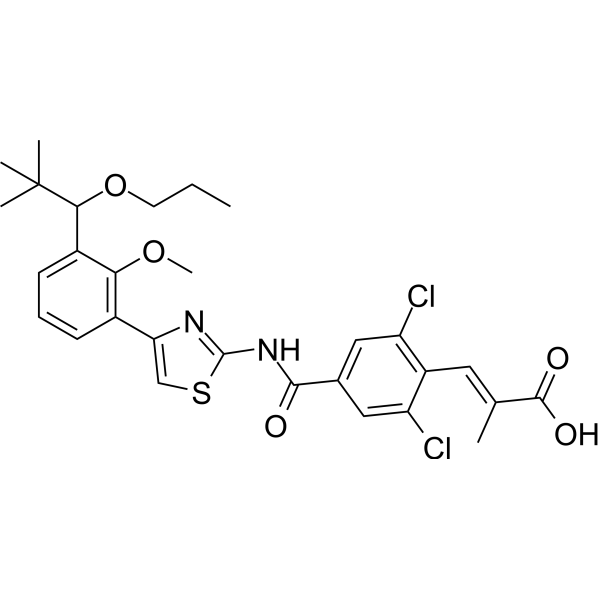
    WB436B is a highly selective STAT3 inhibitor. WB436B can selectively inhibit STAT3-Tyr705 phosphorylation and the expression of STAT3 target genes, showing cytotoxic effects on pancreatic cancer cells and inducing apoptosis. WB436B can suppress tumor growth and metastasis in pancreatic cancer mouse models, extending the survival of tumor-bearing mice .
    WB436B
  • HY-N1280

    Amyloid-β Neurological Disease
    Semilicoisoflavone B, an isoflavone, mainly derived from Glycyrrhiza uralensis Fisch.. Semilicoisoflavone B reduces amyloid β () secretion by inhibiting β-secretase-1 (BACE1) expression and activity. Semilicoisoflavone B decreases BACE1 expression mainly through increasing PPARγ expression and inhibiting STAT3 phosphorylation .
    Semilicoisoflavone B
  • HY-N6651

    STAT Phosphatase Apoptosis Autophagy p38 MAPK EGFR JAK Bcl-2 Family Survivin Akt mTOR PARP Caspase Atg8/LC3 CDK Cancer
    Isocryptotanshinone is a dual STAT3 and PTP1B (IC50 = 56.1 μM) inhibitor. Isocryptotanshinone inhibits STAT3 by binding to the STAT3 SH2 domain to block phosphorylation and nuclear translocation [1][2]. Isocryptotanshinone exerts its anti-proliferative effect via the induction of cell cycle arrest, apoptosis, and pro-death autophagy, through the regulation of STAT3, AKT/mTOR and MAPK signaling pathways. Isocryptotanshinone suppresses the xenograft gastric cancer (GC) tumor growth in BALB/c nude mice. Isocryptotanshinone can be used for cancer research, such as lung cancer, breast cancer and GC .
    Isocryptotanshinone
  • HY-153190
    W1131
    1 Publications Verification

    Oxidative Phosphorylation STAT Ferroptosis Cancer
    W1131 is a potent STAT3 inhibitor, triggering ferroptosis. W1131 suppresses cancer progression in gastric cancer cell subcutaneous xenograft model, organoids model, and PDX model. W1131 effectively alleviates chemical resistance of cancer cells to 5-FU (HY-90006). W1131 regulates cell cycle, DNA damage response, and oxidative phosphorylation, including IL6-JAK-STAT3 pathway and ferroptosis pathway .
    W1131
  • HY-161015

    JAK Inflammation/Immunology
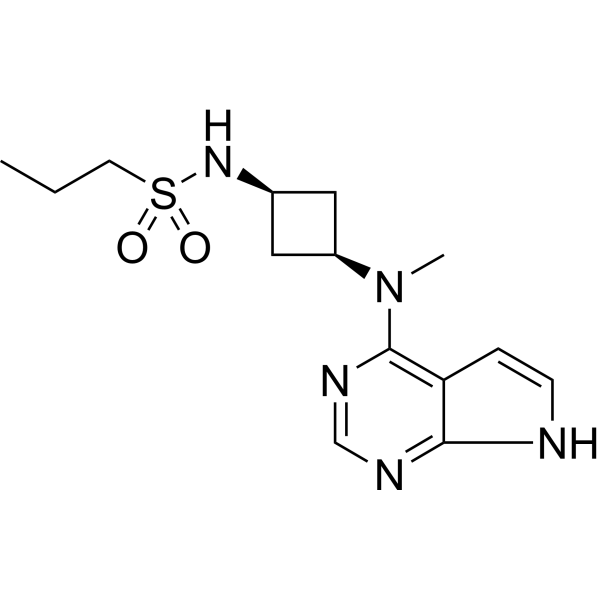
    JAK1-IN-13 (compound 36b) is an orally active, potent and highly selective inhibitor of JAK1 with an IC50 of 0.044 nM. JAK1-IN-13 significantly decreases STAT3 phosphorylation .
    JAK1-IN-13
  • HY-N1987
    Cucurbitacin IIb
    2 Publications Verification

    Apoptosis Inflammation/Immunology
    Cucurbitacin IIb is an active component isolated from Hemsleya amabilis, induces apoptosis with anti-inflammatory activity. Cucurbitacin IIb inhibits phosphorylation of STAT3, JNK and Erk1/2, enhances the phosphorylation of IκB and NF-κB (p65), blocks nuclear translocation of NF-κB (p65) and decreases mRNA levels of IκBα and TNF-α .
    Cucurbitacin IIb
  • HY-124843
    LLL3
    1 Publications Verification

    CLT-005

    STAT Apoptosis Cancer
    LLL3 (CLT-005) is a STAT3 inhibitor. LLL3 inhibits dimerization and phosphorylation of STAT3, thereby preventing intraconuclear transfer of STAT3 and inhibits the expression of STAT3 dependent genes, which encode proteins such as Bcl-xL and cyclin D1. In addition, LLL3 can induce cell growth inhibition and apoptosis in human breast cancer and rhabdomyosarcoma cells via the caspase pathway. LLL3 can be used in the study of STAT3 persistent activation types of cancer .
    LLL3
  • HY-116505

    JAK Cancer
    JAK1-IN-4 is a potent and selective JAK1 inhibitor, with IC50s of 85 nM, 12.8 μM and >30 μM for JAK1, JAK2, and JAK3, respectively. JAK1-IN-4 inhibits STAT3 phosphorylation in NCI-H 1975 cells (IC50, 227 nM) .
    JAK1-IN-4
  • HY-100610

    STAT Cancer
    S3I-1757 is a STAT3 inhibitor. S3I-1757 inhibits the phosphorylation and dimerization of STAT3. S3I-1757 can be used for the research of STAT3 hyperactive cancers such as melanoma .
    S3I-1757
  • HY-13559

    Azaspirane ; SKF 106615-12; SKF 106615A12

    STAT Apoptosis Autophagy Reactive Oxygen Species (ROS) Caspase Bcl-2 Family p62 Atg8/LC3 PARP NF-κB PERK JAK Cardiovascular Disease Inflammation/Immunology Cancer
    Atiprimod (Azaspirane) is a STAT3 inhibitor with antitumor, anti-inflammatory, and anti-angiogenic activities. Atiprimod blocks the signaling pathways of IL-6 and VEGF by inhibiting the phosphorylation of signal transducer and activator of STAT3. Atiprimod blocks the JAK-STAT signaling pathway by inhibiting the phosphorylation of JAK2 and JAK3. Atiprimod also inhibits cell proliferation, induces cell cycle arrest, and induces autophagy and apoptosis. Atiprimod triggers persistent ER stress-mediated apoptosis in breast cancer cells by activating the PERK/eIF2α/ATF4/CHOP axis and inhibiting the nuclear translocation of STAT3/NF-κB. Atiprimod shows great anti-tumor activities in tumor xenograft mouse models. Atiprimod can be used for the study of pituitary adenoma, breast cancer, multiple myeloma and acute myeloid leukemia (AML) .
    Atiprimod
  • HY-167692

    STAT Others
    JI069 is a novel JAK-STAT inhibitor that demonstrates potent activity in suppressing Th1, Th2, and Th17 differentiation while promoting iTreg differentiation. JI069 effectively inhibits STAT3 activation as well as the activation of other STATs, including STAT1, STAT5, and STAT6. JI069 has shown significant therapeutic potential in alleviating symptoms of collagen-induced arthritis in mice while inhibiting cytokine production from T cells and the phosphorylation of STAT3 in synovial cells.
    JI069
  • HY-120113

    Apoptosis Bcl-2 Family STAT Others
    SC-2001 is a compound structurally related to obatoclax that has better antitumor effects than obatoclax in liver cancer cell lines, downregulating Mcl-1 protein levels, inhibiting STAT3 phosphorylation, inducing apoptosis, and enhancing SHP1 expression and activity.
    SC-2001
  • HY-155982

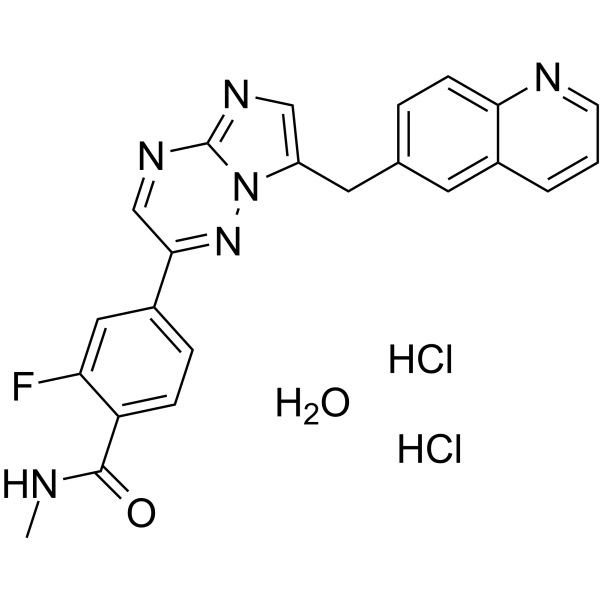
    STAT Cancer
    STAT3-IN-20 (Compound 40) is a selective STAT3 inhibitor (IC50: 0.65 μM). STAT3-IN-20 binds the SH2 domain to inhibit STAT3 phosphorylation, translocation, and downstream gene transcription. STAT3-IN-20 exhibits antiproliferative activities against STAT3-overactivated DU145 and MDA-MB-231 cancer cells (IC50: 2.97 μM and 3.26 μM respectively). STAT3-IN-20 induces cell cycle arrest and apoptosis .
    STAT3-IN-20
  • HY-112447

    STAT Cancer
    STAT3-IN-5 is a potent STAT3 inhibitor. STAT3-IN-5 inhibits STAT3-Y705 phosphorylation with an EC50 value of 170 nM. STAT3-IN-5 inhibits cytokine induced JAK activation. STAT3-IN-5 induces apoptosis. STAT3-IN-5 can be used in research of cancer .
    STAT3-IN-5
  • HY-124067

    IKK JAK STAT NF-κB Cancer
    EC-70124 is an orally active multikinase inhibitor targeting IKKβ and JAK2. EC-70124 blocks IkB phosphorylation and STAT3 (Tyr705) activation, suppressing NF-κB nuclear translocation and STAT3 transcriptional activity. EC-70124 reduces tumor growth and cancer stem cell (CSC) populations in prostate cancer cells and xenograft models. EC-70124 is promising for research of prostate cancer .
    EC-70124

Inquiry Online

Your information is safe with us. * Required Fields.

Salutation


Country or Region *

Applicant Name *


Organization Name *

Department *


Email Address *


Product Name *

Cat. No.


Requested quantity *

Phone Number *


Remarks

Inquiry Online

Inquiry Information

Product Name:
Cat. No.:
Quantity:
MCE Japan Authorized Agent:

