1. Search Result
Search Result
Results for "

Smad3

" in MedChemExpress (MCE) Product Catalog:

37

Inhibitors & Agonists

1

Biochemical Assay Reagents

5

Peptides

10

Natural
Products

2

Recombinant Proteins

10

Antibodies

3

Oligonucleotides

Targets Recommended:
Cat. No. Product Name Target Research Areas Chemical Structure
  • HY-13013
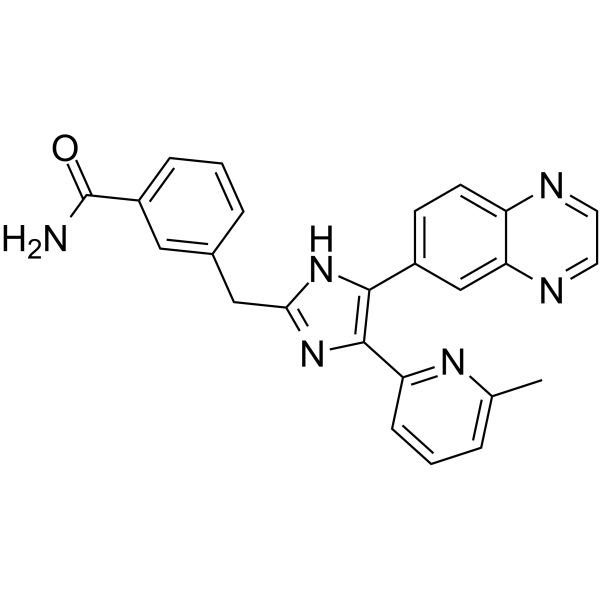
    SIS3
    Maximum Cited Publications
    106 Publications Verification

    TGF-beta/Smad Inflammation/Immunology
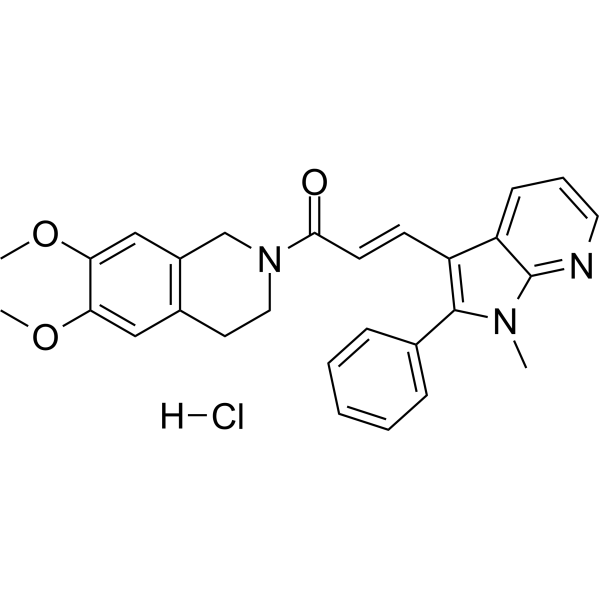
    SIS3 is a potent and selective inhibitor of Smad3 with an IC50 of 3 μM for Smad3 phosphorylation. SIS3 inhibits the myofibroblast differentiation of fibroblasts by TGF-β1 .
    SIS3
  • HY-N2033
    Chebulinic acid
    3 Publications Verification

    DNA/RNA Synthesis TGF-beta/Smad Proton Pump Infection
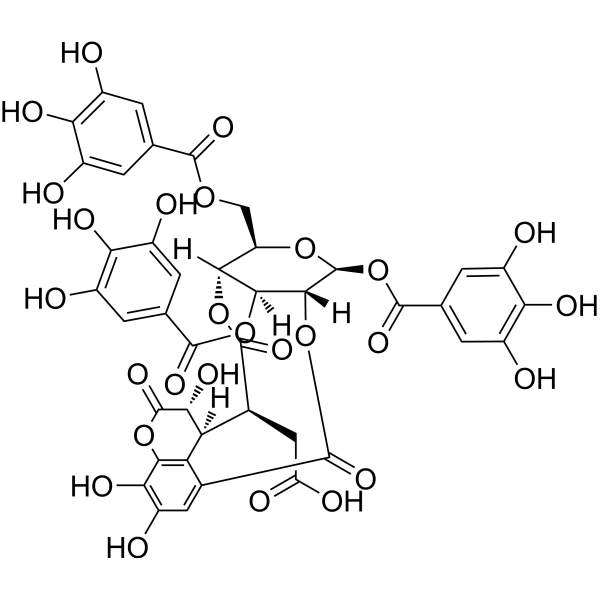
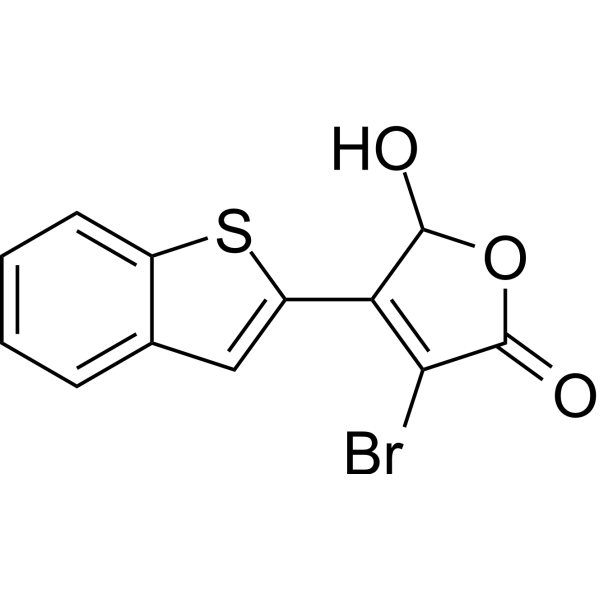
    Chebulinic acid is a potent natural inhibitor of M. tuberculosis DNA gyrase, also can inhibit SMAD-3 phosphorylation, inhibit H+ K+-ATPase activity.
    Chebulinic acid
  • HY-W012977
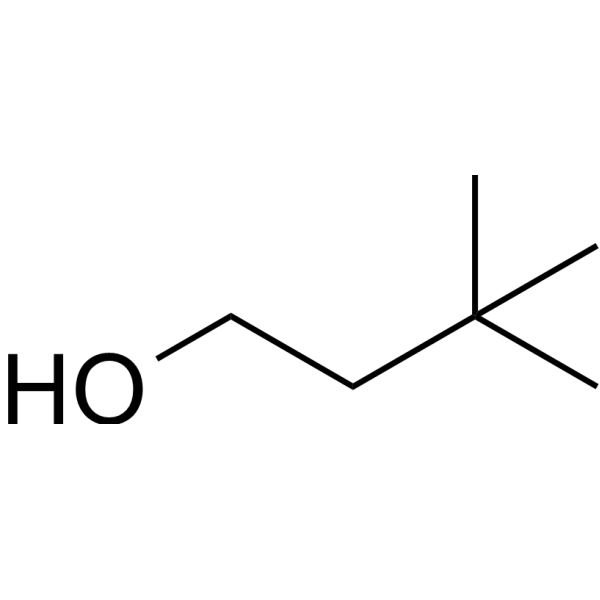
    3,3-Dimethyl-1-butanol
    1 Publications Verification

    DMB; Neohexanol

    TGF-beta/Smad NF-κB Endogenous Metabolite Cardiovascular Disease Metabolic Disease Inflammation/Immunology Cancer
    3,3-Dimethyl-1-butanol (DMB) is an orally active inhibitor of trimethylamine (TMA) and trimethylamine N-oxide (TMAO). 3,3-Dimethyl-1-butanol inhibits the signaling pathway of p65 NF-κB and TGF-β1/Smad3. 3,3-Dimethyl-1-butanol has potential applications in cardiovascular disease (CVD) [3].
    3,3-Dimethyl-1-butanol
  • HY-158426
    2-APQC
    1 Publications Verification

    Sirtuin Cardiovascular Disease
    2-APQC is an orally active and selective agonist of Sirtuin-3 (SIRT3) (Kd=2.756 μM), antagonizes Isoproterenol/ISO (HY-B0468)-induced cytotoxicity. 2-APQC activates the SIRT3-PYCR1 axis to enhance mitochondrial proline metabolism and inhibit the ROS-p38MAPK pathway by inhibiting signaling pathways such as mTOR-p70S6K, JNK, and TGF-β/Smad3. 2-APQC also activates the AMPK-Parkin axis to alleviate myocardial hypertrophy and fibrosis and protect cardiac function. 2-APQC can be used in the study of heart failure .
    2-APQC
  • HY-N2995
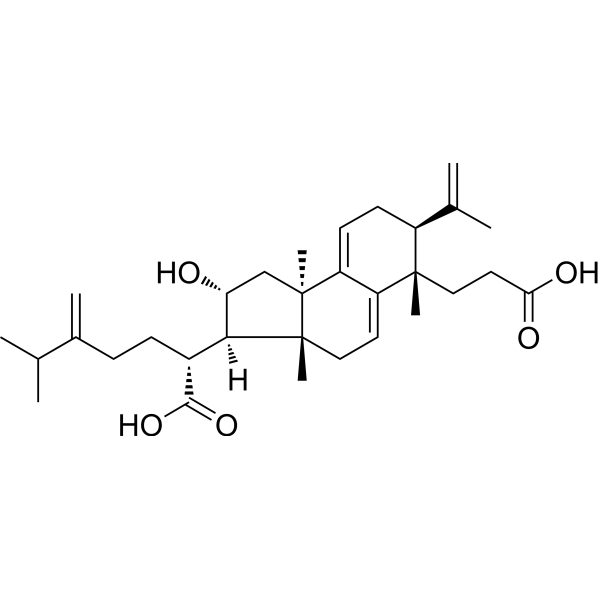
    Poricoic acid A
    1 Publications Verification

    Poricoic acid A(F)

    NF-κB Keap1-Nrf2 AMPK TGF-beta/Smad Reactive Oxygen Species (ROS) Inflammation/Immunology Cancer
    Poricoic acid A can be isolated from Poria cocos. Poricoic acid A is an orally active anti-tumor agent. Poricoic acid A enhances melatonin inhibition of AKI-to-CKD transition by regulating Gas6/AxlNFκB/Nrf2 axis. Poricoic acid A also attenuatea fibroblast activation and abnormal extracellular matrix remodeling in renal fibrosis by activating AMPK and inhibiting Smad3. Poricoic acid A significantly reduces the magnitude of rise in serum creatinine and urea levels in rat model when combined with Melatonin. Poricoic acid A ameliorates renal fibrosis and podocyte injury by attenuating oxidative stress and inflammation through regulating NF-κB and Nrf2 in IRI rodent model in combination with Melatonin [3].
    Poricoic acid A
  • HY-N0732
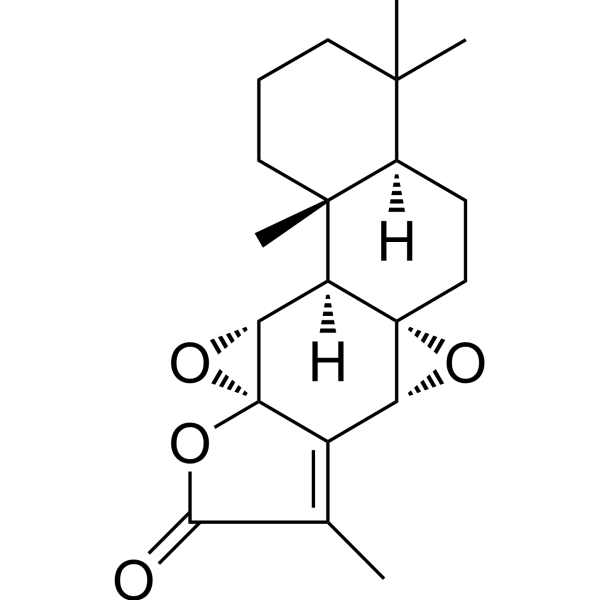
    Jolkinolide B
    1 Publications Verification

    IAP Akt Caspase NF-κB TGF-beta/Smad JAK Bacterial Apoptosis Infection Metabolic Disease Inflammation/Immunology Cancer
    Jolkinolide B is a bioactive diterpene isolated from the roots of Euphorbia fischeriana Steud with oral activity. Jolkinolide B downregulates XIAP, cIAP1, cIAP2, and phosphorylated Akt, upregulates Smac, activates caspase-3 and caspase-9, and inhibits NF-κB, TGFβ/smad3 and JAK/STAT3 pathways. Jolkinolide B exerts comprehensive biological effects including inducing cancer cell apoptosis, suppressing inflammatory responses, improving lung function, alleviating hepatic steatosis and eliminating intracellular Mycobacterium tuberculosis. Jolkinolide B can be used for the research of leukemia, histiocytic lymphoma, asthma, metabolic dysfunction-associated steatotic liver disease and tuberculosis [3] .
    Jolkinolide B
  • HY-P10899

    PROTACs TGF-beta/Smad Endocrinology
    ETTAC-2 is a LRG1 PROTAC degrader, degrading LRG1 via the ubiquitin-proteasome pathway with a DC50 value of 8.38 μM. ETTAC-2 penetrates damaged renal cells to reduce the extracellular secretion of LRG1. ETTAC-2 effectively inhibits the TGF-β-Smad3 signaling pathway and diminishes the secretion of fibrosis-associated extracellular matrix proteins. ETTAC-2 degrades LRG1 within fibrotic kidneys and the efficacy in inhibiting the TGF-β-Smad3 pathway both in vitro and vivo. ETTAC-2 can be used for renal fibrosis research .
    ETTAC-2
  • HY-12953

    TGF-β Receptor TGF-beta/Smad Anaplastic lymphoma kinase (ALK) Cardiovascular Disease Inflammation/Immunology Cancer
    R-268712 is an orally active and selective ALK-5 inhibitor, with an IC50 of 2.5 nM. R-268712 inhibits the phosphorylation of Smad3 in a dose-dependent manner with an IC50 of 10.4 nM. R-268712 suppresses glomerulonephritis as well as glomerulosclerosis by inhibiting TGF-β signaling, which can be used in studies of renal fibrosis and cancer .
    R-268712
  • HY-114495
    Caerulomycin A
    3 Publications Verification

    Cerulomycin; Caerulomycin

    Fungal Antibiotic Infection Inflammation/Immunology
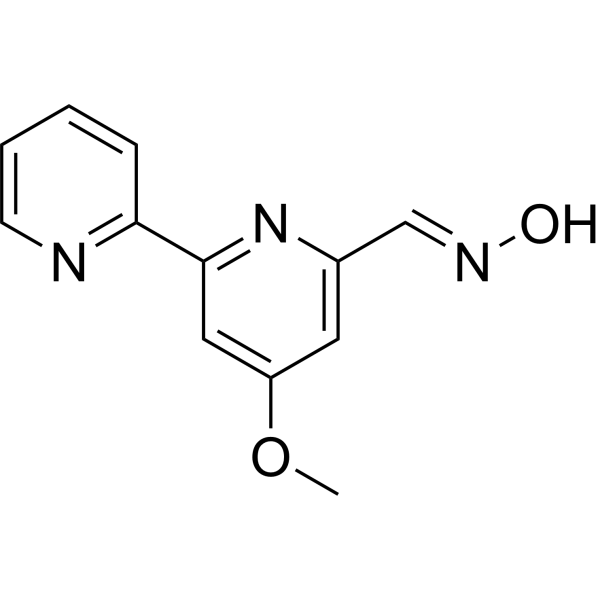
    Caerulomycin A is an orally active immunomodulator and antimicrobial agent. Caerulomycin A targets Smad3, STAT1 and GATA-3. Caerulomycin A downregulates GATA-3 expression, inhibits Th2 cell differentiation and Th2 cytokine production, reduces IgE levels, and alleviates pulmonary inflammatory responses and eosinophil infiltration. Caerulomycin A ameliorates collagen-induced arthritis symptoms, reduces joint inflammation and synovitis, and decreases the levels of proinflammatory cytokines in joints. Caerulomycin A inhibits the growth of some filamentous fungi, yeasts and specific bacteria. Caerulomycin A can be used in research related to arthritis and asthma [3].
    Caerulomycin A
  • HY-100444
    SIS3 free base
    Maximum Cited Publications
    106 Publications Verification

    TGF-beta/Smad Inflammation/Immunology
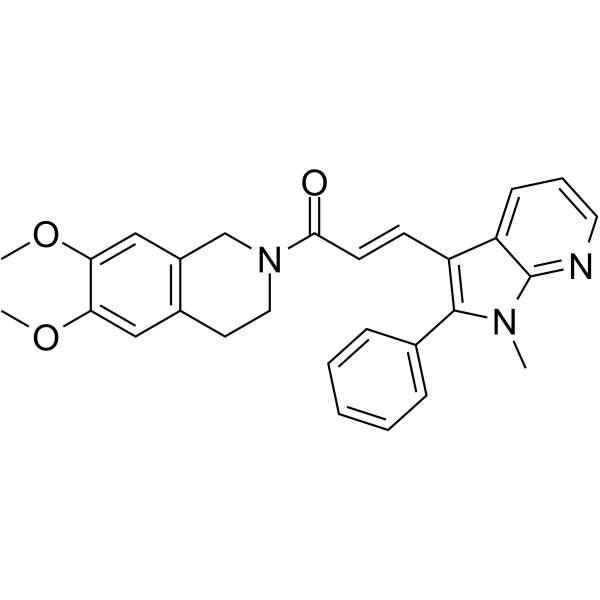
    SIS3 free base is a potent and selective inhibitor of Smad3 phosphorylation. SIS3 free base inhibits the myofibroblast differentiation of fibroblasts by TGF-β1. SIS3 free base does not affect the phosphorylation of Smad2 .
    SIS3 free base
  • HY-47888

    Integrin Inflammation/Immunology
    PLN-1474 (compound 1) is an orally active and selective ανβ1 integrin inhibitor with an IC50 value of <50 nM. PLN-1474 reduces levels of pSMAD3/SMAD3 in liver, hepatic collagen gene expression and hepatic OHP concentration in liver fibrosis mouse model. PLN-1474 can be used for the research of preventing, delaying or researching a fibrotic or cirrhotic disease or disorder.
    PLN-1474
  • HY-121410
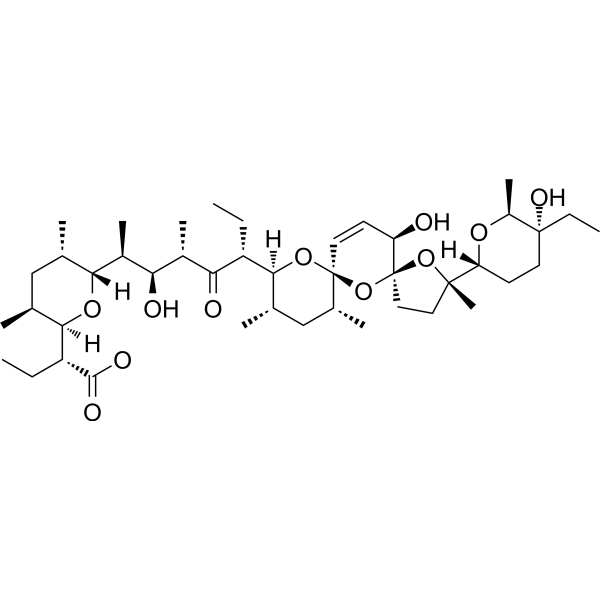
    Narasin
    2 Publications Verification

    Bacterial Apoptosis Parasite NF-κB Antibiotic Infection Cancer
    Narasin is a cationic ionophore antibiotic and coccidiostat agent. Narasin inhibits NF-κB signaling and induces tumor cells apoptosis. Narasin has antimicrobial, antiviral anticancer activity. Narasin inhibits tumor metastasis and growth of ERα‑positive breast cancer cells by inactivation of the TGF-β/SMAD3 and IL‑6/STAT3 signaling pathways [3].
    Narasin
  • HY-18758
    IN-1130
    1 Publications Verification

    TGF-β Receptor Inflammation/Immunology Cancer
    IN-1130 is a highly selective transforming growth factor-β type I receptor kinase (ALK5) inhibitor with an IC50 of 5.3 nM for ALK5-mediated Smad3 phosphorylation. IN-1130 inhibits ALK5 phosphorylation of casein (IC50=36 nM) and p38α mitogen-activated protein kinase (IC50=4.3 μM). IN-1130 suppresses renal fibrosis in obstructive nephropathy and blocks breast cancer lung metastasis .
    IN-1130
  • HY-118119
    CAY10526
    1 Publications Verification

    PGE synthase YB-1 Apoptosis JAK STAT TGF-β Receptor TGF-beta/Smad PI3K Akt Cancer
    CAY10526 is an inhibitor of Y-box binding protein 1 (YB-1) and microsomal prostaglandin E2 synthase 1 (mPGES1). CAY10526 inhibits the production of PGE2 by suppressing YB-1 and mPGES1. CAY10526 induces cell apoptosis (apoptosis) and inhibits the JAK/STAT, TGF-β/Smad3 and PI3K/AKT signaling pathways. CAY10526 can be used in research related to melanoma, prostate cancer, esophageal adenocarcinoma, T-cell lymphoma, etc [3] .
    CAY10526
  • HY-N3266

    Tyrosinase Phosphatase Cholinesterase (ChE) SARS-CoV PERK JNK p38 MAPK TGF-beta/Smad Apoptosis Reactive Oxygen Species (ROS) AMPK MMP Cardiovascular Disease Infection Neurological Disease Inflammation/Immunology Cancer
    Methyl rosmarinate is an orally active hydroxycinnamic acid. Methyl rosmarinate exhibits an IC50 of 24.70 μM and a Ki of 15.29 μM against PTP1B, an IC50 of 41.46 μg/mL against BChE, a Ki of 0.61 mM against mushroom tyrosinase, and an IC50 of 2.50 μM against SARS-CoV-2 3CLpro. Methyl rosmarinate downregulates the phosphorylation levels of ERK, JNK, p38, Smad2 and Smad3. Methyl rosmarinate activates erythrocyte BPGM and promotes the production of 2,3-BPG. Methyl rosmarinate induces apoptosis of fibroblasts. Methyl rosmarinate prolongs the survival time of hypoxic mice. Methyl rosmarinate improves insulin sensitivity. Methyl rosmarinate binds to SARS-CoV-2 3CLpro and inhibits viral replication. Methyl rosmarinate induces glioblastoma cell death. Methyl rosmarinate activates the TGR5/AMPK axis and reduces the levels of ROS and MDA. Methyl rosmarinate shows inhibitory activity against MMP-1. Methyl rosmarinate can be used in research related to pulmonary fibrosis, hypoxia-induced injury, type 2 diabetes, Alzheimer's disease, hyperpigmentation disorders, COVID-19, glioblastoma and myocardial ischemia-reperfusion injury [3] .
    Methyl rosmarinate
  • HY-163536

    TGF-beta/Smad Inflammation/Immunology
    TGF-β1/Smad3-IN-1 (Compound 5aa) is an inhibitor of the TGF-β1/Smad3 signaling pathway(IC50=1.07 μM). TGF-β1/Smad3-IN-1 possesses antifibrotic activity and oral potency .
    TGF-β1/Smad3-IN-1
  • HY-147025

    PROTACs TGF-beta/Smad HIF/HIF Prolyl-Hydroxylase Inflammation/Immunology Cancer
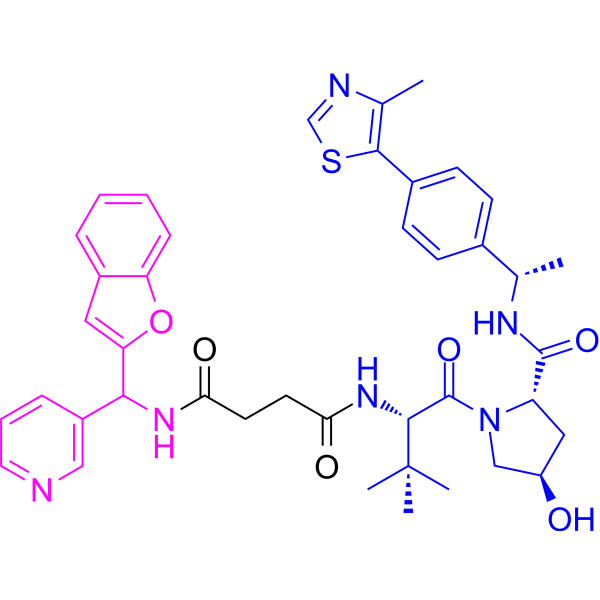
    (S,R,S)-AHPC-C2-amide-benzofuranylmethyl-pyridine is a dual target PROTAC that can not only target to the ubiquitination and degradation of Smad3 but also improve the HIF-α protein level. (S,R,S)-AHPC-C2-amide-benzofuranylmethyl-pyridine has a multi-path anti-fibrosis function and a renal protection function for research of renal anemia. (S,R,S)-AHPC-C2-amide-benzofuranylmethyl-pyridine can be used for research on prostate cancer and other cancers .
    (S,R,S)-AHPC-C2-amide-benzofuranylmethyl-pyridine
  • HY-128439

    DYRK Cancer
    BT173 is a potent homeodomain interacting protein kinase 2 (HIPK2) inhibitor. BT173 binds to HIPK2 and does not inhibit HIPK2 kinase activity but rather, interfered allosterically with the ability of HIPK2 to associate with Smad3. BT173 attenuates renal fibrosis through suppression of the TGF-β1/Smad3 pathway. BT173 can be studied in research for kidney diseases such as renal fibrosis .
    BT173
  • HY-144043

    TGF-β Receptor Cancer
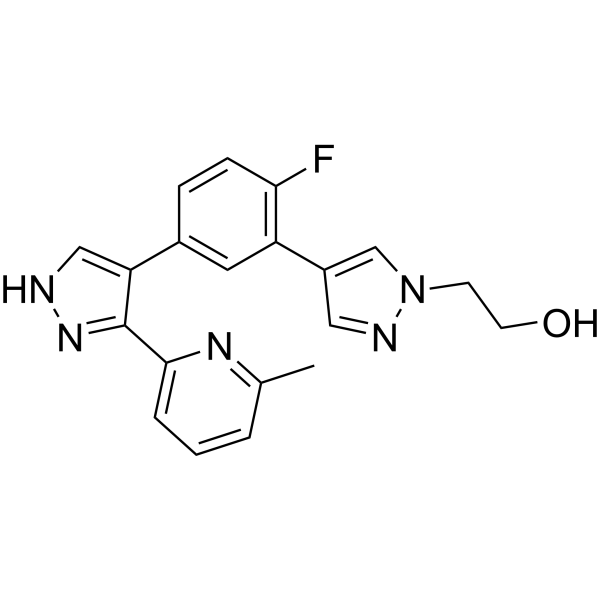
    ALK5-IN-8 is a potent inhibitor of TGFβRI (ALK5). ALK5-IN-8 Inhibits the phosphorylation of ALK5 on its downstream signaling proteins (Smad2 or Smad3) by blocking the binding of TGFβRI to ligands, thereby affecting or blocking TGF-β signaling. ALK5-IN-8 has the potential for the research of various ALK5-mediated related diseases (extracted from patent WO2021190425A1, compound 1) .
    ALK5-IN-8
  • HY-119575

    1,3,7,9-Tetramethyluric acid; Theacrine

    Influenza Virus Collagen Sirtuin Interleukin Related TGF-beta/Smad ERK p38 MAPK Inflammation/Immunology
    Tetramethyluric acid (1,3,7,9-Tetramethyluric acid) is an orally active purine alkaloid in Coffea species and Camellia kucha. Tetramethyluric acid exhibits antiviral, and anti-inflammatory activity. Tetramethyluric acid can be used for the research of inflammation disease, and influenza virus infection [3] .
    Tetramethyluric acid
  • HY-P10363

    TGF-β Receptor Others
    Tiger17 is an effective wound healing agent. Tiger17 is able to induce the secretion of TGF-β1 and acts through the Smad signaling pathway, specifically promoting wound healing by increasing the phosphorylation of Smad2 and Smad3 .
    Tiger17
  • HY-146434
    TGFβ-IN-2
    1 Publications Verification

    TGF-beta/Smad Inflammation/Immunology
    TGFβ-IN-2 is an orally active TGF-β inhibitor. TGFβ-IN-2 suppresses the TGF-β-induced protein expression of COL1A1, α-SMA, and p-Smad3 in vitro. TGFβ-IN-2 demonstrates excellent anti-fibrotic efficacy in Bleomycin (HY-108345)-induced pulmonary fibrosis model. TGFβ-IN-2 can be used for the study of pulmonary fibrosis .
    TGFβ-IN-2
  • HY-W108953

    TGF-beta/Smad Metabolic Disease
    Myristoyl tetrapeptide-12 directly activates SMAD2 and induces the linking of SMAD3 with DNA. Myristoyl tetrapeptide-12 is capable of stimulating hair growth, especially at the level of eyelashes .
    Myristoyl tetrapeptide-12
  • HY-RS13394

    Small Interfering RNA (siRNA) Others

    SMAD3 Human Pre-designed siRNA Set A contains three designed siRNAs for SMAD3 gene (Human), as well as a negative control, a positive control, and a FAM-labeled negative control.

    SMAD3 Human Pre-designed siRNA Set A
    SMAD3 Human Pre-designed siRNA Set A
  • HY-RS23210

    Small Interfering RNA (siRNA) Others

    Smad3 Rat Pre-designed siRNA Set A contains three designed siRNAs for Smad3 gene (Rat), as well as a negative control, a positive control, and a FAM-labeled negative control.

    Smad3 Rat Pre-designed siRNA Set A
    Smad3 Rat Pre-designed siRNA Set A
  • HY-RS16770

    Small Interfering RNA (siRNA) Others

    Smad3 Mouse Pre-designed siRNA Set A contains three designed siRNAs for Smad3 gene (Mouse), as well as a negative control, a positive control, and a FAM-labeled negative control.

    Smad3 Mouse Pre-designed siRNA Set A
    Smad3 Mouse Pre-designed siRNA Set A
  • HY-N2033R

    Reference Standards DNA/RNA Synthesis TGF-beta/Smad Proton Pump Infection
    Chebulinic acid (Standard) is the analytical standard of Chebulinic acid. This product is intended for research and analytical applications. Chebulinic acid is a potent natural inhibitor of M. tuberculosis DNA gyrase, also can inhibit SMAD-3 phosphorylation, inhibit H+ K+-ATPase activity.
    Chebulinic acid (Standard)
  • HY-114683

    TGF-beta/Smad Cardiovascular Disease
    KS370G is an orally active hypoglycemic and cardiovascular protective agent. KS370G improves left ventricular hypertrophy and function in pressure-overload mice heart. KS370G reduces renal obstructive nephropathy .
    KS370G
  • HY-P11227

    TGF-β Receptor TGF-beta/Smad Neurological Disease
    Compound 19A8.8 is a cyclic peptide derived from a CD36 protein fragment. Compound 19A8.8 inhibits the TGF-β/Smad3 signaling pathway by suppressing the interaction between TSP1 and CD36. Compound 19A8.8 has no obvious cytotoxicity. Compound 19A8.8 can be used for research on colon injury and fibrosis .
    Compound 19A8.8
  • HY-175662

    TGF-beta/Smad Inflammation/Immunology
    TGF-β/Smad-IN-2 is an orally active TGF-β/Smad inhibitor. TGF-β/Smad-IN-2 inhibits TGF-β-induced fibroblast-to-myofibroblast differentiation and collagen deposition, with an IC50 value of 102 μM for collagen reduction in LL29 cells. TGF-β/Smad-IN-2 exerts its effects through modulation of the SMAD3/SMAD7 signaling pathway. TGF-β/Smad-IN-2 reduces lung index in pulmonary fibrosis mice. TGF-β/Smad-IN-2 can be used for the study of pulmonary fibrosis .
    TGF-β/Smad-IN-2
  • HY-P11223

    TGF-beta/Smad Inflammation/Immunology
    CMF9, a cyclic peptide molecule, is an inhibitor of the SMAD2-SMAD4 interaction. CMF9 effectively blocks the formation of the heterodimeric complex of SMAD2 and SMAD4 by inhibiting the phosphorylation of SMAD2. CMF9 has no effect on the phosphorylation of SMAD3 or SMAD1/5/8. CMF9 downregulates the expression of fibrotic markers α-SMA and COL1A1. CMF9 exhibits potent anti-fibrotic effects in mouse models by promoting the degradation of pathological extracellular matrix (ECM) and inhibiting inflammation. CMF9 can be used for the study of liver fibrosis .
    CMF9
  • HY-182038

    VD/VDR TGF-beta/Smad Collagen Hippo (MST) Metabolic Disease
    TGF-β1/Smad3-IN-2 is an orally active antifibrotic agent. TGF-β1/Smad3-IN-2 has high affinity for VDR and can inhibit the TGFβ/SMAD3 signaling pathway. TGF-β1/Smad3-IN-2 inhibits hepatic stellate cell activation, reduces extracellular matrix deposition, and alleviates liver fibrosis in a bile duct ligation mouse model. TGF-β1/Smad3-IN-2 can be used for the research of liver fibrosis .
    TGF-β1/Smad3-IN-2
  • HY-W109107

    PPAR TGF-beta/Smad Interleukin Related Inflammation/Immunology
    GED 0507-34-Levo is an orally active PPARγ modulator. GED 0507-34-Levo downregulates the expression of TGF-β, Smad3, IL-13, and CTGF in the colon. GED 0507-34-Levo improves DSS-induced chronic colitis and fibrosis .
    GED 0507-34-Levo
  • HY-18758R

    TGF-β Receptor Inflammation/Immunology Cancer
    IN-1130 (Standard) is the analytical standard of IN-1130. This product is intended for research and analytical applications. IN-1130 is a highly selective transforming growth factor-β type I receptor kinase (ALK5) inhibitor with an IC50 of 5.3 nM for ALK5-mediated Smad3 phosphorylation. IN-1130 inhibits ALK5 phosphorylation of casein (IC50=36 nM) and p38α mitogen-activated protein kinase (IC50=4.3 μM). IN-1130 suppresses renal fibrosis in obstructive nephropathy and blocks breast cancer lung metastasis .
    IN-1130 (Standard)
  • HY-N0732R

    Reference Standards IAP Akt Caspase NF-κB TGF-beta/Smad JAK Bacterial Apoptosis Infection Inflammation/Immunology Cancer
    Jolkinolide B (Standard) is the analytical standard of Jolkinolide B (HY-N0732). This product is intended for research and analytical applications. Jolkinolide B is a bioactive diterpene isolated from the roots of Euphorbia fischeriana Steud with oral activity. Jolkinolide B downregulates XIAP, cIAP1, cIAP2, and phosphorylated Akt, upregulates Smac, activates caspase-3 and caspase-9, and inhibits NF-κB, TGFβ/smad3 and JAK/STAT3 pathways. Jolkinolide B exerts comprehensive biological effects including inducing cancer cell apoptosis, suppressing inflammatory responses, improving lung function, alleviating hepatic steatosis and eliminating intracellular Mycobacterium tuberculosis. Jolkinolide B can be used for the research of leukemia, histiocytic lymphoma, asthma, metabolic dysfunction-associated steatotic liver disease and tuberculosis [3] .
    Jolkinolide B (Standard)
  • HY-N17639

    TGF-beta/Smad TGF-β Receptor Others
    Regiafuran C is a compound with both TGF-βRI inhibitory and anti-fibrotic activities. Regiafuran C effectively inhibits renal fibrosis by binding to TGF-βRI and interfering with the TGF-β/Smad and Wnt/β-catenin signaling pathways. Regiafuran C also exhibits free radical scavenging activity, but shows no anti-inflammatory activity in PGE2 competitive enzyme immunoassays. The ability of Regiafuran C to specifically block the Smad3-TGF-βRII interaction and inhibit fibrotic processes allows its use in renal fibrosis research .
    Regiafuran C
  • HY-W012977R

    DMB (Standard); Neohexanol (Standard)

    TGF-beta/Smad Reference Standards NF-κB Endogenous Metabolite Cardiovascular Disease Metabolic Disease Inflammation/Immunology Cancer
    3,3-Dimethyl-1-butanol (Standard) is the analytical standard of 3,3-Dimethyl-1-butanol (HY-W012977). This product is intended for research and analytical applications. 3,3-Dimethyl-1-butanol (DMB) is an orally active inhibitor of trimethylamine (TMA) and trimethylamine N-oxide (TMAO). 3,3-Dimethyl-1-butanol inhibits the signaling pathway of p65 NF-κB and TGF-β1/Smad3. 3,3-Dimethyl-1-butanol has potential applications in cardiovascular disease (CVD) [3].
    3,3-Dimethyl-1-butanol (Standard)

Inquiry Online

Your information is safe with us. * Required Fields.

Salutation


Country or Region *

Applicant Name *


Organization Name *

Department *


Email Address *


Product Name *

Cat. No.


Requested quantity *

Phone Number *


Remarks

Inquiry Online

Inquiry Information

Product Name:
Cat. No.:
Quantity:
MCE Japan Authorized Agent:

