

1. Search Result
Search Result
Results for "

Synergistic activities

" in MedChemExpress (MCE) Product Catalog:

199

Inhibitors & Agonists

2

Screening Libraries

3

Biochemical Assay Reagents

18

Peptides

9

Inhibitory Antibodies

24

Natural
Products

1

Click Chemistry

2

Oligonucleotides

Cat. No. Product Name Target Research Areas Chemical Structure
  • HY-P99100
    Visugromab
    2 Publications Verification

    CTL-002

    TGF-beta/Smad PD-1/PD-L1 Cancer
    Visugromab (CTL-002) is a GDF-15 neutralizing IgG4 mAb. Visugromab has synergistic anticancer activity with the anti-PD1 antibody Nivolumab (HY-P9903) and can effectively act on PD-1/PD-L1 relapsed/refractory metastatic solid tumors. Recommend Isotype Controls: Human IgG4 (S228P) kappa, Isotype Control (HY-P99003) .
    Visugromab
  • HY-A0241
    Dalfopristin
    2 Publications Verification

    RP54476

    Antibiotic Bacterial Infection
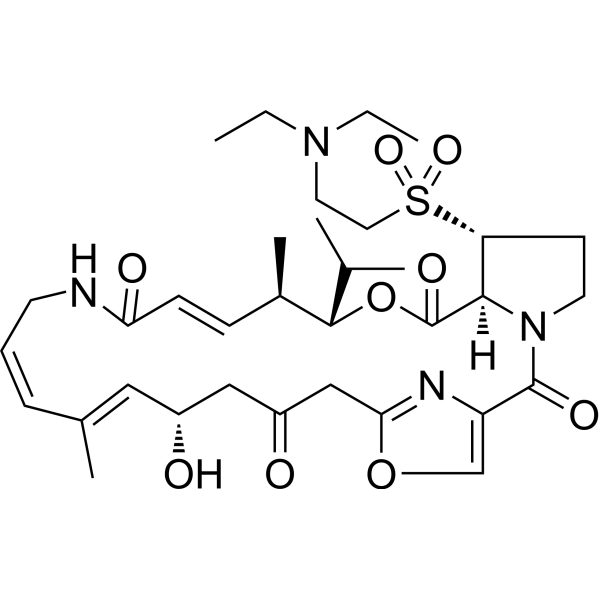
    Dalfopristin (RP54476) is a semisynthetic sulfone antibiotic. Dalfopristin alone has limited antibacterial activity, but synergistically with Quinupristin it has significant bactericidal activity against many pathogenic Gram-positive cocci .
    Dalfopristin
  • HY-30270

    p-Hydroxyanisole

    HSP Estrogen Receptor/ERR Endocrinology
    Mequinol (4-Methoxyphenol)yes MercurialisOne of the bioactive ingredients, mainly used for skin discoloration . MequinolIs an antioxidant that has additive/synergistic effects on carcinogenesis when combined with other phenolic antioxidants. Mequinolalso promote hERαDependent chaperone production with potential estrogenic activity .
    Mequinol
  • HY-Y0958
    Methoxyamine hydrochloride
    1 Publications Verification

    O-Methylhydroxylamine hydrochloride

    DNA/RNA Synthesis Apoptosis Cancer
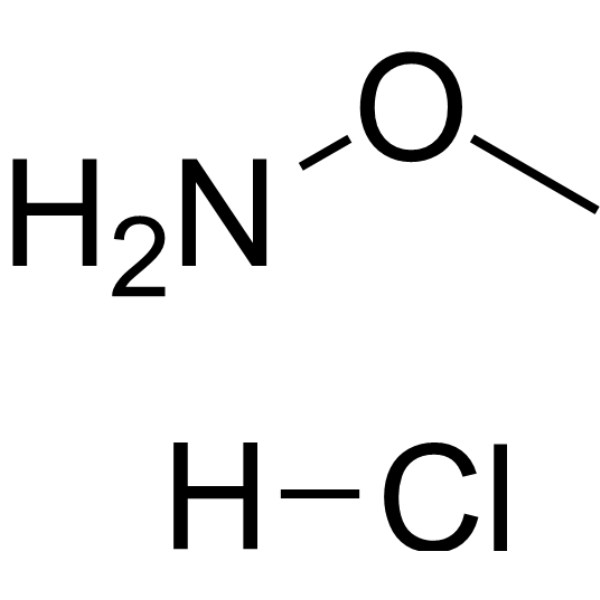
    Methoxyamine (O-Methylhydroxylamine) hydrochloride is an orally active and potent base excision repair (BER) inhibitor. Methoxyamine hydrochloride binds to 3’ hydroxyl groups that are left behind by 3-methylpurine-DNA glycosylase (MPG) following excision of the damaged base and thus inhibits BER activity. Methoxyamine hydrochloride binds directly to the apyrimidinic (AP) sites. Methoxyamine hydrochloride synergistically enhances the therapeutic efficacy of DNA-damaging agents .
    Methoxyamine hydrochloride
  • HY-150090
    SRI-41315
    1 Publications Verification

    CFTR Inflammation/Immunology
    SRI-41315 induces a prolonged pause at stop codons and suppresses PTCs (premature termination codons) associated with cystic fibrosis in immortalized and primary human bronchial epithelial cells, restoring CFTR (cystic fibrosis transmembrane conductance regulator) expression and function. SRI-41315 suppresses PTCs by reducing the abundance of the termination factor eRF1. SRI-41315 also potentiates aminoglycoside-mediated readthrough, leading to synergistic increases in CFTR activity .
    SRI-41315
  • HY-W014130
    N-Acetyl-L-arginine
    1 Publications Verification

    Ac-Arg-OH

    Endogenous Metabolite Others
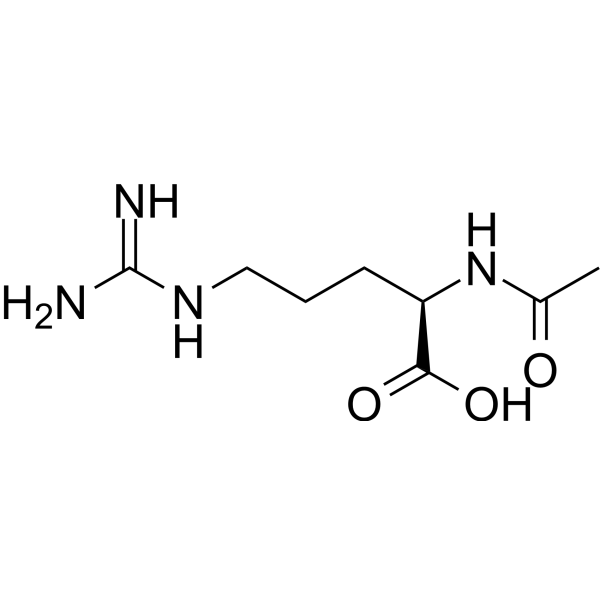
    N-Acetyl-L-arginine (Ac-Arg-OH) is one of the guanidino compounds found elevated in the serum of a hemodialyzed renal insufficient (uremic) pediatric population. N-Acetyl-L-arginine shows synergistic activity with glycine buffer. N-Acetyl-L-arginine suppresses the aggregation of intravenous immunoglobulins with a minimum decrease in transition temperature. N-Acetyl-L-arginine dramatically reduces IL-1 expression in the presence of silicone oil. N-Acetyl-L-arginine also demonstrates colloidal stability .
    N-Acetyl-L-arginine
  • HY-W141881

    Environmental Pollutants Biochemical Assay Reagents HSV Infection
    N-lauroylsarcosine is an anionic surfactant. N-lauroylsarcosine has antiviral activity against HSV-2 strain 333 and HSV-1 strain F. N-lauroylsarcosine synergistically increases skin permeability with 25-50% ethanol. N-lauroylsarcosine can be used to study HSV-2 infection .
    N-Lauroylsarcosine
  • HY-122639
    ZINC05007751
    3 Publications Verification

    NEKs Cancer
    ZINC05007751 is a potent NIMA-related kinase NEK6 inhibitor with an IC50 of 3.4 μM. ZINC05007751 shows antiproliferative activity against a panel of human cancer cell lines, and displays a synergistic effect with Cisplatin and Paclitaxel in a BRCA2 mutated ovarian cancer cell line. ZINC05007751 is very selective against NEK1 and NEK6 with no significant activity was observed against NEK2, NEK7, and NEK9 .
    ZINC05007751
  • HY-N0417
    Cucurbitacin E
    5+ Cited Publications

    α-Elaterin; α-Elaterine

    CDK Autophagy PANoptosis Metabolic Disease Inflammation/Immunology Cancer
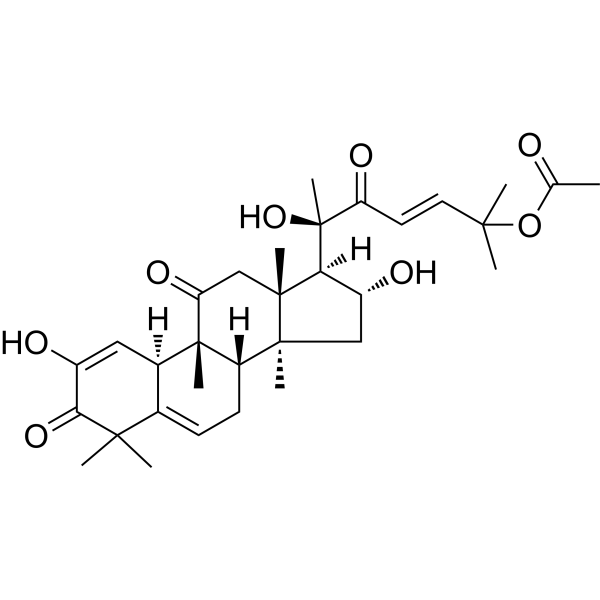
    Cucurbitacin E is a CDK1 inhibitor that significantly inhibits the activity of the cyclin B1/CDC2 complex. Cucurbitacin E also induces PANoptosis in adrenocortical carcinoma cells in a ZBP1-dependent manner. Cucurbitacin E exhibits synergistic effects with Mitotane (HY-13690); when used in combination, they effectively eliminate tumors .
    Cucurbitacin E
  • HY-P10533

    Tyrosinase Others
    Cysteine peptide is a tyrosinase inhibitor with skin-whitening, antioxidant and multi-regulatory activities. Cysteine peptide inhibits enzyme activity and blocks melanin transport, effectively reducing UV-B-induced skin erythema and pigmentation. Cysteine peptide synergistically maintains skin health by quenching ROS, resisting oxidative stress and promoting pheomelanin production. Cysteine peptide safely prevents daily ultraviolet damage and supports moderate sun exposure for vitamin D synthesis. Cysteine peptide also acts as a plant signaling factor to regulate vegetative growth, development and stress resistance responses .
    Cysteine peptide
  • HY-B0901
    Bromperidol
    2 Publications Verification

    R-11333

    Dopamine Receptor Bacterial Infection Neurological Disease
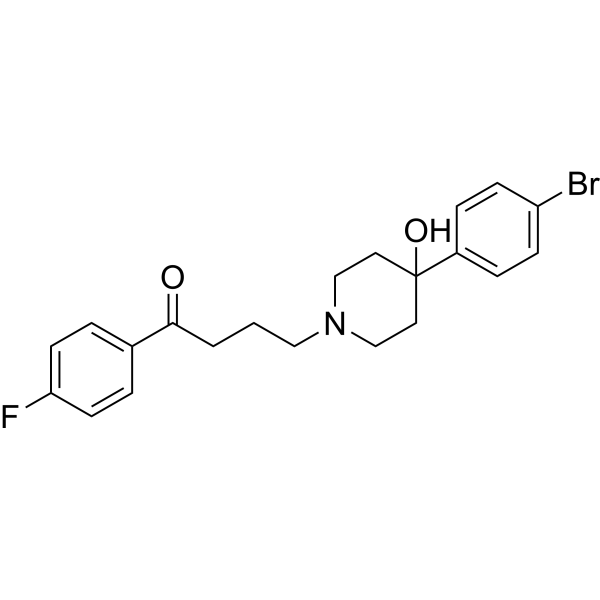
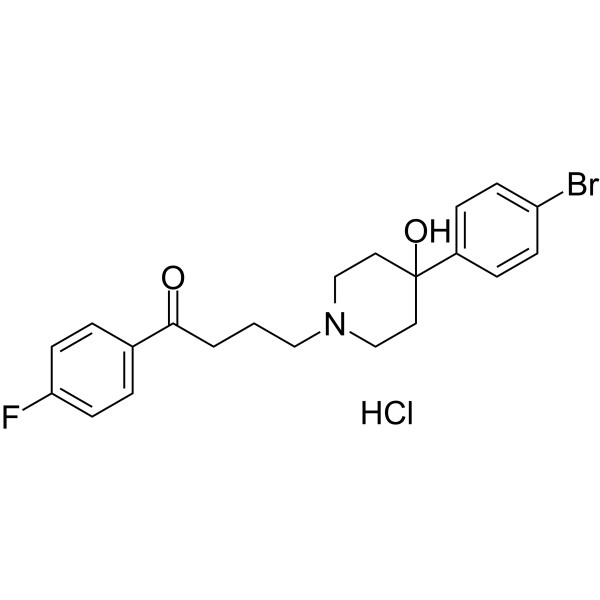
    Bromperidol (R-11333) possesses antipsychotic activity, with a high affinity for central dopamine receptors D2. Bromperidol can kill Mycobacteria in a synergistic manner with Spectinomycin .
    Bromperidol
  • HY-105042

    Selanc; TP-7

    GABA Receptor Neurological Disease
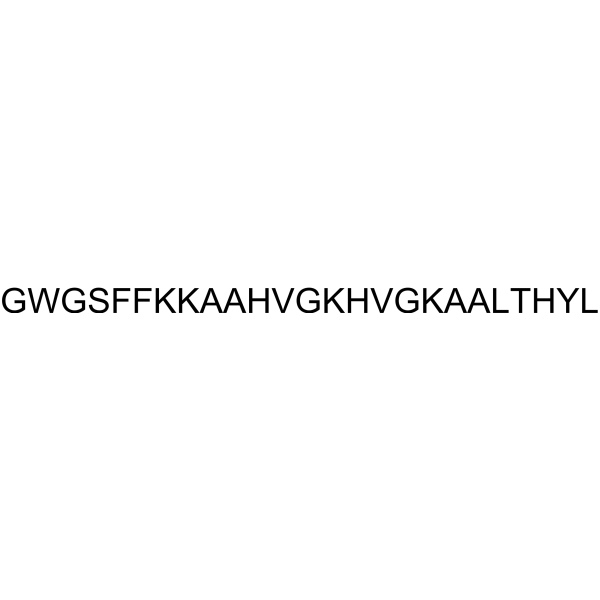
    Selank (Selanc; TP-7) is a GABAA receptor modulator with anxiolytic activity. Selank allosterically modulates the specific binding of GABA to GABAA receptors and alters the affinity of endogenous ligands for these receptors. Selank reduces elevated anxiety levels, attenuates stress-induced exacerbation of anxiety, and produces a synergistic anxiolytic effect with diazepam. Selank can be used in the research of anxiety disorders .
    Selank
  • HY-N7135

    Tyrosinase Fungal Metabolic Disease Inflammation/Immunology Cancer
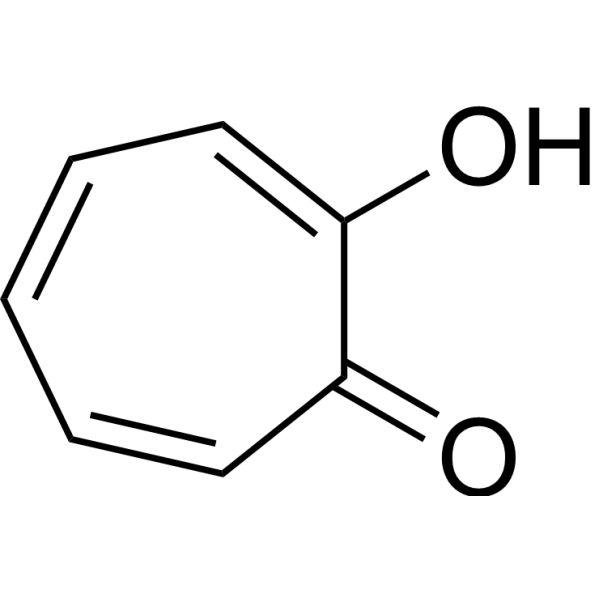
    Tropolone is a seven-membered non-benzenoid aromatic compound, which is the precursor of many Azulene derivatives. Tropolone is a potent mushroom tyrosinase inhibitor with an IC50 value of 0.4 μM. Its inhibitory effect can be achieved by dialysis or excess CU2+ Reversa. Tropolone exhibits broad anti-viral and anti-fungal activity and is synergistic upon co-treatment with nucleos(t)ide analog drugs. Tropolone is a promising candidate for research in osteosarcoma .
    Tropolone
  • HY-112665

    Streptogramin; Mikamycin; RP 7293

    Antibiotic Bacterial Infection
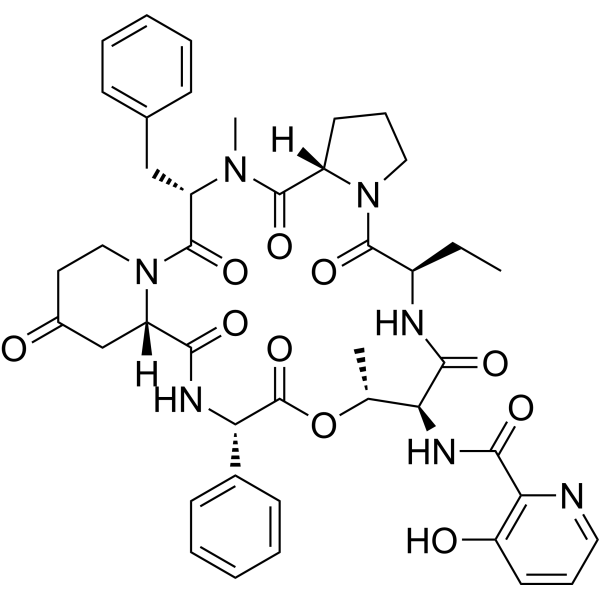
    Virginiamycin Complex (Streptogramin) is an antibiotic containing two streptogramins, virginiamycin M (VM) and virginiamycin S (VS), which are produced by S. virginiae. As a complex, these two antibiotics in Virginiamycin Complex act synergistically. The action of VM is persistent and catalytic, and it can alter the affinity of ribosomes for VS. Virginiamycin Complex irreversibly inhibits protein synthesis in bacteria and has antibacterial activity .
    Virginiamycin Complex
  • HY-W134005

    Ethylenediaminetetraacetic acid magnesium disodium tetrahydrate

    Phosphatase Others
    Mg(Ⅱ)-EDTA disodium tetrahydrate is a reversible non-covalent activator of fructose diphosphatase (Km=0.9 μM). Mg(Ⅱ)-EDTA disodium tetrahydrate synergistically activates fructose diphosphatase with free Mg 2+, promotes the hydrolysis of fructose-1,6-bisphosphate at pH≤8, and plays a role in enhancing the activity of key enzymes in gluconeogenesis .
    Mg(Ⅱ)-EDTA disodium tetrahydrate
  • HY-P5589

    PlnA

    Bacterial Reactive Oxygen Species (ROS) Infection Inflammation/Immunology
    Plantaricin A is an antimicrobial peptide that can be derived from Lactobacillus plantarum. Plantaricin A has a synergistic effect with Ciprofloxacin. Plantaricin A shows anti-microbial activity. Plantaricin A increases the membrane potential of S. aureus and the level of intracellular ROS. Plantaricin A inhibits the function of the efflux pump by binding it and altering the structure of MepA, NorA, and LmrS. Plantaricin A significantly relieves inflammation, and promotes wound healing. Plantaricin A permeabilizes cancerous rat pituitary cells [1][2].
    Plantaricin A
  • HY-177760

    Carboxypeptidase Apoptosis Akt Cancer
    PrCP-7414 is a prolyl carboxypeptidase (PRCP) inhibitor. PrCP-7414 blocks PRCP-mediated activation of the IGF1R/HER3 signaling pathway and subsequent AKT activation. PrCP-7414 exhibits pro-apoptotic, anti-tumor and synergistic cytotoxic activities, and inhibits the proliferation and survival of triple-negative breast cancer cells. PrCP-7414 can be used for the research of breast cancer .
    PrCP-7414
  • HY-19476

    Virus Protease Infection
    AG-7404 is an orally active, irreversible inhibitor of the picornavirus 3C protease. AG-7404 blocks the processing of viral polyproteins, thereby inhibiting viral replication. AG-7404 has synergistic antiviral activity with capsid inhibitors such as V-073 (HY-104074) or BTA798 (HY-106254) and is effective against V-073-resistant variants. AG-7404 is used in the study of enterovirus infections such as poliovirus .
    AG-7404
  • HY-160409

    Topoisomerase Apoptosis Cancer
    TopBP1-IN-1 is a TopBP1 inhibitor. TopBP1-IN-1 has a synergistic effect with PARP inhibitors. TopBP1-IN-1 has antitumor activity .
    TopBP1-IN-1
  • HY-108531

    RAR/RXR Metabolic Disease
    ER 50891 is a RARα antagonist. ER 50891 can significantly antagonize the inhibitory effect of all-trans retinoic acid (ATRA) on the total cell metabolic activity and proliferation of MC3T3-E1 preosteoblasts. ER 50891 rescues ATRA-inhibited osteocalcin (OCN) expression and extracellular matrix mineralization, and suppresses alkaline phosphatase (ALP) activity synergistically. ER 50891 can be used for the study of osteoporosis related to ATRA-induced inhibition of osteoblastogenesis .
    ER 50891
  • HY-153731

    Deubiquitinase Cancer
    USP1-IN-4 (compound 10) is an effective USP1 inhibitor with an IC50 value of 2.44 nM. USP1-IN-4 has anticancer activity and synergistic activity with various anticancer drugs .
    USP1-IN-4
  • HY-106892

    348U87

    DNA/RNA Synthesis Infection
    BW 348U87 is an inhibitor for ribonucleotide reductase, which exhibits synergistic effect with Acyclovir (HY-17422), potentiate the antiviral activity of Acyclovir against herpes simplex virus (HSV) in athymic nude mouse model .
    BW 348U87
  • HY-118911

    ATM/ATR Cancer
    ATM Inhibitor-10 (compound 74), a 3-quinoline carboxamide, is a highly selective and orally active ATM inhibitor (IC50: 0.6 nM). ATM Inhibitor-10 has anti-tumor activity in SW620 xenograft models. ATM Inhibitor-10 is synergistic with Top I inhibitors .
    ATM Inhibitor-10
  • HY-155248

    HDAC Cancer
    HL23 is a histone deacetylase (HDAC) inhibitor with activity against hepatocellular carcinoma (HCC). HL23 enhances acetylation of the TXNIP promoter and upregulates TXNIP expression, thereby mediating potassium channel activity and triggering TXNIP-dependent potassium deprivation. HL23 inhibits HCC progression and metastasis and has a synergistic effect with Sorafenib (HY-10201) and is more potent than Sorafenib+Vorinostat (HY-10221) .
    HL23
  • HY-161765

    HSP STAT Cancer
    iHSP110-33 is an inhibitor for heat shock protein 110 (HSP110). iHSP110-33 exhibits antitumor efficacy agaisnt large B-cell lymphoma and classical Hodgkin lymphoma. iHSP110-33 shows a synergistic effect with Selinexor (HY-17536), inhibits the STAT6 phosphorylation, and enhances its antitumor activity. .
    iHSP110-33
  • HY-161152

    DNA/RNA Synthesis Apoptosis Cancer
    DNA relaxation-IN-1 (Compound 27) is a DNA ligase 1 DNA Lig1) inhibitor. DNA relaxation-IN-1 inhibits DNA ligation and disrupts the DNA relaxing activity of DNA Lig1. DNA relaxation-IN-1 induces Apoptosis. DNA relaxation-IN-1, in combination with Topotecan (HY-13768), exhibits synergistic antiproliferative effects against colorectal cancer .
    DNA relaxation-IN-1
  • HY-170361

    Methylenetetrahydrofolate Dehydrogenase (MTHFD) Cancer
    MTHFD2-IN-5 (Compound 16e) is a selective MTHFD2 inhibitor with an IC50 of 66 nM. MTHFD2-IN-5 selectively inhibits MTHFD2. MTHFD2-IN-5 exhibits anticancer activity against acute myeloid leukemia. MTHFD2-IN-5 acts synergistically with Alimta to inhibit the proliferation of acute myeloid leukemia cells .
    MTHFD2-IN-5
  • HY-146112

    IRAK Cancer
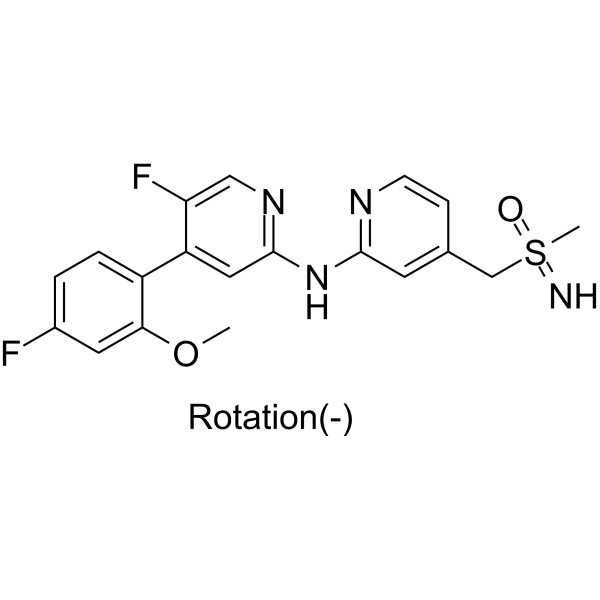
    IRAK4-IN-14 (compound 28) is a potent, selective and orally active IRAK4 inhibitor with an IC50 of 0.003 µM. IRAK4-IN-14 shows good PK parameters in rats and mouse. IRAK4-IN-14 shows synergistic in vitro activity against MyD88/CD79 double mutant ABC-DLBCL in combination with Acalabrutinib .
    IRAK4-IN-14
  • HY-164460

    Pim Cancer
    AZD1897 is a PIM1, PIM2, and PIM3 inhibitor with IC50 values of less than 3 nM for these three PIM kinases. AZD1897 exhibits anticancer activity and synergistically inhibits the activity of acute myeloid leukemia (AML) cells in combination with Capivasertib (HY-15431). This synergistic inhibitory effect is achieved through the inhibition of the mTOR and MCL1 pathways .
    AZD1897
  • HY-157937

    IFNAR Cancer
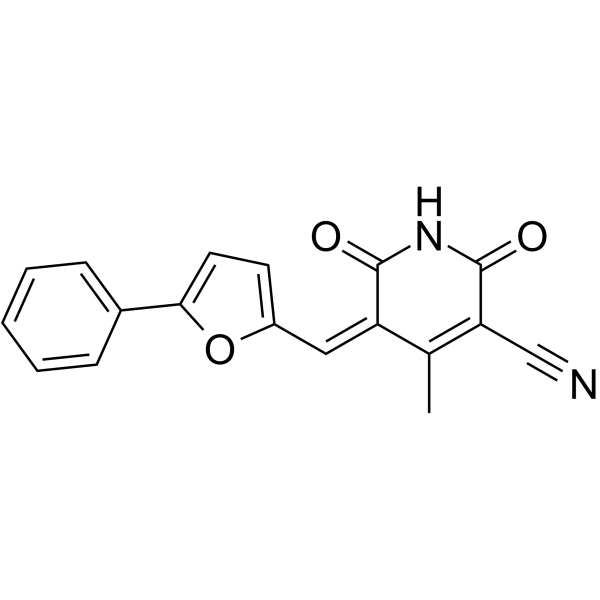
    VISTA-IN-3 (Compound A4) is a potent VISTA small molecule inhibitor with a KD value of 0.49 μM. VISTA-IN-3 can induce the release of IFN-γ cytokines. VISTA-IN-3 synergistically enhances anti-cancer activity with PD-L1 antibody .
    VISTA-IN-3
  • HY-147310

    Toll-like Receptor (TLR) Infection
    CU-CPD107 is a potent, selective toll-like receptor 8 (TLR 8) agonist. CU-CPD107 inhibits TLR8 signaling. CU-CPD107 converts to synergistic agonist activities in the presence of ssRNA and induces TLR8 signaling. CU-CPD107 inhibits proinflammatory factor expression and avoids immune responses in the presence of ssRNA .
    CU-CPD107
  • HY-161356

    DNA/RNA Synthesis SARS-CoV Infection
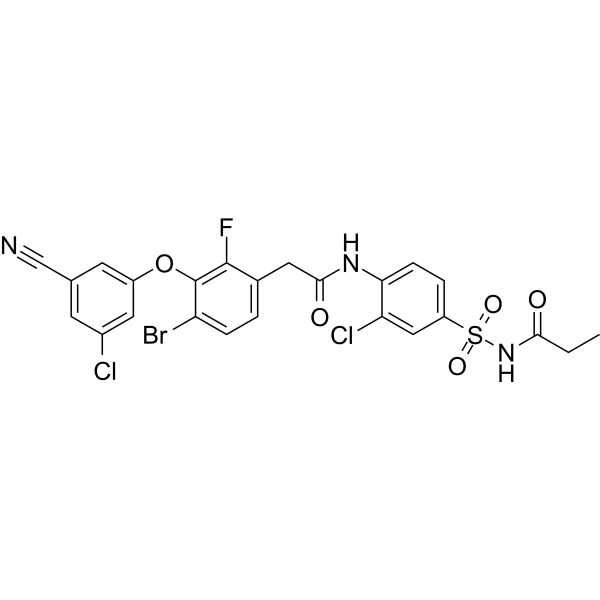
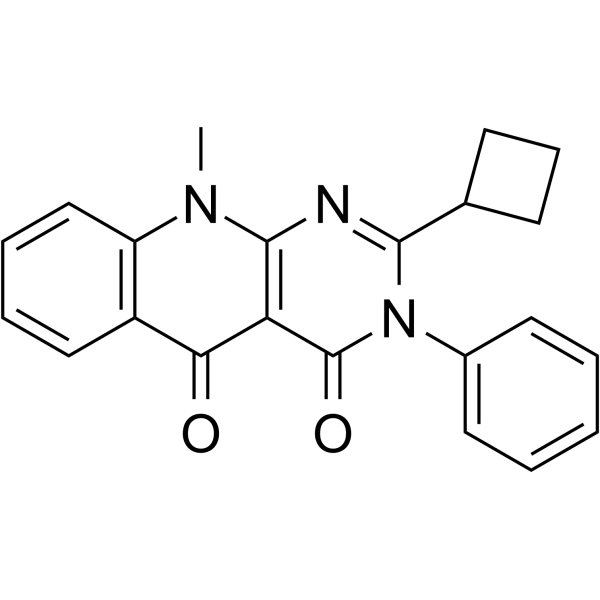
    BPR3P0128 is an orally active, non-nucleoside RNA-dependent RNA polymerase (RdRp) inhibitor that has been shown to inhibit the activity of various SARS-CoV-2 variants. The EC50 for SARS-CoV-2 and HCoV-229E are 0.62 μM and 0.14 μM. BPR3P0128 demonstrates effective anti-pancoronavirus activity within the submicromolar range. PR3P0128 shows synergistic antiviral activity when combined with Remdesivir (HY-104077) .
    BPR3P0128
  • HY-130079

    Penicillin G procaine

    Bacterial Infection
    Procaine benzylpenicillin (Penicillin G procaine) is an antimicrobial agent. Procaine benzylpenicillin shows inhibitory activity against gram-positive bacteria and synergistic activity with Neomycin (HY-B0470). Procaine benzylpenicillin can be used in the study of bovine mastitis in animal husbandry .
    Procaine benzylpenicillin
  • HY-144659

    Beta-lactamase Apoptosis Bacterial Infection
    Metallo-β-lactamase-IN-5 (compound 5c) is a potent metallo-β-lactamases (MBL) inhibitor. Metallo-β-lactamase-IN-5 shows inhibitory activity against MBLs NDM-1 and VIM-1. Metallo-β-lactamase-IN-5 inhibits HUVECs with an IC50 of 45 μg/mL. Metallo-β-lactamase-IN-5 plus Imipenem exhibits synergistic antimicrobial activity .
    Metallo-β-lactamase-IN-5
  • HY-P10519

    Bacterial Reactive Oxygen Species (ROS) Infection
    Brevicidine is an antimicrobial peptide with selective bactericidal activity against Gram-negative pathogens. Brevicidine disrupts bacterial morphology by binding to lipopolysaccharide (LPS) on the bacterial cell membrane to form pores. Brevicidine causes dissipation of intracellular proton motive force, outer membrane damage, inhibition of ATP biosynthesis and reactive oxygen species accumulation in bacterial cells. As a sensitizer, Brevicidine exerts synergistic activity when combined with a variety of conventional antibiotics .
    Brevicidine
  • HY-146565

    DNA-PK Cancer
    DNA-PK-IN-8 is a highly potent, selective and orally active DNA-dependent protein kinase (DNA-PK) inhibitor with an IC50 value of 0.8 nM. DNA-PK-IN-8 exhibits synergistic antiproliferative activity against a series of cancer cell lines and significantly suppresses HL-60 tumor growth, when using in combination with Doxorubicin .
    DNA-PK-IN-8
  • HY-108531A

    RAR/RXR Cancer
    ER 50891 quarterhydrate is a RARα antagonist. ER 50891 can significantly antagonize the inhibitory effect of all-trans retinoic acid (ATRA) on the total cell metabolic activity and proliferation of MC3T3-E1 preosteoblasts. ER 50891 rescues ATRA-inhibited osteocalcin (OCN) expression and extracellular matrix mineralization, and suppresses alkaline phosphatase (ALP) activity synergistically. ER 50891 can be used for the study of osteoporosis related to ATRA-induced inhibition of osteoblastogenesis .
    ER 50891 quarterhydrate
  • HY-134914

    Antibiotic Parasite Infection
    Fosmidomycin is an orally active antibiotic, which exhibits antimalarial activity through inhibition of 1-deoxy-D-xylulose 5-phosphate reductoisomerase (DOXP reductoisomerase). Fosmidomycin inhibits P. falciparum strains 3D7, HB3, Dd2 and A2, with IC50s of 150, 71, 170 and 150 ng/mL, respectively. Fosmidomycin exhibits synergistic effect with Clindamycin (HY-B1455), and ameliorates malaria in mouse model .
    Fosmidomycin
  • HY-150280

    Apoptosis Ferroptosis DNA/RNA Synthesis IRE1 CDK Caspase Drug Derivative Cancer
    Ironomycin is a derivative of Salinomycin (HY-15597). Ironomycin exhibits selective inhibitory activity against mantle cell lymphoma (MCL) cells. Ironomycin blocks the cell cycle and induces apoptosis and ferroptosis. Ironomycin induces double-strand DNA breaks and activates the unfolded protein response (UPR), particularly the IRE1α signaling pathway accumulation. The combination of Ironomycin with Ibrutinib (HY-10997) shows a synergistic effect. Ironomycin can be used for the study of MCL.
    Ironomycin
  • HY-W064918

    Bacterial Infection
    NITD-304 is an orally active anti-tuberculosis agent. NITD-304 exerts inhibitory and bactericidal activities gainst Mycobacterium tuberculosis and multidrug-resistant Mycobacterium tuberculosis. NITD-304 inhibits mycobacterial cell wall biosynthesis and demonstrates synergistic or additive growth inhibitory activity with select antibacterial agents. NITD-304 shows low risk of cardiotoxicity and drug-drug interactions, with no inhibition of major cytochrome P-450 enzymes or hERG channel. NITD-304 can be used for the research of tuberculosis and multidrug-resistant tuberculosis .
    NITD-304
  • HY-122289

    Dihydrofolate reductase (DHFR) Bacterial Infection
    Metioprim is a competitive inhibitor of bacterial Dihydrofolate reductase (DHFR). Metioprim has inhibitory activity against anaerobic bacteria. Metioprim shows synergistic activity in combination with DDS (HY-B0688) against E. coli. and various mycobacteria .
    Metioprim
  • HY-163191

    Beta-lactamase Bacterial Infection
    NDM-1 inhibitor-5 (compound 57) is a potent NDM-1 inhibitor, with a Ki of 2.5 μM. NDM-1 inhibitor-5 also shows antibacterial synergistic activity with meropenem (HY-13678) .
    NDM-1 inhibitor-5
  • HY-179415

    Dihydrofolate reductase (DHFR) Bacterial Infection
    DHFR-IN-24, a benzothiazole derivative, is a dihydrofolate reductase (DHFR) inhibitor. DHFR-IN-24 has intrinsic antibacterial activity against both Gram-positive and Gram-negative strains. DHFR-IN-24 synergistically combines DHFR inhibition with photodynamic therapy (PDT) for enhanced antibacterial activity against multidrug-resistant pathogens .
    DHFR-IN-24
  • HY-150583

    Fungal Inflammation/Immunology
    Chitin synthase inhibitor 2 (compound 2b) is a potent inhibitor of chitin synthase with the IC50 value of 0.09 mM and the Ki value of 0.12 mM. Chitin synthase inhibitor 2 has antimicrobial activities in vitro and shows synergistic or additive effects with fluconazole or polyoxin B .
    Chitin synthase inhibitor 2
  • HY-30270R

    p-Hydroxyanisole (Standard)

    HSP Estrogen Receptor/ERR Reference Standards Endocrinology
    Mequinol (Standard) is the analytical standard of Mequinol. This product is intended for research and analytical applications. Mequinol (4-Methoxyphenol)yes MercurialisOne of the bioactive ingredients, mainly used for skin discoloration . MequinolIs an antioxidant that has additive/synergistic effects on carcinogenesis when combined with other phenolic antioxidants. Mequinolalso promote hERαDependent chaperone production with potential estrogenic activity .
    Mequinol (Standard)
  • HY-156090

    Mitochondrial Metabolism Fungal Infection
    PK-10 is a synergistic antibacterial agent of Fluconazole (HY-B0101) and has strong antifungal activity against a variety of Fluconazole-resistant Candida albicans strains. PK-10 combined with Fluconazole can inhibit hyphae formation and induce the accumulation of reactive oxygen species. It further causes damage to mitochondrial membrane potential, reduces intracellular ATP content, and leads to mitochondrial dysfunction .
    PK-10
  • HY-P4032

    HCV Inflammation/Immunology
    HCV Peptide (35-44), a HCV core protein at positions 35 to 44, is a HLA-A2-restricted CTL epitope. HCV Peptide (35-44) inhibits NK cell activity via two distinct mechanisms, directly via KIR2DL2/3, and synergistically via the CD94:NKG2A receptor .
    HCV Peptide (35-44)
  • HY-144338

    Epigenetic Reader Domain PARP Apoptosis DNA/RNA Synthesis Cancer
    PARP1/BRD4-IN-1 is a potent and high selective PARP1/BRD4 inhibitor (IC50s of 49 and 202 nM in PARP1 and BRD4, respectively). PARP1/BRD4-IN-1 represses the expression and activity of PARP1 and BRD4 to synergistically inhibit the malignant growth of pancreatic cancer cells .
    PARP1/BRD4-IN-1
  • HY-N7135R

    Tyrosinase Reference Standards Fungal Metabolic Disease Inflammation/Immunology Cancer
    Tropolone is a seven-membered non-benzenoid aromatic compound, which is the precursor of many Azulene derivatives. Tropolone is a potent mushroom tyrosinase inhibitor with an IC50 value of 0.4 μM. Its inhibitory effect can be achieved by dialysis or excess CU2+ Reversa. Tropolone exhibits broad anti-viral and anti-fungal activity and is synergistic upon co-treatment with nucleos(t)ide analog drugs. Tropolone is a promising candidate for research in osteosarcoma .
    Tropolone (Standard)
  • HY-164492

    Raf Cancer
    LSN3074753, an analog of LY3009120 (HY-12558), is a pan-RAF and Raf dimer inhibitor. LSN3074753 demonstrates activity against tumor cells with MAPK pathway activation driven by BRAF monomer or RAF dimers including BRAF- or KRAS-mutant colorectal cancer. LSN3074753 combined with Cetuximab (HY-P9905) shows additive and synergistic effects for colorectal cancer PDX models, particularly those with KRAS or BRAF mutation .
    LSN3074753

Inquiry Online

Your information is safe with us. * Required Fields.

Salutation


Country or Region *

Applicant Name *


Organization Name *

Department *


Email Address *


Product Name *

Cat. No.


Requested quantity *

Phone Number *


Remarks

Inquiry Online

Inquiry Information

Product Name:
Cat. No.:
Quantity:
MCE Japan Authorized Agent:

