

Search Result
Results for "
T regulatory cell differentiation
" in MedChemExpress (MCE) Product Catalog:
1
Biochemical Assay Reagents
2
Isotope-Labeled Compounds
| Cat. No. |
Product Name |
Target |
Research Areas |
Chemical Structure |
-
- HY-B0172A
-
|
3β-Hydroxy-5α-cholanic acid
|
Drug Derivative
|
Inflammation/Immunology
|
|
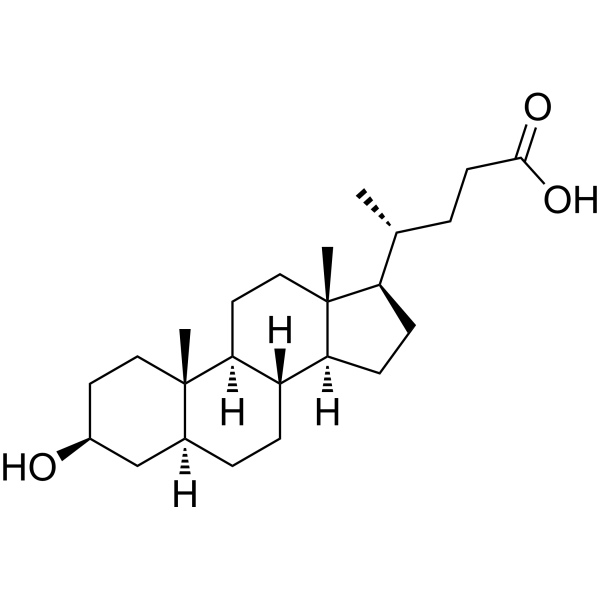
Isoallolithocholic acid (3β-Hydroxy-5α-cholanic acid), a derivative of Lithocholic acid (HY-10219), is a T cell regulator. Isoallolithocholic acid enhances regulatory T cells (Tregs) differentiation .
|
-
-
- HY-P99014
-
|
ARGX-110
|
Fc Receptor (FcR)
NF-κB
|
Inflammation/Immunology
Cancer
|
|
Cusatuzumab (ARGX-110) is a selective competitive blocker targeting CD70 (with an equilibrium dissociation constant of 17 pM for binding to human CD70). Cusatuzumab also possesses enhanced antibody-dependent cell-mediated cytotoxicity (ADCC) activity. It is a humanized IgG1 monoclonal antibody, artificially synthesized through humanization and genetic engineering modifications (CH2 region mutation to enhance effector function). Cusatuzumab has a dual mechanism of action: firstly, it competitively blocks the interaction between CD70 and CD27, inhibiting the CD27-NF-κB signaling pathway, reducing regulatory T cell (Treg) activation and tumor cell proliferation; secondly, by enhancing binding to FcγRIIIa, it mediates ADCC and antibody-dependent cellular phagocytosis (ADCP), directly lysing CD70-positive tumor cells. Cusatuzumab can efficiently eliminate leukemia stem cells (LSCs), induce tumor cell differentiation and apoptosis, restore immune surveillance, and target CD70-positive tumors. Cusatuzumab is used in the study of acute myeloid leukemia (AML) .
|
-
-
- HY-150741
-
|
|
Toll-like Receptor (TLR)
IFNAR
Interleukin Related
|
Infection
Inflammation/Immunology
Cancer
|
|
ODN 2216 is a type A CpG oligodeoxynucleotide vaccine adjuvant and a TLR9 agonist. ODN 2216 interacts with TLR9 in the lysosomes of CD4 + T cells and activates feedback-dependent signaling pathways. ODN 2216 induces the production of type I interferons, IL-6 and TGF-β via the IRAK4/IRF7 axis, while increasing intracellular ATP levels. ODN 2216 not only induces the differentiation of CD4 + T cells into anti-inflammatory Th3-like regulatory phenotypes to inhibit autologous proliferation, but also enhances the specific CD8 + T cell-mediated cytotoxicity against Mammaglobin-A in breast cancer cells. ODN 2216 is widely used in studies related to breast cancer and systemic lupus erythematosus .
|
-
-
- HY-122808
-
|
|
mGluR
NF-κB
AP-1
|
Metabolic Disease
|
|
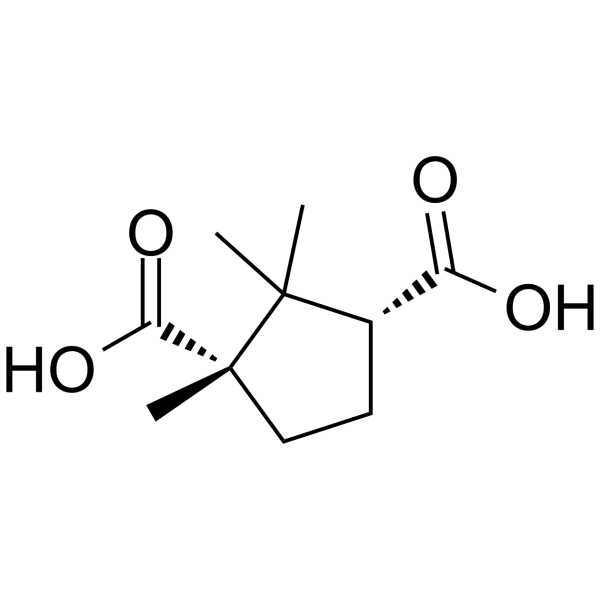
(-)-Camphoric acid is the less active enantiomer of Camphoric acid. Camphoric acid induces glutamate receptor expression. Camphoric acid also significantly induces the activation of NF-κB and AP-1. Camphoric acid significantly stimulates the differentiation of mouse osteoblastic MC3T3-E1 subclone 4 cells. Camphoric acid has weak regulatory function towards glutamate receptors. Camphoric acid can induce mRNA expression of glutamate signaling molecules and activate transcription factors, thereby stimulating osteoblast differentiation .
|
-
-
- HY-P990957
-
|
BCA-101; FMAB2
|
EGFR
TGF-beta/Smad
|
Inflammation/Immunology
Cancer
|
|
Ficerafusp alfa (BCA-101) is a bispecific antibody targeting EGFR and TGFβ, with a Kd of 2.58 nM against EGFR and a Kd of 61.3 nM against TGFβ1. Ficerafusp alfa binds to EGFR, inhibits EGFR phosphorylation, blocks EGF-dependent cell proliferation, and mediates antibody-dependent cellular cytotoxicity against EGFR-positive tumor cells. Ficerafusp alfa sequesters TGFβ via its TGFβRII ECD domain, neutralizes the activity of TGFβ and TGFβ1, and blocks TGFβ-dependent processes, including epithelial-mesenchymal transition, cell invasion, and differentiation of inducible regulatory T cells. Ficerafusp alfa is applicable to research related to head and neck squamous cell carcinoma, advanced solid tumors, squamous non-small cell lung cancer, anal squamous cell carcinoma, colorectal cancer, and pancreatic cancer .
|
-
-
- HY-150741C
-
|
|
Toll-like Receptor (TLR)
|
Cancer
|
|
ODN 2216 sodium is a type A CpG oligodeoxynucleotide vaccine adjuvant and a TLR9 agonist. ODN 2216 sodium interacts with TLR9 in the lysosomes of CD4 + T cells and activates feedback-dependent signaling pathways. ODN 2216 sodium induces the production of type I interferons, IL-6 and TGF-β via the IRAK4/IRF7 axis, while increasing intracellular ATP levels. ODN 2216 sodium not only induces the differentiation of CD4 + T cells into anti-inflammatory Th3-like regulatory phenotypes to inhibit autologous proliferation, but also enhances the specific CD8 + T cell-mediated cytotoxicity against Mammaglobin-A in breast cancer cells. ODN 2216 sodium is widely used in studies related to breast cancer and systemic lupus erythematosus .
|
-
-
- HY-126037
-
|
|
ROR
|
Inflammation/Immunology
|
|
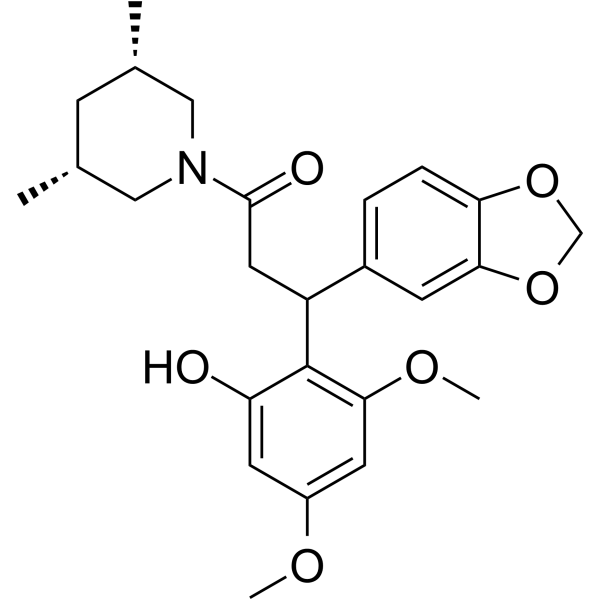
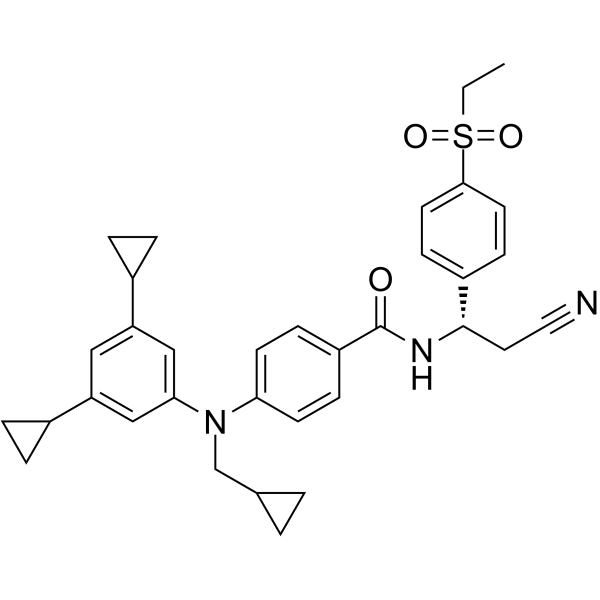
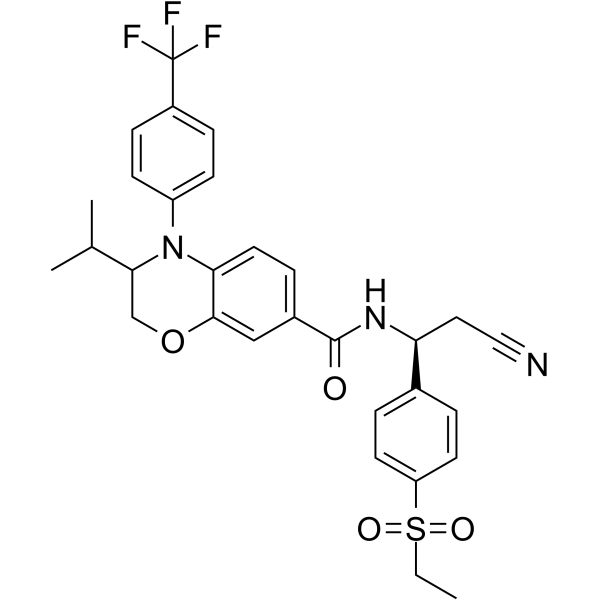
(±)-ML 209 (compound 4n), a diphenylpropanamide, is a retinoic acid-related orphan receptor RORγ antagonist with an IC50 of 1.1 μM. (±)-ML 209 inhibits RORγt transcriptional activity with an IC50 of 300 nM in HEK293t cells. (±)-ML 209 inhibits the transcriptional activity of RORγt, but not RORα in cells. (±)-ML 209 selectively inhibits murine Th17 cell differentiation without affecting the differentiation of naïve CD4 + T cells into other lineages, including Th1 and regulatory T cells .
|
-
-
- HY-P991061
-
|
CHS-114; SRF-114
|
CCR
|
Cancer
|
|
Tagmokitug (CHS-114; SRF-114) is a fully human IgG1 antibody targeting CCR8. Tagmokitug selectively binds to human CCR8 (Kd = 502 pM) and mediates the death of CCR8-expressing cells via antibody-dependent cellular cytotoxicity and antibody-dependent cellular phagocytosis. Tagmokitug selectively eliminates intratumoral regulatory T cells, induces tumor growth inhibition, remodels the tumor immune microenvironment, and promotes the differentiation of cytotoxic CD8 + T cell subsets. Tagmokitug can be used for the research of solid tumors .
|
-
-
- HY-W181026
-
|
|
Fluorescent Dye
|
Inflammation/Immunology
|
|
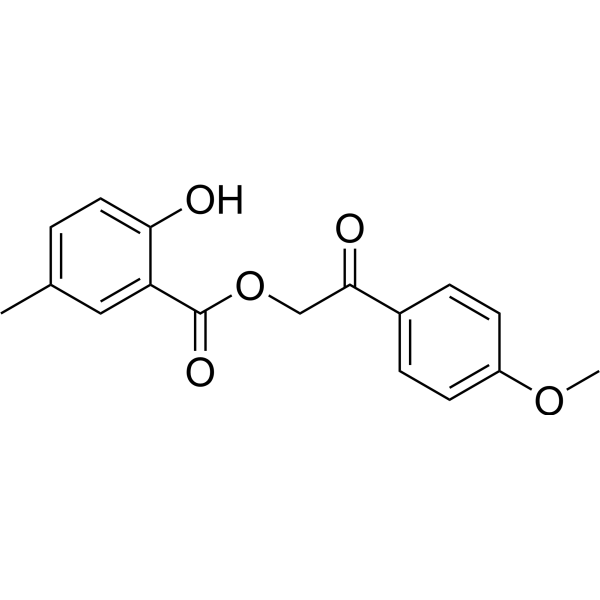
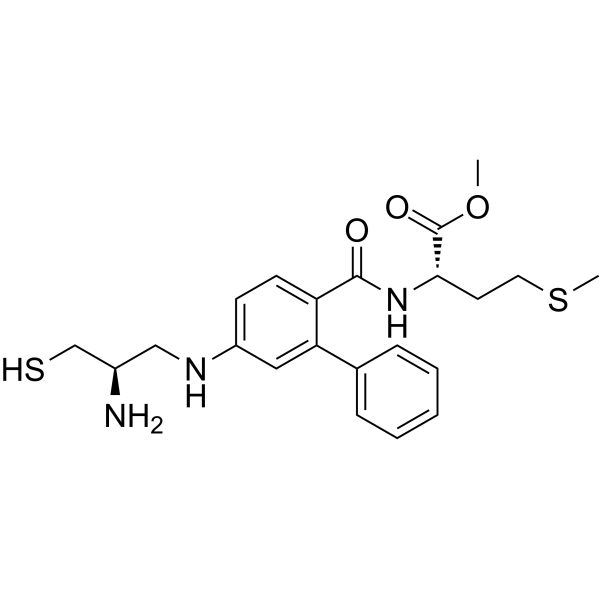
KLF10-IN-1 (#48-15) is a KLF10 inhibitor with an IC50 value of 40 μM for KLF10 reporter gene. KLF10-IN-1 can inhibit KLF10-DNA binding and transcriptional activity, block the conversion of CD4+CD25 T cells to CD4+CD25+T regulatory cells, and inhibit the expression of KLF10 target genes. KLF10-IN-1 can be used as a useful mechanistic probe to study KLF10-mediated effects and T regulatory cell biology .
|
-
-
- HY-B0172AS
-
-
-
- HY-15872
-
|
|
Farnesyl Transferase
Ras
ERK
mTOR
Caspase
Apoptosis
Akt
PI3K
Bacterial
|
Cardiovascular Disease
Neurological Disease
Cancer
|
|
FTI-277 is a farnesyltransferase (FTase) inhibitor. FTI-277 inhibits Ras farnesylation, blocks the phosphorylation of downstream ERK1/2 and mTOR, and reduces membrane-bound active N-ras protein. FTI-277 activates caspase 3, upregulates Bim expression, induces cell apoptosis, suppresses regulatory T cell expansion, enhances macrophage phagocytosis, and improves bacterial clearance. FTI-277 activates the PI3K/Akt signaling pathway, inhibits osteoblast differentiation, and reduces the proliferation ability of neuroblastoma cells. FTI-277 can be used in research related to head and neck squamous cell carcinoma, neuroblastoma, sepsis, and vascular calcification .
|
-
-
- HY-110038
-
|
|
Farnesyl Transferase
Ras
ERK
mTOR
Apoptosis
Caspase
Akt
PI3K
Bacterial
|
Cardiovascular Disease
Neurological Disease
Cancer
|
|
FTI-277 TFA is a farnesyltransferase (FTase) inhibitor. FTI-277 TFA inhibits Ras farnesylation, blocks the phosphorylation of downstream ERK1/2 and mTOR, and reduces membrane-bound active N-ras protein. FTI-277 TFA activates caspase 3, upregulates Bim expression, induces cell apoptosis, suppresses regulatory T cell expansion, enhances macrophage phagocytosis, and improves bacterial clearance. FTI-277 TFA activates the PI3K/Akt signaling pathway, inhibits osteoblast differentiation, and reduces the proliferation ability of neuroblastoma cells. FTI-277 TFA can be used in research related to head and neck squamous cell carcinoma, neuroblastoma, sepsis, and vascular calcification .
|
-
-
- HY-145491
-
|
|
ERK
NF-κB
CCR
|
Inflammation/Immunology
|
|
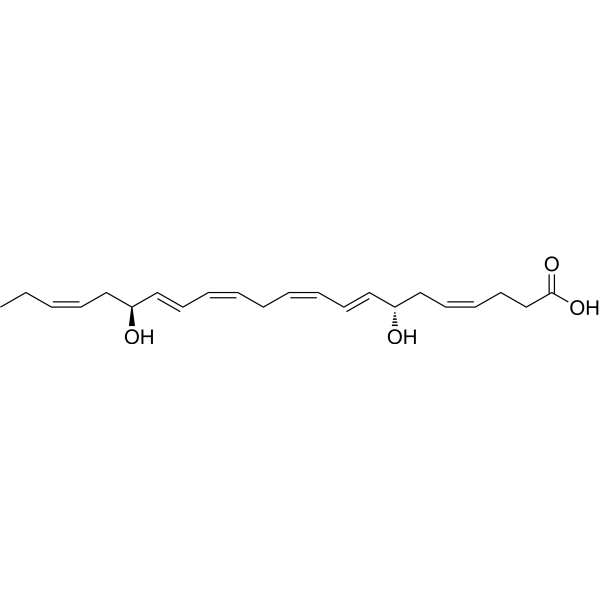
Resolvin D5 is an anti-inflammatory and analgesic agent produced in M2 macrophages. Resolvin D5 alleviates Paclitaxel (HY-B0015)-induced mechanical allodynia and inflammatory pain by activating the GPR32 receptor, with gender specificity (effective only in male mice) and independence from TRPV1 or TRPA1 channels. Resolvin D5 attenuates LPS-induced ERK phosphorylation and NF-κB nuclear translocation, downregulates proinflammatory mediators such as IL-6 and CCL5, inhibits Th17 cell differentiation and osteoclastogenesis, promotes regulatory T cell differentiation, and shows no cytotoxicity to human monocytes. The level of Resolvin D5 is elevated in arthritic SKG mice, but Resolvin D5 has no effect on dendritic cell differentiation or M1 macrophage polarization, nor does it prevent ZyA-induced arthritis progression. Resolvin D5 is suitable for research related to chemotherapy-induced peripheral neuropathy, inflammatory pain and rheumatoid arthritis .
|
-
-
- HY-B0172AR
-
|
3β-Hydroxy-5α-cholanic acid (Standard)
|
Drug Derivative
Reference Standards
|
Inflammation/Immunology
|
|
Isoallolithocholic acid (Standard) is the analytical standard of Isoallolithocholic acid. This product is intended for research and analytical applications. Isoallolithocholic acid (3β-Hydroxy-5α-cholanic acid), a derivative of Lithocholic acid (HY-10219), is a T cell regulator. Isoallolithocholic acid enhances regulatory T cells (Tregs) differentiation[1].
|
-
-
- HY-B0172AS1
-
|
3β-Hydroxy-5α-cholanic acid-d4
|
Isotope-Labeled Compounds
Others
|
Inflammation/Immunology
|
|
Isoallolithocholic acid-d4 (3β-Hydroxy-5α-cholanic acid-d4) is deuterium labeled Isoallolithocholic acid. Isoallolithocholic acid (3β-Hydroxy-5α-cholanic acid), a derivative of Lithocholic acid (HY-10219), is a T cell regulator. Isoallolithocholic acid enhances regulatory T cells (Tregs) differentiation .
|
-
-
- HY-142938
-
|
|
ROR
|
Inflammation/Immunology
|
|
RORγt agonist 3 is a potent agonist of RORγt. RORγt agonist 3 promotes the differentiation of Th17 cells and enhances the levels of pro-inflammatory cytokines, thereby increasing the cytotoxicity of lymphocytes. RORγt agonist 3 inhibits the production of regulatory T cells, which suppresses the immune response (extracted from patent WO2021136326A1, compound 23) .
|
-
-
- HY-142937
-
|
|
ROR
|
Inflammation/Immunology
|
|
RORγt agonist 2 is a potent agonist of RORγt. RORγt agonist 2 promotes the differentiation of Th17 cells and enhances the levels of pro-inflammatory cytokines, thereby increasing the cytotoxicity of lymphocytes. RORγt agonist 2 inhibits the production of regulatory T cells, which suppresses the immune response (extracted from patent WO2021136339A1, compound 17) .
|
-
-
- HY-P992368
-
|
|
TNF Receptor
|
Cancer
|
|
HLX51 is a regulatory T cell inhibitor and OX40/CD134/TNFRSF4 agonist with tumour growth inhibitory activity. HLX51 inhibits regulatory T cell differentiation and activity, relieves tumour microenvironment immunosuppression, enhances effector T cell function. HLX51 competitively binds OX40, activates OX40, promotes immune cell proliferation and T cell killing ability. HLX51 modulates immune cell function to inhibit tumour growth. HLX51 can be used for the research of advanced/metastatic solid tumours and lymphomas .
|
-
-
- HY-126675G
-
|
|
CDK
TGF-beta/Smad
Apoptosis
|
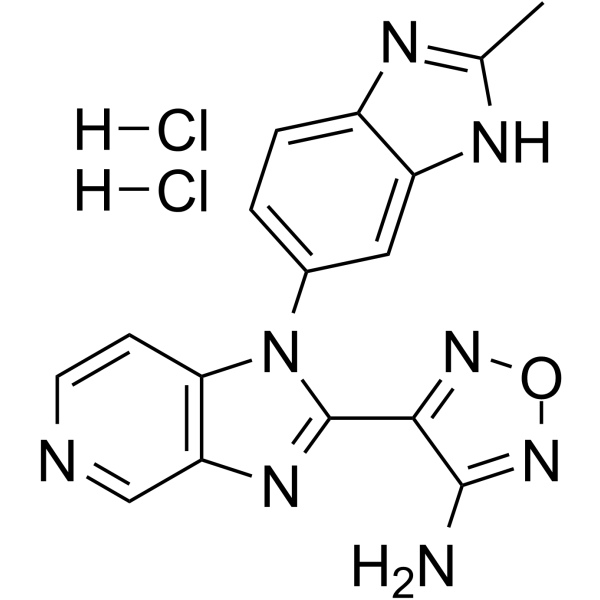
Inflammation/Immunology
|
|
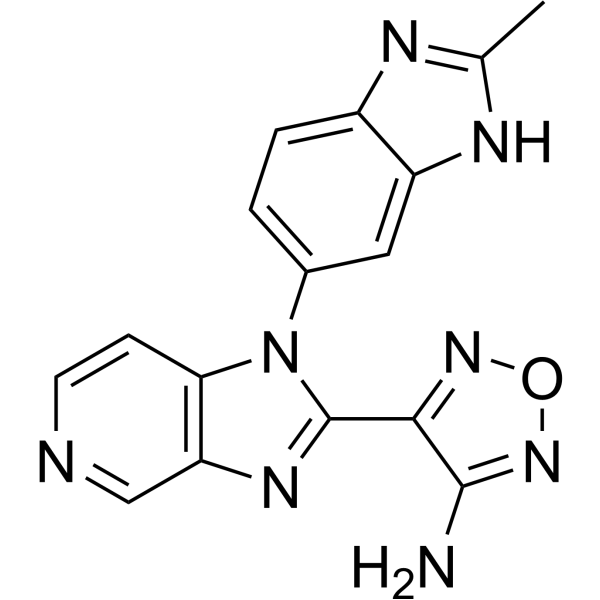
AS2863619 GMP is AS2863619 (HY-126675) produced by using GMP guidelines. GMP small molecules works appropriately as an auxiliary reagent for cell therapy manufacture. AS2863619 is an orally active CDK8/19 inhibitor that also inhibits BMP2, MDA5 and RIG-I receptors. AS2863619 targets Stat5a-CDK8/19 to promote the differentiation of CD4 + T cells into regulatory T cells and induce FOXP3 expression, thereby restoring immune homeostasis and establishing transplant immune tolerance. AS2863619 also enhances the BMP2/SMAD signaling pathway to promote osteogenic differentiation and inhibit adipogenic differentiation. AS2863619 exerts osteoprotective effects by alleviating inflammation-induced impairment of osteogenic function and inducing neutrophil apoptosis (apoptosis). AS2863619 can be applied to research in related fields such as periodontitis-induced bone defects .
|
-
-
- HY-183074
-
|
|
CDK
Interleukin Related
|
Inflammation/Immunology
|
|
RO8323 is an orally active, selective CDK8/CDK19 inhibitor, with an IC50 of 2 nM against CDK8 and 3 nM against CDK19. RO8323 promotes regulatory T cell differentiation, inhibits effector T cell generation, reverses the Teff/Treg ratio, upregulates IL-10 production in myeloid cells, and suppresses the production of TNF-α, IL-6 and IL-12. RO8323 enhances immune reconstitution and prolongs cardiac allograft survival in a dose-dependent manner. RO8323 can be used in the research of chronic graft-versus-host disease, cardiac allograft rejection, acute graft-versus-host disease and experimental autoimmune encephalomyelitis .
|
-
| Cat. No. |
Product Name |
Type |
-
- HY-126675G
-
|
|
Fluorescent Dyes
|
|
AS2863619 GMP is AS2863619 (HY-126675) produced by using GMP guidelines. GMP small molecules works appropriately as an auxiliary reagent for cell therapy manufacture. AS2863619 is an orally active CDK8/19 inhibitor that also inhibits BMP2, MDA5 and RIG-I receptors. AS2863619 targets Stat5a-CDK8/19 to promote the differentiation of CD4 + T cells into regulatory T cells and induce FOXP3 expression, thereby restoring immune homeostasis and establishing transplant immune tolerance. AS2863619 also enhances the BMP2/SMAD signaling pathway to promote osteogenic differentiation and inhibit adipogenic differentiation. AS2863619 exerts osteoprotective effects by alleviating inflammation-induced impairment of osteogenic function and inducing neutrophil apoptosis (apoptosis). AS2863619 can be applied to research in related fields such as periodontitis-induced bone defects .
|
| Cat. No. |
Product Name |
Type |
-
- HY-126675G
-
|
|
Biochemical Assay Reagents
|
|
AS2863619 GMP is AS2863619 (HY-126675) produced by using GMP guidelines. GMP small molecules works appropriately as an auxiliary reagent for cell therapy manufacture. AS2863619 is an orally active CDK8/19 inhibitor that also inhibits BMP2, MDA5 and RIG-I receptors. AS2863619 targets Stat5a-CDK8/19 to promote the differentiation of CD4 + T cells into regulatory T cells and induce FOXP3 expression, thereby restoring immune homeostasis and establishing transplant immune tolerance. AS2863619 also enhances the BMP2/SMAD signaling pathway to promote osteogenic differentiation and inhibit adipogenic differentiation. AS2863619 exerts osteoprotective effects by alleviating inflammation-induced impairment of osteogenic function and inducing neutrophil apoptosis (apoptosis). AS2863619 can be applied to research in related fields such as periodontitis-induced bone defects .
|
| Cat. No. |
Product Name |
Target |
Research Area |
-
- HY-P2114
-
|
|
Peptides
|
Cancer
|
|
IT9302 is a synthetic IL-10 agonist with the activity of inducing tolerogenic dendritic cells. IT9302 is able to mimic multiple effects of IL-10, including downregulating the antigen presentation machinery and increasing the sensitivity of tumor cells to natural killer cell-mediated lysis. IT9302 can also hinder the response of human monocytes to differentiation factors and reduce the antigen presentation and co-stimulatory capacity of dendritic cells. Dendritic cells treated with IT9302 showed a weakened ability to stimulate T cell proliferation and interferon-γ production. IT9302 exerts its effects through mechanisms that are partially different from IL-10, involving STAT3 inactivation and regulation of the NF-κB intracellular pathway. IT9302-treated dendritic cells showed enhanced expression of membrane-bound TGF-β, associated with the effective induction of foxp3+ regulatory T cells .
|
| Cat. No. |
Product Name |
Target |
Research Area |
Image |
-
- HY-P99014
-
|
ARGX-110
|
Fc Receptor (FcR)
NF-κB
|
Inflammation/Immunology
Cancer
|
|
Cusatuzumab (ARGX-110) is a selective competitive blocker targeting CD70 (with an equilibrium dissociation constant of 17 pM for binding to human CD70). Cusatuzumab also possesses enhanced antibody-dependent cell-mediated cytotoxicity (ADCC) activity. It is a humanized IgG1 monoclonal antibody, artificially synthesized through humanization and genetic engineering modifications (CH2 region mutation to enhance effector function). Cusatuzumab has a dual mechanism of action: firstly, it competitively blocks the interaction between CD70 and CD27, inhibiting the CD27-NF-κB signaling pathway, reducing regulatory T cell (Treg) activation and tumor cell proliferation; secondly, by enhancing binding to FcγRIIIa, it mediates ADCC and antibody-dependent cellular phagocytosis (ADCP), directly lysing CD70-positive tumor cells. Cusatuzumab can efficiently eliminate leukemia stem cells (LSCs), induce tumor cell differentiation and apoptosis, restore immune surveillance, and target CD70-positive tumors. Cusatuzumab is used in the study of acute myeloid leukemia (AML) .
|
-
(5)
-
- HY-P990957
-
|
BCA-101; FMAB2
|
EGFR
TGF-beta/Smad
|
Inflammation/Immunology
Cancer
|
|
Ficerafusp alfa (BCA-101) is a bispecific antibody targeting EGFR and TGFβ, with a Kd of 2.58 nM against EGFR and a Kd of 61.3 nM against TGFβ1. Ficerafusp alfa binds to EGFR, inhibits EGFR phosphorylation, blocks EGF-dependent cell proliferation, and mediates antibody-dependent cellular cytotoxicity against EGFR-positive tumor cells. Ficerafusp alfa sequesters TGFβ via its TGFβRII ECD domain, neutralizes the activity of TGFβ and TGFβ1, and blocks TGFβ-dependent processes, including epithelial-mesenchymal transition, cell invasion, and differentiation of inducible regulatory T cells. Ficerafusp alfa is applicable to research related to head and neck squamous cell carcinoma, advanced solid tumors, squamous non-small cell lung cancer, anal squamous cell carcinoma, colorectal cancer, and pancreatic cancer .
|
-
(5)
-
- HY-P991061
-
|
CHS-114; SRF-114
|
CCR
|
Cancer
|
|
Tagmokitug (CHS-114; SRF-114) is a fully human IgG1 antibody targeting CCR8. Tagmokitug selectively binds to human CCR8 (Kd = 502 pM) and mediates the death of CCR8-expressing cells via antibody-dependent cellular cytotoxicity and antibody-dependent cellular phagocytosis. Tagmokitug selectively eliminates intratumoral regulatory T cells, induces tumor growth inhibition, remodels the tumor immune microenvironment, and promotes the differentiation of cytotoxic CD8 + T cell subsets. Tagmokitug can be used for the research of solid tumors .
|
-
(5)
-
- HY-P992368
-
|
|
TNF Receptor
|
Cancer
|
|
HLX51 is a regulatory T cell inhibitor and OX40/CD134/TNFRSF4 agonist with tumour growth inhibitory activity. HLX51 inhibits regulatory T cell differentiation and activity, relieves tumour microenvironment immunosuppression, enhances effector T cell function. HLX51 competitively binds OX40, activates OX40, promotes immune cell proliferation and T cell killing ability. HLX51 modulates immune cell function to inhibit tumour growth. HLX51 can be used for the research of advanced/metastatic solid tumours and lymphomas .
|
-
(5)
| Cat. No. |
Product Name |
Category |
Target |
Chemical Structure |
-
- HY-122808
-
-
-
- HY-145491
-
|
|
Structural Classification
Ketones, Aldehydes, Acids
Endogenous metabolite
Source Classification
|
ERK
NF-κB
CCR
|
|
Resolvin D5 is an anti-inflammatory and analgesic agent produced in M2 macrophages. Resolvin D5 alleviates Paclitaxel (HY-B0015)-induced mechanical allodynia and inflammatory pain by activating the GPR32 receptor, with gender specificity (effective only in male mice) and independence from TRPV1 or TRPA1 channels. Resolvin D5 attenuates LPS-induced ERK phosphorylation and NF-κB nuclear translocation, downregulates proinflammatory mediators such as IL-6 and CCL5, inhibits Th17 cell differentiation and osteoclastogenesis, promotes regulatory T cell differentiation, and shows no cytotoxicity to human monocytes. The level of Resolvin D5 is elevated in arthritic SKG mice, but Resolvin D5 has no effect on dendritic cell differentiation or M1 macrophage polarization, nor does it prevent ZyA-induced arthritis progression. Resolvin D5 is suitable for research related to chemotherapy-induced peripheral neuropathy, inflammatory pain and rheumatoid arthritis .
|
-
| Cat. No. |
Product Name |
Chemical Structure |
-
- HY-B0172AS
-
|
|
|
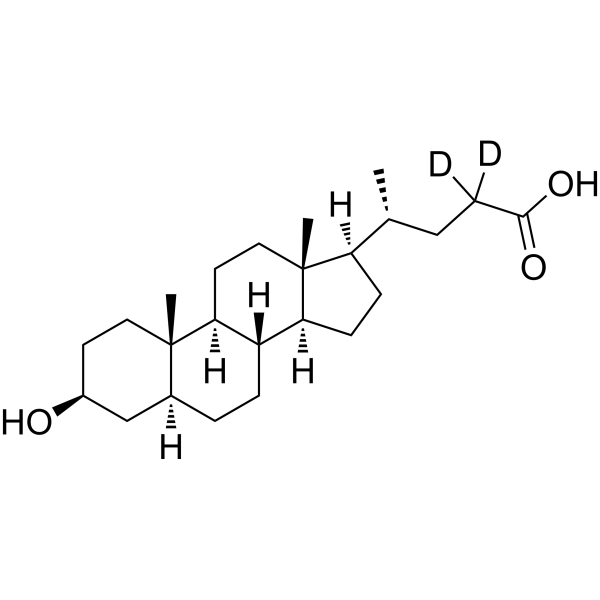
Isoallolithocholic acid-d2 is the deuterium labeled Isoallolithocholic acid (HY-B0172A). Isoallolithocholic acid is a T cell regulator and enhances regulatory T cells (Tregs) differentiation .
|
-
-
- HY-B0172AS1
-
|
|
|
Isoallolithocholic acid-d4 (3β-Hydroxy-5α-cholanic acid-d4) is deuterium labeled Isoallolithocholic acid. Isoallolithocholic acid (3β-Hydroxy-5α-cholanic acid), a derivative of Lithocholic acid (HY-10219), is a T cell regulator. Isoallolithocholic acid enhances regulatory T cells (Tregs) differentiation .
|
-
| Cat. No. |
Product Name |
|
Classification |
-
- HY-150741
-
|
|
|
CpG ODNs
|
|
ODN 2216 is a type A CpG oligodeoxynucleotide vaccine adjuvant and a TLR9 agonist. ODN 2216 interacts with TLR9 in the lysosomes of CD4 + T cells and activates feedback-dependent signaling pathways. ODN 2216 induces the production of type I interferons, IL-6 and TGF-β via the IRAK4/IRF7 axis, while increasing intracellular ATP levels. ODN 2216 not only induces the differentiation of CD4 + T cells into anti-inflammatory Th3-like regulatory phenotypes to inhibit autologous proliferation, but also enhances the specific CD8 + T cell-mediated cytotoxicity against Mammaglobin-A in breast cancer cells. ODN 2216 is widely used in studies related to breast cancer and systemic lupus erythematosus .
|
-
- HY-150741C
-
|
|
|
CpG ODNs
|
|
ODN 2216 sodium is a type A CpG oligodeoxynucleotide vaccine adjuvant and a TLR9 agonist. ODN 2216 sodium interacts with TLR9 in the lysosomes of CD4 + T cells and activates feedback-dependent signaling pathways. ODN 2216 sodium induces the production of type I interferons, IL-6 and TGF-β via the IRAK4/IRF7 axis, while increasing intracellular ATP levels. ODN 2216 sodium not only induces the differentiation of CD4 + T cells into anti-inflammatory Th3-like regulatory phenotypes to inhibit autologous proliferation, but also enhances the specific CD8 + T cell-mediated cytotoxicity against Mammaglobin-A in breast cancer cells. ODN 2216 sodium is widely used in studies related to breast cancer and systemic lupus erythematosus .
|
| Cat. No. |
Product Name |
Target |
Research Areas |
Chemical Structure |
-
- HY-126675G
-
|
|
CDK
TGF-beta/Smad
Apoptosis
|
Inflammation/Immunology
|
|
AS2863619 GMP is AS2863619 (HY-126675) produced by using GMP guidelines. GMP small molecules works appropriately as an auxiliary reagent for cell therapy manufacture. AS2863619 is an orally active CDK8/19 inhibitor that also inhibits BMP2, MDA5 and RIG-I receptors. AS2863619 targets Stat5a-CDK8/19 to promote the differentiation of CD4 + T cells into regulatory T cells and induce FOXP3 expression, thereby restoring immune homeostasis and establishing transplant immune tolerance. AS2863619 also enhances the BMP2/SMAD signaling pathway to promote osteogenic differentiation and inhibit adipogenic differentiation. AS2863619 exerts osteoprotective effects by alleviating inflammation-induced impairment of osteogenic function and inducing neutrophil apoptosis (apoptosis). AS2863619 can be applied to research in related fields such as periodontitis-induced bone defects .
|
-
Your information is safe with us. * Required Fields.
Inquiry Information
- Product Name:
- Cat. No.:
- Quantity:
- MCE Japan Authorized Agent:

