1. Search Result
Search Result
Results for "

T-cell factor

" in MedChemExpress (MCE) Product Catalog:

61

Inhibitors & Agonists

2

Biochemical Assay Reagents

8

Peptides

3

Inhibitory Antibodies

10

Natural
Products

50

Recombinant Proteins

6

Isotope-Labeled Compounds

26

Antibodies

4

Oligonucleotides

Targets Recommended:
Cat. No. Product Name Target Research Areas Chemical Structure
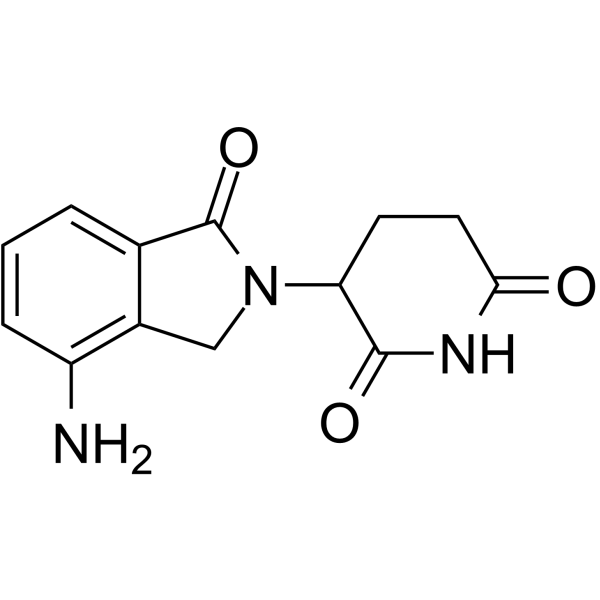
  • HY-A0003
    Lenalidomide
    Maximum Cited Publications
    59 Publications Verification

    CC-5013

    Ligands for E3 Ligase Molecular Glues Apoptosis Inflammation/Immunology Cancer
    Lenalidomide (CC-5013), a derivative of Thalidomide, acts as molecular glue. Lenalidomide is an orally active immunomodulator. Lenalidomide (CC-5013) is a ligand of ubiquitin E3 ligase cereblon (CRBN), and it causes selective ubiquitination and degradation of two lymphoid transcription factors, IKZF1 and IKZF3, by the CRBN-CRL4 ubiquitin ligase. Lenalidomide (CC-5013) specifically inhibits growth of mature B-cell lymphomas, including multiple myeloma, and induces IL-2 release from T cells .
    Lenalidomide
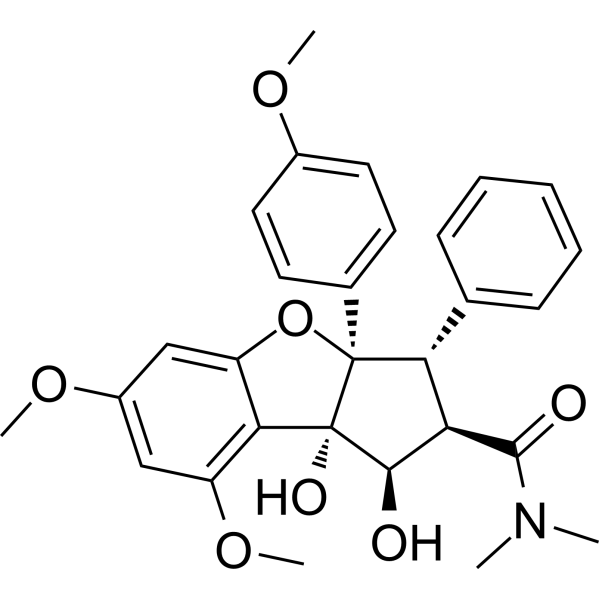
  • HY-19356
    Rocaglamide
    25+ Cited Publications

    Roc-A

    NF-κB HSP Eukaryotic Initiation Factor (eIF) Inflammation/Immunology Cancer
    Rocaglamide (Roc-A) is isolated from the genus Aglaia and can be used for coughs, injuries, asthma and inflammatory skin diseases. Rocaglamide is a potent inhibitor of NF-κB activation in T-cells. Rocaglamide is a potent and selective heat shock factor 1 (HSF1) activation inhibitor with an IC50 of ~50 nM. Rocaglamide inhibits the function of the translation initiation factor eIF4A. Rocaglamide also has anticancer properties in leukemia .
    Rocaglamide
  • HY-P10925

    FOG-001; I-66

    β-catenin Cancer
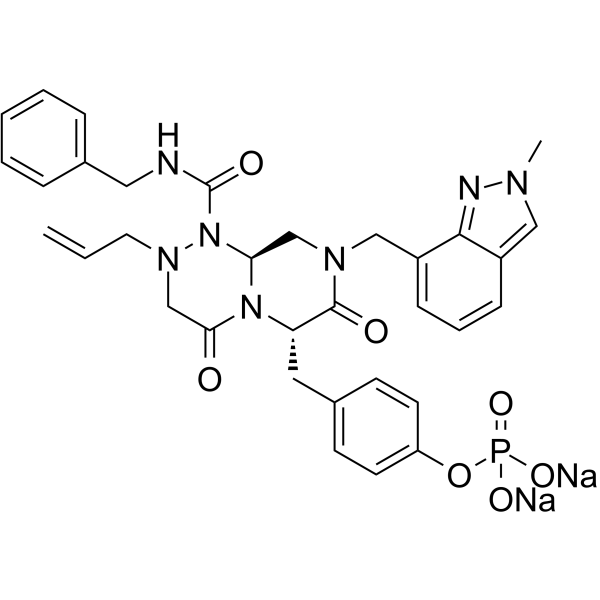
    Zolucatetide (FOG-001;I-66) is a potent β-catenin inhibitor with an IC50 of <50 nM. Zolucatetide can inhibits β-catenin and T-cell factor (TCF) transcription factor interaction. Zolucatetide inhibits cell proliferation and induces cell cycle arrest in target cells. Zolucatetide exhibits anti-tumor efficacy in mice bearing COLO320DM colon cancer cell (with APC, TP53 mutations) xenografts. Zolucatetide can be used for the study of colon cancer .
    Zolucatetide
  • HY-P1026
    NFAT Inhibitor-1
    Maximum Cited Publications
    14 Publications Verification

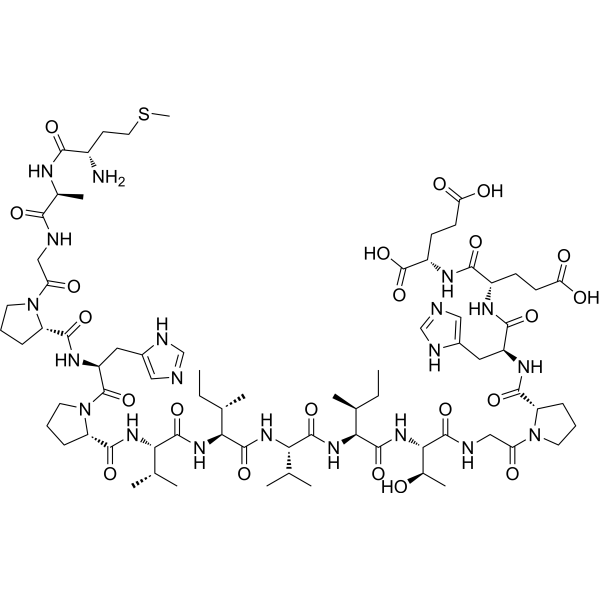
    VIVIT peptide

    Nuclear Factor of activated T Cells (NFAT) Inflammation/Immunology
    NFAT Inhibitor (VIVIT peptide) is an inhibitor of nuclear factor of activated Tcells (NFAT) that selectively inhibits calcineurin-mediated dephosphorylation of NFAT .
    NFAT Inhibitor-1
  • HY-129492
    GNF4877
    1 Publications Verification

    DYRK GSK-3 Metabolic Disease
    GNF4877 is a potent DYRK1A and GSK3β inhibitor with IC50s of 6 nM and 16 nM, respectively, which leads to blockade of nuclear factor of activated T-cells (NFATc) nuclear export and increased β-cell proliferation (EC50 of 0.66 μM for mouse β (R7T1) cells) .
    GNF4877
  • HY-P99618

    IBI-315; BH2950

    EGFR PD-1/PD-L1 Cancer
    Fidasimtamab is a bispecific antibody targeting human epidermal growth factor receptor 2 (Her2) and programmed death protein 1 (PD-1), with a Ka of 3.55e-10 M for human Her2 and a Ka of 1.17e-9 M for human PD-1. Fidasimtamab cross-links Her2-positive tumor cells with PD-1-positive T cells to form immune synapses, blocks PD-1-ligand interactions, preserves antibody-dependent cellular cytotoxicity, induces gasdermin B (GSDMB)-mediated pyroptosis, and activates T cells. Fidasimtamab is applicable to relevant research on Her2-positive gastric cancer .
    Fidasimtamab
  • HY-P990802

    CD3 Metabolic Disease Inflammation/Immunology
    Anti-Mouse CD3ε Antibody (145-2C11) is an orally active anti-mouse CD3ε IgG1 monoclonal antibody. Anti-Mouse CD3ε Antibody (145-2C11) can inhibit the proliferation of effector T cells and improve the function of regulatory T cells (Tregs). Anti-Mouse CD3ε Antibody (145-2C11) relieves inflammatory response by inhibiting the production of pro-inflammatory cytokines and increasing the secretion of anti-inflammatory factors. Anti-Mouse CD3ε Antibody (145-2C11) can be used for researches on metabolic and immune system conditions such as diabetes and lupus. The recommend isotype control of Anti-Mouse CD3ε Antibody (145-2C11): Armenian hamster IgG, Isotype Control (HY-P990305) .
    Anti-Mouse CD3ε Antibody (145-2C11)
  • HY-153128

    DOCK Drug Derivative Inflammation/Immunology
    DOCK2-IN-1 (Compound 3) is an analog of CPYPP (HY-110100) and a DOCK2 inhibitor (IC50 = 19.1 μM). DOCK2-IN-1 binds to the DHR-2 domain of DOCK2 and inhibits its mediated Rac guanine nucleotide exchange factor activity. DOCK2-IN-1 blocks chemokine receptor- and antigen receptor-mediated activation of Rac in lymphocytes. DOCK2-IN-1 significantly inhibits chemotaxis and T cell activation. DOCK2-IN-1 can be used in the research of transplant rejection and organ-specific autoimmune diseases .
    DOCK2-IN-1
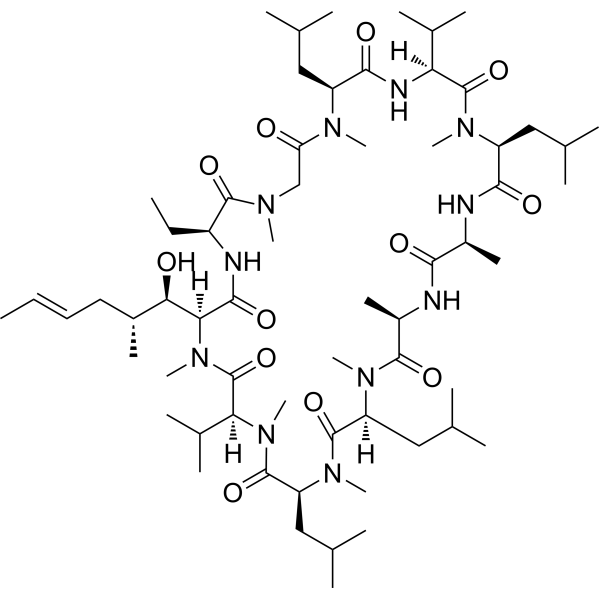
  • HY-W019721

    Nuclear Factor of activated T Cells (NFAT) Inflammation/Immunology
    Cyclosporin D, a metabolite of Cyclosporin A, is a weak immunosuppressant. Cyclosporin D is used as internal standard for quantification of Cyclosporin A . Cyclosporin A is a potent immunosuppressant agent, suppress T cell activation by inhibiting calcineurin and the calcineurin-dependent transcription factors nuclear factor of activated T cells (NFAc) .
    Cyclosporin D
  • HY-P1430
    11R-VIVIT
    5+ Cited Publications

    cell permeable NFAT inhibitor

    Nuclear Factor of activated T Cells (NFAT) Metabolic Disease
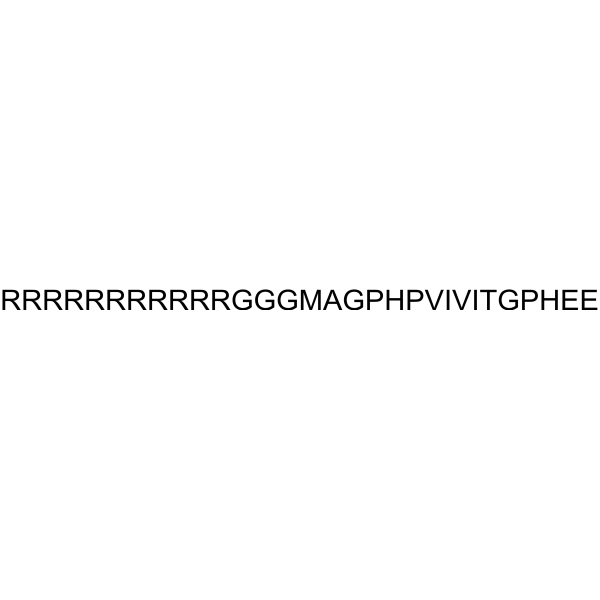
    11R-VIVIT is a cell-permeable nuclear factor of activated T cells (NFAT) inhibitor. 11R-VIVIT can be used for the research of podocyte and diabetic nephropathy .
    11R-VIVIT
  • HY-122649

    β-catenin Cancer
    UU-T01 is a β-catenin inhibitor with a KD of 0.531 μM. UU-T01 binds to the K435, R469 and K508 residues of β-catenin, disrupting the β-catenin/TCF4 protein-protein interaction .
    UU-T01
  • HY-W145657

    Cord factor

    Biochemical Assay Reagents Infection
    Trehalose 6,6'-dimycolate (Cord Factor) is trehalose 6,6'-dimycolate, a cell wall glycolipid of Mycobacterium tuberculosis, which can be used to simulate inflammation and granuloma induced by Mycobacterium tuberculosis (MTB) form. Trehalose 6,6′-dimycolate also protects Mycobacterium tuberculosis from macrophage-mediated killing, inhibits efficient antigen presentation, and reduces the development of protective T cell responses .
    Trehalose 6,6′-dimycolate
  • HY-B0426A

    ALO4943A; KW4679

    Histamine Receptor CXCR Infection Neurological Disease Metabolic Disease Inflammation/Immunology
    Olopatadine hydrochloride (ALO4943A; KW4679) is an orally active histamine H1 receptor antagonist and mast cell stabilizer. Olopatadine hydrochloride exerts antiallergic effects by blocking histamine H1 receptor-mediated activities. Olopatadine hydrochloride inhibits exocytosis, chemokine release, F-actin polymerization, CXCL10-induced calcium influx, and T cell chemotactic activity. Olopatadine hydrochloride also reduces the expression levels of CXCR3 on the surface of CD4 + and CD8 + T cells. Olopatadine hydrochloride inhibits scratching behavior, improves dermatitis scores, and suppresses intraepidermal neurite outgrowth. Olopatadine hydrochloride simultaneously decreases the levels of inflammatory markers, growth factors, histamine, and specific IgE, while increasing the expression of ErbB3A/HER3A. Olopatadine hydrochloride can be used in research related to seasonal pollinosis, chronic rhinitis, urticaria, allergic conjunctivitis, alopecia areata, and atopic dermatitis .
    Olopatadine hydrochloride
  • HY-18959
    CWP232228
    5+ Cited Publications

    β-catenin Wnt Cancer
    CWP232228, a highly potent selective Wnt/β-catenin signaling inhibitor, antagonizes binding of β-catenin to T-cell factor (TCF) in the nucleus. CWP232228 suppresses tumor formation and metastasis without toxicity through the inhibition of the growth of breast and liver cancer stem cells (CSCs) .
    CWP232228
  • HY-112126
    KRN5
    2 Publications Verification

    Nuclear Factor of activated T Cells (NFAT) Inflammation/Immunology
    KRN5, a derivative of KRN2, is an oral active Nuclear factor of activated T cells 5 (NFAT5) suppressor, with an IC50 of 750 nM. KRN5 has potential to treat NFAT5-mediated Chronic Arthritis .
    KRN5
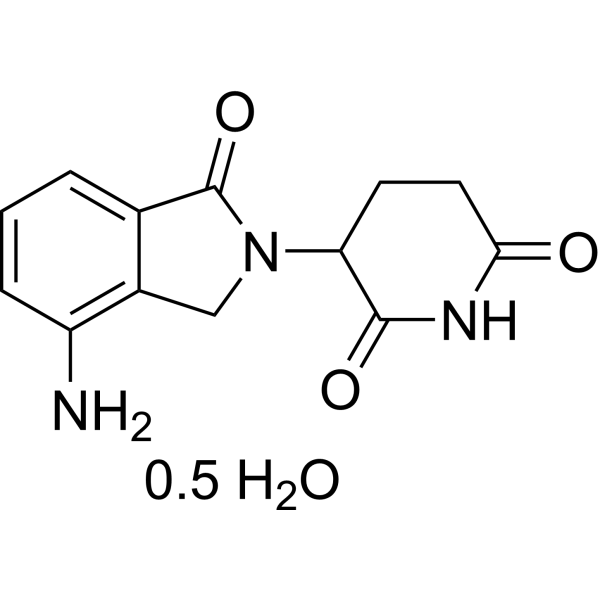
  • HY-A0003B
    Lenalidomide hemihydrate
    Maximum Cited Publications
    59 Publications Verification

    CC-5013 hemihydrate

    Ligands for E3 Ligase Molecular Glues Apoptosis Cancer
    Lenalidomide hemihydrate (CC-5013 hemihydrate), a derivative of Thalidomide, acts as molecular glue. Lenalidomide hemihydrate is an orally active immunomodulator. Lenalidomide hemihydrate (CC-5013 hemihydrate) is a ligand of ubiquitin E3 ligase cereblon (CRBN), and it causes selective ubiquitination and degradation of two lymphoid transcription factors, IKZF1 and IKZF3, by the CRBN-CRL4 ubiquitin ligase. Lenalidomide hemihydrate (CC-5013 hemihydrate) specifically inhibits growth of mature B-cell lymphomas, including multiple myeloma, and induces IL-2 release from T cells .
    Lenalidomide hemihydrate
  • HY-W423191

    4-O-α-D-Glucopyranosyl-D-gluconic acid

    Nuclear Factor of activated T Cells (NFAT) Bacterial Infection Metabolic Disease
    Maltobionic acid (4-O-α-D-Glucopyranosyl-D-gluconic acid) is an orally active oligosaccharide and iron chelator with antibacterial activity. Maltobionic acid inhibits the expression of NFATc1, suppresses osteoclast differentiation, inhibits bone resorption, and increases serum calcitonin levels. Maltobionic acid protects mammalian cells from hydrogen peroxide (H2O2)-induced oxidative damage; resists fermentation by the gut microbiota; and exhibits anti-digestive and anti-fermentative properties. Maltobionic acid can be used in research related to osteoporosis, bacterial infections, and constipation .
    Maltobionic acid
  • HY-136427

    Nuclear Factor of activated T Cells (NFAT) Inflammation/Immunology
    KRM-III is a potent and orally active T-cell antigen receptor (TCR) inhibitor. KRM-III inhibits TCR- and phorbol myristate acetate/ionomycin-induced activation of nuclear factor of activated T cells (NFAT) and T-cell proliferation with an IC50 of ~5 μM. Anti-inflammatory activity .
    KRM-III
  • HY-N4053

    Nuclear Factor of activated T Cells (NFAT) Inflammation/Immunology
    Heraclenin, a natural furanocoumarin, significantly inhibits T cell receptor-mediated proliferation in human primary T cells in a concentration-dependent manner by targeting nuclear factor of activated T-cells (NFAT) .
    Heraclenin
  • HY-112125A
    KRN2 bromide
    4 Publications Verification

    Nuclear Factor of activated T Cells (NFAT) Inflammation/Immunology
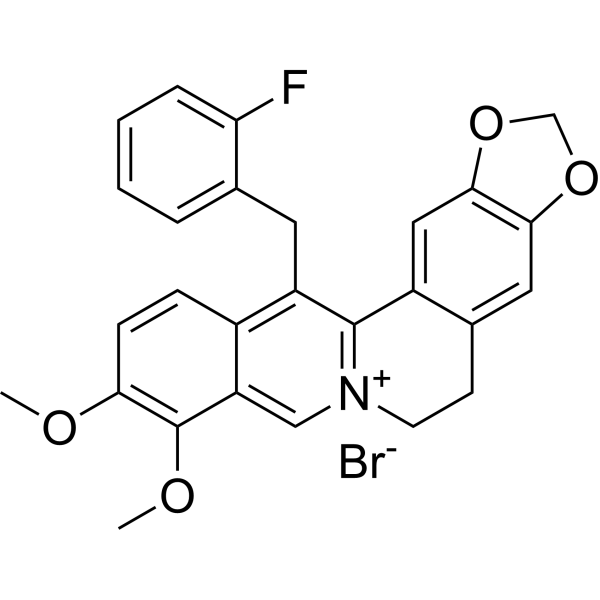
    KRN2 (bromide) is a selective inhibitor of nuclear factor of activated T cells (NFAT5), with an IC50 of 0.1 μM.
    KRN2 bromide
  • HY-P1430A
    11R-VIVIT TFA
    5+ Cited Publications

    cell permeable NFAT inhibitor TFA

    Nuclear Factor of activated T Cells (NFAT) Metabolic Disease
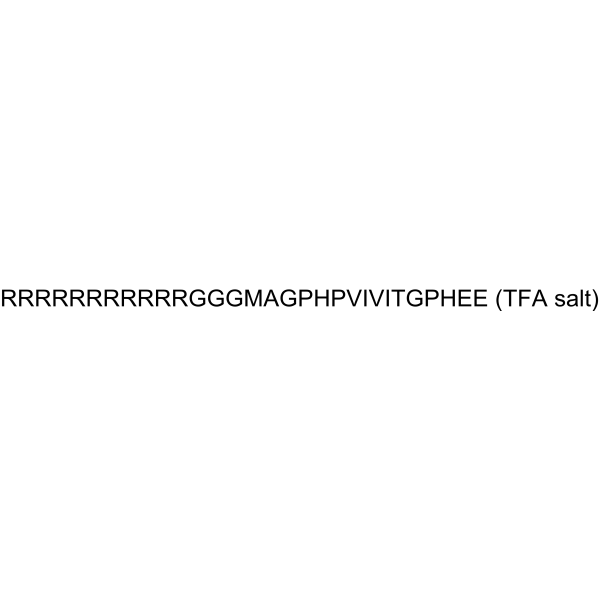
    11R-VIVIT TFA is a cell-permeable nuclear factor of activated T cells (NFAT) inhibitor. 11R-VIVIT TFA can be used for the research of podocyte and diabetic nephropathy .
    11R-VIVIT TFA
  • HY-112125
    KRN2
    4 Publications Verification

    Nuclear Factor of activated T Cells (NFAT) Inflammation/Immunology
    KRN2 is a selective inhibitor of nuclear factor of activated T cells (NFAT5), with an IC50 of 100 nM. KRN2 has potential to treat NFAT5-mediated Chronic Arthritis .
    KRN2
  • HY-139464

    Nuclear Factor of activated T Cells (NFAT) Neurological Disease
    Q134R, a neuroprotective hydroxyquinoline derivative that suppresses nuclear factor of activated T cell (NFAT) signaling. Q134R can across blood-brain barrier. Q134R has the potential for Alzheimer's disease (AD) and aging-related disorders research .
    Q134R
  • HY-117233
    UU-T02
    1 Publications Verification

    β-catenin Wnt Metabolic Disease Cancer
    UU-T02 is a novel potent, selective small-molecule inhibitor of β-Catenin/T-cell factor protein-protein interaction (β-catenin/Tcf PPI) with a Ki of 1.36 μM . UU-T02 inhibits canonical Wnt signaling and the growth of colorectal cancer cells .
    UU-T02
  • HY-159647B

    Molecular Glues IKZF Family Cancer
    (1S,2S,3R)-PLX-4545 is the (1S,2S,3R) enantiomer of PLX-4545 (HY-159647). PLX-4545 is an orally active and selective cereblon-based molecular glue degrader of IKZF2 (zinc finger transcription factor Helios). PLX-4545 can reprogram immunosuppressive regulatory T cells into pro-inflammatory effector T cells, thereby enhancing anti-tumor immune responses .
    (1S,2S,3R)-PLX-4545
  • HY-W062109

    Histamine Receptor CXCR Inflammation/Immunology
    Olopatadine (ALO4943A; KW4679) is an orally active histamine H1 receptor antagonist and mast cell stabilizer. Olopatadine exerts antiallergic effects by blocking histamine H1 receptor-mediated activities. Olopatadine inhibits exocytosis, chemokine release, F-actin polymerization, CXCL10-induced calcium influx, and T cell chemotactic activity. Olopatadine also reduces the expression levels of CXCR3 on the surface of CD4 + and CD8 + T cells. Olopatadine inhibits scratching behavior, improves dermatitis scores, and suppresses intraepidermal neurite outgrowth. Olopatadine simultaneously decreases the levels of inflammatory markers, growth factors, histamine, and specific IgE, while increasing the expression of ErbB3A/HER3A. Olopatadine can be used in research related to seasonal pollinosis, chronic rhinitis, urticaria, allergic conjunctivitis, alopecia areata, and atopic dermatitis .
    Olopatadine
  • HY-W010995

    Wnt Survivin β-catenin Cancer
    2,5-Dimethylcelecoxib is an analogue of celecoxib (HY-14398) with anticancer activity but without COX-2 inhibitory activity. 2,5-Dimethylcelecoxib exerts its anti-cancer cell proliferation effect by inhibiting the core mechanism of the Wnt/β-catenin signaling pathway. 2,5-Dimethylcelecoxib also inhibits T-cell factor-dependent transcriptional activity and inhibits expression of the Wnt/β-catenin target gene products cyclin D1 and survivin .
    2,5-Dimethylcelecoxib
  • HY-A0003R

    CC-5013 (Standard)

    Reference Standards Ligands for E3 Ligase Molecular Glues Apoptosis Inflammation/Immunology Cancer
    Lenalidomide (Standard) is the analytical standard of Lenalidomide. This product is intended for research and analytical applications. Lenalidomide (CC-5013), a derivative of Thalidomide, acts as molecular glue. Lenalidomide is an orally active immunomodulator. Lenalidomide (CC-5013) is a ligand of ubiquitin E3 ligase cereblon (CRBN), and it causes selective ubiquitination and degradation of two lymphoid transcription factors, IKZF1 and IKZF3, by the CRBN-CRL4 ubiquitin ligase. Lenalidomide (CC-5013) specifically inhibits growth of mature B-cell lymphomas, including multiple myeloma, and induces IL-2 release from T cells .
    Lenalidomide (Standard)
  • HY-160267

    HIV DNA/RNA Synthesis Infection Neurological Disease Cancer
    iPAF1C is a inhibitor of the polymerase-associated factor 1 complex (PAF1C) with specific targeting to the PAF1 binding groove of CTR9 (a key subunit of PAF1C). iPAF1C disrupts PAF1C assembly by interfering with the PAF1-CTR9 interaction. iPAF1C selectively impairs BRD4-mediated recruitment of PAF1 to chromatin at hypoxia-responsive genes and inhibits RNA polymerase II (RNAPII) pause release. iPAF1C increases the population of HIV-1 NL4.3 Nef-IRES-GFP infected primary human CD4 +T cells in a dose-dependent manner. PAF1C can be used for the study of infection and diseases associated with abnormal hypoxic adaptation (e.g., cancers, neurological disorders) .
    iPAF1C
  • HY-145309

    Eukaryotic Initiation Factor (eIF) Cancer
    eIF4E-IN-3 (Example 485) is a eIF4E inhibitor with an IC50 of 0.00859 μM. eIF4E-IN-3 inhibits the activity of eIF4E. eIF4E-IN-3 is used in cancer research .
    eIF4E-IN-3
  • HY-174736

    mRNA Inflammation/Immunology
    Human CD70 mRNA encodes the human CD70 molecule (CD70) protein, a cytokine that belongs to the tumor necrosis factor (TNF) ligand family. CD70 induces proliferation of costimulated T cells, enhances the generation of cytolytic T cells, and contributes to T cell activation. It is also reported to play a role in regulating B-cell activation, cytotoxic function of natural killer cells, and immunoglobulin sythesis.
    Human CD70 mRNA
  • HY-115543

    Wnt β-catenin Cancer
    β-catenin-IN-37 is a selective β-Catenin/T-cell factor protein-protein interaction (β-catenin/Tcf PPI) inhibitor. β-catenin-IN-37 inhibits canonical Wnt signaling and the growth of colorectal cancer cells SW480 and HCT116 with the IC50 values of 20 μM and 31 μM, respectively .
    β-catenin-IN-37
  • HY-P4155

    Biochemical Assay Reagents Inflammation/Immunology
    SSA antigenic peptide is an antigenic peptide of Sjögren's syndrome-related antigen A (SSA). SSA antigenic peptide can be used for the research of systemic lupus erythematosus .
    SSA antigenic peptide
  • HY-174132

    CRM1 Inflammation/Immunology
    CW8001 is a covalent XPO1 (Exportin-1) inhibitor with an EC50 value of 1 nM for inhibiting T cell activation. CW8001 prevents nuclear localization of NFAT transcription factors, suppressing expression of inflammatory cytokines like IL-2. CW8001 is promising for research of T cell-driven immune diseases such as graft-versus-host disease (GVHD) .
    CW8001
  • HY-N4171

    Apoptosis Inflammation/Immunology
    Dihydrocucurbitacin B, a triterpene isolated from Cayaponia tayuya roots, inhibits nuclear factor of activated T cells (NFAT), induces cell cycle arrested in the G0 phase, and inhibits delayed type hypersensitivity .
    Dihydrocucurbitacin B
  • HY-19486

    Nuclear Factor of activated T Cells (NFAT) CD3 CD28 Interleukin Related Inflammation/Immunology
    UR-1505 is a nuclear factor of activated T cells (NF-AT) inhibitor. UR-1505 can suppress CD3/CD28 induced T cell proliferation, increase p27 KIP levels, and induce G1/S cell cycle arrest. UR-1505 can also inhibit the production of IL-5 and IFN-γ in activated T cells. UR-1505 has immunomodulatory properties and can be used in the study of atopic dermatitis .
    UR-1505
  • HY-W062109S

    Isotope-Labeled Compounds Histamine Receptor CXCR Inflammation/Immunology
    Olopatadine-d6 is the deuterium labeled Olopatadine. Olopatadine hydrochloride (ALO4943A; KW4679) is an orally active histamine H1 receptor antagonist and mast cell stabilizer. Olopatadine hydrochloride exerts antiallergic effects by blocking histamine H1 receptor-mediated activities. Olopatadine hydrochloride inhibits exocytosis, chemokine release, F-actin polymerization, CXCL10-induced calcium influx, and T cell chemotactic activity. Olopatadine hydrochloride also reduces the expression levels of CXCR3 on the surface of CD4 + and CD8 + T cells. Olopatadine hydrochloride inhibits scratching behavior, improves dermatitis scores, and suppresses intraepidermal neurite outgrowth. Olopatadine hydrochloride simultaneously decreases the levels of inflammatory markers, growth factors, histamine, and specific IgE, while increasing the expression of ErbB3A/HER3A. Olopatadine hydrochloride can be used in research related to seasonal pollinosis, chronic rhinitis, urticaria, allergic conjunctivitis, alopecia areata, and atopic dermatitis .
    Olopatadine-d6
  • HY-A0003S

    CC-5013-d5

    Isotope-Labeled Compounds Ligands for E3 Ligase Molecular Glues Apoptosis Inflammation/Immunology Cancer
    Lenalidomide-d5 is deuterium labeled Lenalidomide. Lenalidomide (CC-5013), a derivative of Thalidomide, acts as molecular glue. Lenalidomide is an orally active immunomodulator. Lenalidomide (CC-5013) is a ligand of ubiquitin E3 ligase cereblon (CRBN), and it causes selective ubiquitination and degradation of two lymphoid transcription factors, IKZF1 and IKZF3, by the CRBN-CRL4 ubiquitin ligase. Lenalidomide (CC-5013) specifically inhibits growth of mature B-cell lymphomas, including multiple myeloma, and induces IL-2 release from T cells .
    Lenalidomide-d5
  • HY-19356B

    Drug Derivative NF-κB HSP Eukaryotic Initiation Factor (eIF) Inflammation/Immunology Cancer
    (+)-Rocaglamide is the dextrorotatory enantiomer of Rocaglamide (HY-19356). Rocaglamide (Roc-A) is isolated from the genus Aglaia and can be used for coughs, injuries, asthma and inflammatory skin diseases. Rocaglamide is a potent inhibitor of NF-κB activation in T-cells. Rocaglamide is a potent and selective heat shock factor 1 (HSF1) activation inhibitor with an IC50 of 50 nM. Rocaglamide inhibits the function of the translation initiation factor eIF4A. Rocaglamide also has anticancer properties in leukemia .
    (+)-Rocaglamide
  • HY-161391

    CRM1 Cancer
    CW0134 (Compound 12) is a modulator for exportin1 (XPO1) ,which disrupts the chromatin binding, inhibits NFAT transcription factors and activation of T cells .
    CW0134
  • HY-132243

    Nuclear Factor of activated T Cells (NFAT) Inflammation/Immunology
    NFAT Inhibitor-3 (Compound 10) is a factor nuclear factor of activated T cells (NFAT) inhibitor. NFAT Inhibitor-3 inhibits IL-2 production. NFAT Inhibitor-3 binds in a sequence-selective manner directly to DNA. NFAT Inhibitor-3 can be used for the research of transcription factor dysregulation .
    NFAT Inhibitor-3
  • HY-126754

    Nuclear Factor of activated T Cells (NFAT) Phosphodiesterase (PDE) Inflammation/Immunology Cancer
    Archangelicin is an inhibitor for cAMP-phosphodiesterase (cAMP-PDE) with IC50 >400 μM. Archangelicin inhibits nuclear factor of activated T cell (NFAT) with IC50 of 9 μM. Archangelicin exhibits antitumor and anti-inflammatory .
    Archangelicin
  • HY-A0003A

    CC-5013 hydrochloride

    Ligands for E3 Ligase Molecular Glues Inflammation/Immunology Cancer
    Lenalidomide hydrochloride (CC-5013 hydrochloride), a derivative of Thalidomide, acts as molecular glue. Lenalidomide hydrochloride is an orally active immunomodulator. Lenalidomide hydrochloride (CC-5013 hydrochloride) is a ligand of ubiquitin E3 ligase cereblon (CRBN), and it causes selective ubiquitination and degradation of two lymphoid transcription factors, IKZF1 and IKZF3, by the CRBN-CRL4 ubiquitin ligase. Lenalidomide hydrochloride (CC-5013 hydrochloride) specifically inhibits growth of mature B-cell lymphomas, including multiple myeloma, and induces IL-2 release from T cells .
    Lenalidomide hydrochloride
  • HY-B0426AS

    Isotope-Labeled Compounds Histamine Receptor CXCR Inflammation/Immunology Endocrinology
    Olopatadine-d3 hydrochloride (ALO4943A-d3) is the deuterium labeled Olopatadine hydrochloride. Olopatadine hydrochloride (ALO4943A; KW4679) is an orally active histamine H1 receptor antagonist and mast cell stabilizer. Olopatadine hydrochloride exerts antiallergic effects by blocking histamine H1 receptor-mediated activities. Olopatadine hydrochloride inhibits exocytosis, chemokine release, F-actin polymerization, CXCL10-induced calcium influx, and T cell chemotactic activity. Olopatadine hydrochloride also reduces the expression levels of CXCR3 on the surface of CD4 + and CD8 + T cells. Olopatadine hydrochloride inhibits scratching behavior, improves dermatitis scores, and suppresses intraepidermal neurite outgrowth. Olopatadine hydrochloride simultaneously decreases the levels of inflammatory markers, growth factors, histamine, and specific IgE, while increasing the expression of ErbB3A/HER3A. Olopatadine hydrochloride can be used in research related to seasonal pollinosis, chronic rhinitis, urticaria, allergic conjunctivitis, alopecia areata, and atopic dermatitis .
    Olopatadine-d3 hydrochloride
  • HY-B0426AR

    ALO4943A (Standard); KW4679 (Standard)

    Reference Standards Histamine Receptor CXCR Inflammation/Immunology Endocrinology
    Olopatadine (hydrochloride) (Standard) is the analytical standard of Olopatadine (hydrochloride). This product is intended for research and analytical applications. Olopatadine hydrochloride (ALO4943A; KW4679) is an orally active histamine H1 receptor antagonist and mast cell stabilizer. Olopatadine hydrochloride exerts antiallergic effects by blocking histamine H1 receptor-mediated activities. Olopatadine hydrochloride inhibits exocytosis, chemokine release, F-actin polymerization, CXCL10-induced calcium influx, and T cell chemotactic activity. Olopatadine hydrochloride also reduces the expression levels of CXCR3 on the surface of CD4 + and CD8 + T cells. Olopatadine hydrochloride inhibits scratching behavior, improves dermatitis scores, and suppresses intraepidermal neurite outgrowth. Olopatadine hydrochloride simultaneously decreases the levels of inflammatory markers, growth factors, histamine, and specific IgE, while increasing the expression of ErbB3A/HER3A. Olopatadine hydrochloride can be used in research related to seasonal pollinosis, chronic rhinitis, urticaria, allergic conjunctivitis, alopecia areata, and atopic dermatitis .
    Olopatadine hydrochloride (Standard)
  • HY-A0003BR

    CC-5013 hemihydrate (Standard)

    Ligands for E3 Ligase Molecular Glues Apoptosis Reference Standards Cancer
    Lenalidomide (hemihydrate) (Standard) is the analytical standard of Lenalidomide (hemihydrate). This product is intended for research and analytical applications. Lenalidomide hemihydrate (CC-5013 hemihydrate), a derivative of Thalidomide, acts as molecular glue. Lenalidomide hemihydrate is an orally active immunomodulator. Lenalidomide hemihydrate (CC-5013 hemihydrate) is a ligand of ubiquitin E3 ligase cereblon (CRBN), and it causes selective ubiquitination and degradation of two lymphoid transcription factors, IKZF1 and IKZF3, by the CRBN-CRL4 ubiquitin ligase. Lenalidomide hemihydrate (CC-5013 hemihydrate) specifically inhibits growth of mature B-cell lymphomas, including multiple myeloma, and induces IL-2 release from T cells .
    Lenalidomide hemihydrate (Standard)
  • HY-A0003S2

    CC-5013-13C5,15N

    Ligands for E3 Ligase Apoptosis Molecular Glues Isotope-Labeled Compounds Inflammation/Immunology Cancer
    Lenalidomide- 13C5, 15N is 15N and 13C labeled Lenalidomide (HY-A0003). Lenalidomide (CC-5013), a derivative of Thalidomide, acts as molecular glue. Lenalidomide is an orally active immunomodulator. Lenalidomide (CC-5013) is a ligand of ubiquitin E3 ligase cereblon (CRBN), and it causes selective ubiquitination and degradation of two lymphoid transcription factors, IKZF1 and IKZF3, by the CRBN-CRL4 ubiquitin ligase. Lenalidomide (CC-5013) specifically inhibits growth of mature B-cell lymphomas, including multiple myeloma, and induces IL-2 release from T cells .
    Lenalidomide-13C5,15N
  • HY-153888

    Others Others
    M351-110 is a T-cell activating V-domain immunoglobulin inhibitory factor agonist for cancer research .
    M351-110
  • HY-174533

    mRNA Cancer
    Human TGFB2 mRNA encodes the human transforming growth factor beta 2 (TGFB2) protein, a secreted ligand of the TGF-beta superfamily. TGFB2 has suppressive effects on interleukin-2 dependent T-cell growth.
    Human TGFB2 mRNA
  • HY-N16431

    AMPK Nuclear Factor of activated T Cells (NFAT) Interleukin Related Endogenous Metabolite Metabolic Disease Inflammation/Immunology
    NFAT-133 is an aromatic polyketide with immunosuppressive and antidiabetic activity. NFAT-133 activates the AMPK pathway, promoting glucose uptake in L6 muscle fibers, thereby resisting diabetes. NFAT-133 inhibits the transcriptional activity of activated T-cell nuclear factor (NFAT), thereby suppressing the expression of IL-2 and the proliferation of T cells, demonstrating an immunosuppressive effect. NFAT-133 does not exhibit antibacterial activity or cytotoxicity, but it can weaken the production of NO in RAW264.7 cells induced by Lipopolysaccharide (LPS) (HY-D1056) .
    NFAT-133

Inquiry Online

Your information is safe with us. * Required Fields.

Salutation


Country or Region *

Applicant Name *


Organization Name *

Department *


Email Address *


Product Name *

Cat. No.


Requested quantity *

Phone Number *


Remarks

Inquiry Online

Inquiry Information

Product Name:
Cat. No.:
Quantity:
MCE Japan Authorized Agent:

