





1. Search Result
Search Result
Results for "

T-cell response

" in MedChemExpress (MCE) Product Catalog:

170

Inhibitors & Agonists

1

Screening Libraries

2

Biochemical Assay Reagents

50

Peptides

51

Inhibitory Antibodies

1

Natural
Products

1

Antibodies

13

Oligonucleotides

Targets Recommended:
Cat. No. Product Name Target Research Areas Chemical Structure
  • HY-156677
    STC-15
    4 Publications Verification

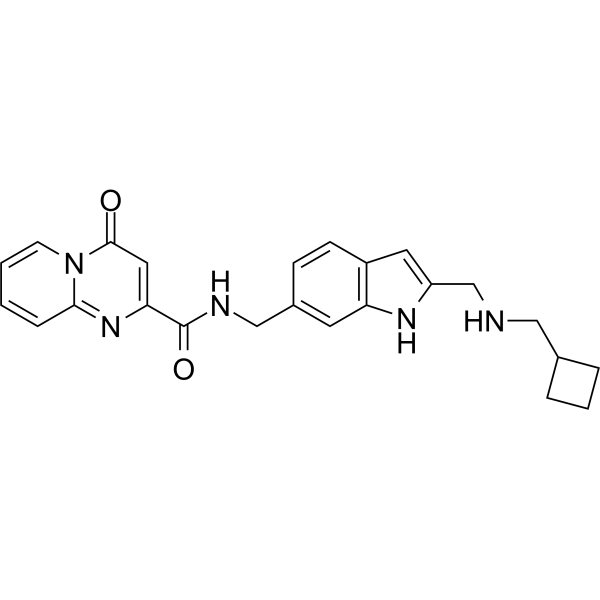
    METTL3 Cancer
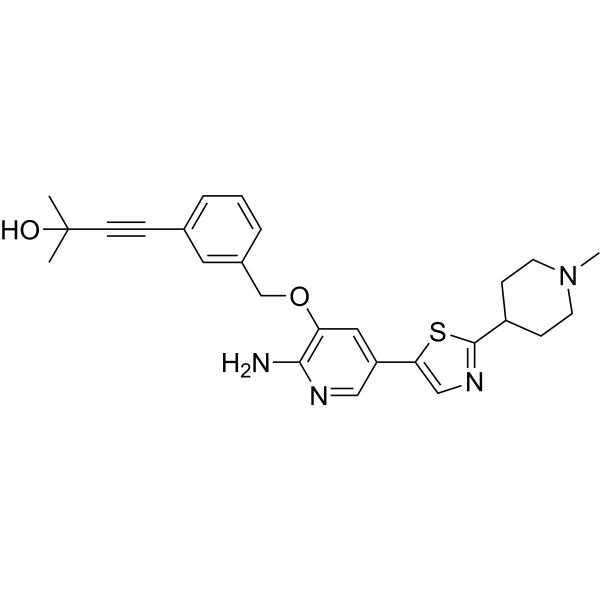
    STC-15 is an orally active RNA methyltransferase METTL3 inhibitor with the activity of activating anti-tumor immunity and reshaping the tumor microenvironment. STC-15 inhibits tumor growth by activating anti-cancer immune responses associated with increased interferon signaling and synergizes with T-cell checkpoint blockade. STC-15 can be used in the study of proliferative diseases such as cancer and autoimmune diseases .
    STC-15
  • HY-150724
    ODN 1018
    2 Publications Verification

    1018 ISS

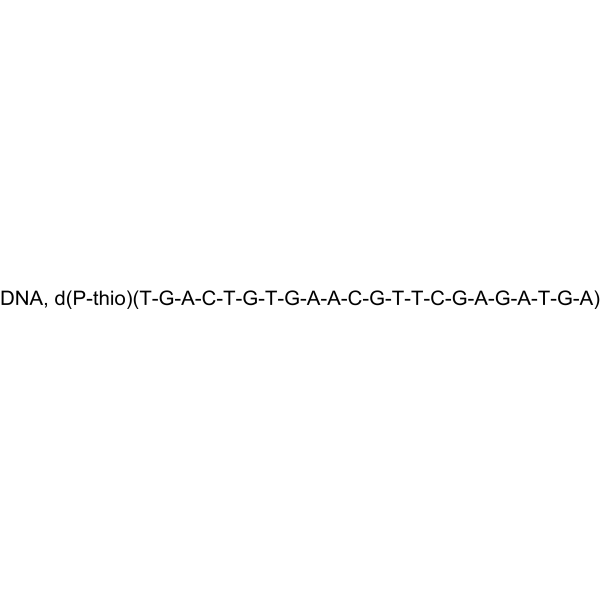
    Toll-like Receptor (TLR) Inflammation/Immunology
    ODN 1018 (1018 ISS) is a TLR9 agonist and immune modulator. ODN 1018 exhibits adjuvant activity and augments CD8+ T cell responses with LNP-encapsulated OVA peptides. ODN 1018 triggers sustained suppression of allergic airway inflammation. ODN 1018 can be used for the research of allergic asthma and systemic lupus erythematosus .
    ODN 1018
  • HY-153808A
    Incomplete Freund's adjuvant (IFA)
    4 Publications Verification

    Bacterial Inflammation/Immunology Cancer
    Incomplete Freund's adjuvant (IFA) (Montanide ISA-51) is an immunoadjuvant emulsified with antigen by its discoverer Jules T. Freund. Incomplete Freund's adjuvant (IFA) does not contain inactivated tuberculosis bacilli and consists of petroleum jelly containing lanolin. Incomplete Freund's adjuvant (IFA) induces high antibody titers and long-lasting effector T cell responses with no long-term effects on collagen disease, tumors, or death. Complete Freund's adjuvant (CFA) (HY-153808) is another type of Freund's Adjuvant that stimulates a stronger immune response .
    Incomplete Freund's adjuvant (IFA)
  • HY-11062
    Icilin
    1 Publications Verification

    AG-3-5

    TRP Channel Neurological Disease Inflammation/Immunology
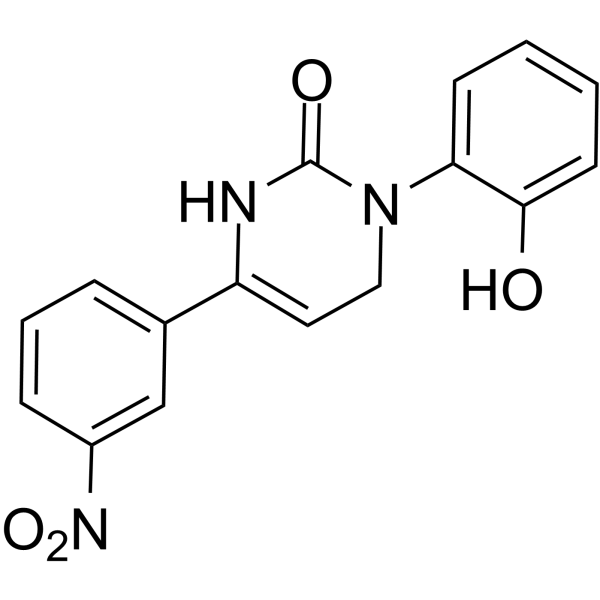
    Icilin (AG-3-5) is a super-agonist of the transient receptor potential M8 (TRPM8) ion channel. Icilin activates TRPM8 in EGTA in a dose-dependent manner (EC50=1.4 μM). Icilin is a "super-cooling agent" . Icilin attenuates autoimmune neuroinflammation through modulation of the T-cell response .
    Icilin
  • HY-P99048
    Sintilimab
    1 Publications Verification

    IBI308

    PD-1/PD-L1 Inflammation/Immunology Cancer
    Sintilimab (IBI308) is a safe and effectivel humanized IgG4 monoclonal antibody that binds to PD-1 with a KD value of 74 pM. Sintilimab blocks the interaction of PD-1 with its ligands (PD-L1 and PL-L2), consequently helping to restore the endogenous antitumour T-cell response. Sintilimab combined with prebiotics inhibits tumor volume and regulates immune cell subpopulation balance in lung adenocarcinoma mice. Sintilimab can be used for the research of classical Hodgkin's lymphoma, non-small cell lung cancer and oesophageal cancer .
    Sintilimab
  • HY-108691
    PF-06465469
    2 Publications Verification

    Itk Btk CXCR PD-1/PD-L1 LAG-3 Cancer
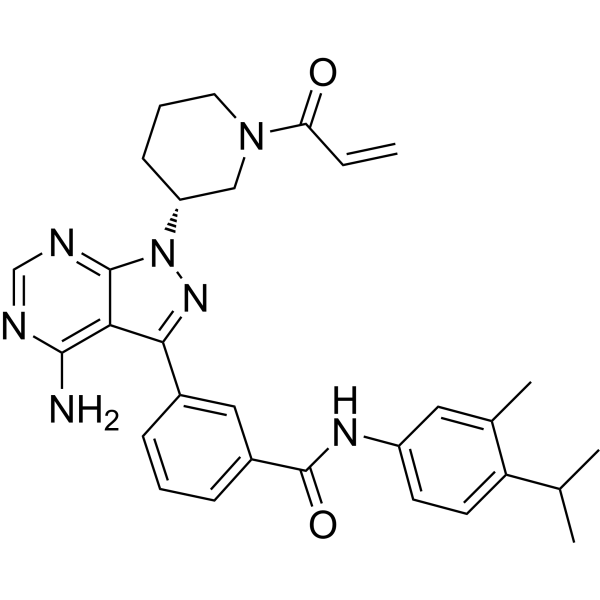
    PF-06465469 is a covalent inhibitor of ITK with an IC50 of 2 nM. PF-06465469 also inhibits BTK. PF-06465469 inhibits cell migration in response to CXCL12. PF-06465469 decreases PD-1 and LAG-3 expression. PF-06465469 can be used to study leukemia and T-cell lymphoma .
    PF-06465469
  • HY-159649

    DGK PERK Interleukin Related Inflammation/Immunology Cancer
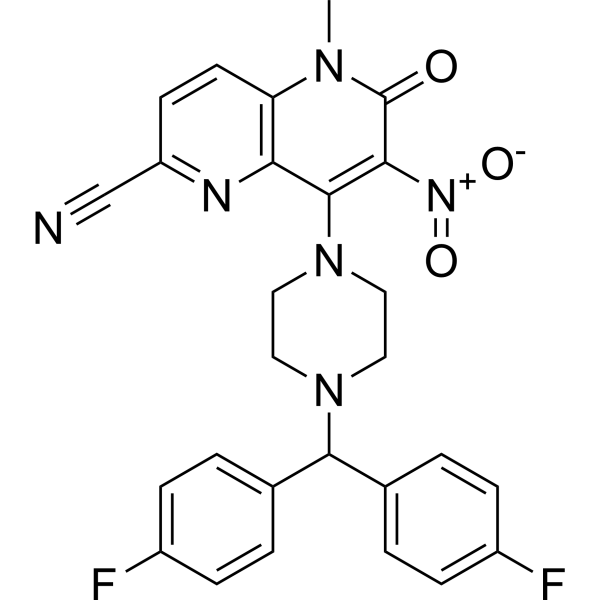
    BMS-986408 is an orally active inhibitor of DGKα and DGKζ, with IC50 values of 0.0003 μM and 0.002 μM, respectively. BMS-986408 activates intratumoral T cell responses, enhances the priming and expansion of tumor-reactive T cells in tumor-draining lymph nodes, and functions as an immunostimulant. BMS-986408 can be used in the research of tumors .
    BMS-986408
  • HY-148029

    TAK-676

    STING Cancer
    Dazostinag disodium (TAK-676) is an agonist of STING, triggering the activation of STING signaling pathway and type I interferons. Dazostinag disodium is also a modulator of immune system, resulting complete regressions and durable memory T-cell immunity. Dazostinag disodium promotes durable IFN-dependent antitumor immunity .
    Dazostinag disodium
  • HY-156773
    STM3006
    2 Publications Verification

    Apoptosis METTL3 Cancer
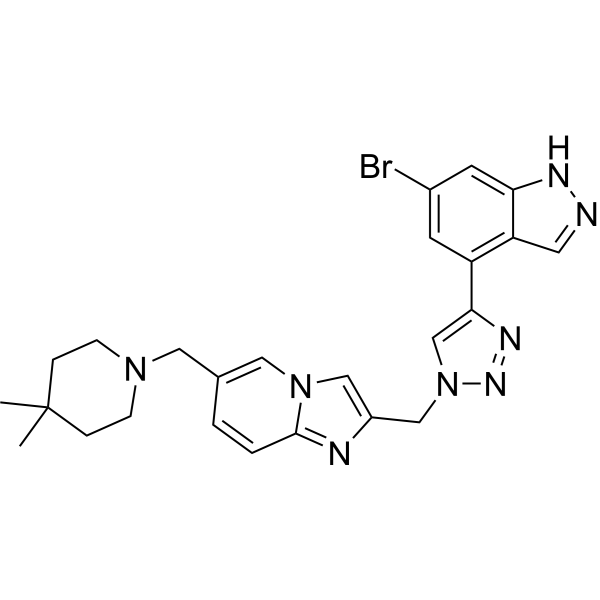
    STM3006 is a highly potent, selective, and orally active inhibitor of METTL3 (IC50: 5 nM). STM3006 can reduce the m6A level, promote the formation of dsRNA, trigger a cell-intrinsic interferon response, and enhance the killing effect of T cells on tumors. STM3006 has anti-tumor activity, and its combination with anti-PD-1 immunotherapy yields better results .
    STM3006
  • HY-P1745

    Insulin B chain (9-23)

    MHC Insulin Receptor IFNAR Inflammation/Immunology
    InsB (9-23) (Insulin B chain (9-23)) is an HLA-DQ8-restricted insulin B-chain peptide composed of amino acid residues 9-23. InsB (9-23) serves as a major MHC II class-restricted antigen. InsB (9-23) supports the recognition and activation of T cells, stimulates the secretion of IFN-γ and cytokines, and induces cross-reactive immune responses. InsB (9-23)-specific CD4 T cells can initiate diabetes . InsB (9-23) can be used in research related to type 1 diabetes and autoimmune diabetes .
    InsB (9-23)
  • HY-P99152

    Muromanab-CD3

    CD3 Interleukin Related IFNAR Inflammation/Immunology Cancer
    Muromonab (Muromonab-CD3; OKT3) is a mouse monoclonal antibody targeting the CD3 antigen. Muromonab specifically binds to the CD3 antigen on the surface of human and higher primate T cells. Muromonab blocks the function of T cell receptors to recognize foreign antigens and inhibits T cell-mediated immune responses, including cell-mediated lymphocyte lysis and T cell proliferation responses. Muromonab can be used to study acute kidney, liver, heart and combined kidney-pancreas transplant rejection, and can also be used to study graft-versus-host disease in bone marrow transplant patients .
    Muromonab
  • HY-P99259

    FPA 008; Anti-Human CSF1R Recombinant Antibody

    c-Fms Inflammation/Immunology Cancer
    Cabiralizumab (FPA 008) is an anti-CSF1R monoclonal antibody (MAb). Cabiralizumab enhances T cell infiltration and antitumor T cell immune responses. Cabiralizumab inhibits the activation of osteoclasts and blocks bone destruction, and can be used in the research of rheumatoid arthritis (RA). Cabiralizumab can combine with Nivolumab (HY-P9903) for lung cancer research .
    Cabiralizumab
  • HY-P99049

    APX005M; APX005M; EPI-0050

    TNF Receptor Inflammation/Immunology
    Sotigalimab, a CD40 agonistic monoclonal antibody. Sotigalimab binds CD40 with high affinity and activates antigen-presenting cells, thereby stimulating cancer-specific T cell responses. Sotigalimab is mainly used in the study of metastatic pancreatic cancer and metastatic melanoma .
    Sotigalimab
  • HY-122542B
    PPACK TFA
    2 Publications Verification

    Ligands for E3 Ligase Molecular Glues IKZF Family Cardiovascular Disease
    PPACK TFA is an orally active, selective molecular glue degrader targeting IKZF2. Through a molecular glue mechanism, PPACK TFA binds to CRBN, recruits IKZF2 to form a ternary complex, and promotes its ubiquitination and proteasomal degradation. This further converts inhibitory regulatory T cells (Treg) into effector-like T cells, enhances CD8 + T cell responses, and modulates the Teff:Treg balance. PPACK TFA also increases the production of the inflammatory cytokine IL-2 and reduces the suppressive activity of Treg. PPACK TFA can be used in cancer immunotherapy research, and exhibits a synergistic effect when combined with immune checkpoint inhibitors such as anti-PD1 .
    PPACK TFA
  • HY-150724C
    ODN 1018 sodium
    2 Publications Verification

    1018 ISS sodium

    Toll-like Receptor (TLR) Inflammation/Immunology
    ODN 1018 (1018 ISS) sodium is a TLR9 agonist and immune modulator. ODN 1018 sodium exhibits adjuvant activity and augments CD8+ T cell responses with LNP-encapsulated OVA peptides. ODN 1018 sodium triggers sustained suppression of allergic airway inflammation. ODN 1018 sodium can be used for the research of allergic asthma and systemic lupus erythematosus .
    ODN 1018 sodium
  • HY-P2560
    LCMV GP (61-80)
    1 Publications Verification

    Arenavirus Infection Inflammation/Immunology
    LCMV GP (61-80) is a peptide fragment derived from lymphocytic choriomeningitis virus (LCMV) glycoprotein (GP), and corresponds to amino acids 61-80. LCMV GP (61-80) is a specific epitope which can induce CD4 + T-cell response .
    LCMV GP (61-80)
  • HY-162501
    Yaddle1
    1 Publications Verification

    Piezo Channel Inflammation/Immunology
    Yaddle1 is an agonist of the mechano-activated ion channel (Piezo1) with a half-maximal effective concentration (MEC50) of 0.40 μM. Yaddle1 can significantly trigger Ca 2+ inflow in T cells and induce T cell activation response. Yaddle1 can be used in the study of vaccine adjuvants .
    Yaddle1
  • HY-P99159

    Interleukin Related Cancer
    Ivuxolimab is a fully human IgG2 agonist targeting OX40 (CD134), which selectively binds to the OX40 receptor on the surface of activated CD4 + and CD8 + T cells without inducing antibody-dependent cytotoxicity. Ivuxolimab can promote T cell proliferation, survival and cytokine (such as IFN-γ, IL-2) secretion, inhibit regulatory T cell function, and enhance anti-tumor immune response. Ivuxolimab can be used in the study of melanoma, hepatocellular carcinoma, head and neck squamous cell carcinoma, etc .
    Ivuxolimab
  • HY-P11303

    CD74 MHC Neurological Disease Cancer
    PADRE peptide is a pan-HLA-DR binding epitope and immunostimulant. PADRE peptide binds to the peptide-binding groove of MHC class II molecules for presentation to CD4 + T cells, thereby effectively stimulating specific immune responses. PADRE peptide not only enhances anti-tumor immune responses, inhibits tumor growth and prolongs survival; it also significantly increases the frequency of E7-specific CD8 + T cells and improves therapeutic efficacy against TC-1 tumors when used in combination with E7 peptide-based vaccines and poly (I:C). The intensity of the immune response induced by PADRE peptide is lower than that of the Ii-PADRE DNA vaccine, and it fails to enhance the immune effect of CRT-E7 DNA. PADRE peptide is widely applicable to research on related tumors such as melanoma, glioblastoma and cervical cancer .
    PADRE peptide
  • HY-149874
    BMS-502
    1 Publications Verification

    DGK Inflammation/Immunology Cancer
    BMS-502 (Compound 22) is a potent dual inhibitor of diacylglycerol kinase (DGK) α and ζ with IC50 of 4.6 nM and 2.1 nM. BMS-502 enhanced T cell immune responses in mice. BMS-502 can be used in tumor immunity related research .
    BMS-502
  • HY-150726
    ODN 1668
    1 Publications Verification

    Toll-like Receptor (TLR) Bacterial Infection Neurological Disease Inflammation/Immunology
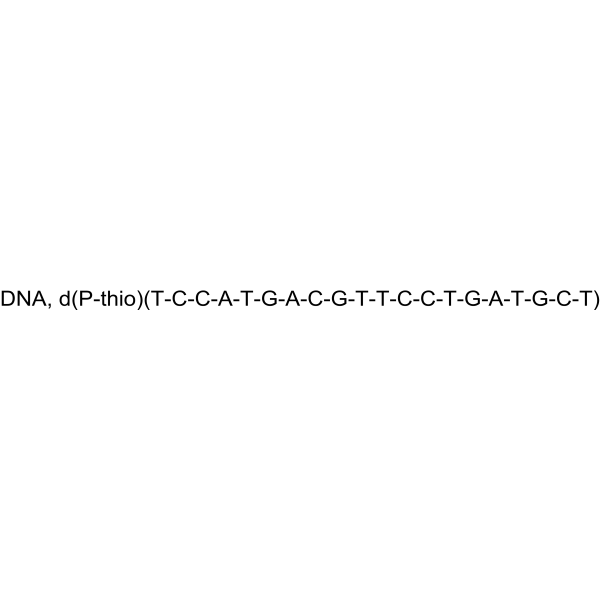
    ODN 1668, a class B CpG ODN (oligodeoxynucleotide), is a TLR-9 agonist. ODN 1668 has strong immune regulatory properties, can enhance the level of antibody IgG2 subtype, promote the immune response of T cells and B cells, and can be used in the study of vaccine adjuvants. In addition, CpG ODN 1668 induces an antimicrobial immune response via a CaTLR9 dependent pathway in groupers. Sequence: 5'-tccatgacgttcctgatgct-3’ .
    ODN 1668
  • HY-150726C
    ODN 1668 sodium
    1 Publications Verification

    Toll-like Receptor (TLR) Bacterial Infection Neurological Disease Inflammation/Immunology
    ODN 1668 sodium, a class B CpG ODN (oligodeoxynucleotide), is a TLR-9 agonist. ODN 1668 sodium has strong immune regulatory properties, can enhance the level of antibody IgG2 subtype, promote the immune response of T cells and B cells, and can be used in the study of vaccine adjuvants. In addition, CpG ODN 1668 sodium induces an antimicrobial immune response via a CaTLR9 dependent pathway in groupers. Sequence: 5'-tccatgacgttcctgatgct-3’ .
    ODN 1668 sodium
  • HY-P99845

    MEDI 4920; VIB 4920

    TNF Receptor Inflammation/Immunology
    Dazodalibep (MEDI 4920; VIB 4920) is a non-antibody fusion protein that targets CD40L. Dazodalibep inhibits the co-stimulatory signals between immune cells (such as T cells, B cells, and antigen-presenting cells), thereby enabling the inhibition of a broader range of cellular and humoral responses. Dazodalibep can be used for research on rheumatoid arthritis and Sjögren's syndrome .
    Dazodalibep
  • HY-P99157

    CD276/B7-H3 Cancer
    Omburtamab is a humanized monoclonal antibody targeting B7-H3 (CD276). Omburtamab selectively binds to B7-H3 highly expressed on the surface of tumor cells and activates anti-tumor immune responses mediated by T cells and natural killer (NK) cells. Omburtamab can promote the specific infiltration of CAR-T cells into tumors, enhance the killing function of NK cells through the CD16 signaling pathway, and regulate tumor cell glucose metabolism (such as inhibiting the Warburg effect). Omburtamab has the potential to inhibit solid tumors such as non-small cell lung cancer (NSCLC) .
    Omburtamab
  • HY-P99414

    AMG 557

    Transmembrane Glycoprotein Interleukin Related Inflammation/Immunology
    Prezalumab (AMG 557) is a humanized IgG2 monoclonal antibody targeting ICOSL. Prezalumab inhibits T cell activation and related immune responses by binding to ICOSL and blocking the interaction between ICOS and ICOSL. Prezalumab can be used in the research of autoimmune diseases and inflammatory diseases such as systemic lupus erythematosus. Recommend Isotype Controls: Human IgG2 kappa, Isotype Control (HY-P99002) .
    Prezalumab
  • HY-P99714

    MGD019

    PD-1/PD-L1 CTLA-4 Cancer
    Lorigerlimab (MGD019) is a bispecific IgG4 dual-affinity re-targeting antibody (DART). Lorigerlimab can block PD-1 and CTLA-4, and improves T-cell responses. Lorigerlimab can be used for research of metastatic castration-resistant prostate cancer (mCRPC) .
    Lorigerlimab
  • HY-P991257
    MK-1966
    1 Publications Verification

    Interleukin Related CXCR MHC Cancer
    MK-1966 is an anti-IL-10 antibody. MK-1966 inhibits secretion of cytokines from activated macrophages, production of CC and CXC chemokines, and a TH1 response, down-regulates MHC and costimulatory molecules on dendritic cells (DCs), and induces regulatory T cells. MK-1966 can be used for the research of cancer , such as gastric cancer .
    MK-1966
  • HY-121508

    NF-κB Inflammation/Immunology Cancer
    (E/Z)-IT-603 is a mixture of E-IT-603 and Z-IT-603 (IT-603). (E/Z)-IT-603 is also an IĸBα/c-Rel inhibitor. IT-603 is a c-Rel inhibitor with an IC50 of 3 μM. IT-603 has anti-tumor activity. (E/Z)-IT-603 is a promising modulator of T-cell responses in the context of graft-versus-host disease (GVHD) and malignant diseases .
    (E/Z)-IT-603
  • HY-P99573

    MGD-013

    LAG-3 Inflammation/Immunology Cancer
    Tebotelimab (MGD-013) is a humanized IgG4κ bispecific PD-1/LAG-3 dual-affinity re-targeting (DART) antibody. Tebotelimab binds cell-surface expressed PD-1 and LAG-3 with EC50s of 1.65 nM and 0.41 nM in NS0 cells, respectively. Tebotelimab blocks PD-1/PD-L1, PD-1/PD-L2 and LAG-3/HLA (MHC-II) interactions and PD-1 signaling. Tebotelimab restores exhausted T-cell responses and and enhances antitumour immunity .
    Tebotelimab
  • HY-102090

    CD28 Inflammation/Immunology
    B7/CD28 interaction inhibitor 1 (copmound 6b) is a potent B7.1-CD28 interaction inhibitor with an IC50 of 50 nM .
    B7/CD28 interaction inhibitor 1
  • HY-P99057

    CDX-1127

    TNF Receptor Transmembrane Glycoprotein Inflammation/Immunology Cancer
    Varlilumab (CDX-1127) is an agonist anti-CD27 monoclonal antibody. Varlilumab can promote T cell expansion and activate the immune response. Varlilumab has anti-tumor activity and can be used in the research of hematological malignancies and solid tumors .
    Varlilumab
  • HY-122542A
    PPACK dihydrochloride
    2 Publications Verification

    Pebac; D-Phenylalanyl-prolyl-arginyl Chloromethyl Ketone; D-Phe-Pro-Arg-CH2Cl

    Ligands for E3 Ligase Molecular Glues IKZF Family Cardiovascular Disease
    PPACK dihydrochloride is an orally active, selective molecular glue degrader targeting IKZF2. Through a molecular glue mechanism, PPACK dihydrochloride binds to CRBN, recruits IKZF2 to form a ternary complex, and promotes its ubiquitination and proteasomal degradation. This further converts inhibitory regulatory T cells (Treg) into effector-like T cells, enhances CD8 + T cell responses, and modulates the Teff:Treg balance. PPACK dihydrochloride also increases the production of the inflammatory cytokine IL-2 and reduces the suppressive activity of Treg. PPACK dihydrochloride can be used in cancer immunotherapy research, and exhibits a synergistic effect when combined with immune checkpoint inhibitors such as anti-PD1 .
    PPACK dihydrochloride
  • HY-159647

    Molecular Glues Ligands for E3 Ligase IKZF Family Cancer
    PLX-4545 is an orally active, selective molecular glue degrader targeting IKZF2. Through a molecular glue mechanism, PLX-4545 binds to CRBN, recruits IKZF2 to form a ternary complex, and promotes its ubiquitination and proteasomal degradation. This further converts inhibitory regulatory T cells (Treg) into effector-like T cells, enhances CD8 + T cell responses, and modulates the Teff:Treg balance. PLX-4545 also increases the production of the inflammatory cytokine IL-2 and reduces the suppressive activity of Treg. PLX-4545 can be used in cancer immunotherapy research, and exhibits a synergistic effect when combined with immune checkpoint inhibitors such as anti-PD1 .
    PLX-4545
  • HY-P2455

    Listeriolysin O (91-99)

    Bacterial Infection Inflammation/Immunology
    LLO (91-99) (Listeriolysin O (91-99)) is an exotoxin and class I MHC-restricted T-cell epitope of listeriolysin (LLO). LLO (91-99) is processed by antigen-presenting cells, binds to MHC class I molecules and is presented to the cell surface. LLO (91-99) induces CTL responses and effectively eliminates Listeria from infected cells. LLO (91-99) can be used in the research of Listeria infections (e.g., listeriosis) .
    LLO (91-99)
  • HY-P99431

    Alomfilimab; SAR 445256

    CD28 Inflammation/Immunology Cancer
    KY-1044 (Alomfilimab; SAR 445256) is a fully human IgG1 antibody targeting inducible costimulatory receptor (ICOS). KY-1044 depletes ICOS high cells via antibody-dependent cellular cytotoxicity (ADCC) through the engagement of FcgRIIIa. KY-1044 act as a costimulatory molecule on cells expressing lower ICOS levels, such as CD8 + TEff cells (through FcgR-dependent clustering). KY-1044 exploit the differential expression of ICOS on T-cell subtypes to improve the intratumoral immune contexture and restore an antitumor immune response .
    KY-1044
  • HY-144088
    ZYF0033
    2 Publications Verification

    HPK1-IN-22

    MAP4K Inflammation/Immunology Cancer
    ZYF0033 is an orally active inhibitor of the hematopoietic progenitor cell kinase HPK1 with an IC50 of less than 10 nM based on the phosphorylation inhibition of MBP protein. ZYF0033 promotes anti-cancer immune responses and reduces phosphorylation of SLP76 (serine 376). ZYF0033 inhibits tumor growth in the 4T-1 syngeneic mouse model and leads to increased intratumoral infiltration of DCs, NK cells, and CD107a +CD8 + T cells, but not T cells, PD-1 +CD8 + T cells, TIM-3 +CD8 + Infiltration of T cells and LAG3 +CD8 + T cells was reduced .
    ZYF0033
  • HY-159647B

    Molecular Glues IKZF Family Cancer
    (1S,2S,3R)-PLX-4545 is the (1S,2S,3R) enantiomer of PLX-4545 (HY-159647). PLX-4545 is an orally active and selective cereblon-based molecular glue degrader of IKZF2 (zinc finger transcription factor Helios). PLX-4545 can reprogram immunosuppressive regulatory T cells into pro-inflammatory effector T cells, thereby enhancing anti-tumor immune responses .
    (1S,2S,3R)-PLX-4545
  • HY-P5425A

    Transmembrane Glycoprotein Cancer
    Tetanus Toxin (830–844) TFA is a biological active peptide. (tetanus toxin-derived peptide TT830–844 CD4 + T-cell epitope. This promiscuous CD4 + T-cell epitope can bind to a wide range of HLA–DRB molecules and is thus expected to activate CD4 + T-cell responses in a large part of the human population) .
    Tetanus Toxin (830–844) TFA
  • HY-NP028

    KLH-FITC

    Biochemical Assay Reagents Fluorescent Dye Inflammation/Immunology
    Keyhole Limpet Hemocyanin-FITC induces both T-cell-dependent and T-cell-independent immune responses .
    Keyhole Limpet Hemocyanin-FITC
  • HY-P990018

    MK-5890

    TNF Receptor NF-κB Inflammation/Immunology Cancer
    Boserolimab (MK-5890) is a humanized agonist monoclonal antibody that binds to CD27 to provide a costimulatory signal that enhances T-cell–mediated responses .
    Boserolimab
  • HY-137640A

    PKA Inflammation/Immunology
    Sp-8-Br-cAMPS sodium is a cAMP analog, which performs a protein kinase A (PKA) activating activity with EC50 of 360 nM. Sp-8-Br-cAMPS sodium inhibits proliferation of T cells and the haemocyte non-self response in Lepidoptera larve .
    Sp-8-Br-cAMPS sodium
  • HY-159886

    TNF Receptor Inflammation/Immunology
    MG-C-30 is an orally active agonist for CD27 with an EC50 of 0.84 μM. MG-C-30 activates NK cells and T cell co-stimulatory signals, and enhances immune response. MG-C-30 exhibits antitumor efficacy in mouse EG7-OVA model .
    MG-C-30
  • HY-P991193

    TNF Receptor Cancer
    NGM-438 is a humanized monoclonal antibody antagonist of LAIR1, with a Ka of 0.26 nM for human LAIR1 and 4.28 nM for cynomolgus monkey LAIR1. NGM-438 blocks the binding of LAIR1 to its Collagen ligand and antagonizes the Collagen-induced LAIR1 signaling pathway. NGM-438 reverses FcγR signaling inhibition in myeloid cells, induces dendritic cells to secrete TNFα, promotes T cell proliferation, and triggers myeloid inflammation and allogeneic T cell responses. NGM-438 sensitizes refractory mouse lung cancer to PD-1 blockade, increases the content of intratumoral CD8 + T cells and the expression of inflammatory genes. NGM-438 is applicable to research related to solid tumors, refractory solid tumors and non-small cell lung cancer .
    NGM-438
  • HY-111782

    8-Thioguanosine

    Toll-like Receptor (TLR) Inflammation/Immunology
    8-Mercaptoguanosine is an immunoadjuvant that affects the in vivo antibody response to the T-cell-independent antigen TNP-Ficoll. 8-Mercaptoguanosine enhances IgG1, IgG2, and IgG3 antibody responses, but has no effect on IgM antibody responses. 8-Mercaptoguanosine also enhances antibody responses to very weak antigens such as pneumococcal polysaccharide and restores antibody responses in immunodeficient xid mice that are non-reactive to TNP-Ficoll .
    8-Mercaptoguanosine
  • HY-P99138

    Interleukin Related Inflammation/Immunology Cancer
    Anti-Mouse IL-1a Antibody (ALF-161) is an anti-mouse IL-1a IgG1 monoclonal antibody. Anti-Mouse IL-1a Antibody (ALF-161) can inhibit CD8 + T cell response by blocking IL-1a signaling. Anti-Mouse IL-1a Antibody (ALF-161) can reversibly transform myeloid cell expansion and improve T cell function. Anti-Mouse IL-1a Antibody (ALF-161) can be used for researches on immune response and cancer such as breast cancer .
    Anti-Mouse IL-1a Antibody (ALF-161)
  • HY-P991455

    TNF Receptor Cancer
    PTX-35 is a human IgG monoclonal antibody (mAb) targeting TNFRSF25. PTX-35 reduces the suppressive activity of regulatory T cells and enhances CD4+ T cell effector responses in a mouse melanoma model. PTX-35 can be used in Islet cell transplant rejection and Solid tumours research. Recommended isotype control: Human IgG1 lambda2, Isotype Control (HY-P990096) .
    PTX-35
  • HY-149667

    DGK Cancer
    BMS-332 is a dual DGKα/ζ lipid kinase inhibitor, with IC50s of 5 and 1 nM against DGKα and DGKζ, respectively. BMS-332 enhances the antigen-specific T cell response. BMS-332 reduces the viral load in the liver and spleen when combined with anti-PD-1 in chronic infection models. BMS-332 can be used for the study of T cell immune checkpoint strategy .
    BMS-332
  • HY-P5396A

    Amino Acid Decarboxylase Others
    GAD65 (524-543) acetate is a biological active peptide with amino acids 524 to 543 fragment of glutamic acid decarboxylase 65 (GAD65). GAD65 (524-543) acetate is one of the first fragments of the islet antigen to induce proliferative T cell responses in the non-obese diabetic (NOD) mouse model of spontaneous autoimmune diabetes. GAD65 (524-543) acetate is a specific, possibly low affinity, stimulus for the spontaneously arising diabetogenic T cell clone BDC2.5. Immunization with GAD65 (524-543) acetate increases the susceptibility of the NOD mice to type 1 diabetes induced by the adoptive transfer of BDC2.5 T cells .
    GAD65 (524-543) acetate
  • HY-P991543

    CD2 Inflammation/Immunology Cancer
    BTI-322 is a human IgG1κ antibody directed against the CD2 antigen on T cells and NK cells. BTI-322 can block primary and memory alloantigen proliferative responses in vitro. BTI-322 recognizes over 90% of E-rosette-forming peripheral blood lymphocytes and T-cell leukemias. BTI-322 has immunosuppressive activity. BTI-322 effectively inhibits T cell responses in vitro to allogeneic cells. BTI-322 can be used as a T-cell deplting agent. BTI-322 can be studied in research for renal allograft rejection and steroid-refractory acute graft-versus-host disease .
    BTI-322
  • HY-P991525

    TNF Receptor Cancer
    2141-V11 is an anti-CD40 agonist antibody with enhanced binding to FcγRIIB. 2141-V11 results in effective tumor-specific T-cell responses in vivo. 2141-V11 can be used for the study of BCG-unresponsive non-muscle invasive bladder cancer .
    2141-V11

Inquiry Online

Your information is safe with us. * Required Fields.

Salutation


Country or Region *

Applicant Name *


Organization Name *

Department *


Email Address *


Product Name *

Cat. No.


Requested quantity *

Phone Number *


Remarks

Inquiry Online

Inquiry Information

Product Name:
Cat. No.:
Quantity:
MCE Japan Authorized Agent:

