
1. Search Result
Search Result
Pathways Recommended: Stem Cell/Wnt Cell Cycle/DNA Damage
Results for "

T2 cells

" in MedChemExpress (MCE) Product Catalog:

29

Inhibitors & Agonists

1

Screening Libraries

2

Fluorescent Dyes

2

Peptides

4

Natural
Products

2

Isotope-Labeled Compounds

2

Oligonucleotides

Cat. No. Product Name Target Research Areas Chemical Structure
  • HY-13757AR
    Tamoxifen (Standard)
    Maximum Cited Publications
    213 Publications Verification

    ICI 47699(Standard); (Z)-Tamoxifen(Standard); trans-Tamoxifen (Standard)

    Reference Standards Estrogen Receptor/ERR HSP Autophagy Apoptosis Endocrinology Cancer
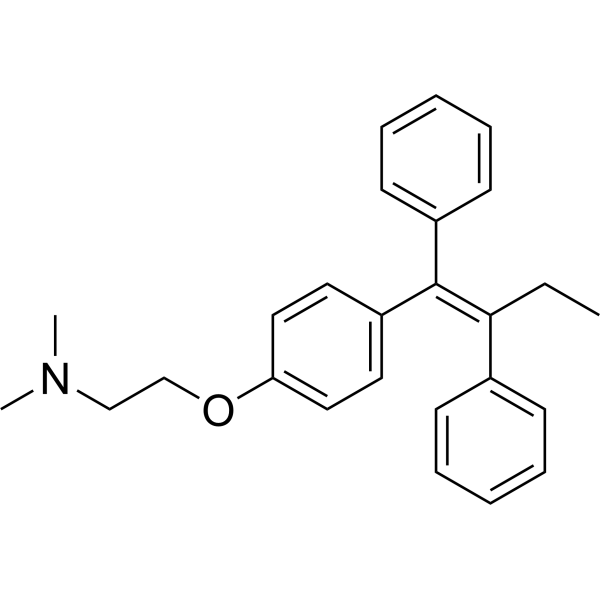
    Tamoxifen (Standard) is the analytical standard of Tamoxifen (HY-13757A). This product is intended for research and analytical applications. Tamoxifen (ICI 47699) is an orally active, selective estrogen receptor modulator (SERM) which blocks estrogen action in breast cells and can activate estrogen activity in other cells, such as bone, liver, and uterine cells . Tamoxifen is a potent Hsp90 activator and enhances the Hsp90 molecular chaperone ATPase activity. Tamoxifen also potent inhibits infectious EBOV Zaire and Marburg (MARV) with IC50 of 0.1 μM and 1.8 μM, respectively . Tamoxifen activates autophagy and induces apoptosis . Tamoxifen also can induce gene knockout of CreER(T2) transgenic mouse .
    Tamoxifen (Standard)
  • HY-110111
    T2AA
    2 Publications Verification

    DNA/RNA Synthesis Cancer
    T2AA is a monoubiquitinated proliferating cell nuclear antigen (PCNA) inhibitor that prevents DNA repair, increases double-strand break (DSB) formation and promotes necroptosis and cell cycle arrest in G1 phase .
    T2AA
  • HY-B1021
    Vincamine
    1 Publications Verification

    Free Fatty Acid Receptor Cardiovascular Disease Metabolic Disease
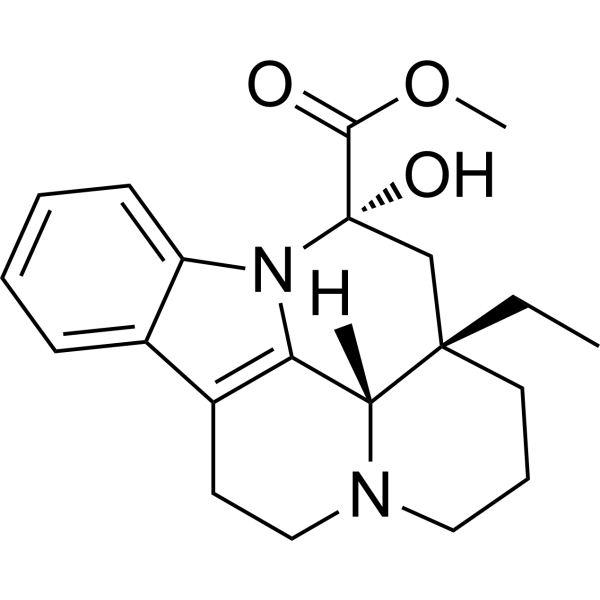
    Vincamine is a monoterpenoid indole alkaloid extracted from the Madagascar periwinkle. Vincamine is a peripheral vasodilator and exerts a selective vasoregulator action on the brain microcapilar circulation . Vincamine is a GPR40 agonist and acts as a β-cell protector by ameliorating β-cell dysfunction and promoting glucose-stimulated insulin secretion (GSIS). Vincamine improves glucose homeostasis in vivo, and has the potential for the type 2 diabetes mellitus (T2DM) research .
    Vincamine
  • HY-178324

    TREM receptor Syk Neurological Disease Inflammation/Immunology
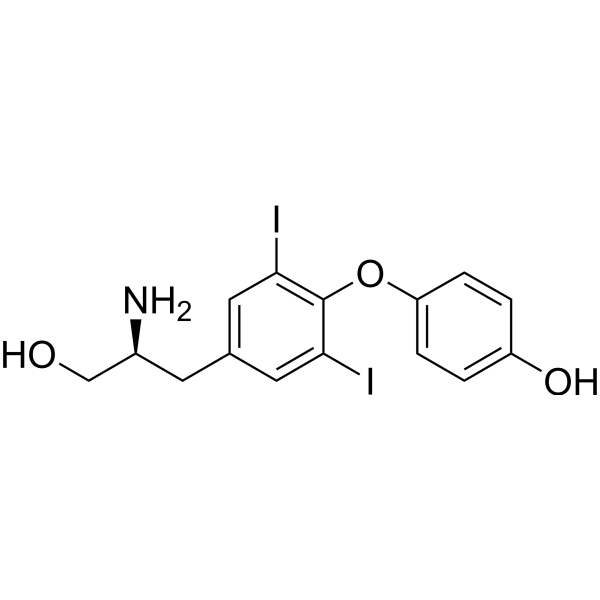
    T2M-010 is a potent, brain-penetrant TREM2 agonist (Kd = 0.83 μM). T2M-010 activates receptor-proximal signaling, inducing SYK phosphorylation in TREM2-expressing cells, and promotes microglial phagocytosis. T2M-010 can be used for the study of protective microglial responses relevant to Alzheimer’s disease (AD) .
    T2M-010
  • HY-N0500

    Glycosidase Autophagy Metabolic Disease Endocrinology
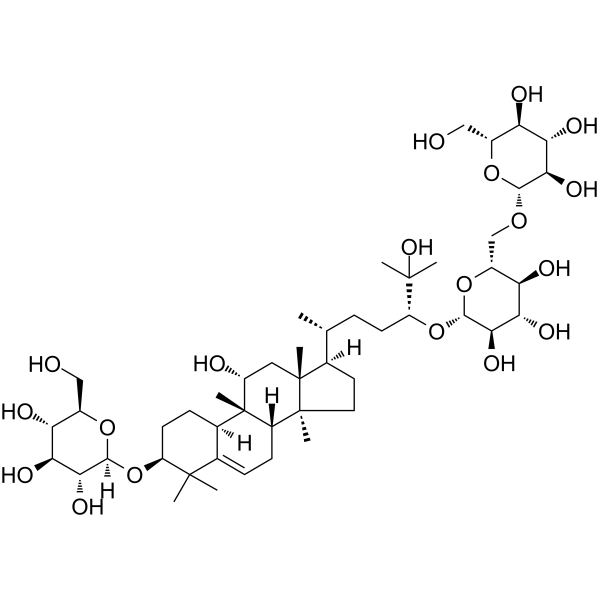
    Mogroside III is a triterpenoid glycoside. Mogroside III exhibits maltase inhibitory effect with an IC50 value of 1.6 mM. Mogroside III enhances oocyte developmental potential by promoting autophagy in cumulus cells. Mogroside III, as the active ingredient of the low-polarity glycoside component (L-SGgly), L-SGgly can increase serum GLP-1 levels, improve insulin resistance, and reduce IL-6 levels, and has hypoglycemic, lipid-regulating and anti-inflammatory effects. Mogroside III can be used for the studies of type 2 diabetes mellitus (T2DM) and assisted reproductive technology .
    Mogroside III
  • HY-160062

    Mucin Cancer
    S2.2 aptamer sodium is a nucleic acid-based MUC1-binding aptamer with high affinity and low toxicity. Upon binding to its target, S2.2 aptamer sodium undergoes a conformational switch and restores fluorescence signal, serving as a targeted imaging agent for MUC1-positive cancer cells. S2.2 aptamer sodium enables targeted delivery to breast cancer cells with overexpressed MUC1. When formulated as the S2.2-PEG-MZF molecular probe, S2.2 aptamer sodium possesses the functions of T2 signal inhibition, magnetic field-induced hyperthermia and targeted magnetic resonance molecular imaging. In the S2.2-PEG-MZF/DOX nanoliposome, S2.2 aptamer sodium supports targeted thermochemotherapy, effectively inhibiting cancer cell proliferation and invasion as well as inducing apoptosis, and is widely used in studies related to breast cancer .
    S2.2 aptamer sodium
  • HY-164595

    Hippo (MST) Apoptosis AMPK Metabolic Disease
    IHMT-MST1-39 is an orally active inhibitor for MST kinase, with IC50 of 42, 109, 286, 159 nM for MST1, MST2, MST3, MST4. IHMT-MST1-39 activates the AMPK signaling pathway in liver cells, reduces apoptosis of pancreatic β-cells. IHMT-MST1-39 can be used for the studies of type 1 diabetes (T1D) and type 2 diabetes (T2D) .
    IHMT-MST1-39
  • HY-W679754

    PFTrDA

    Biochemical Assay Reagents Cytochrome P450 Metabolic Disease
    Pentacosafluorotridecanoic Acid (PFTrDA) is a long-chain perfluoroalkyl carboxylic acid with strong endocrine-disrupting activity. Pentacosafluorotridecanoic Acid exhibits estrogenic effects and disrupts vtg1 transcription as well as sex hormone homeostasis in male Danio rerio. Pentacosafluorotridecanoic Acid disturbs steroidogenesis and HPG axis function in a sex-dependent pattern. Pentacosafluorotridecanoic Acid inhibits CYP17A and CYP11A1 to reduce testosterone and increase E2/T ratio in H295R cells. Pentacosafluorotridecanoic Acid triggers gender-specific immunomodulation after prenatal exposure. Pentacosafluorotridecanoic Acid correlates with lower eczema risk in female infants. Pentacosafluorotridecanoic Acid can be used for the research of endocrine disruption and eczema .
    Pentacosafluorotridecanoic Acid
  • HY-110251A

    DNA Stain Others
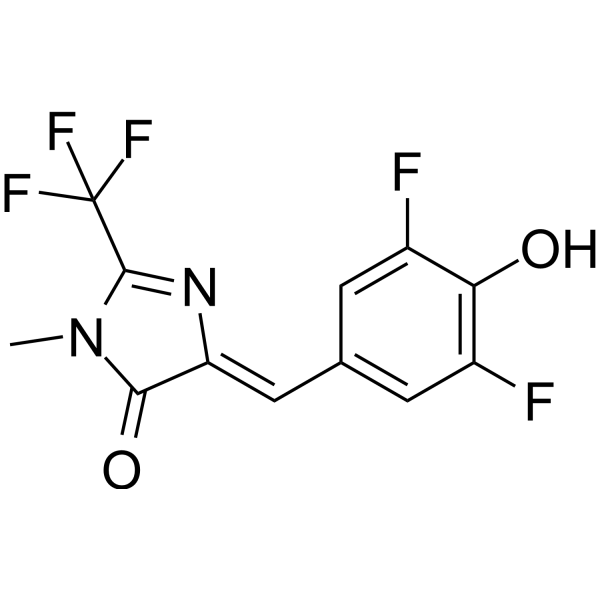
    DFHBI-2T is a membrane-permeable RNA aptamers-activated fluorescence probe (ex/em=500 nm/523 nm). DFHBI-2T is used to image RNA in live cells .
    DFHBI-2T
  • HY-W015229R

    Indole-3-propionic acid (Standard); 3-IPA (Standard)

    Reference Standards Endogenous Metabolite Reactive Oxygen Species (ROS) Neurological Disease Metabolic Disease
    3-Indolepropionic acid (Standard) is the analytical standard of 3-Indolepropionic acid. This product is intended for research and analytical applications. 3-Indolepropionic acid is shown to be a powerful antioxidant and has potential in the treatment for Alzheimer’s disease. In Vitro: 3-Indolepropionic acid is shown to be a powerful antioxidant and has potential in the treatment for Alzheimer’s disease . 3-Indolepropionic acid is a more potent scavenger of hydroxyl radicals than melatonin. Similar to melatonin but unlike other antioxidants, 3-Indolepropionic acid scavenges radicals without subsequently generating reactive and pro-oxidant intermediate compounds . It is also suggested that indolepropionic acid, a gut microbiota-produced metabolite, is a potential biomarker for the development of type 2 diabetes (T2D) that may mediate its protective effect by preservation of β-cell function .
    3-Indolepropionic acid (Standard)
  • HY-176745

    VDAC Metabolic Disease Endocrinology
    SW016789 is a hypersecretion-inducer targeting VDAC1. SW016789 can induce insulin hypersecretion and Ca 2+ influx in β-cells directly. SW016789 induces a transient endoplasmic reticulum stress response (ER stress), but does not cause beta cell death. SW016789 has reversible and non-apoptotic characteristics. SW016789 can be used for the study of Diabetes mellitus type 2 (T2DM) β-cell dysfunction .
    SW016789
  • HY-178926

    CCR TNF Receptor Interleukin Related Metabolic Disease Inflammation/Immunology Endocrinology
    RAGE406R is an orally active RAGE-DIAPH1 interaction antagonist. RAGE406R can bind to ctRAGE and prevent the formation of the RAGE-DIAPH1 complex and inhibit its interaction. RAGE406R can reduce the expression of CCL2, TNF, and IL-6 in THP1 cells. RAGE406R suppresses delayed-type hypersensitivity in T2D mice. RAGE406R can be used for the study of diabetes .
    RAGE406R
  • HY-W653841

    Endogenous Metabolite Parasite Infection Inflammation/Immunology Cancer
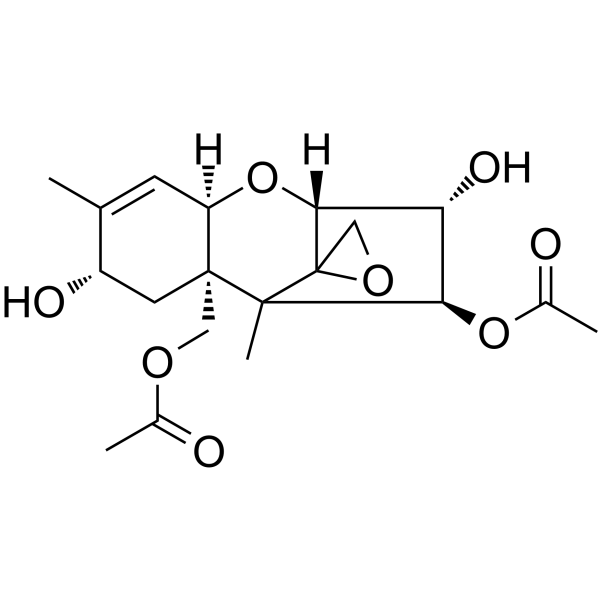
    Chondroitin sulfate A disodium is a mucopolysaccharide extracted from animal cartilages such as porcine nasal cartilage, and serves as a major structural component of cartilage. Chondroitin sulfate A disodium is one of the specific receptors for the adhesion of Plasmodium falciparum-infected red blood cells in the microcirculation. Chondroitin sulfate A disodium can be used together with selenium to prepare nanoparticles for protecting cartilage against T‑2 toxin-induced damage. Chondroitin sulfate A disodium is abnormally highly expressed in ameloblastoma, and is particularly enriched in stellate reticulum-like tumor cells. Chondroitin sulfate A disodium can be applied to studies on Plasmodium infection mechanisms, cartilage protection and oral tumors .
    Chondroitin sulfate A disodium
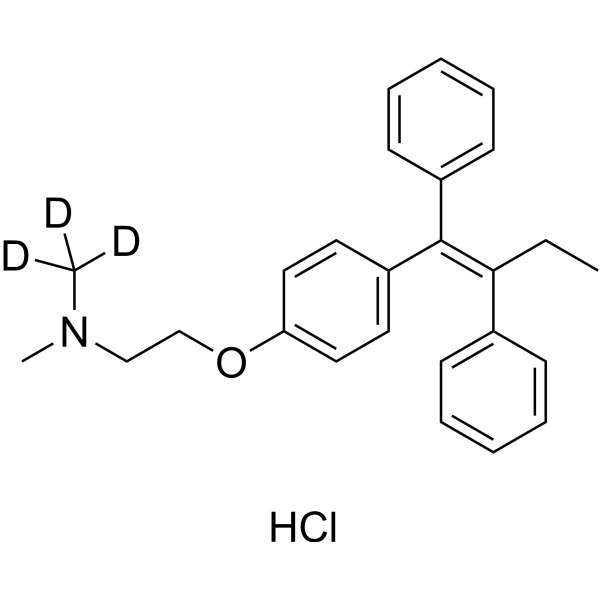
  • HY-13757S

    ICI 46474-d3 hydrochloride; (Z)-Tamoxifen-d3 hydrochloride; trans-Tamoxifen-d3 hydrochloride

    Apoptosis Estrogen Receptor/ERR Autophagy HSP Isotope-Labeled Compounds Cancer
    Tamoxifen-d3 hydrochloride is deuterated labeled Tamoxifen (Citrate) (HY-13757). Tamoxifen Citrate (ICI 46474) is an orally active, selective estrogen receptor modulator (SERM) which blocks estrogen action in breast cells and can activate estrogen activity in other cells, such as bone, liver, and uterine cells .Tamoxifen Citrate is a potent Hsp90 activator and enhances the Hsp90 molecular chaperone ATPase activity. Tamoxifen Citrate also potent inhibits infectious EBOV Zaire and Marburg (MARV) with IC50 of 0.1 μM and 1.8 μM, respectively . Tamoxifen Citrate activates autophagy and induces apoptosis .Tamoxifen Citrate also can induce gene knockout of CreER(T2) transgenic mouse .
    Tamoxifen-d3 hydrochloride
  • HY-13757R

    ICI 46474 (Standard); (Z)-Tamoxifen Citrate (Standard); trans-Tamoxifen Citrate (Standard)

    Reference Standards Estrogen Receptor/ERR HSP Autophagy Apoptosis Cancer
    Tamoxifen (Citrate) (Standard) is the analytical standard of Tamoxifen (Citrate). This product is intended for research and analytical applications. Tamoxifen Citrate (ICI 46474) is an orally active, selective estrogen receptor modulator (SERM) which blocks estrogen action in breast cells and can activate estrogen activity in other cells, such as bone, liver, and uterine cells .Tamoxifen Citrate is a potent Hsp90 activator and enhances the Hsp90 molecular chaperone ATPase activity. Tamoxifen Citrate also potent inhibits infectious EBOV Zaire and Marburg (MARV) with IC50 of 0.1 μM and 1.8 μM, respectively . Tamoxifen Citrate activates autophagy and induces apoptosis .Tamoxifen Citrate also can induce gene knockout of CreER(T2) transgenic mouse .
    Tamoxifen Citrate (Standard)
  • HY-106611

    SR 33287

    Phospholipase Cancer
    Brinazarone (SR 33287) is an inhibitor for acid lysosomal sphingomyelinase, and leads to cellular lipidosis. Brinazarone potentiates the cytotoxic effects of anti-Thy 1.2 AT15E RTA-IT on T2 cells and anti-CD5 T101 on CEM cells .
    Brinazarone
  • HY-160068

    EGFR Cancer
    2-2(t) aptamer sodium is a 42-nucleotide trimeric complex of aptamer (2-2) targeting ErbB-2. 2-2(t) aptamer sodium inhibits the growth of gastric cancer cells in vitro and in vivo .
    2-2(t) aptamer sodium
  • HY-170380

    Epigenetic Reader Domain Apoptosis AMPK c-Myc PAK Bcl-2 Family Cancer
    XY221 (Compound 16o) selectively inhibits BRD4 BD2, with an IC50 of 5.8 nM. XY221 demonstrates high pan-BD2 selectivity (667-fold over BRD4 BD1) and BRD4 BD2 domain selectivity (9−32-fold over BRD2/3/T BD2). XY221 induce Apoptosis in MV4-11 cells and shows anticancer activity .
    XY221
  • HY-13757AS1

    ICI 47699-d3; (Z)-Tamoxifen-d3; trans-Tamoxifen-d3

    Isotope-Labeled Compounds Estrogen Receptor/ERR Apoptosis Autophagy HSP Cancer
    Tamoxifen-d3 is the deuterium labeled Tamoxifen . Tamoxifen (ICI 47699) is an orally active, selective estrogen receptor modulator (SERM) which blocks estrogen action in breast cells and can activate estrogen activity in other cells, such as bone, liver, and uterine cells . Tamoxifen is a potent Hsp90 activator and enhances the Hsp90 molecular chaperone ATPase activity. Tamoxifen also potent inhibits infectious EBOV Zaire and Marburg (MARV) with IC50 of 0.1 μM and 1.8 μM, respectively . Tamoxifen activates autophagy and induces apoptosis . Tamoxifen also can induce gene knockout of CreER(T2) transgenic mouse .
    Tamoxifen-d3
  • HY-180332

    Drug Derivative SARS-CoV Infection Inflammation/Immunology
    NSC-624871 (JD-87), an analog of Miltefosine (HY-13685), is natural killer T-2 (NKT-2) activator. NSC-624871 activates type II NKT cells. NSC-624871 can be used for the study of SARS-CoV-2-mediated inflammatory conditions .
    NSC-624871
  • HY-D0070

    Diaminofluorescein 2T

    Fluorescent Dye Others
    DAF-2T (Diaminofluorescein 2T) is a multifunctional dye. Dyes are important tools in biological experiments. They can help researchers observe and analyze cell structures, track biomolecules, evaluate cell functions, distinguish cell types, detect biomolecules, study tissue pathology and monitor microorganisms. Their applications range from basic scientific research to clinical A wide range of diagnostics. Dyes are also widely used in traditional fields such as textile dyeing, as well as in emerging fields such as functional textile processing, food pigments and dye-sensitized solar cells.
    DAF-2T
  • HY-P11397

    MHC Cancer
    VLPDVFIRCV, a melanoma antigen-derived peptide, is the intron sequence (nt 38-67) of the N-acetylglucosamine transferase V (GnT-V) gene. VLPDVFIRCV has a high affinity for MHC-I class molecules, but it cannot activate the immune response against natural tumor cells. The cytotoxic T lymphocytes (CTL) induced by VLPDVFIRCV can specifically lyse T2 cells loaded with this peptide in the chromium release experiment. VLPDVFIRCV can be used for vaccine design research .
    VLPDVFIRCV
  • HY-173503

    GLUT Metabolic Disease
    DS-1150b is an orally active GLUT4 activator. DS-1150b has the activity of activating GLUT4 transport and can promote the translocation of GLUT4 to the cell membrane in skeletal muscle cells. DS-1150b has shown hypoglycemic effects in the Zucker obese rat model and can be used in the study of type 2 diabetes mellitus (T2DM) .
    DS-1150b
  • HY-B1021R

    Reference Standards Free Fatty Acid Receptor Cardiovascular Disease Metabolic Disease
    Vincamine (Standard) is the analytical standard of Vincamine. This product is intended for research and analytical applications. Vincamine is a monoterpenoid indole alkaloid extracted from the Madagascar periwinkle. Vincamine is a peripheral vasodilator and exerts a selective vasoregulator action on the brain microcapilar circulation . Vincamine is a GPR40 agonist and acts as a β-cell protector by ameliorating β-cell dysfunction and promoting glucose-stimulated insulin secretion (GSIS). Vincamine improves glucose homeostasis in vivo, and has the potential for the type 2 diabetes mellitus (T2DM) research .
    Vincamine (Standard)
  • HY-149727

    Adrenergic Receptor Metabolic Disease
    β2AR agonist 2(compound 8a) is a β2 -Adrenergic receptor (β2AR) agonist. β2AR agonist 2 is a saturated nitrogen ring compound containing 4- to 7-membered heterocycle. β2AR agonist 2 has a chiral structure (the -R form) by carrying carbon containing the essential hydroxyl, thereby enhancing cellular glucose uptake (GU) activity and significantly stimulating glucose uptake by skeletal muscle cells. β2AR agonist 2 can be used in the study of Type 2 Diabetes (T2D) .
    β2AR agonist 2
  • HY-W679754R

    PFTrDA (Standard)

    Reference Standards Biochemical Assay Reagents Cytochrome P450 Metabolic Disease
    Pentacosafluorotridecanoic Acid (Standard) is the analytical standard of Pentacosafluorotridecanoic Acid (PFTrDA) (HY-W679754). This product is intended for research and analytical applications.Pentacosafluorotridecanoic Acid is a long-chain perfluoroalkyl carboxylic acid with strong endocrine-disrupting activity. Pentacosafluorotridecanoic Acid exhibits estrogenic effects and disrupts vtg1 transcription as well as sex hormone homeostasis in male Danio rerio. Pentacosafluorotridecanoic Acid disturbs steroidogenesis and HPG axis function in a sex-dependent pattern. Pentacosafluorotridecanoic Acid inhibits CYP17A and CYP11A1 to reduce testosterone and increase E2/T ratio in H295R cells. Pentacosafluorotridecanoic Acid triggers gender-specific immunomodulation after prenatal exposure. Pentacosafluorotridecanoic Acid correlates with lower eczema risk in female infants. Pentacosafluorotridecanoic Acid can be used for the research of endocrine disruption and eczema .
    Pentacosafluorotridecanoic Acid (Standard)
  • HY-180425

    Amylin Receptor Apoptosis Metabolic Disease
    Cloridarol is a human islet amyloid peptide (hIAPP) inhibitor that prevents its abnormal misfolding and aggregation. Cloridarol can increase cell viability, inhibit apoptosis, and protect islet β-cells from hIAPP-induced cell toxicity. Cloridarol can be used for the research of type 2 diabetes (T2D) .
    Cloridarol
  • HY-106187B

    Cancer
    MART-1 (27-35) (human) (TFA) is the amino acid fragment spanning positions 27 to 35 of the MART-1 protein, and it represents an immunogenic epitope recognizable by HLA-A2-restricted melanoma-specific tumor-infiltrating lymphocytes (TILs). MART-1 (27-35) (human) (TFA) can be used in studies related to melanoma .
    MART-1 (27-35) (human) TFA
  • HY-Y1805

    1,2,3,4-Tetrahydronaphthalene

    Environmental Pollutants Biochemical Assay Reagents Bacterial Infection
    Tetralin (1,2,3,4-Tetrahydronaphthalene) is an Antibacterial agent. Tetralin inhibits the growth of E. coli and Arthrobacter strain T2. Tetralin serves as a probe molecule for cracking and hydrotreating the light cycle oil .
    Tetralin

Inquiry Online

Your information is safe with us. * Required Fields.

Salutation


Country or Region *

Applicant Name *


Organization Name *

Department *


Email Address *


Product Name *

Cat. No.


Requested quantity *

Phone Number *


Remarks

Inquiry Online

Inquiry Information

Product Name:
Cat. No.:
Quantity:
MCE Japan Authorized Agent:

