
Search Result
Results for "
T2DM
" in MedChemExpress (MCE) Product Catalog:
1
Biochemical Assay Reagents
2
Isotope-Labeled Compounds
| Cat. No. |
Product Name |
Target |
Research Areas |
Chemical Structure |
-
- HY-125824
-
|
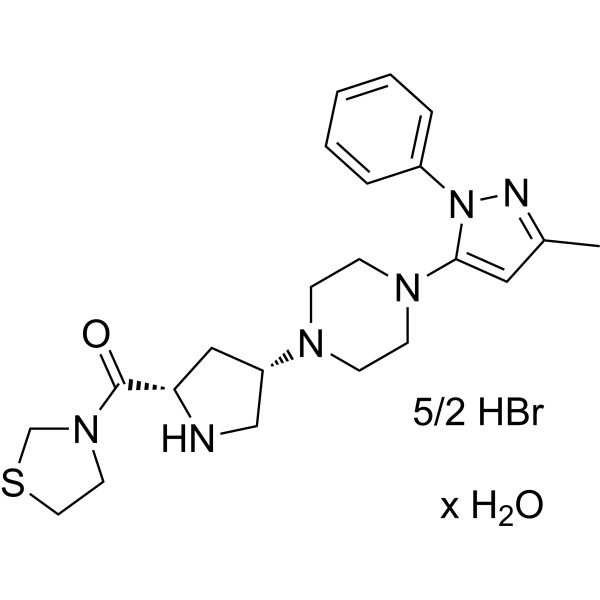
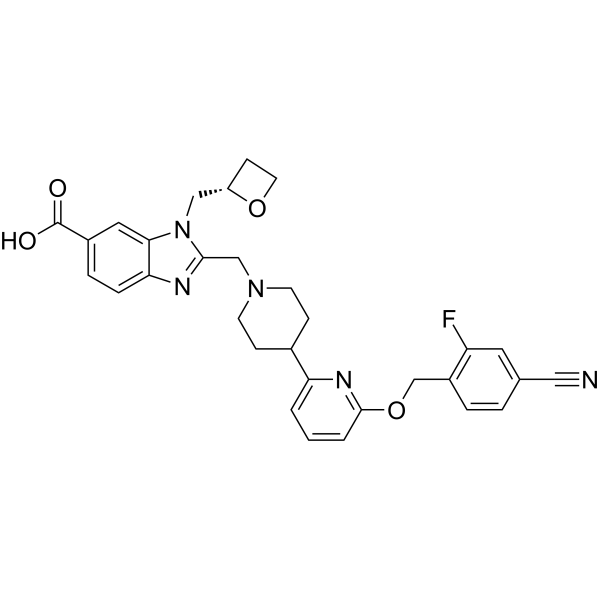
PF-06882961
|
GCGR
|
Metabolic Disease
|
|
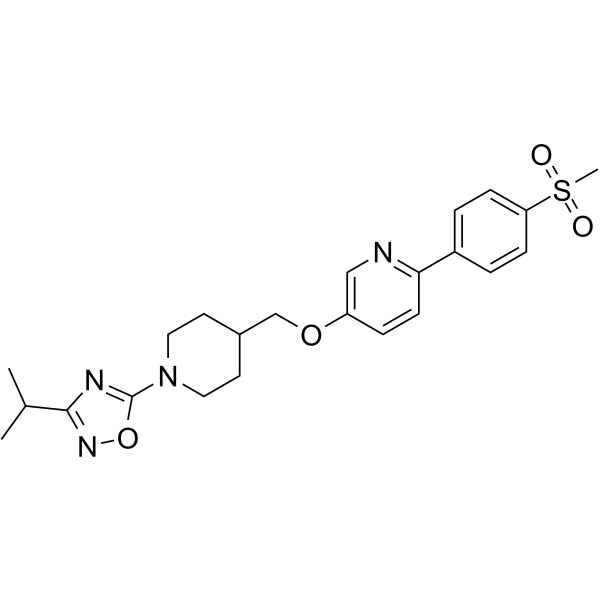
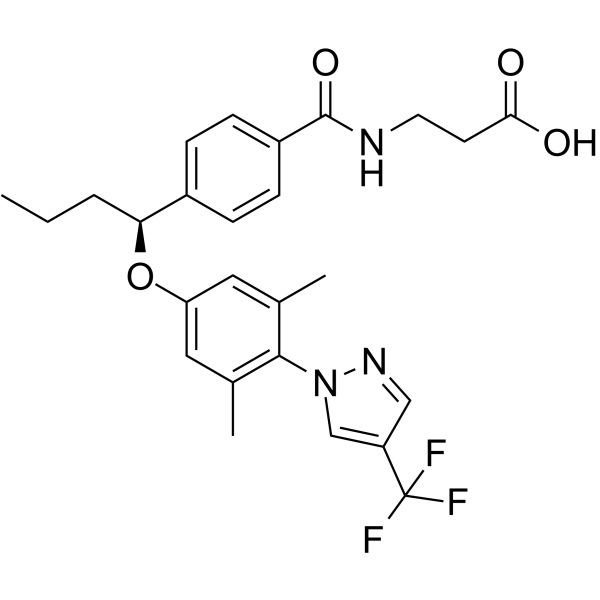
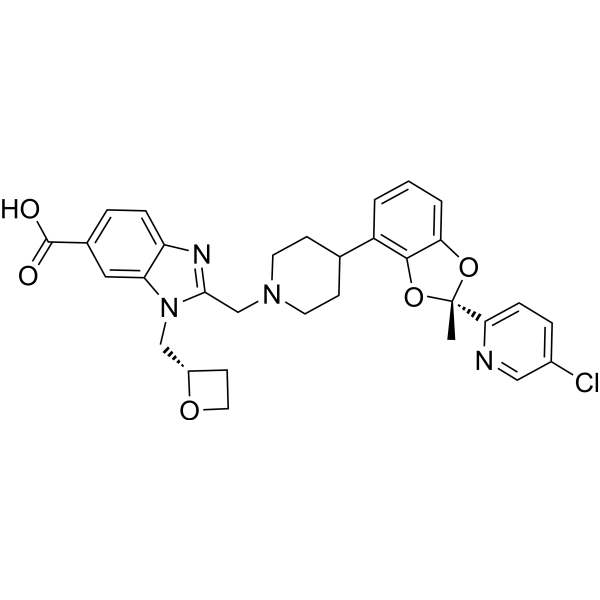
Danuglipron (PF-06882961) is an orally active glucagon-like peptide-1 receptor (GLP-1R) agonist. Danuglipron has the potential for type 2 diabetes research [2].
|
-
-
- HY-13687
-
IKK 16
Maximum Cited Publications
29 Publications Verification
|
IKK
LRRK2
P-glycoprotein
PKD
NF-κB
TNF Receptor
Interleukin Related
|
Cardiovascular Disease
Inflammation/Immunology
|
|
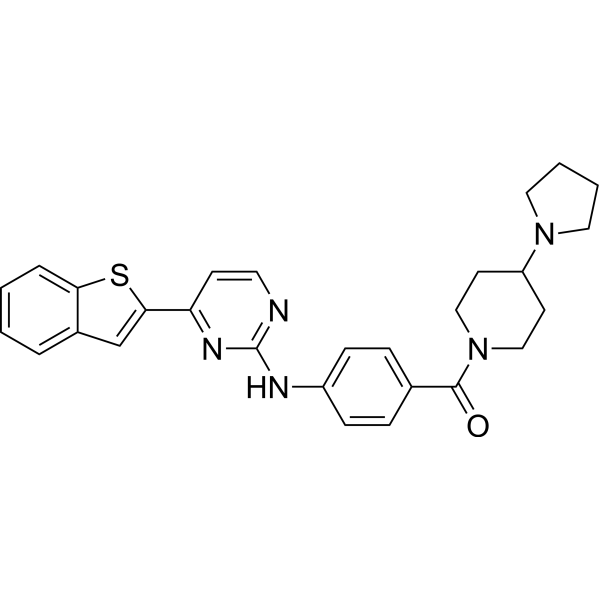
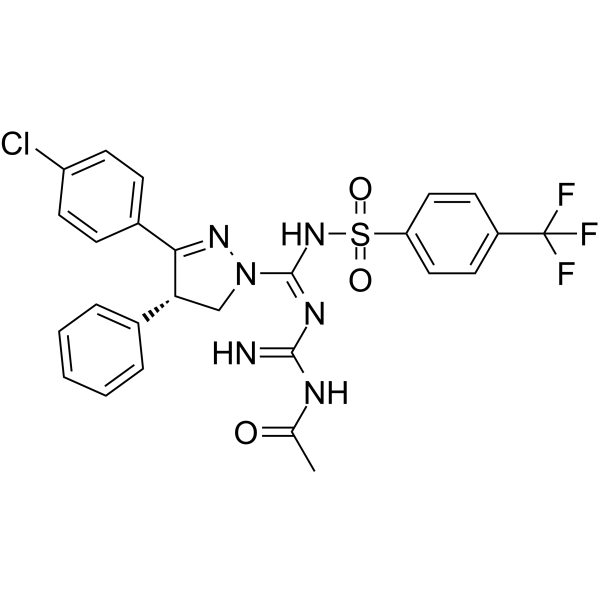
IKK 16 is an orally active IKK inhibitor. IKK 16 shows IC50s of 40 nM, 70 nM, 200 nM, and 50 nM for IKK2, IKK complex, IKK1, and LRRK 2, respectively. IKK 16 is also a pan-PKD inhibitor, inhibiting PKD1, PKD2, and PKD3 with IC50s of 153.9, 115, and 99.7 nM, respectively. IKK 16 is also an ABCB1 inhibitor, interfering with the binding of ABCB1 to its substrates. IKK 16 protects against LPS (HY-D1056)-induced multiple organ dysfunction by reducing the acute inflammatory response induced by endotoxin exposure. IKK 16 can restore renal function and alleviate fibrosis in acute kidney injury. IKK 16 attenuates cardiac dysfunction associated with polymicrobial sepsis in mice with type 2 diabetes mellitus (T2DM) by inhibiting the NF-κB pathway [2] .
|
-
-
- HY-P3366
-
|
XW003
|
GCGR
|
Metabolic Disease
|
|
Ecnoglutide (XW003) is a long-acting, cAMP-biased glucagon-like peptide 1 (GLP-1) receptor agonist. Ecnoglutide can be used for research of T2DM and obesity [2].
|
-
-
- HY-153865
-
|
PF-07081532
|
GLP Receptor
|
Metabolic Disease
|
|
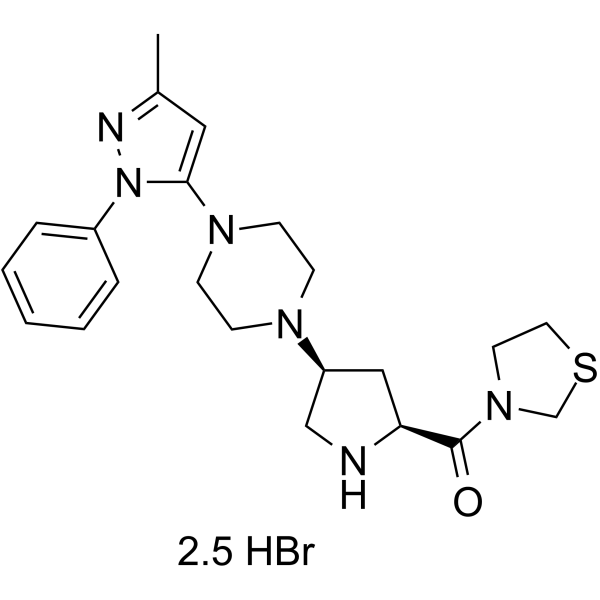
Lotiglipron (PF-07081532) is an orally active GLP-1R agonist. Lotiglipron reduces glucose and body weight, and can be used for research of Type 2 diabetes mellitus (T2DM) .
|
-
-
- HY-177295
-
|
LY3549492
|
GLP Receptor
Phosphodiesterase (PDE)
|
Neurological Disease
Metabolic Disease
Inflammation/Immunology
Cancer
|
|
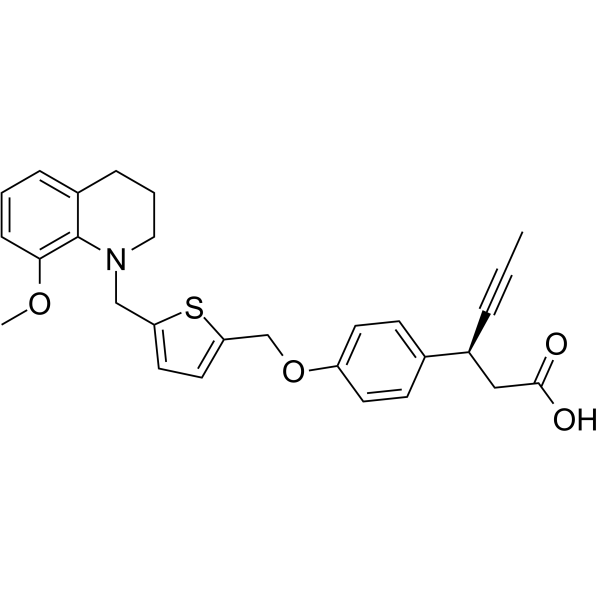
Naperiglipron (LY3549492) is an orally active Glucagon-like peptide 1 receptor (GLP-1R) agonist with an EC50 of 1.14 nM for hGLP-1R. Naperiglipron significantly decreases the level of blood glucose in GLP-1R knock-in mouse models. Naperiglipron inhibits PDE10A1 enzyme activity (IC50: 7.43 μM) with a weak hERG inhibitory activity. Naperiglipron can be used for type II diabetes mellitus (T2DM) and obesity research .
|
-
-
- HY-153800
-
-
-
- HY-N7426
-
|
3-Deoxy-D-glucosone
|
GLP Receptor
|
Metabolic Disease
|
|
3-Deoxyglucosone (3-Deoxy-D-glucosone) is a reactive intermediate of the Maillard reaction and the polyol pathway. 3-Deoxyglucosone rapidly reacts with protein amino groups to form advanced glycation end products (AGEs), such as imidazolone, it is the most specific AGE for 3-DG. 3-Deoxyglucosone synergizes with low glucose to potentiate GLP-1 secretion and is considered as a biomarker for diabetes [2] .
|
-
-
- HY-19947
-
|
Glucagon receptor antagonists-4
|
GCGR
|
Metabolic Disease
|
|
PF-06291874 is a highly potent, non-peptide and orally active glucagon receptor antagonist. PF-06291874 is under the study for type 2 diabetes mellitus (T2DM) [2].
|
-
-
- HY-112668A
-
|
SP2086
|
Dipeptidyl Peptidase
|
Metabolic Disease
|
|
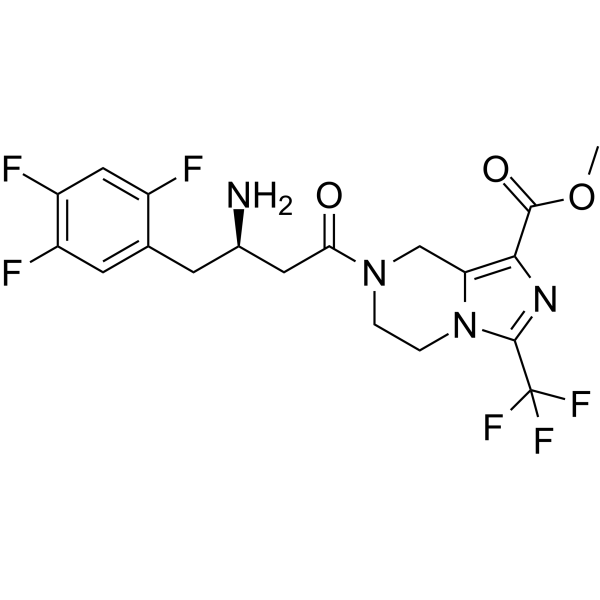
Retagliptin (SP2086) is a selective, competitive and orally active dipeptidyl peptidase-4 (DPP-4) inhibitor. Retagliptin can be used for type 2 diabetes mellitus (T2DM) research .
|
-
-
- HY-12066
-
|
|
GPR119
|
Metabolic Disease
Inflammation/Immunology
|
|
GSK-1292263 is an orally available GPR119 agonist with pEC50s of 6.9 and 6.7 for human and rat GPR119, respectively. GSK-1292263 can be used for the research of type 2 diabetes mellitus (T2DM) .
|
-
-
- HY-P99614
-
|
BFKB8488A; RG-7992; RO-7040551
|
FGFR
|
Metabolic Disease
|
|
Fazpilodemab (BFKB8488A) is a humanized bispecific IgG1 antibody that selectively targets and activates fibroblast growth factor receptor 1c (FGFR1c) and Klothoβ. Fazpilodemab can be used for the research of type 2 diabetes mellitus (T2DM) or nonalcoholic fatty liver disease (NAFLD) .
|
-
-
- HY-15408
-
|
SYR-472
|
Dipeptidyl Peptidase
|
Metabolic Disease
|
|
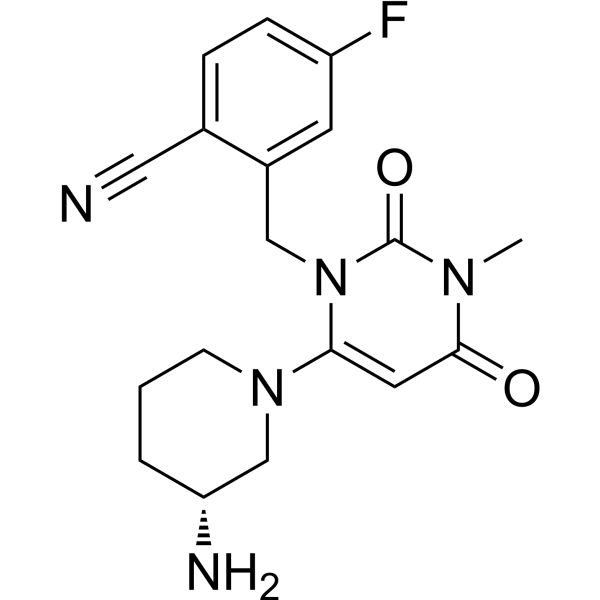
Trelagliptin (SYR-472) is a potent, orally active and highly selective DPP-4 inhibitor with an IC50 of 4 nM. Trelagliptin succinate improves glycemic control in vivo and can be used for the study of type 2 diabetes mellitus (T2DM) .
|
-
-
- HY-147257
-
|
HSK7653
|
Dipeptidyl Peptidase
|
Metabolic Disease
|
|
Cofrogliptin (HSK7653) (compound 2), a tetrahydropyran derivative, is a potent oral dipeptidyl aminopeptidase 4 (DPP-4) inhibitor with Long-acting antidiabetic efficacy. Cofrogliptin (compound 2) has a great potential for type 2 diabetes mellitus (T2DM) .
|
-
-
- HY-136717
-
|
|
FBPase
|
Metabolic Disease
|
|
FBPase-1 inhibitor-1 (Compound 1) is an allosteric FBPase-1 inhibitor with an IC50 of 3.3 μM or 3.9 μM. FBPase-1 inhibitor-1 blocks gluconeogenesis by inhibiting FBPase-1. FBPase-1 inhibitor-1 can be used for the research of type 2 diabetes (t2dm) .
|
-
-
- HY-Y0399
-
|
Norvaline
|
Amyloid-β
TNF Receptor
Arginase
|
Neurological Disease
Metabolic Disease
|
|
L-Norvaline is the inhibitor for arginase, that promotes the production of NO, reduces oxidative stress, improves insulin resistance, and exhibits antioxidant and anti-hyperglycemic effects. L-Norvaline can be used in research of Alzheimer’s disease [2].
|
-
-
- HY-14928
-
-
-
- HY-15527
-
|
AC-5216; XBD-173
|
TSPO
|
Neurological Disease
Metabolic Disease
|
|
Emapunil (AC-5216), an orally active and selective TSPO (a mitochondrial benzodiazepine receptor) ligand, produces anti-anxiety and antidepressant-like effects in various animal models [2].
|
-
-
- HY-N1419
-
-
-
- HY-112668
-
|
SP2086 phosphate
|
Dipeptidyl Peptidase
|
Metabolic Disease
|
|
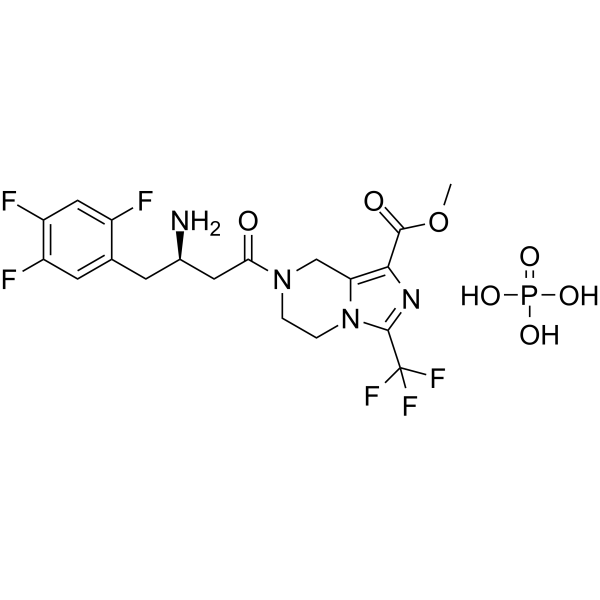
Retagliptin phosphate (SP2086 phosphate) is a selective, competitive and orally active dipeptidyl peptidase-4 (DPP-4) inhibitor. Retagliptin phosphate can be used for type 2 diabetes mellitus (T2DM) research .
|
-
-
- HY-132205
-
|
|
Estrogen Receptor/ERR
|
Metabolic Disease
|
|
DS45500853 is an estrogen-related receptor α (ERRα) agonist. DS45500853 inhibits the binding between receptor-interacting protein 140 (RIP140) corepressor peptide (10 nM) and GST-ERRα ligand-binding domain (LBD; 1.2 μM) with an IC50 value of 0.80 μM. DS45500853 can be used for the research of metabolic disorders, including type 2 diabetes mellitus (T2DM) .
|
-
-
- HY-15408A
-
|
SYR-472 succinate
|
Dipeptidyl Peptidase
|
Metabolic Disease
|
|
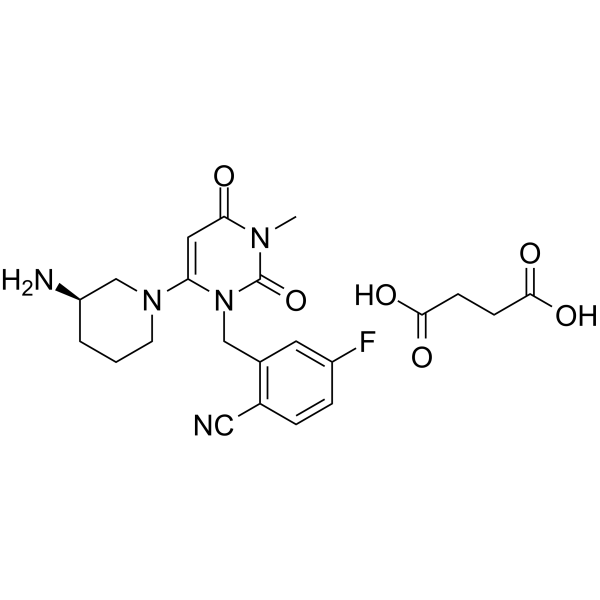
Trelagliptin (SYR-472) succinate is a potent, orally active and highly selective DPP-4 inhibitor with an IC50 of 4 nM. Trelagliptin succinate improves glycemic control in vivo and can be used for the study of type 2 diabetes mellitus (T2DM) .
|
-
-
- HY-B1021
-
|
|
Free Fatty Acid Receptor
|
Cardiovascular Disease
Metabolic Disease
|
|
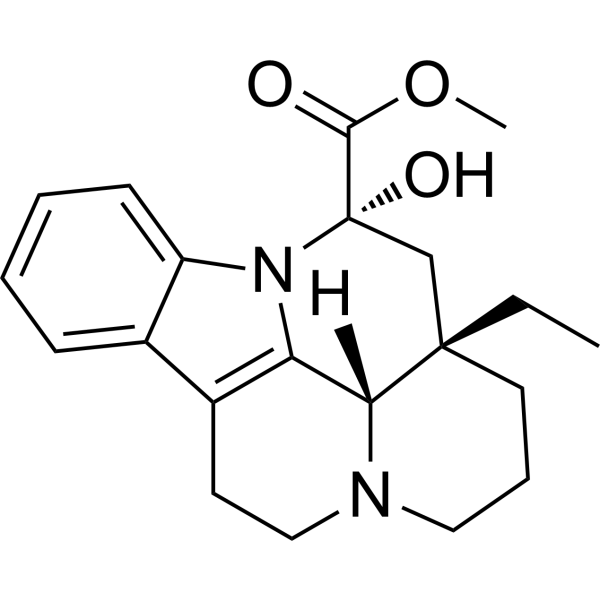
Vincamine is a monoterpenoid indole alkaloid extracted from the Madagascar periwinkle. Vincamine is a peripheral vasodilator and exerts a selective vasoregulator action on the brain microcapilar circulation . Vincamine is a GPR40 agonist and acts as a β-cell protector by ameliorating β-cell dysfunction and promoting glucose-stimulated insulin secretion (GSIS). Vincamine improves glucose homeostasis in vivo, and has the potential for the type 2 diabetes mellitus (T2DM) research [2].
|
-
-
- HY-14806A
-
-
-
- HY-120274
-
-
-
- HY-13687A
-
|
|
IKK
LRRK2
P-glycoprotein
PKD
NF-κB
TNF Receptor
Interleukin Related
|
Cardiovascular Disease
Inflammation/Immunology
|
|
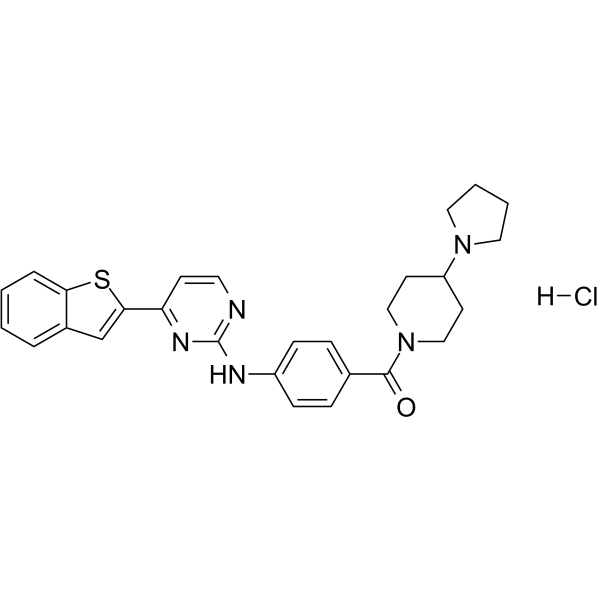
IKK 16 hydrochloride is an orally active IKK inhibitor. IKK 16 hydrochloride shows IC50s of 40 nM, 70 nM, 200 nM, and 50 nM for IKK2, IKK complex, IKK1, and LRRK 2, respectively. IKK 16 hydrochloride is also a pan-PKD inhibitor, inhibiting PKD1, PKD2, and PKD3 with IC50s of 153.9, 115, and 99.7 nM, respectively. IKK 16 hydrochloride is also an ABCB1 inhibitor, interfering with the binding of ABCB1 to its substrates. IKK 16 hydrochloride protects against LPS (HY-D1056)-induced multiple organ dysfunction by reducing the acute inflammatory response induced by endotoxin exposure. IKK 16 hydrochloride can restore renal function and alleviate fibrosis in acute kidney injury. IKK 16 hydrochloride attenuates cardiac dysfunction associated with polymicrobial sepsis in mice with type 2 diabetes mellitus (T2DM) by inhibiting the NF-κB pathway [2] .
|
-
-
- HY-119222
-
|
|
GPR109A
|
Metabolic Disease
|
|
GSK256073 is a potent, selective and orally active GPR109A agonist and a long-lasting and non-flushing HCA2 full agonist with a pEC50 of 7.5 (human HCA2). GSK256073 acutely improves glucose homeostasis via inhibition of lipolysis and has the potential for the study of type 2 diabetes mellitus (T2DM)and dyslipidemia [2]. GPR109A: G-protein coupled receptor 109A; HCA2: hydroxy-carboxylic acid receptor 2
|
-
-
- HY-N0500
-
|
|
Glycosidase
Autophagy
|
Metabolic Disease
Endocrinology
|
|
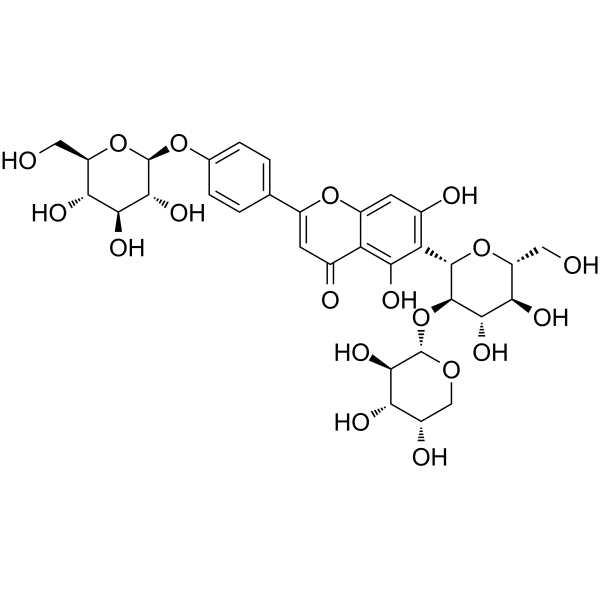
Mogroside III is a triterpenoid glycoside. Mogroside III exhibits maltase inhibitory effect with an IC50 value of 1.6 mM. Mogroside III enhances oocyte developmental potential by promoting autophagy in cumulus cells. Mogroside III, as the active ingredient of the low-polarity glycoside component (L-SGgly), L-SGgly can increase serum GLP-1 levels, improve insulin resistance, and reduce IL-6 levels, and has hypoglycemic, lipid-regulating and anti-inflammatory effects. Mogroside III can be used for the studies of type 2 diabetes mellitus (T2DM) and assisted reproductive technology [2] .
|
-
-
- HY-19835
-
|
|
Free Fatty Acid Receptor
|
Metabolic Disease
|
|
LY2922470 is a selective and orally active agonist for the G protein-coupled receptor 40 (GPR40). LY2922470 activates GPR40-mediated β-arrestin recruitment with EC50s of 7 nM (human GPR40), 1 nM (mouse GPR40) and 3 nM (rat GPR40). LY2922470 can be used for research of type 2 diabetes mellitus (T2DM) .
|
-
-
- HY-14806B
-
-
-
- HY-155157
-
|
|
Endogenous Metabolite
|
Cardiovascular Disease
|
|
PF-07247685 is a BCKDC kinase (BDK) inhibitor (EC50=2.2 nM). PF-07247685 stabilizes the interaction between BDK and BCKDH core subunit E2 and prevents phosphorylation of E1. While BDK mediates branched-chain ketoacid dehydrogenase (BCKDH) phosphorylation, and inhibition of BCKDH is involved in controlling the rate-limiting step of branched-chain amino acid (BCAA) degradation. Impaired BCAA catabolism has been associated with several diseases, particularly cardiometabolic diseases, including heart failure (HF), type 2 diabetes mellitus (T2DM), non-alcoholic fatty liver disease (NAFLD), and obesity. PF-07247685 improved cardiometabolic endpoints and improves glucose tolerance in mice .
|
-
-
- HY-114191B
-
|
|
Somatostatin Receptor
|
Metabolic Disease
Endocrinology
|
|
SSTR5 antagonist 2 hydrochloride is a highly potent, oral active and selective somatostatin (receptor) subtype 5 (SSTR5) antagonist and has potential for the research of type 2 diabetes mellitus (T2DM) .
|
-
-
- HY-143201
-
|
|
Estrogen Receptor/ERR
|
Metabolic Disease
|
|
DS20362725 is an estrogen-related receptor α (ERRα) agonist. DS20362725 inhibits the binding between receptor-interacting protein 140 (RIP140) corepressor peptide (10 nM) and GST-ERRα ligand-binding domain (LBD; 1.2 μM) with an IC50 value of 0.6 μM. DS20362725 can be used for the research of metabolic disorders, including type 2 diabetes mellitus (T2DM) .
|
-
-
- HY-150701
-
|
|
Glucocorticoid Receptor
Mineralocorticoid Receptor
11β-HSD
|
Metabolic Disease
|
|
INCB13739 is an orally active, potent, selective and tissue-specific11β-HSD1 (11β-hydroxysteroid dehydrogenase 1) inhibitor, with IC50 values of 3.2 nM (11β-HSD1 enzymatic) and 1.1 nM (11β-HSD1 PBMC), respectively. INCB13739 can be used for type 2 diabetes mellitus (T2DM) and obesity research .
|
-
-
- HY-W587977
-
-
-
- HY-153798
-
|
|
GLP Receptor
|
Metabolic Disease
|
|
GLP-1 receptor agonist 10 (compound 42) is an agonist of GLP Receptor. GLP-1 receptor agonist 10 inhibits food intake and reduces glucose excursion in mice. GLP-1 receptor agonist 10 can be used in the study of type 2 diabetes (T2DM) and obesity .
|
-
-
- HY-163996
-
|
|
GLP Receptor
Potassium Channel
Cytochrome P450
|
Metabolic Disease
|
|
DD202-114 is a potent and selective GLP1R agonist. DD202-114 inhibits hERG with an IC50 of 15.9 μM. DD202-114 exhibits strong CYP2C8 inhibition with an IC50 of 0.22 μM. DD202-114 promotes cAMP accumulation. DD202-114 reduces blood glucose levels and food intake. DD202-114 has the potential to be used in the study of type 2 diabetes mellitus (T2DM) and obesity [2].
|
-
-
- HY-14928A
-
-
-
- HY-19842
-
|
CVT 3619
|
Adenosine Receptor
|
Cardiovascular Disease
Metabolic Disease
|
|
GS-9667 (CVT 3619), a novel N 6-5'-substituted adenosine analog, is a selective, partial agonist of the A1 adenosine receptor (A1AdoR). GS-9667 binds to adipocyte membranes with high (KH=14 nM) and low (KL=5.4 μM) affinities. GS-9667 reduces cyclic AMP content and release of nonesterified fatty acids from epididymal adipocytes with IC50 values of 6 nM and 44 nM, respectively. GS-9667 inhibits lipolysis and has the potential for Type 2 diabetes (T2DM) and dyslipidemia via lowering of free fatty acids (FFA) [2].
|
-
-
- HY-10449A
-
|
TS 071 hydrate
|
SGLT
|
Metabolic Disease
|
|
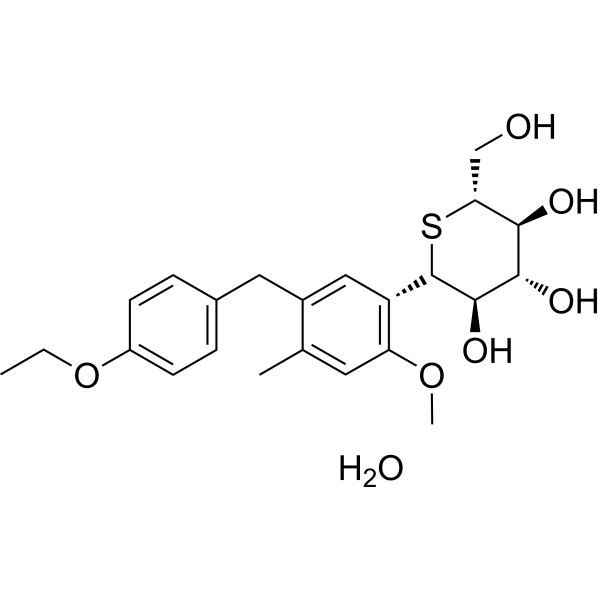
Luseogliflozin (TS 071) hydrate is a selective potent and orally active second-generation sodium-glucose co-transporter 2 (SGLT2) inhibitor with an IC50 of 2.26 nM. Luseogliflozin hydrate can be used for the research of type 2 diabetes mellitus (T2DM) [2].
|
-
-
- HY-176745
-
|
|
VDAC
|
Metabolic Disease
Endocrinology
|
|
SW016789 is a hypersecretion-inducer targeting VDAC1. SW016789 can induce insulin hypersecretion and Ca 2+ influx in β-cells directly. SW016789 induces a transient endoplasmic reticulum stress response (ER stress), but does not cause beta cell death. SW016789 has reversible and non-apoptotic characteristics. SW016789 can be used for the study of Diabetes mellitus type 2 (T2DM) β-cell dysfunction [2].
|
-
-
- HY-147351
-
-
-
- HY-153113
-
|
DJT1116PG
|
SGLT
|
Endocrinology
|
|
Rongliflozin (DJT1116PG) is a selective and orally active inhibitor of sodium-glucose co-transporter-2 (SGLT-2). Rongliflozin can be used for the research of type 2 diabetes mellitus (T2DM) .
|
-
-
- HY-P11321A
-
|
acyl-GIP hydrochloride
|
Insulin Receptor
|
Metabolic Disease
|
|
IUB0271 (acyl-GIP) hydrochloride is a fatty acylated and long-acting glucose-dependent insulinotropic polypeptide (GIP). IUB0271 hydrochloride increases cFos neuronal activity in hypothalamic feeding centers and decreases body weight, food intake and glycemia in DIO mouse models, and these effects depend on CNS-GIPR signaling. IUB0271 hydrochloride can be used for type 2 diabetes mellitus (T2DM) and obesity research .
|
-
-
- HY-P11321
-
|
acyl-GIP
|
Insulin Receptor
|
Metabolic Disease
|
|
IUB0271 (acyl-GIP) is a fatty acylated and long-acting glucose-dependent insulinotropic polypeptide (GIP). IUB0271 increases cFos neuronal activity in hypothalamic feeding centers and decreases body weight, food intake and glycemia in DIO mouse models, and these effects depend on CNS-GIPR signaling. IUB0271 can be used for type 2 diabetes mellitus (T2DM) and obesity research .
|
-
-
- HY-128781
-
|
|
GCGR
|
Metabolic Disease
|
|
Glucagon receptor antagonist-5 (compound 13K) is a potent and orally bioavailable indazole-based glucagon receptor antagonist (Ki=32 nM). Glucagon receptor antagonist-5 has potential for the treatment of type 2 diabetes mellitus (T2DM) .
|
-
-
- HY-122706A
-
|
|
IPK Superfamily
|
Metabolic Disease
|
|
IP6K2-IN-2 (Compound 6) is an IP6K2 inhibitor, with IC50 values of 0.58 μM (IP6K2), 0.86 μM (IP6K1) and 3.08 μM (IP6K3). IP6K2-IN-2 can be used in research of obesity .
|
-
-
- HY-14928S1
-
-
-
- HY-117075
-
|
|
SGLT
|
Metabolic Disease
|
|
BI-44847 is a selective and orally active SGLT2 inhibitor. BI-44847 can increase UGE and decrease HbA1c levels. BI-44847 shows improvement in fasting and fed glucose levels. BI-44847 can be studied in research on type 2 diabetes mellitus (T2DM) .
|
-
-
- HY-15408S
-
|
SYR-472-13C,d3
|
Isotope-Labeled Compounds
Dipeptidyl Peptidase
|
Metabolic Disease
|
|
Trelagliptin-13C,d3 is a deuterated labeled Trelagliptin . Trelagliptin (SYR-472) is a potent, orally active and highly selective DPP-4 inhibitor with an IC50 of 4 nM. Trelagliptin succinate improves glycemic control in vivo and can be used for the study of type 2 diabetes mellitus (T2DM) [2].
|
-
-
- HY-178780
-
|
|
GPR119
|
Metabolic Disease
|
|
MKP10241 is an orally active GPR119 agonist. MKP10241 elevates cAMP levels in the GPR119 expressing cell line (EC50: 3.7 nM). MKP10241 reduces blood glucose levels and HbA1c in acute models and a chronic diabetic mouse model. MKP10241 also demonstrates excellent preclinical efficacy in acute as well as chronic rodent models of obesity, and MASH .
|
-
- HY-147623
-
-
- HY-147628
-
-
- HY-168481
-
|
|
GLP Receptor
|
Metabolic Disease
|
|
GLP-1R agonist 27 (compound 21) is a potent and orally active GLP-1R agonist. GLP-1R agonist 27 promots cyclic adenosine monophosphate (cAMP) accumulation. GLP-1R agonist 27 reduces blood glucose levels and food intake. GLP-1R agonist 27 has the potential for the research of obesity and type 2 diabetes mellitus (T2DM) .
|
-
- HY-125824A
-
|
PF-06882961 tromethamine
|
GCGR
|
Metabolic Disease
|
|
Danuglipron (PF-06882961) tromethamine is an orally active glucagon-like peptide-1 receptor (GLP-1R) agonist. Danuglipron tromethamine has the potential for type 2 diabetes research [2].
|
-
- HY-151383
-
|
|
Dipeptidyl Peptidase
|
Metabolic Disease
|
|
DPP-4-IN-1 (compound d1) is a potent DPP-4 (dipeptidyl peptidase 4) inhibitor, with an IC50of 49 nM. DPP-4-IN-1 is a structurally analogs of Alogliptin (HY-A0023A). DPP-4-IN-1 can be used for diabetes research .
|
-
- HY-178958
-
|
|
PPAR
Adenosine Receptor
Fatty Acid Synthase (FASN)
Endogenous Metabolite
|
Metabolic Disease
Inflammation/Immunology
Endocrinology
|
|
PPAR agonist 7 is an orally active pan-PPAR agonist, demonstrating potent activation of all three subtypes, PPARα (EC50 = 1.51 μM), PPARδ (EC50 = 1.11 μM), and PPARγ (EC50 = 3.14 μM). PPAR agonist 7 significantly enhances glucose uptake in adipocytes while exhibiting minimal adipogenic activity. PPAR agonist 7 can suppress PPARγ Ser273 phosphorylation in white adipose tissue and upregulate insulin-sensitizing genes. PPAR agonist 7 does not cause weight gain or fluid retention in high-fat diet (HFD)/
Streptozotocin (HY-13753) (STZ)-induced type 2 diabetes mellitus (T2DM) models. PPAR agonist 7 has selective modulation of PPAR signaling pathways without activation of adipogenic gene programs. PPAR agonist 7 can be used for the study of diabetes .
|
-
- HY-Y0399R
-
|
|
Amyloid-β
Reference Standards
TNF Receptor
Arginase
|
Neurological Disease
Metabolic Disease
|
|
L-Norvaline (Standard) is the analytical standard of L-Norvaline (HY-Y0399). This product is intended for research and analytical applications. L-Norvaline is the inhibitor for arginase, that promotes the production of NO, reduces oxidative stress, improves insulin resistance, and exhibits antioxidant and anti-hyperglycemic effects. L-Norvaline can be used in research of Alzheimer’s disease [2].
|
-
- HY-163886
-
|
|
Ketohexokinase
|
Metabolic Disease
|
|
KHK-IN-5 (Compound 18) is a KHK inhibitor. KHK-IN-5 can be used for the research of nonalcoholic fatty liver disease (NAFLD), nonalcoholic steatohepatitis (NASH), and type 2 diabetes (T2DM) .
|
-
- HY-155156
-
|
|
Endogenous Metabolite
|
Cardiovascular Disease
|
|
PF-07238025 is a BCKDC kinase (BDK) inhibitor (EC50=19 nM). PF-07238025 stabilizes the interaction between BDK and BCKDH core subunit E2 and prevents phosphorylation of E1. While BDK mediates branched-chain ketoacid dehydrogenase (BCKDH) phosphorylation, and inhibition of BCKDH is involved in controlling the rate-limiting step of branched-chain amino acid (BCAA) degradation. Impaired BCAA catabolism has been associated with several diseases, particularly cardiometabolic diseases, including heart failure (HF), type 2 diabetes mellitus (T2DM), non-alcoholic fatty liver disease (NAFLD), and obesity. PF-07238025 improved cardiometabolic endpoints and improves glucose tolerance in mice .
|
-
- HY-149332
-
|
|
Glycosidase
|
Metabolic Disease
|
|
α-Glucosidase-IN-26 (Compound 7i) is an α-glucosidase inhibitor (IC50=4.63 µM). α-Glucosidase-IN-26 can be used in the study of type 2 diabetes mellitus (T2DM) .
|
-
- HY-114191
-
|
|
Somatostatin Receptor
|
Metabolic Disease
Endocrinology
|
|
SSTR5 antagonist 2 (compound 10) is a highly potent, oral active and selective somatostatin (receptor) subtype 5 (SSTR5) antagonist and has potential for the research of treat type 2 diabetes mellitus (T2DM) .
|
-
- HY-114191A
-
|
|
Somatostatin Receptor
|
Metabolic Disease
Endocrinology
|
|
SSTR5 Antagonist 1 (compound 10) is a highly potent, oral active and selective somatostatin (receptor) subtype 5 (SSTR5) antagonist and has potential for the research of treat type 2 diabetes mellitus (T2DM) .
|
-
- HY-13687R
-
|
|
IKK
LRRK2
Reference Standards
P-glycoprotein
PKD
NF-κB
TNF Receptor
Interleukin Related
|
Inflammation/Immunology
|
|
IKK 16 (Standard) is the analytical standard of IKK 16. This product is intended for research and analytical applications. IKK 16 hydrochloride is an orally active IKK inhibitor. IKK 16 hydrochloride shows IC50s of 40 nM, 70 nM, 200 nM, and 50 nM for IKK2, IKK complex, IKK1, and LRRK 2, respectively. IKK 16 hydrochloride is also a pan-PKD inhibitor, inhibiting PKD1, PKD2, and PKD3 with IC50s of 153.9, 115, and 99.7 nM, respectively. IKK 16 hydrochloride is also an ABCB1 inhibitor, interfering with the binding of ABCB1 to its substrates. IKK 16 hydrochloride protects against LPS (HY-D1056)-induced multiple organ dysfunction by reducing the acute inflammatory response induced by endotoxin exposure. IKK 16 hydrochloride can restore renal function and alleviate fibrosis in acute kidney injury. IKK 16 hydrochloride attenuates cardiac dysfunction associated with polymicrobial sepsis in mice with type 2 diabetes mellitus (T2DM) by inhibiting the NF-κB pathway.
|
-
- HY-12066R
-
|
|
GPR119
|
Metabolic Disease
Inflammation/Immunology
|
|
GSK1292263 (Standard) is the analytical standard of GSK1292263. This product is intended for research and analytical applications. GSK-1292263 is an orally available GPR119 agonist with pEC50s of 6.9 and 6.7 for human and rat GPR119, respectively. GSK-1292263 can be used for the research of type 2 diabetes mellitus (T2DM) .
|
-
- HY-158037
-
|
|
Glycosidase
|
Metabolic Disease
|
|
α-Glucosidase-IN-55 (Compound 8g) is an orally active and competitive alpha-glucosidase inhibitor, with IC50 and Ki values of 12.1 and 9.66 µM, respectively. α-Glucosidase-IN-55 can be used for the research into type 2 diabetes mellitus (T2DM) to improve blood sugar control and metabolic health .
|
-
- HY-172757
-
|
|
Glycosidase
|
Metabolic Disease
|
|
α-Glucosidase-IN-88 (Compound 3K) is an orally active and potent α-glucosidase inhibitor with an IC50 value of 6.40 µM. α-Glucosidase-IN-88 inhibits carbohydrate hydrolysis by blocking the enzyme's ability to break down glycosidic bonds, thereby reducing postprandial blood glucose levels. α-Glucosidase-IN-88 is promising for research of type 2 diabetes mellitus (T2DM) .
|
-
- HY-149579
-
|
|
Glycosidase
|
Metabolic Disease
|
|
α-Glucosidase-IN-36 (compound 5g) is a potent α-glucosidase inhibitor, with an IC50 of 6.69 ± 0.18 μM, Ki and Kis of 1.65 μM and 4.54 μM, respectively. α-Glucosidase-IN-36 may inhibit α-glucosidase activity by binding with its active site as well as changing the secondary structure of α-glucosidase. α-Glucosidase-IN-36 can be used for type 2 diabetes mellitus (T2DM) research .
|
-
- HY-119222A
-
|
|
GPR109A
|
Metabolic Disease
|
|
GSK256073 tris is a potent, selective and orally active GPR109A agonist and a long-lasting and non-flushing HCA2 full agonist with a pEC50 of 7.5 (human HCA2). GSK256073 tris acutely improves glucose homeostasis via inhibition of lipolysis and has the potential for the study of type 2 diabetes mellitus (T2DM)and dyslipidemia [2]. GPR109A: G-protein coupled receptor 109A; HCA2: hydroxy-carboxylic acid receptor 2
|
-
- HY-159696
-
|
|
GCGR
|
Metabolic Disease
|
|
ISIS 449884 is a 2'-O-methoxyethyl antisense oligonucleotide that targets GCGR. ISIS 449884 has an ability to reduce hepatic glucose output and lower the blood glucose level. ISIS 449884 can be used for the study of type 2 diabetes mellitus (T2DM) .
|
-
- HY-159696A
-
|
|
GCGR
|
Metabolic Disease
|
|
ISIS 449884 sodium is a 2'-O-methoxyethyl antisense oligonucleotide that targets GCGR. ISIS 449884 sodium has an ability to reduce hepatic glucose output and lower the blood glucose level. ISIS 449884 sodium can be used for the study of type 2 diabetes mellitus (T2DM) .
|
-
- HY-176062
-
|
|
PPAR
|
Metabolic Disease
|
|
PPARγ modulator-3 (Compound 11) is a peroxisome proliferator-activated receptor γ (PPARγ) modulator with a KD value of 186 nM. PPARγ modulator-3 is promising for research of insulin resistance (IR)-related diseases, such as type 2 diabetes mellitus (T2DM) and metabolic syndrome .
|
-
- HY-15408R
-
|
SYR-472 (Standard)
|
Dipeptidyl Peptidase
Reference Standards
|
Metabolic Disease
|
|
Trelagliptin (Standard) is the analytical standard of Trelagliptin. This product is intended for research and analytical applications. Trelagliptin (SYR-472) is a potent, orally active and highly selective DPP-4 inhibitor with an IC50 of 4 nM. Trelagliptin succinate improves glycemic control in vivo and can be used for the study of type 2 diabetes mellitus (T2DM) .
|
-
- HY-B1021R
-
|
|
Reference Standards
Free Fatty Acid Receptor
|
Cardiovascular Disease
Metabolic Disease
|
|
Vincamine (Standard) is the analytical standard of Vincamine. This product is intended for research and analytical applications. Vincamine is a monoterpenoid indole alkaloid extracted from the Madagascar periwinkle. Vincamine is a peripheral vasodilator and exerts a selective vasoregulator action on the brain microcapilar circulation . Vincamine is a GPR40 agonist and acts as a β-cell protector by ameliorating β-cell dysfunction and promoting glucose-stimulated insulin secretion (GSIS). Vincamine improves glucose homeostasis in vivo, and has the potential for the type 2 diabetes mellitus (T2DM) research [2].
|
-
- HY-15408AR
-
|
SYR-472 succinate (Standard)
|
Reference Standards
Dipeptidyl Peptidase
|
Metabolic Disease
|
|
Trelagliptin (succinate) (Standard) is the analytical standard of Trelagliptin (succinate). This product is intended for research and analytical applications. Trelagliptin (SYR-472) succinate is a potent, orally active and highly selective DPP-4 inhibitor with an IC50 of 4 nM. Trelagliptin succinate improves glycemic control in vivo and can be used for the study of type 2 diabetes mellitus (T2DM) .
|
-
- HY-P10910
-
|
|
GLP Receptor
|
Metabolic Disease
|
|
Vensemaglutide is the agonist for glucagon-like peptide 1 (GLP-1) receptor. Vensemaglutide can be used in research of diabetes or other metabolic disorders .
|
-
- HY-173503
-
|
|
GLUT
|
Metabolic Disease
|
|
DS-1150b is an orally active GLUT4 activator. DS-1150b has the activity of activating GLUT4 transport and can promote the translocation of GLUT4 to the cell membrane in skeletal muscle cells. DS-1150b has shown hypoglycemic effects in the Zucker obese rat model and can be used in the study of type 2 diabetes mellitus (T2DM) .
|
-
- HY-P10305
-
|
PB-119
|
Insulin Receptor
|
Metabolic Disease
|
|
PB-119 is a PEGylated Exenatide. PB-119 decreases glycemic levels by improving beta-cell function and insulin resistance. PB-119 can be used for research of type 2 diabetes .
|
-
- HY-147629
-
-
- HY-123765
-
|
|
Acyltransferase
|
Metabolic Disease
|
|
JTT-553 is a DGAT1 inhibitor (IC50: 2.38 nM). JTT-553 reduces plasma concentrations of glucose, insulin, non-esterified fatty acids (NEFA), total cholesterol (TC), and hepatic triglycerides (TG). JTT-553 improves insulin-dependent glucose uptake and glucose intolerance in adipose tissue of DIO mice. JTT-553 reduces TNF-α mRNA levels and increases GLUT4 mRNA levels in adipose tissue of KK-Ay mice. JTT-553 improves adipose tissue insulin resistance and systemic glucose metabolism by reducing body weight. JTT-553 can be used in the study of obesity and type 2 diabetes mellitus (T2DM) [2].
|
-
- HY-149255
-
|
|
Phosphatase
Aldose Reductase
|
Metabolic Disease
|
|
PTP1B/AKR1B1-IN-2 (Compound 7f) is a dual PTP1B/AKR1B1 inhibitor (IC50s: 3.2 and 2.1 μM, Kis: 4.0 and 0.9μM). PTP1B/AKR1B1-IN-2 is an insulin-mimetic agent. PTP1B/AKR1B1-IN-2 improves glucose uptake in murine C2C12 myoblasts. PTP1B/AKR1B1-IN-2 can be used for research of Type 2 diabetes mellitus (T2DM) .
|
-
- HY-149254
-
|
|
Phosphatase
Aldose Reductase
|
Metabolic Disease
|
|
PTP1B/AKR1B1-IN-1 is a dual inhibitor of protein tyrosine phosphatase 1B (PTP1B) and aldose reductase (AKR1B1), with IC50s of 0.06 μM and 4.3 μM, respectively. PTP1B/AKR1B1-IN-1 also inhibits TC-PTP with an IC50 value of 9 μM. PTP1B/AKR1B1-IN-1 serves as an insulin-mimetic agent in murine myoblasts, and reduces AKR1B1-dependent sorbitol accumulation. PTP1B/AKR1B1-IN-1 inhibits development of type 2 diabetes mellitus (T2DM) to control blood glucose levels .
|
-
- HY-175590
-
|
|
Dipeptidyl Peptidase
|
Metabolic Disease
|
|
DPP-4-IN-17 is an orally active and selective dipeptidyl peptidase-4 (DPP-4) inhibitor with an IC50 value of 0.12 nM. DPP-4-IN-17 increases the enzyme's Km value (75.73 μM vs. 27.18 μM of substrate alone) and reduces catalytic efficiency. DPP-4-IN-17 reduces blood glucose levels and reverses weight loss in Streptozotocin (STZ) (HY-13753)/Nicotinamide (NA) (HY-B0150)-induced diabetic rats. DPP-4-IN-17 can be used for the study of type 2 diabetes mellitus (T2DM) .
|
-
- HY-178138
-
|
|
Glycosidase
|
Metabolic Disease
|
|
α-Glucosidase-IN-97 (Compound 9i) is a highly selective α-glucosidase inhibitor (IC50=1.05 μM). α-Glucosidase-IN-97 is promising for research of type 2 diabetes mellitus (T2DM) .
|
-
- HY-179508
-
|
|
Glycosidase
|
Metabolic Disease
|
|
α-Glucosidase-IN-103 (compound 5u) is a potent and competitive α-Glucosidase inhibitor with an IC50 of 5.38 µM and a Ki of 3.57 µM. α-Glucosidase-IN-103 can be used for type 2 diabetes (T2DM) research .
|
-
- HY-178383
-
|
|
Glycosidase
|
Metabolic Disease
|
|
α-Glucosidase-IN-98 is a potent orally active α-Glucosidase inhibitor with an IC50 of 18.1 μM. α-Glucosidase-IN-98 reversibly binds with α-Glucosidase via hydrogen bonds, electrostatic interactions and hydrophobic effects, which induces significant conformational alterations in the secondary structure of α-Glucosidase. α-Glucosidase-IN-98 decreases postprandial hyperglycemia in Starch (HY-B2225B)/Sucrose (HY-B1779)-challenged mice. α-Glucosidase-IN-98 can be used for type 2 diabetes mellitus (T2DM) research .
|
-
- HY-180489
-
|
|
GLP Receptor
|
Metabolic Disease
|
|
GLP-1R agonist 38 (page 15, compound 1) is a glucagon-like peptide-1 receptor (GLP-1R) agonist. GLP-1R agonist 38 can be used for the study of metabolic disorders and related diseases, including but not limited to type II diabetes mellitus (T2DM), obesity and non-alcoholic fatty liver disease (NASH) .
|
-
- HY-168961
-
|
|
Amylases
Glycosidase
|
Metabolic Disease
|
|
α-Amylase/α-Glucosidase-IN-18 (Compound 9g) is the inhibitor for α-Amylase and α-Glucosidase with IC50 of 49.17 nM and 10.71 nM. α-Amylase/α-Glucosidase-IN-18 can be used in research of type 2 diabetes mellitus .
|
-
- HY-173622
-
|
|
PPAR
|
Metabolic Disease
Endocrinology
|
|
PPARγ modulator-4 (Compound (I)) is a PPARγ inhibitor (KD: 3.75 μM). PPARγ modulator-4 can inhibit CDK5-mediated phosphorylation of PPARγ at Ser245. PPARγ modulator-4 can be used in insulin resistance research .
|
-
- HY-163907
-
|
|
Glycosidase
|
Metabolic Disease
|
|
α-Glucosidase-IN-71 (Compound 7h) is a competitive α-glucosidase inhibitor (IC50: 98.0 µM). α-Glucosidase-IN-71 can be used for research of carbohydrate-related diseases, especially type 2 diabetes mellitus .
|
-
- HY-170548
-
|
|
Amylases
|
Metabolic Disease
|
|
α-Amylase-IN-10 (Compound 15n) is an inhibitor for α-Amylase with an IC50 of 5.00 µM. α-Amylase-IN-10 can be used for research of type 2 diabetes mellitus .
|
-
- HY-14747
-
|
RO4389620
|
Glucokinase
|
Metabolic Disease
|
|
Piragliatin (RO4389620) is an activator for glucokinase, which reduces endogenous glucose production, increases β-cell function and glucose utilization, and thus decreases the blood glucose levels. Piragliatin exhibits antidiabetic efficacy .
|
-
- HY-151384
-
|
|
Dipeptidyl Peptidase
|
Metabolic Disease
|
|
DPP-4-IN-2 (compound b2) is a potent DPP-4 (dipeptidyl peptidase 4) inhibitor, with an IC50of 79 nM. DPP-4-IN-2 is a structurally analogs of Alogliptin (HY-A0023A). DPP-4-IN-2 can be used for diabetes research .
|
-
- HY-170569
-
|
|
Dipeptidyl Peptidase
Cytochrome P450
P-glycoprotein
|
Metabolic Disease
|
|
Cetagliptin is an orally active inhibitor for dipeptidyl peptidase 4 (DPP-4) and CYP2D6 (IC50 of 6 µM). Cetagliptin is a substrate for P-glycoprotein. Cetagliptin reduces the GLP-1 degradation, maintains the level of postprandial blood sugar, and can be used in type 2 diabetes mellitus research .
|
-
- HY-179602
-
|
|
PROTACs
11β-HSD
|
Metabolic Disease
|
|
PROTAC 11β-HSD1 Degrader 1 is a highly efficient PROTAC targeting 11β-HSD1 (Hydroxysteroid 11-beta dehydrogenase 1). PROTAC 11β-HSD1 Degrader 1 demonstrates ubiquitin-proteasome-dependent degradation of 11β-HSD1. PROTAC 11β-HSD1 Degrader 1 can be used for the study of type 2 diabetes mellitus (T2DM) .
|
-
- HY-151578
-
|
|
Dipeptidyl Peptidase
Carbonic Anhydrase
|
Metabolic Disease
|
|
DPP IV/hCA II-IN-1 is a potent and selective dipeptidyl peptidase IV (DPP IV) and carbonic anhydrase (CA) inhibitor with an IC50 value of 0.049 μM for DPP IV and with Ki values of 0.0361, 0.0428, 0.0941, 0.1328, 0.2615, and 3.034 μM for CA II, CA VB, CA VA, CA IX, CA I, and CA IV, respectively .
|
-
- HY-120657R
-
|
|
Reference Standards
CGRP Receptor
NF-κB
|
Cardiovascular Disease
Inflammation/Immunology
|
|
Flumethrin (Standard) is the analytical standard of Flumethrin. This product is intended for research and analytical applications. 9-PAHSA is an orally active endogenous GPR120 agonist (EC50=18 μM). 9-PAHSA significantly inhibits LPS-induced inflammatory responses by blocking the NF-κB pathway. 9-PAHSA induces adipocyte browning, enhances glucose uptake and reduces lipid accumulation, while improving mitochondrial function and the survival rate of steatotic hepatocytes. In terms of neuroprotection, 9-PAHSA regulates the expression of REST and BDNF in the prefrontal cortex of diabetic mice, and effectively prevents spatial working memory deficits and abnormal social behaviors. 9-PAHSA does not directly regulate insulin secretion or improve systemic insulin sensitivity, and possesses specific anti-inflammatory, metabolic regulatory and neuroprotective properties. 9-PAHSA can be used in the research of diabetes-related cognitive impairment, obesity and non-alcoholic fatty liver disease [2] .
|
-
- HY-15527R
-
|
AC-5216 (Standard); XBD-173 (Standard)
|
Reference Standards
TSPO
|
Neurological Disease
Metabolic Disease
|
|
Emapunil (Standard) is the analytical standard of Emapunil. This product is intended for research and analytical applications. Emapunil (AC-5216), an orally active and selective TSPO (a mitochondrial benzodiazepine receptor) ligand, produces anti-anxiety and antidepressant-like effects in various animal models [2].
|
-
- HY-161926
-
|
|
PPAR
|
Metabolic Disease
|
|
YGT-31 is a modulator for PPARγ with an IC50 of 1.72 μM, and a Ki of 0.62 μM. YGT-31 reduces blood glucose levels and improves insulin resistance in db/db mice type 2 diabetes models, through inhibition of CDK5-mediated PPARγ-Ser273 phosphorylation. YGT-31 exhibits anti-hepatic steatosis effect in mice non-alcoholic fatty liver disease (NAFLD) model .
|
-
- HY-N3628
-
-
- HY-181091
-
|
|
Glycosidase
|
Metabolic Disease
|
|
α-Glucosidase-IN-109 is an orally active α-glucosidase inhibitor with an IC50 of 0.0136 μM. α-Glucosidase-IN-109 modulates carbohydrate and lipid metabolism, reduces fasting blood glucose levels, alleviates weight loss, and exhibits protective effects on liver and kidney function. α-Glucosidase-IN-109 can be used in research related to type 2 diabetes .
|
-
- HY-147678
-
|
|
Free Fatty Acid Receptor
|
Metabolic Disease
|
|
GPR40 agonist 5 (compound I-14) is an orally active and potent GPR40 (G protein coupled receptor 40) agonist, with an EC50 of 47 nM. GPR40 agonist 5 decreases the levels of blood glucose and improves the glucose tolerance. GPR40 agonist 5 has sufficient effectiveness for the control of hyperglycemia state in type 2 diabetic mice . GPR40 agonist 5 is a click chemistry reagent, it contains an Alkyne group and can undergo copper-catalyzed azide-alkyne cycloaddition (CuAAc) with molecules containing Azide groups.
|
-
- HY-179729
-
|
|
Glycosidase
|
Metabolic Disease
|
|
α-Glucosidase-IN-106 (Compound 17F) is an inhibitor of α-glucosidase with an IC50 of 14.9 μM. α-Glucosidase-IN-106 can effectively inhibit the peak of blood glucose after sucrose loading in normal mice, and shows a more significant anti-hyperglycemic effect in diabetic mice. α-Glucosidase-IN-106 can be used for research on diabetes .
|
-
- HY-P10302A
-
|
|
GLP Receptor
|
Metabolic Disease
Inflammation/Immunology
|
|
GLP-1R/GIPR agonist-1 sodium is a dual GLP-1/GIP receptor agonist, with an EC50 of 0.57 nM for GLP-1R and an EC50 of 0.75 nM for GIPR. GLP-1R/GIPR agonist-1 sodium reduces food intake, inhibits weight gain, repairs islet damage, improves glucose tolerance, regulates serum lipid and liver enzyme levels, ameliorates hepatic vacuolization, reduces hepatic fat accumulation, delays the progression of hepatic fibrosis, and exhibits long-lasting hypoglycemic activity. GLP-1R/GIPR agonist-1 sodium can be used in research related to type 2 diabetes, obesity, and non-alcoholic steatohepatitis .
|
-
| Cat. No. |
Product Name |
Type |
-
- HY-W587977
-
|
3-Hydroxyhexadecanoylcarnitine
|
Biochemical Assay Reagents
|
|
3-Hydroxypalmitoylcarnitine (3-Hydroxyhexadecanoylcarnitine) is an acylcarnitine. Elevated levels of 3-Hydroxypalmitoylcarnitine are associated with cardiovascular disease (CVD) in type 2 diabetes mellitus (T2DM) .
|
| Cat. No. |
Product Name |
Target |
Research Area |
-
- HY-P3366
-
|
XW003
|
GCGR
|
Metabolic Disease
|
|
Ecnoglutide (XW003) is a long-acting, cAMP-biased glucagon-like peptide 1 (GLP-1) receptor agonist. Ecnoglutide can be used for research of T2DM and obesity [2].
|
-
- HY-P10302A
-
|
|
GLP Receptor
|
Metabolic Disease
Inflammation/Immunology
|
|
GLP-1R/GIPR agonist-1 sodium is a dual GLP-1/GIP receptor agonist, with an EC50 of 0.57 nM for GLP-1R and an EC50 of 0.75 nM for GIPR. GLP-1R/GIPR agonist-1 sodium reduces food intake, inhibits weight gain, repairs islet damage, improves glucose tolerance, regulates serum lipid and liver enzyme levels, ameliorates hepatic vacuolization, reduces hepatic fat accumulation, delays the progression of hepatic fibrosis, and exhibits long-lasting hypoglycemic activity. GLP-1R/GIPR agonist-1 sodium can be used in research related to type 2 diabetes, obesity, and non-alcoholic steatohepatitis .
|
-
- HY-P11321A
-
|
acyl-GIP hydrochloride
|
Insulin Receptor
|
Metabolic Disease
|
|
IUB0271 (acyl-GIP) hydrochloride is a fatty acylated and long-acting glucose-dependent insulinotropic polypeptide (GIP). IUB0271 hydrochloride increases cFos neuronal activity in hypothalamic feeding centers and decreases body weight, food intake and glycemia in DIO mouse models, and these effects depend on CNS-GIPR signaling. IUB0271 hydrochloride can be used for type 2 diabetes mellitus (T2DM) and obesity research .
|
-
- HY-P11321
-
|
acyl-GIP
|
Insulin Receptor
|
Metabolic Disease
|
|
IUB0271 (acyl-GIP) is a fatty acylated and long-acting glucose-dependent insulinotropic polypeptide (GIP). IUB0271 increases cFos neuronal activity in hypothalamic feeding centers and decreases body weight, food intake and glycemia in DIO mouse models, and these effects depend on CNS-GIPR signaling. IUB0271 can be used for type 2 diabetes mellitus (T2DM) and obesity research .
|
-
- HY-P10910
-
|
|
GLP Receptor
|
Metabolic Disease
|
|
Vensemaglutide is the agonist for glucagon-like peptide 1 (GLP-1) receptor. Vensemaglutide can be used in research of diabetes or other metabolic disorders .
|
-
- HY-P10305
-
|
PB-119
|
Insulin Receptor
|
Metabolic Disease
|
|
PB-119 is a PEGylated Exenatide. PB-119 decreases glycemic levels by improving beta-cell function and insulin resistance. PB-119 can be used for research of type 2 diabetes .
|
| Cat. No. |
Product Name |
Target |
Research Area |
Image |
-
- HY-P99614
-
|
BFKB8488A; RG-7992; RO-7040551
|
FGFR
|
Metabolic Disease
|
|
Fazpilodemab (BFKB8488A) is a humanized bispecific IgG1 antibody that selectively targets and activates fibroblast growth factor receptor 1c (FGFR1c) and Klothoβ. Fazpilodemab can be used for the research of type 2 diabetes mellitus (T2DM) or nonalcoholic fatty liver disease (NAFLD) .
|
-
(5)
| Cat. No. |
Product Name |
Category |
Target |
Chemical Structure |
-
- HY-N7426
-
-
-
- HY-Y0399
-
-
-
- HY-N1419
-
-
-
- HY-B1021
-
-
-
- HY-N0500
-
-
-
- HY-155157
-
|
|
Cardiovascular Disease
Natural Products
Classification of Application Fields
Endogenous metabolite
Disease Research Fields
Source Classification
|
Endogenous Metabolite
|
|
PF-07247685 is a BCKDC kinase (BDK) inhibitor (EC50=2.2 nM). PF-07247685 stabilizes the interaction between BDK and BCKDH core subunit E2 and prevents phosphorylation of E1. While BDK mediates branched-chain ketoacid dehydrogenase (BCKDH) phosphorylation, and inhibition of BCKDH is involved in controlling the rate-limiting step of branched-chain amino acid (BCAA) degradation. Impaired BCAA catabolism has been associated with several diseases, particularly cardiometabolic diseases, including heart failure (HF), type 2 diabetes mellitus (T2DM), non-alcoholic fatty liver disease (NAFLD), and obesity. PF-07247685 improved cardiometabolic endpoints and improves glucose tolerance in mice .
|
-
-
- HY-Y0399R
-
-
-
- HY-155156
-
-
-
- HY-B1021R
-
-
-
- HY-120657R
-
|
|
Structural Classification
Ketones, Aldehydes, Acids
Endogenous metabolite
Source Classification
|
Reference Standards
CGRP Receptor
NF-κB
|
|
Flumethrin (Standard) is the analytical standard of Flumethrin. This product is intended for research and analytical applications. 9-PAHSA is an orally active endogenous GPR120 agonist (EC50=18 μM). 9-PAHSA significantly inhibits LPS-induced inflammatory responses by blocking the NF-κB pathway. 9-PAHSA induces adipocyte browning, enhances glucose uptake and reduces lipid accumulation, while improving mitochondrial function and the survival rate of steatotic hepatocytes. In terms of neuroprotection, 9-PAHSA regulates the expression of REST and BDNF in the prefrontal cortex of diabetic mice, and effectively prevents spatial working memory deficits and abnormal social behaviors. 9-PAHSA does not directly regulate insulin secretion or improve systemic insulin sensitivity, and possesses specific anti-inflammatory, metabolic regulatory and neuroprotective properties. 9-PAHSA can be used in the research of diabetes-related cognitive impairment, obesity and non-alcoholic fatty liver disease [2] .
|
-
-
- HY-N3628
-
-
| Cat. No. |
Product Name |
Chemical Structure |
-
- HY-14928S1
-
|
|
|
Lobeglitazone-d4 is deuterium labeled Lobeglitazone. Lobeglitazone is a new type of thiazolidinedione. Lobeglitazone can be used to prevent type 2 diabetes mellitus (T2DM) [2].
|
-
-
- HY-15408S
-
|
|
|
Trelagliptin-13C,d3 is a deuterated labeled Trelagliptin . Trelagliptin (SYR-472) is a potent, orally active and highly selective DPP-4 inhibitor with an IC50 of 4 nM. Trelagliptin succinate improves glycemic control in vivo and can be used for the study of type 2 diabetes mellitus (T2DM) [2].
|
-
| Cat. No. |
Product Name |
|
Classification |
-
- HY-159696
-
|
|
|
Antisense Oligonucleotides
|
|
ISIS 449884 is a 2'-O-methoxyethyl antisense oligonucleotide that targets GCGR. ISIS 449884 has an ability to reduce hepatic glucose output and lower the blood glucose level. ISIS 449884 can be used for the study of type 2 diabetes mellitus (T2DM) .
|
-
- HY-159696A
-
|
|
|
Antisense Oligonucleotides
|
|
ISIS 449884 sodium is a 2'-O-methoxyethyl antisense oligonucleotide that targets GCGR. ISIS 449884 sodium has an ability to reduce hepatic glucose output and lower the blood glucose level. ISIS 449884 sodium can be used for the study of type 2 diabetes mellitus (T2DM) .
|
Your information is safe with us. * Required Fields.
Inquiry Information
- Product Name:
- Cat. No.:
- Quantity:
- MCE Japan Authorized Agent:

